Ask anyone who grew up with a dock out back and they’ll tell you the same thing: a house without water nearby feels like wearing shoes on the wrong feet. Everything works, nothing’s right. You can live a whole good life forty miles from the nearest shoreline and still catch yourself at odd hours, listening for something that isn’t there. The wiring runs deep. It gets in early, before you have words for it, and it stays long after you’ve moved somewhere sensible with a shorter commute. Here’s what that restlessness is made of, and why no amount of square footage fixes it.
Please note that some of the imagery in this article may have been enhanced with the assistance of AI.
20. They Instinctively Scan for the Nearest Shoreline
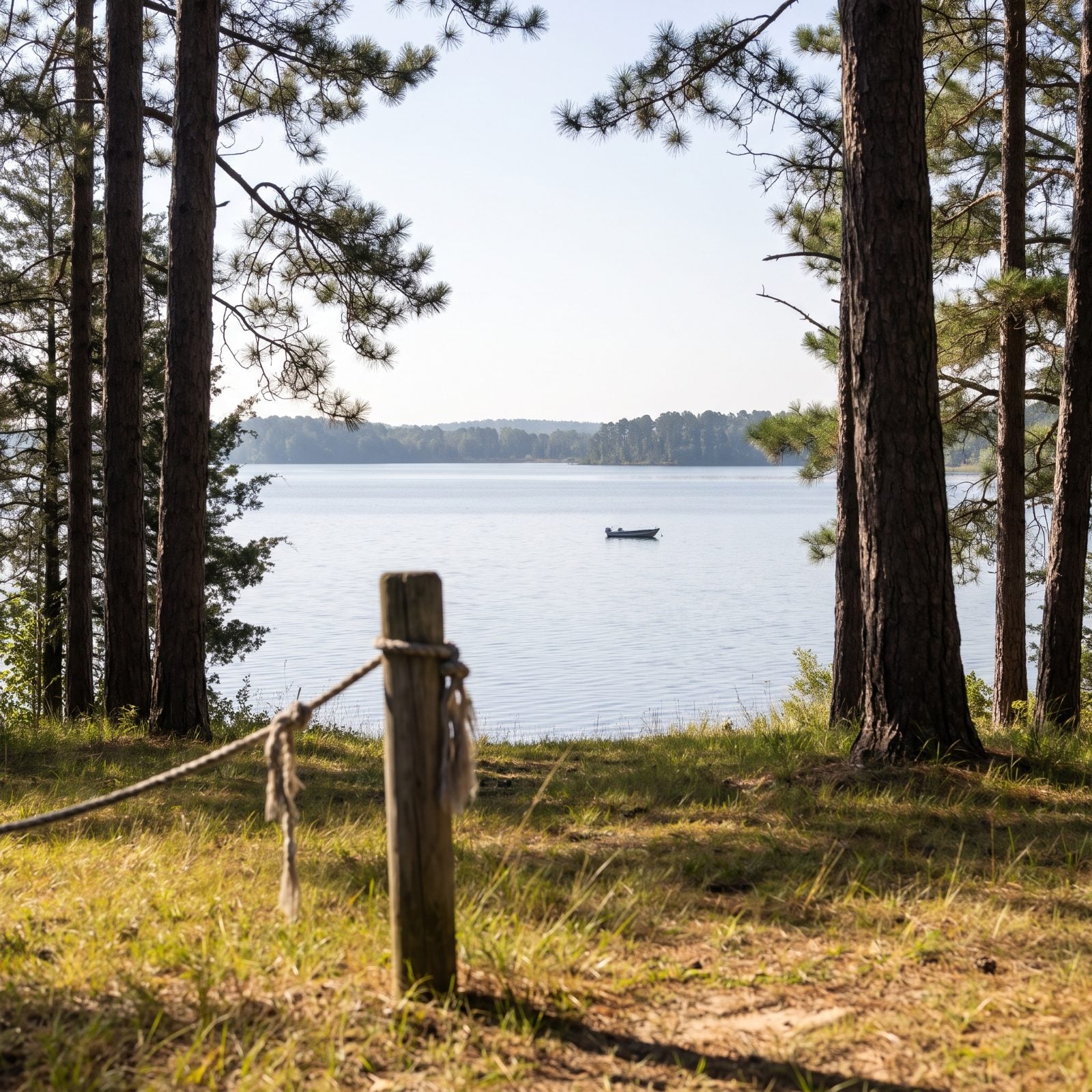
You do it without noticing. New town, new neighborhood, and the first thing your brain wants is a map of where the water is. Not the grocery store. The water. It’s an old orientation instinct, the same one that had you checking wind direction before you could ride a bike.
Landlocked, that instinct comes up empty, and it nags. There’s nothing to orient toward. People who grew up inland navigate by roads and malls, while you navigate by shoreline — and when there isn’t one, you feel subtly lost in a way you can’t quite explain to anyone.
19. The Silence of Landlocked Nights Feels Wrong
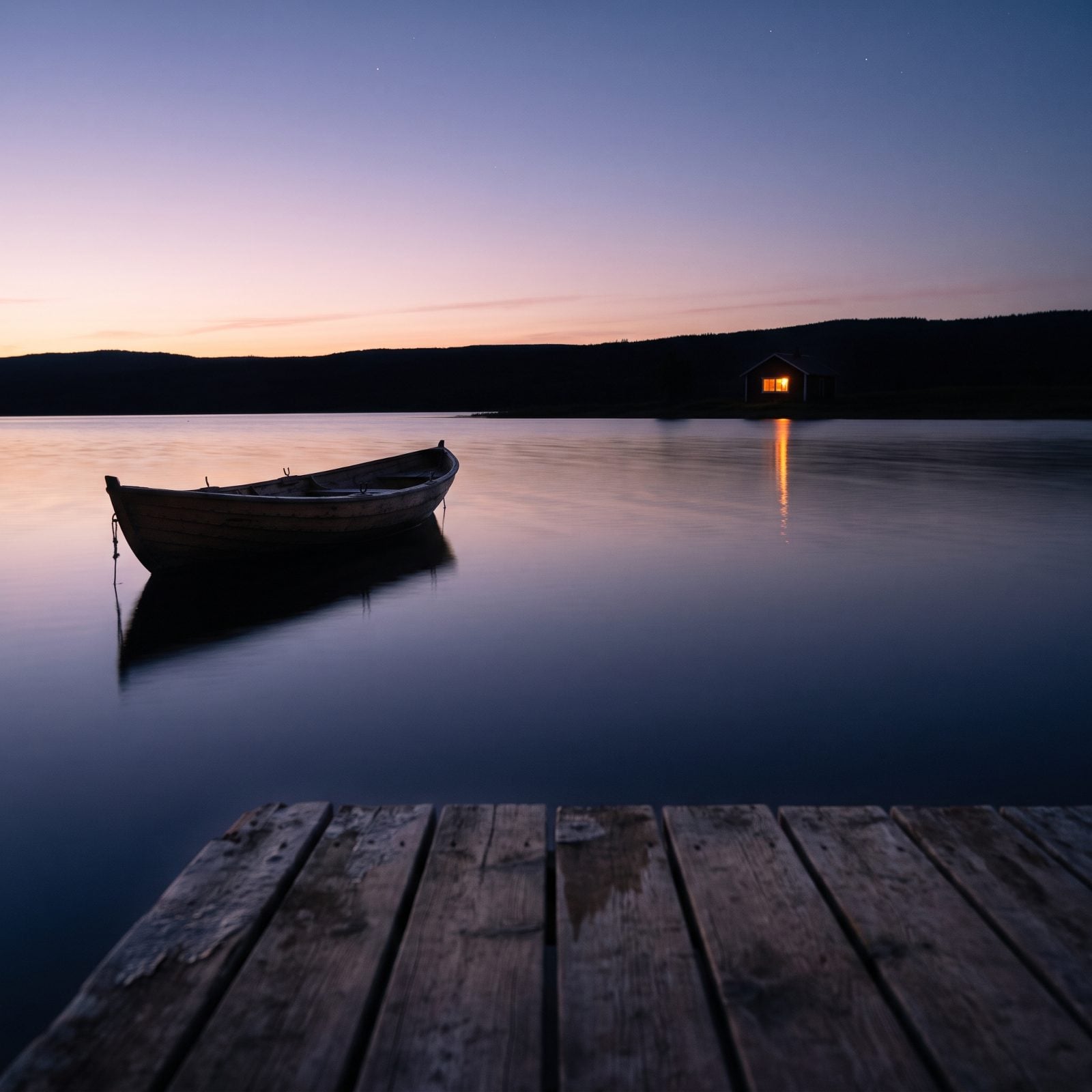
A night by the water is never actually quiet. There’s the slap of small waves, the creak of a hull against bumpers, a loon somewhere being dramatic. You grew up falling asleep inside that soundtrack.
Move inland and the nights go dead. Real silence — the kind that’s supposed to be restful — lands on water people like a held breath, and you keep waiting for something to happen. It feels like a room where the music stopped and nobody said why.
18. They Measure Weather by the Water’s Mood
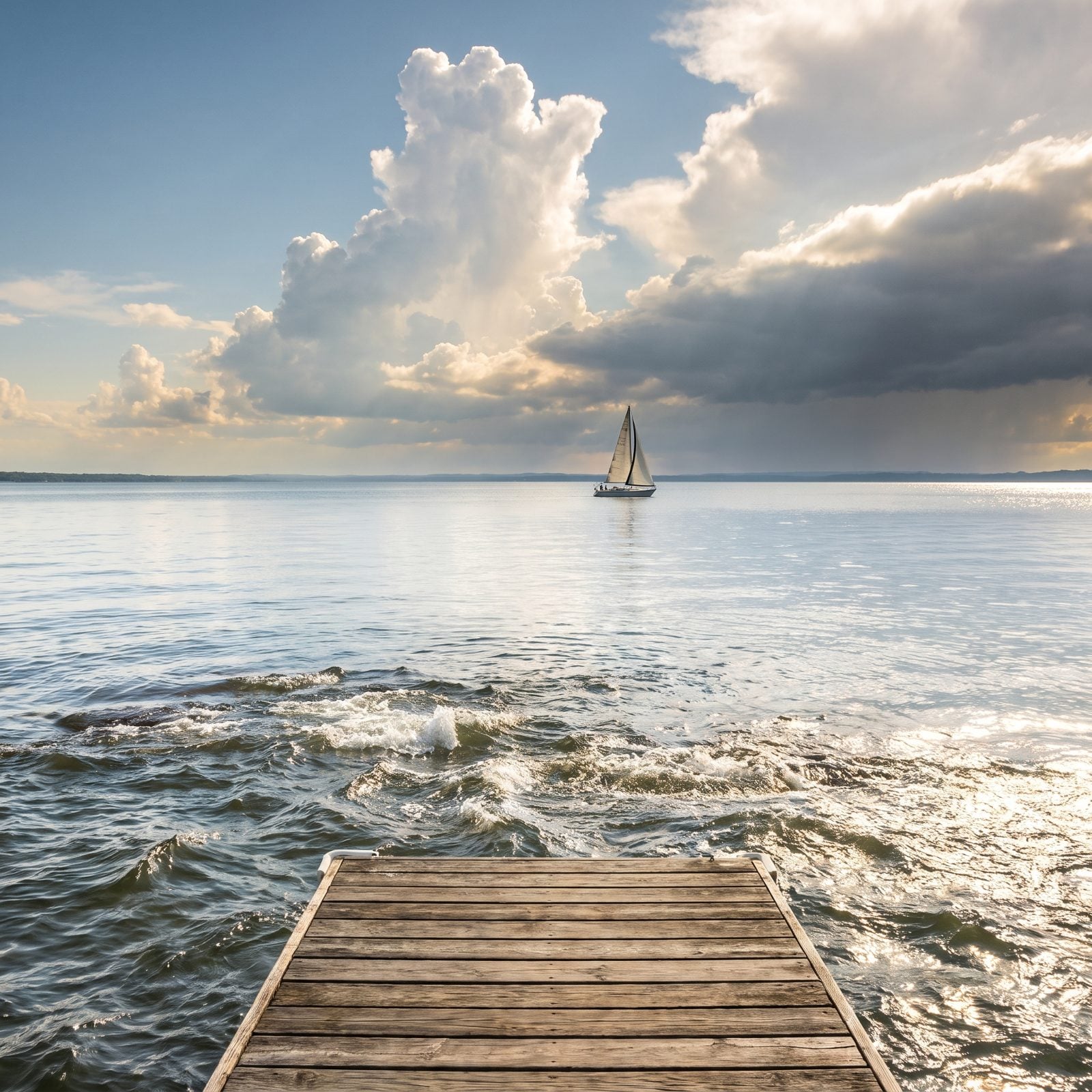
Inland folks check an app. You learned to read a storm off the water before the first cloud darkened — glassy and oily-looking meant something coming, and a sudden chop meant wind you’d feel in twenty minutes. You trusted the lake more than the forecast, and the lake was usually right.
Take that away and weather becomes abstract. Just numbers on a screen, no surface to confirm them against. You feel strangely untethered from the sky, like you lost a sense you didn’t know you were using.
17. Morning Coffee Needs a View of Moving Water
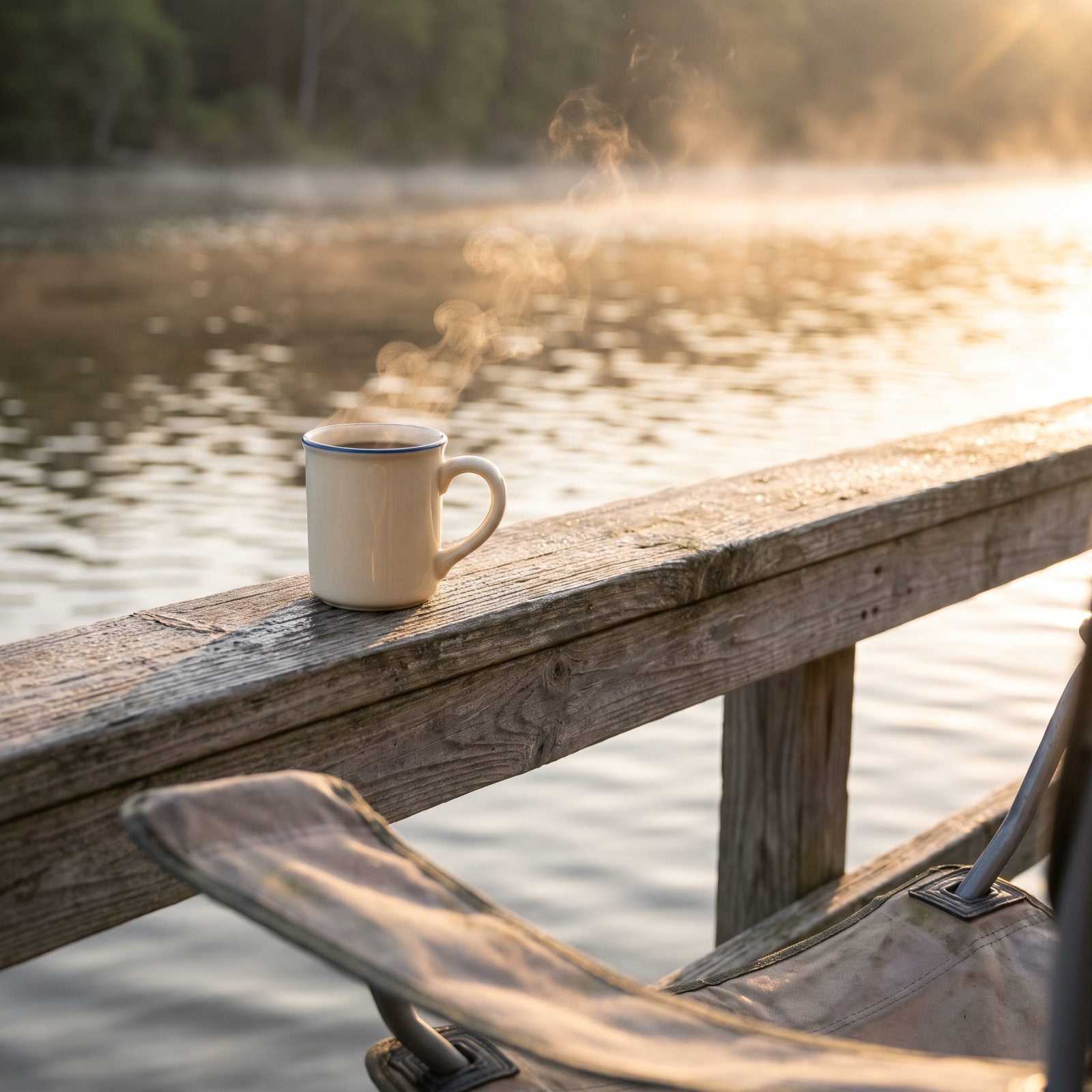
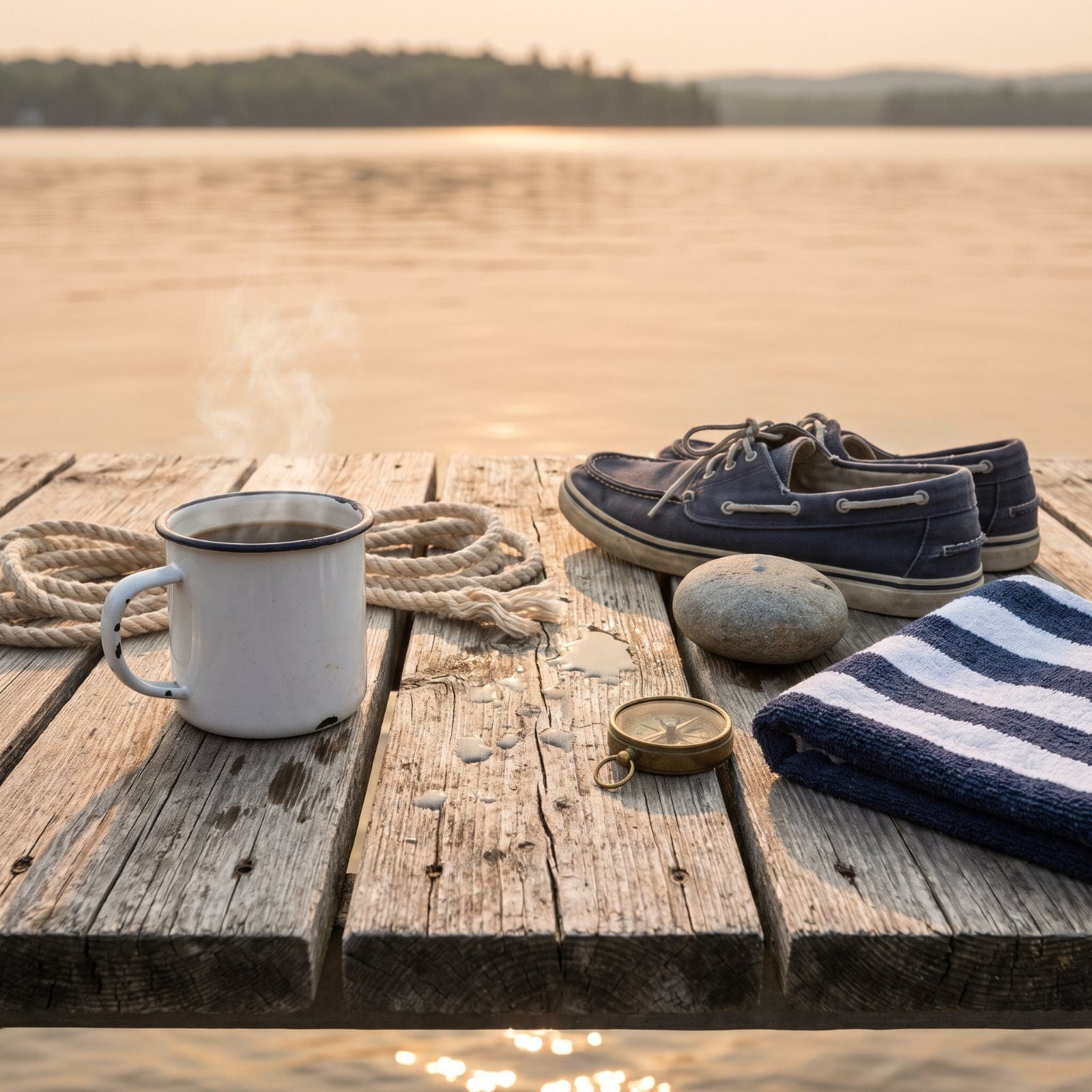
This is the one that ruins ordinary mornings for good. There’s a specific calm in watching water move while the coffee cools — the way light shifts on the surface, the way nothing stays still but nothing’s in a hurry either.
A kitchen window facing a fence just can’t do it. You can have the nicer mug, the better beans, the quieter house, and the ritual still feels hollow because the thing it was built around isn’t there. Mornings inland start fine. They just never quite start right.
16. The Smell of Rain Triggers a Dock, Not a Street
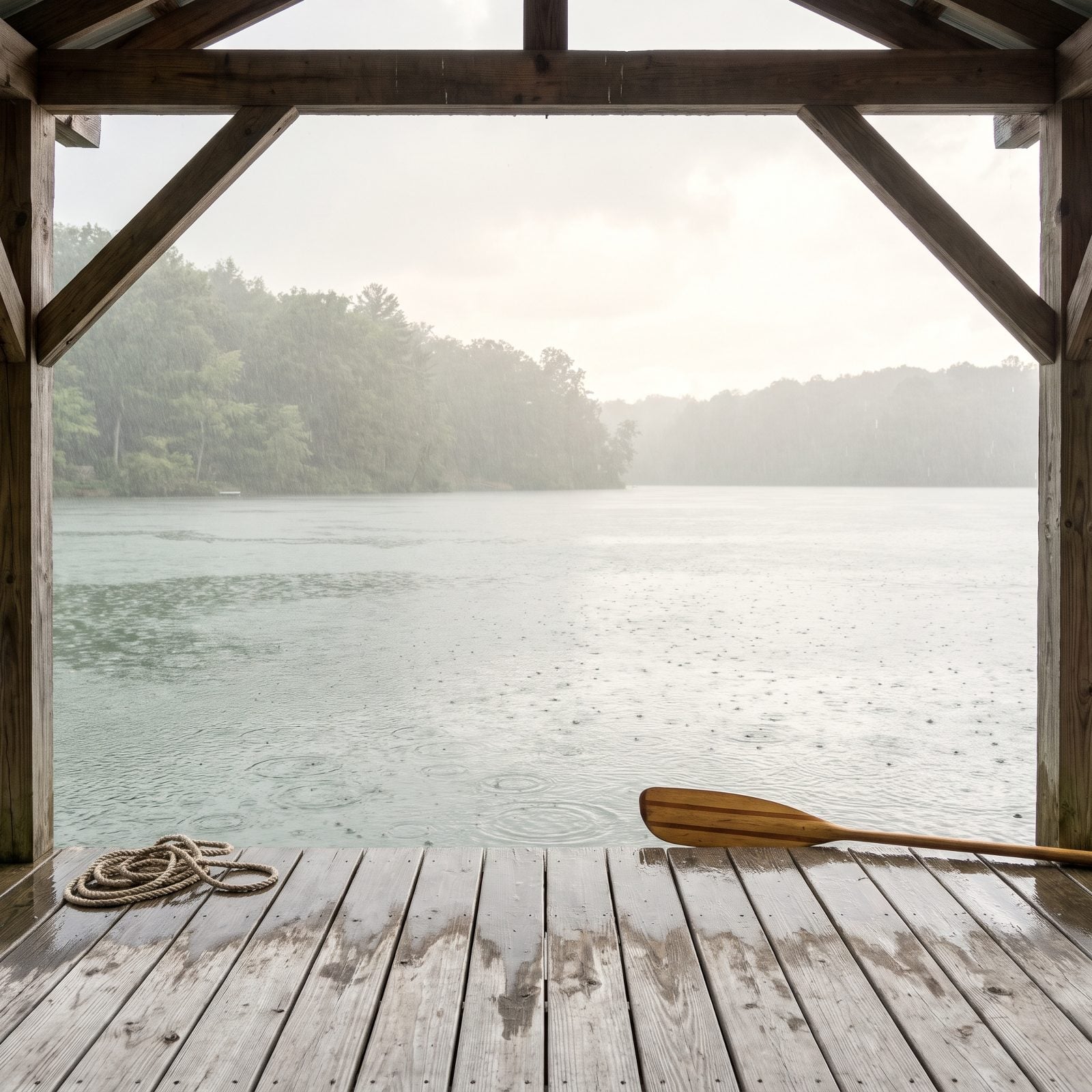
Smell is the fastest route to memory, and for you, the smell of coming rain doesn’t pull up wet pavement. It pulls up a dock. That particular green-mineral scent of rain landing on a lake, the way it sharpens everything right before the sky opens.
Inland, rain smells like asphalt and gutters. Your nose goes looking for water and finds a storm drain. A small heartbreak, and it happens a dozen times a year, every time the weather turns.
15. Swimming in a Pool Feels Like a Cheap Substitute
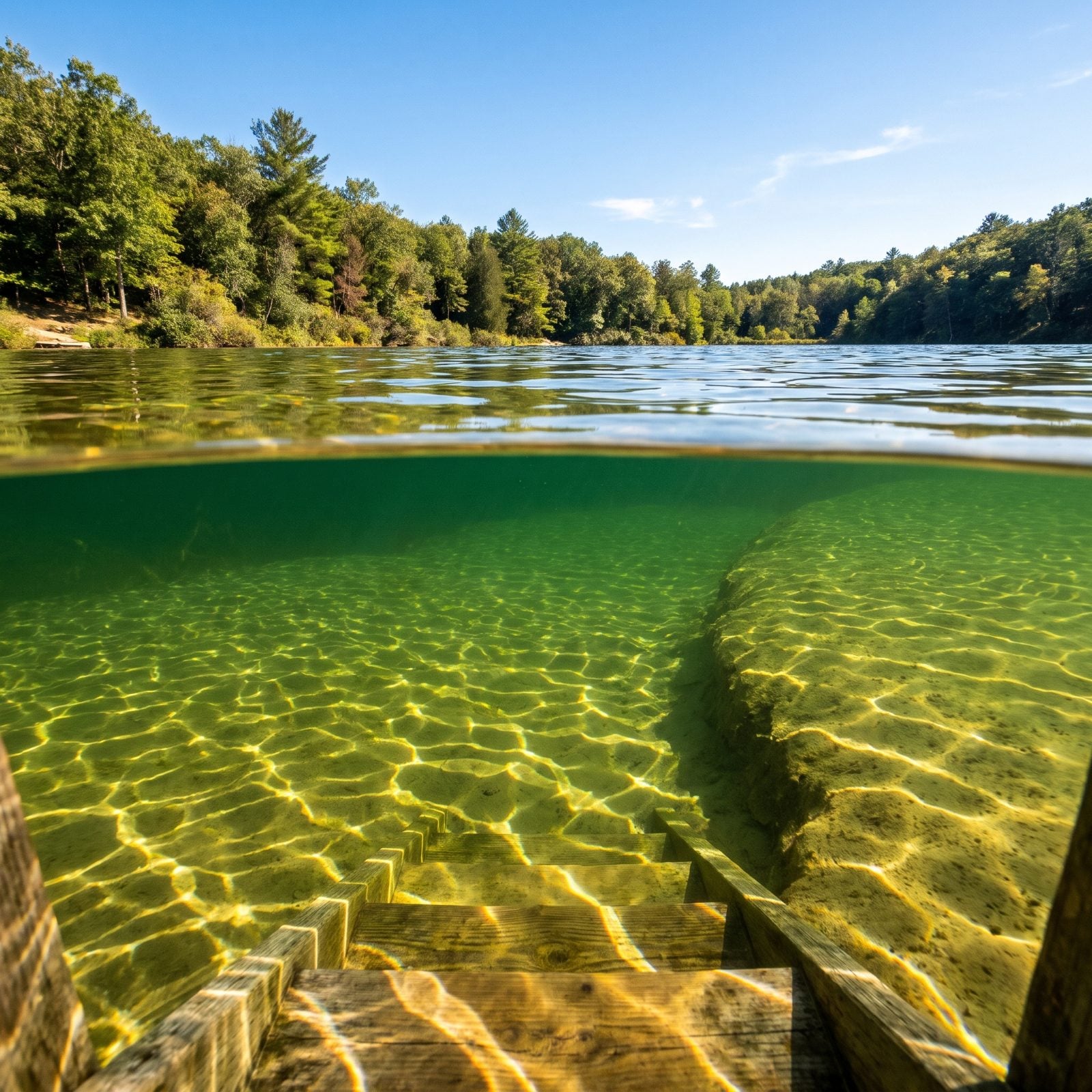
A pool is fine. It’s also a rectangle of chlorine with a painted blue bottom, and some part of you knows it.
Open water has cold pockets and warm ones, a bottom that drops away into something unknown, fish that brush your ankle and send you shrieking to shore at nine years old. It has consequence, texture, a little bit of wildness. Pools kept the motion and sanded off everything that made swimming feel like an event.
Do laps for your health, sure. But the body remembers diving off a dock into water that had weather in it, and it files the pool under compromise.
14. Sunsets Without a Horizon Line Feel Incomplete
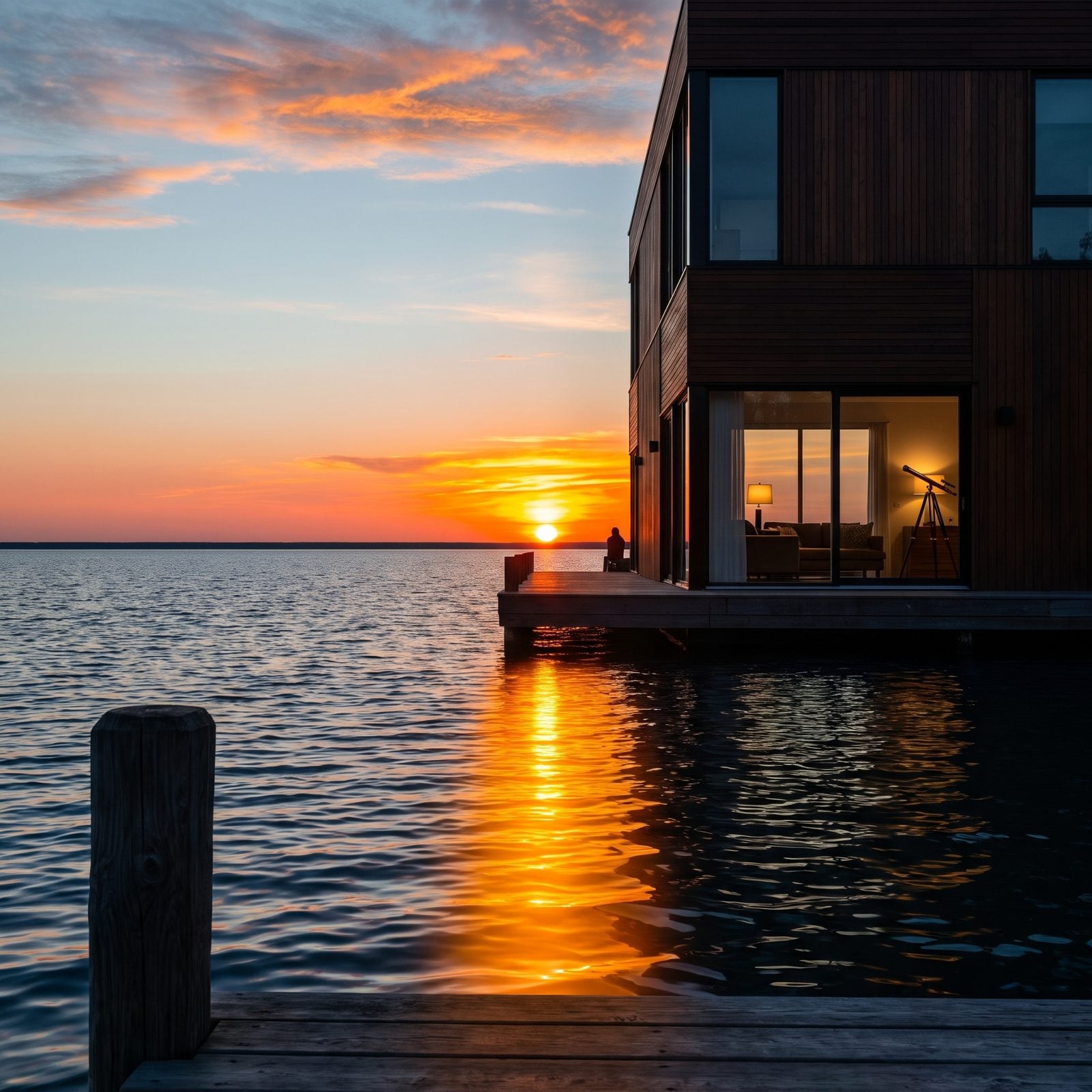
A sunset over water gives you the whole show: the sky, plus the same sky doubled and shimmering on the surface, plus that clean unbroken line where they meet. The horizon is the point. It’s where the color pools and the light does its slow, dramatic exit.
Inland, the sun just drops behind a treeline or a rooftop and it’s over. Nice enough. But there’s no horizon to hold it, no water to carry the color sideways, so sunsets become something that happens somewhere up there instead of something that happens to the whole landscape around you.
13. A Calm Day Feels Oddly Empty Without Waves
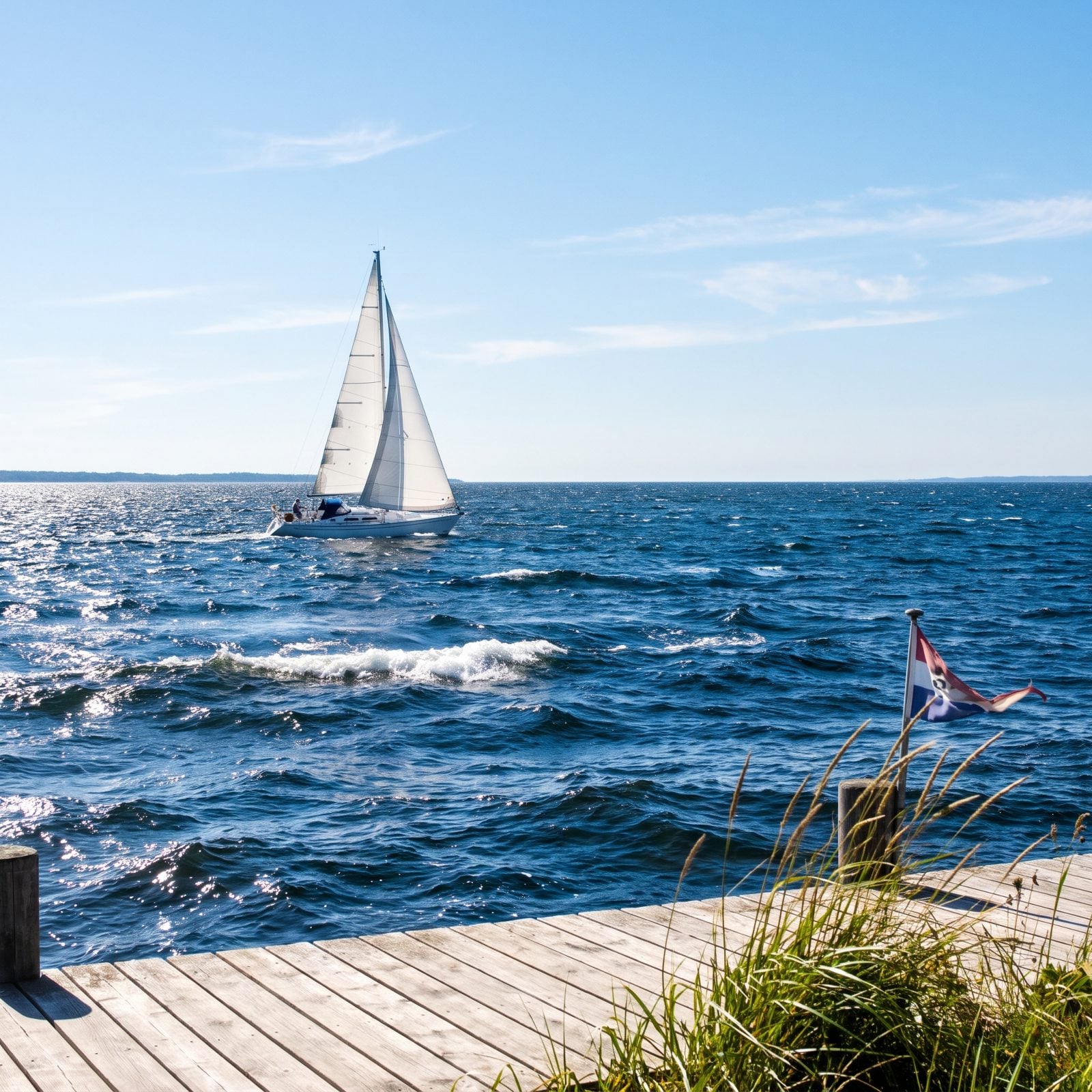
Here’s the contradiction nobody expects: water people don’t actually want everything calm. A flat, quiet, nothing-happening day inland can feel almost unsettling, like the world unplugged itself.
You were raised on motion — waves, current, wind pushing whitecaps around, the constant low-grade activity of a surface that never fully stops. That movement was the baseline of everything’s fine. Stillness, past a certain point, reads as something’s missing. A calm inland afternoon doesn’t feel peaceful. It feels like the day forgot to show up.
12. They Feel Claustrophobic in Dense Neighborhoods

Water gives you an edge, a place where the built world stops and the open begins. Even standing on a tiny patch of shore, you had miles of nothing-in-the-way stretching out in front of you, and your eyes got used to the room.
Pack them into a dense neighborhood — houses close, sightlines short, a fence wherever you look — and something in the chest tightens. It’s not the people. It’s the lack of an exit for your eyes. You keep wanting to look at something far away and keep hitting siding.
That open horizon wasn’t just scenery. It was breathing space, and the body misses it long after you’ve stopped consciously looking for the water.
11. They Crave the Smell of Wet Wood and Rope
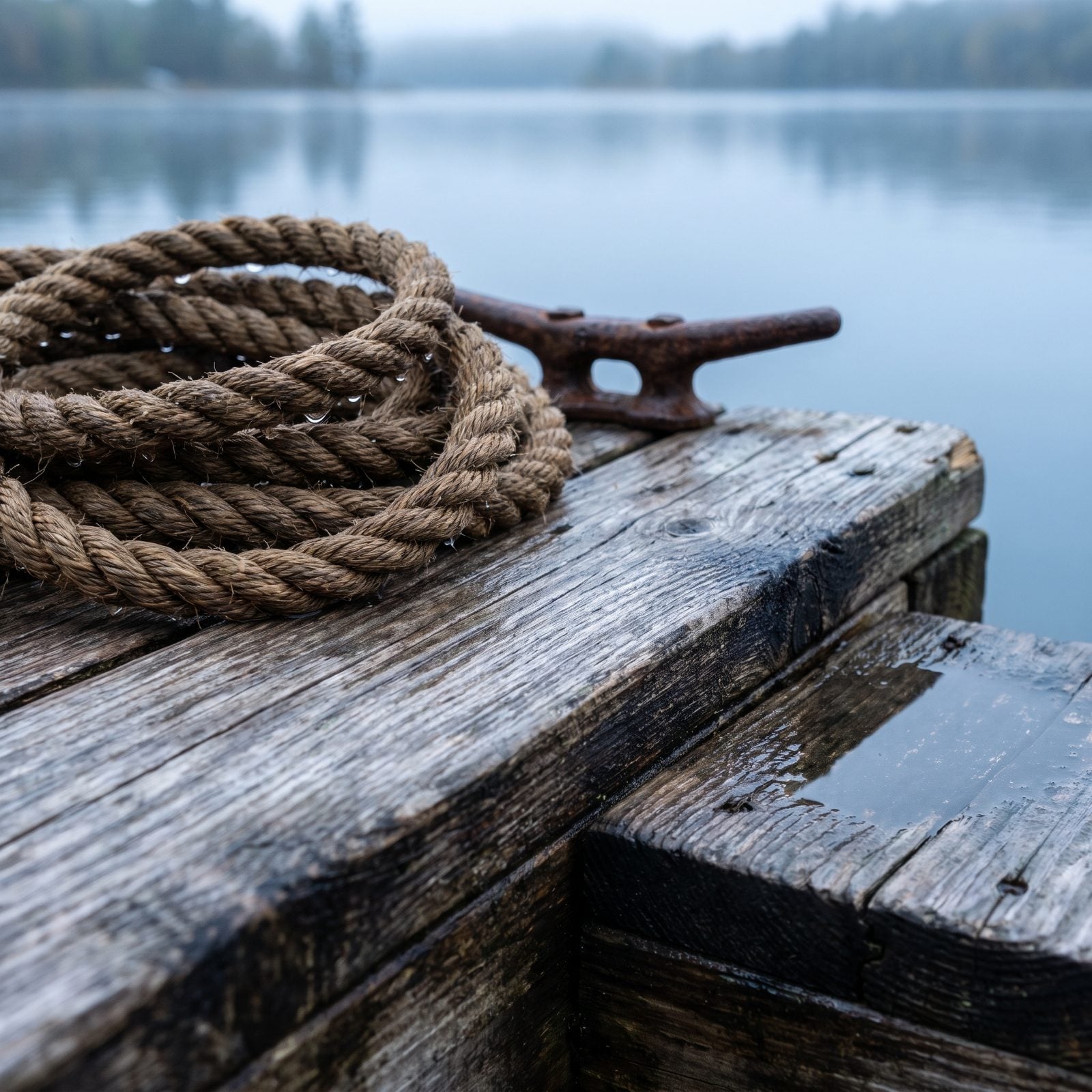
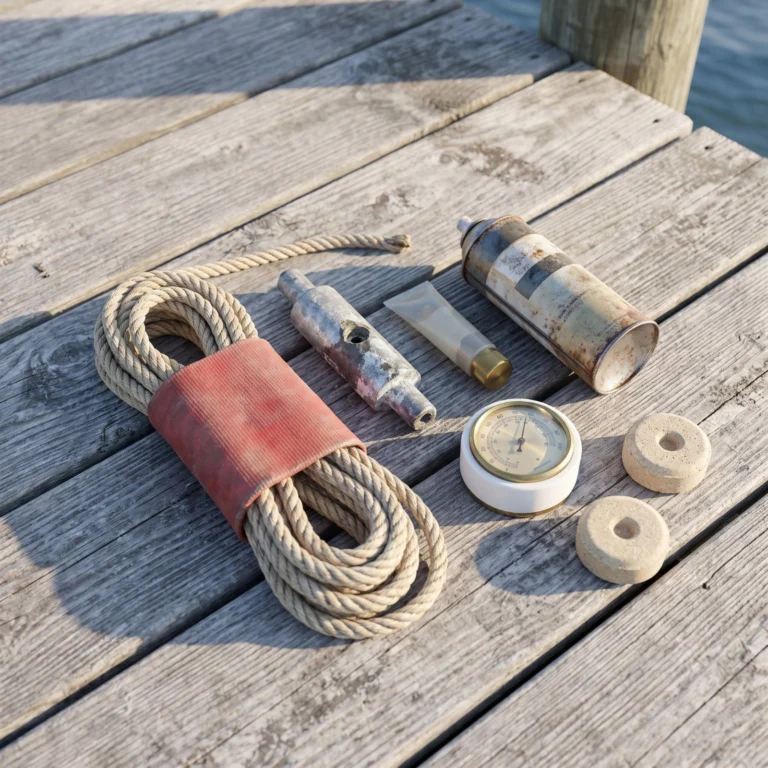
It’s the first thing to go and the hardest to find again. Wet rope, sun-warmed dock wood, a little algae underneath. That smell lives in a very old part of the brain, the part wired straight to memory, which is why one whiff of a hardware store’s rope aisle can knock a grown adult sideways.
Inland, nothing replaces it. Office carpet won’t do it, and neither will new-car smell. People who grew up near water will stand in a marina store pretending to shop just to breathe for a minute.
10. Boats on a Trailer Make Them Homesick
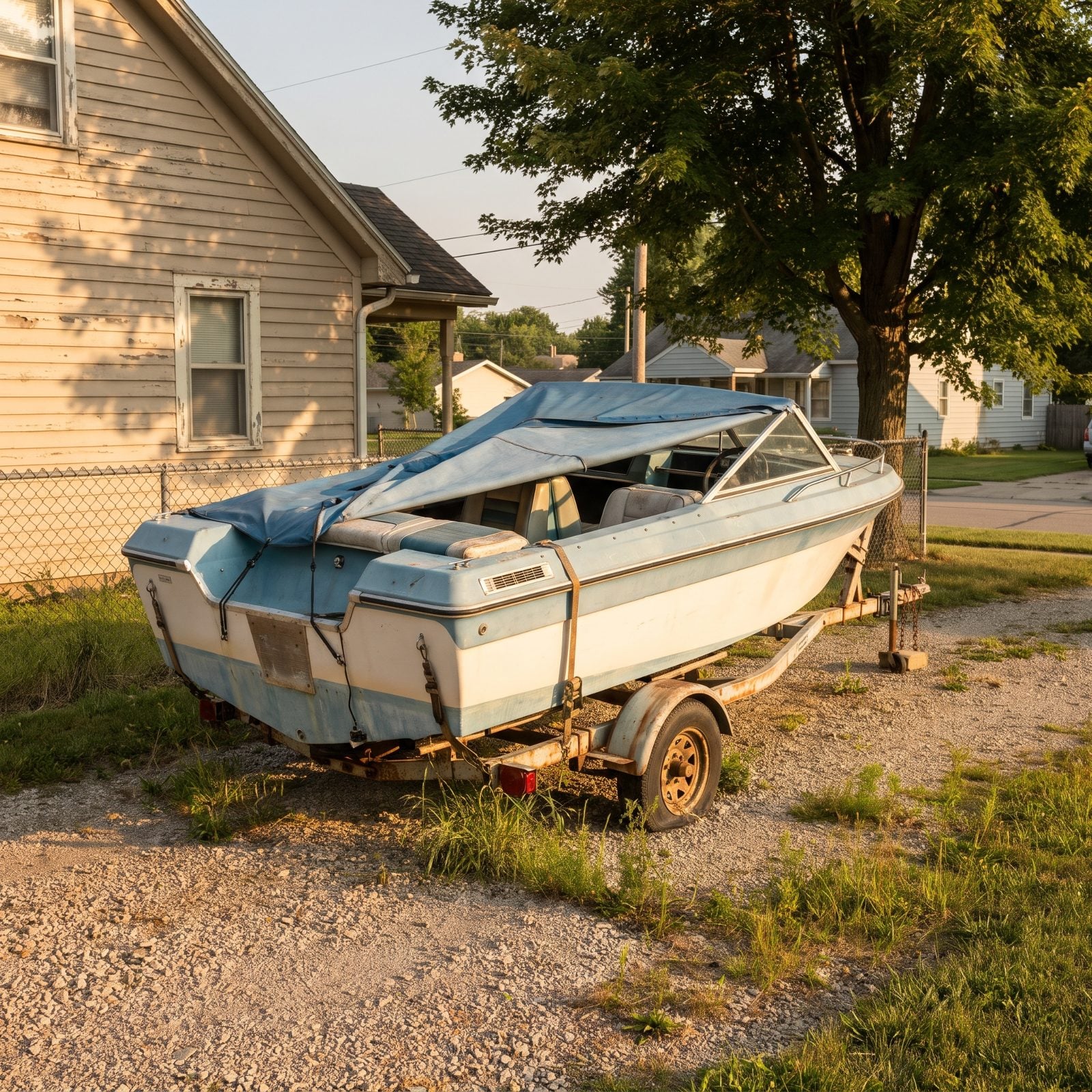
You can spot them at a red light. A boat goes by on a trailer, headed somewhere, and a water person’s whole posture shifts — head turns, a little ache sets in. Where’s it going? Is that a Lund? Lucky owner.
A trailered boat is a promise of water that isn’t here yet. For someone stuck inland, it’s a reminder in motion. The restlessness isn’t jealousy exactly. It’s recognition. That boat gets to go home and you’re sitting at an intersection three hundred miles from the nearest decent lake.
9. They Judge a Town by Whether It Has a Launch
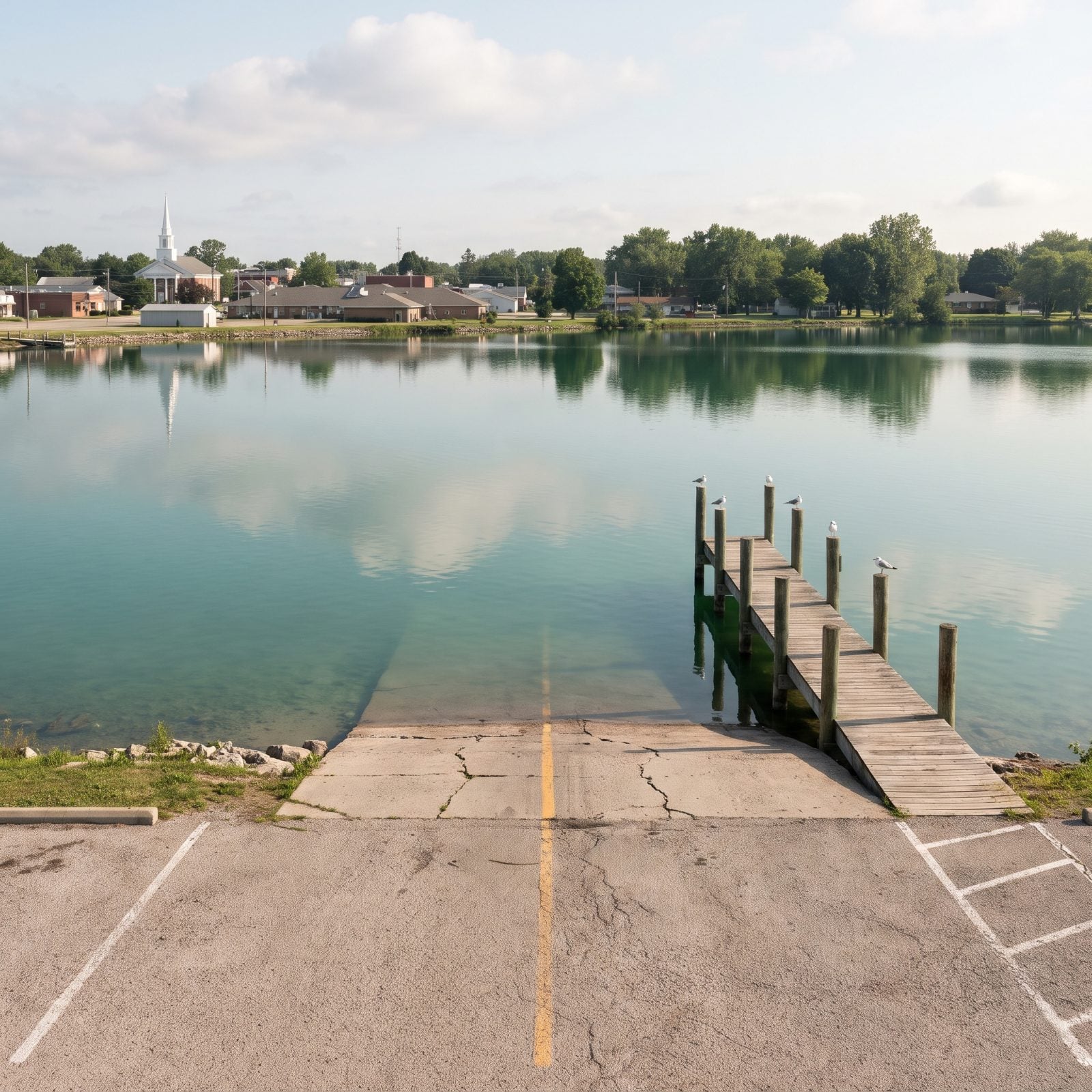
Normal people evaluate a town by the schools or the restaurants. Water people check for a launch. A good one — concrete, not gravel, with a dock you can tie off to and a parking lot built for trailers.
A town with a launch is a town that understands. Somebody there made the call to get a boat into the water, and that tells you everything about the place.
8. They Still Dress for Sudden Weather Changes
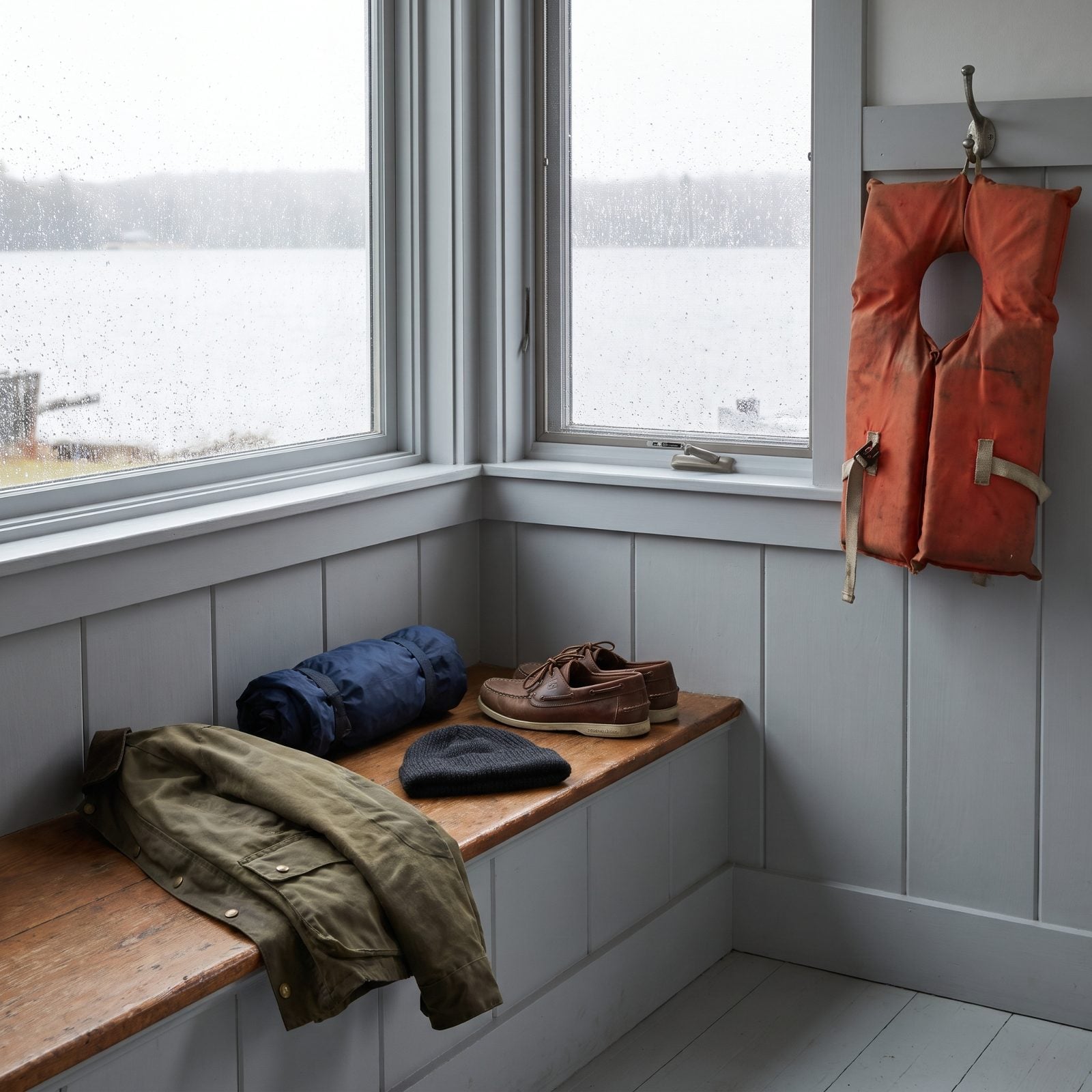
Watch a water person pack for a sunny day. In goes a rain shell, a fleece, maybe a second fleece. Everyone laughs at them. It’s 80 and clear.
They can’t help it. Grow up where a flat calm morning turns to whitecaps by two o’clock and you learn in your body that weather lies. The sky looks fine right up until it doesn’t.
Inland, the habit sticks around with nowhere useful to go. They’re wildly overdressed for a mall. But put them on a boat in a squall and suddenly they’re the only dry one laughing.
7. The Sound of Seagulls or Loons Stops Them Cold
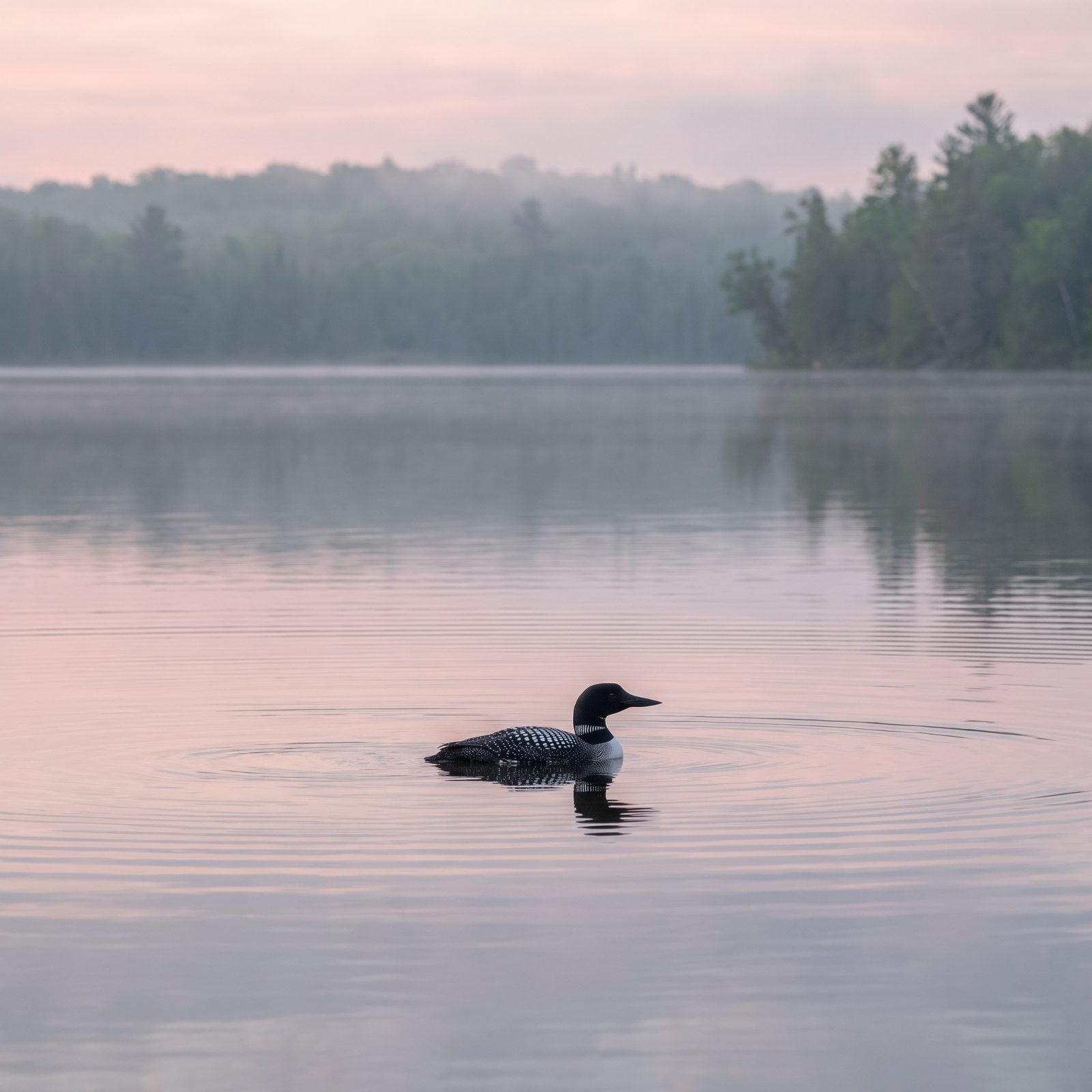
A loon’s call across an evening lake is one of the loneliest and most beautiful sounds in North America. A water person catches a recording of it in a movie and goes somewhere else entirely for a second.
Coastal folks get the same jolt from gulls. That cry means boardwalk, salt air, fried everything, being eight years old.
6. Restlessness Sets In After Too Long Inland
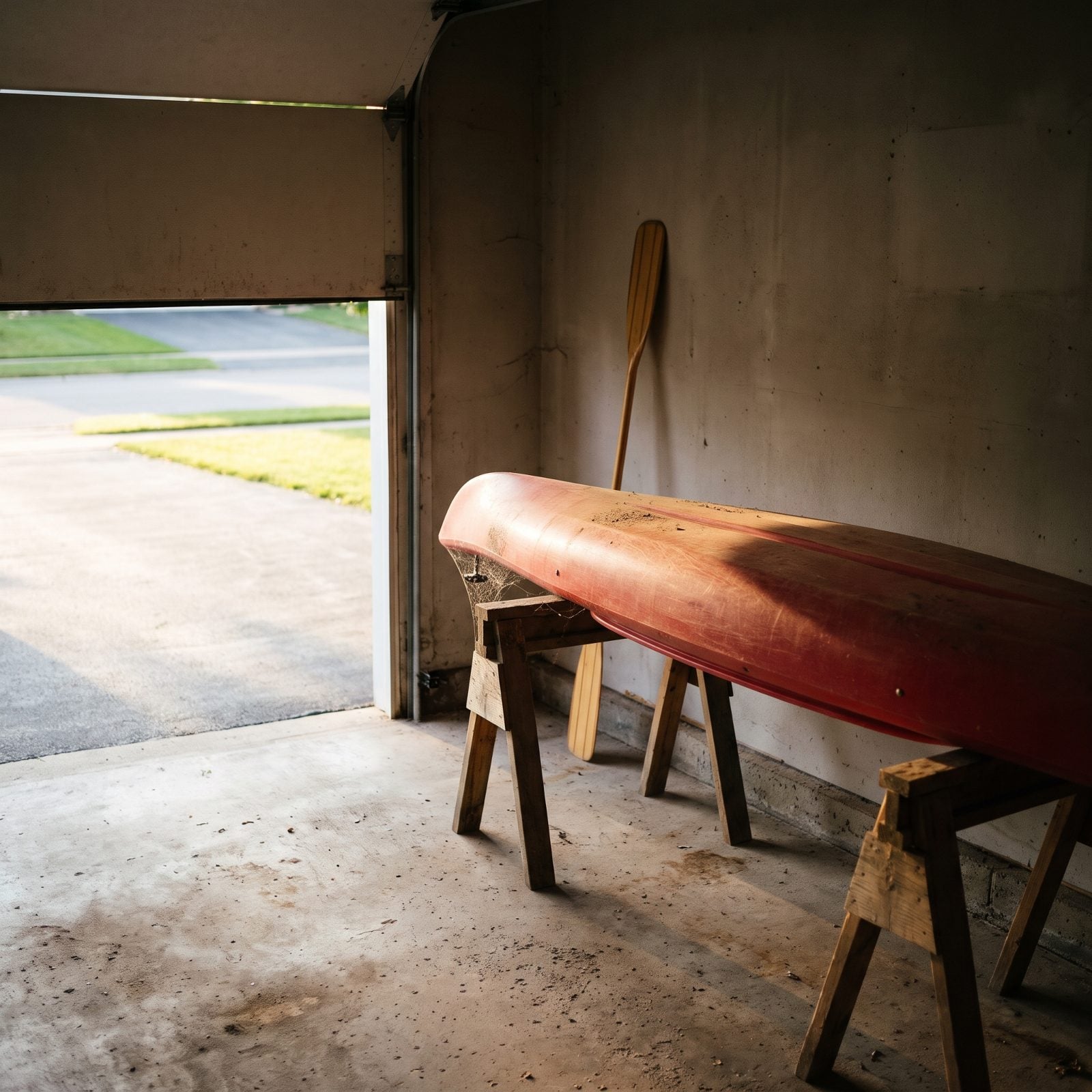
It builds slow. A few months inland feels fine. Then comes a day, usually around late spring, when someone gets twitchy and short-tempered and can’t name it.
It’s the water. The body keeps a clock the mind forgot about, and boating season should be starting — no boat, no season, no shoreline to walk. The restlessness is a kind of homesickness that doesn’t announce itself clearly.
People fix it badly. They rearrange furniture. They start projects. What they actually need is to go stand next to a large body of water for an hour. Works every time.
5. They Read the Sky Like a Second Language
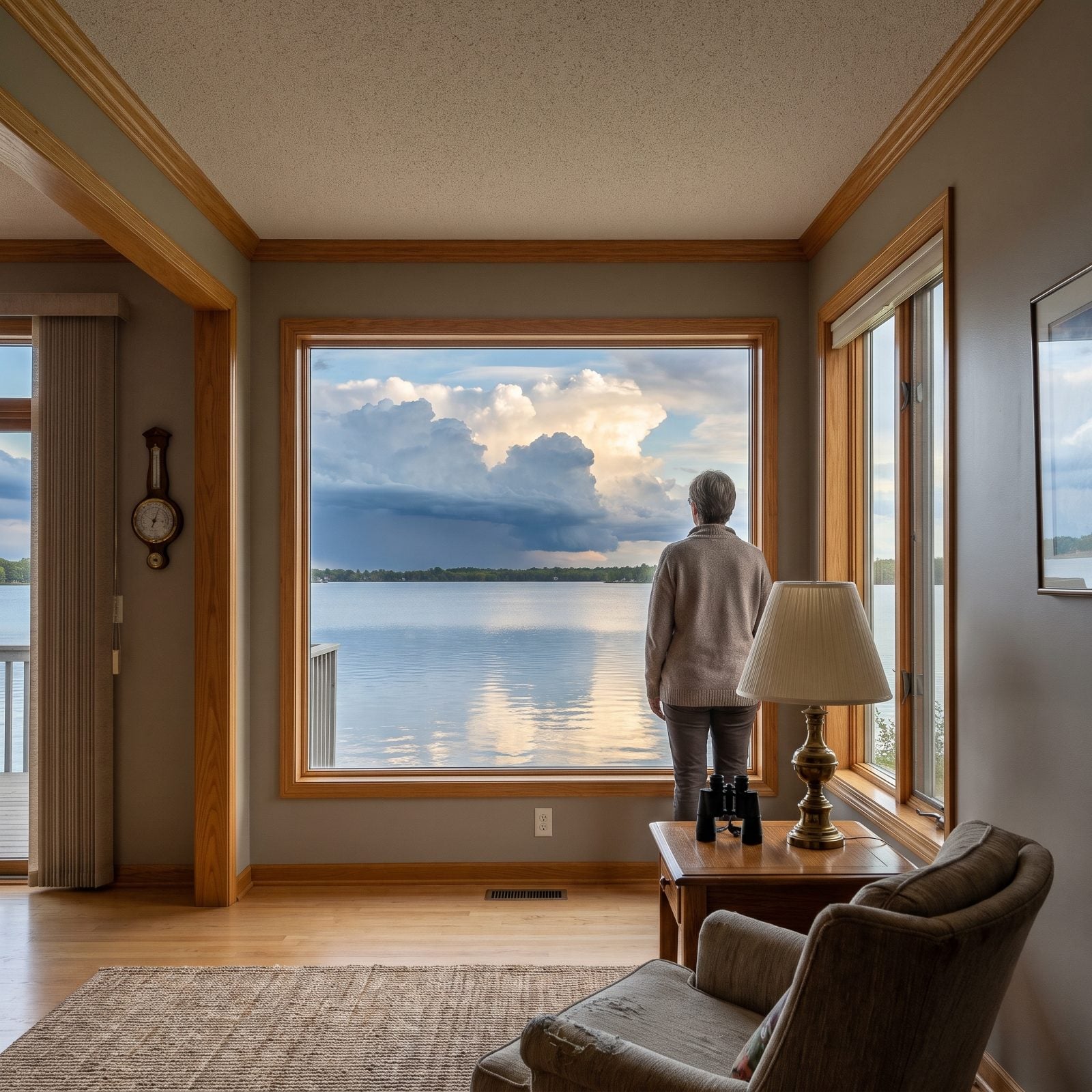
Mention it looks like rain and a water person will squint at the clouds and tell you how long you’ve got. They’re usually right. They learned it the way you learn a native tongue — young, by necessity, without a textbook.
Flat gray means something different than a wall of towering white. A greenish tint means get in. Wind direction, cloud shape, the way the light changes. All of it is information.
4. Fishing Gear They’ll Never Use Still Travels With Them
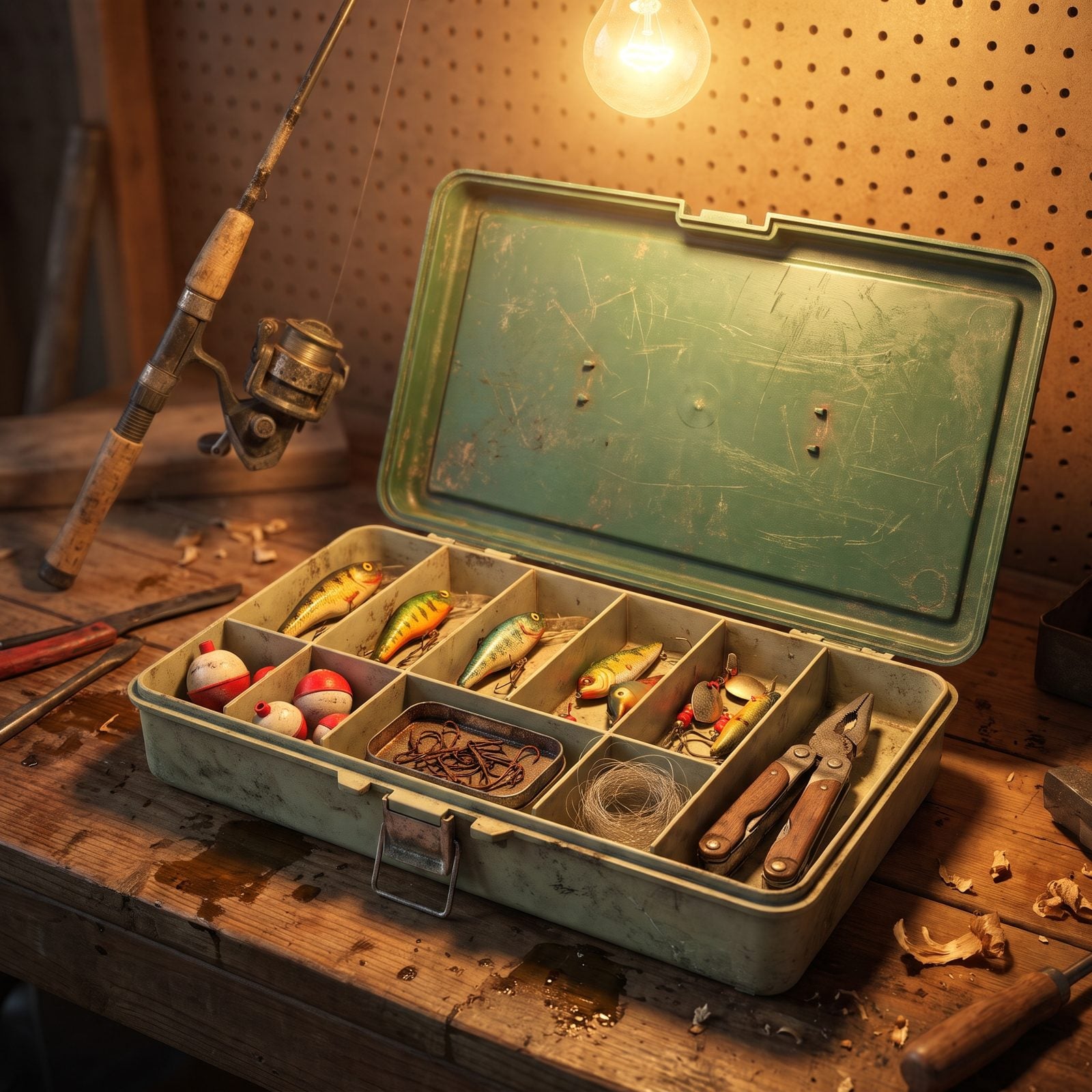
There’s a tackle box in the garage of nearly every transplanted water person. It survived three moves. It hasn’t been opened in years. It isn’t going anywhere.
Nobody keeps old fishing gear because they plan to fish next Tuesday. They keep it because the lures were picked out at a bait shop that closed years ago, because the box smells faintly of the dock, because tossing it would mean tossing out a version of themselves. It’s not clutter. It’s a passport, quietly waiting for the trip back.
3. A City Skyline Can’t Replace a Treeline Over Water
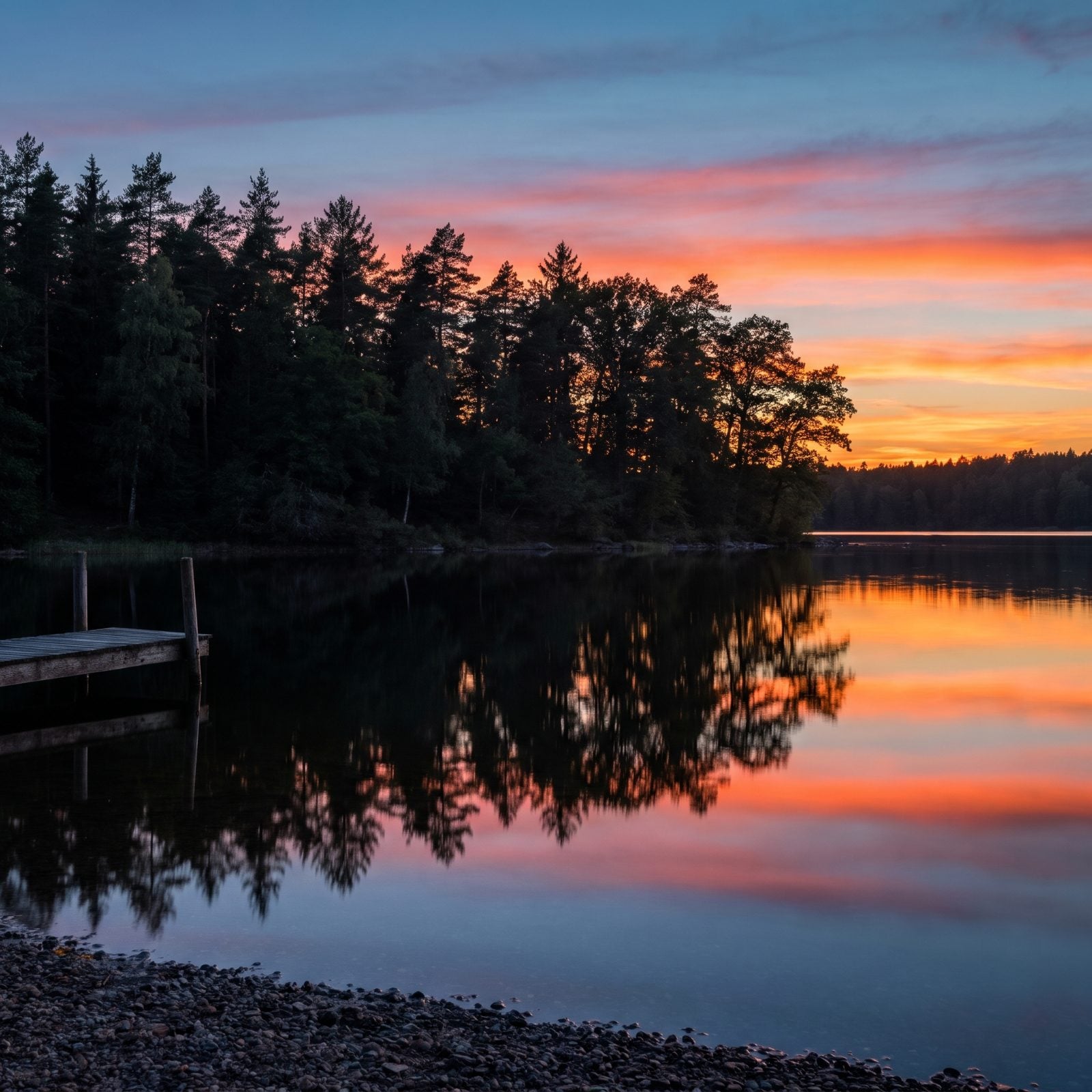
People try to sell the skyline as the trade. Look at those lights. Isn’t it something. And it is — for about a week.
A skyline impresses. A treeline over water at dusk does something quieter and more permanent. It settles you. The dark shoreline, the color draining out of the sky, the whole thing doubled below in the still water. No building ever matched that, and water people know it in the part of themselves that doesn’t negotiate.
A skyline asks you to admire it. A lake at sunset just lets you breathe.
That’s the difference, and it’s why they keep driving back to the water every chance they get.
2. They Keep Looking for a Dock to Sit At
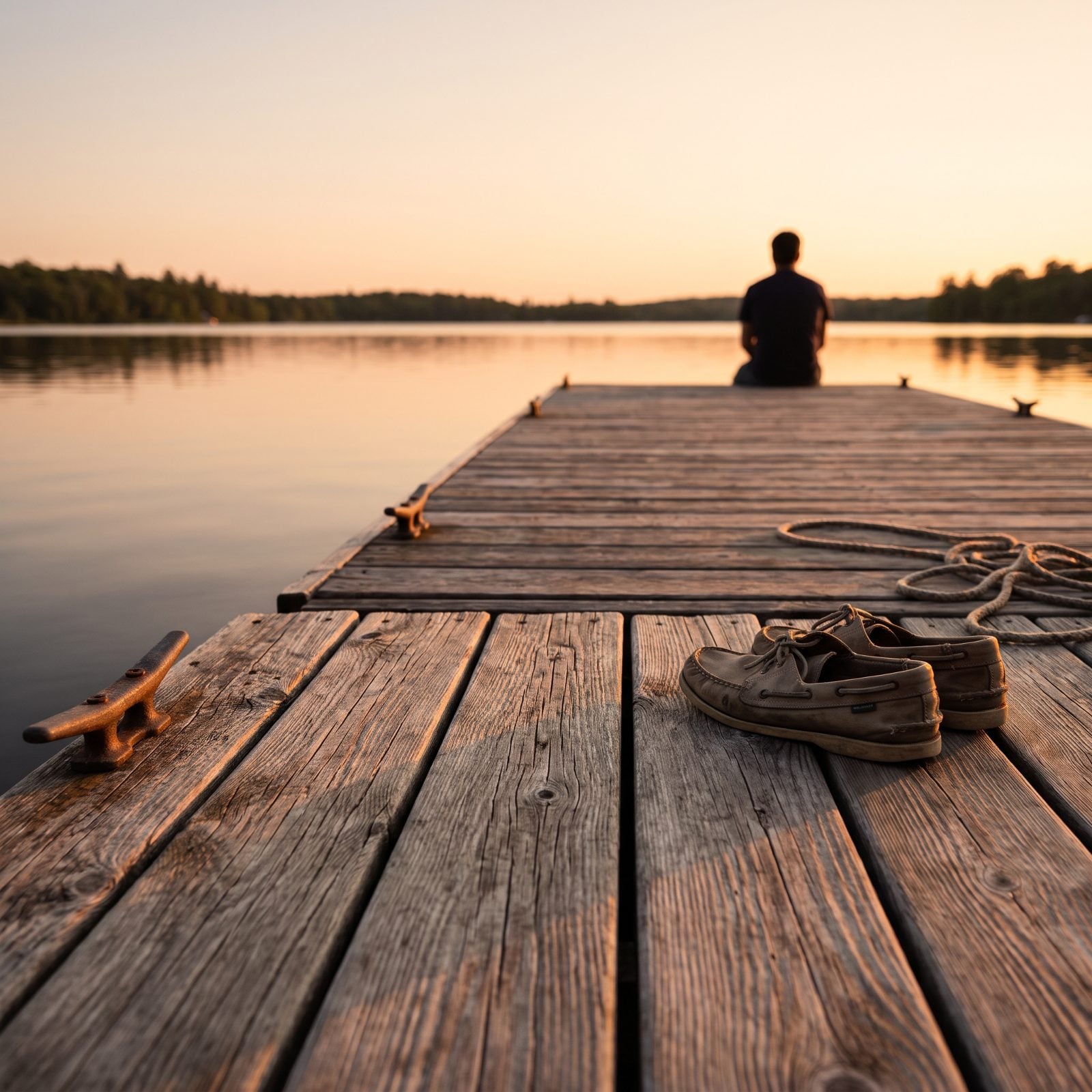
Give someone who grew up near water a free afternoon in a landlocked town and watch where they drift. A retention pond behind the shopping center, the concrete lip of a city fountain, a park bench facing some drainage canal nobody else looks at twice. It’s not the view they’re after. It’s the posture.
Sitting at the edge of water with your feet hanging toward it is one of the first ways a lake kid learns to be still — the body remembers that long before the mind catches up. Live inland and you keep reaching for that spot without ever quite landing on it, which is why a downtown fountain will do in a pinch and still leave you a little hollow.
1. The Pull to Move Back Never Fully Goes Away
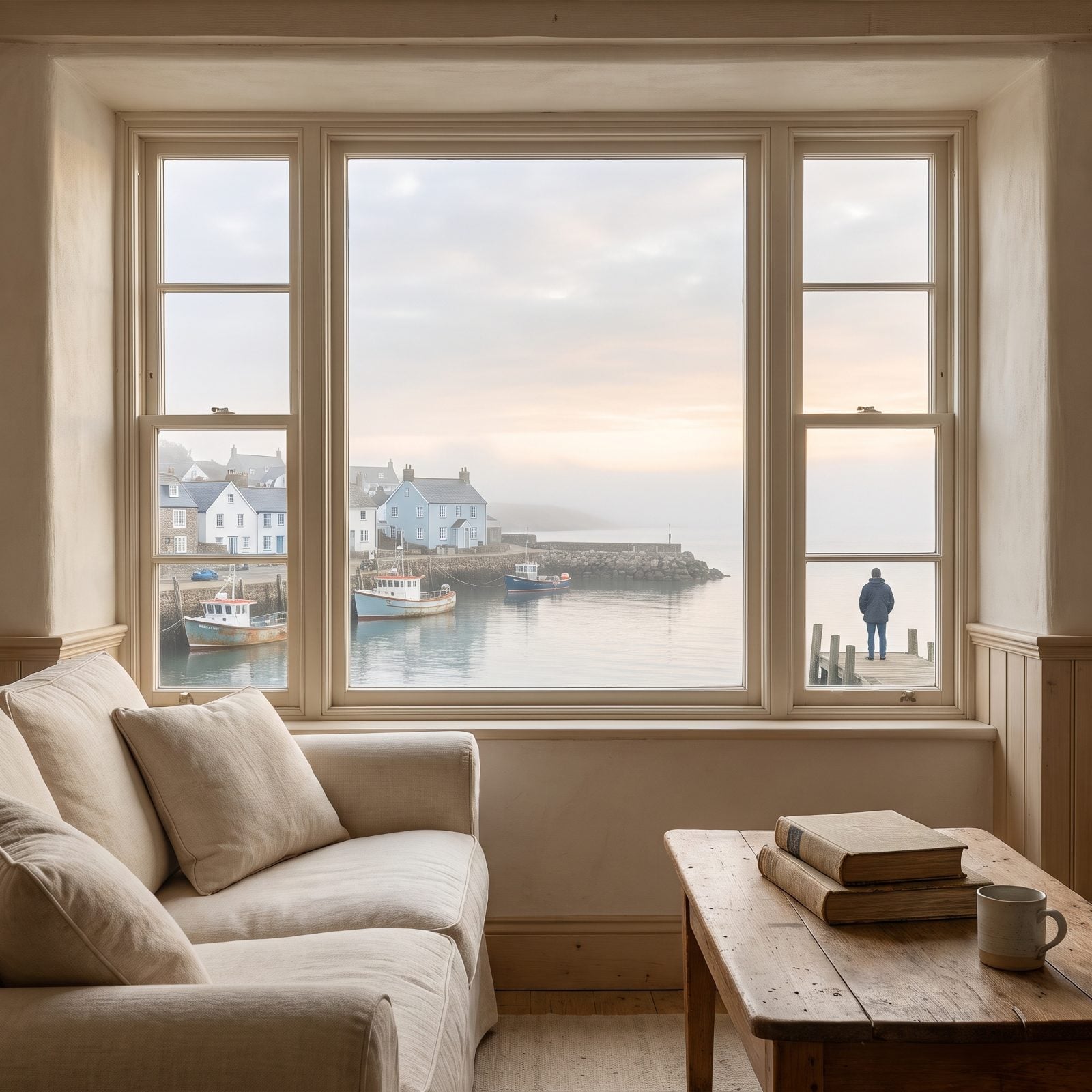
You can build a good life away from the water. A solid job, a house you like, friends who show up. And still, on some ordinary Tuesday, the smell of rain on hot pavement or the particular grey of a certain sky will knock the wind clean out of you and set the whole thing humming again. Go back. Just go back.
That pull doesn’t care about your mortgage or your career or how long you’ve been gone — it’s older than any of them. Water towns tend to be the places people were children in, and the body keeps that address even after it’s forgotten the phone number. Some folks spend thirty years inland and still say they’re “from” a shoreline they walked away from at nineteen.
The ache isn’t really for the water. It’s for the version of yourself that lived beside it.
A lot of people finally answer it in retirement, scraping together a modest place near the lake or the coast they grew up on. The odd part is what they report afterward: the restlessness goes quiet almost the minute they arrive, like a dog settling once the car pulls into the right driveway.