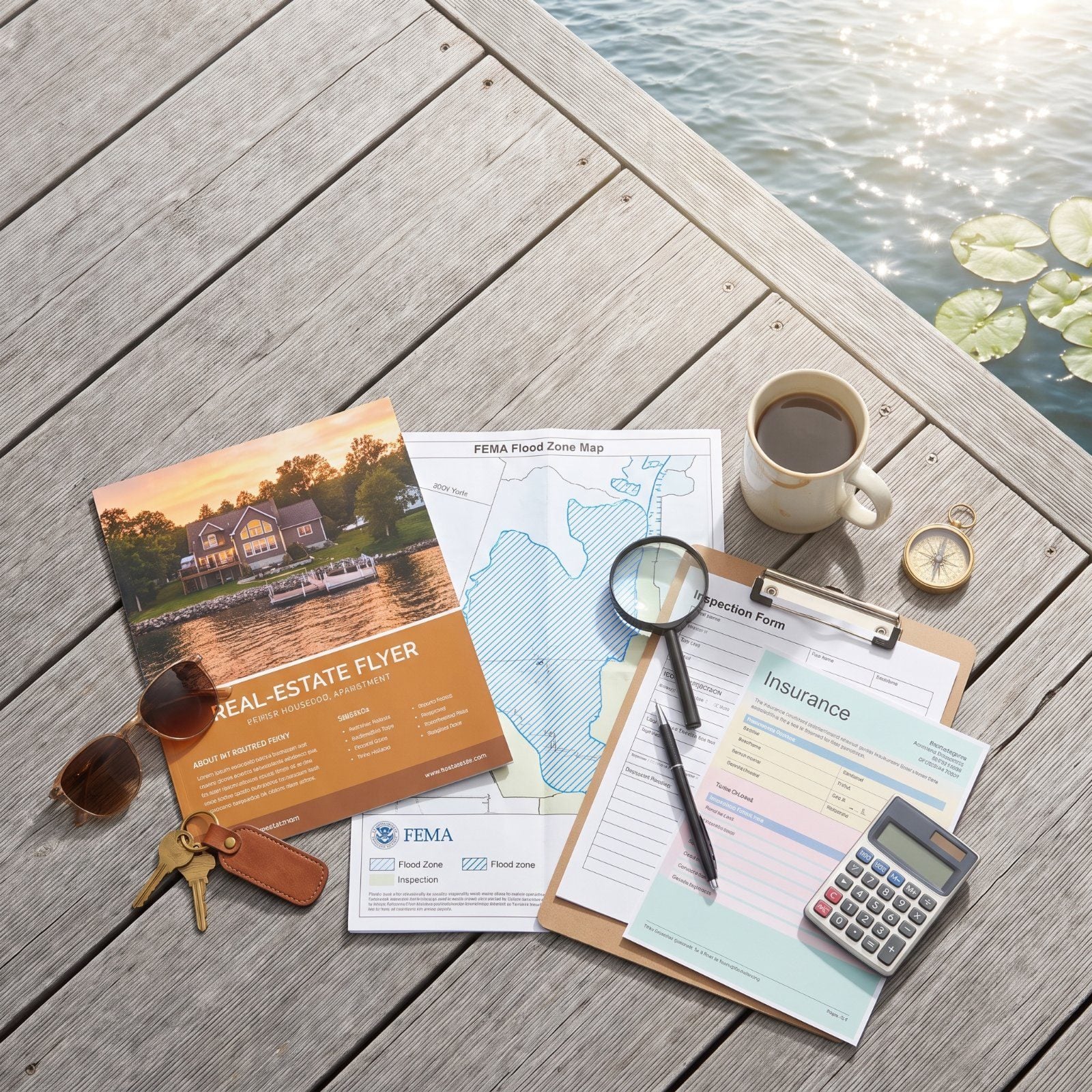
The cove was glass. The light hit the water the way it only does around seven in the evening, and somewhere between the dock and the kitchen window, good judgment packed a bag and left. Buyers who’ll grill a used-car salesman for twenty minutes will hand over a down payment because a lake looked a certain way at sunset.
Waterfront infatuation runs on the same wiring as a bad crush. You see one thing you want and your brain quietly files away every reason you shouldn’t. The flood map becomes background noise, the two-hour drive becomes romantic, the musty basement becomes character. Below are the traps worth knowing before you say yes to a house that might be saying no.
Please note that some of the imagery in this article may have been enhanced with the assistance of AI.
16. You Swipe Right on the Dock Before Checking the Foundation
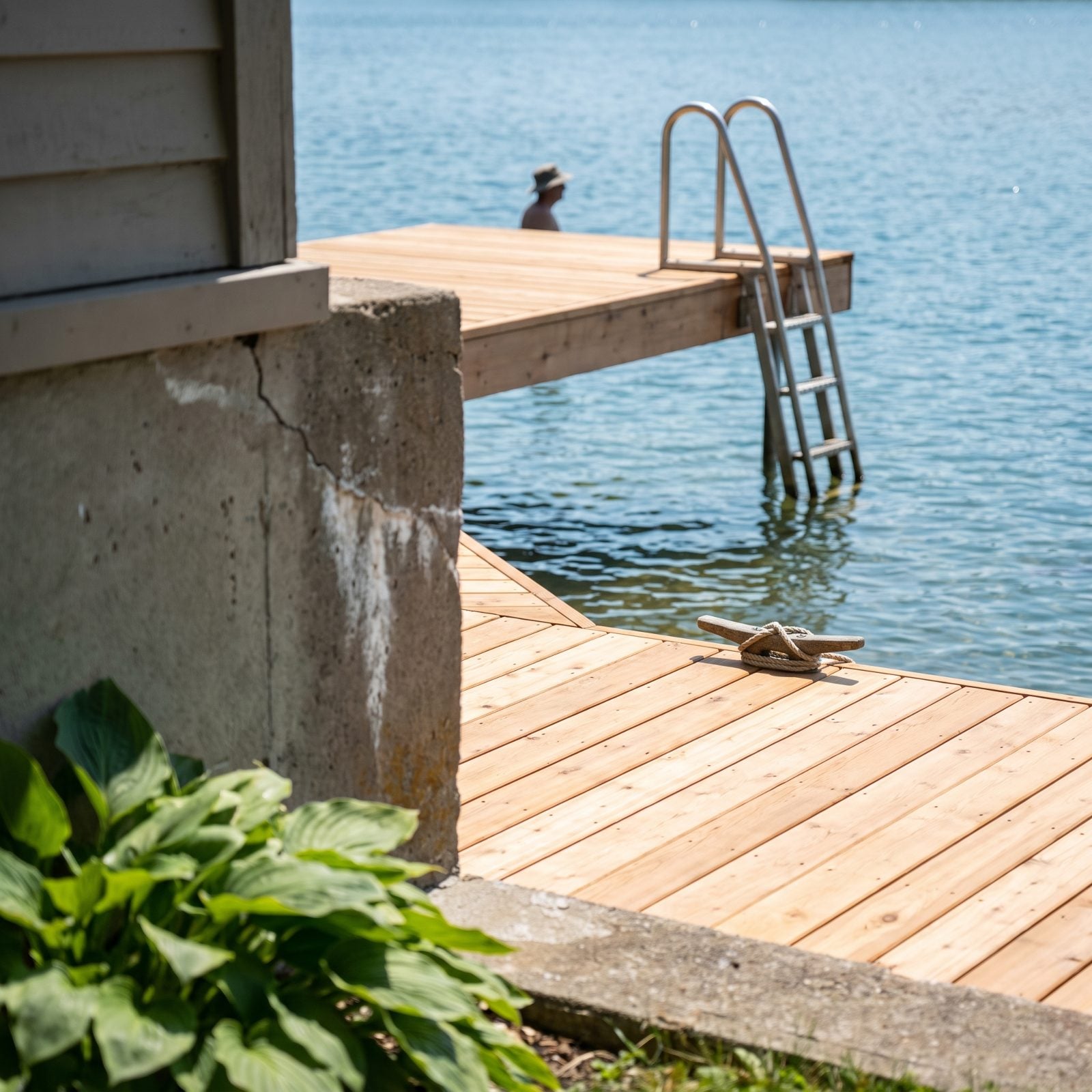
The dock is the first thing you see and the only thing you remember. Private slip, fresh cedar, a ladder down into clear water. You’re already picturing the coffee you’ll drink out there before the agent finishes the sentence.
Same trick a first date plays. You meet the smile and the easy laugh and decide the rest will sort itself out. The dock is chemistry. The foundation is compatibility, and nobody falls in love with a foundation.
Psychologists call it the halo effect. One attractive feature glows so brightly it bleeds over everything nearby, and your brain assumes the whole house must be as sound as the part you adore. It almost never is. The dock is the cheapest thing to replace and the easiest thing to fake up for photos, while the foundation is the expensive heartbreak hiding below the waterline.
15. One Sunset Makes the Flood Map Feel Overdramatic
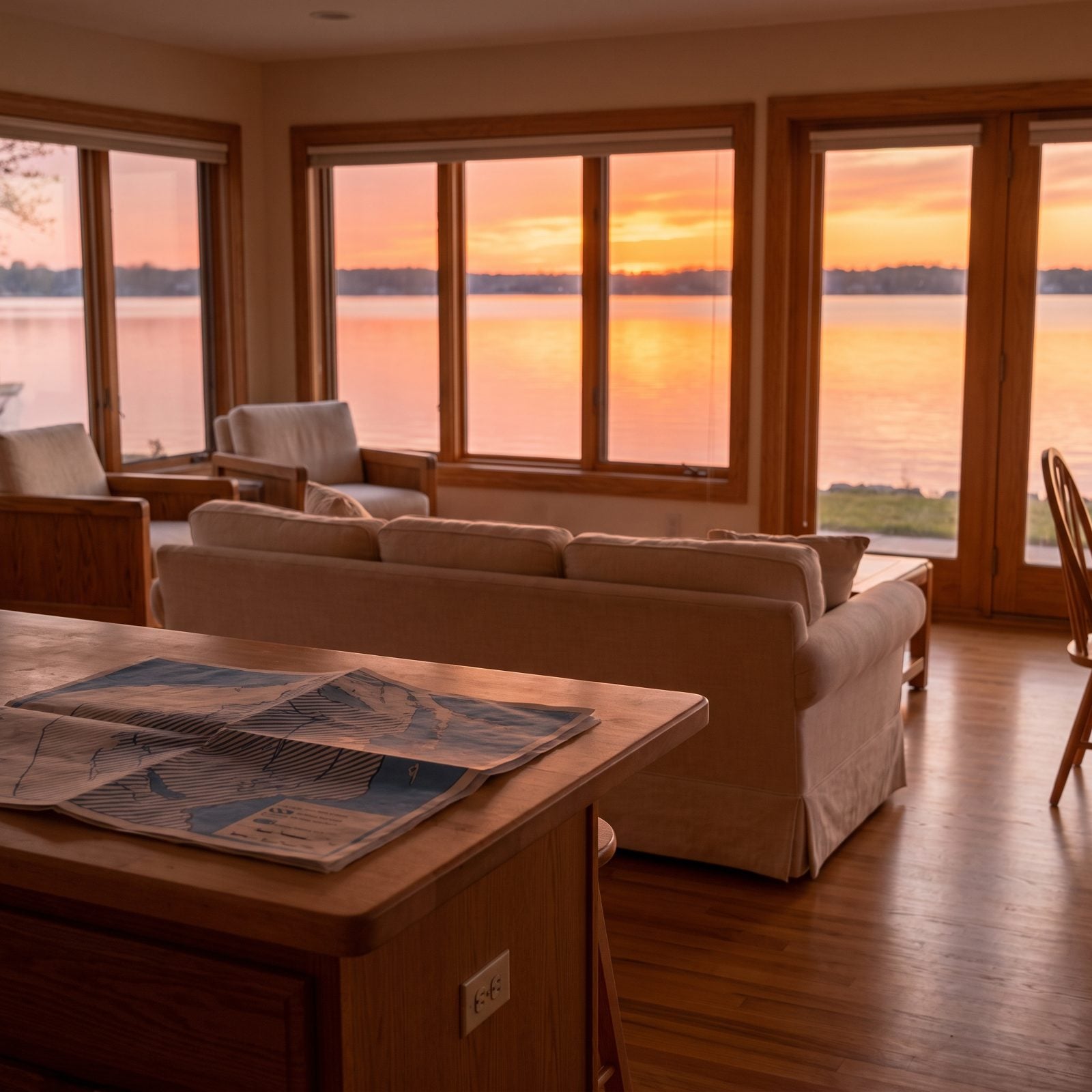
You read the flood map at the kitchen island. It said something about a hundred-year zone and base elevation, and you nodded gravely. Then the sun dropped behind the far shore and lit the whole cove on fire, and suddenly the map felt like a nervous accountant worrying about nothing.
This is how people stay in situations they were warned about. The warning is abstract and the feeling is right in front of you, glowing. Our brains weight what’s vivid and present far above what’s statistical and distant. A sunset is now. A flood is a maybe, someday, probably not us.
The water that makes the view also makes the risk, and they’re the same water. A hundred-year flood doesn’t mean once a lifetime. It means a one-in-a-hundred chance every single year, forever — which over a thirty-year mortgage adds up to roughly a one-in-four bet you keep forgetting you’re making.
14. You Fall for Summer Water and Never Visit in February

You toured in July. The water was warm, kids were jumping off a neighbor’s raft, somebody was grilling. You bought the version of the house that exists for ten weeks a year and inherited the version that exists for the other forty-two.
February is a different property entirely. The lake goes the color of a nickel, the dock is a slab of frozen slush, the road ices over, half the neighbors have gone south, and the house creaks in a wind that comes straight off open water with nothing to slow it.
This is projection bias — the quiet assumption that how you feel right now is how you’ll always feel. We shop for the mood we’re in. Can a summer buyer picture winter? About as well as a person on vacation can picture the Monday after.
13. The Bidding War Makes You Want It More
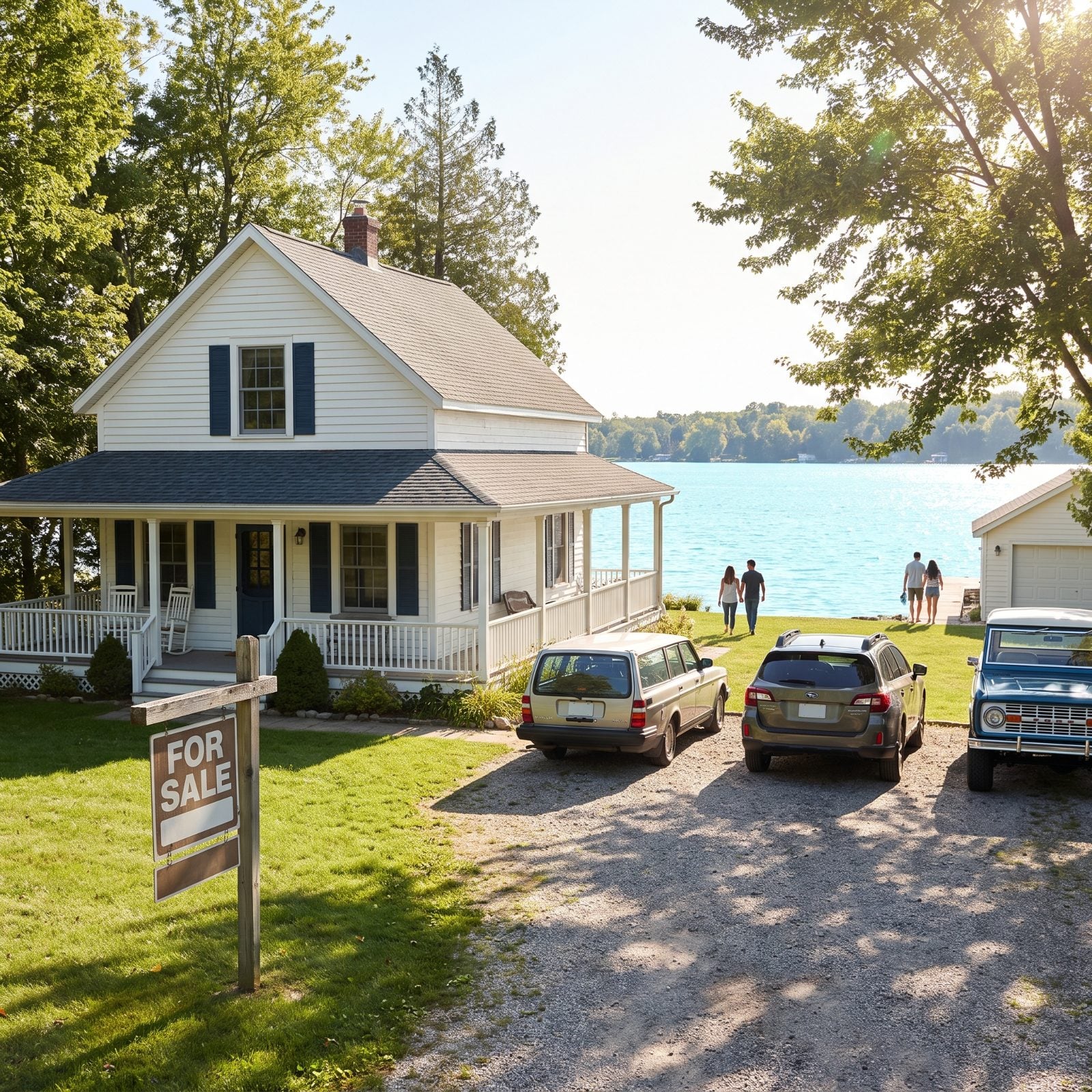
You liked the house. Then you heard there were three other offers, and suddenly you loved it. Your top number crept up. The flaws you’d noted that morning blurred into nothing. You weren’t buying a house anymore, you were winning one.
Nothing about the property improved. Only the competition did. And competition is a drug. The second someone else wants a thing, our brain reclassifies it as more valuable, more scarce, more urgent. Same reason the person who suddenly has an admirer becomes irresistible to everyone else.
Scarcity turns a maybe into a must-have, and a bidding war is scarcity with a stopwatch on it.
Auction fever is a documented thing. People overpay in bidding wars not because they revalued the asset but because losing started to feel worse than overpaying. That’s loss aversion wearing a competitive jersey. Ask yourself one question: would you still want it at this price if you were the only bidder in the room?
12. You Start Saying “Our Cove” Before the Inspection
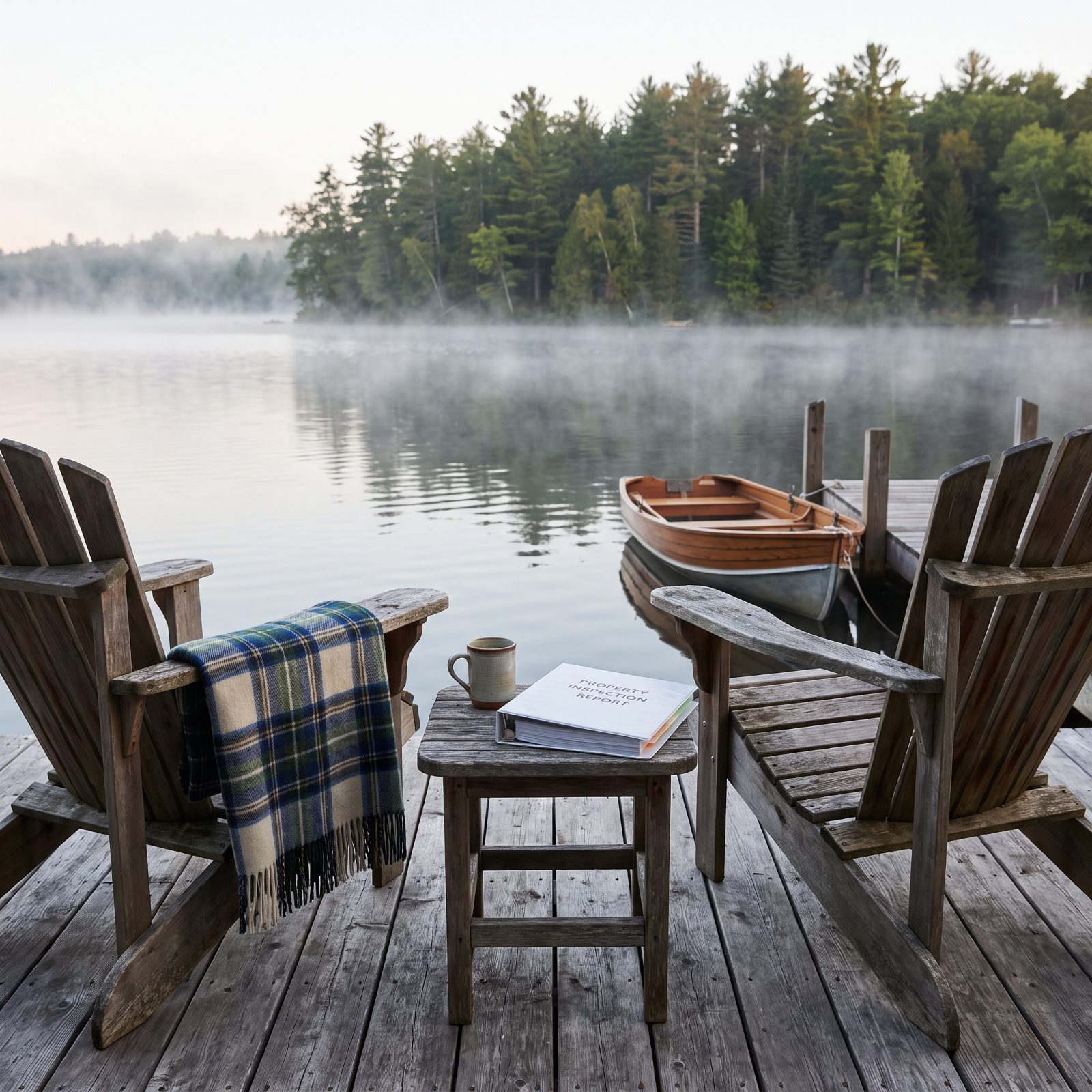
Somewhere between the second showing and the offer, the language shifts. It stops being “the house on Birch Point” and becomes “our cove.” You tell friends about “our dock” before a single contingency has cleared. The inspection hasn’t happened. In your head, you’ve already moved in.
That little pronoun does enormous damage. Once we feel we own something, we value it more and defend it harder, even against facts. It’s the endowment effect, the same instinct that makes it impossible to sell your own car for what it’s actually worth. You’re now rooting for the house to pass, which means you’ll quietly discount whatever the inspector finds.
The danger isn’t the feeling. It’s that the feeling arrives before the evidence does. By the time the report lands, you’re not a buyer evaluating a purchase, you’re a homeowner looking for reasons to keep what’s already yours.
11. You Love Who You Imagine Hosting on That Deck
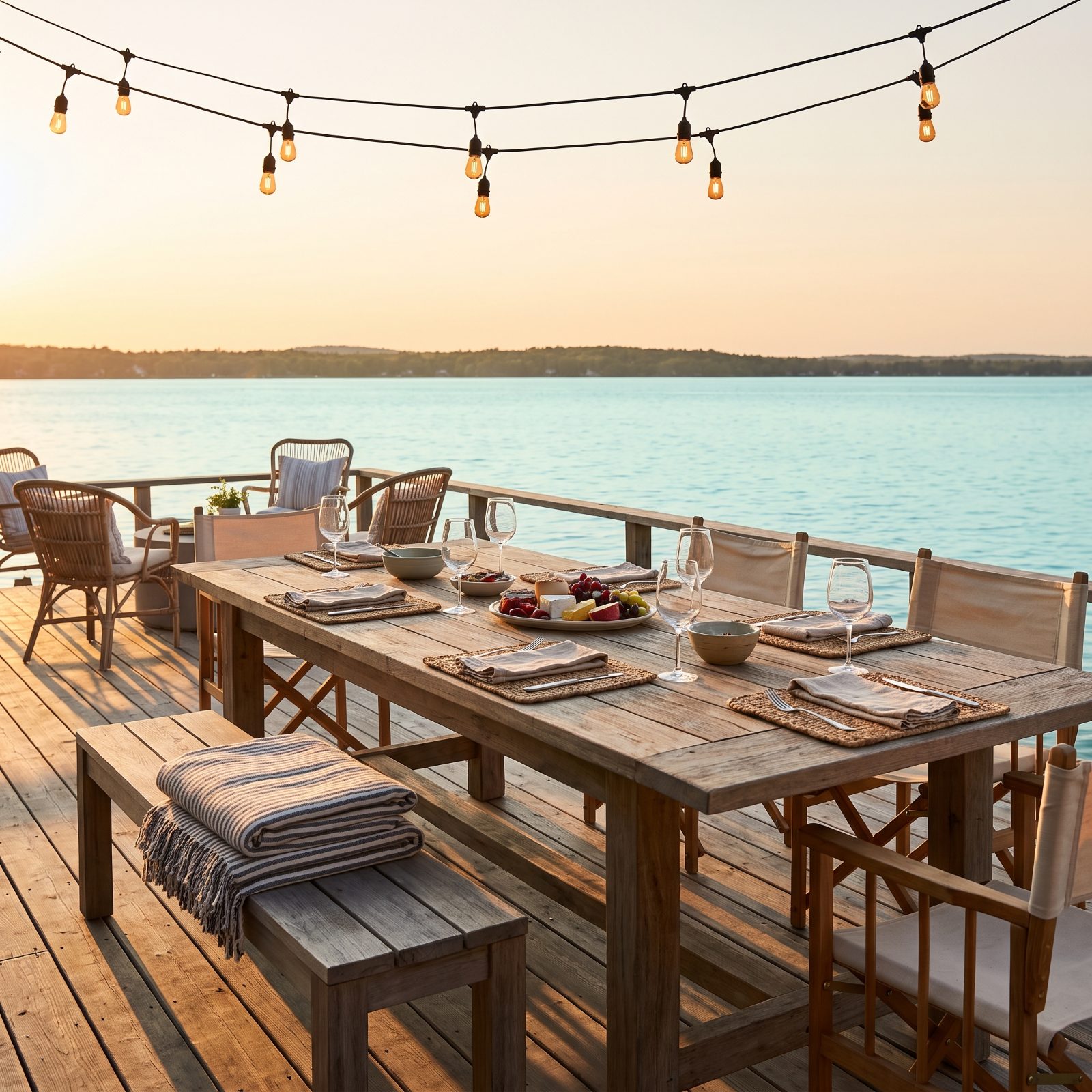
Standing on that deck, you don’t see wood and railings. You see the Fourth of July you’ll throw — the kids and grandkids, the long table, the string lights, everyone saying this is the best place you’ve ever had. You’re not buying a deck. You’re buying a highlight reel.
Here’s the catch. That reel stars the version of you who hosts constantly, cooks for twelve, and never cancels. Most of us are not that person week after week. We buy for our fantasy self and then live there as our actual self, who orders takeout and falls asleep at nine.
Love the deck for the handful of dinners you’ll actually have on it, not the crowd you imagine. The real house is good enough. It doesn’t need to carry your fantasy life too.
10. You Stretch the Budget Because No Other Deck Feels Right
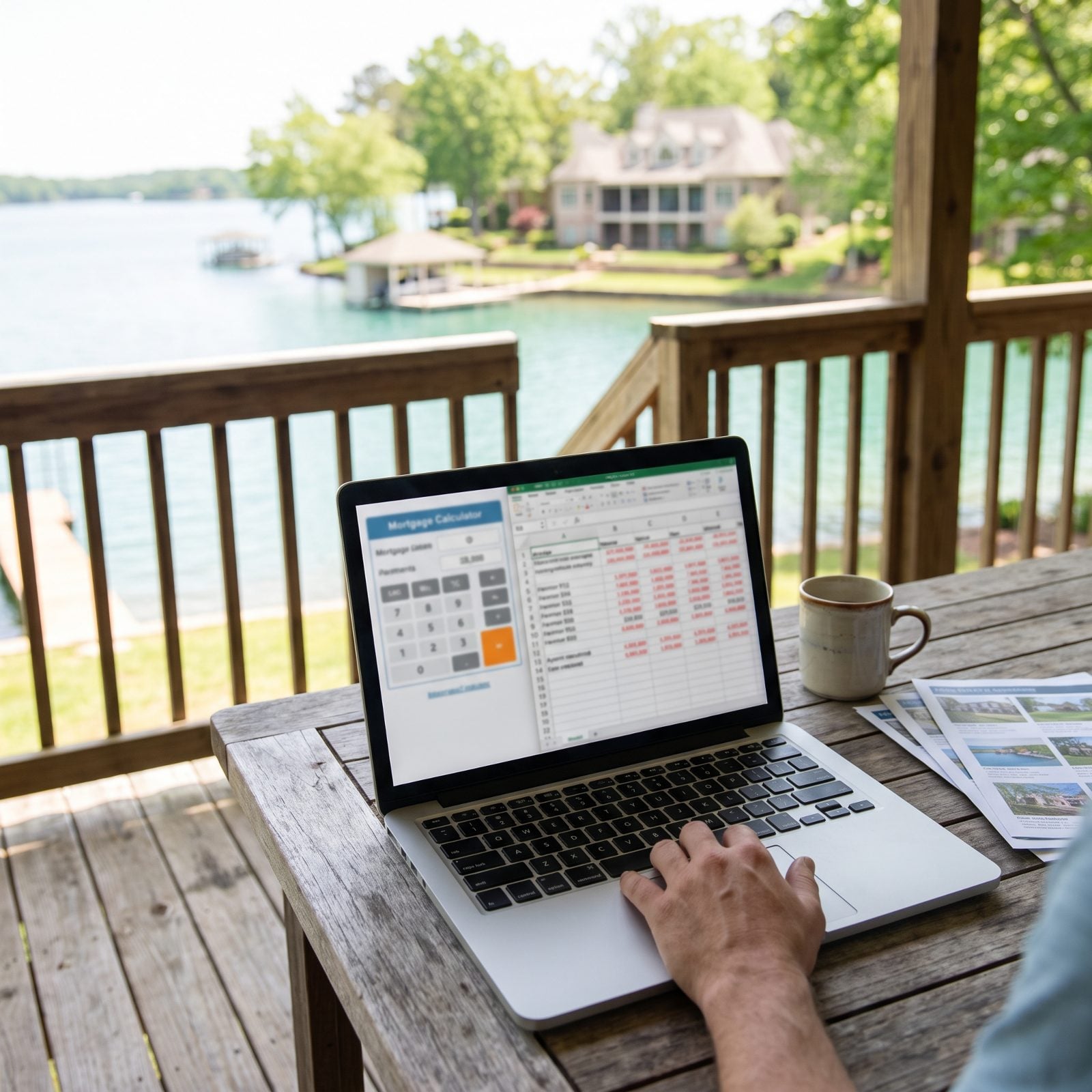
You set a number. A firm number. Then you walked onto this property and every other house you’d seen suddenly felt like a compromise, and the firm number quietly grew a good deal taller.
That’s the anchor at work. Once the best option sets the standard, everything cheaper feels like settling, and settling feels unbearable, so you reach. The waterfront premium is real and it’s brutal, and it makes the stretch feel justified because, well, look at it.
Here’s what nobody tells you at the showing: the view doesn’t pay the taxes, the dock maintenance, the flood insurance, or the special assessment when the shared road needs regrading. Waterfront carries costs that land houses never dream of. A budget stretched at purchase has nothing left to absorb the surprises — and waterfront is nothing but surprises. The deck you can’t afford doesn’t feel right either, about eighteen months in.
9. You Ignore the Long Drive Because Weekends Feel Romantic

Two hours each way. You did the math once and it didn’t bother you, because in your head the drive is windows down, good music, a thermos of coffee, the anticipation building as the trees thin and the water appears.
That’s the first trip. The fortieth trip is Friday traffic, a cranky passenger, a gas station bathroom, and the dawning sense that you spend four hours in a car to arrive tired at a place that needs the lawn mowed. Distance is cheap to romanticize and expensive to live.
We budget for the honeymoon drive and end up paying the commute price.
It’s the planning fallacy applied to an afternoon. We picture the ideal version of a repeated task and forget that repetition sands the romance right off it. The couples who actually use their lake place tend to live close enough to go on a whim. The ones two hours out? They start finding reasons to stay home by August.
8. You Decide Tiny Closets Will Finally Make You Minimalist
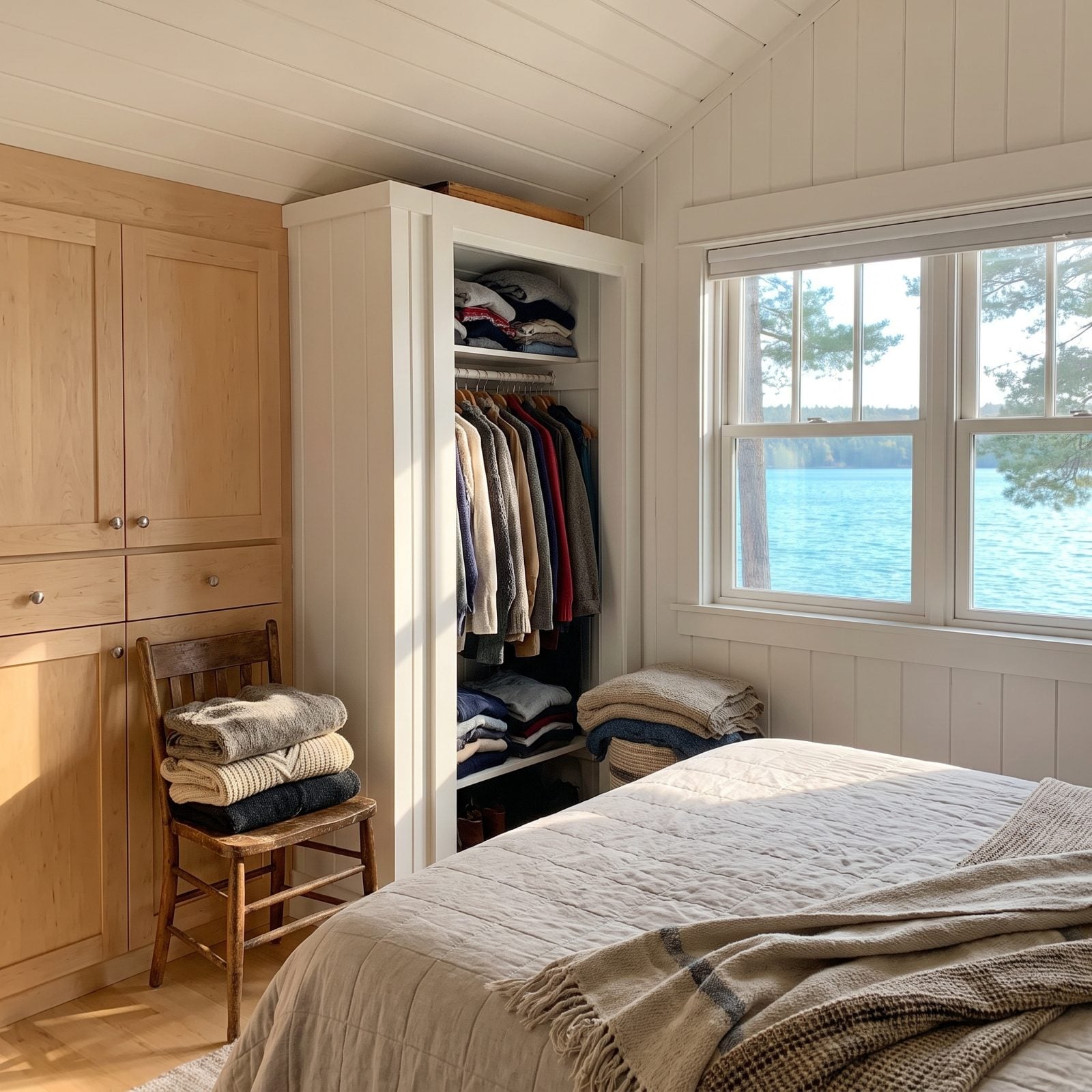
The closets are the size of a phone booth. The cottage was built in 1962, back when people owned four outfits and a raincoat. You stood in that bedroom and promised yourself this would finally be the place where you pare down, live simply, become the serene minimalist you’ve always meant to be.
You will not. You’re the same person who filled a two-car garage with stuff you forgot you owned. A smaller space doesn’t shrink your belongings. It just makes them homeless.
This is motivated reasoning dressed up as self-improvement. The house has a flaw, you love the house, so your brain reframes the flaw as a growth opportunity. The closet isn’t too small. You’re too attached to things, and this charming cottage will fix you. Spoiler: it won’t. Buy the house if you love it, but buy it knowing your stuff is coming with you, all of it.
7. You Call the Musty Basement Part of Its Charm
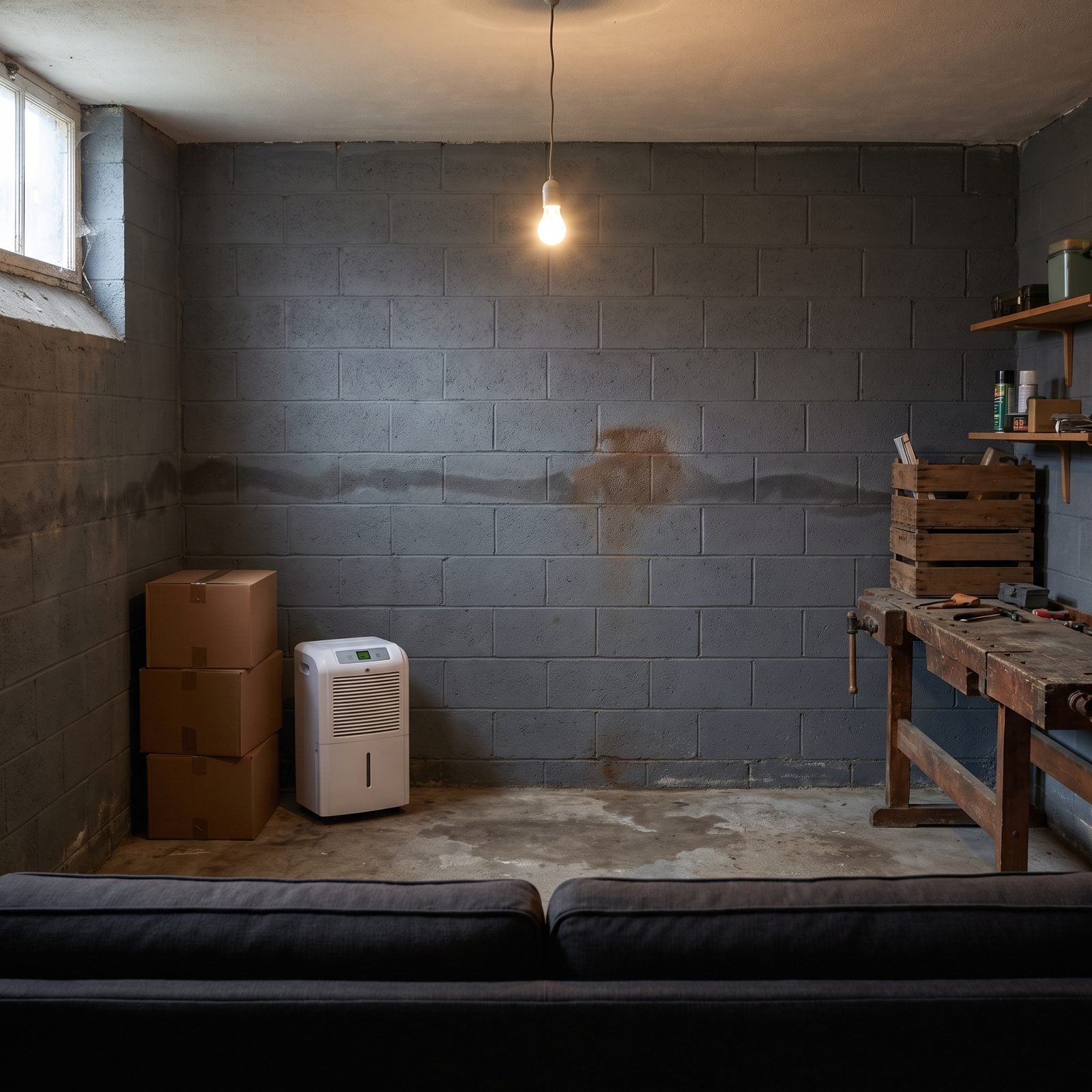
You caught it the moment you reached the bottom step. That smell. Damp, earthy, a little like an old tent. The agent called it “character” and you found yourself agreeing, nodding, saying something about how old lake houses just smell like this.
Old lake houses smell like that because water is getting in where it shouldn’t. Musty is not a personality. It’s a diagnosis. The stone walls, the faint line of discoloration, the dehumidifier humming in the corner that nobody mentioned — those are the house telling you the truth while you decide to hear a bedtime story instead.
This is confirmation bias doing cleanup. You’ve already decided you want the place, so every signal gets sorted into a pile marked “charming” and the inconvenient evidence gets quietly relabeled. The nose knows. Listen to it before the inspector has to say the word “remediation” out loud, which costs considerably more than a scented candle.
6. You Believe the Marina Noise Will Stop Bothering You
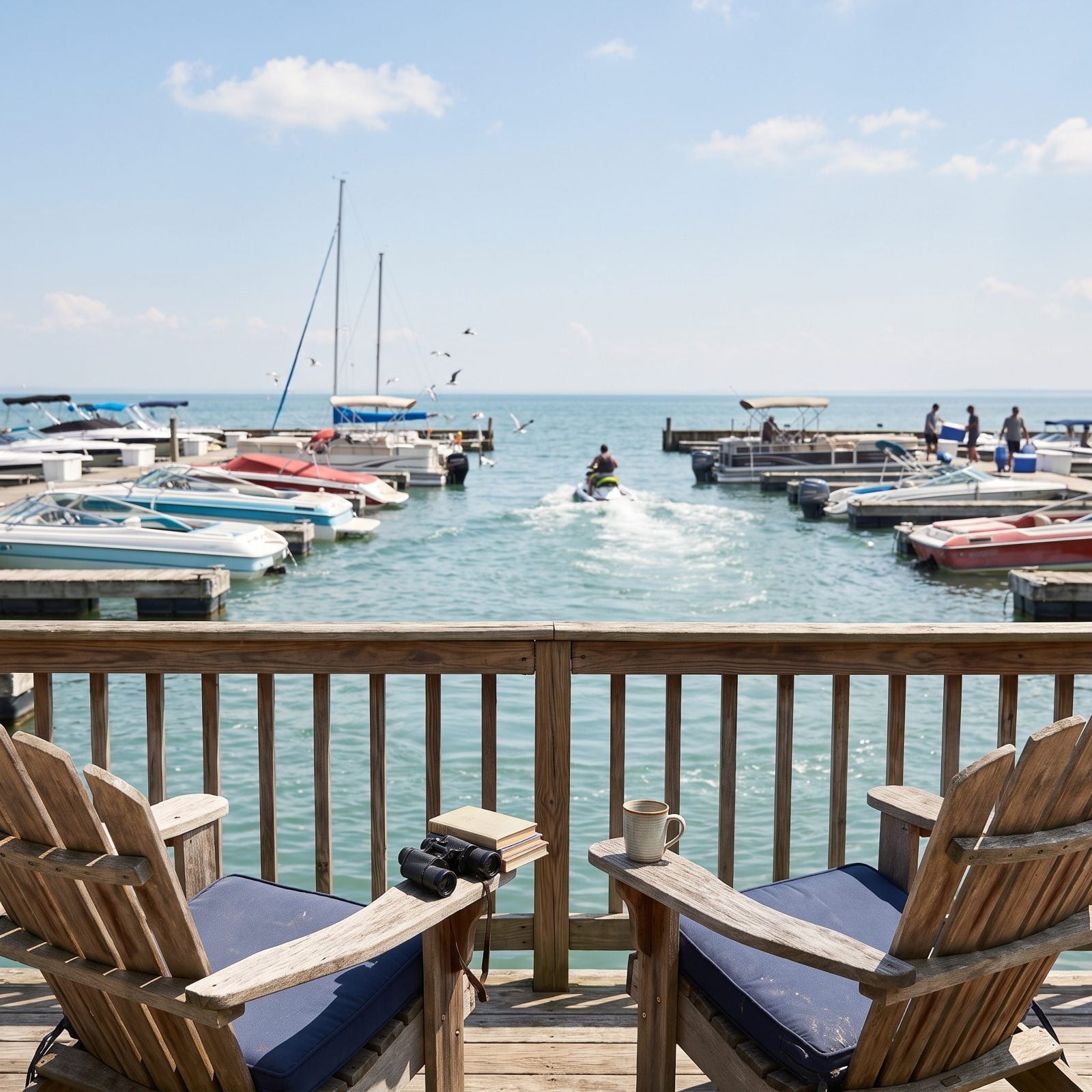
The listing agent calls it “waterfront access.” What it actually means is that every Saturday from May to September a two-stroke engine coughs to life under your bedroom window around 6:40 in the morning, followed by a man announcing to his entire friend group that the cooler is in the truck.
You stand on the deck during the showing, the water glitters, a boat passes, and you think: I’ll get used to that. You won’t. Not the way you imagine, anyway. The brain is good at predicting it will adapt to a new pleasure and terrible at predicting how long an irritation keeps grinding. It’s a classic forecasting error — we overestimate how fast we’ll settle into the annoying stuff.
Same trick that makes someone marry a person whose one grating habit they’re sure they’ll tune out by year three. You don’t tune it out. You build a whole personality around pretending to.
5. You Assume Future You Will Maintain That Seawall
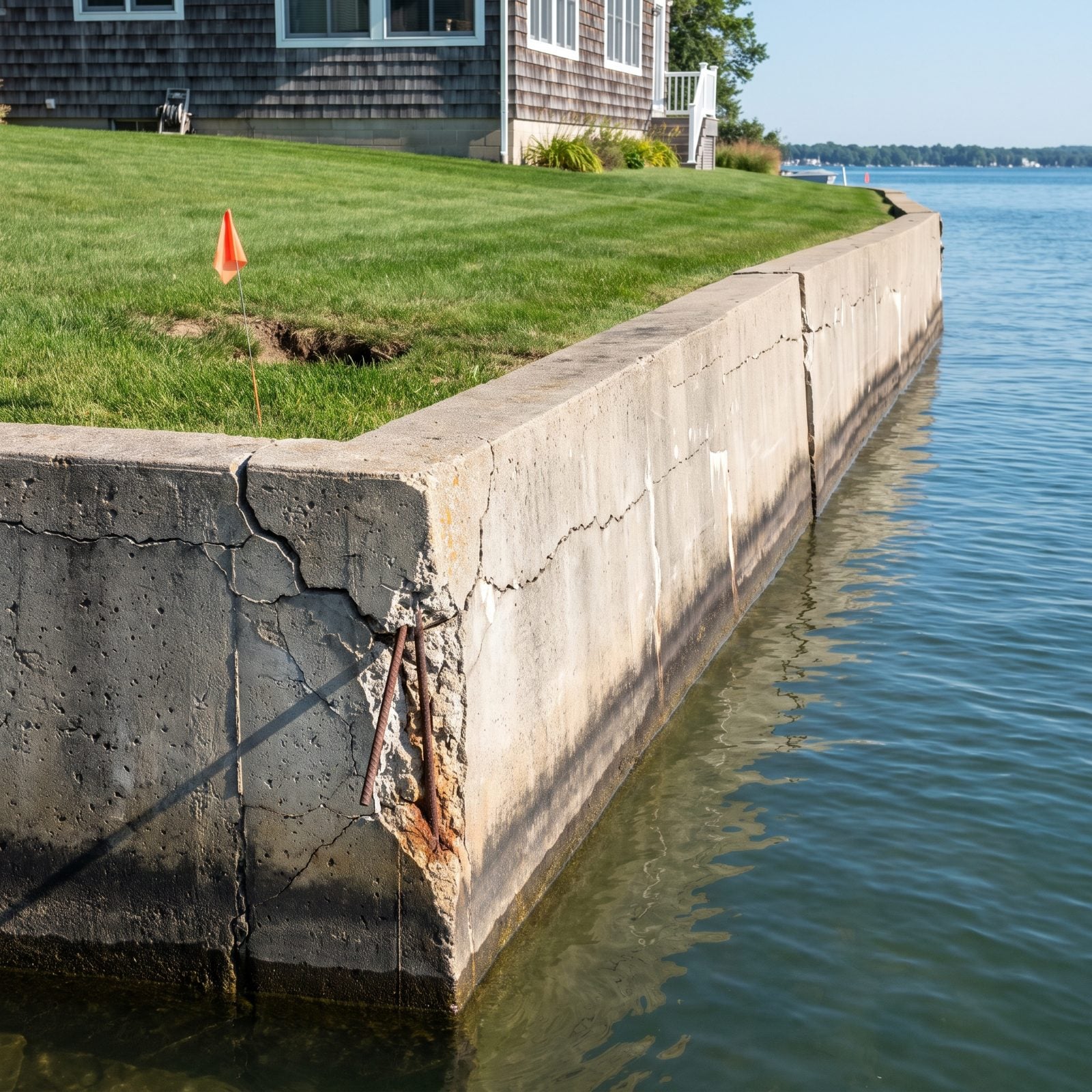
Every waterfront buyer meets the seawall and makes the same silent promise: I’ll stay on top of it. A little re-pointing here, a new anchor rod there, a fresh coat on the cap every few springs. The wall is a project, and projects are what future you handles beautifully.
Future you is busy. Future you has a knee now. Future you looks at the contractor’s quote for a full replacement, which runs well into five figures, and decides the lean isn’t that bad yet.
Call it the planning fallacy wearing a life jacket. We imagine the version of ourselves who’ll do the maintenance as more disciplined, more energetic, and a good deal richer than the one signing the papers. It’s the same optimism that buys a fixer-upper marriage — you don’t marry the person in front of you, you marry the renovation you’ve sketched in your head, and you assume the labor will be cheap and the timeline short.
The water doesn’t care about your intentions. It works that wall every single day, patient as rust.
4. You Compare Every Later House to That First Lake View
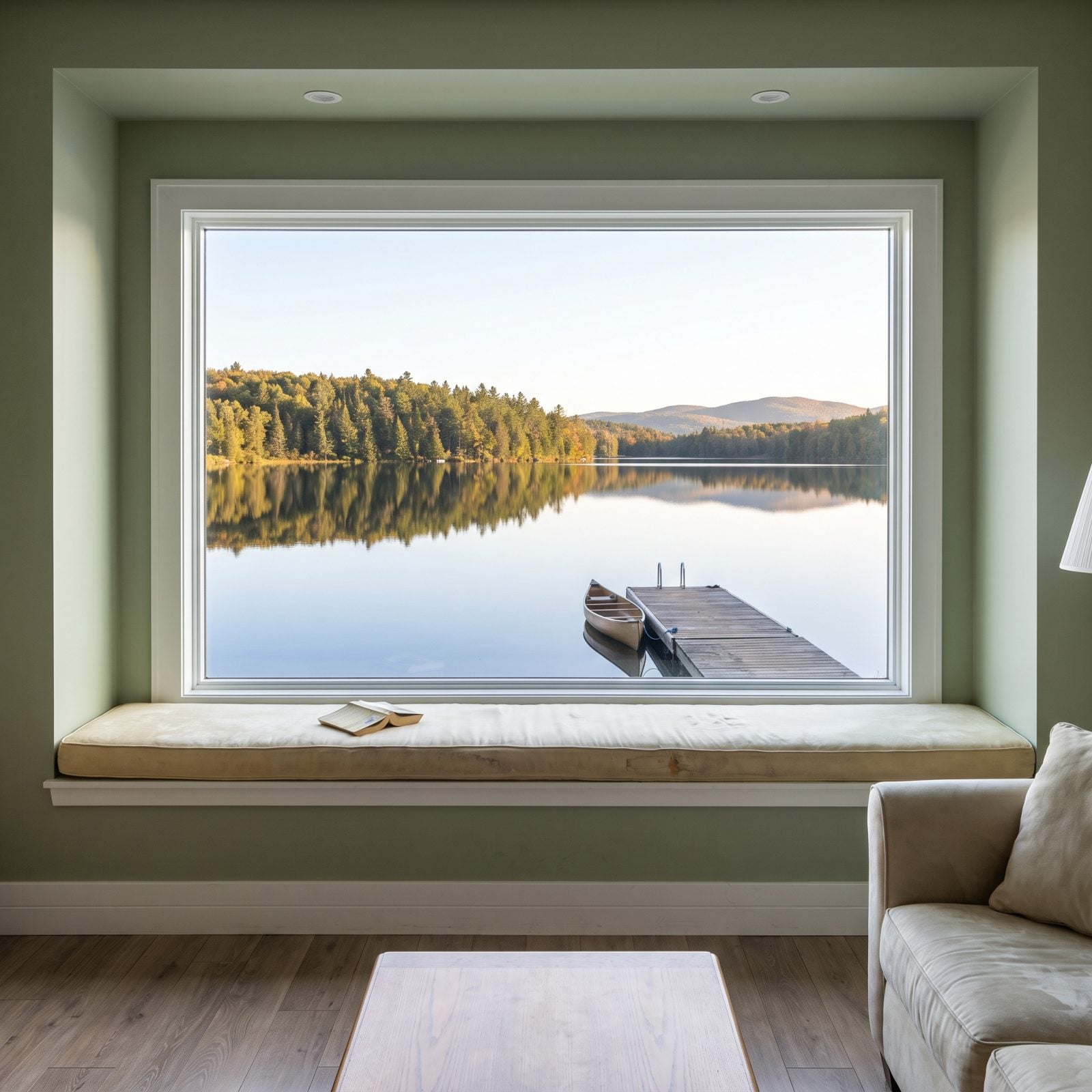
There was one view. Maybe a rental, maybe a friend’s place, maybe the first house you walked through before you knew anything about radon or dock permits. The water sat flat as glass, the far shore glowed, and something in your chest went quiet.
Now every house gets measured against that window. The next one has a nice view, sure — but trees block the left third. The one after that has great water and you can hear the road. Nothing quite lands the way the first one did.
The first great view isn’t a benchmark. It’s a ghost.
Anyone who’s dated after a first love knows this gravity. The original arrives before you have anything to compare it to, so your brain files it as the baseline for the whole category, and everything later gets graded on a curve it can’t win. The honest move is to notice you’re holding a real house up against a memory that’s been sanded smooth by time. Memories don’t have property taxes.
3. You Stay Loyal Because You Already Paid for the Survey
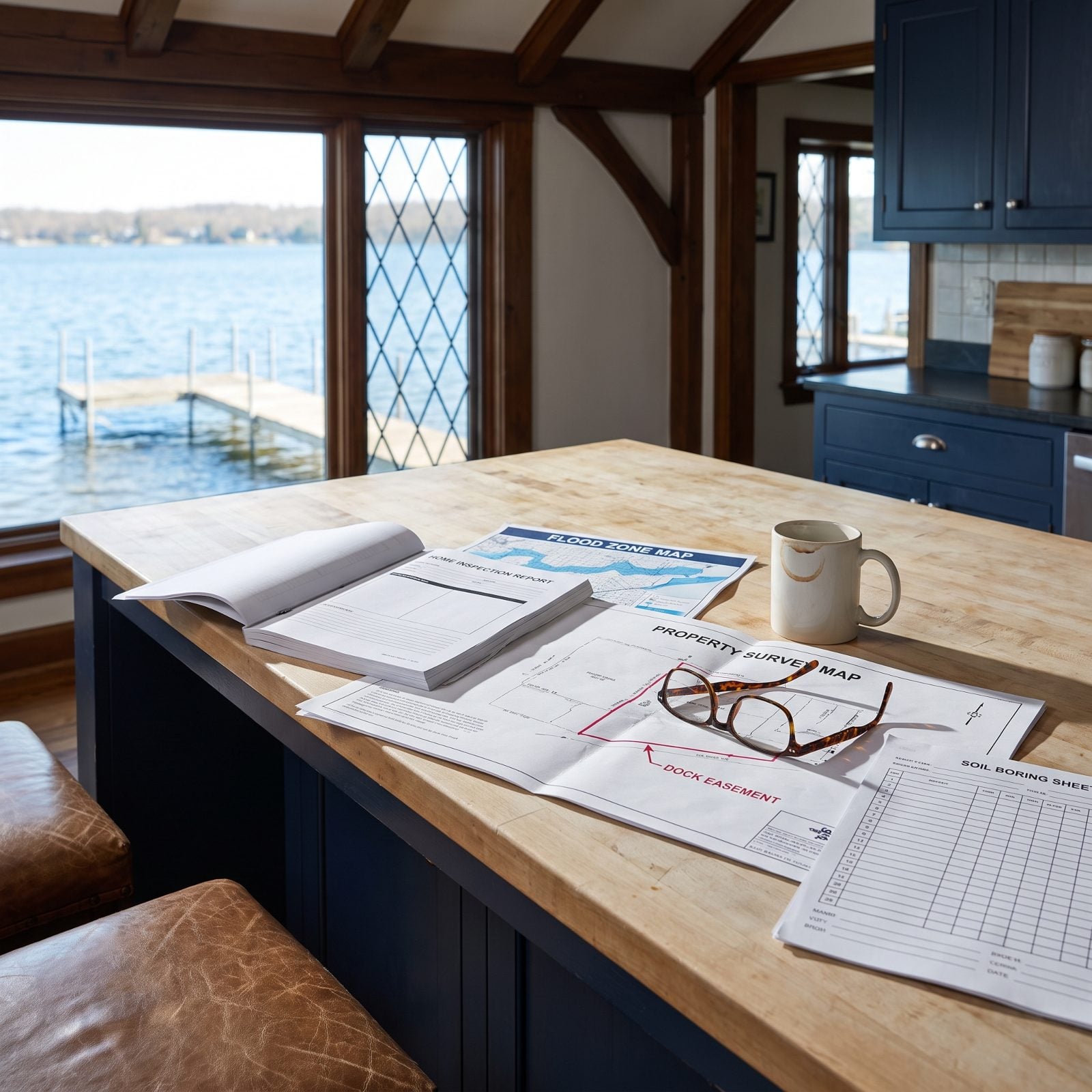
You’ve already dropped money on the inspection. And the survey. And the specialized dock assessment, because of course the dock needs its own guy. The reports come back with a few things you don’t love — a drainage issue, a questionable easement. Nothing fatal. Nothing reassuring either.
Here’s what happens next. Instead of walking, you lean in. All that money you spent feels like it would be wasted if you backed out now, so you keep going, half to protect a view you love and half to justify the checks you already wrote.
That’s the sunk-cost fallacy, and it’s one of the most expensive feelings in real estate. The money you’ve spent is gone either way. It cannot be un-spent by buying the house. But the mind refuses to see paid money as a loss unless it gets something for it, so it grabs the nearest something.
Which is exactly why people stay years too long in the relationship they’ve already invested in. The years don’t come back whether you stay or go. Yet leaving feels like admitting the investment was a mistake, so we double down on the mistake to avoid naming it.
2. You Brag About the View While Hiding the Insurance Premium
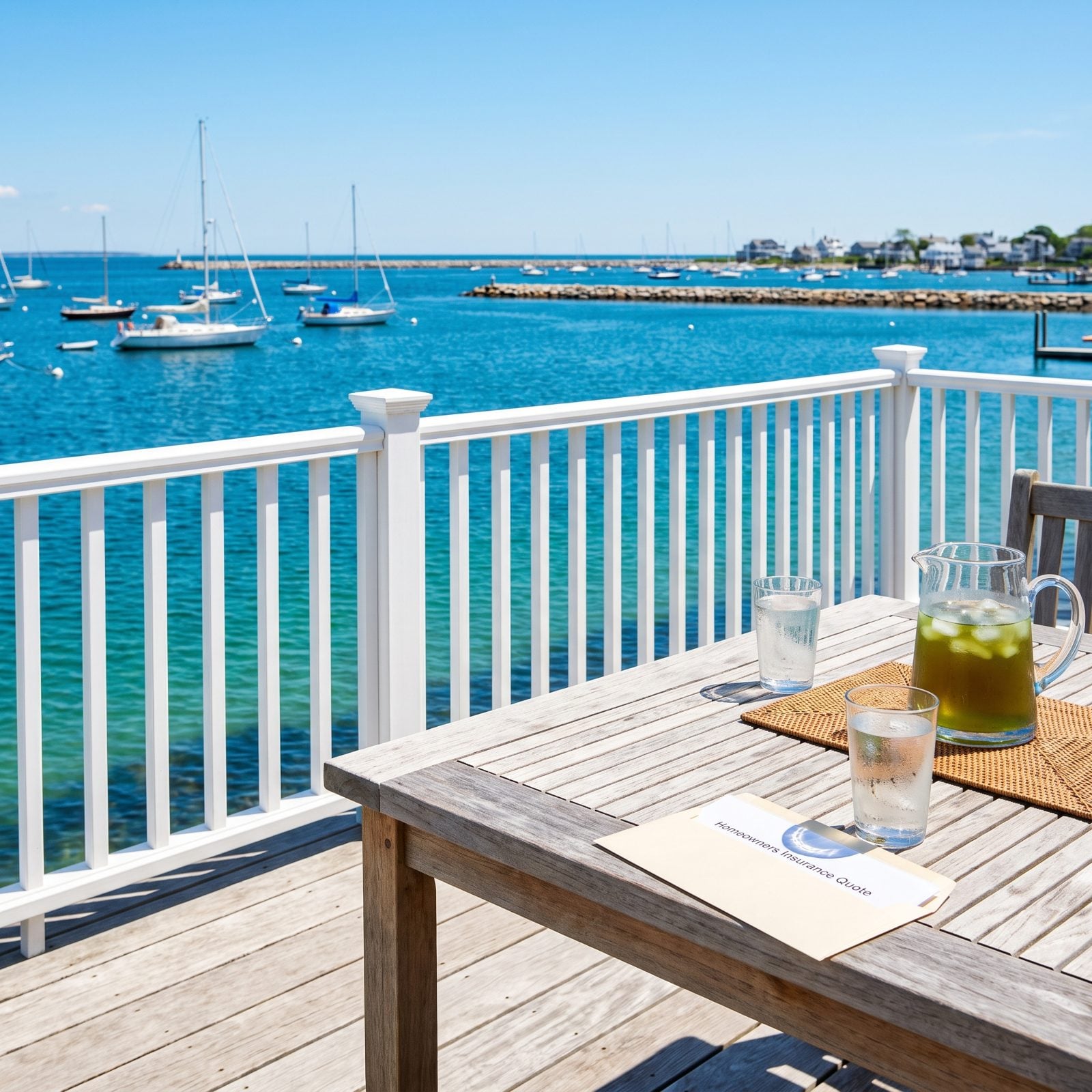
Guests arrive and you walk them straight to the deck, letting the harbor do its work — the sailboats, the breakwater, the light coming off the water like it’s showing off. Somebody says they could never leave this view. You nod. You absolutely do not mention the flood insurance.
The premium is a number that would make the whole table set down their drinks. Wind coverage, a separate flood policy, the deductible that resets every storm season. You’ve gotten good at steering the conversation back to the sunset.
This is status signaling doing what it always does. We lead with the thing that earns admiration and tuck away the thing that earns pity. The view is the engagement ring held up to the light; the premium is the credit card statement in the drawer.
Same editing happens at any reunion, where everyone presents the promotion and skips the therapy. Nobody’s lying, exactly. They’re just curating. Trouble is, when you curate your own home to yourself, the invoice still shows up — admired or not.
1. You Wait All Winter for Three Perfect Dock Weekends

Count the days you actually use the dock the way you pictured. Not bundled up checking on the tarp. Not raking goose mess off the lawn. The real ones — warm air, calm water, the boat turning over on the first try and nobody coming over to complain about the party next door.
A dozen in a good year, maybe. Three that are genuinely magic. And you’ll organize the other three-hundred-and-sixty-odd days — the shoveling, the de-winterizing, the premium, the seawall — around the memory and the promise of those few.
That’s peak-end memory at work. We rate a whole experience by its best moment and its finish, not by the hours logged in between. The three perfect weekends are the peak. They write the whole story, and the story leaves out the cold.
Anyone who’s raised kids, run a business, or stayed married a long time knows this bargain by heart. You endure the long ordinary stretch for the handful of days that make it all feel like it was obviously, completely worth it. And here’s the strange part: usually it is.