
The listing refreshes at 11:40 at night. A twenty-six-footer, clean lines, low hours, a cockpit that photographs like a daydream. You already own a boat that runs fine, and you scroll anyway. Anyone who has watched a friend trade up every couple of seasons knows this itch, and anyone who has watched that same friend fall for the next person a little too fast recognizes it too. Both habits run on the same wiring: novelty, comparison, idealization, and a story we tell ourselves once the deposit clears. The boat and the crush aren’t so different. They both promise that the real version of your life is one upgrade away. Here is where the two tracks run parallel, and why the human mind can barely tell them apart.
Please note that some of the imagery in this article may have been enhanced with the assistance of AI.
18. Endless Broker Listings Keep Whispering There’s a Better Boat

You own a perfectly good boat. It started this morning, held its line in a crosswind, and got you home dry. None of that matters at 11:40 at night when the search results reload and there she is: lower hours, newer electronics, a transom that looks like it belongs in a magazine.
This is the same loop that keeps a person half-committed and still swiping. Dating researchers call it the paradox of choice. When the next option is always one scroll away, the brain stops asking “is this good?” and starts asking “could something be better?” The two questions feel identical but they wreck you differently. One lets you enjoy what you have. The other turns a fine boat, or a fine partner, into a placeholder.
The cruelty is that the listings never run out. There is always a cleaner hull, a sweeter deal, a boat that photographs better than yours ever will in real sun.
17. The Sea Trial Makes You Forget Every Question on Your List
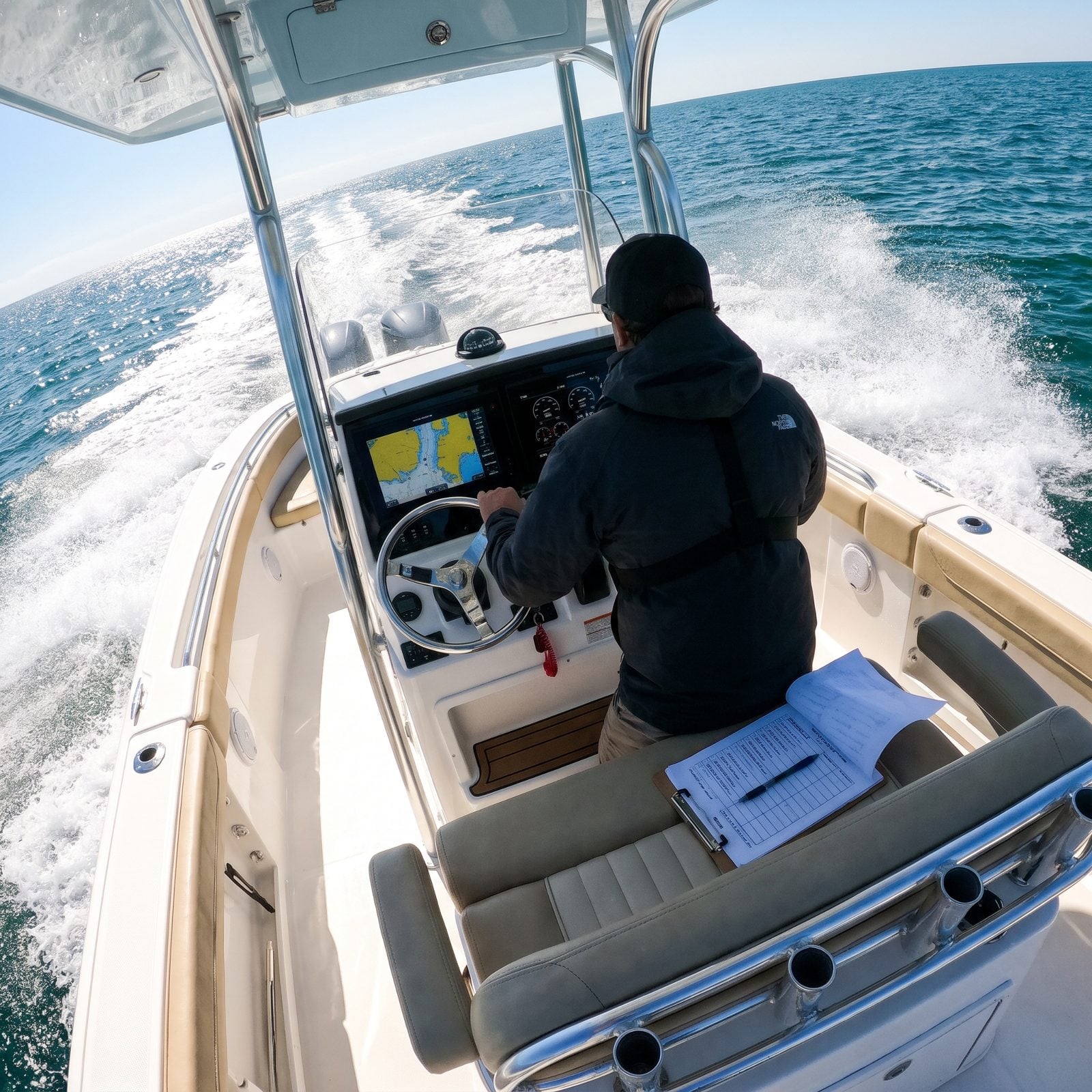
You brought a list. Bilge pumps, soft spots in the deck, how she tracks at low speed, that noise the broker waved off. Then the throttles go forward, the bow lifts, and the whole list blows off the leaning post into the wake.
Suddenly you’re grinning into the wind and the questions feel small. Infatuation, pure and dumb. The rush of novelty floods the brain with dopamine, and dopamine is a terrible accountant — it doesn’t care about engine hours, it only cares that right now feels good.
Same thing happens on a great first date. The questions you promised yourself you’d ask get drowned out by the feeling of the night going well. You leave remembering the spray on your face and forgetting that you never checked the one thing that would’ve told you the truth.
16. Fresh Upholstery Can Somehow Outvote a Troubling Survey
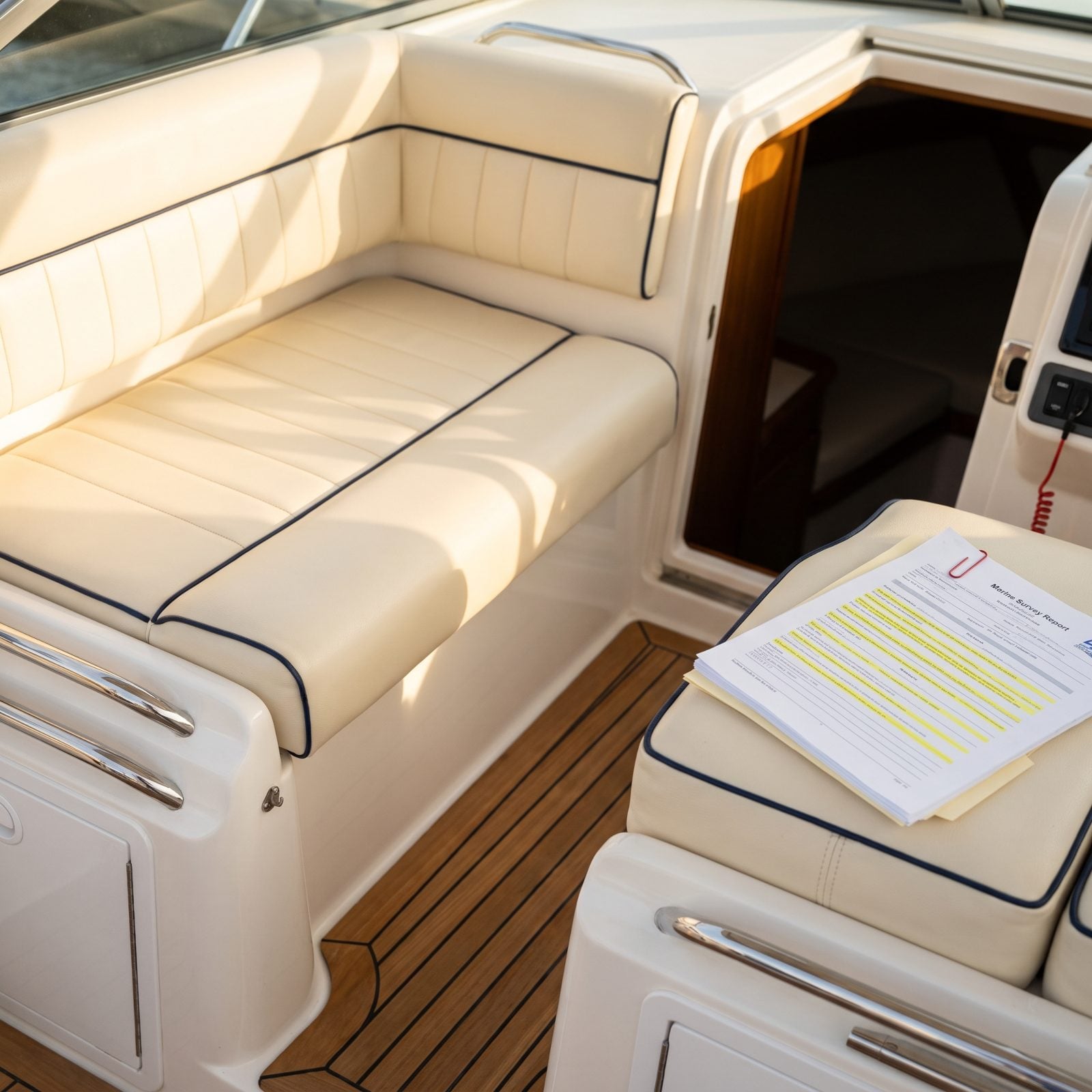
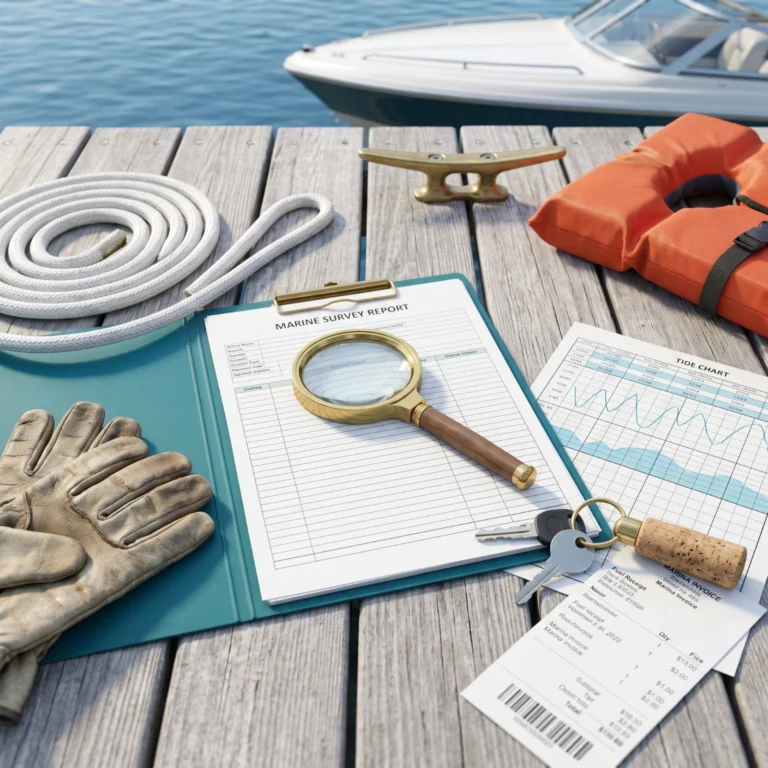
The survey came back with a few words nobody wants to read. Moisture in the transom. Blistering below the waterline. The surveyor used the phrase “further investigation recommended,” which is marine for “this will cost you.”
And yet. The new upholstery is so clean, the cockpit smells like fresh vinyl, and you step aboard and the whole thing just feels right — and that feeling starts quietly arguing with the paperwork in your hand.
Call it the halo effect at the dock. One attractive surface trait, the gleaming seats, bleeds into your judgment of everything else, including things it has no business touching. We do it with people constantly. Someone is warm and funny on night one, so we assume they’re also reliable, honest, and good with money. We extend a line of credit nobody earned. Fresh upholstery and a great laugh are selling you the same lie.
15. A Limited Build Slot Turns Browsing Into an Emergency
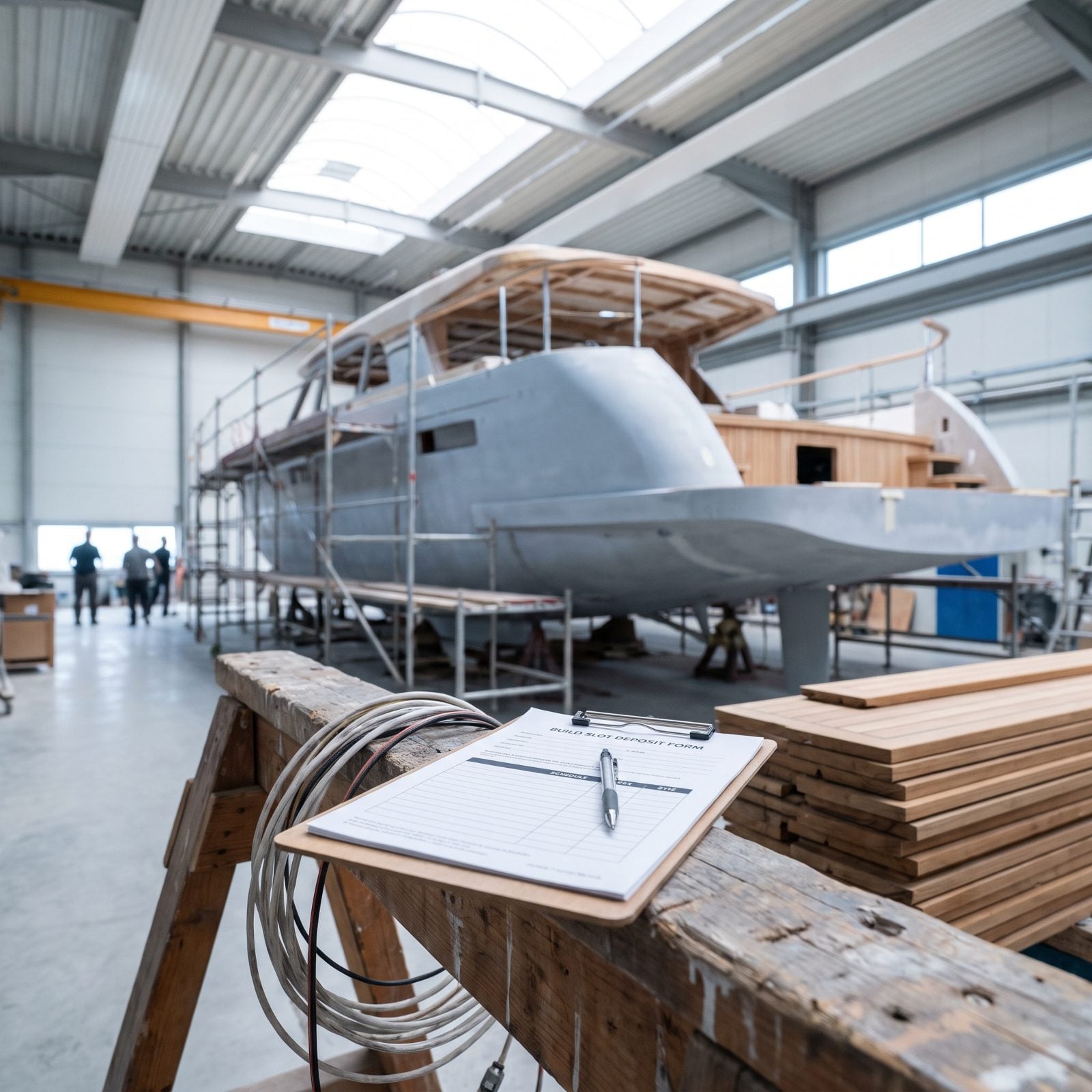
The builder mentions, almost casually, that they only have two hull slots left this year, and the next ones won’t launch until the season after. Your heart rate changes. Ten minutes ago you were browsing. Now you’re doing math on a deposit.
Scarcity flips a switch that logic can’t reach. The moment something might disappear, we want it more, and we stop weighing whether we wanted it at all. The clock does the deciding.
It’s the exact pressure that makes people rush a relationship — that sense the chance won’t come again, that you’d better lock it down before someone else does. Urgency feels like certainty. It isn’t. A good boat, like a good person, will still be a good boat next spring, and the ones that only make sense under a ticking clock usually stop making sense once the clock stops.
14. The New Chartplotter Thrill Fades Before Its Warranty Does
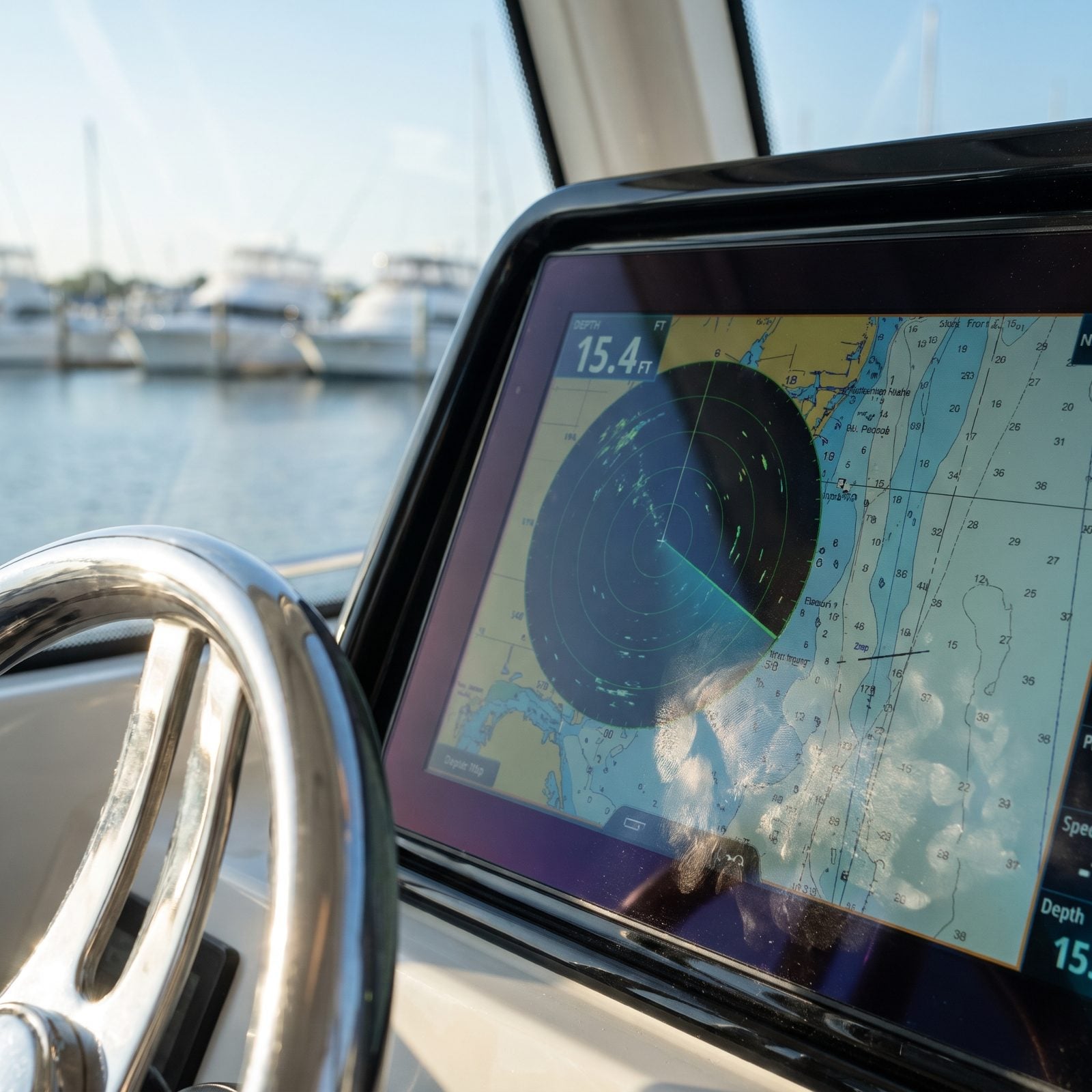
For about three trips, the new plotter is the greatest thing you’ve ever owned. The screen is huge, the radar overlay feels like witchcraft, and you show it to everyone who steps aboard whether they asked or not.
Then it just becomes the screen. You stop seeing it. The thrill drained out while the warranty card was still sitting on your desk.
Psychologists call this hedonic adaptation, and it’s the quiet saboteur behind every upgrade that was supposed to finally do it. We adjust to good things fast. The new becomes the normal, and the normal stops delivering the hit. Same arc that makes a fresh romance feel electric for a season and ordinary by the next — not because anything went wrong, but because the human nervous system treats “wonderful” as a temporary setting. Nobody stays dazzled by anything for long, which is worth knowing before you spend big chasing dazzle.
13. Your Slip Neighbor’s Twin Outboards Redefine “Plenty of Power”
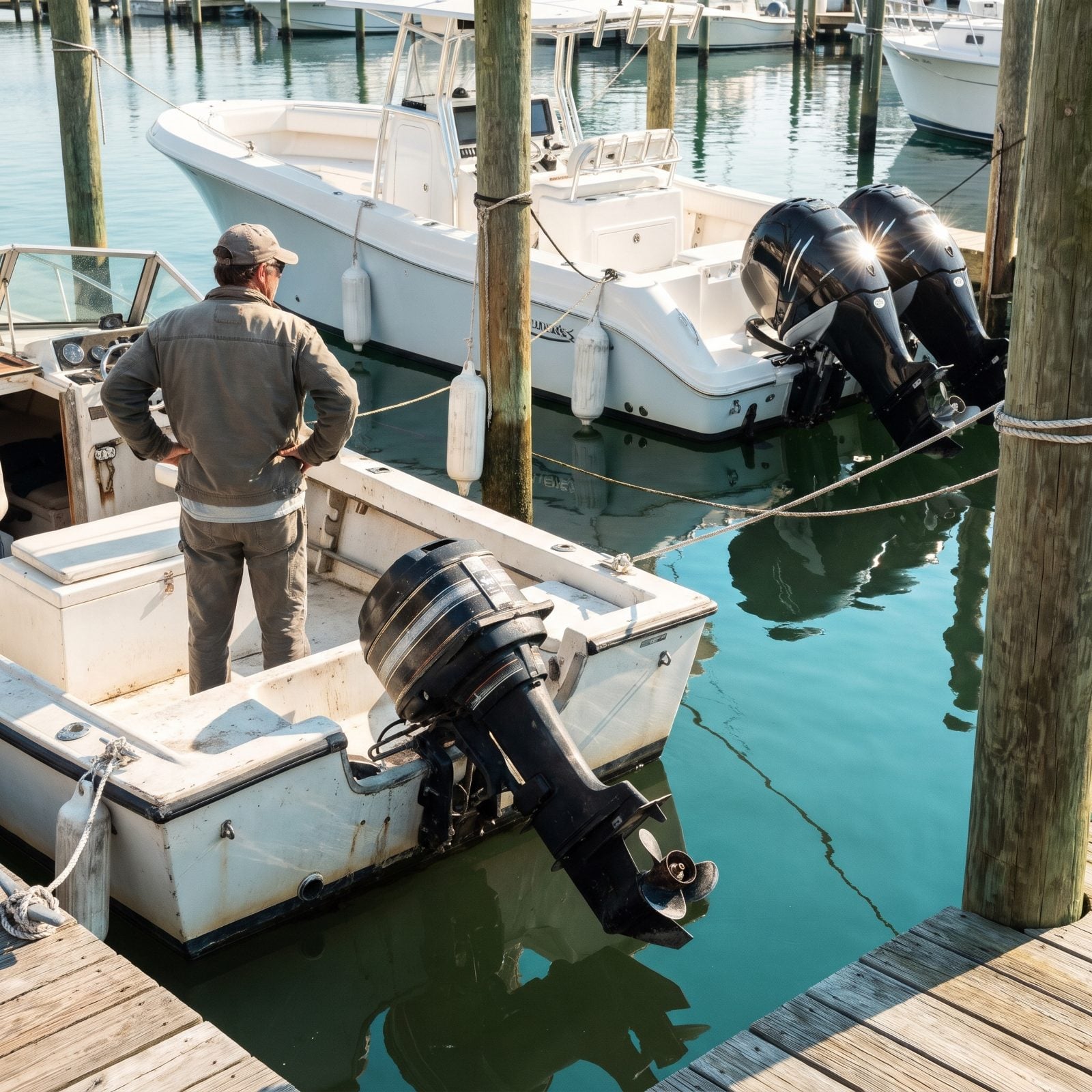
Your single outboard was plenty. It got you on plane, out to the fishing grounds, and home again. Then the boat in the next slip showed up wearing twins, chrome and menace, and suddenly your motor looked a little lonely back there.
Nothing about your boat changed. Your frame of reference did. We judge what we have against what’s parked beside it, never against what we actually need. Economists call it the comparison trap; the rest of us call it marina envy.
It’s the identical mechanism that makes a steady, loving partner feel “not enough” the week a friend starts dating someone flashier. The standard moved without your permission. And here’s the part worth sitting with: twin outboards don’t make the water any shorter. They just make yours feel smaller. The problem was never horsepower. It was the slip next door.
12. A Bigger Yacht Feels Like Proof You’re Doing Better
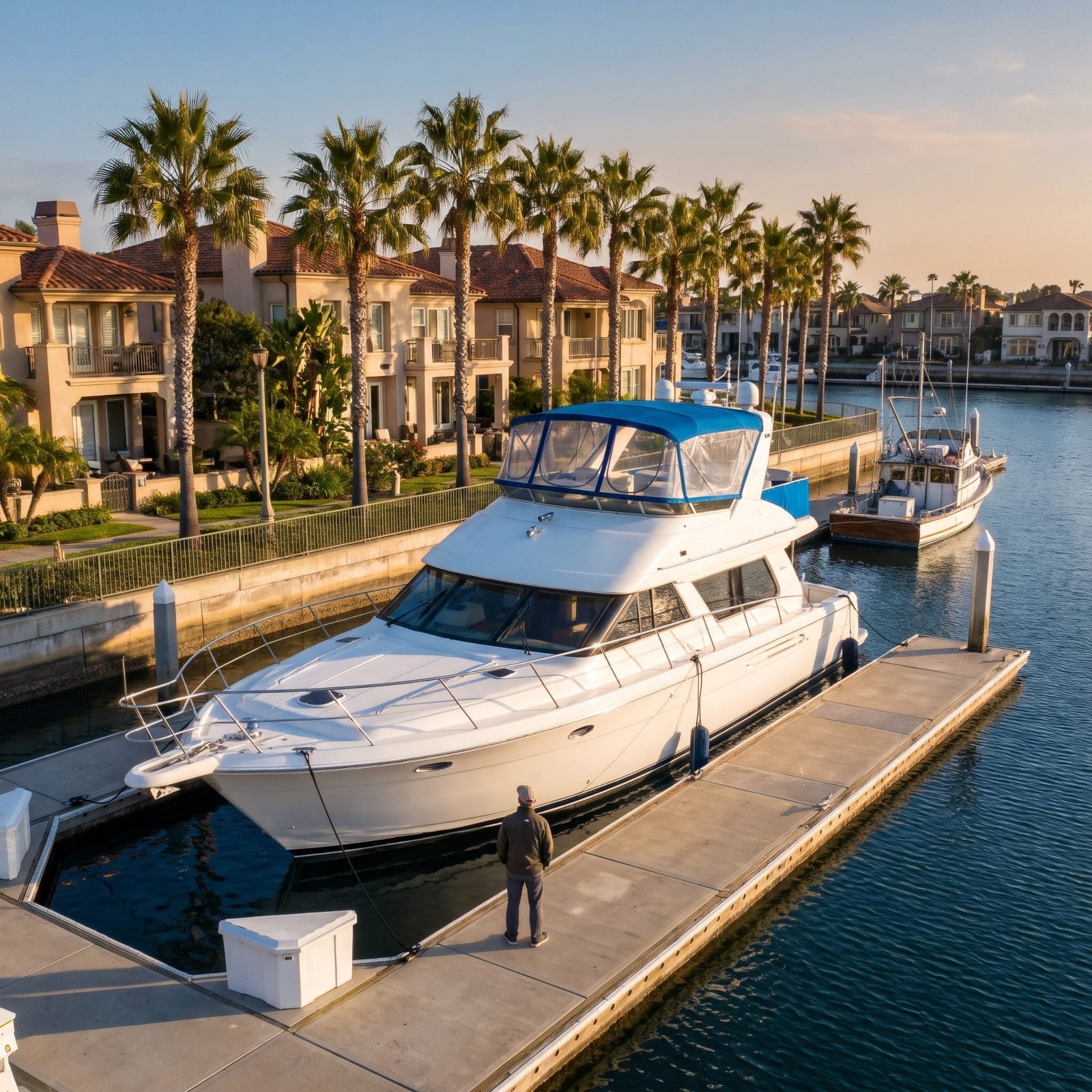
There comes a boat you want less for the water and more for what it says. Fifty feet of white hull reading, to anyone on the dock, “things are going well.” The boat became a scoreboard.
This is status signaling, old as the species and dressed up in gelcoat. The purchase is aimed outward, at an audience, at a version of yourself you want confirmed. The boat is the message.
A bigger boat doesn’t answer whether you’re happy. It answers whether you look like you should be.
People pull the same move with partners, chasing someone who photographs well for the group chat, who signals success to a room, long after the private part of it stopped feeling good. The trouble with a scoreboard is that it only tells you where you stand relative to the crowd. It can’t tell you whether you actually like being out on the water, which is, in the end, the only question the boat was ever supposed to answer.
11. One Adventure Channel Has You Pricing Offshore Range
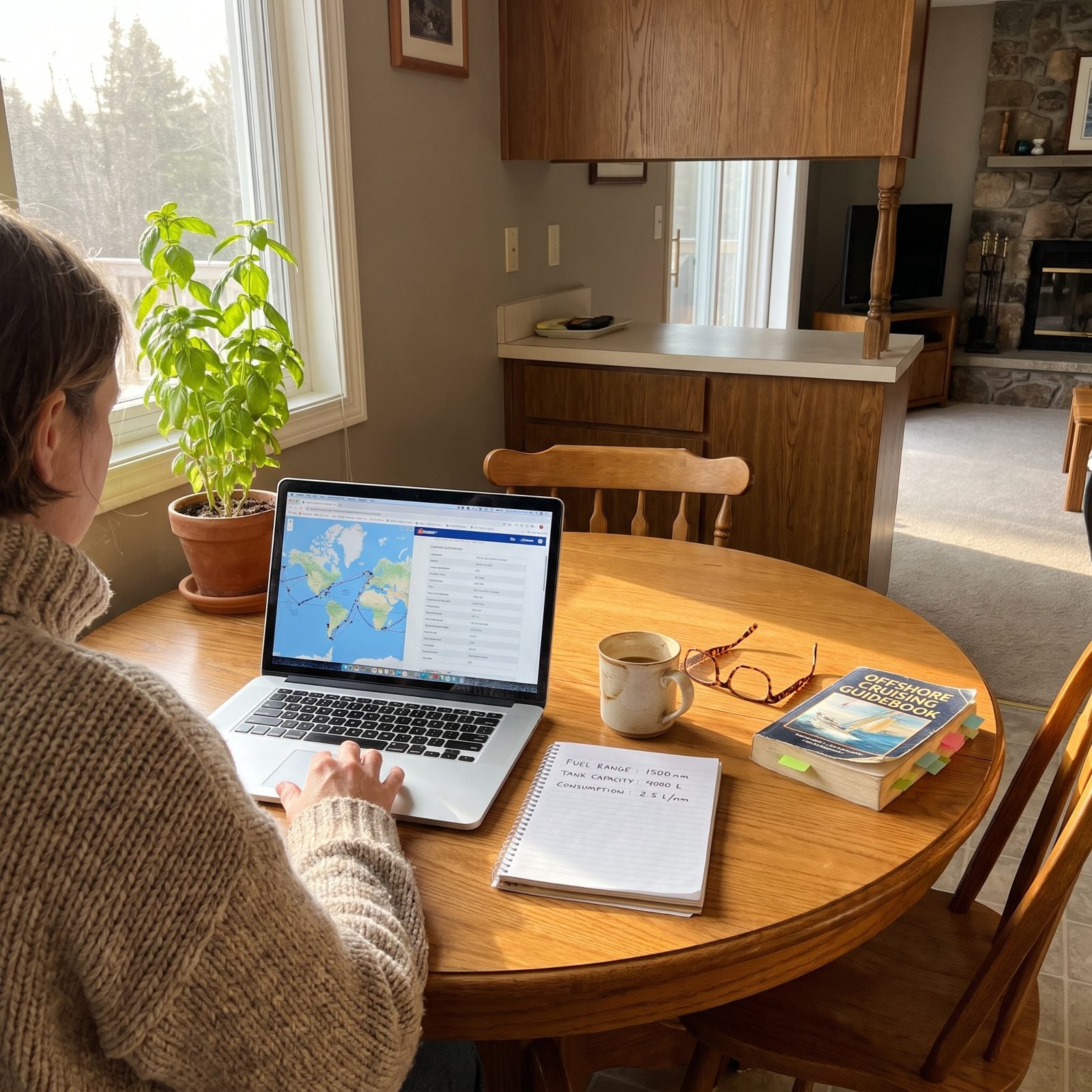
It starts innocently. One video of a couple crossing to the Bahamas, then another of someone single-handing down the coast, and by the third you’ve got a notepad out and you’re pricing fuel range on a boat built to go places you’ve never once pointed toward.
The algorithm served you a fantasy and your brain filed it under “plan.” Call it the vividness trap. A story you can picture clearly feels more likely, and more necessary, than it really is. You can see yourself anchored off a quiet cove, so you start buying the boat that gets you there, as if the wanting were the same as the doing.
It’s how a few good love stories, on screen or in a friend’s feed, convince you that you need the dramatic version too. The highlight reel skips the fuel bills, the weather holds, the long flat stretches of nothing. You’re shopping for the montage.
10. You Buy the Boat That Fits Your Imaginary Weekends
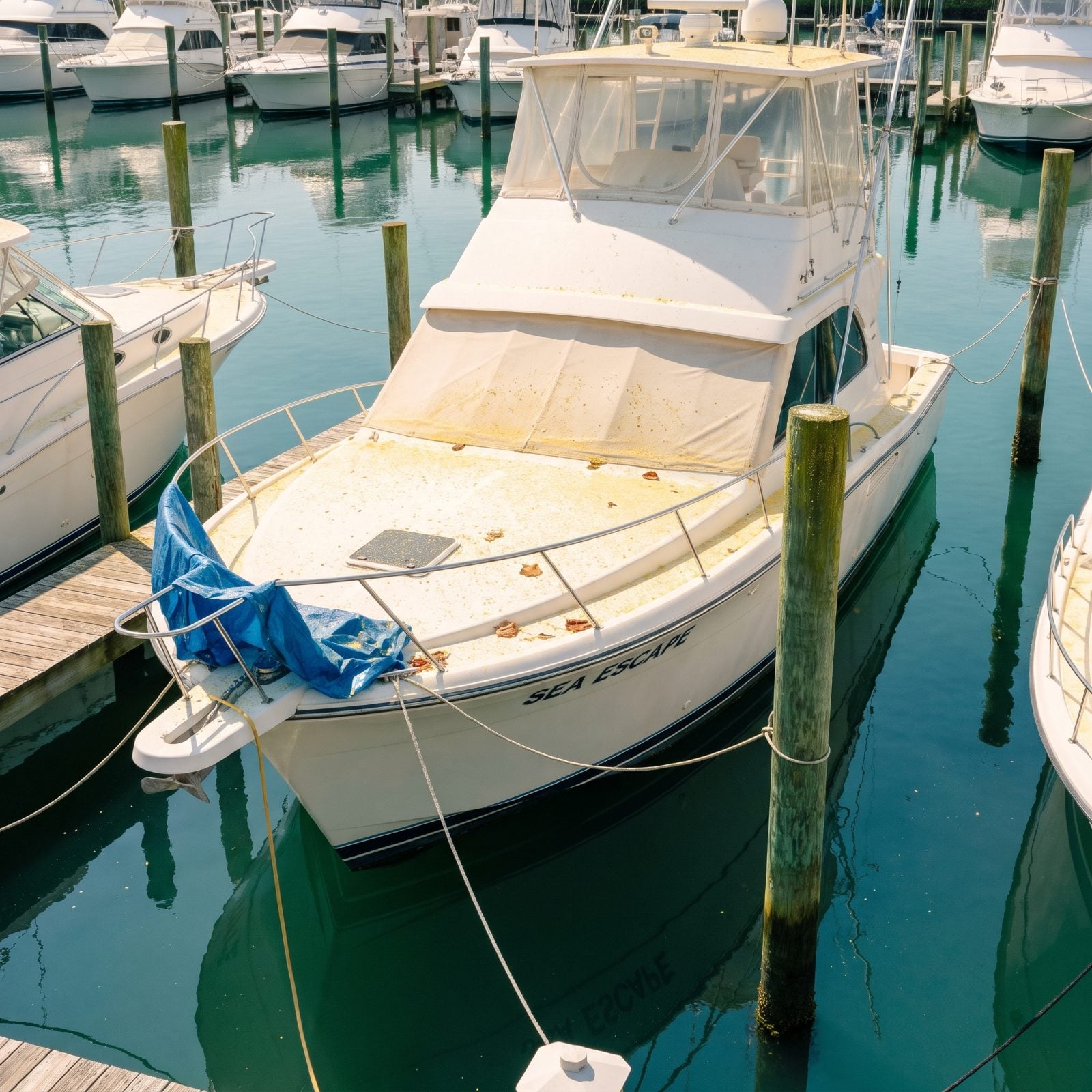
You didn’t buy the boat you have. You bought the boat your fantasy life needed — the one for the big family cookouts on the water, the overnight runs to the island, the weekends that, in the brochure of your mind, happen constantly.
Then real life shows up. Work, grandkids’ soccer, a knee that doesn’t love climbing a swim ladder anymore. The boat sits, sized for a schedule you don’t actually have.
We project our ideal selves onto big purchases and onto people both. We fall for who someone could be, who we imagine we’ll become alongside them, and then wonder why the real relationship feels oversized for the life we actually live. A boat that fits your imaginary weekends is a lovely thing to own and an expensive thing to store. The honest question isn’t what could you do with it. It’s what you really do, most Saturdays, when the marina is quiet and nobody’s watching.
9. You Choose Speed Again, Then Resent the Tiny Cabin
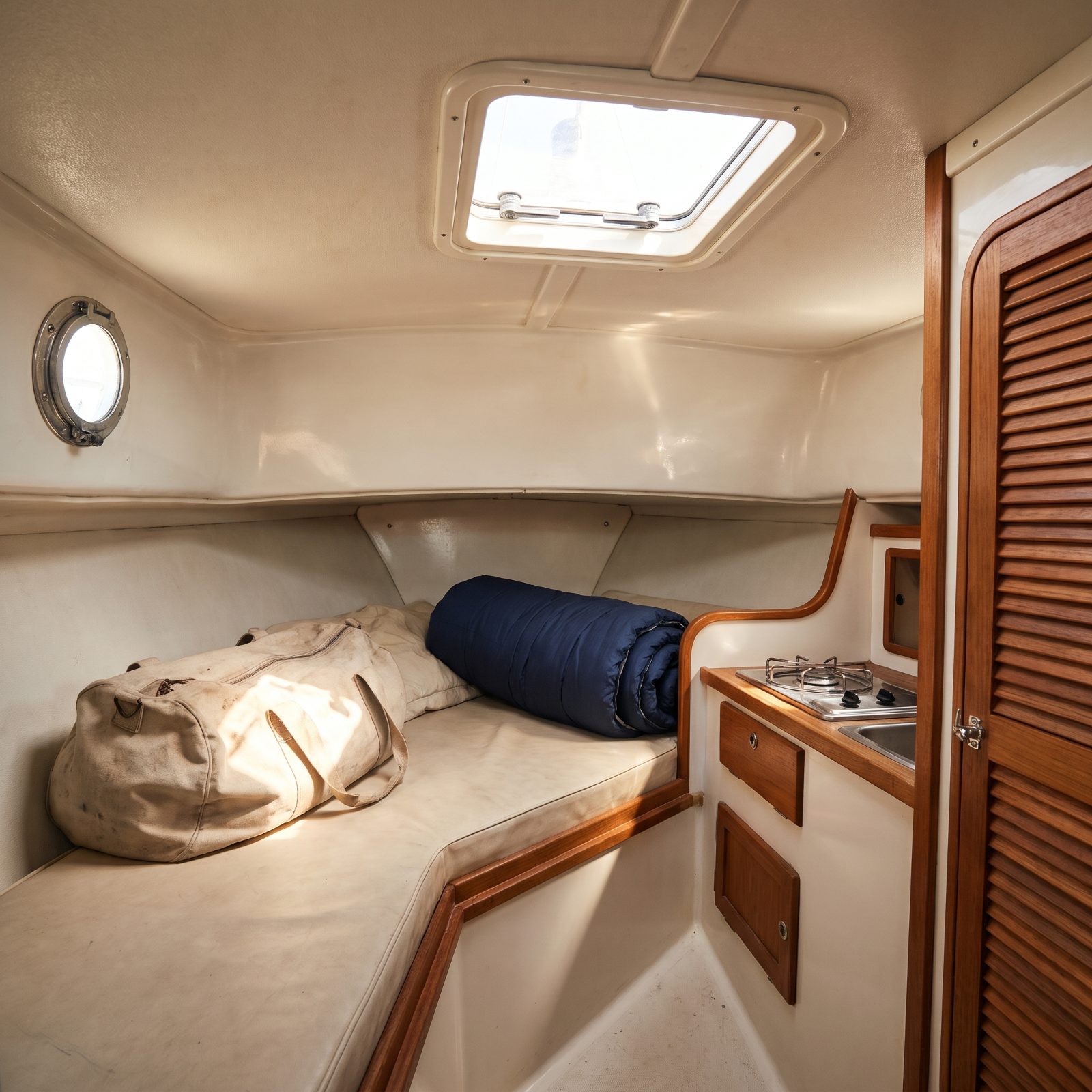
You did it again. You picked the fast one — the sleek hull, the throttle that pins you to the seat, the boat that feels like it means it. And on day two of the trip you’re hunched in a cabin the size of a phone booth, cursing the lack of a real berth and a galley you can turn around in.
You knew this. You traded the last roomy, sensible boat precisely because it was slow. Now here you are, resenting the exact thing speed costs.
This is a pattern, not an accident. People cycle between the same two trade-offs in boats and in partners: excitement versus comfort, the thrilling choice versus the one you can actually live with. We chase the spark, get bored of the practicality, chase the spark again, and rediscover, every single time, that the spark comes with a tiny cabin.
The lesson isn’t that one is right. It’s that you keep forgetting you already ran this experiment, and it keeps ending the same way.
8. You Swap Hull Types Every Time Your Hobbies Shift
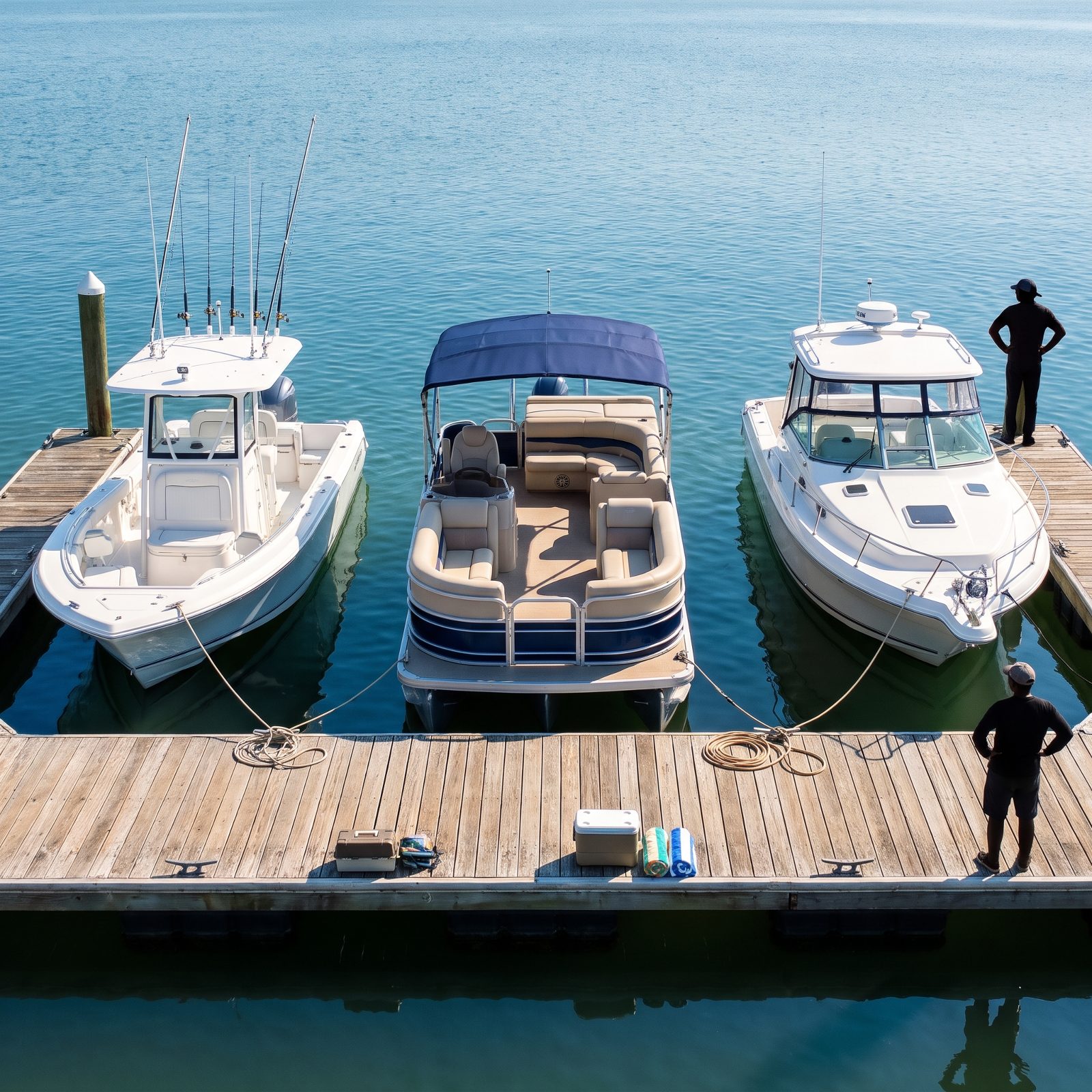
First it was fishing, so you bought the center console with the raised casting platform. Then the grandkids started coming up for weekends and the fishing boat felt cramped, so you went pontoon. Now you’ve decided you want to do overnights, the pontoon’s suddenly too exposed, and a cabin cruiser is calling your name.
It’s the same reflex as deciding the person you’re with no longer matches the life you’re imagining. You don’t adjust. You replace. The hobby shifts, and rather than rig the boat you own to do a new job, you swap the whole vessel to match the new version of yourself.
Psychologists call this the extended self — the idea that we treat our possessions as part of who we are. When the identity moves, the object has to move with it. The boat isn’t just a boat. It’s a declaration about what kind of weekend person you’ve become this year.
7. You Blame the Hull for Weekends You Never Planned
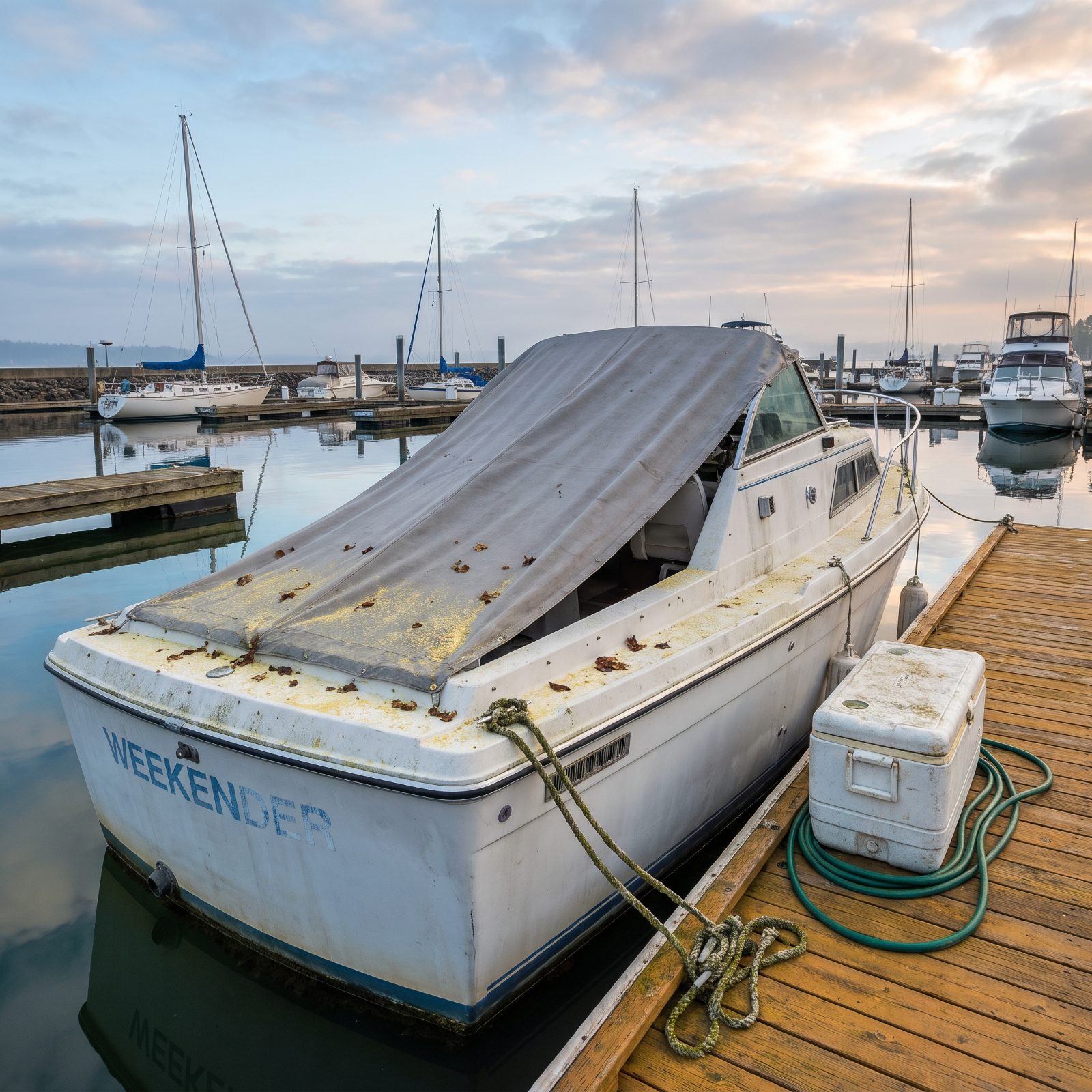
Three summers, maybe eight trips. And somewhere around the fourth missed Saturday, you decided the boat was the problem. Too slow to launch. Too big to handle alone. Not the right layout for spontaneous outings. So the fix became a different boat, never a different calendar.
Nobody says this part out loud at the dock: the weekends you never planned weren’t the hull’s fault. Life got busy. The water stayed exactly where it was.
This is self-serving bias wearing a life jacket. When things don’t happen, we blame the circumstance — the boat, the partner, the logistics — and skip right past our own choices. A new relationship, a new boat, same tidy story: it’ll be different because the thing is different. It usually isn’t. The thing was never the thing.
6. You Upgrade Instead of Learning to Dock What You Own
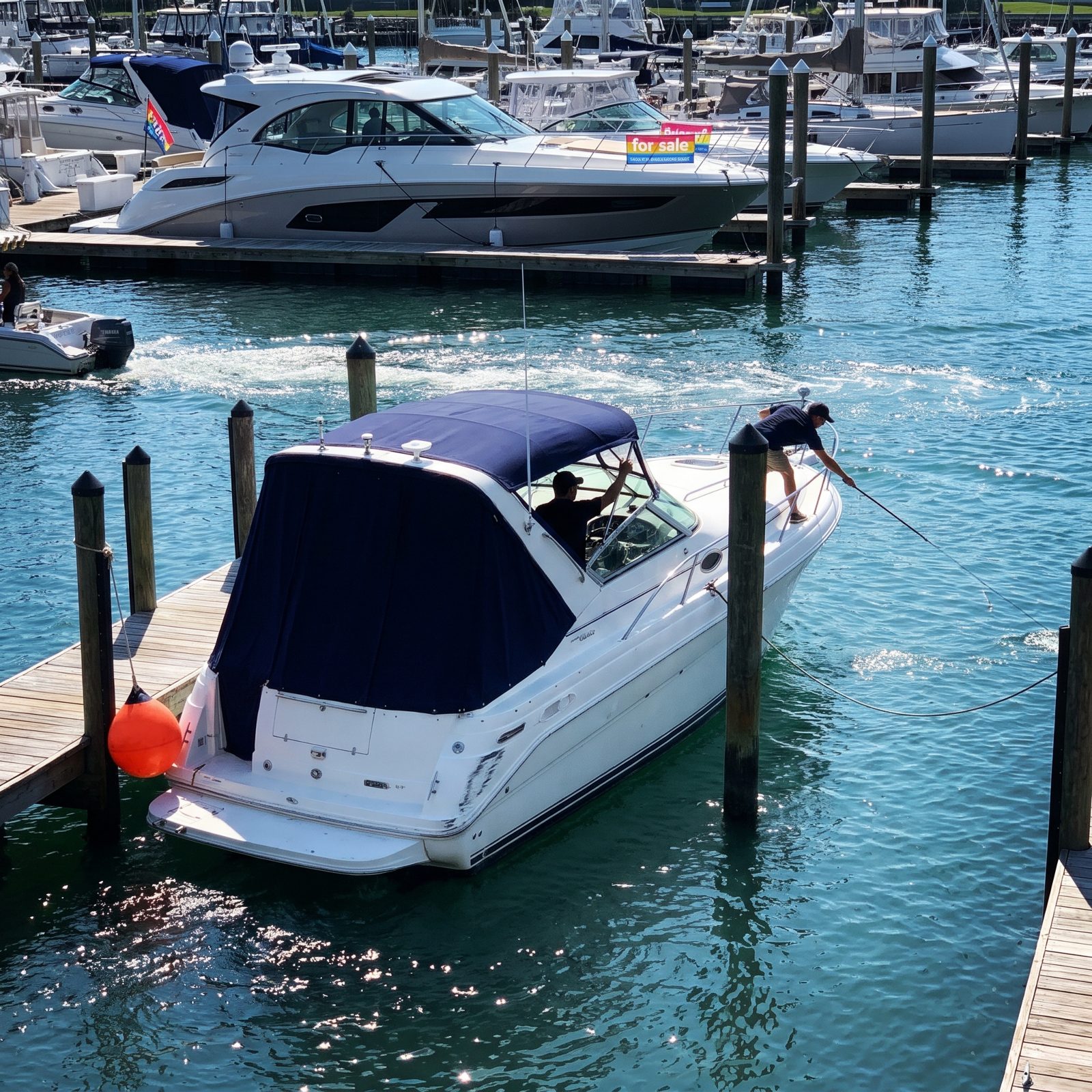
Backing into a slip in a crosswind is humbling. The first dozen times you’ll bump a piling, fumble a line, and feel every pair of eyes on the dock. And right about then, a thought creeps in: maybe a boat with a bow thruster and joystick control would just be easier.
Maybe. Or maybe you’re one month of practice away from the skill you’re trying to buy your way around.
Buying the solution feels like progress. Learning the skill feels like work, and it comes with the sting of looking like a beginner in public. We’ll spend serious money to skip the awkward, clumsy stretch where we’re visibly not good yet. People make the same move when a relationship hits the hard part that demands actual effort — the exit starts looking a lot more appealing than the practice.
5. One Engine Failure Becomes the Boat’s Entire Personality
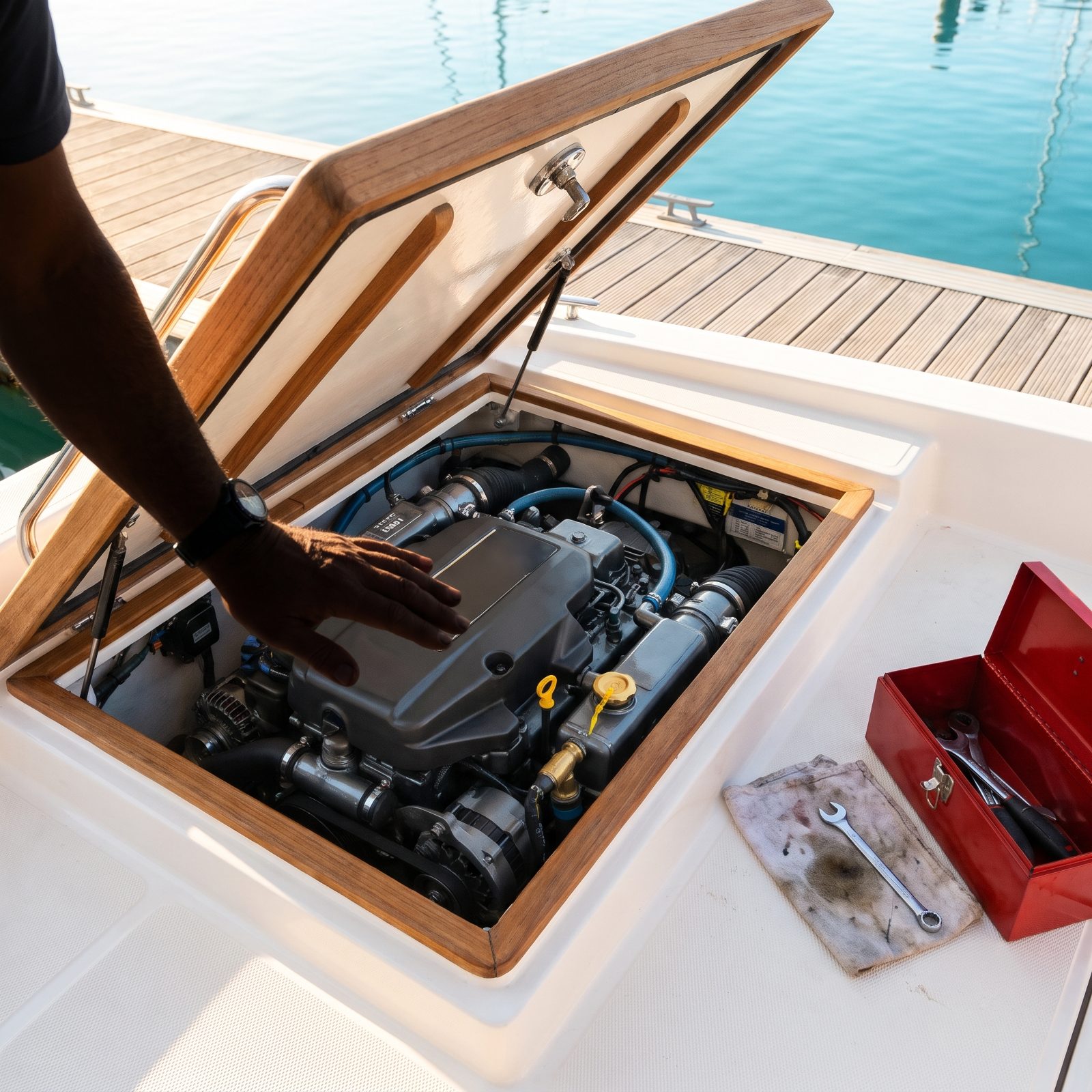
It happened once. A mile offshore, the engine coughed and quit, and you drifted while the family went quiet. The mechanic fixed it that week, found the fuel issue, swore it was a one-off. And it was — ran perfectly every trip after.
Doesn’t matter. In your head, that boat is now ‘the one that left us stranded.’ Every rattle sounds like betrayal. You’ve already half-decided it can’t be trusted.
That’s negativity bias, the brain’s habit of weighting one bad memory heavier than a hundred good outings. One scary afternoon can erase five good seasons. People do this to partners after a single serious fight that got resolved years ago. The record says fine, the gut says never again, and the gut, loud as it is, is a lousy accountant.
One bad hour at sea will outvote fifty good ones, unless you make yourself count the good ones out loud.
4. Once You Find a Replacement, Every Cabin Rattle Gets Louder
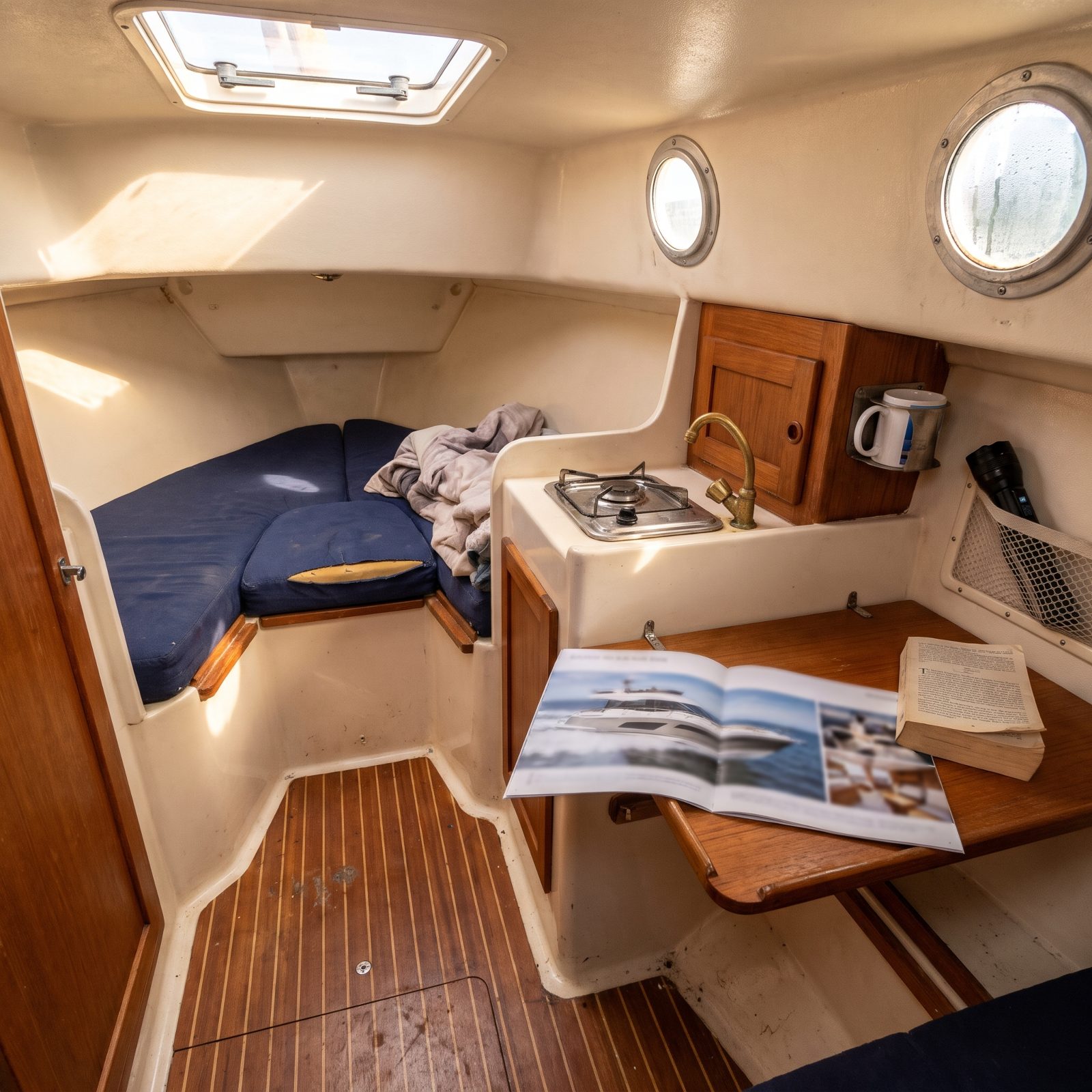
The cabin rattled the whole time you owned it, and you stopped hearing it years ago. Then you sat aboard a friend’s newer cruiser, felt how solid it was, saw a listing you couldn’t stop thinking about — and suddenly your own cabin sounds like a maraca.
Nothing changed on your boat. What changed is you now have something to measure it against, and the comparison turned background noise into a dealbreaker.
Contentment is fragile the moment an alternative appears. As long as your boat was the only boat, its flaws were just features you’d made peace with. Introduce a replacement and your brain starts auditing, cataloguing every creak and stain it had happily ignored. The grass isn’t greener. Your eyes just adjusted to a different lawn.
3. The Refit Quote Arrives and Suddenly Center Consoles Look Better
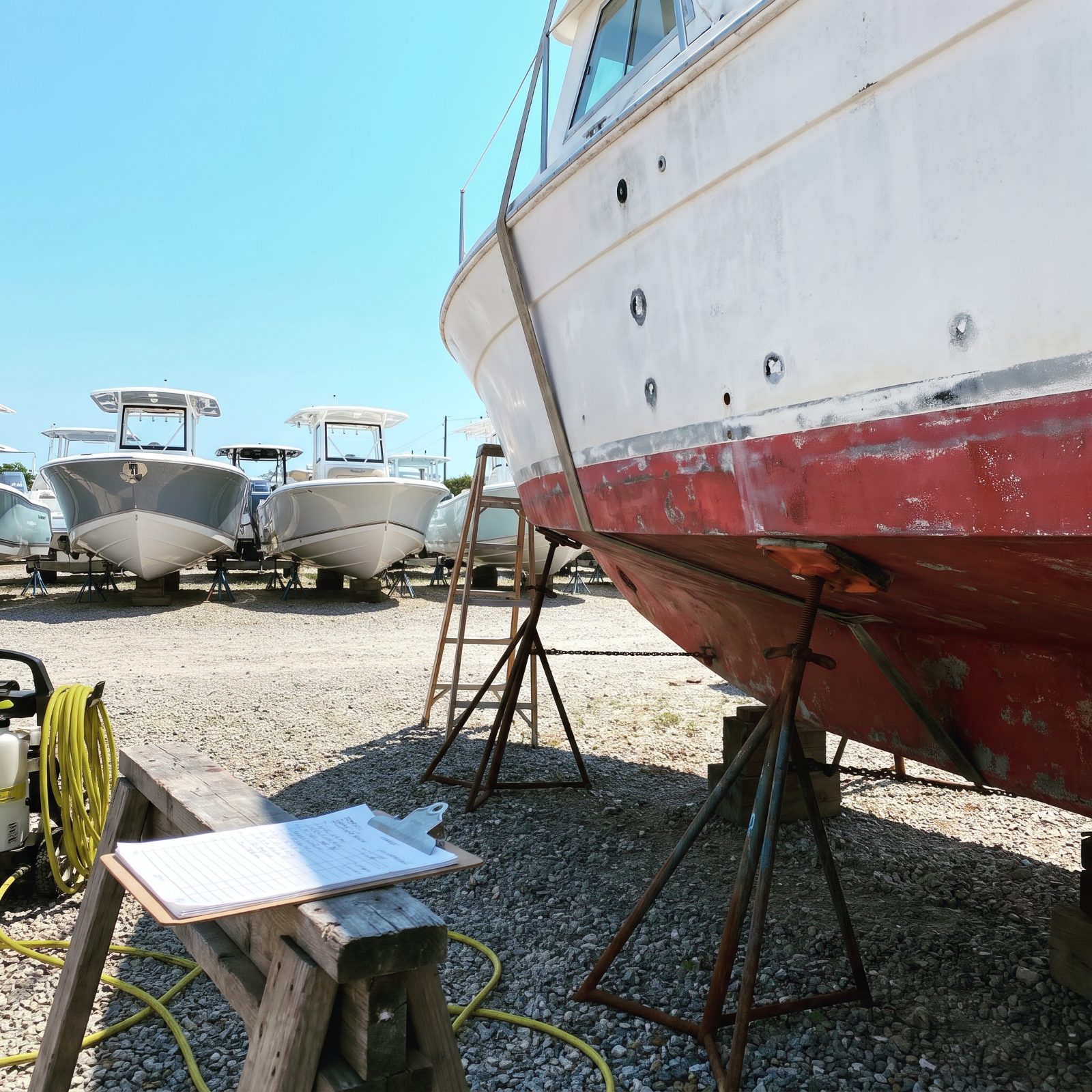
The yard calls with the number. Bottom job, two through-hulls, the soft spot in the deck, new cutless bearing. It’s a big figure. And in the exact moment you hear it, every shiny new center console on the dealer lot starts looking like the sensible, grown-up choice.
What’s actually happening is quieter than that. The repair cost feels like money thrown into a hole. A new boat feels like money spent on something. Same dollars, totally different emotional weight.
People run this exact math on relationships during a rough patch: the work ahead looks exhausting and permanent, while starting over gets quietly rounded down to ‘easier.’ But fresh starts carry their own refit bills. You just haven’t been handed the quote yet.
2. Trade-In Math Makes Restlessness Sound Financially Responsible
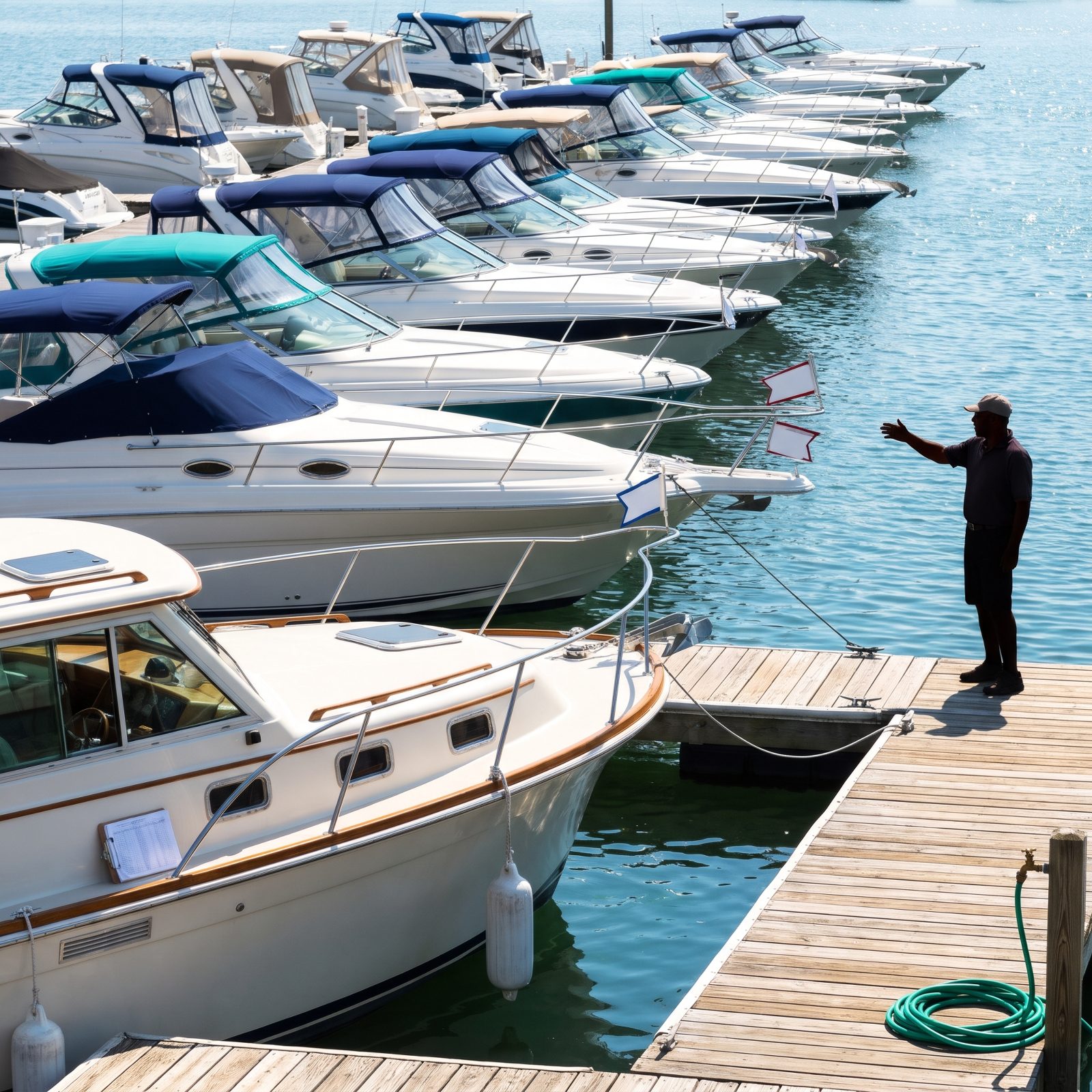
You didn’t need a new boat. You wanted one. But ‘I’m restless and bored’ doesn’t fly at the kitchen table, so you build a case: trade-in value’s high right now, the new model sips less fuel, you’ll actually come out ahead if you move before the season ends.
None of it was the real reason. The real reason was the itch for something new. The spreadsheet showed up afterward to make the feeling respectable.
That’s post-hoc rationalization — deciding with the gut and then hiring the brain as a defense attorney. We do it before leaving a job, before ending a relationship, before every big want we’re slightly embarrassed to admit is just a want. The numbers didn’t lead you to the new boat. The new boat went out and recruited the numbers.
1. A New Boat Promises a Clean Slate After a Bad Season
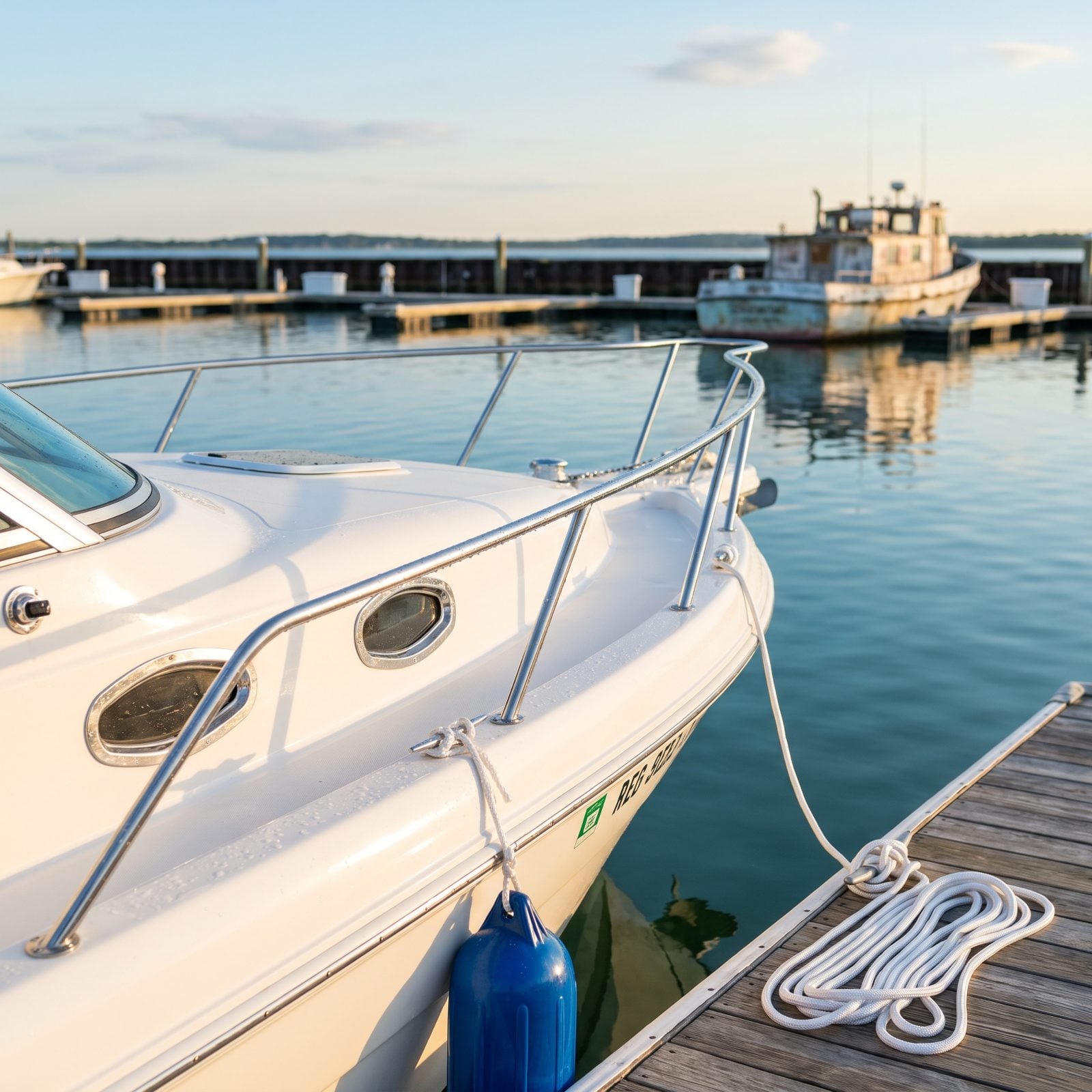
Last season was rough. The haul-out dragged on, a storm tore the canvas, the family squabbled on every outing, and somewhere in there the whole boat got tangled up with a bad stretch of your life. So you start picturing a new one. Spotless gelcoat, no history, no memory of the worst day.
The new boat isn’t really about the boat. It’s about becoming someone whose next summer goes better. A fresh hull feels like a fresh self.
We load objects with the hope of personal reinvention all the time. New boat, new relationship, new city, same wiring underneath. The clean slate is seductive because it lets us believe the trouble lived in the old thing and won’t follow us to the new one. But you’re still the captain. And you climb aboard every version of the boat.