The marina on a Saturday morning sounds like a confession booth with coffee. Somebody is walking the docks, phone out, taking photos of a boat they have no business buying, and you can see it on their face — that half-grin people wear right before they do something their bank account will remember.
Picking a boat and picking a partner run on the same wiring. The same flutter when you first see the lines. The same friends with opinions nobody asked for, the same red flags you talk yourself out of because the chemistry is good. We’ve watched both play out at the fuel dock and at family dinners, and honestly, the overlap is embarrassing. Here’s where buying a boat and falling for a person turn out to be the same human mistake, made twice.
Please note that some of the imagery in this article may have been enhanced with the assistance of AI.
20. You Notice the Hull Lines Before the Engine Hours
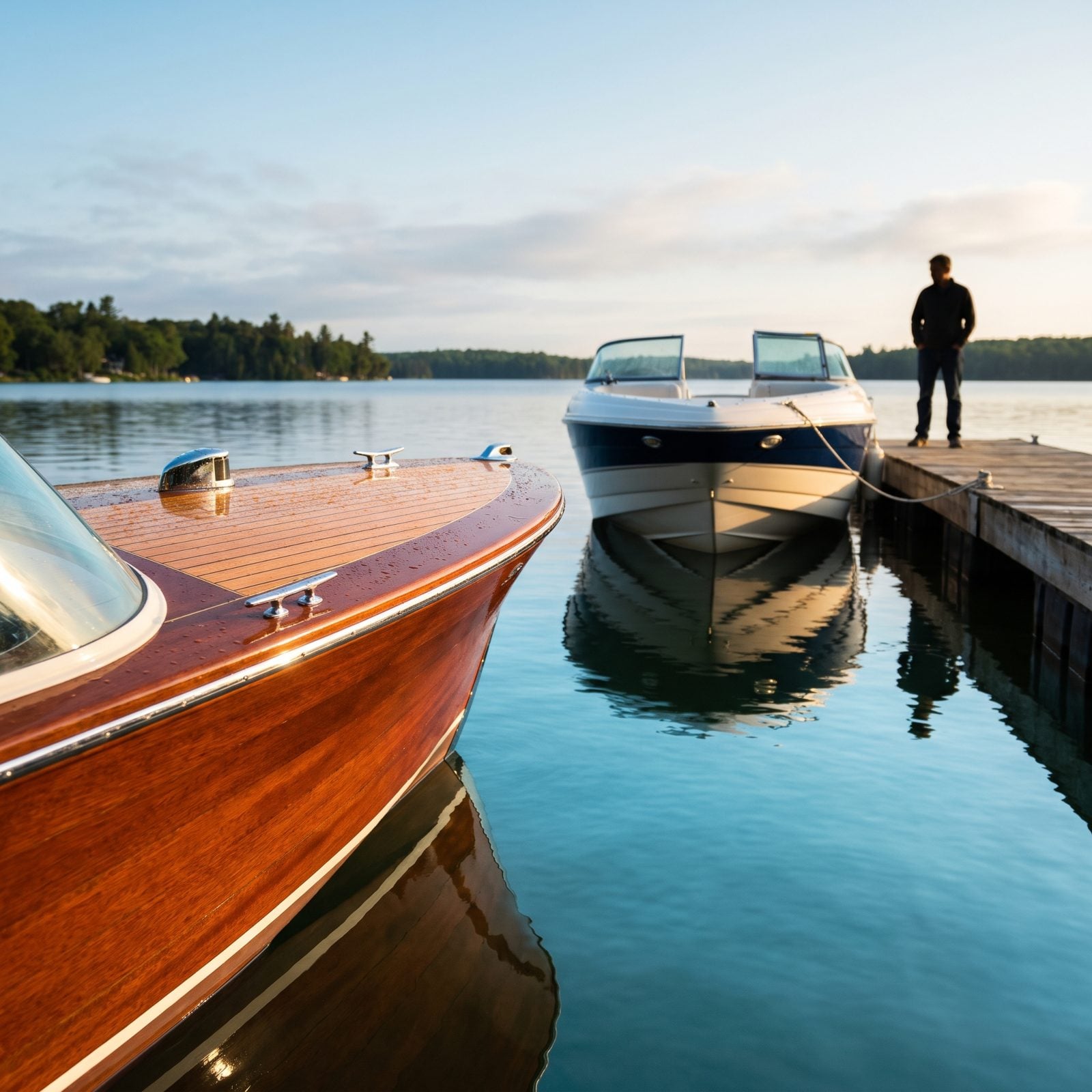
You walk the dock and the first thing that grabs you is the shape — the way the bow sweeps, the glossy flank catching the light. You’re halfway in love before anyone mentions how many hours are on the motor or whether the stringers are sound.
Same thing happens across a crowded room. The face, the smile, the easy way someone carries themselves. Attraction arrives first and it arrives loud, and the boring, load-bearing facts show up later, if they show up at all.
Psychologists call this the halo effect. One attractive trait spills over and we assume everything else must be good too: a beautiful hull must have a good engine, a charming person must be kind, honest, solvent. Our brain does the math backward and calls it a feeling.
19. The Sea Trial Reveals What Listing Photos Cannot
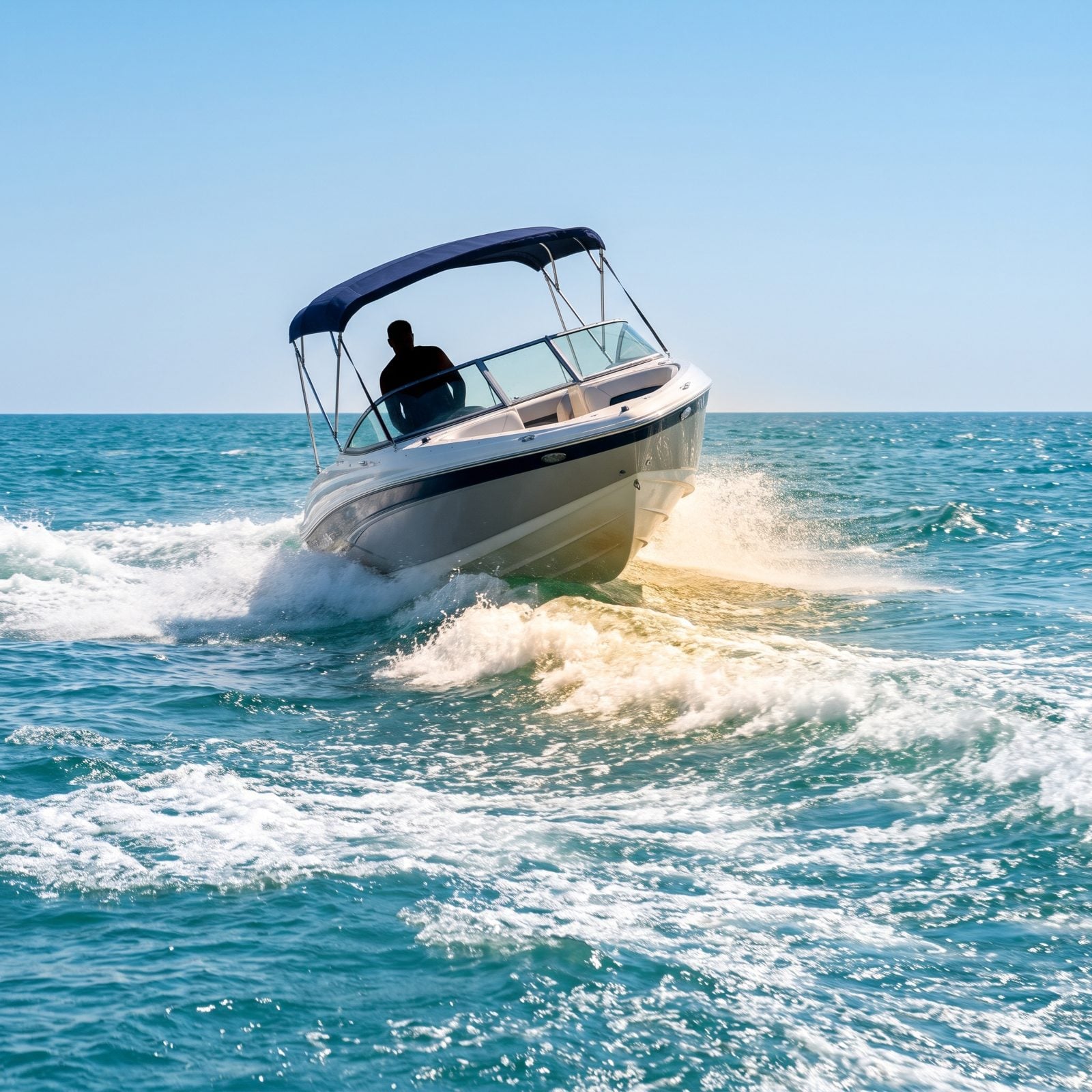
Still water and good lighting flatter everyone. The listing photos showed a boat sitting pretty in a glassy slip, every cushion plumped, the chrome wiped down. Then you take it out, open the throttle, and feel the chine chatter, hear the odd vibration at cruising speed, notice the way it wallows in a crosswind.
The sea trial is the third date where the person stops performing. You find out how they drive when it rains, how they handle being tired, or late, or wrong.
Nobody puts their rough water in the brochure. A boat and a person both need testing under load, not admiring at rest. The calm-slip version is real — it just isn’t the whole story. Chop finds the truth faster than any glossy photo ever will.
18. You Say Low Maintenance Then Buy the Teak Trim
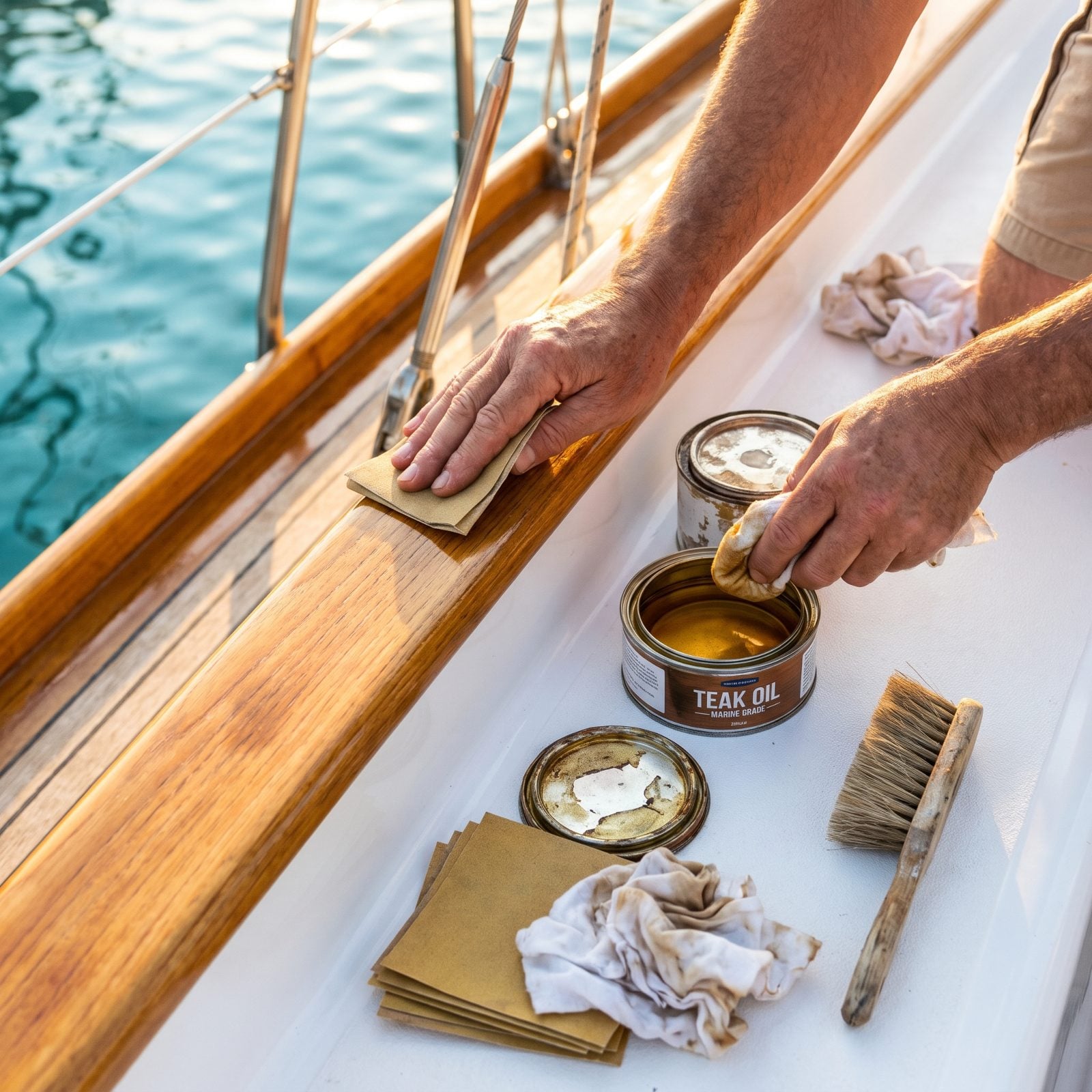
Everyone swears up and down they want easy. No fuss, no drama, something you can wash down and walk away from. Then you fall for the one with the teak decking and the acres of brightwork that needs sanding, oiling, and babying every single season.
You didn’t want a project. You wanted a weekend. But the beautiful demanding thing won, and now your Saturdays smell like varnish.
People do this with partners constantly. We announce we want low maintenance, uncomplicated, drama-free, then chase the fascinating, high-upkeep one who runs hot and needs tending. What we say we want and what we actually reach for are often total strangers to each other.
17. A Familiar Brand Feels Safer Than an Unknown Bargain
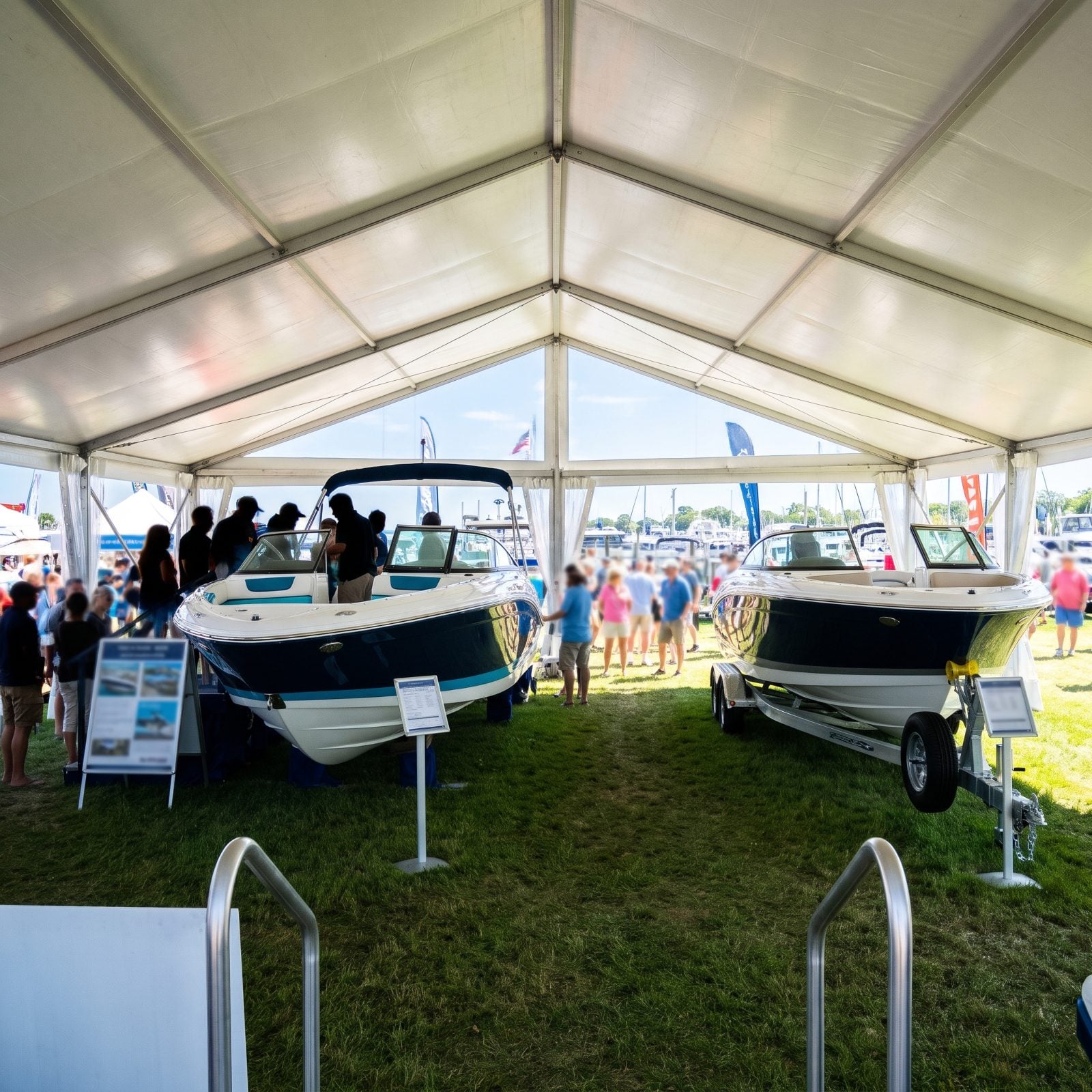
Two boats sit in your price range. One wears a badge your dock neighbor swears by, a name you’ve heard your whole life. The other is an unfamiliar brand — better equipped, a few thousand cheaper — and your gut says no before your head gets a vote.
You go with the name you know. Not because you ran the numbers. Because familiar feels like safe.
We date this way too: the type we recognize, the background that matches ours, the person who reminds us of what we already trust. The unknown might be the better deal entirely, but the brain treats familiarity as a stand-in for safety.
16. You Compare Every Used Boat to Your First One
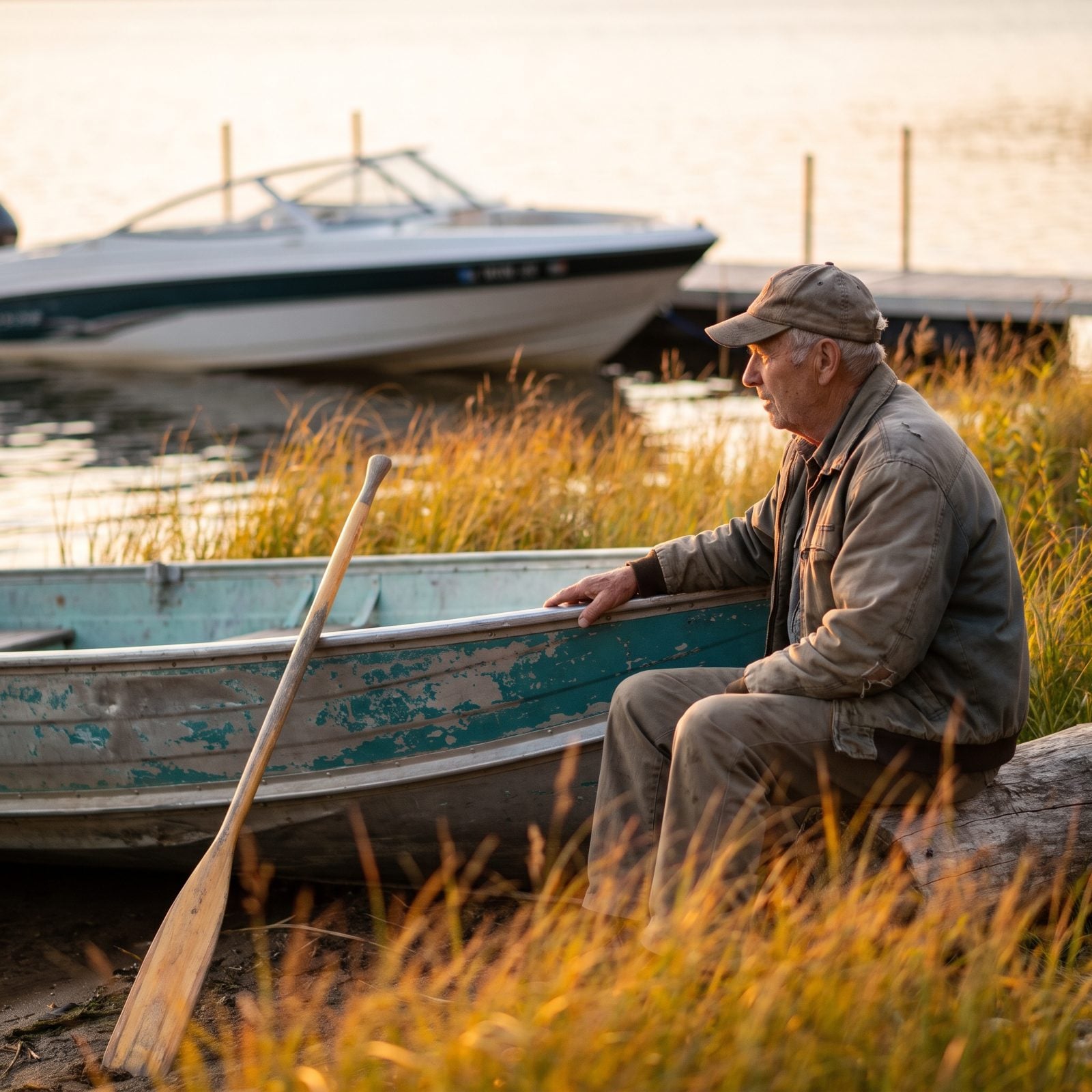
Your first boat was probably underpowered, leaky, and held together with hope. It’s also the one every other boat has to beat, and somehow none of them quite manage it.
The newer listing has more power, better electronics, a dry bilge. And still you catch yourself saying it doesn’t feel the way the old one felt. Like the lake was bigger back then.
First loves do this. The first anything gets stored in a different part of the brain, polished by time, stripped of its annoyances. Nostalgia is a ruthless editor — it keeps the summer evenings and deletes the broken water pump. Every boat after it, like every person after the first, gets quietly measured against a memory that was never actually that perfect.
15. Too Many Similar Bowriders Make Every Choice Feel Wrong
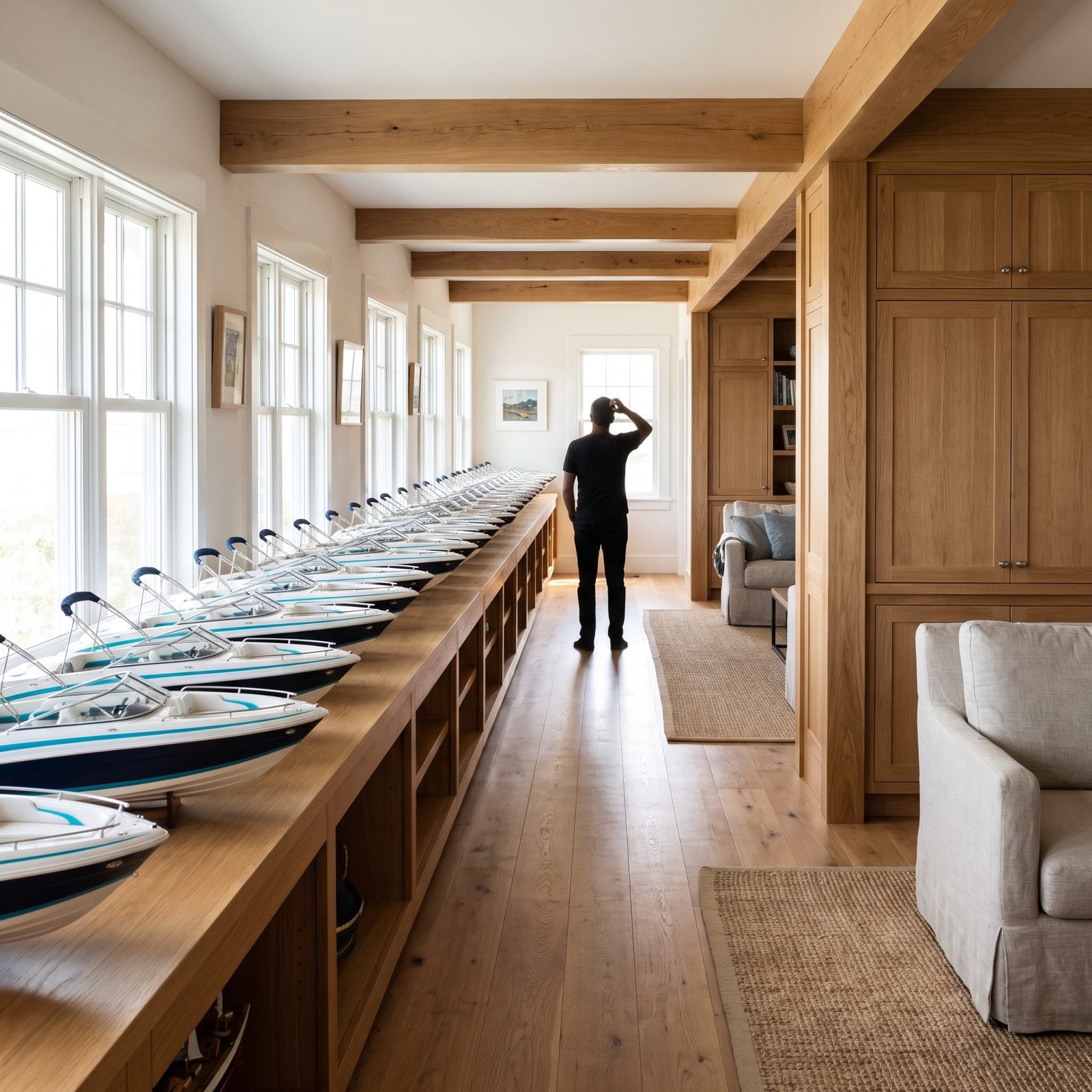
You set out to buy one boat. Then you find a whole fleet of bowriders, all white, all about 21 feet, all with roughly the same horsepower and layout, separated by trim levels and cup holders. By the tenth one they blur together, and you start to suspect that whatever you pick, you’ll be haunted by the one you didn’t.
This is choice overload, and it’s a documented thing. Past a certain point, more options don’t make us happier. They make us paralyzed and then regretful, convinced the grass was greener in slip number twelve.
Dating apps built an entire industry on exactly this feeling — an endless scroll of similar profiles, each one fine, none of them obviously better, and the quiet dread that commitment means closing a thousand doors. Too much similar choice doesn’t feel like freedom. It feels like a trap with a nice view.
14. You Want It More the Moment Another Buyer Appears
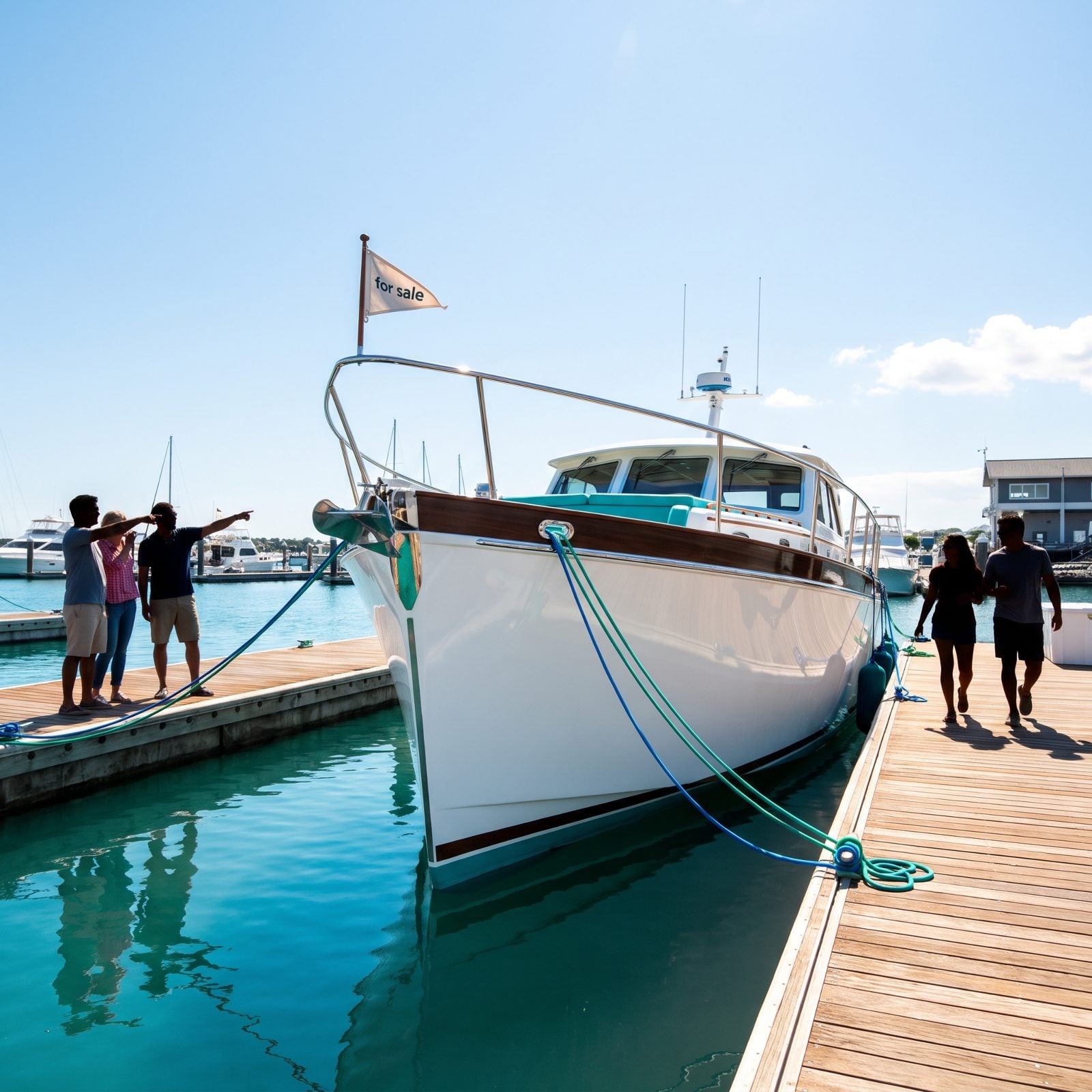
You were lukewarm on that center console for two weeks. Then the broker mentions another couple is coming to look at it Saturday, and suddenly it’s the only boat on earth. You’re rearranging your weekend. You’re composing a cash offer in the parking lot.
Nothing about the boat changed. Your brain just caught the scent of competition.
Scarcity and social proof make a potent cocktail. If someone else wants it, it must be good, and if it might slip away, we want it more. The potential loss stings harder than the gain ever pleased.
The boat you could take or leave on Tuesday becomes irreplaceable the second someone else reaches for it.
Anyone who has suddenly realized how much they cared about someone right as that someone started seeing other people knows this exactly. Interest has a way of igniting under threat.
13. Your Friends All Have Opinions About the Pontoon
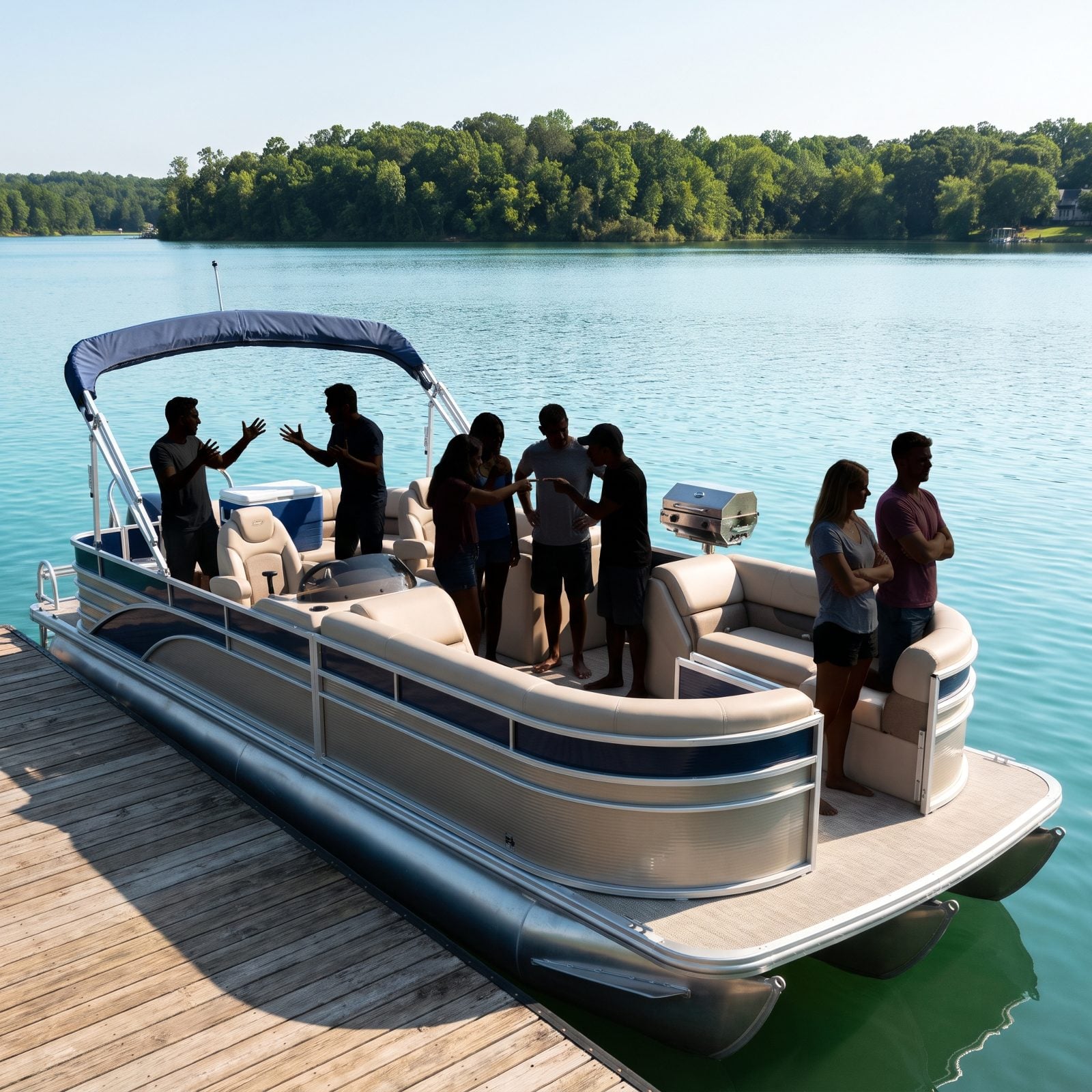
Mention you’re thinking about a pontoon and watch the dock come alive. One buddy calls it a floating living room and means it as an insult. Another swears it’s the only sane boat for a family. Your brother-in-law, who has never owned a boat, has the strongest opinion of all.
Nobody asked, and everybody answered. Now you’re second-guessing a boat you were perfectly happy with an hour ago.
Bring a new partner to a family gathering and the same chorus starts up — in code if you’re lucky, out loud if you’re not. We’re social creatures, and we weigh group approval heavily, sometimes more than our own judgment.
12. A Dealer’s Confidence Can Sound Like Boat Reliability
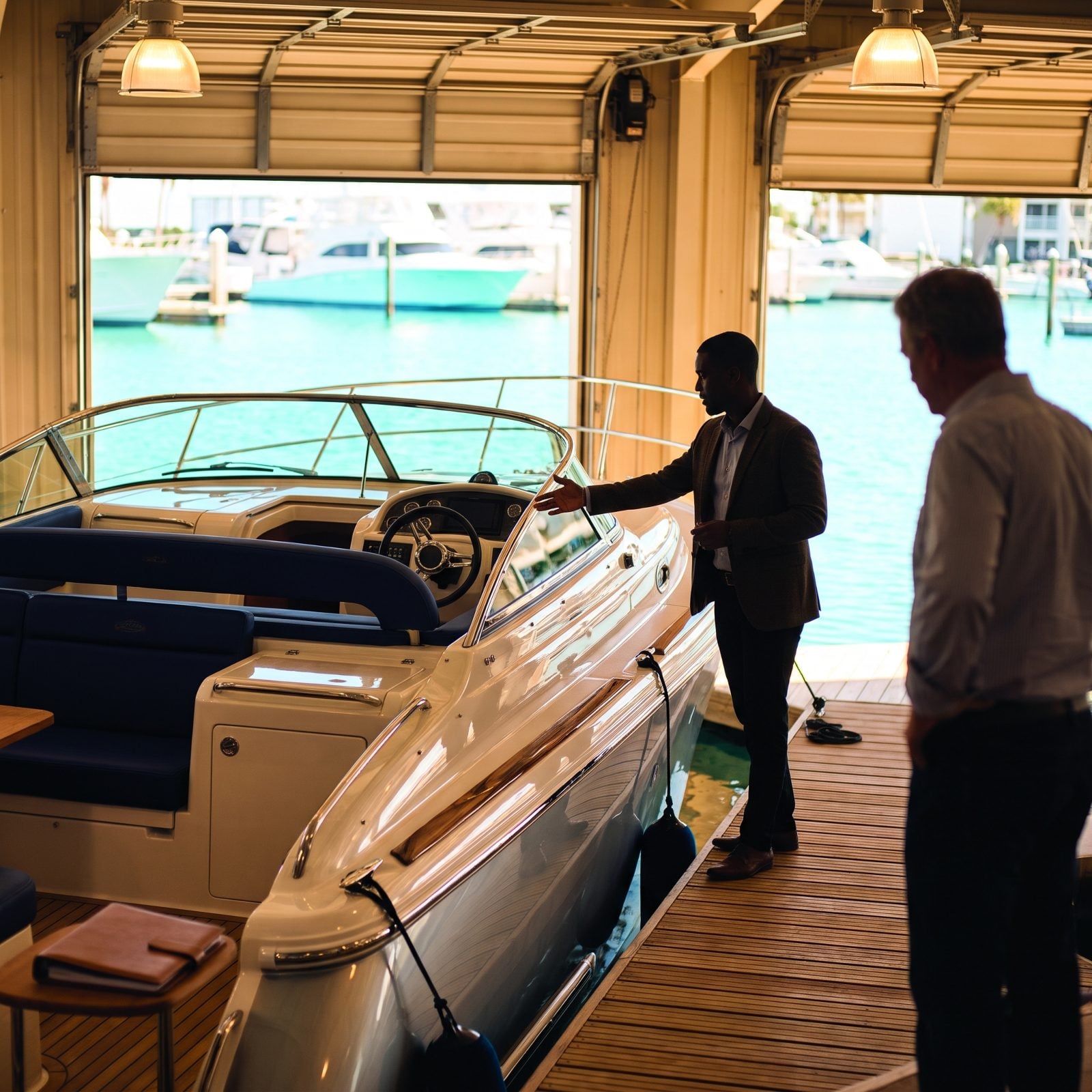
The dealer is good. Smooth, warm, quick with answers, never rattled by a hard question. By the end of the walkaround you feel like this boat has been vouched for by someone who clearly knows his stuff, and you leave trusting the hull because you trusted the handshake.
But the salesperson’s confidence tells you about the salesperson. It tells you nothing about the osmotic blisters below the waterline.
We constantly mistake fluency for truth. Someone who speaks with certainty gets believed more than someone who hedges, regardless of who’s actually right. Charisma reads as competence, competence reads as reliability, and not one link in that chain is guaranteed.
11. The Surveyor Spots Problems Your Crush-Blind Eyes Missed
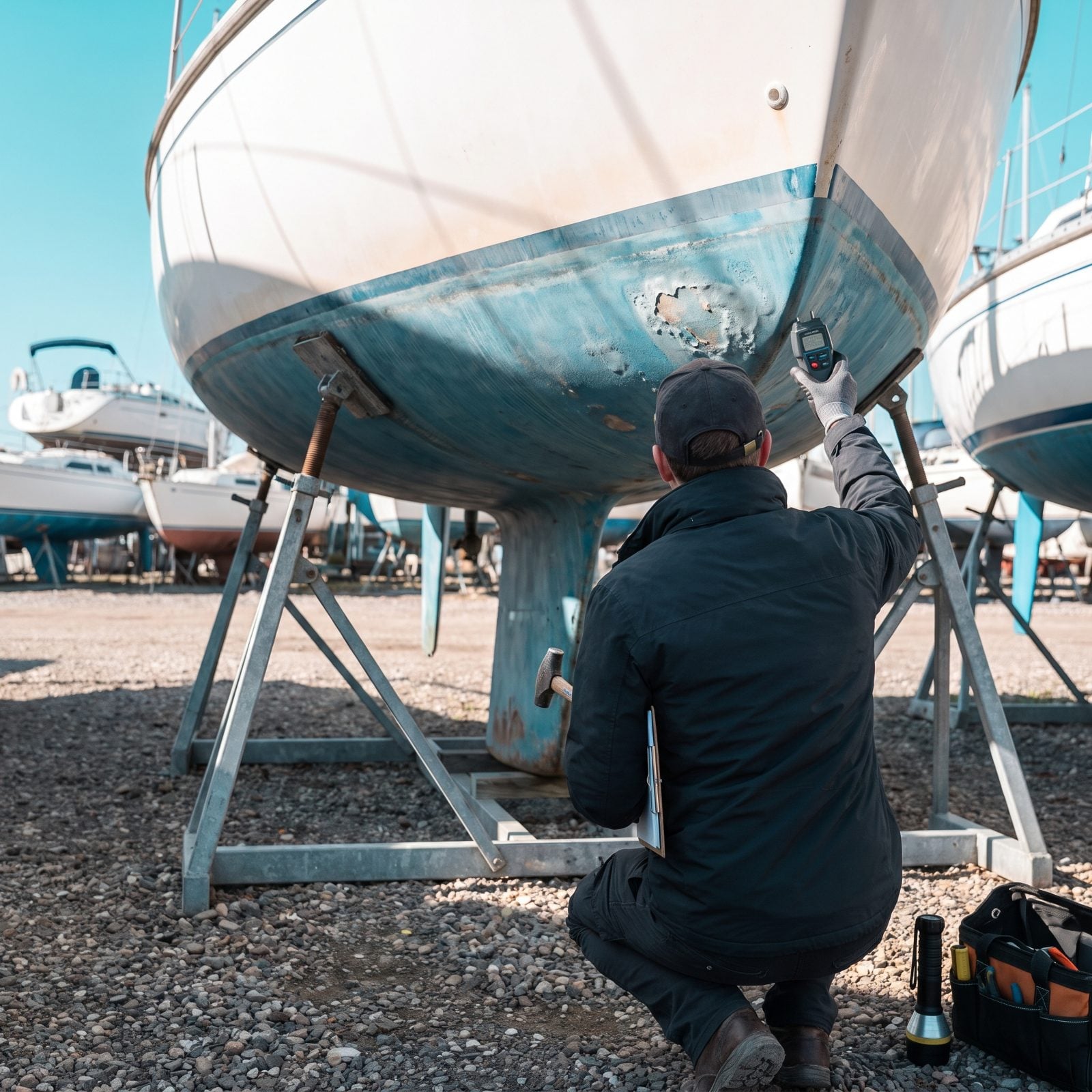
You’re in love with this boat. You’ve already named it in your head. Then the surveyor you hired crawls through the bilge with a moisture meter and comes back with a list: soft transom, corroded through-hulls, electrical the previous owner clearly did himself at 2 a.m.
You didn’t see any of it, because you weren’t looking. You were planning sunsets.
This is confirmation bias in its purest form. Once we want something, we gather every reason it’s wonderful and quietly file the warnings under later. The surveyor’s whole job is to be the one person in the room with no feelings about your dream.
Everyone has a friend who saw the red flags in someone’s new flame that the smitten one couldn’t. Love blinds. An outside, unemotional eye sees clearly precisely because it isn’t in love. Pay for the survey. Listen to the friend. The crush will survive the truth, or it won’t, and either way you’re better off knowing now.
10. The Previous Owner’s Records Suddenly Feel Deeply Personal

You open the binder and there it is. Oil changes logged in blue ink, a receipt for a new impeller from three summers back, and a note that just says “starboard trim slow, watch it.” Suddenly you’re reading a stranger’s handwriting like it’s a diary.
It mirrors the moment you meet someone and start learning their history, piecing together the old photos and the stories about the ex and how they were raised and what they survived and what they let slide. You tell yourself the record predicts the future, because mostly it does. A boat that got hauled every fall and winterized on time tends to behave. A person who kept their promises before tends to keep them now.
Psychologists call this base-rate thinking, though we rarely trust it when the chemistry is good. Past behavior is the most boring predictor in the room. Also the most accurate. A tidy logbook is the marine version of “shows up when they say they will.”
9. One Damp Bilge Can Ruin All That Chemistry
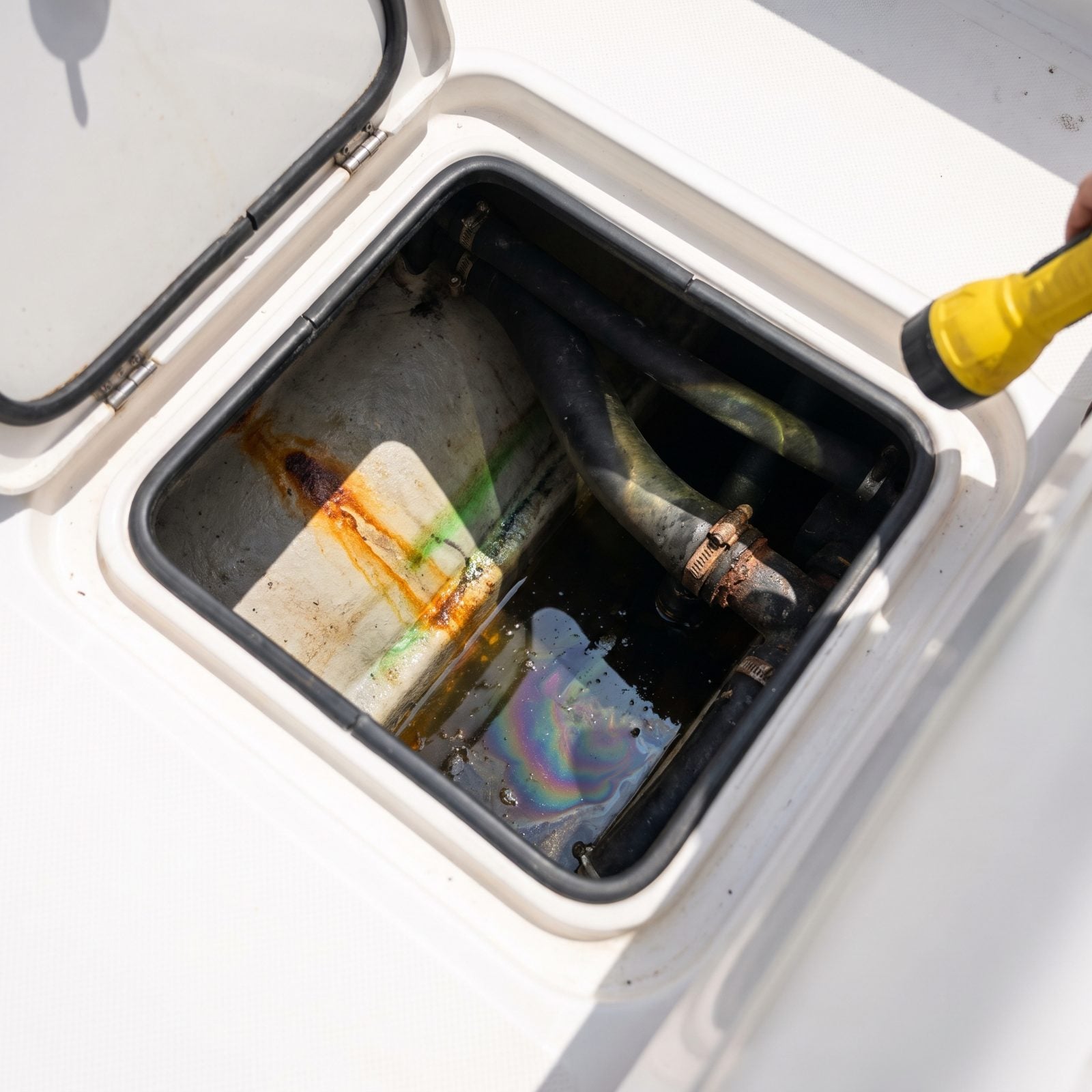
Everything above deck is singing. The hull shines, the seats are soft, the gelcoat practically winks at you. Then you lift the engine hatch and smell it before you see it: standing water, a faint oily rainbow, a little rust creeping down where water has been sitting too long to be innocent.
That bilge is doing to your excitement exactly what one unexplained red flag does to a budding romance. Great dinner. Easy conversation. Then a comment lands wrong and your whole nervous system recalibrates in a heartbeat.
Blame negativity bias. We’re wired to weight the single bad signal more heavily than a dozen good ones, because for most of human history the one predator mattered more than the ten friendly faces. A damp bilge isn’t automatically a dealbreaker. But your gut has already filed it, and good. Pretty fades fast when there’s water where water shouldn’t be.
8. Your Marina Slip Decides Which Dream Actually Fits
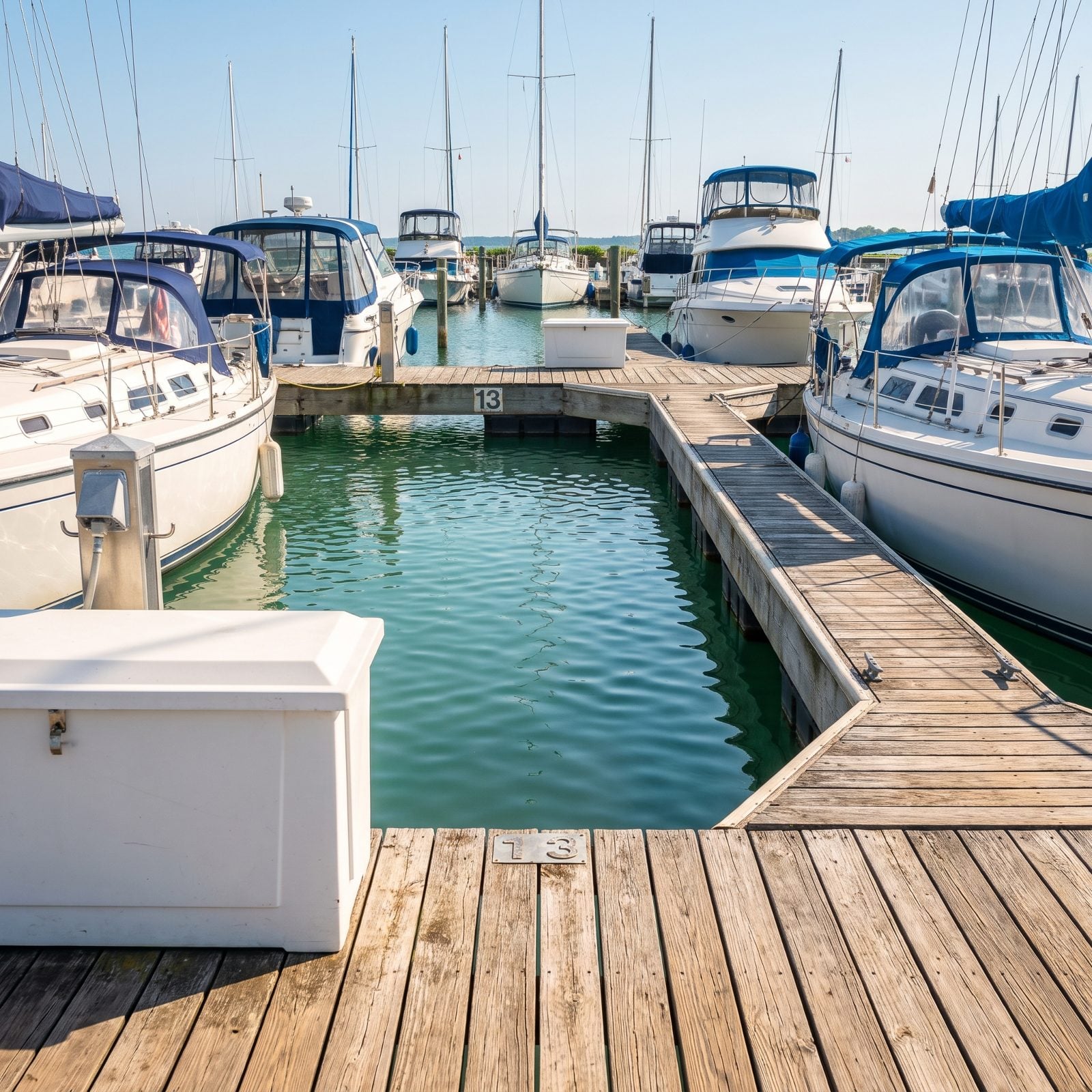
You walked in wanting the 32-footer. You left with the 24, because that’s what your slip holds and the waiting list for anything bigger runs years deep. The marina didn’t care about your fantasy. The dock measured it for you.
Love does the same thing with constraints you’d rather ignore — geography, schedules, kids, money, the life you’ve already built around yourself. The grand version of what you wanted meets the actual dimensions of the space you live in, and the space usually wins.
Here’s a quiet truth worth naming: we chase the ideal and then accept the feasible, and the feasible usually makes us happier anyway. A boat that fits its slip gets used. A boat that doesn’t becomes a monthly headache with a hull.
7. The Right Boat Must Also Get Along With Your Truck
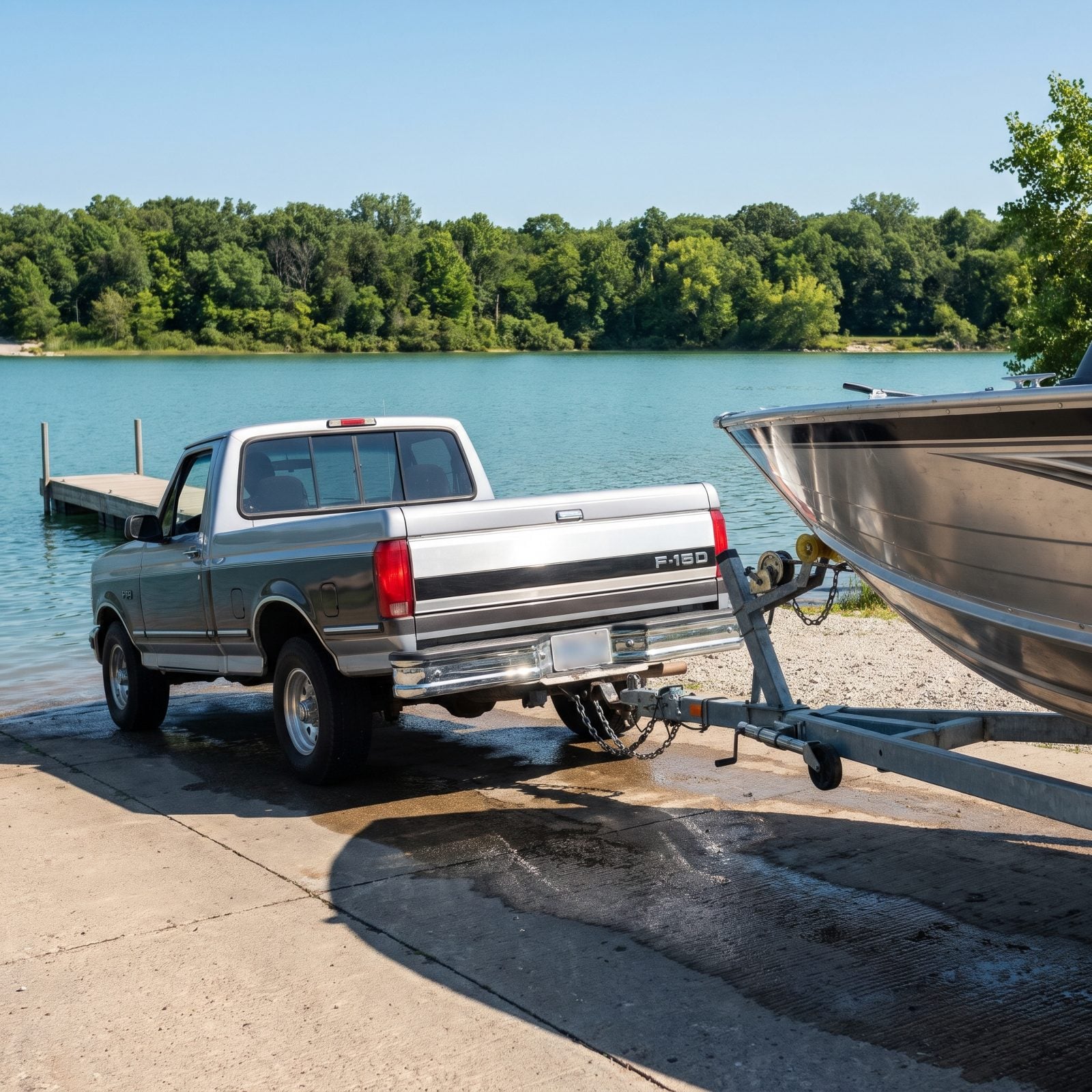
The boat is perfect. Gorgeous lines, right price, clean engine. Then you run the math on towing weight and realize your half-ton truck will be sweating up every boat-ramp hill for the next decade — or you’re buying a bigger truck, which is its own expensive conversation over coffee you don’t want to have.
A partner never arrives alone either. They come attached to in-laws, a hometown, a career that might demand a cross-country move, a best friend you’ll be seeing every weekend from here to forever. You’re not choosing a person in a vacuum. You’re choosing their whole rig.
We fall for the boat and forget the system it has to live inside. Smart buyers look past the hull to the tow vehicle, the ramp, the storage, the whole tangle of it. Compatibility is rarely about the thing itself. It’s about whether the thing fits the life already parked in your driveway.
6. You Shop for Offshore Adventures but Mostly Visit Sandbars
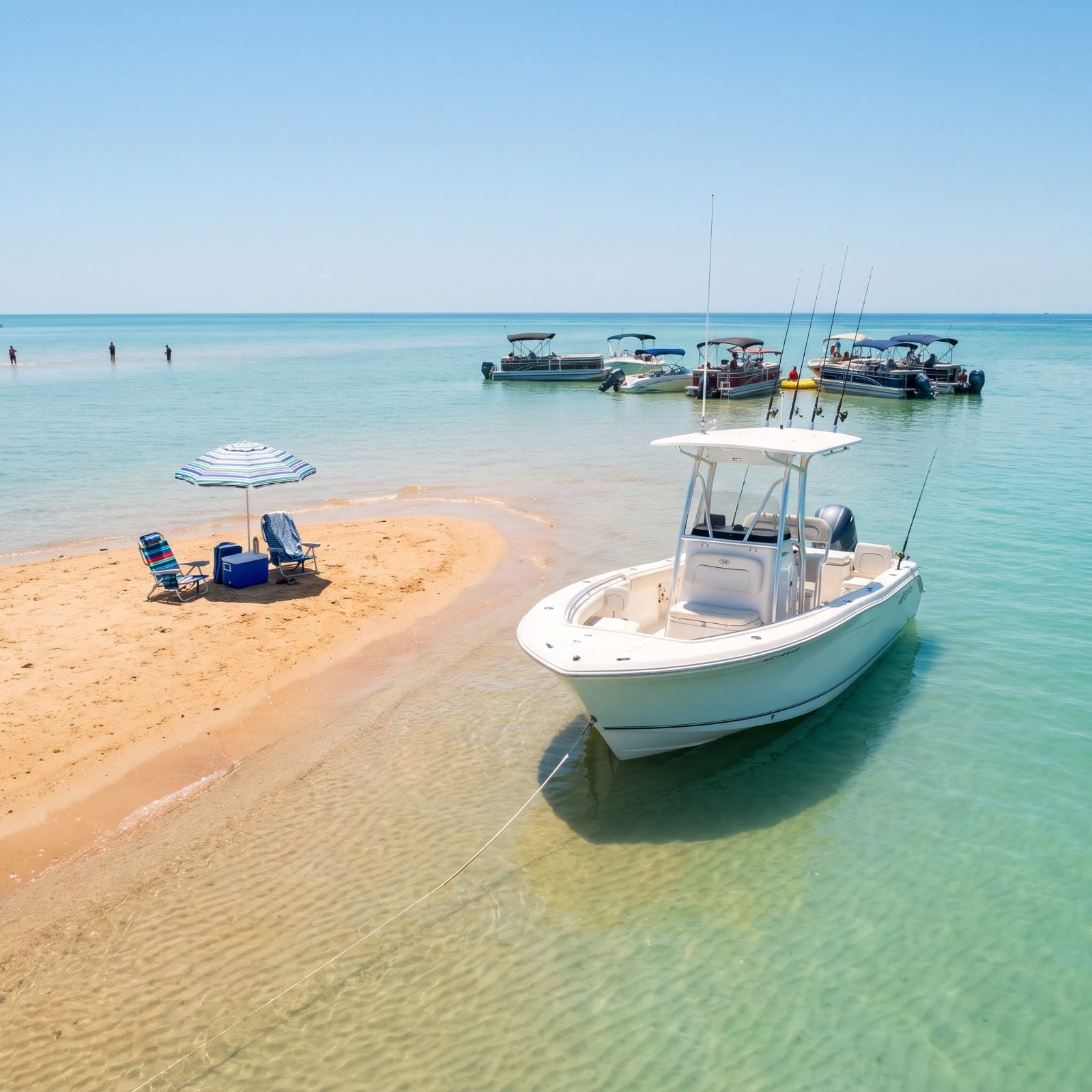
You told the dealer about the offshore trips, the bluewater runs, the serious fishing miles from shore. You bought the boat capable of all of it. And now, honestly? Most Saturdays you anchor at the same sandbar with the cooler and the folding chairs, waving at the same neighbors you waved at last weekend.
This is the oldest gap in the book. We buy for the fantasy self and live as the actual self. People do it with mountain bikes, with sports cars, with the partner they imagined would nudge them toward some bolder life.
Behavioral economists call it the identity purchase. You’re not just buying a boat — you’re buying a version of yourself you’d like to be true. Nothing wrong with that, by the way. The aspiration is half the joy. But the honest buyer knows the sandbar is where happiness actually lives, and buys accordingly.
5. Fuel Burn Matters More After the Honeymoon Cruise
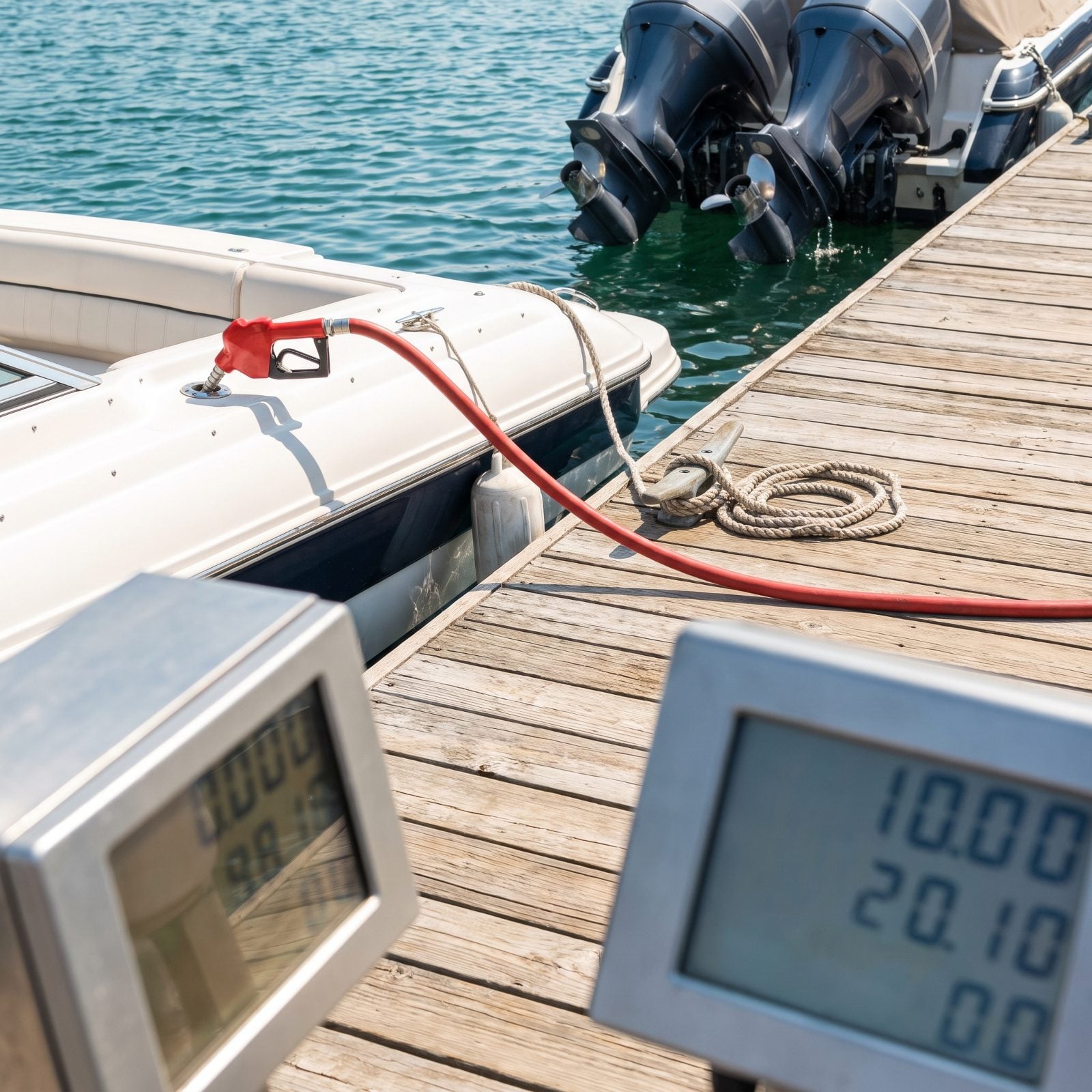
That first season you never looked at the fuel gauge. You just went. Then one August afternoon you watch the pump tick past a number that makes you wince, and running those twin engines wide open stops feeling like freedom and starts feeling like arithmetic.
Something close to this happens around the tail end of the infatuation phase. The brain quits flooding you with novelty chemicals, the honeymoon haze lifts, and you start noticing the running costs of the whole arrangement — who does what, what it takes to keep this thing going on a drizzly Tuesday rather than a holiday weekend.
Hedonic adaptation is the plain name for it. We get used to things, the thrill normalizes, the practical reality steps forward. None of this is disappointment. It’s the relationship getting real. The boats people keep, like the people we keep, are the ones whose daily cost we decided was worth paying.
4. One Perfect Boat Still Has an Annoying Head Compartment
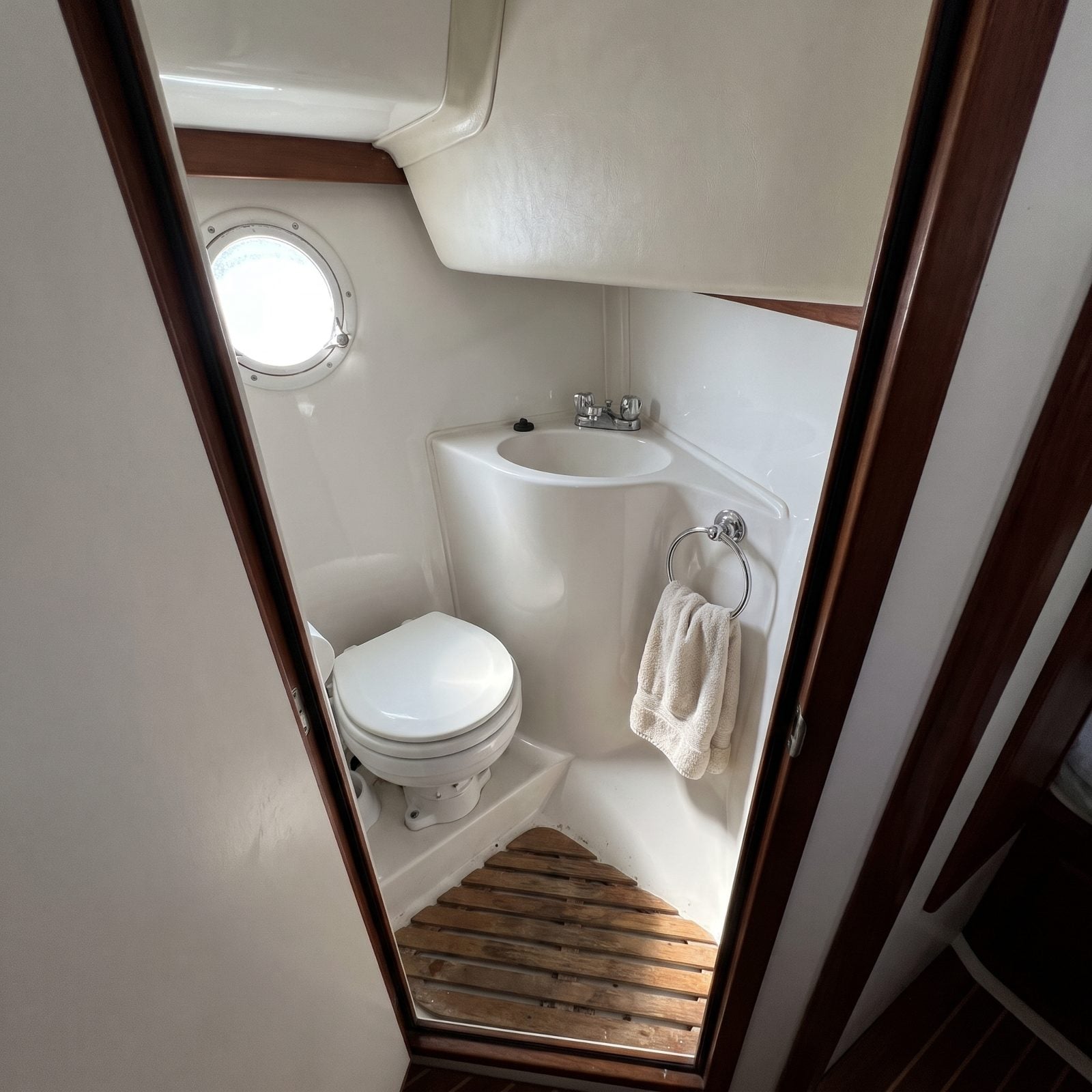
Everything about this boat is right. The layout, the ride, the price, the way she sits at the dock. Everything except the head, which is a crouching, elbow-banging closet you’ll resent every single time you use it for the next twenty years.
Here’s what nobody tells first-time buyers, or first-time partners: there is no boat without an annoying head. No person without the trait that’ll quietly irritate you until the end of time. The flaw was always going to exist. The only real question is which one you can live with.
You don’t choose a flawless boat. You choose the imperfection you can tolerate for twenty years.
Researchers who study long marriages say the happy couples never solved their core disagreements. They just learned to live around them. Boats work the same way. The perfect one is a myth. The right one has a cramped head and you’ve decided that’s fine.
3. A Boat Name Makes You Feel Attached Too Soon
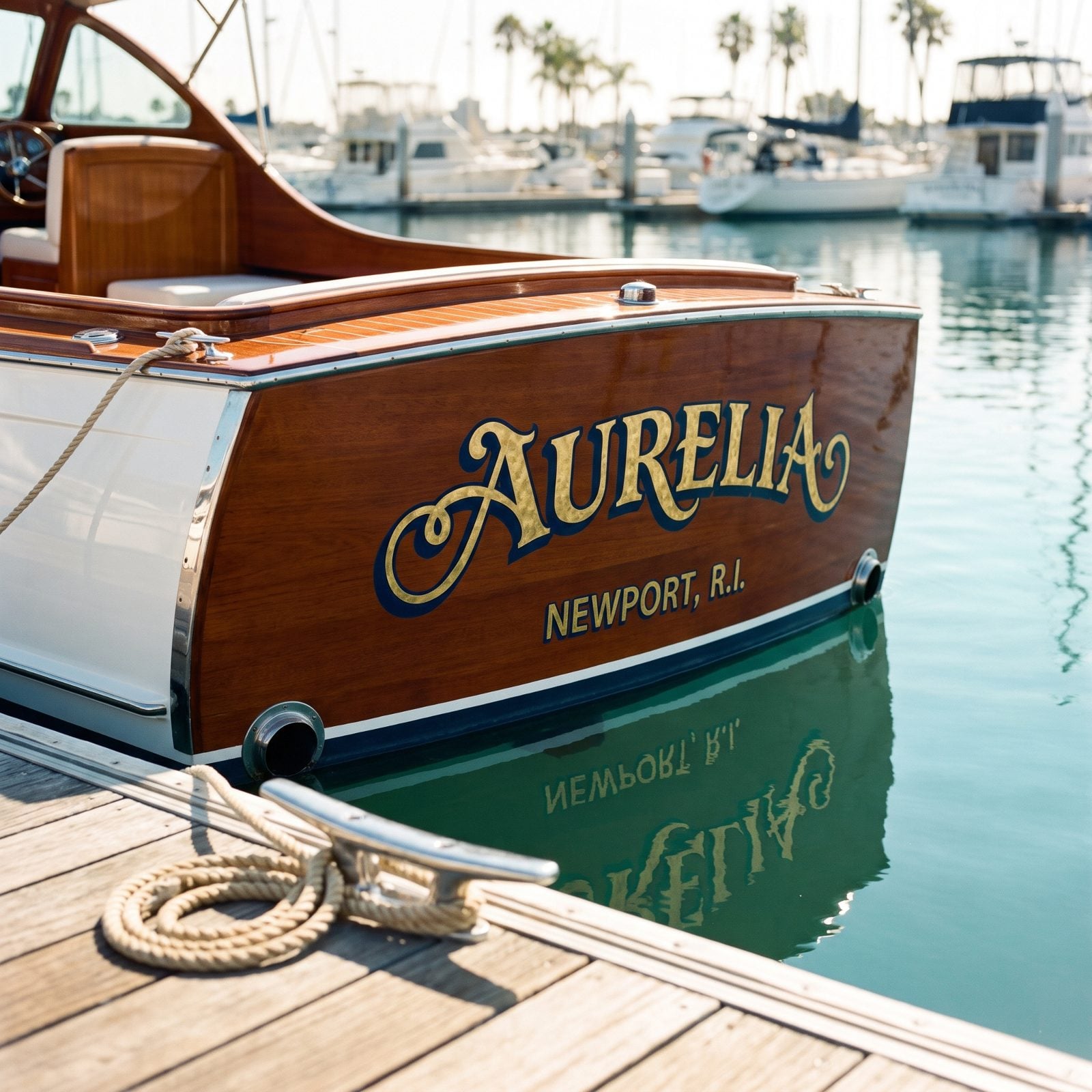
You haven’t signed anything. You haven’t even finished the sea trial. But the boat already wears a name in gold script across the transom, and something in you has started referring to it like a cousin. Once a thing has a name, logic goes a little quiet.
We pull the same stunt when we start imagining a future with someone two dates in — the pet name, the shared plans, the half-serious “when we have a place by the lake.” Naming is claiming. It’s the brain sprinting ahead and getting invested before any of the evidence is in.
Call it the endowment effect wearing a party hat. The moment something feels like yours, you overvalue it and start defending it. A named boat is harder to walk away from, even when the survey comes back ugly. Attachment is lovely. Just notice when it shows up before the facts do.
2. You Defend the Bad Layout After Paying the Deposit
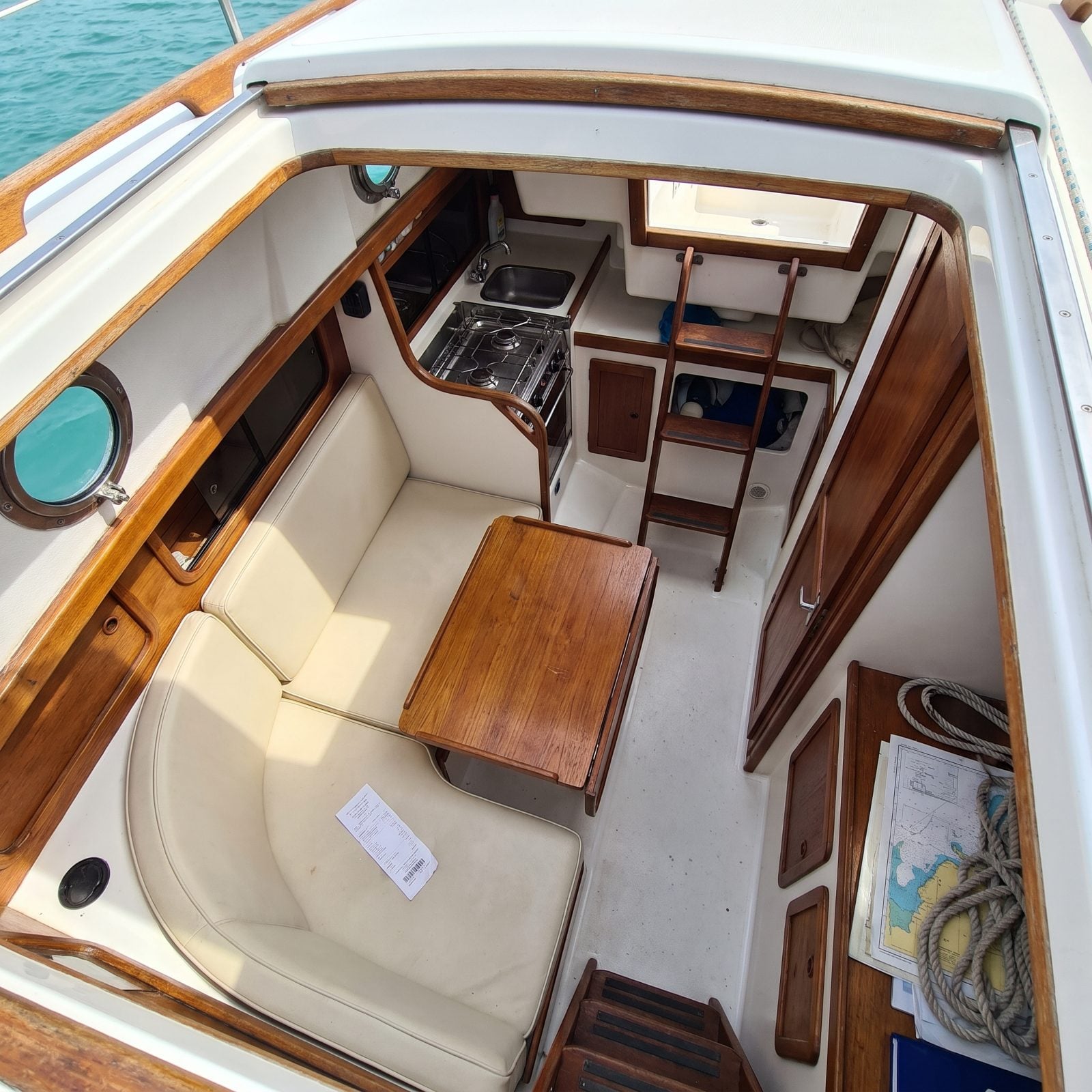
The galley’s in a weird spot. The seating doesn’t quite work. You noticed it during the inspection and frowned at it. But the deposit’s down now, and somewhere in the last week you’ve started explaining to friends why the layout is actually clever, really, once you get used to it.
Watch anyone defend a partner their whole circle has doubts about and you’ll hear this exact voice. The flaws they clocked early get quietly rewritten as quirks, then as strengths. Commitment edits memory.
What you’re hearing is cognitive dissonance doing its tidying-up work. Once we’ve sunk money, time, or identity into something, the mind can’t stomach holding “this was a mistake” and “I chose this” at the same time, so it bends the first to fit the second. The deposit didn’t change the boat. It changed how you’re allowed to see the boat.
1. You Start Browsing Again When New Models Arrive
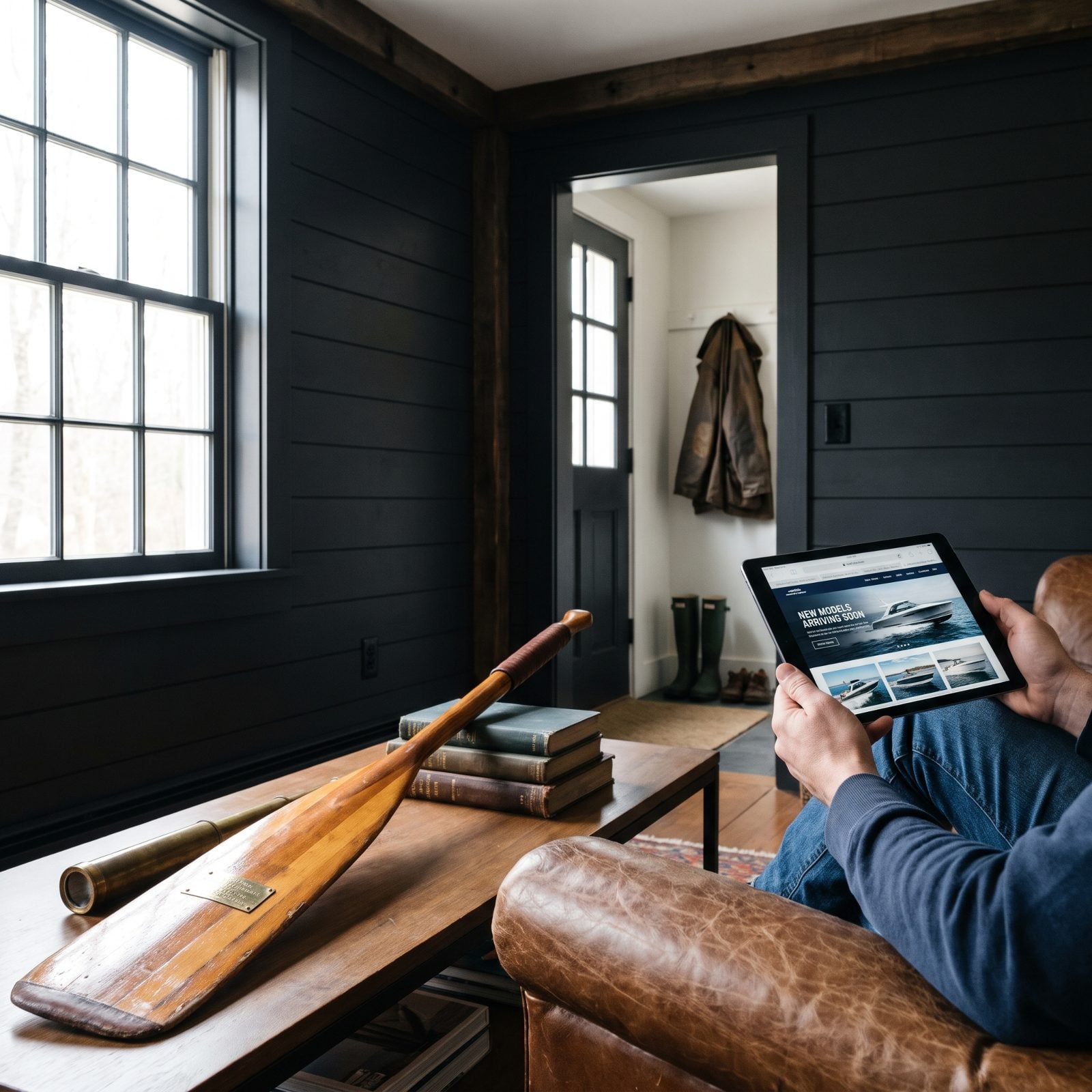
Your boat is great. Runs well, suits your weekends, paid off and reliable. And yet the new models drop in spring, the show rolls into town, and there you are walking the aisles with your hand running along a hull you have absolutely no business considering.
The wandering eye isn’t a boat problem. It’s a human one. The grass looks greener because somebody always photographs grass in better light. New arrivals, newer gadgets, the unlived fantasy of a slightly better version of the thing you already own and love.
Novelty hijacks the same reward circuitry that made the first boat exciting, and it keeps whispering that satisfaction sits one upgrade away. It almost never does. Contentment isn’t finding the boat with nothing better out there — nothing like that exists. It’s deciding the one tied up at your slip is enough, and meaning it. Then going for a cruise instead of to the showroom.