The resale listings tell on everybody. “Only used a dozen times.” “Life got busy.” “Must sell, barely touched.” Read enough of them and you start hearing the same tune friends hum when a marriage quietly runs out of road. Here’s what nobody wants to admit: the brain that falls for a boat and the brain that falls for a person run on identical wiring. Same rush at the dock. Same willingness to ignore the one detail that mattered. We never evolved a separate decision-making system for watercraft, so every regretted boat purchase rhymes with a regretted romance, and once you see the pattern you can’t unsee it. Here are the ones that’ll make you laugh and wince at the same time.
Please note that some of the imagery in this article may have been enhanced with the assistance of AI.
15. You Fall for the Hull Before Hearing the Engine
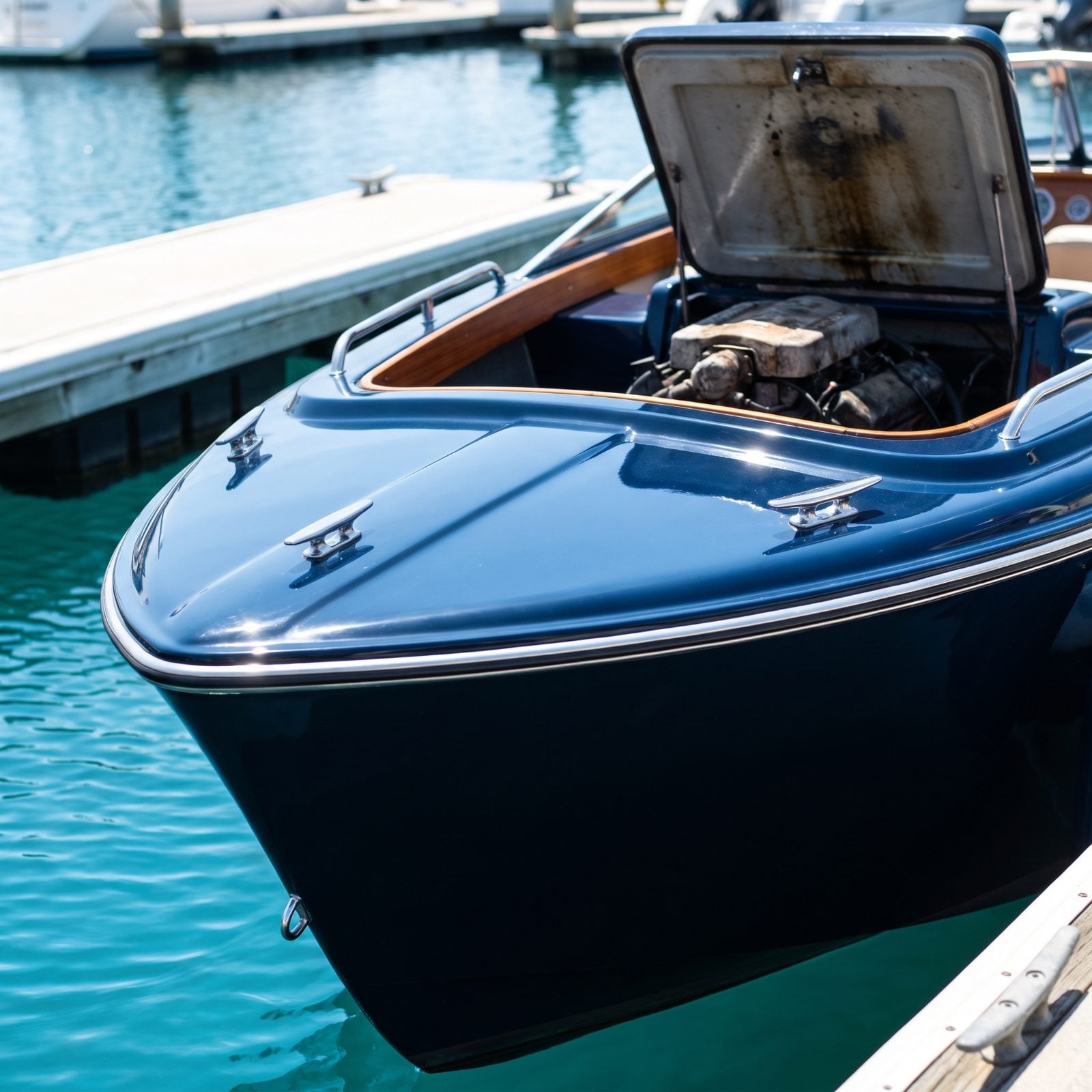
The bow catches the light and something in you just decides. The lines, the shine, the way it sits in the water like it owns the whole marina — you’re sold before the broker finishes the sentence. Meanwhile the engine, the one thing that decides whether this boat ruins ten summers or makes them, sits right there under a propped-open hatch, and nobody’s looking at it.
Same thing happens with people. The face, the first laugh, the way they walk into a room. We decide in seconds, then spend months justifying that split-second with everything that comes after. Psychologists call it the halo effect: one attractive trait spills over and colors our read on everything else, including the parts we never checked.
Beauty is cheap to notice and the engine is expensive to inspect, so we notice the beauty and call it due diligence. A gorgeous hull wrapped around a tired powerplant is a long, costly summer. Open the hatch. The shine will still be there after.
14. A Thrilling Sea Trial Makes Every Red Flag Disappear
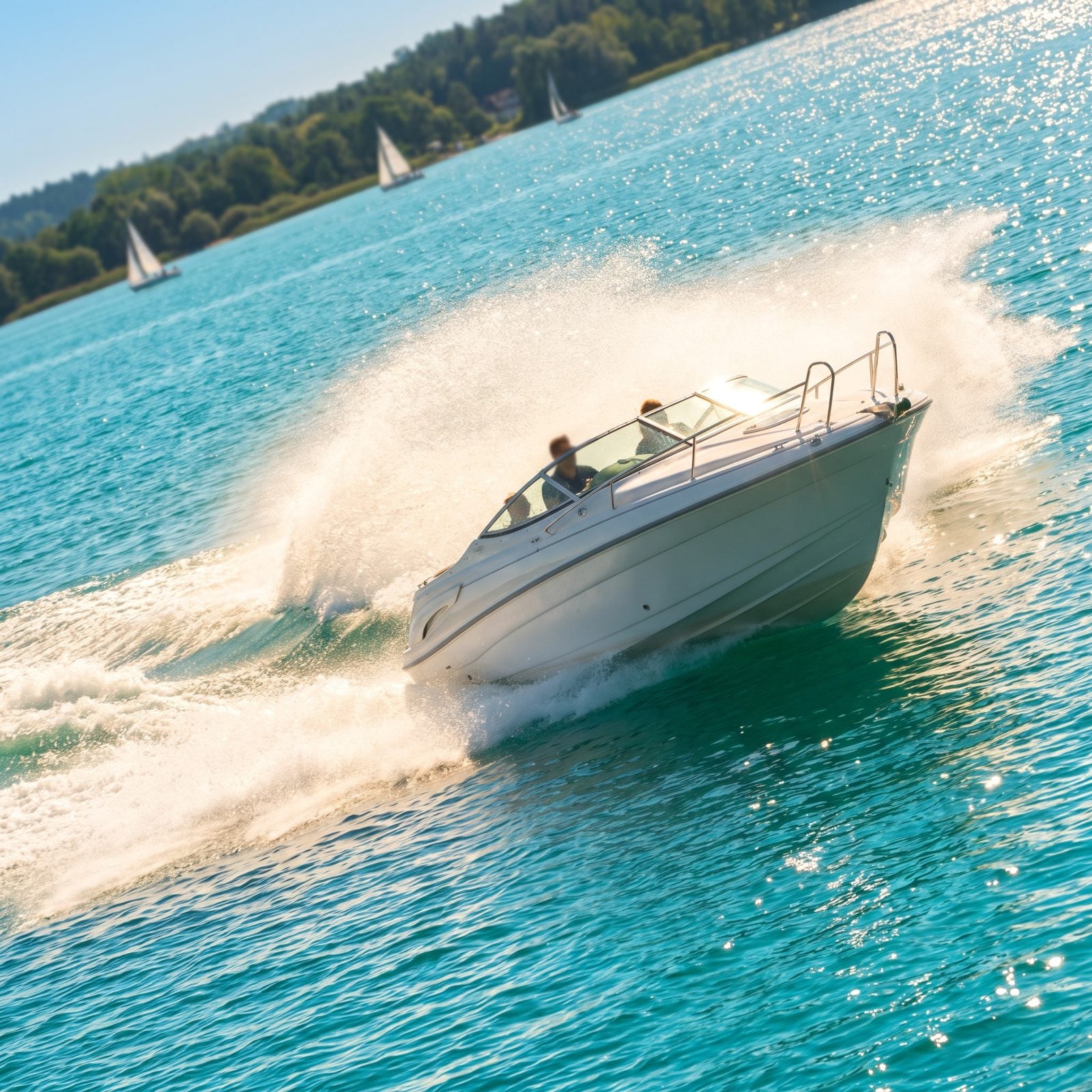
Twenty minutes on plane in open water and your judgment leaves the building. The spray, the speed, the way the hull slaps the chop just right. Whatever hesitation you walked in with evaporates somewhere around the second turn, and by then you’re grinning like a kid — not inspecting a single thing.
That’s the whirlwind weekend getaway of romance, the one that ends with somebody saying “when you know, you know.” A peak emotional moment overwrites everything calmer and more boring, and the boring stuff is exactly where the truth lives.
Underneath it all is a trick of memory. We judge an experience by its most intense moment and its ending, never by the dull average. A dealer knows this cold. That’s why the sea trial happens on a calm, sunny afternoon and never in a cold drizzle with a two-foot chop. The thrill isn’t a lie. It’s just not the information you needed.
13. The Familiar Brand Feels Right Because Dad Owned One
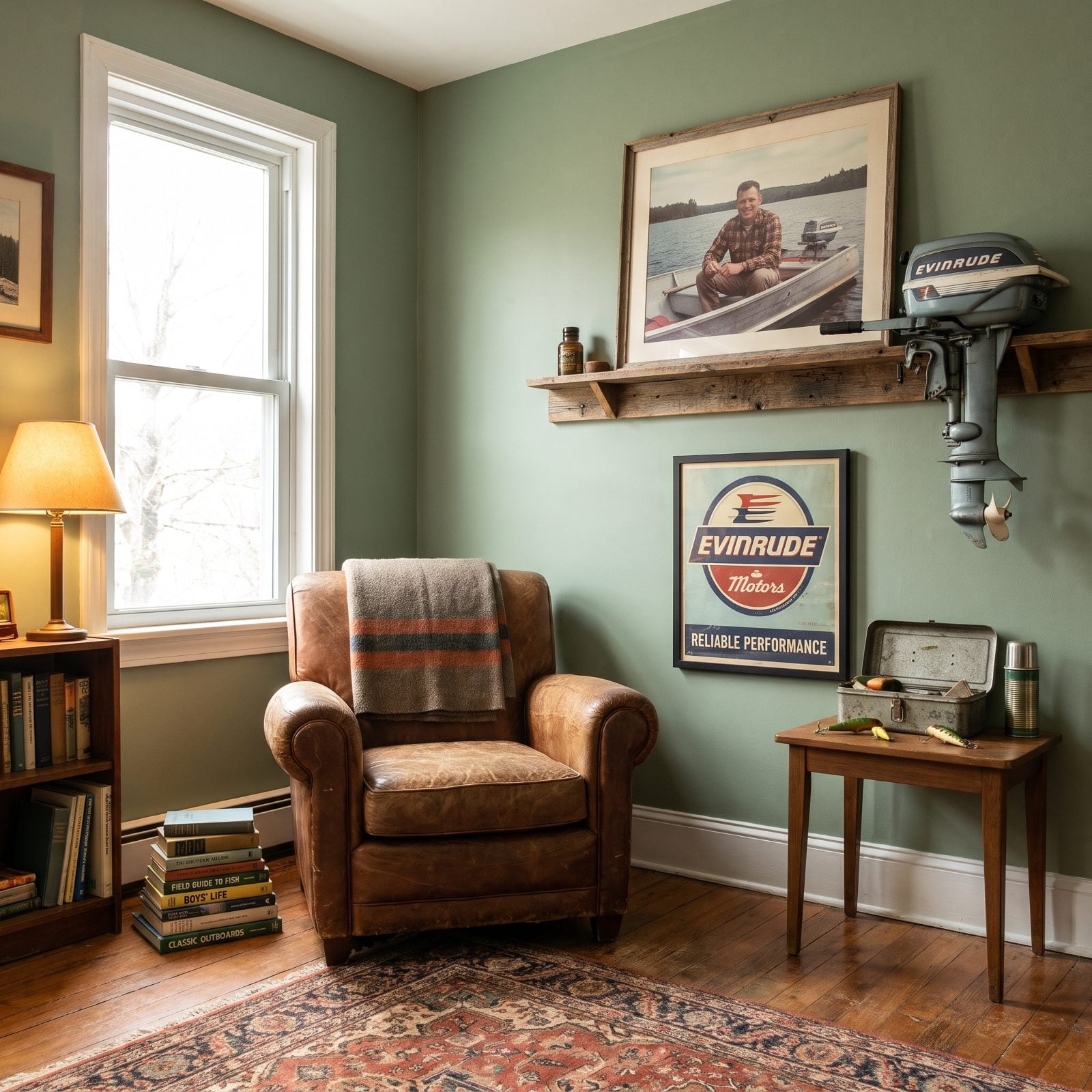
You walk the dock past a dozen perfectly capable boats and stop dead at the one brand your father had. Suddenly that logo feels like safety itself. You can smell the old aluminum, hear the outboard sputtering to life on a lake forty years gone, and the decision is basically made before you’ve read a single spec sheet.
People pull the identical move in dating. We drift toward someone who feels familiar — who moves or talks or treats us the way a parent did — and we call it chemistry. It isn’t chemistry. It’s recognition dressed up as destiny.
The pull is nostalgia doing your shopping for you. Familiarity gets mistaken for quality because familiar things feel safe, and safe feels like right. Your dad’s boat may well have been a great boat. But that warm feeling in your chest is a memory, not a review.
12. You Buy the Boat for Weekends You Rarely Live
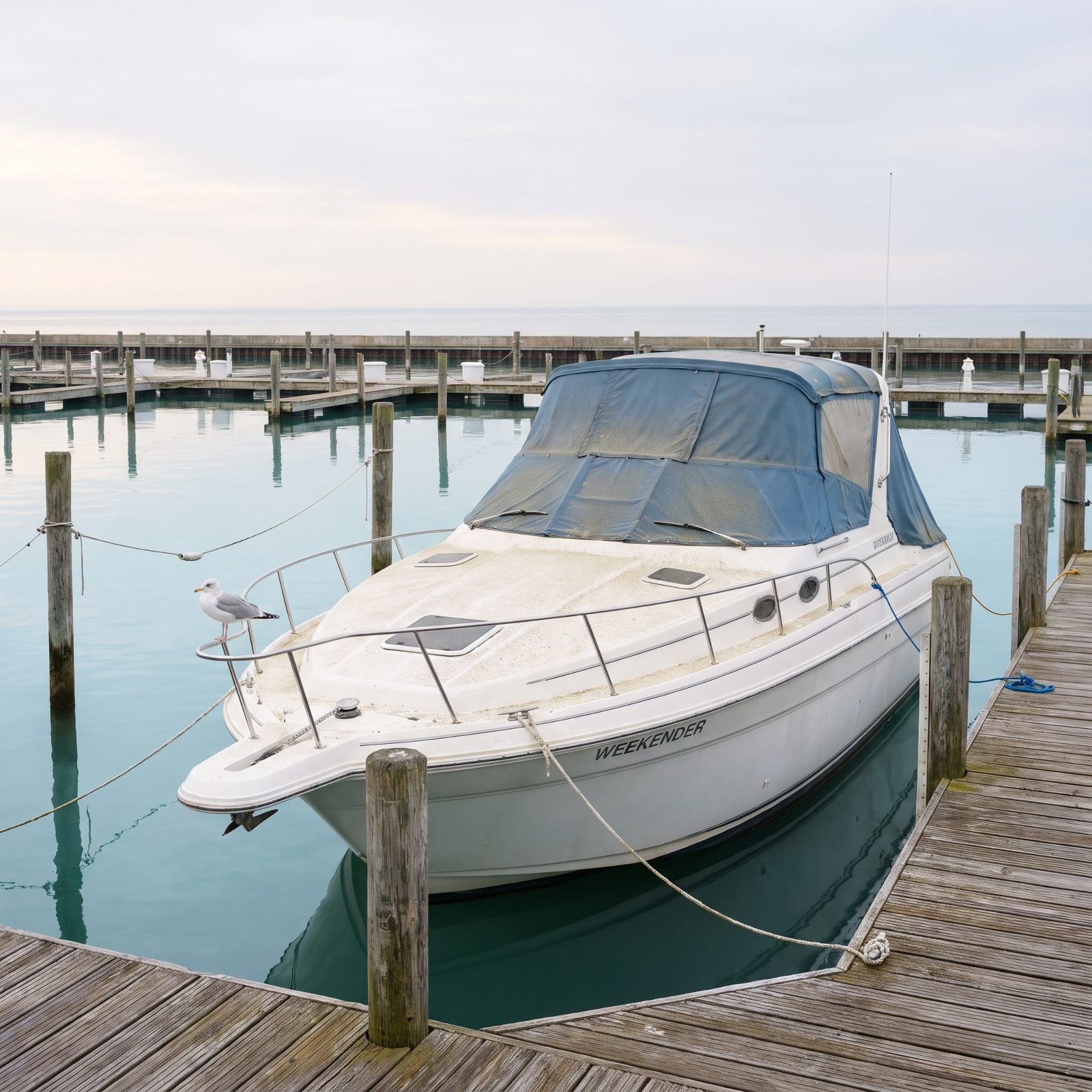
You bought the boat for the version of your life where you leave the office Friday at three, load the cooler, and spend every weekend on the water with the kids. That version shows up maybe four times a summer. The rest of the year the boat just sits under its cover, quietly accruing slip fees and a thin coat of pollen.
It’s the same mistake people make picking a partner for a life they intend to have rather than the one they actually live. You chose for the hiking couple you planned to become, not the two people who mostly order takeout and fall asleep on the couch by nine.
We’re terrible forecasters of our own behavior. Researchers call it the planning fallacy — we imagine our best, most energetic selves and buy accordingly. The boat is honest. It’s your schedule that lied.
11. A Limited-Time Deal Turns a Boat Into Destiny
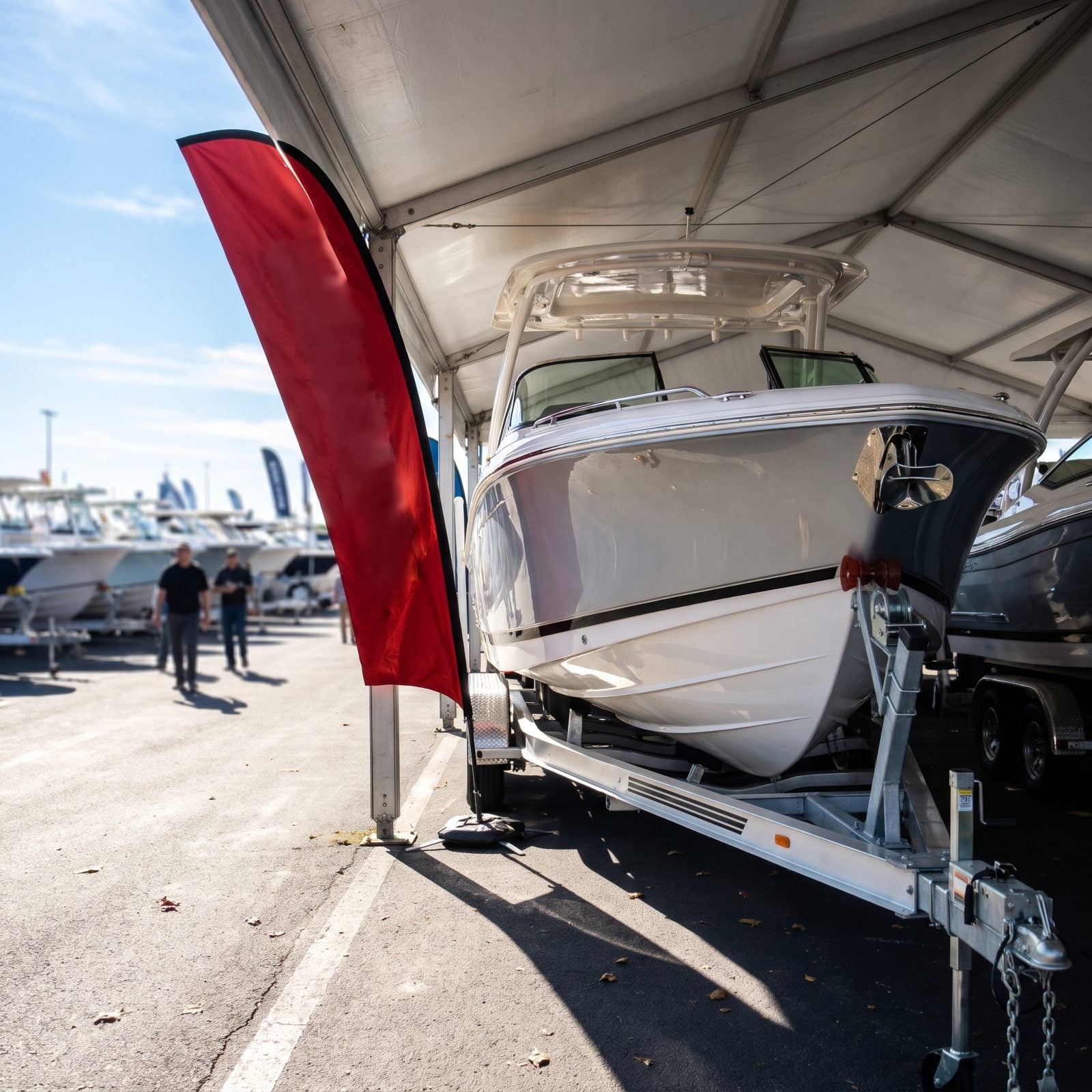
“This price ends Sunday.” Three words, and a purchase you’d mulled over for a year suddenly becomes a now-or-never fork in your entire life story. The boat show closes in two days. The rebate expires. Miss the window and you’ll regret it forever — or so the clock in your chest insists.
Same engine drives people into proposals and weddings nobody had time to think through. A deadline, real or invented, makes an ordinary choice feel like fate.
Scarcity hijacks the brain. We want things more the instant they might slip away, and the fear of missing out drowns out the quieter question of whether we wanted the thing at all. A good deal on the wrong boat is still the wrong boat. The discount doesn’t change what it is — only how fast you stop thinking.
10. You Read Owner Forums Until Someone Confirms Your Choice

You’ve already bought the boat. So now you’re out on its sunny teak deck, coffee beside you and tablet propped on a cushion, three weeks deep in owner forums, scrolling past every thread about transom cracks and finicky fuel systems until you land on the one post where a happy owner swears it’s been flawless for twelve years. There. Screenshot. That’s your evidence.
We do the same thing before a questionable relationship. Tell the friend who’ll agree with us, skip the one who raises an eyebrow. We weren’t hunting for the truth. We were shopping for permission.
Confirmation bias is sneaky precisely because it feels like research. You’re reading, you’re gathering, you’re being responsible. But you’re only really absorbing the half that agrees with a decision you made weeks ago. The warning threads were sitting right there. You just scrolled past them faster.
9. You Skip the Survey Because Bad News Might Spoil It
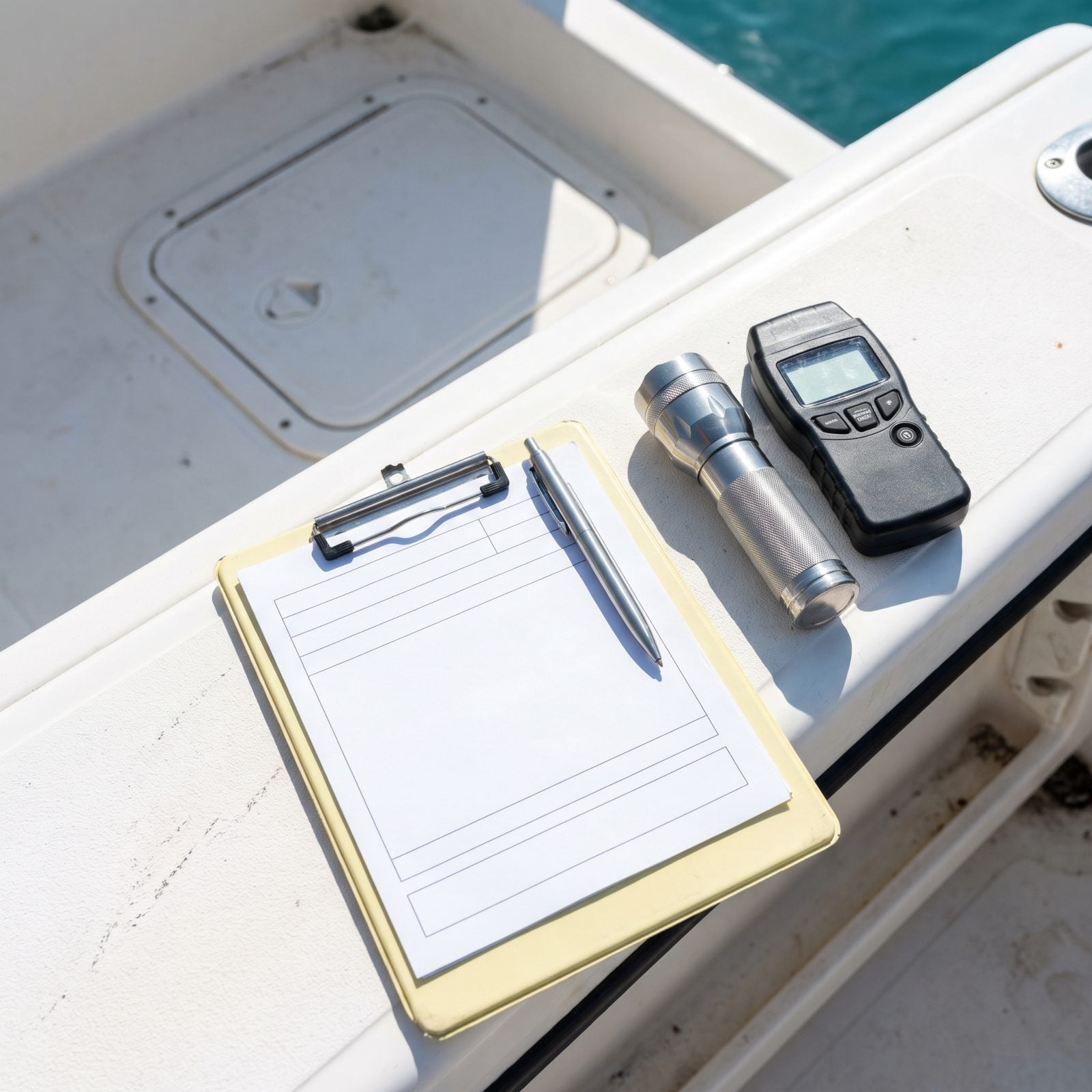
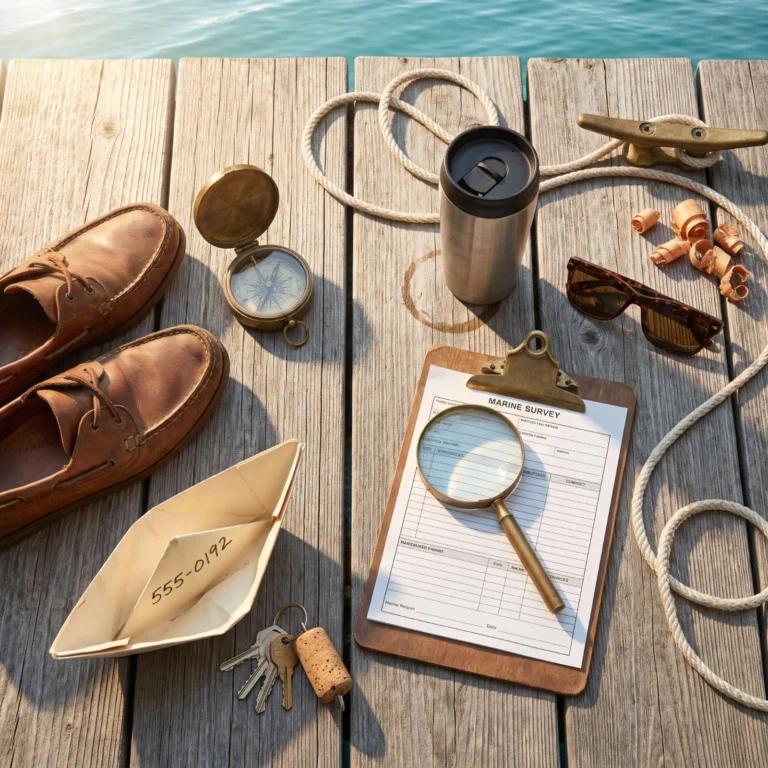
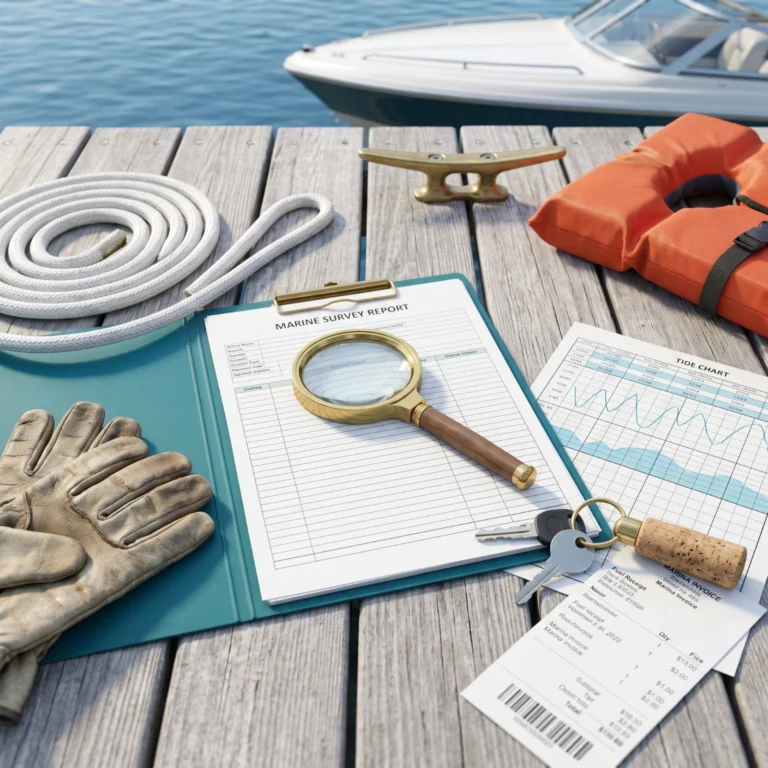
A marine survey costs a few hundred bucks and takes one afternoon. You skip it anyway — not because you can’t afford it, but because some quiet corner of you already suspects what it’ll turn up, and you can’t stand the thought of the dream dented by a report full of soft stringers and corroded wiring. If nobody checks, it stays perfect.
People dodge the hard conversation for exactly this reason. The one that would surface the dealbreaker. Better to not ask than to hear an answer that ends the good feeling.
Psychologists call this the ostrich effect — the odd human habit of actively dodging information we expect to be unwelcome. We’d rather stay happy and wrong than informed and anxious. Trouble is, the water damage doesn’t care whether you looked. Not knowing never fixed a single rotten transom. It just shoves the discovery to the worst possible moment, usually two miles offshore.
8. You Ignore Your Partner’s Seasickness Until After Closing
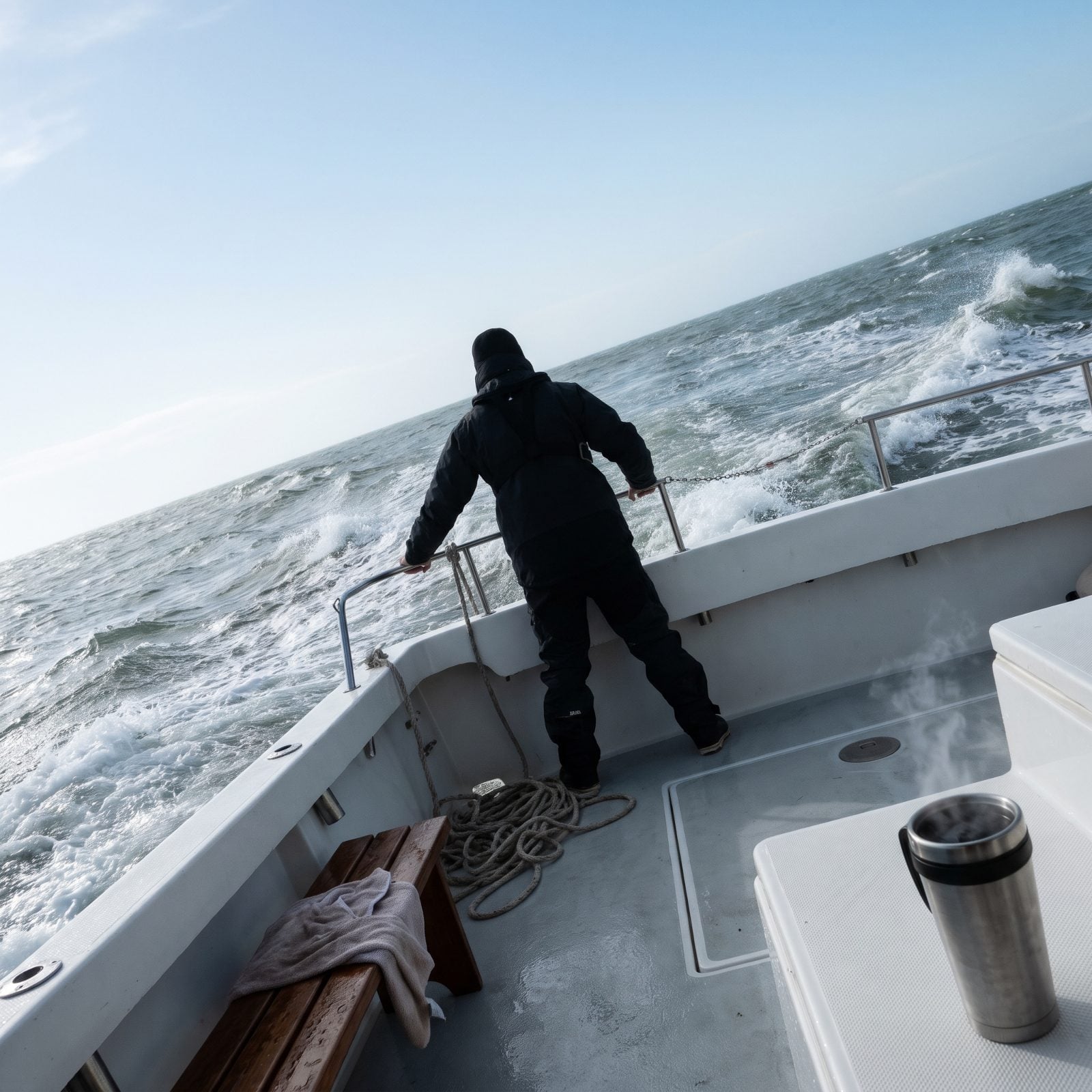
Your partner mentioned once, politely, that boats make them queasy. You heard it. You filed it under “we’ll figure it out,” and the purchase happened anyway, fueled by a daydream of the two of you anchored in a cove at sunset. Then came the first real outing in a two-foot swell, and the cove sunset turned into a long, green-faced ride back to the ramp.
Relationships run on this exact denial. One person says, clearly and early, “I don’t want kids” or “I need the city,” and the other nods along, quietly assuming love will rewrite it later.
Call it optimism bias — the stubborn belief that the bad outcome happens to other people and not to us. We discount the warning not because we missed it but because we assumed we’d be the exception. The sea doesn’t do exceptions. Neither do the things people tell you plainly, up front, the first time.
7. Your Friends’ Dock Envy Makes the Payments Seem Sensible
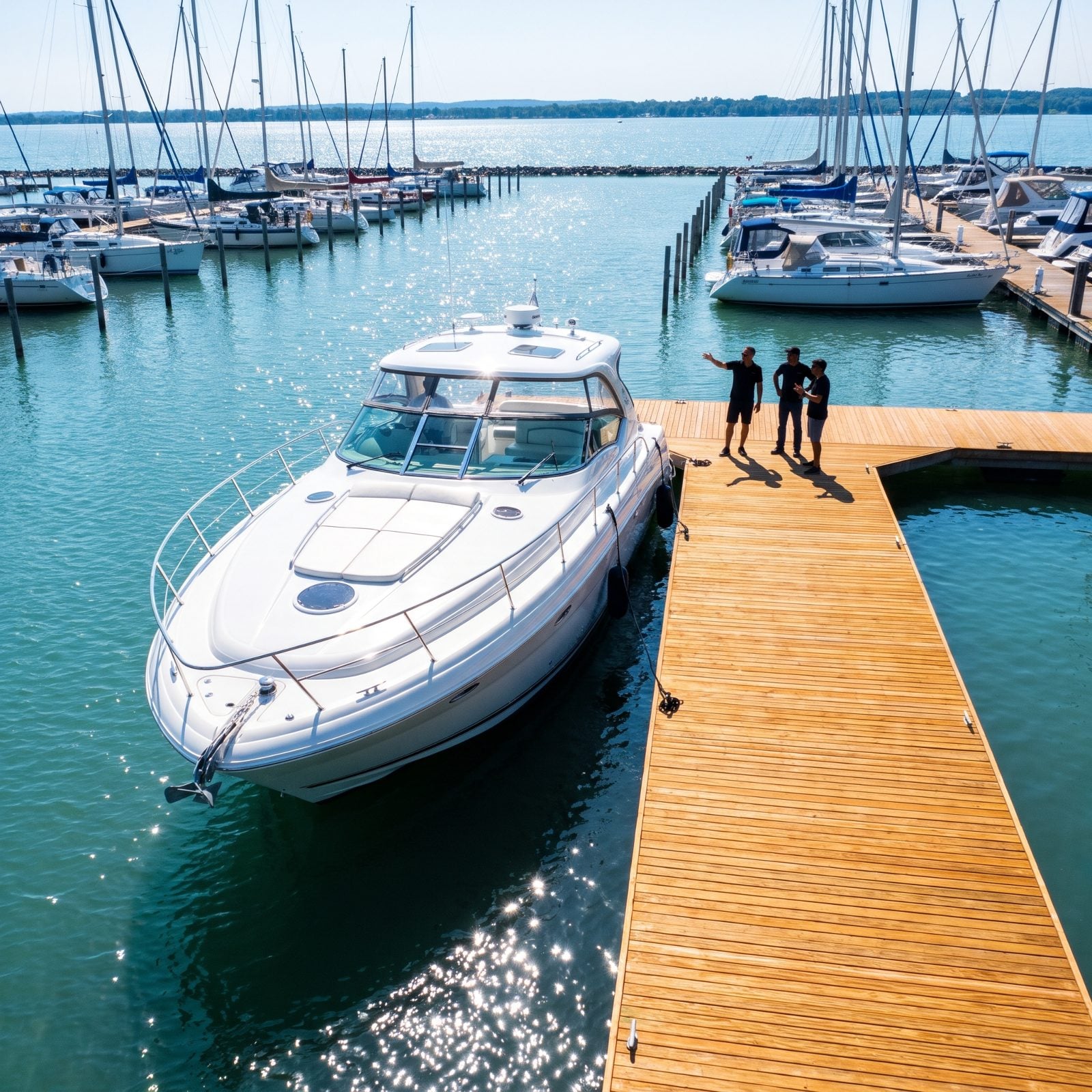
The moment the new boat slides into the slip and your dock neighbors wander over to admire it, the monthly payment stops feeling insane. Their envy does the math for you. All at once the cost is justified by the look on somebody’s face — a terrible way to run a budget, and a deeply human one.
We pull this with partners we show off more than we actually enjoy. The one who looks great at the reunion, whom everyone’s a little jealous of, while the day-to-day is lonelier than anyone would ever guess.
Status signaling is a powerful drug because the admiration is real and immediate, while the loan payments stay abstract and spread across fifteen years. You feel the envy today. The interest you’ll only feel in February, when the boat’s shrink-wrapped in a storage lot and the bill still lands like clockwork. Buying a boat to be seen owning a boat is a surprisingly common and surprisingly empty purchase.
6. You Believe This Project Boat Just Needs Your Love
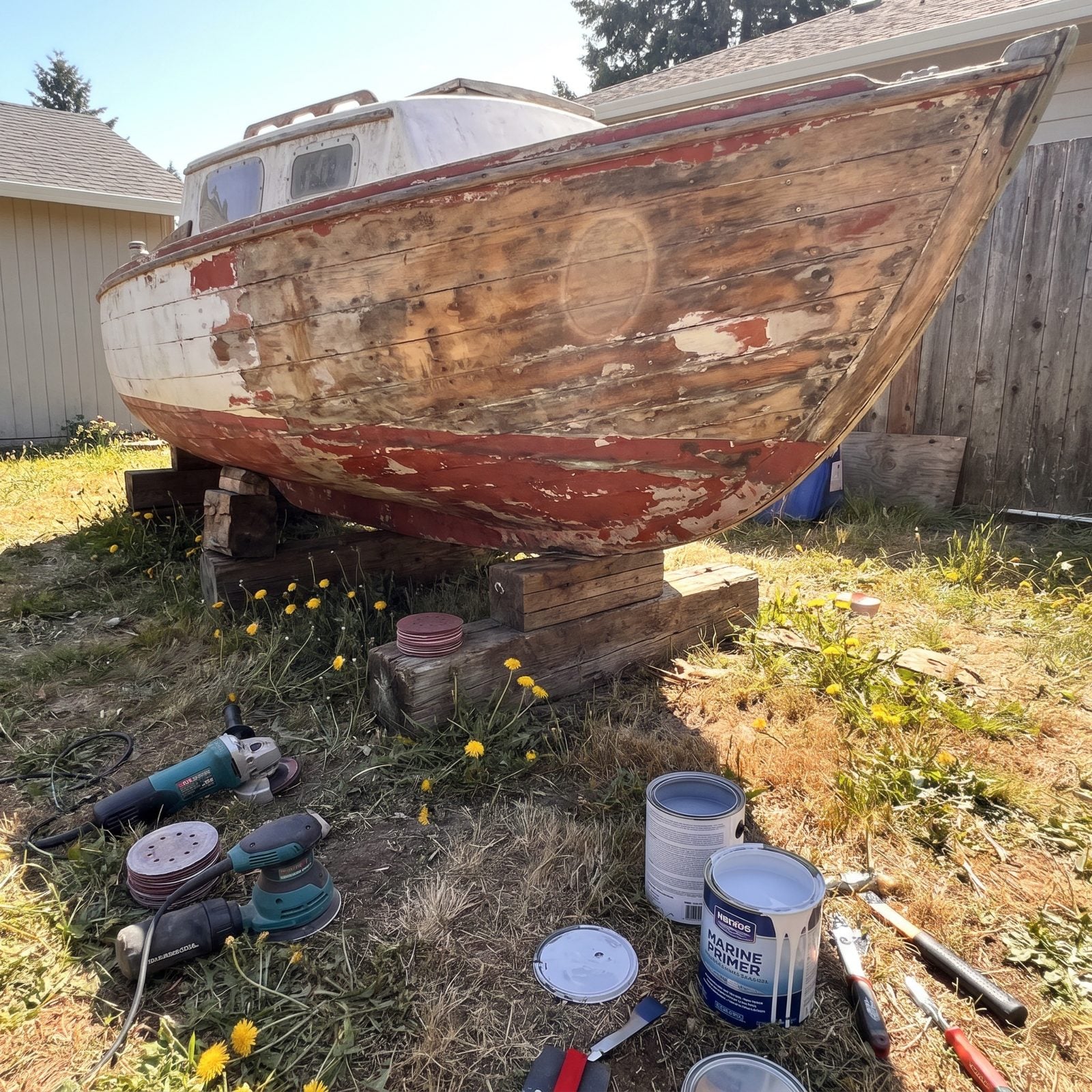
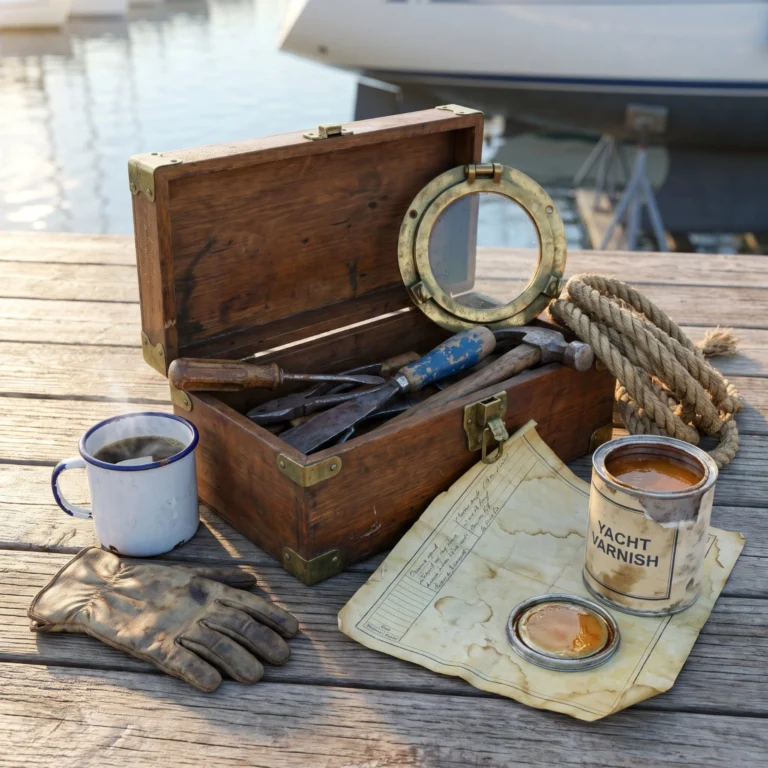
The listing said “needs some work” and you saw a weekend project and a lifetime story. You pictured yourself sanding teak on crisp autumn afternoons, coaxing a tired old girl back to life, telling people proudly you did it all yourself. What you actually bought was a bottomless pit of marine epoxy, special-order parts, and winters of your life you’ll never get back.
This is the fixer-upper romance in nautical form. The one you choose for who they could become with your patience, your attention, your endless, loving repair.
Two biases team up here, and it’s brutal. The IKEA effect makes us overvalue what we’ve poured our own labor into, so every hour you sink raises what the boat’s worth in your heart, if not on the market. Then sunk cost keeps you grinding long after a sane person would walk, because quitting would mean admitting all that money and all those weekends were a mistake. People don’t come as projects. Neither do boats. The ones that need saving mostly just need selling.
5. You Remember the Sunset and Forget the Bilge Alarm
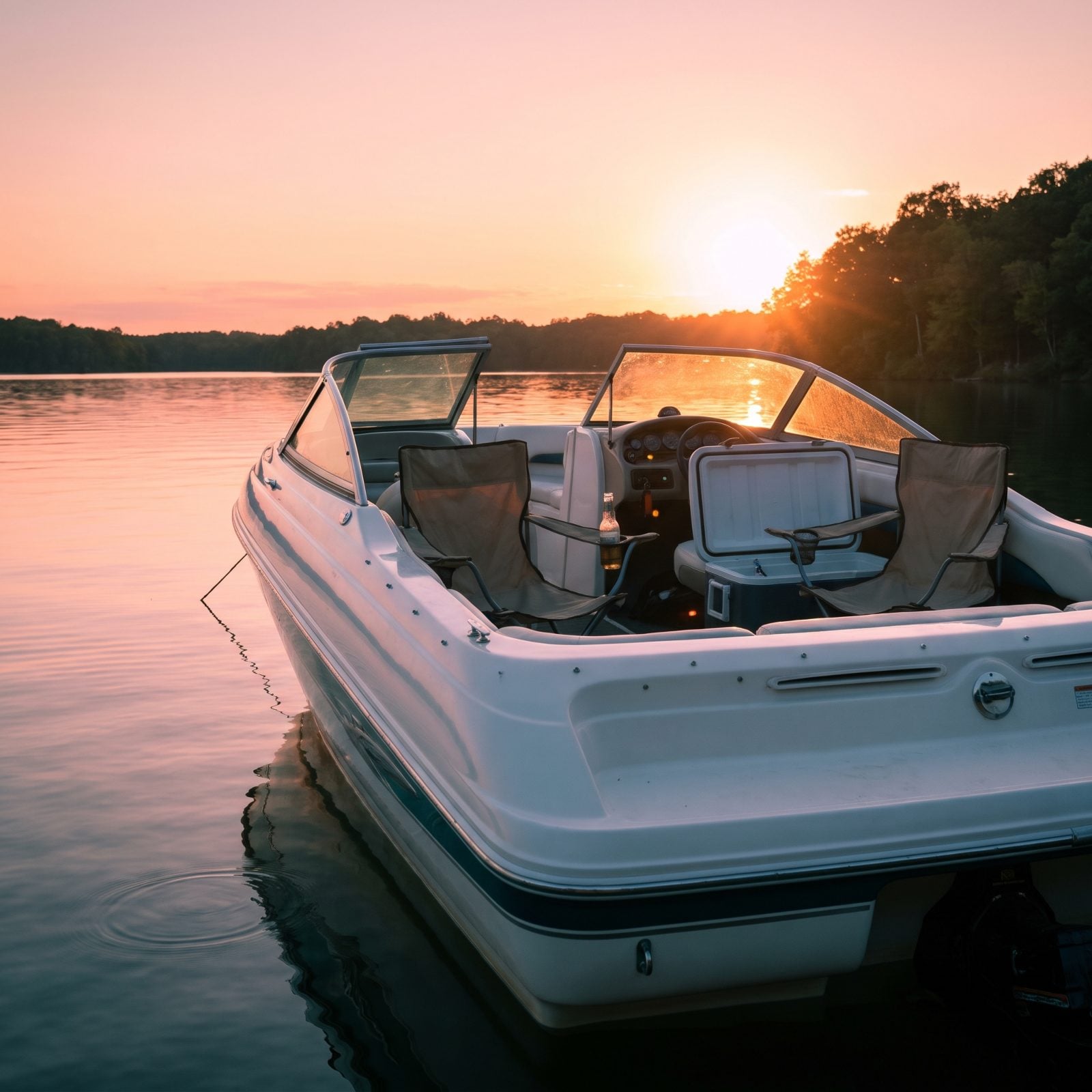
Ask anyone why they bought the boat and they’ll describe one evening. Flat water, the sky going pink, a drink in hand, the engine off, everything quiet. That’s the memory on a loop. Nobody opens with the time the bilge alarm went off at the ramp and you spent your whole Saturday on your back in the engine bay smelling burnt wiring.
Same trick memory plays about an ex. You keep the highlight reel — the one great weekend, the laugh you still think about — and the 300 ordinary bad days get edited out. Psychologists call it the peak-end rule: we judge an experience by its best moment and how it ended, not the long boring middle where things actually happened.
A boat is built to produce peak moments, which is exactly why it’s dangerous. One sunset buys you a whole season of denial.
4. You Expect New Electronics to Bring Back the Excitement
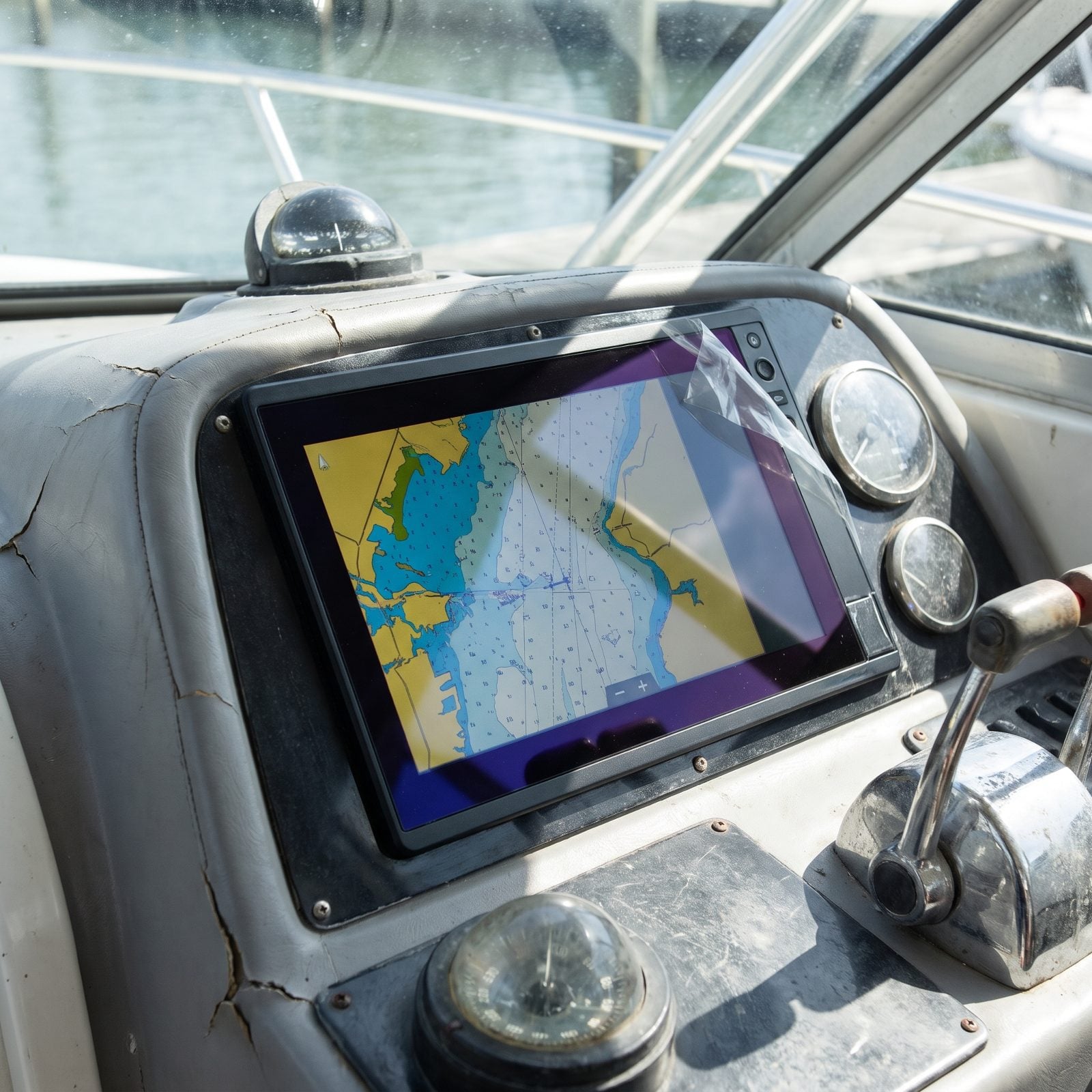
The GPS still works. You buy the new one anyway. Then a fresh stereo, then underwater lights, because suddenly the boat needs underwater lights. Each purchase comes with a jolt of the old feeling — that first-season buzz, back for about a week.
It’s the identical move people make when a relationship goes flat and somebody suggests a trip to Italy, or a renovation, or a baby. New input, same core problem. The upgrade distracts from the fact that the thing underneath hasn’t changed one bit.
This is hedonic adaptation at work. We get used to anything, good or bad, and the thrill fades back to baseline no matter how nice the new toy is, so we chase the next hit. The boat never needed a bigger screen. You needed the feeling you had when it was new, and no amount of marine electronics sells that back to you.
3. You Keep Browsing Listings After Committing to Your Boat

You bought the boat. The search should have ended there. Instead you’re on the listing sites at 11 p.m., looking at the walkaround with the better layout, the one with the extra two feet, the cleaner engine hours.
Everyone knows this one from relationships. Committed, supposedly content, still scrolling, still cataloging what else is out there. Feels harmless. It rarely is.
Economists call it the paradox of choice. Once you decide, continued shopping doesn’t make you happier — it just makes you doubt the decision you already made, and every listing you open becomes a small argument that you picked wrong.
The search isn’t helping you find a better boat. It’s helping you feel worse about the one tied to your slip.
Close the tab. Go run the boat you own. The grass is always greener on the hull you haven’t paid dockage for.
2. The Marina Slip Makes Leaving Harder Than Staying
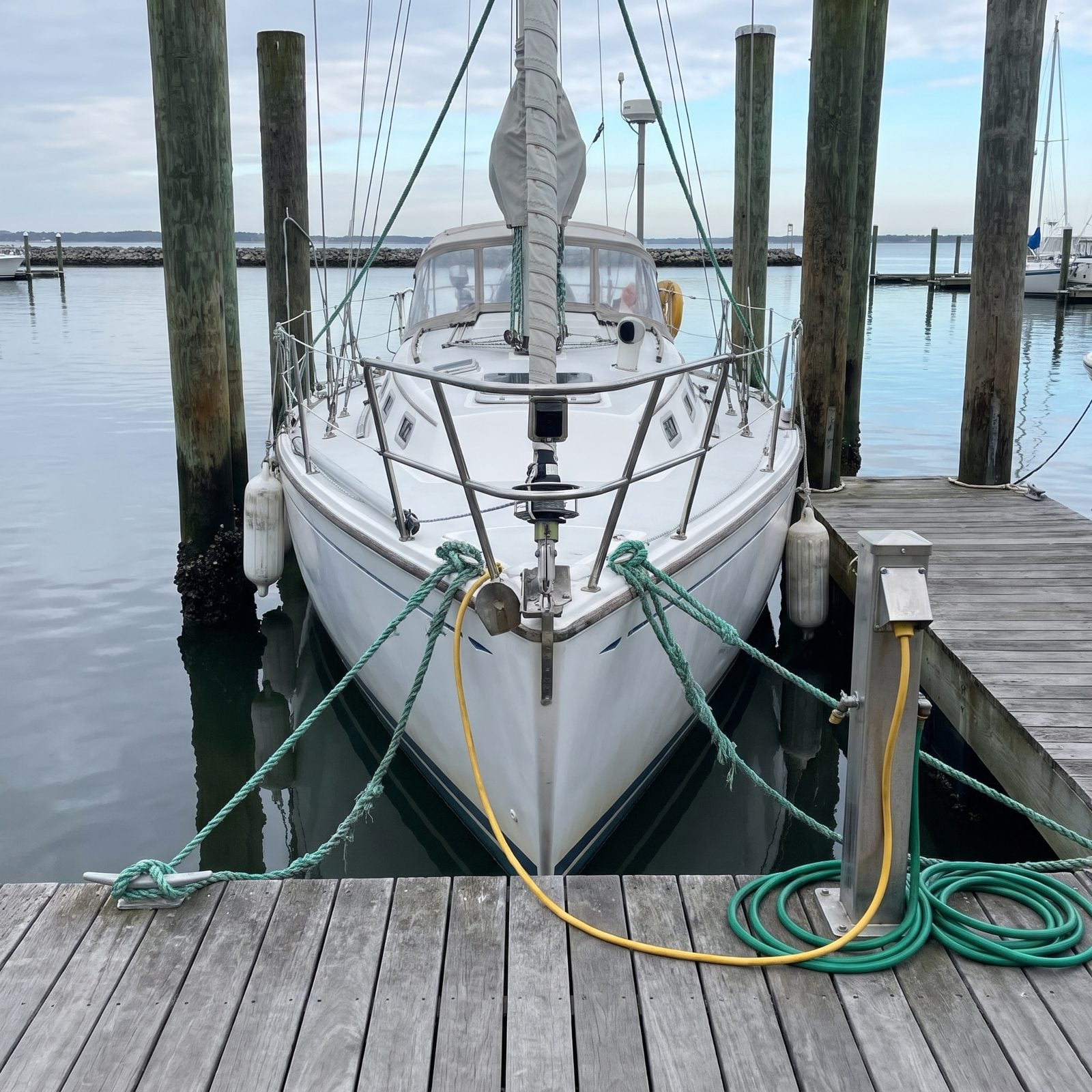
The slip is paid through October. You’ve got your spot, your neighbors, the guy at the fuel dock who knows your name, the whole Saturday-morning routine. Selling means unwinding all of it, so the boat stays — half because you love it and half because leaving is a pain.
Same inertia that keeps people in relationships that stopped working years ago. Not love, exactly. Logistics. Shared friends, the lease, the furniture, the sheer effort of change. Staying is easy because it’s familiar.
Status quo bias is the mechanism here. We overrate the current situation just because it’s current, and we overrate the cost of changing it. The devil you know gets extra credit for being known.
1. You Buy Another Center Console Despite Hating the Last One

You spent three seasons complaining. No shade. Wet ride in a chop. Nowhere comfortable for your spouse to sit. You swore the next one would be different, then you walked the boat show and bought another center console. White. T-top. Same everything, right down to the scuppers.
People do this with partners constantly. Swear off the type, list every flaw of the last one, then fall for someone who’s that exact person in a new jacket. The complaints were real. The pattern was stronger.
We’re drawn to the familiar even when it burned us, because familiarity reads as safe to the brain no matter what the evidence says. It’s the comfort of a known shape. Switching types means learning a whole new set of disappointments, and some stubborn part of you would rather keep the disappointment you’ve already rehearsed.