Every July, the famous lakes turn into bumper-boat derbies. Pontoons three deep at the ramp, jet skis crossing your wake, somebody’s bluetooth speaker two coves over playing the same six songs. We stopped fighting it years ago. The best water in this state sits where nobody thinks to look: a cypress millpond older than the Civil War, a bay lake with fish found nowhere else on earth, a mountain reservoir so clear you can count rocks at twenty feet. Locals keep these quiet. We won’t.
Please note that some of the imagery in this article may have been enhanced with the assistance of AI.
14. Lake Waccamaw: The Carolina Bay That Holds Water (and Fish You Won’t Find Anywhere Else)
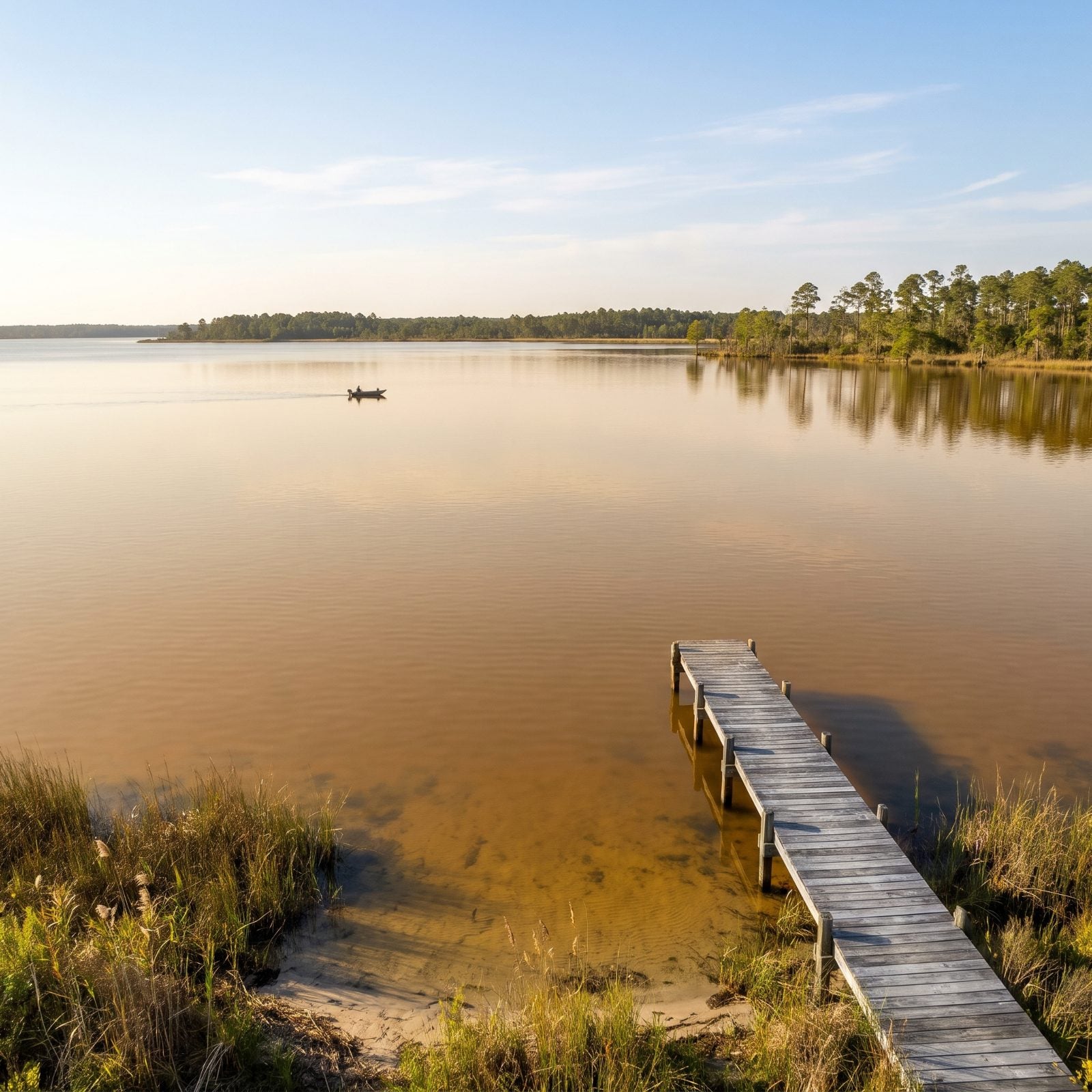
Most Carolina bays filled in with peat and brush thousands of years ago. This one didn’t — nearly 9,000 acres of open water in Columbus County, about 40 miles west of Wilmington, where a limestone bluff keeps the water less acidic than its sister bays.
That chemistry matters more than it sounds. Several aquatic species live here and nowhere else on the planet, so you’re fishing water that is, biologically, a tiny country of its own.
The state park at 1866 State Park Drive has boating, canoeing, about ten miles of trail and primitive camping. And a sailing club has worked this lake since 1970, which tells you something: people who know wind found it a long time ago.
13. Jones Lake: Tea-Colored Swimming Water and a Park With a History Worth Knowing
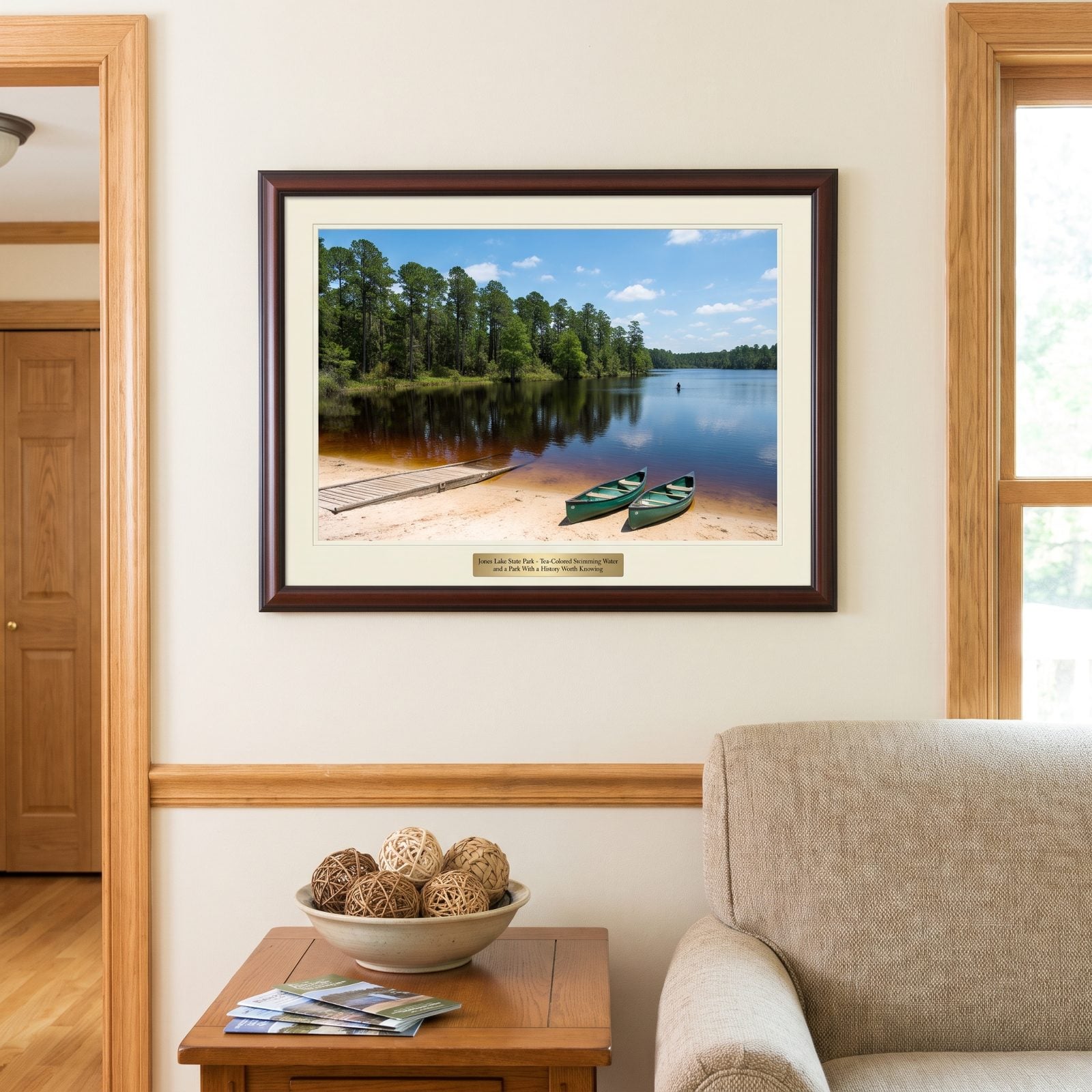
The water here looks like strong iced tea, and it’s supposed to. Tannins from decaying leaves and roots stain these bay lakes dark, and it’s perfectly clean to swim in. First-timers always hesitate at the beach, then wade in and forget about it inside a minute.
Jones Lake State Park sits in Bladen County, about 40 miles southeast of Fayetteville, just north of Elizabethtown on NC 242. It protects two bay lakes, Jones and Salters, with a swim beach, seasonal boat rentals, a ramp and RV sites, some with full hookups.
And here’s something worth saying plainly. This park was first developed as a state park for Black North Carolinians during segregation. That history is part of the ground you’re standing on, and the park doesn’t hide from it.
12. Lake Mattamuskeet: 40,000 Acres, Two Feet Deep, and Thousands of Tundra Swans
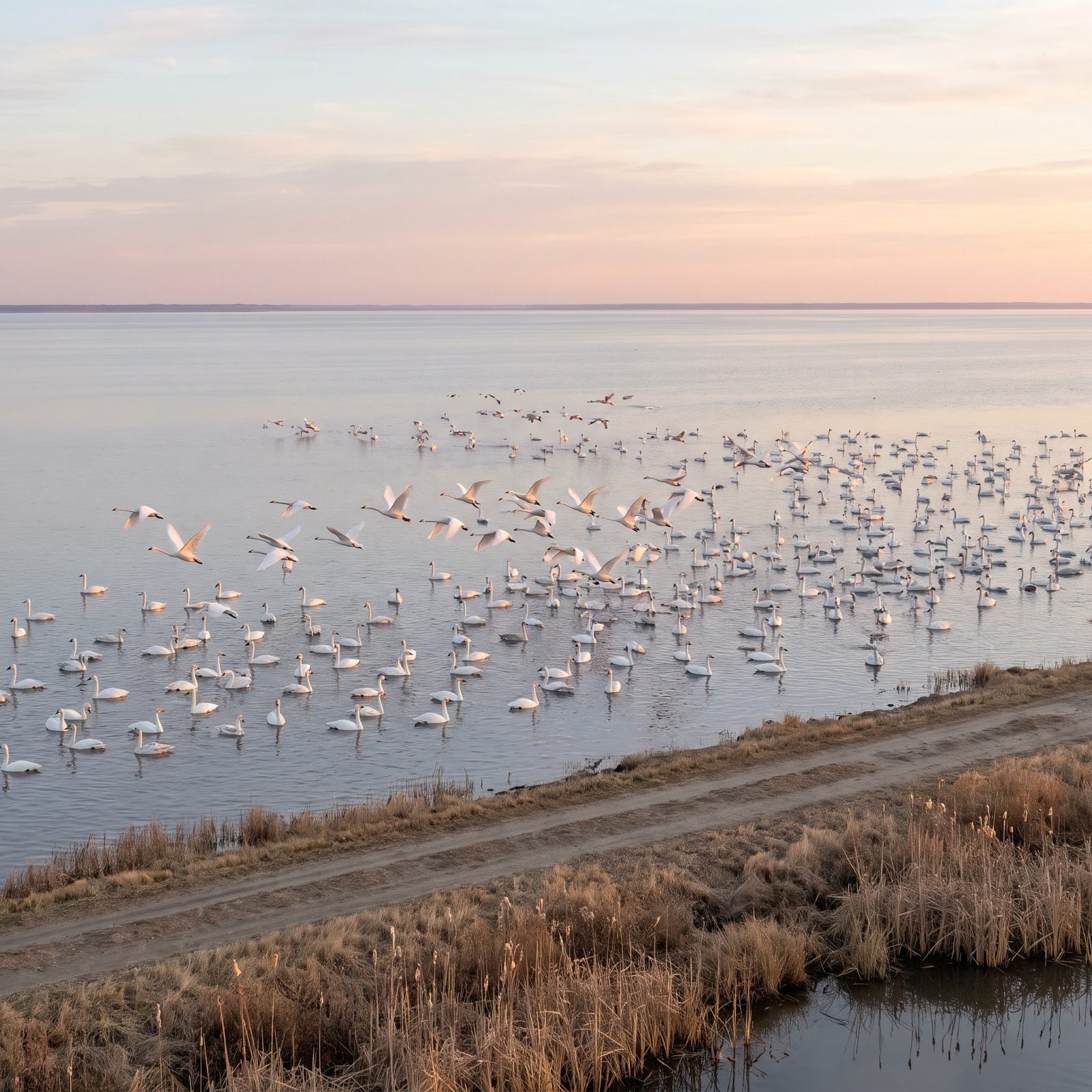
It’s the biggest natural freshwater lake in the state, around 40,000 acres, and you could stand in the middle of most of it. The thing averages about two feet deep.
That shallowness shapes everything. The refuge recommends shallow-draft boats with small motors, or a canoe, and boating runs seasonally from March 1 through October 31 only. Two ramps get you on: Rose Bay Canal on the east side, and one near refuge headquarters on Central Outfall Canal.
But the real show comes in winter, when the water fills with wintering waterfowl — tundra swans by the thousands. It sits inside Mattamuskeet National Wildlife Refuge in Hyde County, near Swan Quarter, and in January it is one of the most alive quiet places in North Carolina.
11. Merchants Millpond: Paddling Through 190 Years of Spanish Moss and Standing Cypress
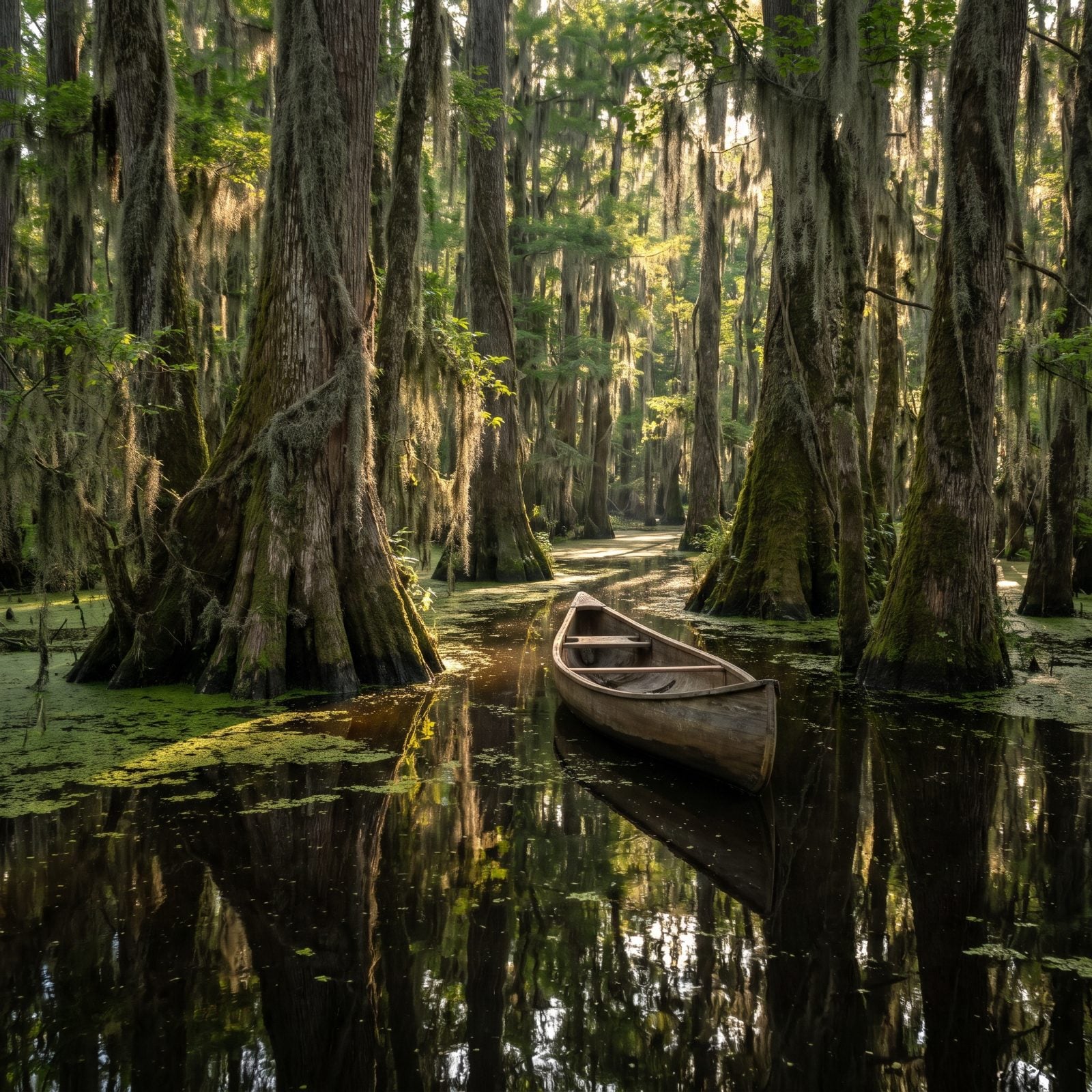
Paddle into Lassiter Swamp and you’ll understand why people call it the enchanted forest. Old-growth cypress hung with Spanish moss, water black as coffee, the whole place older than photography. This millpond has stood more than 190 years.
It’s in Gates County, about ten miles south of the Virginia line, 176 Millpond Road in Gatesville. Boat ramp, rentals, and paddle-in campsites for the people who want to wake up inside it.
One thing to know: alligators have been spotted here, at the northern edge of their range. Nothing to lose sleep over. But it’s their swamp and you’re the guest.
10. Badin Lake: An Aluminum-Town Reservoir With 230 Miles of Uwharrie Shoreline Nearby
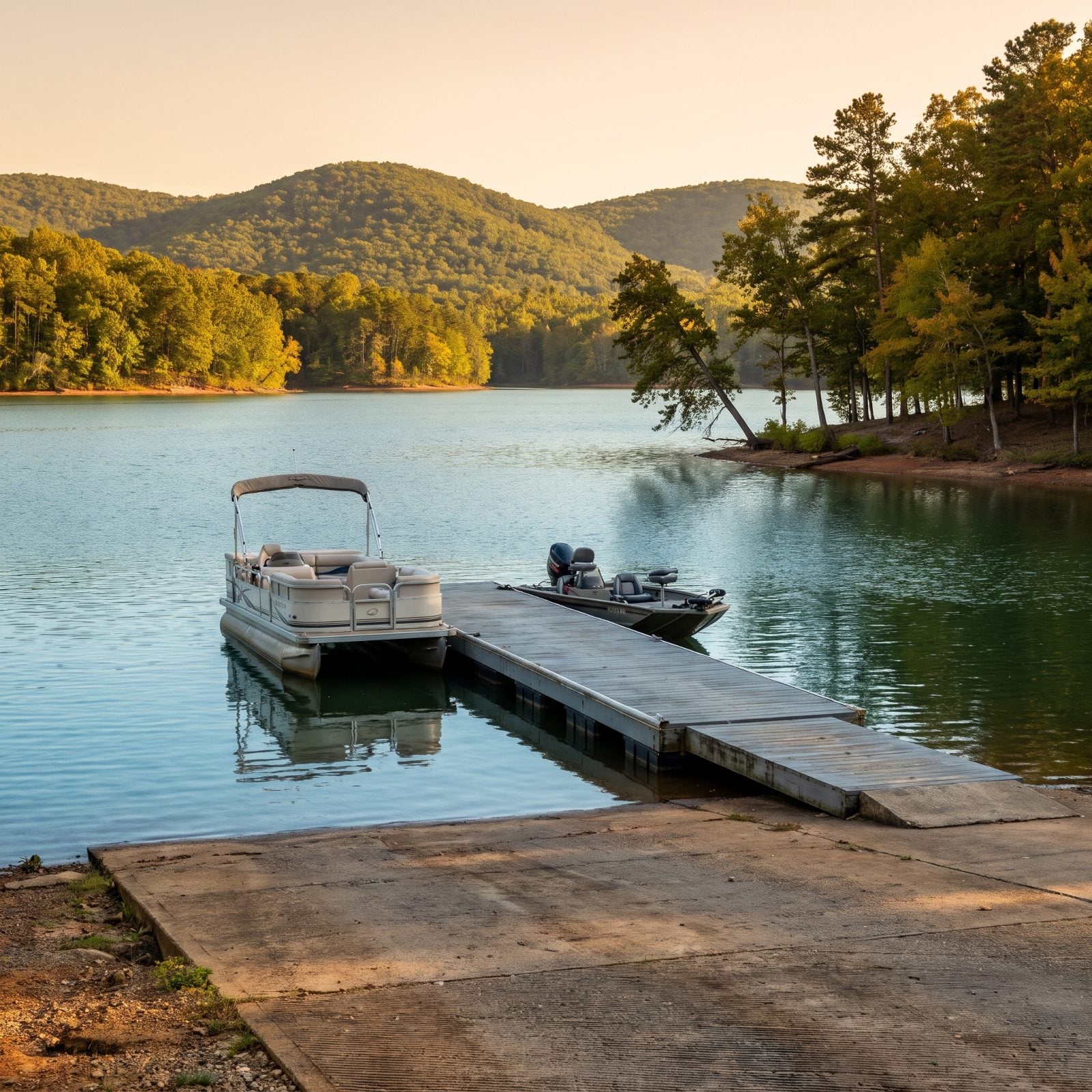
The dam went up in 1917 to power an aluminum operation, and the town of Badin grew around it. Today the lake runs along the western edge of Uwharrie National Forest, one in a chain of Yadkin-Pee Dee River lakes, and most people driving I-85 never think to turn off for it.
Two ramps get you going. Cove Boat Ramp (400 Cove Rd., Eldorado) sits near Arrowhead Campground and the Badin Lake Hiking Trail. Circle Drive (724 Shoreline Dr., New London) has 40 trailer spaces and accessible docks.
Montgomery County’s three lakes together stack up more than 230 miles of shoreline. That’s a lot of coves for a region almost nobody outside the Piedmont can find on a map.
9. Lake Tillery: Where You Have to Pick Your Bridge and Pontoons Duck Their Tops
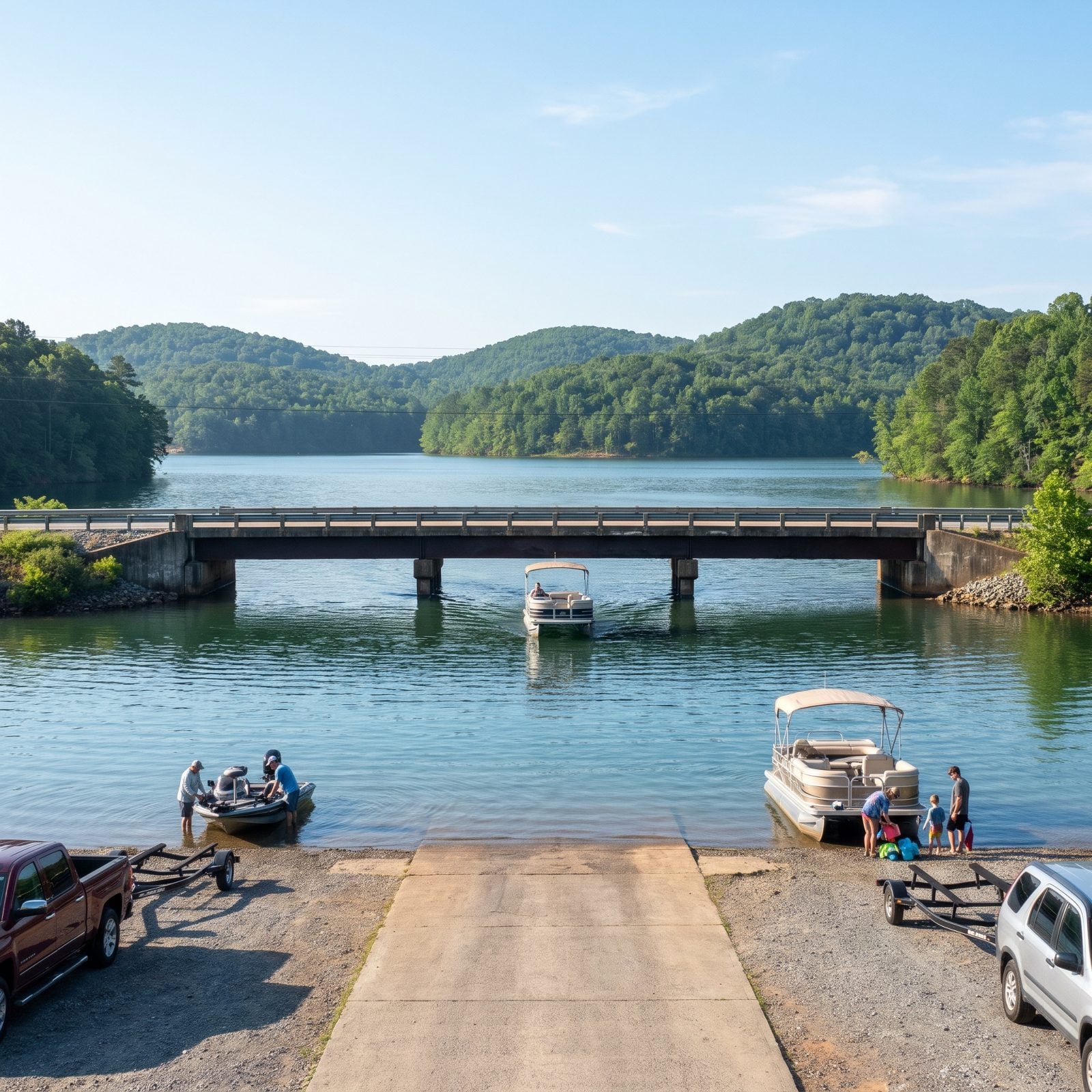
Tillery has a quirk the big lakes don’t: a low bridge that makes you think before you launch. Tall boats can’t clear it, so if you’re bringing height, you launch at Lilly’s Bridge Cove (1097 Lilly’s Bridge Rd., Mt. Gilead), an NC Wildlife ramp with 50 trailer spaces. Pontoons can slip through, but only with their Bimini tops ducked down.
The lake also runs a 32-foot boat length restriction, which quietly keeps the monsters off the water. Swift Island Boat Landing is the biggest ramp, with 100 trailer spaces.
No boat of your own? Lake Tillery Boat Rentals at Lilly’s Bridge Marina rents pontoons, along with a fishing boat, kayaks and paddleboards. So plan on a slow, low, happy cruise.
8. Lake Santeetlah: 76 Miles of Shoreline, Almost All of It Left Wild
Alcoa made this lake in 1928. The forest made sure almost nobody could build on it.
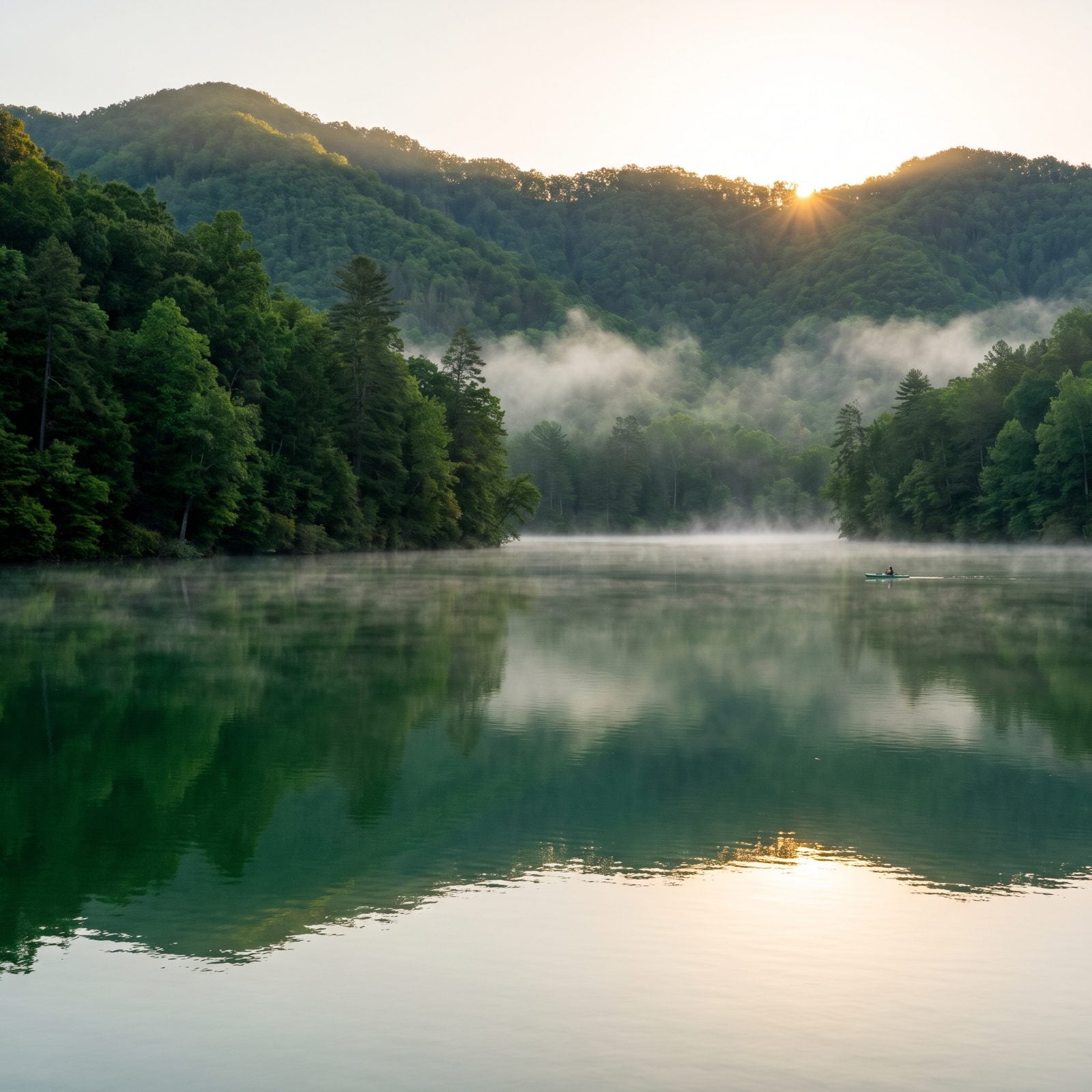
More than 2,800 acres with 76 miles of shoreline, and most of that shoreline is undeveloped, wrapped in Nantahala National Forest. Joyce Kilmer Memorial Forest, with its ancient uncut trees, sits right next door, and when you paddle out here the view is just ridgeline and water, the way it looked a century ago.
Three outfitters have you covered if you’re coming empty-handed: Smoky Mountain Kayak Fishing and Rentals, Santeetlah Marina, and Santeetlah Boat Rentals. It’s in Graham County, near Robbinsville, about as far west as you can go and still be in a crowd-free zone.
Seventy-six miles of shoreline, and you can run most of it without passing a single lake house.
7. Hiwassee Lake: A 22-Mile Reservoir at Murphy That Civilization Mostly Forgot
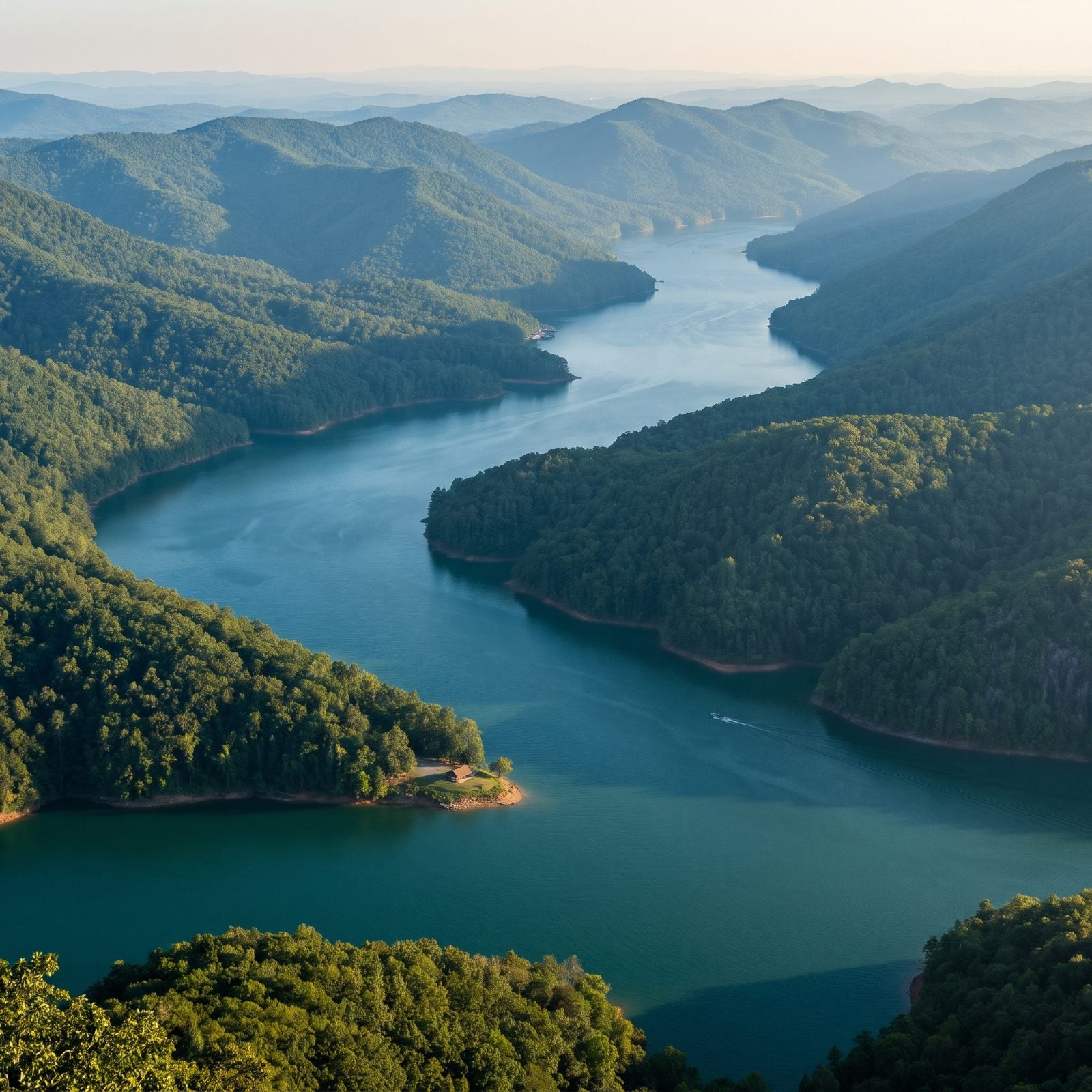
Twenty-two miles long, more than 160 miles of shoreline, and barely developed. That last part is what sells it. They call Hiwassee a non-commercial reservoir, which is a polite way of saying it’s wonderfully empty.
TVA’s Hiwassee Dam formed the lake, out at Murphy in Cherokee County, as far west as North Carolina goes. Hanging Dog Recreation Area, about five miles from downtown, has a boat ramp, a lakeside picnic pavilion and the eight-mile Ramsey Bluff trail system.
Don’t come expecting a swim park. There are no developed swimming facilities here. Come for the quiet, the fishing and the feeling that you drove to the end of the state and found the good stuff.
6. Nantahala Lake: Clear Mountain Water at 3,000 Feet, With Salmon That Shouldn’t Be There
Clear is the word everyone uses, and for once it’s earned. Nantahala sits at roughly 3,000 feet in Nantahala National Forest, above the gorge, out near Topton in western Macon County, and the cold, high water stays remarkably transparent.
About 29 miles of shoreline, most of it undeveloped and managed by the Forest Service and the state. Duke Energy regulates the lake. Swimming, boating and skiing are all fair game.
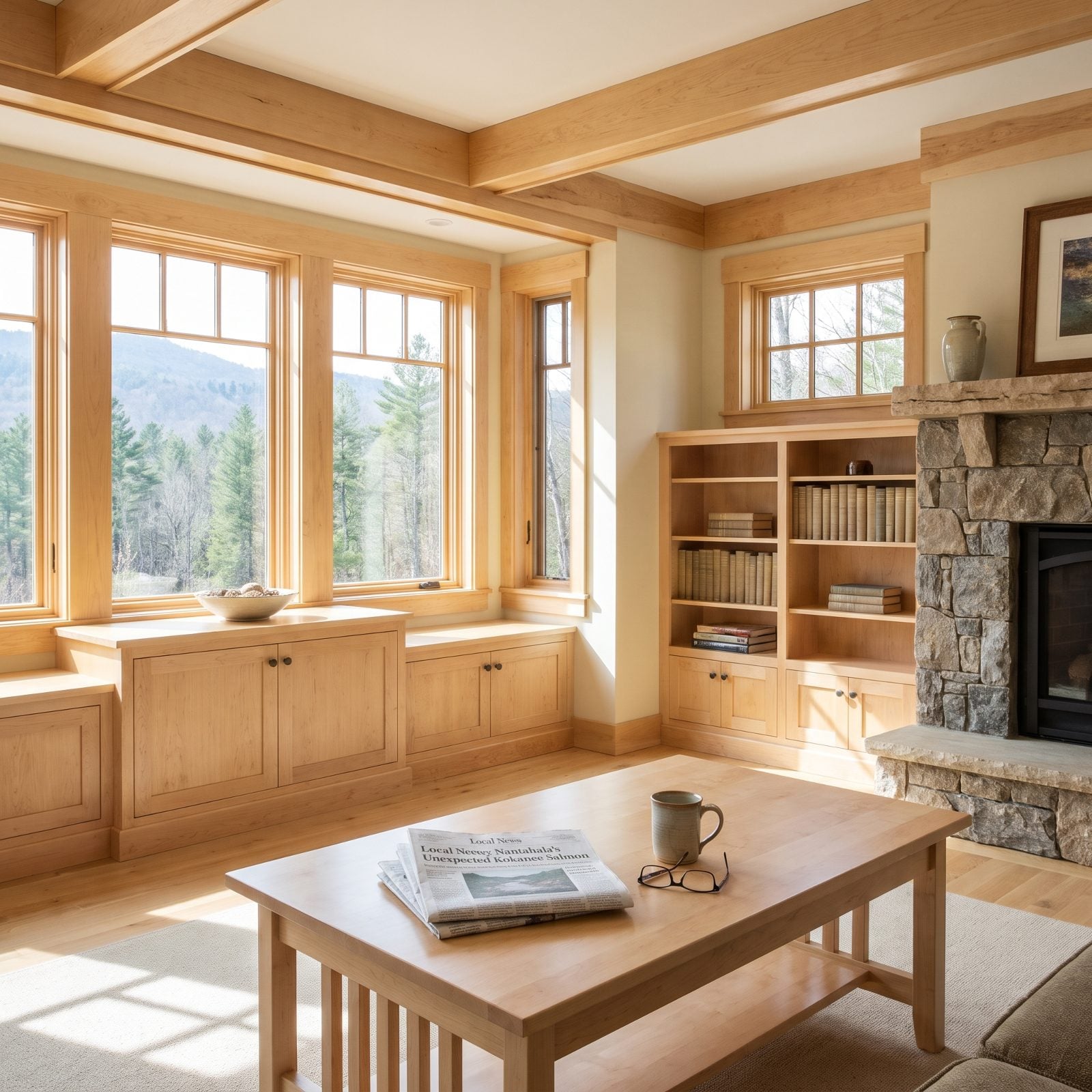
Here’s the odd part. Visit Smokies says it’s the only place in the Southeast with freshwater kokanee salmon — a landlocked salmon usually found in western and northern states, living in a Carolina mountain lake. Nature filing paperwork in the wrong state, and nobody complaining.
5. Lake Glenville: Deep, High and So Clear It Feels Transplanted From Out West
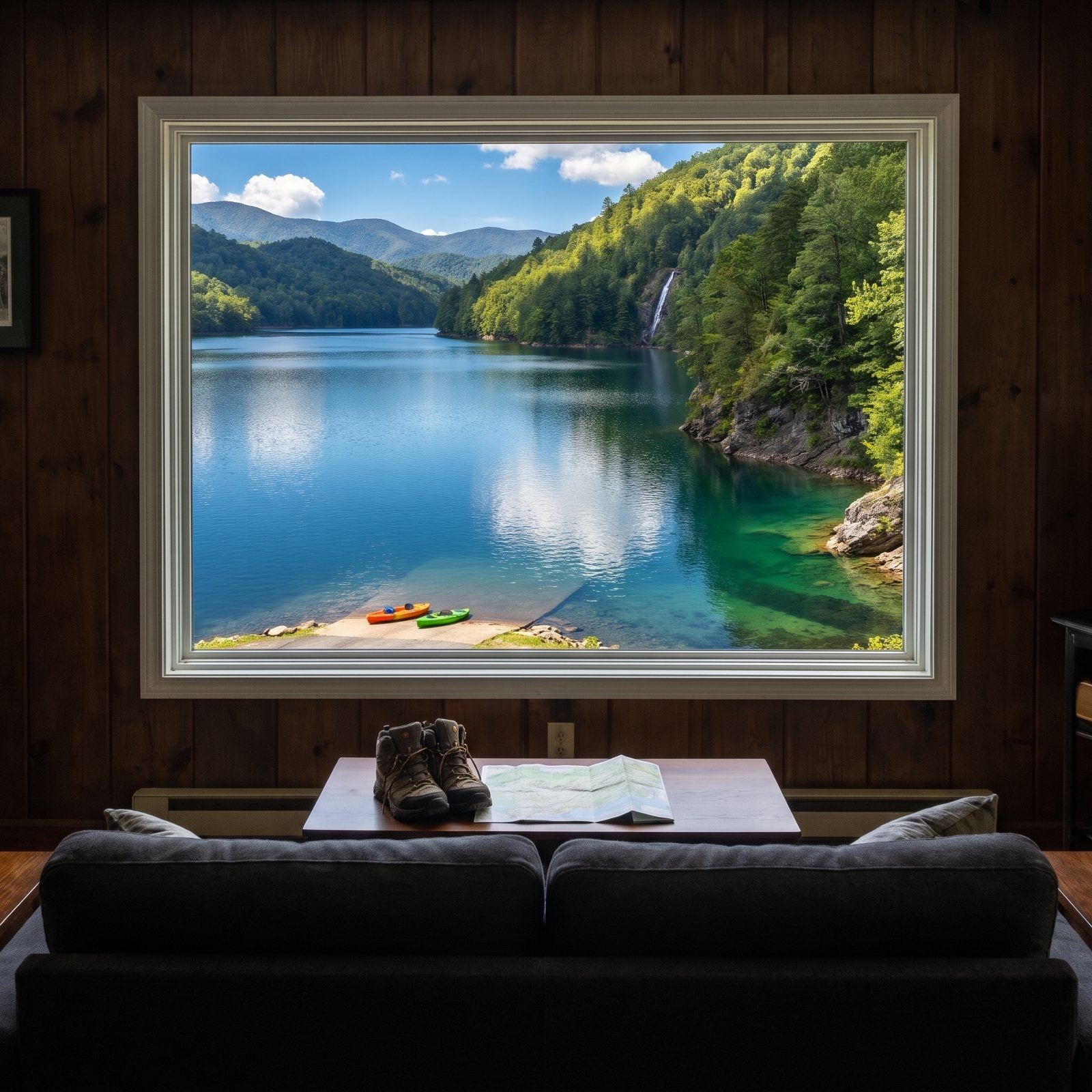
Stand on the shore and look at a map and the elevation stops making sense. Regional tourism folks call Glenville the highest-elevation lake east of the Mississippi, and some stick to “one of the highest.” Either way, it’s way up there, about eight miles from Cashiers in Jackson County.
USGS files it as Thorpe Reservoir. It covers roughly 1,452 acres with 26 miles of shoreline, and the depth is the shocker: 80 feet or more just a short swim from the bank. The water runs cold and clear, more western lake than southern one.
Duke Energy operates public put-ins, so you don’t need to know anybody to get on. Which is good, because once you’ve seen this one, the crowds at Lure feel like a mistake you’ll never make again.
4. Mayo Lake, Roxboro: The County Park With a Disc Golf Course on the Shore
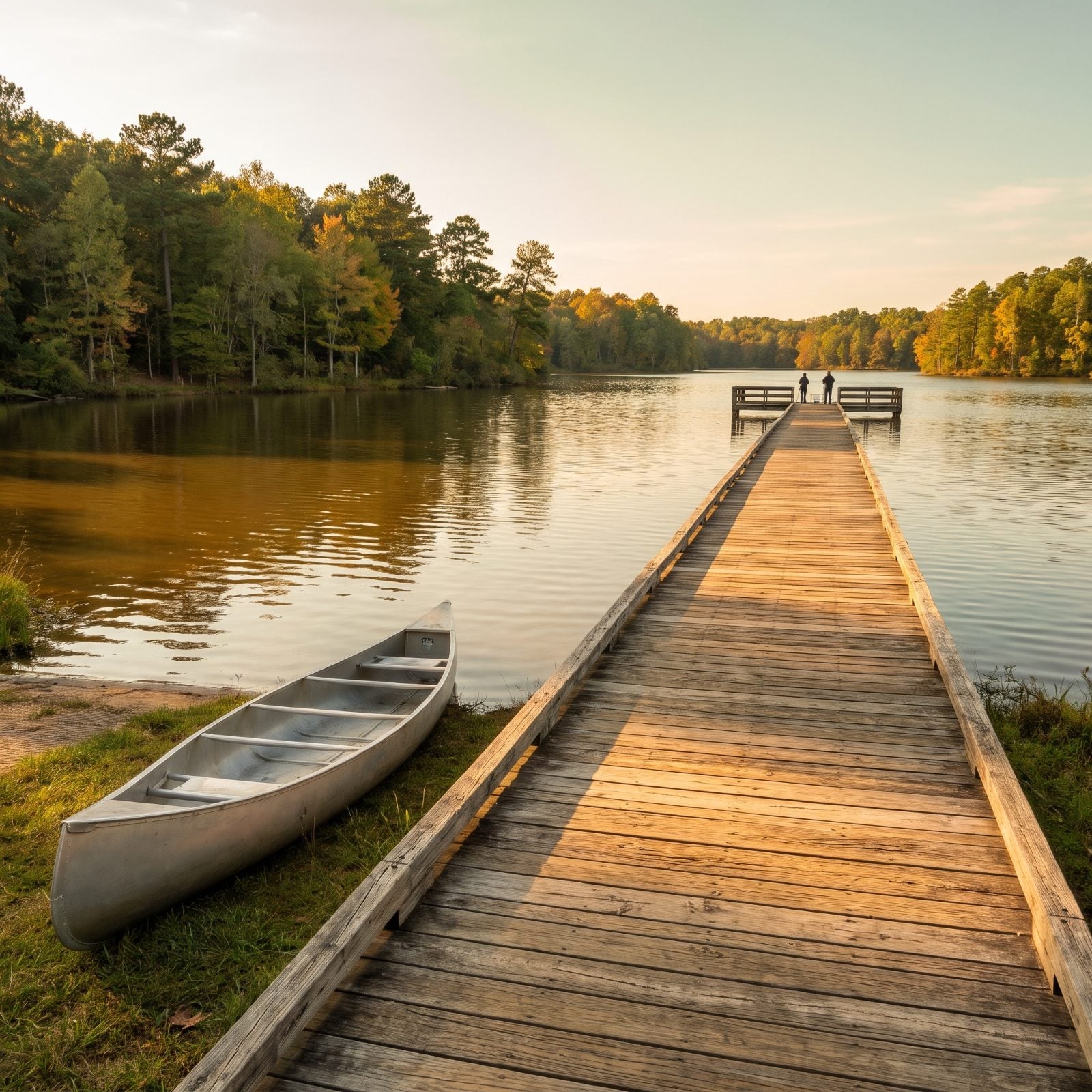
Most people drive past Mayo Lake on the way to somewhere bigger. Their loss.
This is the smaller of Person County’s two lakes, a couple thousand acres of water that locals use for kayaking, canoeing and lazy evening fishing. The county-run park wraps 120 acres around the shoreline, and it packs in more than you’d guess from that quiet little entrance: RV and tent sites with water and electricity, cabins, seasonal paddle-craft rentals, a public boat landing, and an ADA-accessible pier for the folks who’d rather cast than carry a boat.
Then there’s the 18-hole disc golf course and a lakeside amphitheater. Not what you expect from a reservoir an hour north of Durham, and that’s half the charm of it.
3. Hyco Lake, Roxboro: The Cooling Reservoir That Became a Neighborhood
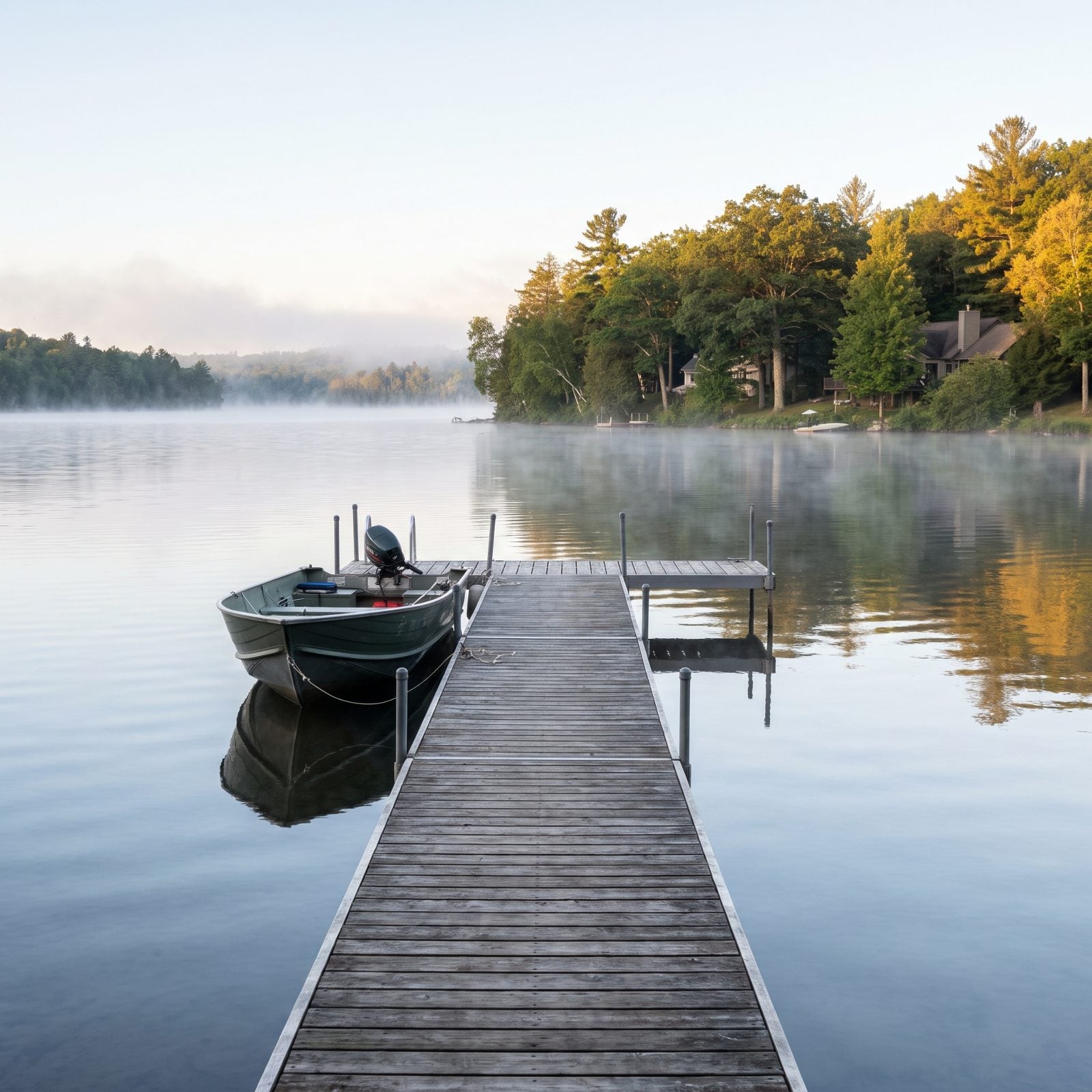
Hyco Lake has an industrial secret and barely anyone notices. Carolina Power & Light built it in the early 1960s as a cooling reservoir for a steam power plant, which is why old-timers still call it Carolina Power Lake. Form followed function, and function turned out to be a pretty place to spend a summer.
It sits near Roxboro, spilling across the Person and Caswell county line. You get six boat ramps, piers and boardwalks, a campground, and a big crowd of full-time residents who worked out decades ago that you don’t need a famous name on your lake to love living beside it.
That resident crowd is the tell. When folks put down roots on a lake instead of just visiting, you can trust the water.
2. Belews Lake, Stokesdale: The Triad’s Quiet Backdoor to Open Water
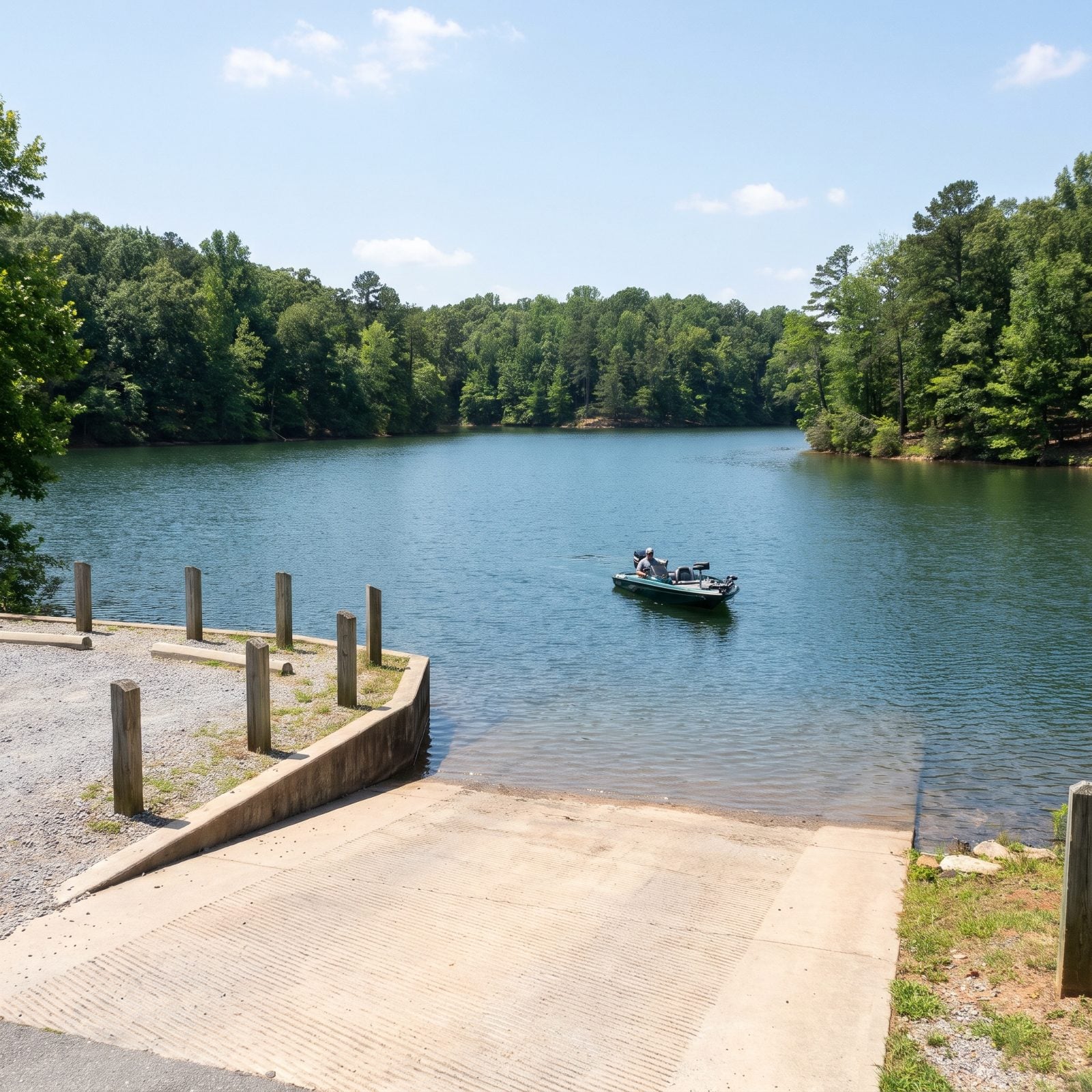
Twenty minutes from Greensboro and somehow it never feels busy. Belews Lake sits on the Forsyth County line northwest of the city, and it’s the open-water escape the Triad keeps half to itself.
Four boating access areas give you options depending on where you’re coming from:
- Carolina Camp-in and Marina, if you want fuel, services and a place to tie up.
- Humphries Ridge Marina, the other full-service option.
- Pine Bluff Access, a free NC Wildlife public ramp off NC 65, about five miles west of Stokesdale.
- Pine Hall Access, the second public ramp, handy the second the first one gets any traffic at all.
Two marinas, two state ramps, and you’re rarely waiting in line to launch. We’ll take that over a trophy lake with a crawling ramp queue every weekend of the year.
1. W. Kerr Scott Reservoir, Wilkesboro: Where the Yadkin Slows Down and the Overmountain Trail Begins
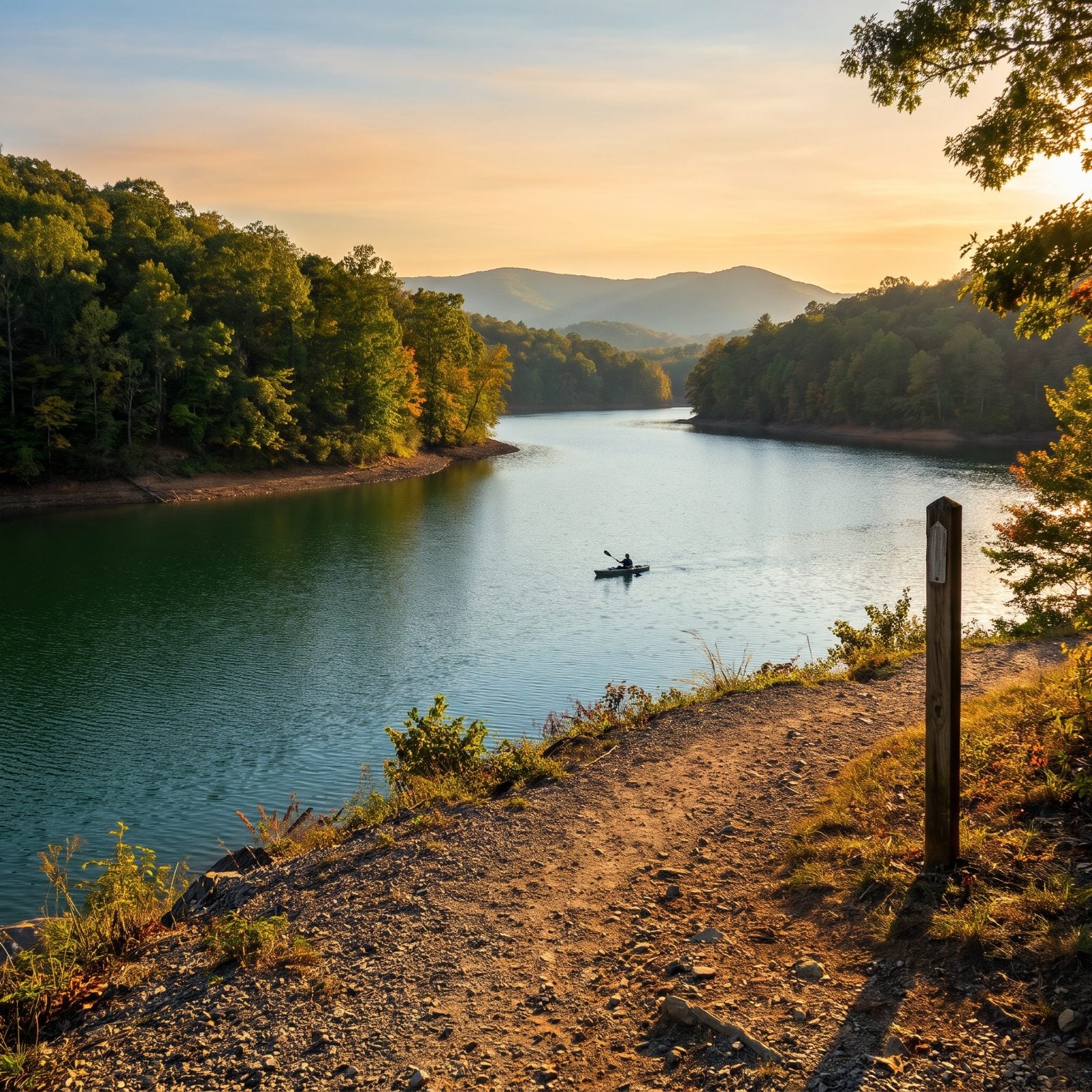
Dam up the Yadkin River in Wilkes County and you get about 1,475 acres of mountain-foothill water that most of the state has never heard of.
The U.S. Army Corps of Engineers runs several campgrounds around the shore, Bandits Roost among them, so you can tie up for a night without hunting for a spot. People come for boating, fishing, water sports and wildlife, the usual reservoir menu. What sets this one apart is underfoot.
The Fish Dam Creek Trail is part of the Overmountain Victory Trail, the Revolutionary War route, and it links into the Yadkin River Greenway. Paddle in the morning, then walk ground that patriot militia crossed on their way to Kings Mountain in the afternoon. That old history layered under all the quiet is what keeps Wilkes County folks loyal to the place.