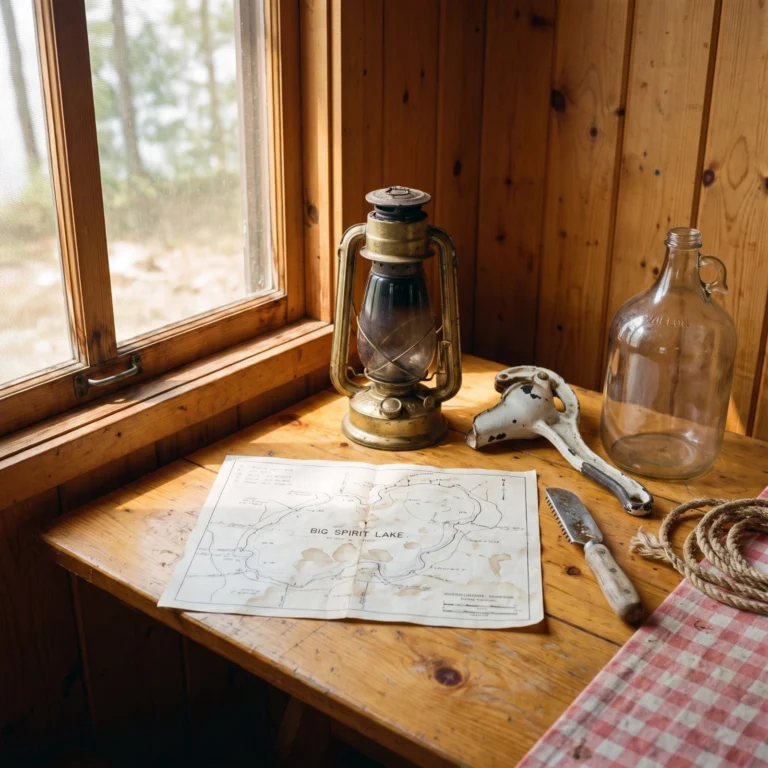

The thermostat war starts before anyone’s unpacked. Somebody nudges it down two degrees at nine, somebody else nudges it back up at midnight, and not a word gets said about it in daylight. That silent battle over a plastic dial is the whole thing in miniature.
A shared cabin is a relationship nobody signed up for on purpose. You inherited it, or you bought in, and now you’re bound to people by a deed and a dock and about forty years of unspoken agreements. The love is real. So is the resentment, the score-keeping, and the fight that’s never actually about firewood. A lake house runs on the exact same wiring as a long marriage — for better and for slightly passive-aggressive.
Please note that some of the imagery in this article may have been enhanced with the assistance of AI.
17. Prime August Weekends Turn Into a Custody Calendar
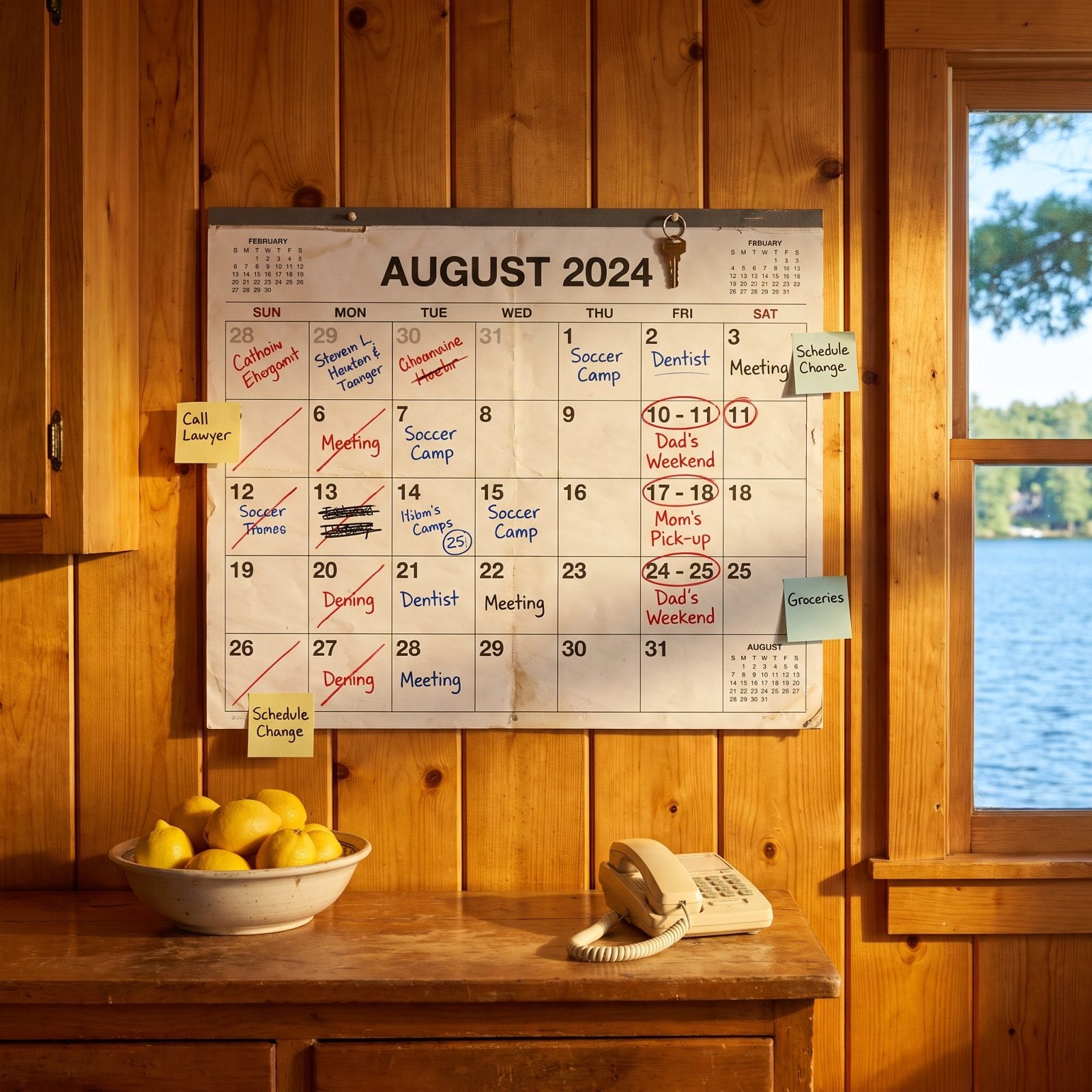
Two families want the same two weeks in August. The water’s warm, the kids are off, the sunsets are doing that thing they do. So the negotiation begins, and it has the exact tone of a divorced couple splitting the holidays. Who got it last year. Who had the Fourth. Whether a rainy June weekend should count against a perfect August one.
This is loss aversion wearing a swimsuit. We don’t weigh the good weekends we get nearly as much as the great weekend we might lose. Giving up peak August hurts more than gaining it ever felt good, so everyone digs in over the same two weeks and lets October go without a fight.
16. The Best Bedroom Somehow Goes to the Same Couple

You know the room. Two windows, cross-breeze, first light on the water, the one that doesn’t share a wall with the kids’ bunks. And somehow the same couple has slept there every summer since the Clinton administration, with no vote ever held.
Possession did all the work. Whoever claimed it first now owns it in everyone’s mind, and the endowment effect quietly took over. The room feels like theirs, so suggesting a rotation reads as taking something away rather than sharing what was always shared. The longer it goes unchallenged, the more permanent it gets.
Marriages run on the same default settings — the side of the bed, the chair at dinner, the good pillow. Nobody decided. Everybody just stopped questioning it, and the arrangement hardened into law.
15. Everyone Uses the Dock; Nobody Volunteers to Stain It

Every single person who crosses the property line uses that dock. Cannonballs, coffee at sunrise, the folding chairs, the kids’ endless jumping. Then the boards go gray and splintery, and suddenly it belongs to no one. The stain can sits in the shed for a second summer, waiting.
Call it the free-rider problem on a wooden platform. When a benefit is shared by everyone, each person quietly assumes someone else will handle the cost. Nobody feels singularly responsible, so the obvious job just doesn’t get done — and everyone resents the gray boards while privately planning to do nothing about them.
14. The Grocery Receipt Becomes a Forensic Accounting Exercise

Somebody does the big run before the long weekend. Three carts, two coolers, a bag of ice that half melts in the trunk. Then comes the receipt, a long curl of paper unspooled across the table next to a calculator and a few loose coins, and the group text that reads like a deposition. Were the beers for everyone or just the one brother-in-law. Does the organic stuff count. Who ate the shrimp.
The money is never really the point. A few dollars of lunch meat has never ended a family. What people are actually tallying is fairness, and the cabin keeps a running ledger of who gives versus who takes. That’s equity theory doing its quiet math, where a relationship feels fine only as long as each side believes the effort is roughly even.
Spouses do the identical bookkeeping over dishes and errands. Nobody admits to keeping score. Everybody has the number.
13. Surprise Weekend Guests Feel Like a Boundary Violation
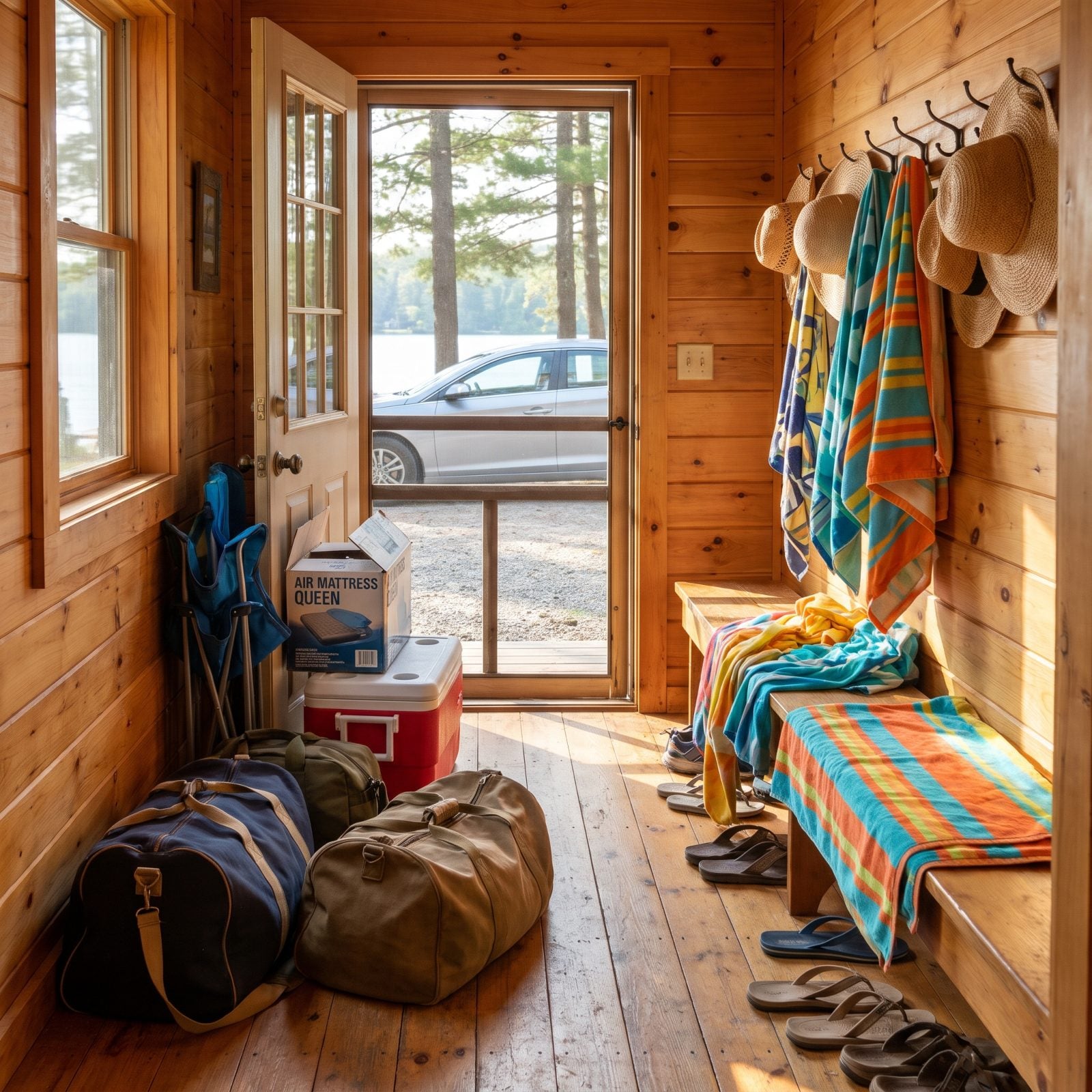
You arrive expecting the usual crowd. Instead there’s an extra car in the drive, a stranger’s air mattress half inflated in the den, and a cheerful hope that’s okay! text that landed after they’d already left the highway. The cabin suddenly feels smaller, and so does your weekend.
A shared house runs on invisible rules about who gets to invite whom. Break one without warning and it reads as a territory grab, even when the guest is perfectly lovely. The stress isn’t really the extra person. It’s the sense that someone made a decision on everyone’s behalf.
Marriages have the same tripwire. One spouse committing you both to dinner with people you’ve never met, announced in the car on the way there. The problem was never the dinner.
12. One Person Always Remembers Propane and Septic Pumping
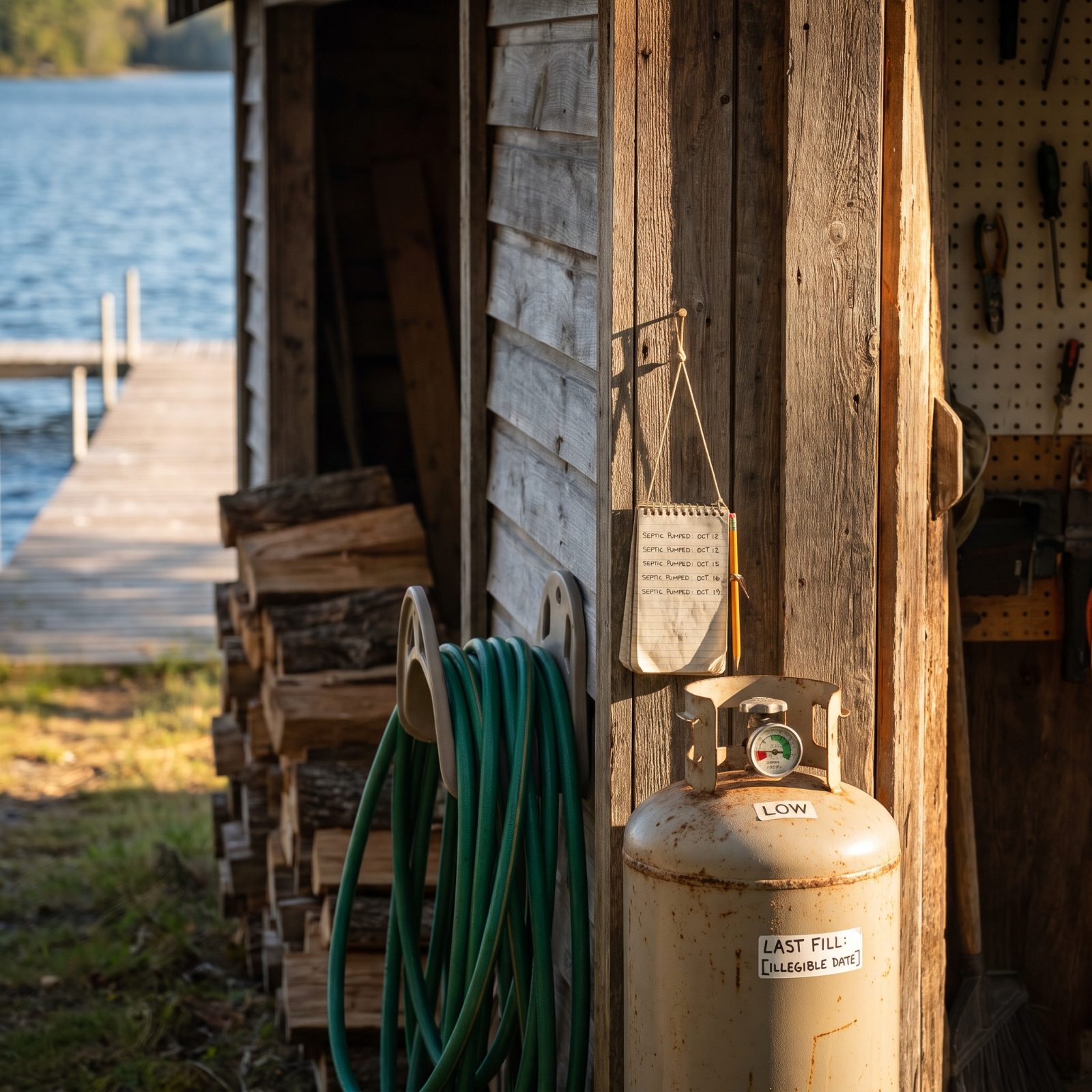
Someone in this family knows exactly when the propane runs low and when the septic needs pumping. They’ve got the plumber’s number memorized, they catch the sump pump making its wrong noise, they bring the right size filter. Everyone else arrives, flips the switch, and assumes hot water is just a feature of the universe.
This is the mental load, and it’s thankless by design. The invisible labor of remembering and anticipating goes unnoticed until it stops. When the water heater dies on a full-house weekend, suddenly everyone has opinions — and none of them involve gratitude.
11. A New Cabin Sofa Requires an Absurd Amount of Diplomacy
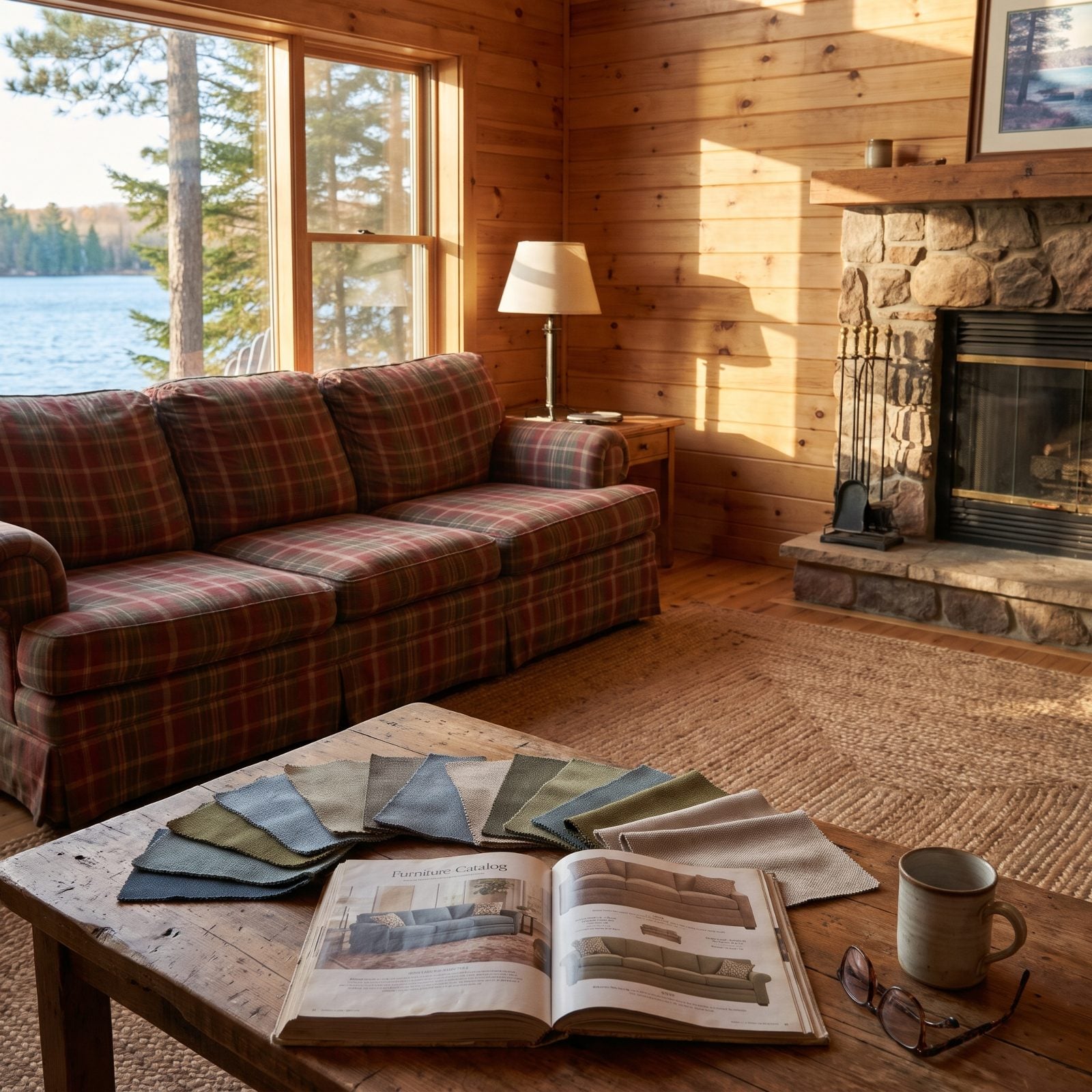
The old sofa is done. The springs have surrendered, the plaid is from another era, and one cushion permanently smells like campfire. Replacing it should take an afternoon. Instead it takes six weeks of texts, three contested swatches, and a near-crisis over whether leather survives wet swimsuits.
Here’s the wrinkle: that disgusting sofa is also the one Grandpa napped on, and nobody will say that part out loud. A shared object carries shared memory, so a simple purchase becomes an emotional referendum. The endowment effect plus a little grief equals a committee that can’t agree on beige.
Couples know this one from redecorating. You’re not really arguing about the curtains. You’re arguing about whose taste wins and whose history gets kept, and the curtains just happened to be standing there.
Nobody’s fighting about the sofa. They’re fighting about who gets to decide what the cabin is.
10. You Text Your Sister Instead of Confronting Your Brother

Your brother left the boat tied up wrong again and the bumpers are scuffing. Do you walk thirty feet and mention it? You do not. You text your sister, two states away, a detailed account of the boat situation and how it’s really a pattern, isn’t it.
This is triangulation, and every family invents it. Going direct risks conflict with the person you’ll share coffee with tomorrow. Routing it through a third party lets you vent, build an ally, and feel heard without the scary part. The downside is that the actual problem never reaches the actual person, so the bumpers keep scuffing forever.
Spouses do a gentler version with a best friend or a parent. The complaint travels a long loop and comes back having solved nothing, which was somehow the point.
9. The Family Group Chat Keeps Every Old Grievance Searchable
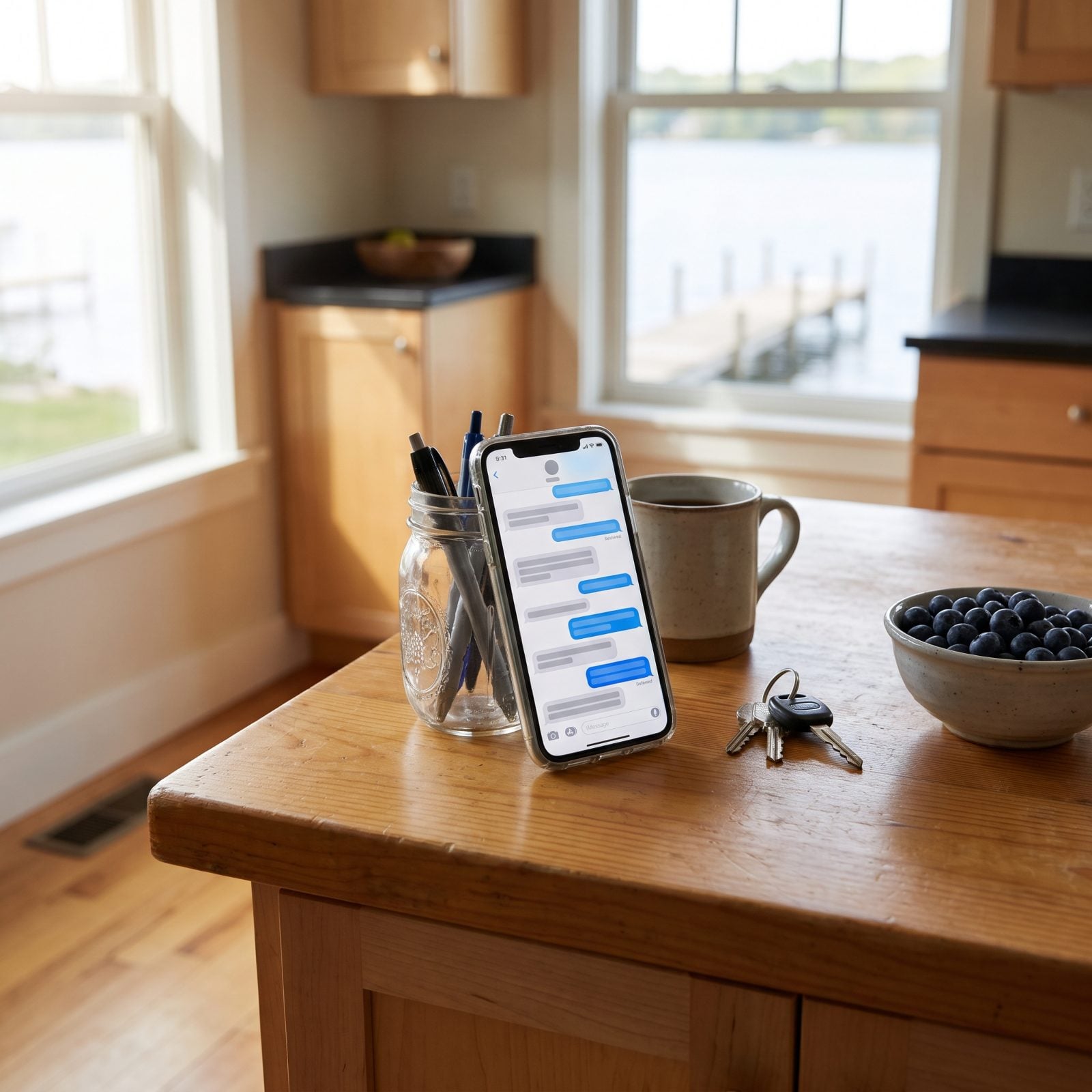
The cabin group chat was supposed to be about dock repairs and who’s bringing the corn. Instead it’s a permanent archive. Someone can scroll back more than a year and produce the exact message where you agreed to split the dock stain — which you absolutely do not remember agreeing to.
Memory is kind to us. We remember our intentions as better than our actions, and we conveniently misplace the inconvenient parts. The group chat has no such mercy. It makes every grievance searchable, timestamped, and quotable, which means arguments now come with evidence.
8. New Partners Learn the Cabin Rules by Breaking Them
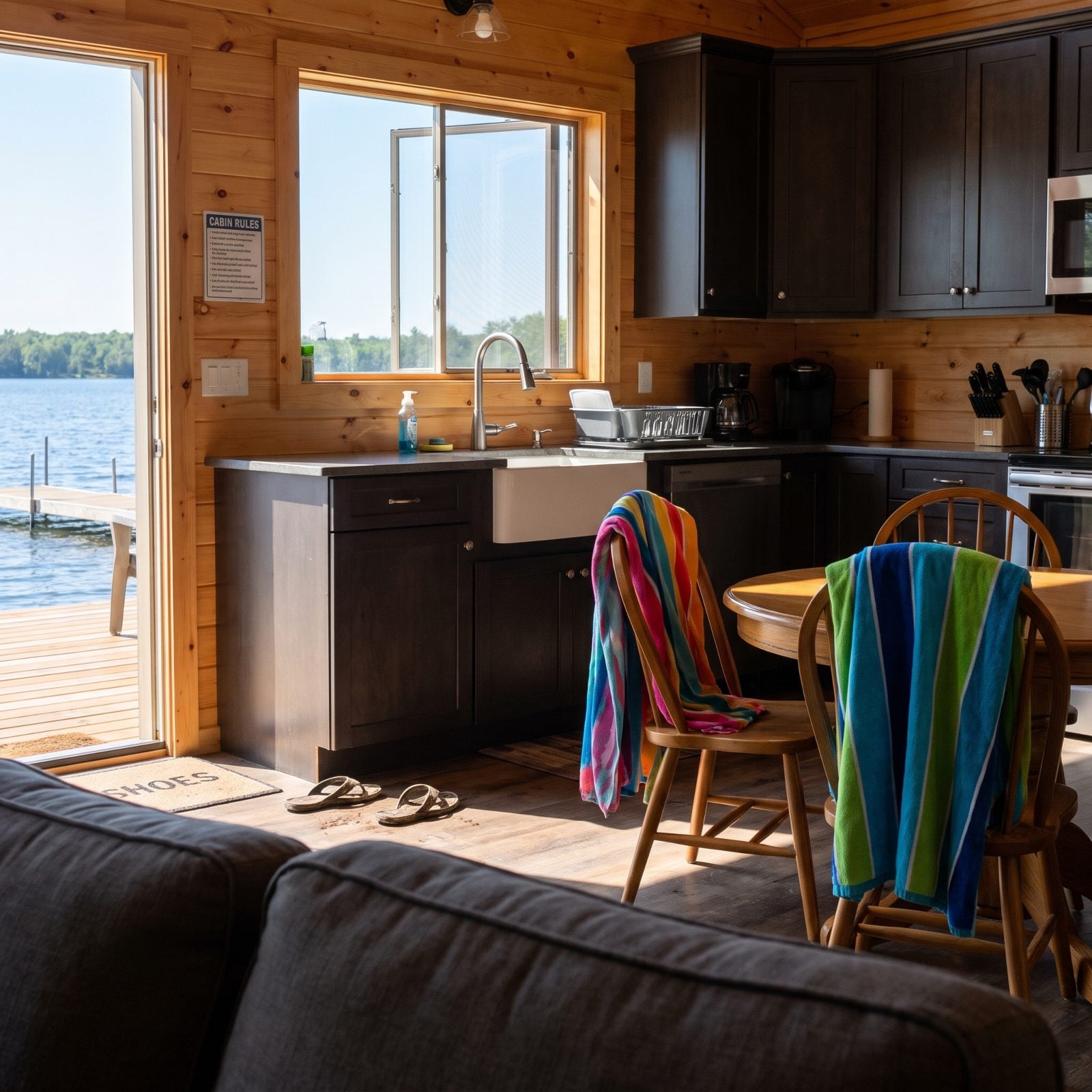
A new partner arrives for their first cabin weekend and does everything a reasonable person would do. Props the wet towels on the good chairs. Runs the dishwasher half full. Takes the shortcut across the neighbor’s lawn. And discovers, by the frozen silence, that each of these is apparently a felony that never made it onto the ‘Cabin Rules’ sign by the door.
Shared houses run on tacit knowledge — the rules so obvious to insiders that nobody thinks to add them to the posted list. Outsiders can’t follow instructions that were never given, so they map the territory by stepping on landmines. It isn’t their fault. It’s the family’s, for assuming the obvious transfers.
Every marriage has this on a bigger scale. Your in-laws have a hundred unspoken laws about holidays and gifts and who sits where, and you learn them one awkward Thanksgiving at a time. So be kind to the newcomer. We were all the one who used the good towels once.
7. The Kids Shop Their Requests Around the Cabin
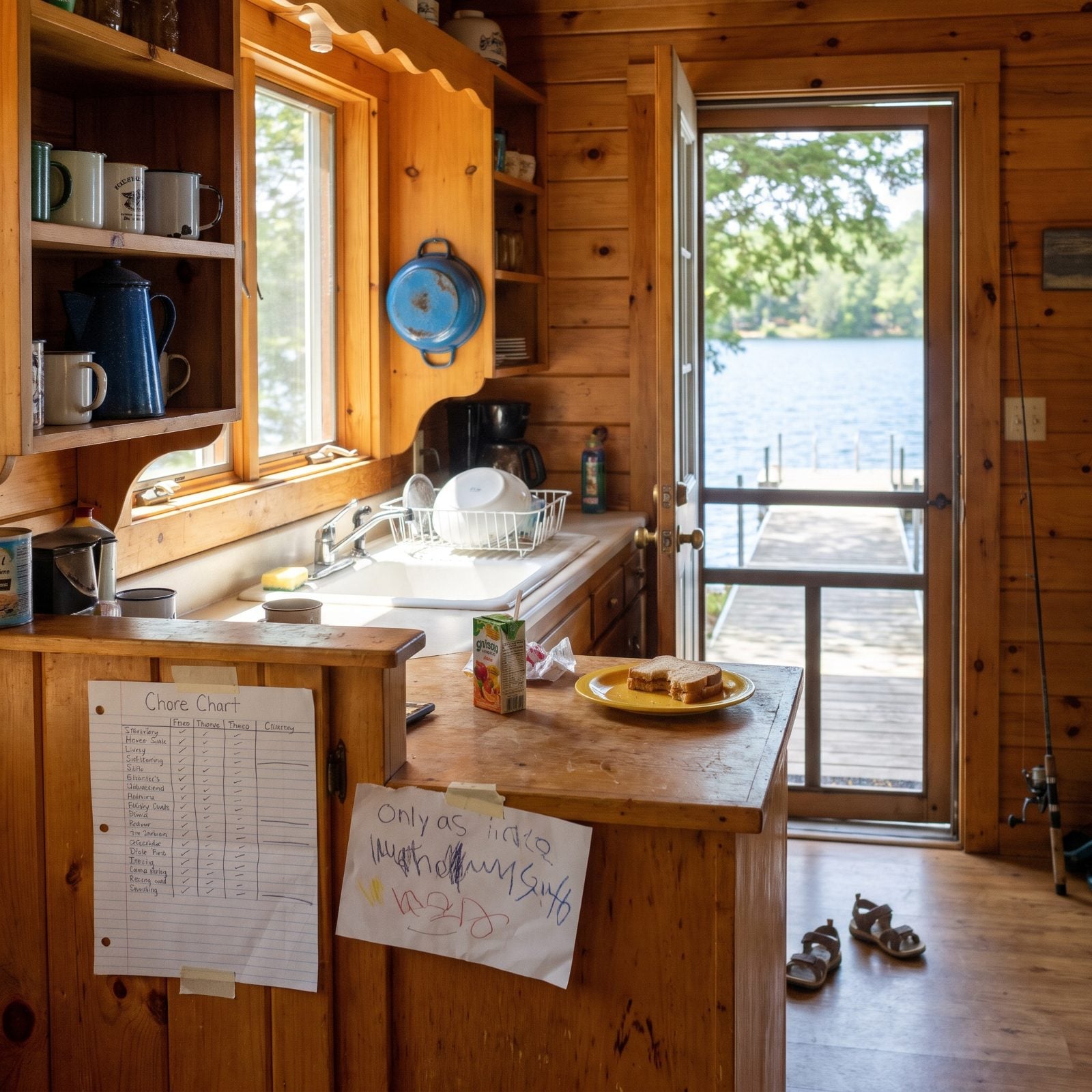
A kid wants to stay up for the bonfire, Mom says no, and the request goes on tour. Down the dock to an aunt, over to a grandparent on the porch, until someone finally says yes and the no just melts away. You’ve watched this in your own living room. Ask one parent, get shot down, find the softer authority and try again.
It’s the oldest leverage move in any household with more than one adult. Psychologists call it triangulation: when a direct no doesn’t land, you route the request through a third party who has a different answer and a weaker spine. Kids are fluent in it by age four. At a shared cabin the triangle has six corners, so the odds of finding a yes are fantastic.
The fix is boring and it works. The adults compare notes before the kid does. One answer, one front, no soft underbelly to find.
6. A Leaking Roof Reveals Everyone’s Default Crisis Role
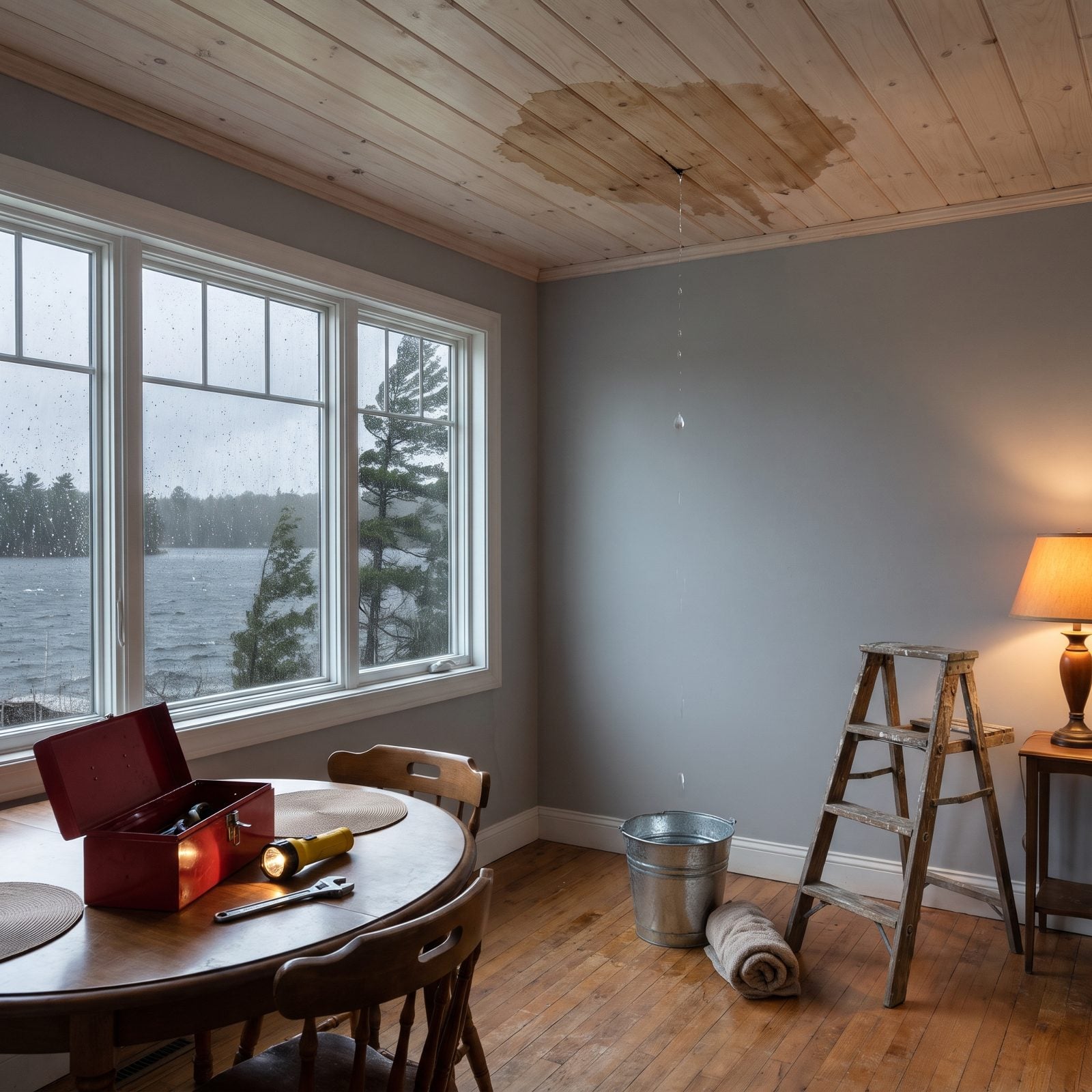
Water starts coming through the ceiling during the first real downpour of the season, and within ninety seconds the whole family has sorted itself. One grabs a bucket. One starts calling roofers. One narrates the disaster loudly without touching a thing, one disappears entirely, and one announces that this is exactly why we should’ve fixed the roof last fall — which helps nobody.
A small crisis is a personality X-ray. Under stress, people default to roles they’ve played their entire lives: the fixer, the catastrophizer, the bystander, the I-told-you-so. These patterns are rehearsed so deeply that nobody chooses them in the moment. They just run.
5. The Thermostat Becomes a Referendum on Who Matters Most
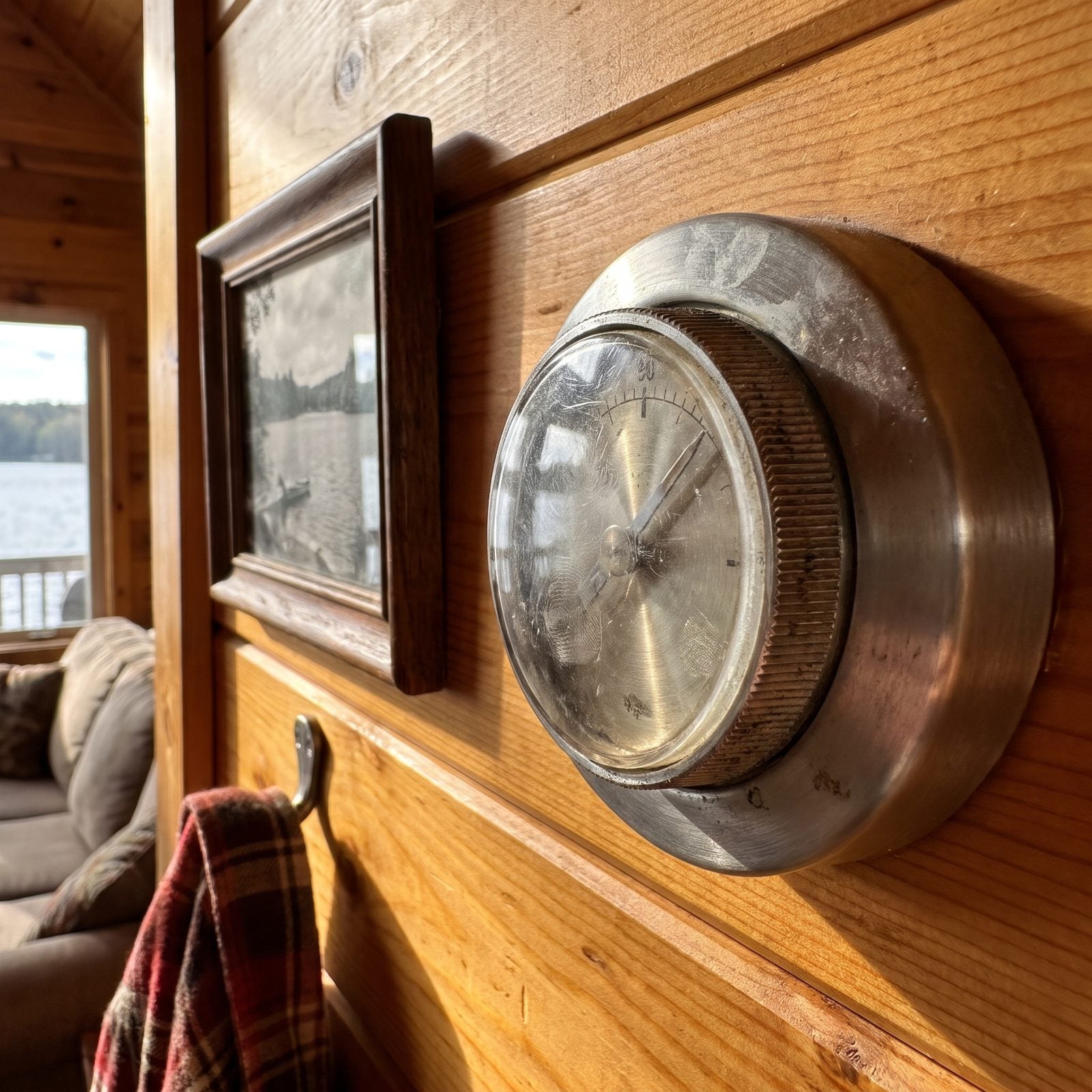
Someone’s always too hot. Someone’s always too cold. The thermostat gets nudged at two, corrected at four, secretly overridden at nine, and by the next morning there’s a note taped beside it in a tone that could strip paint.
It’s never really about the temperature. A shared thermostat is a tiny machine for deciding whose comfort takes priority, and in a family that question comes with decades of backstory. The person who runs cold feels dismissed. The person who runs hot feels controlled. Every quarter-turn of the dial is a small vote on whose needs count.
Which is why the most reasonable people alive will go to war over two degrees. It’s not the two degrees — it’s the feeling of being outvoted in a house you half own. The couples who survive it are the ones who figure out that a cardigan is cheaper than a grudge.
4. Closing-Day Cleaning Exposes Every Definition of Done
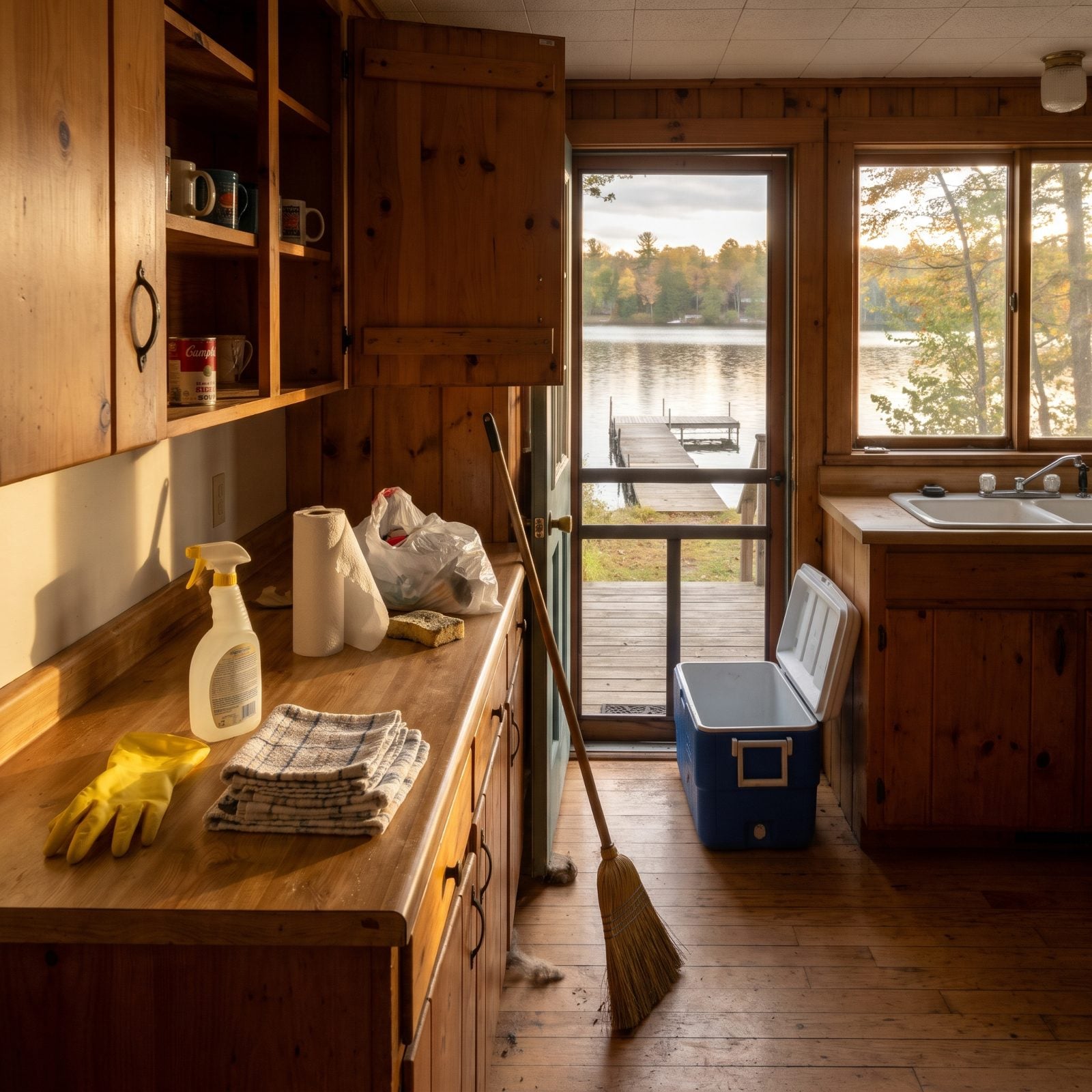
On the last day of the season everyone cleans, and everyone cleans to a wildly different standard. One person wipes the counters and calls the kitchen done. Another finds crumbs in the toaster and quietly loses faith in humanity. The beds get stripped by someone who thinks that’s generous and inspected by someone who thinks it’s the bare minimum.
“Done” is not a shared value. It’s a private setting, calibrated by how you were raised and what you can personally stand to live with. Call it the false-consensus effect at the mop: we each assume our standard is the obvious one, so anyone who falls short looks lazy and anyone who exceeds it looks fussy.
3. Everyone Wants Cabin Privacy Until Someone Closes a Door
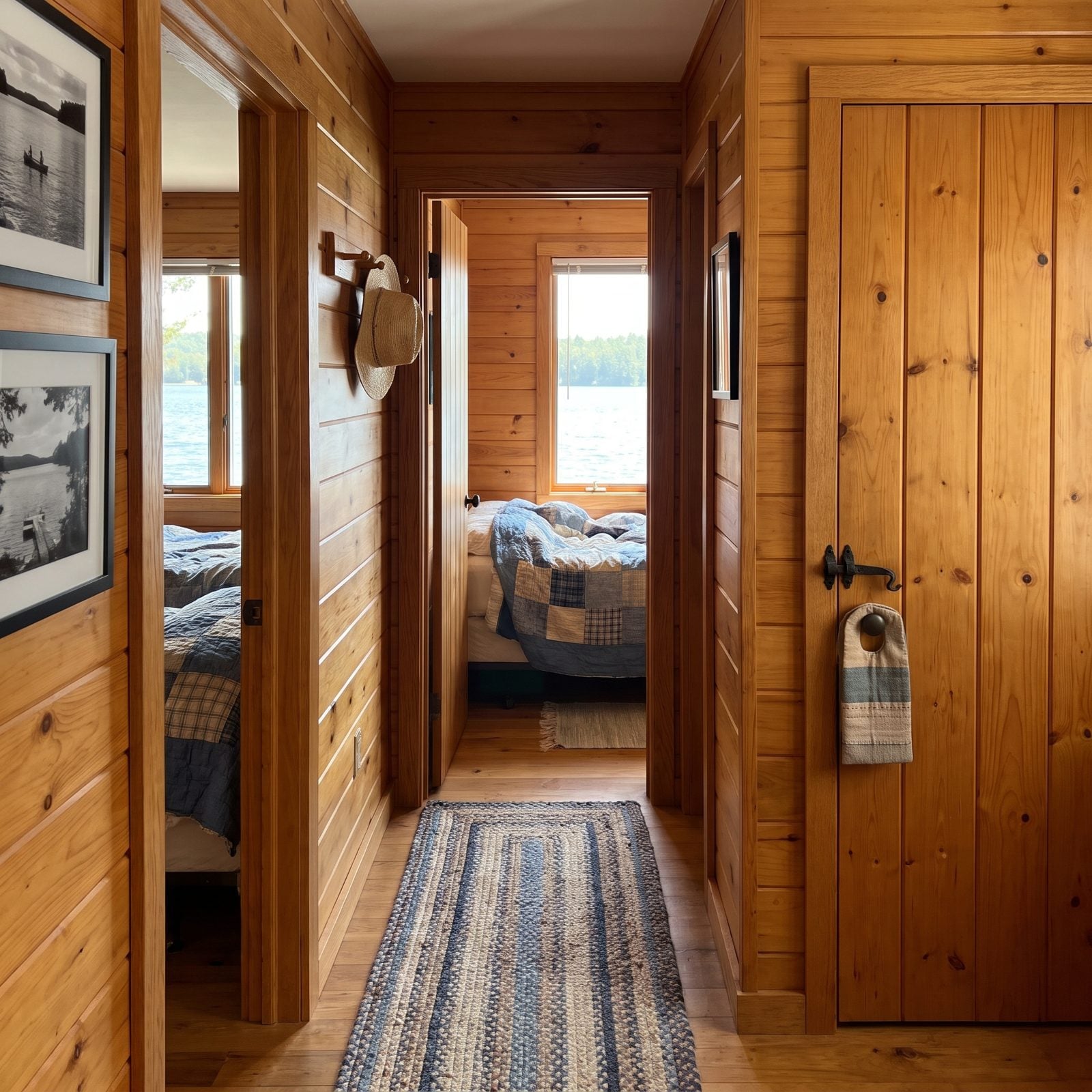
A cabin is supposed to be togetherness. Then an adult child shuts a bedroom door to take a nap, and you’d think they’d barricaded themselves against the whole clan. Suddenly the quiet feels like a snub. Where’d they go? Are they upset? Why aren’t they out on the dock with everyone?
We want our own privacy and read everyone else’s as rejection — that’s the core contradiction of close quarters. A closed door trips a small, ancient alarm about exclusion, because for most of human history being separated from the group meant something had gone wrong.
The healthiest cabins quietly agree that a closed door means “recharging,” not “angry.” Small reframe. Saves a surprising number of imagined feuds. Everybody needs a room with a door that doesn’t require an explanation.
2. Suggesting a Buyout Feels Like Rejecting the Whole Family

At some point someone’s life changes. A move, a divorce, a budget that no longer stretches to cover a third of a roof. The reasonable move is a buyout — one person stepping back and taking cash instead of keys. Say it at the dinner table and the temperature drops ten degrees.
A purely financial proposal lands as an emotional defection, and loss aversion is doing the heavy lifting. Family members don’t hear “I need to simplify my finances.” They hear the end of something, the first crack in an inheritance everyone assumed was permanent. We feel a potential loss far more sharply than an equivalent gain, so even a fair, generous offer reads as a threat.
The person asking isn’t rejecting anyone. Usually they’re the one who loved the place enough to raise it honestly instead of resenting it quietly for a decade. But logic rarely gets a word in once loss has taken the floor.
1. The Cabin Keeps Winning Because You’ve Already Paid So Much

You add it up some February night. The new septic, the dock repairs after the ice, the roof, the taxes, that whole weekend you spent painting instead of resting. By any clear-eyed math the cabin costs more than it gives back, and you could rent something grander for less hassle every single summer.
And yet. You’ll keep it. You’ll go on pouring money and weekends into the place, partly because of all the money and weekends you’ve already poured in. That’s the sunk-cost fallacy, the gravity well at the center of every long commitment. We stay invested in things not because of what they’ll give us next, but because of what we can’t bear to admit we’ve already spent.
Here’s the kind thing, though. Sometimes the sunk cost and the real value are the same thing. The years are the asset — the mornings on that dock, the kids learning to swim off the end of it, the recliner nobody will throw away. You’ve paid a fortune. You’d pay it again. That’s not a trap. That’s just love with a mortgage.