Nobody tells you the hardest part of a lake house. It isn’t the mortgage or the septic or the wasps that move into the boathouse every June. It’s the sudden, unfamiliar ache of wondering whether you measure up. You pull in proud as anything, then you notice the place next door has a bigger dock, a nicer boat, and a flag that somehow looks more expensive than yours. That feeling has a home address, and you’ve been there before — a gymnasium with a banner, a cash bar, and a name tag wearing your yearbook photo. Lake ownership and the ten-year reunion run on the exact same wiring. Here’s where they overlap, and why your brain can’t tell the two apart.
Please note that some of the imagery in this article may have been enhanced with the assistance of AI.
16. You Compare Docks Before You Even Meet the Neighbors
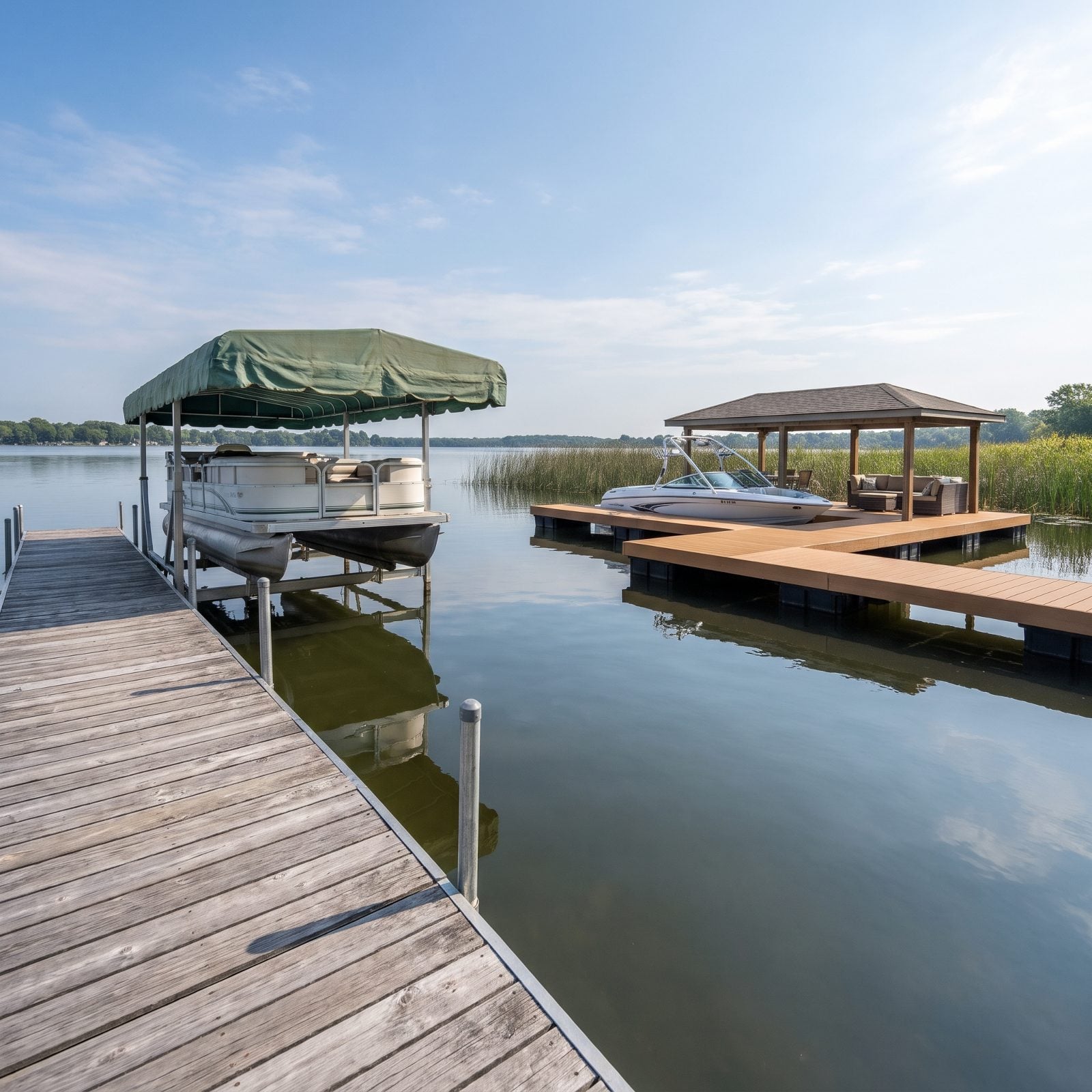
The moving truck isn’t even unloaded and you’ve already walked to the end of your dock and done the math. Their boards are composite, yours are cedar, and their deck has a wakeboat parked right on it while your lift holds a pontoon with a canopy that’s seen some weather. You haven’t learned a single neighbor’s name, but you could rank every slip on the cove by noon.
This is the reunion parking lot in disguise — you sit in your car scanning what everyone else drove in, filing it all before a single hello. We default to comparison because status is relative, never absolute. A good dock only feels good next to a worse one, and your brain runs the ranking automatically.
15. You Dress for the Marina Like There’s an Alumni Photographer
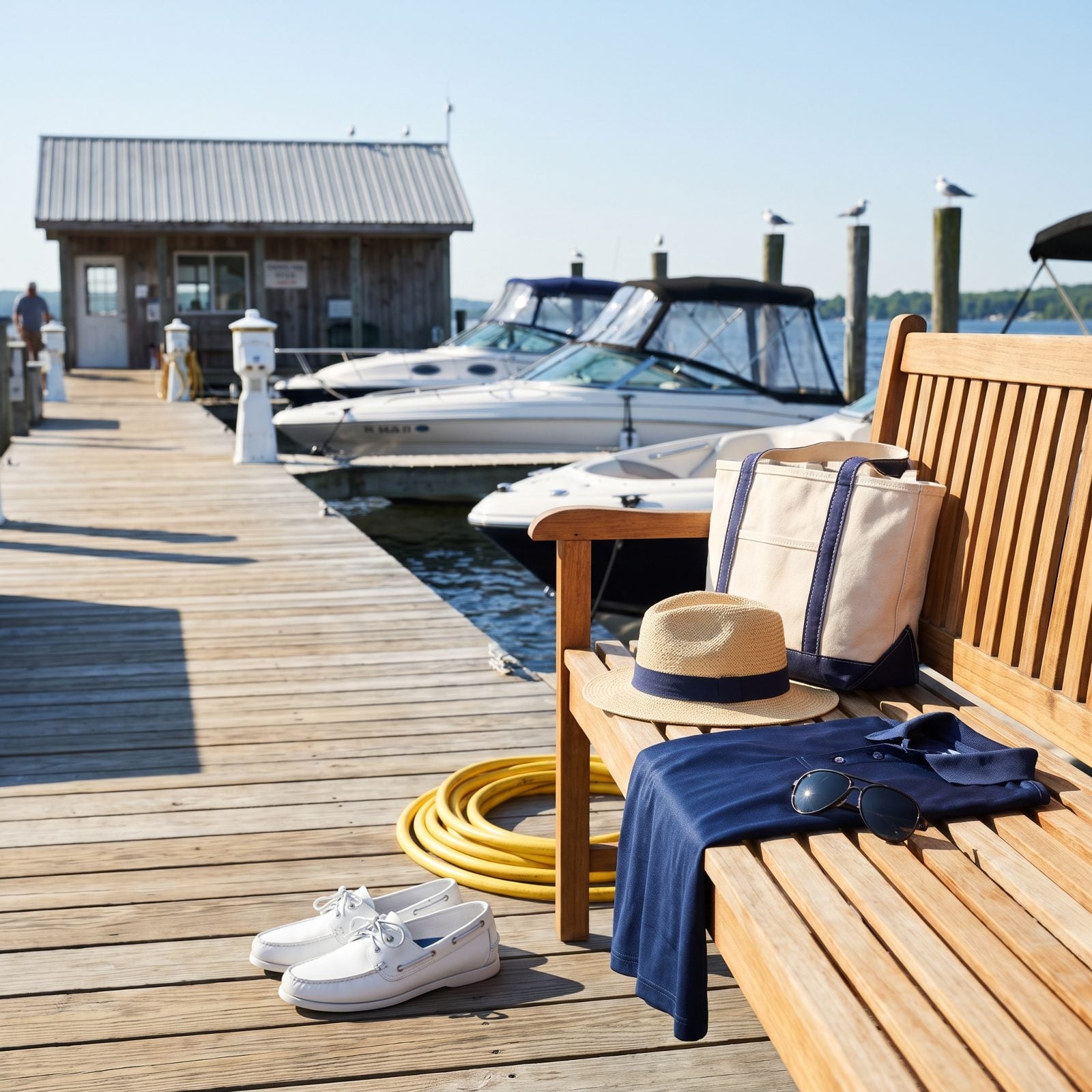
You’re going to get fuel. That’s the entire mission. And yet you’re standing in front of the closet choosing between two nearly identical navy polos because one photographs better in bright sun, the boat shoes wiped down, the hat upgraded to the good hat.
It’s the reunion outfit you tried on three times, isn’t it. You told yourself you don’t care what they think, then ironed a shirt for a gymnasium. Self-presentation kicks in hardest when we expect to be seen by people whose opinion we haven’t earned yet. The marina is a stage, and you’ve cast yourself as someone who’s always lived here.
The funny part: the real lake veterans show up in faded tees and flip-flops, and nobody questions them for a second.
14. You Stage an Effortless Weekend That Takes Three Days

Nothing takes more work than looking like it took none. The “casual cookout” required two trips to town, a deep clean of the deck, string lights hung on a ladder you don’t trust, and a cooler arranged so the good drinks sit on top. You want guests to walk in and feel like this is just how your weekends go.
Same instinct that had you “casually” mentioning your promotion within four minutes of the reunion cash bar. The effortless flex is still a flex. Psychologists call it impression management, and the highest form of it hides the effort entirely — a visible struggle reads as trying too hard, while invisible struggle reads as a charmed life.
13. You Worry the Locals Can Tell You’re Not Really Lake People
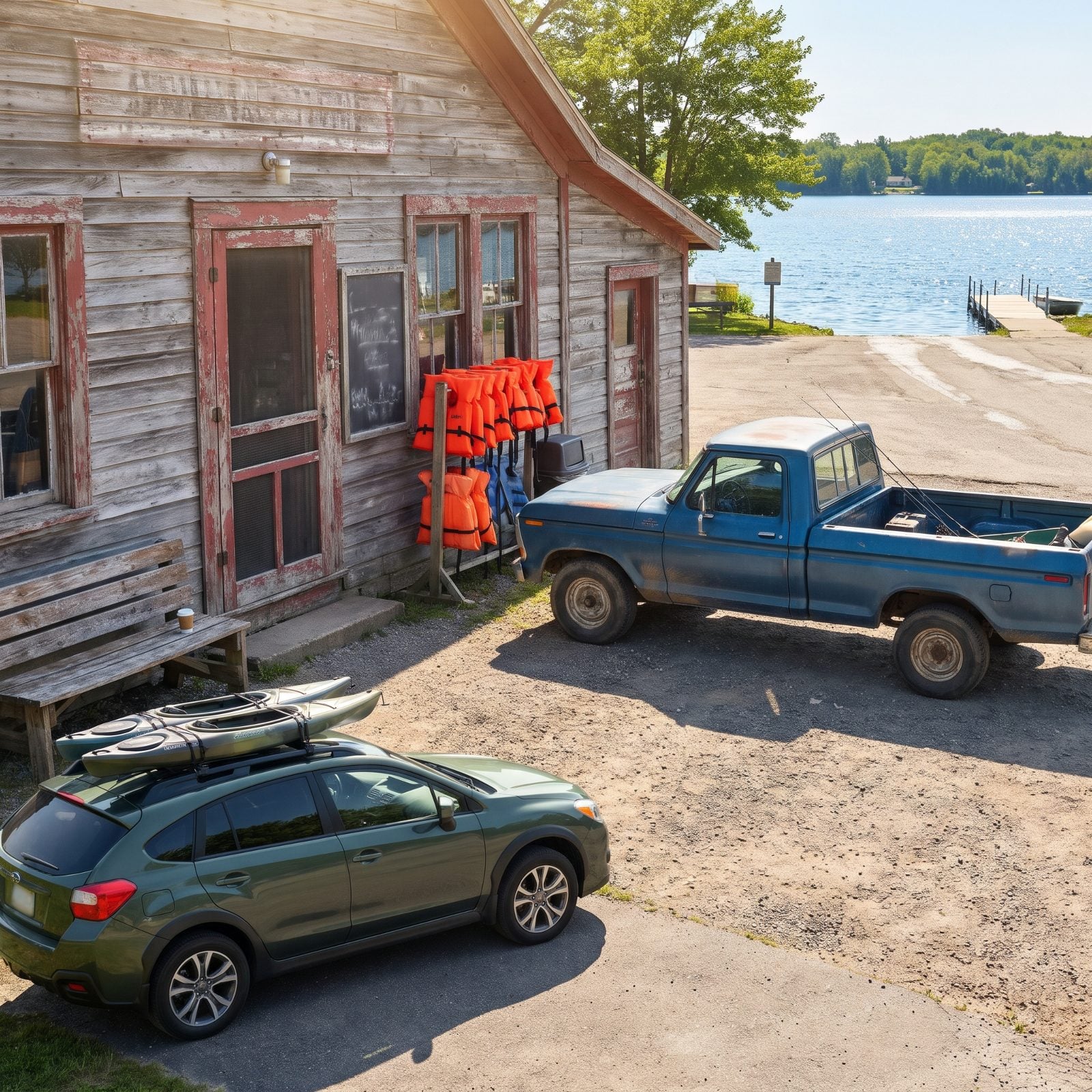
You walk into the bait shop and you can feel it. The guy behind the counter knows everyone’s trolling spots and nobody’s wifi password, and here you are asking which ramp has the gentler slope. You buy minnows you half understand just to seem like you belong.
That’s the reunion version of running into a classmate who actually stayed in town, who still knows the shortcuts and the owner of the diner. Next to them you feel like a tourist in your own history. It’s imposter feeling, plain and simple. Belonging isn’t something you buy with a deed, and some part of you knows it, so you overcompensate with local trivia.
Here’s the mercy of it: the locals usually don’t care half as much as you fear. Most of them are just glad somebody’s finally keeping the weeds off that dock.
12. You Judge Your Success by Who Accepts the Weekend Invitation
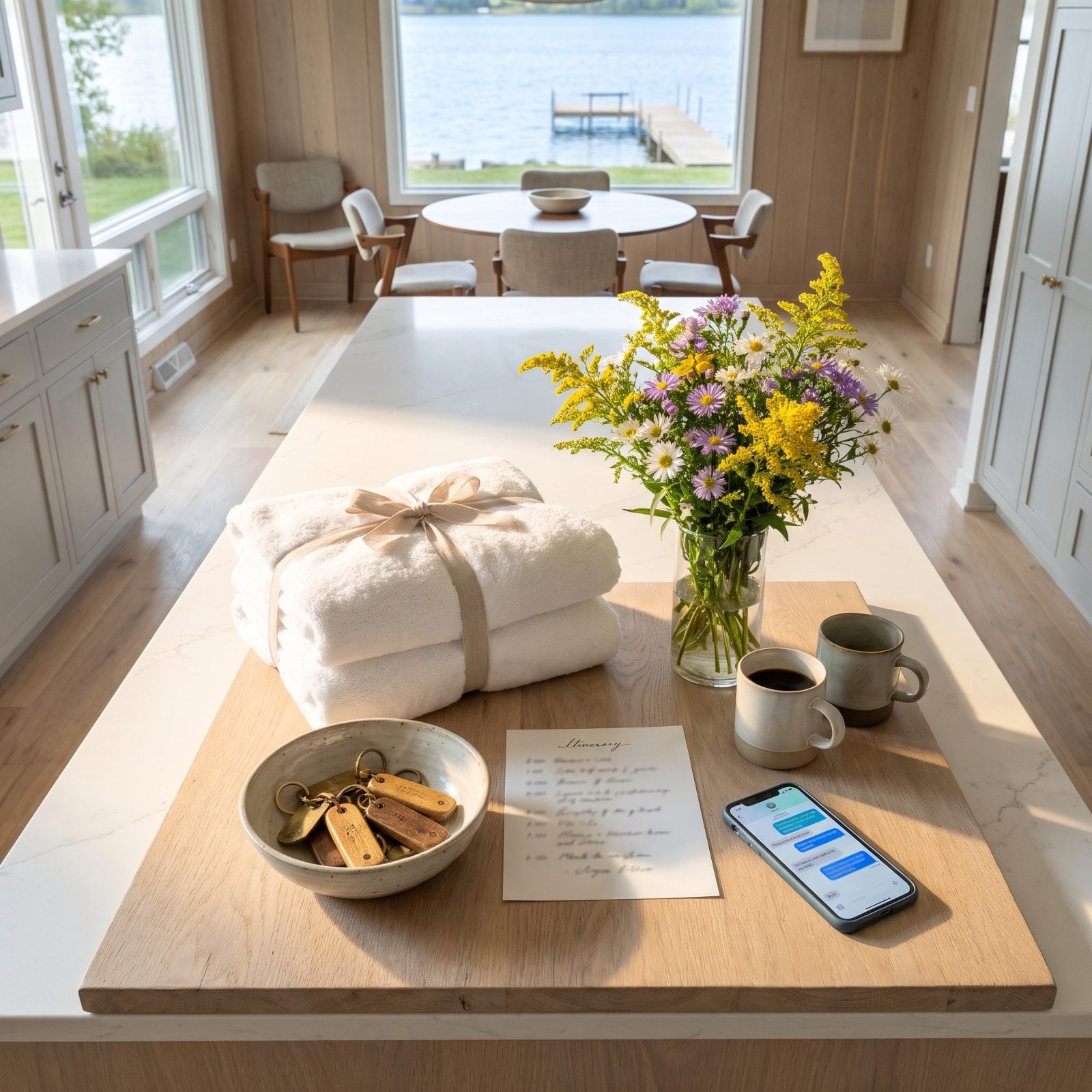
You send out the group text with a breezy “come up any weekend, seriously.” And then you watch the dots. The friend who says yes right away makes you feel like a success. The ones who go quiet make you feel like the kid whose party nobody RSVP’d to.
It’s the reunion scoreboard: who came, who skipped, who flew in from across the country versus who couldn’t be bothered to drive twenty minutes. We read acceptance as a verdict on our worth. A full weekend of guests means we matter, and an empty one means something’s wrong with the invitation, or worse, with us.
11. You Hide the Builder-Grade Cabinets Before Anyone Arrives
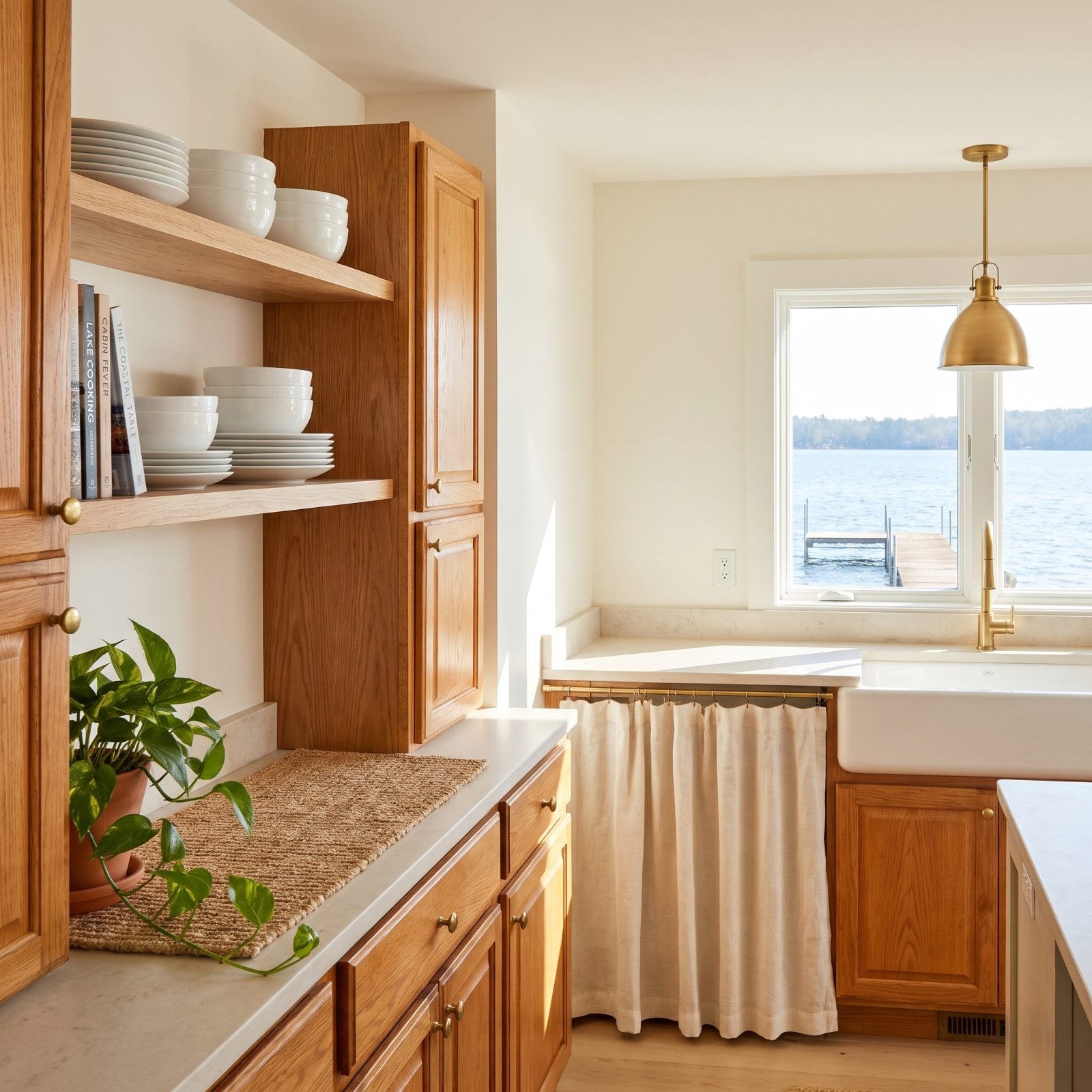
The cabinets are fine. They’re just builder-grade honey oak from whenever, and the second a guest walks in you feel them clock it. So you stage around the shame — a plant here, a nice tray there, a linen runner thrown over the stretch you like least. You’re arranging the room like a magician directing attention away from the trick.
Remember hiding the thing about yourself you were sure everyone at the reunion would notice? The job that didn’t pan out, the town you never left. We lead with our highlight reel and bury the ordinary parts, because we assume everyone’s inspecting us as closely as we inspect ourselves.
They’re not. That’s the spotlight effect, and it’s wildly generous to you. Nobody drove up here to grade your cabinetry. They came for the lake and the fact that you invited them.
10. You Buy More Boat Than You Know How to Handle
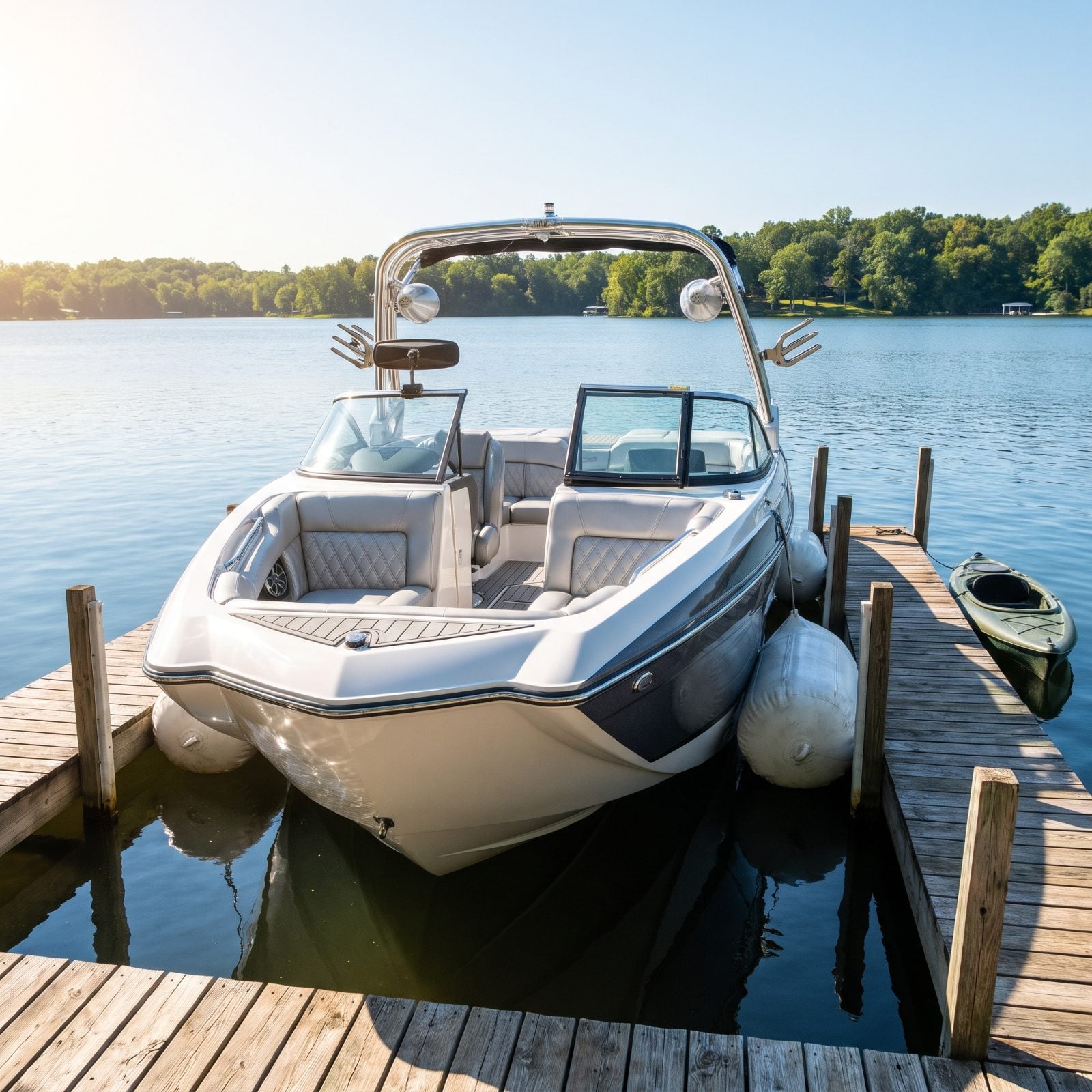
You walked in wanting a sensible runabout. You walked out with a wake boat that has a tower, a sound system that could rattle the next cove, and a docking challenge that makes your palms sweat every single time. It’s gorgeous. It’s also more boat than your skills, your slip, or honestly your lake really call for.
This is the reunion arrival in a leased car you can’t comfortably afford — the object talking for you before you open your mouth. Status signaling works best when the signal costs something, and a boat you can barely parallel-park at the fuel dock is nothing if not expensive proof.
We understand the pull completely. The trouble is that the thrill fades fast and the diesel bill doesn’t. The smartest people on the water are usually the ones in the boring boat who actually leave the dock.
9. A Party Across the Cove Feels Weirdly Personal
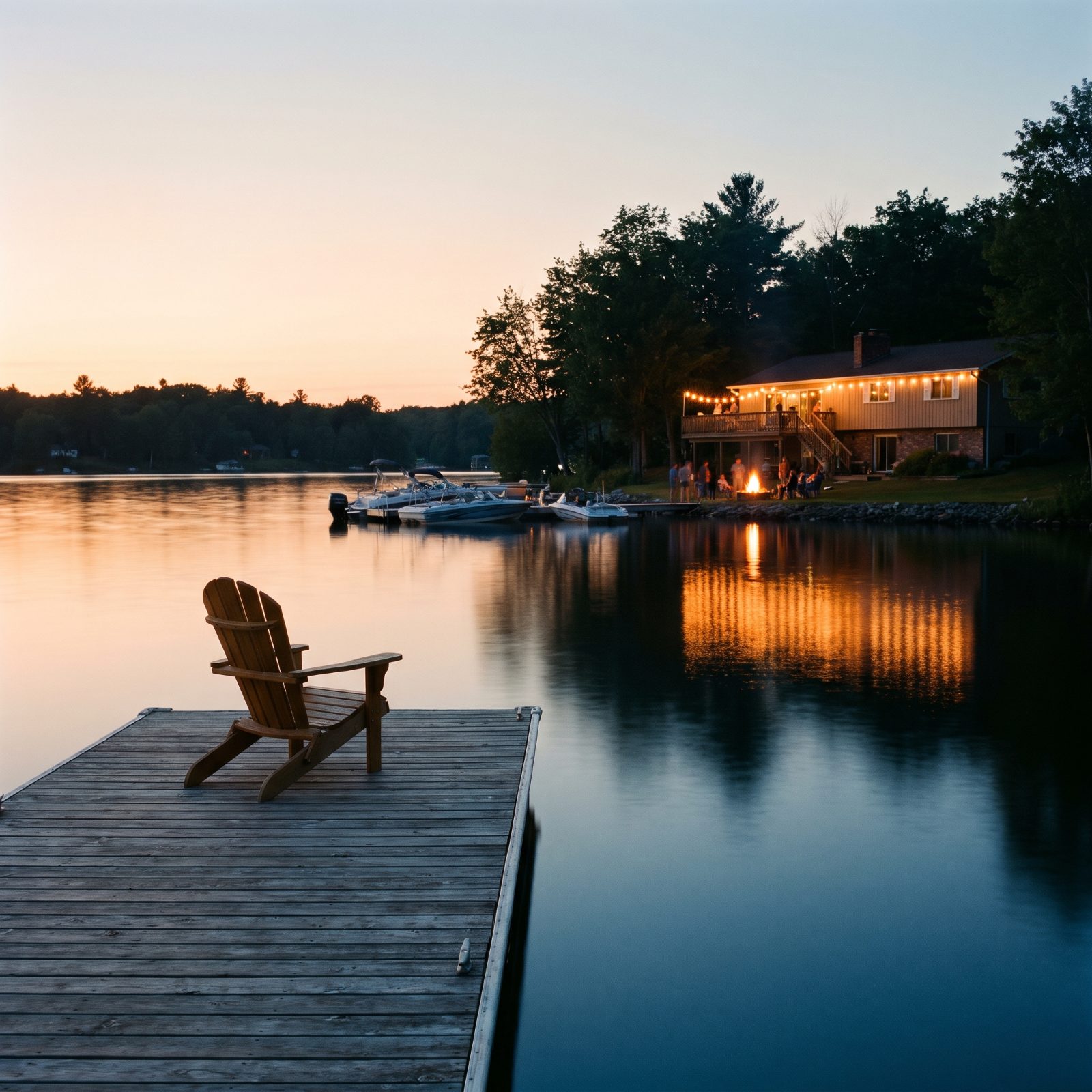
Sound carries over water. So when a party fires up across the cove, you hear the laughter, see the string lights, watch the boats raft together at their dock, and feel a small sour twist you’d never admit out loud. You weren’t invited. You didn’t even know them. And somehow it stings.
That’s the reunion afterparty you found out about on social media the next day. Exclusion lands as a physical thing, because our brains evolved reading social belonging as survival, and getting left out registers in the same region that processes actual pain. You’re not petty for feeling it. You’re human, and the cove is just small enough to make it visible.
8. You Post the Sunset and Crop Out the Construction
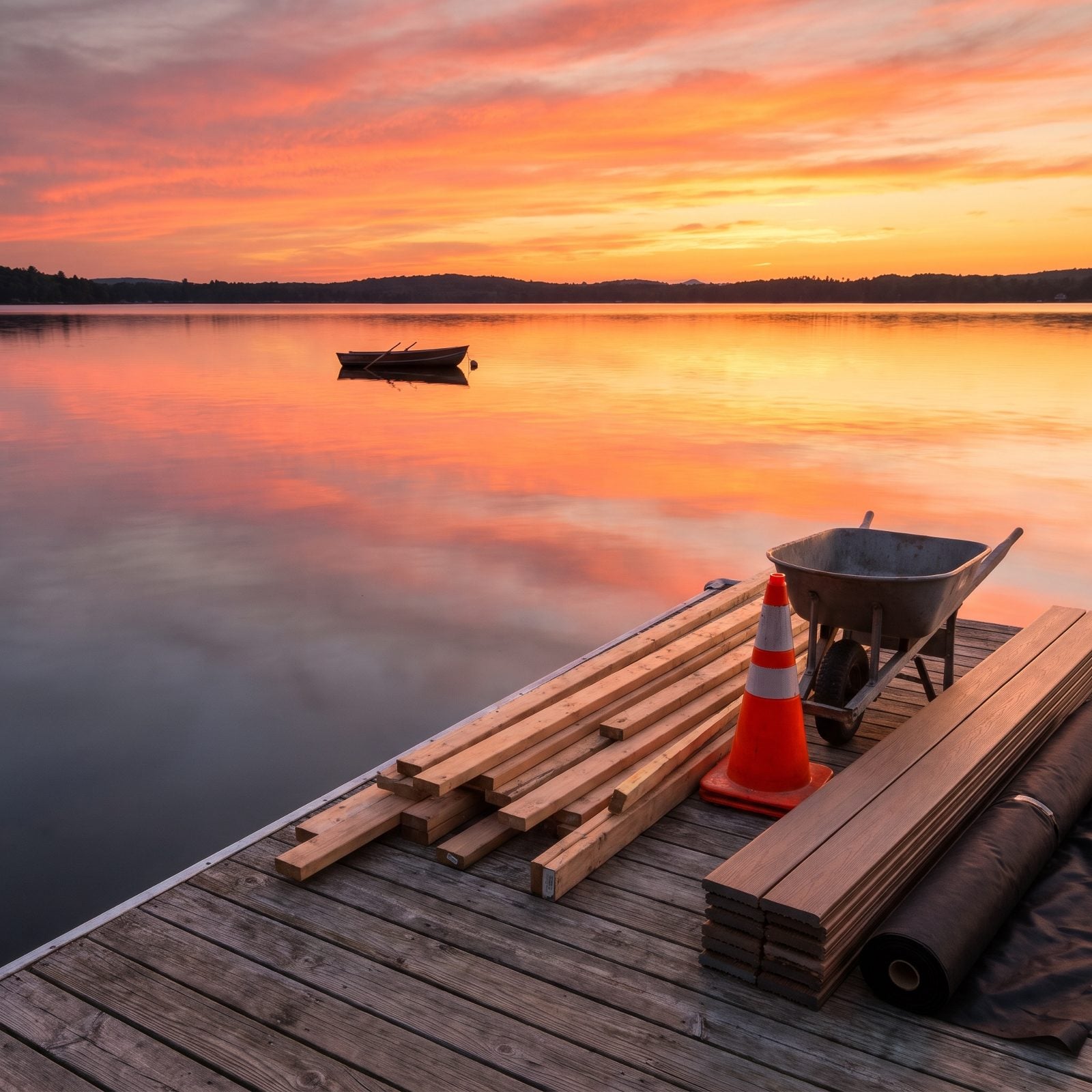
The sunset is real. The peace it suggests is a careful lie. You tilt the phone up two inches to keep the lumber pile, the half-built retaining wall, and the orange cone out of frame, then post it with a caption about lake life being a dream. That dream is thirty degrees of a two-hundred-degree view.
We all curate the reunion version of our lives this way. The highlight, not the overdraft. The sunset, not the contractor who ghosted. Social media rewards the edited angle so thoroughly that we forget everyone else is cropping too. You’re comparing your lumber pile to their perfectly framed gold hour, and losing a game nobody’s actually winning.
Go stand on the dock and watch the real sunset sometime without the phone. The lumber’s still there. So is the view. Both are true, and only one of them needs a filter.
7. You Need Guests to Notice the Heated Dock Immediately
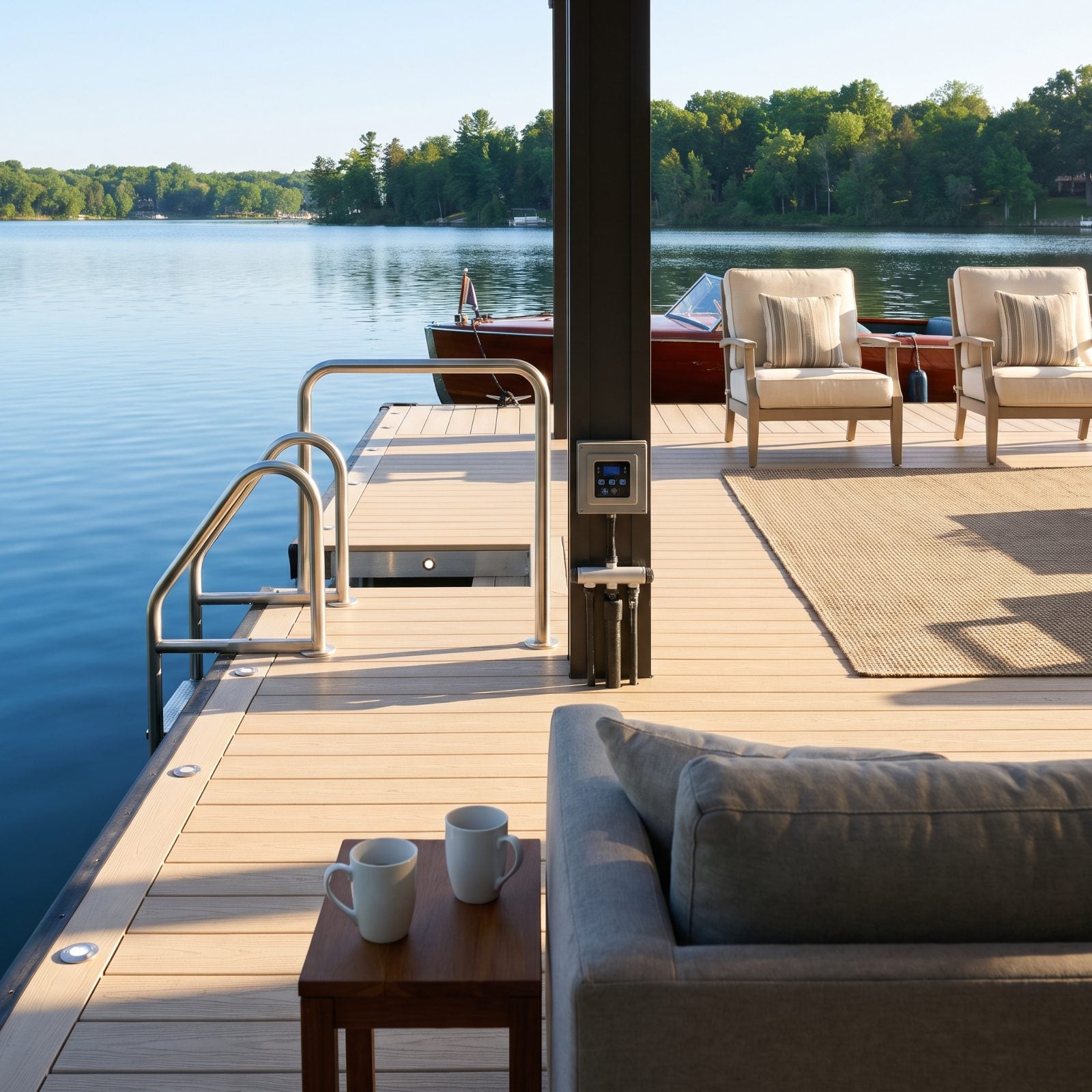
Your guest hasn’t set their bag down and you’ve already steered the conversation toward the dock. Did they feel it? The heated boards, the de-icer that keeps the slip open in winter, the lighting on a timer. You need the upgrade acknowledged, right now, before the moment passes.
It’s the reunion name tag flipped around so they see the title under your name. We fish for recognition because the thing itself doesn’t satisfy us — the acknowledgment does. A luxury nobody notices feels, oddly, like money wasted.
And here’s the quiet trap. Once the guest admires it, you adapt fast, and the heated dock becomes just the dock. Hedonic adaptation makes sure the thrill never lasts, which is why there’s always a next upgrade to point at. The cure isn’t a better dock. It’s learning to enjoy yours when no one’s watching.
6. You Rehearse a Casual Answer About What the House Cost
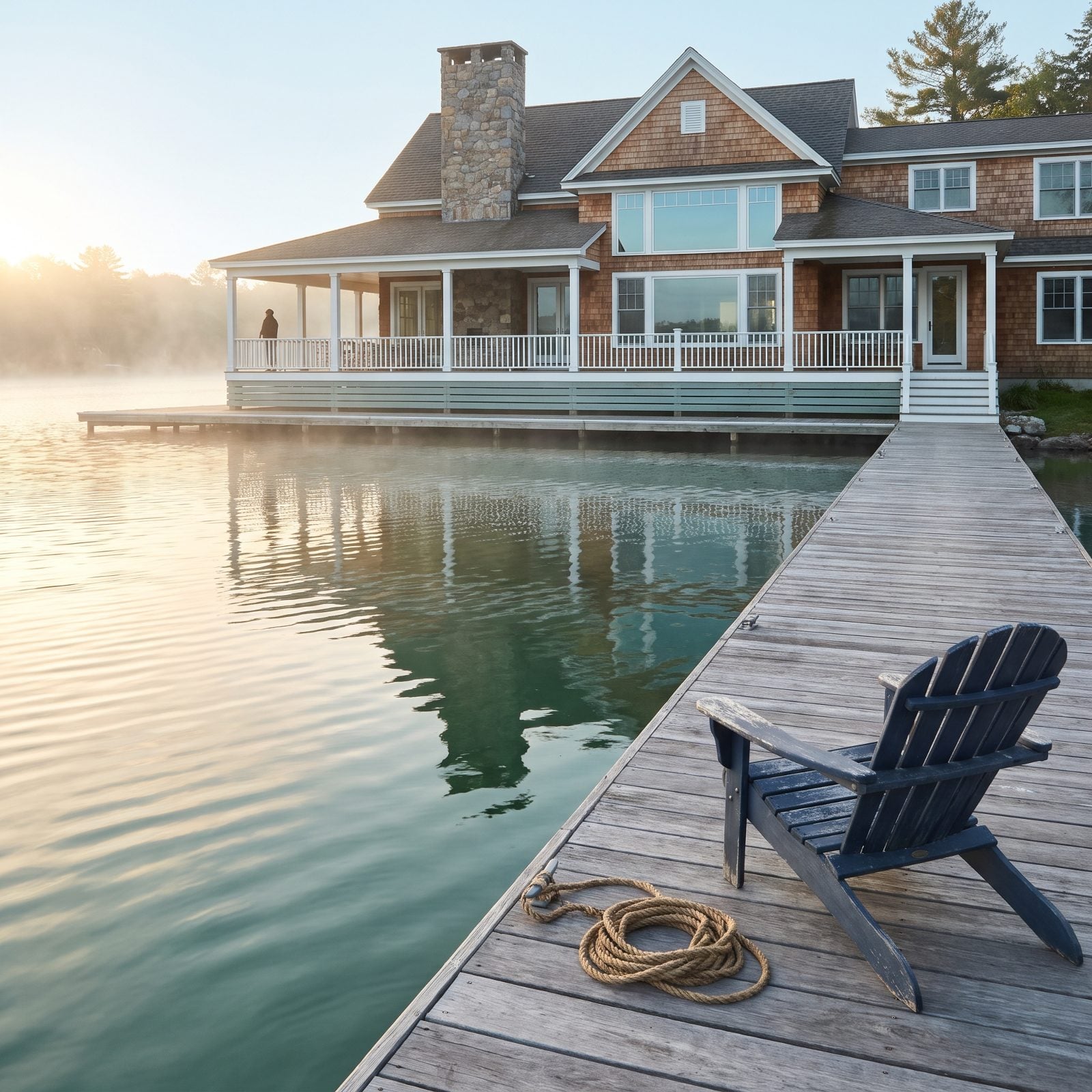
Somebody asks, so what’d you pay for a place like this? You already have the answer loaded. Not the number — the deflection. A little shrug, a line about getting in before the market went crazy, maybe a joke about the septic bills to prove you’re not showing off. You rehearsed it in the shower.
It’s the exact muscle you flexed at a reunion when someone asked what you do now. You don’t want to lie, but you also don’t want to say the plain figure and watch a face do math. So you package it. Humble, vague, pre-softened.
Psychologists call this impression management, and the lake house hands you a fresh thing to manage. We downplay partly out of modesty and partly out of self-protection — a naked number invites comparison, and comparison invites judgment. The casual answer isn’t casual at all. It’s a tiny performance built to make the asker feel fine and keep you from looking like you’re keeping score.
5. You Suddenly Notice Which Renovations Already Look Dated
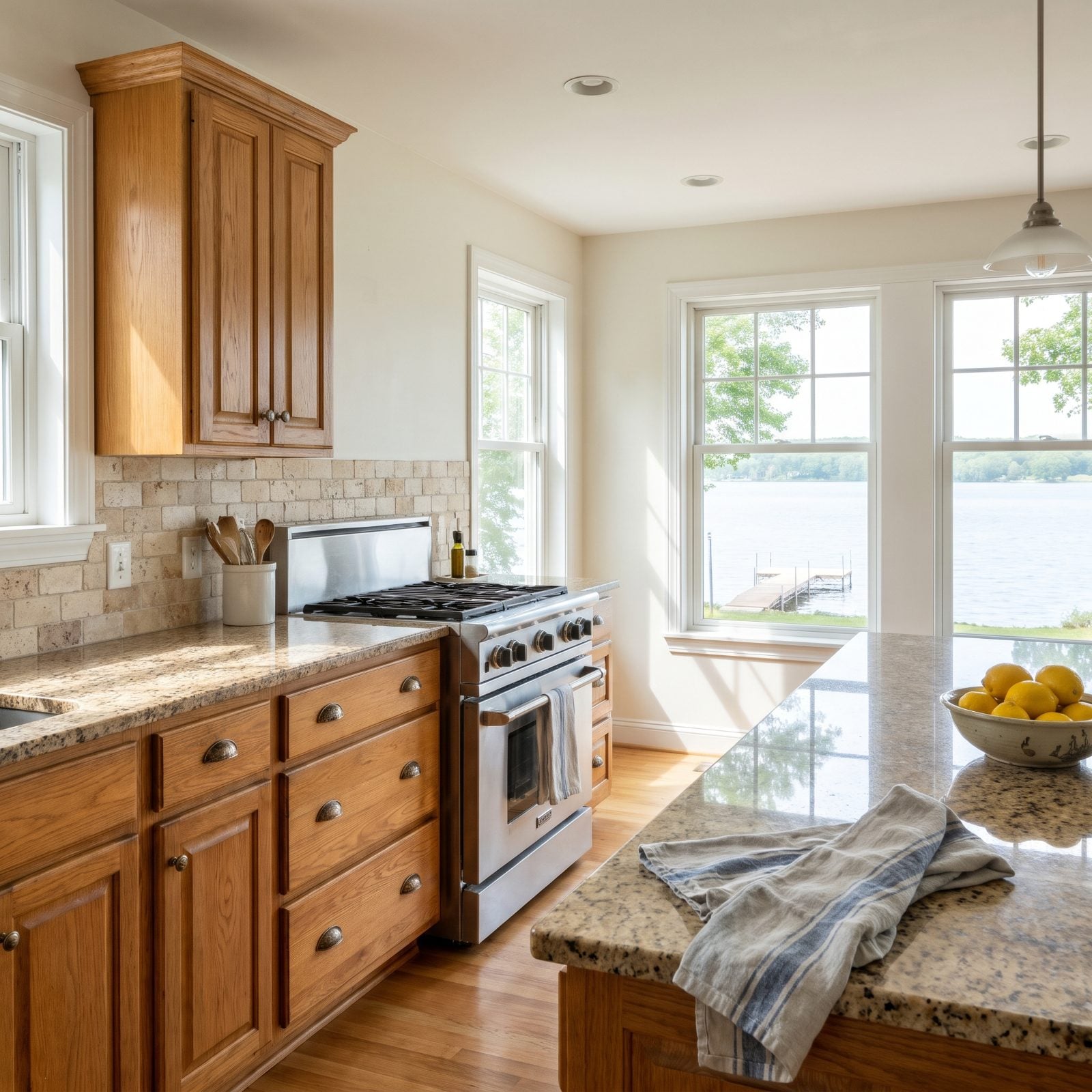
The granite was gorgeous the day you signed. Now a neighbor’s place goes all quartz and matte black, and your speckled brown counters suddenly read like a time stamp. The tumbled-stone backsplash you loved looks like a decision someone made a decade ago. Which it was. By you.
Here’s the reunion version. You walk in feeling great about yourself, then you clock what everyone else is wearing, and your read on your own outfit shifts in real time. Nothing about you changed. The reference group did.
This is social comparison doing its quiet work. We don’t judge our stuff against some fixed standard — we judge it against whoever’s standing nearest, and a lake neighborhood is a dense little grid of nearby. What felt current felt current because you hadn’t seen the newer thing yet. Then you see it.
The counters didn’t age. Your comparison set upgraded.
The cruel part is that it never ends. Redo the kitchen and three summers later someone’s doing something you haven’t thought of yet. People chase this for years, and they’re never done, because the finish line moves every time a truck pulls up next door.
4. You Mention the Lake’s Name Like It’s a Credential
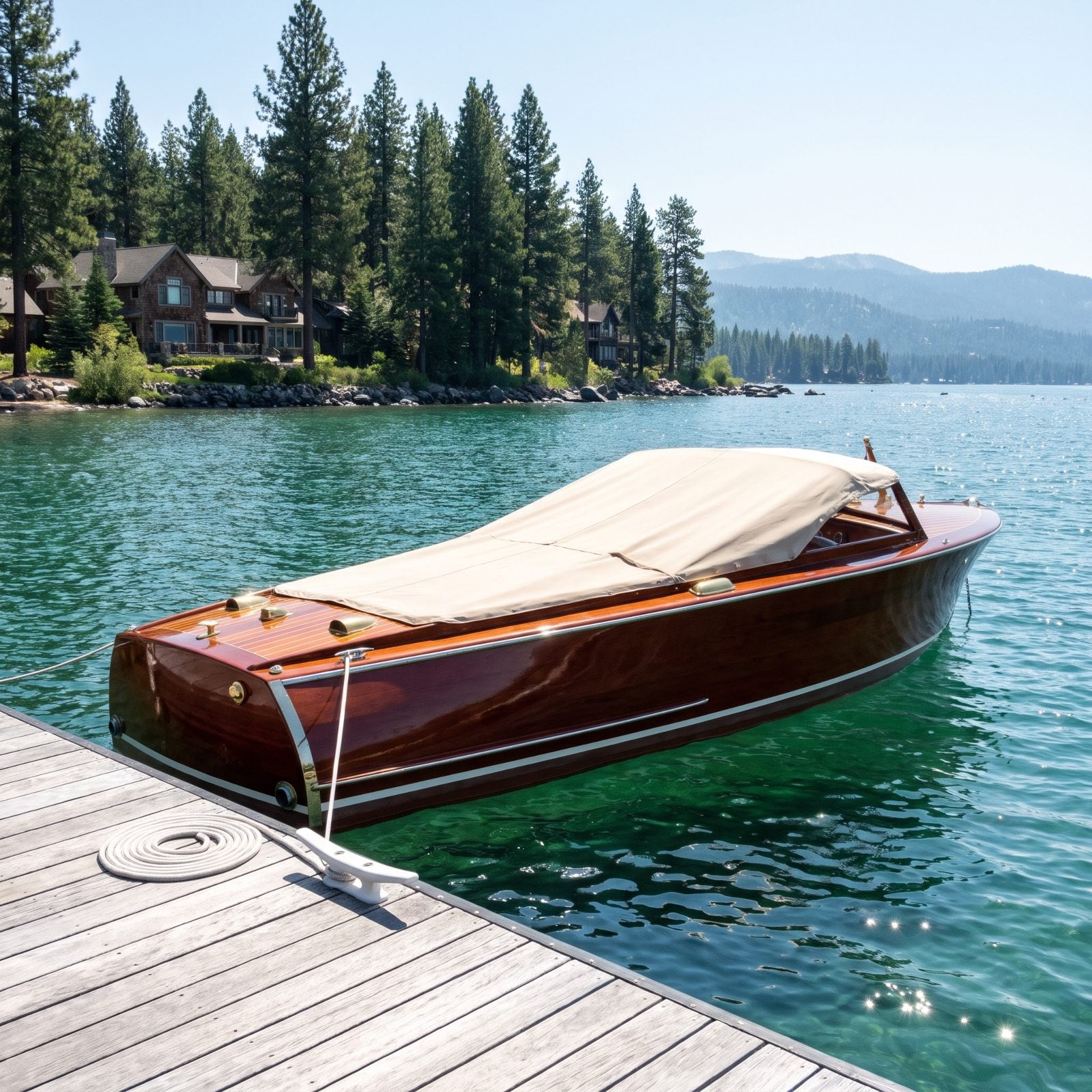
You don’t say the lake. You say the name. And you say it with a little pause after, the way people used to drop which college they went to. Not the water — the brand of the water.
Everyone knows the move, because everyone’s heard it at a reunion. Someone mentions where they live now, and it’s less a fact than a flag. The name is supposed to carry things the sentence doesn’t bother to spell out.
This is status signaling, and lakes do it unusually well because the name brags for you. You never have to claim the house is nice. You let the reputation of the water say that quietly, and the listener fills in the rest. One word doing the work of a paragraph you’d be embarrassed to say out loud.
3. You Keep Explaining Why Buying It Made Financial Sense
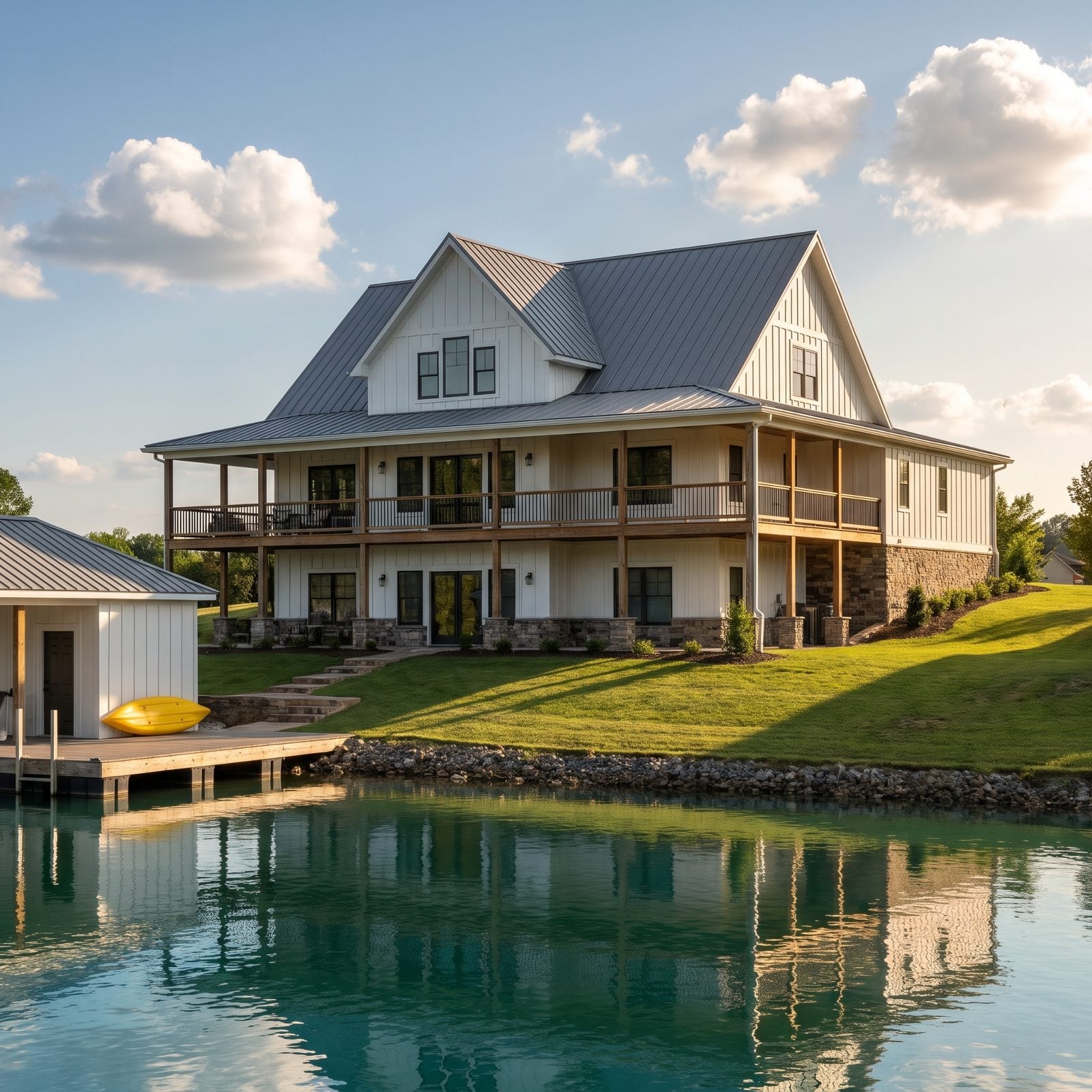
Nobody asked, and you’re already deep into the case for it. Rental potential in July. Appreciation in a desirable corridor. The tax thing your accountant mentioned. You’ve got a whole pitch, and you deliver it to people who were just admiring the view.
That’s the reunion reflex — explaining choices nobody questioned. Why you left the big job. Why you stayed in your hometown. Why the second marriage. The explanation arrives before the challenge, because you’re answering a judgment you only imagine is coming.
Two things run at once here. Cognitive dissonance, the itch to justify a large, emotional purchase by dressing it up as a rational one, so the heart decision gets a spreadsheet alibi. And a fear of being seen as frivolous, which has you pre-defending against a critic who doesn’t exist.
Honestly? You bought it because you love sitting on the dock at dusk. That’s a fine reason. It needs no prospectus. But love feels soft to say out loud, so we reach for the numbers, and the numbers make us sound sensible instead of smitten.
2. You Follow Shoreline Trends You Secretly Don’t Even Like
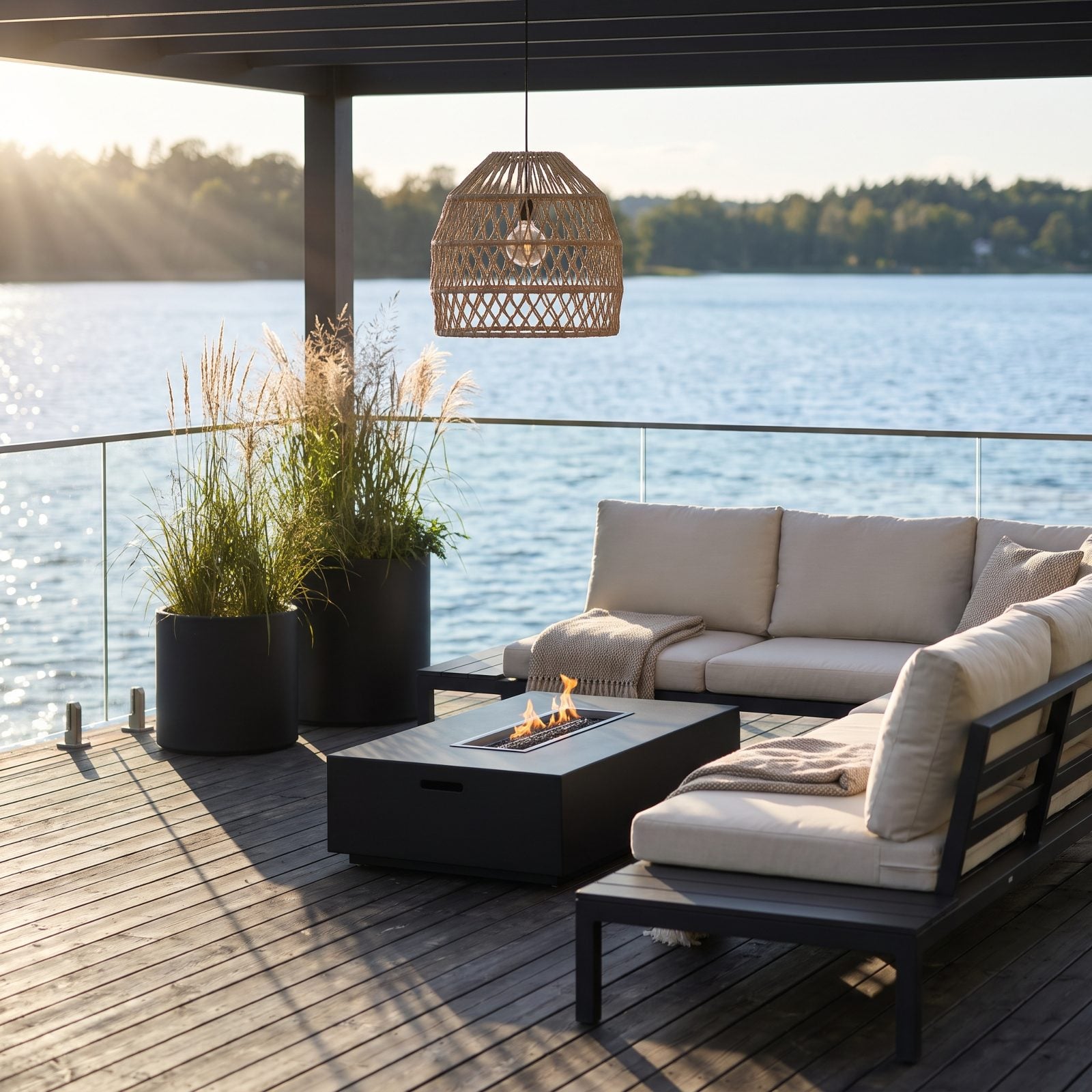
The black-framed glass railing has gone up at three places along your stretch of shore, and now you’re pricing one too. Not because you wanted it. Because the rustic wood rail you actually prefer suddenly feels like it’s losing. You’re matching a look you’d never have chosen alone.
It’s the reunion impulse to suddenly care about things that look right to the room — the haircut everyone has, the car everyone drives. You tell yourself you like it, and maybe you half believe it by the time you’re paying.
Social proof is the engine. When several people around us do the same thing, we read it as evidence that it’s correct, and we quietly fold our own taste to match. The dock trend becomes less a preference and more a password, proof you belong on this water.
1. You Curate the Guest List Like a Status Report
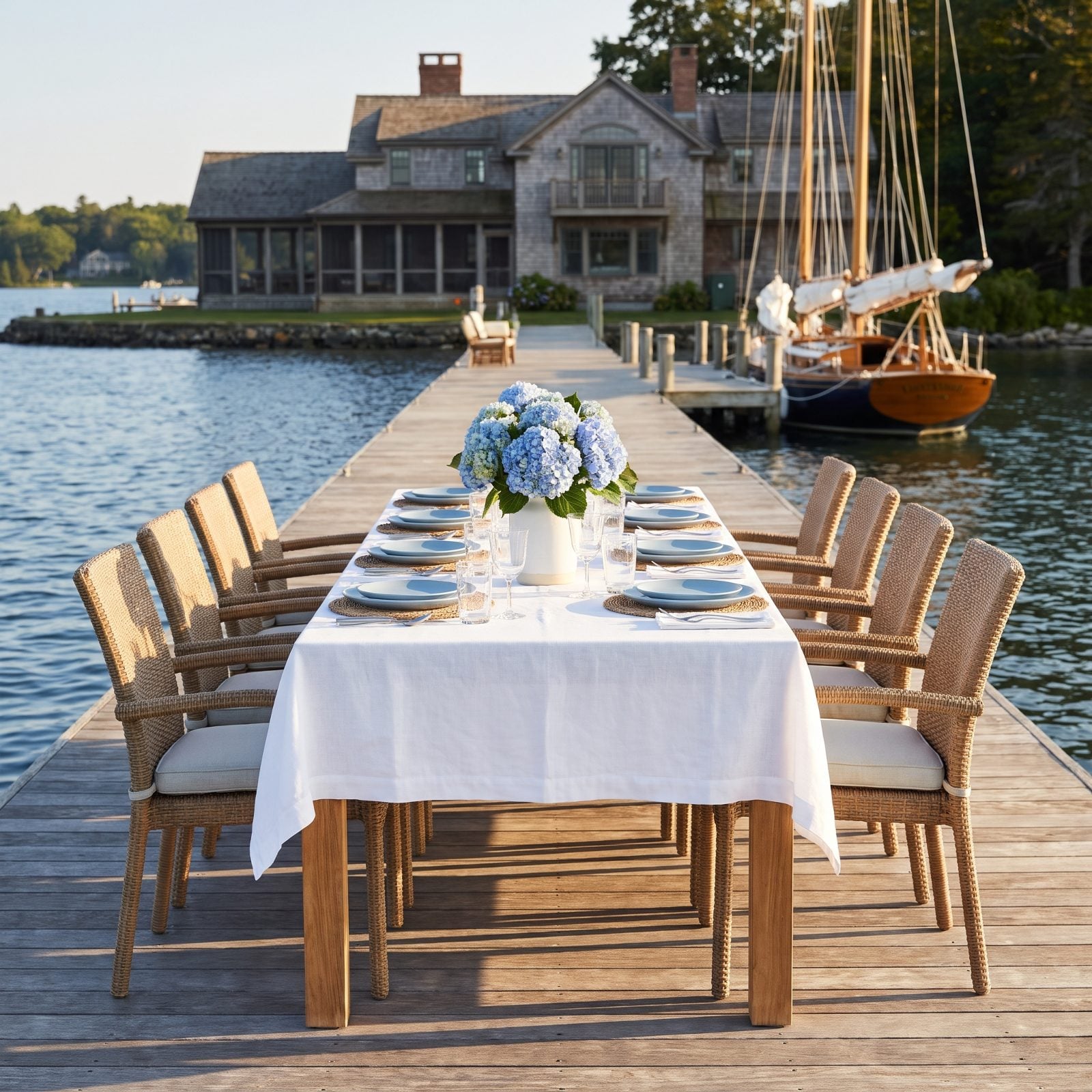
You’re planning the dock dinner and you catch yourself thinking about optics. Who should see the place at its best. Which friends will appreciate it the right way, and which ones might make it weird. The list stops being about who you miss and starts being about what the afternoon says about you.
Same machinery as deciding which reunion table to sit at. You drift toward the people who reflect the version of yourself you want reflected, and you keep a little distance from the ones who remember you before the house.
Self-presentation runs the whole show. We treat gatherings as a stage, and the guest list is casting. The lake raises the stakes, because now the setting is expensive and the invitation itself reads like a line about where you’ve landed.
The trap is obvious once you see it. Curate too hard and the dinner stops being a party and becomes a review you’re hoping to pass. The best evenings on any dock are the ones where you forgot to worry what anybody thought. Those are also the ones nobody photographs, which tells you something.