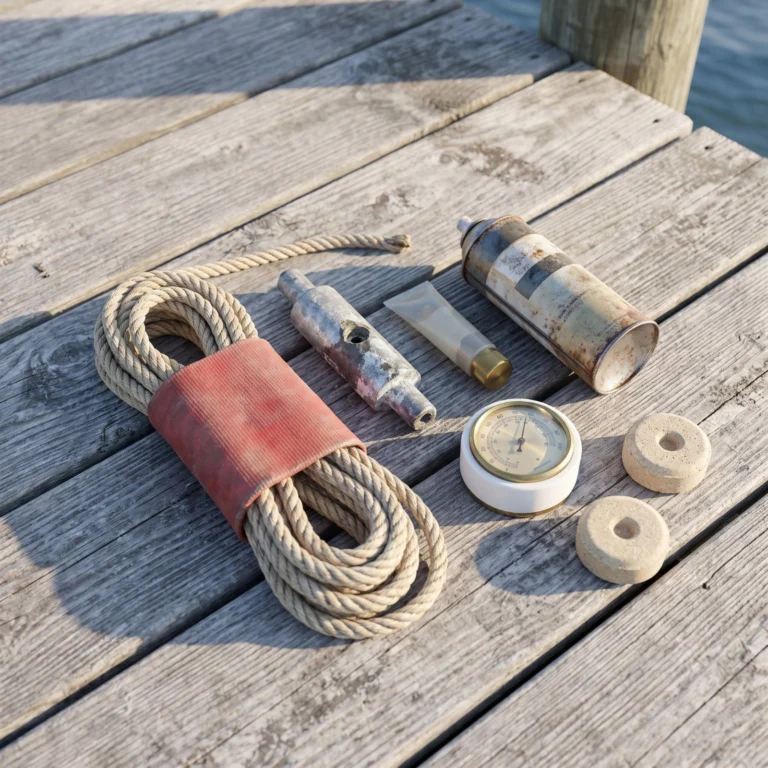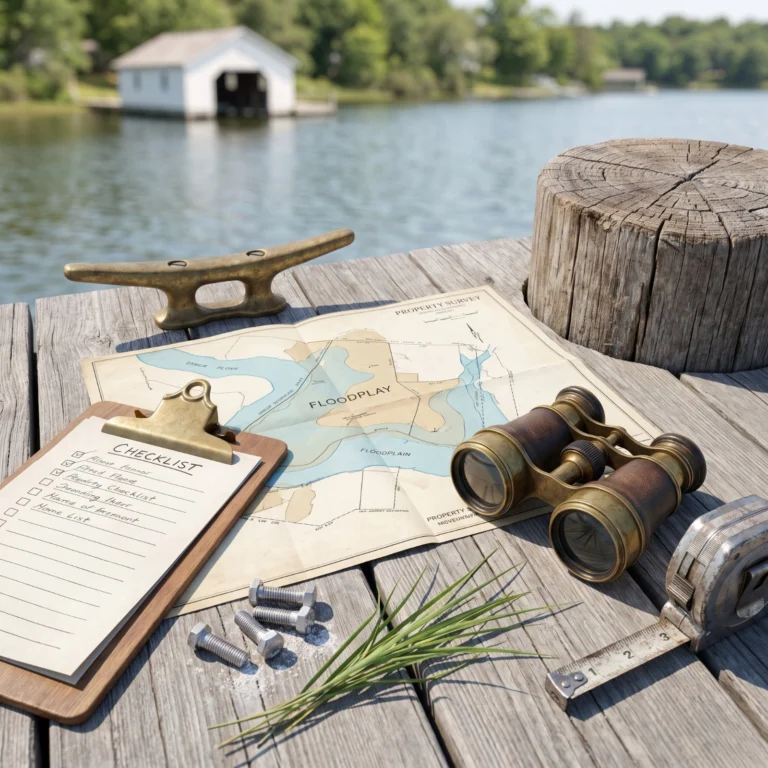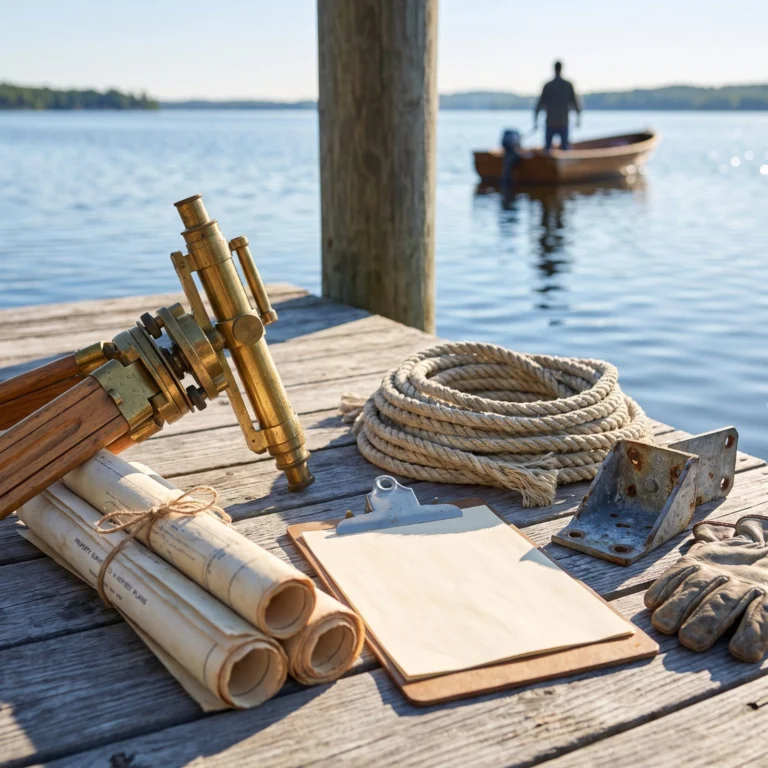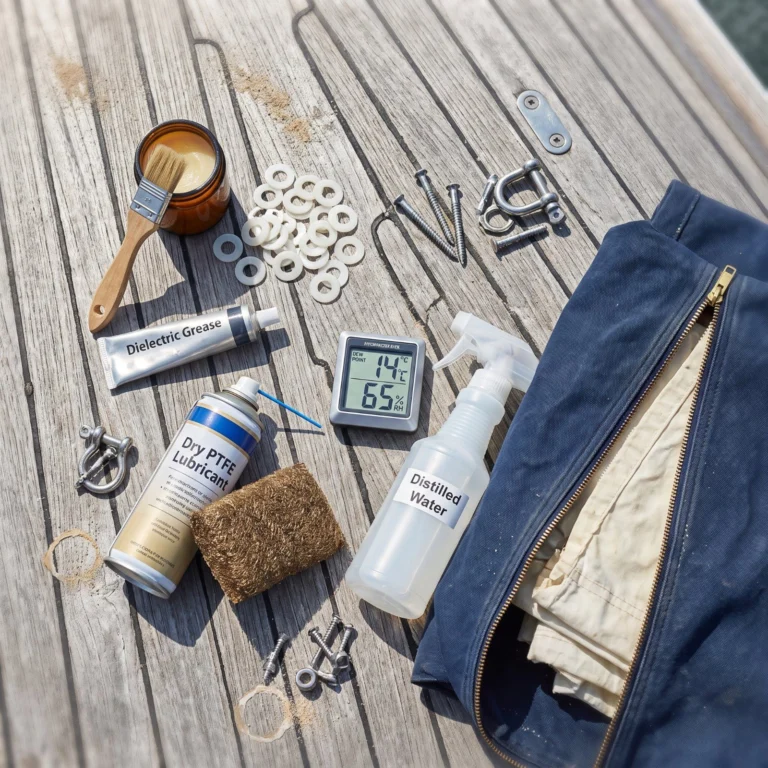
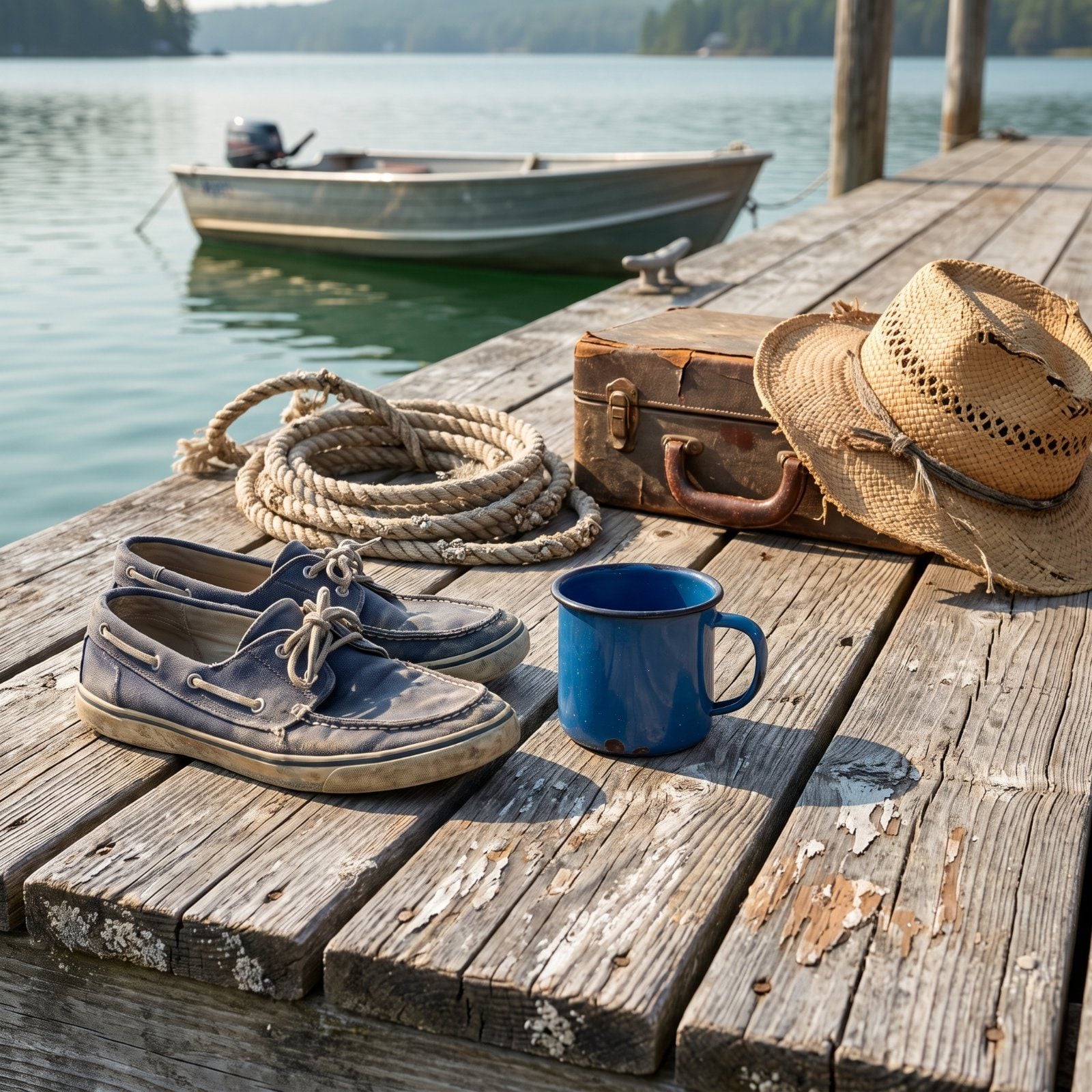
Trimming a lawn into stripes makes no sense when the back door opens onto a dock and a dropping tide. Waterfront life rearranges what matters, and things that felt urgent in a suburban cul-de-sac stop earning their spot the week the water becomes the front yard. The gear gets scuffed. The routines loosen up. What you keep is whatever actually works at six in the morning with coffee and a fishing rod. These are the small concerns that drift away, replaced by something more honest about living beside water.
Please note that some of the imagery in this article may have been enhanced with the assistance of AI.
34. Water Marks on the Pilings Turn Into a Free Seasonal Gauge
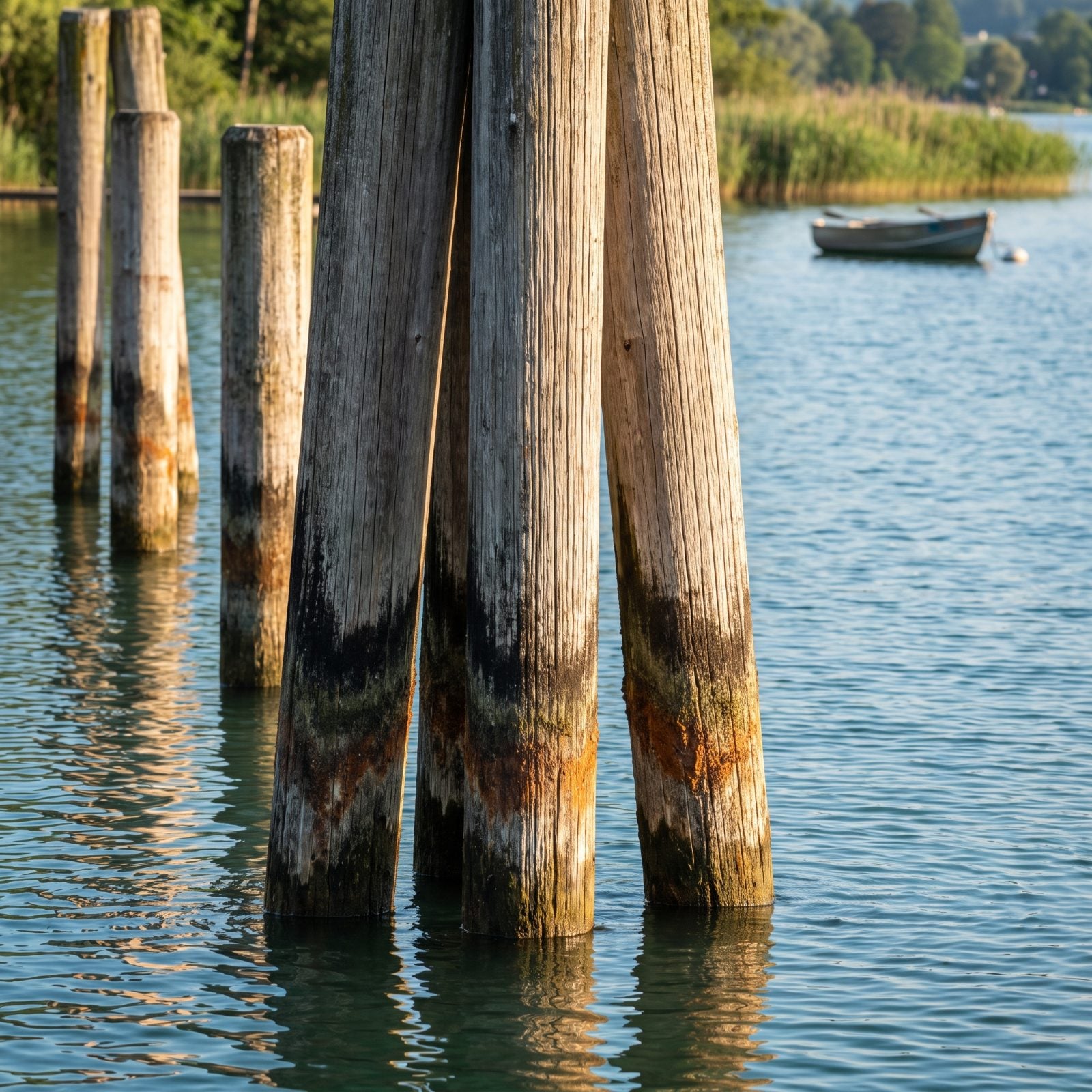
City folks obsess over a perfect deck stain. Waterfront people watch the pilings tell a story instead, where those stained bands — algae clinging low, bleached wood up top — become a calendar nobody has to read a manual for.
You start to know spring is coming because the water creeps up past the second ring, and you know the dry stretch of August by how far the dark line has dropped. Costs nothing. Never needs batteries.
33. A Floating Dock That Shifts Underfoot Stops Feeling Like a Flaw
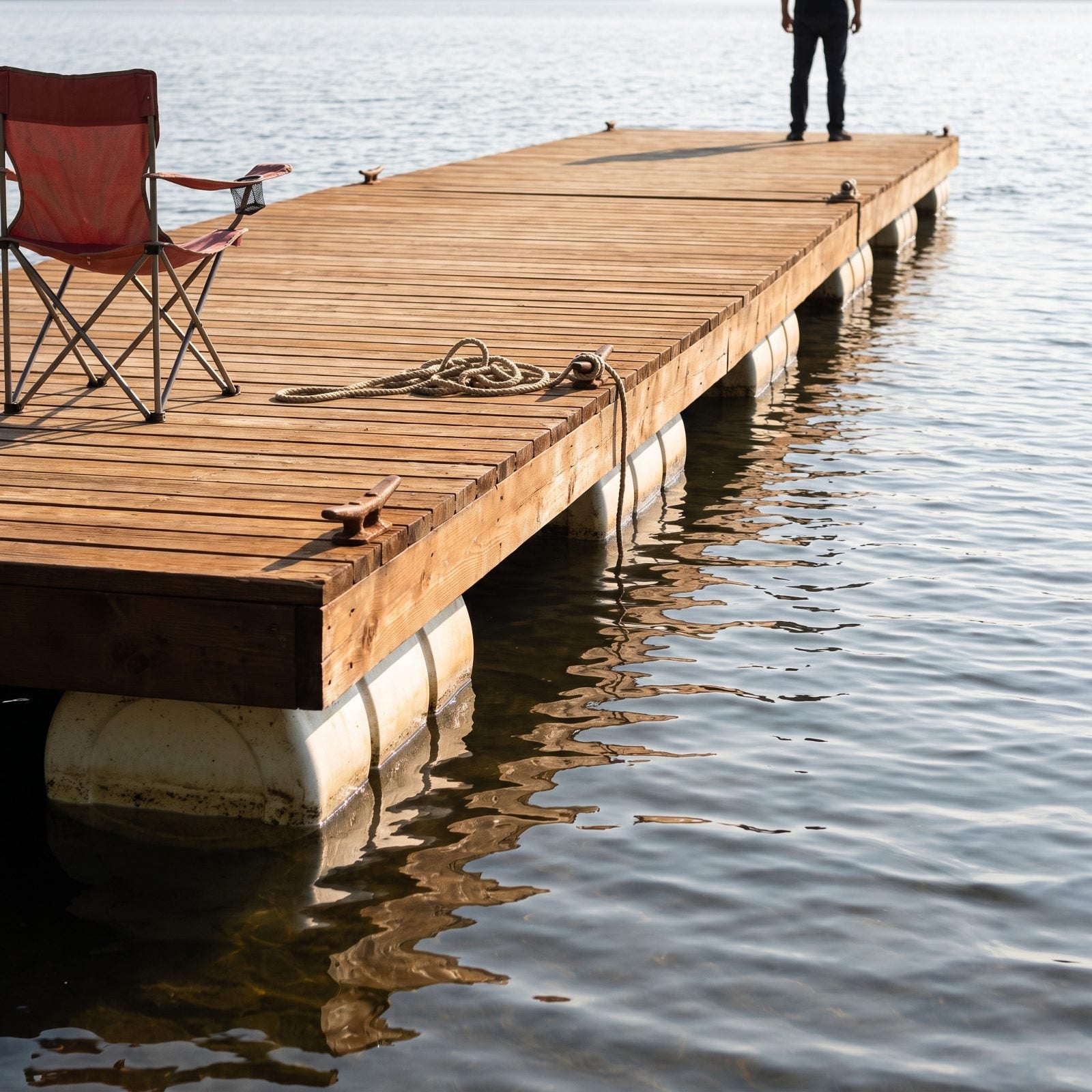
The first week, that gentle sway under your feet feels like something is broken. It isn’t. A floating dock is supposed to move with the water, rising on a boat wake and settling again after.
Within a month you stop noticing it entirely — your knees adjust, your coffee stops sloshing, and you learn to read the little dip when someone steps on behind you. People who insist a dock should feel like a sidewalk are fighting the whole reason you put one on water in the first place.
32. The Water-Side Door Quietly Becomes the Real Front Door
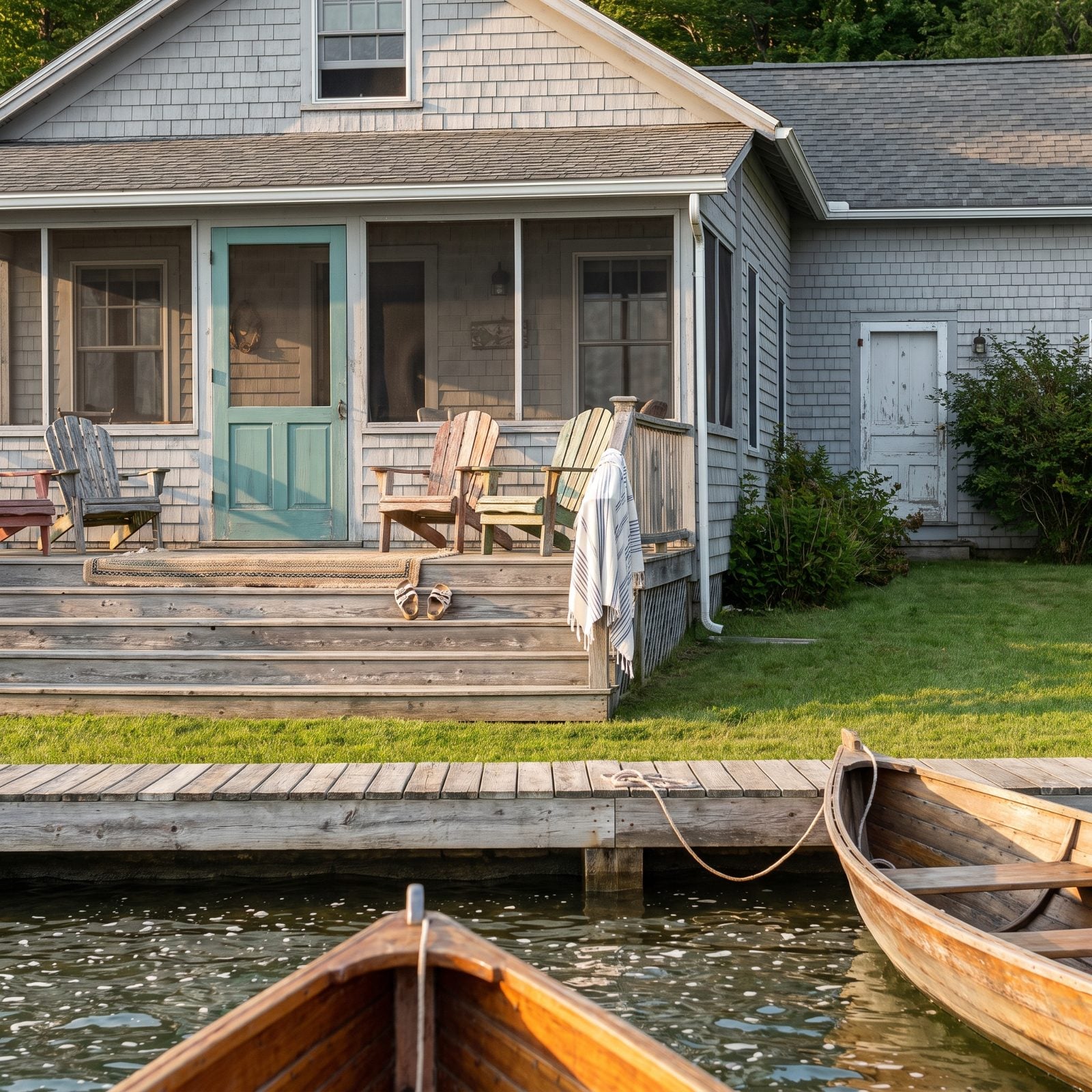
The formal entry with the doorbell and the wreath goes practically unused. Guests arrive by the water, or they walk straight around to the porch facing it, because that’s where the view is and that’s where everyone actually sits.
So you stop fussing over the front hall. The mudroom near the dock — sandy mat, hooks for life jackets — becomes the room that matters. It’s where people kick off their shoes and where the day begins.
31. Neighbors Who Know Your Dock Routine Add Reassurance, Not Nosiness
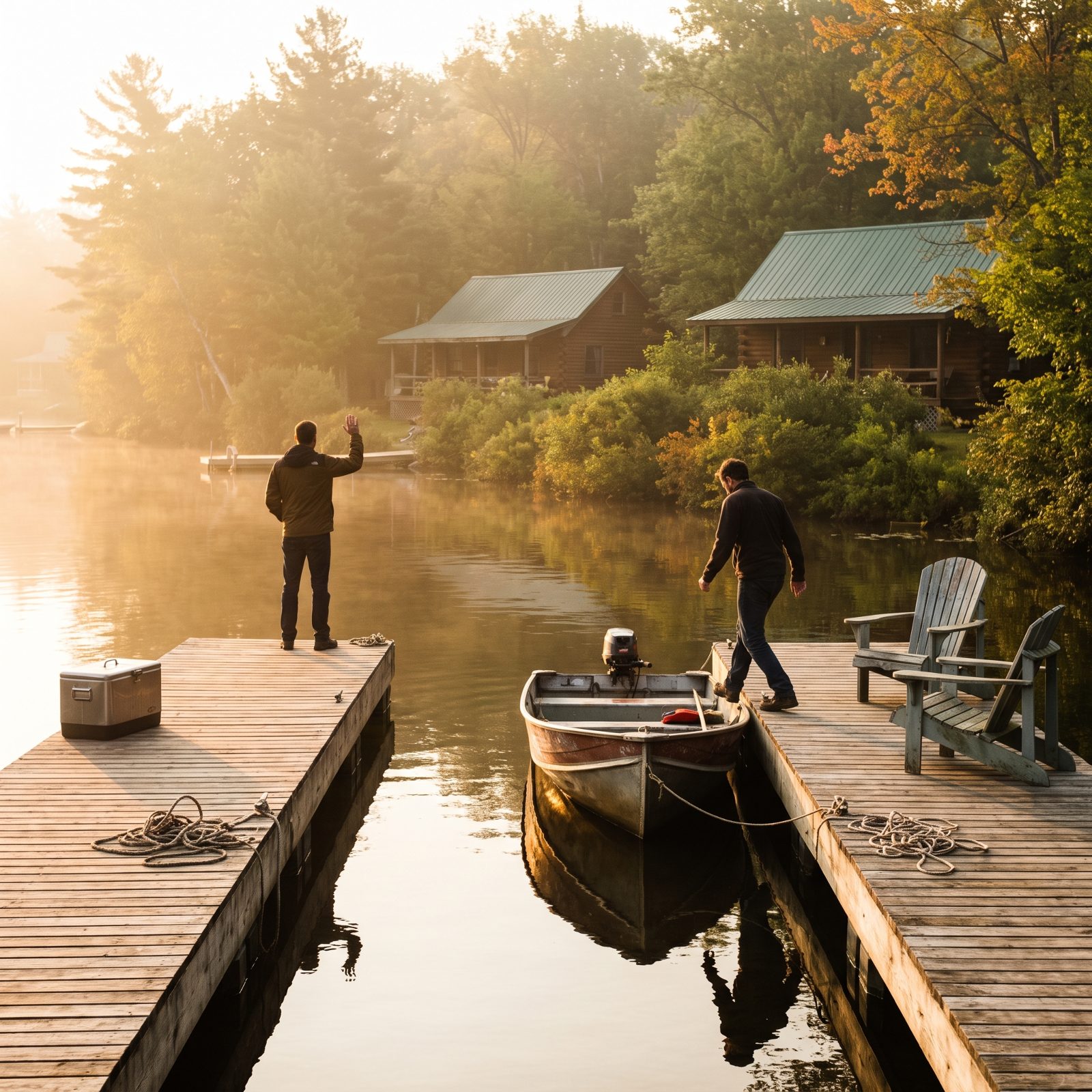
Back in the suburbs, a neighbor tracking your comings and goings felt like surveillance. On the water it feels like a safety net.
The folks three docks down know you take the boat out most mornings and come back by ten, and if you don’t show, somebody notices. That familiarity means when a storm rolls in or a line comes loose, there’s always a pair of eyes already pointed your way.
30. Clipped Foundation Shrubs Lose to Native Shoreline Plants That Actually Work

Rows of boxwood and petunias make no sense at the water’s edge, and most people figure that out the first time a storm scours the bank.
Native shoreline plants earn their keep. Switchgrass, blue flag iris, sedges — they hold the soil with deep roots, filter runoff before it hits the lake, and never once ask for a sprinkler. They feed the dragonflies that eat the mosquitoes, which is a trade anyone will take. Watch a native bank shrug off a hard rain and the clipped-hedge look suddenly feels fussy and pointless.
29. Full-Strength Signal in Every Room Stops Mattering When One Calling Spot Does the Job
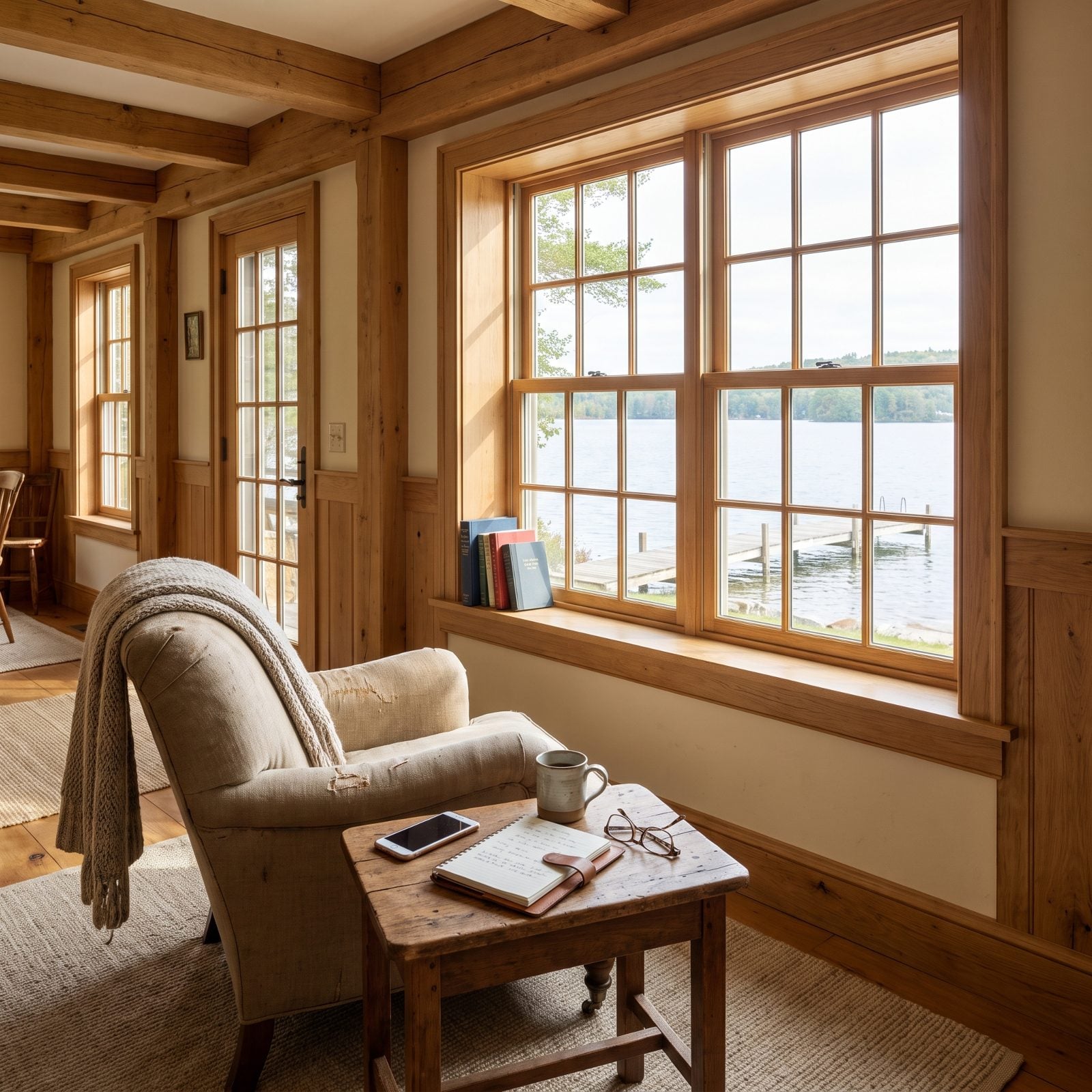
Chasing five bars in the bedroom and the bathroom and the far end of the hall was a whole project in town. Out here, you just find the one chair by the window where calls come through clean, and that becomes the spot.
And honestly, there’s something good about it. The phone stays at the calling chair instead of in your pocket all day. You walk down to the dock and nobody can reach you, and that stops feeling like a problem and starts feeling like the whole reason you came.
28. Perfectly Coiled Lines Give Way to Working Loops You Can Grab Fast
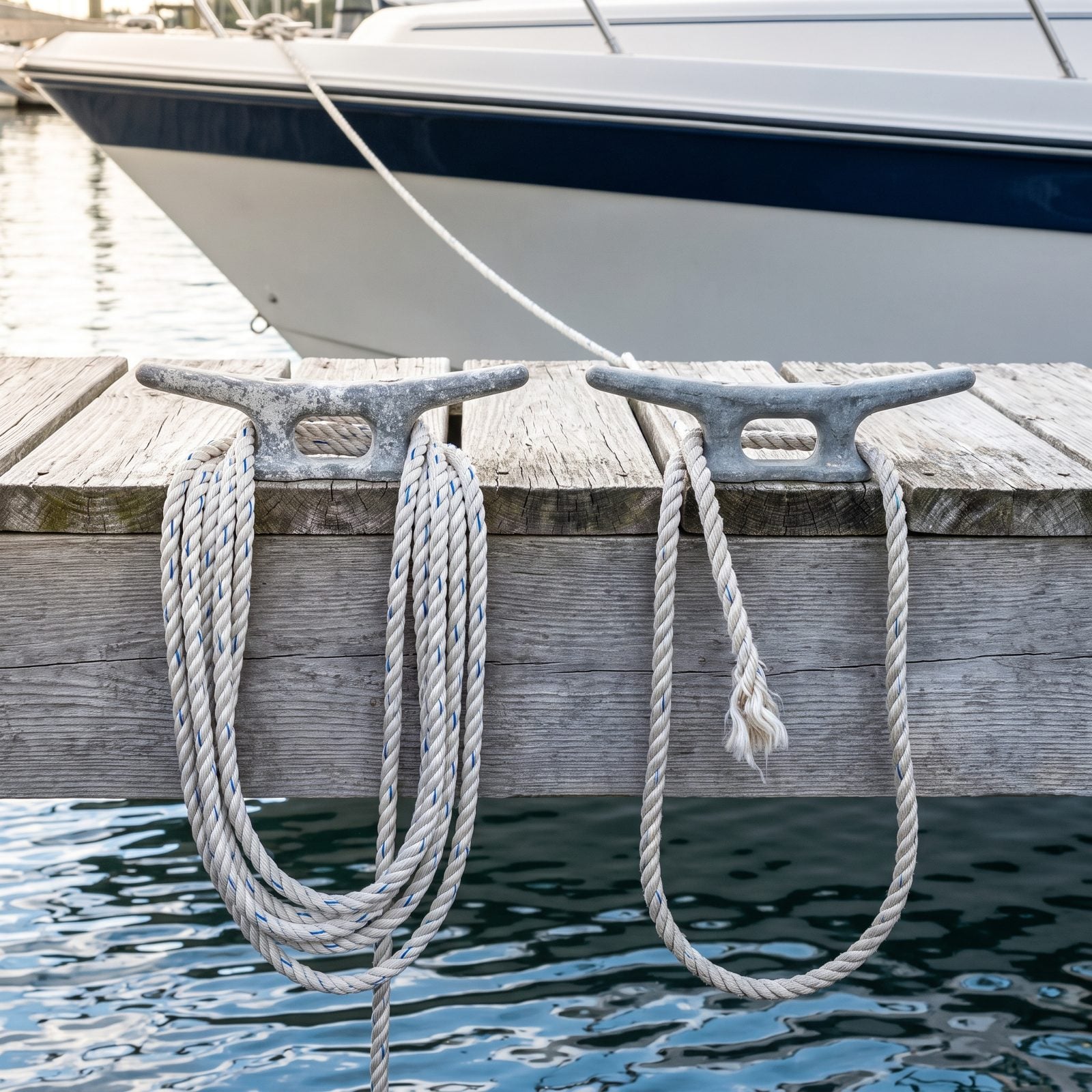
A line coiled into a flawless display spiral looks sharp and does absolutely nothing for you when a gust is pushing your boat off the dock.
What matters is a working loop you can grab and throw in one motion, hung where your hand already knows to reach. Sailors call the pretty version a Flemish coil, and it stays in the magazine photos. You learn to stop admiring your ropes and start trusting them.
27. A Canoe Parked in Plain Sight Beats One Hidden Away
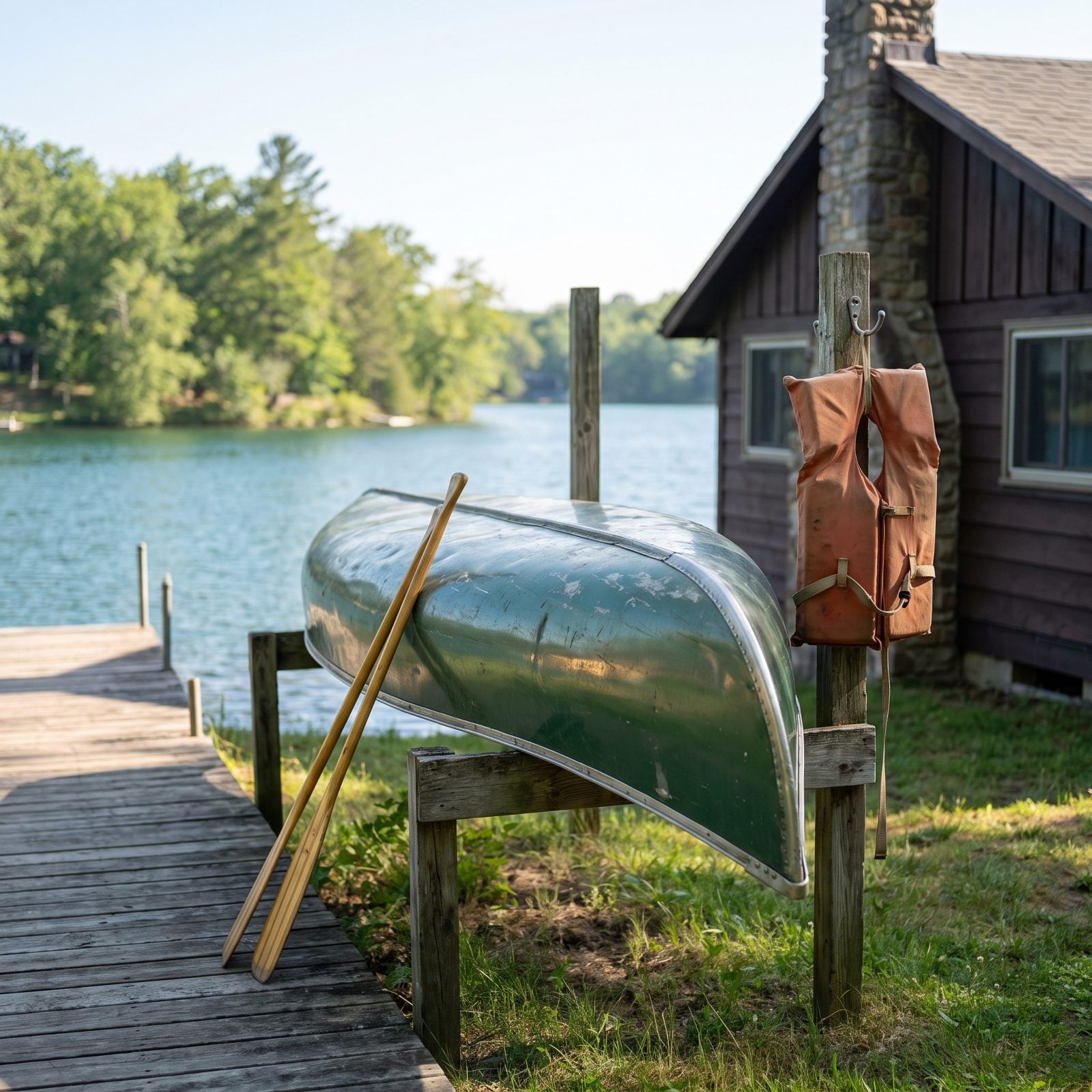
Tuck a canoe out of sight to keep the yard looking neat and you’ll paddle it maybe twice a summer. Leave it where you walk past it and you’ll be on the water three evenings a week.
Easy access beats a tidy sightline every time. The canoe by the dock, paddles leaning against it, becomes a standing invitation. The one buried behind the shed becomes a chore you keep meaning to get to.
26. The Bait Bucket by the Shed No Longer Needs to Hide
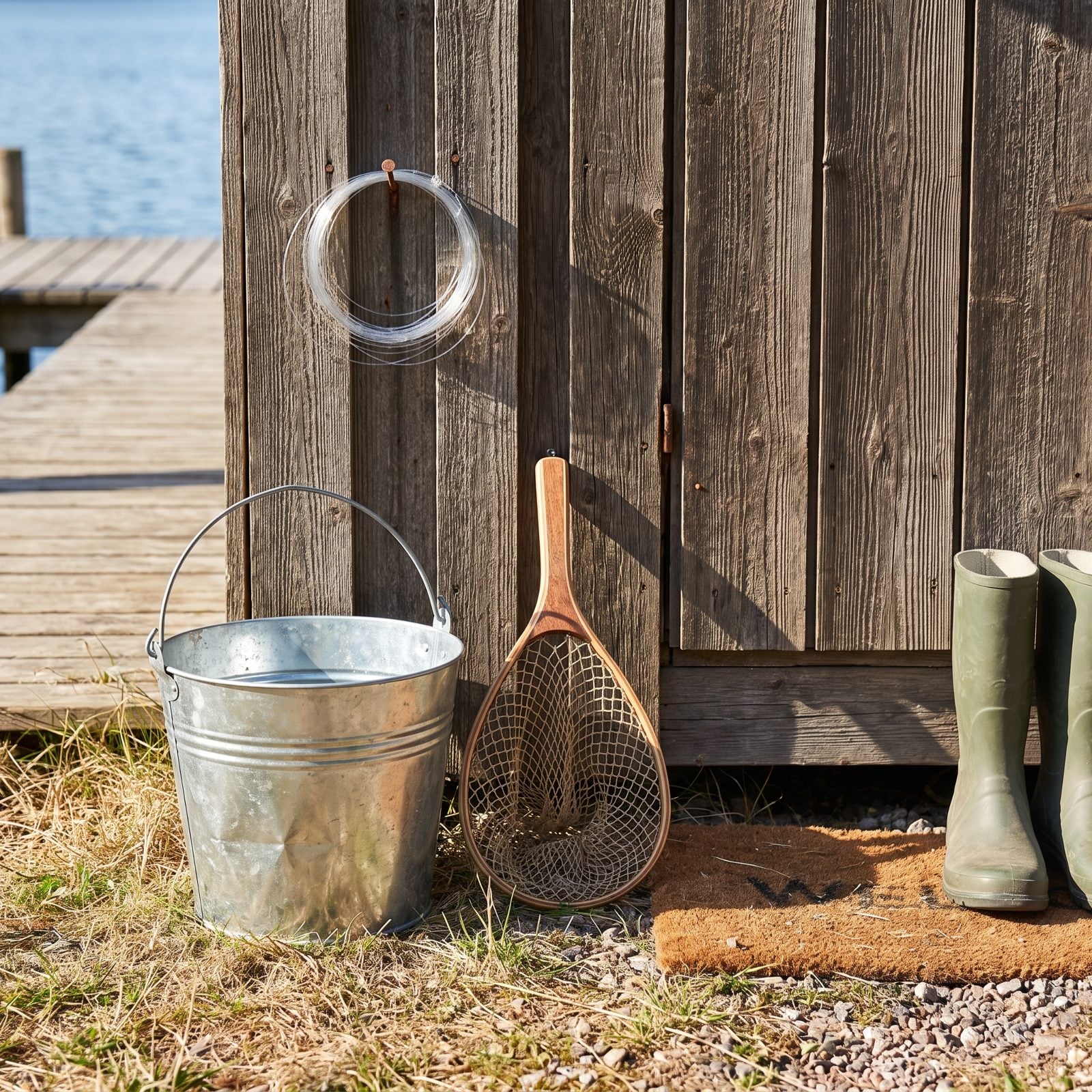
In a tidy backyard, a bait bucket is something you’d stash behind the garage. By the water it earns its spot right next to the shed door, ready for the next outing.
Useful gear stops being clutter and starts being a sign of a life lived outdoors — the net on the nail, the boots by the mat, the bucket catching morning light. None of it needs hiding, because all of it gets used.
25. A Cooler Doubling as a Side Table Wins Near the Dock
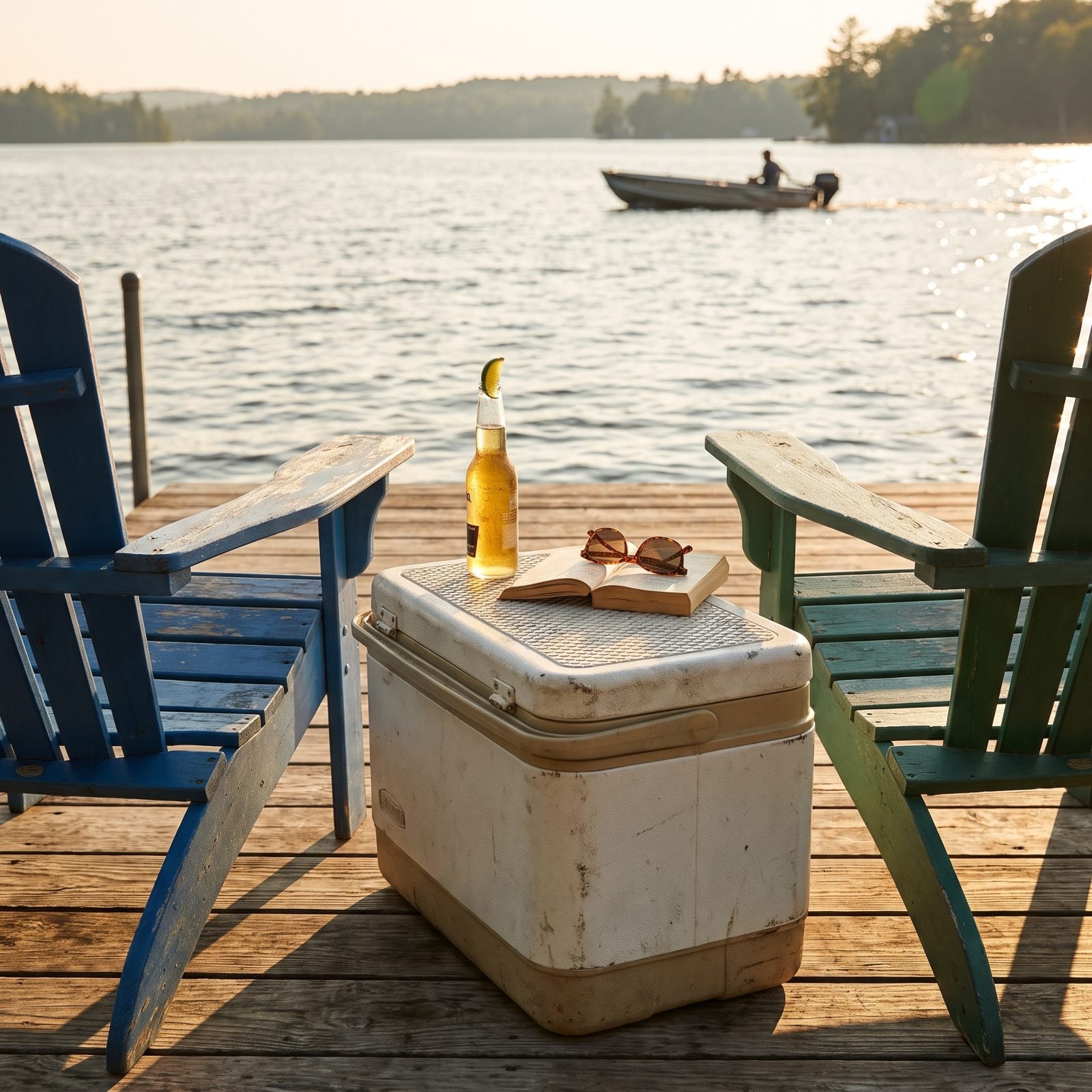
A proper patio table would blow over in the first good wind and warp in the lake damp by August. A cooler won’t.
It holds the drinks, holds your book, and holds steady when a wake rocks the dock. Practical furniture wins down here, full stop. The cooler-as-table is the dock chair’s natural companion, and nobody who’s spent a summer by the water would trade it for something prettier that does less.
24. A Visible Patch on the Screen Door, Keeping the Bugs Out Is What Counts
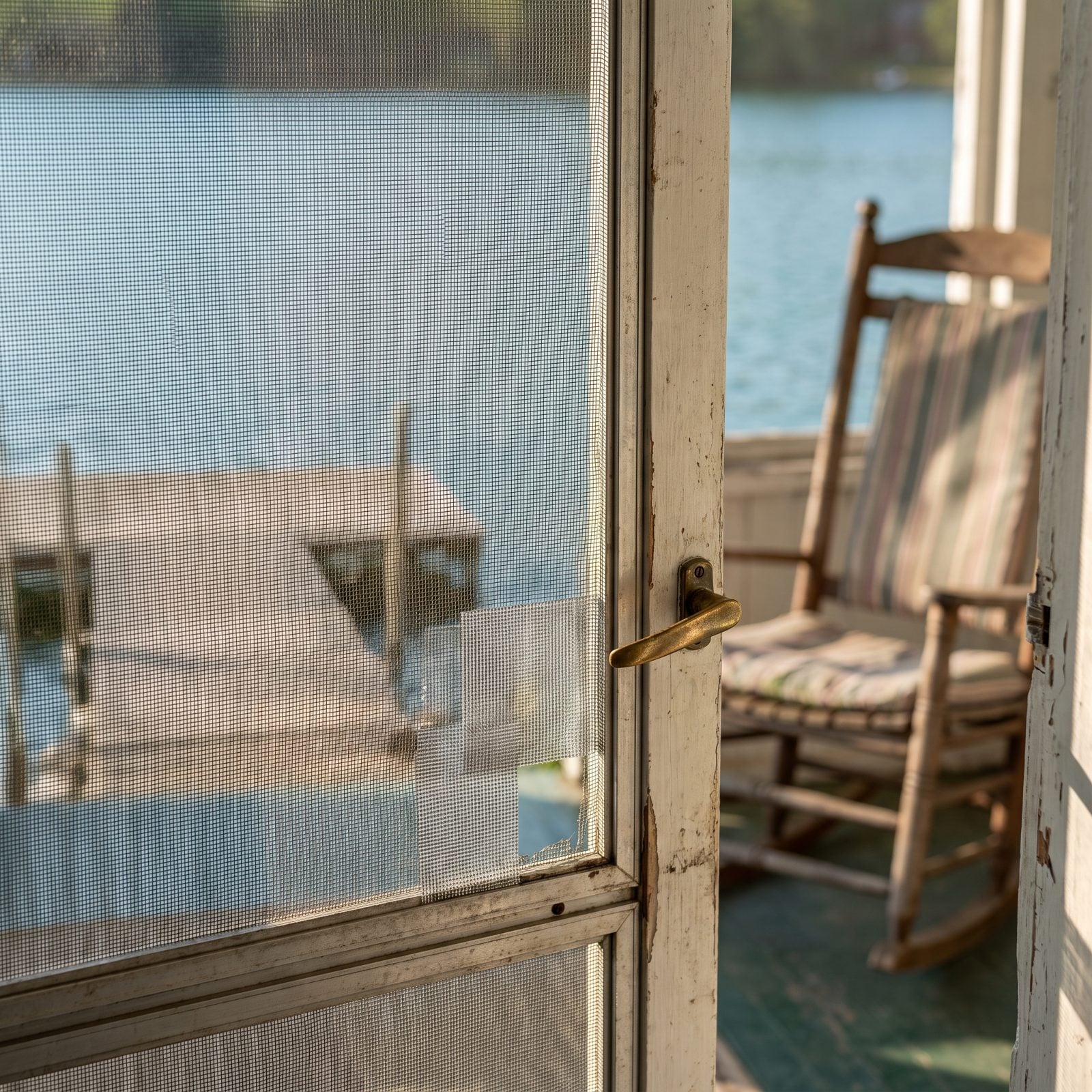
You used to fix things because the neighbors might notice. Out here, a strip of mesh tape over a torn screen earns a shrug and nothing more. With the tear covered, the door is back to its one job, which is keeping mosquitoes out of the kitchen at dusk. That’s the whole test it has to pass.
There’s a kind of relief in letting function win over appearance. The patch covers the tear, and the only person who ever examines it is whoever’s wiping down the porch table on a slow morning.
23. The Dented Mug That Lives on the Pier

Somewhere in a cabinet there’s a matching set of mugs, the good ones, still wrapped in their box energy. Nobody reaches for them.
The one that gets used every single morning is chipped at the rim and holds a little too much, and it lives by the door, goes down to the pier, comes back. Familiar beats matching every time. A ritual doesn’t care what it’s made of, only that you keep showing up for it. That dented mug has watched more sunrises than any guest ever will.
22. Guests Who Show Up Early by Boat
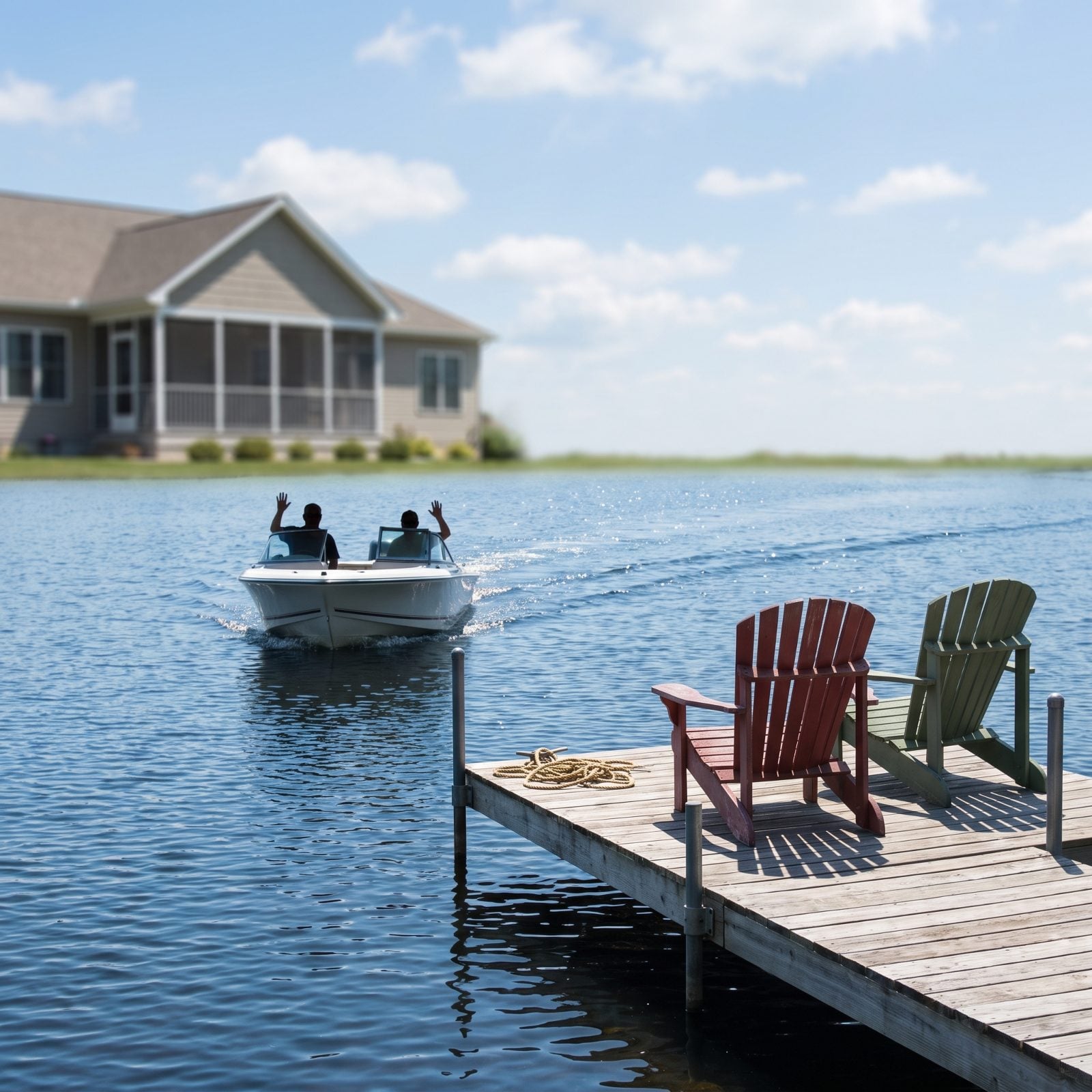
On a dock, an arrival time is a suggestion the wind gets a vote on. Friends come by water when the lake is calm and the mood strikes, which might be forty minutes before you expected them.
That used to fluster people. You’d be vacuuming, panicking about the dip. Now you just wave, point at the cooler, and tell them to grab a chair. The visit starts whenever the hull bumps the dock. Formal timing is a land habit, and the water quietly files it under things that no longer apply.
21. Dinner at Six Sharp Gives Way to the Sunset Clock

For decades the clock said when to eat. Six, maybe five-thirty if the day ran long.
By the water, the sky takes over that job. You start eating when the light goes gold over the far shore, because that’s when the deck is at its best and nobody wants to miss it. Some nights that’s seven; come October it’s barely five. The meal bends around the view instead of the other way around, and honestly the food tastes better for it.
20. Every Chair No Longer Aims at the Television
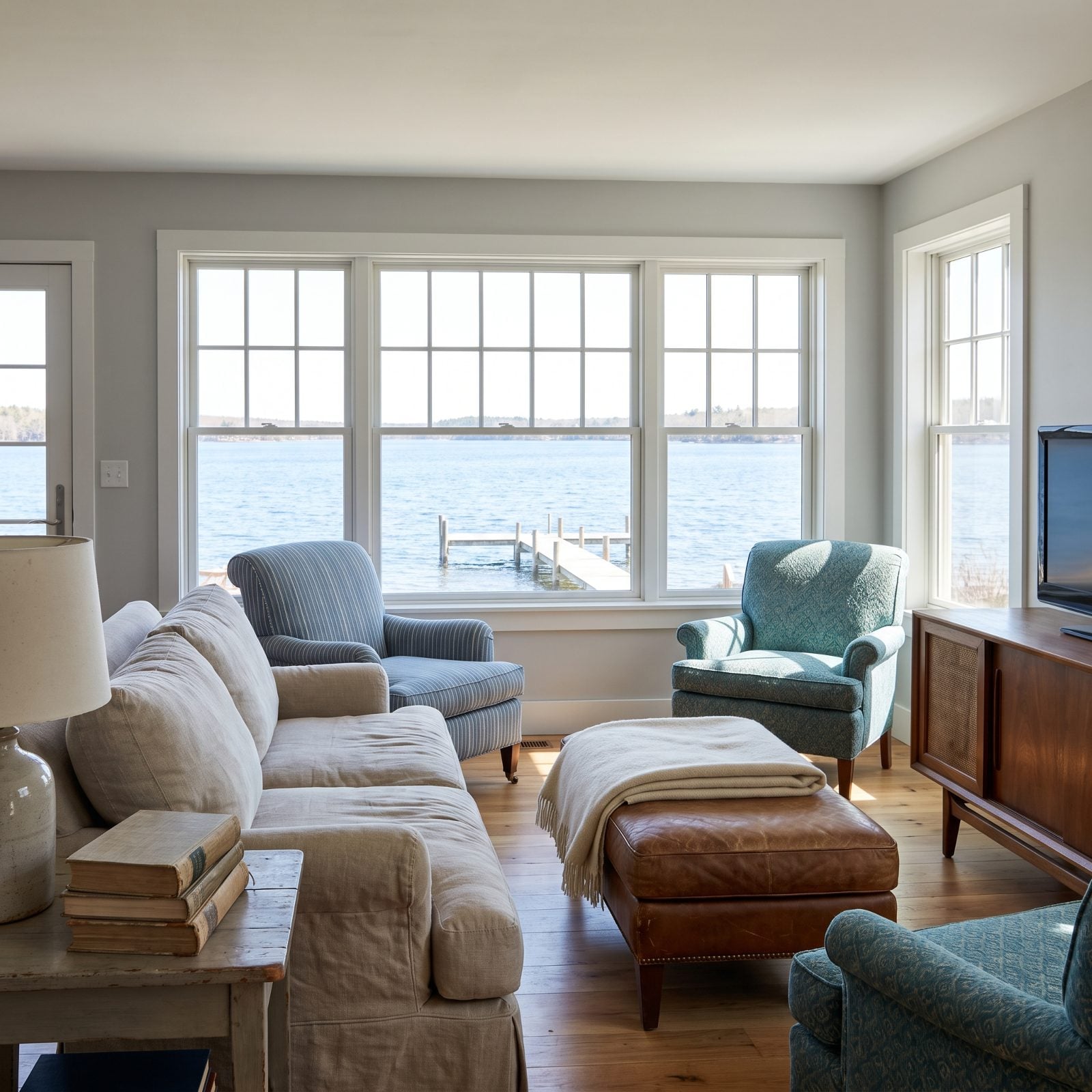
The television used to be the sun the whole room orbited. Couch square to it, chairs angled in, everything arranged for the screen.
Here the water wins. The seats cluster around a leather ottoman with the big lake windows right behind them, because the lake does more in an hour than any channel manages all night, between the herons, a passing sail, the color shift at dusk. The TV ends up pushed to a side wall, watched maybe after dark. When your view has a tide and a weather system, a glowing rectangle has serious competition.
19. A Passing Boat Mid-Breakfast Becomes Part of the Show
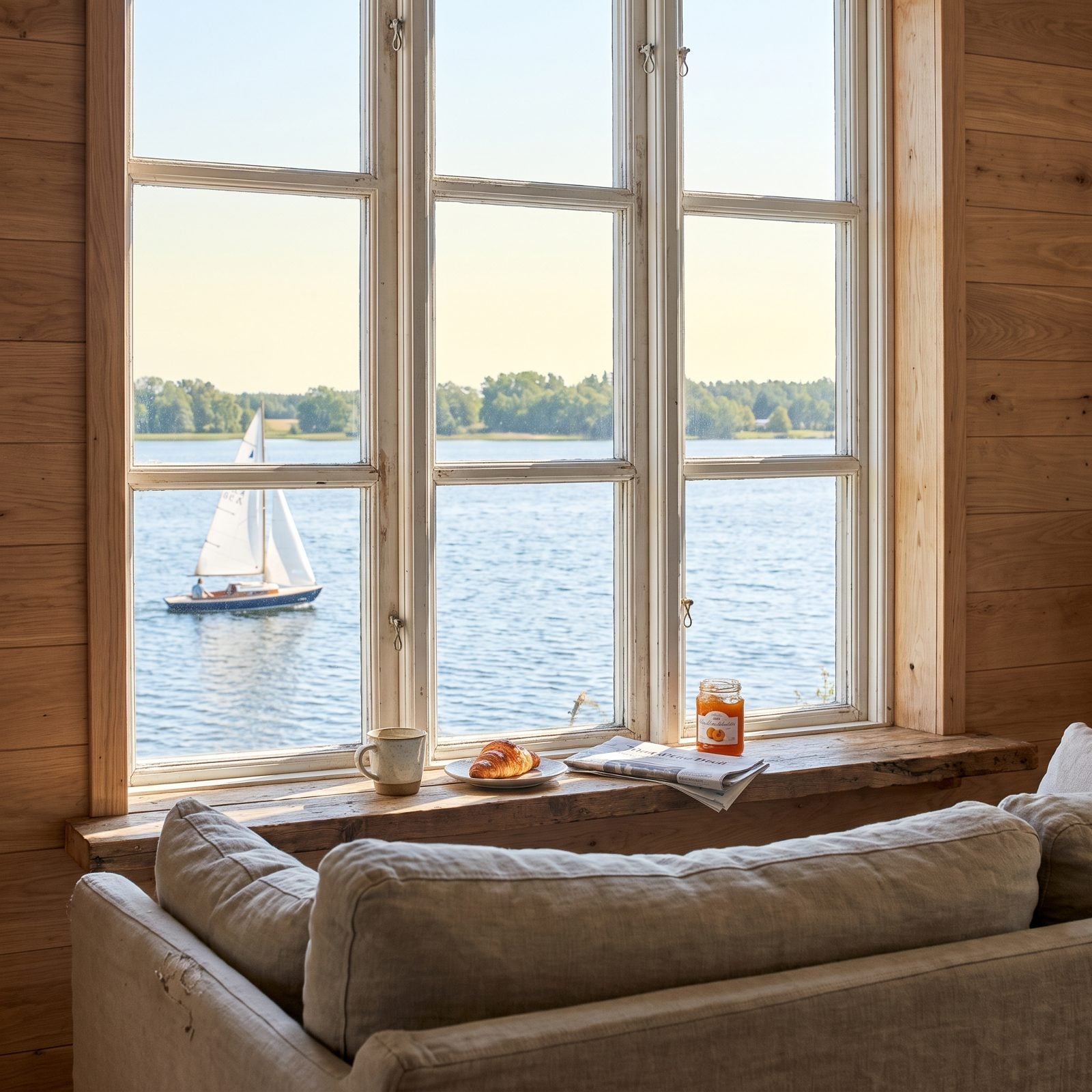
A boat slides past the window while you’re still on your first coffee. On land, that’d be a distraction from the newspaper.
Out here it’s half the reason you sit by the window at all. You watch the wake fan out, guess where they’re headed, go back to your toast. Waterfront traffic isn’t an interruption, it’s scenery that happens to move. You’d miss it if the morning ever went completely still.
18. A Forecast That Flips Doesn’t Sink the Whole Day
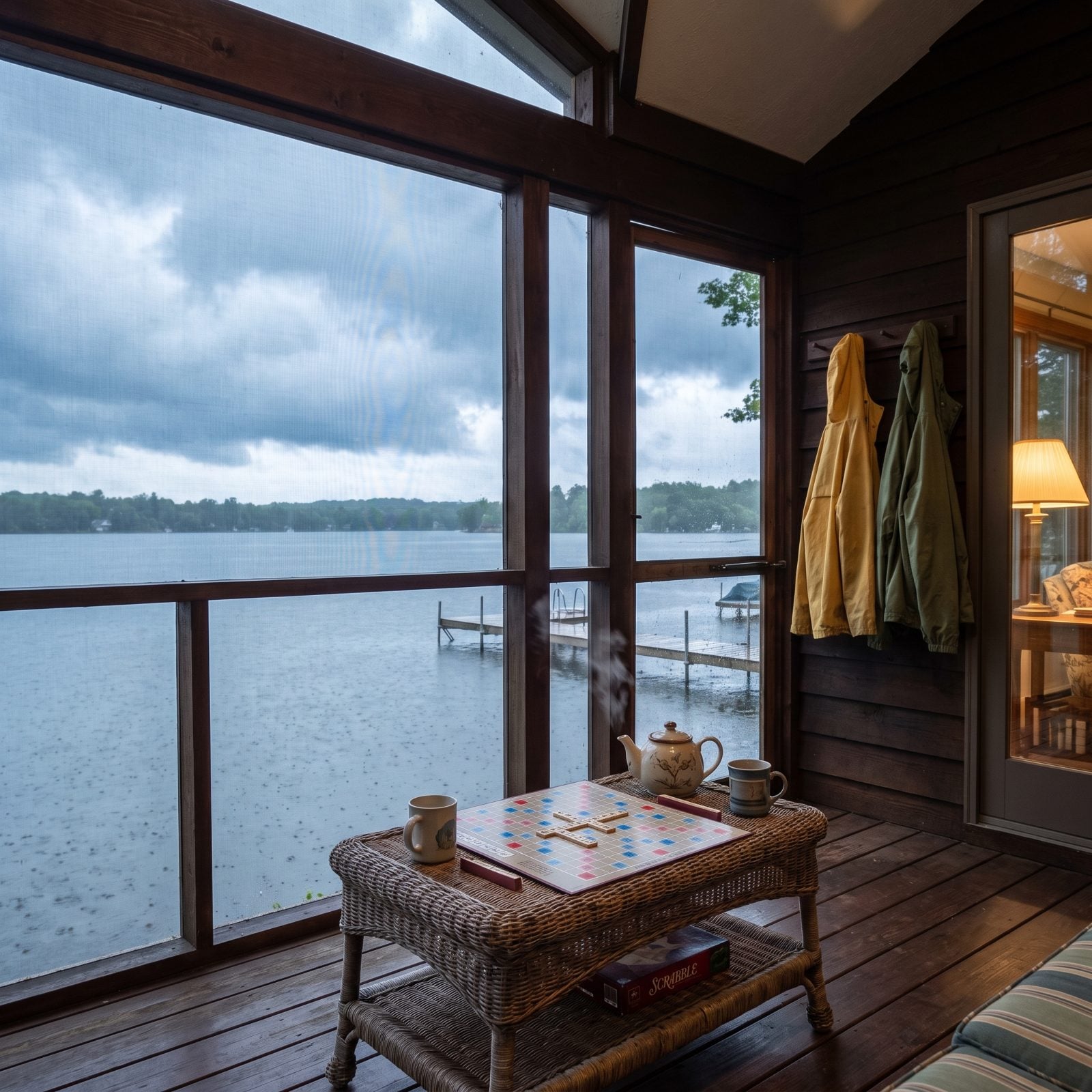
You check the sky, not the app, and you check it knowing the sky changes its mind.
A clear morning that clouds over by noon used to feel like a betrayal, a ruined plan. Now there’s always a backup folded behind the first idea. If the lake kicks up, the puzzle comes out and the kettle goes on. People who live near water stop fighting the weather and start planning around it. The rainy afternoon on the porch turns into one of the better ones, which the forecast never warns you about.
The weather stopped being the enemy the day we stopped having a single plan.
17. Chores No Longer Race the Clock to Noon
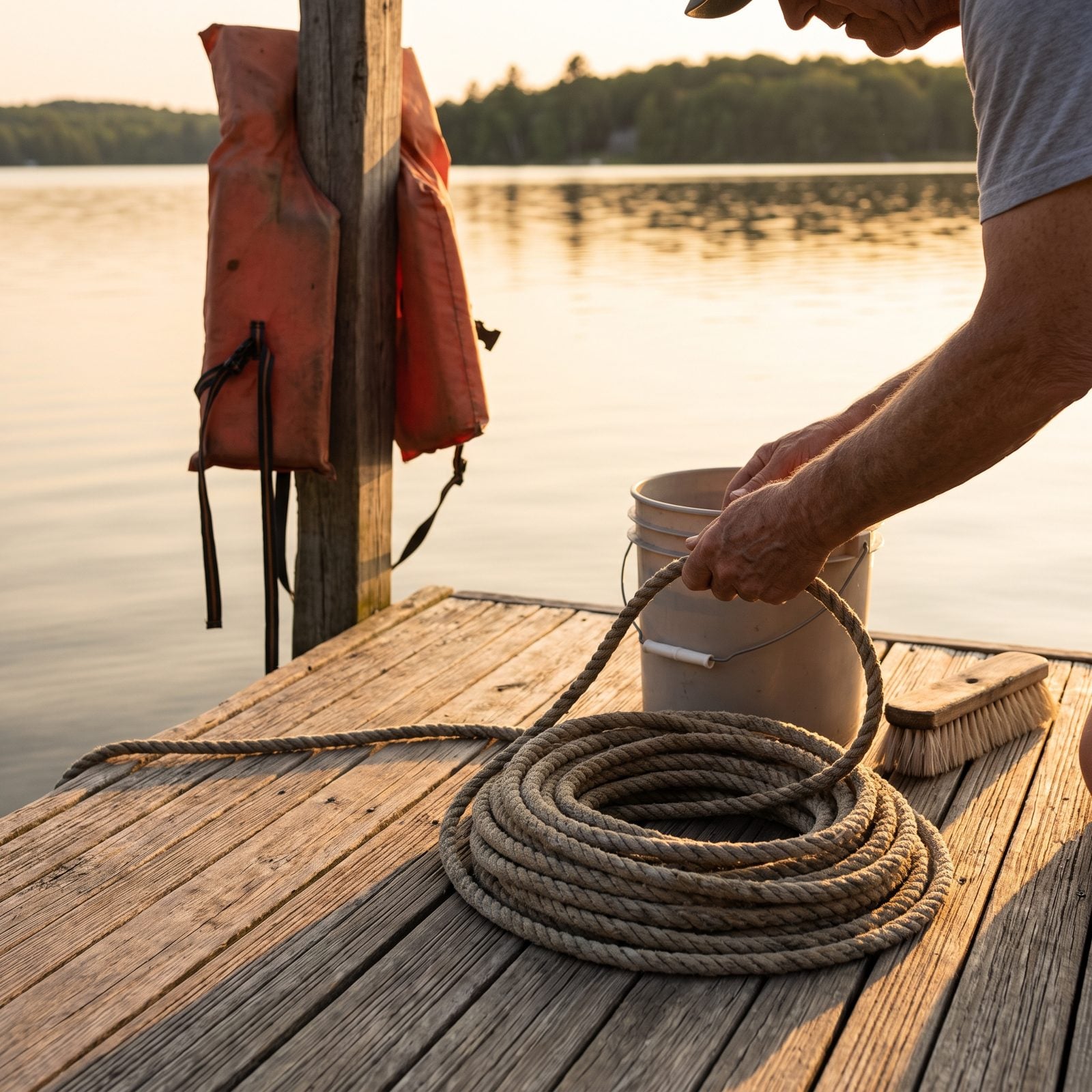
There was a rule once: real work gets done before lunch. Morning was for productivity, afternoon for coasting.
The water rewrote that. Dock jobs happen when the sun’s off the wood and the breeze dies down, often early evening, while midday heat belongs to shade and a book. You scrub the hull or coil the lines when your energy and the weather both line up, which might be seven in the morning or six at night. That calendar square called “before noon” loses its grip entirely. Work gets a better window now, one the clock never knew about.
16. Weekdays and Weekends Start to Blur Together
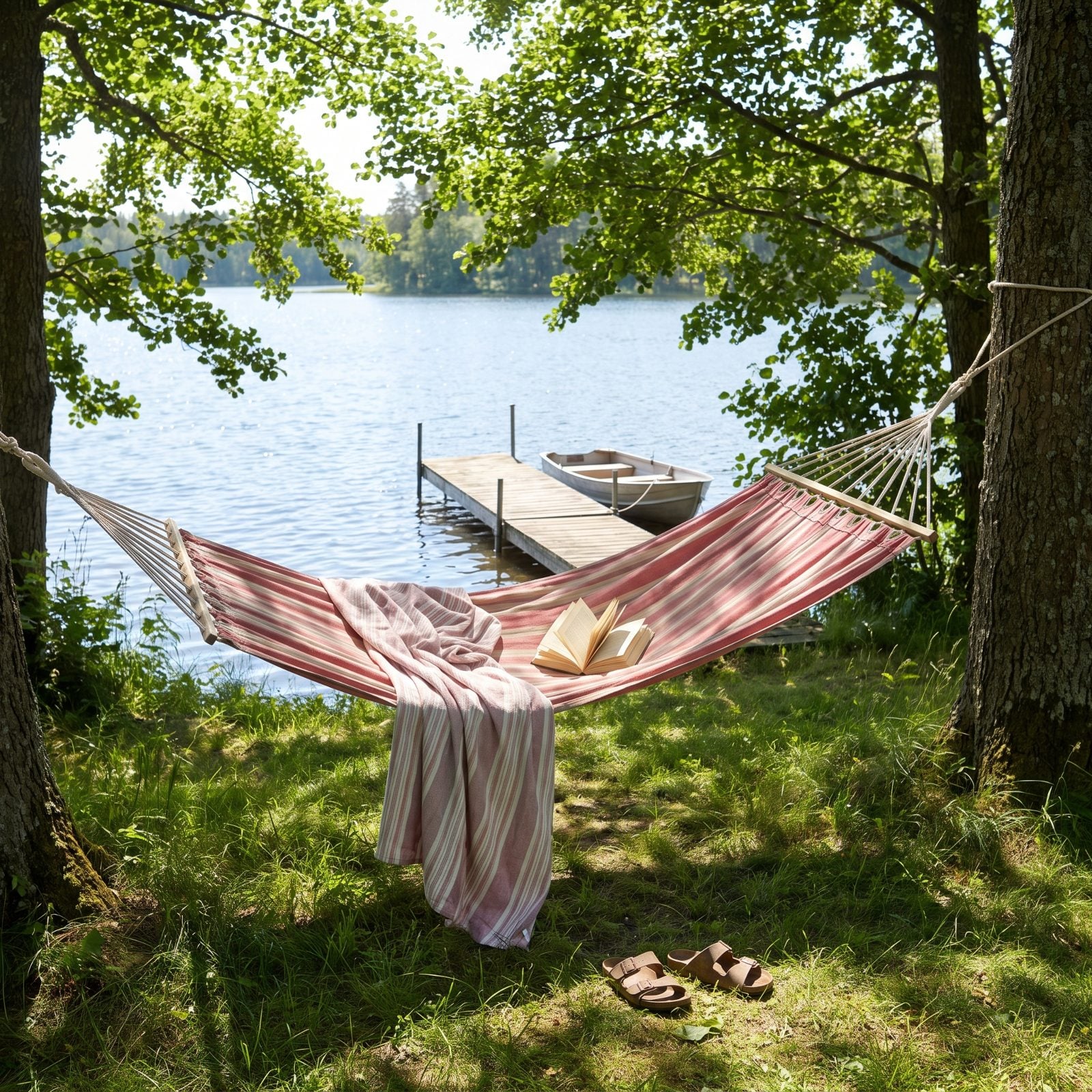
Ask what day it is on a dock in July and you’ll get a pause, maybe a guess. Not because anyone’s lost, but because it stopped mattering.
The workweek used to carve the calendar into tense days and reward days. Retirement near the water sands that edge right off, until Tuesday has the same slow coffee as Saturday. And the lake doesn’t get busier on the weekend in any way that reaches your porch. Days stop wearing uniforms. One flows into the next, and you end up measuring time by the season instead, by when the loons come back and when the dock has to come out.
15. The Alarm Clock With Nowhere to Be
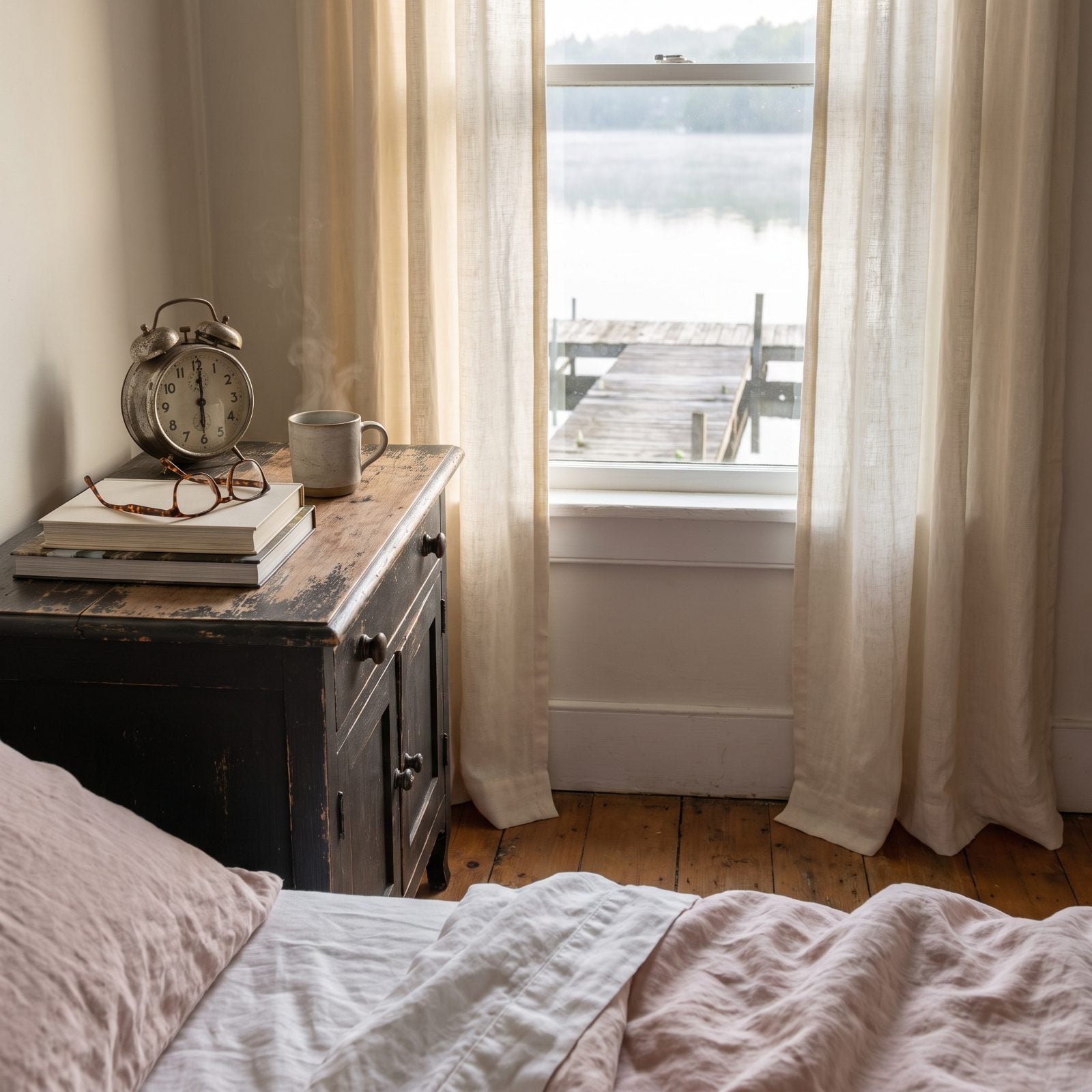
The clock still sits on the nightstand. It just doesn’t do anything anymore.
For years it rang because someone had to be somewhere. Now mornings start when the light finds the window or a boat motor hums across the water, and you wake because you’re done sleeping, not because a machine demanded it. That shift sounds small. It isn’t. Starting the day on your own terms, with coffee and the lake and no appointment tugging at you, changes the whole shape of the morning. The alarm stays unset, a little monument to a job you no longer have.
14. Running an Errand Every Day, Trips Into Town Become More Deliberate

In town, you run out for one thing and go three more times before dinner. At the lake, the drive is twenty minutes each way, so you learn to batch it. One trip Thursday. A real list. A cooler in the back for the cold stuff.
What surprises people is how much calmer the week feels once errands stop being reflexive — you plan around a single run instead of five little interruptions. Town becomes a place you look forward to rather than a chore you top up daily. And the pantry gets smarter, because forgetting the milk now actually costs you something.
13. Keeping the Car Spotless, Sand, Towels, and Folding Chairs Become Permanent Passengers
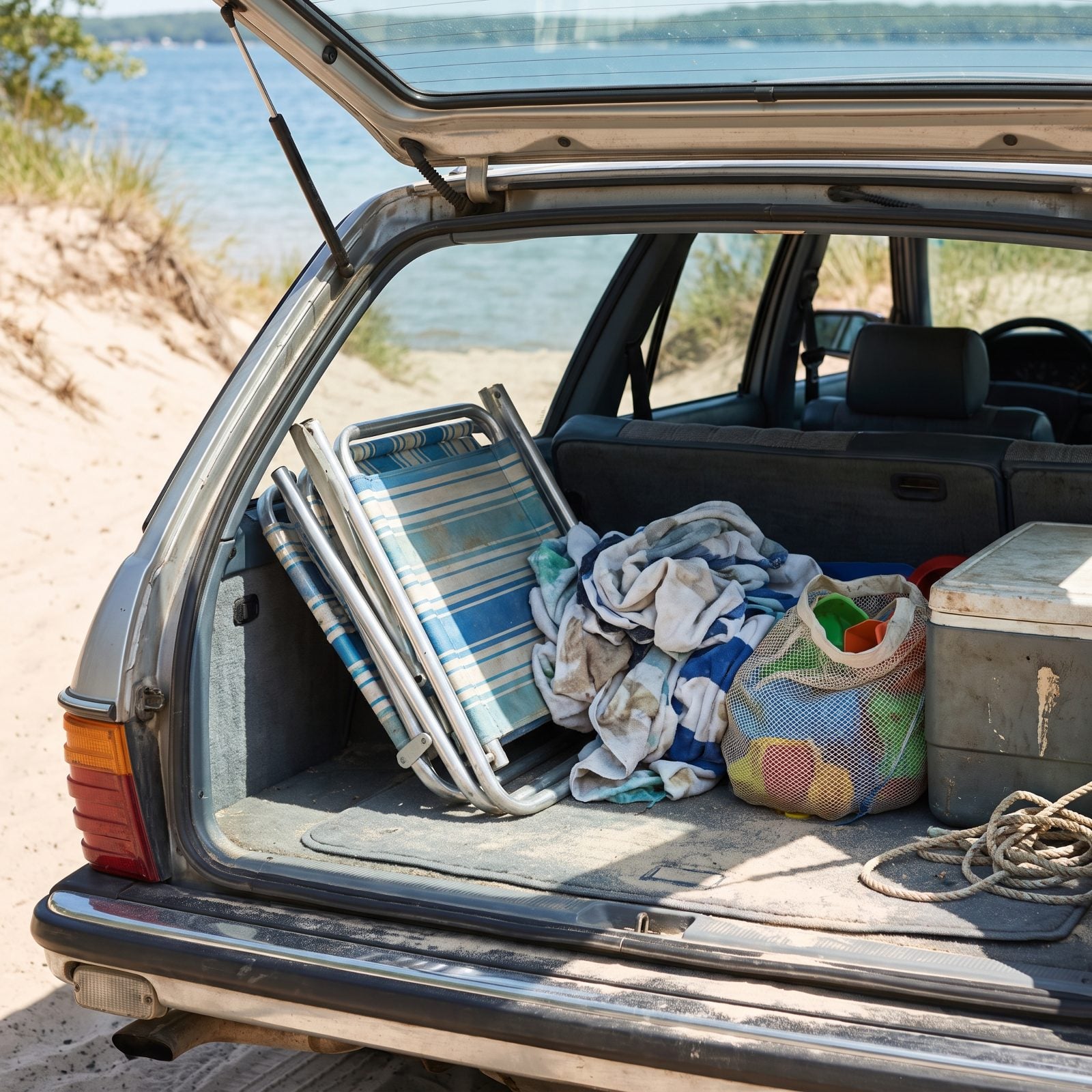
The car used to get vacuumed on Sundays. Now there’s a permanent inch of sand in the footwells and nobody flinches.
A waterfront car is working gear, not a showroom. Keep the chairs, the towels, the spare flip-flops, the bug spray — all of it in there full-time. You stop packing for the beach because the car is already packed, and that makes spontaneity easy. Someone says let’s go swim before the sun drops, and you just go. The back is already loaded. The sand is already there anyway.
12. Wet Swimsuits Hanging on the Rail, A Used Waterfront Beats a Staged One
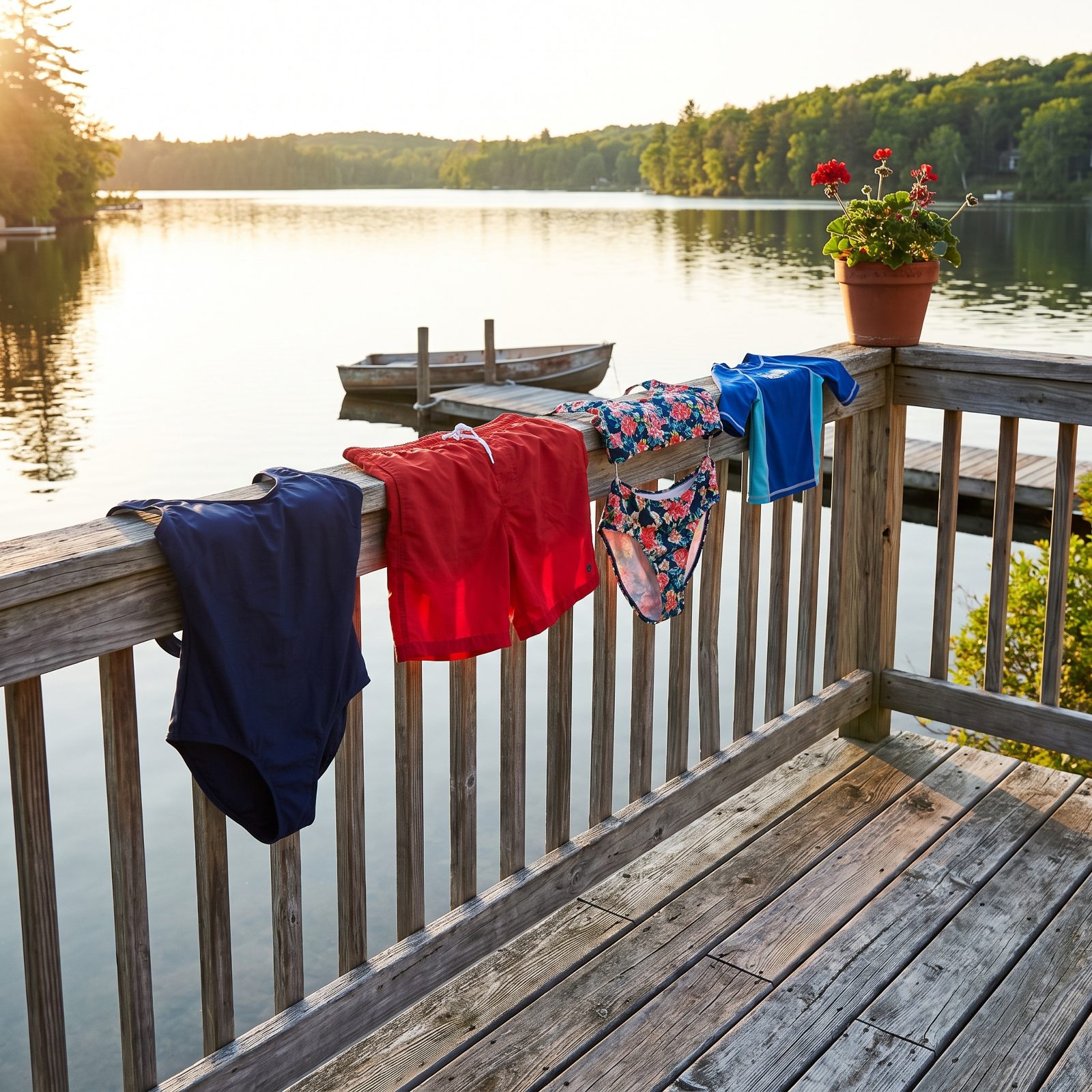
A railing full of drying suits used to read as clutter. Now it reads as proof the water got used.
There’s an honesty to a lived-in waterfront. The staged version with its empty, styled deck looks lovely in a listing photo and tells you nothing. The real one has towels over the chairs and a one-piece dripping onto the boards — a house doing its job. Guests relax faster in a place that clearly welcomes wet feet, because they can tell the owners stopped worrying about the deck a long time ago.
11. Visible Sunscreen on Arms and Faces, Protection Matters More Than Polish

Nobody at the dock cares if you’ve got a white streak of zinc on your nose. They care that you reapplied after the swim.
Years of sun on the water does real damage, and the people who’ve logged those years know it. A chalky mineral sunscreen that doesn’t fully rub in, a long-sleeve sun shirt, a hat with an actual brim — none of it wins any style points, and good. The vanity falls away. What’s left is the habit of covering up, because the folks who look good at 75 by the lake are the ones who stopped chasing a tan decades back.
10. Windblown Hair in Family Photos, The Setting Matters More Than Perfect Styling

The best lake photos are never the still ones.
Everybody’s squinting a little, someone’s hair is across their face, a grandkid is halfway out of frame reaching for the water. Those are the pictures that end up framed in the hallway, not the posed ones from the studio. The wind, the glare, the mess — that’s what the memory actually felt like. Flat, perfect hair in a flat, perfect shot tells you nothing about the afternoon, while the windblown one tells you it was a good day on the water.
9. A Little Sand Inside the Entry, A Good Mat Handles Waterfront Traffic
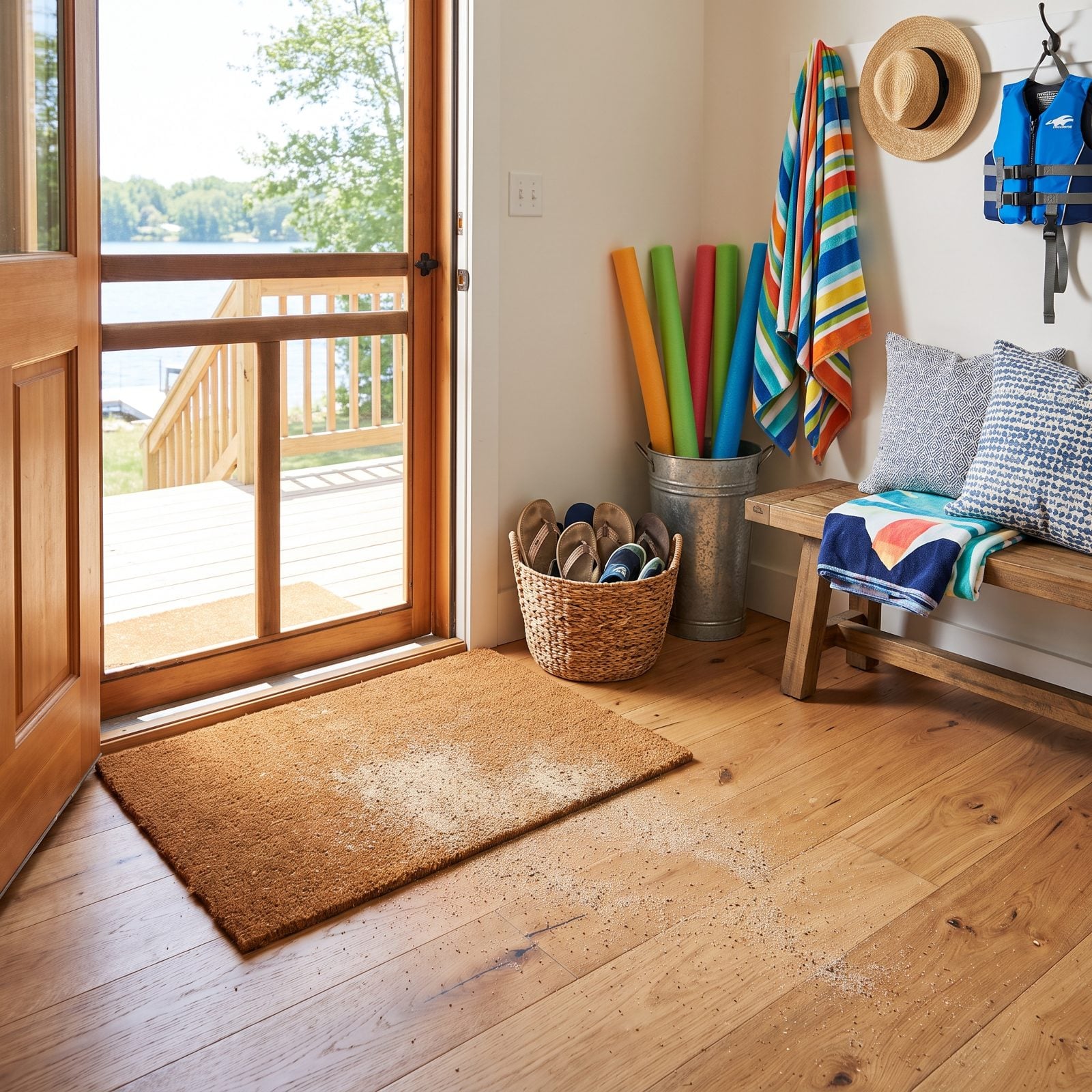
You could chase every grain of sand across the entry floor, or you could accept that a waterfront house has a waterfront floor.
A heavy coir mat inside the door catches most of it, and a basket of shoes by the entry means feet come off before they go further. Past that, you let it go. Sand underfoot at the lake is like dirt under a gardener’s nails — it comes with the work, and sweeping it up twenty times a day just means you’re sweeping instead of swimming.
8. Pine Pollen Along the Deck Edge, Sweeping Can Wait Until It Passes
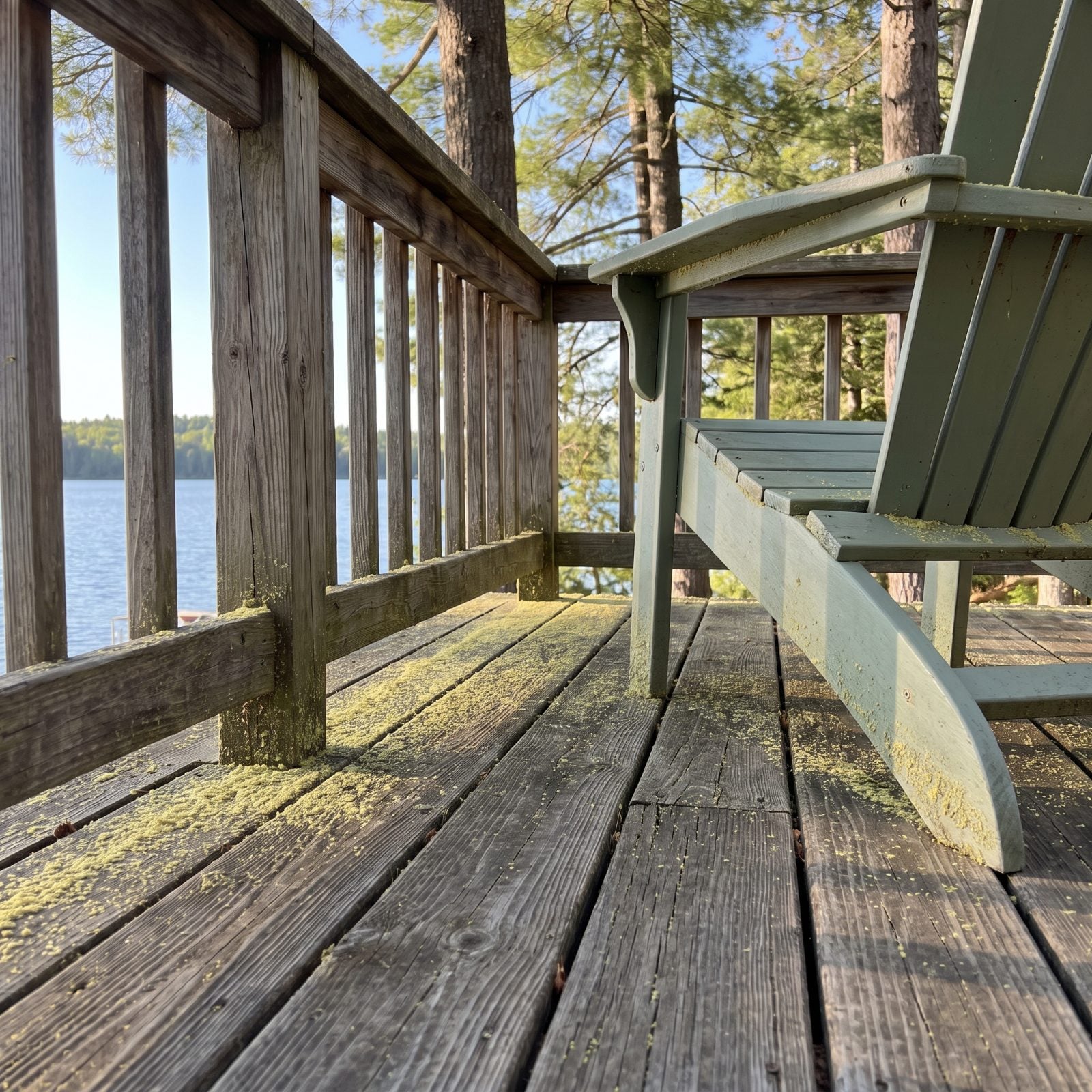
For about two weeks every spring, the deck turns the color of a tennis ball. Pine pollen settles on everything, gets tracked indoors, floats on the lake surface in yellow swirls.
The newcomers sweep it daily and lose. The veterans don’t bother. Pollen season is short, and no amount of broom work beats a tree the size of a house. Wait it out — one good rain knocks most of it down, and when the dusting stops coming, you do a single thorough sweep and reclaim the deck. Fighting it in week one is just picking an argument with a forest.
7. Driftwood in the Flower Beds, The Shore Supplies Its Own Décor
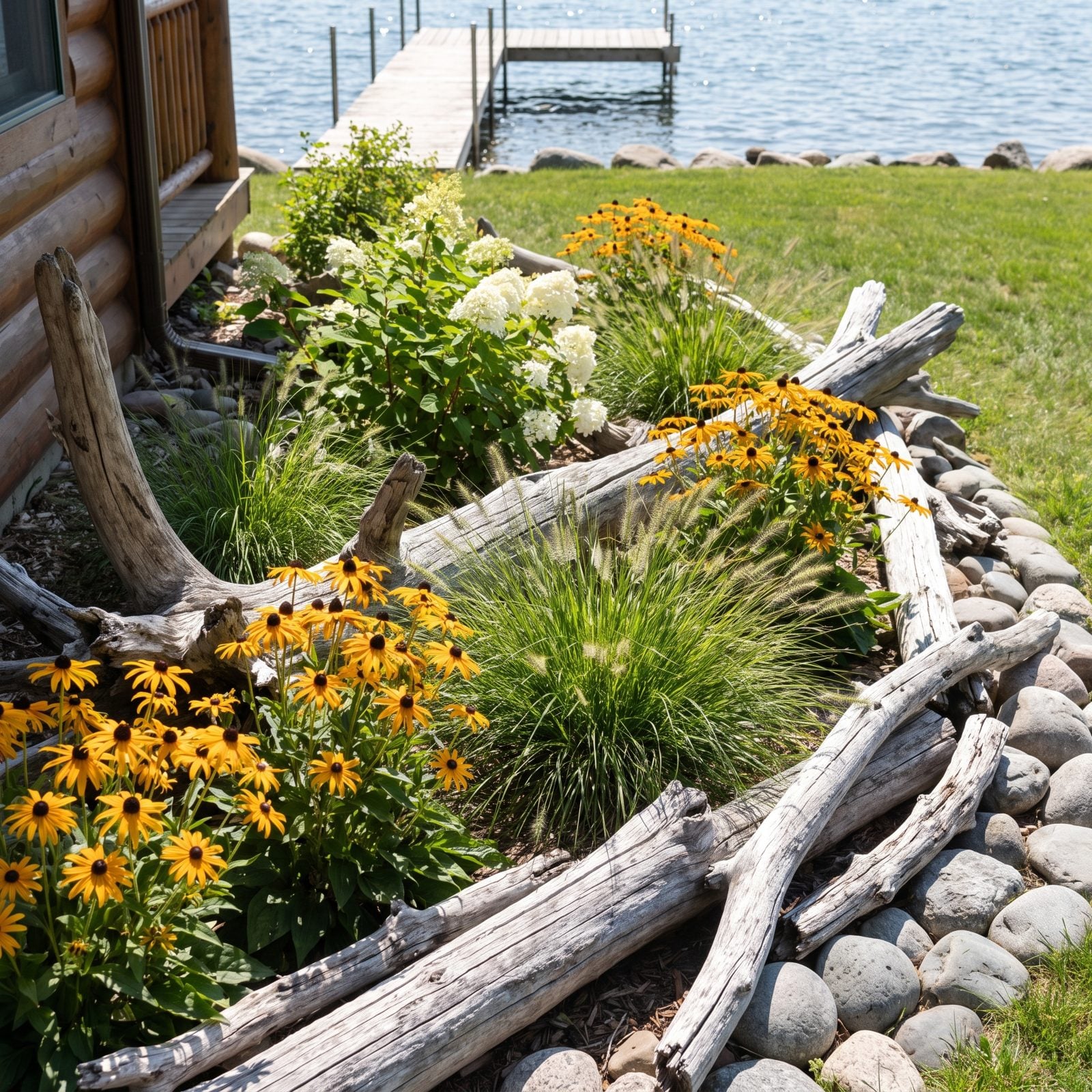
A good piece of driftwood costs twelve dollars at a garden center and washes up free on the shore after a storm.
Settle in long enough and you stop buying yard décor altogether, because the lake delivers it. A bleached branch set upright in the bed, a line of smooth stones edging the path, a weathered log repurposed as a bench — it all matches the place because it came from the place. Store-bought ornaments look like they were shipped in. Shore finds look like they belong, because they do.
6. Keeping Grandchildren Completely Dry, Spare Towels Make Shoreline Adventures Possible

You can spend the whole afternoon saying don’t get wet, or you can bring six towels and let them be kids.
The grandparents who figure this out early have the best weekends. A big stack of beach towels on the bank means a soaked child isn’t a crisis — it’s just a towel away from warm and dry again. Wet clothes, muddy knees, a shoe lost to the lake: all of it survivable with enough spares in the bag. The memory the kids keep isn’t of staying tidy. It’s of the time they were allowed to wade in as far as they wanted.
5. Owning the Newest Boat at the Marina, Reliability and Ease of Handling Matter More
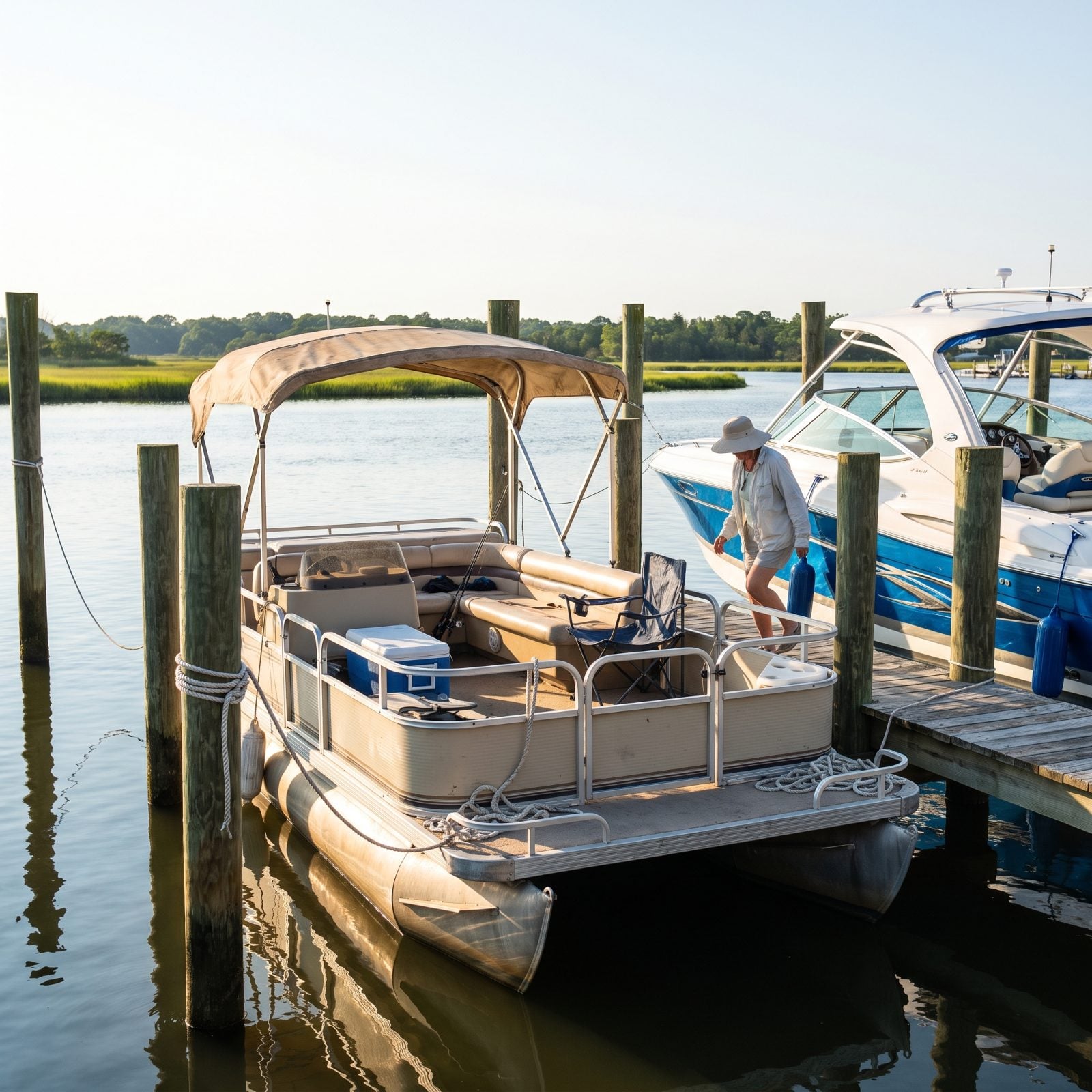
The shiniest boat at the marina is often the one that leaves the slip the least.
Spend enough summers on the water and the appeal shifts hard toward what actually gets you out there. A pontoon you can board without a leap. An outboard that starts every time. Controls simple enough that handling never becomes a two-person wrestling match. Resale value and deck gloss stop mattering once you measure a boat by how many evenings it got you onto the lake.
The folks who log the most hours on the water almost never own the newest hull. They own the dependable one — easy to launch, dock, and clean, and trustworthy at dusk a mile from the ramp.
4. Polishing Every Metal Fitting Before a Trip, Safe Hardware Doesn’t Have to Sparkle
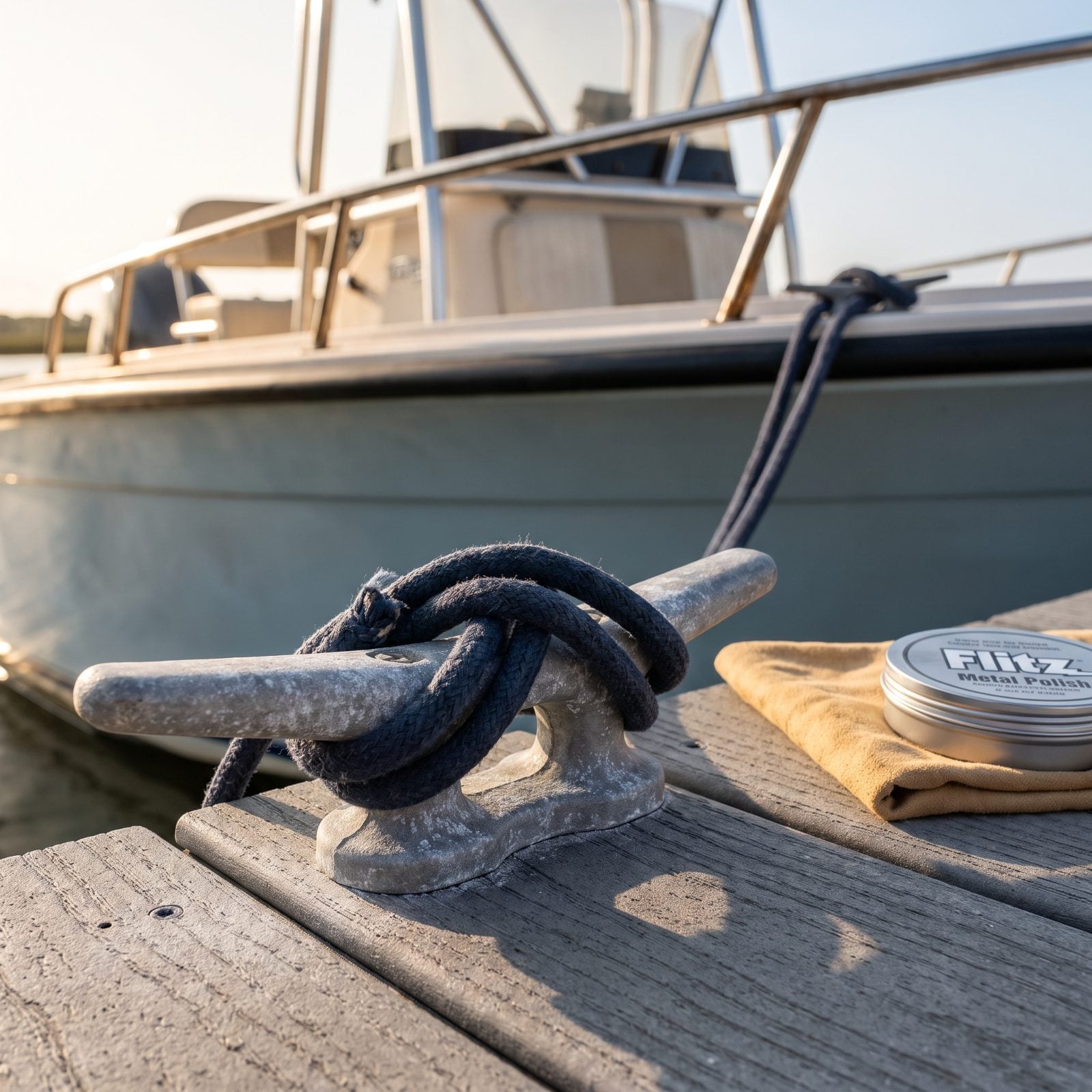
Every new boat owner knows the moment. You’re on the dock with a rag and a tin of polish, convinced the trip can’t start until the rails gleam. That particular itch fades fast once the water really gets into your blood.
Nobody says this out loud at the marina, so we will. Hardware has two jobs: hold, and don’t corrode through. Shine isn’t on the list. A cleat that’s bolted tight and free of cracks does its work whether it’s mirror-bright or dull as a stone. Surface oxidation is cosmetic, and the failure that actually matters is hiding underneath — in the bolt, in the backing plate, where your rag never reaches.
3. Coming Home With a Fish Every Time, An Empty Cooler Can Still Be a Great Morning
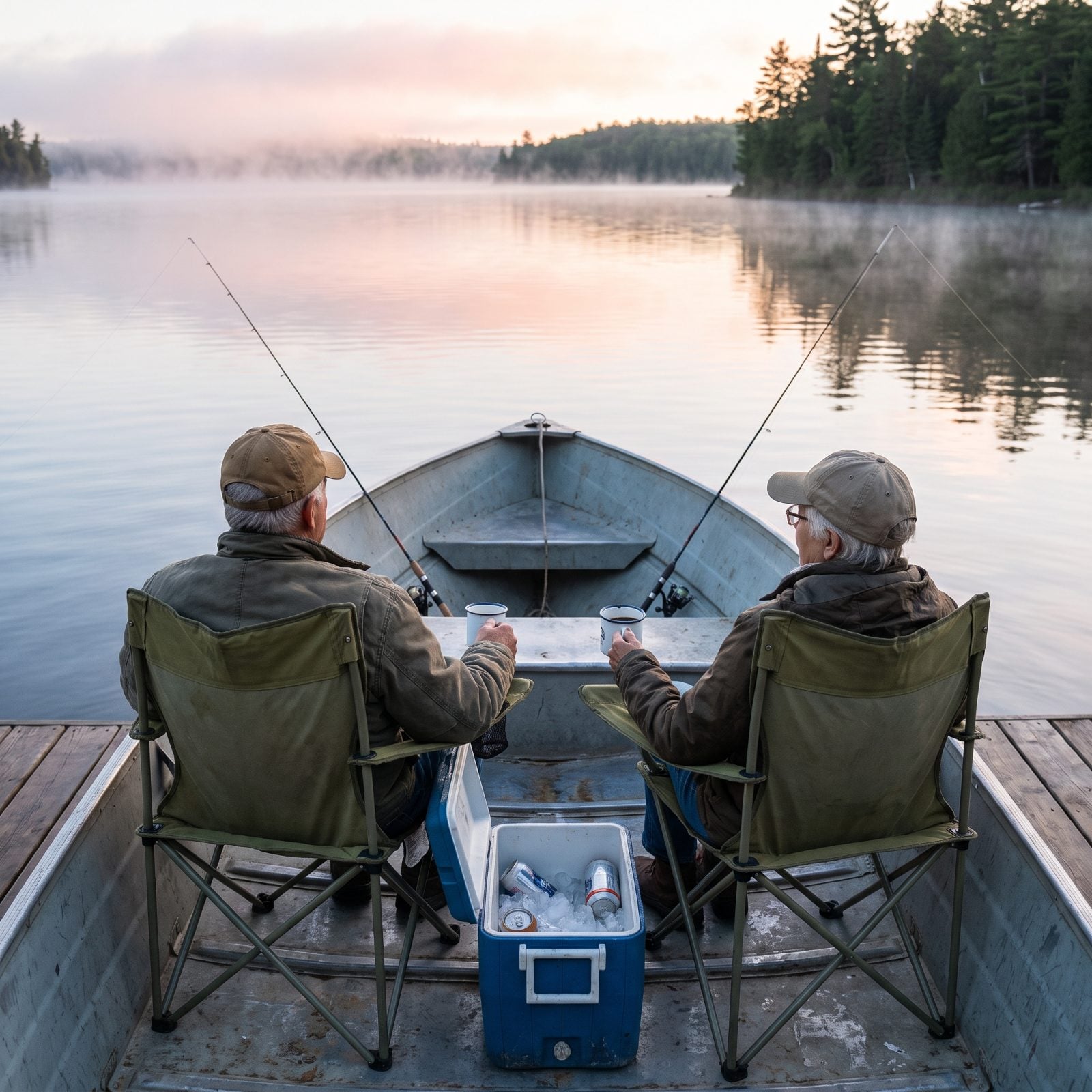
Ask anyone who’s fished the same lake for twenty years and they’ll tell you the catch stopped being the point a long time ago.
Early on, a slow day stings. You hauled the boat down, rigged everything, burned fuel, and brought home an empty cooler — feels like failure. But the morning itself was never riding on a fish. The mist burning off the water, the coffee gone lukewarm because you forgot it was there, the heron working the shallows across the way: all of that happened whether anything bit or not.
Retirees settle into this fast. Hold onto the body count and you’ll stay frustrated. Let it go and you get to keep the whole morning, fish or no fish.
2. Capturing the Perfect Sunset Photo Every Night, Some Skies Are Better Watched Than Shot

You’ve watched someone do it. The whole sky goes coral and they spend the good part of it hunched over a phone, chasing exposure, missing the exact thing they came out to see.
Waterfront living has a quiet trap, and this is it: the pressure to document every dusk like the sky owes you proof. The photo is almost never as good as what you were looking at. The camera flattens it, cools the color, and loses the part where the light actually moved.
1. Traveling Far to Feel Like You’re on Vacation, The Dock Already Hands You an Escape
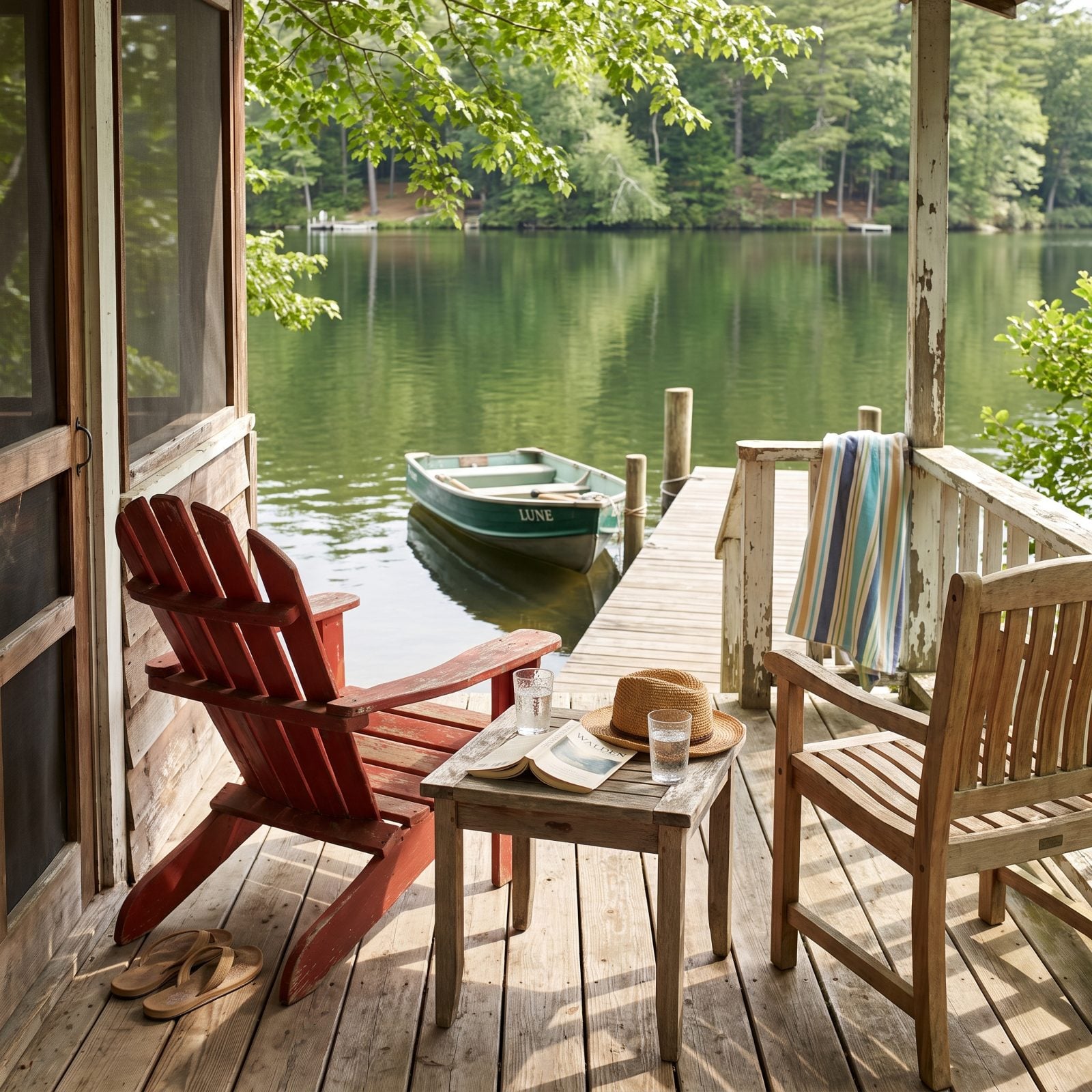
The plane tickets. The hotel booking you refresh four times. That nagging little voice insisting a real vacation has to cost money and distance, or it somehow doesn’t count.
That belief loosens its grip the longer you live near water. When the dock is forty steps from the back door, the escape stops being an event you schedule and becomes something you can have on a plain old Tuesday afternoon. No packing. You just walk down.
People who’ve settled into lake or bay living all describe the same shift. The itch to go somewhere else fades — not because the world got smaller, but because the thing they used to fly across the country chasing was sitting at the end of the yard the whole time. Vacation stopped being a place for them. It turned into a habit, something closer to breathing than booking.