
The listing said “private dock, deep water, no HOA.” What it didn’t say: the dock sits on state-owned land you rent every year, the water isn’t actually deep anymore, and fixing the seawall means floating a barge in from two towns over. Waterfront ownership comes with a second mortgage nobody prices into the offer — inspections, permits, surveys, and a lineup of government agencies who get a say over your shoreline. Every one of these is knowable before you sign. Almost nobody checks. Here’s what to check.
Please note that some of the imagery in this article may have been enhanced with the assistance of AI.
43. The Annual Rent You Pay the State for the Water Under Your Own Dock
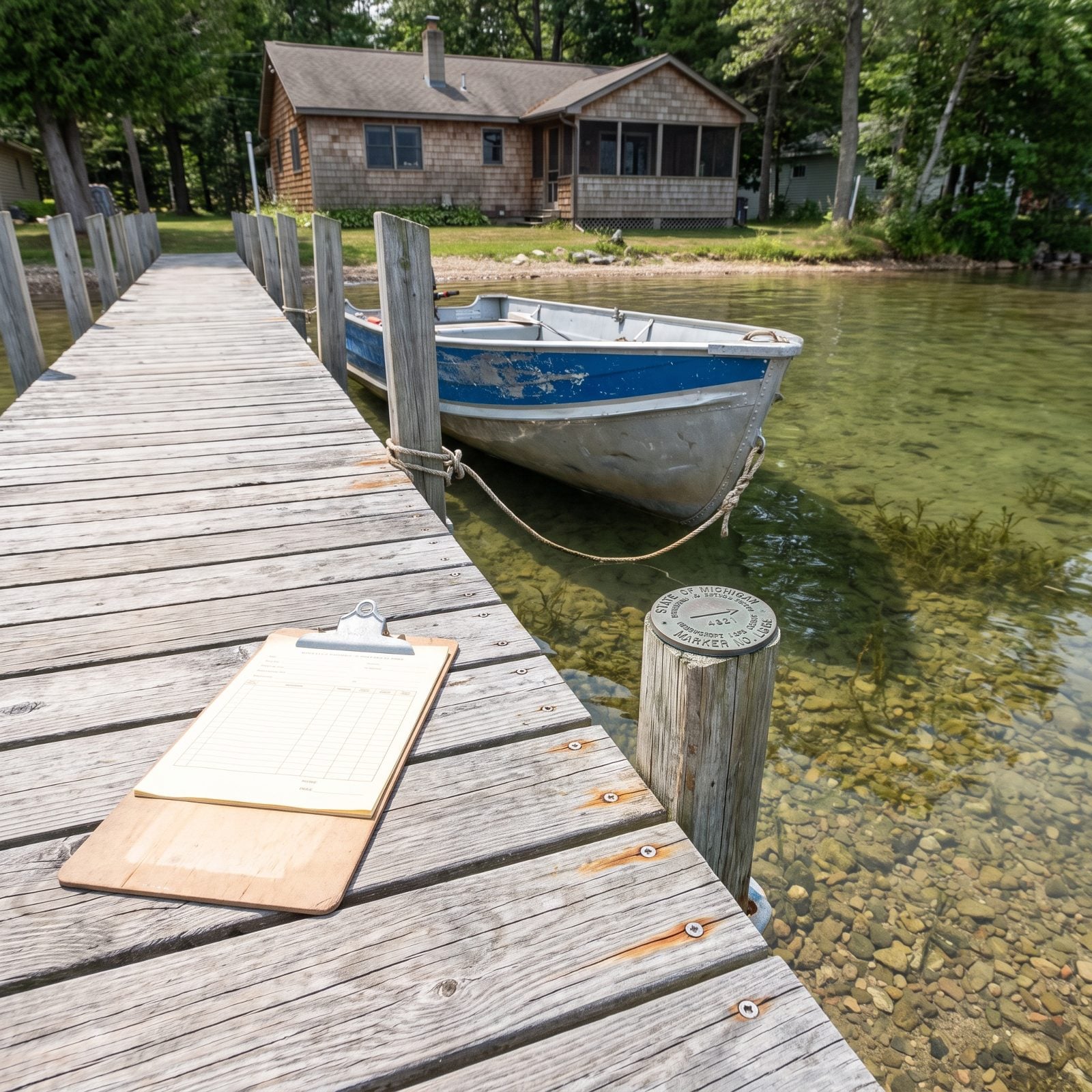
Here’s the part that stuns people: in many states, the land under the water isn’t yours. The bed of the lake, the river, the tidal flat below the high-water line belongs to the public, held in trust by the state. Your dock sits on it. So you lease it.
These submerged-land leases run yearly, and the amount swings wildly by state and by how much bottom your structure covers. Some are nominal. Some aren’t — Florida, Washington, and several New England states actively bill for it, and the rate climbs when a dock gets re-measured or a boatlift gets added.
The cruel twist is that the lease doesn’t transfer automatically. Buy a house with a grandfathered dock and you can inherit a lease in arrears, or discover there was never one filed at all.
42. The Sediment Lab Work Required Before Anyone Touches the Mud in Your Channel

Think dredging your channel is just renting a machine to scoop silt? Before a single bucket moves, somebody has to test what’s in that silt.
Sediment sampling checks for heavy metals, petroleum residue, old agricultural runoff, and whatever else decades of upstream life has settled into your cove. The results decide something expensive: whether the spoil can be side-cast nearby or whether it’s “contaminated” and has to be hauled off to a licensed disposal site.
That one lab finding can multiply the cost of the whole project. Clean sediment is a dump-truck ride. Flagged sediment is a regulated-waste bill with no ceiling in sight.
41. The Depth Survey That Tells You Whether Your “Deep-Water Dock” Floats a Boat at All
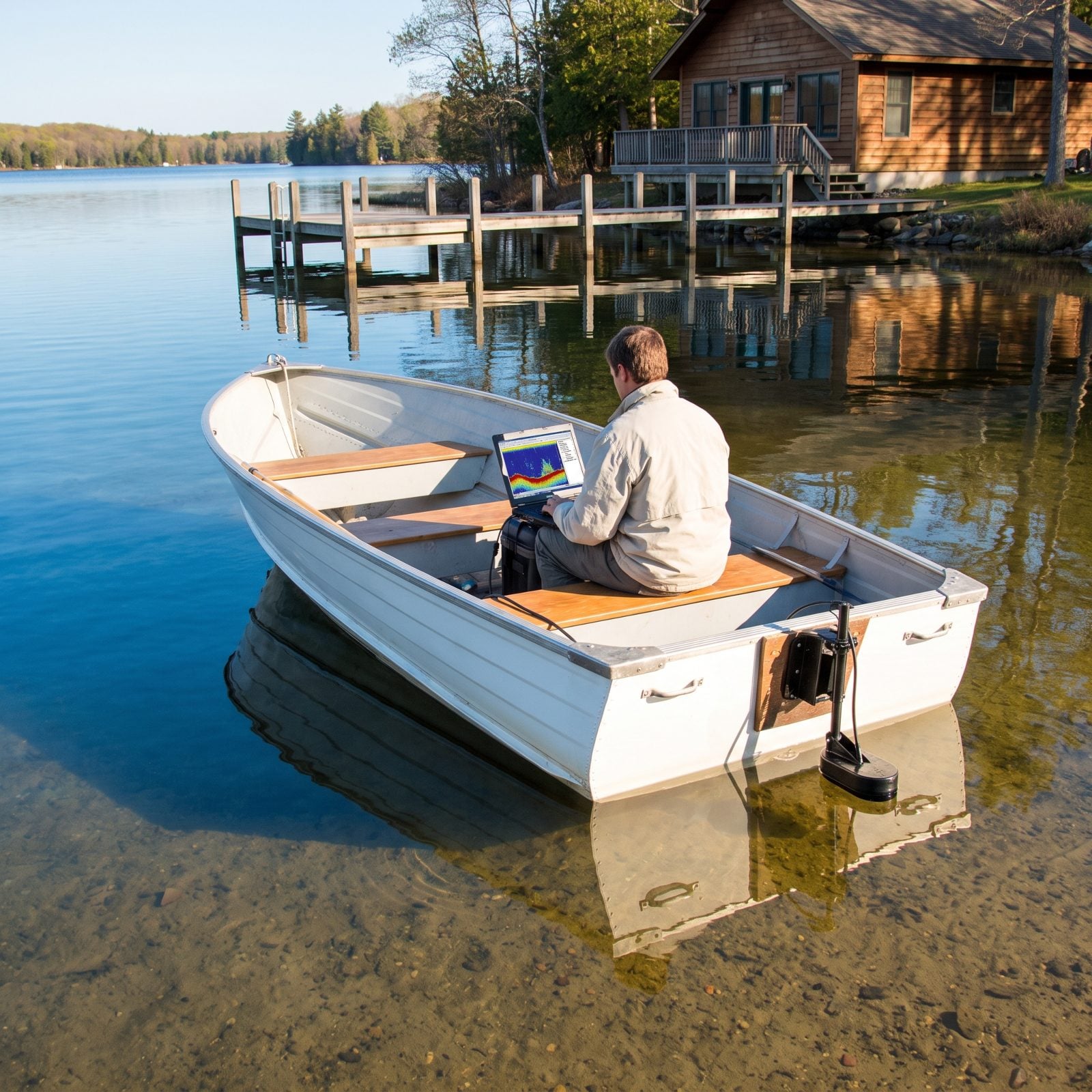
“Deep water” is the most abused phrase in waterfront listings. A dock can look magnificent and still sit in two feet of water at low pool, which is exactly the kind of thing the glamour photos never reveal.
A bathymetric survey maps the real depth across your frontage — at the dock, out to the channel, at the seasonal low. It’s the only way to know whether the boat you plan to buy will ever reach open water without dragging a keel through muck.
Lakes with managed water levels make this urgent. A reservoir can drop several feet by late summer, so the dock that was perfect in May becomes a mudflat parking spot in August.
The dock isn’t the asset. The water under it is, and water moves.
40. The Survey That Settles Where Your Property Line Goes Once It Hits the Water
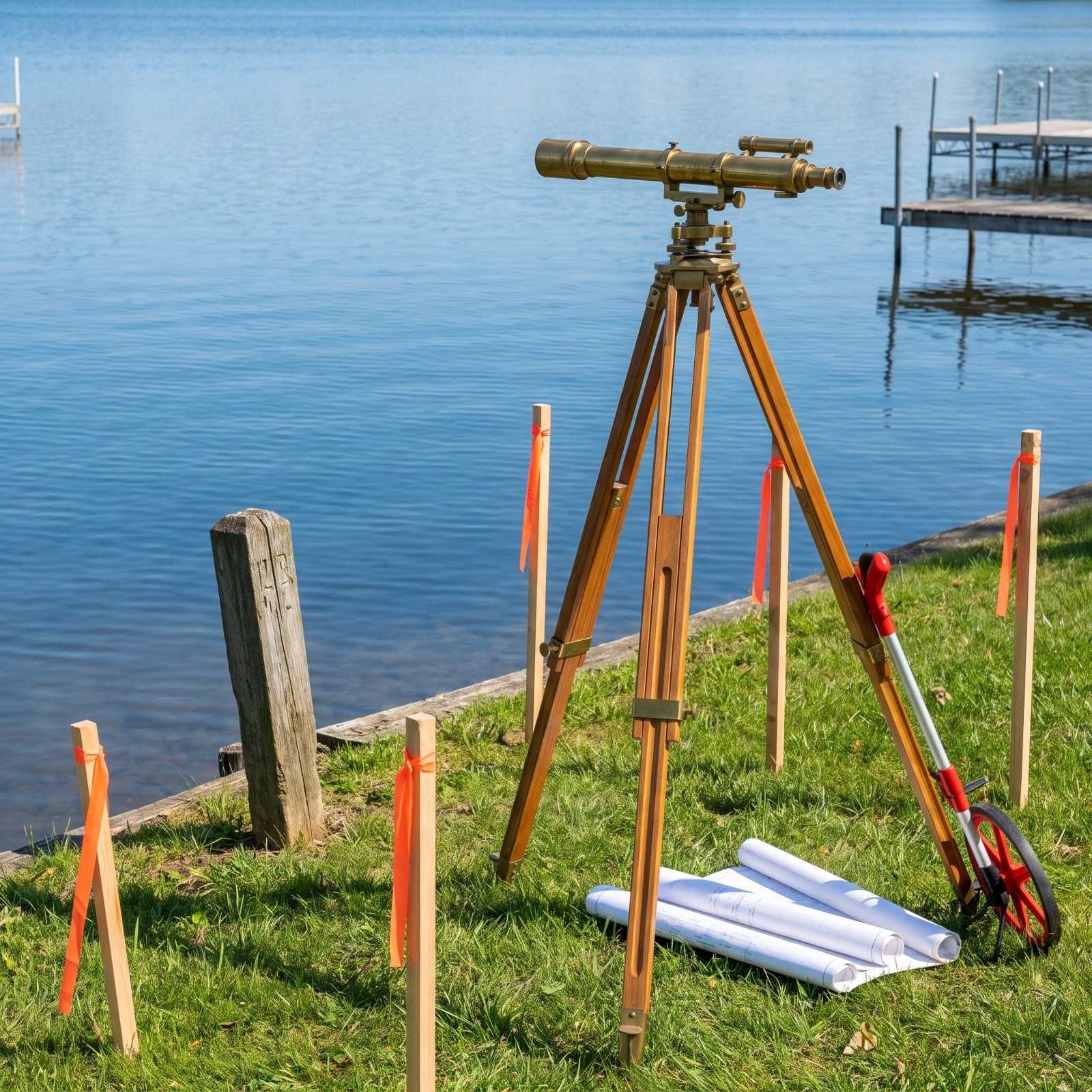
Property lines are clean on land. They get weird at the waterline.
Riparian (on rivers and streams) and littoral (on lakes and coasts) boundary surveys figure out how your side lines extend out into the water, because frontage rarely runs straight out at a right angle. On a curving cove, those lines fan out or pinch in, and that math decides where your dock can legally sit and whether it crowds a neighbor.
This is the survey that prevents the lawsuit. Plenty of dock feuds trace back to two neighbors who each assumed the invisible line ran “straight out.”
39. The Barge You Have to Float In Because There’s No Road to Your Shoreline
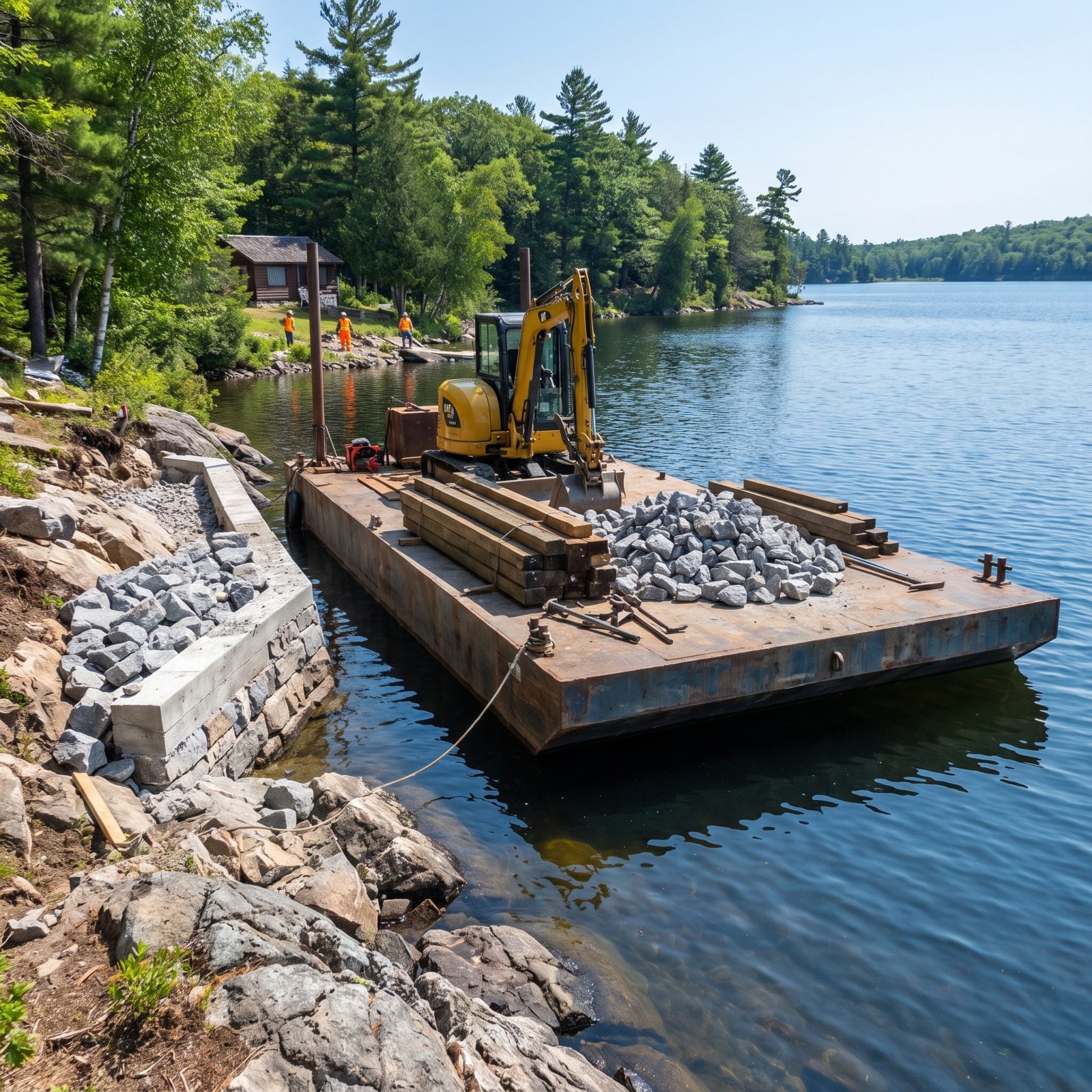
Some of the prettiest waterfront lots have one ugly problem: you can’t get a truck to the water.
Steep banks, protected buffers, neighboring lots, or just no driveway down to the shore mean seawall work, riprap, and dock repairs all have to arrive by water. And barges come with a mobilization fee before any real work gets billed — a flat charge just to get the equipment on site and off again.
That number can rival the repair itself. A seawall job that runs one figure on an accessible lot can double once a crane barge has to be towed in, positioned, and held on station while the crew works.
38. The Dock Permit That Doesn’t Come With the House Unless You Chase It
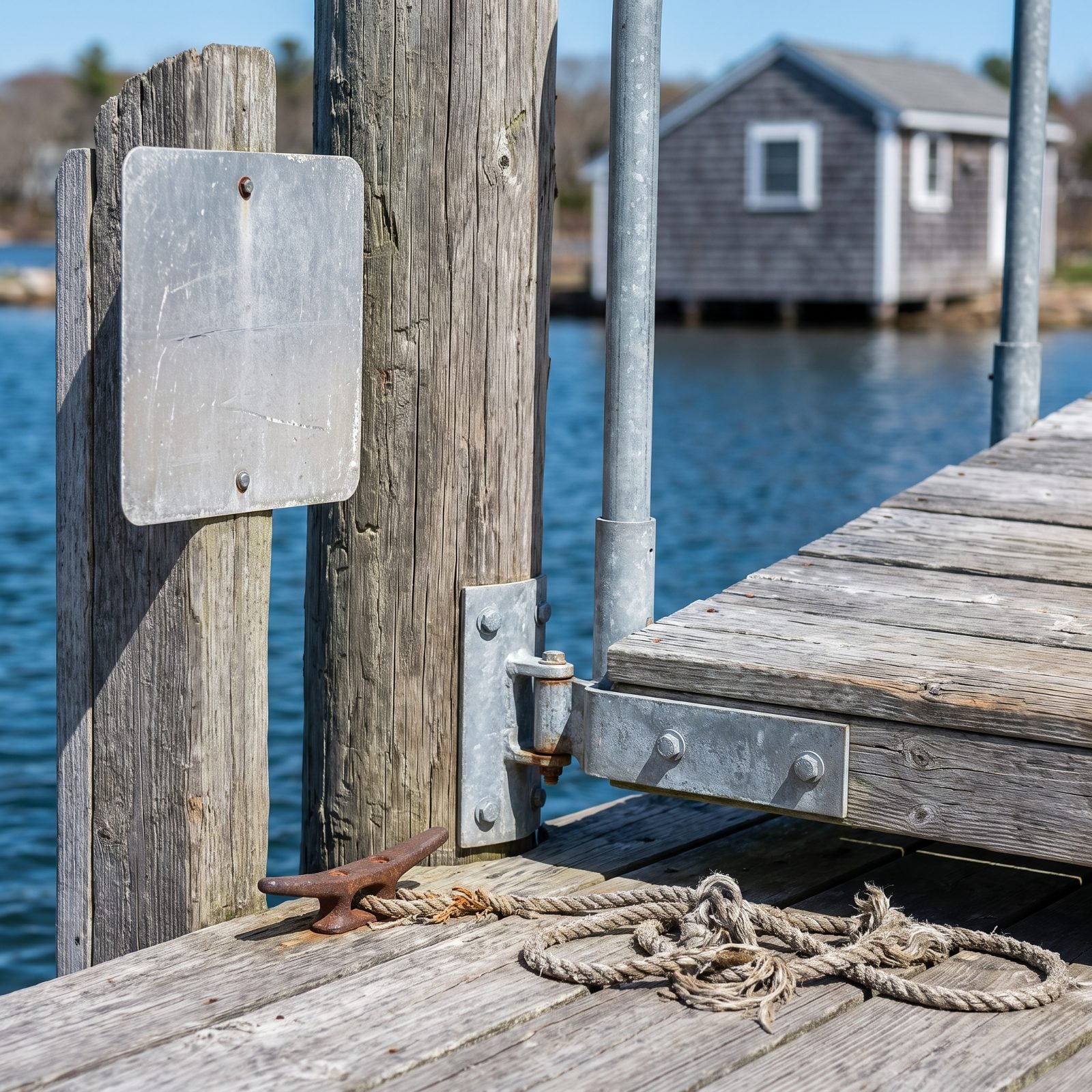
A permitted dock and a transferable permit are not the same thing. Buyers assume the paperwork rides along with the deed. Often it doesn’t.
Many state and federal dock authorizations are issued to a person, not a parcel. Sell the house and the new owner may have to apply to transfer or reissue the permit, sometimes under current rules that are stricter than when the dock was first built.
And that’s the trap. A dock legal in 1998 under a grandfathered permit can fail to meet today’s size or setback standards, and the reissue process is where that surprise surfaces — usually after you already own the place.
37. The Commercial Diver Who Inspects Everything You Can’t See Below the Waterline
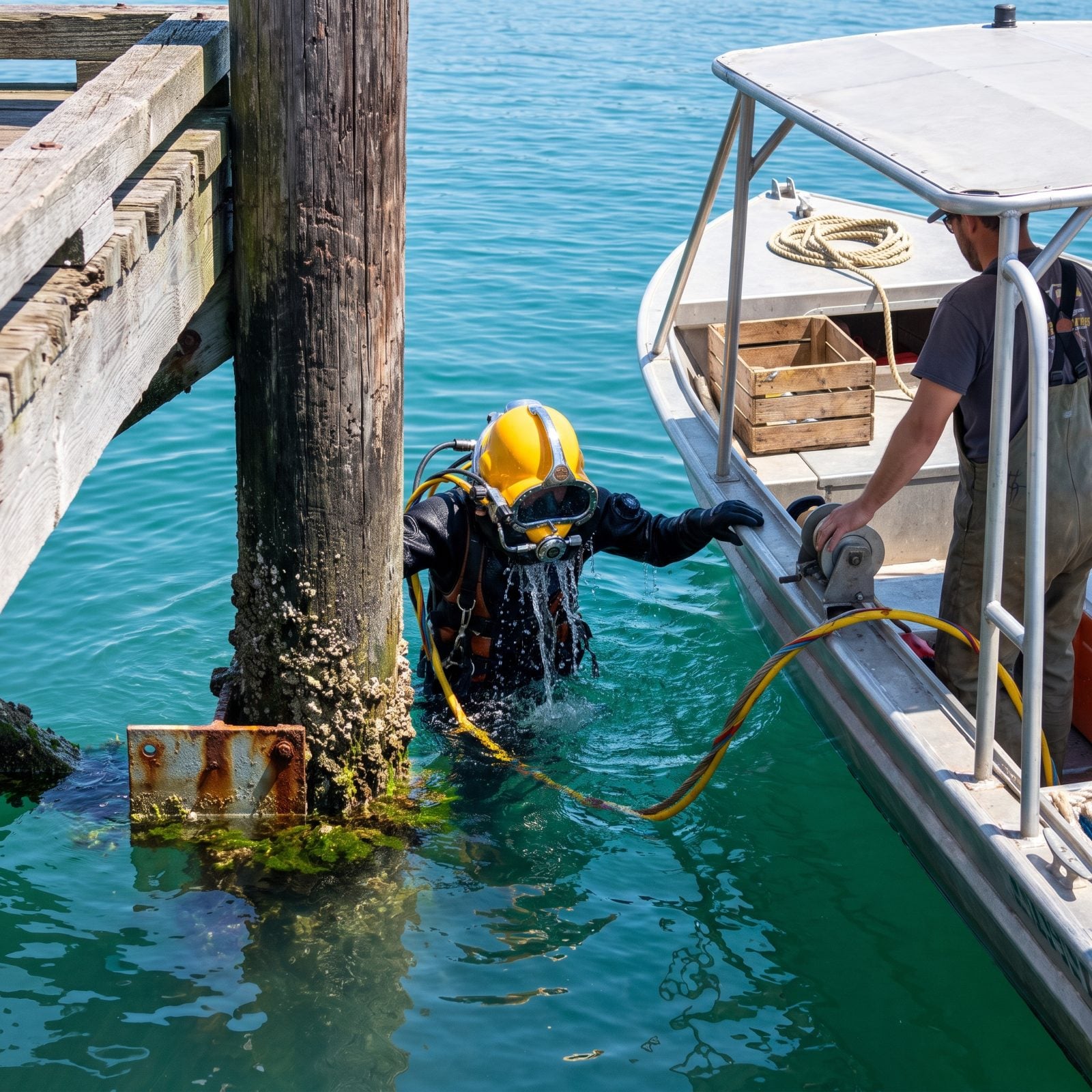
A home inspector walks the dock. A commercial diver reads what’s holding it up.
Below the waterline, pilings rot from the inside out, steel brackets corrode, and anchor systems loosen in ways no surface walkthrough will ever catch. A diver inspection checks the submerged structure of docks, seawalls, boat lifts, and bulkheads — the one specialty inspection standard home inspections never include.
Skip it and you’re buying blind. The dock that feels rock-solid underfoot can be sitting on pilings three-quarters eaten away, and the first sign of trouble is the day a whole section drops into the lake.
36. The Protected-Species Survey That Can Pause Your Shoreline Project for a Season

Mussels. Nesting birds. Submerged grass beds. Any of them can hit pause on your plans.
If a threatened or endangered species might live along your shoreline, federal and state law can require a survey before you dredge, build a dock, or armor a bank. The survey isn’t just a cost. It’s a calendar problem.
Many of these reviews are seasonal. You can only confirm a bird isn’t nesting during nesting season, which means the window to survey and the window to build may sit months apart. A spring closing can shove a dock project clear into the following year.
35. The Wetland Line That Decides Whether You Can Build a Patio at All

That low mushy patch between the house and the water has a legal identity, and it may outrank your landscaping plans.
A wetland delineation is a specialist walking the ground to mark exactly where regulated wetland begins. That line governs where you can pour a patio, lay a gravel path, or set a shed, because building in or near a wetland can mean permits, mitigation, or a flat denial.
Buyers rarely think to check this before closing. Then they get a quote for the fire pit and learn the usable yard is half what they thought.
34. The Dredging Permits You Have to Collect From More Than One Agency
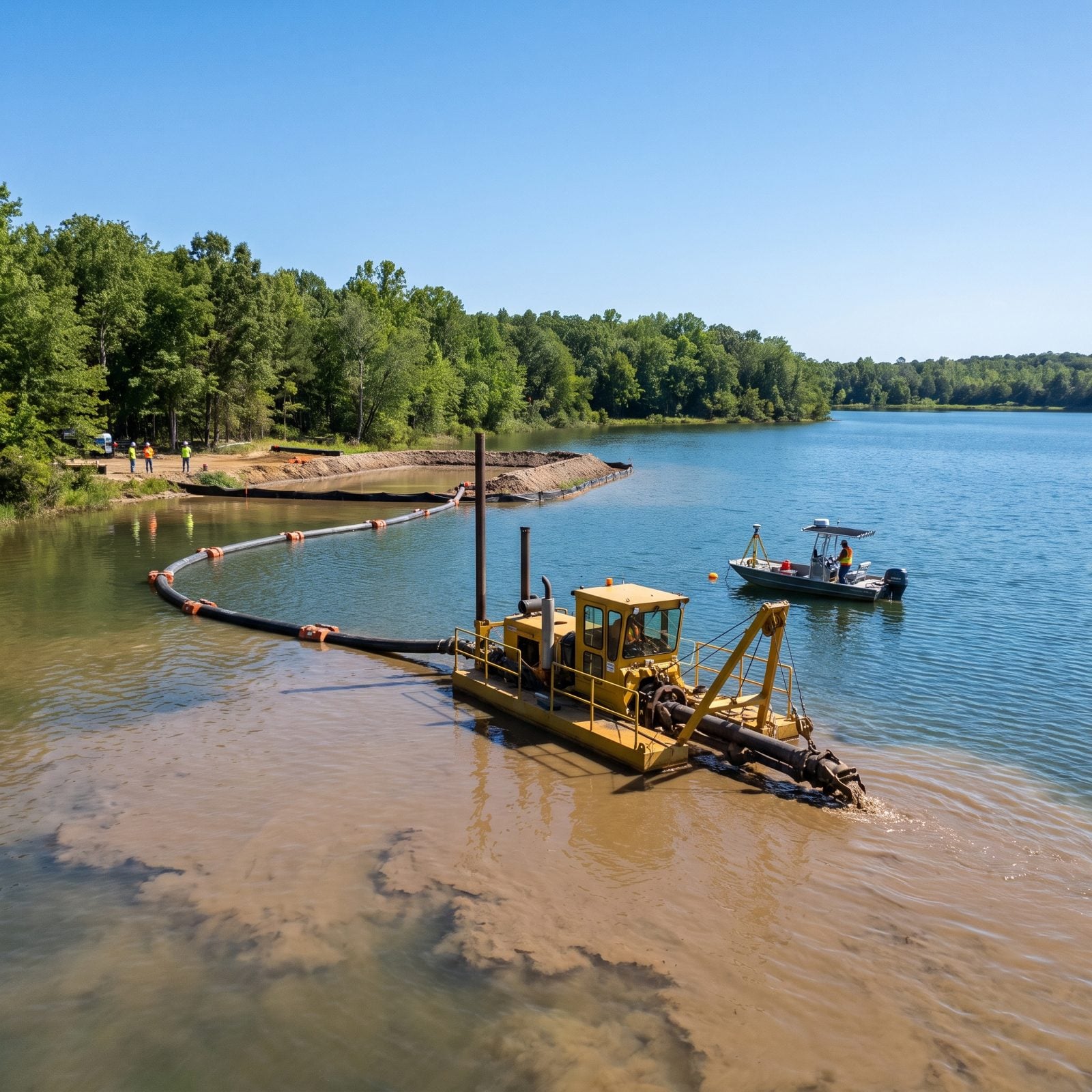
You might assume one permit covers dredging. It almost never does.
In the United States, in-water work on navigable waters typically needs a federal review (often from the Army Corps of Engineers) plus state environmental approval, and frequently a local or regional permit stacked on top of that. Each has its own application, its own fee, its own timeline — and they don’t run in parallel so much as in a slow single-file line.
- The federal review, which can pull in other agencies for species and water quality.
- The state environmental permit, with its own standards and public notice period.
- The local or county approval, which sometimes adds setback and shoreline rules of its own.
None of it is fast. A straightforward dredge can take the better part of a year to permit, and that’s before the barge even shows up.
33. Engineering Plans Required Before Rebuilding a Seawall

Most buyers assume a failing seawall is a weekend repair. It isn’t. A full rebuild usually needs stamped engineering plans before a permit gets issued, and those plans mean soil borings, load calculations and a licensed coastal or geotechnical engineer putting their signature on the design.
The engineering alone can run into the thousands before a single piece of steel or stone goes in. And here’s the part nobody warns you about. That wall you’re looking at was probably built decades ago under rules that no longer exist, so rebuilding it to today’s standard pushes the cost up all over again.
32. Seawalls and Bulkheads Excluded From Standard Home Insurance
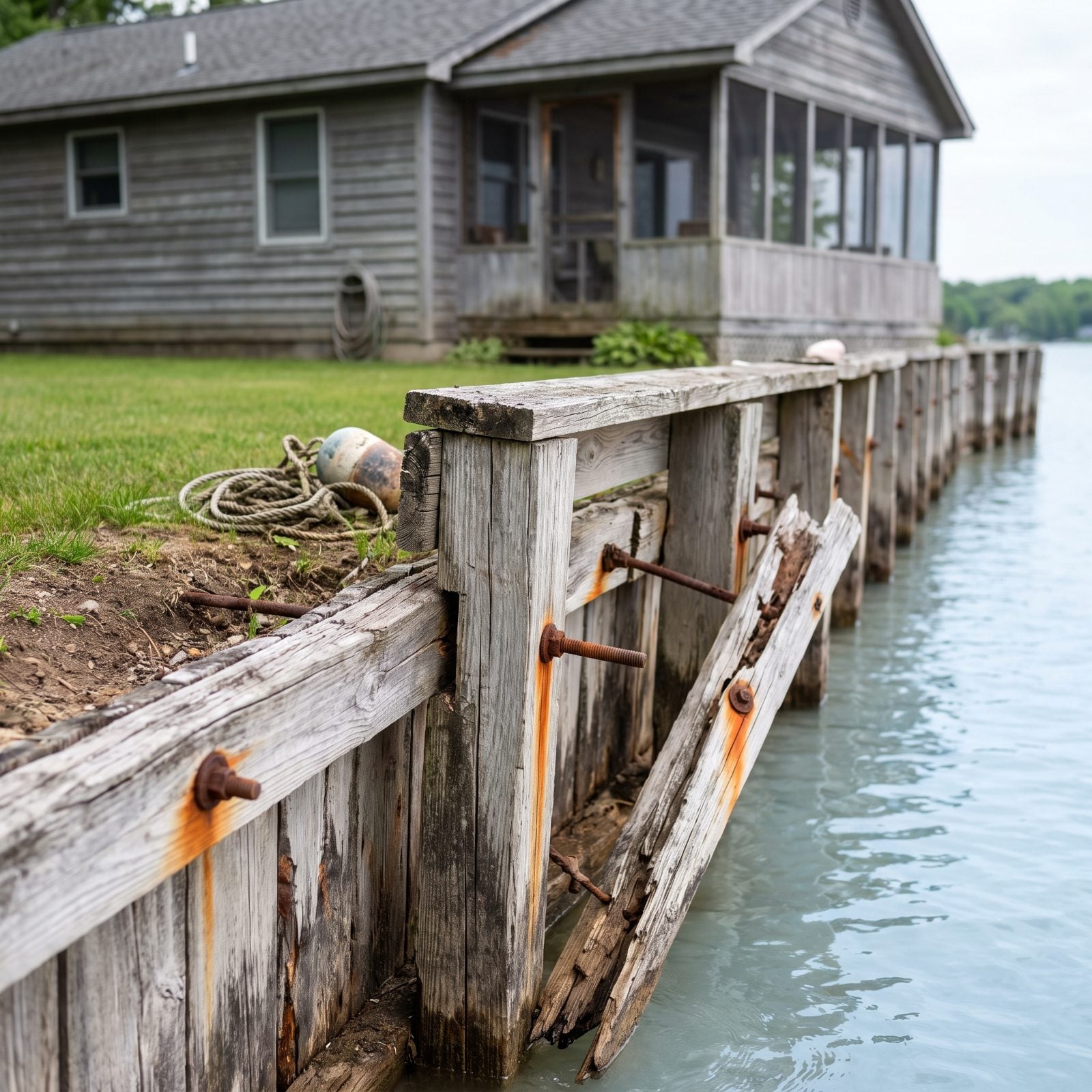
Here’s the gut punch. Your homeowners policy almost certainly won’t pay to fix your seawall or bulkhead. Most standard policies treat these structures as a maintenance item rather than covered property, lumping them in with the same exclusions that already shut out piers, docks and retaining walls.
So when a storm shoves a section inward or the tie-backs finally give out, that repair comes straight out of your pocket. People find this out at the worst possible moment, holding a contractor’s estimate and a declarations page that quietly disagree with each other.
Read the fine print before you close. The words “retaining structures” or “bulkheads” buried in the exclusions section are the ones that cost real money later.
31. Elevation Certificates Needed for Accurate Flood-Insurance Pricing

An elevation certificate is a surveyor’s report showing exactly how high your lowest floor sits relative to the base flood elevation. Sounds dry. It’s also one of the biggest levers on your whole flood premium, and most buyers have never heard of the thing.
Without one, insurers price your risk by assuming the worst. With one, you might prove your home sits higher than the map suggests and watch your annual bill drop accordingly. The certificate runs a few hundred to around a thousand dollars depending on the site, which is nothing measured against years of inflated premiums.
30. Flood-Map Changes That Alter Insurance and Building Requirements
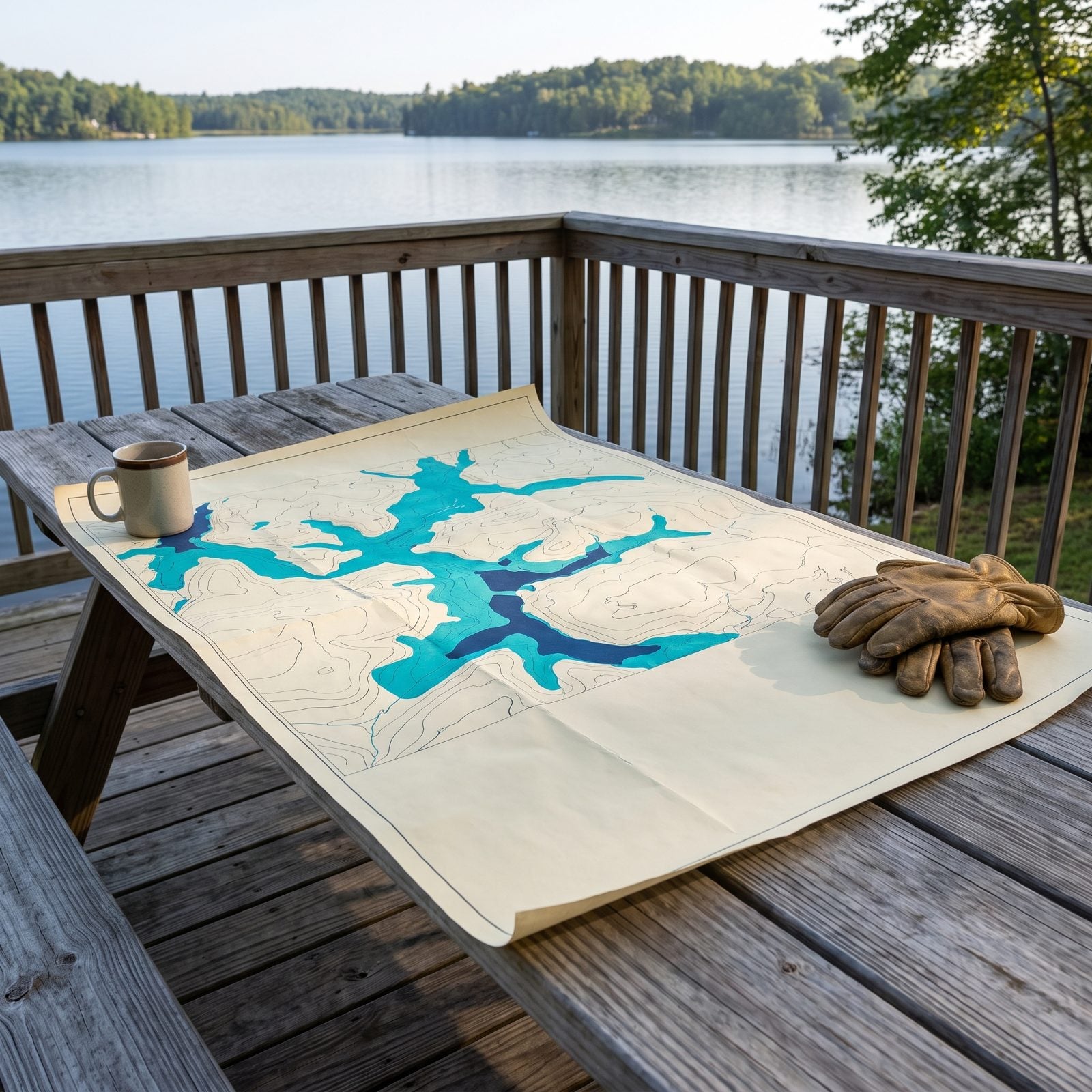
Flood maps aren’t permanent. Federal agencies redraw them, and when your parcel slides into a higher-risk zone, a pile of things change at once: mandatory flood insurance if you carry a mortgage, higher premiums, and tighter rules on anything you ever want to build.
The maddening part? Nothing about your actual house changed. A line moved on a map and your annual cost jumped.
You can request a map amendment if you’ve got evidence your property sits above the flood level, which loops right back to why that elevation certificate matters so much. Check the current map before buying, not after.
29. Named-Storm Deductibles Based on a Percentage of the Home’s Value
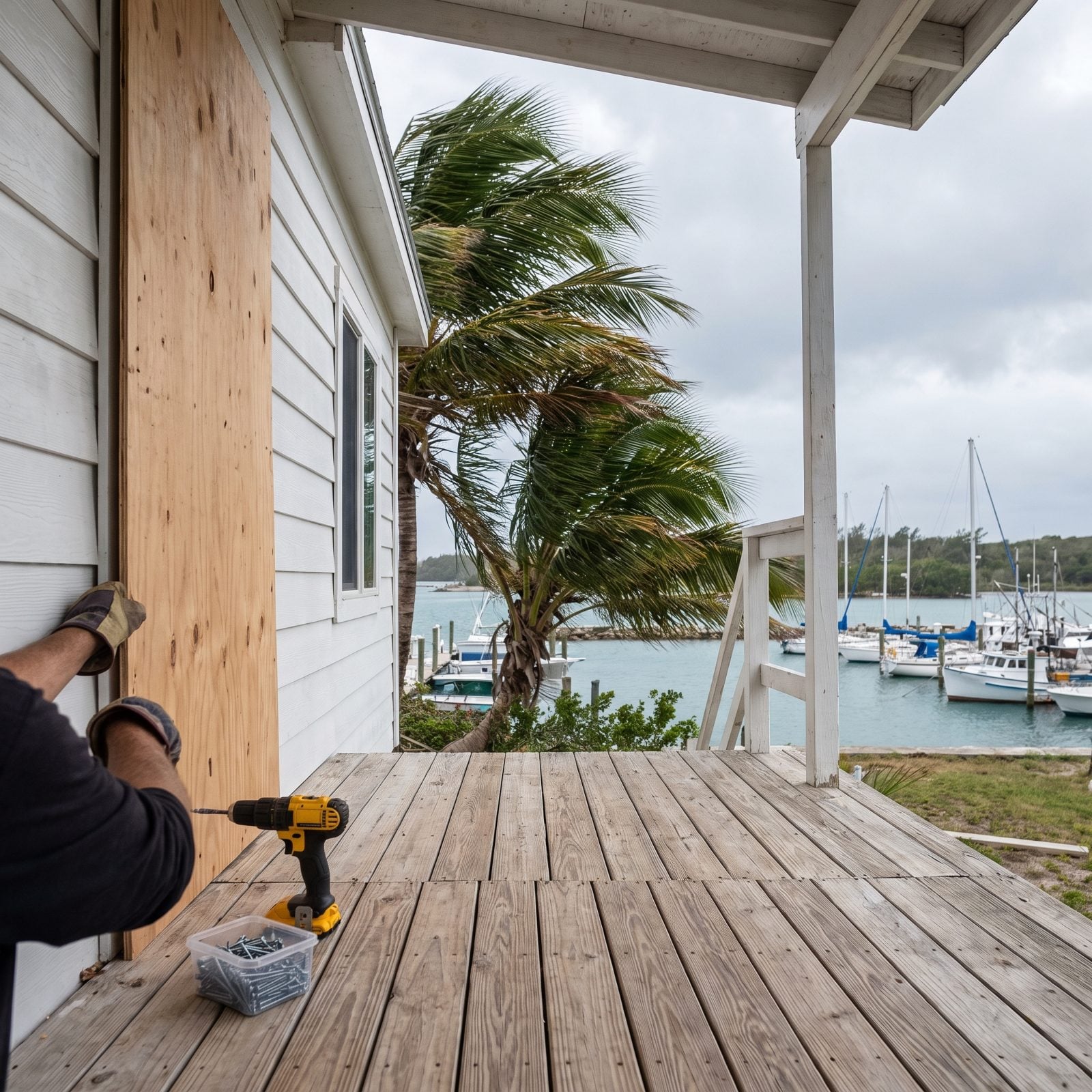
Read this one twice. Coastal policies often carry a separate deductible for named storms, and it’s set as a percentage of your insured home value rather than a flat dollar figure.
Say your home is insured for 500,000 and your named-storm deductible is 5 percent. That’s 25,000 out of pocket before coverage kicks in at all. Most people glance at their regular deductible, see a comfortable number, and never notice the hurricane clause sitting a few lines down the page.
28. Stormwater-Control Upgrades Triggered by New Impervious Surfaces
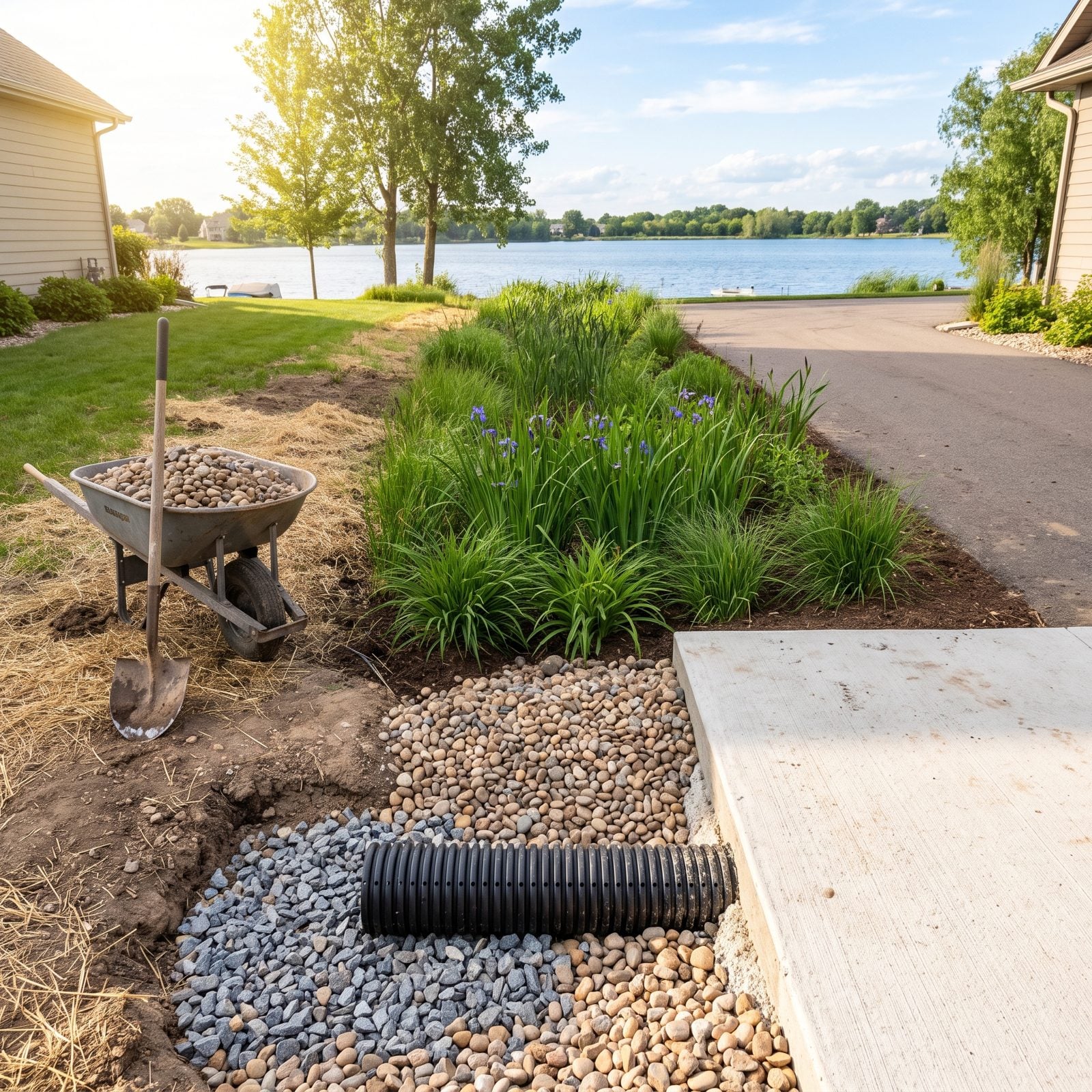
Pour a new patio, extend the driveway or add a bigger deck, and you may trip a rule you never knew existed. Many waterfront jurisdictions cap how much impervious surface a lot can have, because every hard surface dumps runoff straight into the lake.
Go over the limit and the permit office can require stormwater controls: a rain garden, a drywell, a retention area, sometimes a full engineered system. That’s an extra line item on a project you figured was simple.
And it tends to catch people mid-renovation, when the plans are drawn and the budget’s already locked. Ask about impervious-surface caps before you design anything near the water.
27. Annual Lake, Dam or Watershed District Assessments
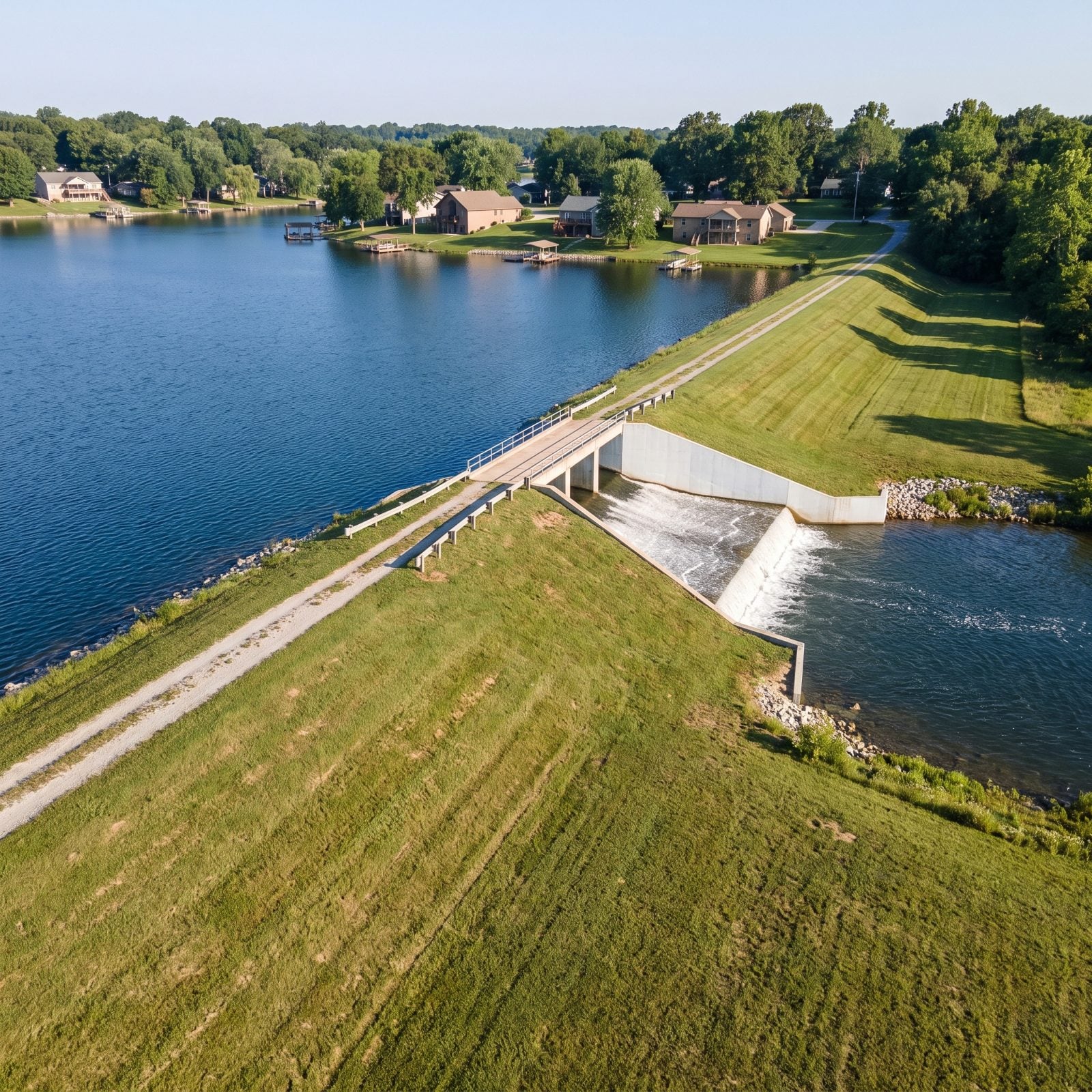
That pretty lake out your window is somebody’s responsibility, and often that somebody is a lake, dam or watershed district that bills every property owner on the water.
The assessment funds the unglamorous work: dredging, weed control, water-level management and, above everything, keeping the dam safe and permitted. On an engineered lake, the dam is the single most expensive thing holding your view in place.
Fees run from modest to meaningful depending on the district and what it’s on the hook for. Ask for the current assessment amount and the district’s maintenance plan before you buy, because the fee tells you a lot about what’s coming down the road.
26. Special Assessments for Community Seawalls, Marinas or Dams
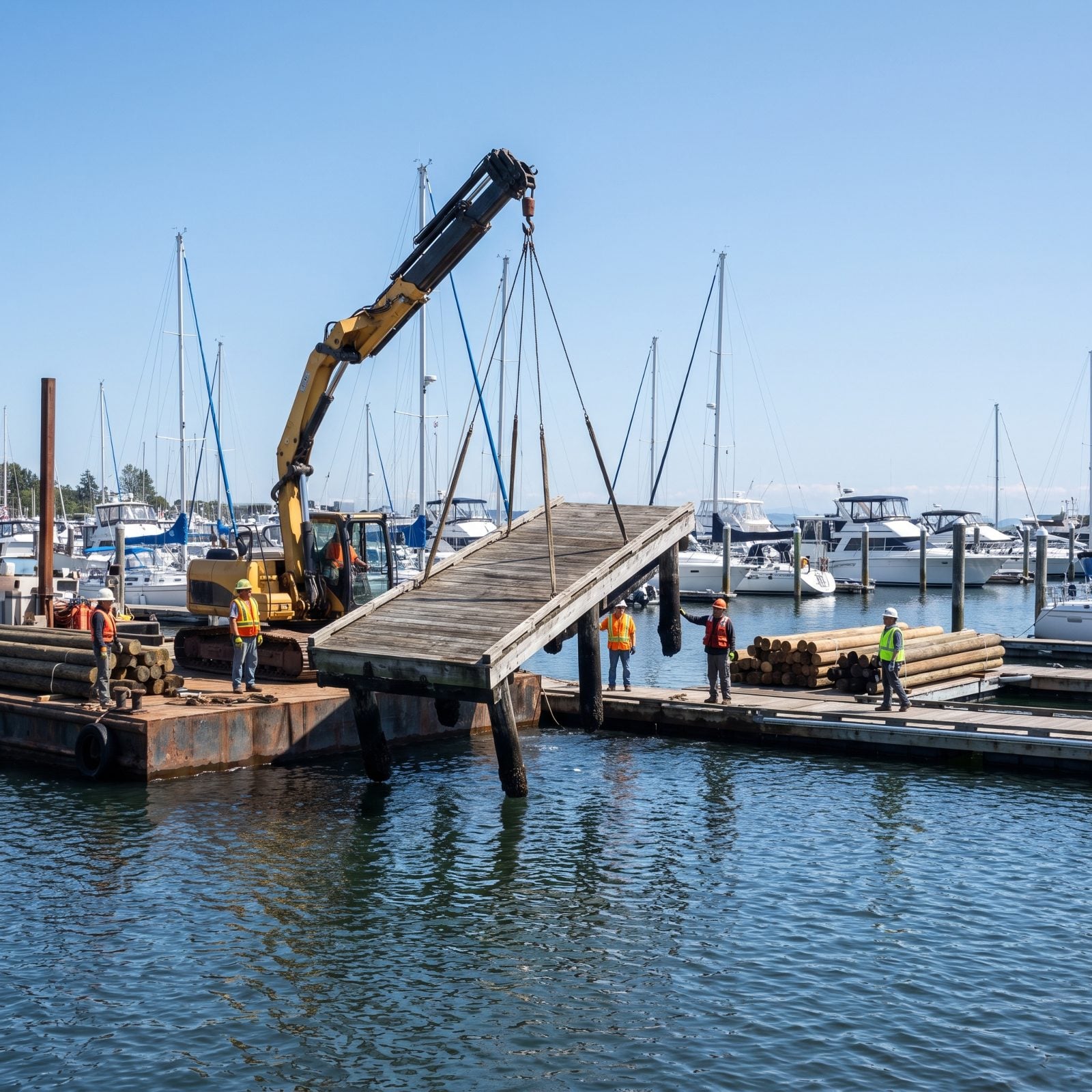
Routine assessments cover the expected. Special assessments are the surprise bill.
When a shared seawall fails, a community dam needs a major repair or the marina’s pilings rot out, the association splits the cost among the owners. These bills show up without warning and can climb into thousands per household for a single project.
Before you buy into any waterfront community, ask two questions: how much is sitting in the reserve fund, and what big-ticket infrastructure is coming due? A thin reserve plus an aging dam is a special assessment waiting to happen.
25. Private Road and Bridge Maintenance Shared by Waterfront Owners
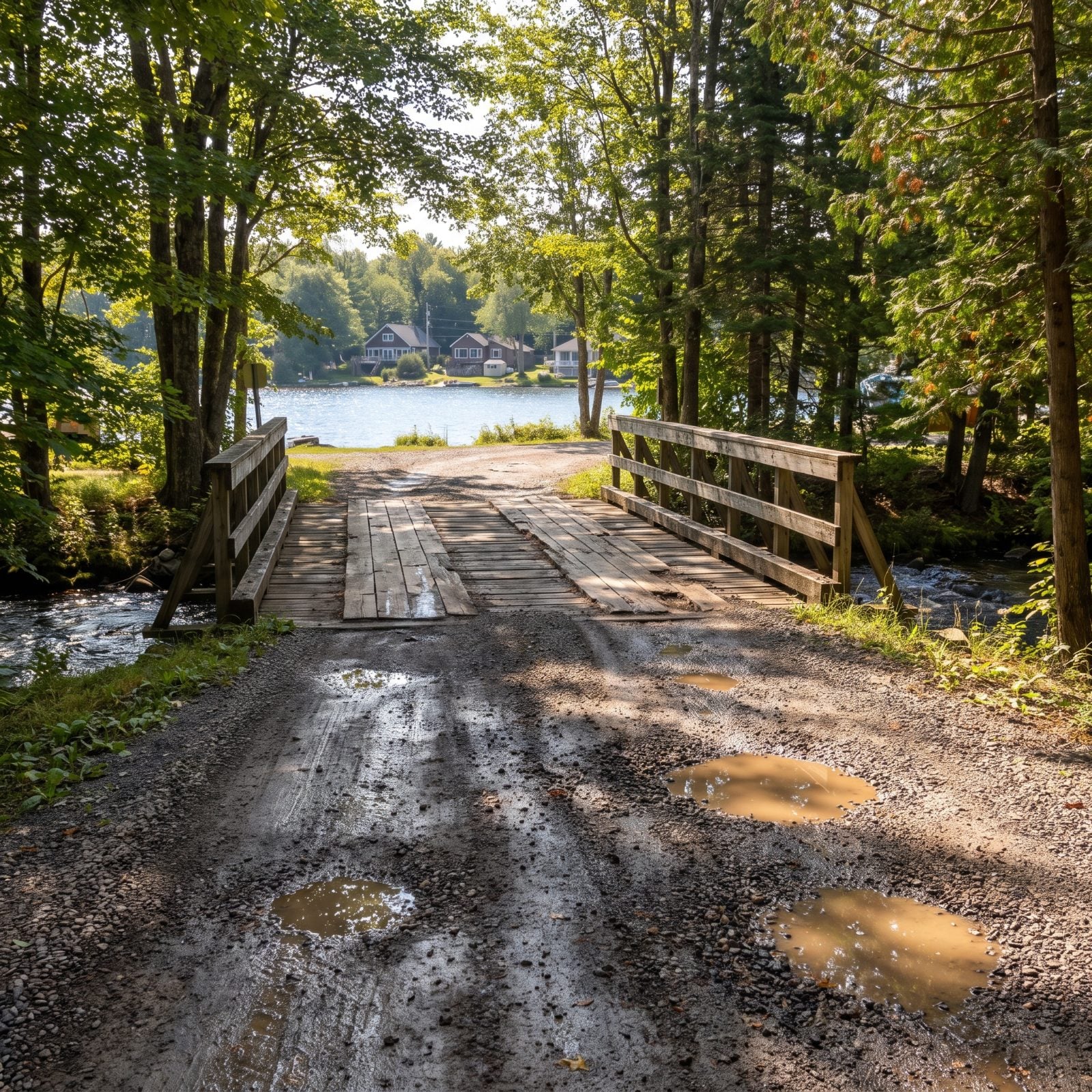
Lots of waterfront homes sit at the end of a road the county doesn’t touch. Private road means private upkeep, split among the owners who use it.
Grading, gravel, snow plowing, culverts, and sometimes a little bridge that has to carry a fire truck. That last part matters more than people think. A bridge rated too low can block emergency access and tank your home value until somebody fixes it.
Ask whether a road maintenance agreement exists and whether it’s actually recorded. A handshake deal between neighbors falls apart fast when one owner refuses to chip in for a culvert everybody needs.
24. Legal Agreements and Repairs for a Shared Dock
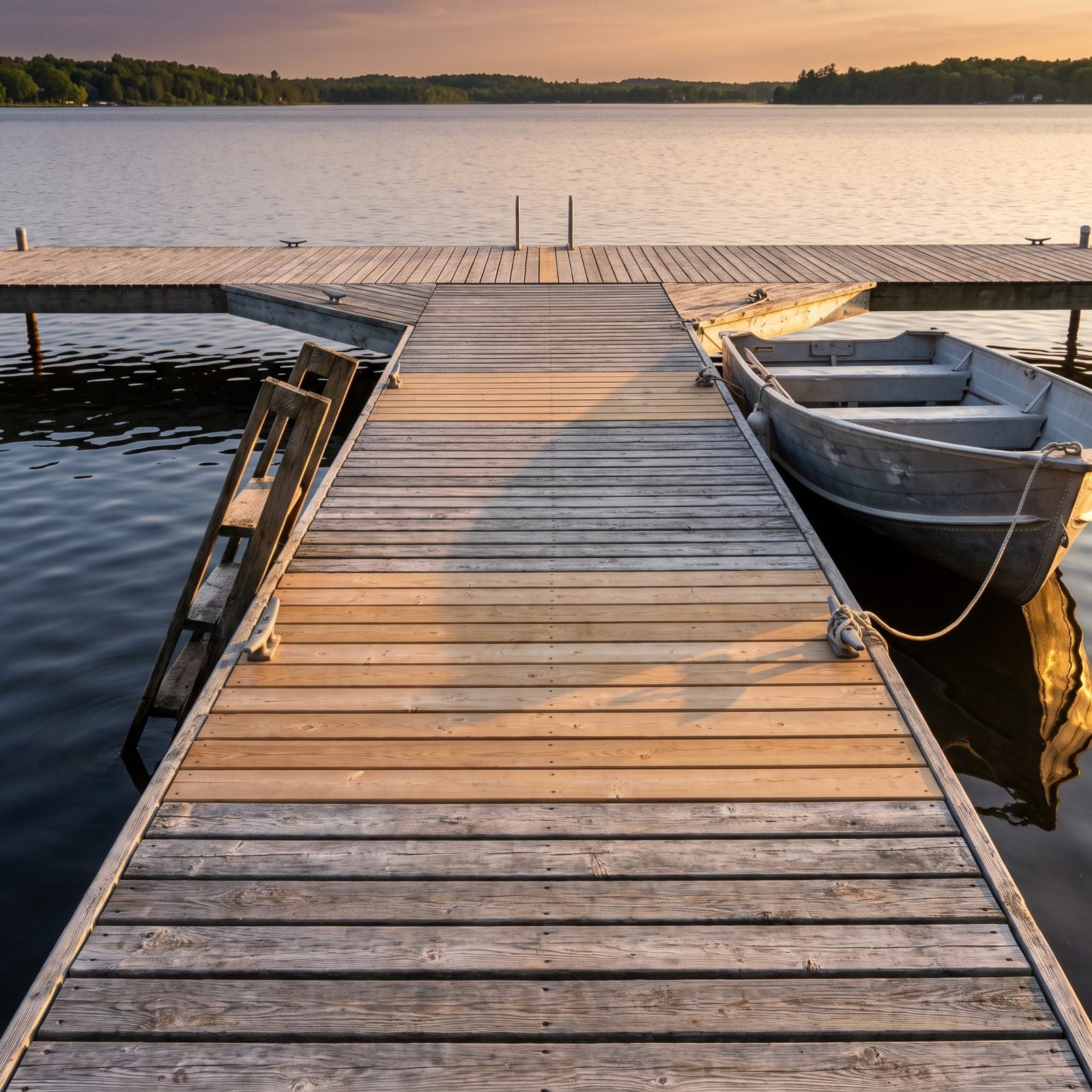
A shared dock sounds neighborly right up until a plank rots and nobody agrees on who pays.
These arrangements live or die on a written, recorded agreement spelling out who maintains what, who covers repairs, how the slips get assigned and what happens when one owner sells. No document, and you’re negotiating from scratch with whoever buys next door.
Docks also need their own permits in plenty of waters, and the rules on size, pilings and placement drift over the years. Repairing or replacing one can mean fresh approvals, not just fresh lumber.
23. Pile Replacement Beneath an Aging Dock
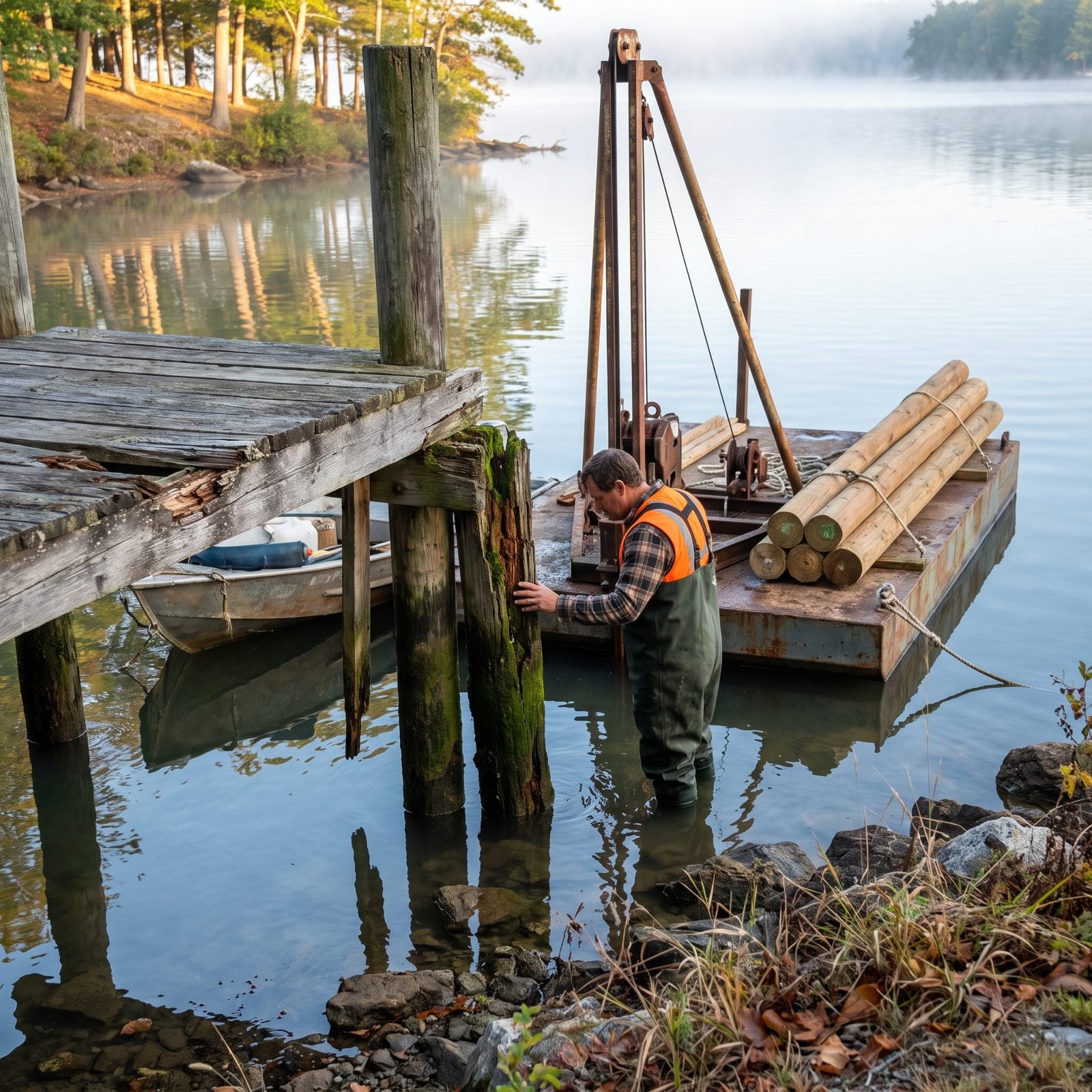
Pilings look permanent. They’re not. The wood below the waterline rots from the inside while the top still looks fine, so the first sign of trouble is usually a dock that starts to lean after a hard winter.
Driving a new piling isn’t a weekend job. It needs a barge, a rig, and a crew, and the per-piling cost climbs fast once you add mobilization to haul equipment out to a hard-to-reach lot. A dock with a dozen support piles can become one of the ugliest surprise bills a waterfront owner ever opens.
22. Boat-Lift Cable, Motor and Pulley Service
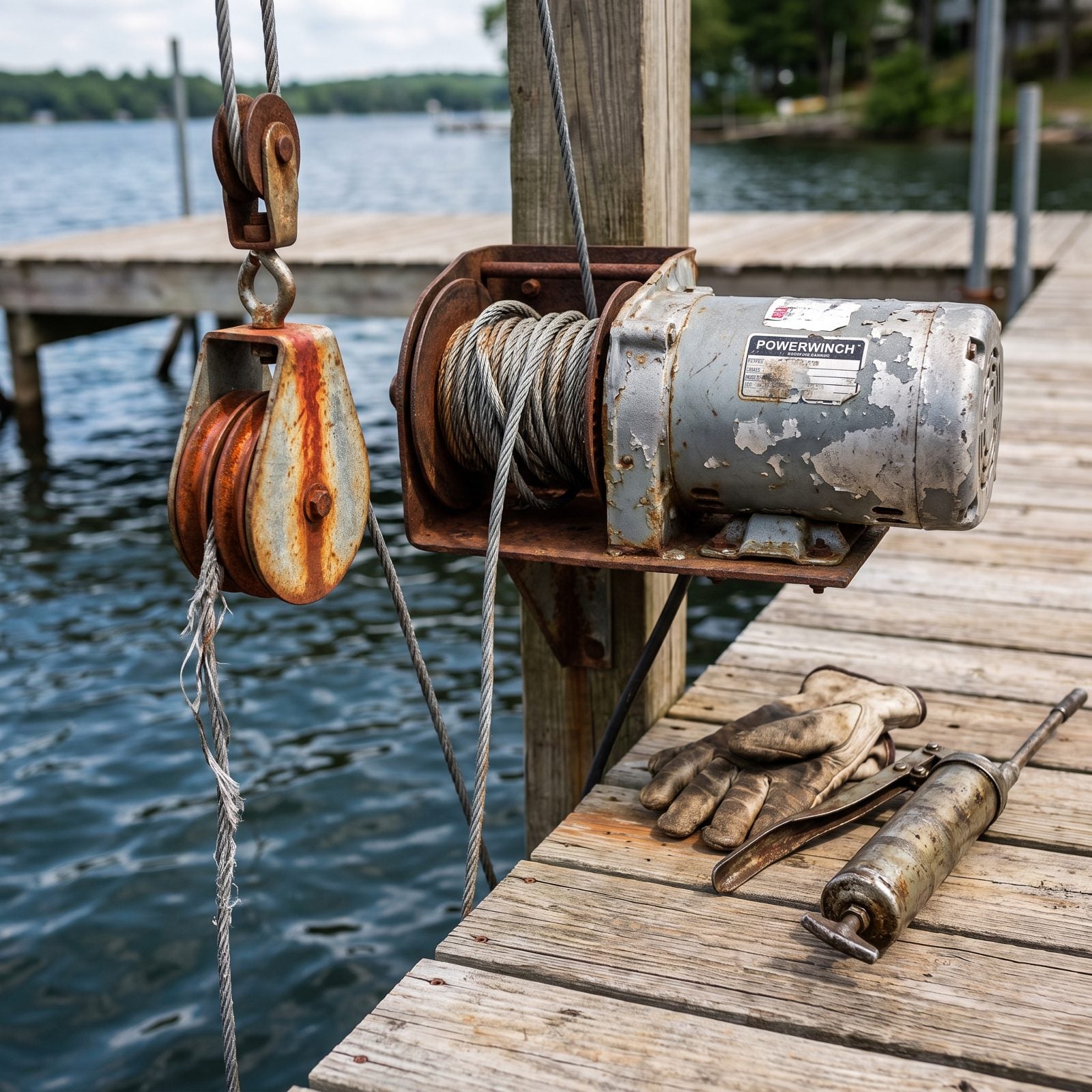
A boat lift feels like a one-time purchase until a cable snaps with your boat halfway up. Those galvanized cables fray strand by strand, and nobody thinks to look until one lets go.
Annual service means greasing pulleys, checking the motor brake, and swapping cables on a schedule rather than after a disaster. It’s a modest recurring cost. Skip it, though, and a dropped boat becomes a hull repair plus a cable replacement plus a genuinely rotten afternoon at the dock.
21. Marine Electrical Inspections for Dock Outlets and Shore Power
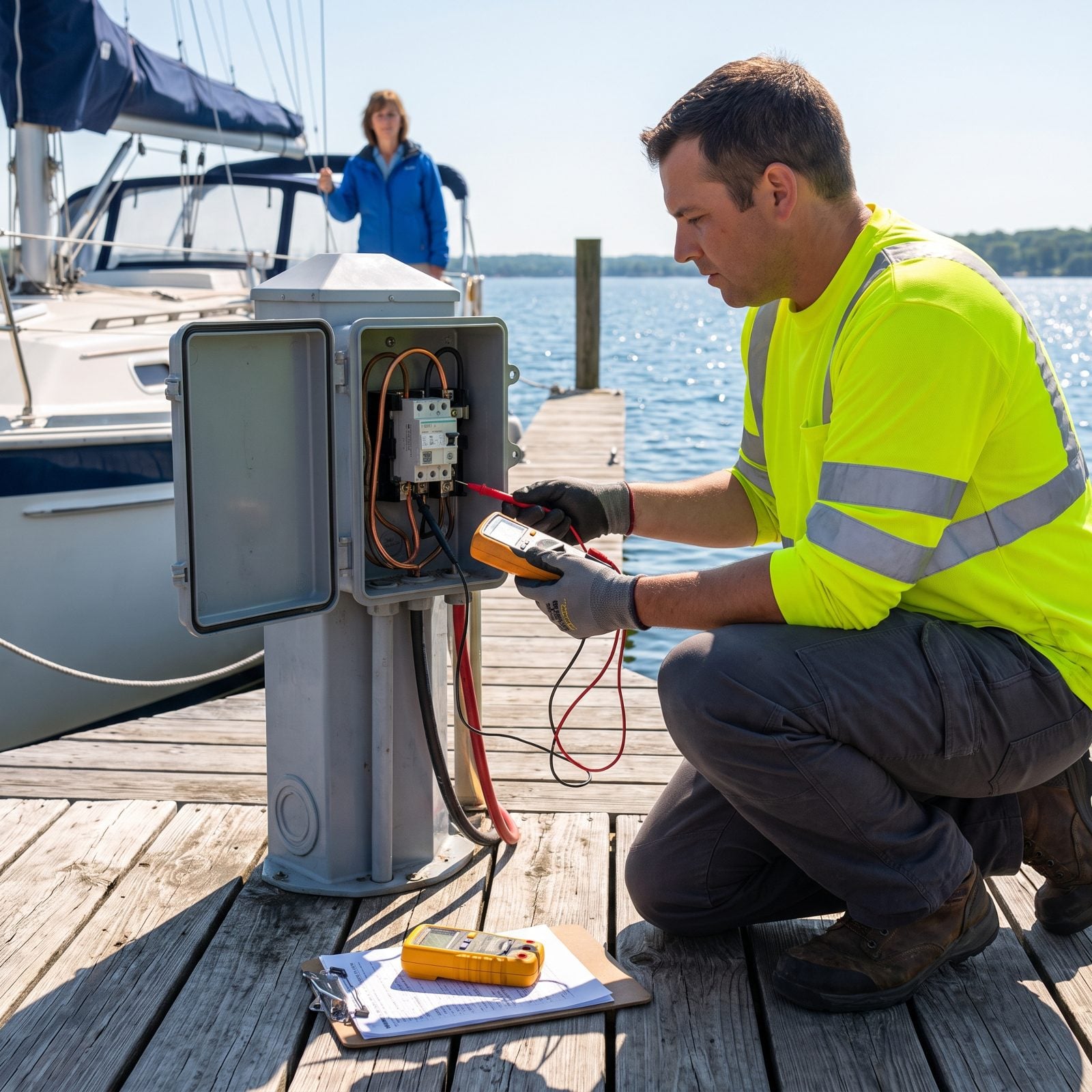
Electricity and water share a dock, and that combination is why marine electrical codes exist. A corroded ground or a failed GFCI near a swimming area is a real danger, not a nuisance, and the rules around dock wiring have tightened over the last decade.
Someone who knows marine code will check for proper bonding, working ground-fault protection, and connections that haven’t been chewed up by salt or steady damp. Bringing an older dock up to current standards can run well into the thousands.
20. Electricity for Winter Dock Bubblers and De-Icing Systems
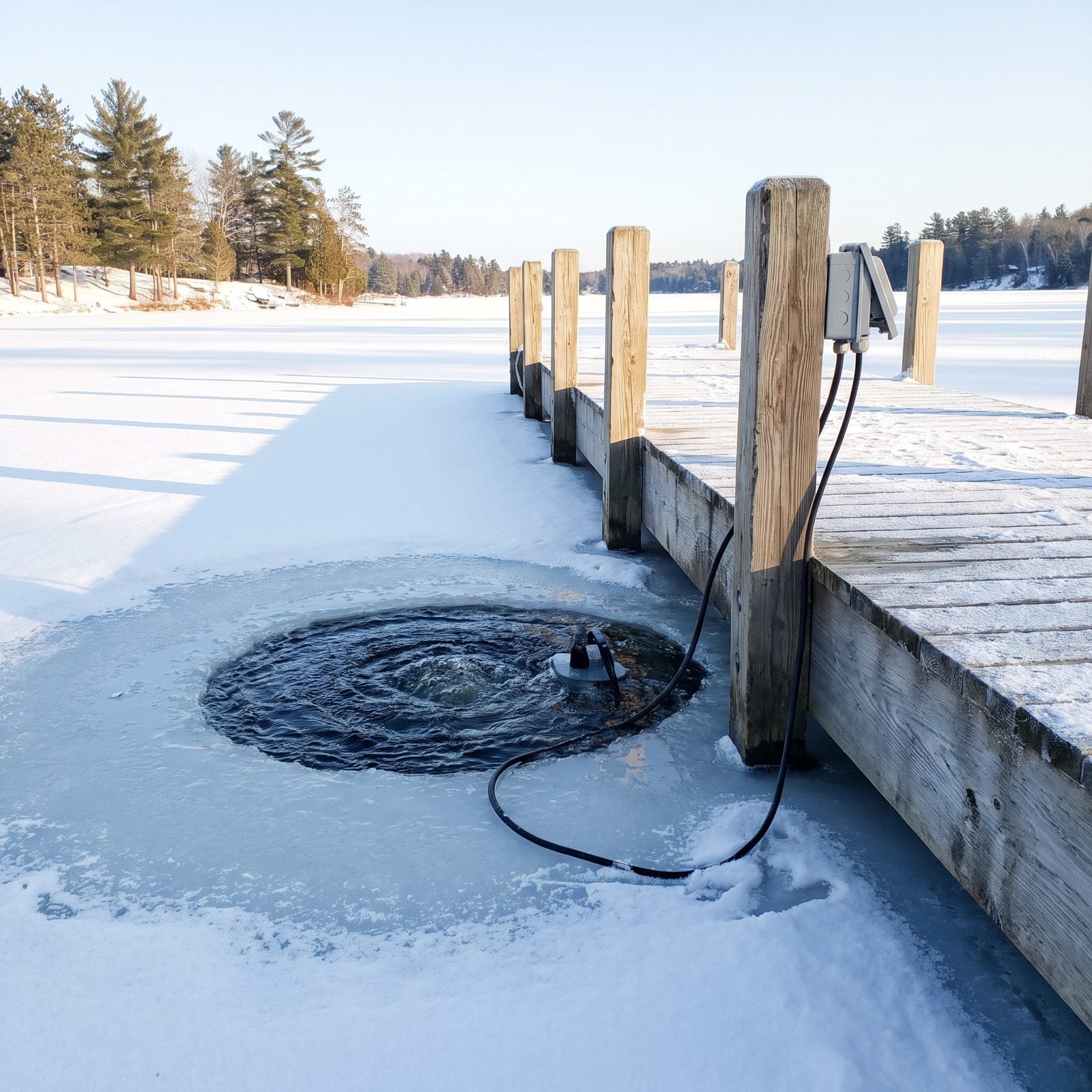
That ring of open water around a winter dock isn’t magic. It’s a de-icer, its motor housing bobbing at the surface, running around the clock, for months, so ice doesn’t crush the pilings.
The equipment is cheap. The electric bill is the surprise. Running a de-icer through a northern winter can add a noticeable chunk to your power usage every month the lake stays frozen, and it shows up whether you set foot on the dock or not.
19. Seasonal Dock Removal and Reinstallation Before Freeze-Up
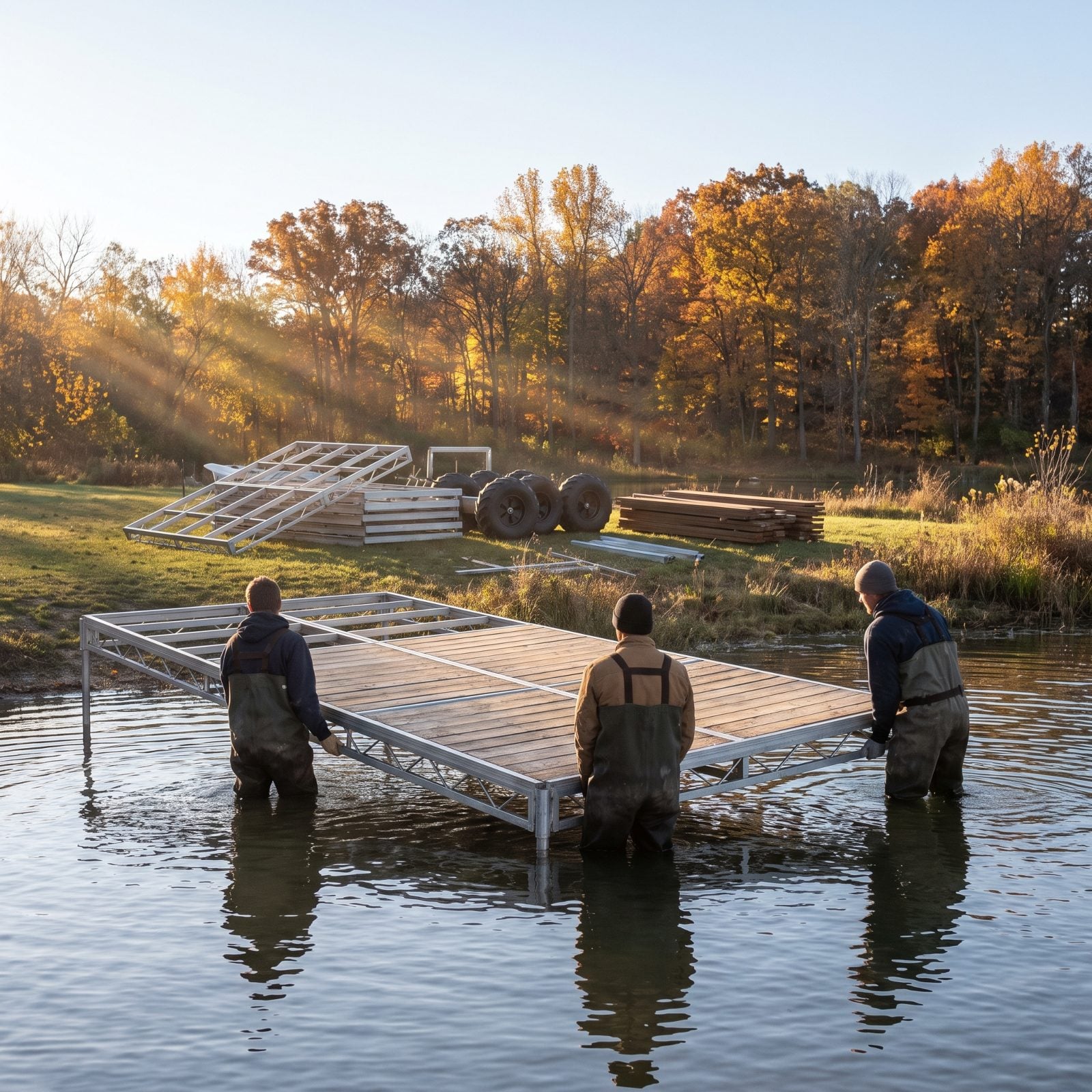
On any lake that freezes hard, the dock can’t stay in the water, because ice would fold it like a paper clip. So every fall it comes out, and every spring it goes back in.
You can do it yourself if you don’t mind cold water and a wrecked lower back. Most owners hire it out, and that becomes a predictable twice-a-year bill forever, plus somewhere dry to stash the sections through the off-season.
18. Dock Repairs After Ice Heave or Moving Ice Sheets
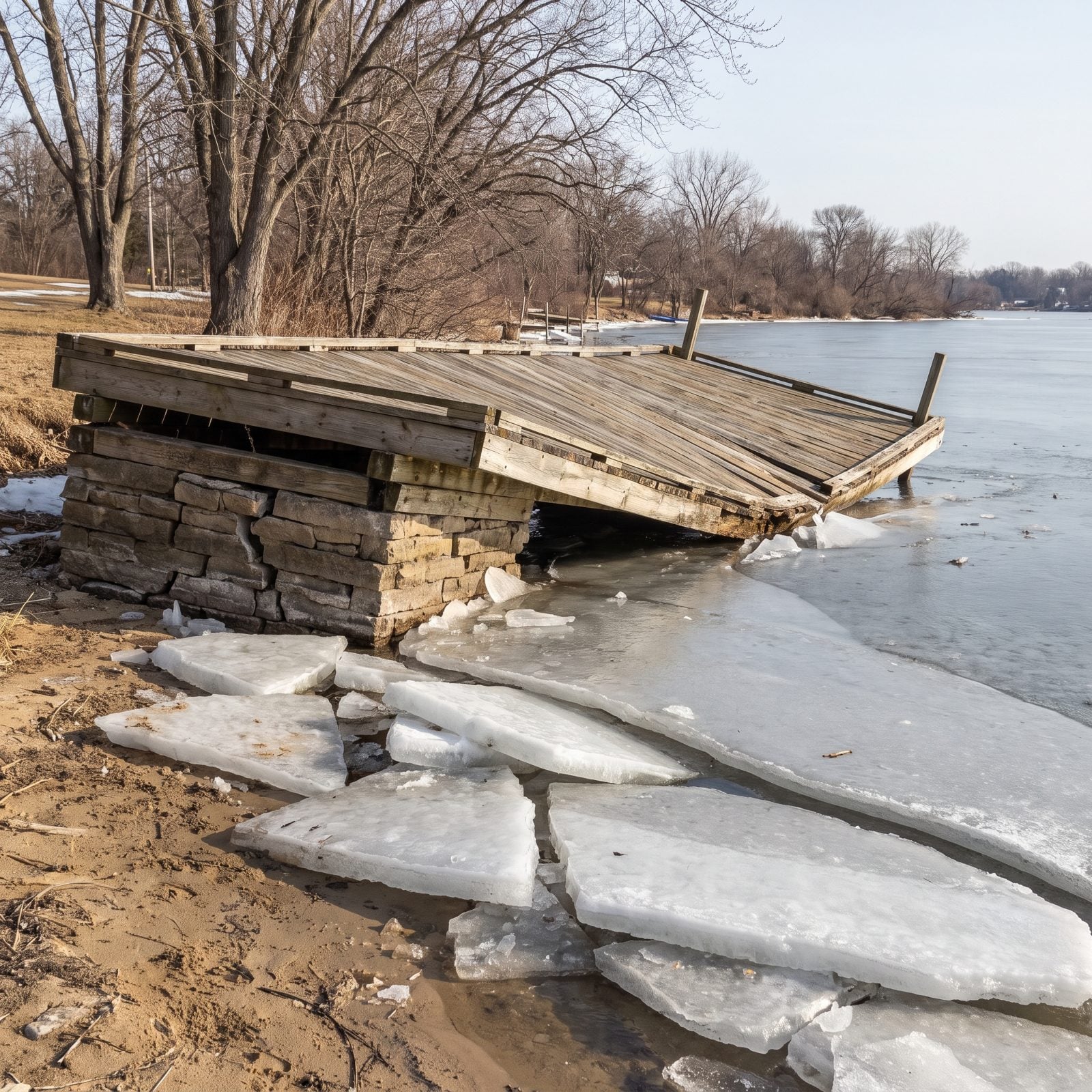
Ice doesn’t just sit on a lake. It moves. A warm spell loosens a sheet, wind leans on it, and tons of ice shove against anything in the way — including a permanent dock that was perfectly fine in November.
Ice heave can lift a crib, snap a frame, or walk a whole section off its footings. Spring repairs after a bad ice year are exactly the kind of cost nobody asks about during a sunny August showing.
17. Longer Gangways and Dock Extensions When Water Levels Drop
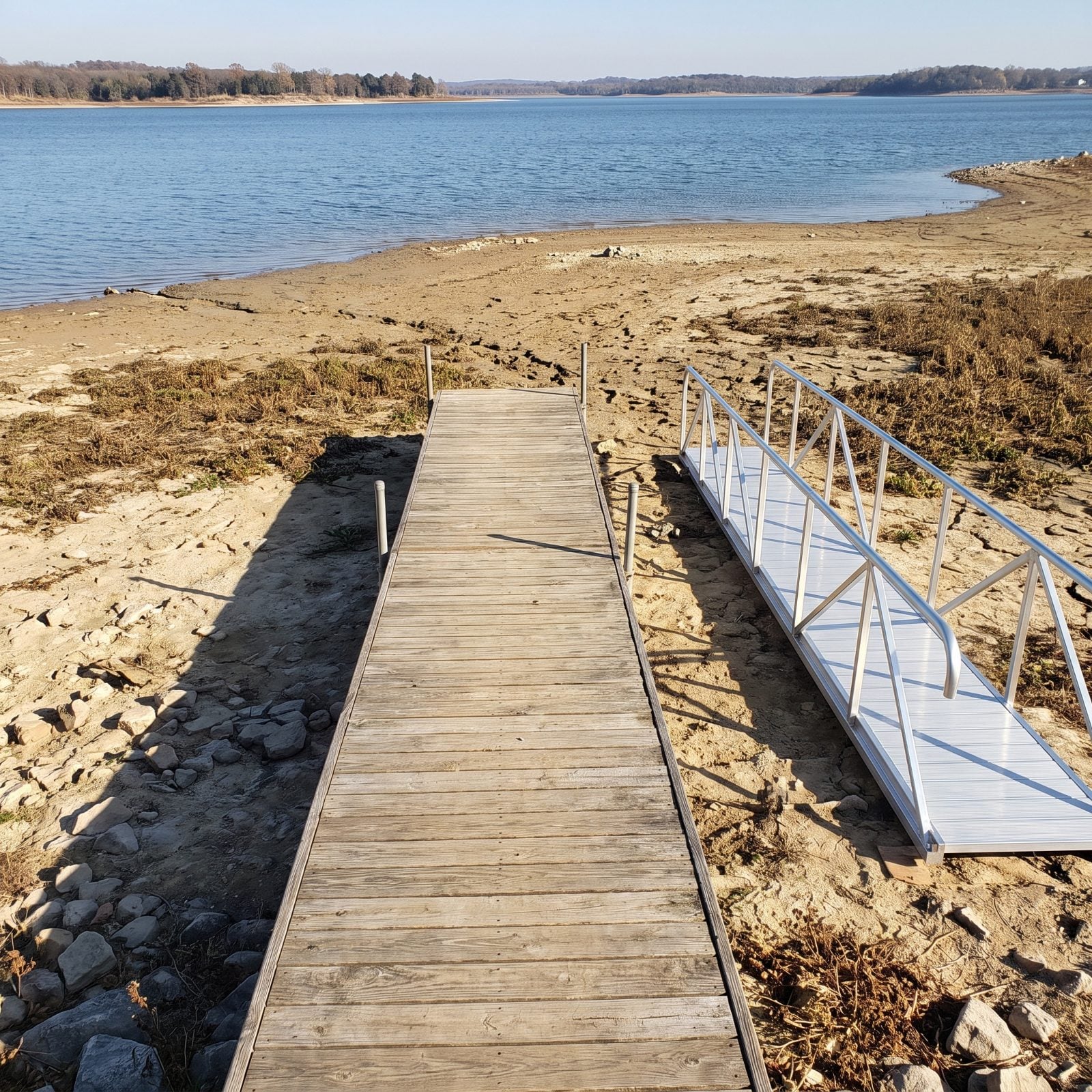
Lake levels don’t hold still. A drought summer or a reservoir drawdown can pull the water back twenty feet, and suddenly your dock ends over dry mud.
The fix is more dock — a longer gangway, added sections, or a floating platform pushed out to reach deeper water. On lakes managed for power or flood control it isn’t a one-time fix either, because the water comes and goes on a schedule that couldn’t care less about your boating plans.
16. Temporary Marina Slips When a Home Dock Becomes Unusable
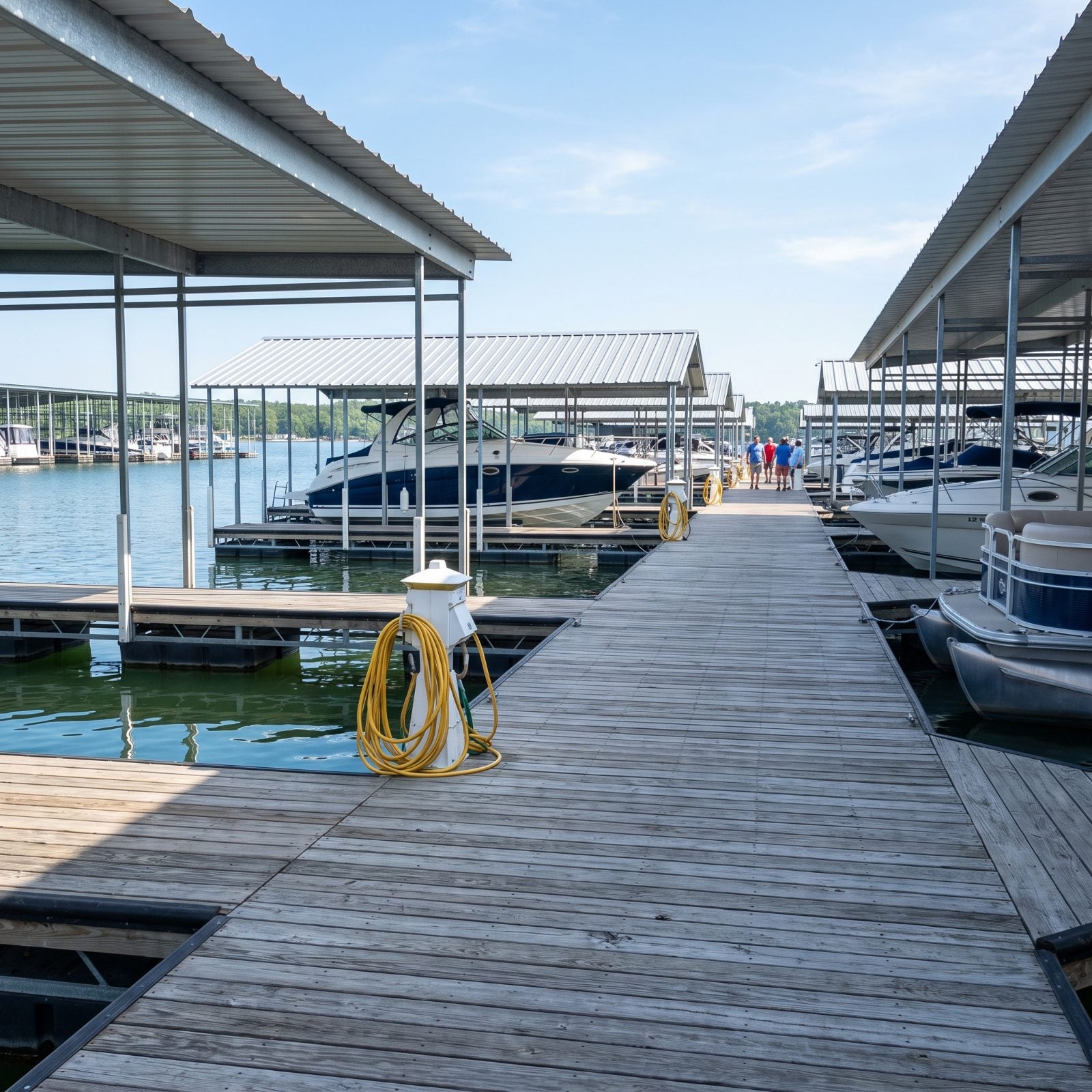
When your own dock is out of service, the boat still needs somewhere to live. A pile replacement or a bad ice year can leave you renting a marina slip for a whole season you never budgeted for.
Slip rental swings wildly by lake and by whether it’s covered, but it piles up to a real monthly figure on top of whatever repair knocked your dock out in the first place. So you pay twice: once to fix the dock, and once to park the boat while you wait on the fix.
15. Beach-Nourishment Sand That Must Be Replaced After Storms
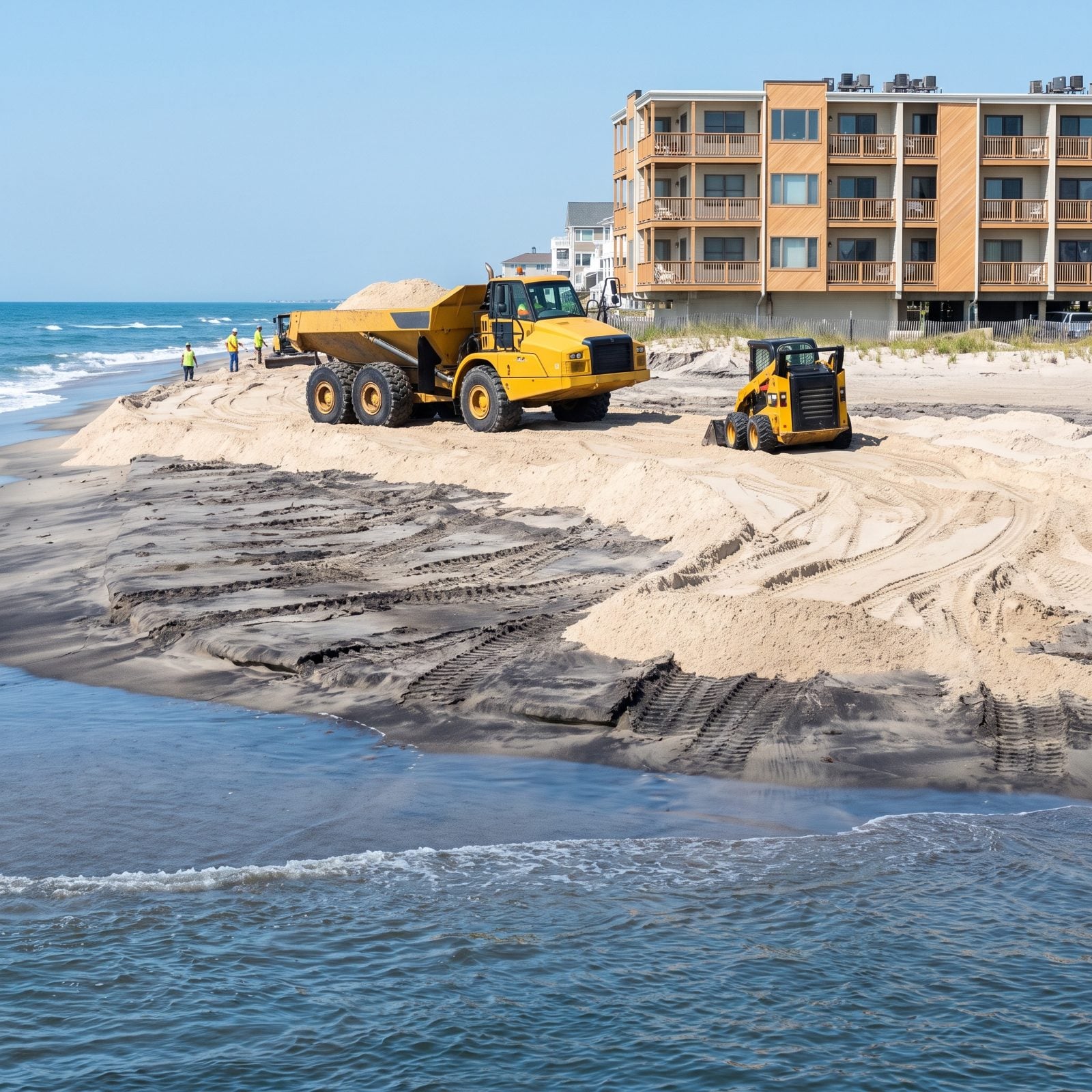
A sandy beach at a waterfront home looks like a feature. It’s actually a consumable.
Wind and waves move sand constantly, and a single strong storm can strip a beach down to clay and rock overnight. Trucking in replacement sand, grading it, and sometimes pulling a permit to do so is a recurring expense on exposed shorelines. That beach you fell for at closing? The previous owner probably paid to put it there.
14. Riprap Replacement Along an Eroding Shoreline
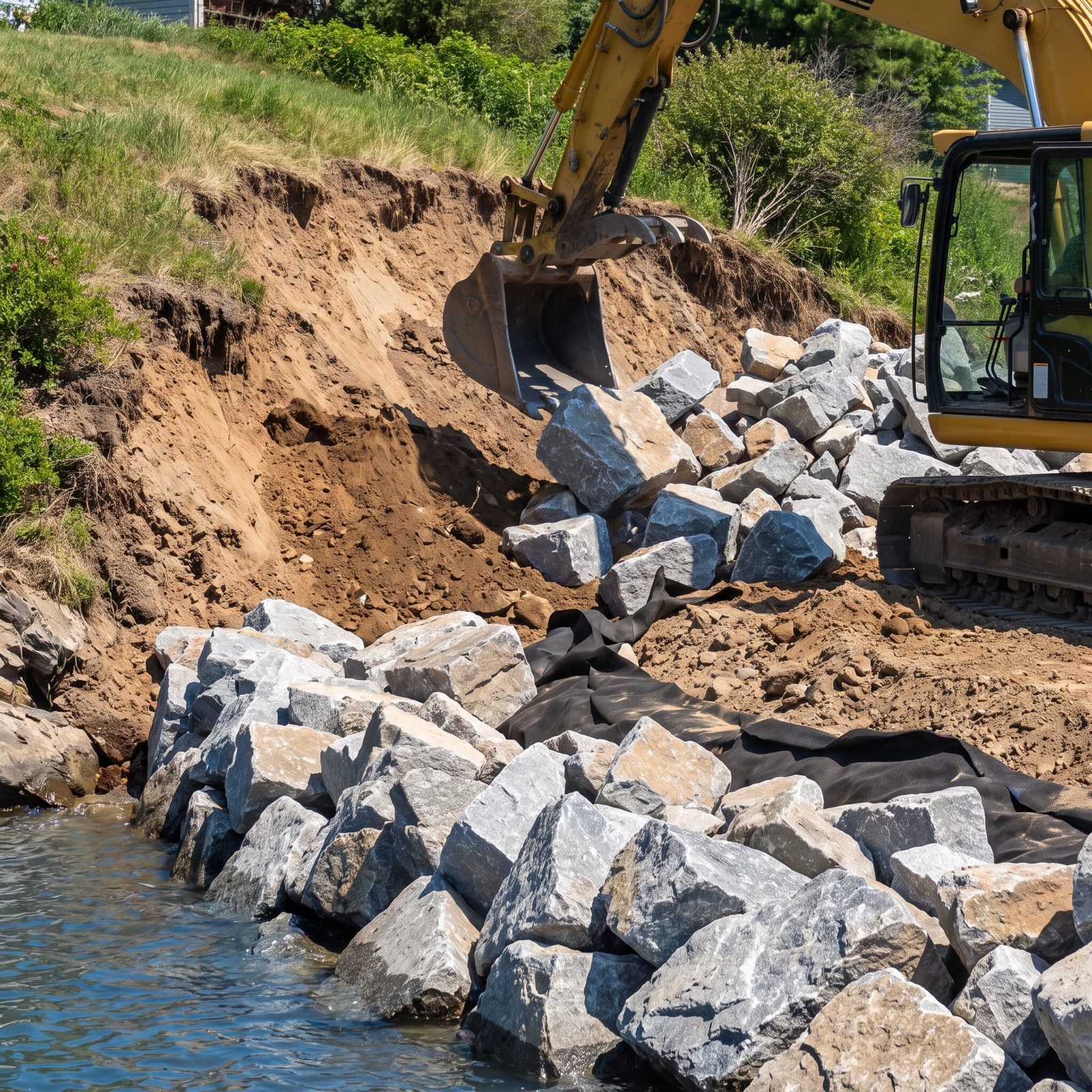
Riprap is the armor of rock along a shoreline that keeps the land from washing into the water. It works until it doesn’t, and when it fails, the ground behind it goes with it.
Replacing or reinforcing riprap means an excavator, a few truckloads of quarried stone, geotextile fabric underneath, and almost always a shoreline permit. The permitting alone can drag on for months and dictate what you’re even allowed to build. On an eroding bank, this is the quiet bill that protects everything else you own on that lot.
13. Aquatic-Weed Cutting and Permitted Treatment Around Your Dock
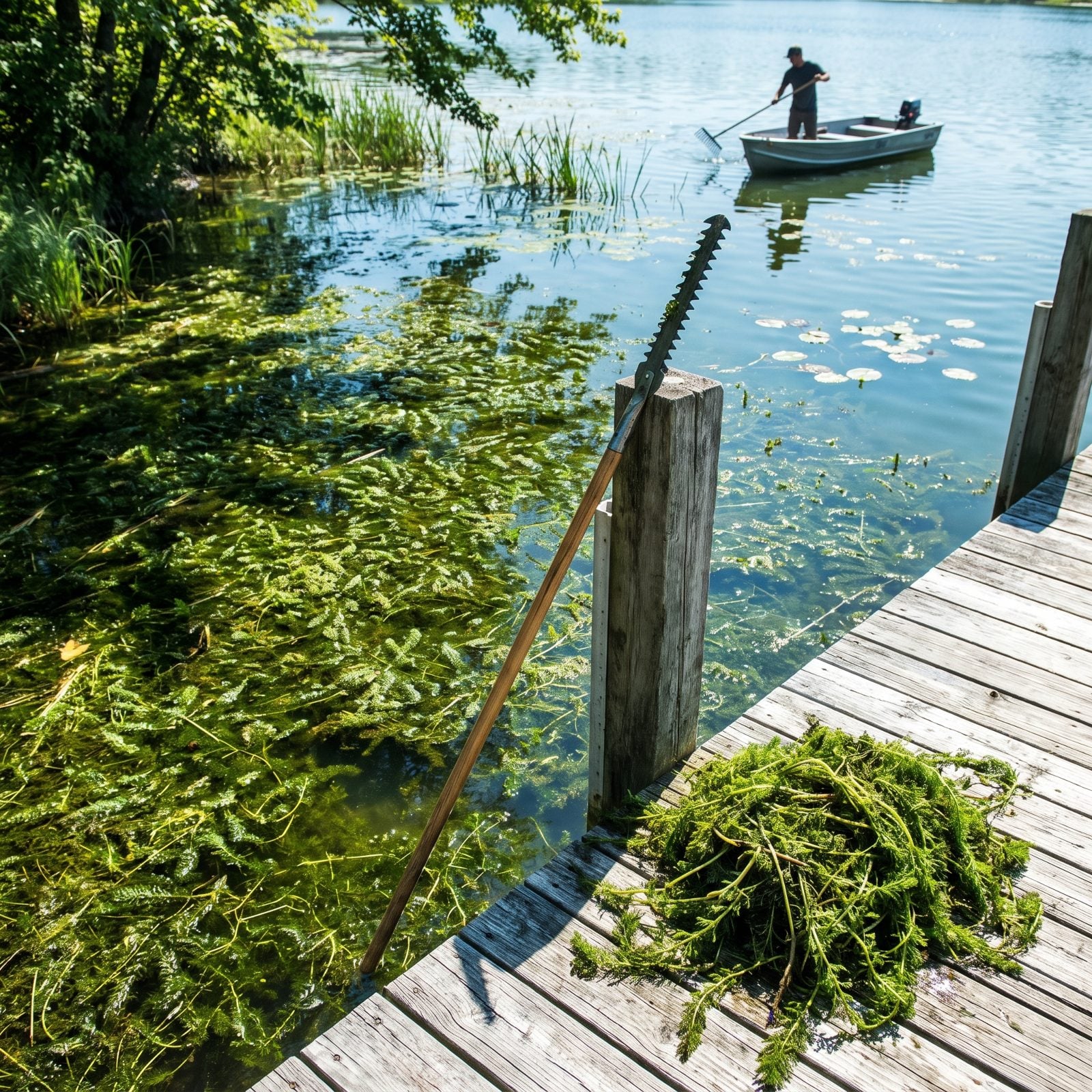
That green carpet creeping toward your swim ladder isn’t free to deal with. You can’t just dump herbicide in the lake in most states, because the water in front of your lot is public water, and treating it means a permit, an approved aquatic applicator, and sometimes a survey of what’s actually growing down there.
Hand-cutting is cheaper. But it’s a weekend job that comes back every July, licensed treatment runs seasonal rather than once, and invasive milfoil or hydrilla can mean a management plan the whole lake association shares. Nobody mentions any of this at the closing table.
12. Beaver and Muskrat Damage to Banks, Culverts and Dock Pilings
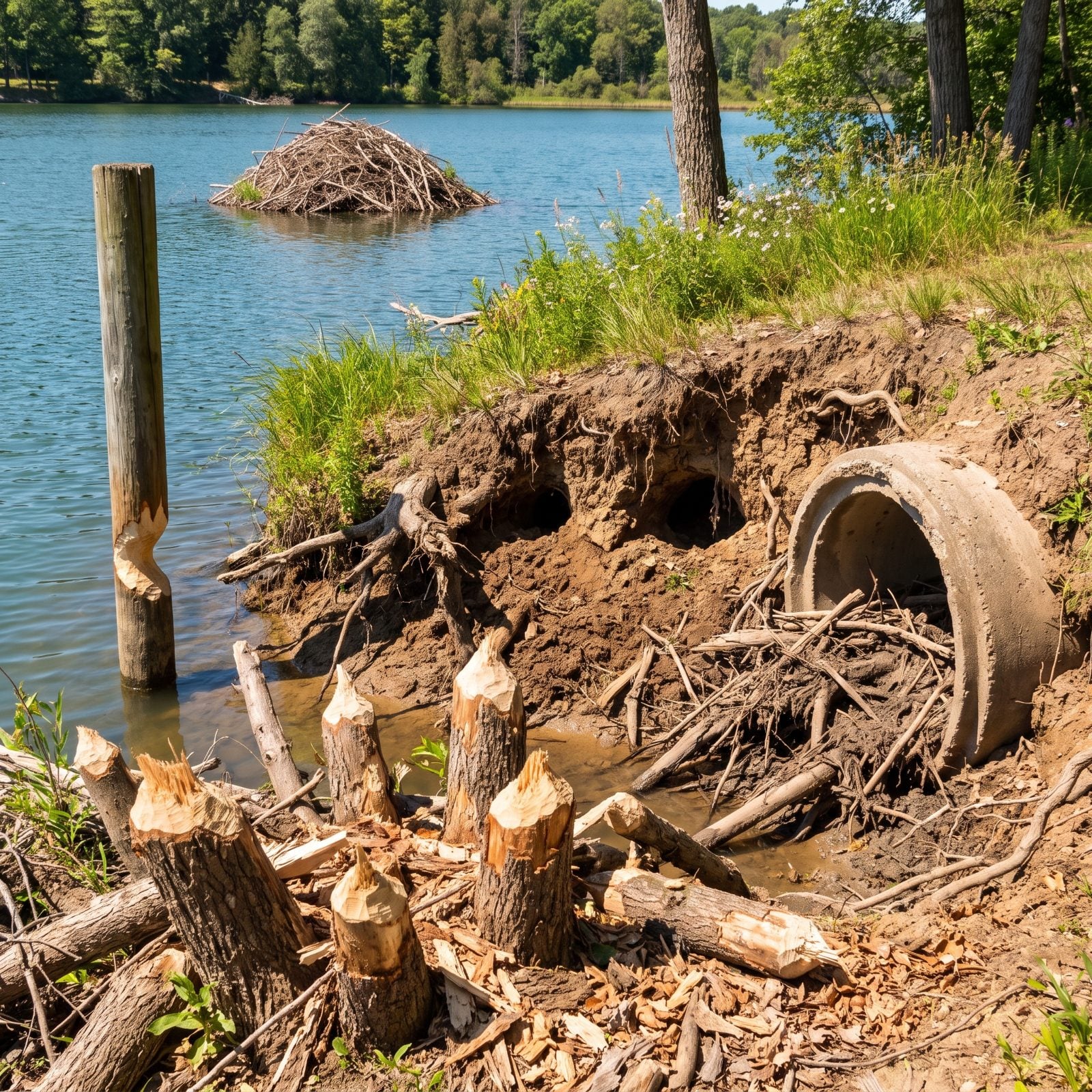
Charming until they aren’t. A single beaver family can fell your shoreline shade trees in a week and plug the culvert that keeps your driveway from flooding, while muskrats tunnel into banks and dock approaches, hollowing out soil you can’t see until it caves.
Here’s the part buyers don’t expect: beavers are protected or regulated in a lot of places, so removal means a licensed trapper and sometimes a permit, not a quick fix. And that undermined bank still needs repair afterward. Budget for the critter and the hole it left.
11. Crane or Barge Access for Removing Hazardous Shoreline Trees
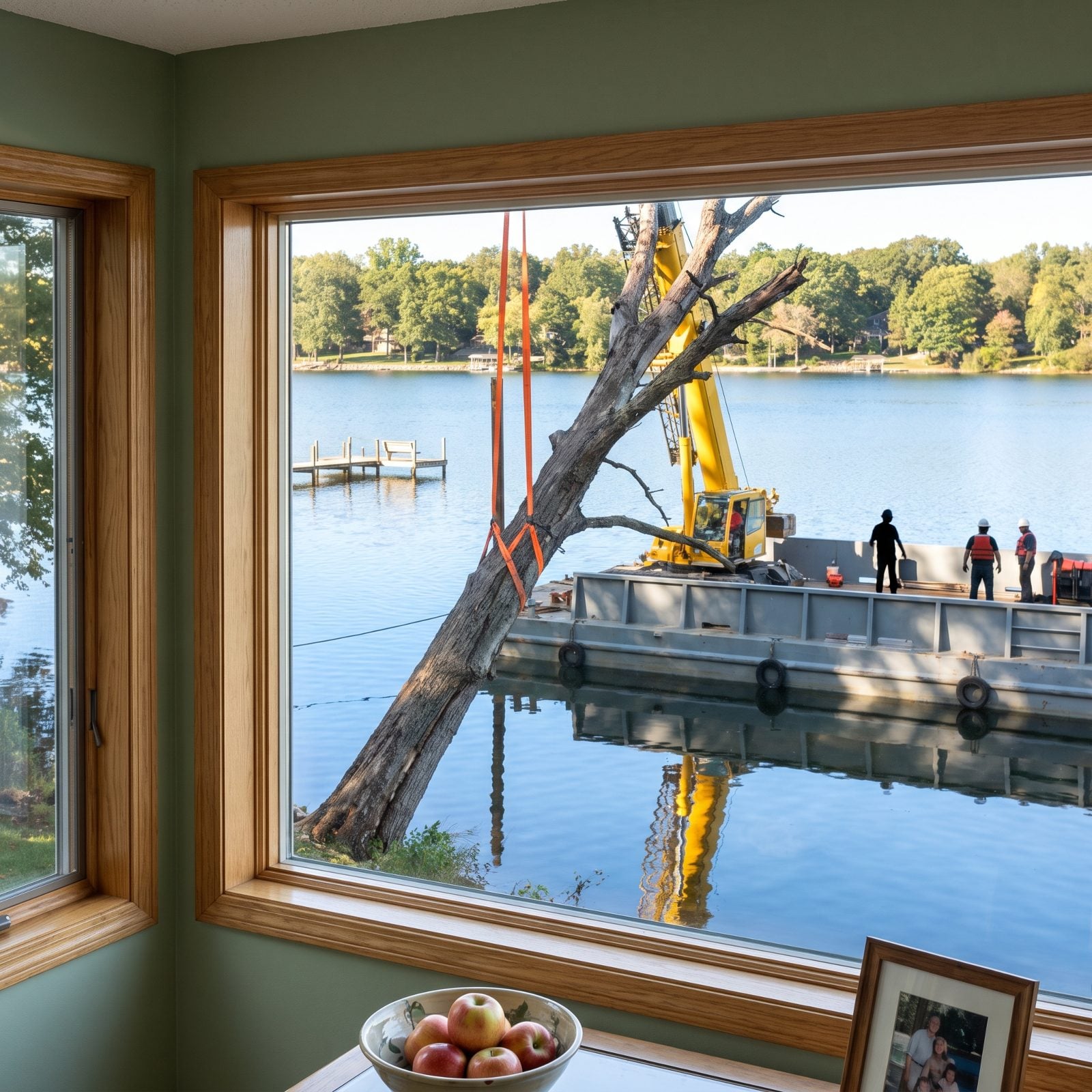
A dying oak over your water is a different animal than one over your lawn. No truck can back up to it. The arborist either works off a barge or brings in a crane set up on the only patch of firm ground, which is usually your neighbor’s.
That access problem is the cost. The same tree that runs a few hundred dollars inland can run several thousand over water, because half the bill is getting equipment to the trunk and keeping the wood from dropping into the lake. Dead limbs over a dock won’t wait for a convenient year.
10. Premature Replacement of Corroded Screws, Hinges and Railings
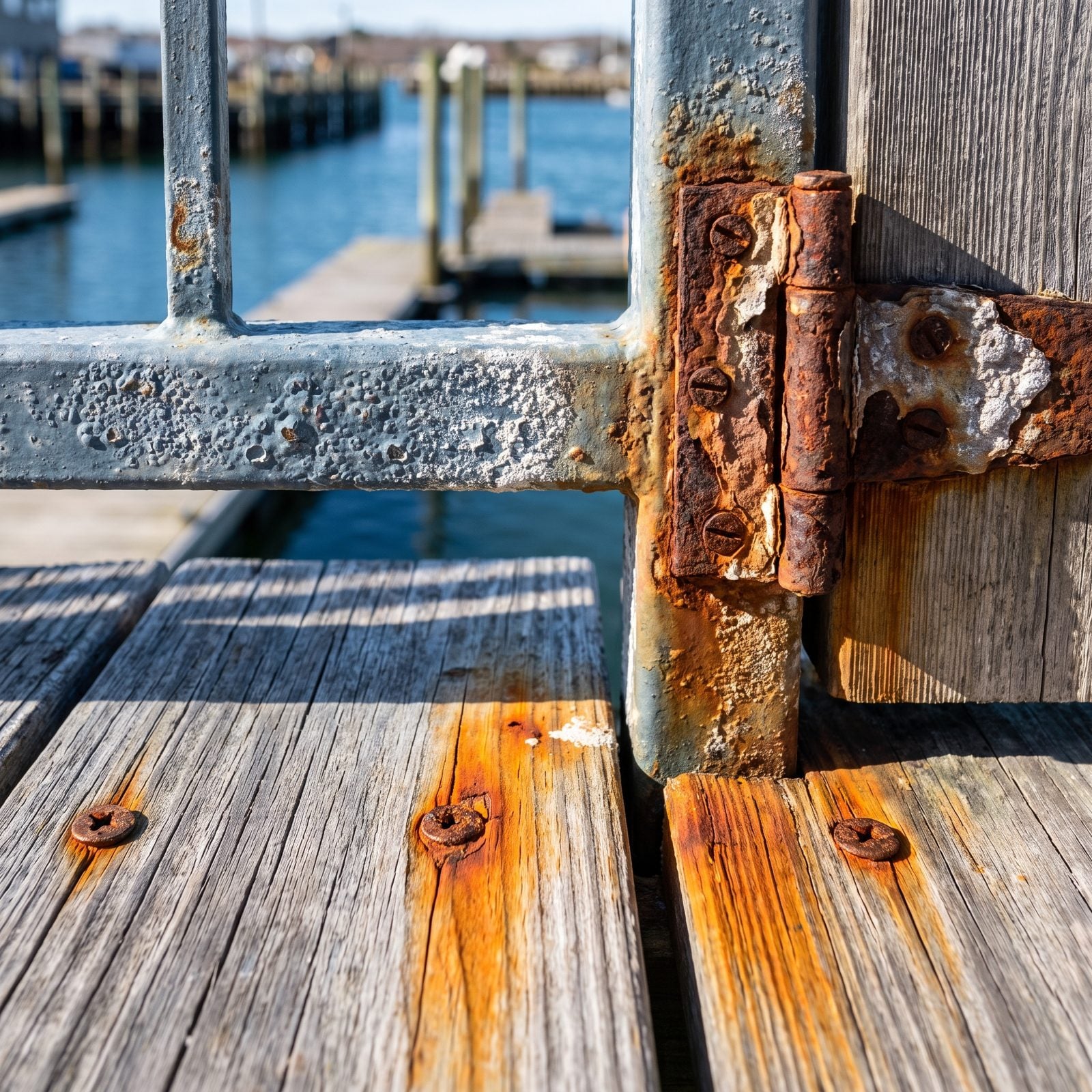
Salt air eats cheap metal for breakfast. The screws holding your deck boards, the hinges on the gate, the railing you lean on — standard galvanized hardware that lasts decades two miles inland can rust clean through in a handful of years at the water’s edge.
The fix is boring and real: stainless, usually marine-grade 316, costs more up front and saves you from chasing rust streaks every spring. Most people learn this the hard way, after the first bleeding stains ruin a fresh paint job.
9. Protective Coatings and Shorter Service Lives for Coastal HVAC Equipment
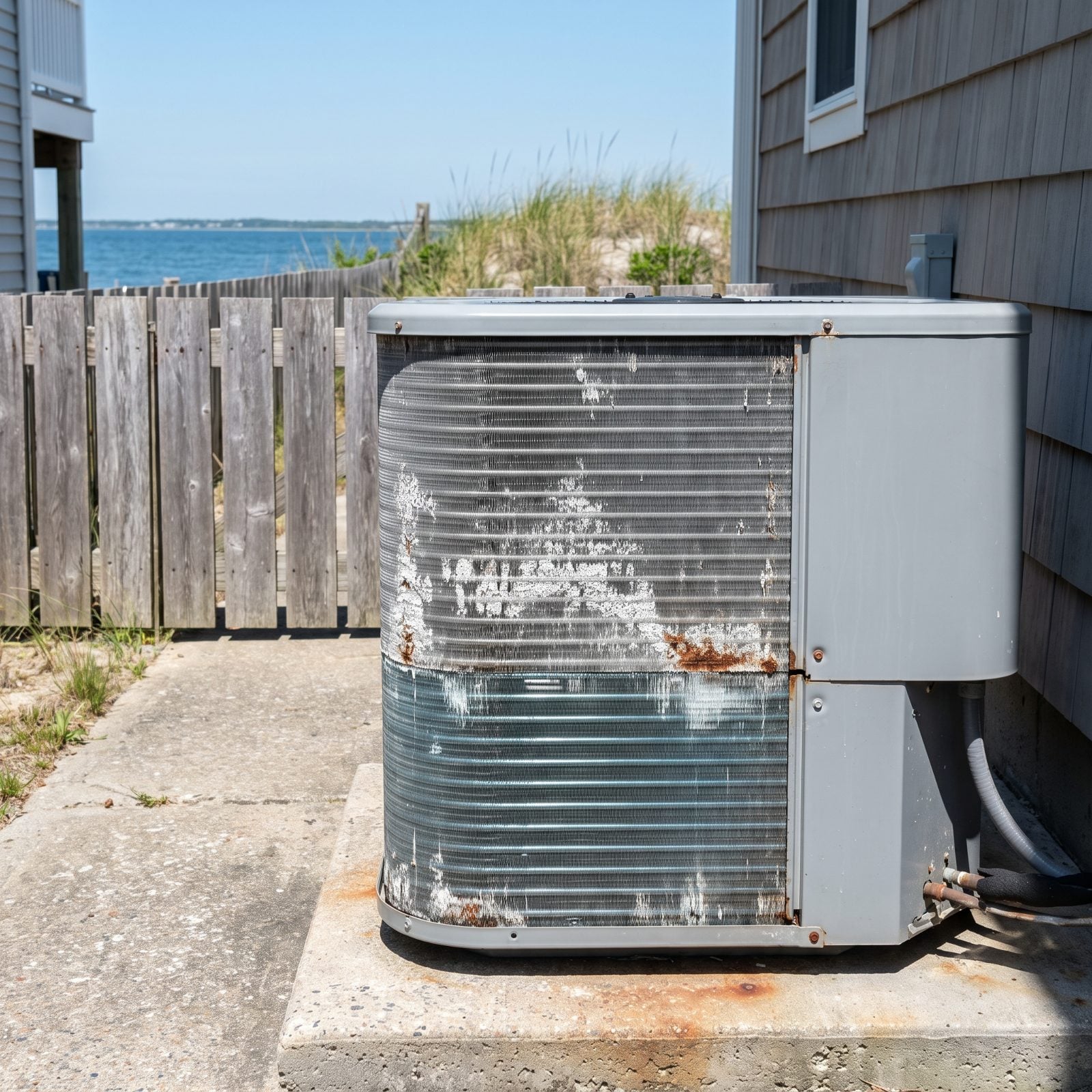
Your air conditioner wasn’t built for the beach. Salt settles on the aluminum coil fins, corrodes them, and chokes the unit’s ability to shed heat, so a condenser rated for the long haul can quietly give up years early within sight of the surf.
Smart coastal buyers pay extra for factory anti-corrosion coatings on the coils or a protective housing, and they rinse the unit down with fresh water a few times a season. Small habit, real payoff. Skip it and you’re writing a four- or five-figure check early, on an appliance you assumed would outlast the mortgage.
8. Crawl-Space Encapsulation Where Groundwater Keeps Moisture High
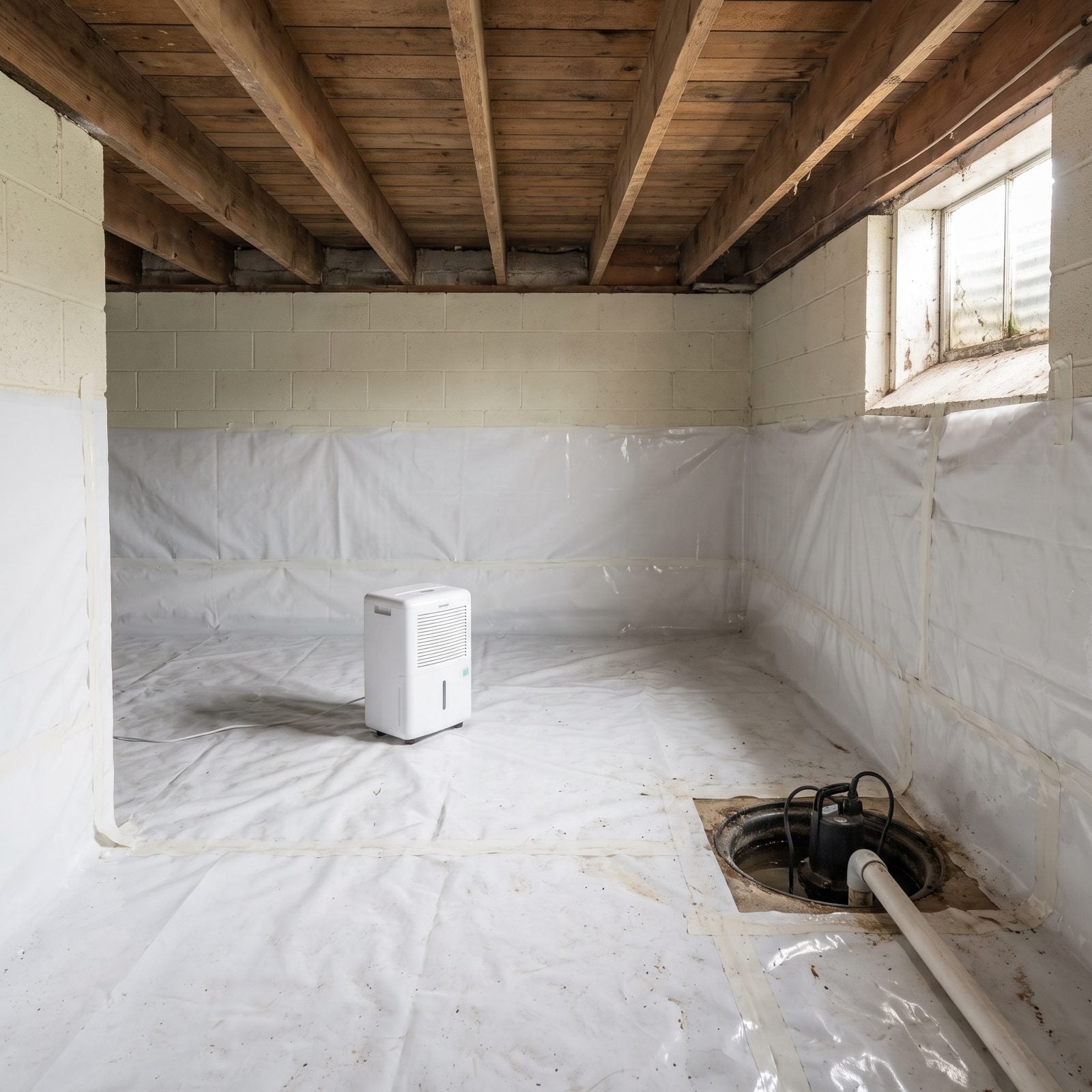
Lakefront and coastal lots sit close to the water table, and that moisture rises straight up into an unsealed crawl space. You smell it before you see it — that damp, root-cellar note in the floors on a humid day.
Encapsulation means sealing the ground and walls with a heavy vapor barrier, often adding a dehumidifier and sometimes a sump. It isn’t a weekend project, and it’s one of those invisible expenses that doesn’t add a single square foot you can brag about. What it buys is floors that don’t cup, insulation that stays dry, and air you’d actually want to breathe.
7. Raising HVAC Units, Water Heaters and Electrical Panels Above Flood Level
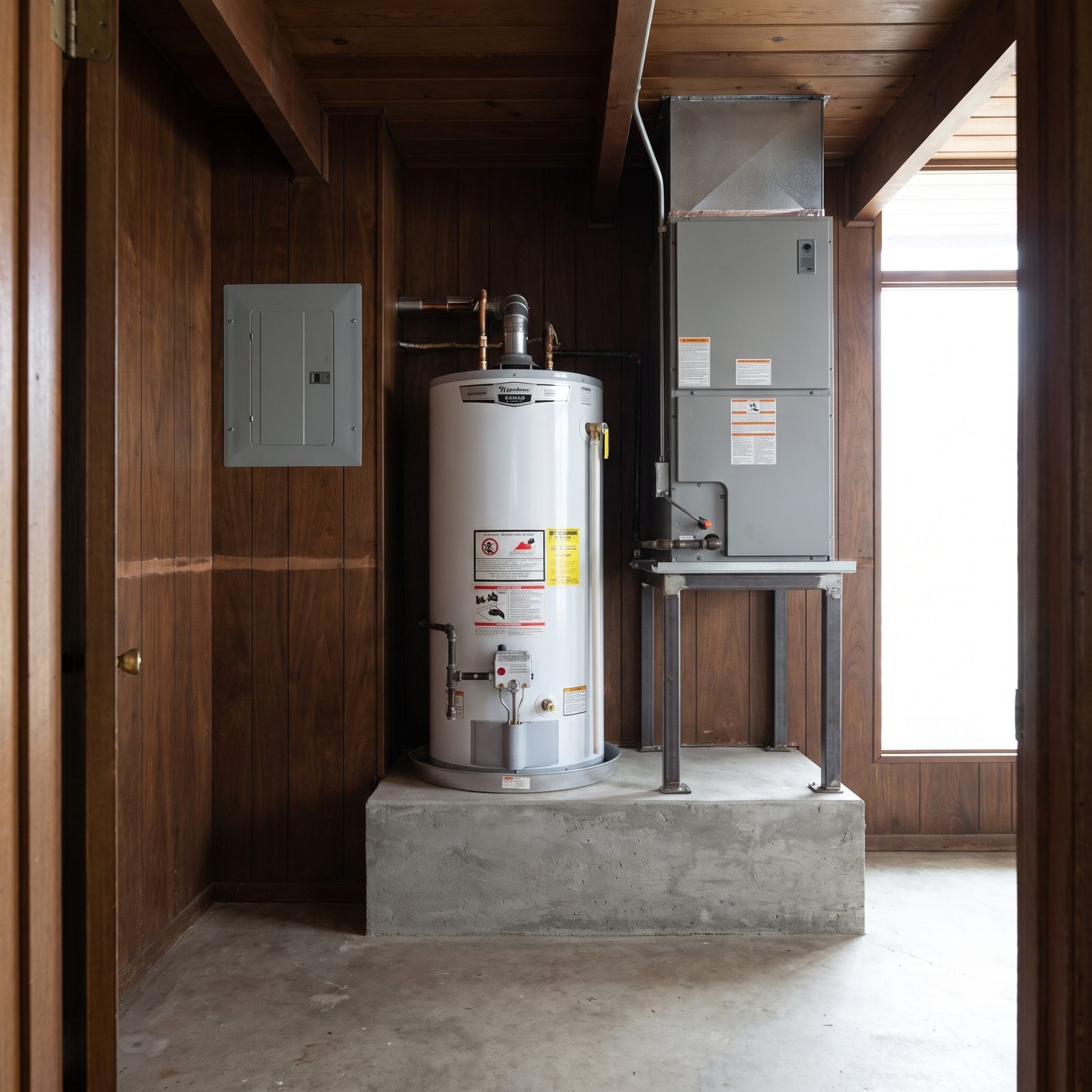
In a flood zone, the cheapest place to put your furnace is also the dumbest. One storm surge or backed-up creek, and equipment sitting at floor level is scrap.
Elevating the HVAC, water heater, and electrical panel above the base flood elevation is standard practice near the water, and it tends to surface when you least want it — during a renovation, when code forces you to bring the whole system up to current standards. Labor, platforms, re-running lines. The upside is real, though: raised mechanicals can lower your flood insurance premium, sometimes enough to matter every single year.
6. Paid Storm Preparation for Owners Who Live Far From the Property
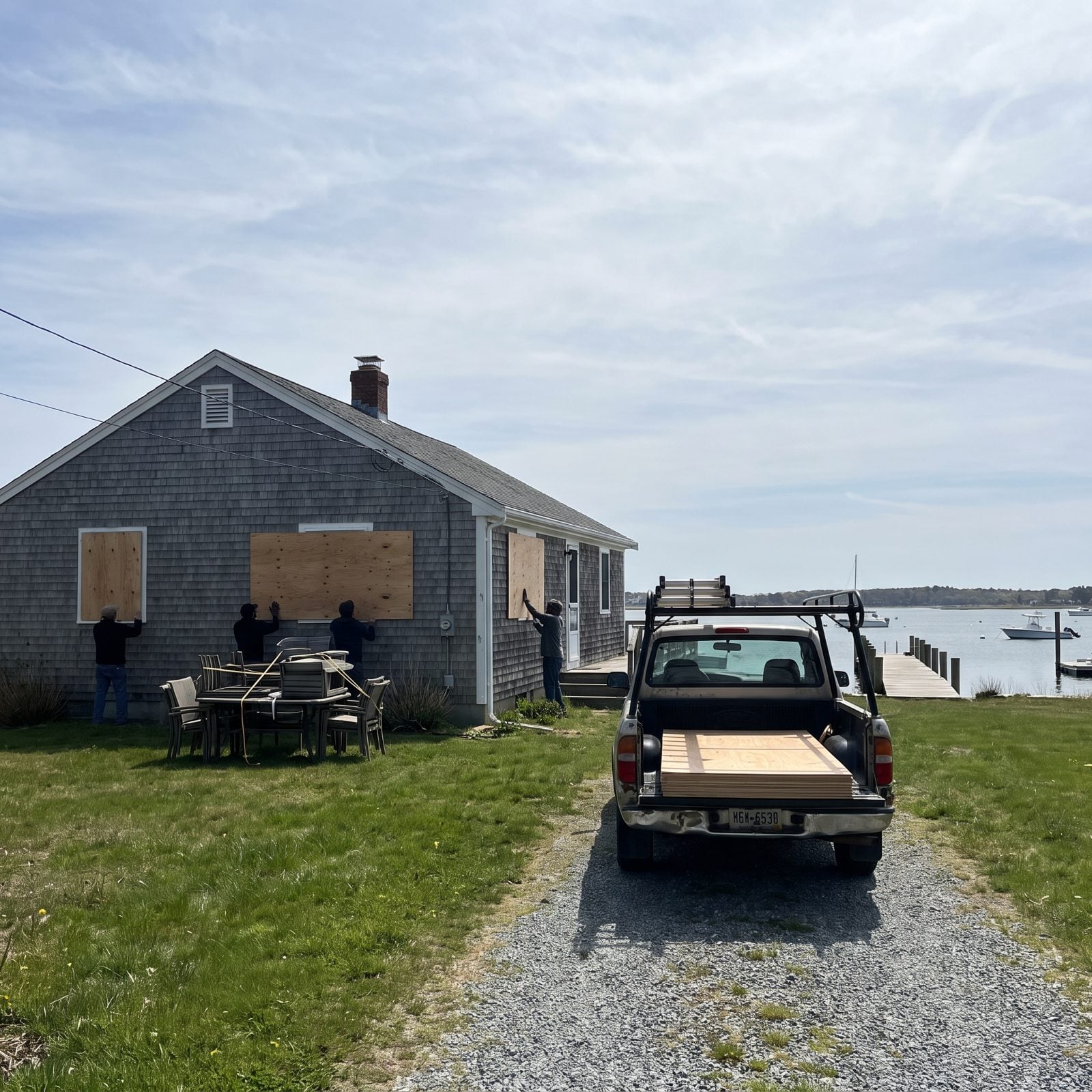
A vacation house two states away can’t board its own windows. If you own waterfront you don’t live at full-time, somebody has to shutter the place, haul in the furniture, and secure the dock every time a storm spins up the coast.
That somebody charges by the visit. Seasonal caretaking or on-call storm prep is a recurring line item in hurricane country, and the price climbs the week everyone needs it at once. The owners who skip it gamble a few hundred dollars against a blown-out window and a flooded living room. That math rarely works in your favor.
5. Emergency Boat Haul-Out and Inland Storage Before Major Storms
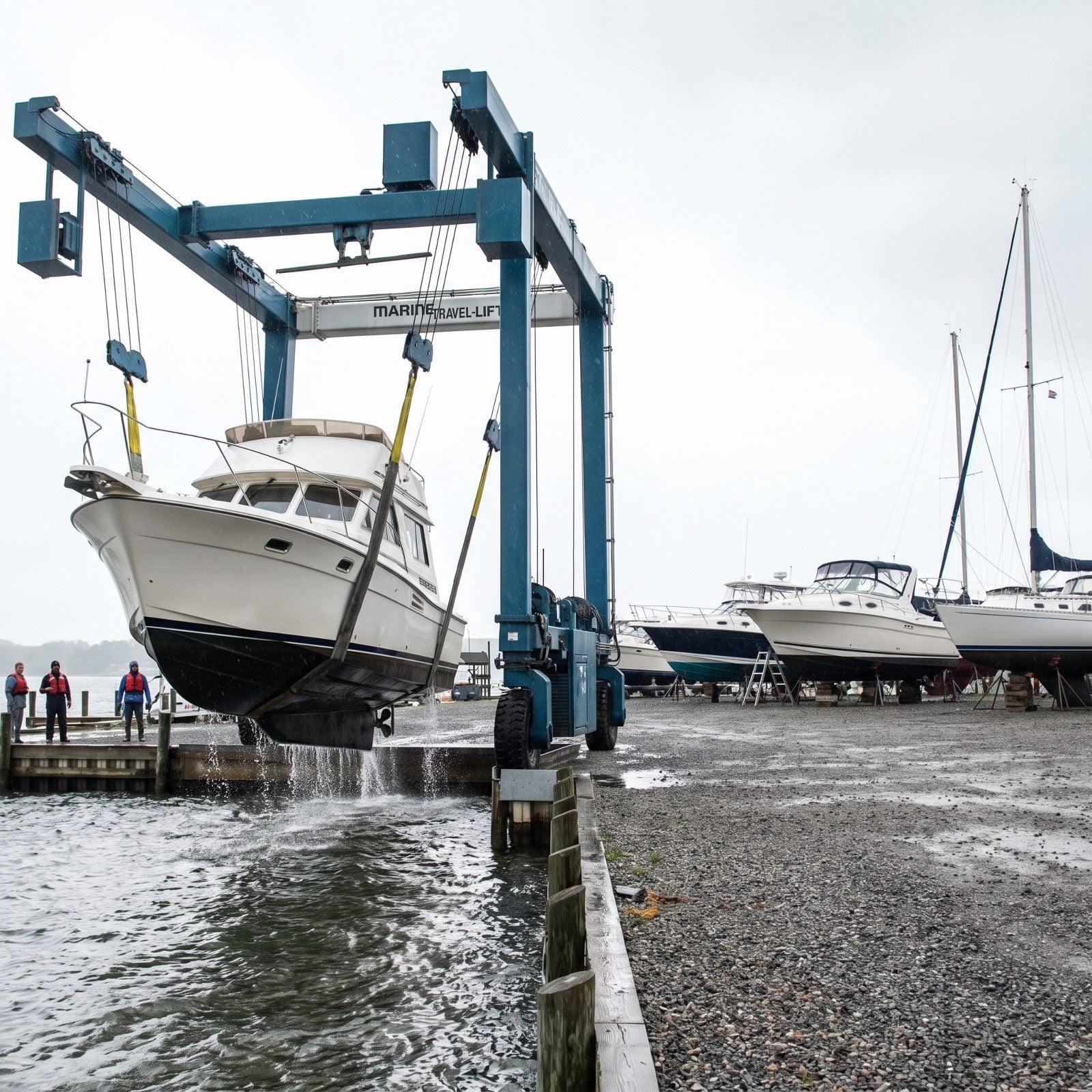
When a hurricane is named, every boat owner has the same idea at the same time. Pulling your boat and trailering it inland is the safest move, but the haul-out slot and the dry storage space are suddenly scarce and priced accordingly.
Marinas prioritize contract customers, so the folks calling two days out often find the yard full. The ones who plan ahead keep a storage reservation or a standing haul-out agreement, and pay for it whether a storm comes or not. Leaving a boat lashed to a dock in a surge is how you end up with it in someone’s yard a quarter-mile away.
4. Drainage Systems for Yards With a High Water Table
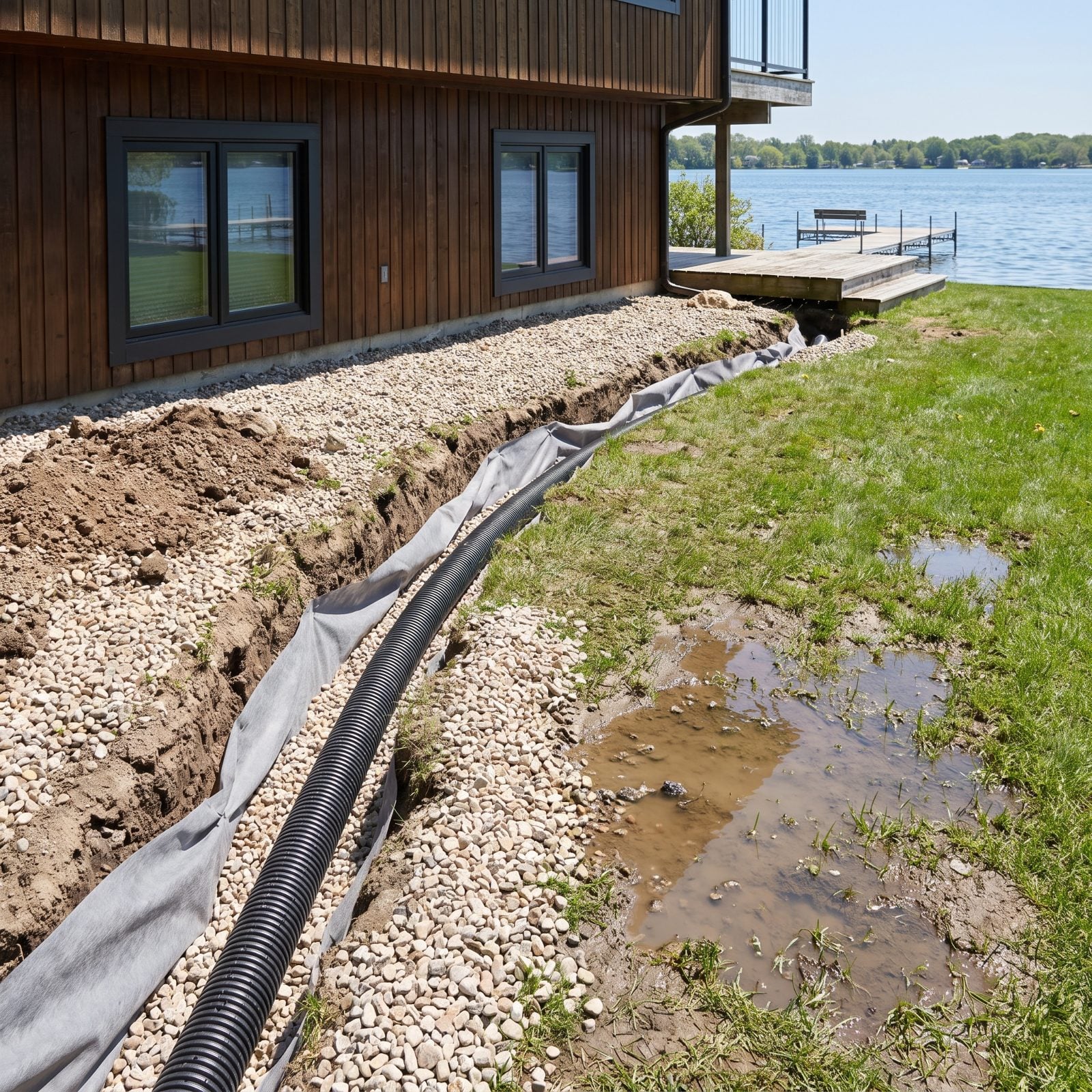
A yard that sits low and close to the lake doesn’t drain, it holds. After a hard rain the grass squelches for days, and water that should run off instead pools against your foundation.
The answer is usually some mix of French drains, a regraded slope, maybe a dry well, and in stubborn cases a yard sump that pumps the low spots. None of it is cheap, and none of it shows from the curb. It’s the kind of work that turns a swamp back into a lawn, which is worth every unglamorous dollar the first summer you can actually mow without sinking.
3. Retaining-Wall Repairs on Steep Waterfront Lots
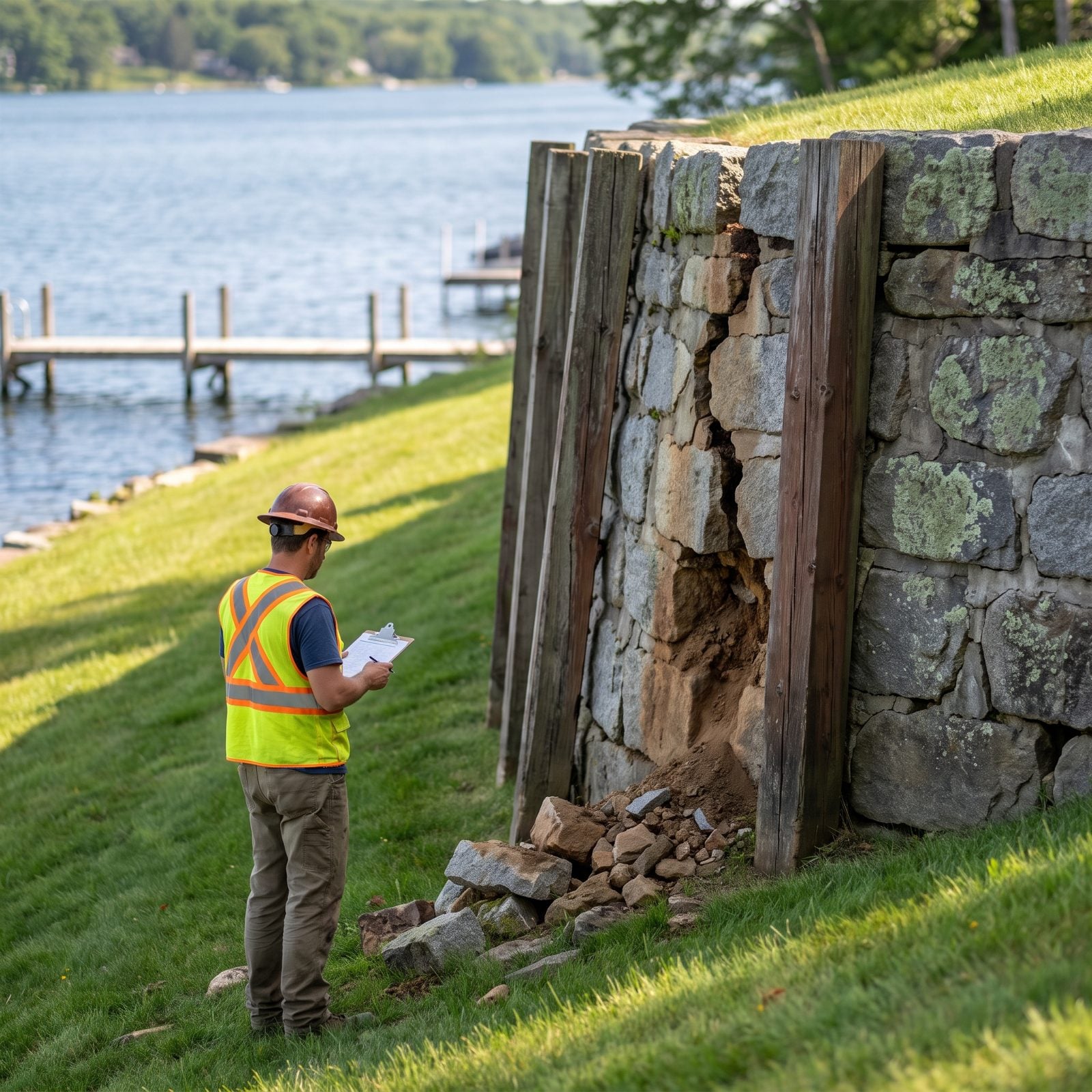
That handsome stacked-stone wall holding your yard above the lake is doing a quiet, thankless job, and the day it stops, the bills land fast. Water never quits pushing. Every rain packs more pressure behind the stone, and on a steep lot you’ve got a whole hillside leaning on that one structure.
Repairs run into real money because the wall is a pain to reach. Half the time a crew can’t get heavy equipment down to the waterline, so the work crawls along by hand or off a barge. A full rebuild on a tall lakefront wall can land in the tens of thousands, and shoreline permits add weeks before anyone so much as lifts a shovel.
2. Costly Septic Replacement When Shoreline Setbacks Squeeze the Drainfield
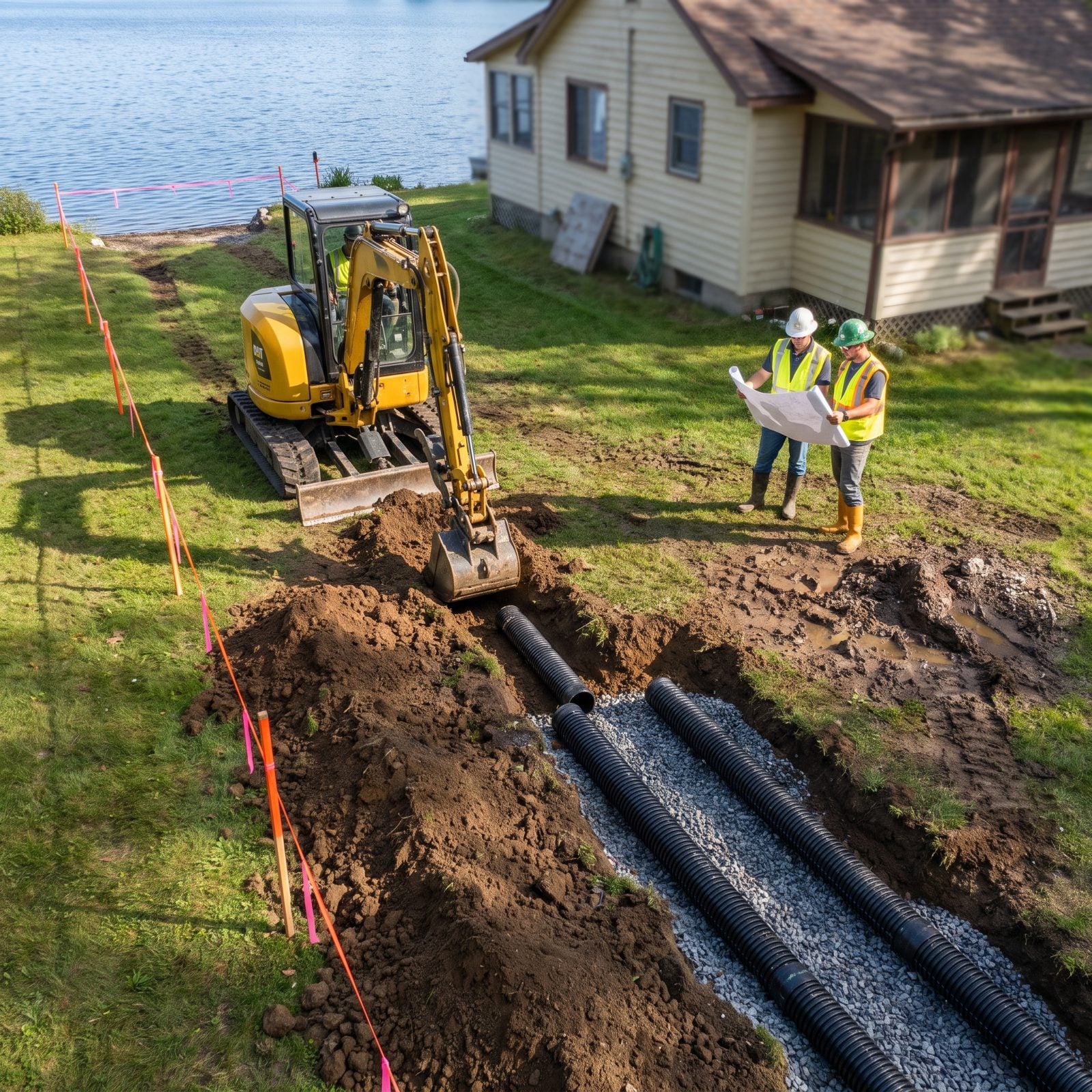
Here’s the one nobody mentions at the open house. On a waterfront lot, your septic drainfield has to sit a set distance back from the lake — the number depends on the state. That rule keeps effluent out of the water you swim in, and honestly, thank goodness for it.
The trouble starts on a small parcel. There’s often just not enough dry upland left to drop a conventional drainfield where the code demands it. So when the old system quits, you can’t swap it out like for like. Now you’re looking at an engineered mound system, an aerobic treatment unit, or pressurized dosing — all of which cost a fortune compared to a plain replacement. A mound on a cramped lot can climb well past twenty grand once you tally the design, the permit and the pump. Not a weekend project. Not a cheap one either.
Get the septic looked at hard before you close. A dye test and a tank inspection run a couple hundred dollars. Skip that step and you may inherit a five-figure surprise with no legal room left to install the fix.
1. Attorney Review of Riparian Rights, Access Rights and Dock Ownership

The waterline on your deed may not be the waterline you think you own. Riparian rights on a lake or river, littoral rights on tidal water — these govern what you can actually do with the water in front of your house, and they swing wildly from one state to the next.
A few gut-punches buyers only discover after closing: the dock belongs to an association, not to your parcel. A neighbor holds a recorded easement to cross your beach to reach theirs. The state owns the lakebed and licenses your dock year to year. Or that shiny “deeded water access” turns out to be a shared gravel path four owners squabble over every July.
Spend the few hundred dollars on a real estate attorney before you sign anything. A clear title does not mean clear water rights, and the two get reviewed separately. Water law is ancient, local and genuinely strange — it reads like nothing else in your contract.