
A leaning seawall and a questionable romance have more in common than anyone wants to admit. Both start with a feeling so good it overrides the paperwork. You stand on the dock, the water goes gold, and some ancient part of your brain decides the flood maps are somebody else’s problem. We’ve watched it happen at a dozen lake showings — the same wiring that keeps people in relationships they should have left runs the show the second the sunset hits the water right. These are the mental tricks that turn a serious property problem into something you’ll defend to your own inspector. Read them and you’ll recognize the moves, because you’ve made a few of them yourself. And not just at a house.
Please note that some of the imagery in this article may have been enhanced with the assistance of AI.
18. The Sunset Makes You Forget to Ask About Flood Insurance

Peak experiences hijack the brain. When the sun drops behind the far shore and the whole lake catches fire, your emotional thermostat spikes — and a spiked emotional state is terrible at risk assessment. It’s the same trick a great first date plays, with the candlelight and the laugh and the way the evening seems to confirm something. Nobody runs a background check during a good sunset.
At the waterfront, that gold light arrives right as the hard questions should. What’s the flood zone rating? What does premium coverage actually cost on a house sitting this close to the water line? Instead you’re watching the reflection and feeling the thing people mistake for certainty.
17. You Call the Musty Crawlspace “Normal Lake Smell”
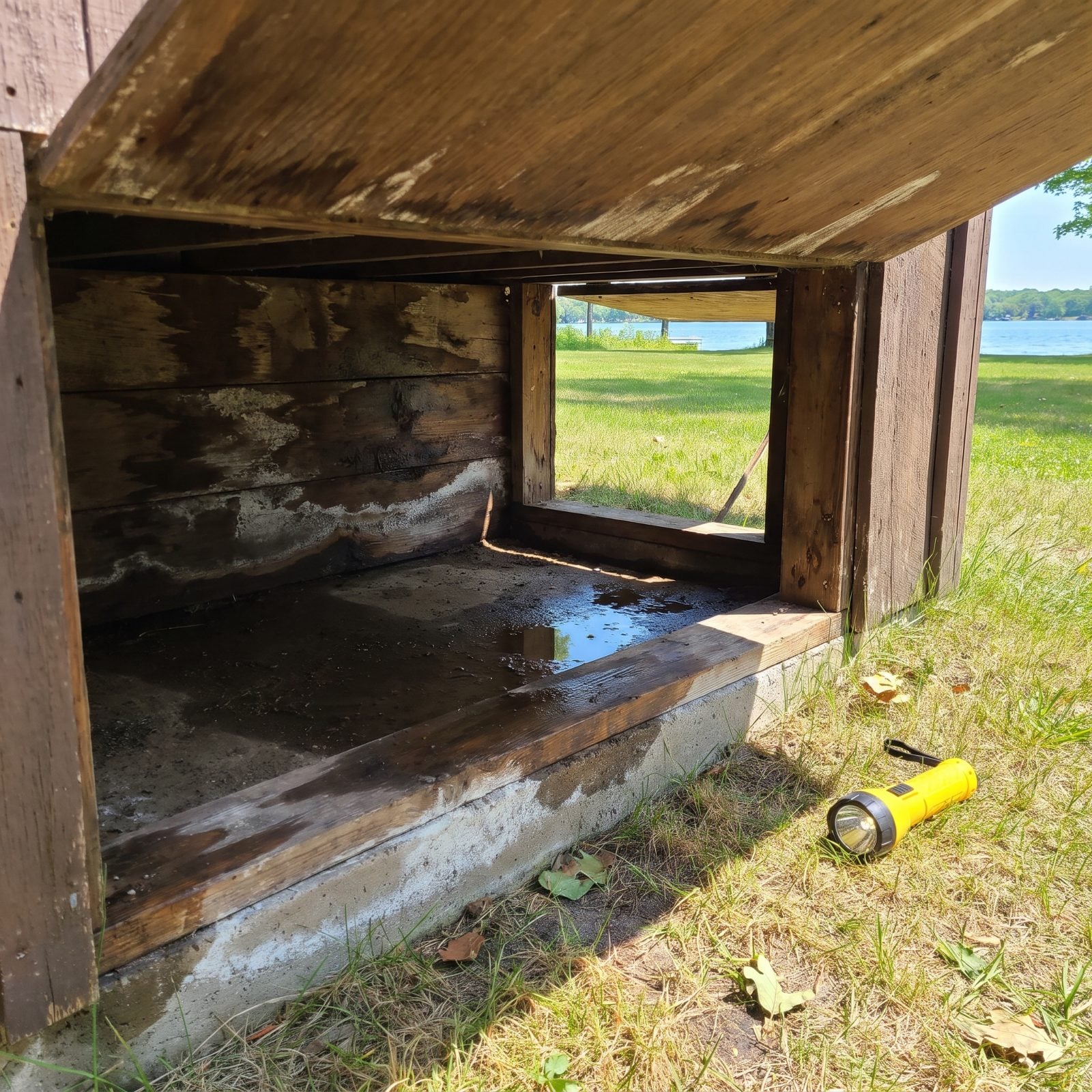
There’s a smell that comes out of certain crawlspaces. Earthy, a little sour, the scent of wood that stays damp longer than wood should. And the buyer who wants the house will take one sniff and announce it’s just how lakefront places smell.
Sometimes that’s true. Often it’s standing water, a failing vapor barrier, or rot that’s been working on the joists for years. The smell isn’t the problem — the smell is the problem announcing itself, and you’re busy translating it into something harmless.
People do this with a partner’s temper too. The first flash of it gets filed under “he’s just passionate” or “she’s had a long week.” Naming the warning something gentler is how we keep living next to it. The nose knew. The brain overruled the nose.
16. You Announce “It’s the One” Before the Survey Arrives

Declaring it’s the one is a decision disguised as a discovery. The moment you say it out loud, every fact that arrives afterward gets sorted into two piles: evidence that confirms you were right, and noise to be dismissed. A survey showing a boundary dispute lands in the noise pile without a struggle.
Confirmation bias, wearing a love story. Once you’ve committed emotionally, your brain quietly switches jobs — it stops evaluating the house and starts defending the choice you already made. Same thing happens when someone decides their new partner is the one on the third date. Every later red flag gets explained, minimized, or simply unseen.
15. You Avoid Clarifying Dock Rights Because It Might Get Awkward
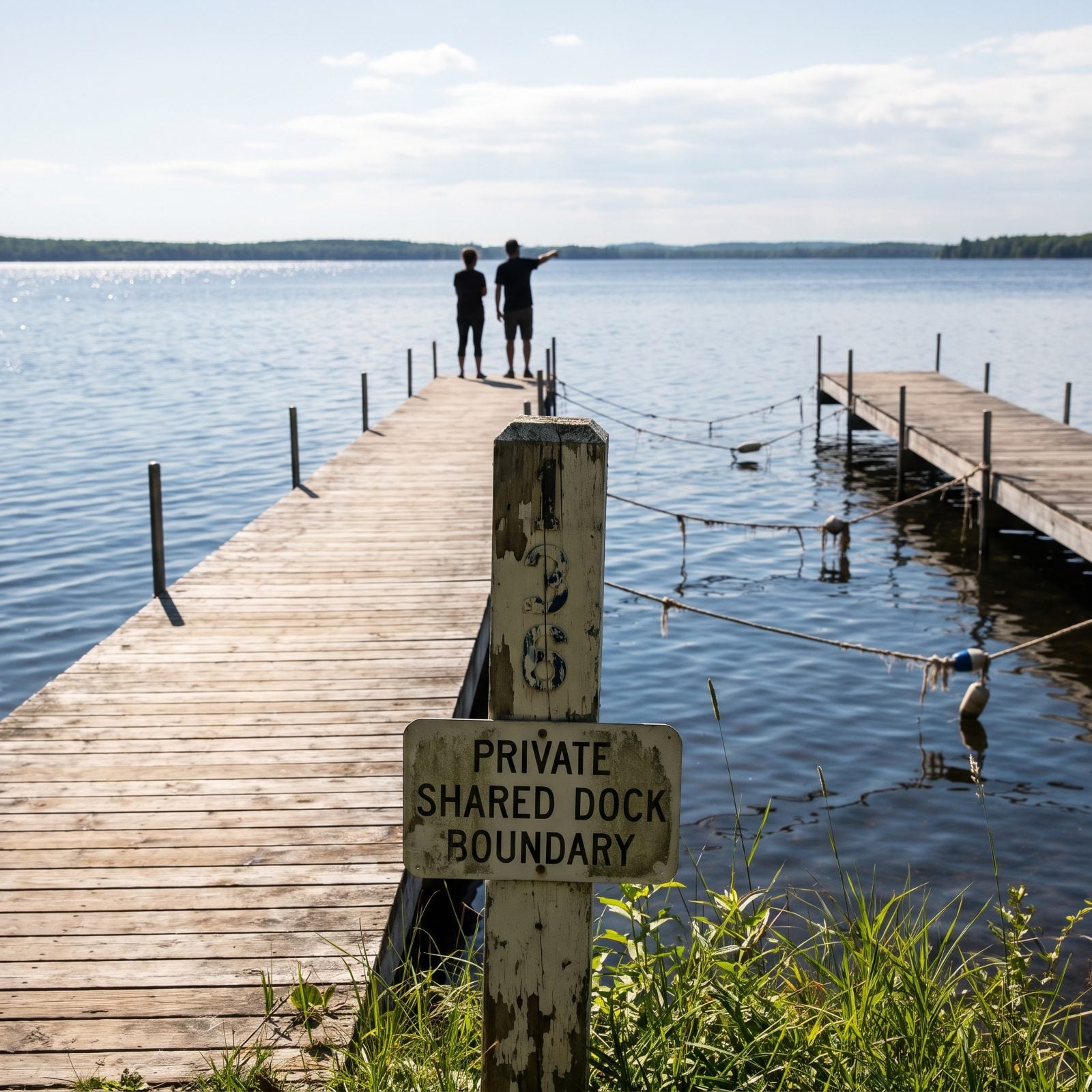
Shared docks, disputed mooring lines, who exactly gets to tie up where. These are the questions that decide whether you love your summers or spend them in a slow war with the neighbors. And they’re exactly the questions buyers skip, because asking feels confrontational and the day is going so nicely.
Conflict avoidance is an old survival instinct. We’re wired to keep the peace in the short term even when it costs us dearly later, so you don’t ask the pointed question about dock boundaries — the same way couples sidestep the money conversation or the “so where is this going” talk. The awkward five minutes you dodge now becomes the ten-year grievance you can’t escape.
Put plainly, the question that’s uncomfortable to ask before closing is the one that turns into a lawyer’s letter after. Ask it while you can still walk away.
14. New Cabinets Distract You From the Pilings Underneath

Fresh cabinets do a lot of emotional work. They signal care, money spent, a house that’s loved — and your brain stretches that good impression over everything it can’t see, including the structure holding the whole place above the water.
That’s the halo effect. One attractive trait makes us assume other, unrelated things are also fine. A gleaming kitchen whispers “quality home,” so the aging pilings underneath get the benefit of a doubt they never earned.
It’s the same reason a charming partner gets forgiven for things a plain one wouldn’t. Shine on top buys a lot of slack for whatever’s below.
13. Three Other Offers Make the Rotting Dock Look Desirable

A rotting dock sitting alone is a repair bill. The same dock with three other parties circling becomes, somehow, a prize. Nothing about the wood changed. The crowd changed, and the crowd is doing your evaluating for you.
Social proof is powerful and mostly invisible. When others want a thing, we assume they know something we don’t, and their wanting raises our wanting. Auction houses build their whole business on it. So do dating apps, where a profile with a line of admirers suddenly looks like a catch regardless of the actual person.
The other offers might see exactly what you see and bid anyway, planning to fix it. Their presence tells you there’s demand. It tells you nothing about whether the dock is sound.
12. You’ve Paid for Inspections, So Walking Away Feels Wasteful
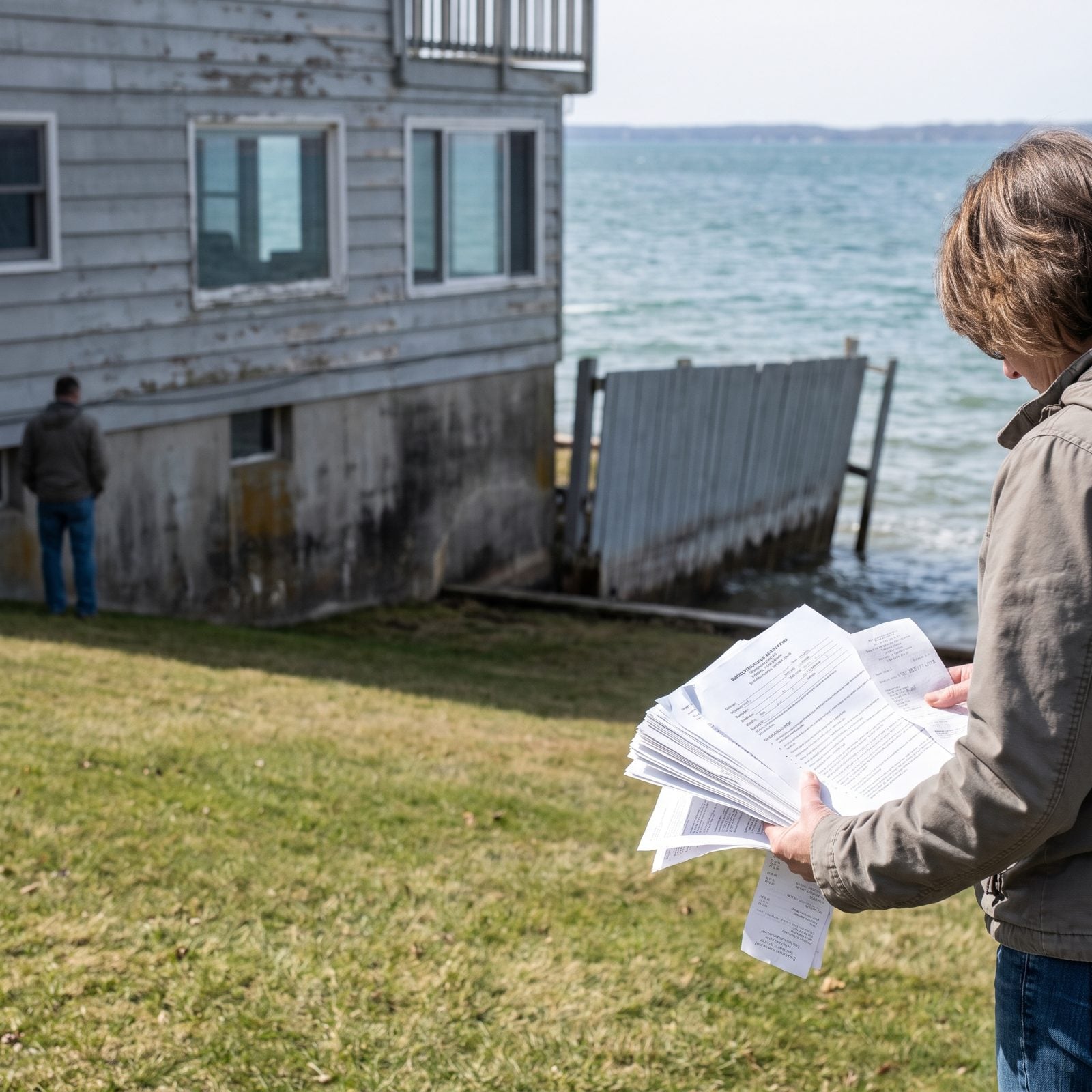
This is the trap that catches smart people. You’ve spent real money — the inspector, the survey, the specialist who crawled under the house. Every dollar already gone makes walking away feel like admitting you wasted it, so you keep moving toward a purchase the inspections themselves are warning you against.
Sunk cost fallacy, and it might be the single most expensive bias in human life. The money you already spent is gone no matter what you do next. It should have zero say in the decision, yet it screams the loudest.
People stay in relationships for the same reason. Four years in, the thought isn’t “is this good,” it’s “I’ve already put four years into this.” The years are spent either way. Staying longer doesn’t get them back.
A few thousand dollars in inspection fees is the cheapest thing you’ll ever spend to avoid a house that needs two hundred thousand.
11. The Seller Seems Nice, So You Trust the Shared Well
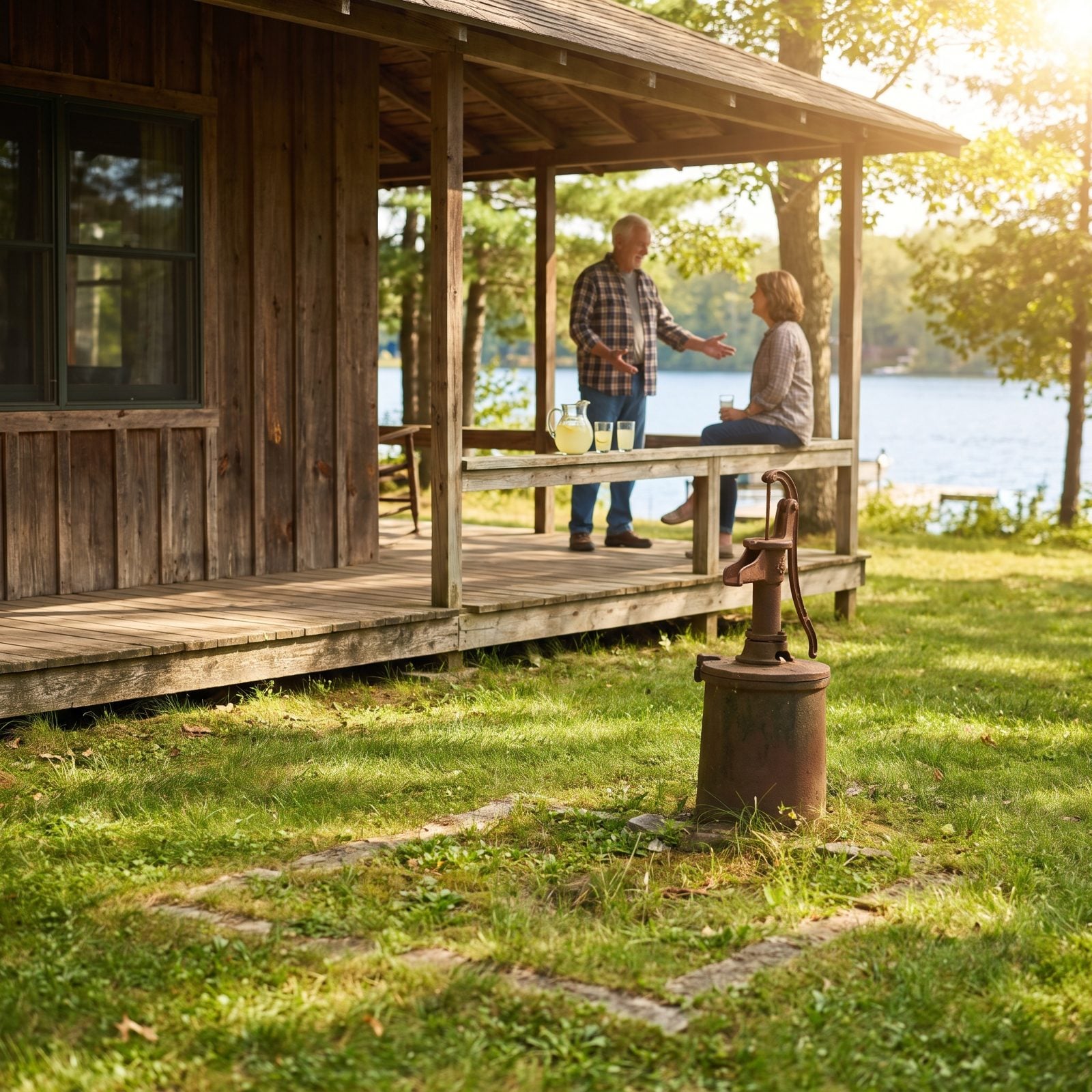
A warm, chatty seller who offers you lemonade and talks about raising kids on this lake is doing something your brain can’t resist. It’s reading their likability as honesty, then reading that honesty as a guarantee about things they have no control over.
A shared well is a contractual and mechanical arrangement. Who maintains it, who pays when it fails, what happens when the neighbor’s usage spikes in August. None of that depends on whether the seller is nice. But a pleasant person makes us lower our guard on everything they touch.
We make the same leap in dating constantly. He’s charming, therefore he’s trustworthy, therefore his version of the story must be the true one. Charm and honesty are separate traits that happen to feel like the same thing.
10. You Keep Calling Inspectors Until One Likes the Seawall

The first inspector flags the seawall. The second one flags it too. So you find a third, and a fourth, and you keep going until someone finally shrugs and says it’s probably fine for now. Then that’s the opinion you carry to closing.
Motivated reasoning with a search engine. You’re not actually looking for the truth about the seawall — you’re shopping for permission, and if you make enough calls, eventually you’ll buy it from whoever’s cheapest to convince.
Second opinions are the relationship version. You don’t want to know if leaving is reasonable. You want a friend who’ll tell you to stay, so you keep asking different friends until one of them agrees with the answer you’d already chosen.
Honestly? The inspectors who flagged it are your allies. They’re telling you a hard thing because it’s true. The one who finally approved it is the one you shouldn’t trust, because you selected him for his willingness to agree.
9. You Blame Every Warning on an Overcautious Inspector
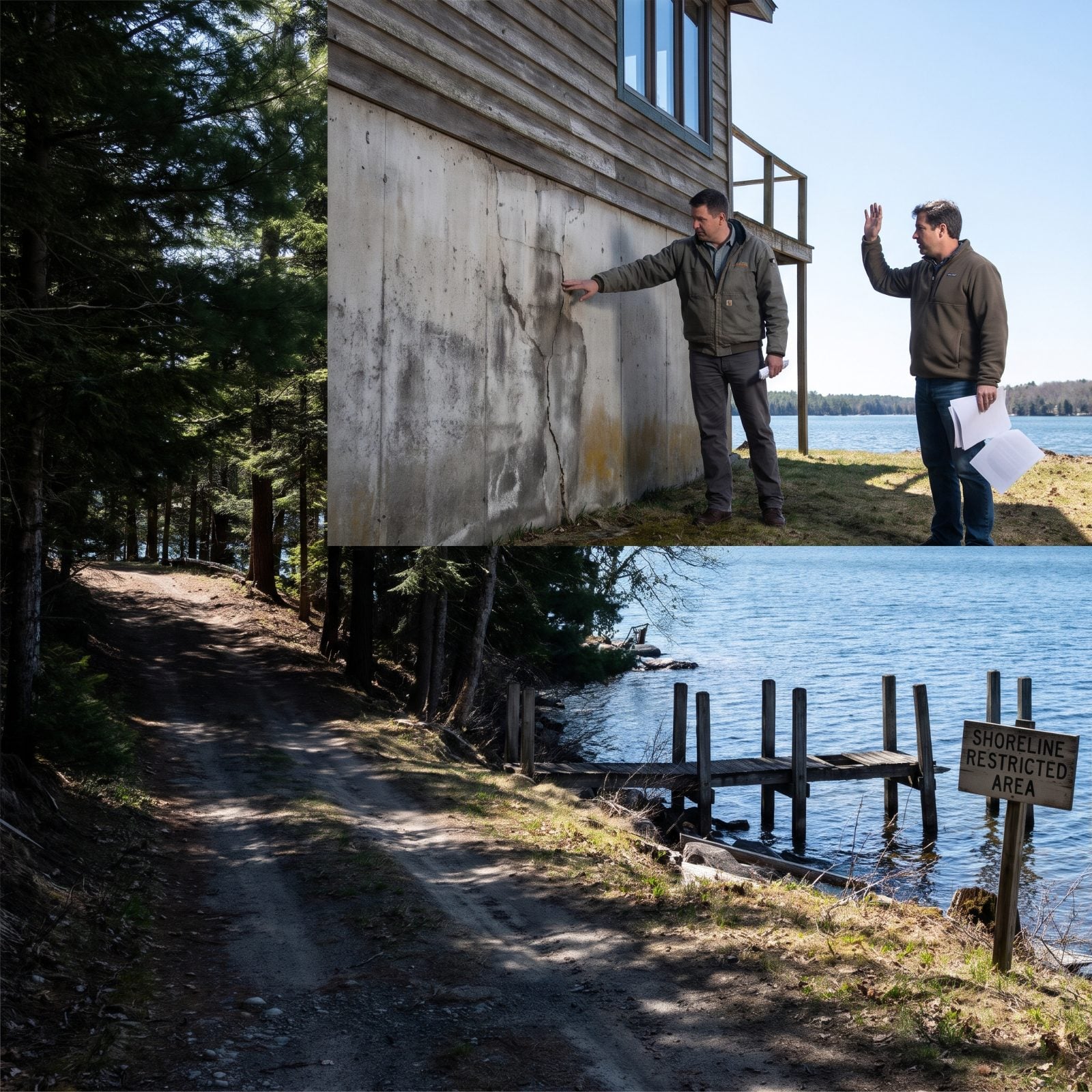
When the report is bad enough, the easiest fix is to blame the messenger. The inspector is too cautious. He flags everything. He’s just covering himself. Every real problem gets reframed as his personality flaw, which conveniently means none of it is the house’s problem.
This is how we protect a decision we’ve fallen for. Discredit the source and you get to keep the conclusion. It’s the last line of defense, the one that kicks in when the evidence is too strong to ignore any other way.
Everybody’s watched a friend do this with a partner nobody approves of. The friends who raise concerns are suddenly jealous, judgmental, or just don’t get it. The warnings get explained away by attacking the people giving them, one by one, until there’s no one honest left to listen to.
8. A Big Price Cut Makes Every Repair Feel Smaller

The listing dropped sixty grand overnight, and suddenly that cracked seawall reads like a minor inconvenience instead of a five-figure emergency. That’s anchoring doing its quiet work. Your brain latches onto the first big number it sees — the discount — and measures everything after against it. A seawall repair feels tiny next to the savings, even though the savings exist precisely because the seawall is failing.
Same reason people stay with someone who finally apologized after months of silence. A low bar makes the small gesture feel enormous, and the relief floods out the math.
Here’s the part worth sitting with. The seller cut the price for a reason, and that reason is usually standing right in front of you, leaning toward the water.
7. The Boathouse Already Feels Yours, So Facts Feel Personal
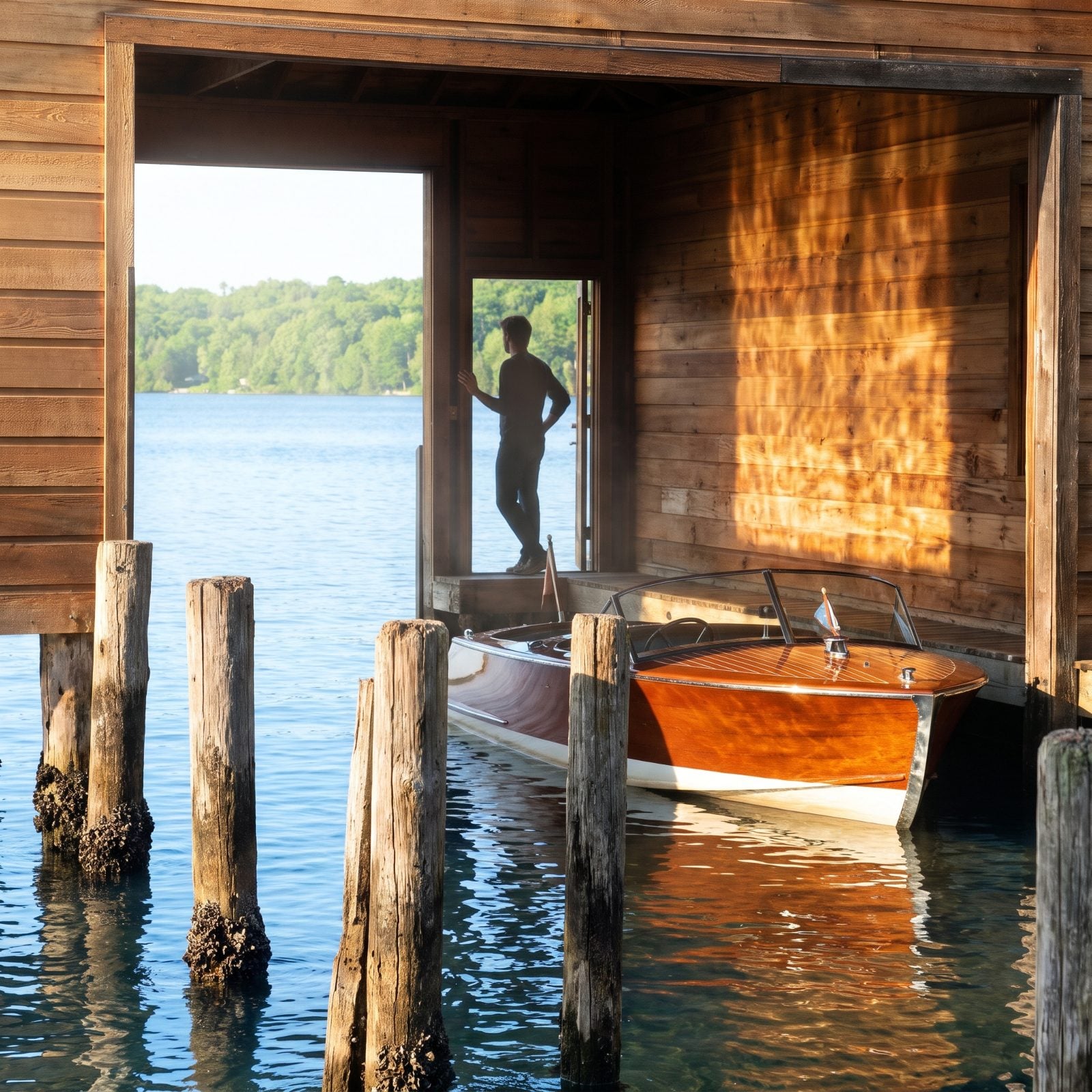
Something happens the second you can picture your boat in that slip. The boathouse stops being a listing and starts being yours. And here’s the strange part: once it feels like yours, bad news about it feels like an insult. The inspector mentions the pilings are soft and your jaw tightens, like he just criticized your kid.
That’s the endowment effect curdling into defensiveness. We value things more once we feel we own them, and we start defending them against plain facts. It’s exactly how people react when a friend gently questions their new partner — the friend is right, but the friendship takes the hit instead.
6. Today’s Boat Slip Beats Tomorrow’s Erosion Bill
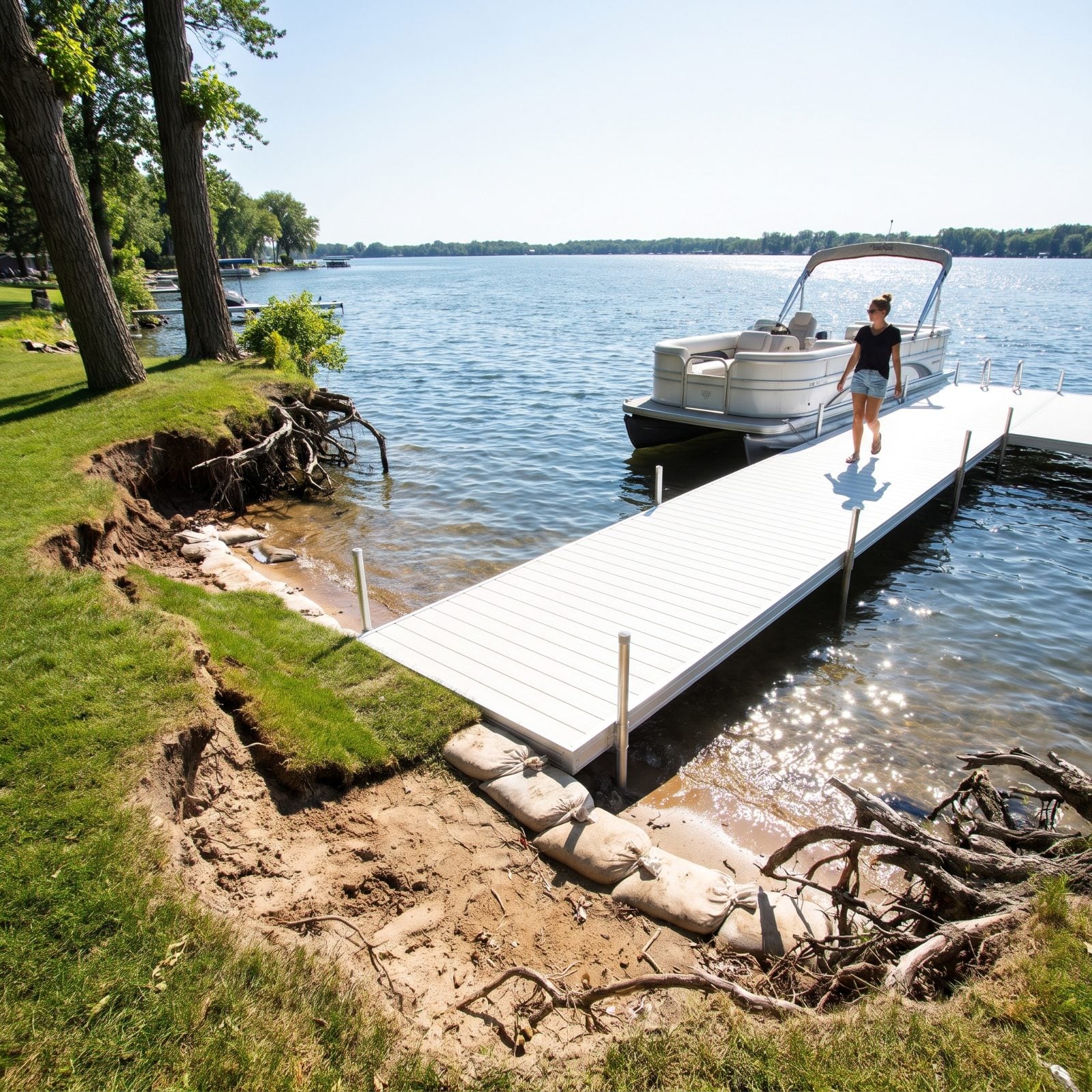
The slip is ready, and you could have your pontoon tied up by Saturday. Meanwhile the erosion that will chew that bank apart over the next several winters feels theoretical, and theoretical loses to the thing you can touch today. That’s present bias — the stubborn human habit of overweighting the reward in front of us and discounting the cost down the road.
It’s behind a lot of regret. The exciting now wins against the sensible later, right up until later shows up with a bill.
Erosion is patient. It doesn’t need you to notice it to keep working. A slip you can use this weekend is worth something, sure, but a retaining wall you’ll be funding in painful increments deserves your attention now, while you still have the leverage to walk.
5. You Assume the Last Major Flood Settled the Odds

There was a bad flood here years back. The owner points to a faint line on the siding and says it hasn’t happened since, like the lake used up its one bad moment and signed a treaty. You find yourself nodding. That’s the gambler’s fallacy — the belief that because something happened, it’s now less likely to happen again. The lake did not get the memo.
People lean on this logic in relationships too. One big blowup, then calm, and the calm gets read as proof the worst is behind them. It isn’t proof of anything. It’s just quiet.
Flood risk runs on terrain, rainfall, and flood maps, not on fairness or taking turns. Pull the actual FEMA zone and the elevation certificate. A high-water line on the siding isn’t a scar from the past. It’s a measurement of how high the water can get.
4. You’re Sure Your Contractor Can Fix What Others Avoided
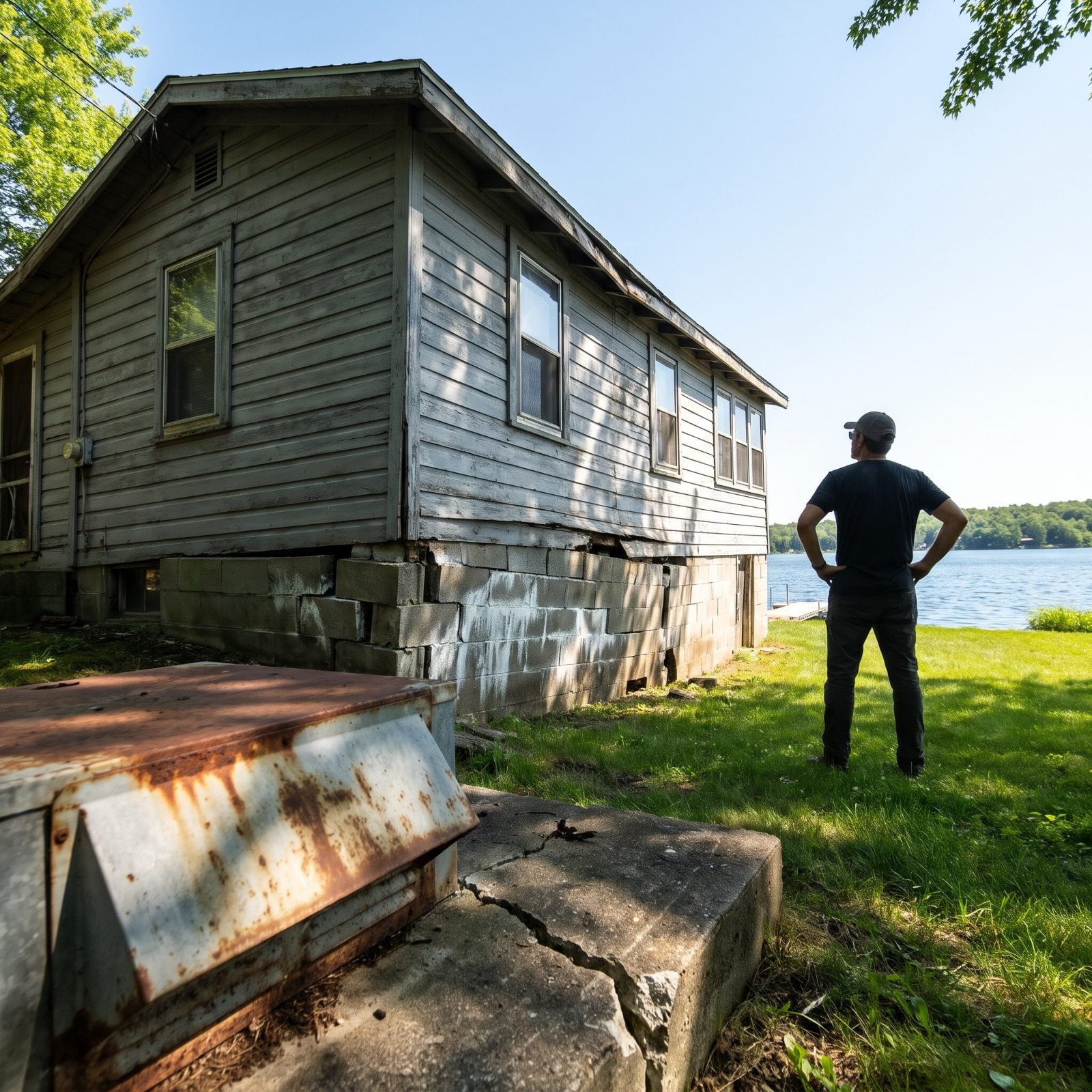
Three previous buyers walked away from the cracked footing and the damp crawlspace. You, however, know a guy. A really good guy. And just like that, the problem that scared off everyone else becomes a weekend project in your head.
That’s overconfidence bias wearing a tool belt. We reliably overestimate our ability to manage things other people couldn’t, especially when the fix involves someone we trust. Call it the “I can change him” of real estate.
Your contractor might be excellent. But if a foundation issue near a shoreline made three separate buyers back out, ask what they saw that you’re choosing not to. The confidence is yours. The bill will be yours too.
3. One Perfect July Weekend Erases Every Winter Access Question

You visit in July. Windows open, water warm, and that steep gravel driveway is just a scenic little climb. Nobody mentions what the same driveway does under four inches of ice, because in July ice doesn’t exist. That’s the memory of a feeling writing a check your February self will have to cash.
We judge the whole property by the slice of it we experienced — and we experienced it at its absolute best. Which is why summer flings feel like forever. You only ever saw the good season.
So ask the plain questions a July visit won’t answer. Does the county plow this road? Can a delivery truck make the grade in winter? Is there a stretch where you simply can’t get up to your own front door? A perfect weekend is real. It’s also only one weekend.
2. You Compare It Only With the Worse House Next Door
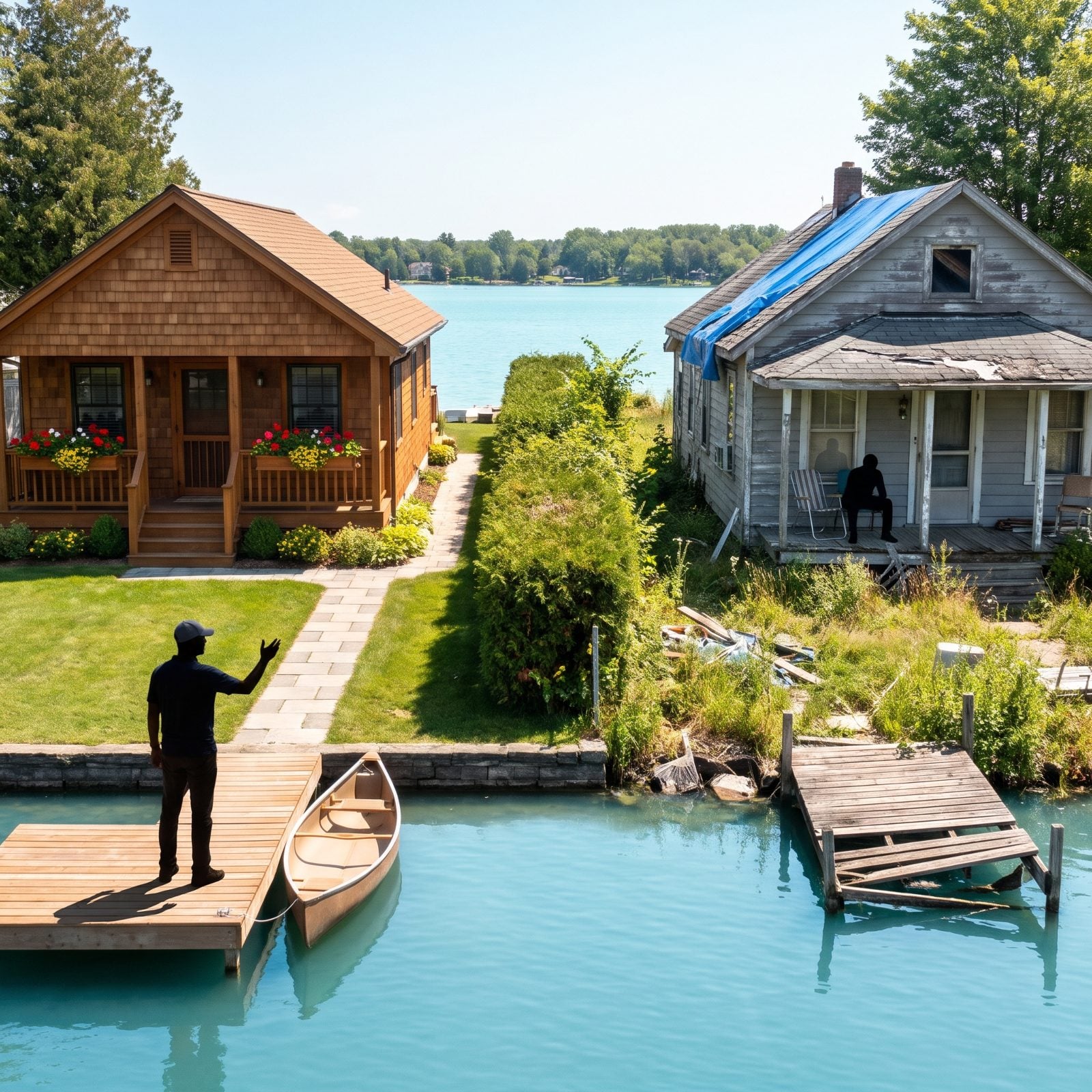
Next door is a disaster. Tarp on the roof, dock half in the water, yard like a jungle. Against that backdrop, the house you’re looking at glows. The trouble is you’ve quietly chosen your comparison, and you chose the weakest one in the neighborhood.
That’s the contrast effect. A thing looks better or worse depending on what sits beside it, not on what it actually is. People do this with partners, measuring a so-so relationship against a friend’s worse one and feeling lucky.
The house next door tells you nothing about the house you’re buying.
Measure this property against what it should be and what it costs, not against the sad house beside it. The neighbor’s problems are not your discount.
1. You Count Rental Income Before Reading the Shoreline Rules

The spreadsheet opens before the regulations do. You’re already dividing the mortgage by nightly rates, picturing a summer of booked weekends — and the little detail about this shoreline sitting in a restricted-use zone that bans short-term rentals? Filed under “we’ll figure it out.”
Motivated reasoning is a powerful thing. Once you want a conclusion, your brain becomes a very persuasive lawyer for it, dismissing anything that threatens the number you’ve fallen for. It’s how people ignore the dealbreaker because they’re already attached to the life they imagined.
Shoreline rules, HOA covenants, and local rental ordinances are not suggestions. They can turn a cash-flow plan into a cash drain overnight. Read them before the spreadsheet, not after. The income you’ve already spent in your head is the hardest kind to give up.