47 of the Best Hobbies for Retirees Who Refuse to Slow Down

Retirement opens the door to countless opportunities to explore new interests and rediscover forgotten passions. Whether you’re seeking creative outlets, physical activities, or intellectual challenges, the right hobby can transform your retirement years into the most fulfilling chapter of your life.
Finding the perfect hobby can provide structure, purpose, and joy while keeping your mind sharp and your social connections strong. From artistic pursuits like pottery and watercolor painting to adventurous activities like kayaking and competitive chess, there are options to match every personality and fitness level. The key is choosing activities that align with your interests while pushing you to grow and learn something new.
Please note that some of the imagery in this article may have been enhanced with the assistance of AI.
47. Restoring classic cars
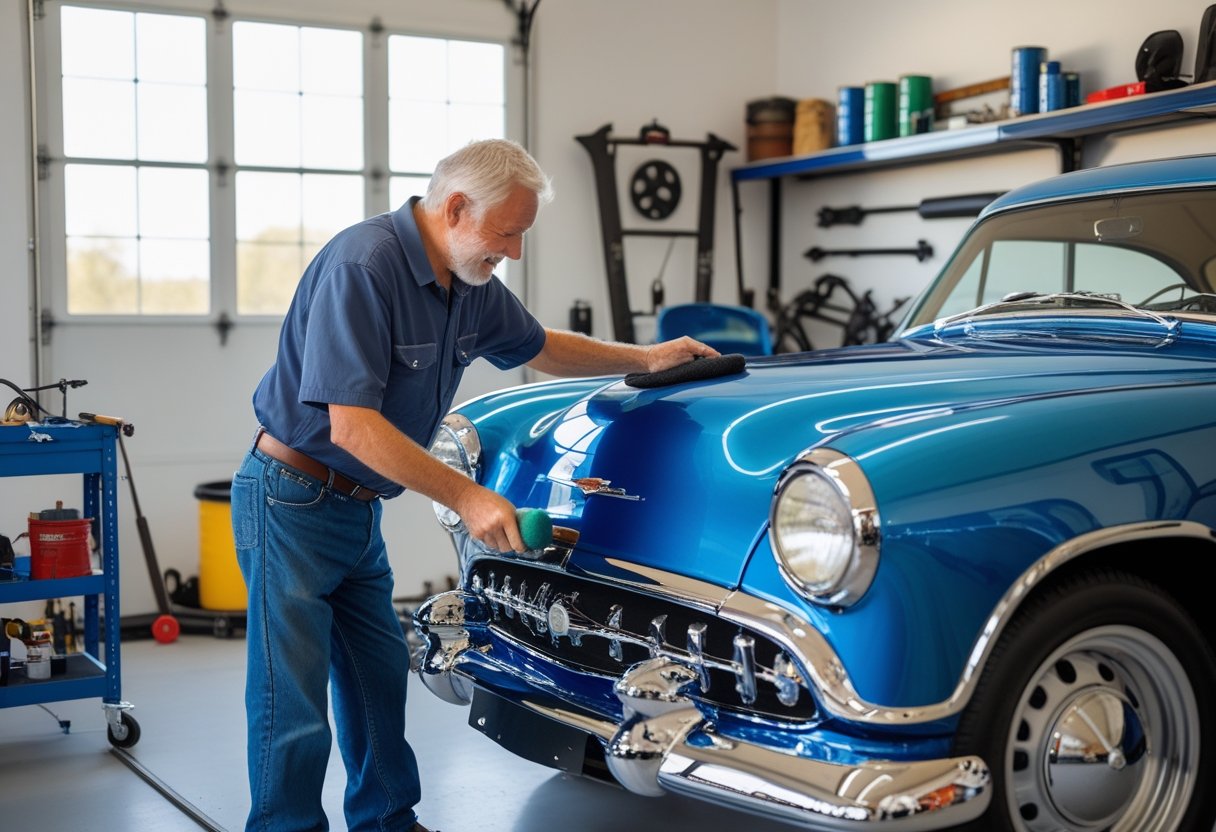
Restoring classic cars offers retirees a hands-on hobby that combines mechanical skills with historical appreciation. You’ll spend countless hours working with your hands while bringing automotive history back to life.
This hobby gained popularity in the 1960s and 1970s through car shows and auctions. Modern technology and improved tools have made restoration more accessible for enthusiasts of all skill levels.
You don’t need extensive mechanical experience to start. Many retirees begin as curious beginners and learn through hands-on practice and restoration classes.
The process involves replacing worn parts, addressing rust issues, and carefully restoring vehicles to their original condition. You’ll find satisfaction in piecing together each component like a historical puzzle.
Car restoration connects you with a vibrant community of fellow enthusiasts. You can attend car shows, join clubs, and share knowledge with others who appreciate automotive craftsmanship.
46. Exploring digital art and graphic design

Digital art and graphic design offer exciting creative outlets that blend technology with artistic expression. You can create stunning visual works using software programs or drawing tablets without the mess of traditional art supplies.
This hobby lets you experiment with different styles and techniques using a single piece of equipment. You can design posters, create digital paintings, or develop logos from the comfort of your home.
Getting started requires basic equipment like a drawing tablet or even just your computer. Popular software options include Procreate for tablets or free programs like GIMP for beginners.
Digital art is highly versatile and accessible. You can work at your own pace, undo mistakes easily, and explore endless color palettes and design possibilities.
Many online tutorials and communities provide support for beginners. You can learn new techniques, get feedback on your work, and connect with other digital artists who share your interests.
🌟 Discover Your Perfect Retirement Hobby
Tell us about your preferences and we'll suggest 10 amazing hobbies tailored just for you!
45. Collecting and restoring vintage watches

Vintage watch collecting combines passion, research, and investment strategy into one rewarding hobby. You’ll discover pieces that tell stories of history, craftsmanship, and innovation from different eras.
Start by defining your collecting goals and budget. Focus on quality, authenticity, and reputable brands when making purchases. Research is essential before buying any timepiece.
A diverse collection includes dress watches, sports models, chronographs, and vintage pieces. Each category offers unique characteristics and historical significance.
Restoration adds another dimension to this hobby. You’ll learn about watch movements, parts, and repair techniques. This process requires patience and historical knowledge about each timepiece.
This hobby rewards you with tangible pieces of horological history. Each watch becomes a conversation starter and connection to craftsmanship from bygone eras.
44. Participating in organized beach volleyball games
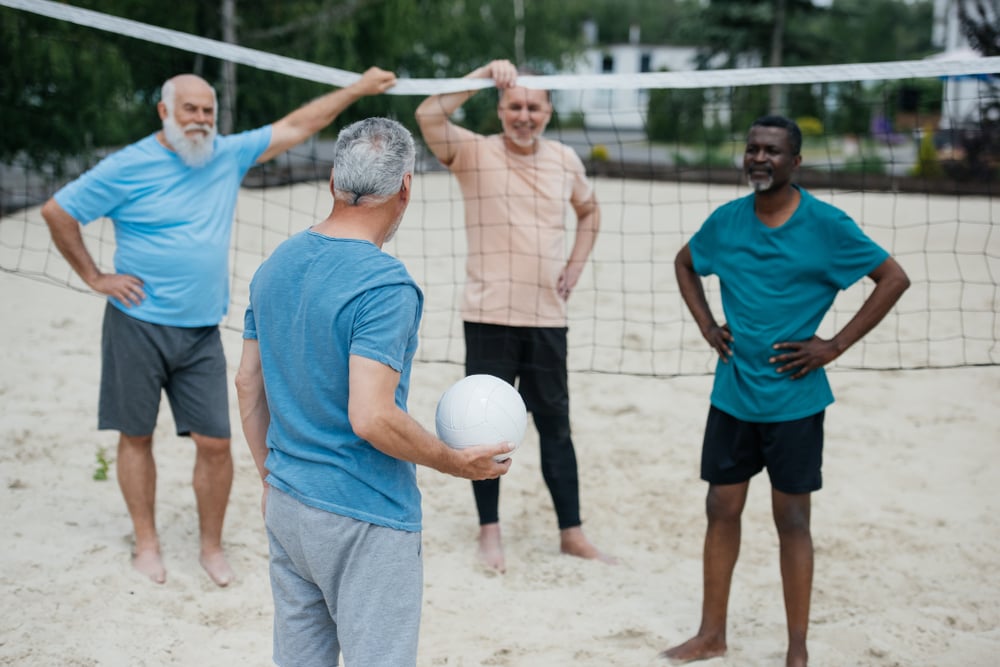
Beach volleyball offers an exciting way to stay active during retirement while enjoying the outdoors. You can find organized games through local meetup groups or recreation centers in coastal areas.
The sport combines cardiovascular exercise with social interaction. Games typically last 30 minutes to an hour, making them perfect for maintaining fitness without overexertion.
You don’t need extensive experience to join organized beach volleyball activities. Many groups welcome beginners and provide a supportive environment for learning the basics.
Beach volleyball is more dynamic than indoor volleyball, with faster-paced gameplay. The sand surface provides a softer landing, reducing impact on joints while still delivering a challenging workout.
Playing regularly helps improve balance, coordination, and reflexes. The beach setting adds the bonus of fresh air and sunshine to your exercise routine.
43. Trying daily journaling

Daily journaling offers active retirees a powerful way to explore thoughts, emotions, and experiences. Creative prompts transform blank pages into opportunities for self-discovery and personal growth.
You can start with simple 30-day journaling challenges that provide daily prompts to kickstart your writing habit. These structured approaches help you build consistency while exploring different aspects of your life.
Creative prompts encourage you to think beyond typical diary entries. You might explore your dreams, reflect on meaningful memories, or imagine future adventures you want to pursue.
This hobby supports emotional wellbeing while keeping you connected to your passions and desires. Writing regularly helps organize thoughts and can spark new creative projects or life directions.
Many retirees find that journaling with prompts helps them process life transitions while maintaining mental sharpness. The practice combines creativity with self-reflection in a deeply personal way.
42. Engaging in volunteer tutoring programs

Volunteer tutoring programs offer retirees a chance to share their knowledge and experience with students of all ages. You can help children with reading, assist adults learning English, or support students struggling with math and science.
Many schools, libraries, and community centers actively seek retired volunteers for their tutoring programs. Your professional background and life experience provide valuable insights that younger tutors may lack.
You can choose flexible schedules that fit your retirement lifestyle. Most programs offer training to help you become an effective tutor, even if you don’t have formal teaching experience.
Tutoring creates meaningful connections between you and your students. You’ll witness their progress firsthand and feel the satisfaction of making a real difference in their educational journey.
You’ll find that tutoring keeps your mind sharp while using your skills in a purposeful way. The experience enriches both your life and the lives of those you help succeed.
41. Joining Toastmasters for public speaking

Toastmasters International offers a supportive environment for developing communication and leadership skills. This organization provides structured programs that help members overcome public speaking fears through practice and feedback.
You’ll find local chapters meeting regularly in most communities. The meetings follow a proven format that gradually builds your confidence and speaking abilities.
Many retirees discover that Toastmasters helps them tackle a long-standing fear of public speaking. The program’s supportive atmosphere makes it easier to practice without judgment.
Each meeting includes prepared speeches, impromptu speaking exercises, and constructive evaluations. This variety keeps sessions engaging while building different communication skills.
Toastmasters provides excellent mental stimulation and social interaction for active retirees. The skills you develop can enhance other activities and relationships in your retirement years.
40. Participating in triathlons or masters swimming

Swimming and triathlons offer excellent low-impact exercise options for active retirees. These activities provide full-body workouts while being gentle on joints and muscles.
Masters swimming programs welcome swimmers of all skill levels. You can join organized groups that meet regularly for structured workouts and social interaction.
Sprint triathlons present an exciting challenge for adventurous retirees. These events typically include a 750-meter swim, 20-kilometer bike ride, and 5-kilometer run.
You don’t need to be an elite athlete to participate. Many retirees successfully complete their first triathlon with proper training and preparation.
Both swimming and triathlons provide measurable goals to work toward. This gives you a sense of purpose and accomplishment in your retirement years.
39. Starting a podcast on your passion

Retirement gives you the perfect opportunity to share your expertise and stories through podcasting. You can create content about any subject you’re passionate about, from gardening tips to travel experiences.
The beauty of podcasting is its flexibility. You can record from your living room, kitchen, or porch on your own schedule. There’s no need for travel or physical exertion.
Start by defining your niche within your passion area. What specific angle sets you apart from other podcasts? Focus on a targeted topic where you can establish yourself as an expert.
Your life experiences give you unique stories that audiences want to hear. Whether you’re 65 or 85, there’s always someone who needs to hear your perspective and wisdom.
Podcasting connects you with like-minded people worldwide. You’ll build a community around your shared interests while staying mentally engaged and socially connected from home.
38. Participating in amateur astronomy clubs

Joining an amateur astronomy club connects you with fellow stargazers who share your passion for the night sky. These clubs offer structured learning opportunities and access to expensive equipment you might not own personally.
You’ll attend regular meetings where experts share knowledge about celestial events, telescope techniques, and astronomical discoveries. Many clubs organize star parties at dark sky locations away from city lights.
Club membership provides access to telescopes, observatories, and specialized equipment. You can try different instruments before making expensive purchases for your own collection.
Group observing sessions make stargazing more social and educational. Experienced members help newcomers learn constellation identification and telescope operation techniques.
Many clubs participate in citizen science projects, allowing you to contribute meaningful data to astronomical research. You’ll feel connected to the broader scientific community while pursuing your hobby.
37. Exploring local museums regularly
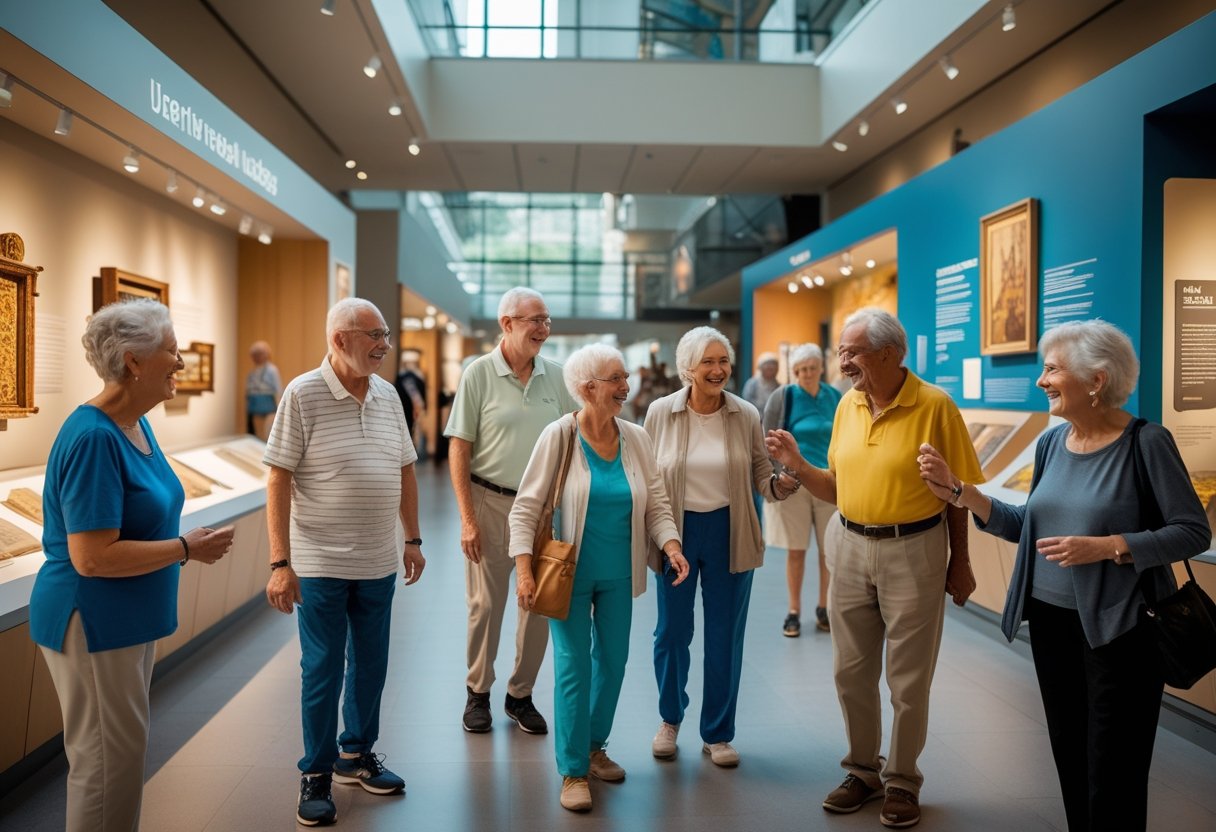
Museums offer endless opportunities for discovery right in your neighborhood. You can explore art galleries, history exhibits, science displays, and cultural collections at your own pace.
Many museums provide senior discounts or special programs designed for older adults. These might include guided tours, lectures, or hands-on workshops that enhance your visit.
Regular museum visits keep your mind active and engaged. You’ll learn new facts, see different perspectives, and connect with your community’s heritage.
Most museums rotate their exhibits frequently. This means you can return multiple times throughout the year and always find something fresh to explore.
Consider becoming a museum member or volunteer. Membership often includes free admission, special events, and behind-the-scenes access that regular visitors don’t receive.
36. Stand-up comedy groups

Stand-up comedy groups offer retirees an exciting way to explore their funny side while connecting with others. You can join local comedy clubs or meetup groups that welcome both seasoned performers and complete beginners.
Many communities now host senior-specific comedy programs. These sessions typically run once a week over three months and include stand-up classes, group laughter exercises, and comedy games.
You don’t need prior experience to get started. Comedy groups provide a supportive environment where you can try performing, cheer on friends, or simply enjoy watching others share their humor.
The social aspect makes comedy groups particularly appealing for retirees. You’ll meet like-minded people who share your sense of humor and appreciate good laughs.
Whether you want to perform or just appreciate comedy, these groups offer regular entertainment and social interaction. You can start by attending as an audience member before deciding if you’d like to try performing yourself.
35. Antique collecting

Antique collecting offers retirees a perfect blend of history, treasure hunting, and potential investment opportunities. You can explore flea markets, estate sales, and antique shops while learning about different eras and cultures.
The hobby allows you to develop expertise in specific areas that interest you most. Whether you focus on vintage furniture, old coins, classic pottery, or rare books, each piece tells a unique story from the past.
You’ll enjoy the thrill of discovering hidden gems at reasonable prices. Many collectors find valuable items that previous owners didn’t recognize, making each shopping trip an exciting adventure.
Antique collecting provides excellent opportunities for social interaction with fellow enthusiasts. You can join collector clubs, attend antique shows, and participate in online communities.
Your collection can become meaningful family heirlooms for future generations. You’re preserving pieces of history while creating a legacy that your children and grandchildren will appreciate.
34. Pottery and ceramics
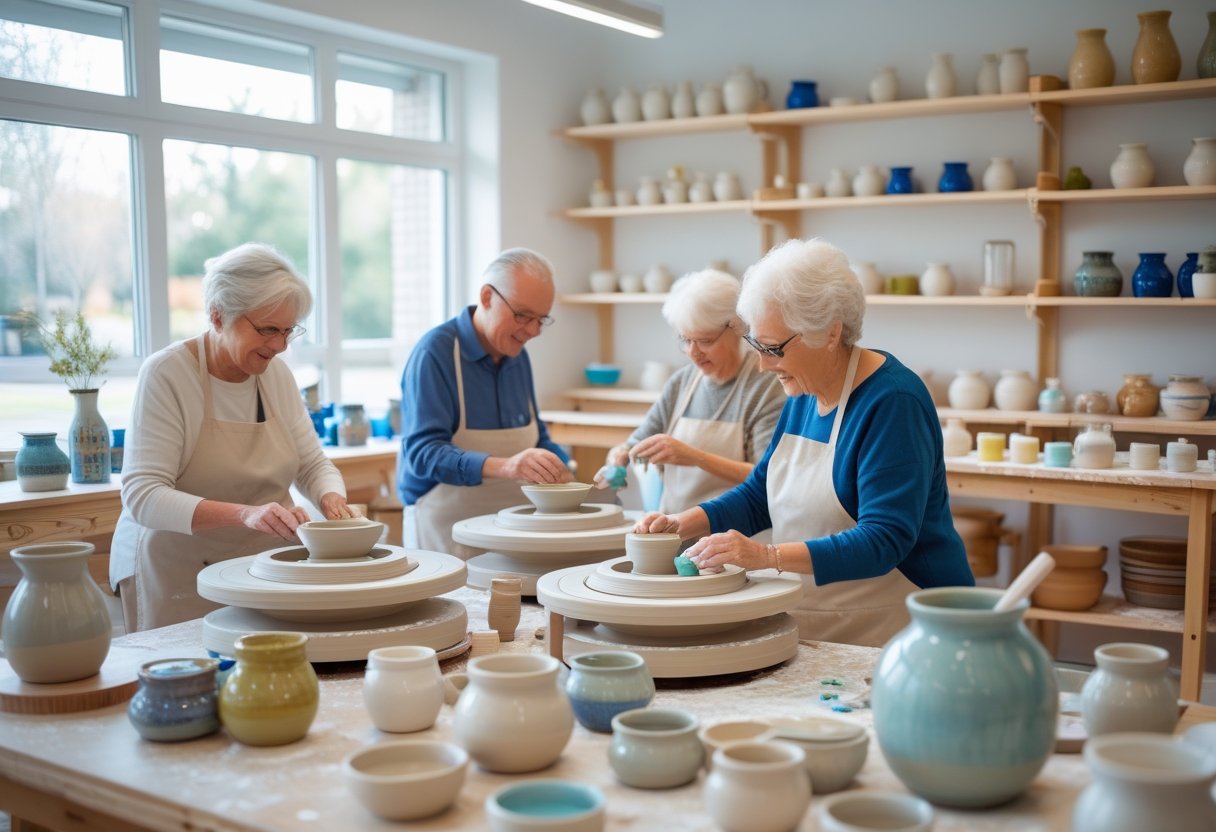
Working with clay offers a tactile experience that engages your hands and mind. You can create functional pieces like bowls and cups or explore artistic sculptures.
The pottery wheel provides a meditative process that many retirees find calming. The rhythm of shaping clay helps reduce stress while building focus and concentration.
You don’t need prior experience to start pottery. Many community centers and studios offer beginner classes designed for older adults.
Creating something unique with your own hands brings deep satisfaction. Each piece reflects your personal style and creativity, making pottery deeply rewarding.
As you develop skills, you can experiment with glazes and decorative techniques. This progression keeps the hobby fresh and challenging.
33. Magic and card tricks

Learning magic and card tricks offers retirees an engaging hobby that combines mental stimulation with entertainment. You can start with simple sleight of hand techniques and gradually progress to more complex illusions.
Card tricks provide an excellent foundation for beginners. Basic tricks like the four aces or simple prediction effects require minimal equipment and can be learned quickly.
You’ll find that magic helps maintain cognitive function through memorization and practice. The hand-eye coordination required for sleight of hand can also help keep your motor skills sharp.
Magic creates natural opportunities for social interaction. You can perform for family gatherings, retirement community events, or local clubs.
The hobby remains budget-friendly since you only need basic props like playing cards, coins, and simple accessories. Practice sessions can fill quiet hours productively while building confidence in your abilities.
32. Homebrewing kombucha

Brewing kombucha at home offers an exciting way to create your own probiotic-rich beverages. You’ll discover a fascinating fermentation process that transforms sweet tea into a tangy, healthful drink.
The basic process involves fermenting sweetened tea using a SCOBY (symbiotic culture of bacteria and yeast). You can start with simple ingredients like black or green tea, sugar, and a starter culture.
Your first batch typically takes 7-14 days to ferment at room temperature. You’ll monitor the taste daily until it reaches your preferred balance of sweetness and tartness.
Once you master the basics, you can experiment with flavoring options. Try adding fresh fruits, herbs, or spices during a second fermentation for unique taste combinations.
The process teaches patience and attention to detail while rewarding you with delicious, fizzy results.
31. Meditation and mindfulness
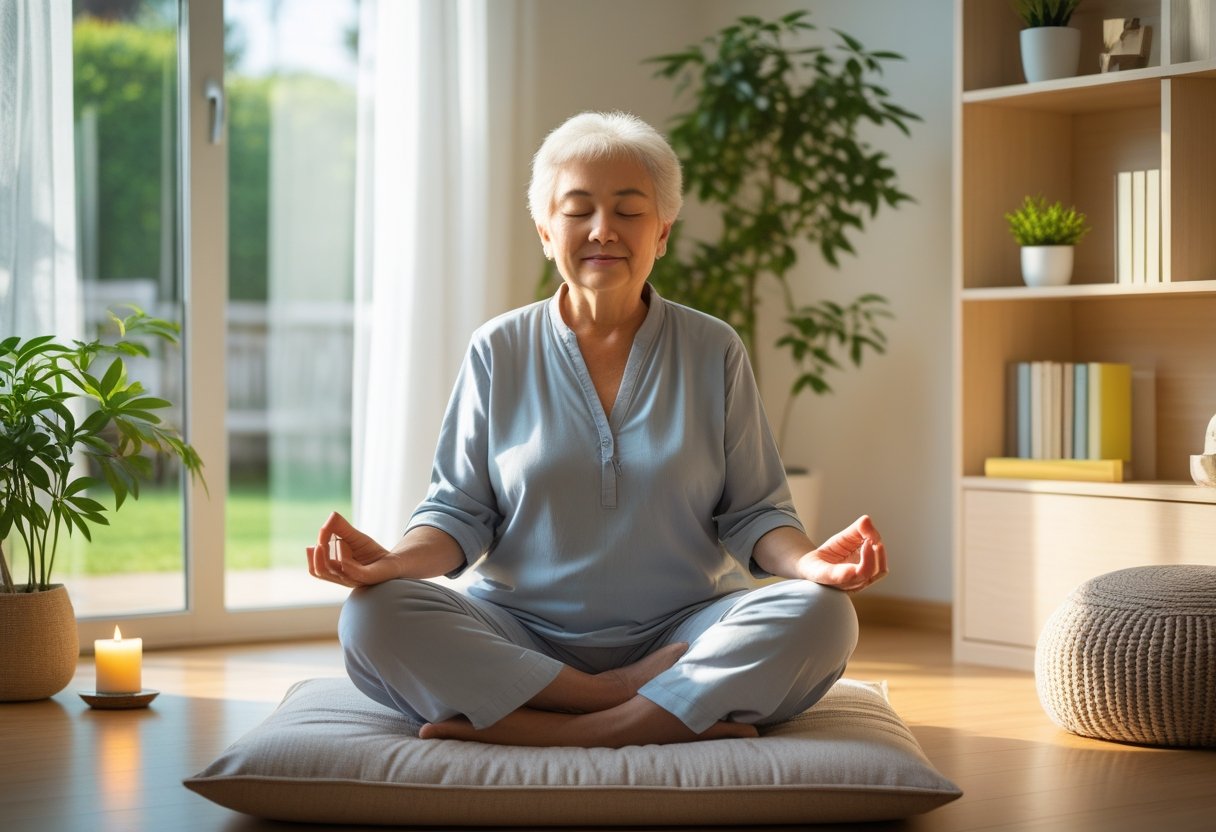
Meditation and mindfulness offer powerful tools for maintaining mental clarity and emotional balance in retirement. These practices help you slow down racing thoughts while staying mentally sharp and engaged with life.
Research shows that mindfulness-based techniques can improve memory and boost cognitive functioning. Regular practice may even help slow age-related cognitive decline, keeping your mind active and alert.
You don’t need to sit in silence for hours to benefit from mindfulness. Simple breathing exercises, body scans, or mindful walking can easily fit into your daily routine.
Getting started requires no special equipment or training. Begin with just five minutes of focused breathing each day, gradually increasing as you become more comfortable.
The beauty of mindfulness lies in its flexibility. You can practice while gardening, cooking, or even during routine activities like washing dishes, transforming ordinary moments into opportunities for peace and presence.
30. Knitting and crocheting unique patterns

Knitting and crocheting offer endless creative possibilities for retirees seeking engaging hobbies. You can explore intricate patterns that challenge your skills while producing beautiful, functional items.
Creating unique patterns stimulates fine motor skills and cognitive function. The repetitive motions provide meditative benefits while keeping your hands and mind active.
You can design custom blankets, scarves, hats, and home décor items using various stitches and techniques. Combining knit and purl stitches creates interesting textures and geometric designs.
Modern tools and resources make pattern creation easier than ever. Online tutorials and communities provide inspiration and guidance for developing your own designs.
You can even turn your passion into a small business by selling unique patterns or finished pieces. The combination of creativity and potential income makes this hobby particularly rewarding for active retirees.
29. Joining a book club

Book clubs offer an excellent way to combine your love of reading with social interaction. You’ll discover new authors and genres you might never have explored on your own.
The social aspect provides regular opportunities to meet like-minded people. You can engage in meaningful conversations about plots, characters, and themes while forming new friendships.
Book clubs help keep your mind sharp through active reading and discussion. You’ll analyze different perspectives and think critically about the material.
Many clubs meet monthly, giving you a structured schedule to look forward to. This creates accountability to finish books and participate in discussions.
Discussion questions and group conversations often reveal insights you missed during your individual reading. This deeper understanding enhances your overall reading experience and appreciation for literature.
28. Kayaking and canoeing

Kayaking and canoeing offer perfect low-impact activities that you can enjoy well into your retirement years. These water sports provide excellent exercise while being gentle on your joints.
You can explore lakes, rivers, and creeks at your own pace. Many waterways have restrictions on motorized boats, making kayaking an ideal way to access peaceful areas.
These activities work well for beginners and experienced paddlers alike. You don’t need extensive training to start enjoying calm waters and scenic routes.
Kayaking opens doors to other hobbies like fishing, bird watching, and wildlife photography. Many retirees discover new interests while paddling through different environments.
These water activities provide both physical benefits and mental relaxation. You’ll strengthen your core muscles while enjoying nature’s calming effects on the water.
27. Attending theater workshops

Theater workshops offer you the perfect blend of creativity and social connection. You’ll learn acting techniques, voice projection, and stage presence alongside fellow enthusiasts.
Most community centers and local theaters host beginner-friendly workshops. These sessions typically cover basic acting methods, improvisation, and character development.
Workshop environments encourage you to step outside your comfort zone. You’ll practice different emotions, experiment with various characters, and build confidence through performance exercises.
Many workshops culminate in small performances for family and friends. This gives you a goal to work toward and a chance to showcase your newfound skills.
Theater workshops also provide mental stimulation through script analysis and memorization. You’ll engage different parts of your brain while having fun with creative expression.
26. Genealogy research and DNA testing

Genealogy research offers retirees an engaging way to uncover their family history and connect with their roots. You can spend hours discovering fascinating stories about your ancestors and building detailed family trees.
Modern technology makes genealogy more accessible than ever before. Online databases like Ancestry.com and FamilySearch provide access to millions of historical records, census data, and birth certificates from your home computer.
DNA testing services like AncestryDNA offer the largest databases of genetic samples and historical records. You simply provide a saliva sample and receive detailed results about your ancestry within weeks, helping you break through research roadblocks.
You’ll develop detective skills as you piece together clues from old documents, photographs, and family stories. Each discovery leads to new questions and research paths to explore.
The research process requires patience and attention to detail, making it perfect for retirees who enjoy methodical work and solving puzzles. DNA testing reveals not just where your ancestors came from, but also genetic traits passed down through generations.
25. Travel blogging

Travel blogging transforms your retirement adventures into engaging stories that inspire others. You can document your journeys while creating a meaningful connection with fellow travelers.
Starting a travel blog requires no previous writing experience. You simply need enthusiasm for sharing your experiences and basic computer skills to get started.
Your unique perspective as a retiree adds valuable insight to the travel blogging community. You can offer budget-friendly tips, accessible travel options, and slower-paced itineraries that many travelers seek.
Photography enhances your travel blog significantly. Capture landscapes, architecture, and candid moments that bring your stories to life for readers.
Your blog becomes a digital scrapbook of your retirement travels. You preserve memories while helping others plan their own adventures.
24. Model building
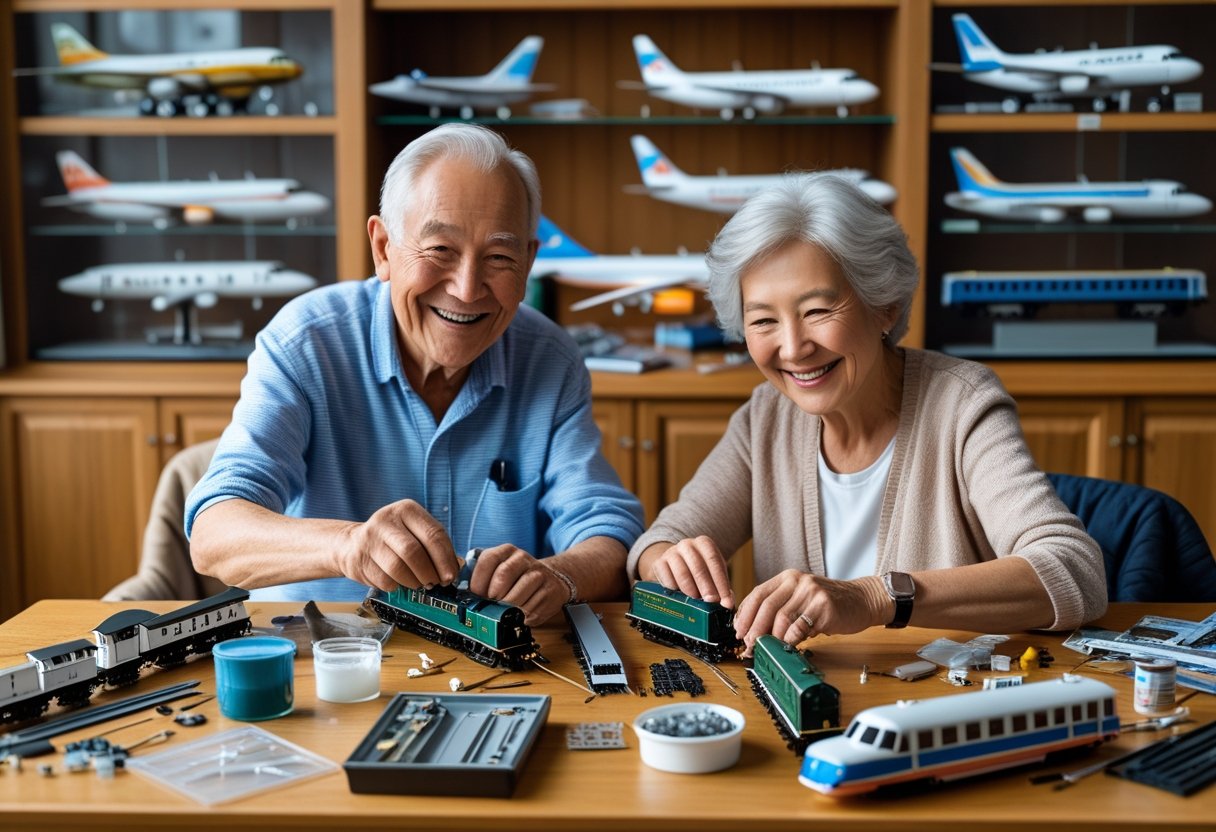
Model building offers retirees a perfect blend of creativity and precision work. You can choose from countless options including airplanes, ships, cars, trains, or architectural structures.
This hobby exercises your mind while keeping your hands busy. The detailed work helps maintain fine motor skills and concentration abilities.
You’ll find model building surprisingly therapeutic. The focused attention required can reduce stress and provide a sense of accomplishment with each completed project.
The hobby works well for any skill level. Beginners can start with simple snap-together kits while experienced builders tackle intricate projects requiring painting and weathering techniques.
The finished models become lasting displays of your craftsmanship that friends and family can admire for years.
23. Joining dance classes

Dance classes offer an excellent way to stay physically active while having fun. You can choose from various styles like ballroom, line dancing, salsa, or even gentle movement classes designed specifically for seniors.
The social aspect makes dancing particularly appealing. You’ll meet new people who share your interest in movement and music. Many dance studios offer beginner-friendly classes where you can learn at your own pace.
Dancing provides both physical and mental benefits. It improves balance, coordination, and flexibility while keeping your mind sharp as you learn new steps and routines.
You don’t need prior experience to start. Most instructors understand that beginners need patience and encouragement. They’ll guide you through basic movements before advancing to more complex choreography.
Many community centers and dance studios offer senior discounts. You can also find classes at local recreation centers, making this hobby both accessible and affordable for your retirement years.
22. Painting

Watercolor painting offers a perfect creative outlet for retirees looking to explore artistic expression. The medium’s forgiving nature makes it ideal for beginners while still challenging enough for experienced artists.
You’ll find watercolors particularly appealing because they’re naturally unpredictable. The thin paint flows where it wants, creating beautiful, organic effects that remove pressure to achieve perfect lines or precise details.
This hobby enhances your fine motor skills and hand-eye coordination. The gentle brush movements help maintain dexterity while providing a meditative, stress-reducing activity.
Watercolor painting creates excellent opportunities for social connection. You can join local art classes, painting groups, or community center workshops where you’ll meet fellow artists and form new friendships.
YouTube offers countless tutorials from instructors who specialize in beginner-friendly techniques and floral subjects that are perfect for new watercolor painters.
21. Puzzle and brain games

Puzzle and brain games offer an excellent way to keep your mind sharp during retirement. These activities provide mental stimulation while delivering hours of entertainment and satisfaction.
Crossword puzzles challenge your vocabulary and general knowledge. Sudoku tests your logical thinking and pattern recognition skills. Jigsaw puzzles help improve your visual-spatial reasoning and patience.
You can explore traditional board games like chess, checkers, or Scrabble with friends and family. Card games such as bridge or poker combine strategy with social interaction.
Digital options include brain training apps and online puzzle platforms. These connect you with players worldwide while offering varied difficulty levels to match your preferences.
Regular puzzle solving may help slow cognitive decline and improve overall mental health. The sense of accomplishment from completing challenges boosts confidence and mood.
20. Learn a musical instrument
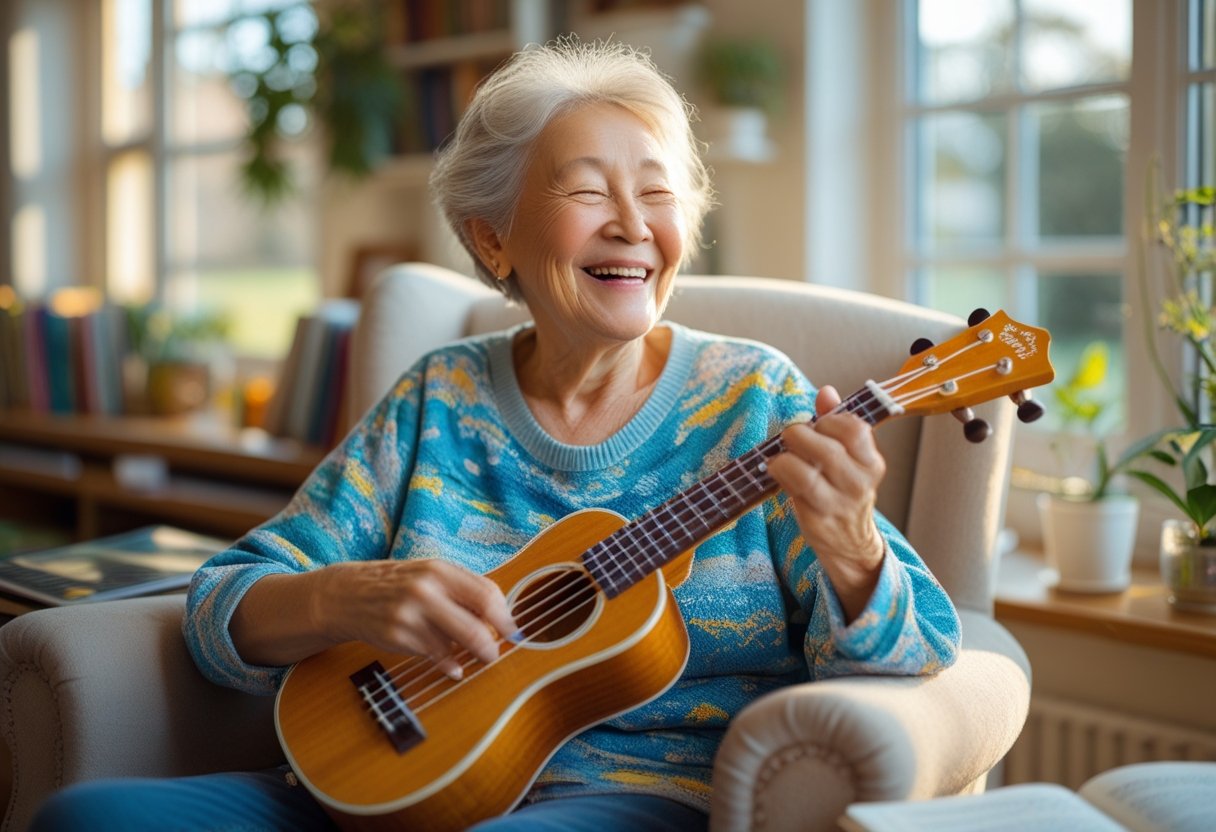
Retirement gives you the perfect opportunity to pick up that guitar, piano, or violin you’ve always wanted to learn. You now have the time to dedicate to regular practice without work getting in the way.
Learning an instrument engages multiple areas of your brain simultaneously. This mental workout helps maintain cognitive function while developing hand-eye coordination and fine motor skills.
Many instruments are particularly accessible for seniors. Piano offers visual keys that make learning easier, while ukulele requires only a few chords to play songs you recognize.
You don’t need to become a virtuoso to enjoy the benefits. Playing simple melodies or favorite songs brings immediate satisfaction and joy to your daily routine.
The social aspect adds another layer of enjoyment. Joining a community band or informal jam session connects you with fellow music enthusiasts and creates new friendships.
19. Tai Chi Practice
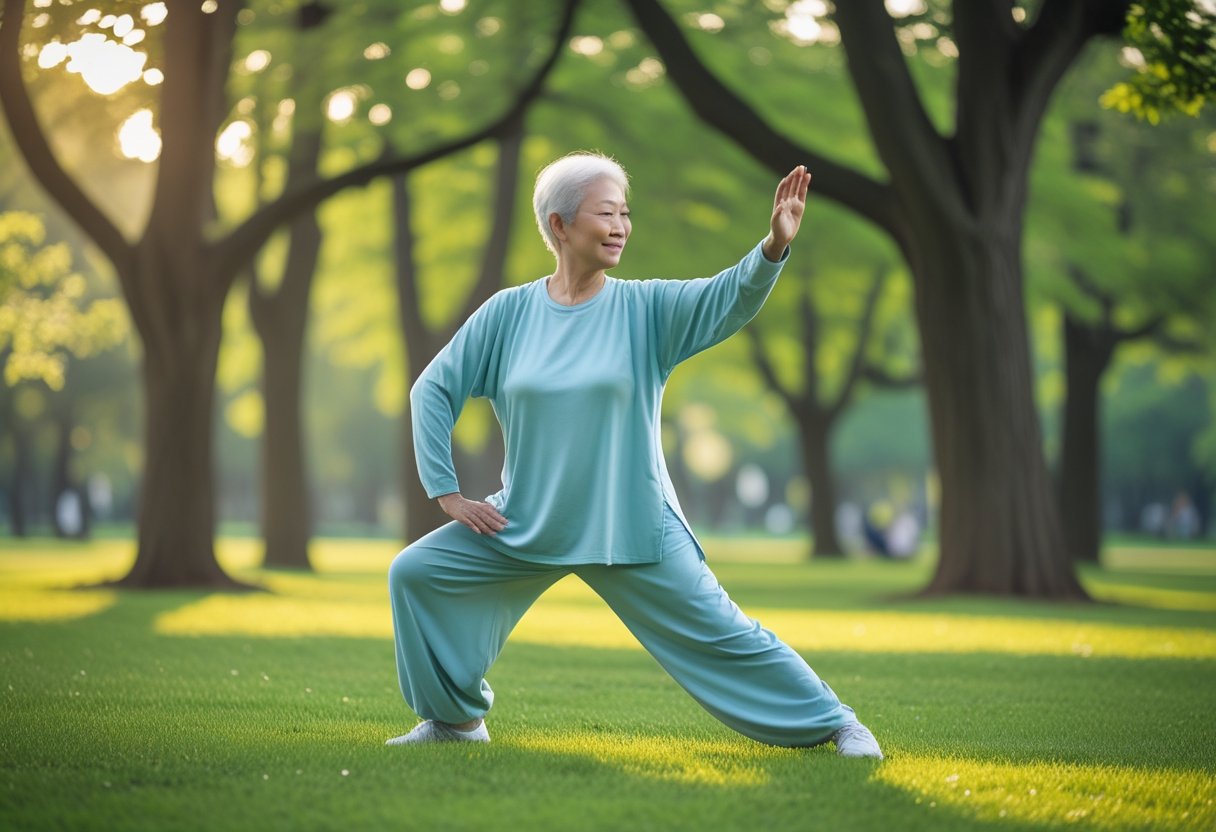
Tai Chi offers active retirees a perfect blend of gentle movement and mental focus. This ancient Chinese martial art combines slow, flowing movements with deep breathing and meditation techniques.
You’ll discover that Tai Chi requires only a few minutes of daily practice. The low-impact nature makes it accessible regardless of your current fitness level.
The balance benefits are particularly valuable for active seniors. Regular practice can reduce fall risk by up to 50% while improving your stability and coordination.
Mental benefits include stress reduction and improved concentration. The meditative aspects help you feel centered and rejuvenated after each session.
You’ll find that Tai Chi adapts to your schedule and energy levels. Whether practiced indoors or outdoors, it requires no special equipment or extensive preparation.
18. Gardening with exotic plants

Regular gardening keeps you active and connected to nature. But exotic plants take this hobby to an entirely new level of excitement and discovery.
You can grow tropical orchids, unusual succulents, or rare flowering vines right in your own space. These plants offer unique colors, textures, and fragrances that transform your garden into something extraordinary.
Many exotic plants are surprisingly manageable once you understand their needs. You might start with hardy options like bird of paradise or unusual varieties of hibiscus.
Indoor exotic gardening works well if you have limited outdoor space. You can create a mini tropical paradise with plants like air plants, exotic begonias, or colorful bromeliads.
The sense of accomplishment when an exotic plant thrives under your care is incredibly satisfying. You’re nurturing something truly special that most people never attempt to grow.
17. Creative writing

Creative writing offers retirees a perfect outlet for self-expression and mental stimulation. You can explore poetry, short stories, memoirs, or even attempt that novel you’ve always dreamed of writing.
This hobby provides significant mental and emotional benefits. Writing keeps your mind sharp while allowing you to process life experiences and emotions in a meaningful way.
You don’t need expensive equipment to get started. A simple notebook and pen or a basic computer are all you need to begin your writing journey.
Your life experiences give you rich material to draw from. Whether crafting fictional characters or documenting family history, your unique perspective adds authenticity to your writing.
Many retirees find purpose in preserving family stories for future generations. Your writing can become a lasting legacy that connects your family’s past with its future.
16. Cooking international cuisines

Exploring global flavors transforms your kitchen into a passport to the world. You can master Italian pasta-making techniques or learn the art of French sauce preparation without leaving home.
Thai curries offer aromatic spice blends that awaken your senses. Mexican cuisine teaches you about fresh salsas and authentic tortilla preparation. Indian cooking introduces complex spice combinations that create layers of flavor.
Japanese cuisine emphasizes precision and fresh ingredients. You’ll discover the meditative process of making sushi or the comfort of homemade ramen. Korean dishes bring fermentation techniques and bold flavors to your repertoire.
Each cuisine offers unique cooking methods and ingredients. You’ll expand your palate while developing new skills with unfamiliar tools and techniques.
Your dinner table becomes more exciting as you rotate through global favorites throughout the week.
15. Yoga for seniors

Yoga offers the perfect blend of gentle movement and mental clarity for active retirees. You don’t need prior experience to start this rewarding practice.
The slow, mindful movements help improve flexibility and balance without putting stress on your joints. Many poses can be modified to accommodate different mobility levels.
Your mind benefits just as much as your body. The breathing exercises and meditation aspects of yoga sharpen cognitive function and reduce daily stress.
Chair yoga and gentle flow classes are specifically designed for seniors. These sessions focus on accessibility while maintaining the core benefits of traditional yoga.
The social aspect adds another layer of enjoyment. Joining a regular class connects you with like-minded people who share your commitment to staying active and healthy.
14. Photography clubs

Photography clubs offer the perfect blend of creativity and social connection for active retirees. You’ll find like-minded individuals who share your passion for capturing life’s moments.
Most clubs welcome photographers of all skill levels. Whether you’re picking up a camera for the first time or returning to an old hobby, members are typically eager to share knowledge and techniques.
Club activities keep things engaging with themed challenges and photo contests. You might explore portrait photography one month and landscape shots the next.
The feedback you receive helps improve your skills quickly. Fellow members offer constructive criticism and fresh perspectives on your work.
The social aspect proves just as valuable as the photography itself. You’ll build friendships through shared experiences and mutual appreciation for visual storytelling.
13. Volunteering at animal shelters
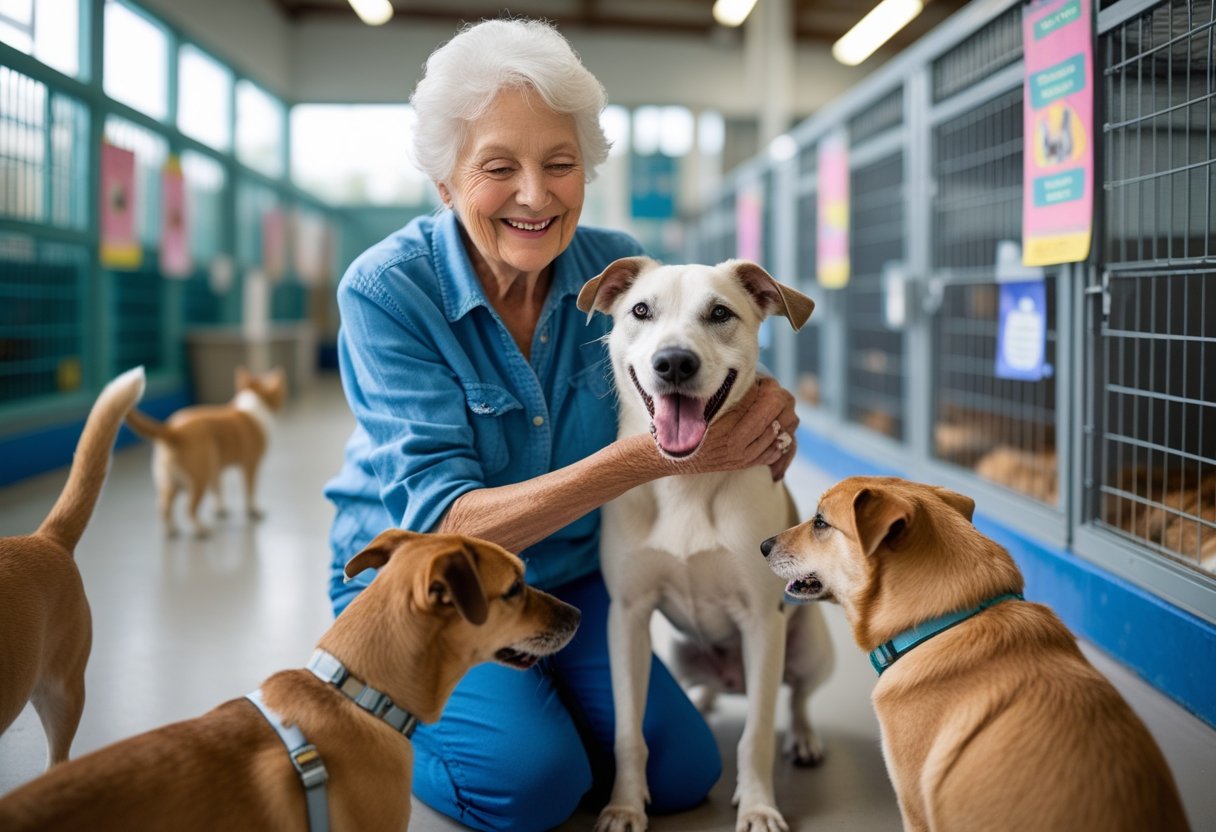
Animal shelters need dedicated volunteers to help care for pets waiting for adoption. You can walk dogs, socialize cats, and assist with feeding routines.
This volunteer work benefits both you and the animals. Shelters depend on volunteers to maintain facilities and support adoption efforts.
You’ll help animals become more social and comfortable around people. This increases their chances of finding permanent homes.
Animal shelter volunteering works well for retirees who love pets but don’t want full-time pet ownership responsibilities. You get animal companionship without the long-term commitment.
Most shelters provide training and orientation for new volunteers. This ensures you understand proper animal handling and safety procedures.
12. Bird watching
Bird watching offers you a perfect blend of mental stimulation and peaceful outdoor activity. You can start this hobby right from your window with a simple bird feeder.
This hobby keeps your mind sharp as you learn to identify different species by sight and sound. You’ll develop patience and focus while scanning trees and skies for your feathered friends.
Bird watching pairs beautifully with photography and journaling. You can capture stunning photos or sketch the birds you observe while recording your sightings in a nature journal.
The equipment needed is minimal to start. A basic pair of binoculars and a field guide will get you going, though you can expand your gear as your interest grows.
Bird watching helps you disconnect from daily stress and focus on the present moment. The combination of fresh air, nature connection, and mental engagement makes it ideal for active retirees.
11. Craft beer brewing

Brewing your own beer at home offers an engaging hobby that combines science, creativity, and patience. You can start with basic equipment and simple recipes before advancing to more complex brewing techniques.
The process involves mixing malted grains, hops, yeast, and water to create unique flavors. Each batch takes several weeks to complete, giving you time to experiment with different ingredients and styles.
Home brewing requires minimal space and can be done in your kitchen or garage. Basic starter kits cost around $100 and include everything needed for your first batch.
The hobby connects you with a community of fellow brewers who share tips and recipes. Local homebrew clubs offer support and friendly competition through tastings and contests.
Your friends and family will appreciate sampling your creations. Hosting tasting parties becomes a natural way to share your hobby and bring people together.
10. Adult coloring books

Adult coloring books have become a popular way to unwind and tap into your creative side. These aren’t your typical children’s coloring books.
You’ll find intricate designs featuring mandalas, nature scenes, geometric patterns, and detailed illustrations. The complexity provides just enough challenge to keep your mind engaged.
Coloring offers genuine stress relief benefits. The repetitive motion and focus required help quiet racing thoughts and promote mindfulness.
The hobby requires minimal investment. You need only coloring books and basic colored pencils or markers to get started.
The portable nature means you can color anywhere. Pack supplies for travel, doctor visits, or quiet afternoons in the park.
9. Wine tasting clubs and vineyard tours

Wine tasting clubs offer you a chance to explore new flavors while building lasting friendships. You’ll discover wines from around the world and learn about different grape varieties in a relaxed social setting.
Local wine clubs typically meet monthly at restaurants, wine shops, or members’ homes. These gatherings let you taste curated selections and share your thoughts with fellow enthusiasts.
Vineyard tours take your wine appreciation to the next level. You can visit renowned regions like Napa Valley, Tuscany, or explore hidden gems closer to home.
Many tour companies offer multi-day wine experiences that combine tastings with cultural activities. You’ll enjoy scenic landscapes, learn about winemaking processes, and often meet the vintners themselves.
Whether you prefer intimate local tastings or grand vineyard adventures, wine-focused activities offer perfect opportunities to socialize and explore your refined tastes.
8. Taking language classes like Spanish or French

Learning a new language opens doors to different cultures and ways of thinking. Spanish and French are popular choices because they’re widely spoken and have rich literary traditions.
Language classes provide structured learning environments where you can practice with other students. This social aspect makes the experience more enjoyable and helps you stay motivated.
You’ll exercise your brain in new ways when learning grammar rules and vocabulary. This mental stimulation can help keep your mind sharp and engaged during retirement.
Many community colleges and libraries offer language classes specifically designed for older adults. These programs often move at a comfortable pace and focus on practical conversation skills.
Online platforms and apps can help you practice between classes. These tools make it easier to review vocabulary and grammar concepts at your own pace.
7. Bridge and chess clubs

Bridge and chess clubs offer perfect opportunities to exercise your mind while building lasting friendships. These classic games provide mental stimulation that keeps your brain sharp and engaged.
Most community centers and libraries host regular bridge and chess clubs. You can find groups that match your skill level, from beginner-friendly sessions to competitive tournaments.
Bridge combines strategy with social interaction. You’ll work with partners and develop communication skills while enjoying friendly competition. Chess offers deep strategic thinking and can be played competitively in tournaments or casually with friends.
Both games welcome players of all abilities. You can participate in casual games or join organized tournaments. Many clubs offer lessons and coaching to help improve your game.
The regular meeting schedule gives you something to look forward to each week. These consistent social commitments help maintain structure in your retirement routine.
6. Woodworking and furniture making

Woodworking offers a perfect blend of creativity and physical activity for active retirees. You can start with simple projects like birdhouses or cutting boards before advancing to more complex furniture pieces.
This hobby engages both your mind and hands while creating functional items for your home. Many retirees find satisfaction in crafting tables, chairs, and shelves that will last for generations.
You might explore specialized techniques like woodturning using a lathe to shape bowls and rounded objects. Wood carving and whittling allow you to create artistic sculptures or decorative relief work.
Many retirement communities feature fully equipped woodworking shops where you can access professional tools and connect with fellow craftspeople.
If you develop strong skills, you can turn woodworking into a profitable venture. Popular items like cutting boards, furniture pieces, and decorative objects often find eager buyers in local markets.
5. Fishing in local lakes and rivers

Local fishing spots offer the perfect blend of relaxation and gentle activity for active retirees. You can explore nearby lakes and rivers without traveling far from home.
Freshwater fishing lets you target bass, trout, and other species in familiar waters. These locations provide peaceful settings where you can enjoy nature while staying physically engaged.
You don’t need expensive equipment to get started. Basic gear includes a rod, reel, tackle box, and local fishing license.
Local fishing creates opportunities to meet fellow anglers and join fishing groups. Many communities have senior fishing clubs that organize regular outings.
You’ll benefit from gentle exercise through casting, reeling, and walking along shorelines. The activity combines physical movement with mental relaxation.
4. Trying stand-up paddleboarding
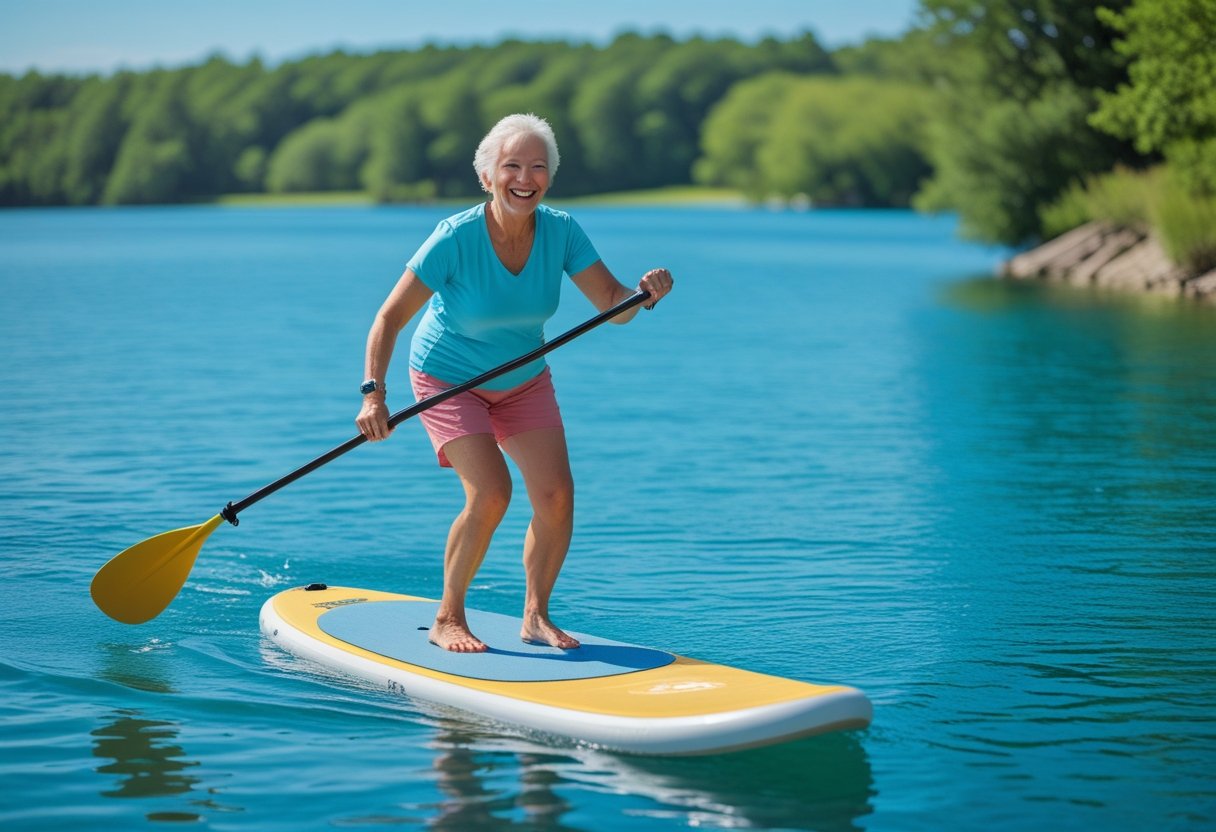
Stand-up paddleboarding offers the perfect combination of adventure and accessibility for active retirees. You don’t need years of training to get started on the water.
The beauty of SUP lies in its simplicity. If you can swim, you can learn to paddleboard. This low-impact exercise is gentle on your joints while providing an excellent full-body workout.
You’ll discover that paddleboarding opens up endless possibilities beyond basic paddling. Try SUP yoga for a peaceful meditation experience on the water. Fishing from your board adds excitement to your usual angling routine.
Safety remains straightforward with proper preparation. Always wear a life jacket and start in calm, shallow waters. Consider taking a beginner’s lesson to learn proper technique and build confidence.
The social aspect enhances the experience too. Many retirees find paddleboarding groups in their area, creating new friendships while staying active on the water.
3. Starting a home vegetable garden

Starting a home vegetable garden puts you in complete control of your food supply. You’ll know exactly what goes into growing your produce without worrying about chemicals or additives.
Growing your own vegetables provides fresh, nutritious food right from your backyard. You can harvest tomatoes, lettuce, peppers, and herbs at peak ripeness for maximum flavor and nutrition.
Vegetable gardening offers excellent physical activity through digging, planting, weeding, and harvesting. These movements help maintain flexibility and strength while keeping you active outdoors.
Start small with easy-to-grow vegetables like lettuce, radishes, or green beans. Choose a sunny spot in your yard and prepare the soil with compost or organic matter.
The money you save on groceries adds up quickly when you grow your own produce. Fresh vegetables from your garden taste better and cost less than store-bought options.
2. Community theater acting
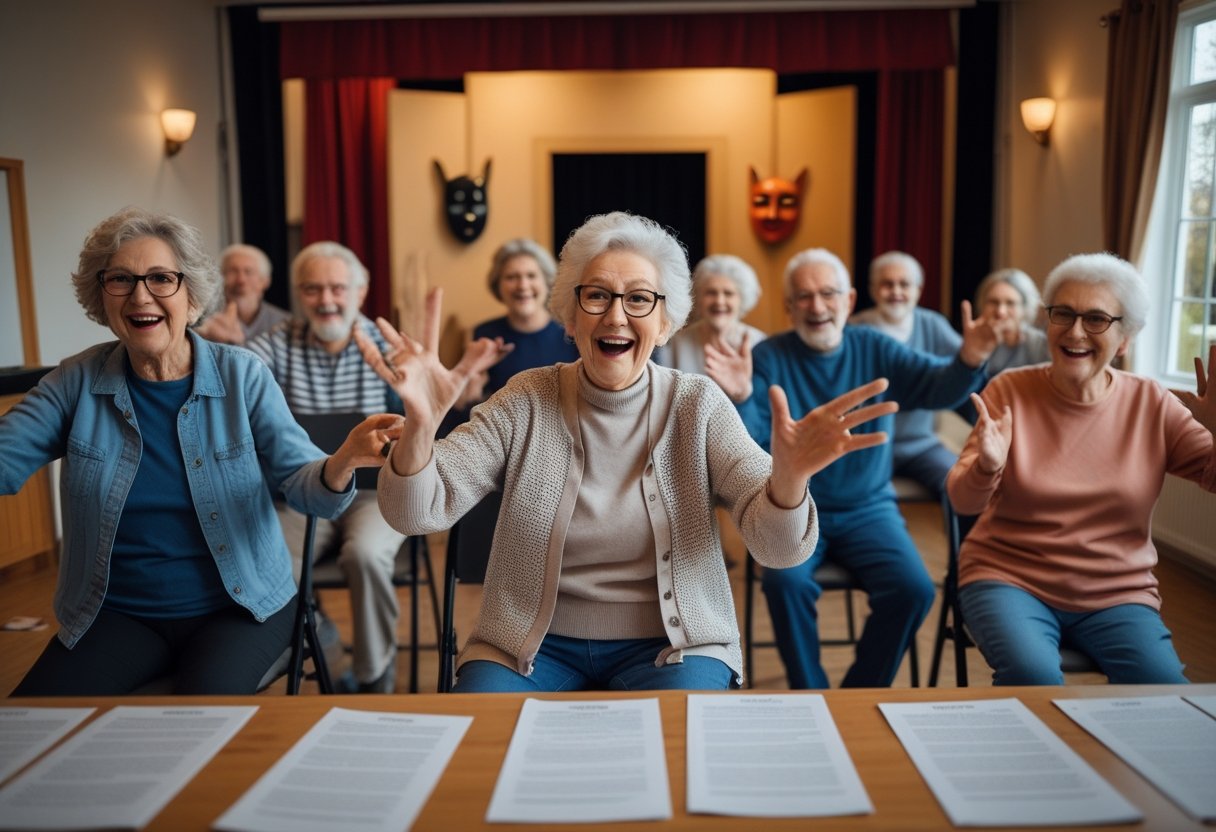
Community theater offers an exciting outlet for creative expression during retirement. You can explore acting, directing, or even stage design while connecting with like-minded individuals who share your passion for the arts.
Joining a local theater group provides immediate social benefits. You become part of a tight-knit community that values collaboration and teamwork. The rehearsal process naturally builds friendships and creates lasting bonds with fellow performers.
Acting keeps your mind sharp and engaged. Learning lines, practicing scenes, and developing characters challenges your memory and cognitive abilities. You’ll find yourself thinking creatively as you step into different roles.
Community theater groups actively welcome older adults. Many productions specifically feature mature characters and storylines that resonate with your life experiences.
You don’t need previous experience to get started. Most community theaters offer beginner-friendly opportunities and provide guidance for newcomers.
1. Joining a local hiking club

Hiking clubs offer an excellent way to stay active while building meaningful social connections. You’ll meet like-minded individuals who share your passion for outdoor adventures and physical fitness.
Most communities have established hiking groups specifically designed for active seniors. These clubs typically organize regular outings on scenic trails suited to different fitness levels.
You can find local hiking groups through community centers, libraries, or online platforms like Meetup. Many clubs welcome beginners and provide guidance on proper hiking techniques and safety.
Local hiking trails offer an excellent way to stay active without traveling far from home. You can start with shorter, easier trails and gradually work up to longer distances as your endurance improves with the group’s support.
The social aspect makes hiking more enjoyable and motivating. You’ll form new friendships while exploring beautiful natural areas you might not discover on your own.
Regular group hikes help maintain your physical health and mental sharpness. The combination of exercise, fresh air, and social interaction provides multiple health benefits while safety becomes less of a concern when hiking with others.
🌟 Discover Your Perfect Retirement Hobby
Tell us about your preferences and we'll suggest 10 amazing hobbies tailored just for you!