
The paint was barely dry on the new deck boards when the mental list started up again. A railing that suddenly looks dated. A door that swings the wrong way. That room nobody uses anymore. Own a lake place and you know the itch — you also know it never fully scratches.
And here’s the uncomfortable part. The exact wiring that sends you back to the hardware store every spring is the wiring that sends people back to the job boards every couple of years. Same restlessness, same hunger for better, same quiet math about whether the grass is greener somewhere else. We dug into the behavior patterns behind the never-finished cabin and the never-settled career, and honestly? They rhyme more than anyone wants to admit.
Please note that some of the imagery in this article may have been enhanced with the assistance of AI.
14. The New Deck Stops Feeling New by Labor Day

You spent the whole spring on it. New joists, new boards, two coats of stain applied on your knees in the sun. By the Fourth of July it was the best thing you owned, and by Labor Day it was just the deck.
That fade is called hedonic adaptation, the same force that drains the shine off a new job by month four. The raise that thrilled you in the offer letter quietly becomes your normal paycheck, and the corner you fought for becomes just your desk. We adjust to good things fast, then we need more good things to feel the same lift.
13. One White Cabinet Makes Every Pine Wall Look Tired
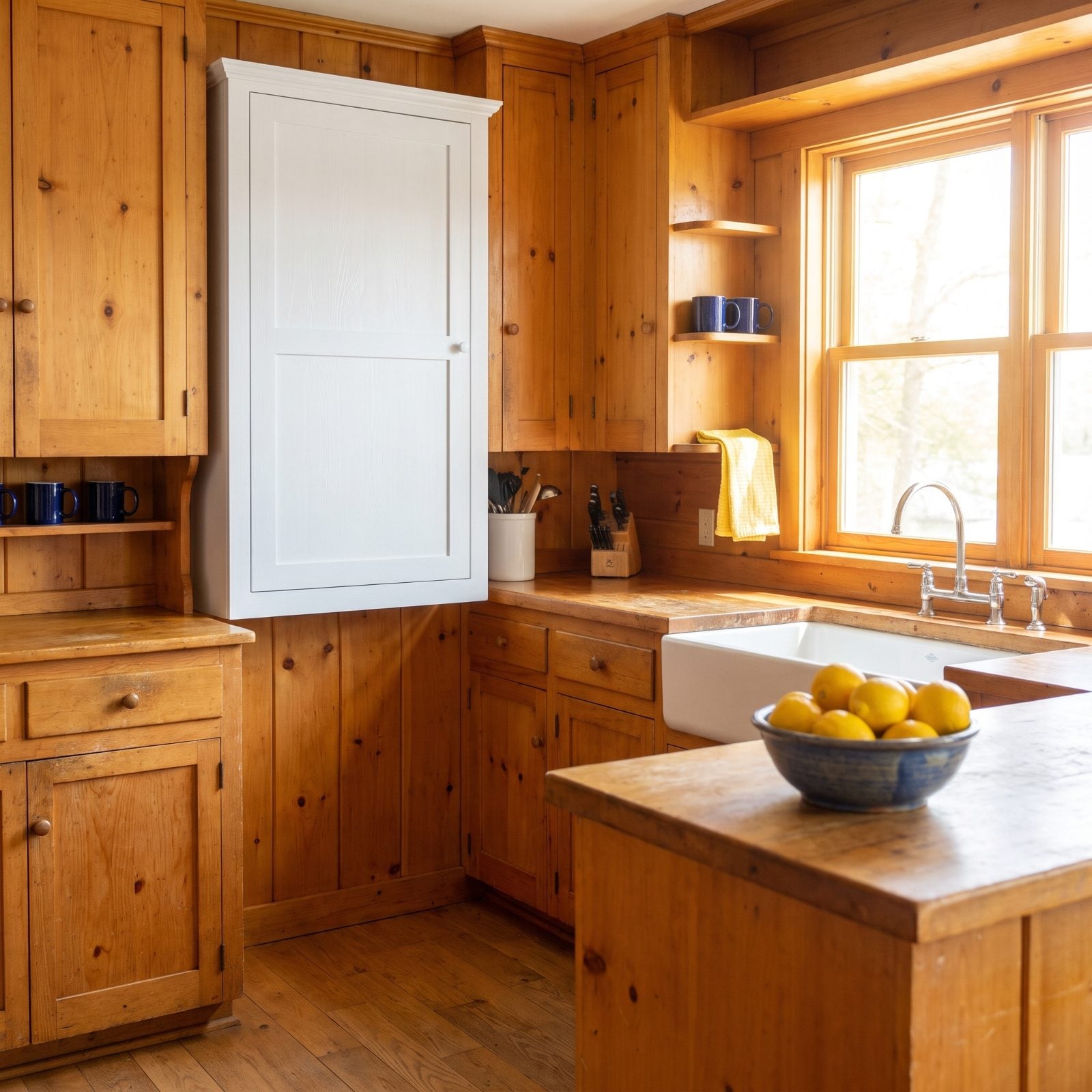
It was supposed to be one cabinet. A small test, fresh white paint on a single door, just to see if you liked it.
Now the whole kitchen looks off. Next to that clean white panel, every pine wall you loved last week reads yellow and tired. You didn’t downgrade the pine. You just handed your eye a better reference point, and once it had one it flat refused to go back.
Psychologists call this the contrast effect, and it runs careers too. A coworker leaves for a flashier company, sends one upbeat message, and suddenly your perfectly fine job feels beige. Nothing about your work changed. You just saw a brighter door.
One upgrade never costs one upgrade. It costs every comparison it starts.
12. The Neighbor’s New Dock Suddenly Raises Your Standards
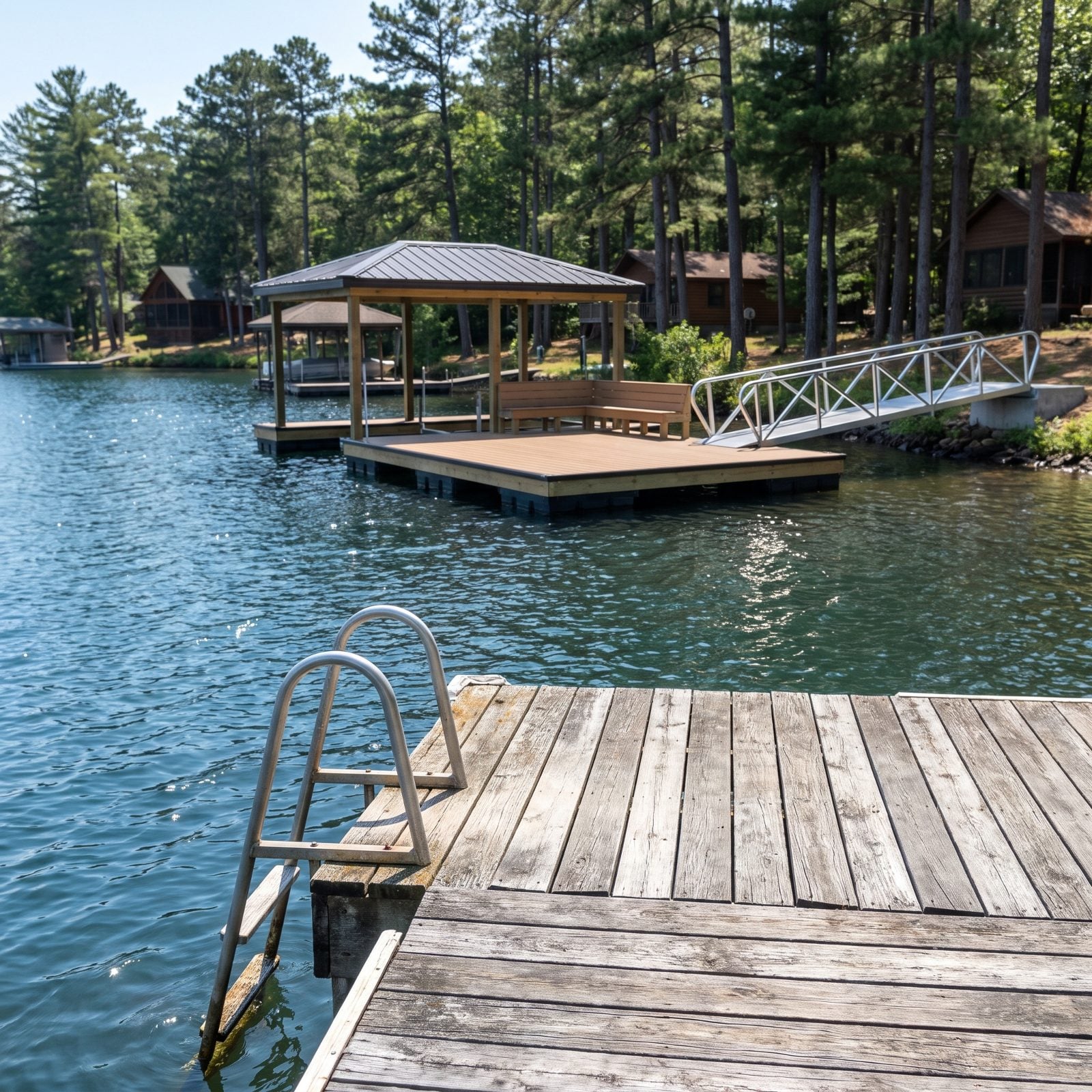
Your dock was fine. Held you up for fifteen years, held every kid who ever cannonballed off it. Then the folks across the cove put in a new one with a covered slip and bench seating, and now yours looks like a raft you forgot to finish.
Nobody told you to feel that. The comparison did it on its own. Economists call it keeping up with the Joneses, but the plain version is this: our sense of enough gets set by whoever’s standing nearest us.
It’s the same reason a solid salary starts to sting the day you learn what the new hire makes. The number never bothered you until it had company. A dock, like a paycheck, only ever feels adequate until someone builds a better one in your line of sight.
11. You Redesign the Bunk Room When Teenagers Stop Sharing
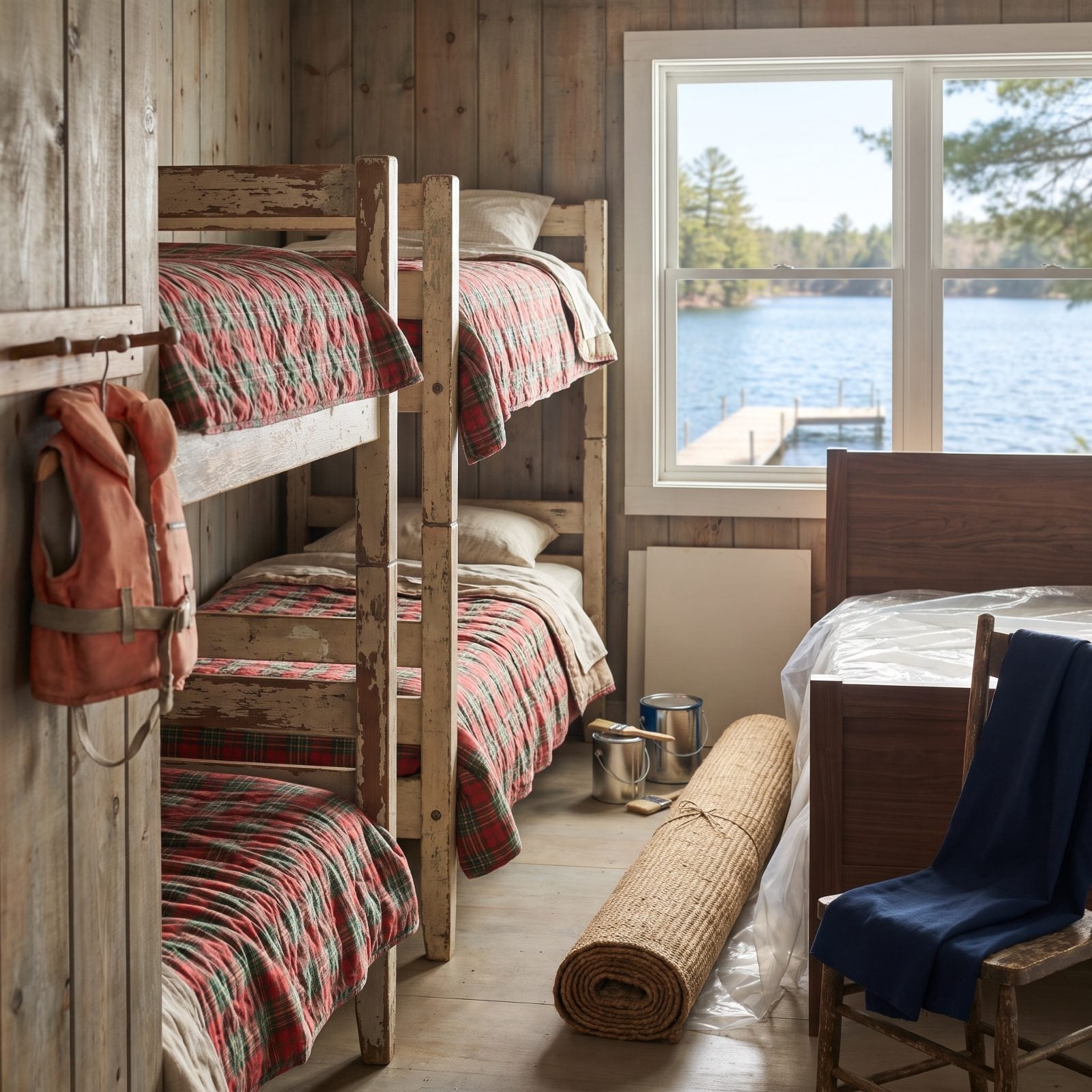
The bunk room worked for a decade. Four kids, two sets of bunks, zero complaints anyone listened to. Then the oldest hit fifteen, announced she was not sharing a room with her brother for one more summer, and just like that the whole layout went obsolete.
So you redesign it — not because the room broke, but because the people in it changed and the space no longer fit who they’d become. That’s a life-stage shift, and it’s the quiet engine behind a huge share of job changes too.
The role that fit you at thirty with no kids does not fit you at forty-five with three and a mortgage. You didn’t fail at it. You grew past the shape of it. Cabins and careers both get torn up most when the humans inside them stop being who they were the day the thing got designed.
10. Three Rainy Weekends Can Condemn an Entire Floor Plan
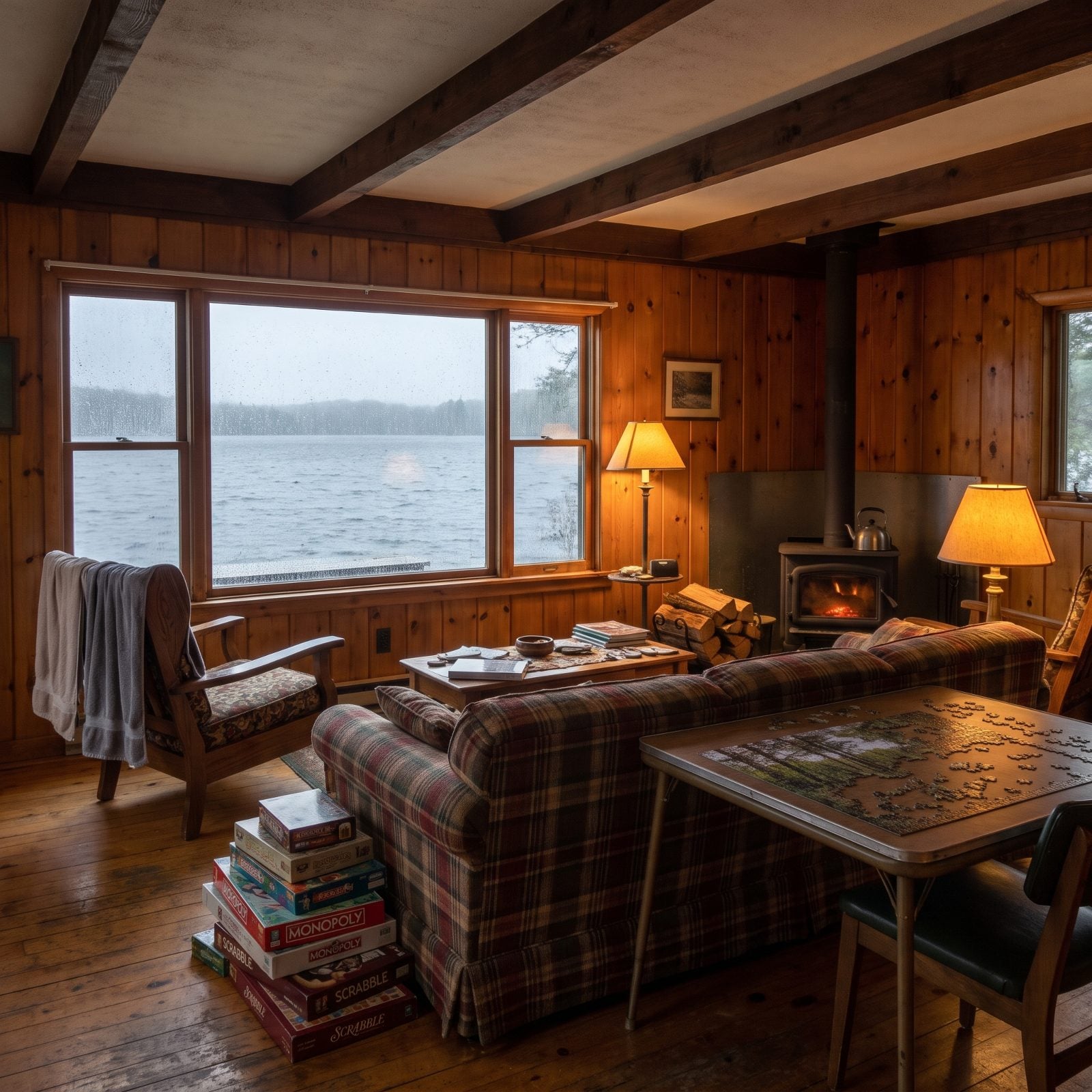
Give a family three rainy weekends in a row and watch the floor plan go on trial.
Stuck inside, everyone bumping elbows around the same card table, you start narrating every flaw. The living room’s too small. The kitchen opens the wrong way. We should blow out this wall. Six sunny weekends would’ve made the same house feel perfect, but recency bias hands your whole opinion over to the last three days you lived.
Workers do this constantly. One brutal quarter, one bad manager stretch, one project that drags through the mud, and suddenly the entire job is unbearable and the résumé comes out. The hard patch is real. But it’s a patch — and the brain is terrible at remembering that when it’s raining.
9. Choosing Every Faucet Beats Having No Say at All
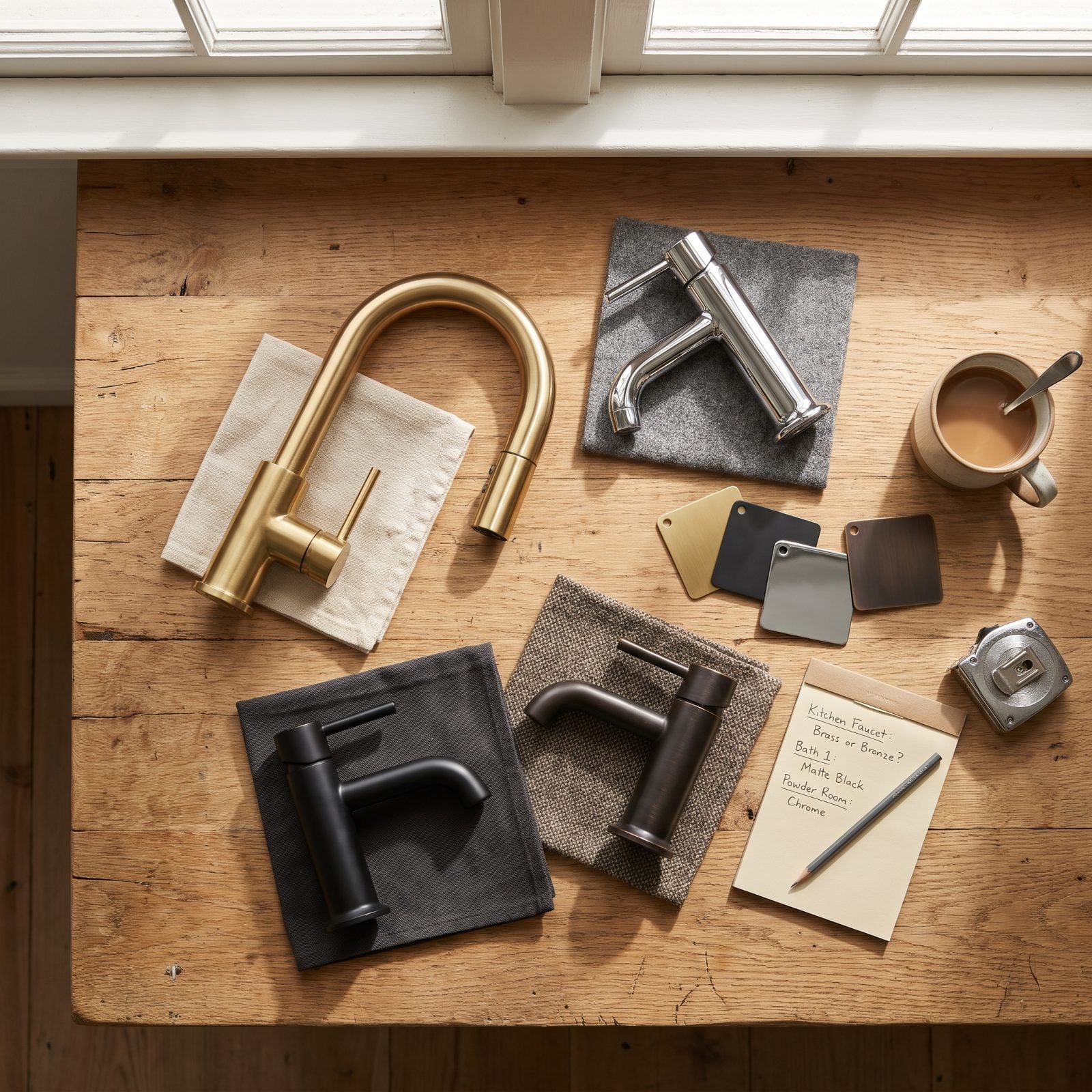
Half the pleasure of renovating isn’t the finished room. It’s the choosing. The afternoon spent weighing brushed brass against matte black, catalog on your lap, the feeling that this one small decision is entirely, gloriously yours.
That hunger has a name. Psychologists call it the need for autonomy, and it turns out to be one of the strongest reasons people change jobs even when the pay stays flat. Not more money — more say. The freedom to pick your own hours, your own projects, your own faucet.
A cabin hands you a hundred tiny decisions a year, and every one of them is a little vote for your own control. People leave good jobs for worse ones all the time chasing exactly that feeling. The faucet is never really about the faucet.
8. You Add a Screened Porch for Your Future Outdoor Self
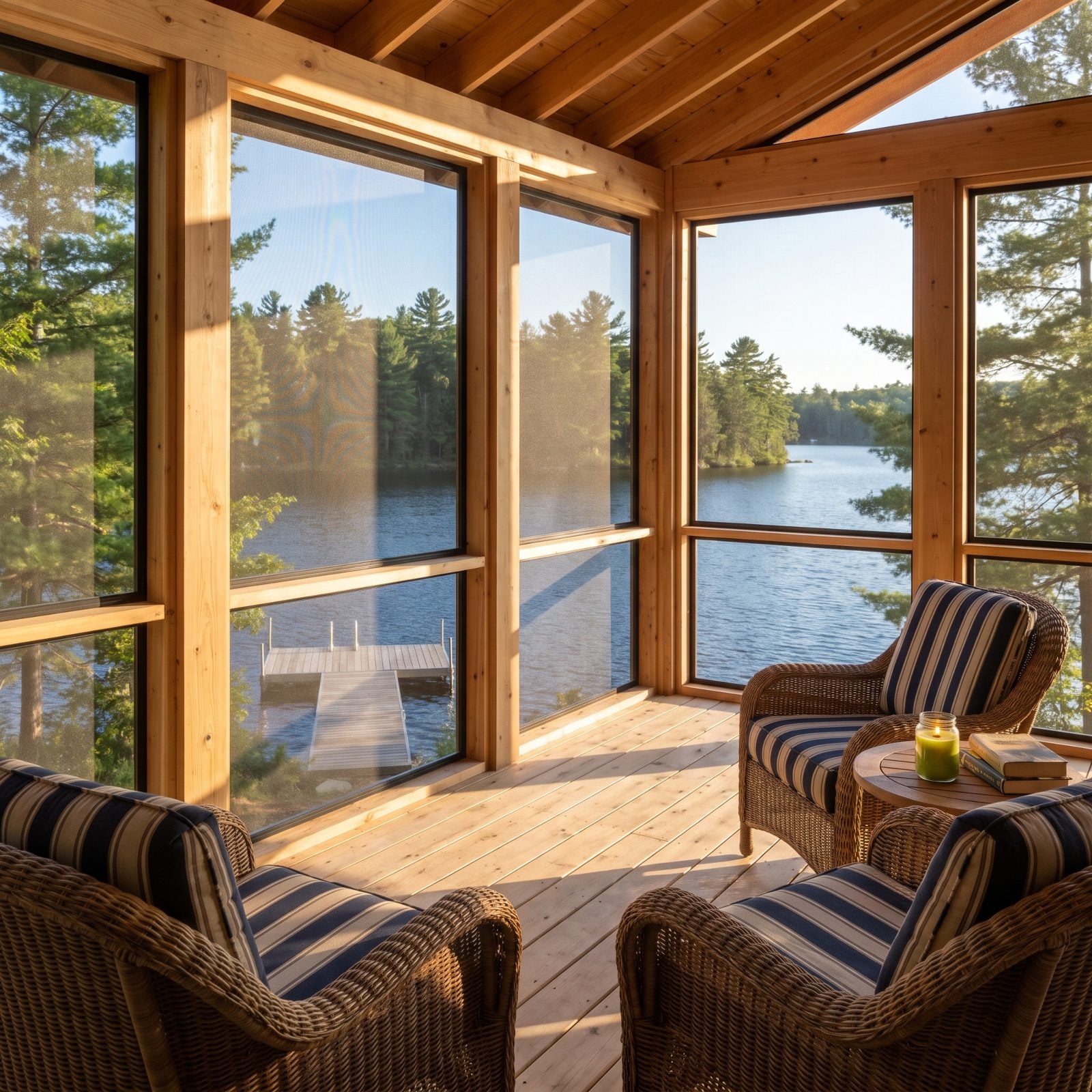
The screened porch is for the version of you who reads novels in the evening and never swats a single mosquito. That person is coming. You can feel it.
You build for that future self the same way people take a job for the career it might become rather than the role it actually is. The porch is a bet on who you plan to be. Sometimes future you shows up and lives out there every July. Sometimes future you stays exactly as busy and distracted as current you, and the chairs just collect pollen.
We’re hopeful and slightly wrong about tomorrow’s habits — the planners call it affective forecasting. We predict the person we’ll turn into once the obstacle is gone. Build the porch anyway. Just know the mosquitoes aren’t the only thing standing between you and that evening.
7. Resale Math Makes Quartz Counters Feel Practically Responsible
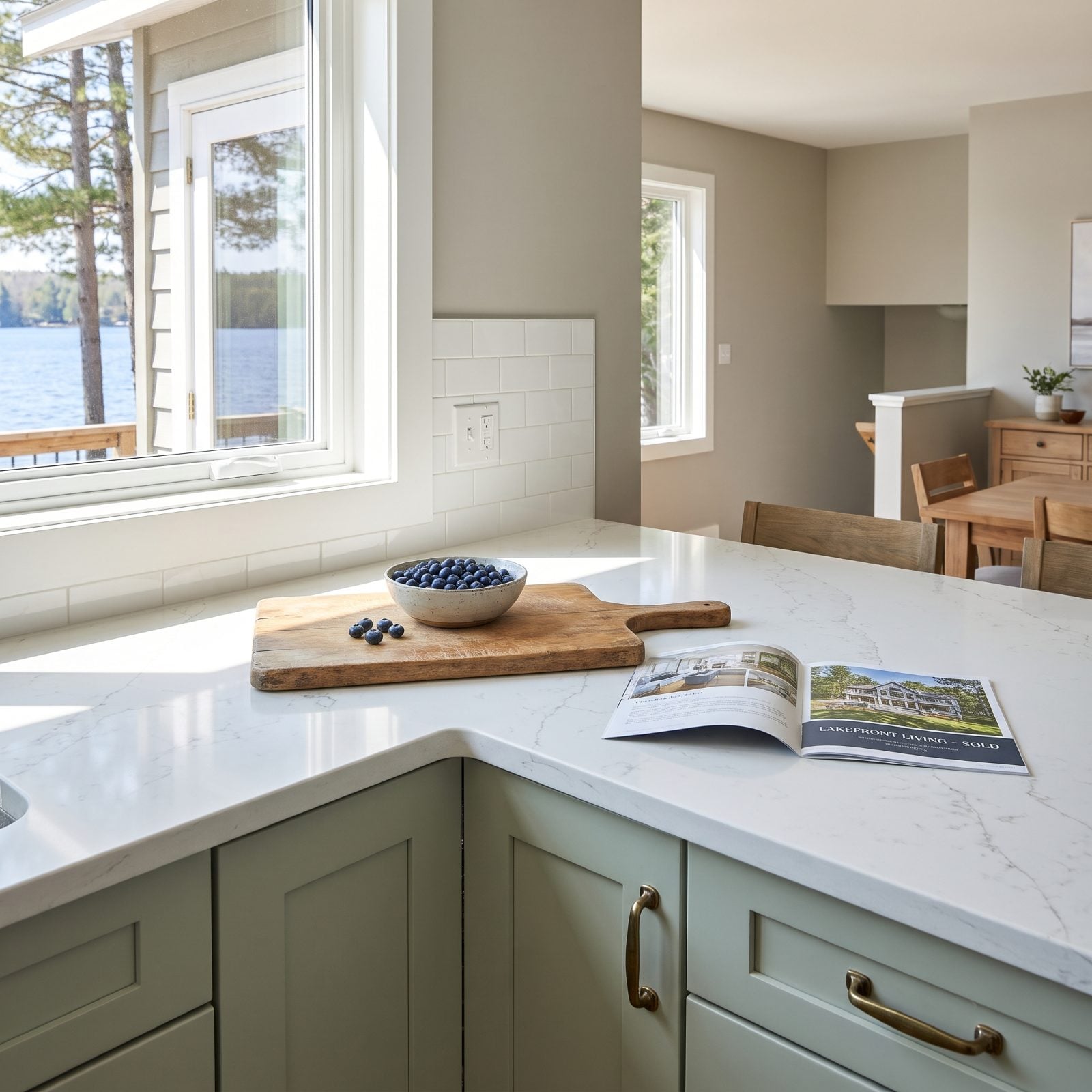
You weren’t going to replace the counters. Then someone mentioned resale, and suddenly the quartz you wanted anyway became a shrewd financial move.
That’s motivated reasoning doing its best work. You’d already decided you wanted the upgrade, so your brain went hunting for a respectable reason to sign off on it. Resale value, buyer appeal, the smart long game — all true-ish, all arriving conveniently after the wanting.
Job switchers run the same play. The move you crave gets dressed up as strategy. A growth opportunity, a stepping stone, better for the family. Maybe so. But notice the order. The desire came first, then the sensible-sounding case marched in behind it to make you feel responsible.
6. A Contractor Cancellation Turns Someday Into Next Monday
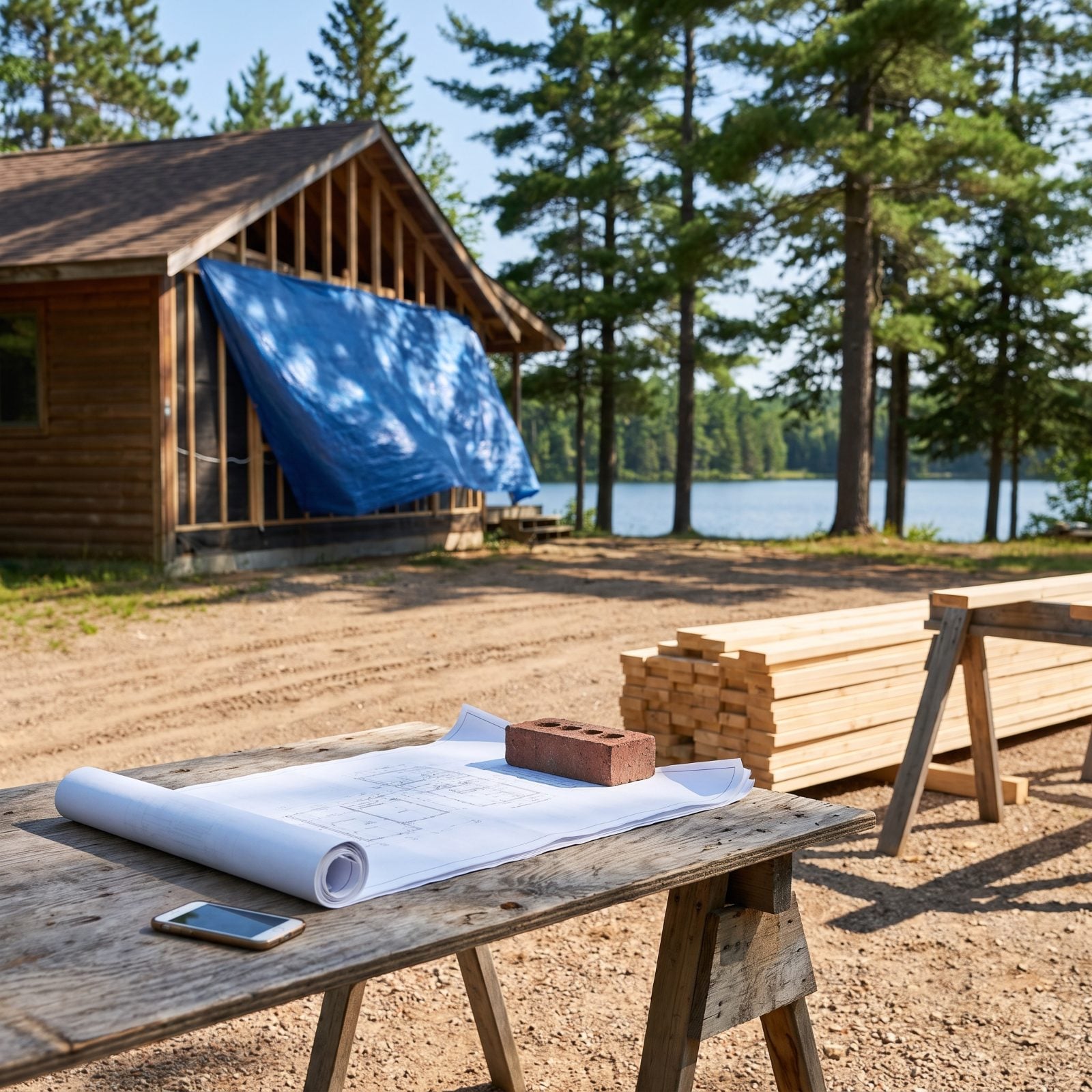
The crew that was booked solid until October calls on a Thursday. Somebody else bailed, they’ve got a window, can they start Monday? And the kitchen you were going to do “someday, when things settle down” is suddenly happening in four days.
You didn’t become braver. Opportunity cost just flipped on you. Saying no now means losing the slot, and loss stings harder than gain pleases, so the open door practically shoves you through it.
This is the oldest reason people jump jobs on short notice. A recruiter calls out of nowhere, the role won’t wait, and a change you’d been idly circling for two years gets decided over one weekend. The push was never ambition. It was a closing window and a brain that hates watching one shut.
5. Finishing the Bathroom Makes the Kitchen Feel Less Intimidating
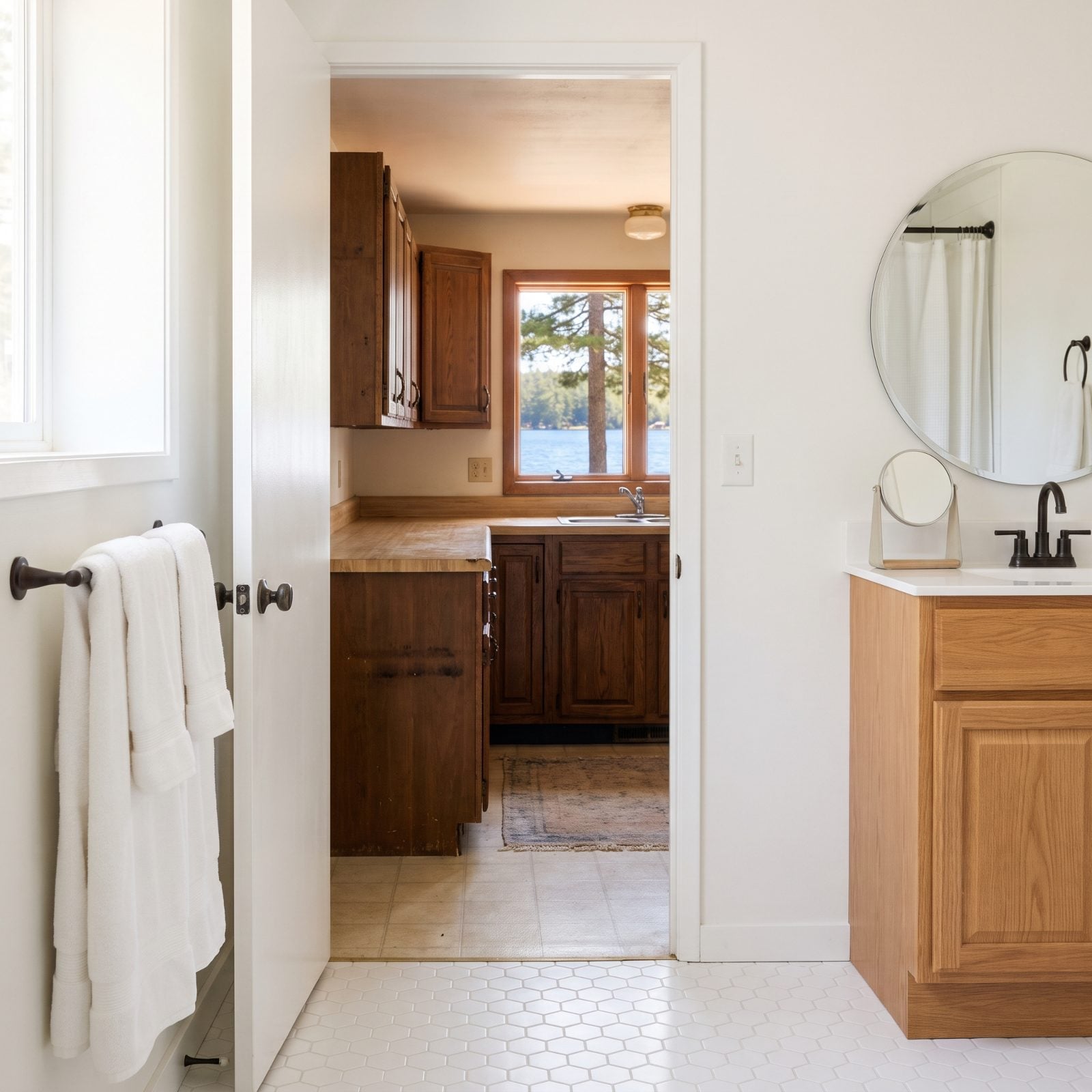
You start with the bathroom because it’s small and you can win fast. New tile, new vanity, done in a weekend. And something funny happens when you stand in that finished room.
The kitchen, which looked impossible last month, suddenly seems doable. Finishing one project changes what you believe you’re capable of, and the next one shrinks to fit your new confidence. That’s self-efficacy — a fancy word for the plain fact that doing one hard thing makes the next hard thing look easier.
Careers build momentum the exact same way. The first lateral move that works emboldens the next, bigger one. People who feel stuck often just haven’t finished a small thing lately. So remodel the metaphorical bathroom. Tile one tiny win. The kitchen stops looking so much like a mountain.
4. You Upgrade the Dock Right Before the Big Family Reunion
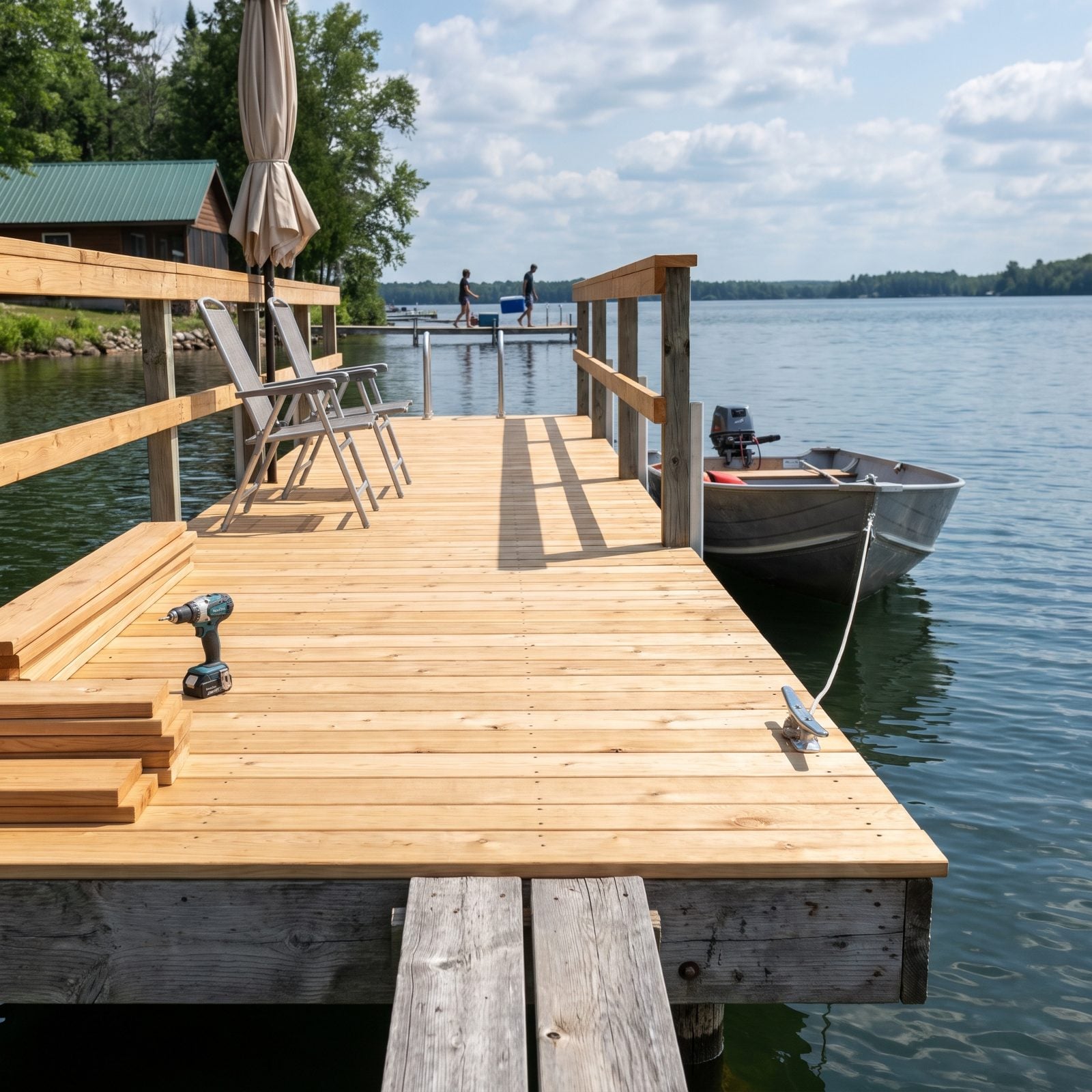
The reunion is six weeks out, and the dock that’s been perfectly fine for fifteen years is suddenly a liability — a safety hazard, even — and there you are pricing cedar at the lumber yard with a tape measure in your back pocket. Nobody asked for a new dock. You decided everyone deserved one before they laid eyes on the old one.
This is the job-change reflex wearing a tool belt. Something big looms on the calendar, so instead of sitting with the ordinary thing in front of you, you make a visible move. Recruiters call it a resume refresh. Cabin owners call it decking.
What’s really going on is impression management. The dock is the first thing guests touch when they step off the grass, so it carries far more weight in your head than it ever will in theirs. You’re not fixing wood. You’re pre-loading approval.
3. You Install Smart Thermostats to Escape Another Cabin Chore
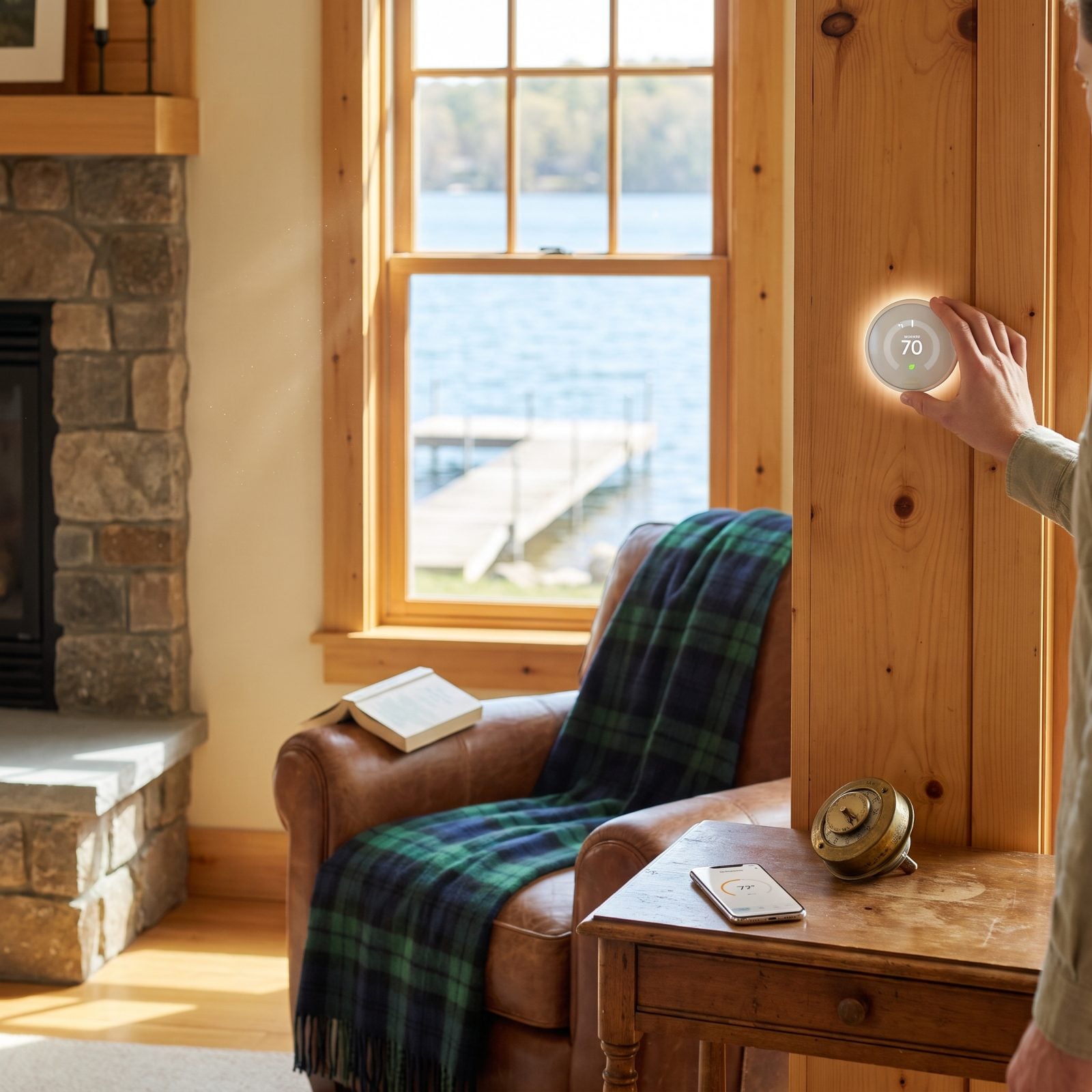
You bought the smart thermostat so you’d never again drive two hours to a freezing cabin or bleed money heating an empty one. Reasonable enough. Then came the smart lock, the leak sensor, and the dock camera you check from the recliner at home. Each gadget was going to buy you freedom, and now your Sunday nights go to firmware updates.
Which is exactly how people serial-switch jobs. The next role will have better hours, less stress, a boss who finally gets it. So you leap — and the new place has its own three a.m. emails. Back to the listings you go, chasing the version of work that leaves you alone.
The trap is hedonic adaptation. Relief fades fast. The thermostat solved a problem for about a month, then became the baseline, and your brain went hunting for the next thing to fix. Comfort you install never stays comfortable.
Every device that promised to end a chore quietly became one.
A genuinely restful cabin usually involves fewer apps, not more. We say that as people who have reset a router from a boat.
2. You Move Walls Instead of Questioning the Cabin Dream
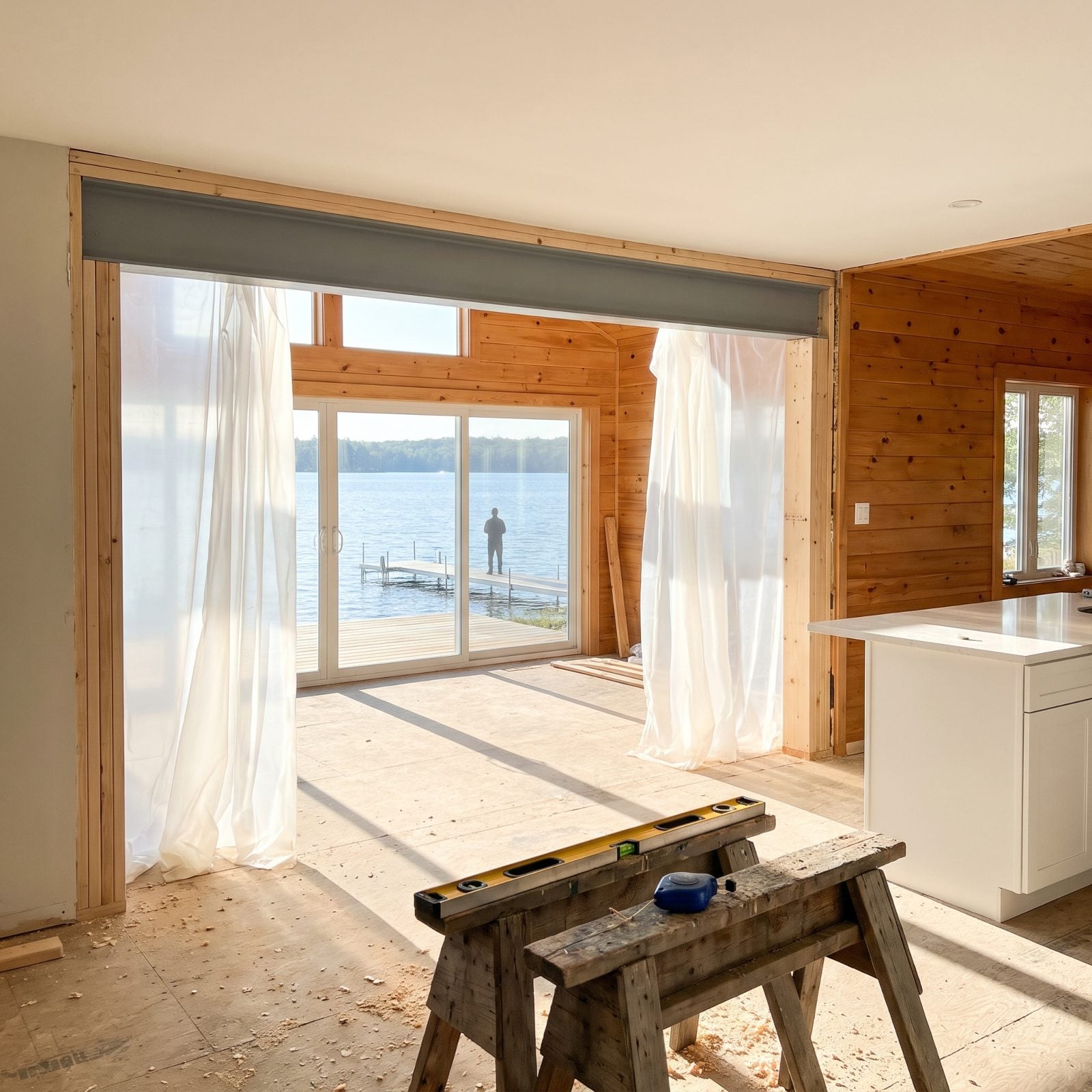
Third renovation. You took down the wall between the front room and the living room, wished you hadn’t, then opened a different wall to fix the flow you broke. The floor plan keeps changing and the nagging feeling never does. Buried somewhere under the demo dust is a question you’re working awfully hard not to ask: do you love this place, or just the idea of it?
Moving walls is a stand-in for that question. Swinging a sledgehammer beats admitting the cabin dream you bought into doesn’t match the weekends you actually have, so you renovate the structure and leave the premise alone.
People do the same with careers for decades. New title, new department, new company, same vague dissatisfaction walking in behind them. The job keeps shifting shape because the real issue — the fit between a life and a person — never gets named.
1. You Browse New Tile Before the Fresh Paint Dries
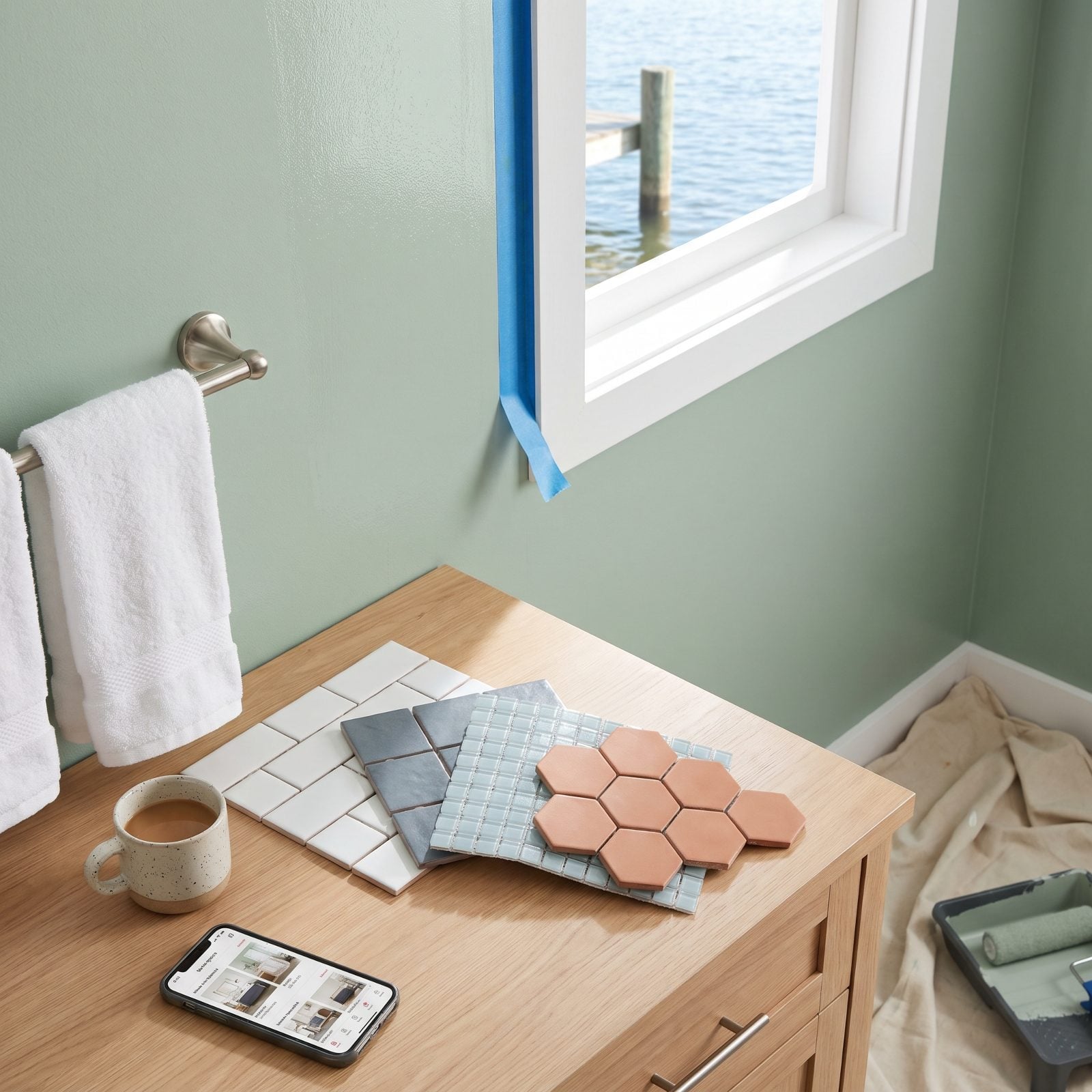
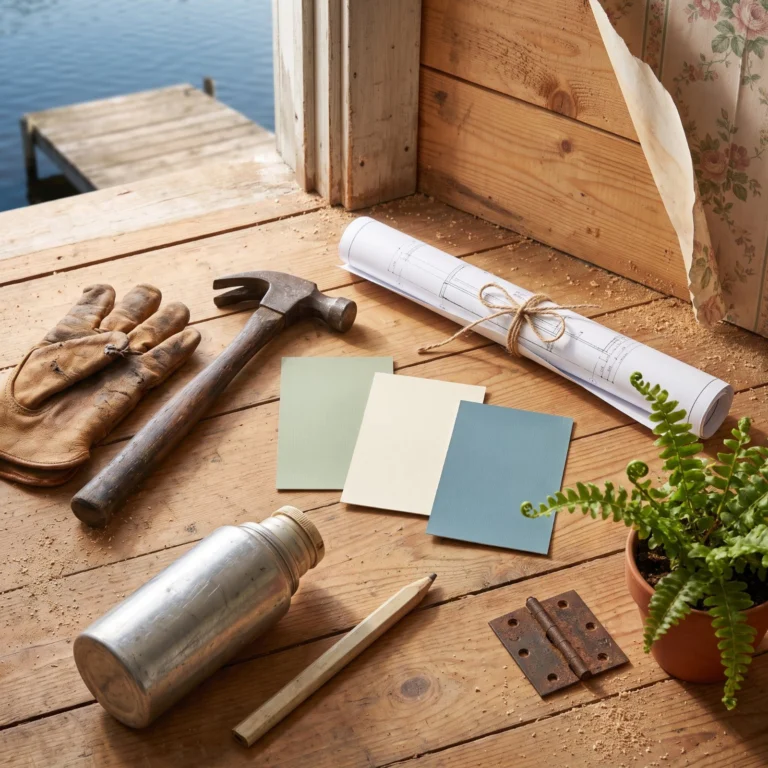
The paint is still tacky and you’re already three tabs deep on backsplash tile. That sage green you agonized over for a solid month looks, all of a sudden, a little flat — maybe a subway tile would wake it up, maybe the whole vanity should go. The project isn’t finished and you’ve already started the next one in your head.
Meet the restless worker who updates the resume in the first good week of a new job. The offer hasn’t even cleared probation and they’re already wondering what else is out there. The finish line slides away because arriving feels like less than it promised.
Behind all of it sits the arrival fallacy. We expect the completed project to deliver a settled feeling, and when it doesn’t, we figure we aimed at the wrong thing — so we re-aim. New tile, new role, new goal, the quiet hope that this one finally lands.
Finished is a feeling you practice, not a stage you buy your way into.