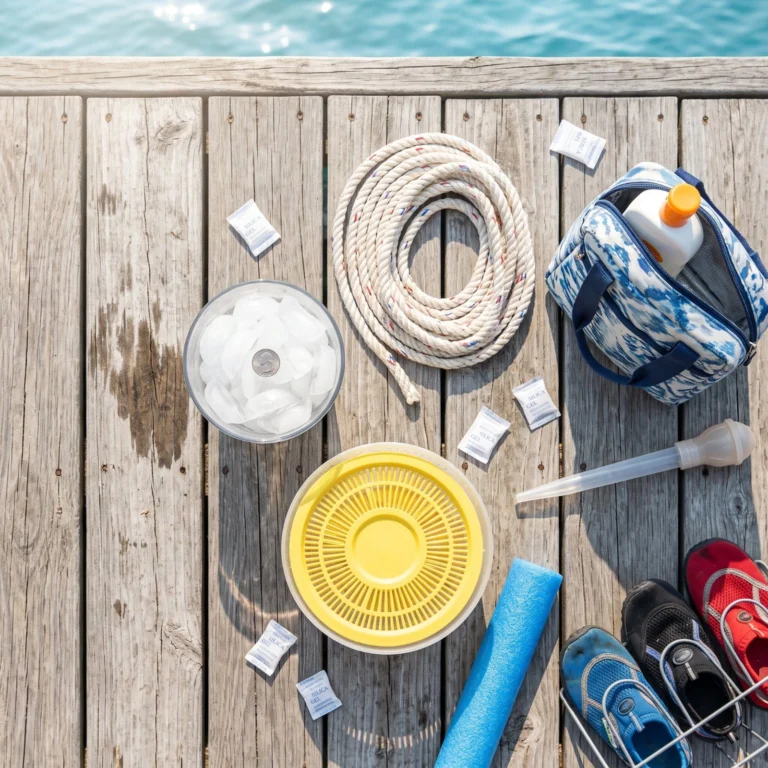

The septic alarm goes off at 2 a.m. on the Fourth of July, and there you are in your underwear with a flashlight, swearing at a tank you paid to pump six weeks ago. Then dawn comes. The lake goes flat and gold, you carry coffee to the dock, and you think, clear as anything, I would never sell this place. Both feelings are real, and that’s the trouble. The same mental machinery that talks a cabin owner into pouring another spring into a leaking roof is the machinery that keeps people parked in relationships they’ve privately given up on. Not weakness. Wiring. What follows are the moves we all make when we’re too invested to walk, dressed up in flannel and lake water.
Please note that some of the imagery in this article may have been enhanced with the assistance of AI.
17. You Remember the Sunset, Not the Septic Alarm
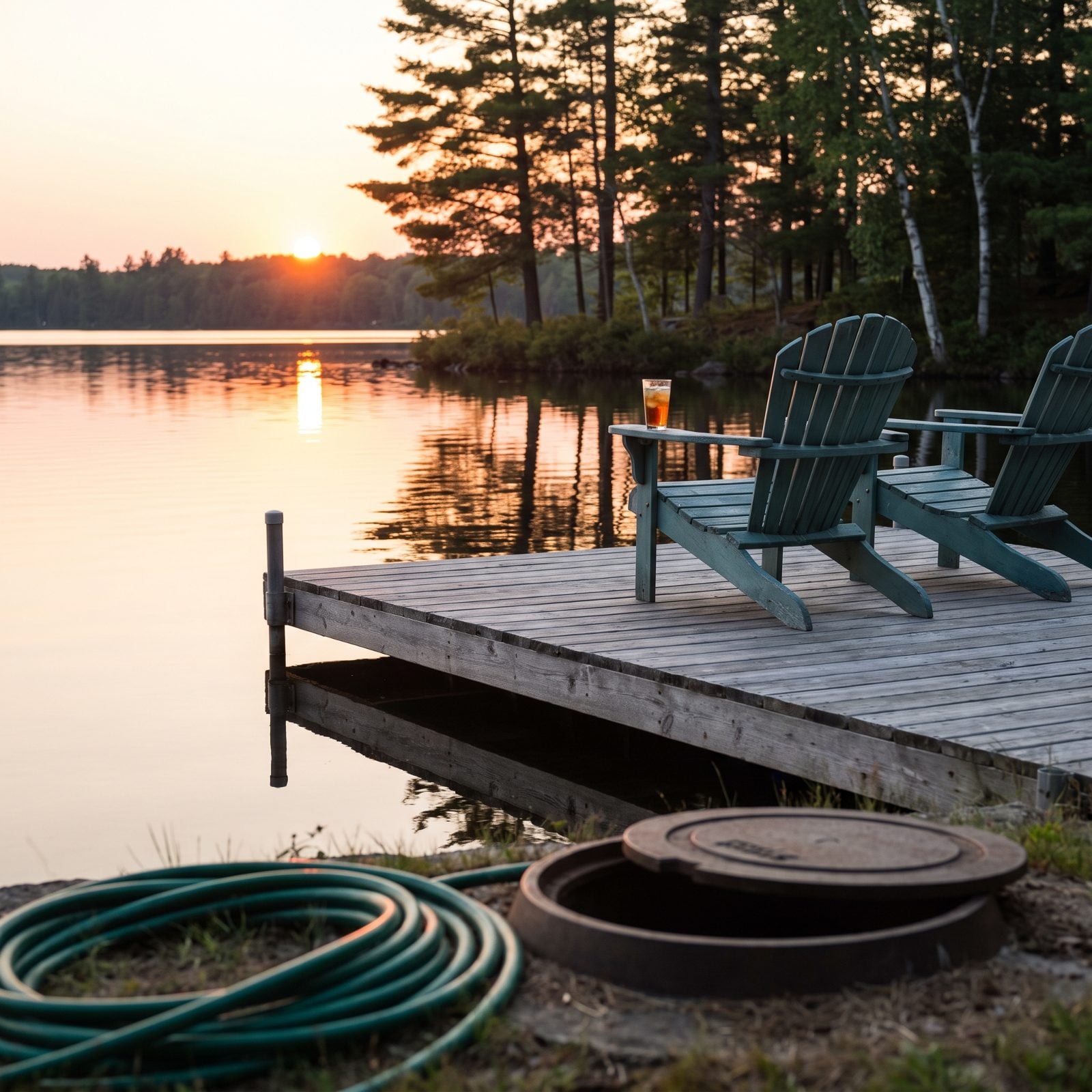
Ask anyone who owns a lake cabin to describe it, and you’ll get the sunset. The loons. The way the fog sits on the water before anybody else is awake. What you won’t get is the mouse nest in the dryer vent, or the frozen pipe that split in February while nobody was there to hear it go.
That’s your brain protecting the investment. Psychologists call it the peak-end rule: we file an experience by its emotional high point and how it ended, never by the tedious middle. One perfect dock evening gets logged under “this is why we have this place,” and the forty hours of grief get quietly misplaced.
Same edit people run on a long marriage. The anniversary dinner stays vivid while nine hundred ordinary tense Tuesdays blur into static. We don’t lie about our lives. We just keep the highlight reel and lose the footage.
16. Every Repair Bill Makes Selling Feel More Like Losing
Here’s the math that keeps people trapped: the more you spend, the harder it gets to walk away. You’d think it would run the other direction. A new septic. A re-shingled roof. A dock rebuilt after ice heave. Then at some point you stare at the running total and think, I can’t sell now, not after all that.
That’s the sunk-cost fallacy wearing a tool belt. The money is already gone, and it isn’t coming back whether you keep the place or hand it over. Spending it just makes quitting feel like admitting the spending was a mistake, and most of us would rather throw good money after bad than cop to that.
People do this with years instead of dollars. “We’ve been together eleven years, I can’t leave now.” The eleven years are spent either way. Staying another eleven doesn’t refund them. The past is not a deposit you can withdraw by sitting still.
15. You Keep Believing One More Project Will Fix Everything
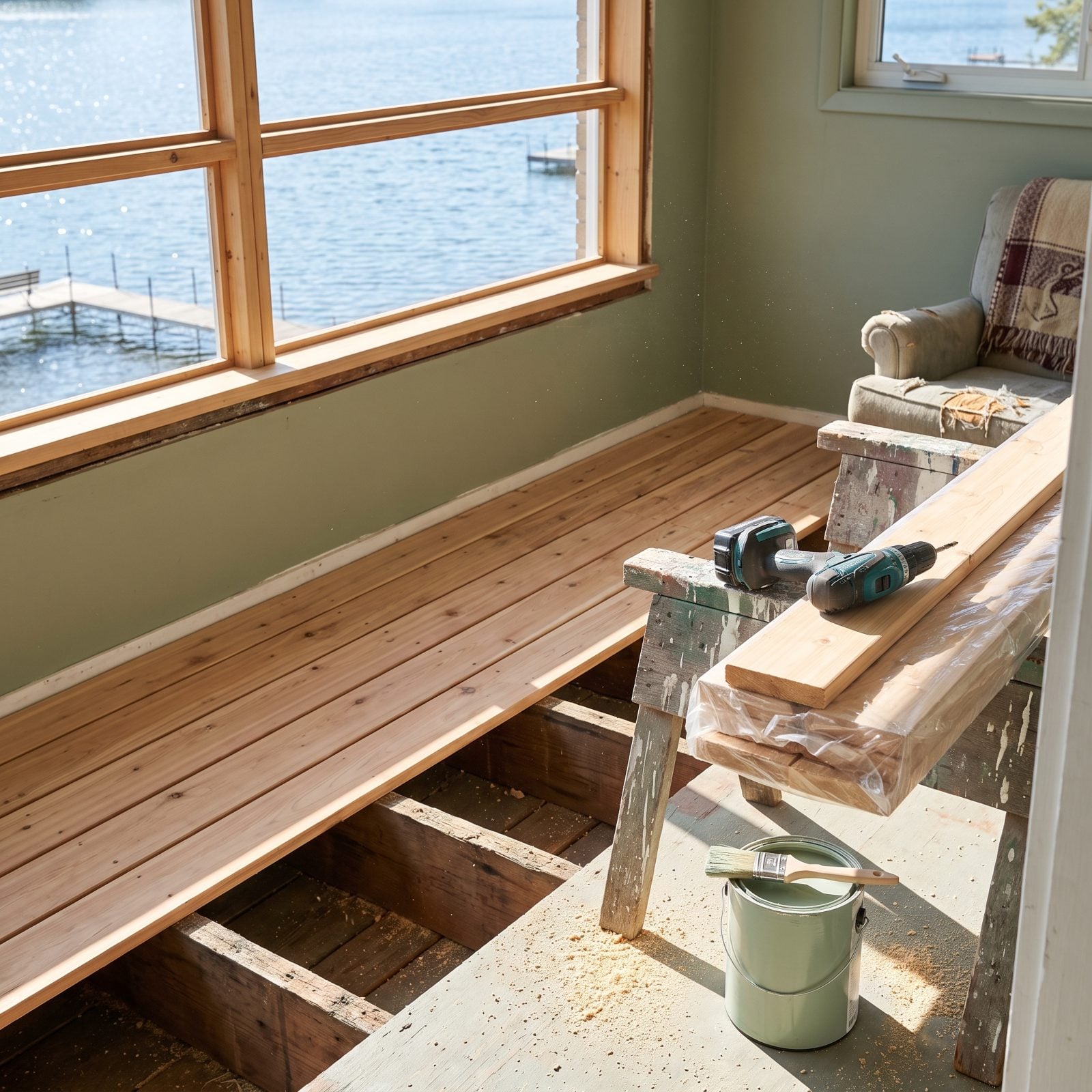
The screened porch will change everything. Then it’s the porch, but really the new windows. Then the windows, but honestly it’s the dock. There’s always a next project standing between you and the cabin you pictured when you signed.
This is the renovation version of the fresh-start fallacy, the belief that one more change flips the whole experience from draining to perfect. It never does, because the thing draining you isn’t the porch. It’s the maintenance, the drive, the dread of the next surprise waiting under a floorboard. A new deck doesn’t touch any of that.
People tell themselves the same story about a struggling relationship. If we move. If we have a baby. If I change jobs and stop being so stressed. One variable tweaked, everything fixed. And the project becomes a tidy way to dodge the harder question underneath: is the whole arrangement actually working?
The thing draining you is rarely the thing you’re renovating.
14. One Perfect Dock Morning Erases a Weekend of Disasters
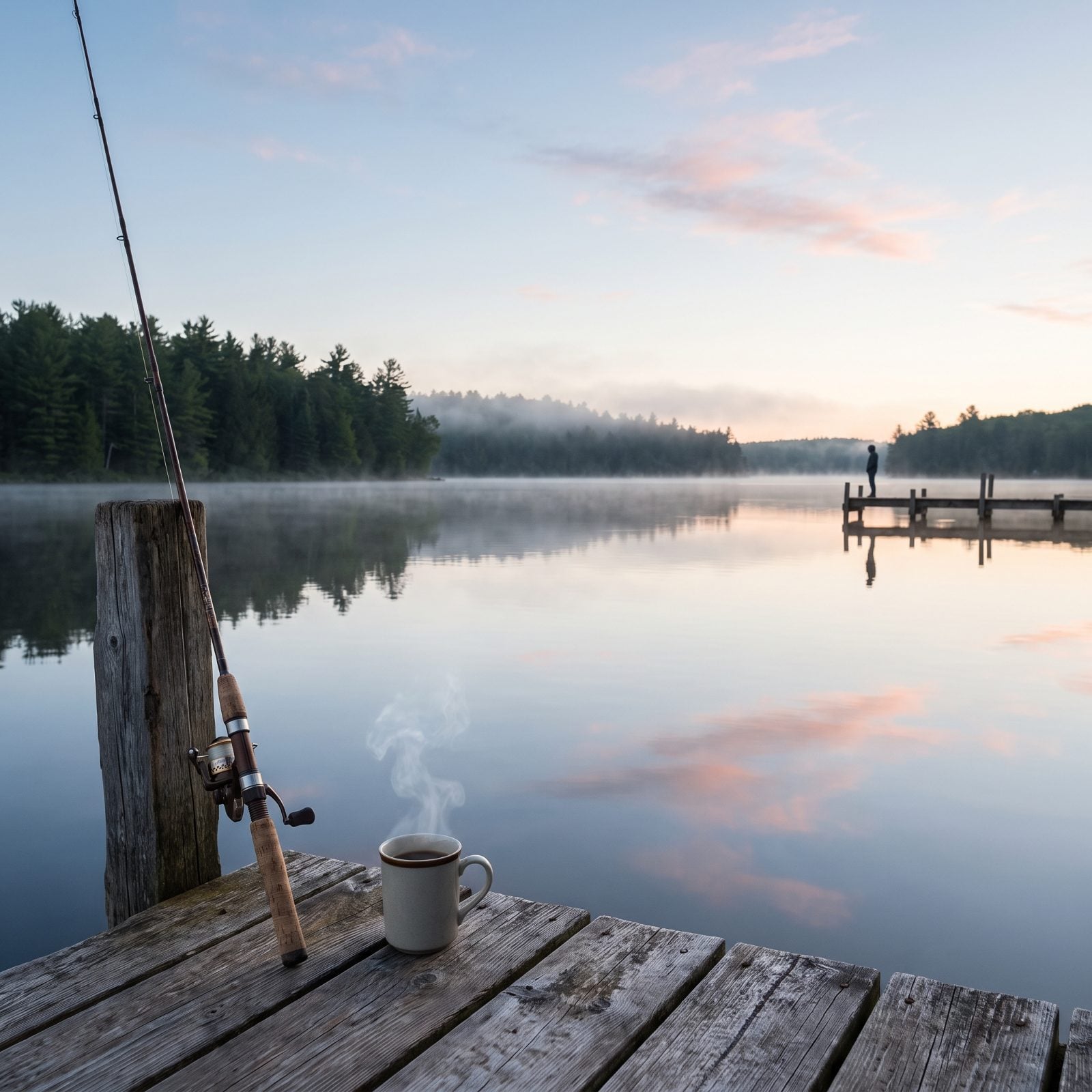
You spend Saturday hauling a dead sump pump up the stairs and Sunday on hold with a propane company that keeps playing hold music from 1994. Then Monday morning the water is glass, a heron lifts off the shallows, and you forgive the place completely. Instantly. Like none of it happened.
Intermittent reward is the strongest kind there is. Slot machines run on it. A payoff you can’t predict, landing just often enough, hooks the brain harder than a steady reliable one ever could. The cabin that’s wonderful every single visit wouldn’t grip you half as tight as the one that’s awful, awful, awful, then sublime.
That unpredictable high is the same thing keeping people hooked on relationships that run hot and cold. The bad stretch makes the good moment feel like rescue, and you’ll sit through a lot of septic alarms chasing the next heron.
13. The Cabin Becomes Your Personality Before the Mortgage Clears
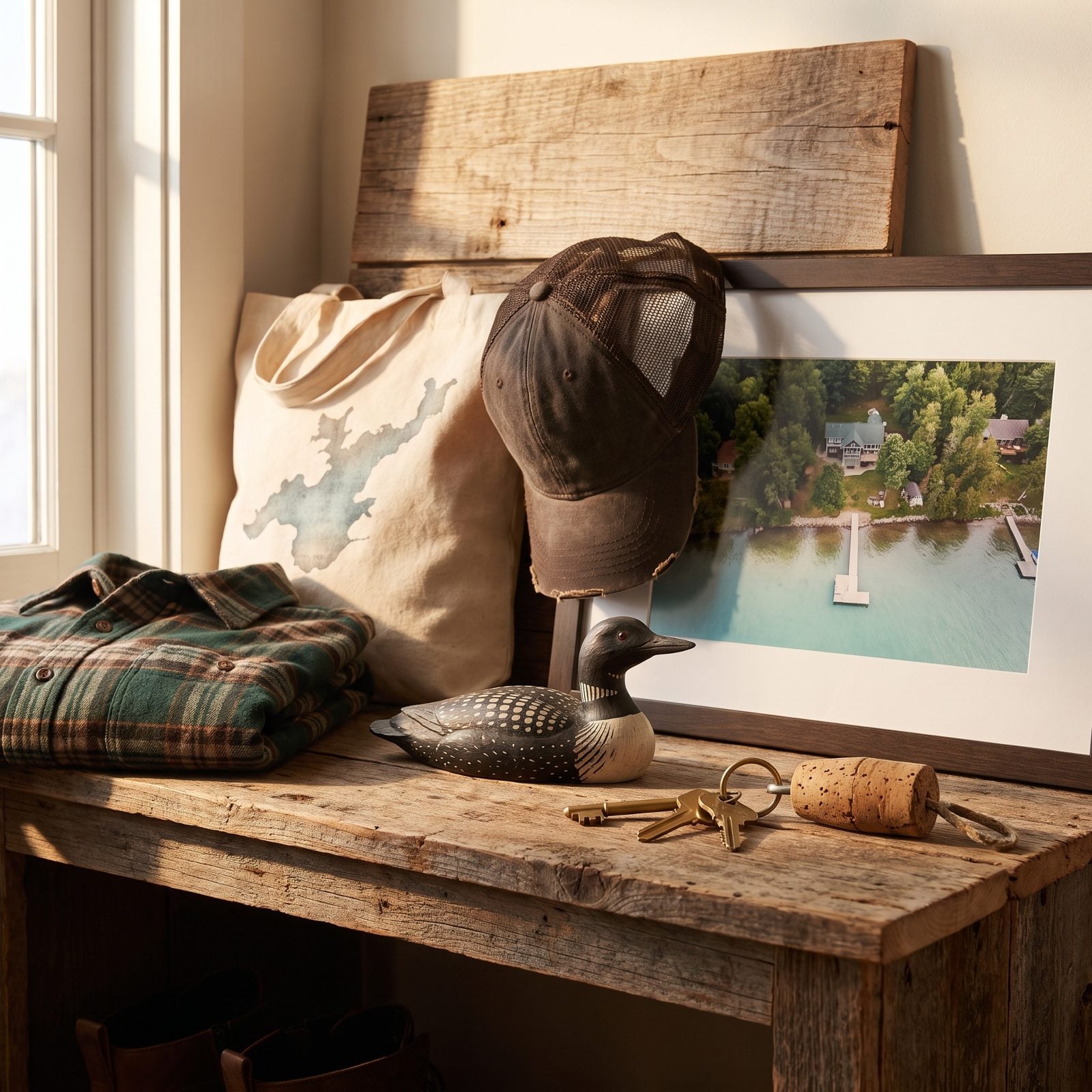
Somewhere along the way you stopped being a person who has a cabin and became The Cabin Person. The tote bag. The loon mug. The way you steer every dinner party back toward dock talk inside about four minutes. Your whole sense of self started floating on a body of water you only visit on weekends.
That’s identity fusion, and it’s a quiet trap. Once a possession becomes part of who you are, letting it go doesn’t feel like a transaction. It feels like amputation. Selling the cabin wouldn’t just rearrange your weekends — it would, inside your own head, change who you are.
People stay in marriages for the same reason, long after the warmth is gone. “I don’t know who I am without this” isn’t about love. It’s about self-definition. When you can’t picture yourself as anything but half of a pair, leaving feels like erasing yourself, and nobody volunteers for that.
12. You Defend the Place Hardest After Complaining All Winter
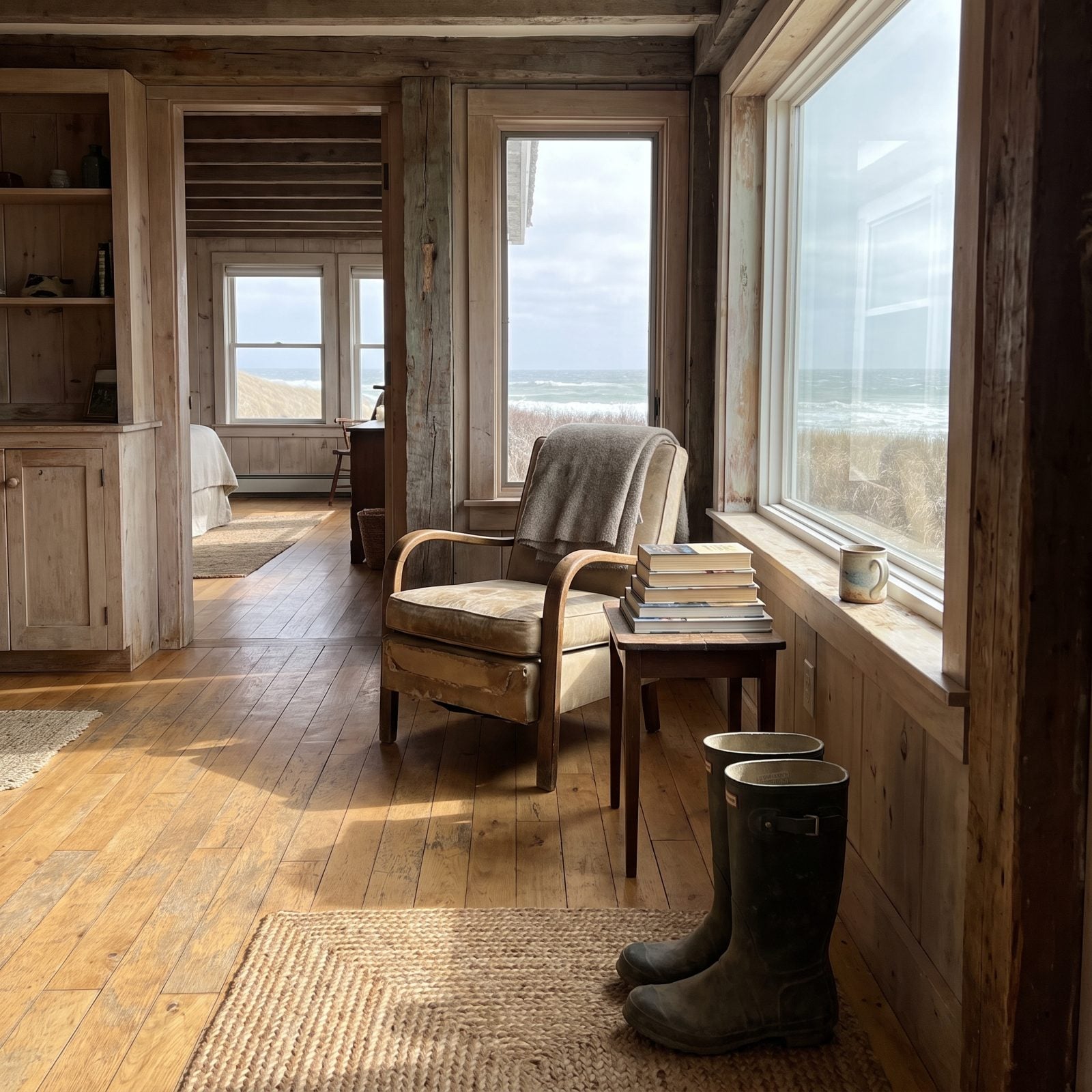
All January you grumbled. The drive is too long, the taxes went up, something’s always leaking somewhere you can’t reach. Then a friend says, gently, maybe you should just sell it — and you nearly take their head off. Suddenly you’re reciting every virtue the place has ever possessed, going back to the closing papers.
You’re allowed to criticize it. They are not. That’s the pattern, and it runs on ownership and cognitive dissonance at the same time. Complaining is how you vent. Defending is how you justify owning the thing in the first place. An outsider’s doubt threatens the story you’ve built, so you overcorrect, hard.
It’s the identical reflex that makes someone complain about their spouse for an hour and then snap the second a friend agrees. The grievance was for releasing pressure, not for inviting an exit. We want to be heard. We don’t want to be helped out the door.
11. Admitting the Purchase Was Wrong Feels Worse Than Leaks
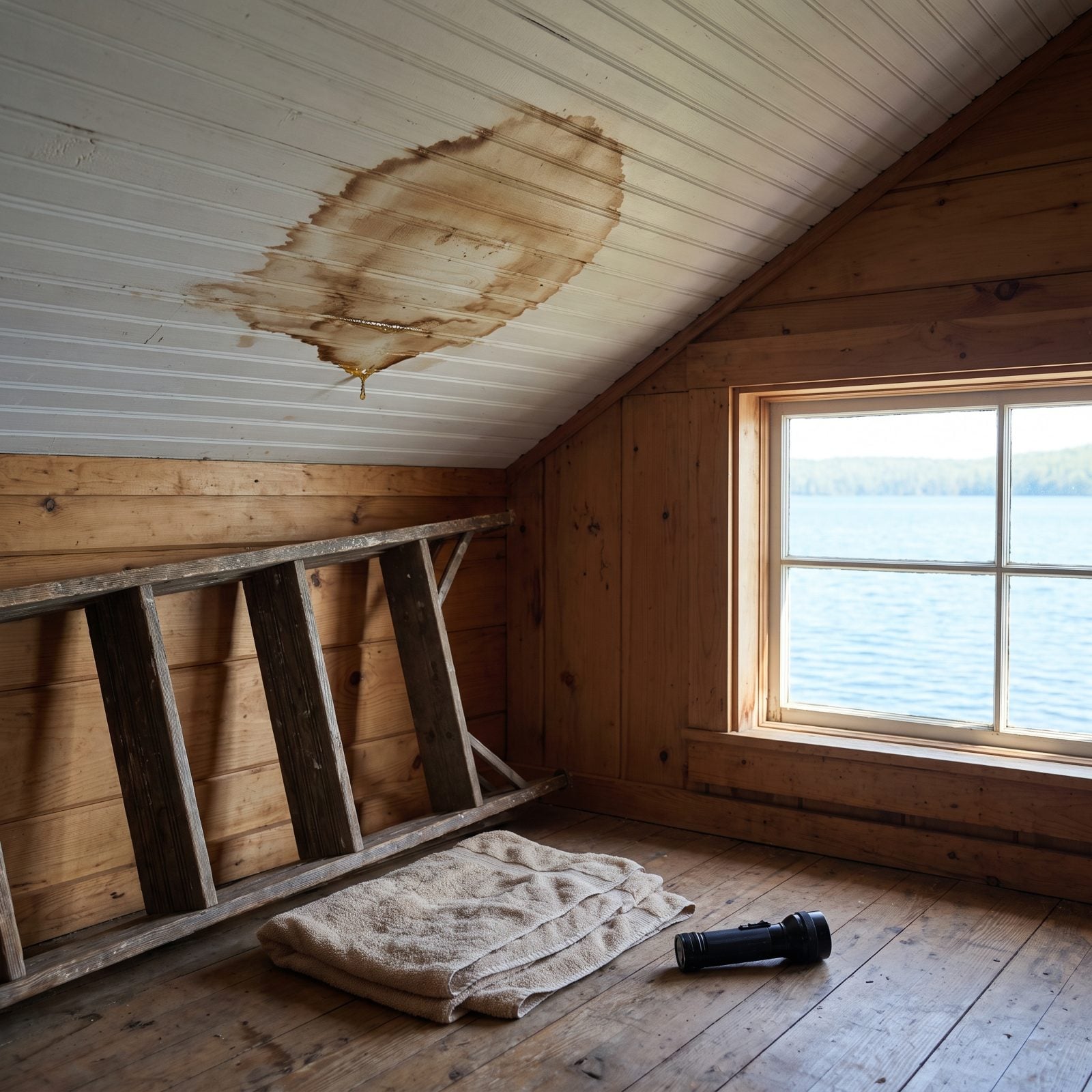
The roof can leak for years and you’ll put a bucket under it. What you won’t do is say the sentence out loud: buying this was a mistake. The leak is manageable. The admission is not.
That’s loss aversion tangled up with ego. Owning a bad decision stings more than enduring its fallout, because the fallout feels like bad luck while the decision feels like a verdict on your judgment. Buckets are weather. “I chose wrong” is character. So you keep choosing the buckets.
Which is why people stay married long past the point of fondness. Leaving means standing in front of family, friends, your own reflection in the bathroom mirror, and conceding that a whole chapter was a misread. The daily unhappiness is survivable. The confession of a wasted bet feels like it isn’t. We’ll tolerate an astonishing amount to avoid being wrong out loud.
10. The Kids’ Height Marks Make Selling Feel Like Betrayal
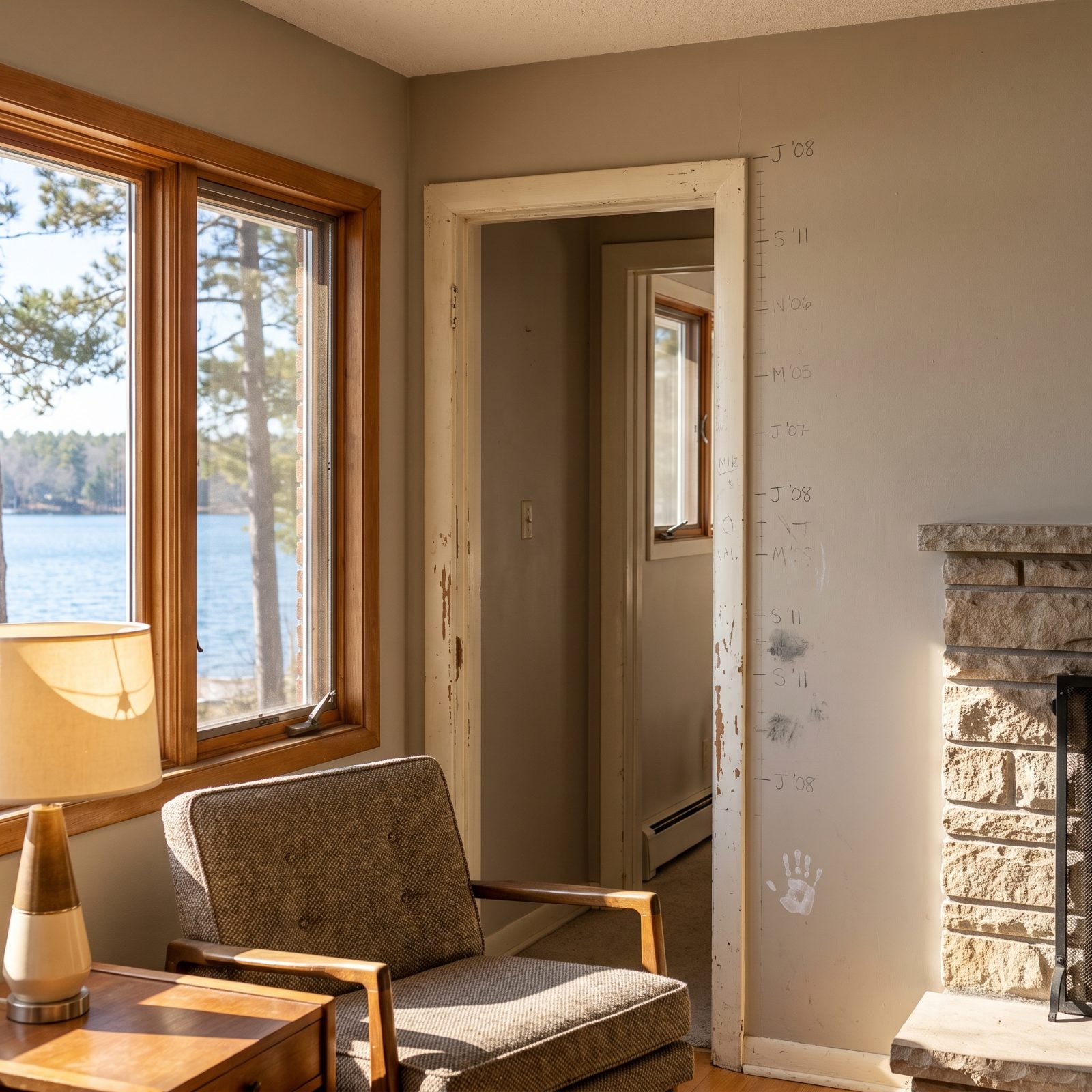
There’s a wall beside the doorframe with pencil marks climbing up it, dated, the lowest ones around knee height. Those marks aren’t on the appraisal. In your heart they’re worth more than the roof, the dock, and the forty feet of waterfront put together.
The endowment effect says we value things more simply because they’re ours, and memory pours gasoline on it. A cabin where your kids grew up stops being real estate. It’s a container for a decade you can’t get back. Selling it feels like handing strangers the right to paint over those marks.
Precisely why people stay together “for the kids,” or for the house the kids were raised in, long after the marriage has gone quiet. The shared history becomes something you feel responsible to, as if leaving would dishonor the good years. But memories live in you, not in the drywall. You take those marks with you whether you keep the building or not.
9. Lakefront Listings Vanish, So This One Feels Irreplaceable

You pull up the listings every so often, not to buy, just to look. And there’s almost nothing out there. Lakefront with usable shoreline, decent septic, no three-hour drive. Rare as hen’s teeth. So the little voice starts up: if you let this one go, you’ll never land another.
Scarcity bias makes anything feel more valuable the moment it looks hard to replace. The limited supply is real enough. But it quietly converts a property you’d otherwise question into a once-in-a-lifetime you can’t afford to lose. Rareness masquerades as worth, and it’s a convincing costume.
People run the exact same calculation about love after fifty. The dating pool feels thin, starting over feels exhausting, and “I’ll never find anyone else” becomes the reason to stay somewhere that stopped being good years ago. Fear of the empty field keeps you standing in a flooded one. Scarcity is a feeling, and feelings make terrible real estate agents.
8. Buckets Under the Ceiling Eventually Become Normal Decor

The bucket started as an emergency. Now it has a spot. You walk around it without thinking, guests walk around it without asking, and somewhere along the line a leaking ceiling became part of the floor plan. You genuinely stopped noticing it was there.
That’s normalization of deviance, a phrase borrowed from accident investigators of all people. Small wrongs, tolerated long enough, stop registering as wrong at all. The bucket isn’t a crisis anymore. It’s a corner feature. The baseline crept until the broken thing looked ordinary.
It’s the most human and the most dangerous move on this whole list, and it’s exactly how people wake up twenty years into an unhappy marriage wondering when things got this bad. They didn’t get bad all at once. The line crept, one tolerated thing at a time, until the abnormal looked like a Tuesday. The real danger of a leaky cabin, or a leaky life, is never the leak itself. It’s how fast you can get used to it.
7. You Compare It Only to Cabins With Worse Foundations
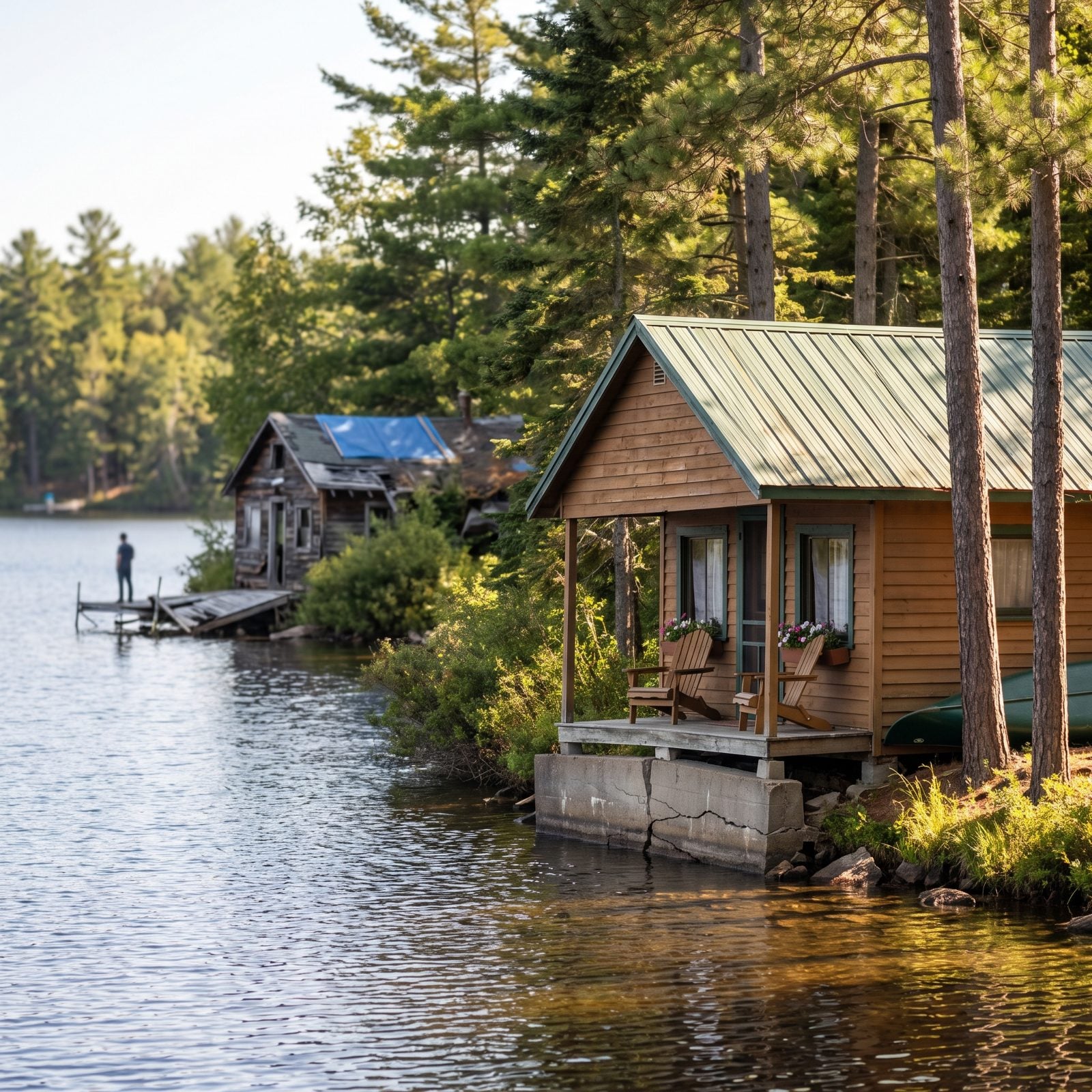
You never measure your cabin against a perfect one. You measure it against the sad place three coves over, the one with the blue tarp roof and the dock that’s been half-submerged since 2019. Next to that, your sagging foundation looks almost charming. Practically a flagship property.
People do this in marriages too. The bar isn’t happiness; the bar is “well, at least it’s not like them.” You pick the worst case you know and quietly grade on that curve. As long as something out there is worse, your situation reads as fine.
The mechanism is called downward social comparison, and it’s a comfort drug. It lowers your standard without ever making you feel like you lowered it — you feel better, nothing actually improves, and the real question (is this good enough for me?) never gets asked. Picture living with a leaky roof for three winters. The neighbor’s was worse. Yours was still leaking.
6. Guests Admire the Dock, Never Your Septic Invoices
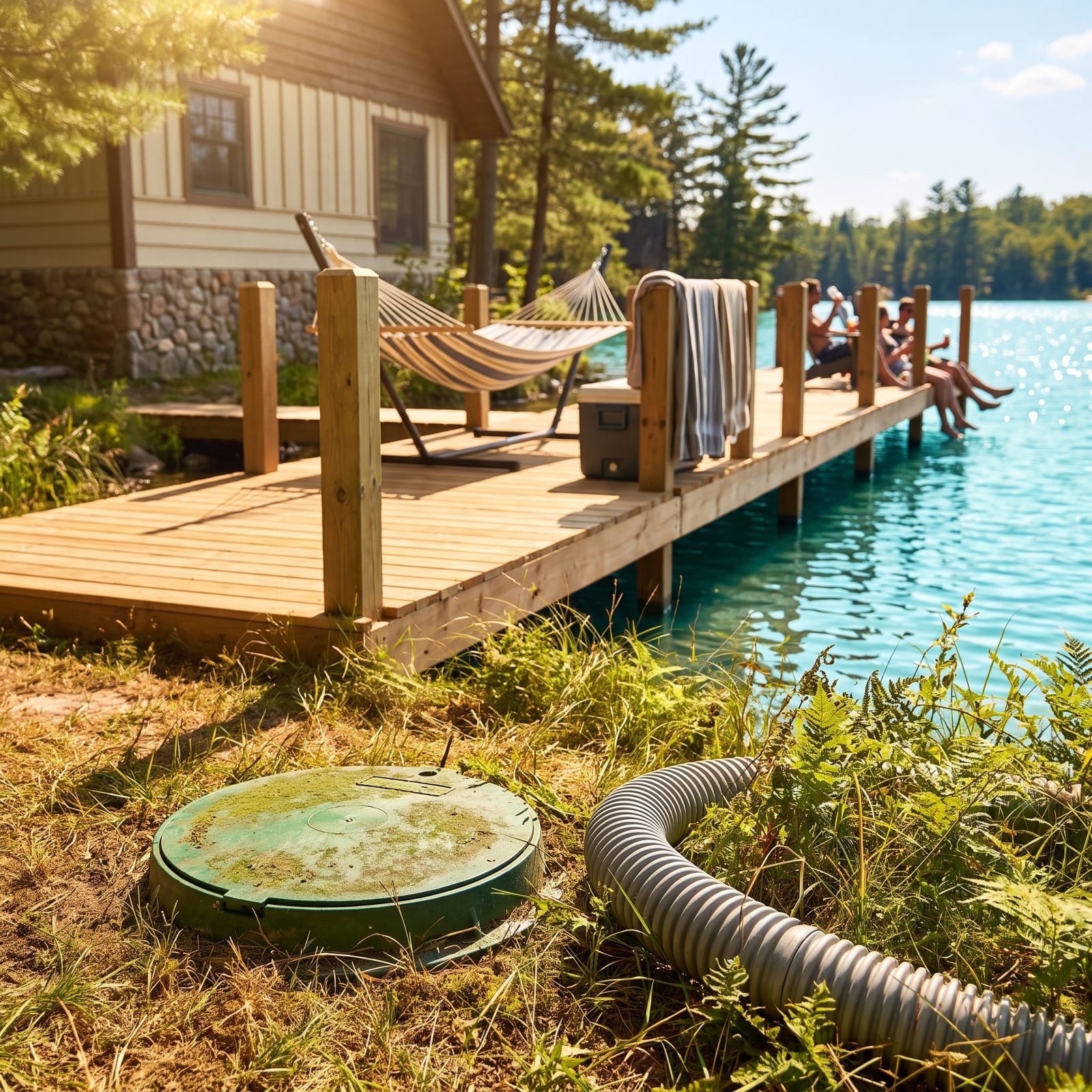
Everybody who visits says the same thing. “This place is the dream.” They mean the dock, the sunset, the way the beer tastes better out here. Nobody has ever stood on that dock and asked what you paid to pump the septic, or whether the well pump is limping toward another funeral.
So you start believing the version they see. The curated one, where the cabin is pure joy and the four-figure invoices live in a folder nobody opens.
A struggling marriage works the same. Everyone sees the holiday photo, the anniversary toast, the couple who “just works” — and nobody sees the silence in the car on the drive home. When the outside world keeps reflecting a glossy picture back at you, you let that picture override your own lived experience. Call it living for the audience, and it’s sneaky, because the applause is real. The applause just doesn’t know about the septic.
5. Realtor Fees Make Another Year Feel Weirdly Sensible
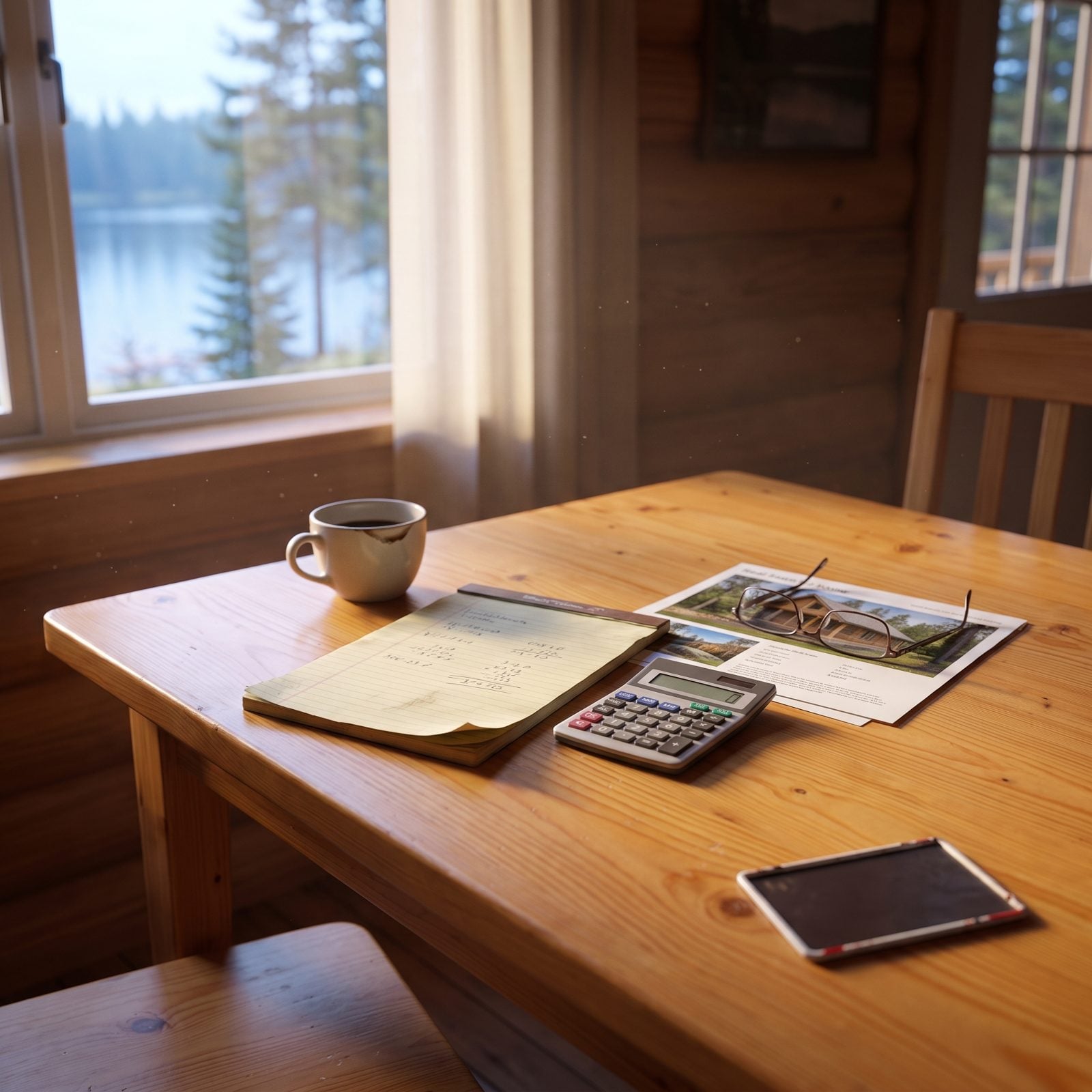
You run the math on selling and it stings every time. Agent commission, closing costs, the staging, the repairs you’d have to do just to list it honestly. Add it all up and staying another year feels almost thrifty. Why hand strangers a pile of money to walk away from something you already own?
Couples do the same arithmetic before a divorce. Lawyers, splitting the house, starting over, the sheer expense of leaving — the exit fee looms so large that enduring starts to look like the responsible choice.
But here’s the quiet lie buried in that math: you’re treating the cost of leaving as a one-time hit and the cost of staying as free. It isn’t. Every year you stay carries its own bill. You just don’t total it, because it arrives slowly, in dribs, one repair at a time.
4. Everyone Inherited It, So Nobody Gets to Leave
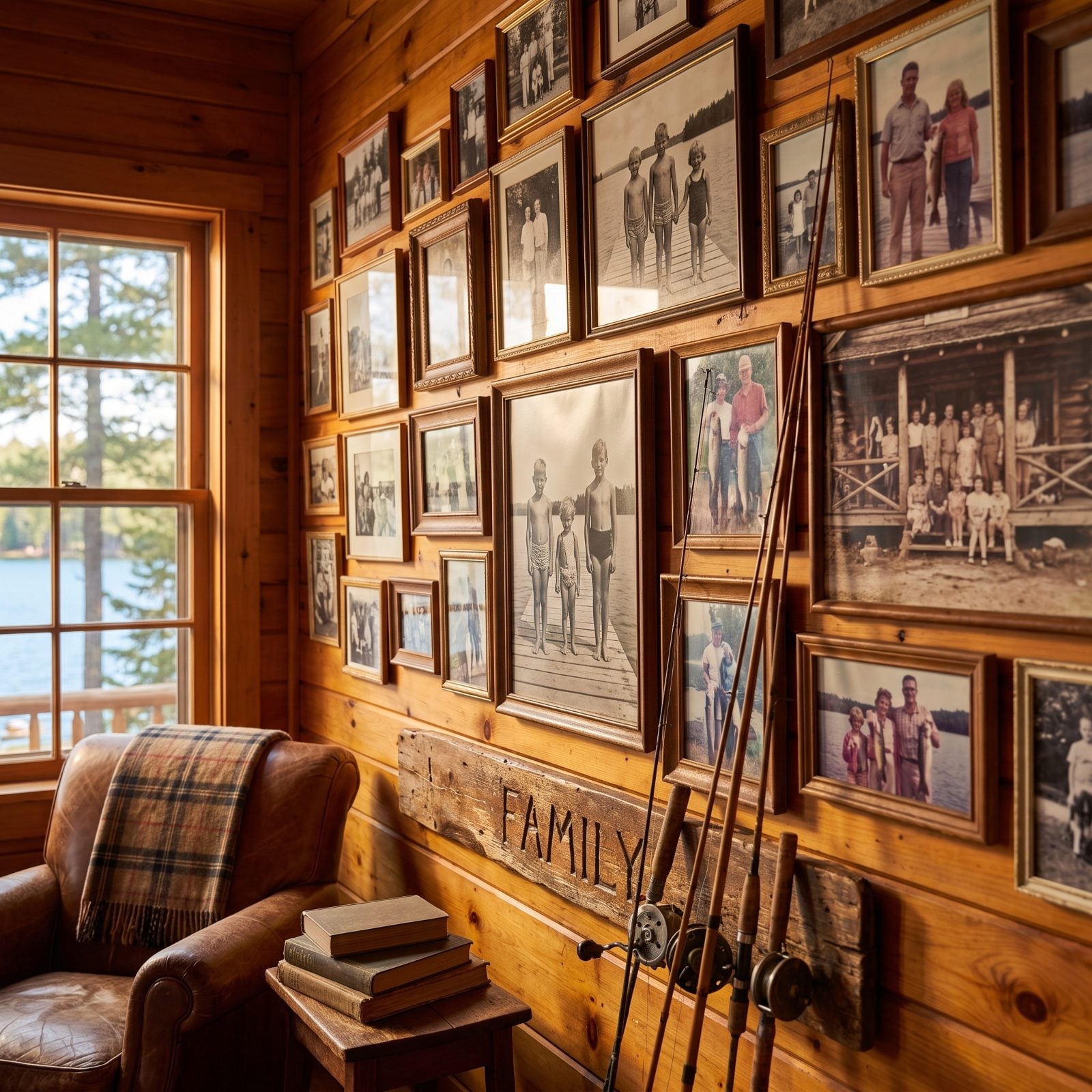
Grandpa built it. Mom learned to swim off that dock. The initials carved into the boathouse beam are a cousin’s, 1971. Selling the cabin stops being a real estate decision and becomes a betrayal of three generations who are mostly no longer around to argue about it.
So the whole family holds the thing together out of obligation — splitting the taxes, taking turns on the repairs nobody wants, all of it carried forward because letting go feels like letting them down.
People stay in marriages the same way. For the kids, for the in-laws, for the vows, for the version of the family everyone agreed to keep performing. The commitment outlives the actual happiness because the identity got tangled up in the thing itself. There’s a name for this stubbornness: escalation of commitment. You keep honoring a past decision not because it still serves you but because quitting would mean admitting the whole long investment might not have been worth it. Try telling that to a dead grandfather.
3. The New Boat Makes Selling the Cabin Even Harder
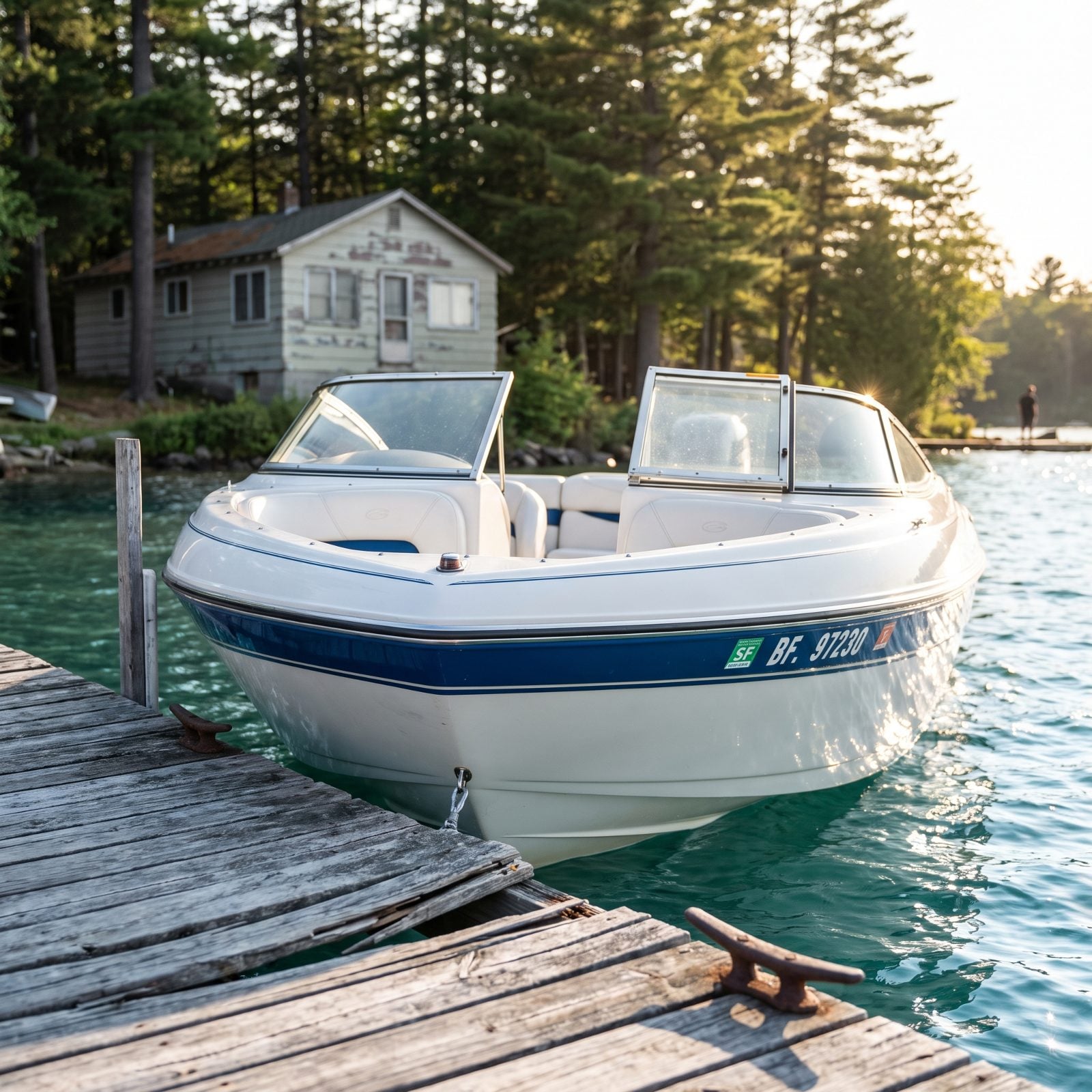
You buy the new boat to make the cabin worth it. Finally, a reason to keep the place beyond stubbornness. And for a season or two, it works. The boat is gorgeous. Selling now would be insane, you tell yourself, when you’ve got this beauty tied to the dock.
But you didn’t fix the cabin problem. You added a second thing to be loyal to, and loyalties compound. Now leaving means walking away from the boat and the slip and the whole shape of your summers.
Same move as the grand gesture in a failing marriage — the big trip, the kitchen renovation, the second honeymoon. New investment layered on an old problem, so quitting feels like throwing away even more. Call it commitment escalation wearing a life jacket. The shiny new thing doesn’t repair the foundation. It just raises the price of the door.
2. You Call Every Breakdown Part of Its Rustic Charm
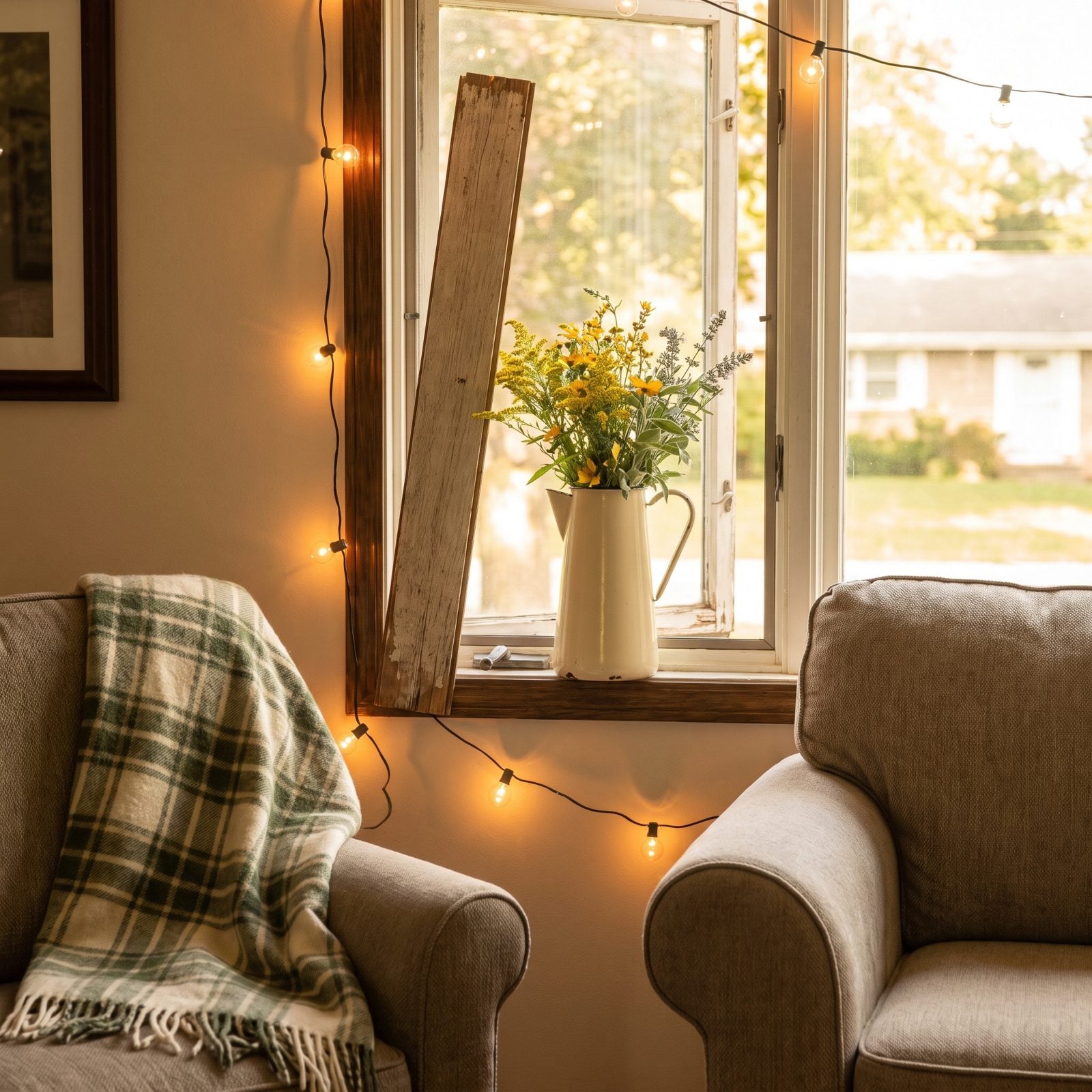
The water pressure is terrible, so you call it “the lake experience.” The screen door never latches, so it’s “part of the charm.” The window that sticks every August becomes a beloved quirk instead of a repair you keep deferring. You’ve rebranded the flaws as personality.
It’s a lovely, exhausting form of spin — and it’s identical to the way people reframe a partner’s worst habits as endearing. He’s not cheap, he’s frugal. She’s not cold, she’s “low drama.” We dress up the thing that bothers us in nicer language so we don’t have to confront it.
Psychologists call it cognitive reframing, and in small doses it’s healthy. It’s resilience. Past a certain point it becomes denial in a flannel shirt. A broken thing described warmly is still broken.
1. A Rising Zestimate Keeps Every Leak Feeling Temporary
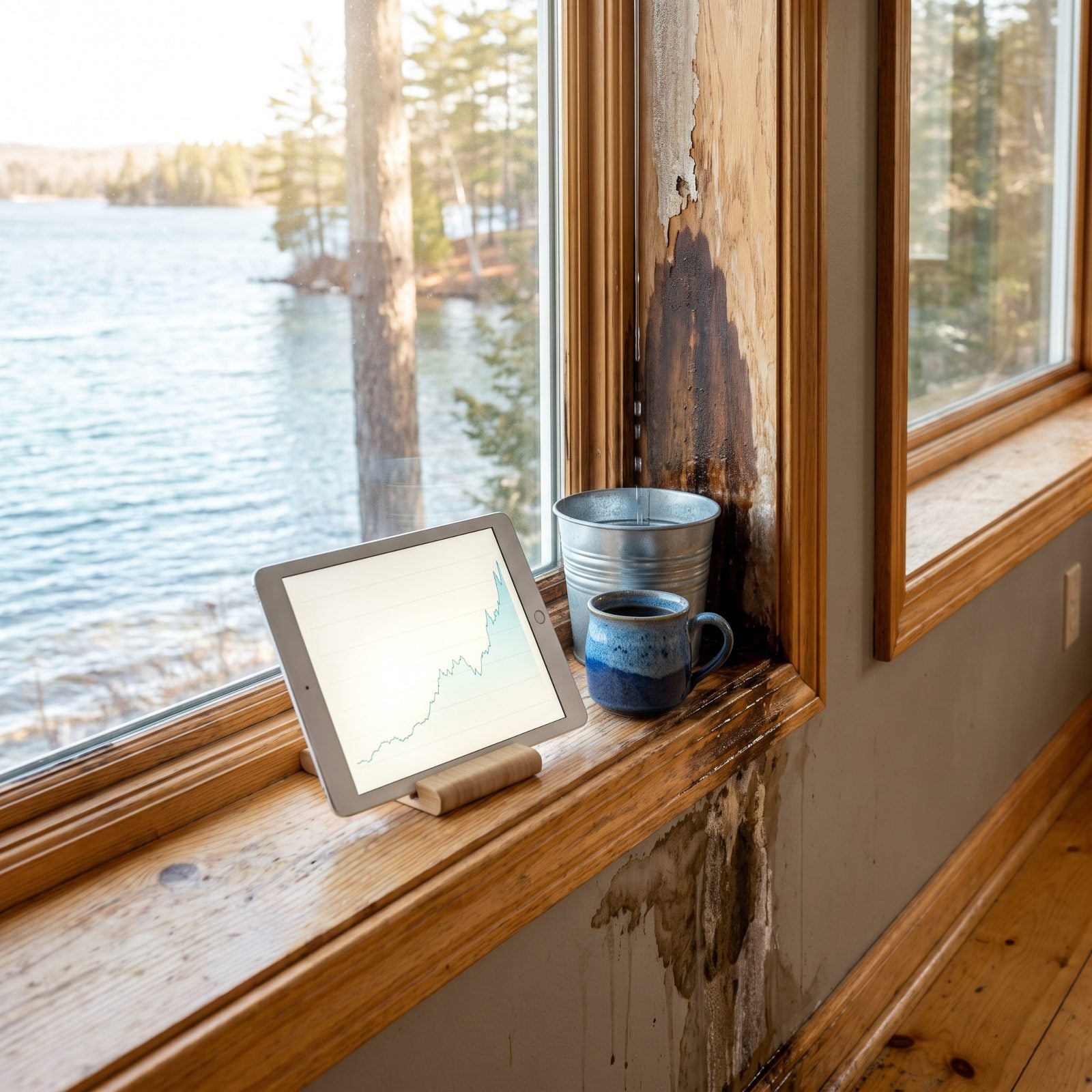
The online estimate ticked up again this year, and suddenly the water stain on the ceiling feels like a footnote. The place is appreciating. Every leak becomes temporary, every problem a minor cost against a rising asset. You’re not losing money, you’re building equity. Allegedly.
Hope about the future is a powerful anesthetic for pain in the present. In a rocky marriage it sounds like “things will get better once the kids move out,” or “after the busy season,” or “when we finally take that trip.” The imagined upside keeps the current reality tolerable.
The bias at work is optimism bias — our stubborn conviction that tomorrow will tilt in our favor regardless of what today keeps telling us. And the Zestimate is a flattering accomplice, a guess dressed up as a fact. It doesn’t know about the foundation. It doesn’t know the roof needs replacing. It just keeps whispering that staying is paying off, while the bucket under the window slowly fills.