
The deed said the property line ran to the water. The water had other ideas. First summers at a lake house run on a steep learning curve nobody mentions during the walkthrough, and most of it hides below the surface, behind a permit office, or inside a circuit panel. The dock you inherited, the sand you dreamed about, the lift you bought, the level you counted on — all of it comes with rules written by people who never met you. Here are the lessons that catch new owners flat-footed, usually right when they thought they’d finally relaxed.
Please note that some of the imagery in this article may have been enhanced with the assistance of AI.
48. The Ordinary High-Water Mark May Control Land That Looks Like Your Yard
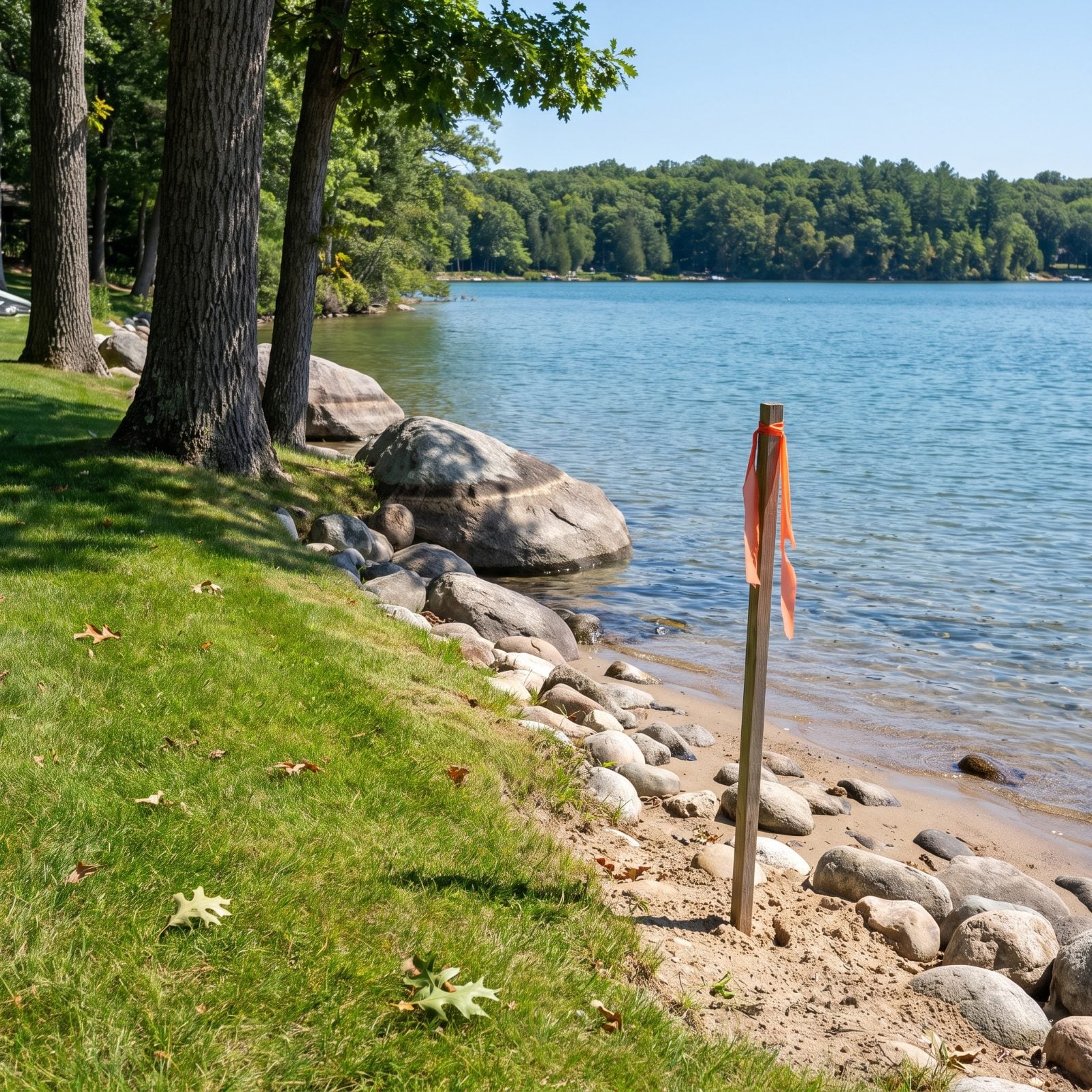
Your survey can show a crisp line to the water and still be dead wrong about who runs the place. In many states the land below the ordinary high-water mark belongs to the public or the state, even when it looks exactly like the gentle slope where you set up your chairs and your cooler and your whole weekend.
That mark is the stain line — the vegetation break, the spot the water reaches in a normal wet season. Build below it, dredge below it, or dump fill below it, and you’re working on land you don’t fully control.
47. A Grandfathered Dock Can Lose Its Status the Moment You Rebuild It
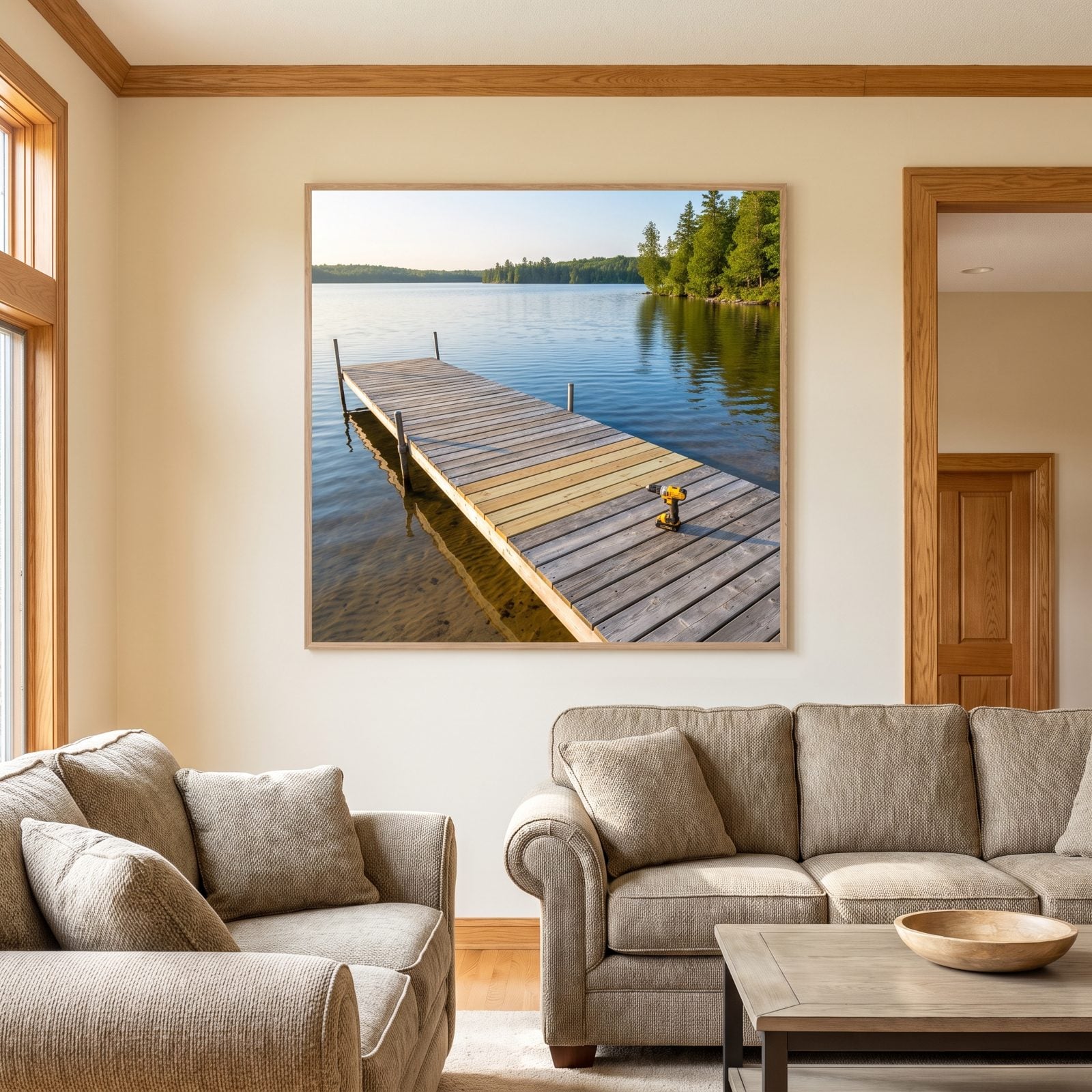
Grandfathered is a comforting word until you learn how fragile it is. A dock that predates current rules often gets to stay exactly as it is. The catch hides in that phrase: as it is.
Replace a few rotten boards and you’re fine. But tear the thing down and build it bigger, longer, or in a new spot, and many jurisdictions treat it as a brand-new structure that must meet every current setback and size rule. People learn this after the demolition, which is about the worst possible time to learn it.
46. That Dream of Trucking In Fresh Beach Sand May Need a Permit First
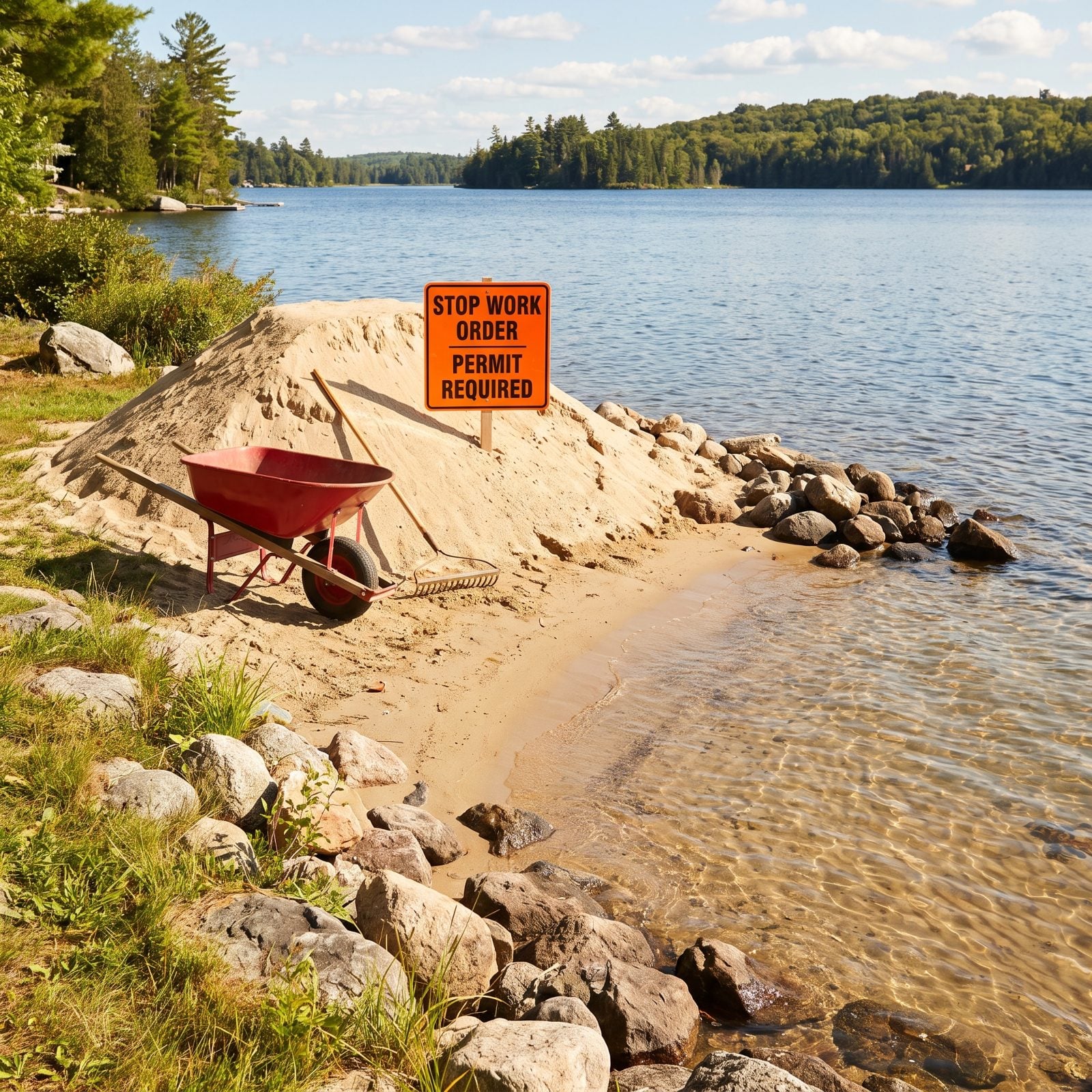
Everyone pictures the same thing: a soft little beach where the kids can wade in without stepping on muck. Then you order a few yards of sand, someone mentions a permit, and the daydream stalls out.
Here’s the logic. Sand placed near or below the waterline washes into the lake, smothers fish habitat, and clouds the water for everyone downstream of you. A lot of states regulate it the same way they regulate dredging or fill. Rules vary wildly by state and by lake, so ask before the truck shows up, not after it’s dumping.
45. A Wind-Driven Seiche Can Swing Your Water Level in a Single Afternoon
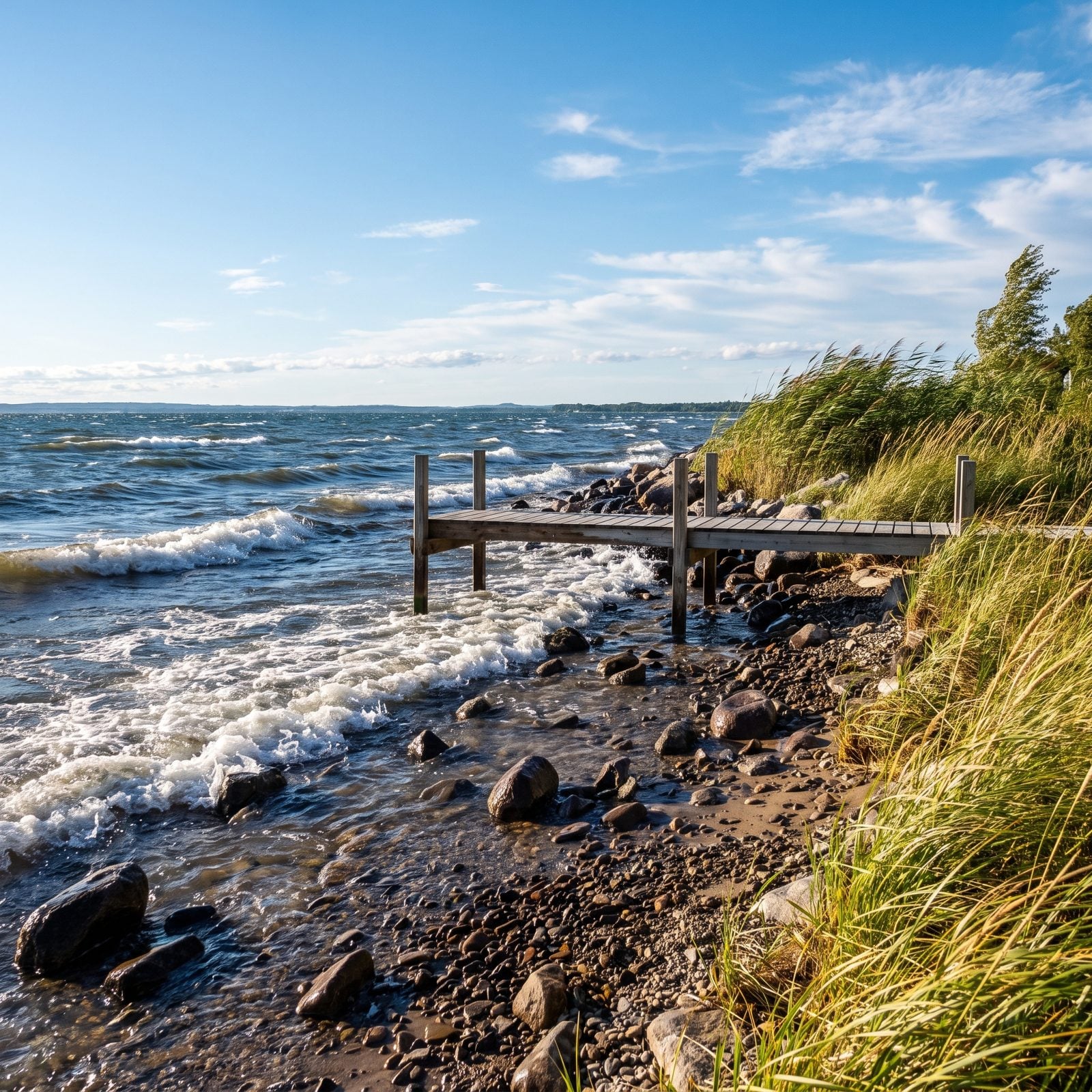
Lakes don’t just evaporate and refill. On big water a steady wind can pile the lake up against one shore, drain it from the other, then let the whole thing slosh back once the wind dies down. That standing wave is called a seiche, and it can move the level anywhere from inches to a couple of feet in a matter of hours.
Your boat can go from floating to resting on its lift bunks and back again before dinner. On the Great Lakes it gets dramatic. On a modest inland lake it’s subtle — but subtle is plenty to scrape a hull.
44. Your Boat-Lift Capacity Has to Include Fuel, Batteries and All the Stuff You Leave Aboard
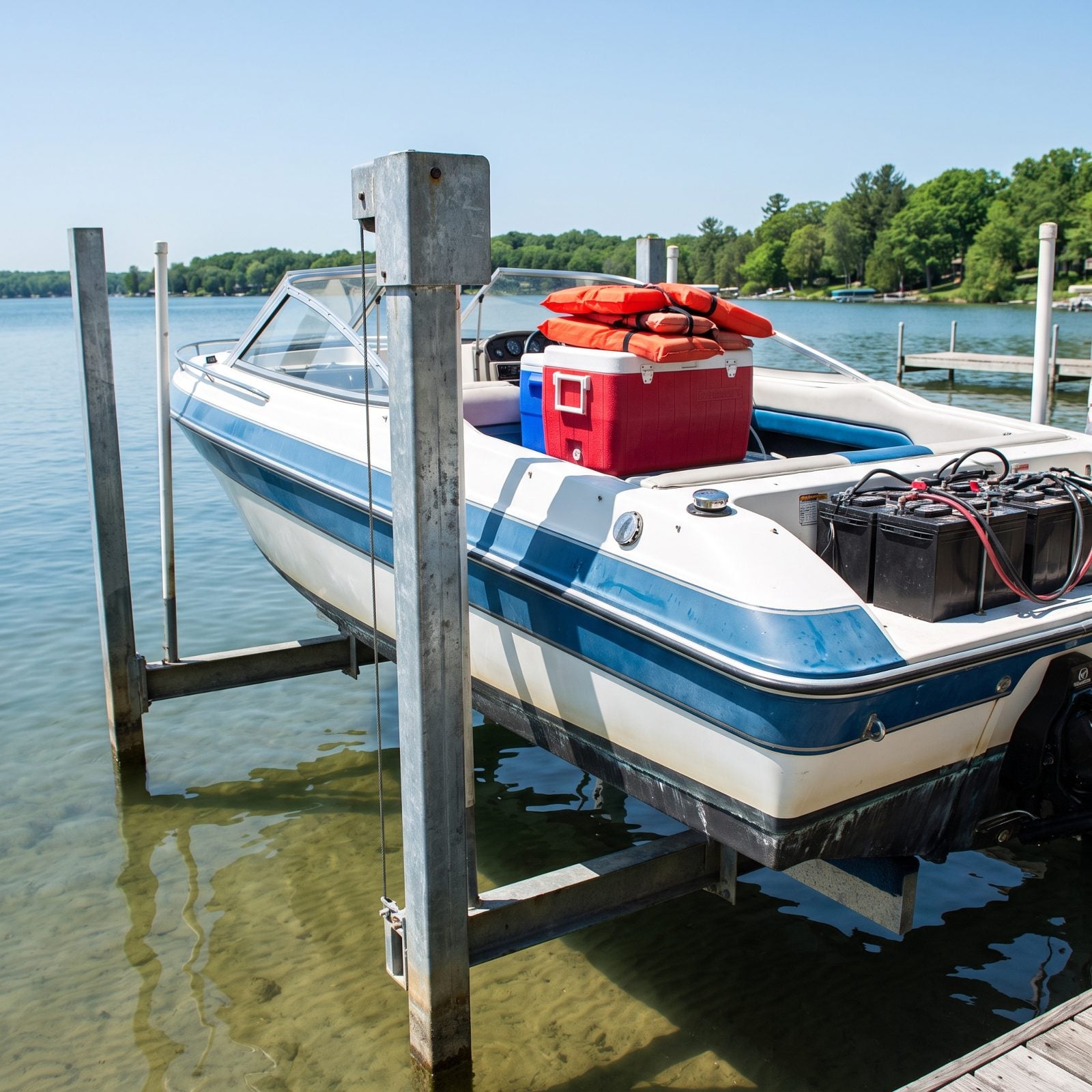
The dry weight on the brochure is a lie of omission. It’s the hull and not much else.
Fill the tank, add a bank of batteries, a loaded cooler, a wet ski rope, an anchor, water in the bilge, and a summer’s worth of gear you never bother to unload, and the real lift weight climbs fast. Gasoline runs about six pounds per gallon, so a sixty-gallon tank is roughly 360 pounds before you’ve so much as stepped aboard.
Buy the lift for the loaded boat, not the empty one. A lift that strains every single day will fail on a day you’d really rather it didn’t.
43. A Septic Alarm Is Just a Light Bulb When the Breaker Is Flipped Off
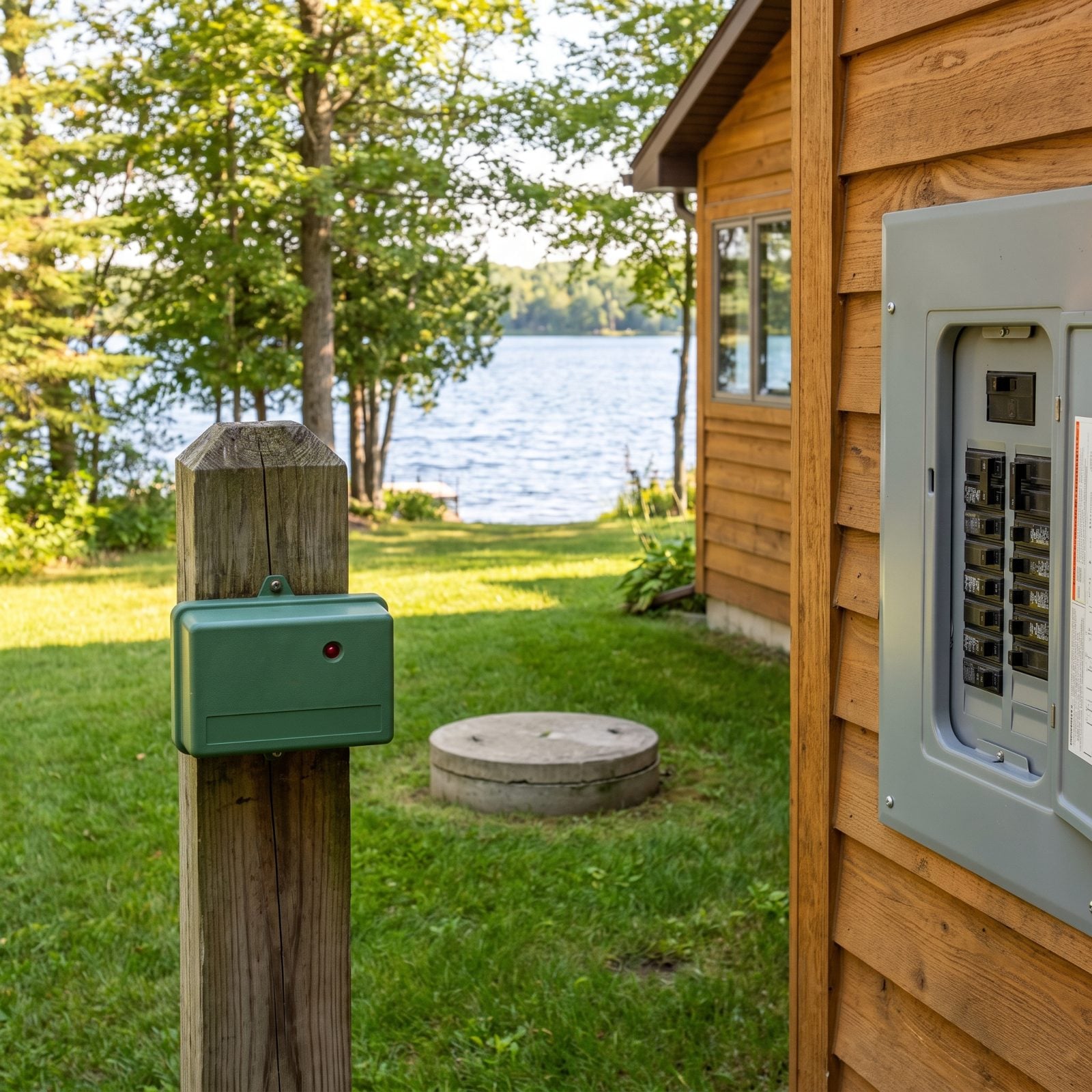
The septic high-level alarm is one of the smartest things on the whole property and one of the easiest to defeat completely by accident. It runs off a circuit in the panel, usually its own breaker. Flip that breaker off to save a little power over the winter — or because someone was chasing a different problem and forgot to flip it back — and the alarm goes dead silent.
Now the tank fills to the brim with nothing to warn you. The first sign you get becomes a backup in the lowest drain in the house, which is a rotten way to find out. Check that the breaker is on and labeled. Cheapest insurance you’ll ever buy and then never think about again.
42. Your Dock Permit May Nail Down the Exact Footprint and Spot, Down to the Inch
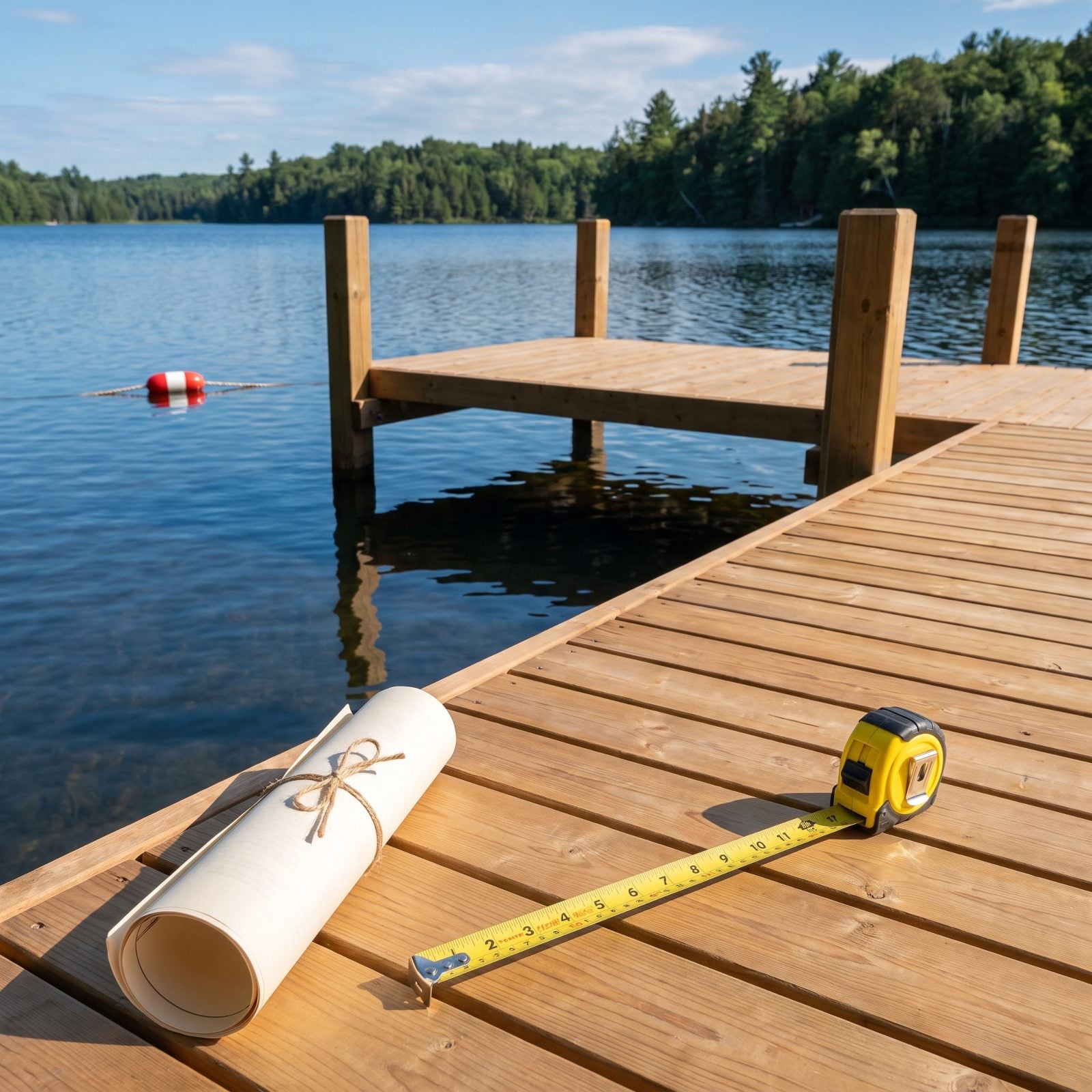
You might assume a dock permit is a yes-or-no thing. Often it’s a yes — exactly like this, right here, forever.
The approval can spell out length, width, number of slips, and the precise location relative to your property lines and the water. Nudge it over to dodge a shallow spot, add a finger for the kayaks, or swing it a few degrees to catch afternoon sun, and you may suddenly own an unpermitted structure, even though it’s smaller than what was allowed in the first place.
Read the actual permit, not your memory of the conversation. That drawing stapled to it is the law for your shoreline.
41. A Vertical Seawall Can Bounce Wave Energy Straight at the Neighbors
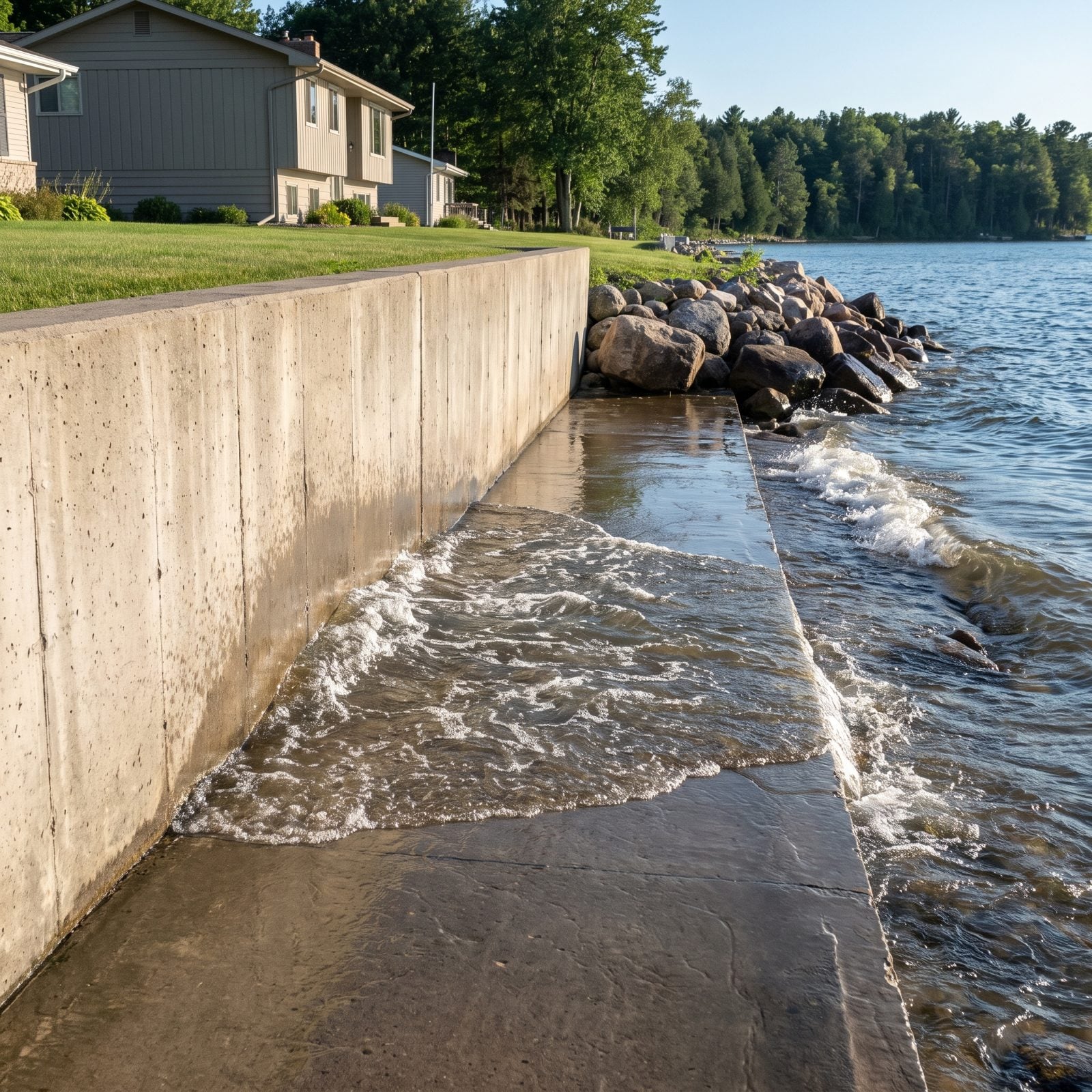
A flat vertical wall looks like the tidy, permanent answer to a crumbling bank. Waves disagree.
A sloped, rocky shoreline soaks up wave energy and lets it die in the gaps between the stones. A smooth vertical face throws that energy right back out, where it stacks onto incoming waves and runs sideways to gnaw at whatever shoreline comes next — usually your neighbor’s, and often the base of your own wall. It’s one reason more lakes now steer owners toward natural or sloped protection instead of a straight concrete barrier.
40. Lift Bunks Have to Match Your Hull Shape, Not Just Its Length
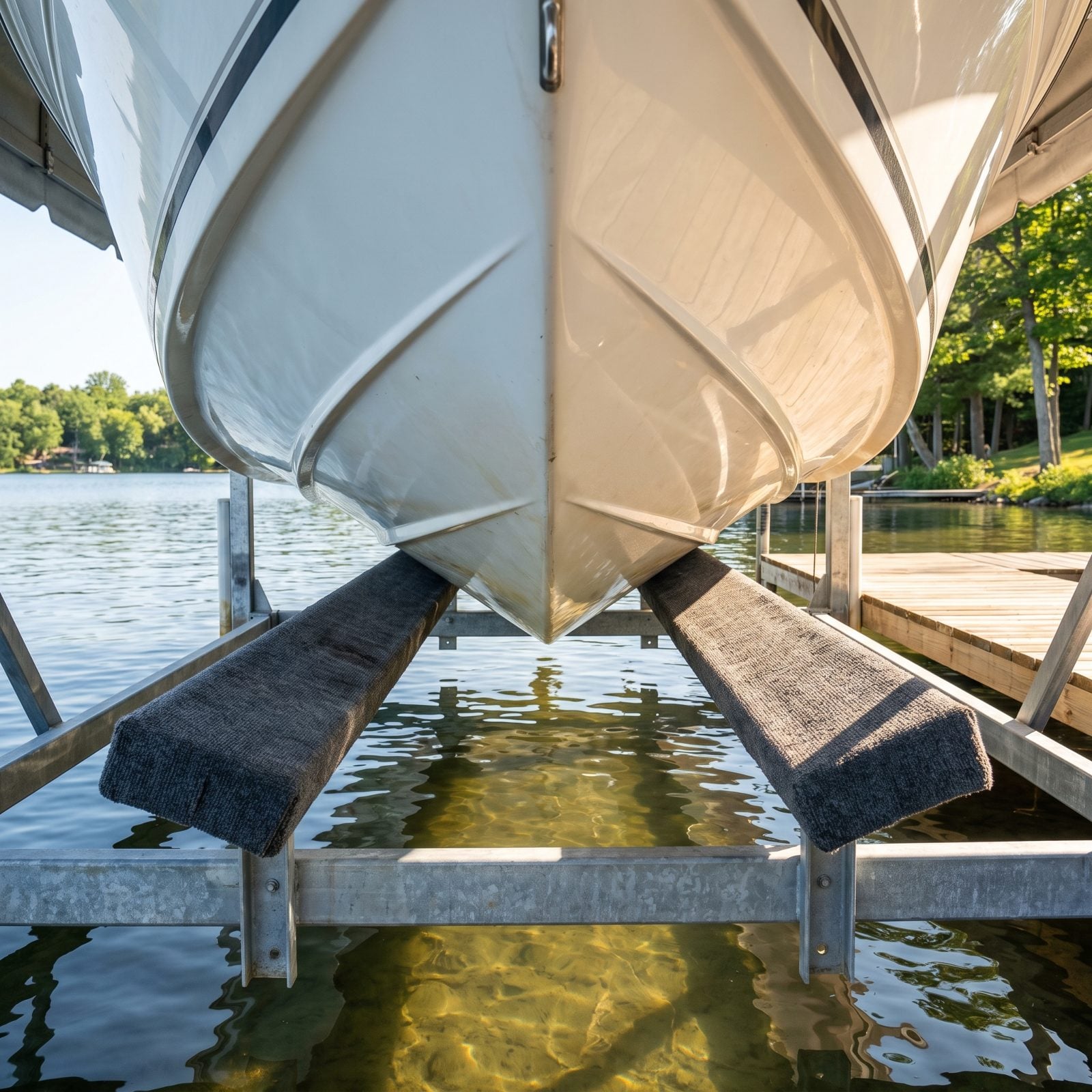
Two boats of the same length can sit completely differently on a lift. A deep-V wants the bunks set to cradle the keel and running strakes. A flat-bottom pontoon wants them under the toons. Set your bunks for the wrong hull and you load all that weight onto a soft spot, which over a season leaves you with dents, stress cracks, or a cracked stringer hiding where you’ll never spot it until it matters.
Length tells you whether the boat fits. Hull shape tells you whether it’s actually supported.
39. A Dam Release Can Drop Your Lake on a Cloudless Day
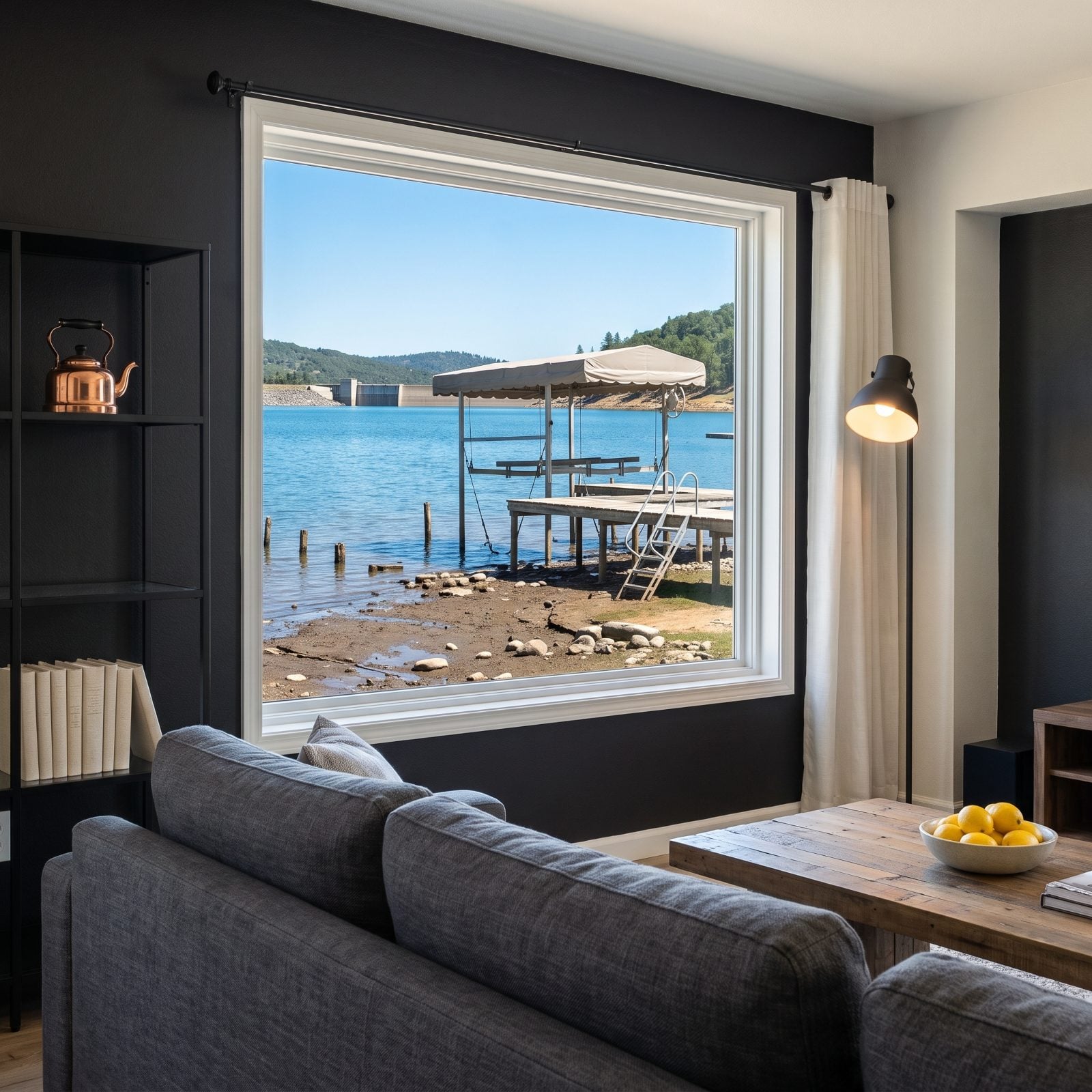
On a natural lake the level tracks the weather. On a managed reservoir it tracks a schedule and a phone call.
Whoever runs the dam can draw the lake down for flood storage, power generation, or downstream flow, and none of it cares one bit that your sky is blue. You can watch your shoreline grow by a foot of mud over a week without a single raindrop.
If your lake sits behind a dam, find the operator’s level reports and read them like a tide table. That’s the whole difference between a floating boat and a stranded one.
38. Shoreline Buffer Rules Can Forbid Mowing Right to the Water
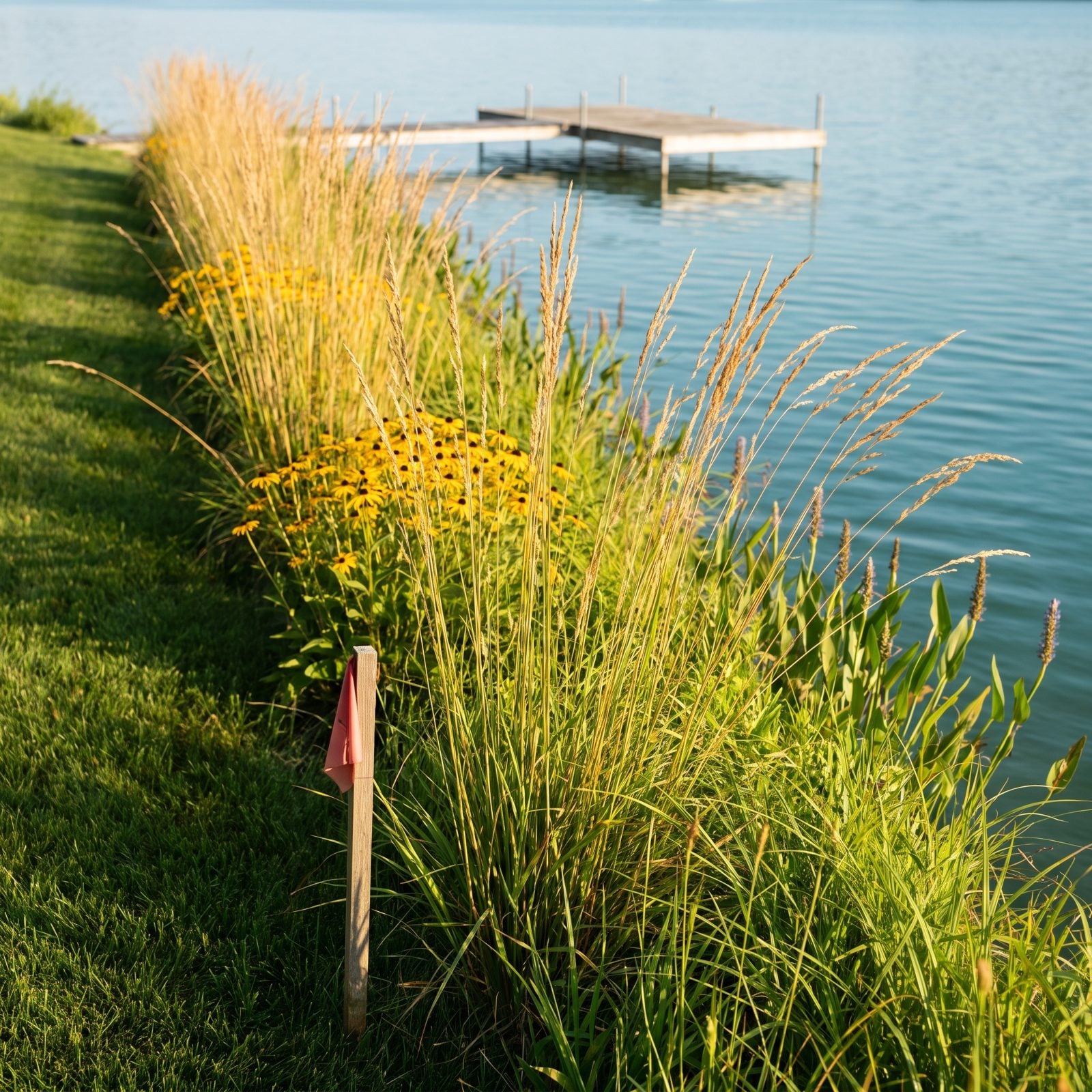
Nobody mentions this at closing: in a lot of lake jurisdictions, you can’t legally mow to the water’s edge. States and counties require a vegetated buffer of untouched native plants — sometimes fifteen feet, sometimes fifty — to filter runoff before it reaches the lake.
So an owner inherits a tidy crewcut lawn, keeps mowing it, and eventually gets a letter. The buffer isn’t a suggestion. Those scruffy-looking grasses are doing real work, holding soil and soaking up fertilizer before it feeds an algae bloom.
37. Floating Docks Need Enough Travel for the Lake’s Full Level Range
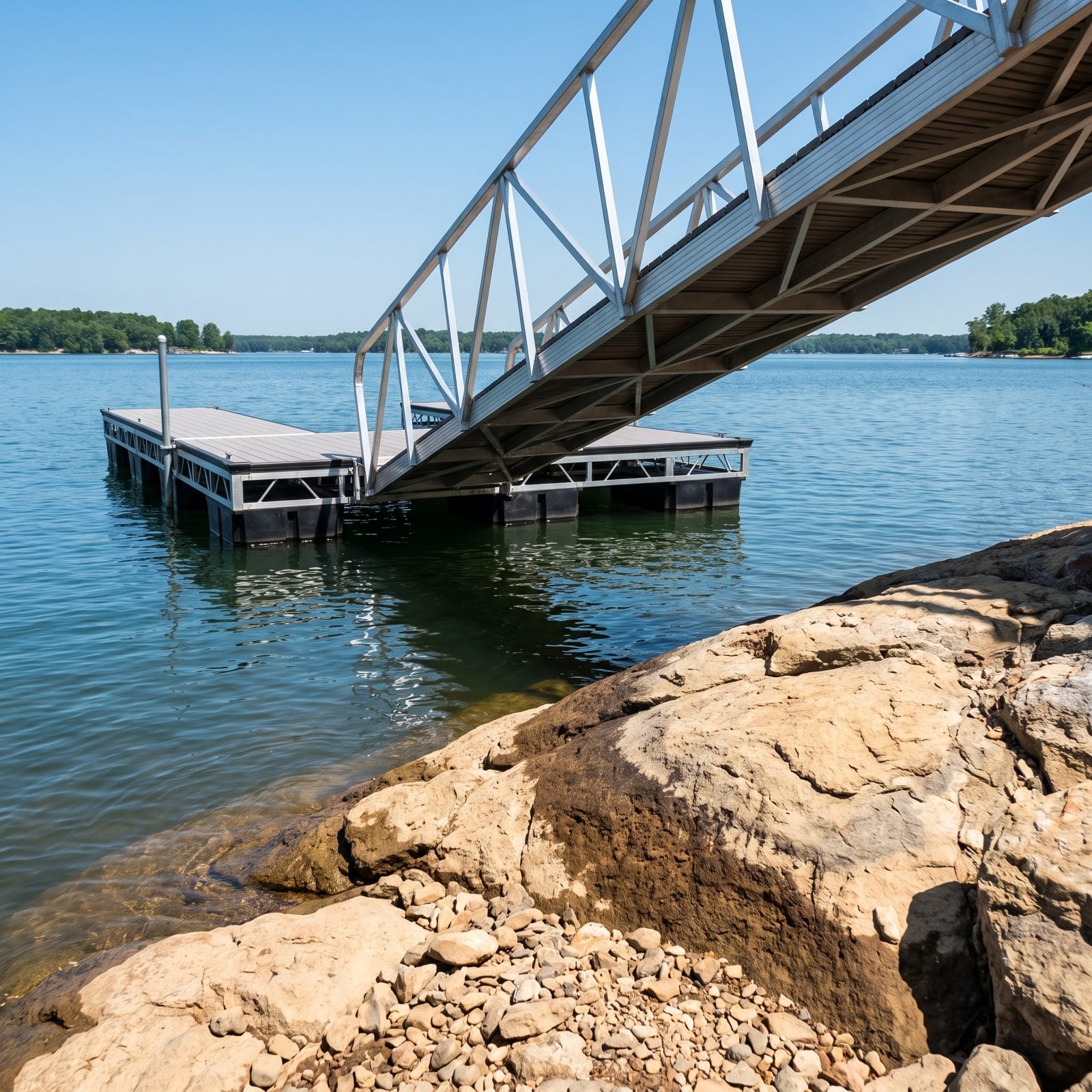
A floating dock only floats within the range its gangway allows. New owners set it up in June at high water and everything feels fine. Then August drought drops the lake a couple feet, the ramp pitches like a playground slide, and the dock bottoms out on the mud.
The fix isn’t glamorous. You need enough hinge travel and a long enough gangway to cover the lake’s real annual swing, not just whatever the level happens to be today. Ask the neighbors what the waterline does from spring runoff to late-summer drawdown. On managed reservoirs that swing gets genuinely dramatic.
36. An Automatic Bilge Pump Will Happily Drain Your Boat Battery Dry
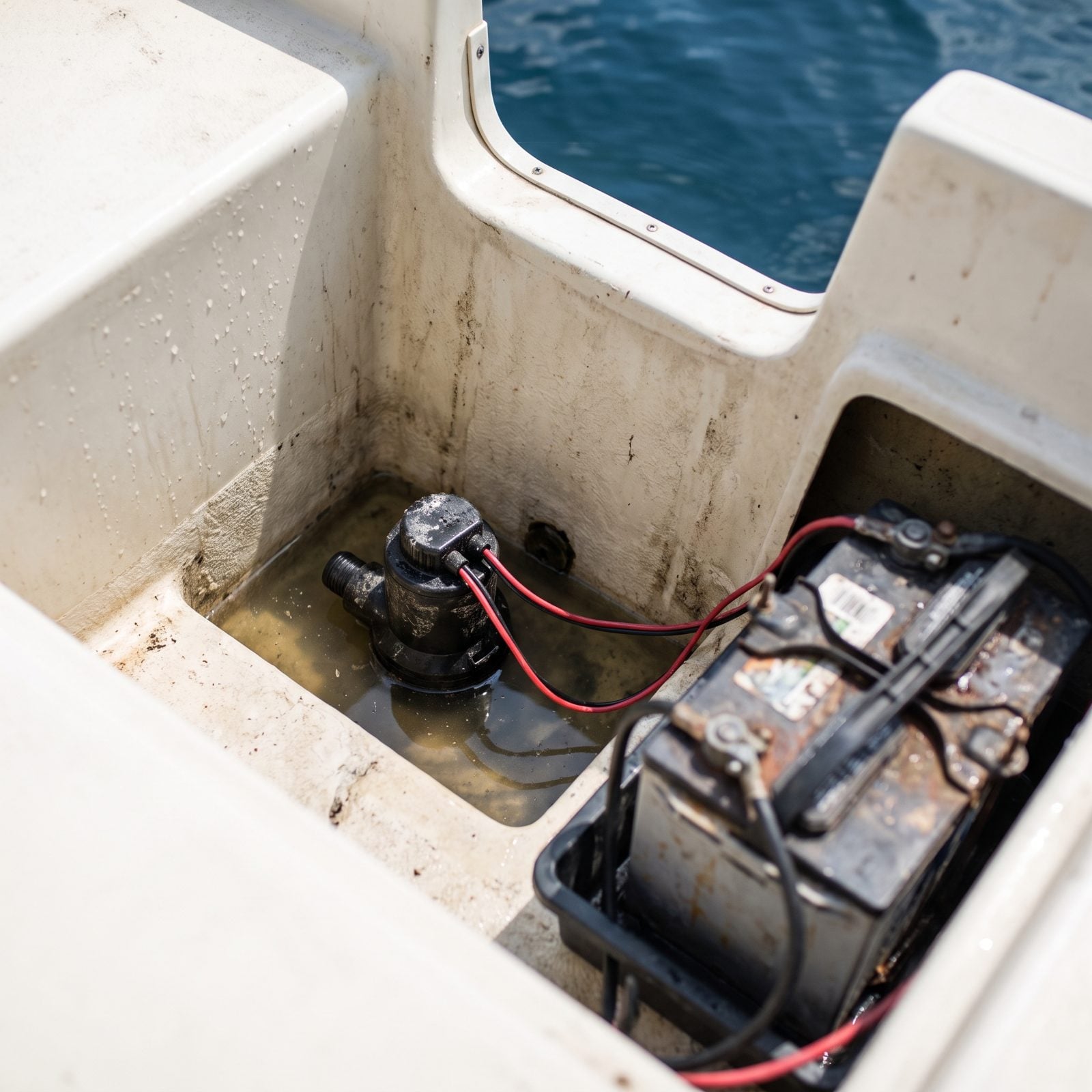
The automatic bilge pump feels like insurance. It is, until it isn’t.
Leave the boat on the lift or at the slip for two weeks. A slow leak or a hard rain fills the bilge, the float switch cycles the pump again and again, and it quietly flattens the battery. Then the real trouble arrives: next time it rains, the pump has nothing left, and now there’s water sitting in the hull with no way to move it.
A battery maintainer fixes this, or a second isolated battery dedicated to the bilge. Plenty of folks have learned the hard way, walking down to find a boat sitting lower than they left it.
35. Parking on the Drainfield Is a Fast Route to a Septic Disaster
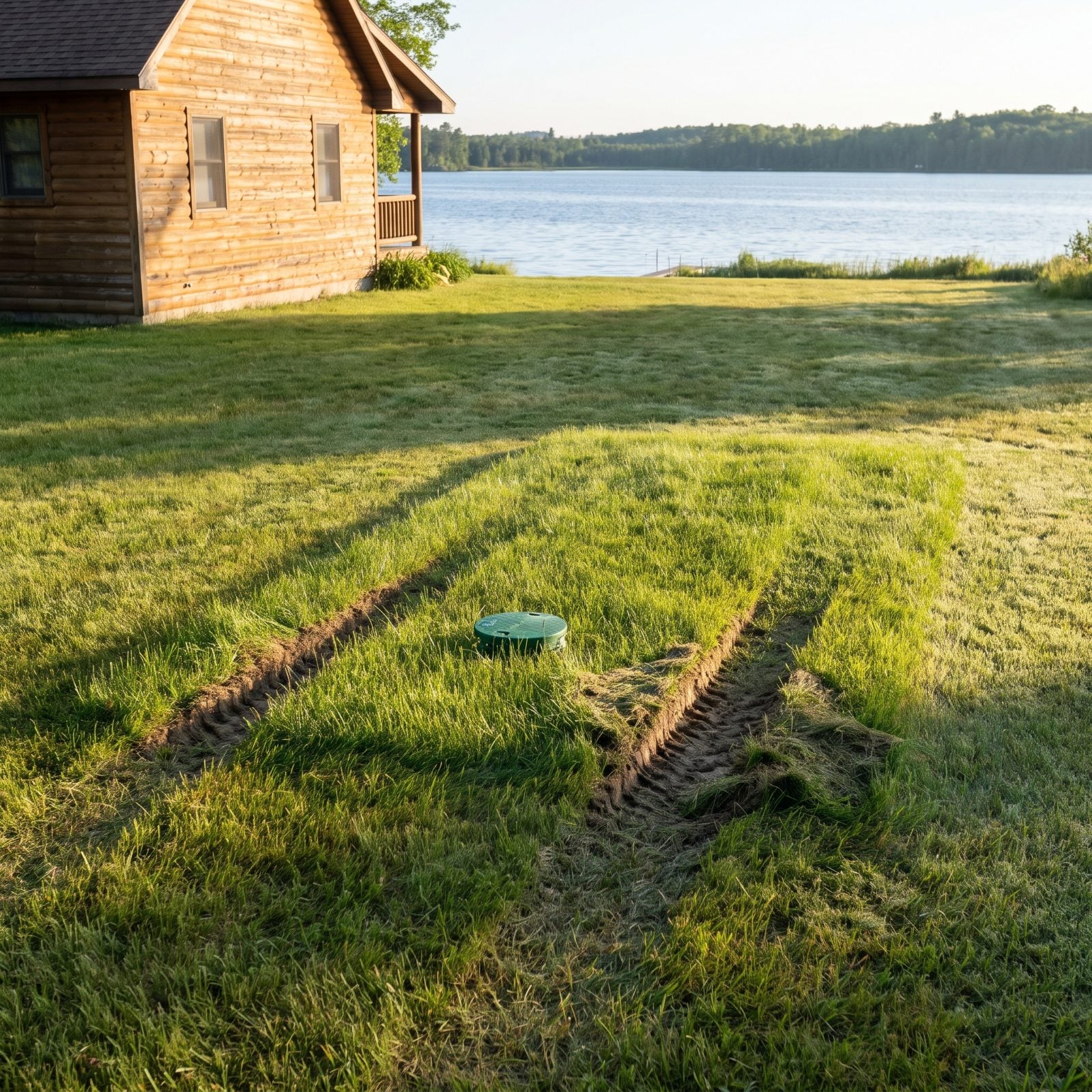
That flat patch of lawn is not a parking spot. The drainfield is a shallow network of perforated pipe and gravel, and it relies on loose, uncompacted soil to do its job. Drive on it, park a truck, stack firewood — you compress the soil and crush the pipes underneath.
Repairs get expensive fast, because you’re usually replacing the whole field rather than patching one spot. And here’s the cruel part: most owners can’t even see where theirs is, which is exactly how it gets ruined.
34. A Full House of Guests Can Overwhelm a Small Septic System
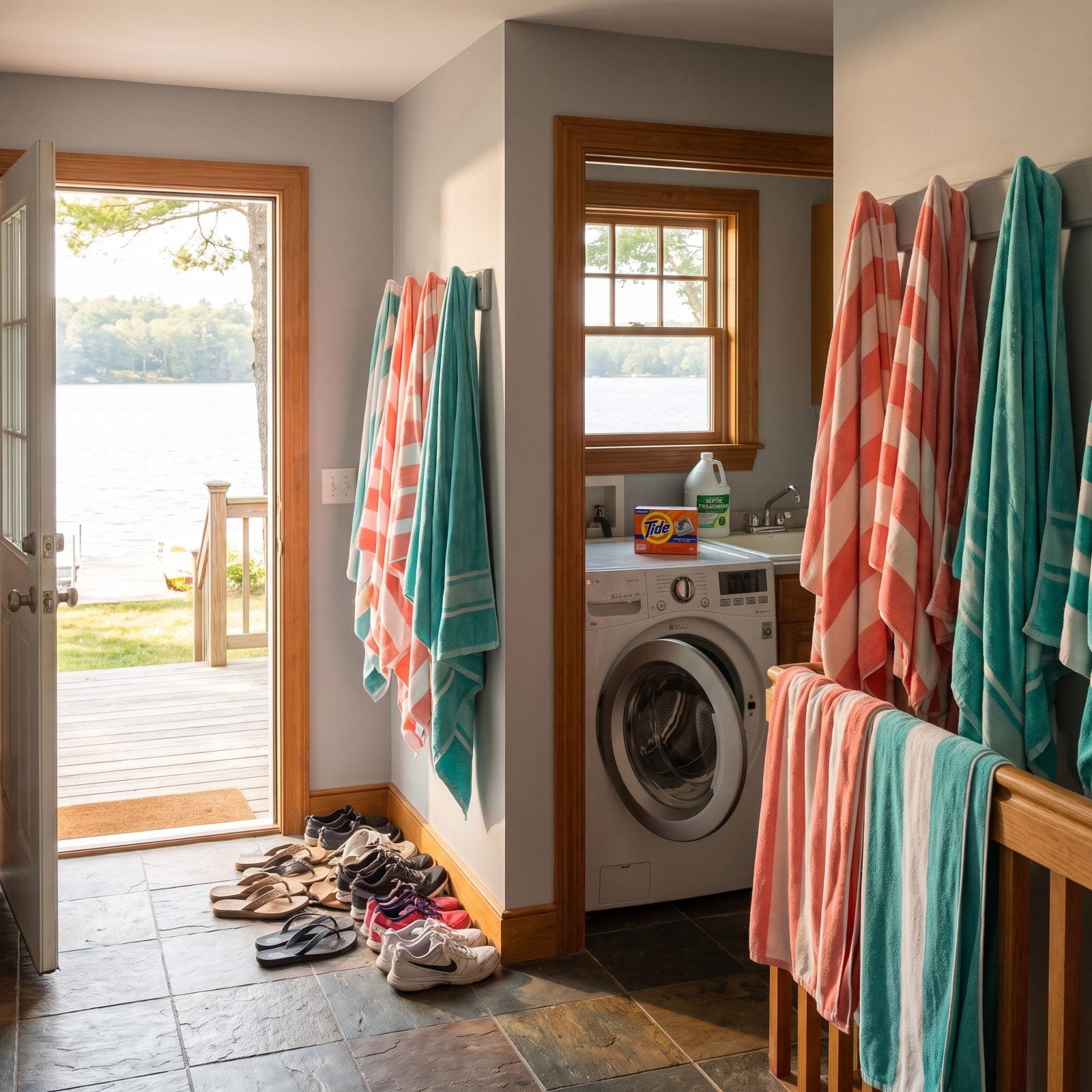
A septic tank sized for two people doesn’t magically grow when fourteen show up for the Fourth of July. The tank needs time for solids to settle and bacteria to break them down. Flood it with back-to-back showers, three loads of towels, and a sink full of dishes in one afternoon, and solids wash straight out into the drainfield.
It won’t fail dramatically that day. It fails slowly, over the next season, as the field clogs up. Spreading laundry across days and staggering showers sounds fussy. It’s still cheaper than a new drainfield.
33. Lake-Water Intake Screens Clog Solid With Weeds and Algae
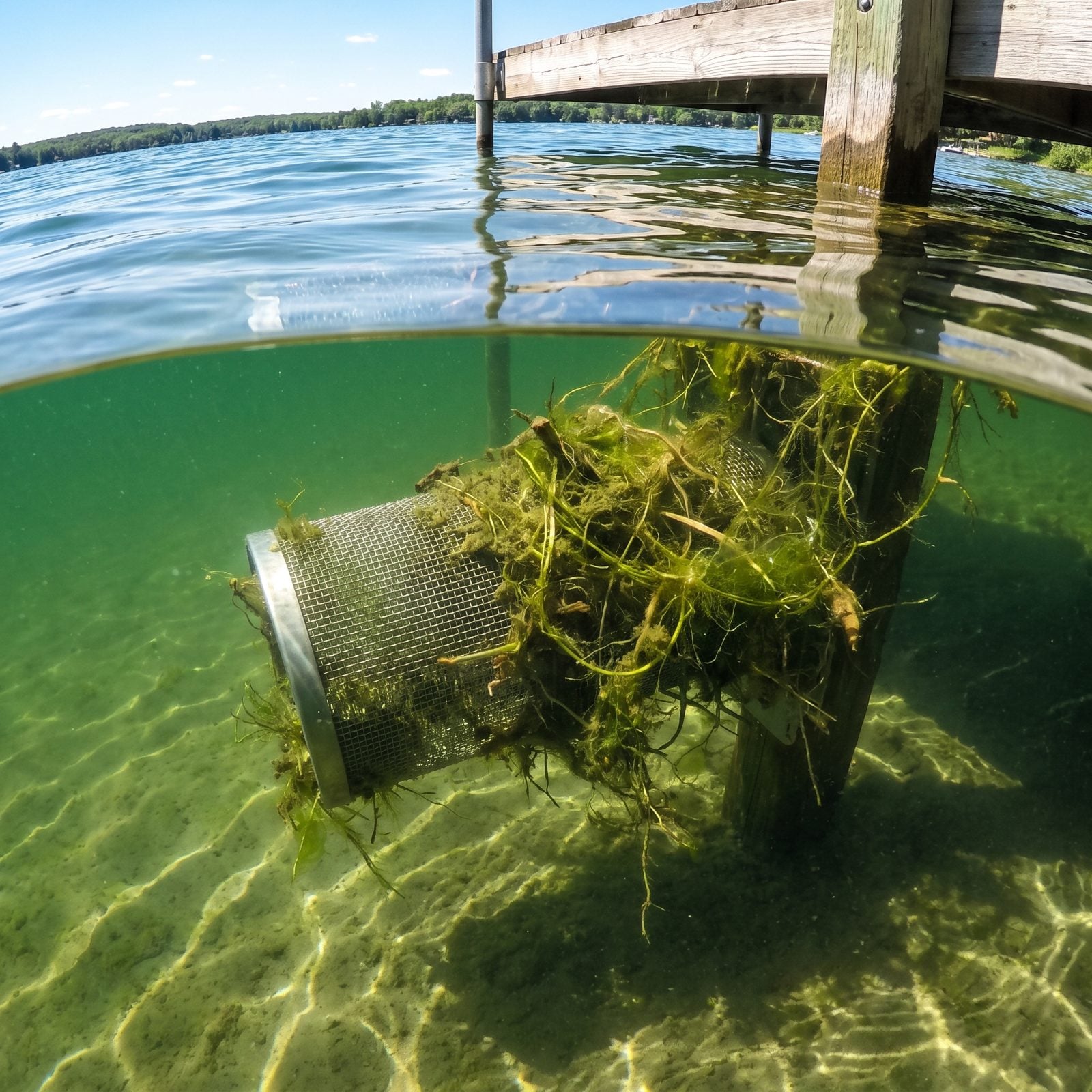
Plenty of lake houses pull irrigation or raw water straight from the lake through a submerged intake, and it works beautifully in spring. Then the water warms, the weeds explode, and by mid-July the screen has fossilized inside a mat of algae.
Suddenly the pump is straining against nothing, pressure drops, and the impeller cooks itself. Owners blame the pump. The pump was fine. The screen was choking.
Position the intake off the bottom and away from the weediest cove, then plan to pull and rinse that screen a few times every summer.
32. Floodwater Near Your Well Means You Retest for Bacteria
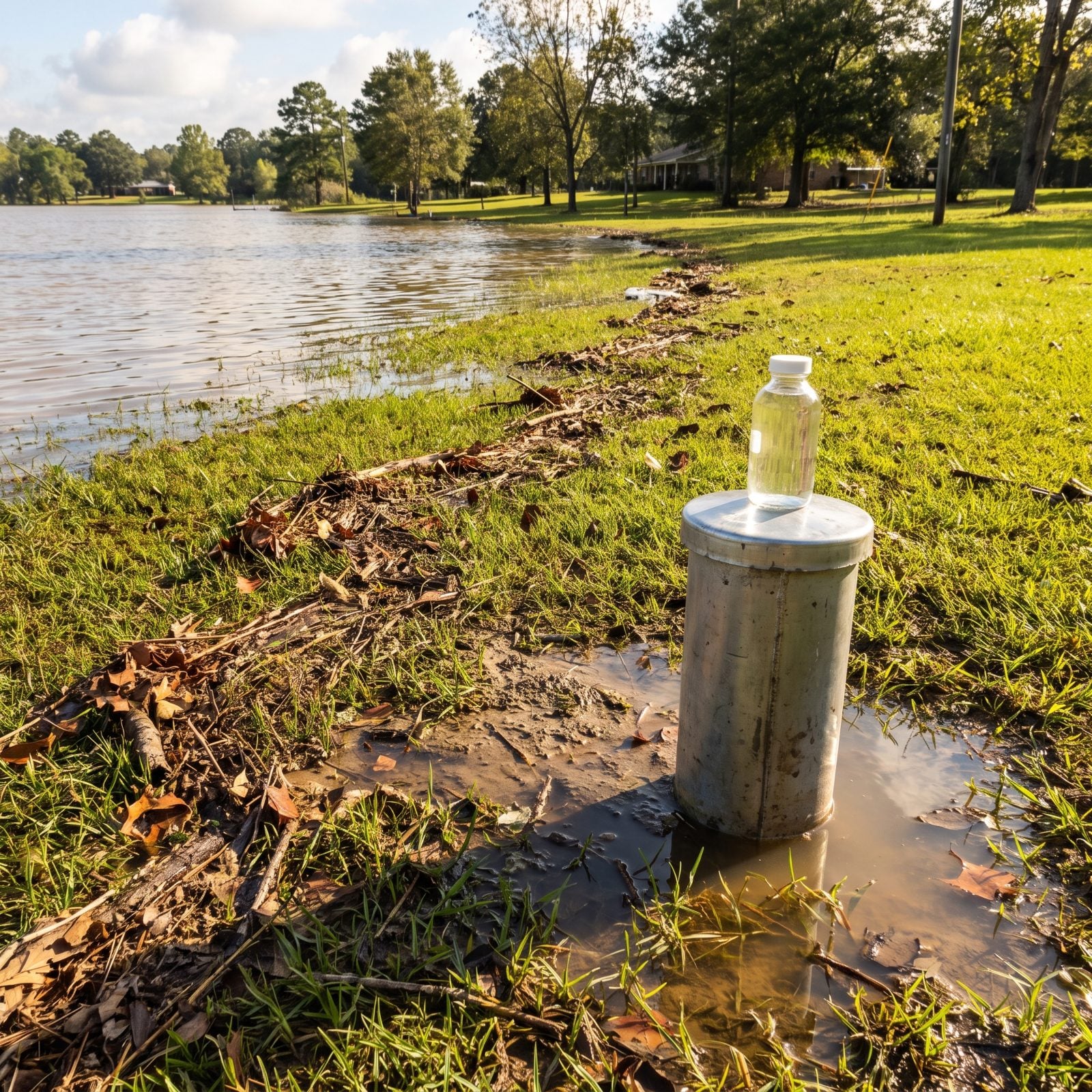
After the lake jumps its banks and floodwater pools around the well casing, the water coming out of the tap may look and taste exactly the same. That’s the dangerous part.
Surface water carries bacteria, and a submerged or near-submerged wellhead lets it slip into the system. You won’t see it, smell it, or taste it.
31. One Tripped Exterior GFCI Can Silently Kill a Pump or Fridge
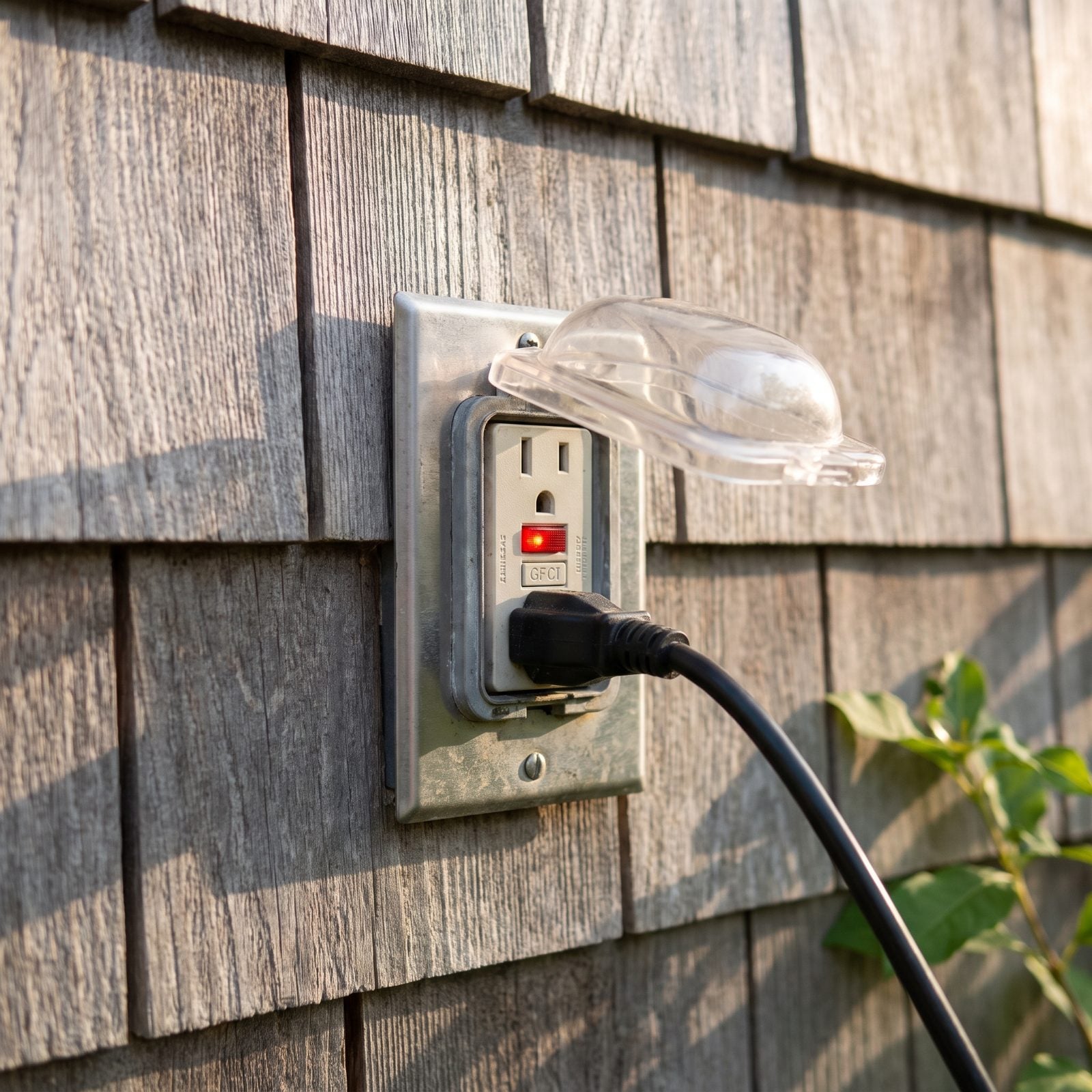
Exterior outlets near water have to be GFCI protected, which is good. The catch is that one GFCI often protects a whole string of downstream outlets. Trip the one by the dock, and everything after it goes dark too.
So the beer fridge in the boathouse warms up over a long weekend. The aerator stops. A dock pump quits. And the owner burns an hour chasing dead appliances before finding a single tripped button behind a bush.
Walk the circuit once and learn which GFCI feeds what. Saves a lot of swearing.
30. The Same Storm That Floods the Basement Knocks Out the Sump Pump
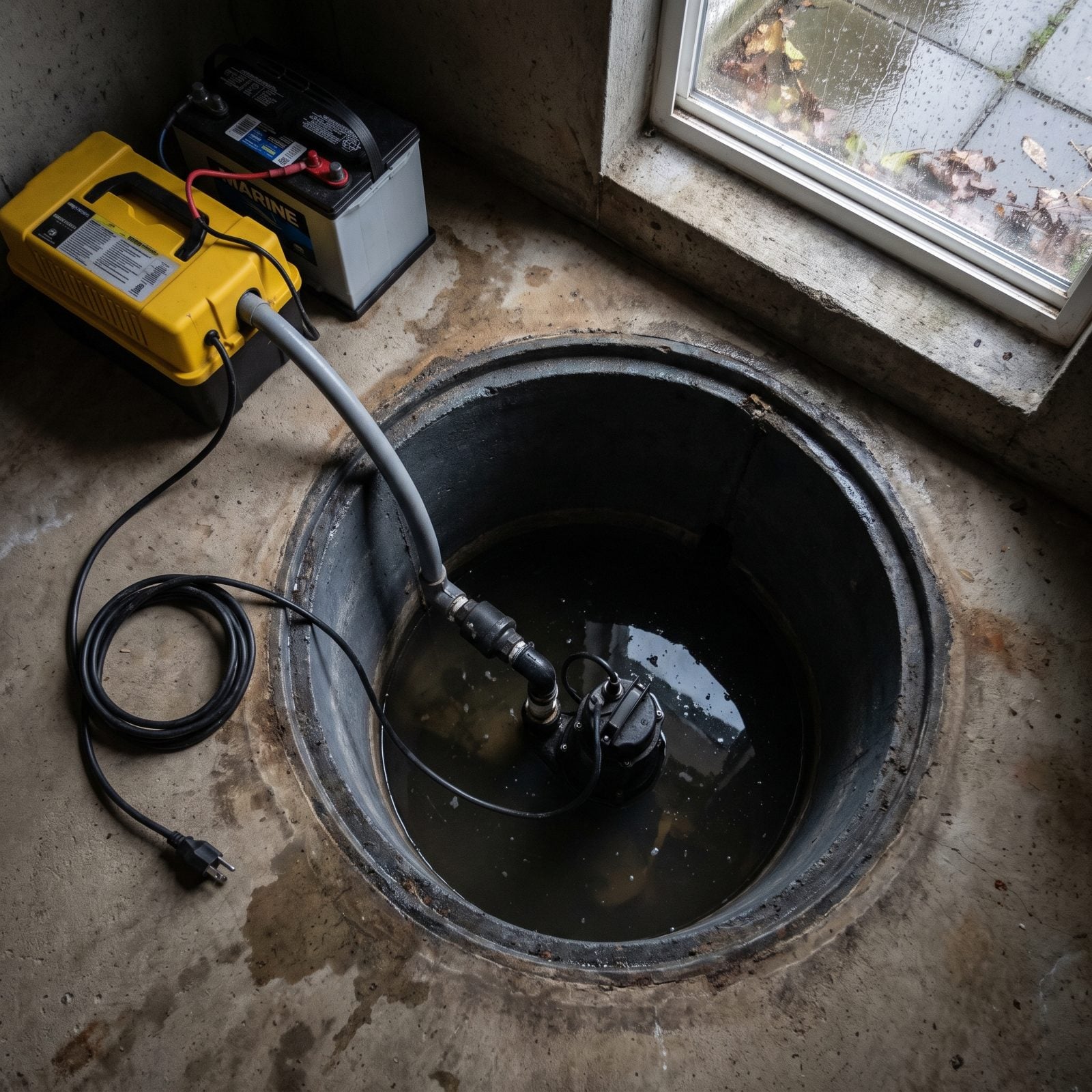
Think about the timing. The storm that dumps six inches and raises your water table is the exact same storm most likely to drop the power lines. So your sump pump faces its biggest job of the year at the precise moment it has no electricity.
That’s not bad luck. That’s the default.
At a lake house, a battery backup sump pump isn’t a luxury — it’s the whole reason the system survives. A water-powered backup works too if you’re on municipal pressure. Owners who skip it usually find out during the first real storm, standing ankle-deep in water with a dead outlet overhead.
29. A Small Washed-Out Culvert Can Strand Your Only Driveway
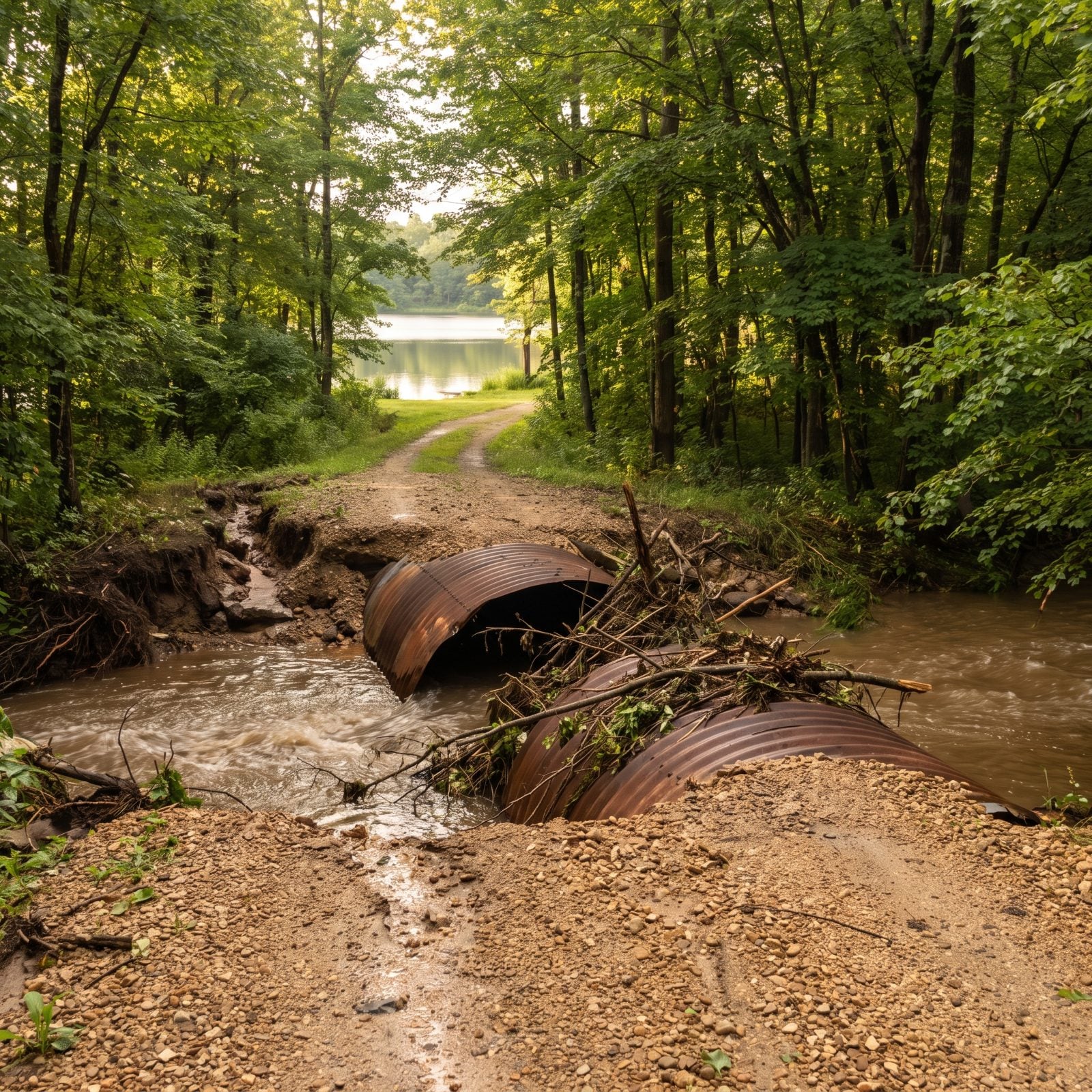
Many lake places sit at the end of a single gravel drive that crosses a creek on one modest culvert. On a dry June day you’d never give it a thought.
Then a hard rain clogs it with branches, water jumps the pipe, and the crossing washes out — and now the only way in or out is gone, with the boat trailer and the grill stranded on the wrong side of it.
Clear the culvert inlet before storms, keep the pipe sized for real flow, and know your backup route. There’s rarely a second driveway. That’s the whole problem.
28. Narrow Roads and Weight-Limited Bridges Can Block Large Deliveries
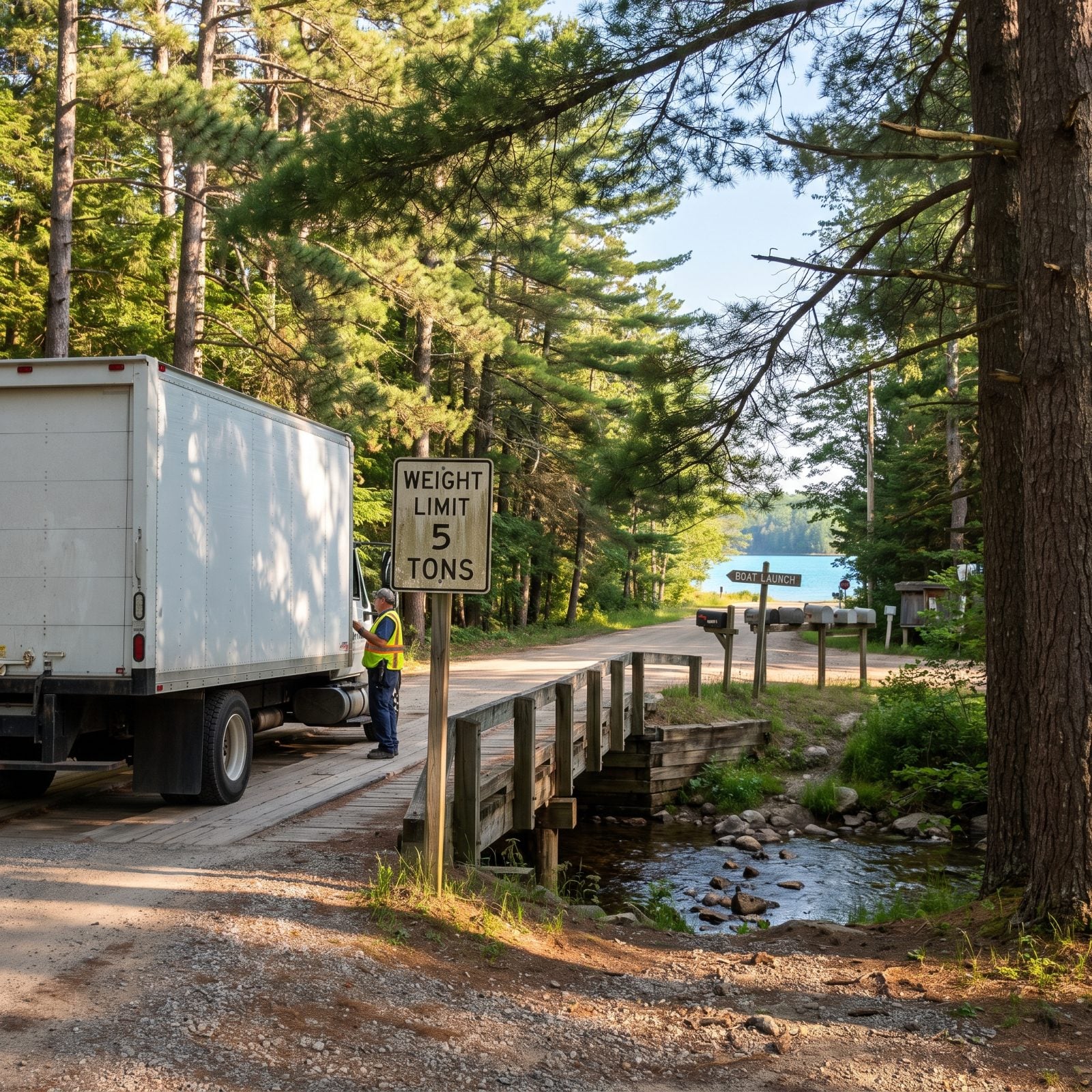
Before a propane truck, a concrete mixer, or a boat on a trailer ever reaches the lake house, it has to get there — and the last mile is where plans go sideways.
Plenty of lake roads were cut decades ago for cabins and fishing shacks, not for a thirty-foot delivery rig. You find out the hard way, usually with the driver on the phone: a bridge posted below your load weight, a turn too tight for a long trailer, a low branch nobody has trimmed since the carport went up and the frozen custard place closed.
Call ahead and ask the delivery company about access. Measure your turns. The appliance you ordered does you no good sitting on the shoulder two miles out.
27. A Visible Emergency Address Matters When Every Driveway Looks Similar
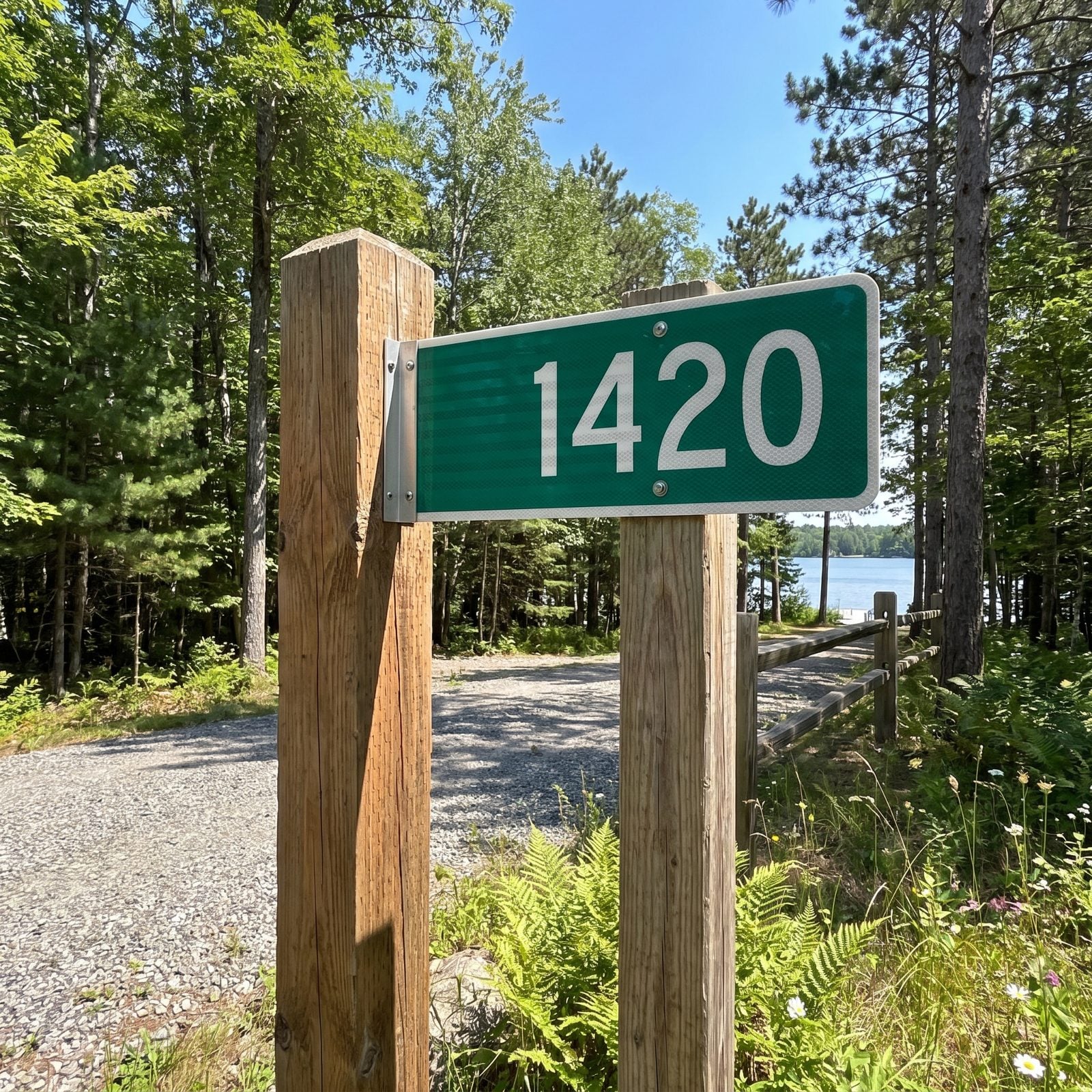
Twelve driveways in a row, all gravel, all ducking into the same wall of trees. In daylight it’s charming. At 2 a.m., with an ambulance crawling the road, it’s a nightmare.
A lot of lake communities sit outside tidy grid addressing, so responders burn time hunting for the right turn. A reflective number down at the road — readable from both directions, not swallowed by a lilac bush — shaves minutes that can matter.
Some counties will tell you the exact size and placement they want, right down to the digit height. Worth a quick call before you stake one in.
26. Dock and Shoreline Structures May Be Excluded From Standard Insurance
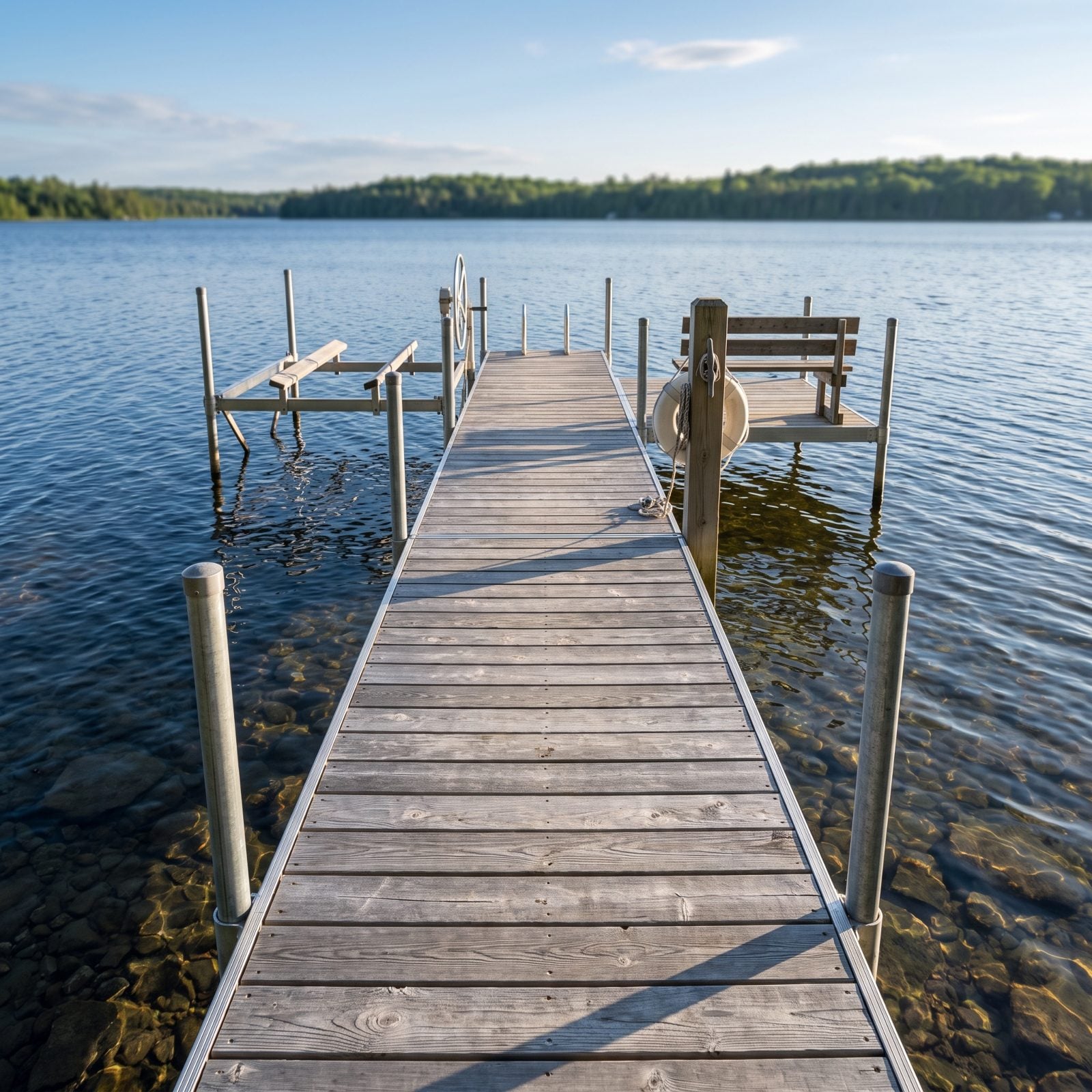
Your dock is probably not covered the way you think it is.
A standard homeowners policy often files docks, boat lifts, seawalls, and the rest of your shoreline hardware under separate property — low limits, or flat-out exclusions for ice, wave action, and water movement. And here’s the kicker: ice heave alone wrecks more docks than any storm, and it’s exactly the peril many policies refuse to touch.
Read the fine print, or just ask your agent straight: is the dock scheduled, and what perils apply? A spring thaw that shoves your dock up onto the lawn is a brutal time to learn the answer.
25. Flood Coverage Usually Requires a Separate Policy
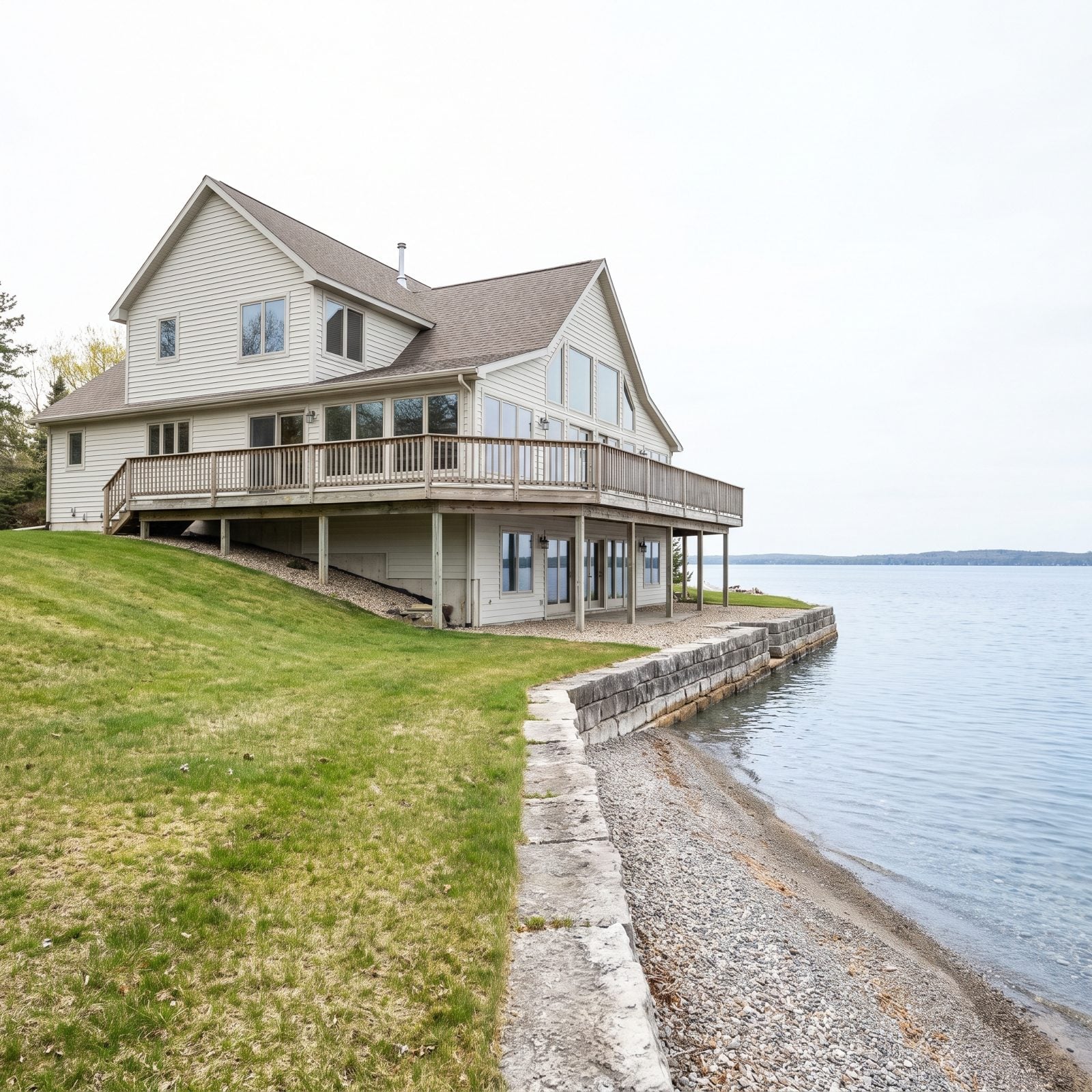
Water from a burst pipe is one thing. Water that climbs up out of the lake and rolls into your lower level is a whole different animal, and your homeowners policy almost certainly treats it that way.
Flood is its own policy, usually through the National Flood Insurance Program or a private insurer. New policies frequently carry a waiting period before they kick in, so buying one the week a storm is forecast won’t save you.
Check your flood zone before the first big rain checks it for you.
24. A Cyanobacteria Advisory Can Close the Water to People and Pets
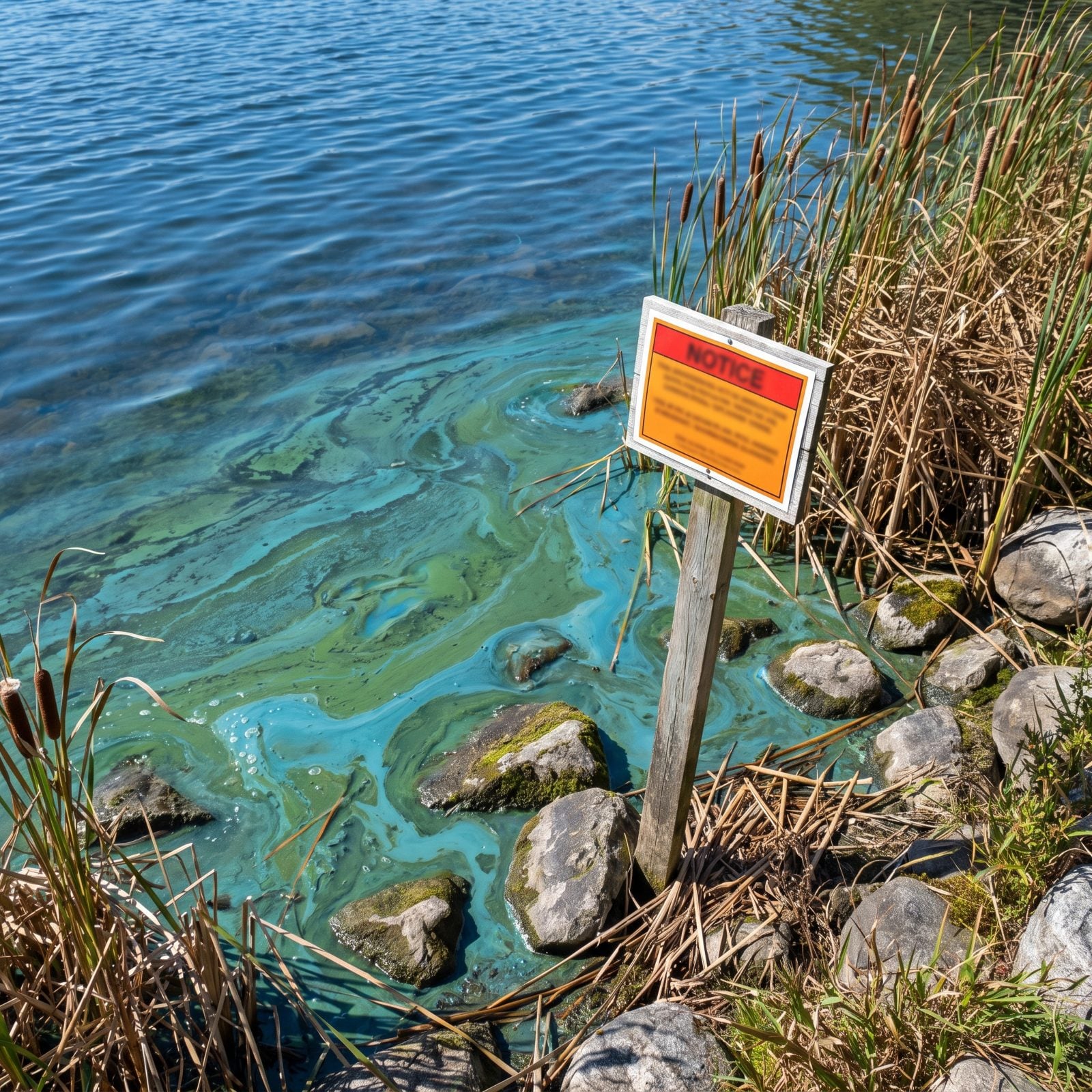
That pea-soup swirl along the shore in late summer isn’t just ugly. Cyanobacteria — blue-green algae, most people call it — can produce toxins, and health departments respond with advisories that close whole stretches of water to swimming.
Pets are the real tragedy. A dog that laps up bloom-contaminated water or licks it off its own coat can get sick frighteningly fast, and those stories almost never end well. When you see thick green scum or water that looks like spilled paint, keep everyone out — two legs and four.
Many state agencies post bloom maps online during peak season. Bookmark yours.
23. Zebra and Quagga Mussel Shells Can Turn Wading Areas Razor-Sharp
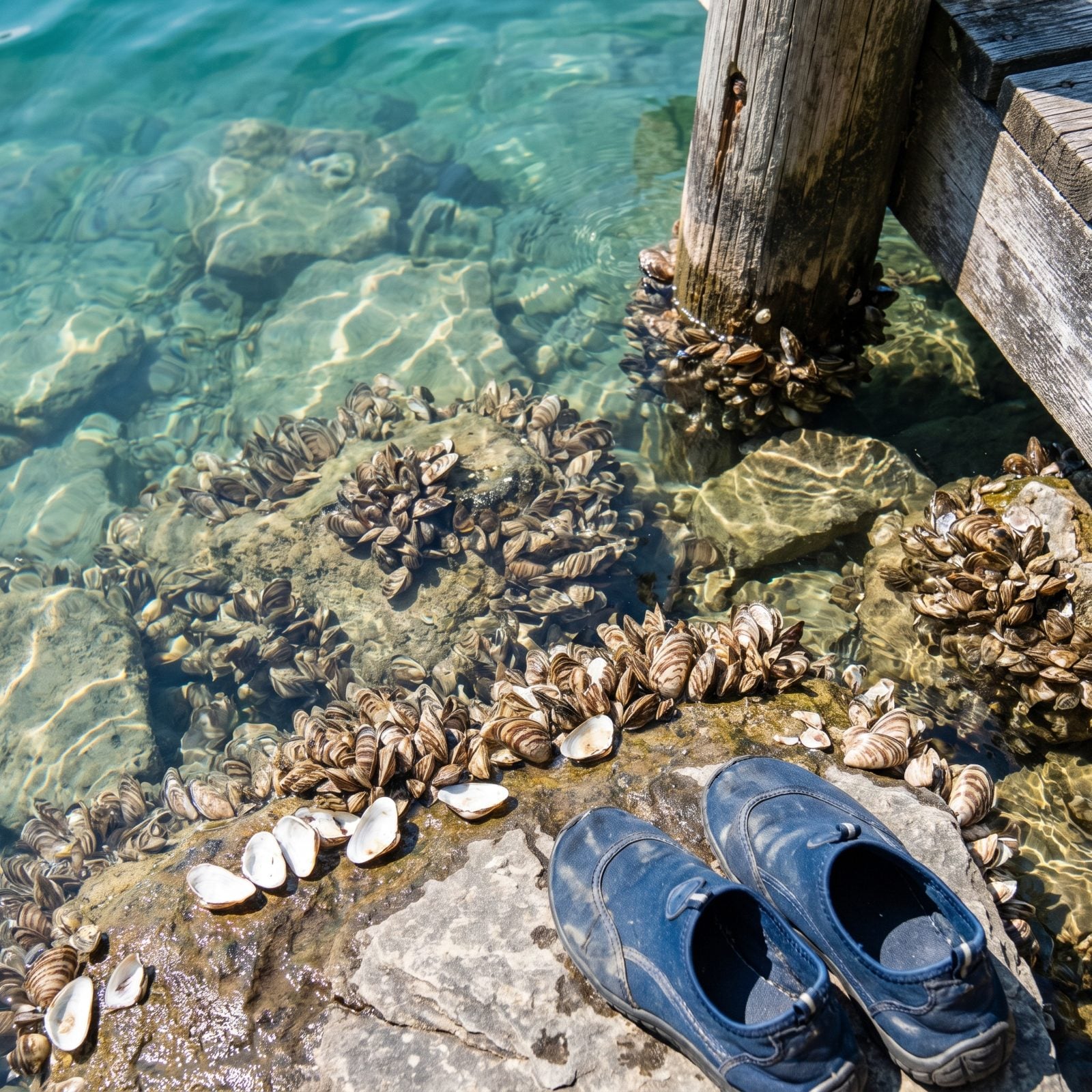
Going barefoot on a lake bottom used to be the whole point. In waters where invasive zebra or quagga mussels have moved in, it ends in cuts.
These mussels colonize rocks, dock posts, ladders, and anchor lines in dense, sharp-edged clusters — they slice feet and hands without warning, and they coat the very things you’d grab to haul yourself out.
Water shoes stopped being optional on these lakes. Keep a pair by the door for everyone, kids especially.
22. Heavy Rain Can Trigger Short-Term Bacteria Advisories Near Beaches
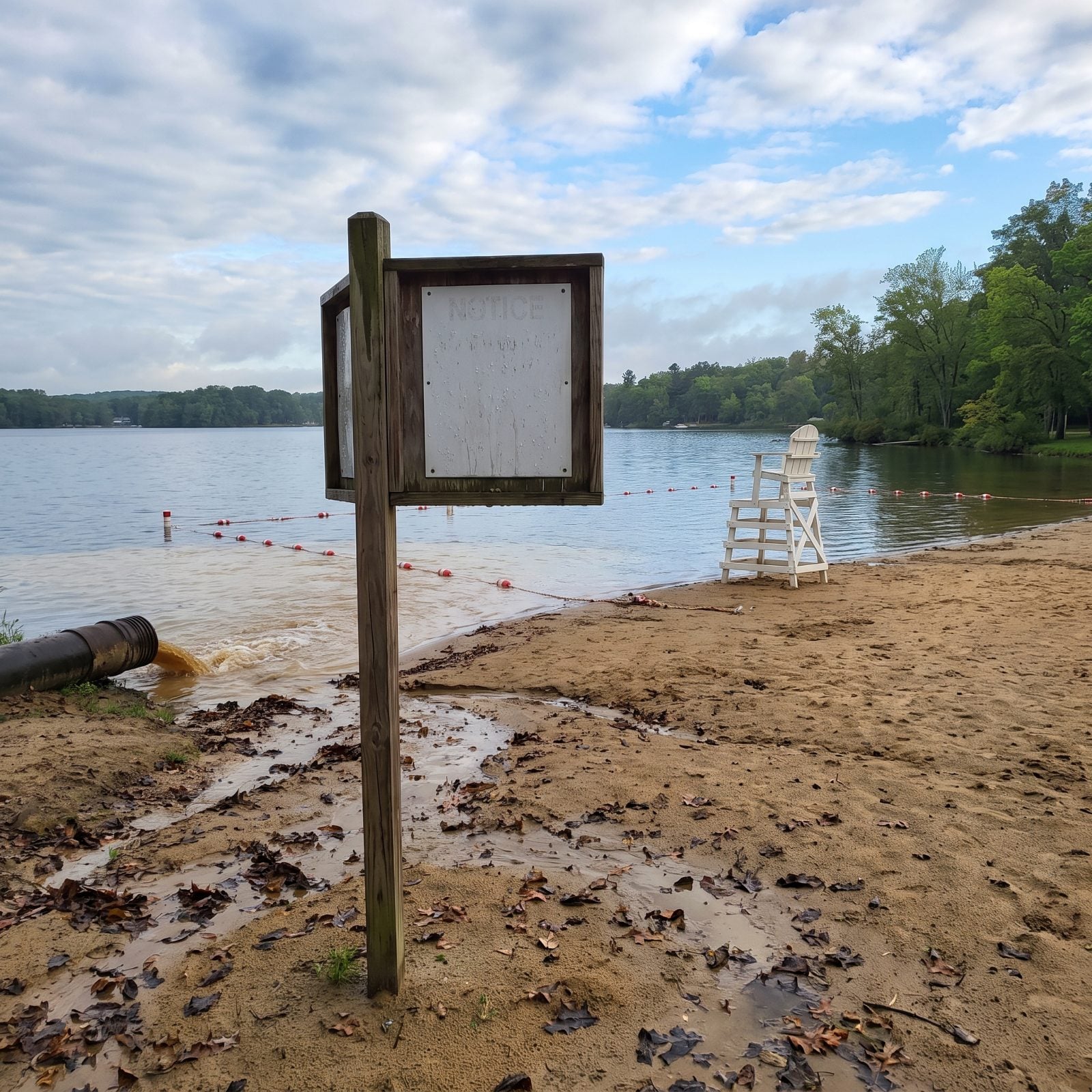
The sun comes out, the beach looks perfect, and the water’s temporarily off-limits. That combination blindsides first-year owners every single time.
A heavy rain washes runoff, waterfowl waste, and whatever happened to be sitting on the surrounding ground straight into the lake, spiking bacteria near the swimming areas. So a lot of lake towns post advisories for a day or two after a big storm, until testing comes back clean.
Here’s the rule most locals go by: give the popular swimming spots a day after heavy rain before you dive in. Moving water and sunlight clear it out — just not instantly.
21. Swimmer’s Itch Often Comes From Shallow Water Near Waterfowl Habitat

Those itchy red welts after an afternoon swim have a cause, and bad luck isn’t it. Swimmer’s itch comes from tiny parasites released by snails — parasites that normally go after waterfowl and end up burrowing into human skin by mistake.
It loves warm, shallow, calm water. Picture the sunny coves near reeds and lily pads where ducks and geese loaf around all day. Towel off hard the second you leave the water and you’ll knock most of them loose before they dig in.
Swimming off the end of a dock, out in the deeper and cooler stuff, usually means far less trouble.
20. Falling Water Levels Can Expose Stumps and Rocks Midseason
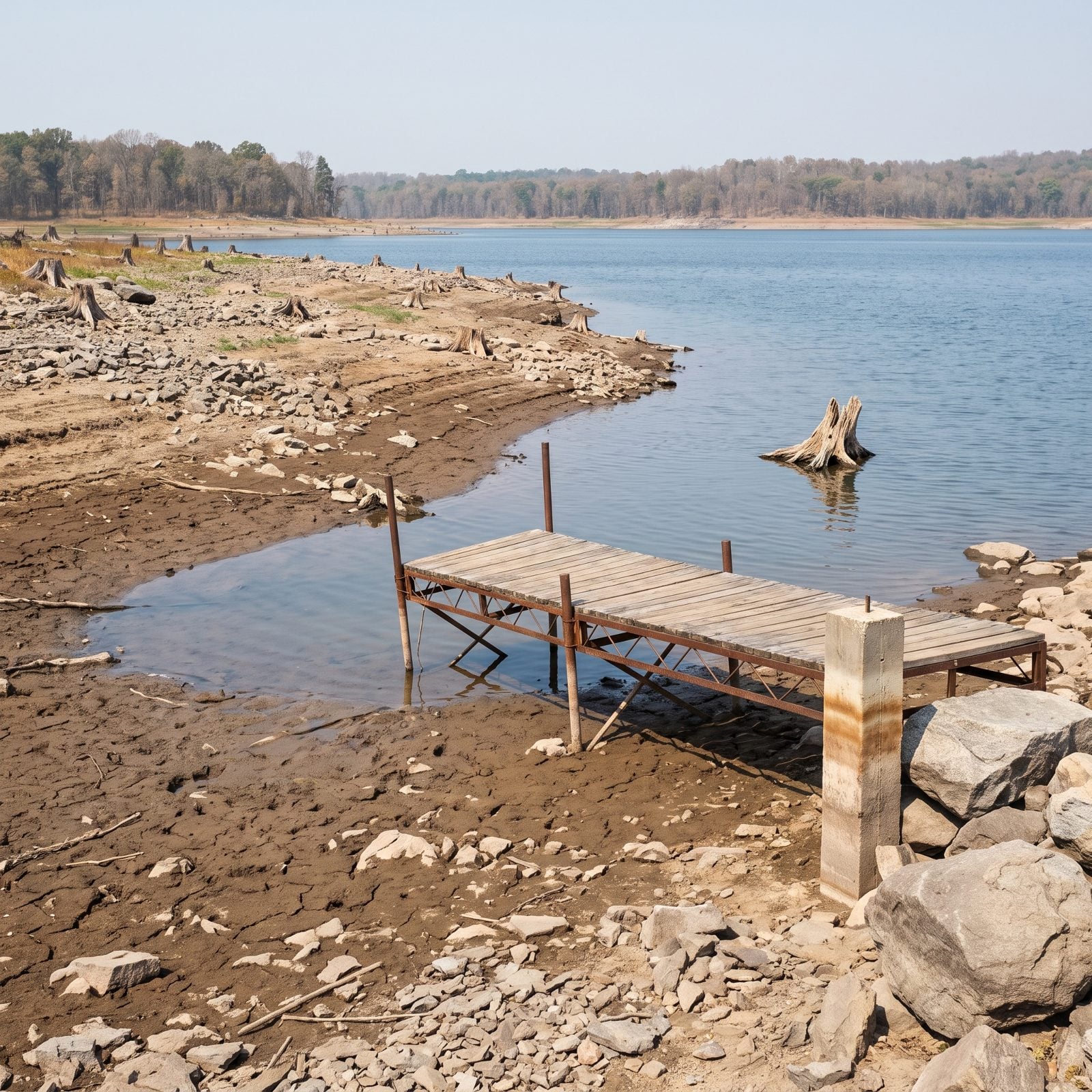
The lake you learned in June is not the lake you’ll run in August.
Reservoirs get drawn down for power, irrigation, or flood control, and even natural lakes sink through a dry summer. A route you cruised all spring can be hiding a stump or a boulder six inches under by late season, right where you least expect it.
On managed lakes, the operating agency usually publishes current and projected levels. Learn your lake’s seasonal pattern, then re-scout your usual lines once the shoreline starts creeping outward.
19. Submerged Weeds Can Wrap a Propeller Before the Boat Clears the Dock
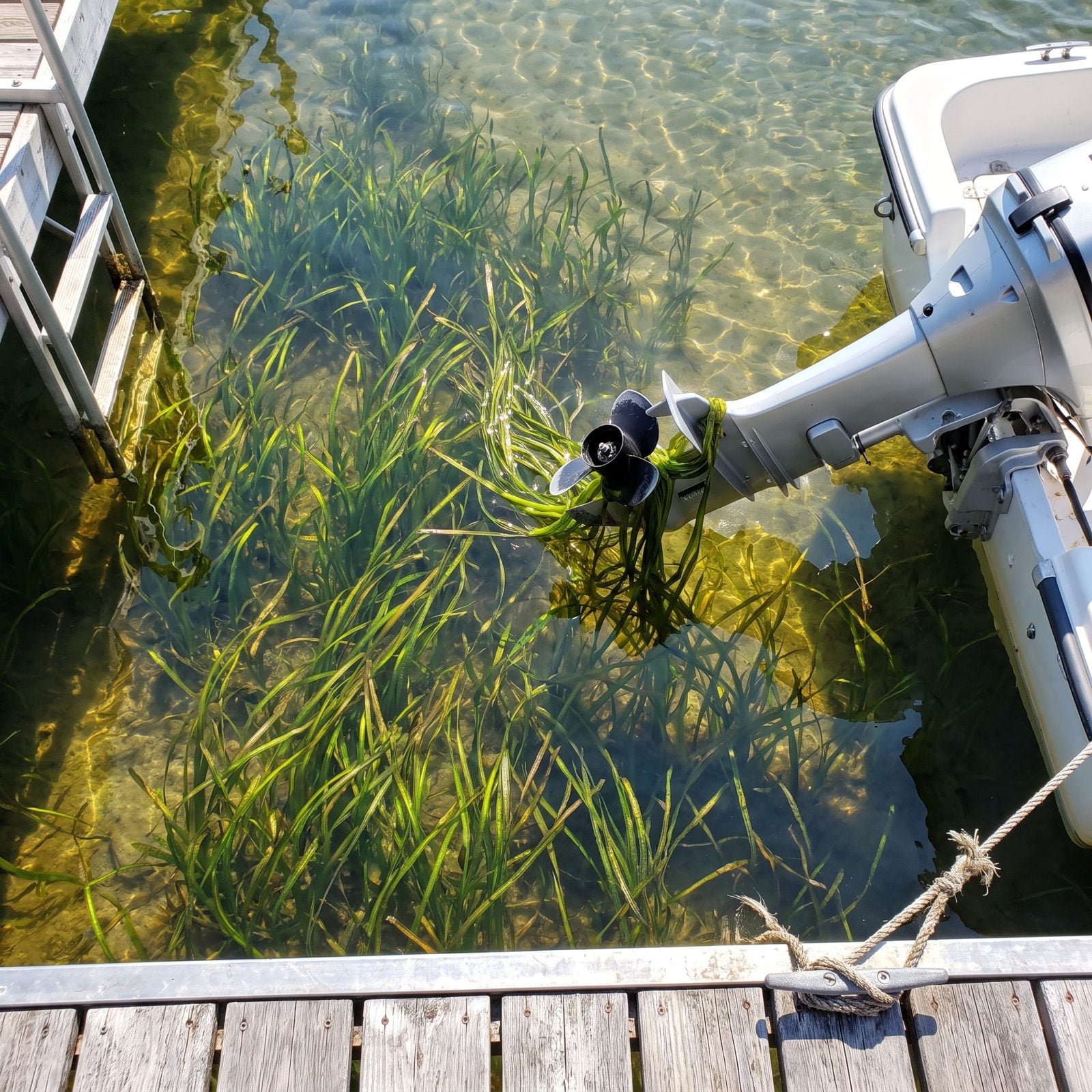
You untie the boat, drop it into gear, and the engine bogs down ten feet out. Weeds. They grow thickest in exactly the warm, shallow, sheltered water where most docks sit — convenient, that.
A prop that packs full of vegetation loses thrust, and if you keep leaning on it the engine can overheat. Idle out through the weed beds, tilt the motor up in the shallows, and clear the blades when they start losing bite.
Some lakes run weed-control or harvesting programs through the summer. Find out whether yours does before you’re pulling salad off your lower unit every single morning.
18. Afternoon Crosswinds Can Make an Easy Dock Difficult to Enter
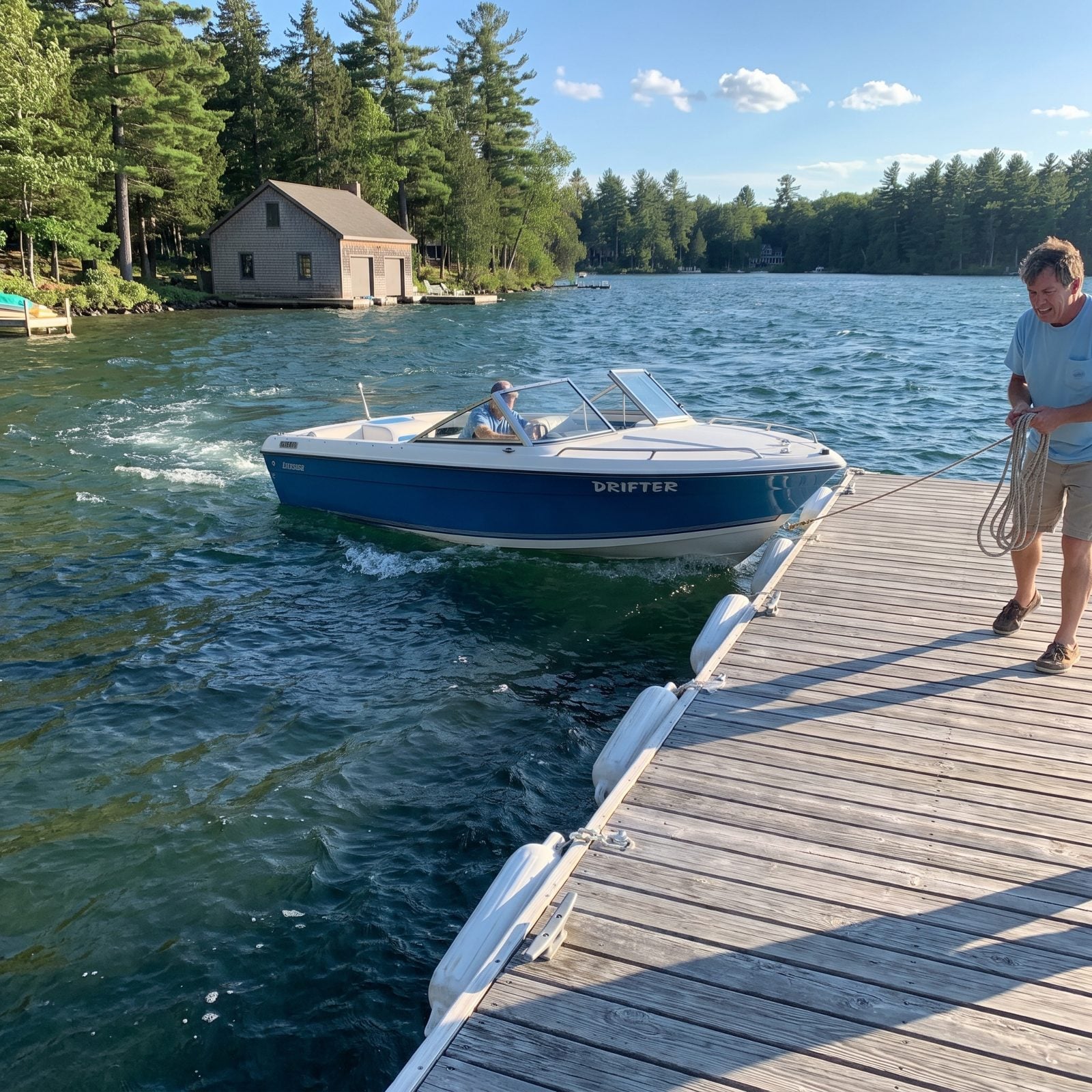
Morning on the lake lies flat as glass. By two in the afternoon the wind has found you, and that calm little approach you nailed at breakfast turns into a sideways shove you weren’t planning for.
These are thermal winds, building as the land heats and peaking mid-afternoon — which, naturally, is exactly when everyone wants to come back in. A crew member on the dock hauling the bow line in helps, but muscle alone won’t save you. What works best is heading into the wind whenever you can and holding just enough throttle for steerage, so the boat answers you instead of the breeze.
17. Passing Wakes Can Twist Loose Dock Connections Apart
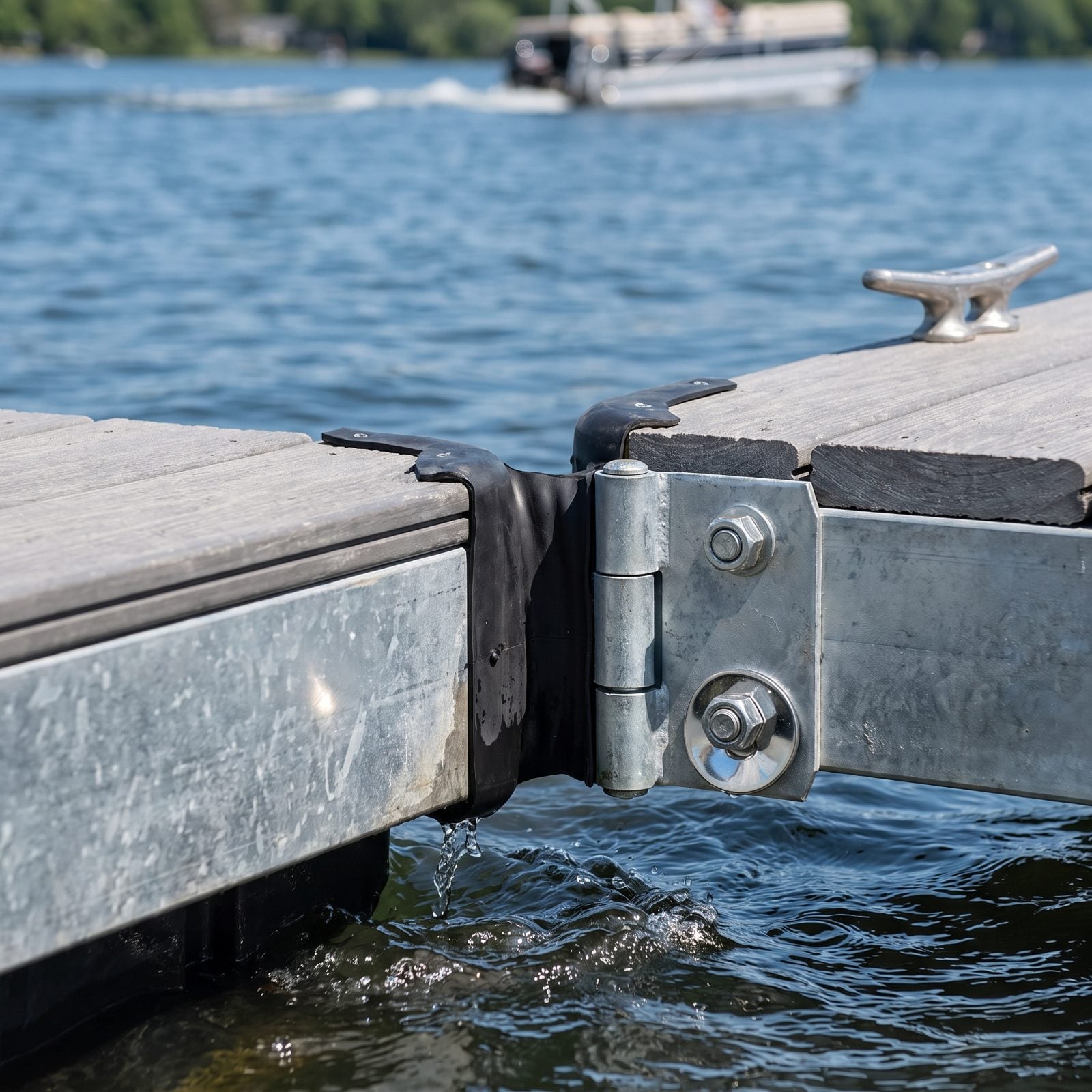
A wake doesn’t hit your dock once. It rolls through as a series of waves, and each one works the joints a little, lifting and dropping the sections in opposite directions. Over a summer that rhythmic flex backs out bolts nobody thought to check.
The connections between floating sections take the worst of it. Walk your dock after the first busy holiday weekend and put a wrench on every coupling. Hardware that felt snug in May can be finger-loose by July.
16. Boat Traffic Can Erode the Soil Beneath Shoreline Steps
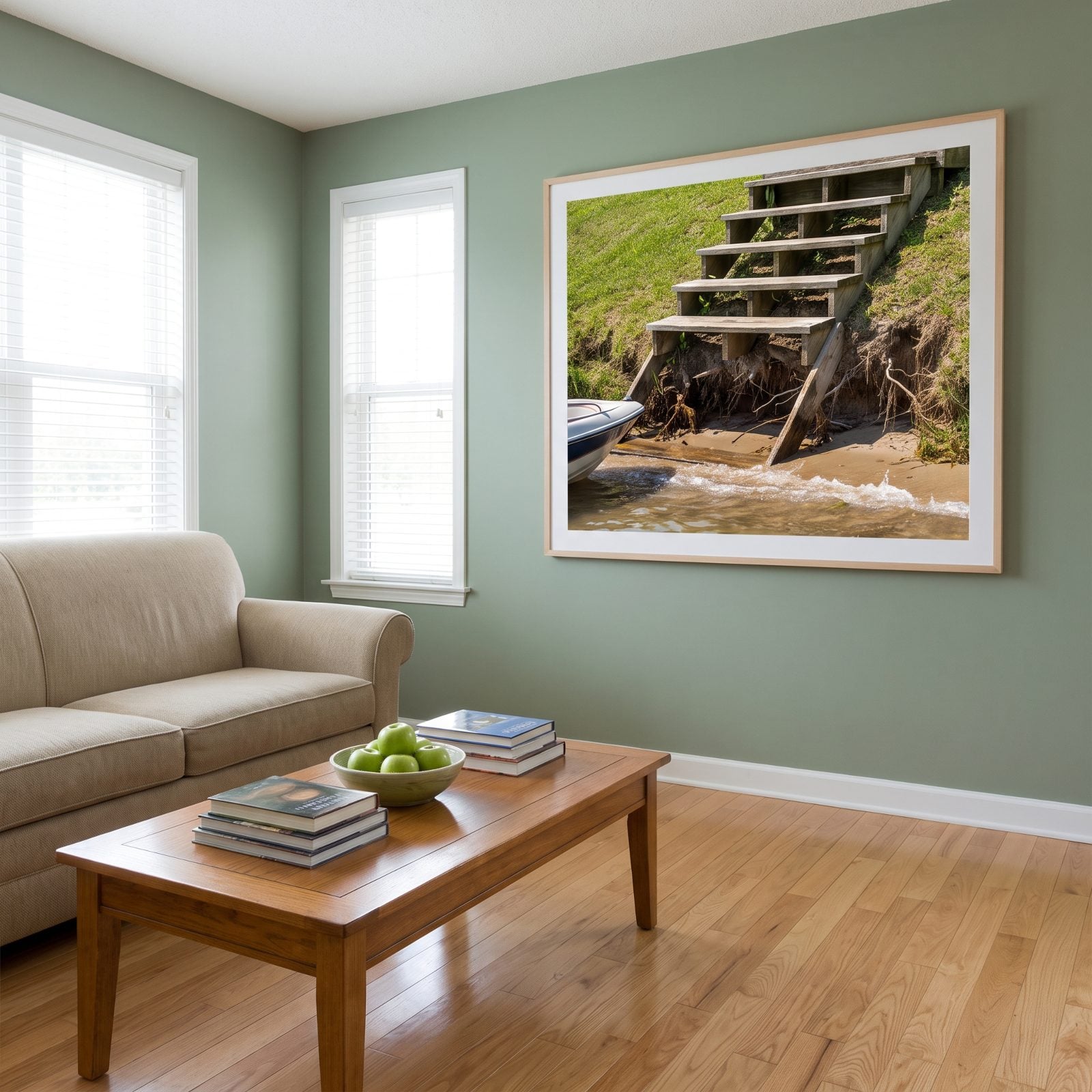
The lake gives back what it takes, just not where you want it. Steady wake action chews at the base of the bank, and the first thing to go is the ground holding your shoreline steps in place.
It’s gradual, so you won’t notice until a step wobbles or a gap opens under the bottom tread. The usual answer is riprap — a line of heavy, angular stone along the toe of the slope — which breaks the wave energy before it reaches the soil. And many lakes regulate shoreline work, so check before you move a single rock.
15. Dock-Ladder Biofilm Can Become Slippery Within Days
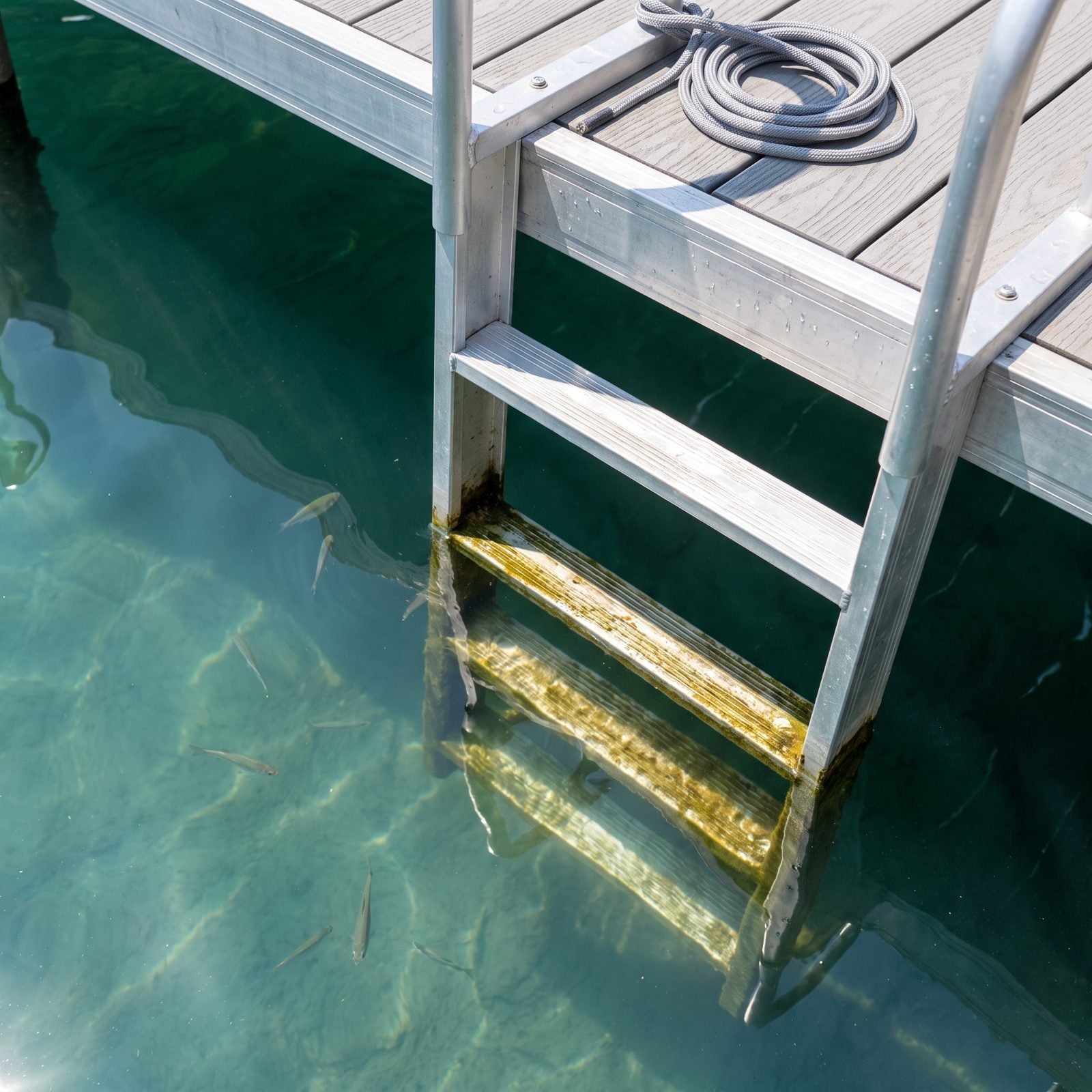
That first slimy grip on the bottom rung is a rite of passage, and it shows up faster than anyone expects. Submerged aluminum grows a film of algae and bacteria in warm water, sometimes within a couple of days.
The rungs you can see from the dock look fine. It’s the two below the surface that send a kid’s foot shooting out. A quick scrub with a stiff brush every week or so keeps them honest. Rubber ladder covers help too, and your shins will thank you.
14. Pollen Mats Can Coat Shorelines and Clog Pumps
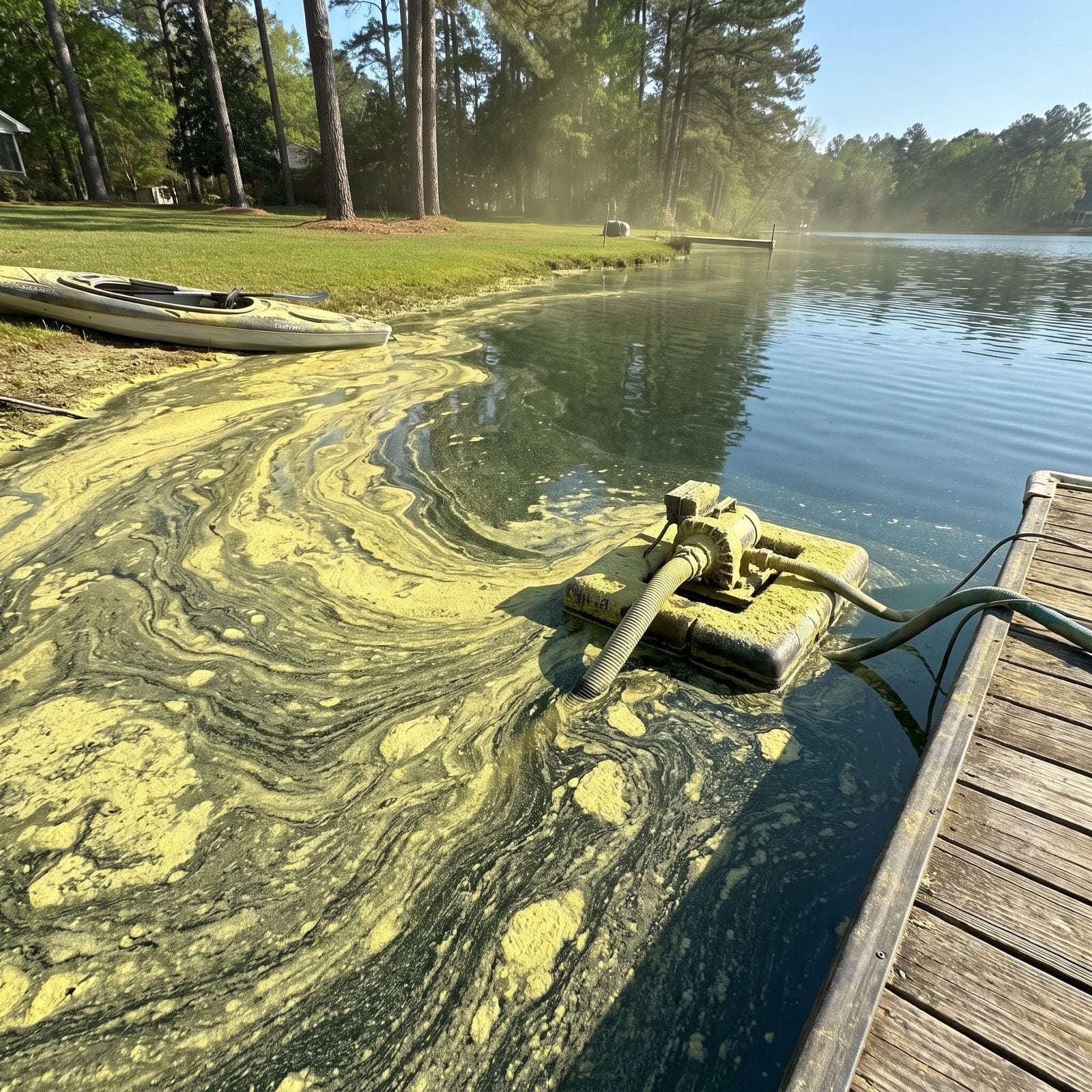
For a couple of weeks the lake turns the color of a tennis ball. Pine and oak pollen drifts down, collects in the wind-sheltered corners, and builds into mats thick enough to write your name in.
Swimming through it won’t hurt you. The trouble is what it does to anything that pulls water: lake pumps, irrigation intakes, livewell screens. Fine pollen packs a strainer solid before you realize there’s a problem. Check your intake screens during pollen season, and skim the dock corners when the mats build up. It’s a short season — the only mercy in the whole business.
13. A Mayfly Hatch Can Blanket Doors, Windows and Exterior Lights
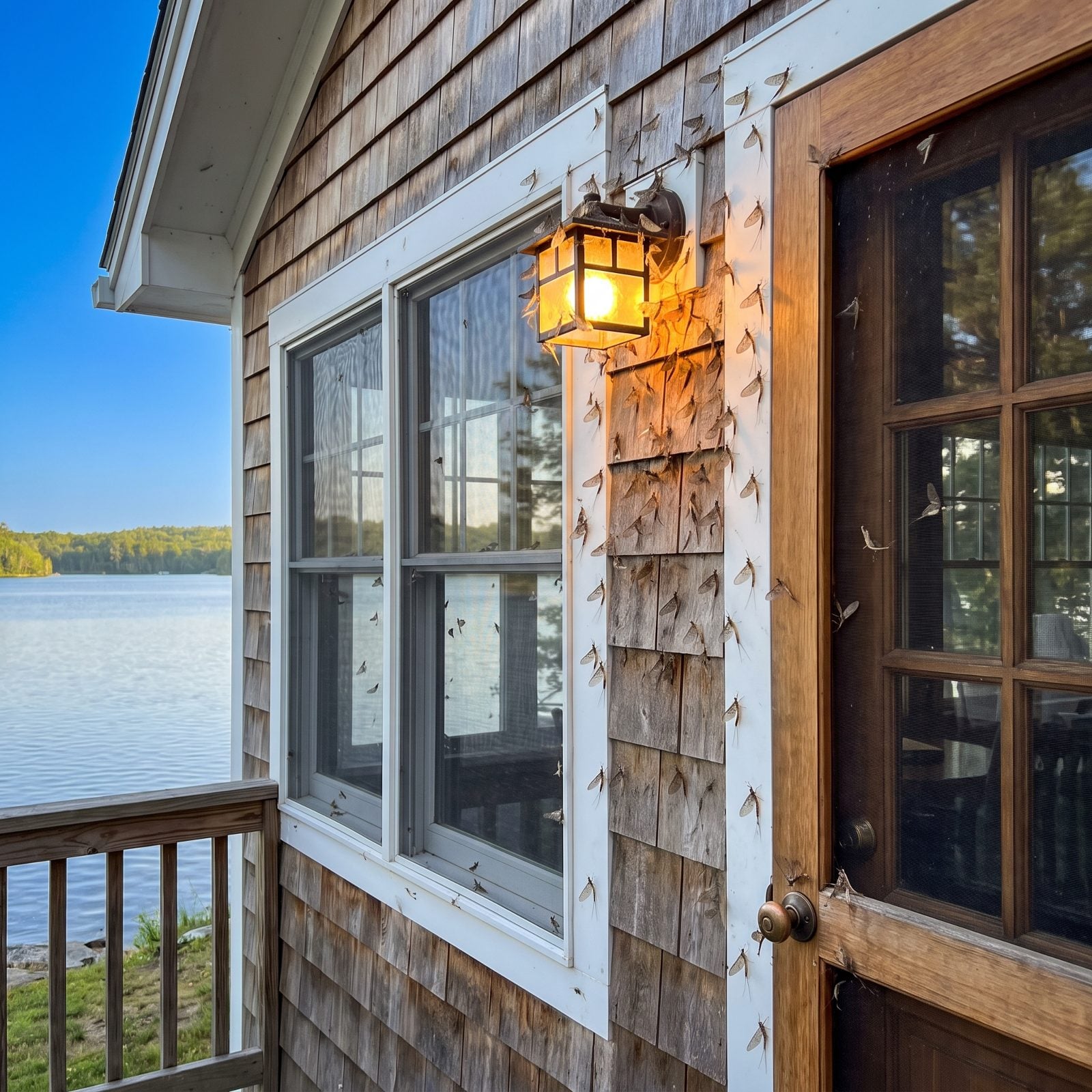
One warm evening the whole house seems to grow wings. Mayflies hatch from the lake bottom in staggering numbers, live about a day, and spend that day piled against anything that glows.
They don’t bite and they don’t last. But light pulls them hard, so every lit window turns into a curtain of them by morning. Swap your exterior bulbs for warm or amber LEDs and far fewer show up. A hatch means a healthy lake, worth remembering while you’re sweeping a drift of them off the porch.
12. Dock Spiders Can Rebuild Large Webs Overnight
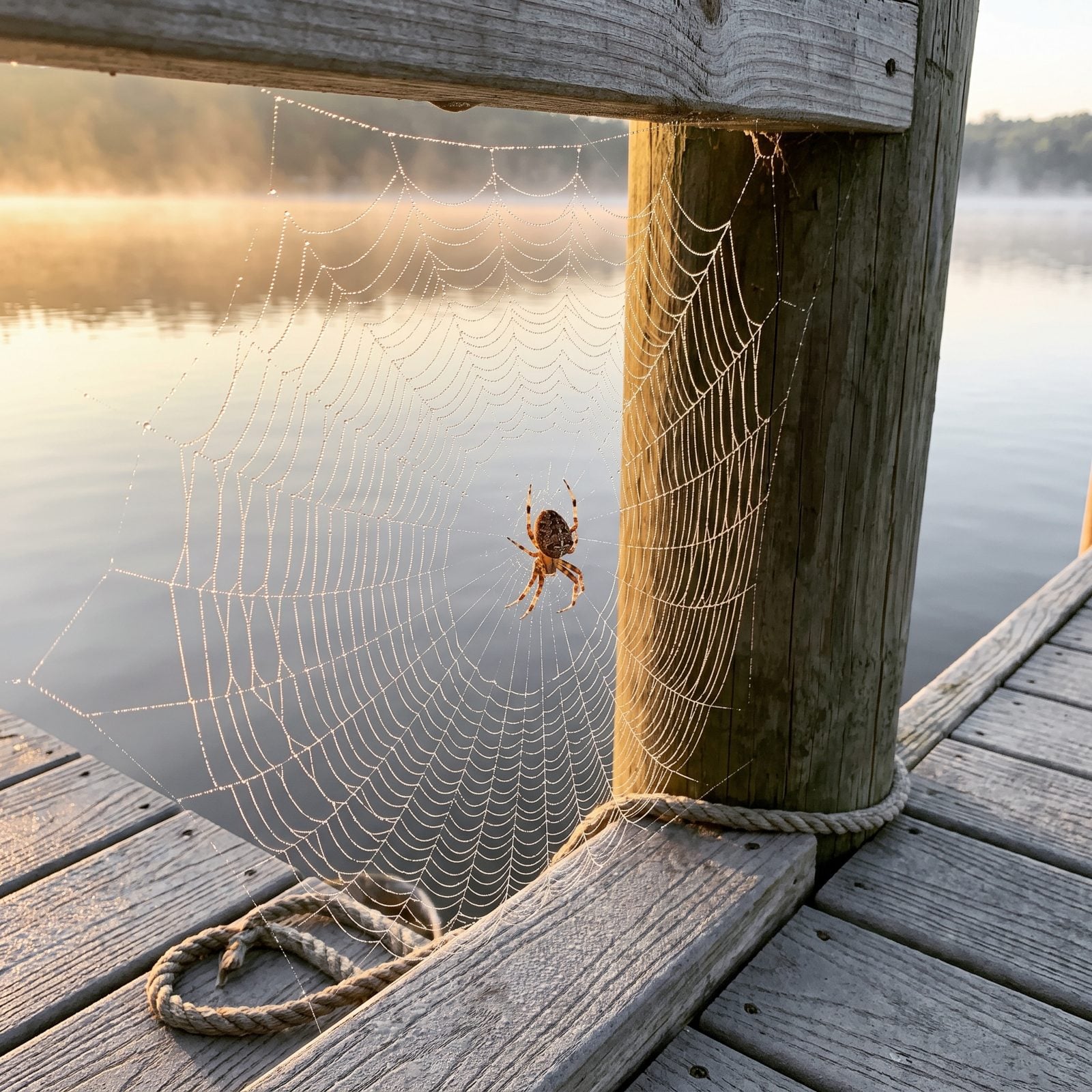
You clear the web off the boat lift at night and it’s back by sunrise, bigger. Dock spiders work the shoreline hard because that’s where the bugs are, and they rebuild with a speed that feels almost personal.
They look alarming and mostly want nothing to do with you. Leave the ones out of reach alone and they’ll eat the mosquitoes you actually care about. A broom handles the webs across the walkway. The rest can stay on payroll.
11. Resident Geese Can Foul a Lawn Faster Than Expected
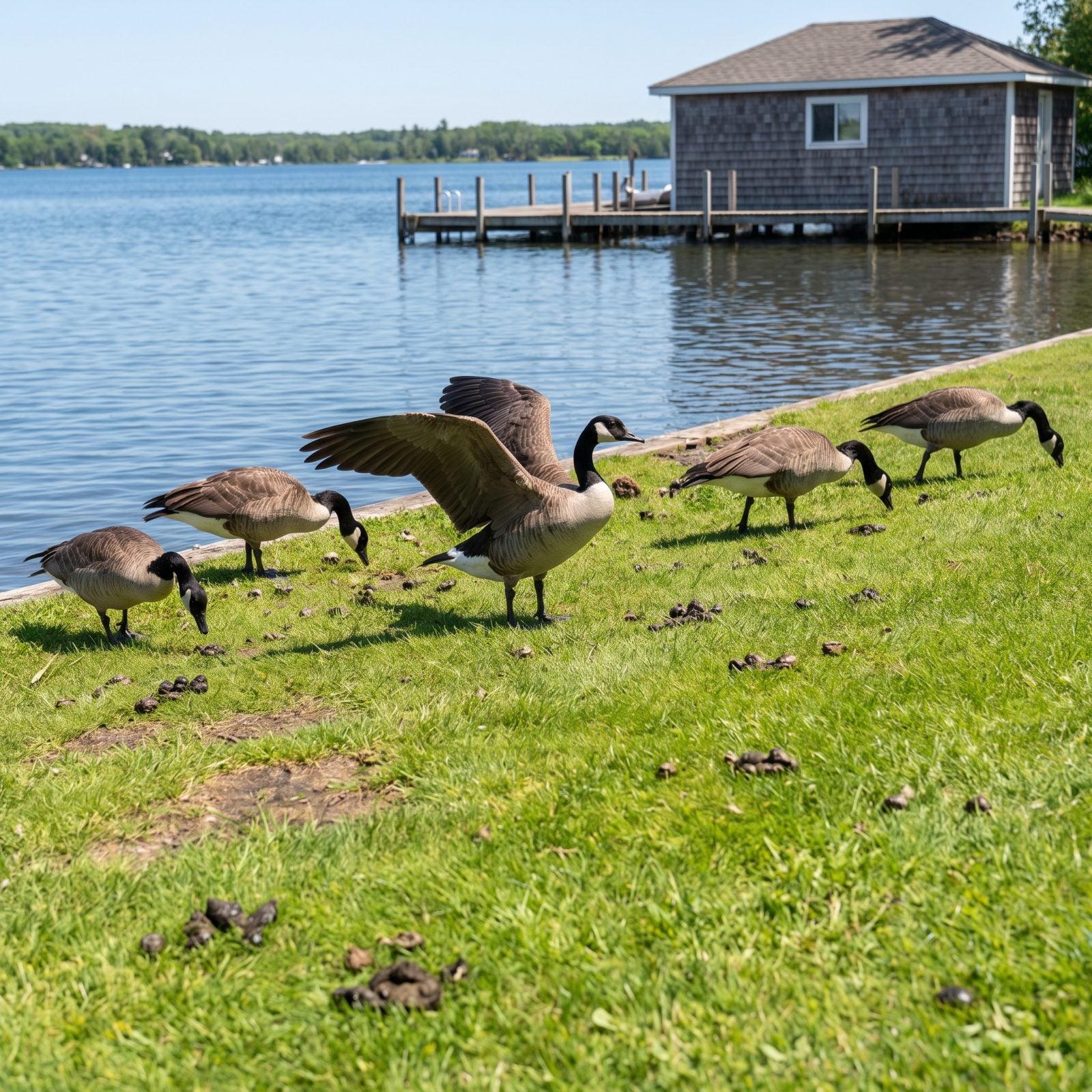
A pair of geese on the lawn is charming for about a week. Then they decide they live here, invite the extended family, and a flock of a dozen leaves a shocking amount of mess on a short stretch of grass in one afternoon.
Geese love what most lake owners build: open mowed lawn running straight to the water, with a clear sightline for predators. Let a strip of taller native plants grow along the shoreline and you break that comfort — most of them go looking elsewhere. Your water quality improves too. Nice two-for-one.
10. Mosquitoes Often Breed in Buckets and Gutters Rather Than the Lake
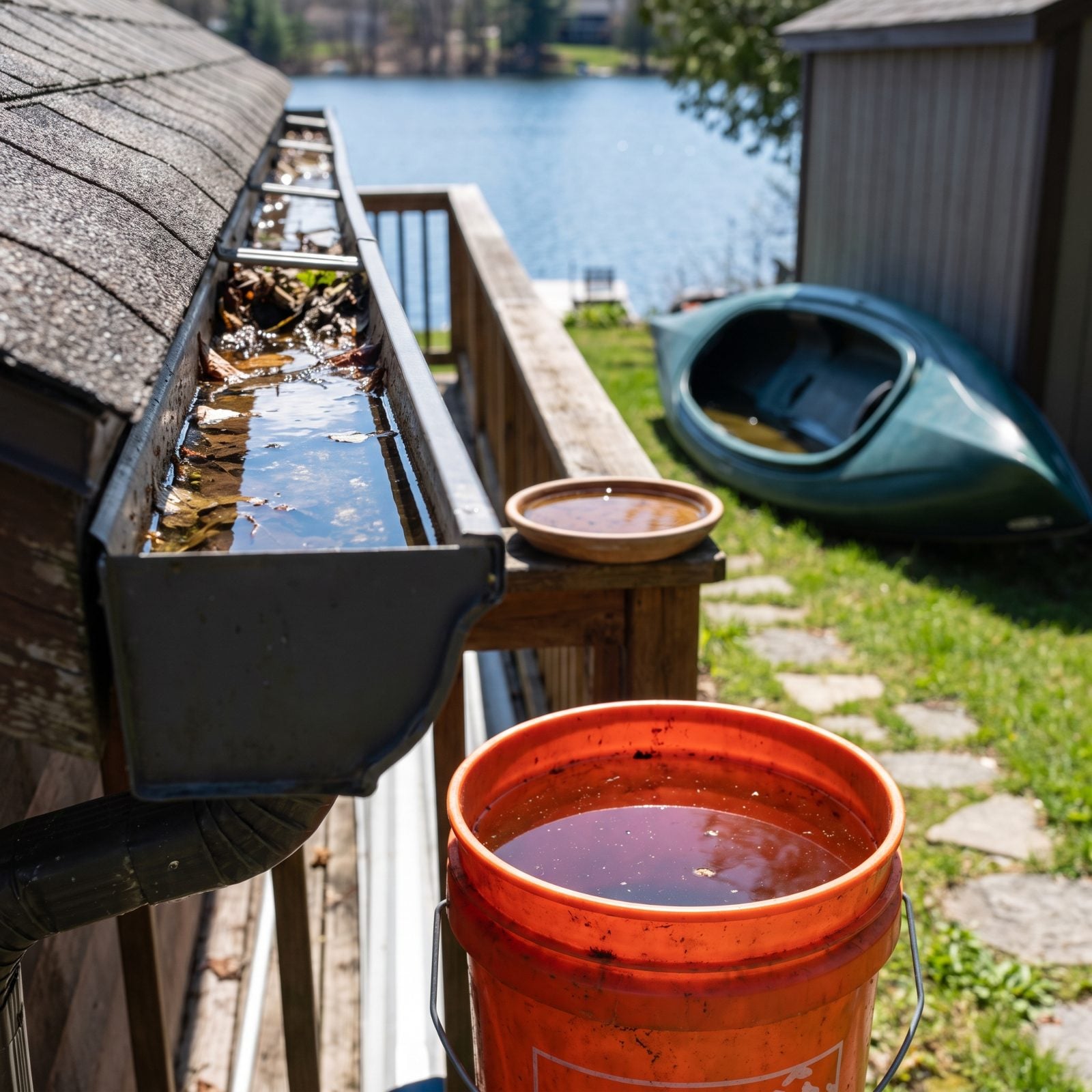
Most people get this backwards. The lake is rarely where your mosquitoes come from — moving water with fish in it eats larvae for breakfast. The real nursery is the forgotten bucket by the shed.
A mosquito needs only a bottle-cap of still water and about a week. A clogged gutter, a tarp with a sag in it, the saucer under a planter, an upside-down kayak holding a puddle. Walk the property after a rain and tip out everything that holds water. That one chore does more than any yard spray.
9. Ticks Concentrate Along Brushy Paths Between the House and Dock
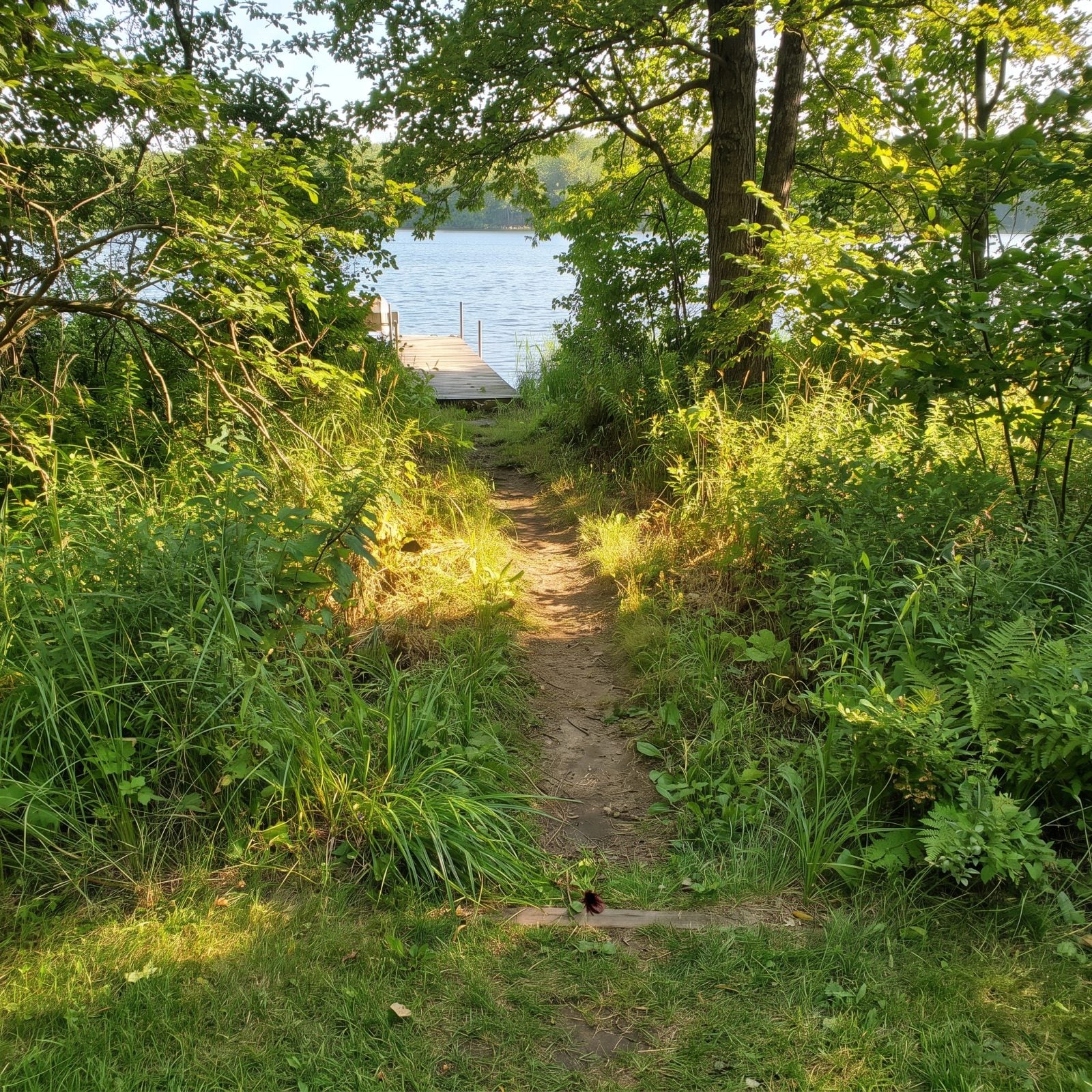
The lake side of the property feels wild and open, so ticks seem like a woods problem. They’re not. They wait on the tips of tall grass and brush — exactly the stuff crowding the path from the back door down to the dock.
They don’t jump, and they don’t drop from trees. They grab on as a bare leg swishes past. Keep that path mowed wide, clear the overhang, and you’ve done most of the work; a three-foot gravel or wood-chip border where lawn meets brush gives them nowhere to perch.
8. A Damp Crawlspace Can Become the House’s Main Moisture Source
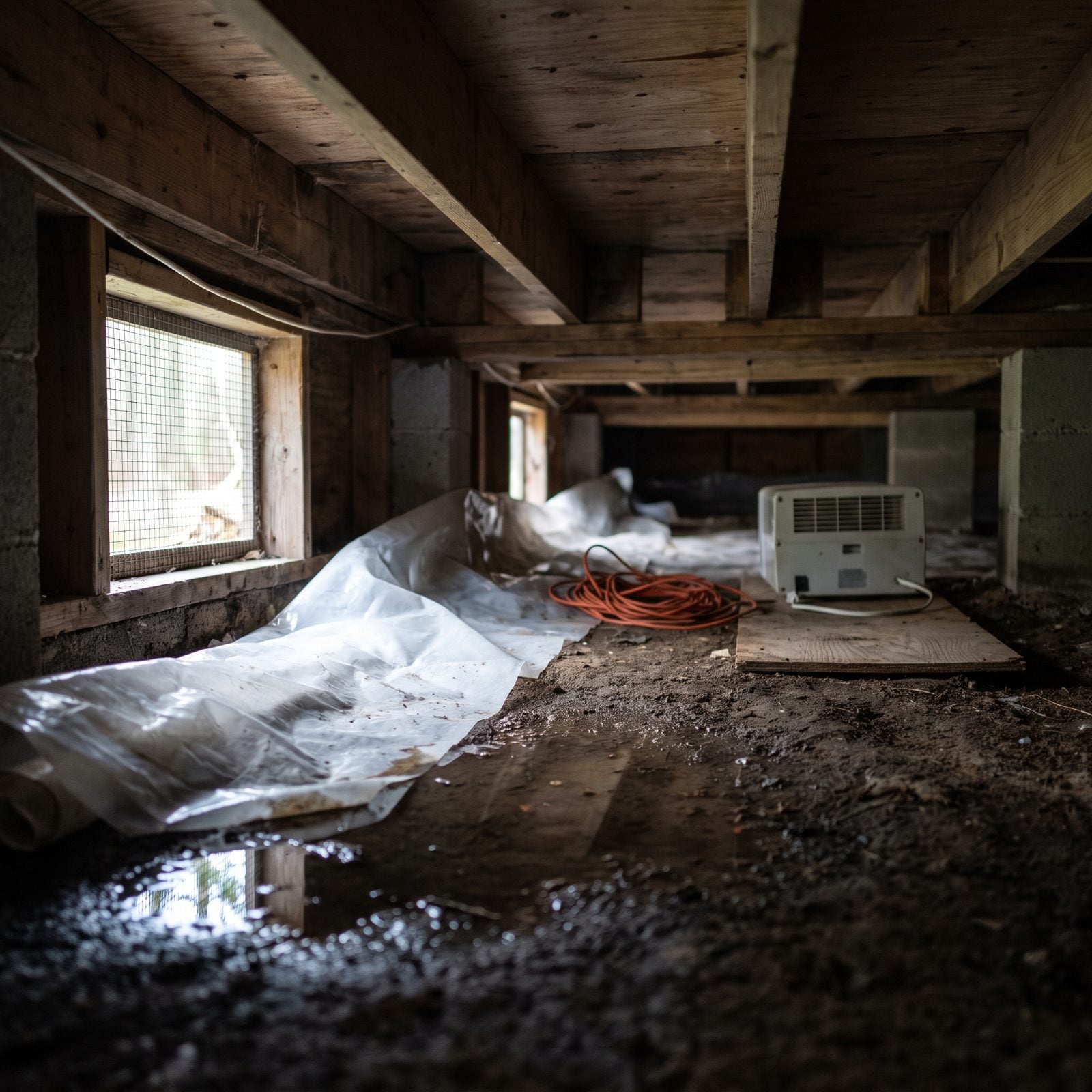
You smell it before you see it. That faint basement note in the linens, the slightly swollen kitchen drawers, the mystery film on the windows — nine times out of ten the culprit is sitting under your feet, breathing up through the floor.
Lake houses sit close to water, and a bare-earth crawlspace pulls moisture straight out of saturated ground. Warm summer air hits those cool joists and condenses, and over a season that dampness climbs into the subfloor, the insulation, the air you sleep in.
A vapor barrier and a crawlspace dehumidifier handle most of it. Skip them and you’re drying the whole lake, one cubic foot at a time.
7. Saturated Shoreline Soil Can Destabilize Mature Trees
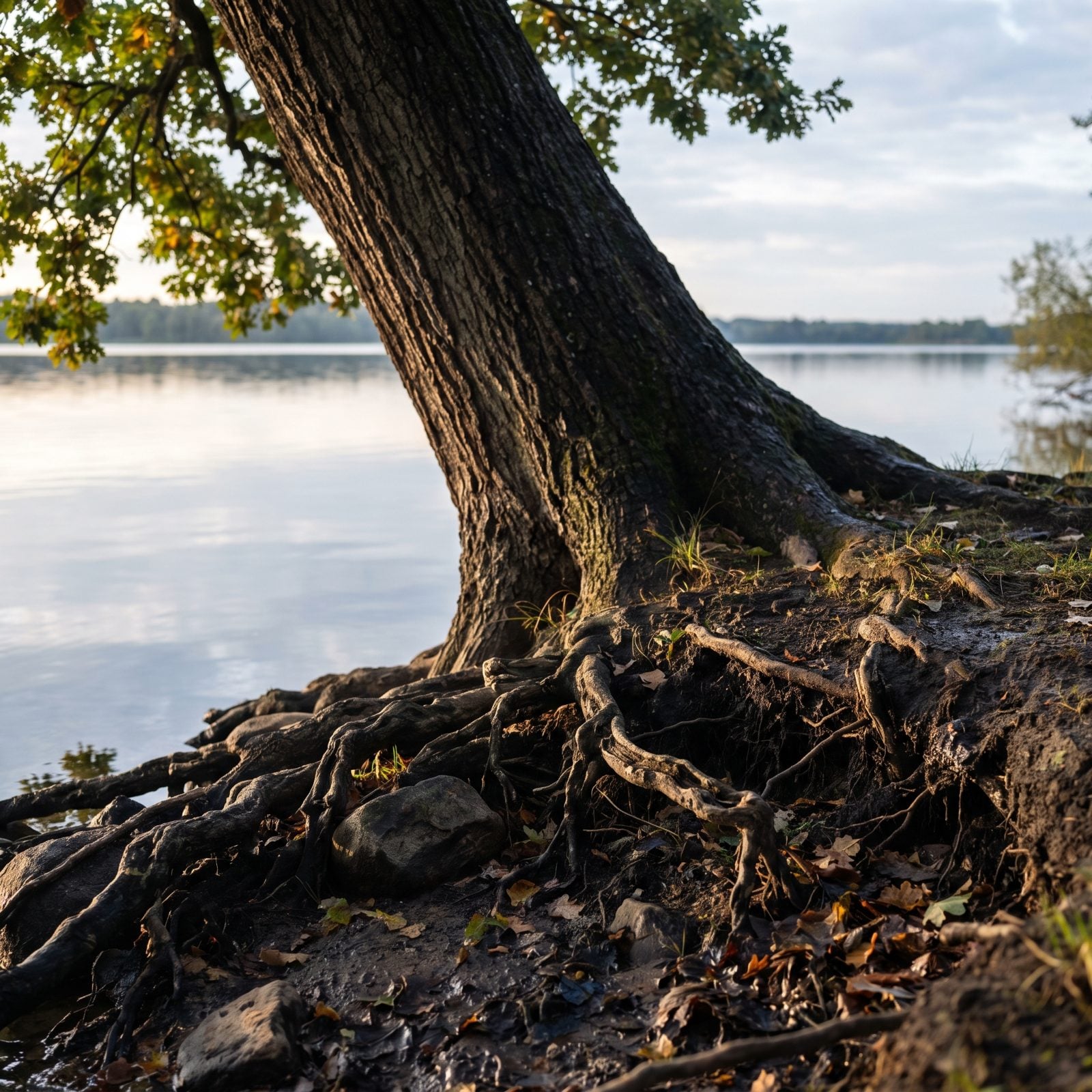
The giant shade maple you fell in love with during the showing is also the one keeping an arborist on speed dial.
Shoreline soil stays wet, and wet soil loses its grip. A tree that stood solid for forty years inland behaves differently with its feet in soft, saturated bank — especially after a storm pushes wind against a canopy the roots can no longer anchor. First-summer owners tend to notice the lean only after a windy night, when a trunk that looked fine the day before is suddenly tilting toward the roofline and nobody can say when that started.
Get the big ones near the house and dock looked at early. A single leaning tree over a bedroom is not a problem you want to discover in July.
6. Public Launch-Ramp Parking Can Fill Before Breakfast
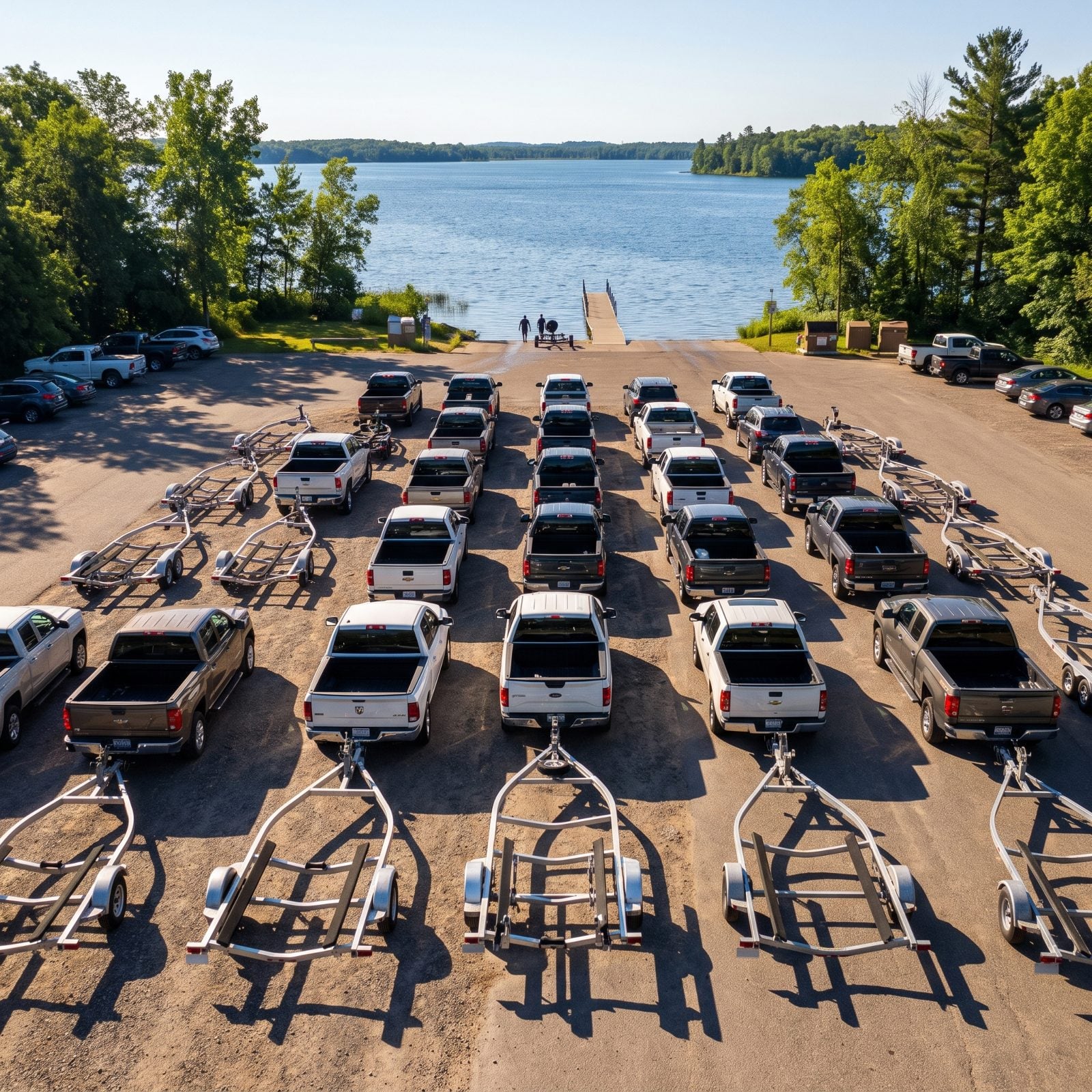
Think a free public ramp means the lake is always open to you. It is, technically. The parking isn’t.
On a good-weather Saturday, trailer parking at a popular launch can be gone by the time most people are pouring their second coffee. Overflow rigs end up packed in rows right across the paved ramp approach, crowding the very launch lane everyone needs — there’s just nowhere else to leave your truck and trailer for the next six hours, and the lots that hold trailers fill faster than you’d expect because each rig eats two or three car-length spaces.
If you’re launching and retrieving rather than keeping the boat in the water, early is the whole game. First light beats circling.
5. Marina Slip Waitlists Can Run Far Longer Than the Summer Season
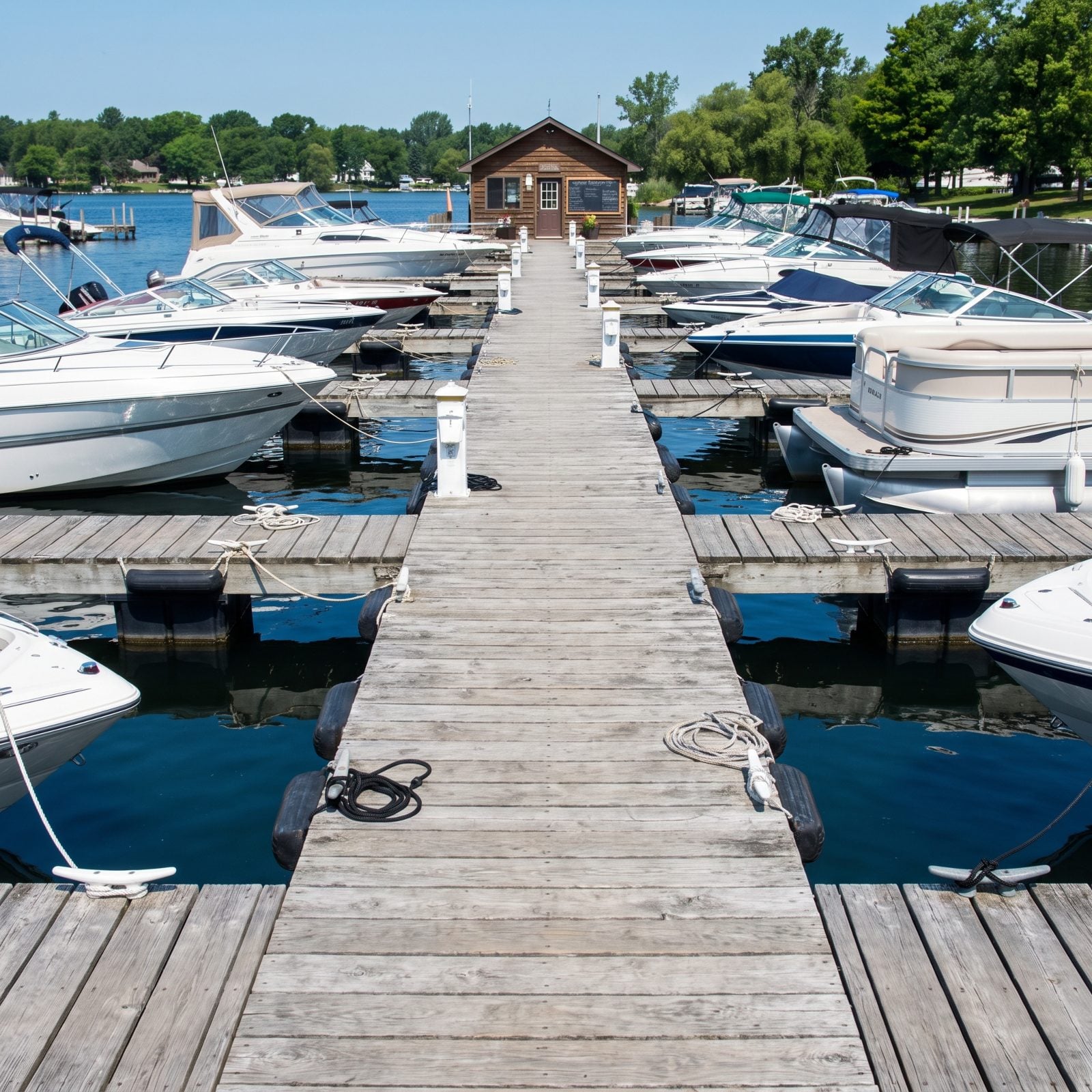
Nobody warns you that a slip can be harder to get than the house was.
On busy lakes, covered and prime-location slips turn over slowly, and the people holding them tend to keep them for years — so a waitlist measured in seasons is the norm, not the exception. Buyers who assumed they’d have the boat tied up by the Fourth of July often spend that first summer hauling the trailer back and forth instead, quietly fuming in the ramp line.
Get your name on every nearby list the week you close, even the marinas you’re not sure about. You can always decline a spot later. You can’t skip the years you didn’t sign up.
4. Fuel Docks May Close Before Evening Boat Trips End
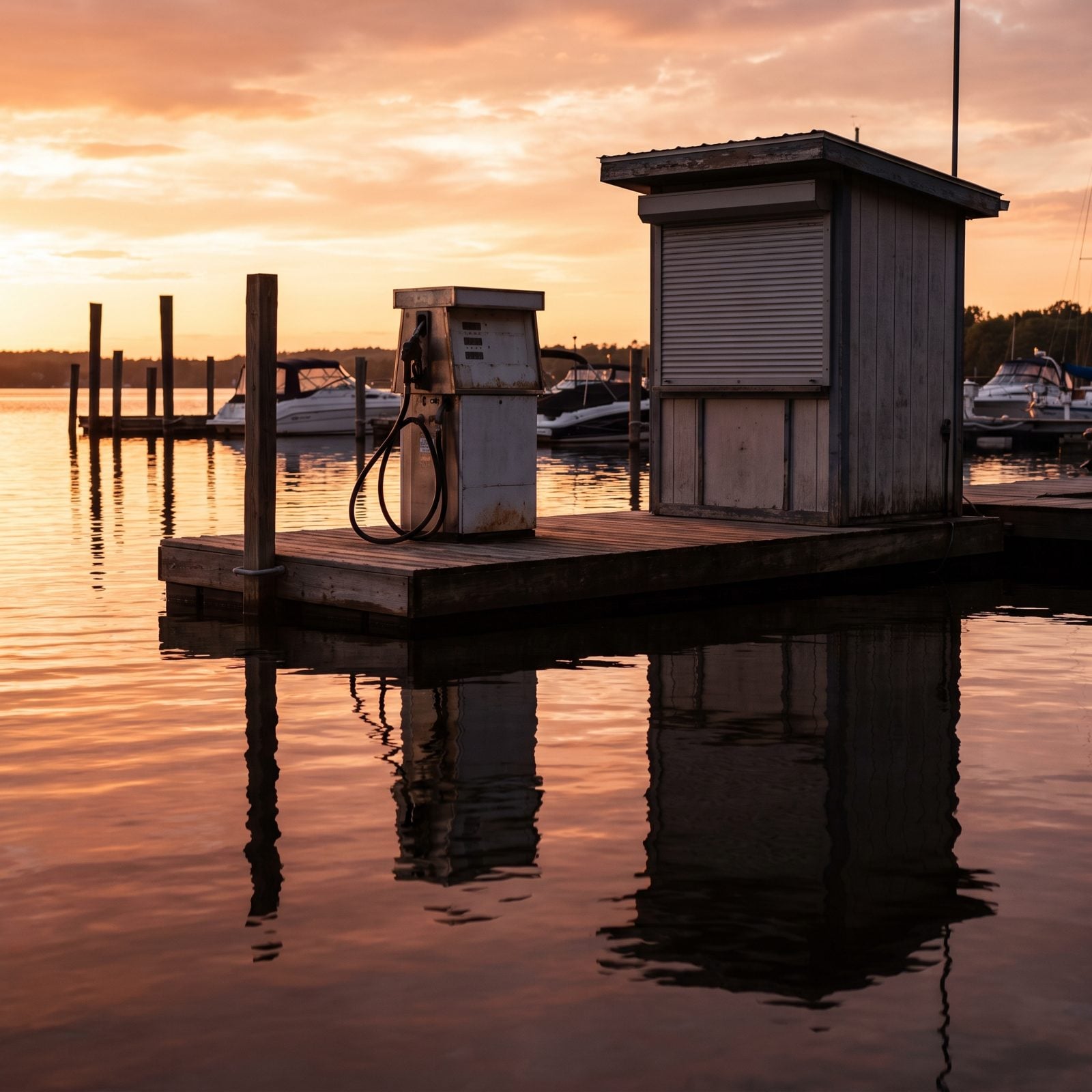
The sunset cruise is the best part of the day. It’s also when the fuel dock has already pulled its shutter.
Fuel docks keep daytime hours, and plenty of them close by late afternoon even in peak season. You head out at seven with a quarter tank, figuring you’ll top off on the way back, and discover the pump went dark two hours ago — now you’re drifting home on fumes or calling for a tow.
Treat fueling as a morning errand, not a return-trip afterthought. Know your dock’s closing time the way you know when the grocery store locks up.
3. Navigation Lights Become Mandatory Before the Ride Home Feels Dark
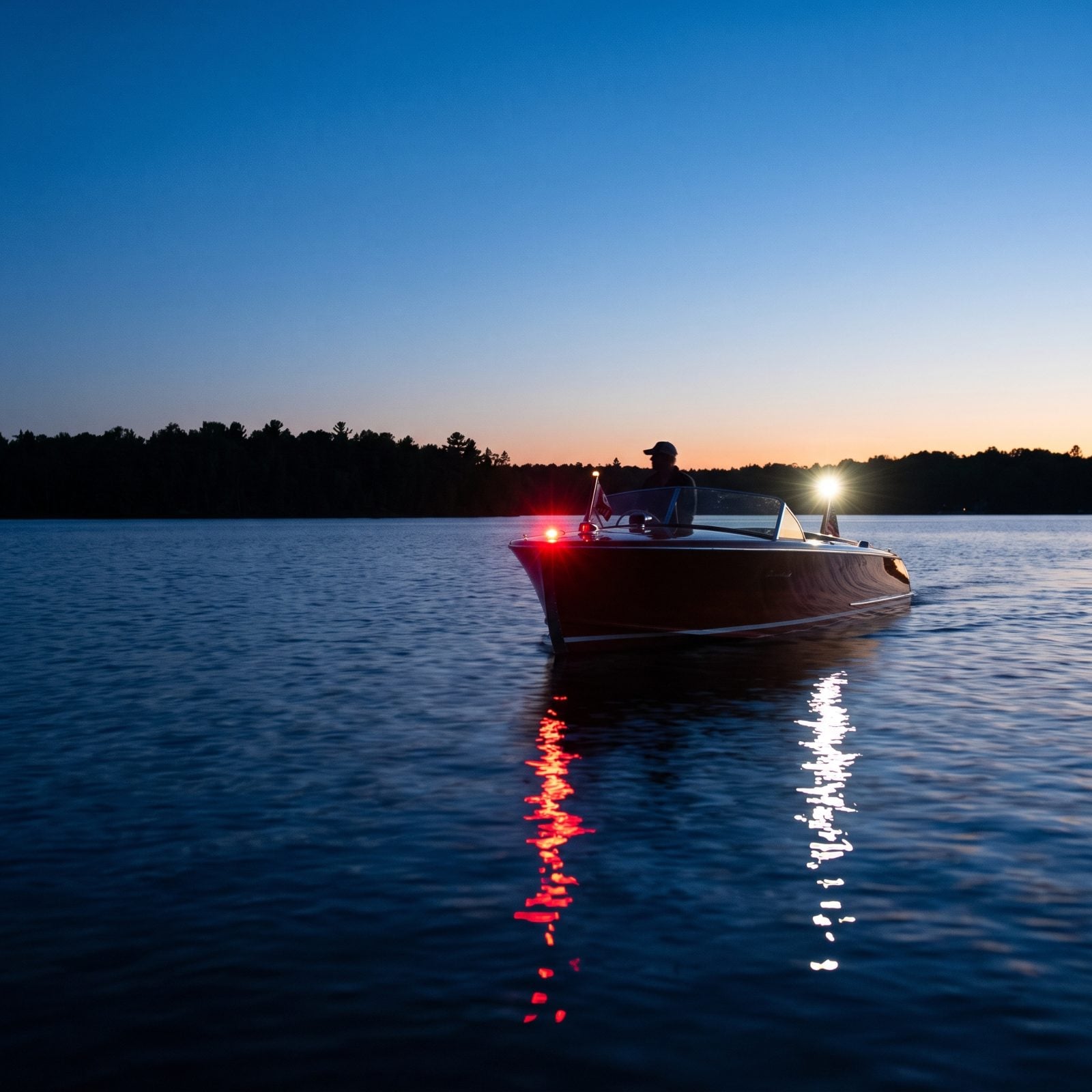
Legally, your lights go on at sunset. Practically, you’ll wish they were on well before that.
The water holds light longer than the shoreline does, so the ride home feels bright right up until it suddenly isn’t, and other boats become shapes before you register they’re there. Navigation lights aren’t just the rule — required between sunset and sunrise and in reduced visibility — they’re how the other guy at the helm sees you coming.
Check that every bulb actually works before you leave the dock. A burned-out stern light you discover halfway across a dark lake is a long, nervous crawl home.
2. Cell Reception Can Change From One Room or Shoreline Slope to Another
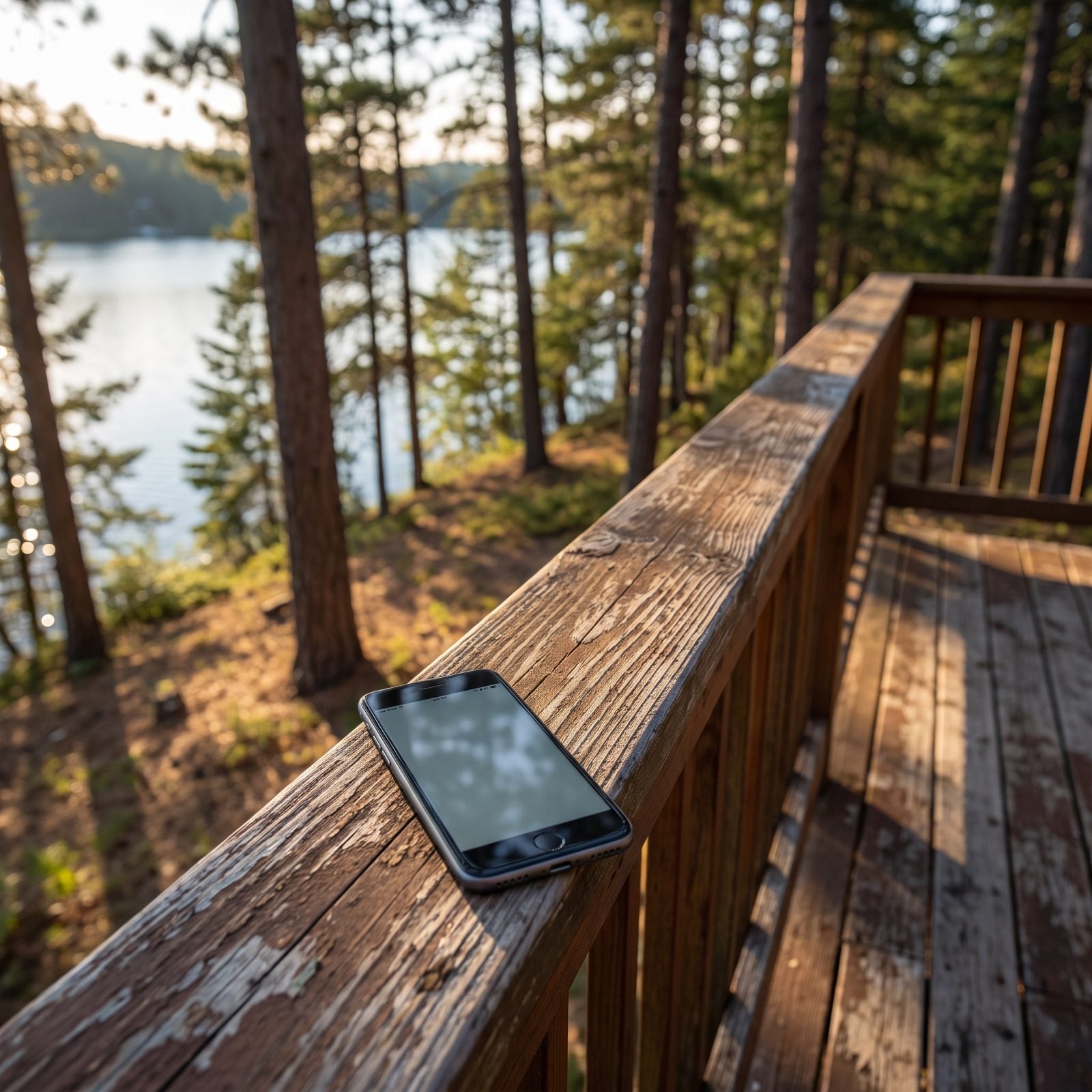
You’ll learn the one corner of the house where a call actually holds. Everyone eventually does.
Hills, trees, and the shape of the shoreline do strange things to a cell signal around a lake. Full bars on the deck, nothing in the back bedroom — a clear line on one slope of the cove, dead air a hundred feet down the shore. It catches people off guard who assumed coverage was coverage.
Before you treat the place as a work-from-the-lake setup, walk every room and spot on the property with your phone and actually test it. The map that matters is the one your own carrier makes while you’re standing in your own kitchen.
1. Weekend Internet Congestion Can Overwhelm Otherwise Adequate Service
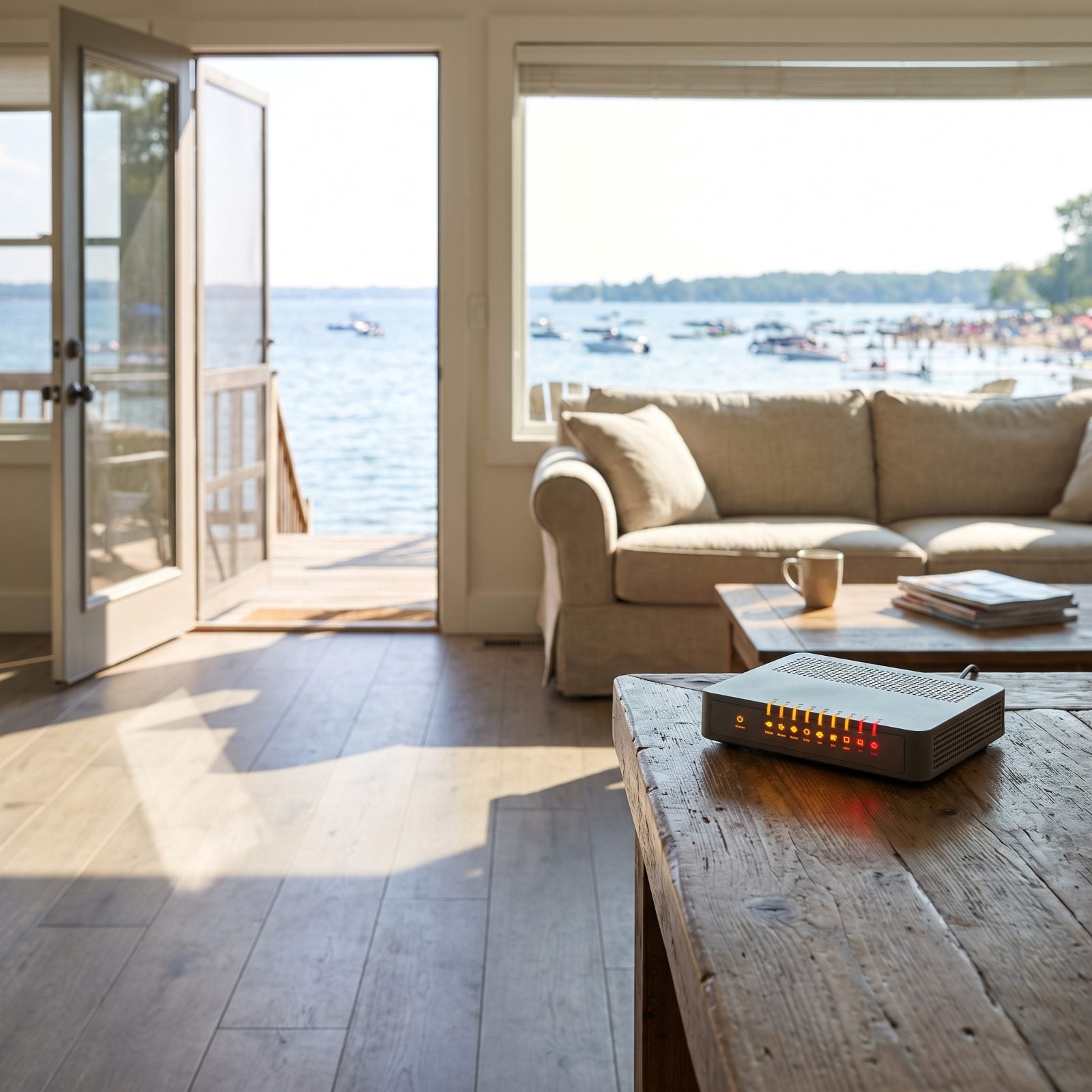
The internet that streamed fine all week crawls to a stop on Saturday night, and nothing in your house changed.
Lake areas swell on weekends. Every cabin fills, every household streams, and shared or lightly-built rural service gets stretched across far more users than it sees Monday through Thursday. Your plan didn’t get worse. The neighborhood just got crowded.
If remote work or weekend video calls matter to you, ask neighbors what actually holds up under Saturday load, not what the brochure promises — and a backup, a hotspot or a second provider, saves a few tense afternoons.