
The listing had a sunset photo over the dock, and that was that. You stopped reading the description, started naming the dog you’d get, planning where the hammock would go. Nobody pulls up the septic records when the water looks like that. We’ve all done some version of this — at a cabin, or across a dinner table — falling hard before the facts had a chance to argue. The brain that picks a partner and the brain that picks a waterfront property run on the same old wiring: a little hope, a little self-deception, and a whole lot of pretending the obvious problem isn’t a problem. Here are the moments where the two feel like the same mistake wearing different shoes.
Please note that some of the imagery in this article may have been enhanced with the assistance of AI.
18. You Fall for the Dock Before Checking the Septic Tank
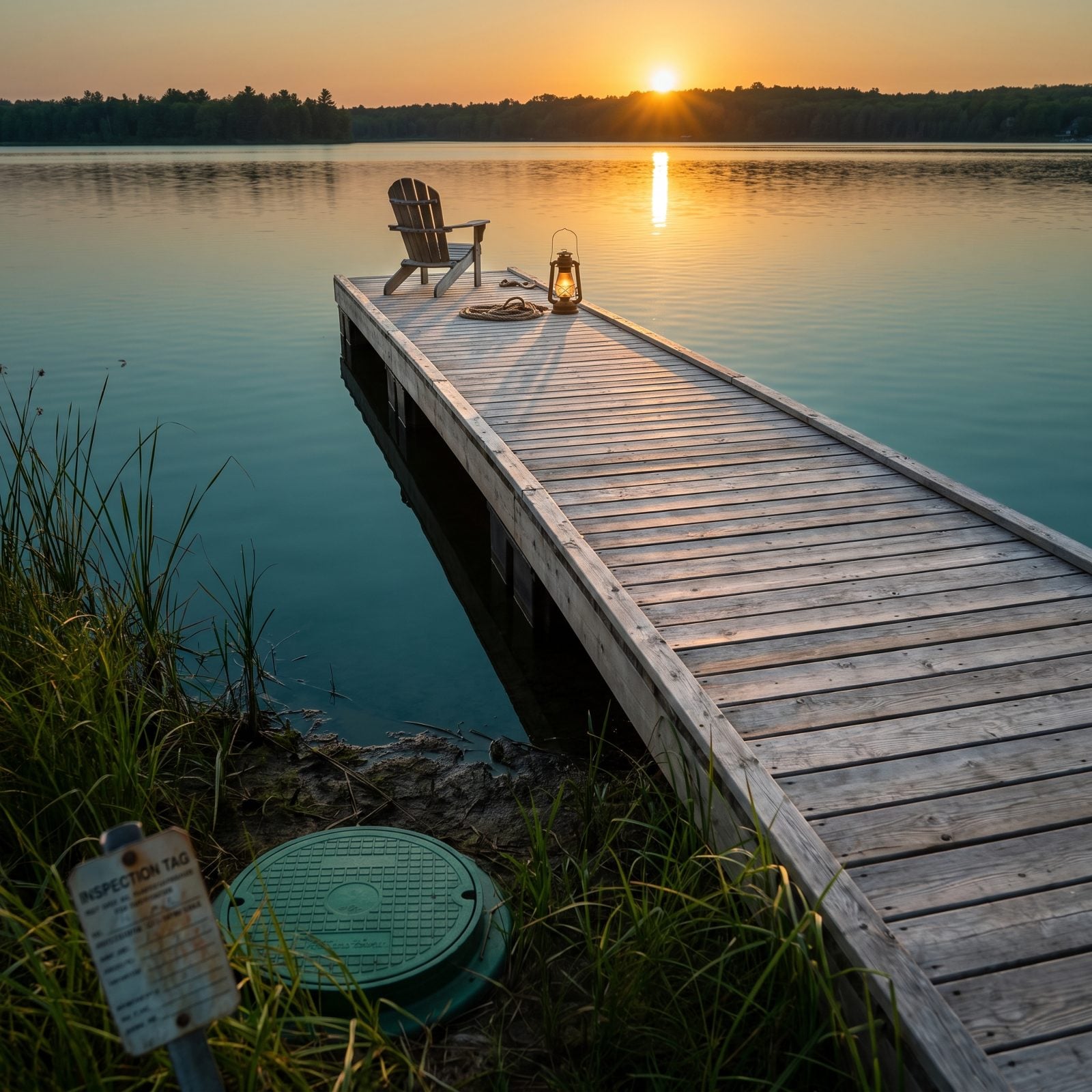
The dock is the dating profile photo, the thing that makes you lose your mind a little. Warm boards, a chair angled at the sunset, water so still it looks painted. You can already feel the coffee in your hand at 6 a.m. Meanwhile the septic tank sits out there in the weeds like a secret nobody wants to bring up on a first visit.
Same thing happens with people. You fall for the laugh, the easy charm, the way they fill a room. The boring plumbing — how they handle money, stress, a flat tire at midnight — comes later. Usually at the worst possible moment.
Psychologists call it the halo effect. One shiny trait spreads a glow over everything, and your brain quietly assumes the rest must be just as good. A gorgeous dock must mean a sound foundation. A great smile must mean a steady person. Neither assumption pays its own bills.
17. Weekend Chemistry Can Hide Full-Summer Incompatibility
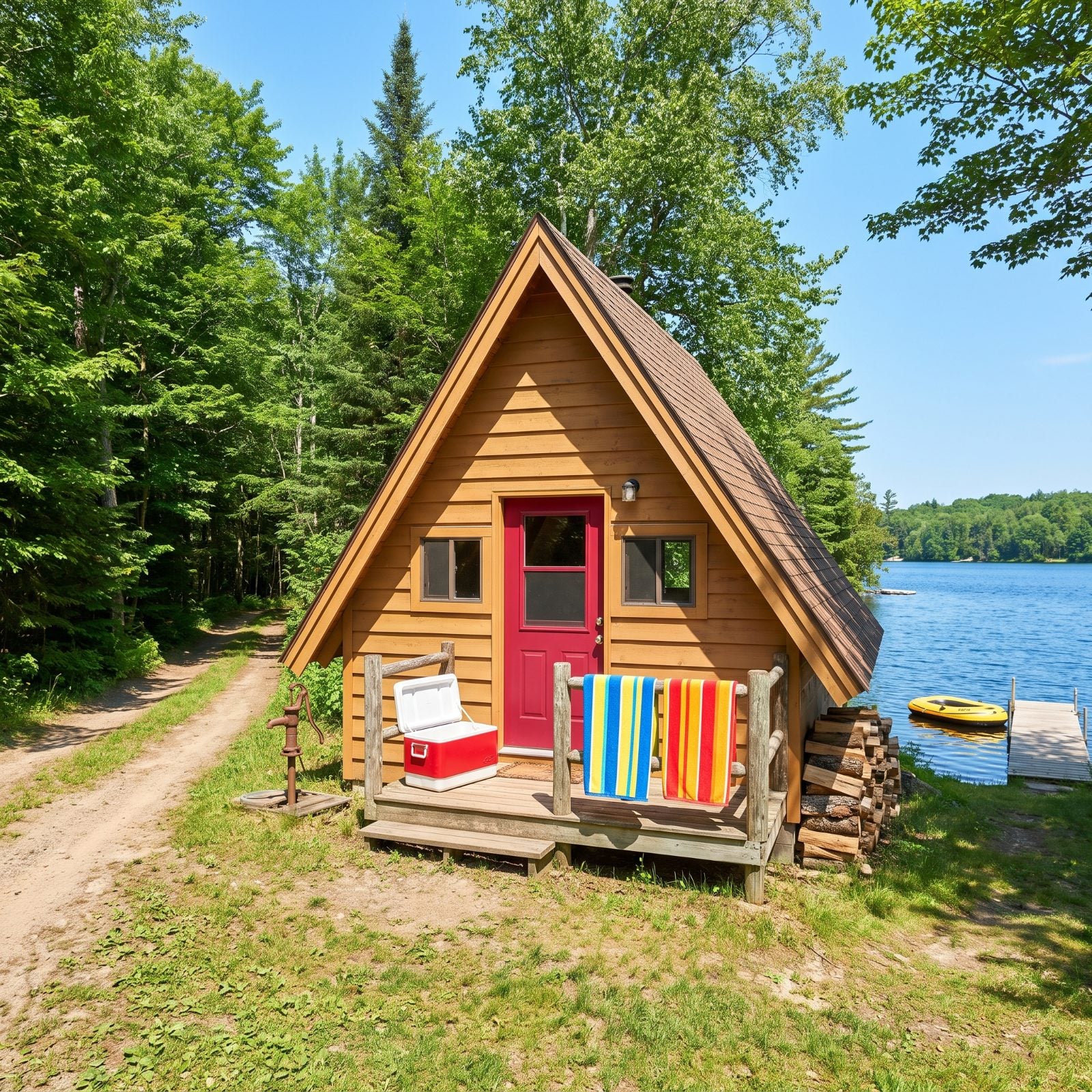
A long holiday weekend at the lake is the honeymoon phase with a boat attached. Everyone’s rested, the weather behaved, the grill worked, and nobody had to think about February. You drive home convinced this place is the one.
Then you buy it. And you learn what it’s actually like in August when the lake turns to pea soup and the mosquitoes vote you off the porch, or in November when the road ices over and the nearest open store is more of a rumor than a destination.
Weekend chemistry is real, but it’s a controlled experiment. So are a few perfect dates. Neither one tells you how the thing holds up on a bad Tuesday, which is where most of life actually happens. Rent a place through a full summer before you sign anything. Call it meeting the family before you propose.
16. Your Must-Have List Changes When One Porch Feels Right
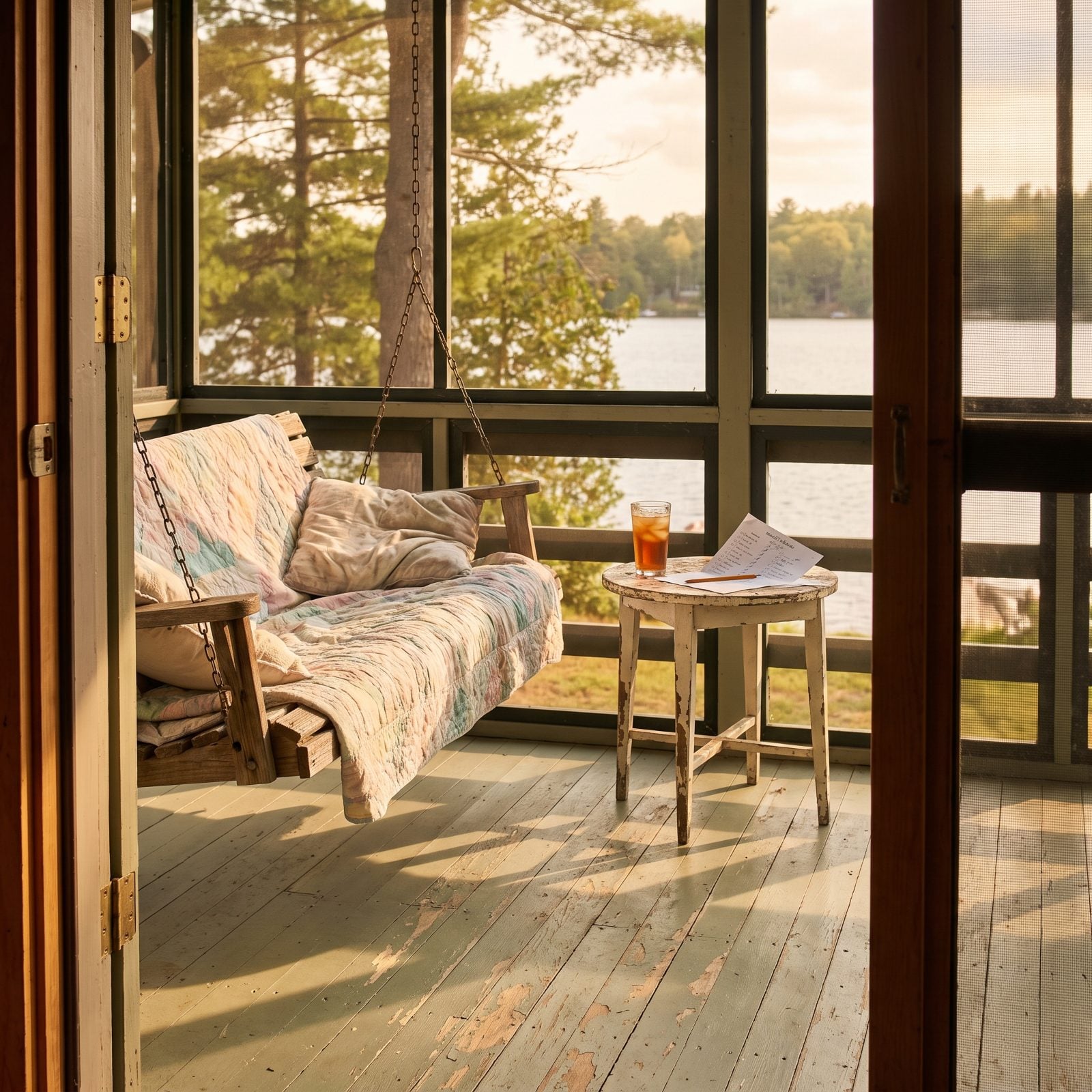
You started with rules. Three bedrooms, a flat lot, two bathrooms, nothing older than the 1990s, absolutely not on a dirt road. You scrawled the list out by hand and you meant every line of it.
Then you stand on a screened porch at four in the afternoon, the swing creaks just right, and suddenly the extra bathroom feels like a petty little demand. The dirt road becomes “charming.” The list is still lying on the side table next to your iced tea, but your heart has quietly renegotiated the whole contract behind your back.
This is motivated reasoning, and it’s the same move you make falling for someone who checks none of your boxes but somehow checks you. Once you want the thing, your brain works backward to justify it. The criteria didn’t guide the choice at all. The feeling came first, and the criteria got rewritten to agree with it.
The list tells you what you think you want. The porch tells you what you’ll actually accept.
15. Childhood Lake Memories Start Making the Decision for You
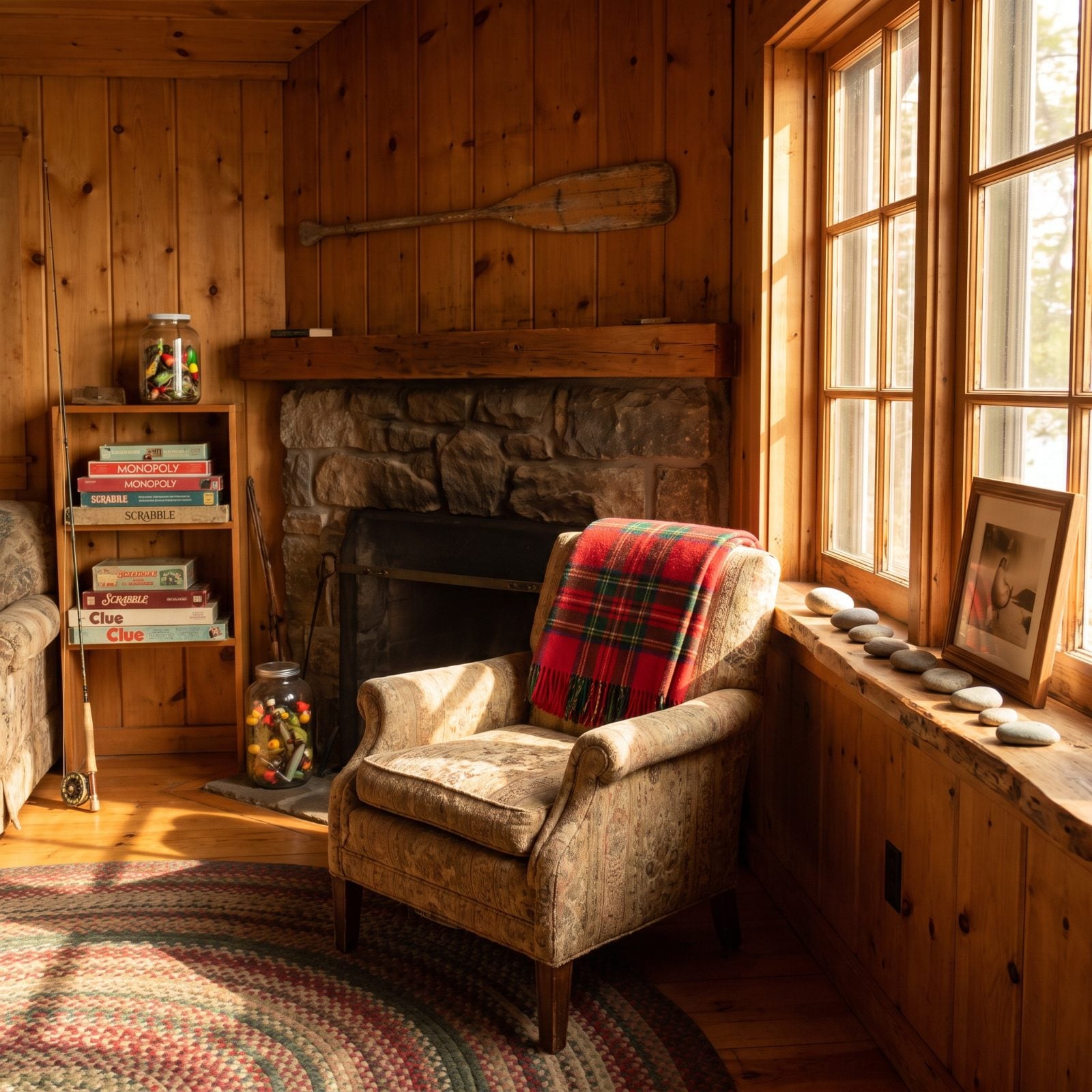
Somewhere in the walkthrough you stop seeing the actual cabin and start seeing the one from when you were nine. The smell of pine and lake water. Your grandfather’s tackle box. That screen door that slapped shut a hundred times a day.
You’re not buying this cabin anymore. You’re buying 1974.
Nostalgia is a powerful, sneaky salesman. It swaps the real property for an idealized memory, then charges your emotions full price for a feeling the house can’t actually deliver. The same thing happens when someone reminds you of a first love, or of being young and sure of everything. You fall for the echo, not the person standing in front of you. A cabin can give you a new summer. It cannot give you back the old one, no matter how much knotty pine it’s got.
14. Every Cabin Gets Compared to the One That Sold
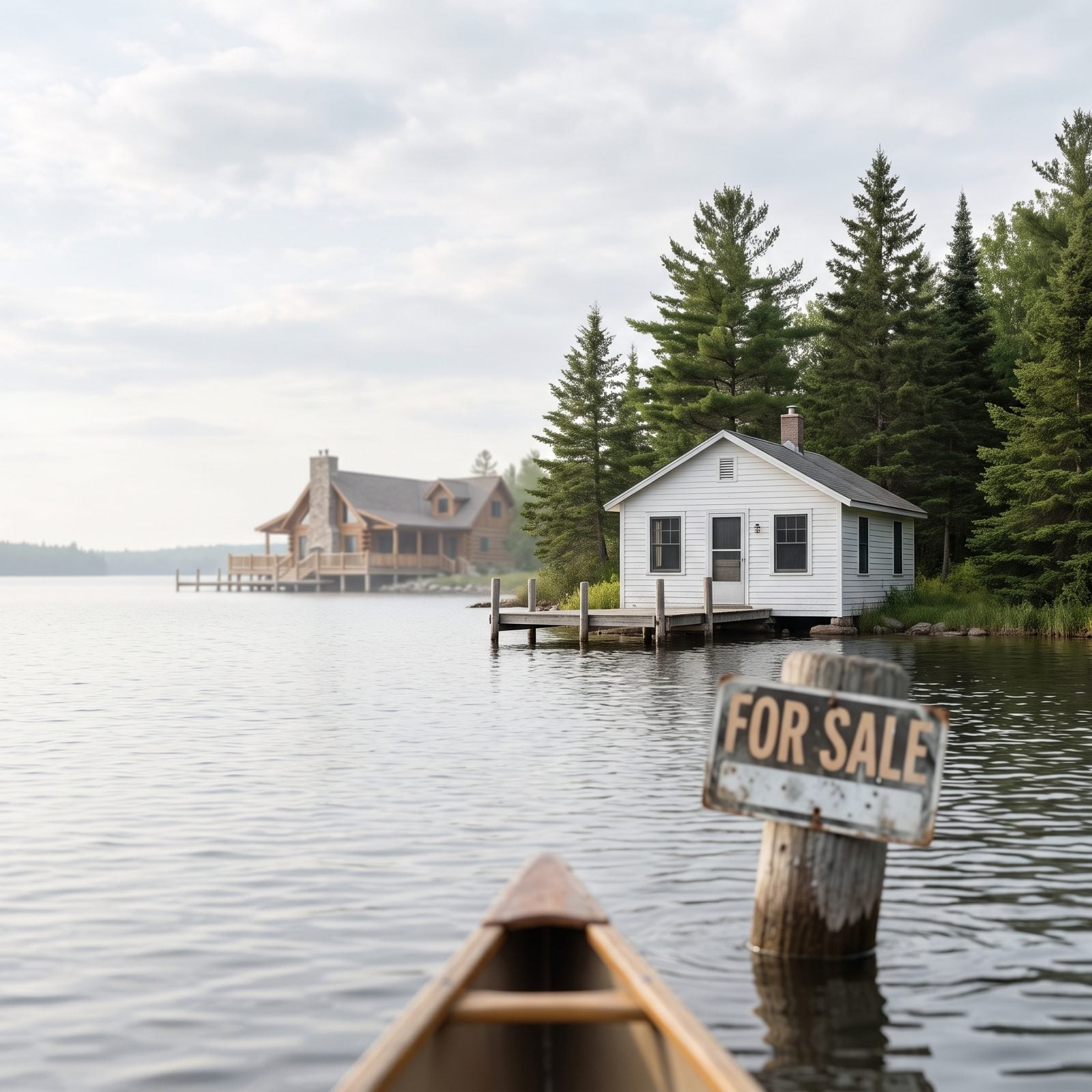
There was a cabin. The one with the stone chimney and the deep-water dock, listed at exactly your number. You hesitated for a weekend and it sold.
Now every other place is the lesser version of that cabin. “The kitchen’s fine, but it’s no stone chimney.” You’ve turned the one that got away into a legend, and no real property can compete with a legend — legends don’t have leaky gutters.
Everyone does this with an ex, too. The one that got away slowly becomes flawless in memory, taller and funnier and more patient than they ever actually were. Meanwhile the perfectly good person in front of you loses a contest against a ghost. Psychologists call it the contrast effect: you judge what’s here against an imagined ideal that keeps improving the longer it’s gone. The cure is boring but it works. Judge the cabin on its own terms, not against the one you let slip.
13. A Bidding War Makes the Leaky Boathouse Look Charming
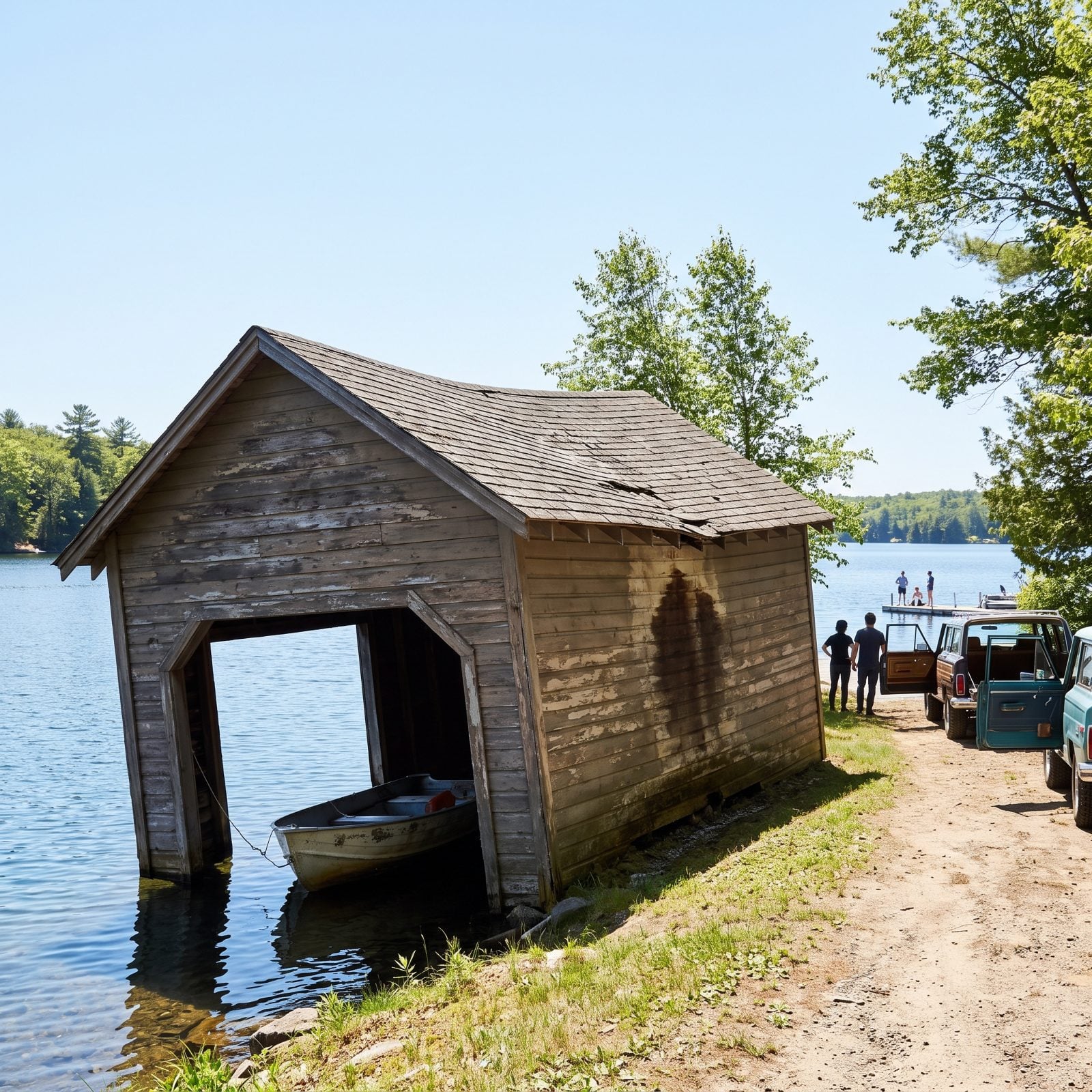
Monday, the boathouse was a saggy liability with a hole in the roof and a list to the left. Then two other buyers showed up with checkbooks, and by Wednesday that same boathouse is “full of character” and “irreplaceable waterfront structure.” Nothing about the building changed. Everything about your judgment did.
Call it social proof crossed with plain old competition. The moment someone else wants a thing, we want it harder, and we quietly upgrade all its flaws to features so the wanting makes sense. You’ve seen it at an auction. You’ve seen it in dating, where the suddenly spoken-for person becomes irresistible to three people who’d ignored them for years.
The scarcity isn’t lying to you about whether it’s a good cabin. It’s just stopping you from asking.
12. You Plan Thanksgiving Before Reading the Inspection Report
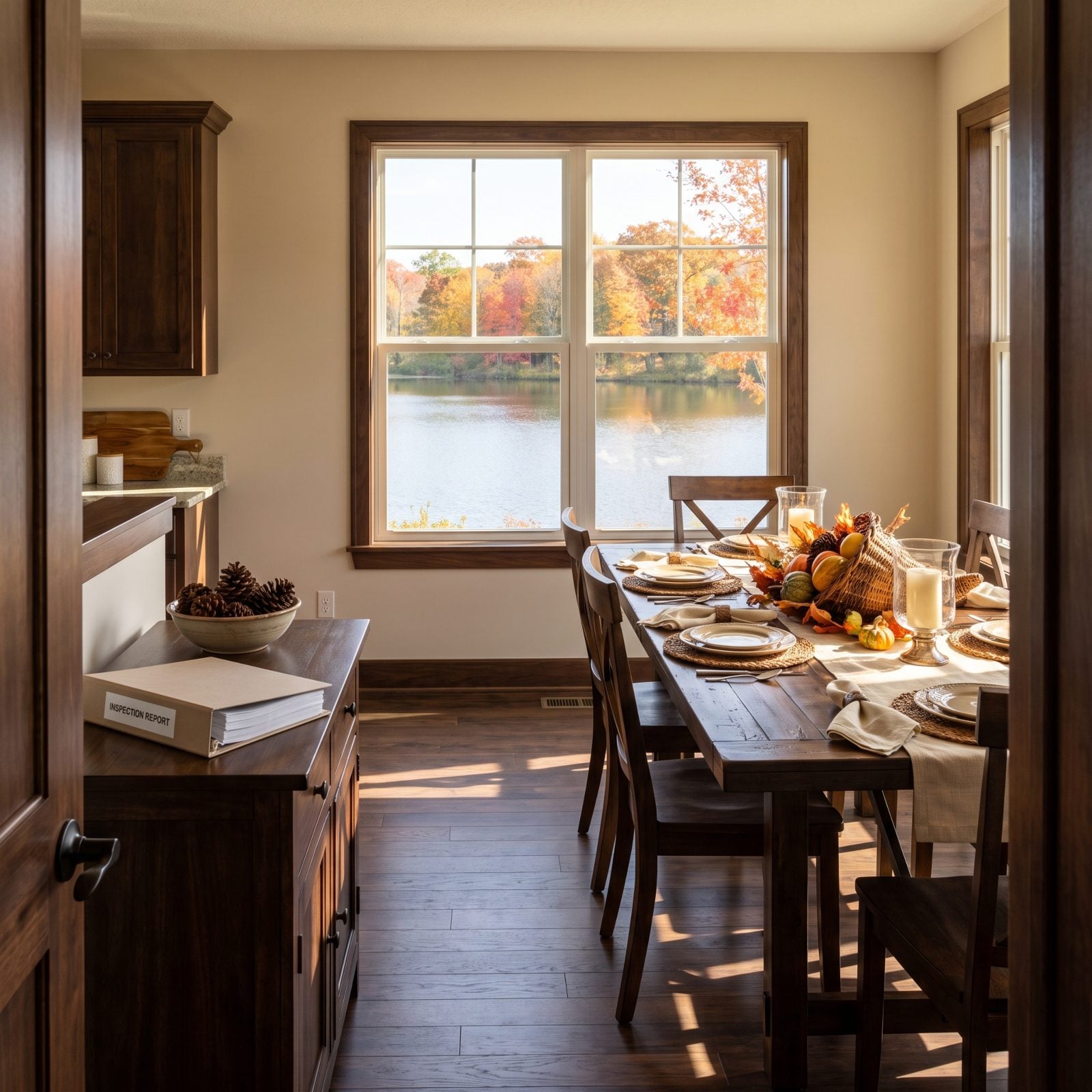
The offer isn’t even accepted and you’re already arranging the Thanksgiving table in your head. Turkey goes here, the cousins bunk in the loft, Grandma gets the room with the lake view. You’ve hosted a dozen imaginary holidays before anyone has checked whether the furnace even works.
Meanwhile the inspection report sits unopened on the counter, because reading it might ruin the party.
That’s projection bias with a dash of optimism — assuming the future will be the warm fantasy you’ve already built, and dodging anything that might contradict it. People do it when they move in together after three months, picturing the dinner parties instead of asking who does the dishes. The daydream feels like commitment. It isn’t. Read the report first. The best holidays happen in houses with working roofs.
11. You Fall for Renovation Potential, Not the Actual Cabin
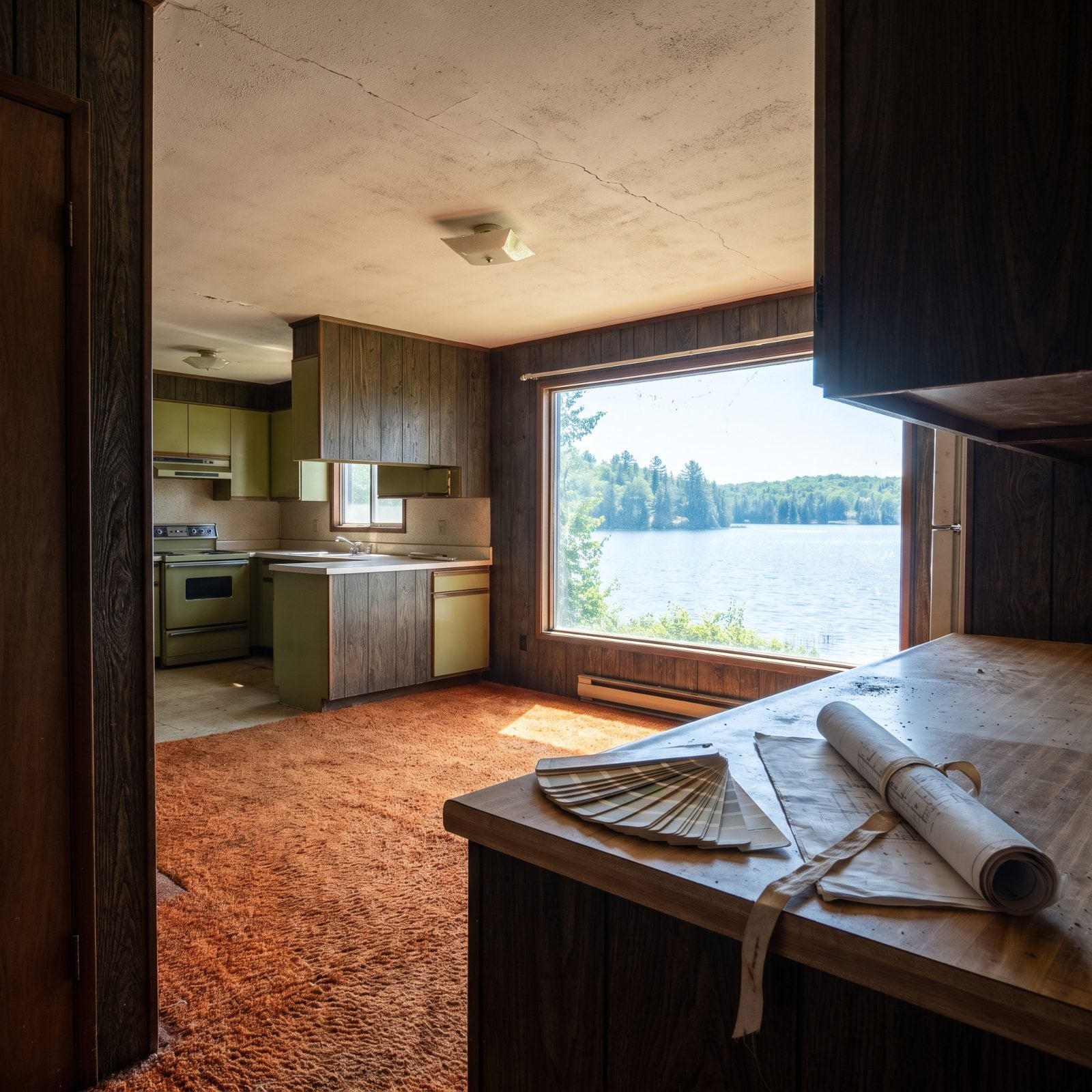
You don’t love the cabin. You love the cabin it could become. You walk through orange shag and avocado appliances, and instead of flinching you see the open-concept dream, the reclaimed wood island, the version that exists only in your head and on a paint-swatch fan.
This is the fixer-upper fantasy, and it has broken a lot of hearts, in real estate and in love alike. You’re not committing to what’s actually here. You’re committing to a renovation project you’re dead certain you can pull off — exactly what people do when they fall for someone’s potential instead of their reality.
Potential is not a feature. It’s a hope with a budget attached, and the budget is always double.
10. You Want Seclusion Until Groceries Are Forty Minutes Away
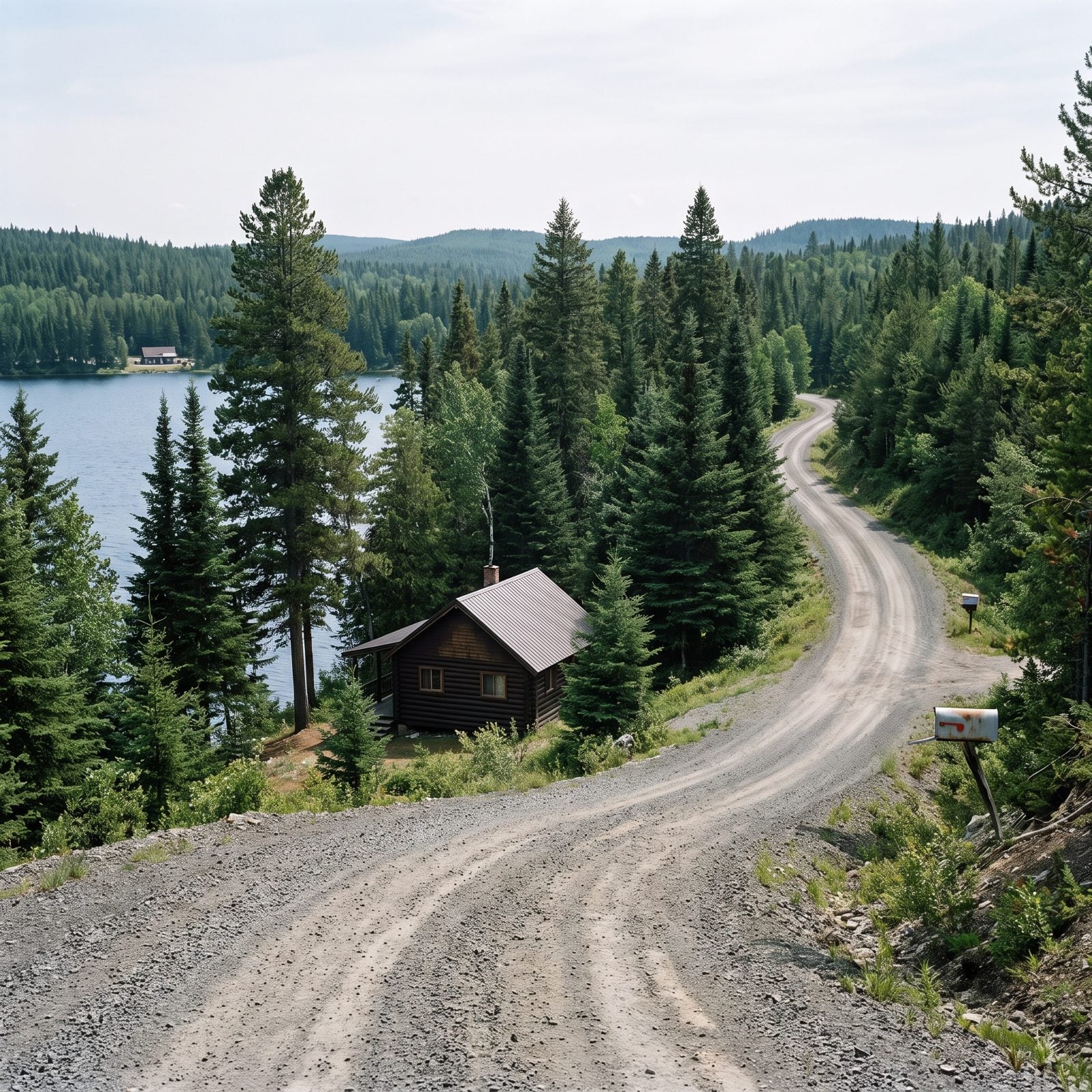
Privacy was the whole dream. No neighbors, no boat traffic, no headlights sweeping the ceiling at night. Just you, the loons, and total quiet.
Then you forget the milk, and “total quiet” becomes an eighty-minute round trip on a gravel road, and you start to understand why the previous owners left.
We romanticize distance until we actually have to live in it. Same with the people who crave total independence, swear up and down they want all that space, then feel lonely the minute they finally get it. What you want in the abstract and what you can tolerate day to day are two very different animals. The loons are wonderful. So is a store open past eight.
9. You Bring a Contractor When Your Heart Stops Listening
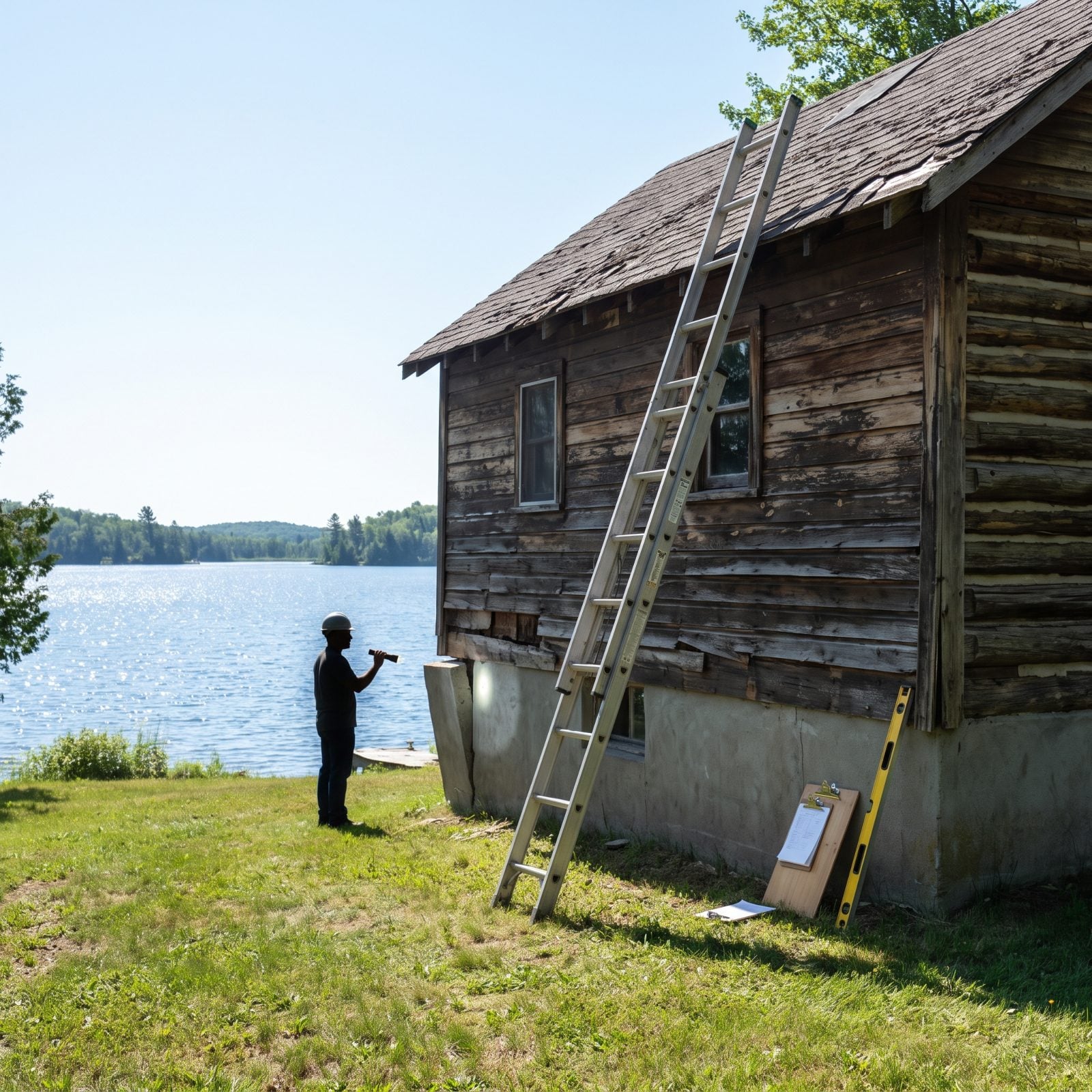
There comes a point in every obsession where you know you can’t trust yourself anymore. You love the place too much to see it clearly, so you bring a contractor — a cold-eyed professional whose only job is to notice everything your heart has decided to ignore.
Smartest move there is. It’s exactly what a good friend does for you in love, too: looks at the person you’re starry-eyed over and gently asks the questions you’ve stopped asking. The foundation. The patterns. The red flags you’ve repainted as quirks.
Outsourcing the judgment isn’t weakness. It’s just admitting that infatuation makes everyone a terrible inspector. You still get to decide. You just want someone sober holding the flashlight. If the contractor loves the cabin too, wonderful. And if he goes quiet and starts tapping the beams, listen harder than your heart wants to.
8. You Revisit After Dark to See Its Other Side
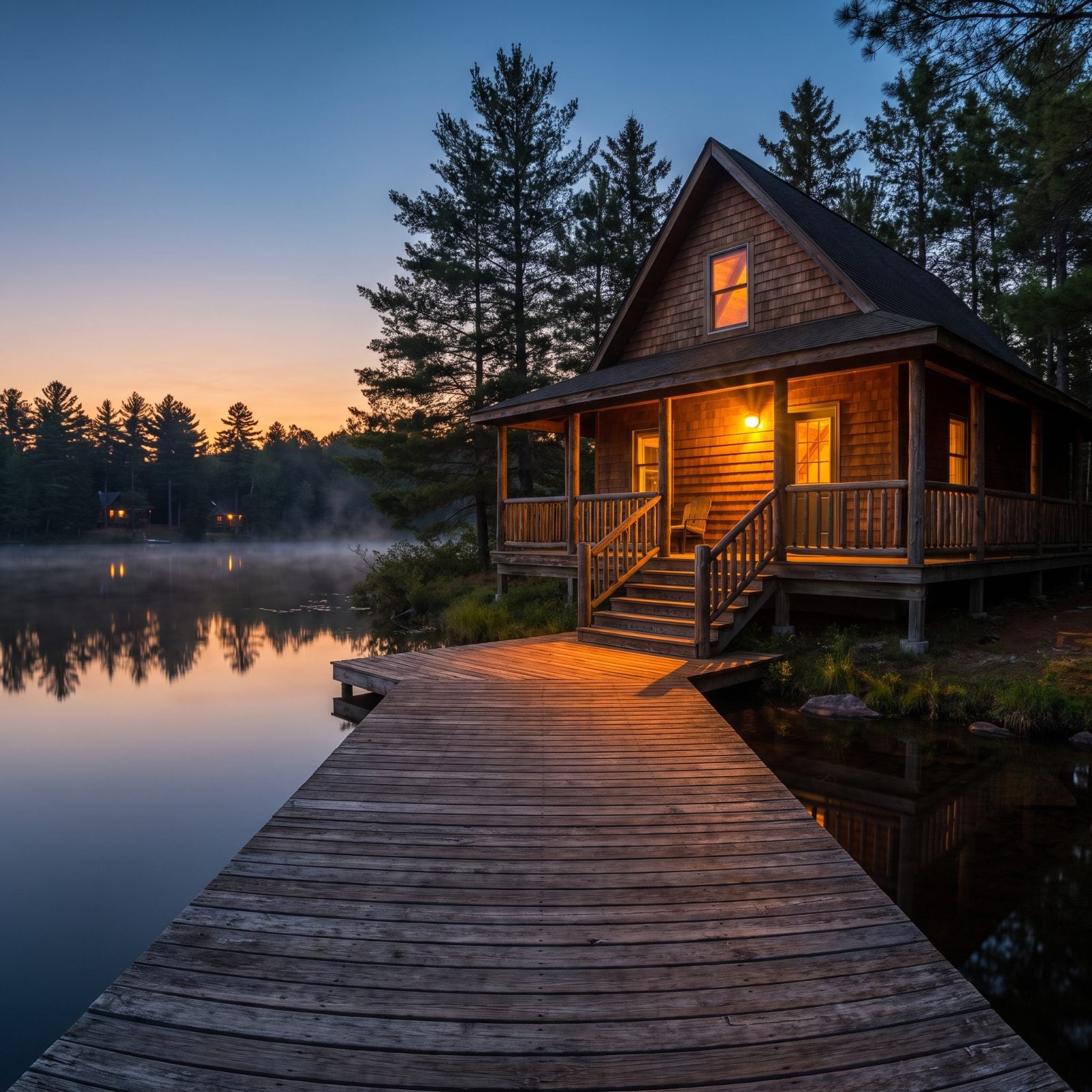
You saw it at noon. Sunlight on the water, loons calling, the realtor practically humming a tune. Then you drove back at nine on a Tuesday with your headlights off, just to sit in the gravel and watch. That’s the real test, and it’s the only one that counts. Does the place feel like home when nobody is performing for you?
Dating works the same way. Anyone can be charming over Sunday brunch, but you learn who someone actually is once the restaurant closes, the mood drops, and there’s nothing left to impress you with. Both cabins and people keep a daytime face and a nighttime one. Only one of them is telling the truth.
The psychology here isn’t complicated. We decide fast on a first impression, then spend weeks hunting for proof we were right — that’s confirmation bias, and the night visit is how you beat it. You go looking for the flaw before you fall too hard to see it.
7. You Check Property Lines Because Boundaries Matter Later
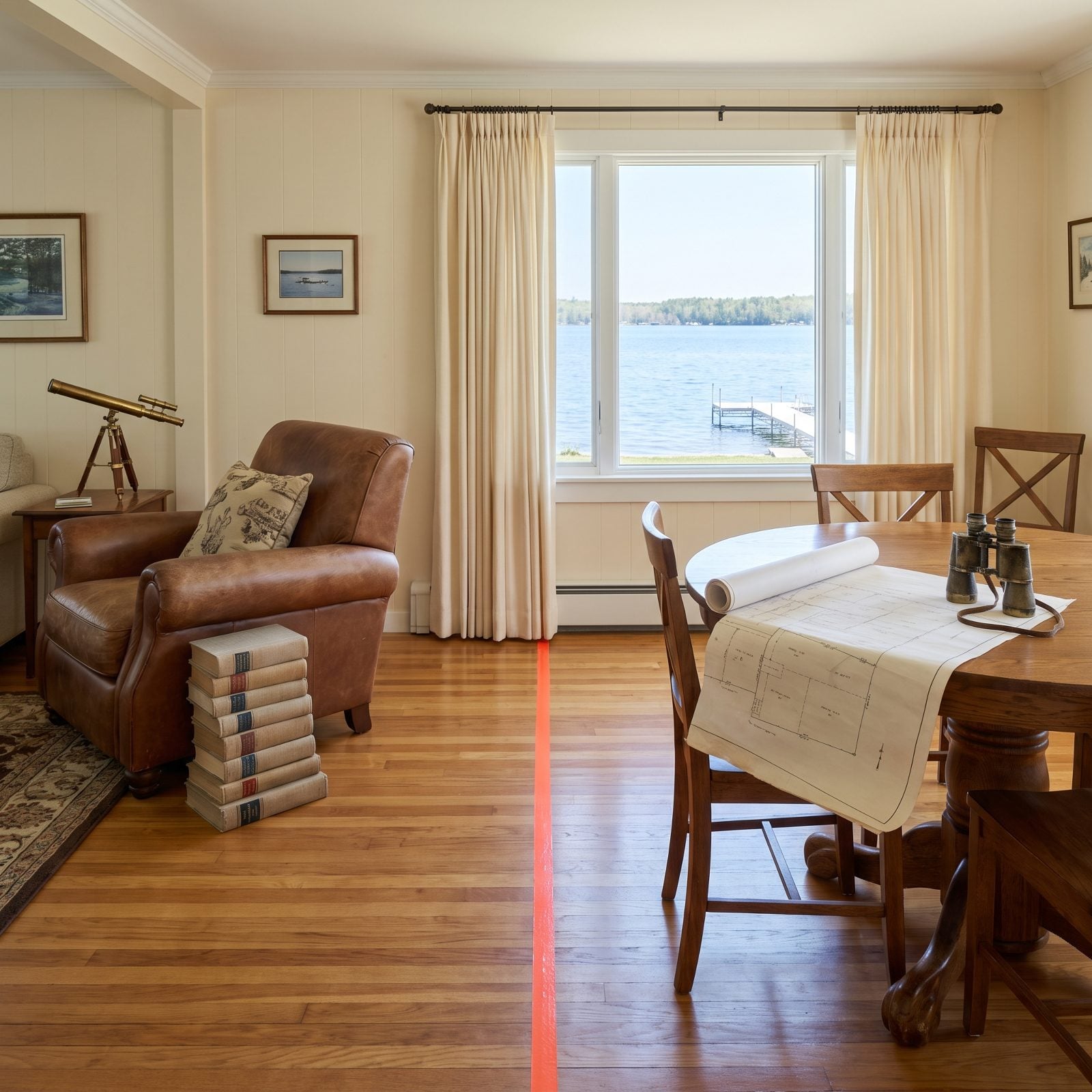
There’s a specific kind of buyer who shows up with the plat map, walks the orange stakes, and asks exactly where the lot ends and the neighbor’s begins. Not because they’re paranoid. Because they know the fights that come later are never about the lake — they’re about the strip of grass by the shed.
In relationships, this is the quiet work of sorting out what each person needs and won’t bend on. Money. Time with friends. How much silence is comfortable. Nobody wants the boundary conversation early; it feels unromantic, like you’re already planning for trouble.
Couples research says otherwise. The pairs who talk expectations up front tend to fight less about them down the line. Cabins too. That stake you shrug off in June becomes the lawsuit in September. Measure once, argue never.
6. You Meet the Neighbors Before Inheriting Their Dock Disputes
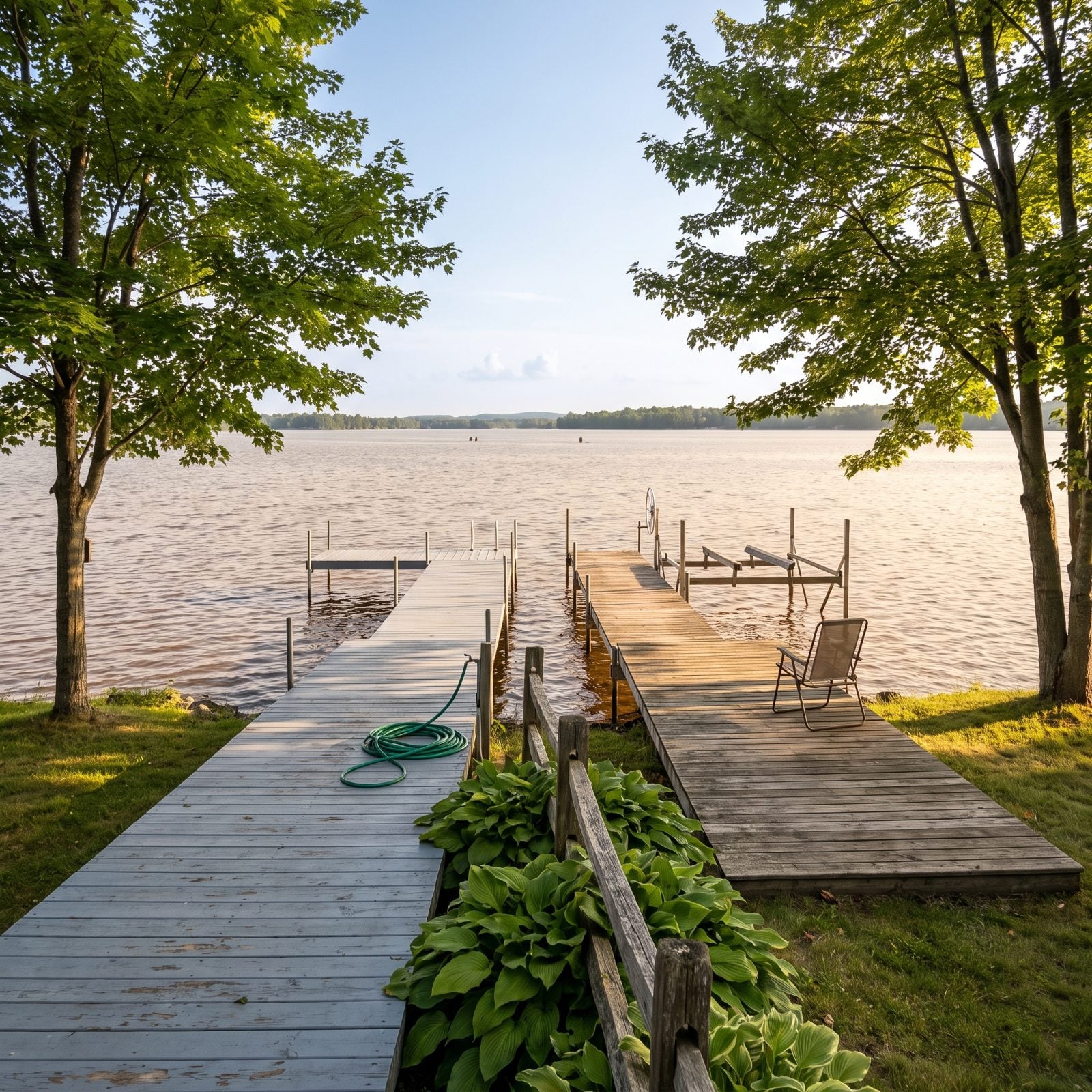
Smart cabin shoppers knock on the neighbor’s door before they sign anything. One conversation tells you things the listing never will — who leaves the generator running at 6 a.m., whether there’s a twenty-year feud over where the shared dock line sits, whether the guy on the left already has opinions about your future boat.
You do the same with a partner, even if you’d never call it that. You meet the family, you watch how the old friends treat each other, you read the whole ecosystem. You’re not marrying one person. You’re joining a cast of characters, and some of their history is now yours whether you like it or not.
Call it social proof running backward. Instead of asking whether strangers approve, you’re asking what the inner circle already knows that you don’t. The people who’ve been around longest have watched the bad weather roll through. Listen to them.
5. You Stretch the Budget Because This One Feels Like Forever
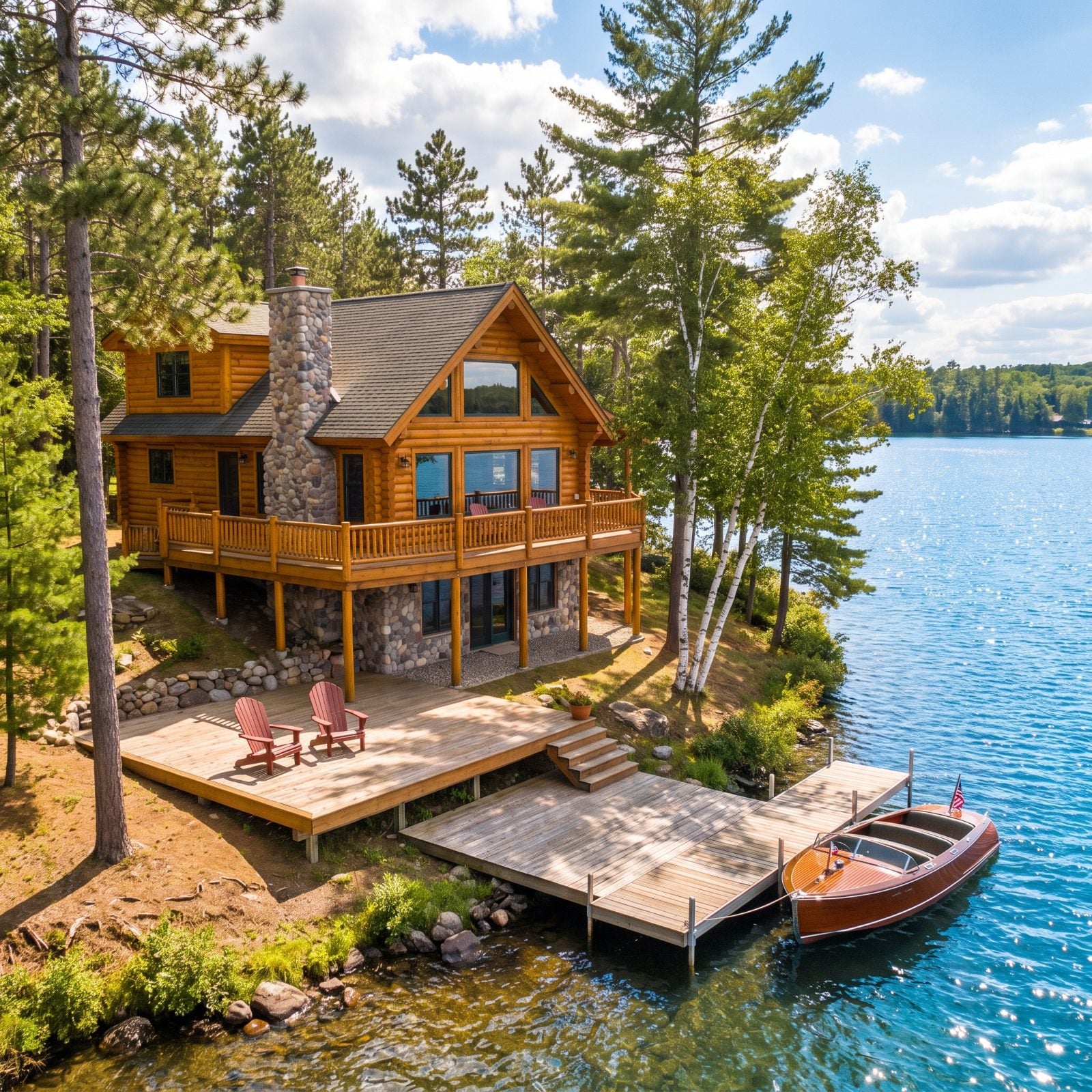
Every cabin hunt has the moment the spreadsheet gives up. You find a place thirty grand over your ceiling and suddenly your brain starts doing gymnastics. We’ll skip the new truck. We’ll rent it out two weeks a summer. This is the forever place, so the number quietly stops mattering the way it did on all those practical listings you toured last month.
Love runs the exact same math. The right person makes you rationalize the longer commute, the smaller apartment, the sacrifice you swore you’d never make. Forever reframes cost. Believe something is permanent and you stop counting pennies — you start counting decades.
Loss aversion is the engine under all of it. The pain of losing this one cabin, the one you can already picture Christmas in, outweighs the pain of the extra payment. Fine. Just know the feeling is doing the deciding, and feelings are famously terrible accountants.
4. Paying for an Inspection Makes Walking Away Much Harder
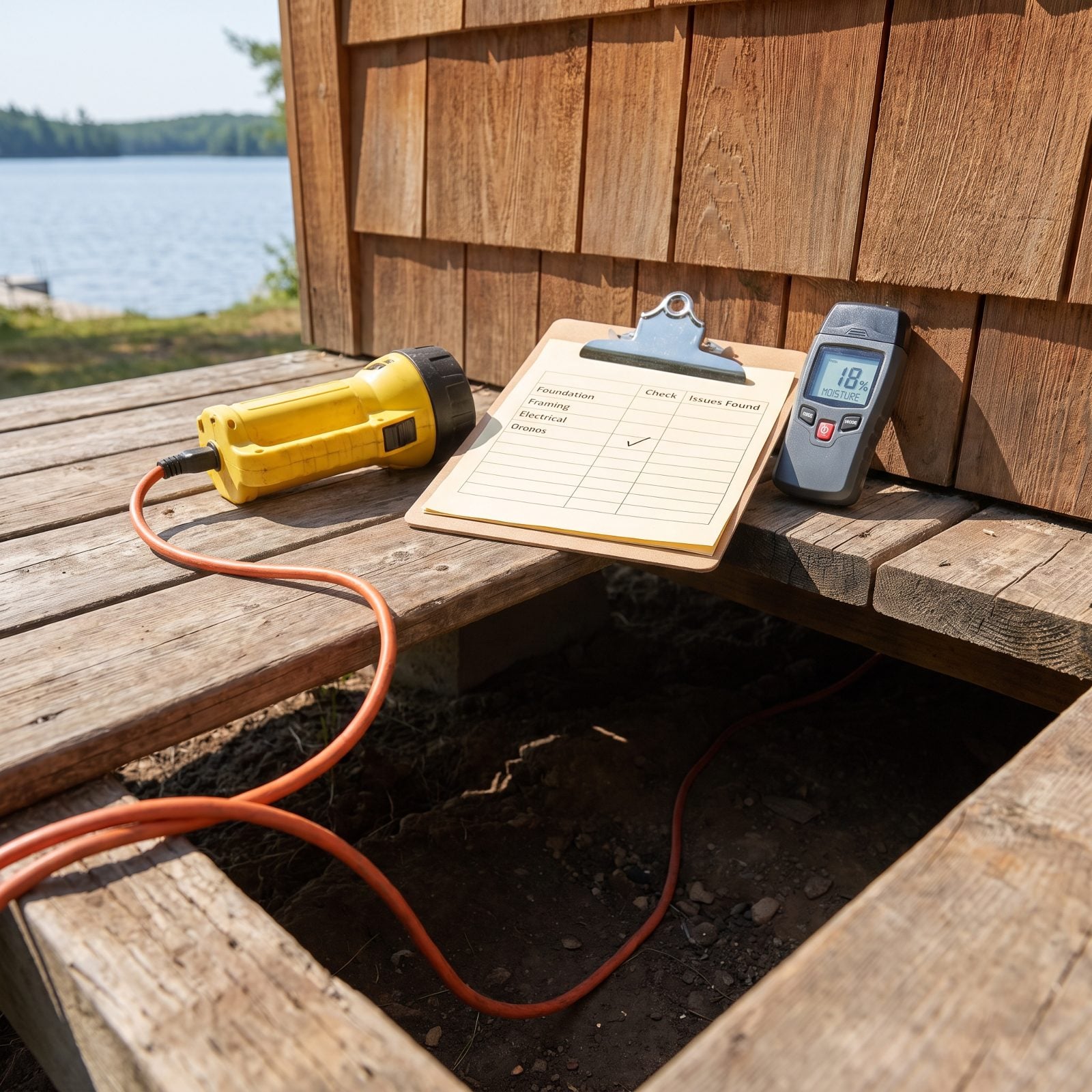
There’s the inspection fee, the septic test, the water sample. By the time the report lands in your inbox, you’ve got real money sunk into a cabin you don’t even own yet. And a funny thing happens. The cracked foundation starts reading as character, and the ancient electrical panel becomes a fun little weekend project.
That’s the sunk-cost fallacy, and it runs straight through romance too. You’ve given someone a year. The year is gone, you won’t get it back, and yet somehow that lost year becomes the reason you stay. We let what we’ve already spent decide what we do next — which is precisely backward.
The inspection exists to help you leave if the news is bad. Instead, the price of getting that news makes leaving feel like waste. The honest question is never how much have I put in. It’s whether you’d buy this today, knowing what you now know.
3. Six Friday Traffic Jams Change How Distance Feels

On paper the drive was ninety minutes. The first few Fridays it felt like nothing — windows down, podcast on, the whole weekend stretched out ahead of you. Then came the summer traffic, the roadwork, and that one bridge that backs up every single week without fail. By August the ninety minutes feels like three hours and you’re quietly rethinking the entire thing.
Distance in a relationship pulls the same trick. The long-distance arrangement is electric at first, every reunion its own small holiday. Then the airport runs pile up. The Sunday night goodbyes wear thin. The exact same number of miles starts to feel impossible.
Nothing about the distance changed. You did. That’s hedonic adaptation — the novelty burns off, the shine fades, and what once felt like adventure settles into plain cost. The question for a cabin and a person turns out to be identical. When the thrill is gone, is the thing still worth the drive?
2. The First Roof Leak Ends the Lakeside Honeymoon
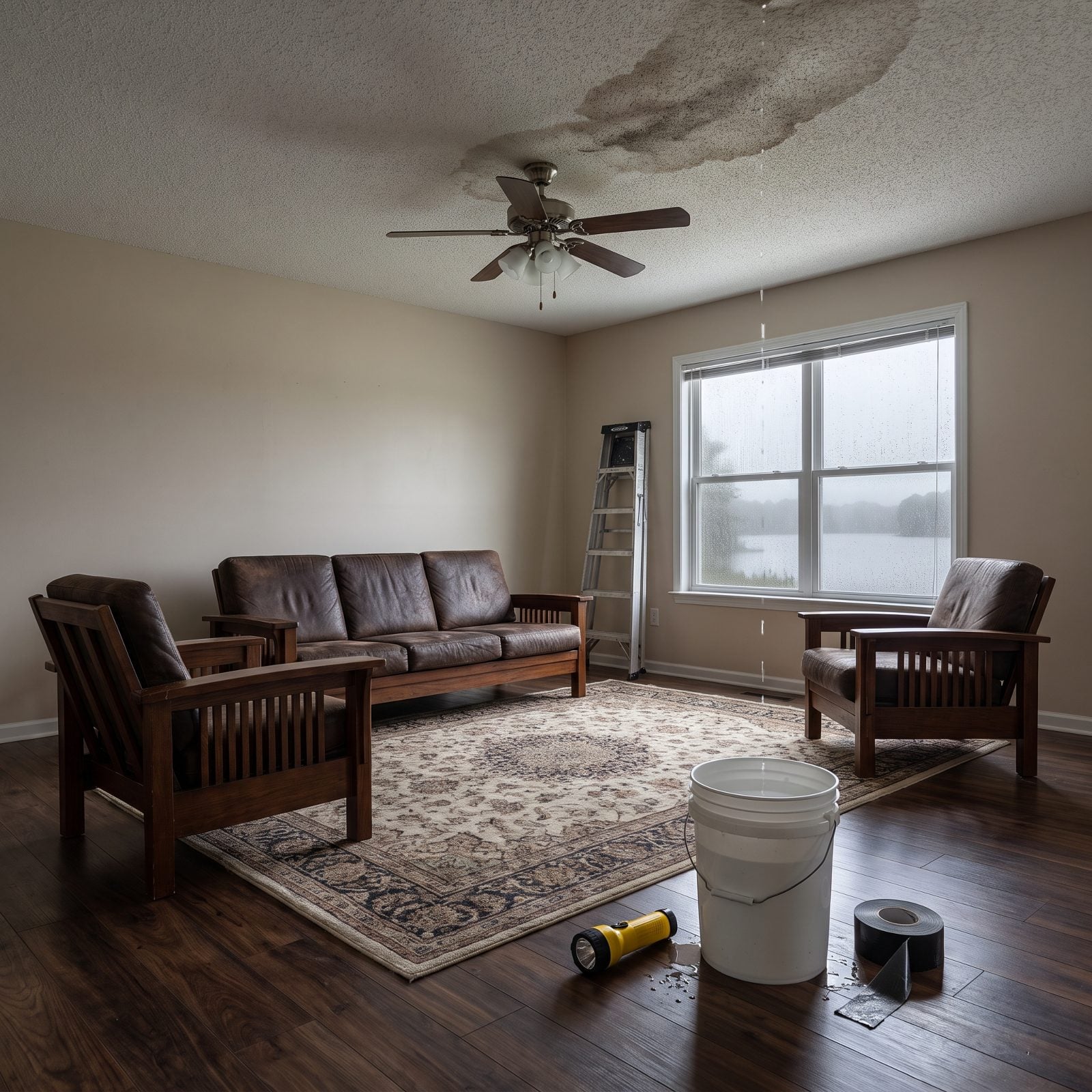
The first big rain after closing is when you find out what you actually bought. The drip in the middle of the living room. The stain spreading across the white popcorn ceiling you never thought twice about. And there you are on a gray, rainy afternoon with a bucket, thinking about every Instagram photo of this exact ceiling, back when it was perfect and yours and the smartest decision you’d ever made.
Every relationship has this day too — the first real fight, the first crisis that’s nobody’s fault, the moment the fantasy cracks and ordinary trouble leaks in. The honeymoon doesn’t end with a bang. It ends with a problem you can’t wish away.
What’s worth holding onto, because it goes for both: the leak isn’t the end. The place you truly love is the one you choose all over again after the first repair, not the one you fell for before any rain ever fell. The honeymoon was never the point. The roof you patch together is.
1. You Keep Browsing Listings After Finding the Right Cabin
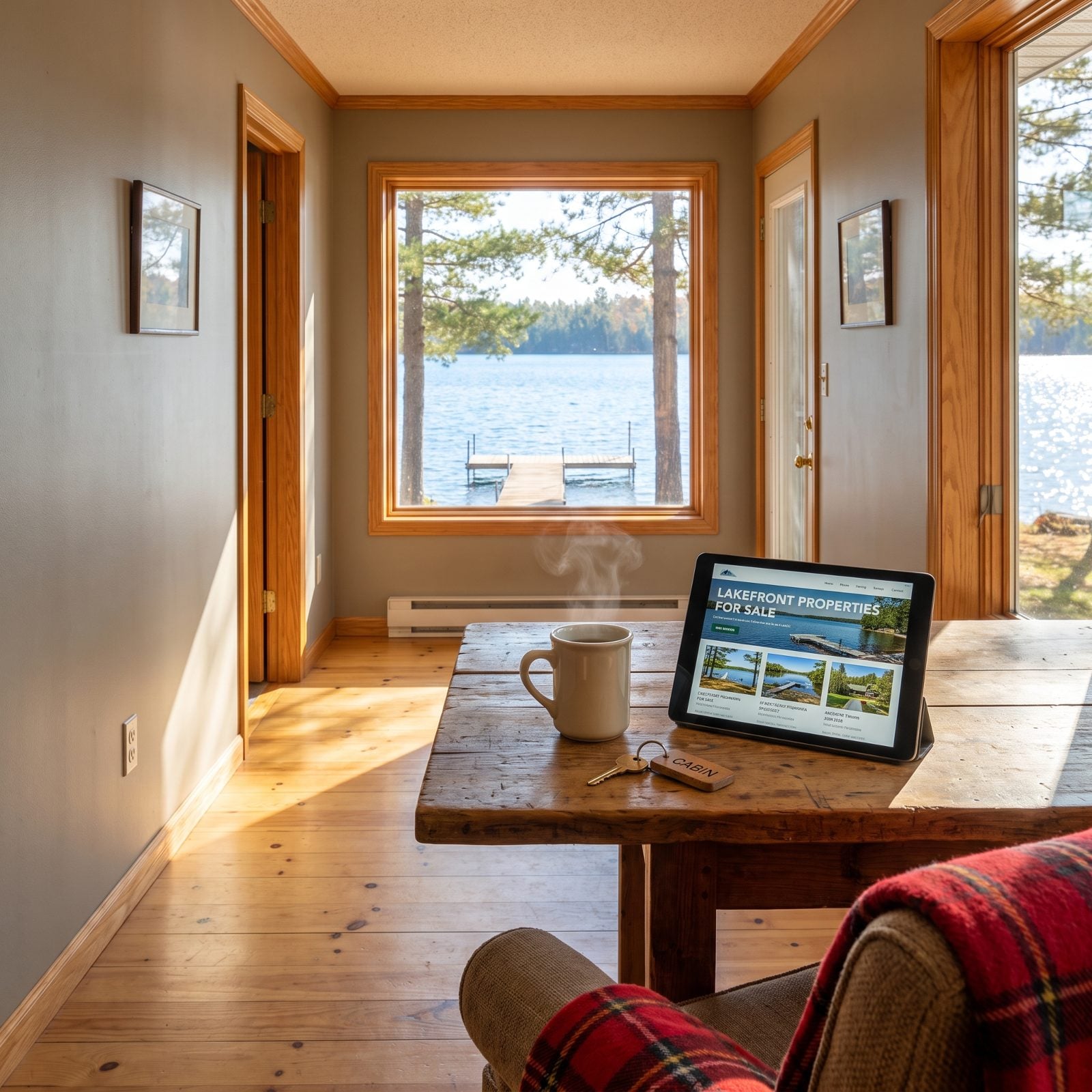
You bought it. Papers signed, dock yours, coffee somehow better on your own porch. And still, two weeks later, there you are scrolling listings again. Just looking. Just to see what else was out there. Just in case something a hair better pops up on the far cove.
People do this with partners too, and honestly it’s one of the least flattering things about us. The ink is dry and some stubborn corner of the brain keeps the browser tab open, scanning for an upgrade that was never going to exist.
This is the paradox of choice gone chronic. More options should make us happier. Instead they make us second-guess the good thing already sitting in our hands. The satisfaction research is blunt about it — the people who commit, close the tab, and quit comparing end up happier than the ones who keep one eye on the market.
The cabin you own beats the cabin you keep imagining. So does the person.
Close the laptop. Go sit on the dock. You already won.