
Nobody warns you that buying a cabin on the water does something strange to the part of your brain that used to decide who to marry. You open a real estate app meaning to kill twenty minutes before dinner, and three hours later you’ve got forty tabs open, strong opinions about a dock you’ll never see in person, and a weird resentment toward a seller who hasn’t even rejected you yet.
The same wiring that steered you through every crush and every long haul is the wiring you bring to a listing. We fall for the photos, talk ourselves into damp basements, and want the one that doesn’t want us back. What follows is a tour of those familiar human tricks lined up against the house hunt. You’ll see yourself in at least half of them, and probably wince at a couple.
Please note that some of the imagery in this article may have been enhanced with the assistance of AI.
16. You Swipe Past Great Cottages With Terrible Listing Photos
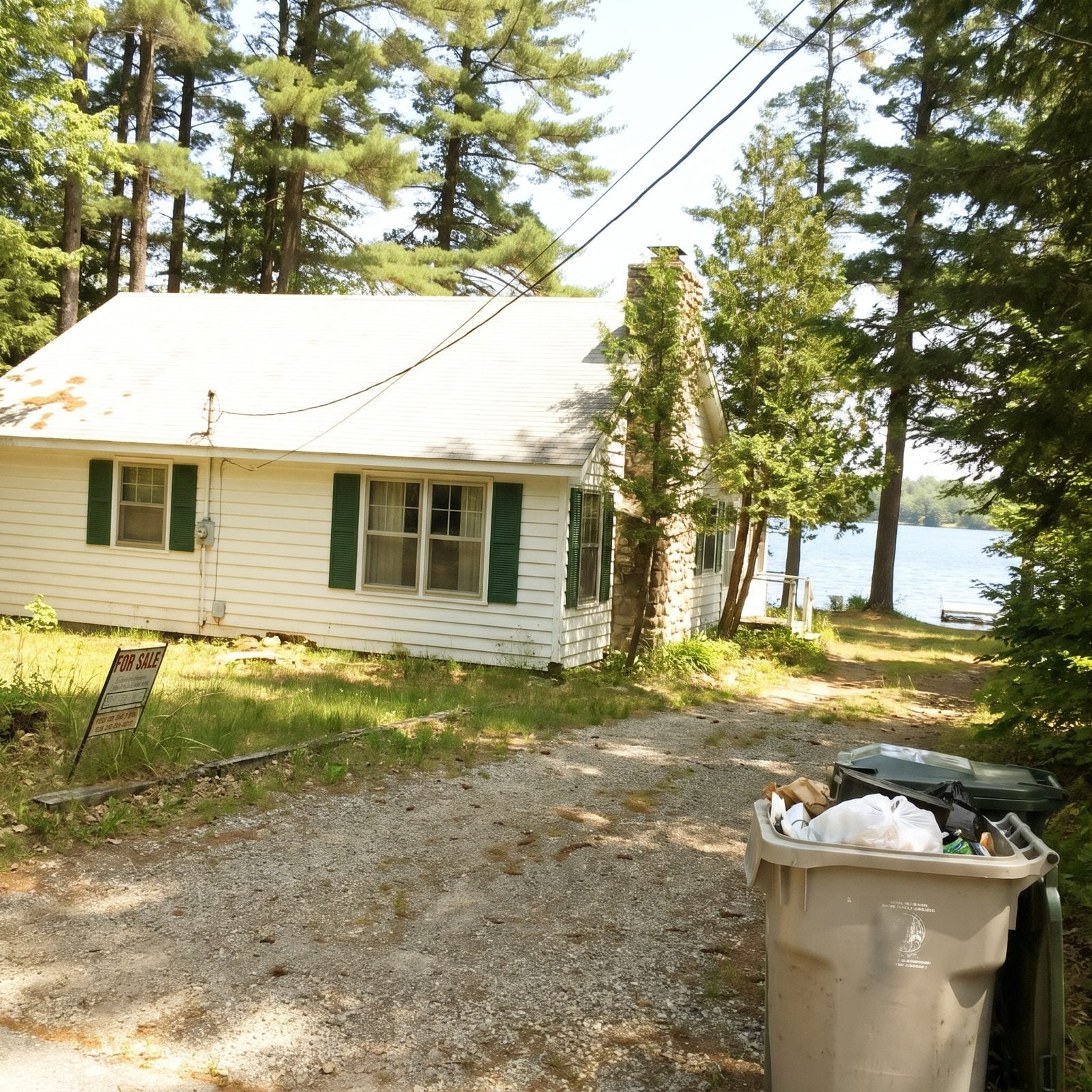
The cottage is perfect. Great bones, deep lot, tall pines that have been shading that lawn since Eisenhower. But the listing photo was shot at noon with a trash can in the frame and the house tilted like it’s had a few, so you scrolled right past without a second thought.
You’ve done this with people too — the lovely one in the group photo, standing next to the flash, caught mid-blink, and you decided in half a second there was nothing there. We judge on the thumbnail. One bad image and the brain assigns bad everything, including qualities the photo can’t even show.
The fix is boring and it works. Read the listing before you trust the picture. The best place on the lake is almost always the one with the worst photographer.
15. Fifty Browser Tabs Make Every Cottage Feel Slightly Wrong
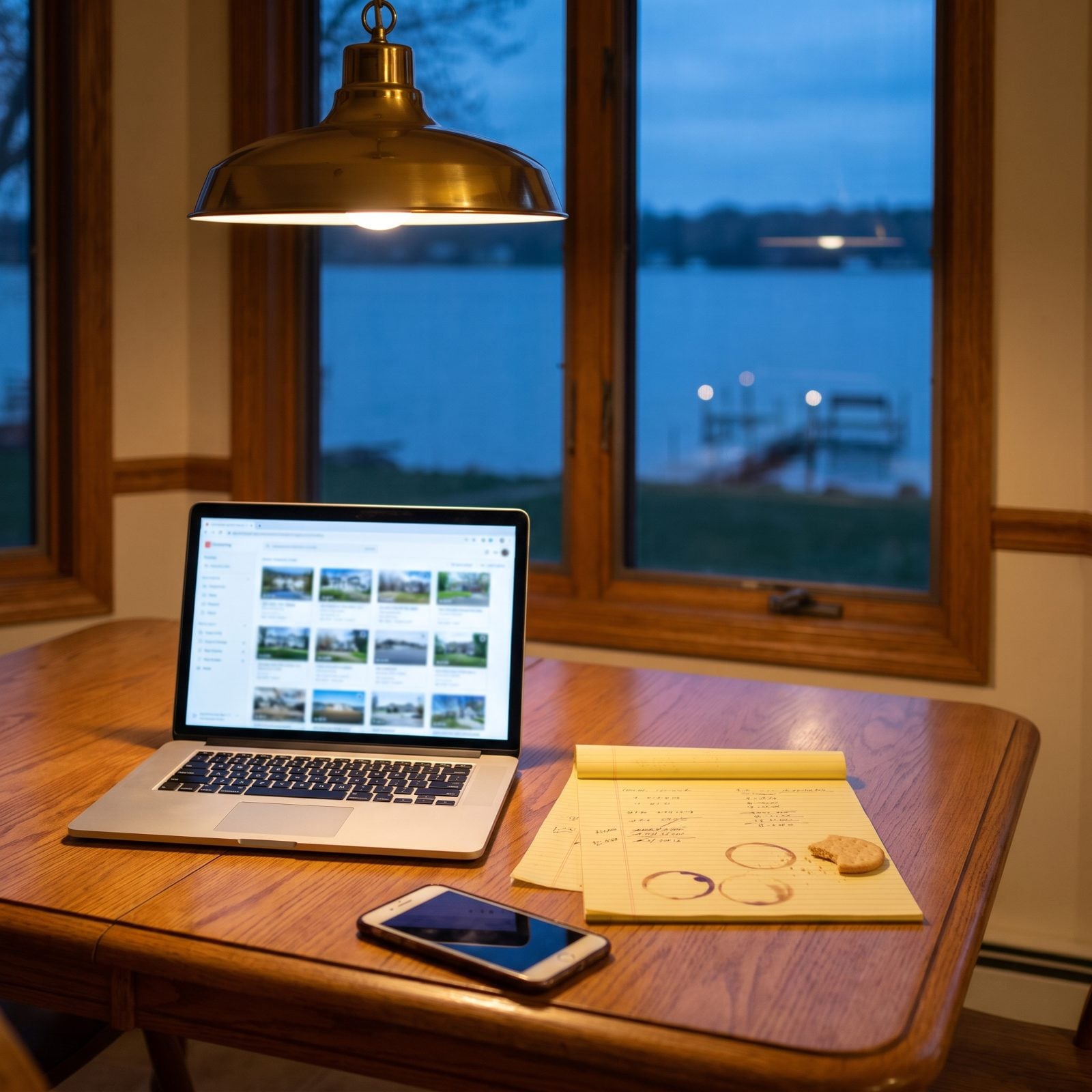
Forty tabs in and something strange happens: every cottage develops a flaw. That one has a small kitchen. This one is a touch far from town. The dreamy one on the point? The dock faces the wrong way, apparently — a thing you didn’t care about until tab twenty-nine.
Dating apps pull the identical trick. When the next option is always one swipe away, the person in front of you stops being a good match and becomes a list of reasons to keep looking. Economists call it choice overload, and it doesn’t make us happier. It makes us pickier and more miserable, both at once.
The paradox is cruel. More options should mean a better outcome, but instead you lose the ability to commit to any of them, because committing means closing all the other tabs and admitting the grass over there was never greener. It was just unseen.
Pick your three real deal-breakers before you open the app. Everything else is noise you invented at 11 p.m.
14. Three Damp Cabins Make the Dry One Feel Luxurious
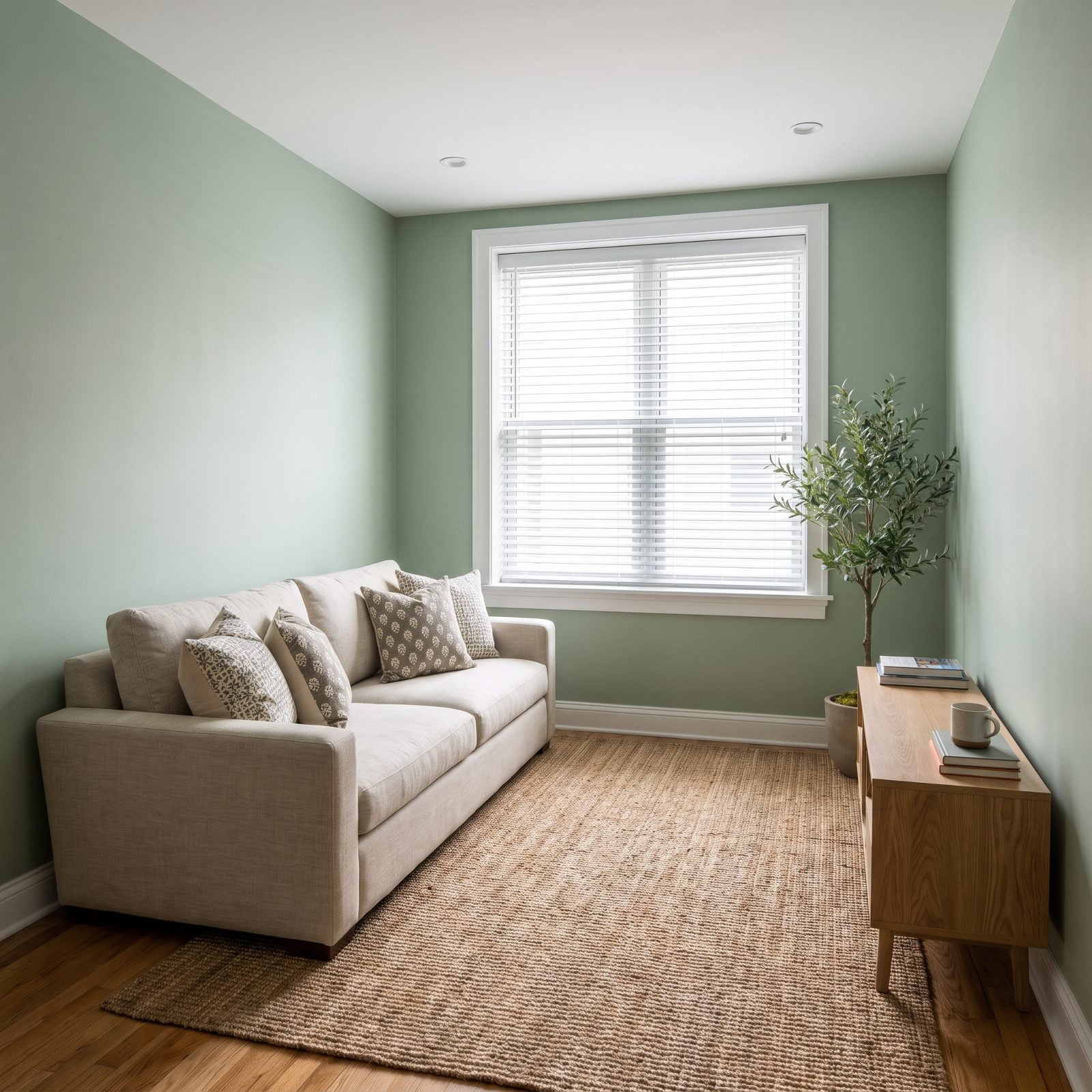
Your agent is smarter than you think. A good one shows you the musty one first, then the dark one, then the one with the questionable smell near the water heater. By the fourth stop, a perfectly average cabin with dry floors and a working window feels like a palace.
Matchmakers and well-meaning friends run this play too. A couple of forgettable setups, then the decent one, and suddenly decent reads as destiny. Call it the contrast effect. It works because the brain doesn’t measure anything in absolutes — it measures against whatever came right before.
Judge the dry cabin on its own merits, in daylight, on a day you haven’t just toured a swamp.
13. One Perfect Dock Makes You Forgive a Cracked Foundation
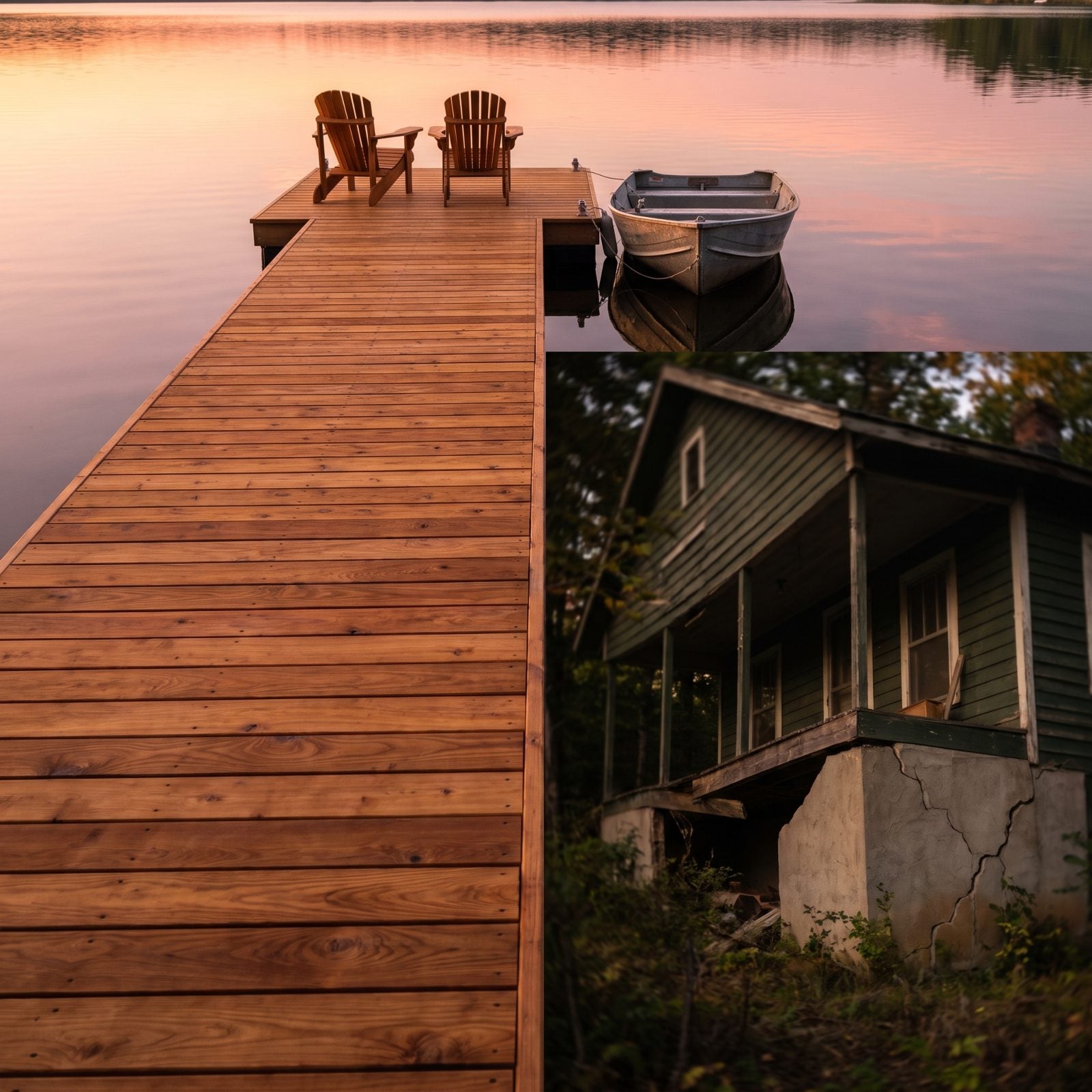
You walk to the end of the dock and that’s it. The water’s like glass, the sun’s dropping behind the far shore, and you’ve already picked the chair you’ll drink coffee in. Back at the house there’s a crack in the foundation you could lose a quarter in — but who’s looking at the house.
We do this with people constantly. One dazzling quality — a laugh, a kindness, a way they make a room feel — and we wave off three red flags because the good thing is so good. The halo effect: a single shining trait spills its glow over everything nearby, including the parts that haven’t earned it.
The dock is the laugh at the dinner party. The foundation is who they are at 7 a.m. on a bad week.
Both matter. One just arrived first, dressed better, and started telling you a story you wanted to believe. Hire the inspector anyway.
12. Summer Spark Makes You Forget the Lake Freezes in January
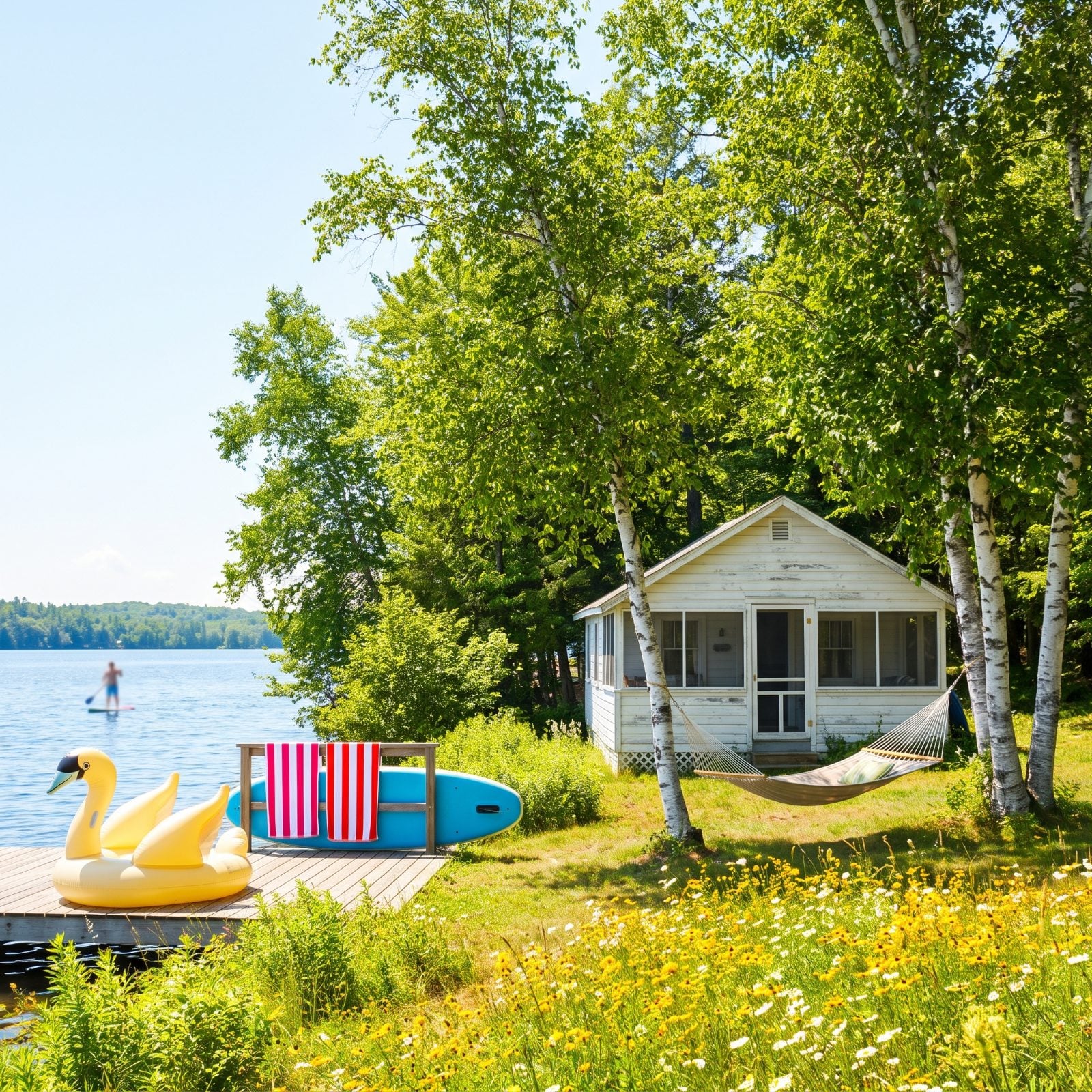
July sells cabins. The water’s warm, the ice cream shop in town is open till ten, the loons are doing their thing, and you sign something while your flip-flops are still damp. Nobody shows you the same spot in late January, when the lake is a white sheet, the road isn’t plowed past the turnoff, and the nearest open gas station is a long, cold drive away.
Every whirlwind romance that fell apart by autumn ran on the same fuel. We fall for the season we meet a thing in. There’s even a name for it — projection bias, the quiet assumption that how we feel right now is how we’ll feel always.
Visit in the off-season if you can. Drive the road in bad weather. Ask what January actually costs. The summer you fell for is real. It’s just one quarter of the year.
11. You Plan Grandkids’ Summers During the First Showing
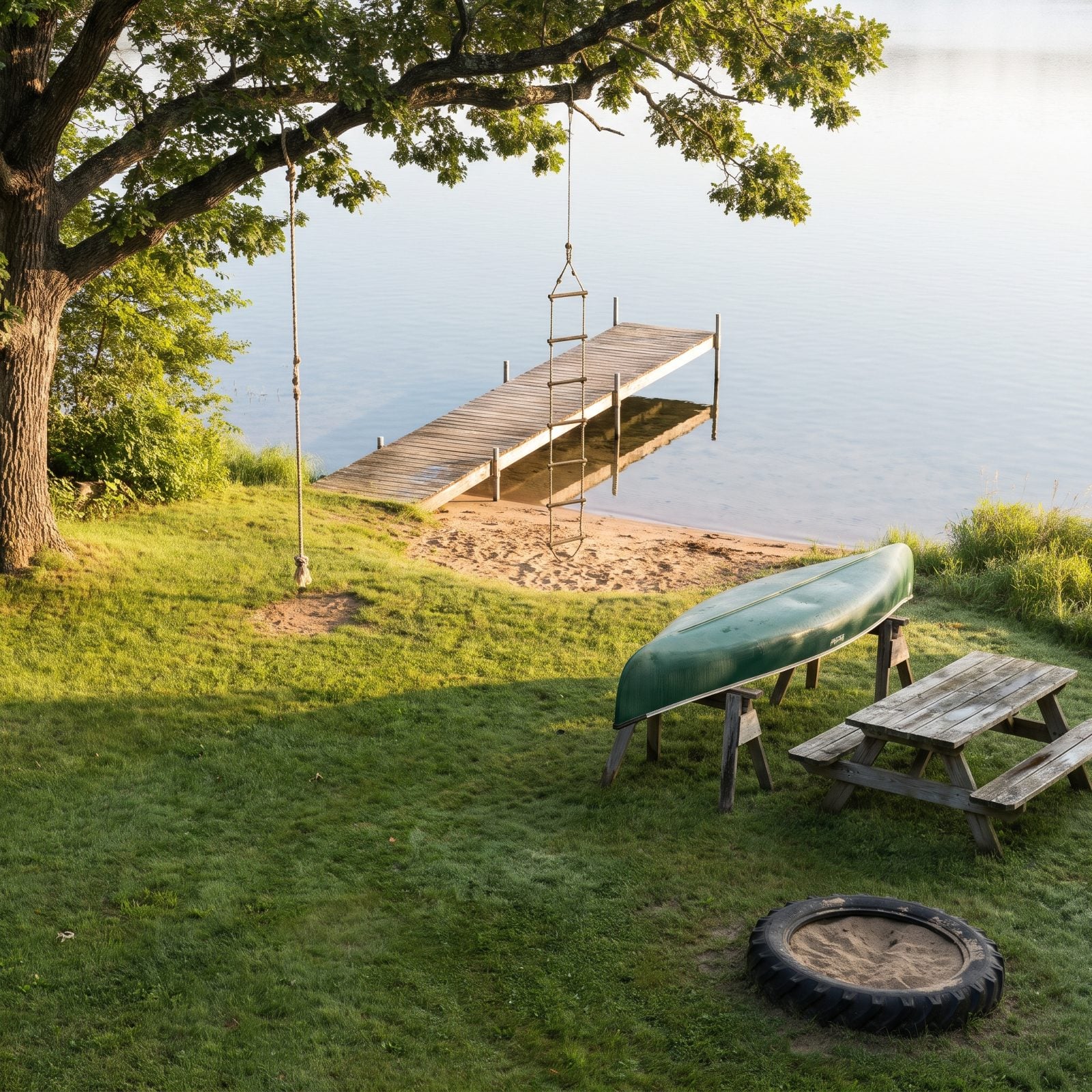
You’re fifteen minutes into the first showing and you’re already there: grandkids off the dock on a July morning, a long table under the oak, you handing out corn on the cob to people who, as of right now, exist only in your head. The seller mentions the asking price and it barely lands. You’ve emotionally moved in.
This is the cottage version of planning a wedding on a second date. Once we picture a future, we start acting like we already own it, and letting go of that imagined life feels like a real loss. Psychologists call the ownership version the endowment effect. We overvalue what feels like ours, even when it’s still just a daydream and somebody else’s name is on the deed.
The imagined future is a terrible negotiator. It makes you overpay, overlook, and overcommit, all to protect a summer that hasn’t happened yet. Enjoy the daydream. Just don’t let it sign the offer — those are supposed to be two different people.
10. A Bidding War Makes an Ordinary Cabin Suddenly Desirable
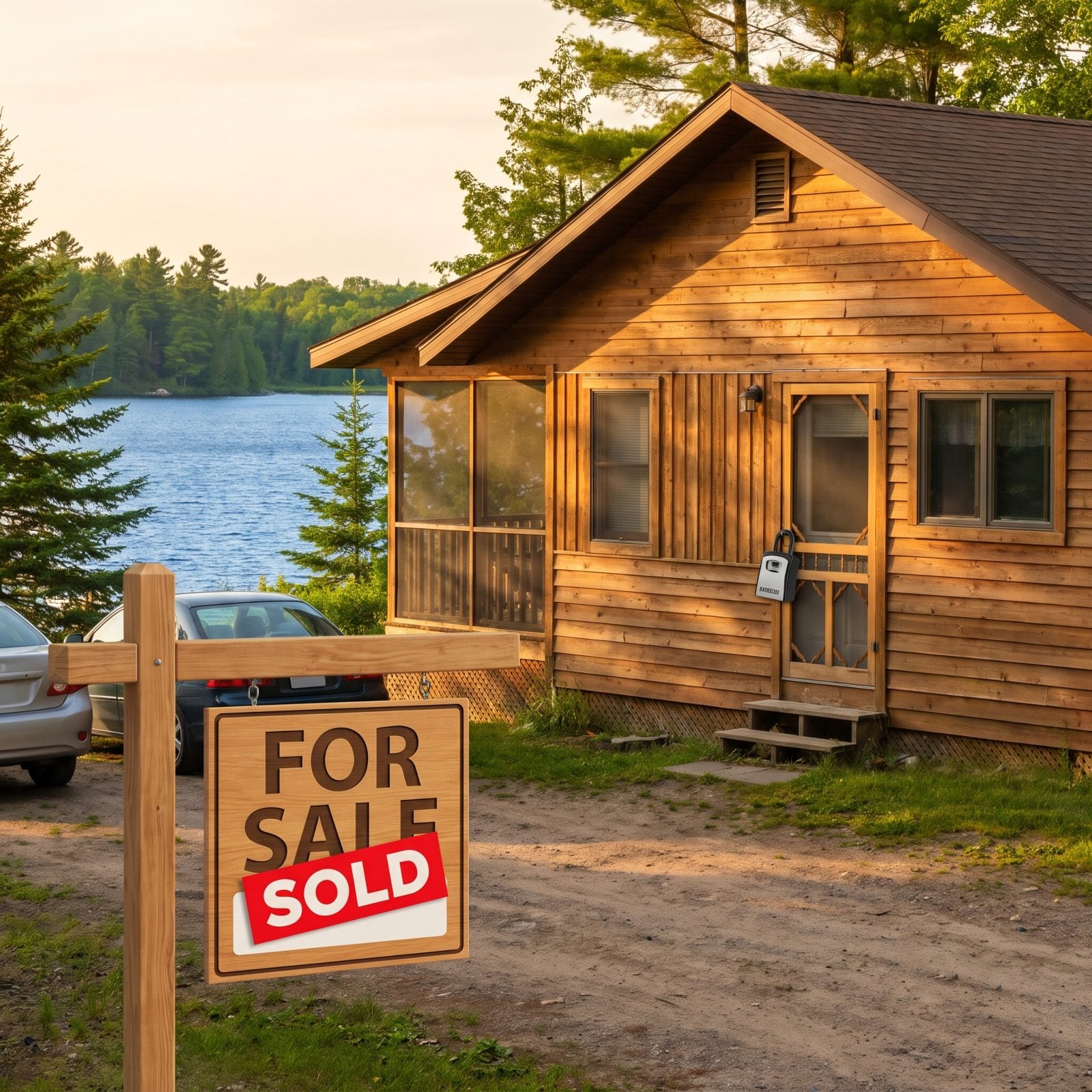
You toured it Tuesday and shrugged. Fine cabin, nothing special, you’d think about it. Then your agent calls Thursday: three other offers, one over asking, better decide tonight. Suddenly this very average cabin is the only thing you’ve ever wanted, and you’re reaching for a number that would have made Tuesday-you laugh.
We want what other people want. Watch how a person who was “just a friend” becomes urgently fascinating the second someone else shows interest. That’s social proof shaking hands with scarcity, and together they’re a mugging. If everyone wants it and there’s barely any left, the brain decides it must be worth more — no actual new information required.
Decide your top number before the war starts. Write it down. Then don’t let a stranger’s offer rewrite it.
9. You Want the Lake More Once the Seller Rejects You
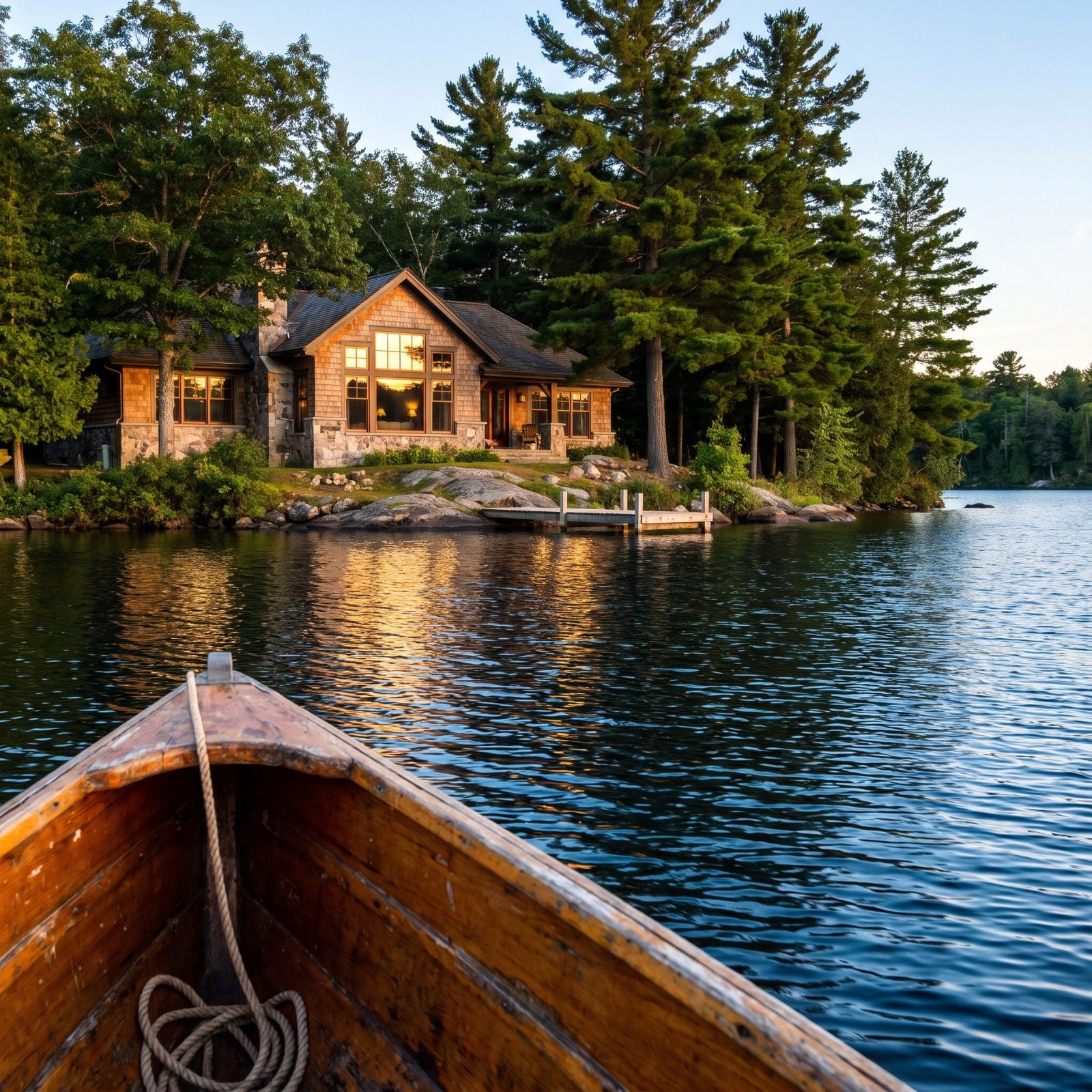
You made a fair offer. The seller said no, countered high, then accepted someone else’s. And now that cabin, the one you were lukewarm on a week ago, is the only property on earth. You drive past it. You check whether the deal fell through. You are, frankly, a little pathetic about it, and you know it.
Every unrequited crush you ever had worked exactly like this. The second something becomes unavailable, it becomes irresistible. Reactance, the psychologists call it — tell us we can’t have a thing and we want it harder, not because it got better but because our freedom to choose it got taken away.
Here’s the trap. The longing feels like proof you truly wanted it all along. It isn’t. It’s mostly your ego bruised and your options narrowed, dressing up as true love.
Give it a week. If you still ache for it when three other good ones are available, maybe it was real. Usually, it just wanted to be chased.
8. Your Parents’ Verdict on the Shoreline Still Gets a Vote
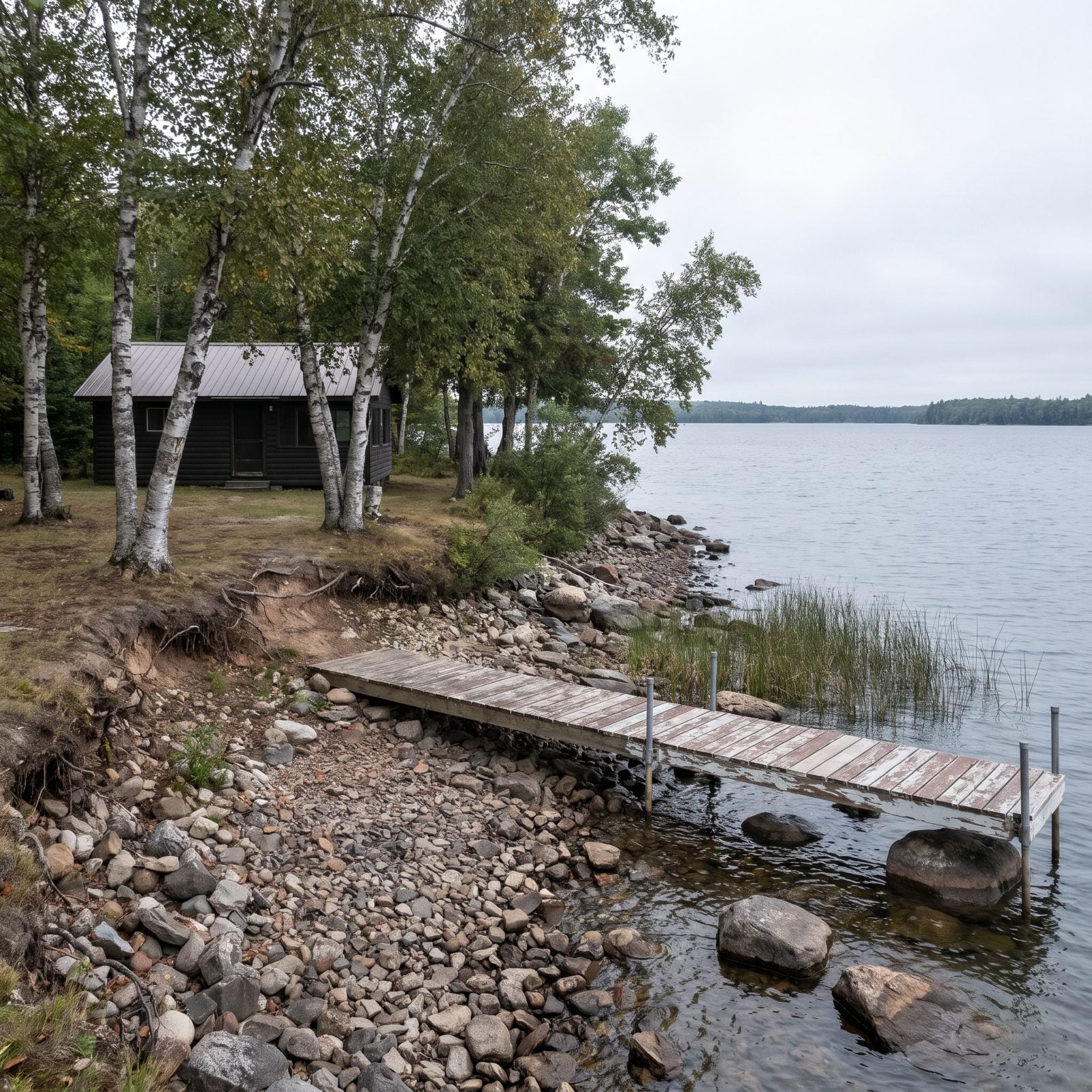
You’re sixty-two years old and you still send the listing to your parents, or to the sibling who has opinions, before you let yourself love it. One remark about the “rocky shoreline” or the “long drive” and the whole thing wobbles. Approval you stopped technically needing decades ago still has a seat at the table.
Same as every partner we’ve ever quietly measured against what the family would think. We’re social animals, and the pull toward the group’s blessing is wired deep — older than mortgages, older than dating. That nod of approval releases something that just feels like being safe.
The people whose opinion you want aren’t the ones who’ll drink coffee on that dock at dawn. You are.
Listen to the practical stuff. A relative who spots a drainage problem is doing you a favor. But a verdict on whether the place will make you happy? That one’s yours, and it always was.
7. You Stretch for the Famous Lake Nobody Lets You Forget
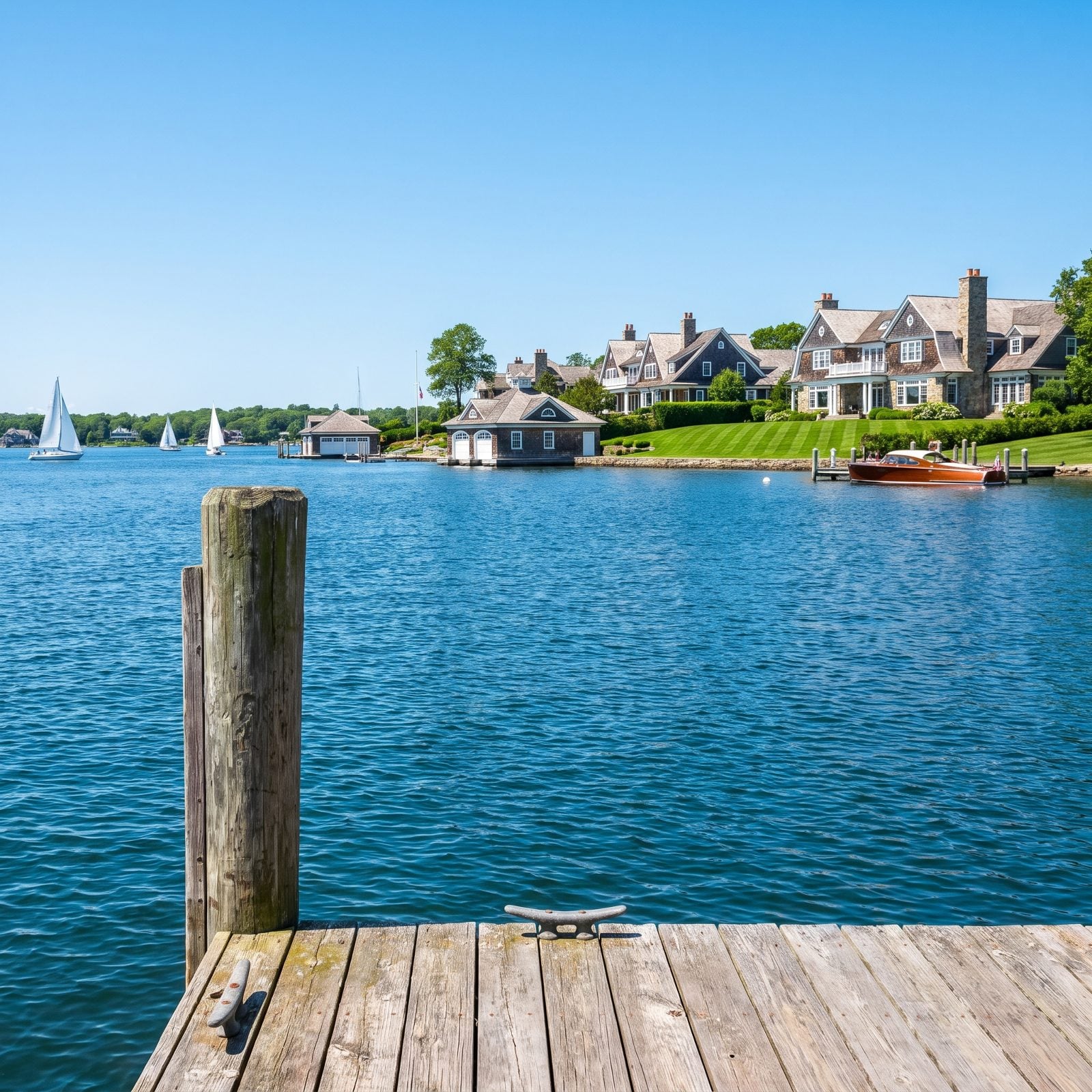
There’s the lake, and then there’s The Lake — the one your whole circle has heard of, the one that comes up at every dinner, the one where owning anything at all is a sentence people finish for you. And so you stretch. You’ll consider a smaller, worse place on the famous water over a wonderful one on the lake nobody can pronounce.
We’ve all watched someone pick the impressive partner over the right one, chasing the version that photographs well and sounds good out loud. Status signaling, plain as day. You’re not only buying a cottage. You’re buying the sentence you get to say about where your cottage is.
And here’s what nobody warns you about. After the first summer, nobody’s impressed anymore, including you. The dock stops being a brag and goes back to being a dock. Buy the dawn coffee, not the dinner-party line. The quiet lake sleeps better.
6. You Return to the Same Lake Because Familiar Feels Right
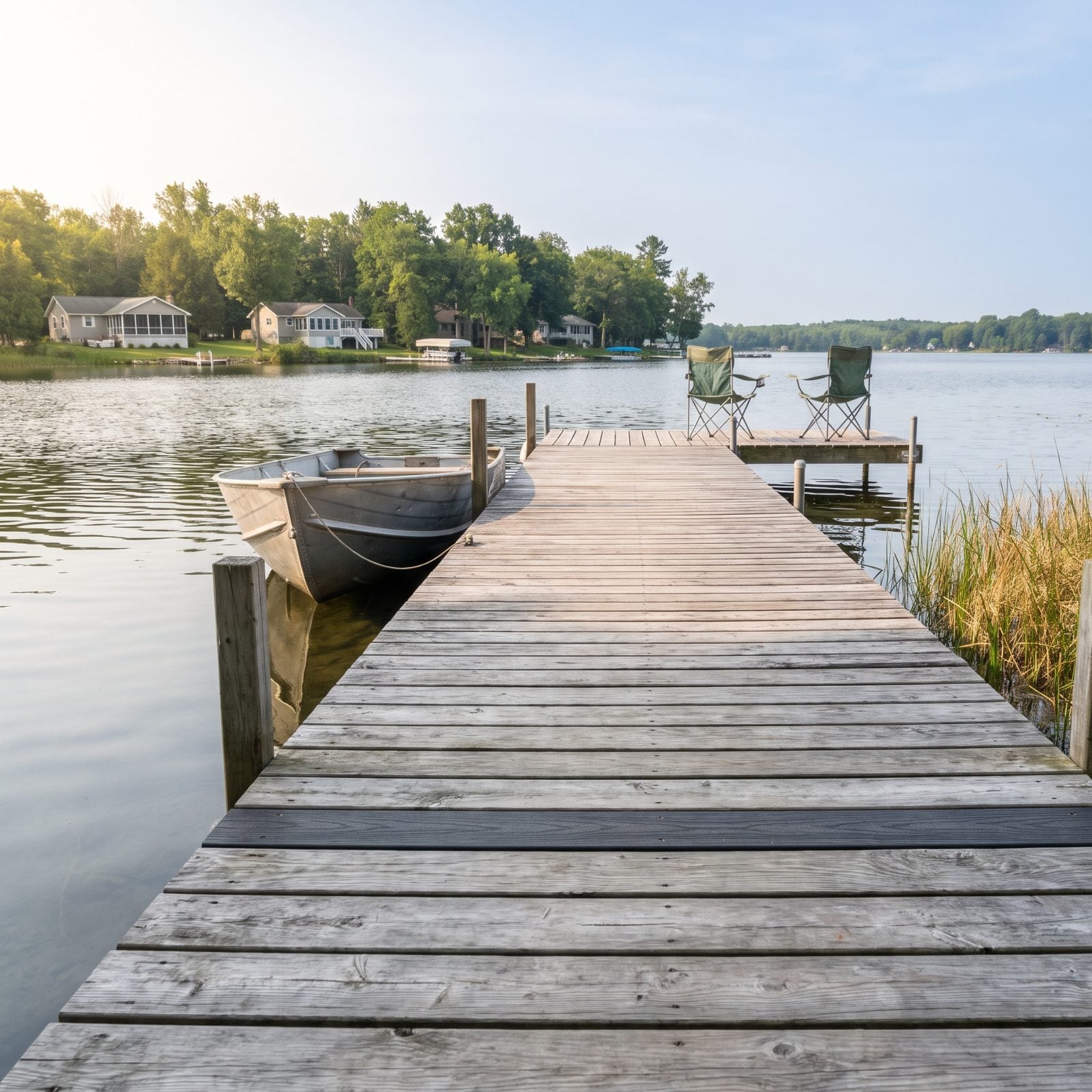
You could buy anywhere. The whole state is dotted with lakes you’ve never fished. And yet every spring you find yourself scrolling listings on the same water you’ve circled for fifteen years, the one where you know which boat ramp floods and which bait shop closes at two.
It’s the romance you keep going back to, and not because it’s the best lake by any measure. It’s the known one. Your brain treats familiarity as a stand-in for safety, which psychologists call the mere-exposure effect: the more we see a thing, the more we like it, for no better reason than we’ve seen it before. A cove you’ve watched the sun set over a hundred times feels like home even when a prettier one sits an hour north.
The catch is the same catch as in love. Familiar and right aren’t synonyms. Sometimes the lake you keep returning to is genuinely yours. And sometimes you’re just scared of learning a new shoreline.
5. You Compare Every New Cottage to the One You Lost
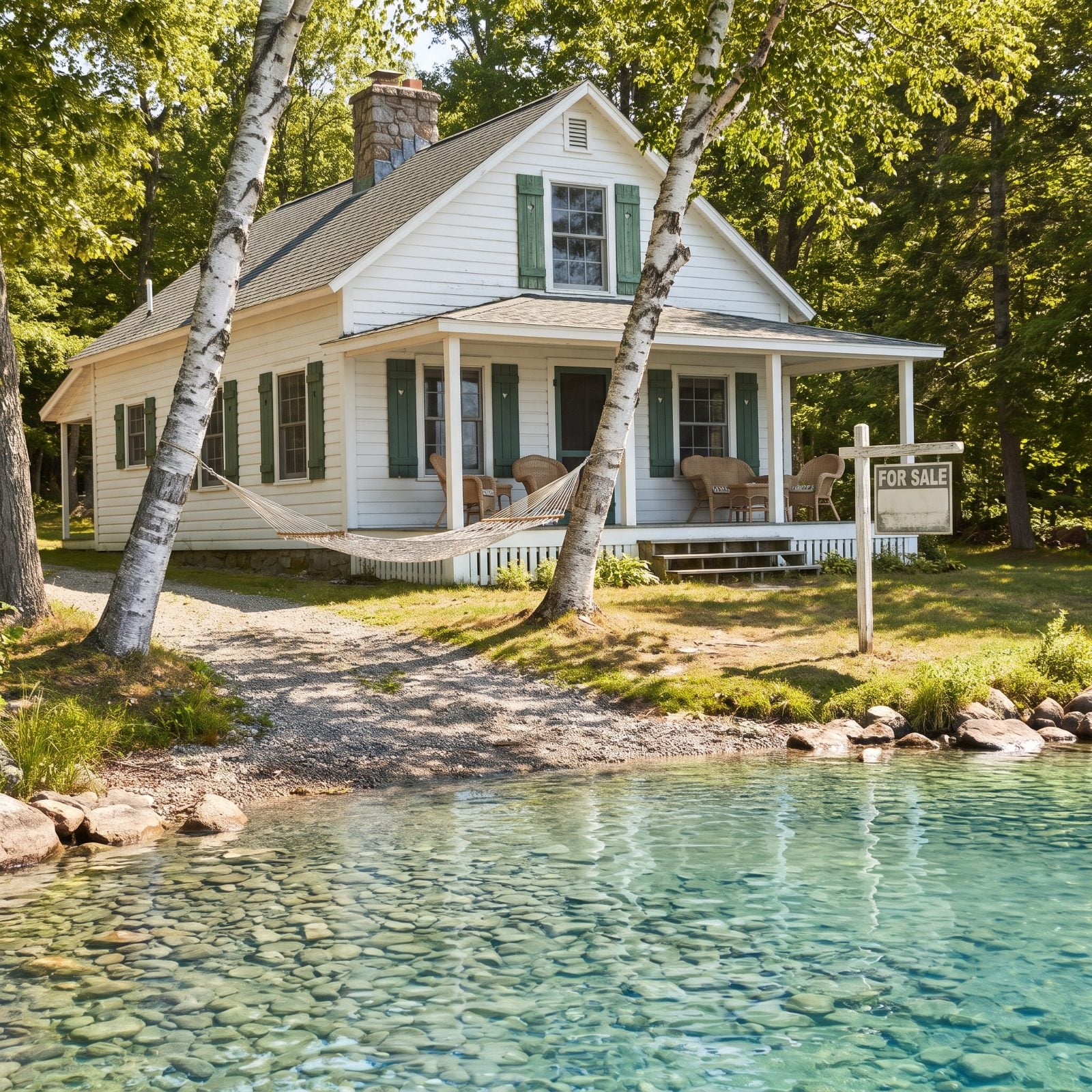
There was a cottage. Maybe you lost the bidding war, maybe the sale collapsed two days before closing. Either way it’s gone, and now it haunts every showing you walk through.
This one’s kitchen is bigger, sure. But the light isn’t the same as the one that got away, and the dock’s newer though the view’s not as good. You’re not judging these places on their merits anymore. You’re grading them against a ghost.
Anyone who’s dated after a breakup knows the move. The lost thing gets polished in memory until no real, available option can match it. The problem is that the memory isn’t competing fairly. You remember one perfect July afternoon on that porch and conveniently forget the galley kitchen and the septic question nobody ever answered.
4. You Love the Fixer-Upper Most When It Needs Saving
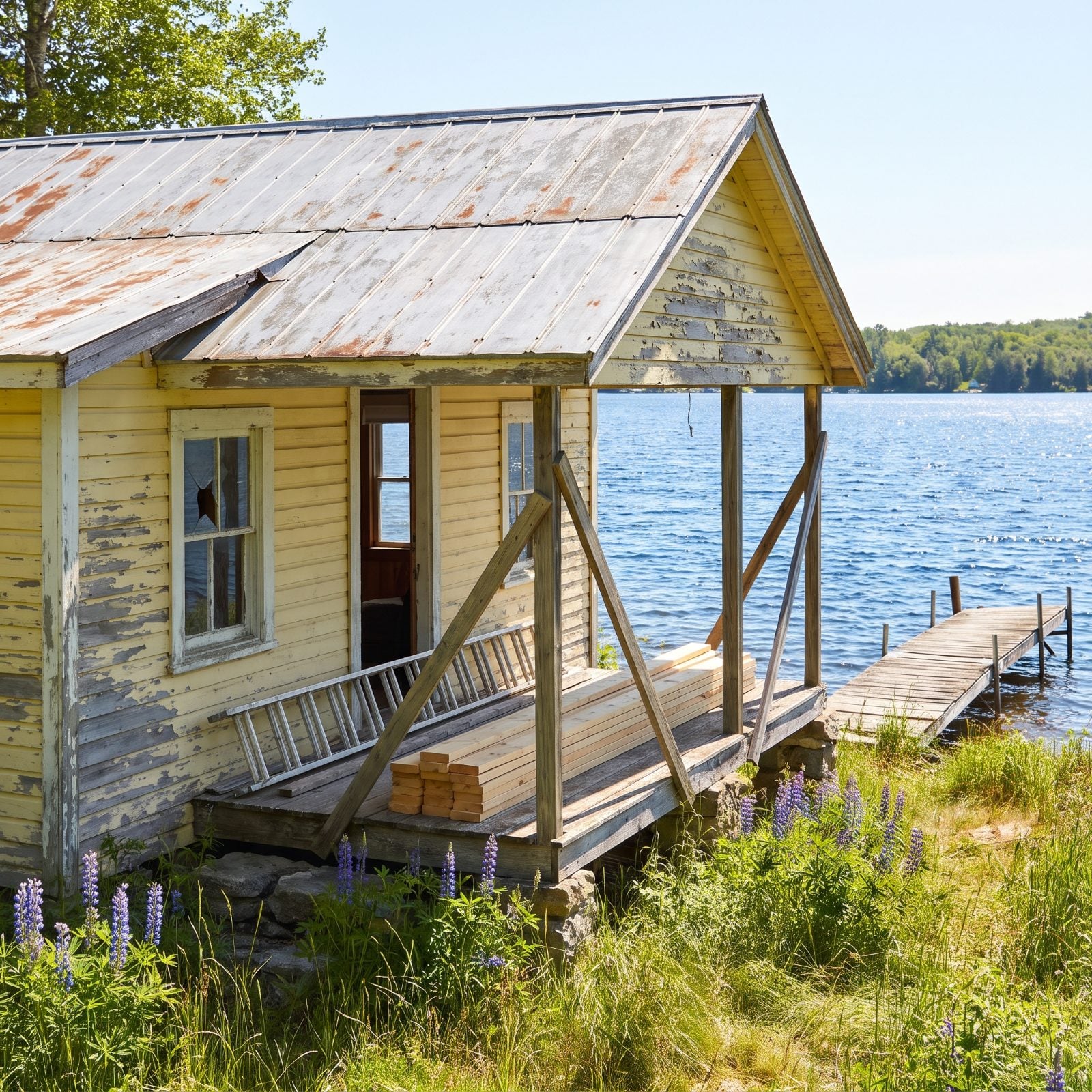
The sound cottage with the finished kitchen bores you a little, doesn’t it. You walk through, nod politely, feel nothing. Then you tour the yellow wreck two doors down with the soft porch and the cracked window, and your heart does something it has no business doing.
You start sketching. New dock here, open up this wall, strip the paint back to the wood. The whole future arrives in an afternoon.
We’ve all watched someone fall for a person who clearly needs fixing, drawn in by the project rather than the partner. The pull is real and it has a name. The IKEA effect: we value things more when we’ve poured our own labor into them. A cottage you rescue becomes yours in a way a turnkey place never quite does. That’s genuine, and it’s also a warning. A rotten sill doesn’t love you back for noticing it. Make sure you want the house and not just the rescue.
3. Friday Traffic Makes Your Long-Distance Lake Romance Complicated

You found it. The right cottage, the right water, the right price. One problem: it’s two and a half hours away, and on a Friday in July that drive stretches to four with a boat trailer swaying behind you.
Monday morning you reverse it all, groggy and sunburned, wondering if the weekend earned its windshield time. Call it the long-distance relationship of real estate. Thrilling in the brochure, exhausting in practice.
Here’s where people fool themselves. When we imagine owning the far-flung place, we picture the arrival, the dock, the first swim. Nobody pictures the hundredth traffic jam at the lake-road bottleneck. Psychologists call this impact bias: we’re bad at predicting how much the recurring annoyances will wear on us, and just as bad at guessing how fast the thrill fades to routine.
The distance that feels romantic in June feels like a chore by the third August.
2. You Pay for the Inspection, Then Defend Every Problem
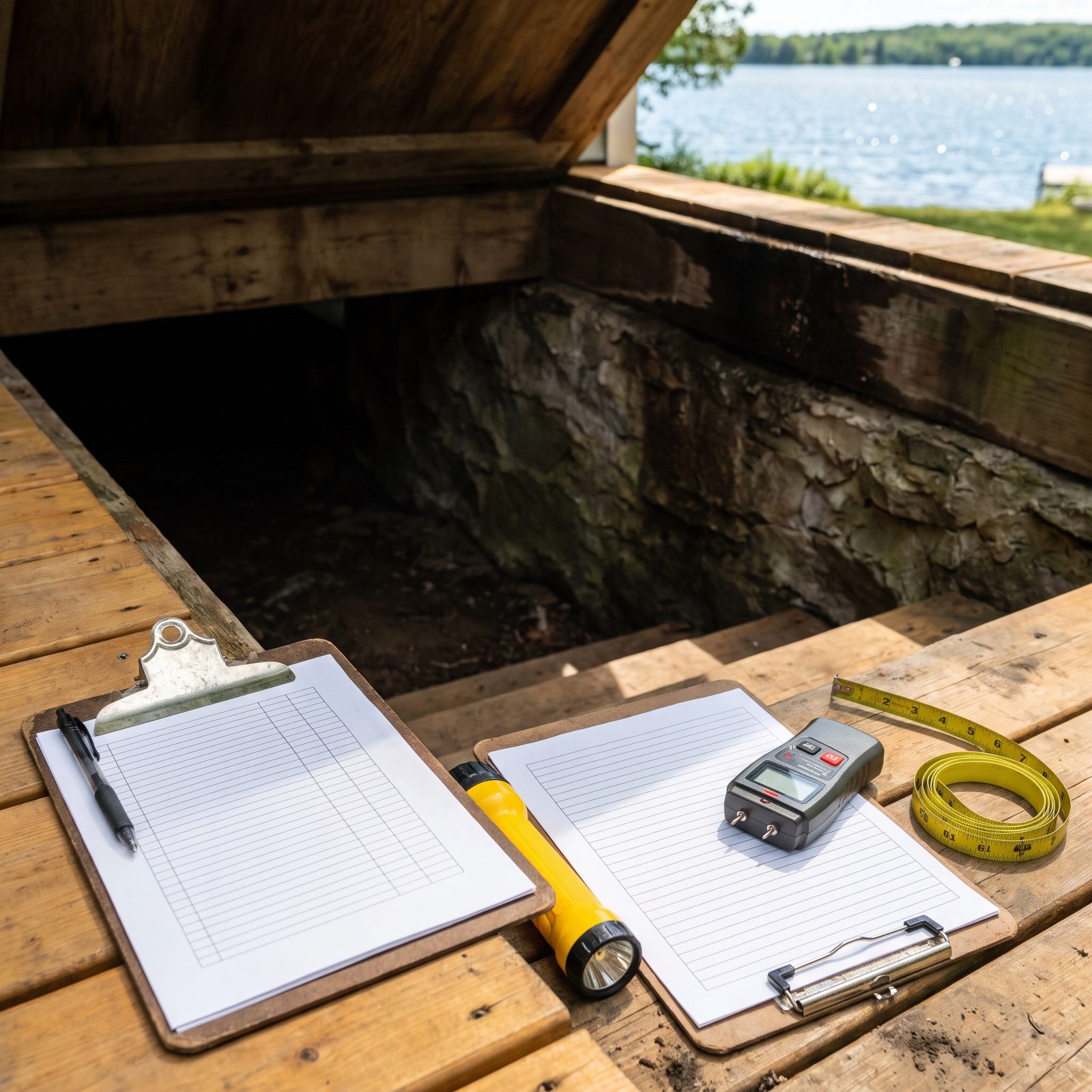
The inspector hands you a report thick with yellow highlights. Dampness in the crawl space. Questionable wiring in the boathouse. A roof with maybe five years left. You paid good money for this.
And then you hear yourself explaining it all away. The damp is probably just this wet spring. The wiring’s old but it’s held up fine so far. People lived here for decades, didn’t they?
You hired an expert precisely to catch problems, then went to war with the expert the moment problems showed up. Oldest move in love: ask your honest friend what they think of the new person, then resent them for answering truthfully.
The engine here is confirmation bias stacked on top of how much you already want this place. Once your heart’s committed, your brain stops gathering evidence and starts building a defense case. Every flaw gets a lawyer. That inspection fee buys you clarity only if you’re willing to actually hear it, and most of us, mid-crush, are not.
1. You Keep Refreshing Listings After Your Offer Gets Accepted
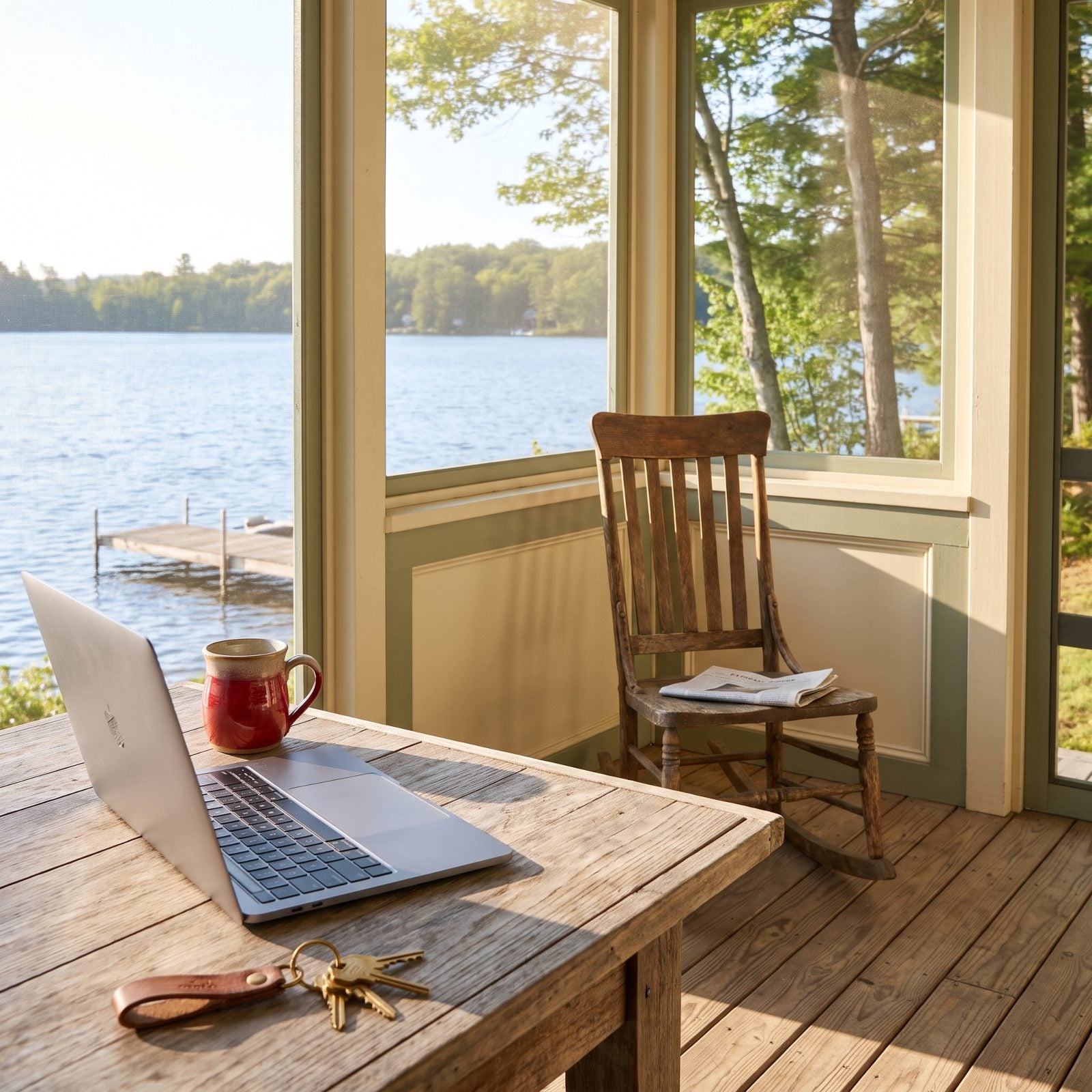
The offer’s accepted. The cottage is as good as yours. You should close the laptop and go celebrate on the dock you just bought.
Instead you open the listings again. One more scroll. Just checking. And there it is, a place you hadn’t seen, lower price, better waterfront, and your stomach drops.
This is the person who gets engaged and then starts noticing how attractive everyone else suddenly seems. Nothing changed about those other options. What changed is you committed, and commitment flips a switch that makes the roads not taken glow brighter.
Economists call the dread opportunity cost. Psychologists would point to a simpler truth: we crave what we can no longer have. The moment a choice goes final, the alternatives get tempting precisely because they’re off the table now.
The cure isn’t a better cottage. There’s always a better cottage somewhere, same as there’s always someone more charming at the next party. The cure is closing the tab, walking to the end of your own dock, and letting the water you chose be enough.