The reservation goes in before the luggage comes out of the car. Same cabin, same week, same lake you stood on last July swearing you’d try somewhere new this time. You didn’t. You never do.
There’s a reason you keep going back, and it’s the same reason people drift back to someone they once walked away from. The familiar pulls harder than the unknown, even when the unknown might be the better bet, and your brain will argue the case for the sure thing with real conviction. What follows pairs the small, stubborn habits of lake loyalty with the human wiring that keeps us circling back to what we already love. You’ll recognize yourself in here. Probably more than once.
Please note that some of the imagery in this article may have been enhanced with the assistance of AI.
15. You Rebook Last Summer’s Cabin Before You Even Unpack
You haven’t even wrung out the swimsuits and you’re already on the phone locking in next July. Same cabin, same week, same deposit. The vacation isn’t over and you’ve re-upped it.
People do this with old flames too. You’re barely done with the relationship before part of you is scouting the way back in. It feels like love. Mostly it’s fear of the open door, the empty week, the risk that if you let go you’ll end up with nothing at all.
Psychologists call it loss aversion. Losing a sure thing stings about twice as hard as gaining a better one feels good, so you grab the known cabin before the unknown can tempt you, and you call it loyalty.
14. The Familiar Dock Feels Right Before You Tie Up
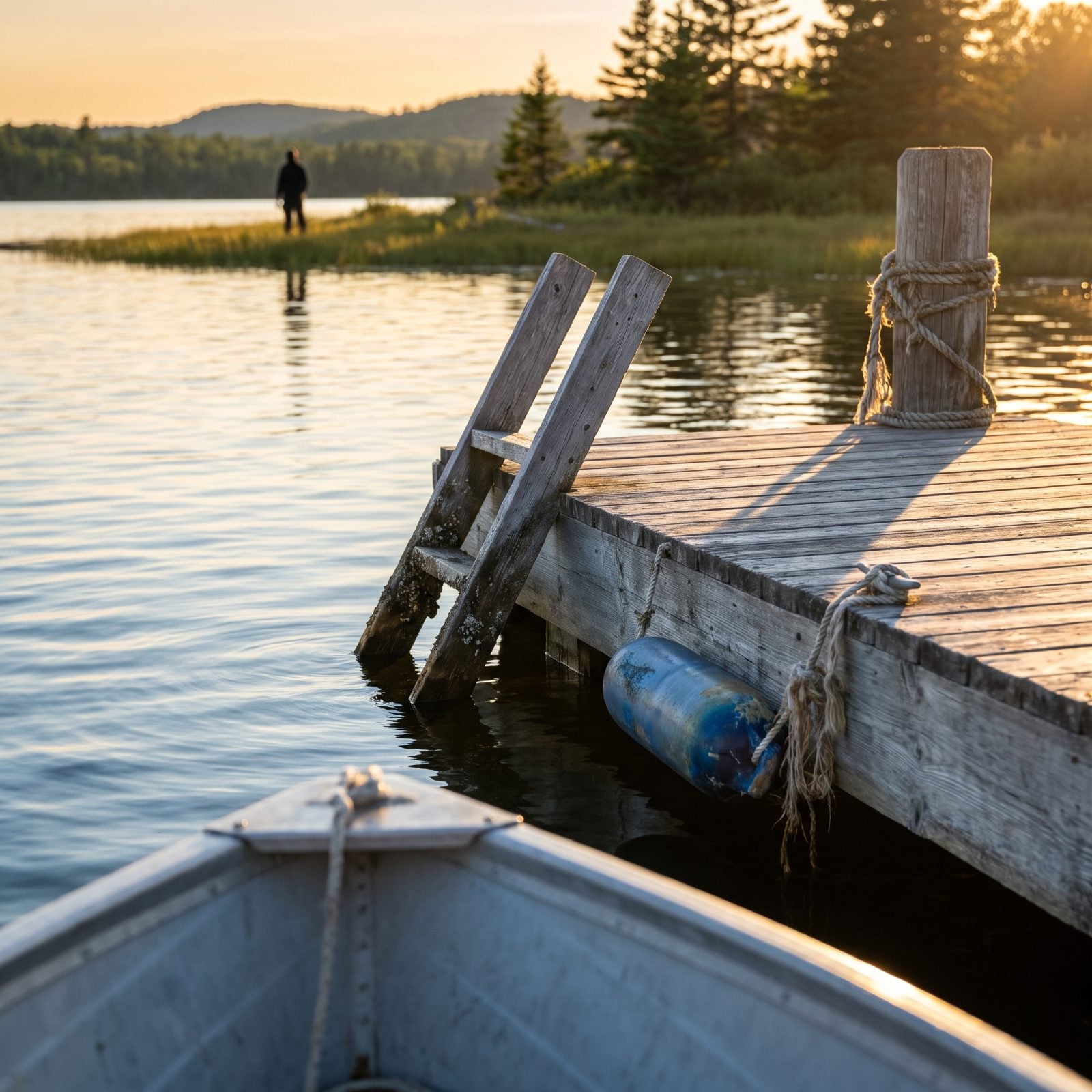
You round the point and there it is, the same gray dock with the same loose third plank, and your shoulders drop an inch before the bow even touches it. You’re home, and you’ve only been coming here a handful of summers.
Same jolt of ease you feel spotting an old partner across a room. Nothing’s been said yet. Your body already decided it’s safe.
Blame the mere-exposure effect. We like what we’ve seen before simply because we’ve seen it before, and familiarity reads as trust long before anything earns it.
13. You Remember the Sunset Better Than the Mosquitoes

Ask anyone about last year’s lake trip and you’ll hear about the night the sky went pink over the far shore. You won’t hear about the bites, the leaky air mattress, or the afternoon it rained sideways through the screen porch.
Memory is a flatterer. It keeps the highlight reel and quietly files the rest, and the same thing happens when you think back on an old relationship. You replay the good trip, the laugh, the one perfect weekend, and the arguments go soft at the edges.
This is rosy retrospection. The present feels cluttered with annoyances while the past arrives pre-edited, trimmed down to the parts that glow. Which is exactly why going back seems like such a good idea. You’re not remembering the whole thing. You’re remembering the trailer.
12. One Perfect Fishing Morning Buys the Lake Another Year
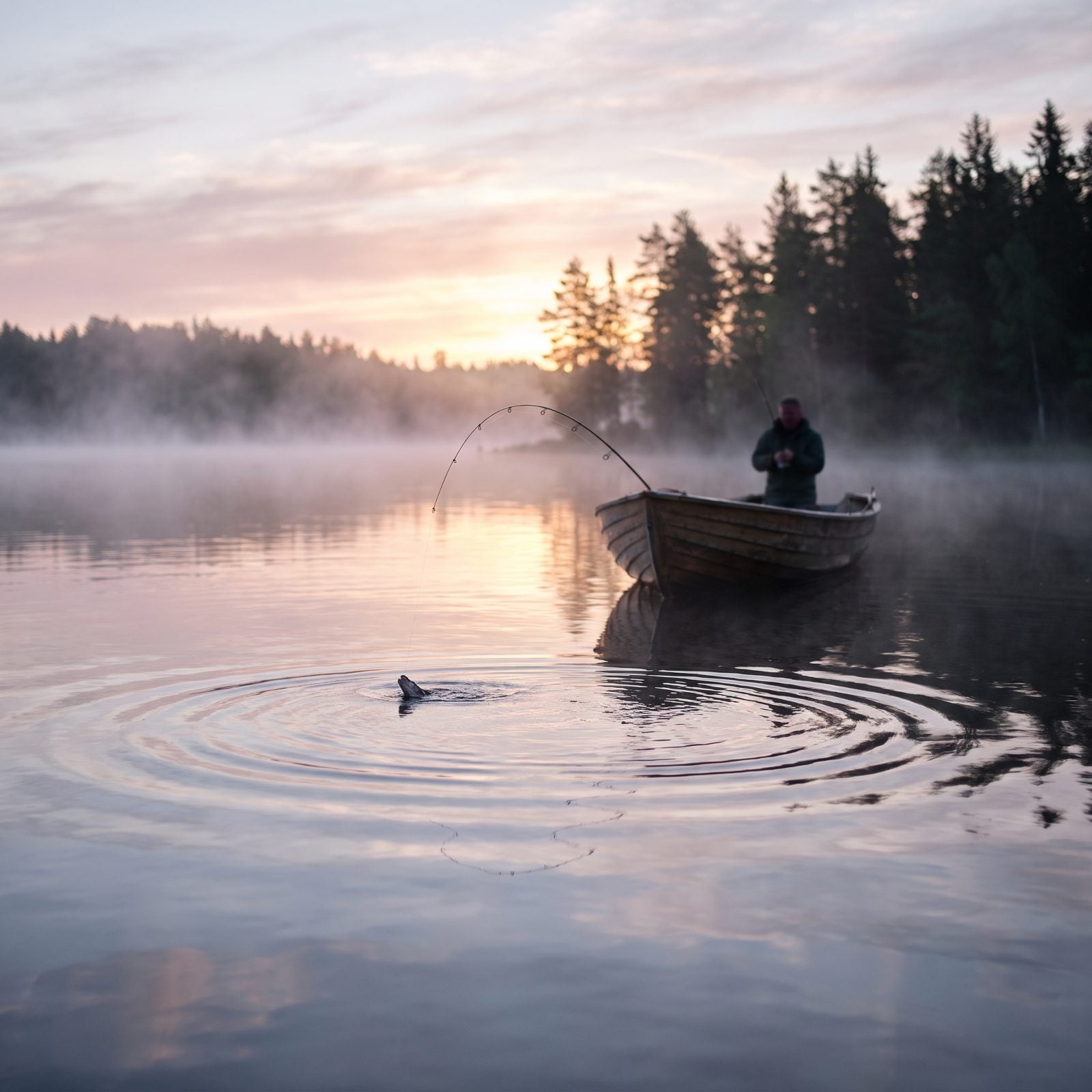
The whole week can go sideways. But if there’s one morning, flat water, mist burning off, a decent bass slamming the lure right at your feet, that single hour pays for everything. You’ll talk about it all winter.
Relationships run on the same lopsided math. One good night, one gesture that lands, and suddenly the rough patches get a pass. You decide the whole thing is worth it based on the best few minutes.
Researchers call it the peak-end rule. We judge an experience by its highest point and how it finished, not by the slog in between, so one peak morning out-votes six ordinary days. The lake gets another year on the strength of a single fish.
11. Your Stored Canoe Makes Trying Another Lake Feel Wasteful
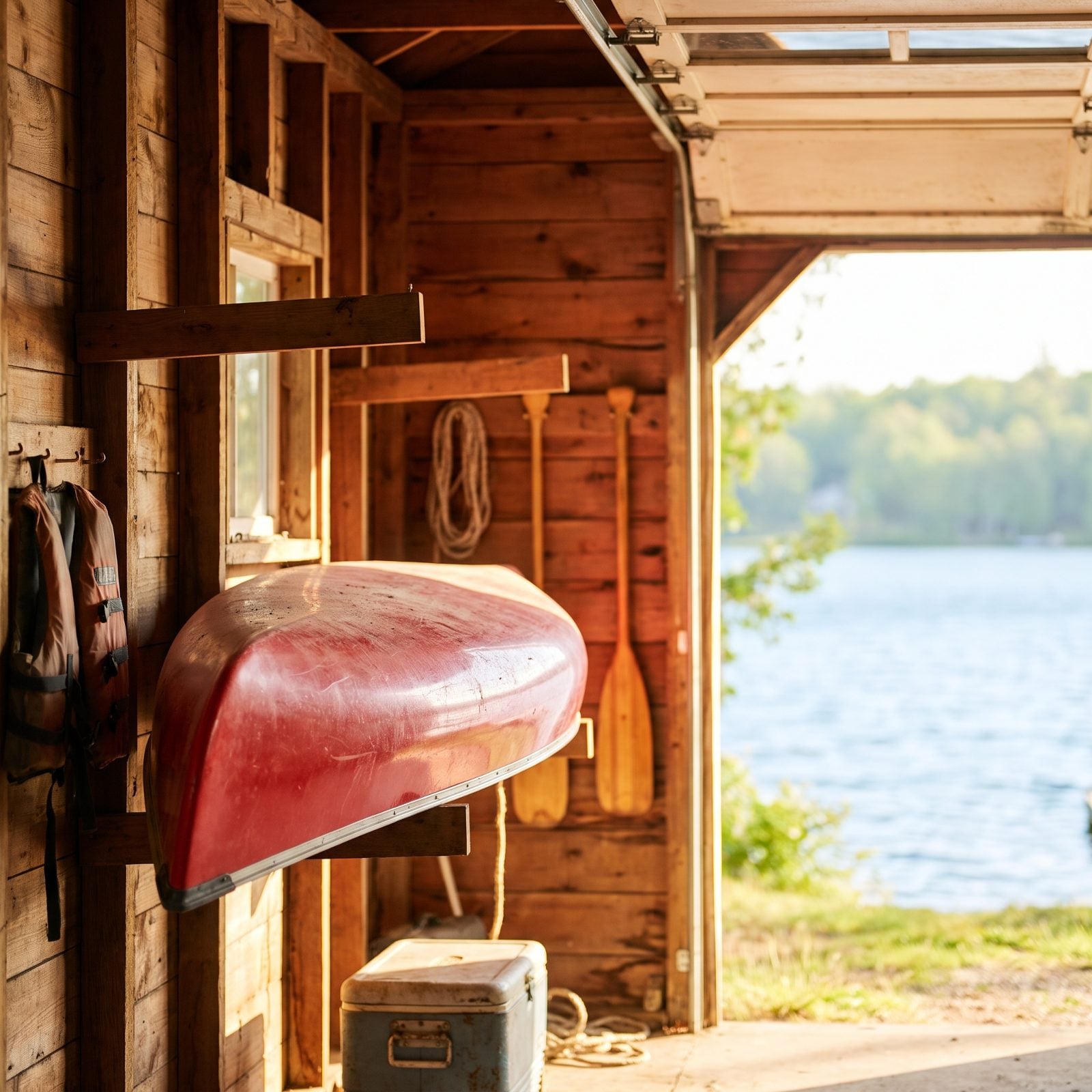
You bought the canoe for this lake. The gear’s dialed in for this lake. Trying somewhere new would mean the storage, the launch fees, the whole cooler setup feeling like money and effort thrown straight into the water.
That’s the sunk-cost fallacy with a paddle. Everything you’ve already put in starts arguing that you have to keep going, the same voice that keeps people in a tired relationship: we’ve got so much history, I can’t walk away now.
Here’s the catch. What you already spent is gone either way. It can’t be “wasted” by moving on, because it’s already spent. The canoe doesn’t owe this particular lake a thing. But try telling your brain that at reservation time.
10. Every New Lake Gets Compared With That Old Cove
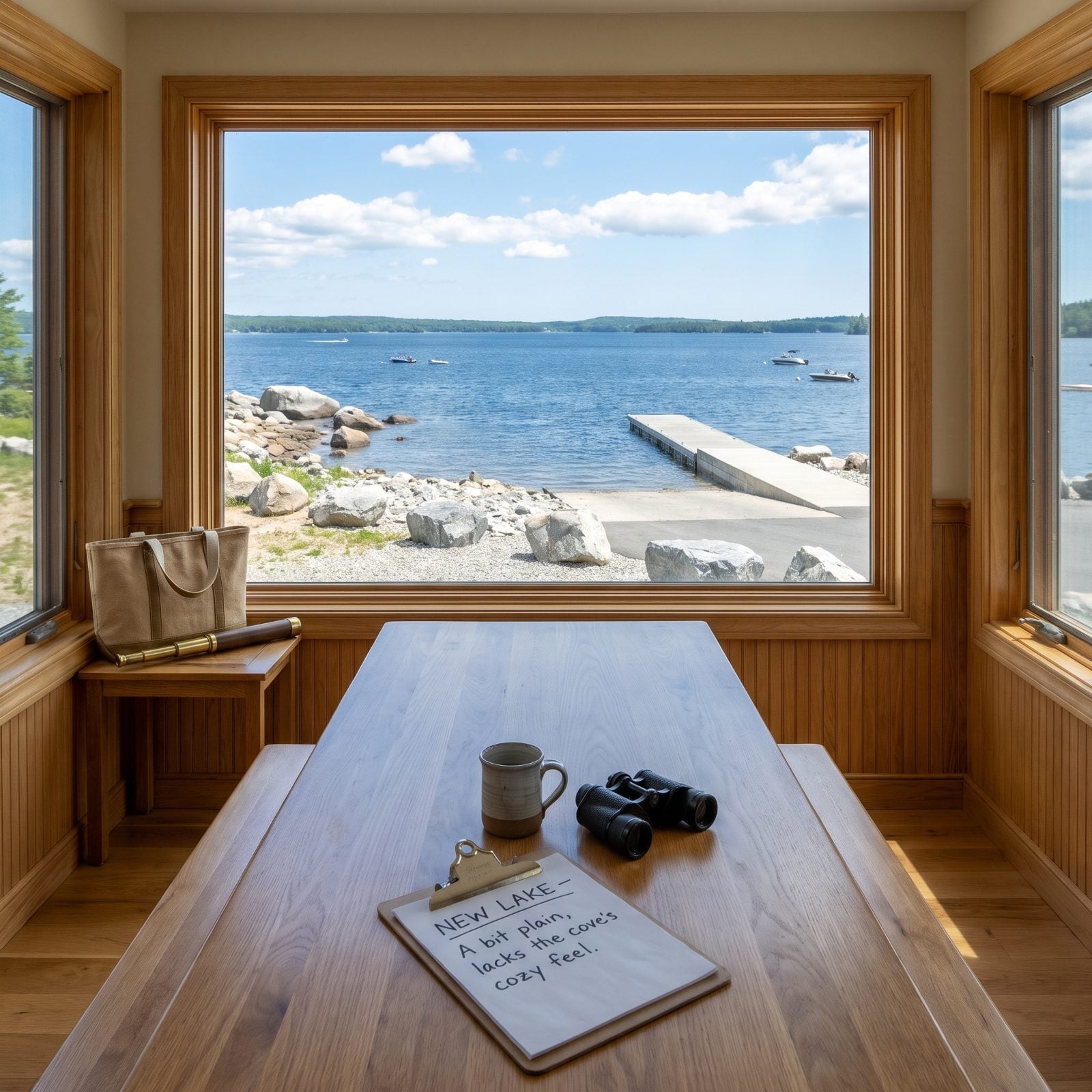
You finally try a different lake and spend the whole time ranking it. Water’s not as clear as the old cove. Launch is busier. The far shore doesn’t have that one lean of pines you love. By dinner you’ve mentally awarded the new place a solid B-minus.
It’s the hardest part of ever moving on from an old love, too. Every new person gets measured against a ghost, and the bar isn’t the real old relationship. It’s the edited, sunset-only version your memory keeps.
Anchoring is the name for it. The first strong experience sets the yardstick, and everything after gets compared to that fixed point instead of judged on its own terms. The old cove always wins, because it’s been standing there in your head all year, free of mosquitoes.
9. The Marina Owner Still Remembers Your Boat’s Name
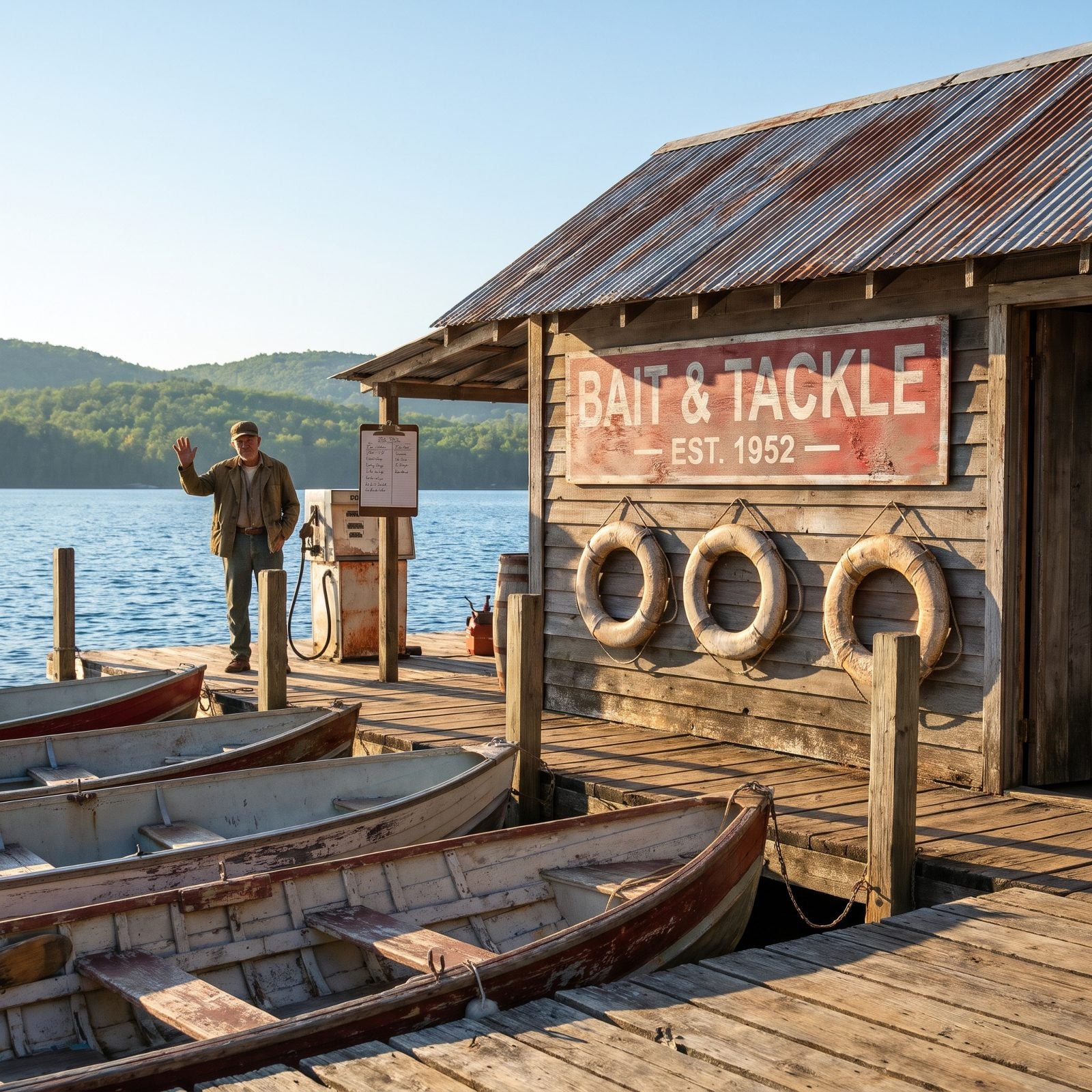
You pull into the gas dock and the owner waves before you cut the motor. Asks how the kids are. Remembers your boat by name. For a second you feel like somebody, not just a tourist with a credit card.
That recognition sticks. It’s the same warm tug of running into an ex who lights up at the sight of you and still knows your coffee order. Being remembered feels like being valued.
We’re wired to seek belonging, and few things scratch it quite like being known by name in a place. Leaving the lake wouldn’t just mean a different view. It’d mean starting over as a stranger, and being a stranger, at any age, is work nobody signs up for twice if they can help it.
8. You Blame the Weather Whenever Lake Week Goes Wrong
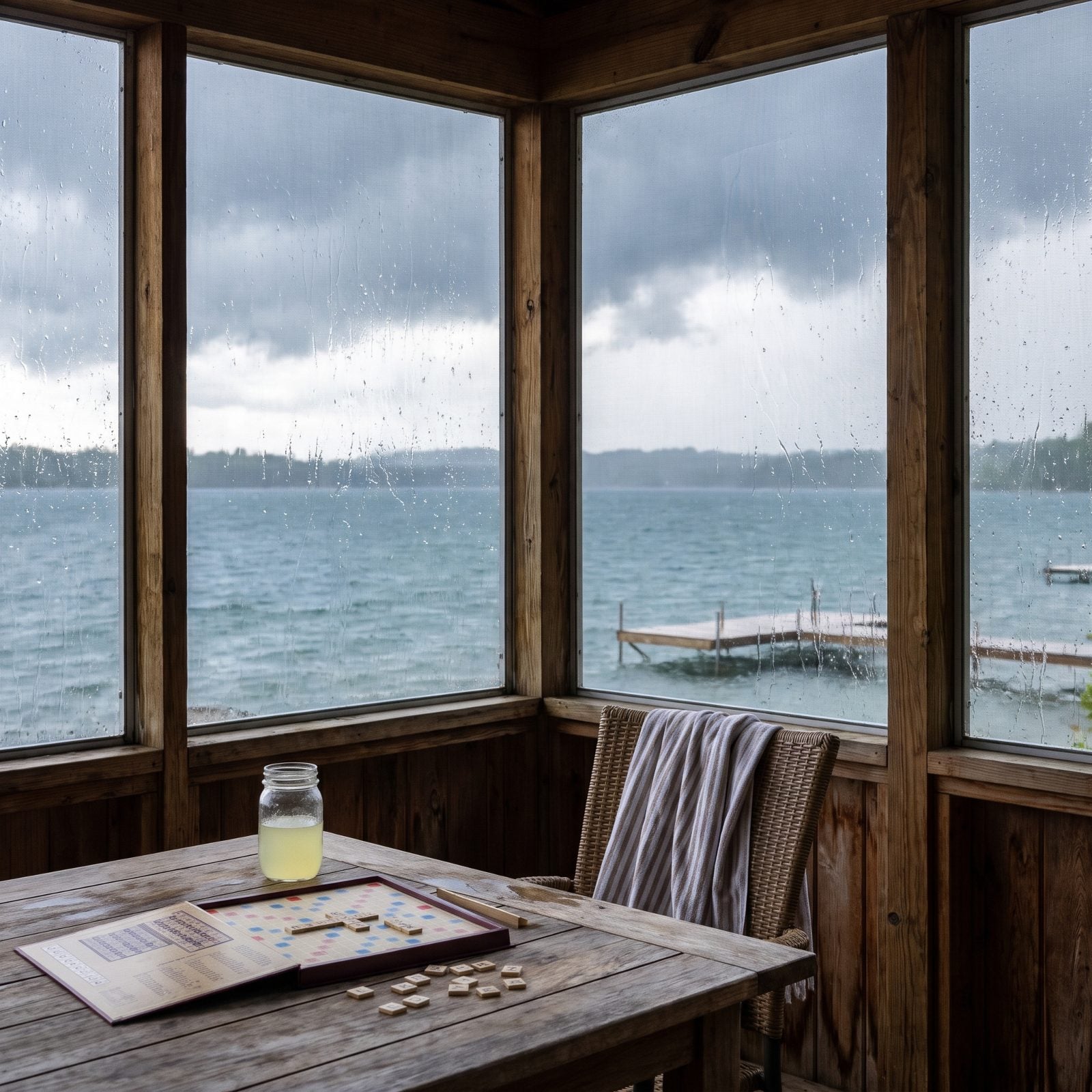
Rained three days. Fish weren’t biting. The one sunny afternoon, the boat wouldn’t start. And your takeaway? Bad luck with the weather. Not the lake’s fault, never the lake’s fault. Just a rough week.
Watch how people defend an old relationship when it flares up again. The problems get pinned on timing, stress, outside forces, while the core thing stays unblameable. It’s never us, it’s just the week we had.
That’s attribution bias. When something we love disappoints us, we blame the situation; when something we’re skeptical of disappoints us, we blame its nature. The beloved lake always gets the generous read. A stranger lake wouldn’t have gotten away with three days of rain.
7. That First Pine-Scented Turn Starts the Feeling All Over

You crest the hill, the road dips into the pines, and the smell hits through the open window. Instantly you’re eight years old, or thirty, or last summer. The whole week unspools in your chest before the tires hit the gravel drive.
Nothing triggers this like scent. It runs a direct line to the oldest, most emotional part of the brain and skips the reasoning entirely. One breath of pine and sunscreen and you’re flooded.
Which is exactly why a whiff of someone’s old perfume can knock you flat years later. The nose remembers what the mind has filed away. You don’t decide to feel something. The feeling arrives first and drags you along.
6. Your Secret Sandbar Feels Like It Belongs to You
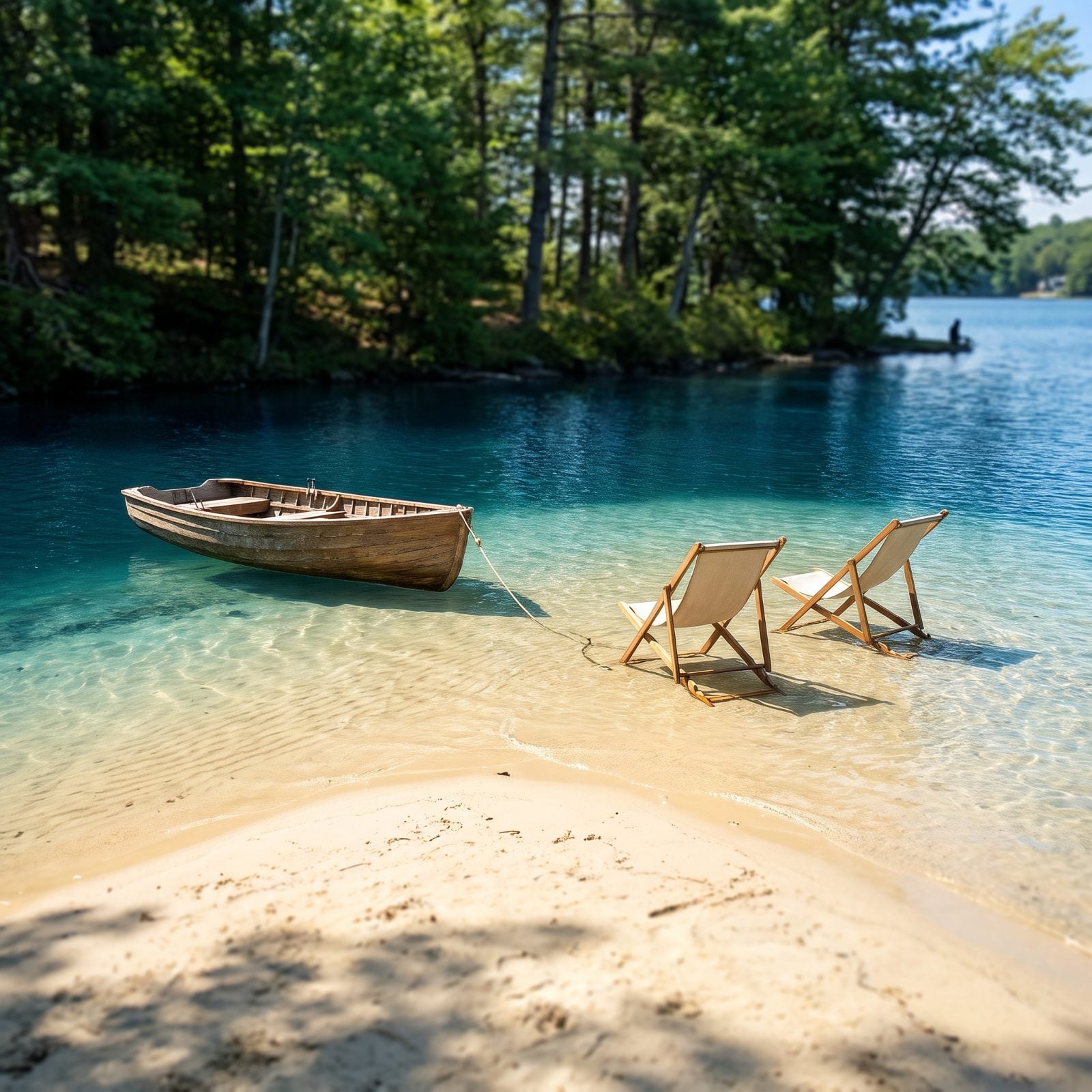
There’s a sandbar tucked behind the far point that you found years ago, and in your head it’s yours. Nobody owns it. Anyone with a boat can drop anchor there. But let another family park on it and you’ll feel the little sting of someone sitting in your seat.
We do this with people we’ve loved too. Long after it’s over, a strange flare of territory when they move on. They were never yours to keep, and some part of you kept the deed anyway.
Psychologists call it the endowment effect. Once something feels like ours, we value it far past what it’s worth to anyone else, and letting go feels like theft. The sandbar is public water and private history. Hard to share, harder still to leave.
5. Grandma’s Cabin Week Is Practically a Family Law
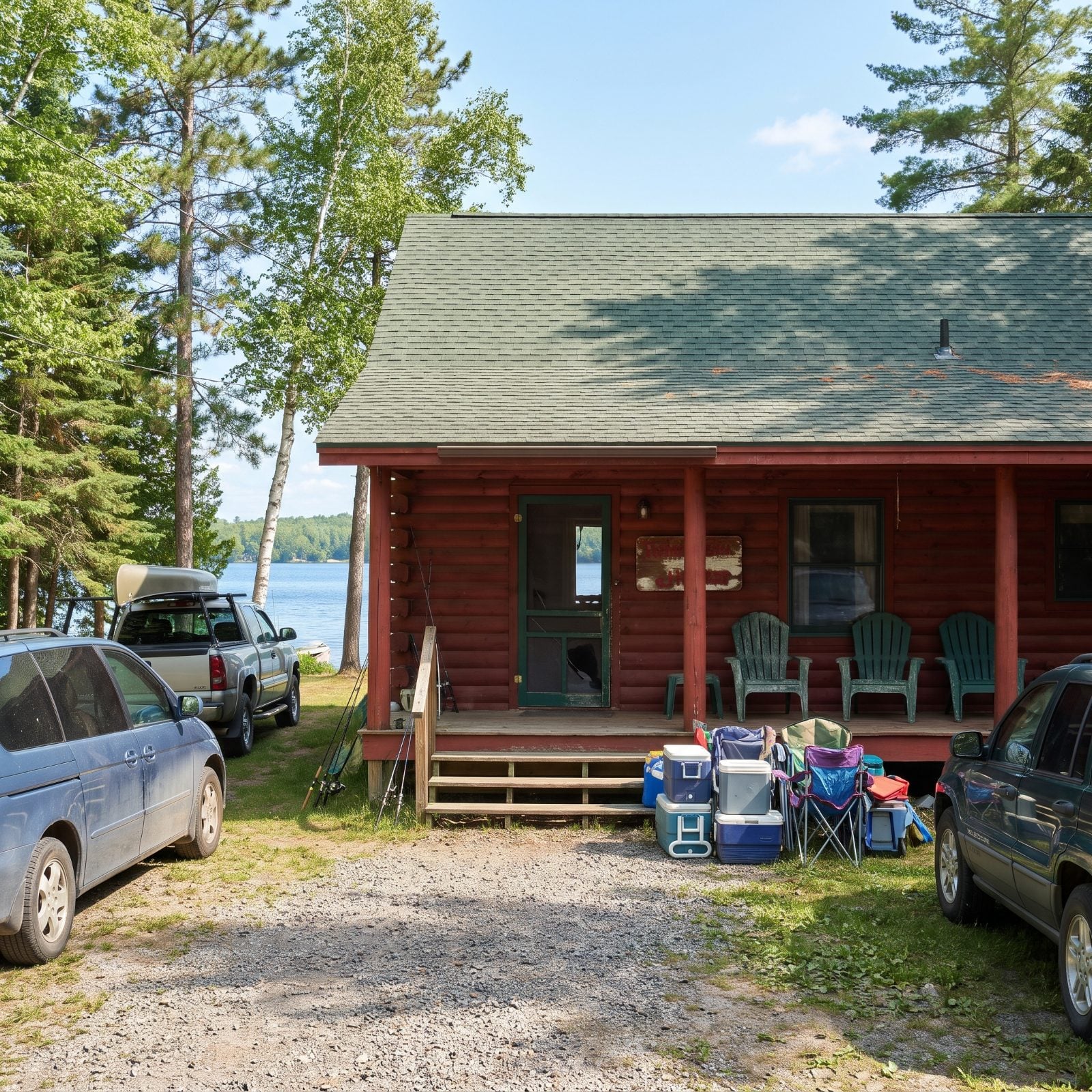
Try suggesting a different week. Go ahead. You’ll learn fast that the third week of July at Grandma’s cabin isn’t a plan, it’s scripture. Nobody voted on it and nobody remembers who started it, but the dates are locked, the cousins have warned their bosses, and questioning it gets you the look you’d earn by announcing you’d like to skip Thanksgiving this year.
Rekindled relationships run on the same unspoken law — an anniversary nobody set, a song that means something, a diner booth you always end up in. The ritual becomes the spine of the whole thing, and breaking it feels like breaking faith.
This is commitment escalation wearing flip-flops. Each repeat year raises the stakes of the next one, so the cabin week stops being a vacation and becomes proof the family still holds together. Nobody wants to be the reason that proof goes missing.
So the dates stay. The same people drive the same roads to the same creaky bunk beds. We’d defend this one, honestly. Some traditions are load-bearing walls — knock them out and you find out too late what they were holding up.
4. You Forgive Terrible Mattresses for That Screened-Porch View
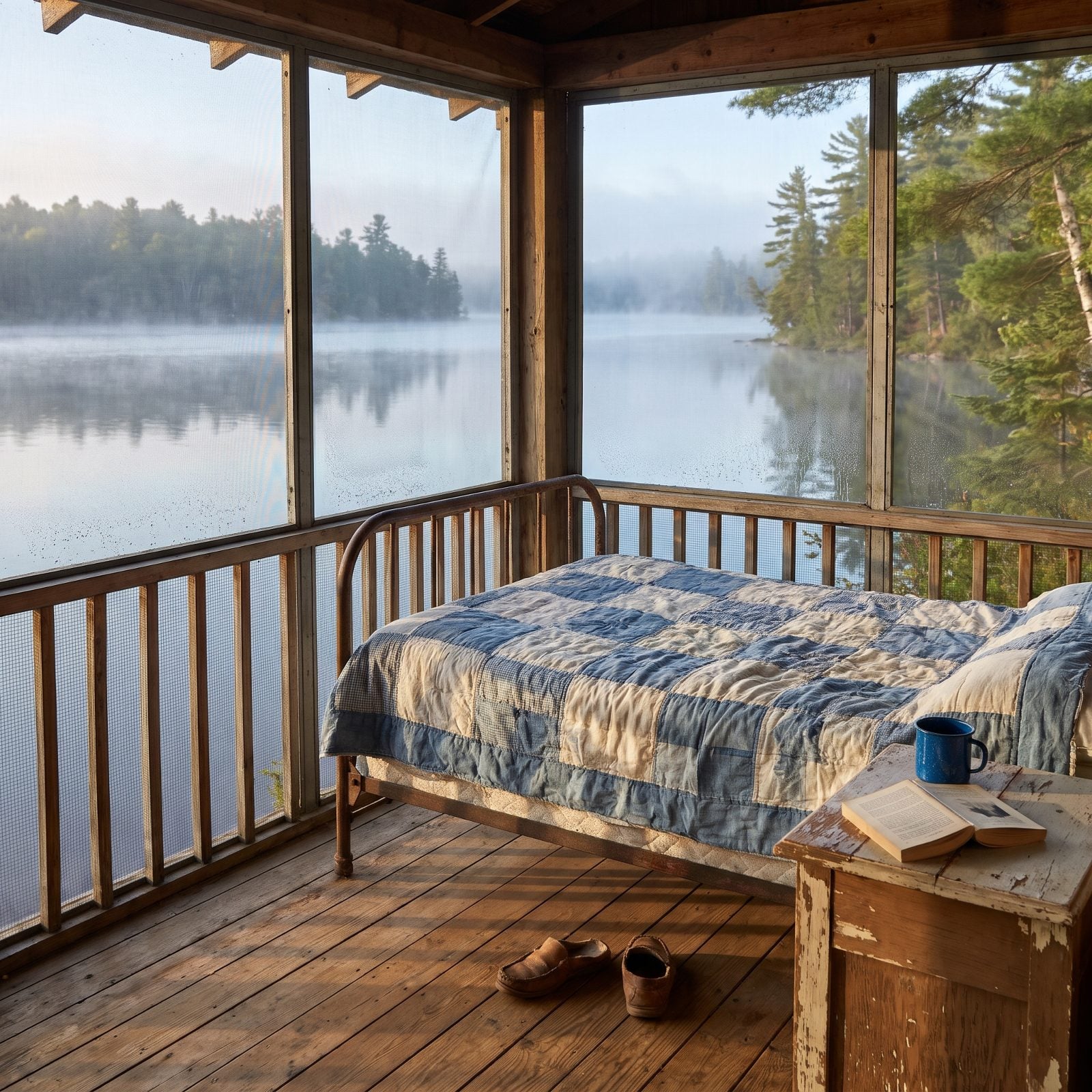
That mattress should be illegal. There’s a crater in the middle, a spring that announces itself around 3 a.m., and the whole thing is older than at least two of the grandchildren. You know this, you complain about it every single year, and then you wake up, look through the screen at the mist lifting off the water, and forgive it on the spot.
We do this with people too. Flaws we’d never accept from a stranger get a pass because the view — the history, the one thing they do that nobody else does — outweighs the ledger.
So you buy a cheap foam topper, mutter about it, and come back next year to the exact same bed. The view is the deal. The mattress is just the toll for sleeping inside the thing you love.
3. Nobody Wants to Be the One Who Ends Lake Week
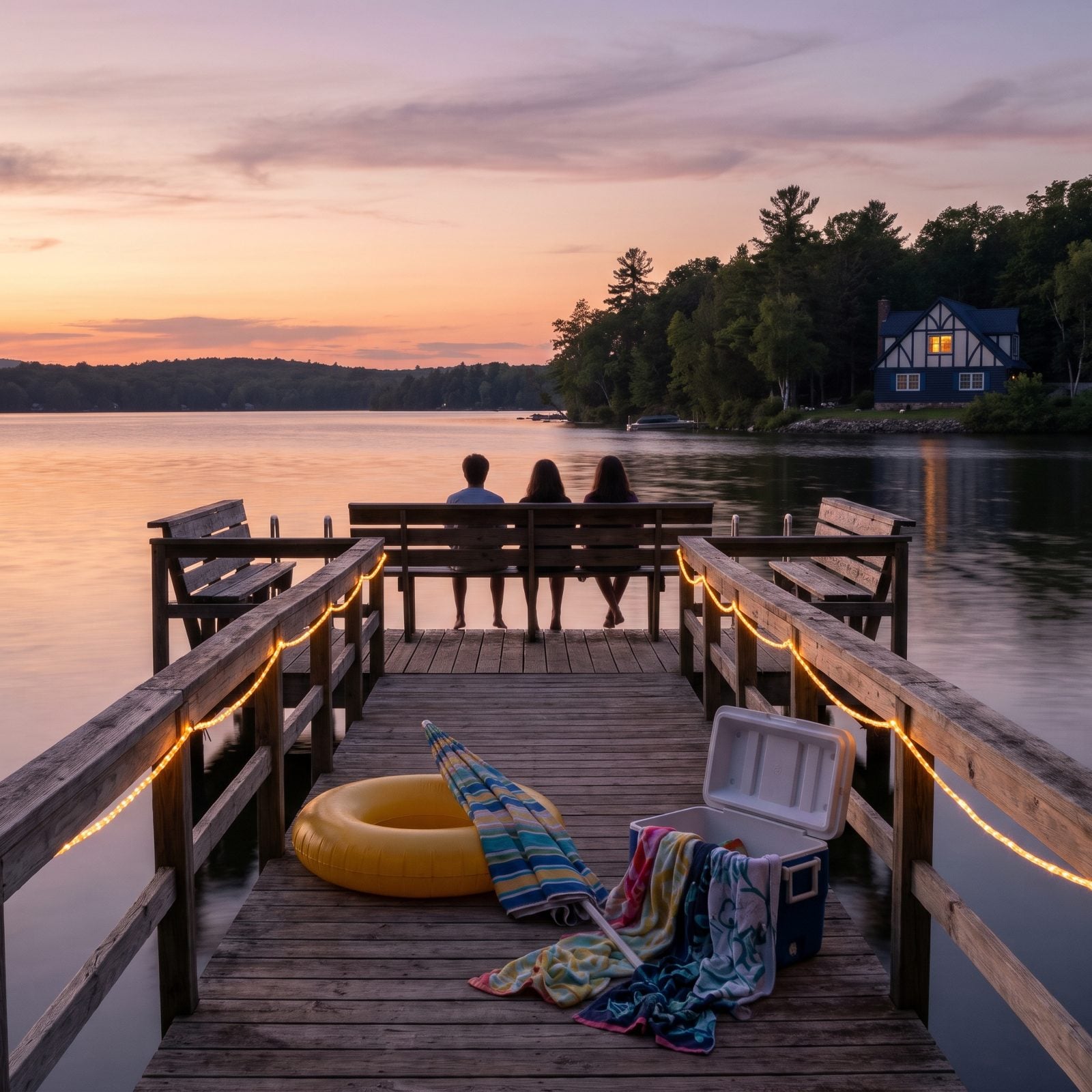
It’s the last night. Everything’s basically packed. The smart move is to call it, get a decent sleep, and hit the road early — so naturally somebody says “one more sit on the dock,” and suddenly the whole crew is out there in the dark swatting mosquitoes, nobody willing to be the one who stands up and declares the week over.
Fading relationships end this exact way. Or rather, they don’t. The “one last dinner” that becomes three, the goodbye nobody actually says, everyone waiting for the other person to make the move so they don’t have to own it.
Call it the bystander effect at sunset. When ending something feels like a loss, responsibility diffuses across the group until it just evaporates. If nobody says it’s over, maybe it isn’t yet.
The dock empties eventually. It always does. But never because someone chose it, only because the bugs win.
2. The Lake Lets Everyone Slip Back Into Familiar Roles
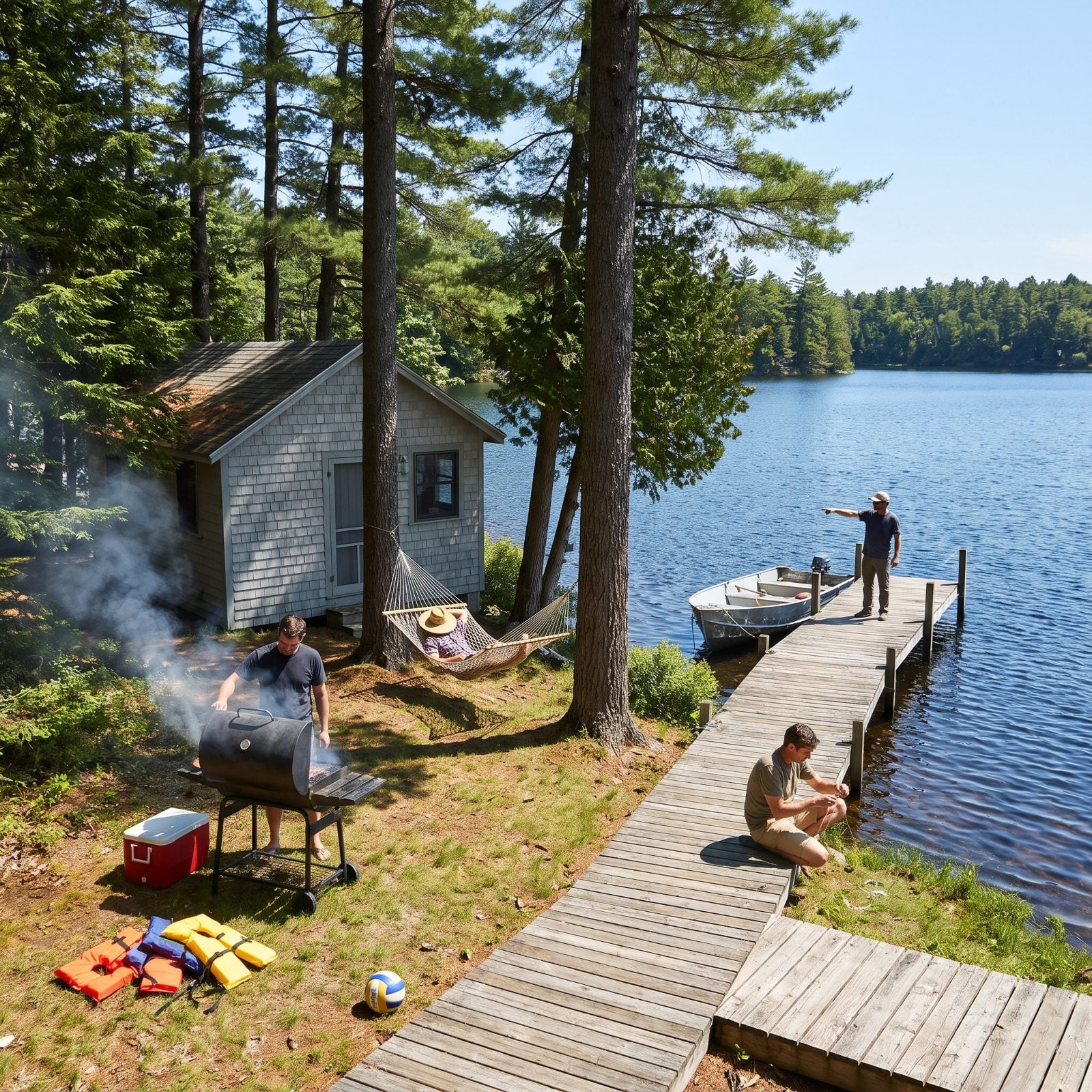
The second the cars park, the roles snap back into place like they never left. One person owns the grill and will not be relieved of duty. Another runs the “schedule.” Somebody’s the designated worrier about the weather, and somebody else does absolutely nothing but nap in the hammock and is, inexplicably, beloved for it. You could be fifty-five years old and the moment you hit that shoreline you’re the baby of the family again.
Old relationships pull you backward the same way. Twenty minutes in and you’re using the voice, the jokes, the dynamic you thought you’d outgrown. The person and the place work like a key, and your old self is the lock.
Psychologists call this context-dependent memory. The setting cues the behavior — put yourself back in the context and the patterns come flooding back, costumes and all.
It’s exhausting and it’s comforting, often in the same afternoon. Sliding back into the old role means you don’t have to explain yourself. Everyone already knows the part you play.
1. You Say It’s for the Fishing, Then Never Actually Fish
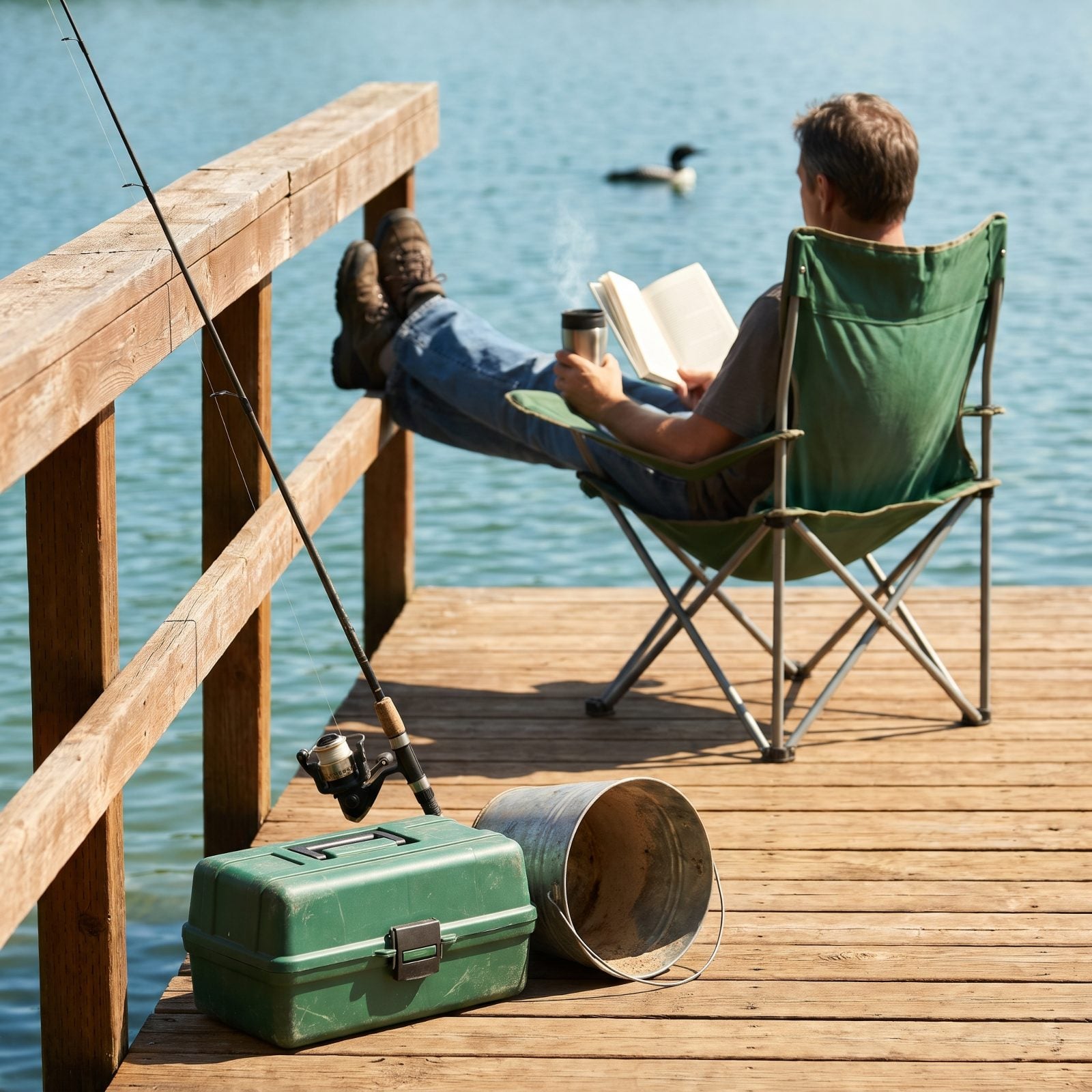
The rods got packed. The tackle box got restocked. There was a whole speech in the driveway about hitting the water at dawn for the crappie. And here it is, day four, and the only thing that rod has caught is a cobweb. You’ve mostly sat in a chair with coffee, watching the lake do nothing.
This is the oldest trick we play on ourselves. The fishing is the story we tell to justify what we actually want: permission to sit still and do nothing for a week without the guilt.
People reconnect with an old someone “just to catch up” wearing the same straight face. The stated reason is the cover story. The real reason is comfort, familiarity, a craving for something easy that asks nothing new of you.
The fishing was never the plan. The chair was. The rod just made it look respectable.