The dealership smells like diesel and new vinyl, and you’re already nodding at things you don’t understand. The salesman says “she handles like a dream” and something in your chest agrees with him before your wallet gets a vote. You came to look. You’re leaving with a brochure, a business card, and a feeling you haven’t had since you were deciding who you wanted to be.
Nobody tells you this at the marina. The impulse that drives a 54-year-old toward a 24-foot bowrider is the same one behind motorcycles, red convertibles, and ill-advised bangs — it’s a reinvention wearing a life jacket. These are the behaviors that give it away, and the quiet psychology running underneath every one of them.
Please note that some of the imagery in this article may have been enhanced with the assistance of AI.
17. One Brutal Monday Sends You Browsing Boat Listings

It’s 9:40 on a Monday night. The day was a dumpster fire, the email you dreaded arrived at 4:55, and now you’re scrolling center-console listings in Florida you have no intention of visiting. The boat has nothing to do with the boat.
This is escape fantasy, older than the internet. When a part of your life feels stuck, your brain reaches for a clean, controllable alternative, and a boat is the perfect one — a whole second life you can picture in high resolution: open water, no bosses, the phone left on the dock. The listing isn’t a purchase. It’s a pressure valve.
Most of these late-night sessions end with a closed tab. But the ones that don’t? They started on a Monday too.
16. You Suddenly Want the Boat You Loved at Seventeen
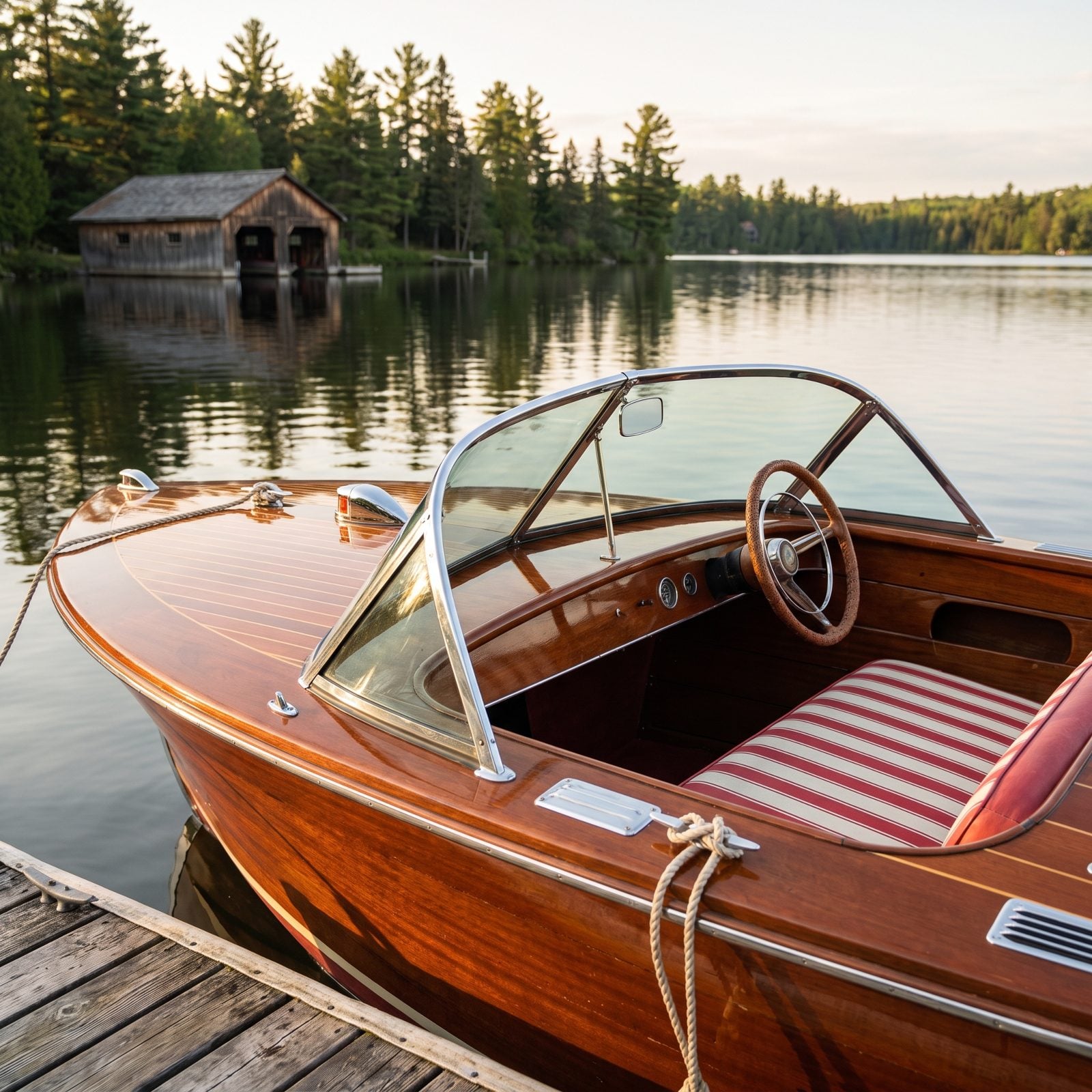
You don’t want a practical, sensible fiberglass boat with cup holders and a bimini top. You want the wooden runabout your uncle had, or something that looks exactly like the one tied to the dock the summer everything felt possible.
That’s nostalgia doing what nostalgia does. It doesn’t sell you a boat — it sells you a time. The varnished mahogany is a time machine with a motor, and what you’re really trying to buy is passage back to a version of yourself with better knees and fewer responsibilities.
Here’s the honest part. The seventeen-year-old you loved that boat because it meant freedom. The grown-up you can finally afford the freedom, which is lovely, except a classic wooden hull needs more maintenance than a toddler. We’ve watched more than one owner sand the same transom three summers running, cheerfully, because the sanding was never the point.
15. You Shop for the Captain You Plan to Become
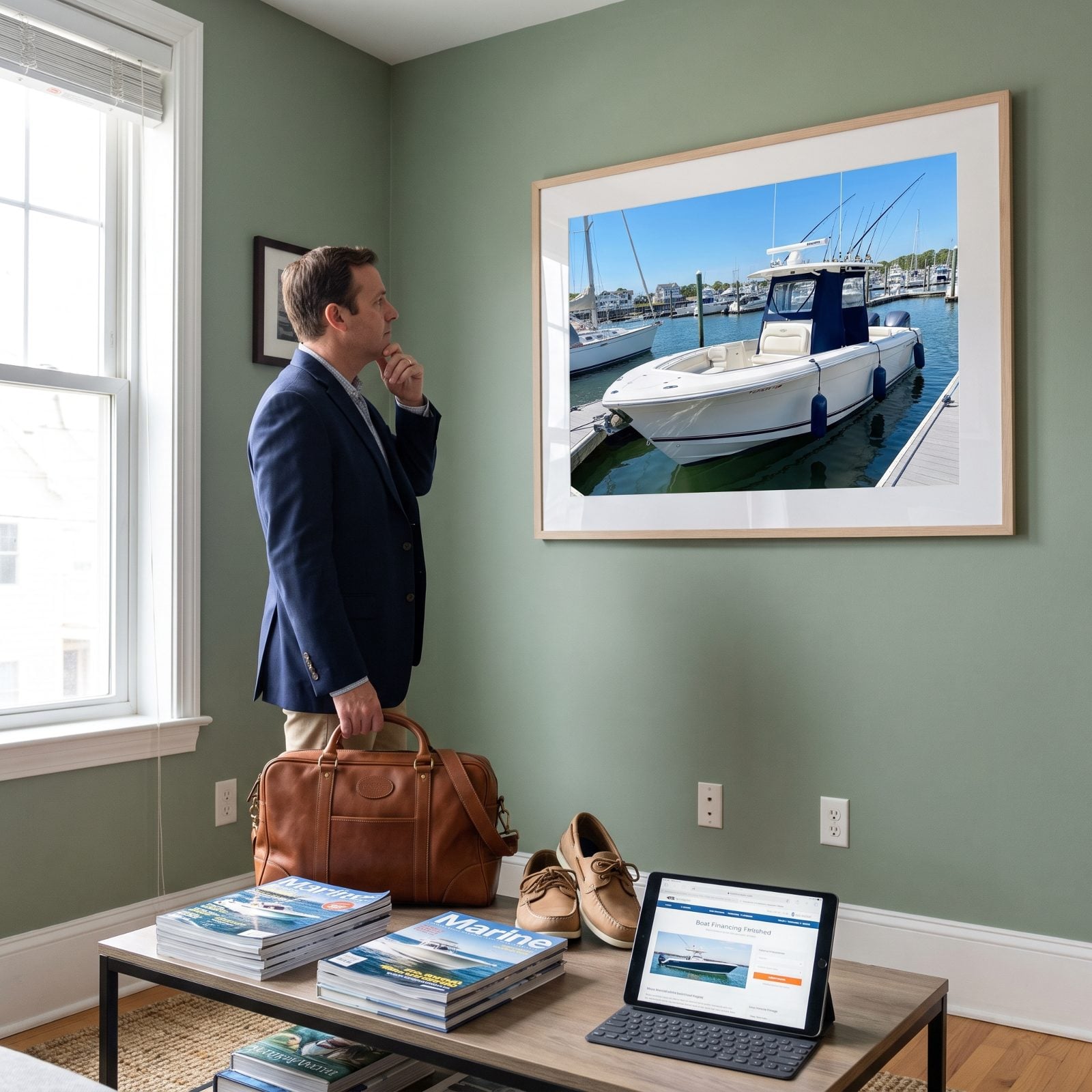
The boat you’re pricing is rigged for offshore tuna tournaments. You have never caught a tuna. You’ve caught a cold on a pontoon, once. But the dual outriggers call to you anyway.
This is the gap between your actual self and your ideal self, the exact gap every reinvention tries to close. You’re not buying for who you are. You’re buying for who the boat will supposedly turn you into — the salt-crusted captain who reads the tides by feel.
Gear doesn’t make the captain. But buying the gear sure feels like a down payment on becoming one.
Nothing wrong with aspiration. Just know the difference between the boat that fits your Sundays and the boat that fits your daydream. One of them you’ll actually use. The other you’ll photograph a lot.
14. You Picture Sunset Cruises Before Pricing Winter Storage
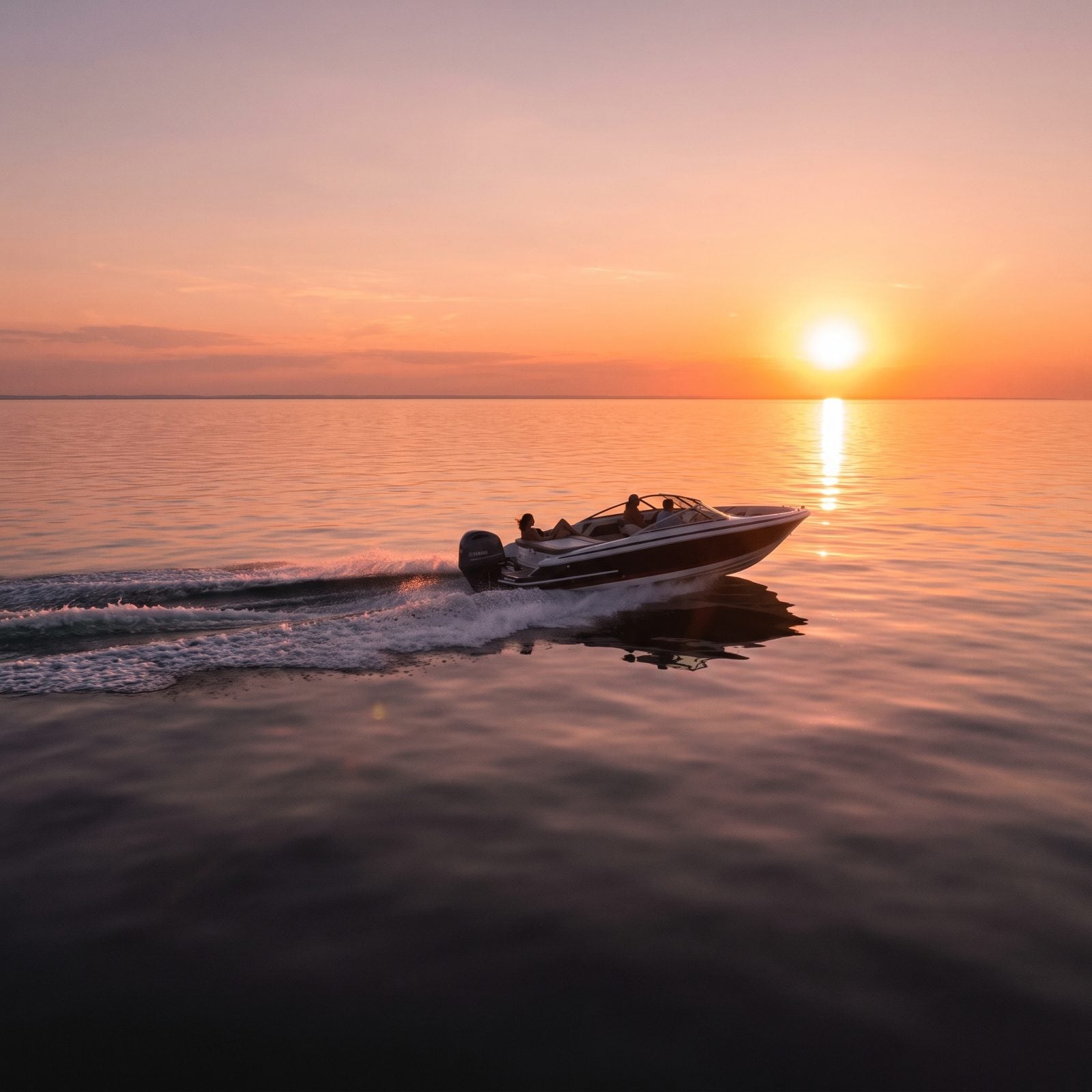
In the fantasy, it’s always golden hour. You’re cruising into a copper sunset, someone hands you a cold drink, the water is glass. No shrink-wrap, no bottom paint, no winter storage invoice arriving in October like a cold slap.
Welcome to the planning fallacy, boat edition. We budget for the dream and forget the overhead, every single time. The sunset is vivid and free. The haul-out fee is boring and expensive, so the brain quietly files it under “later.”
Veteran owners have a saying about the two best days of boat ownership: the day you buy it, and the day you sell it. They’re laughing. But they’re not joking.
13. You Call It Family Time to Justify the Loan
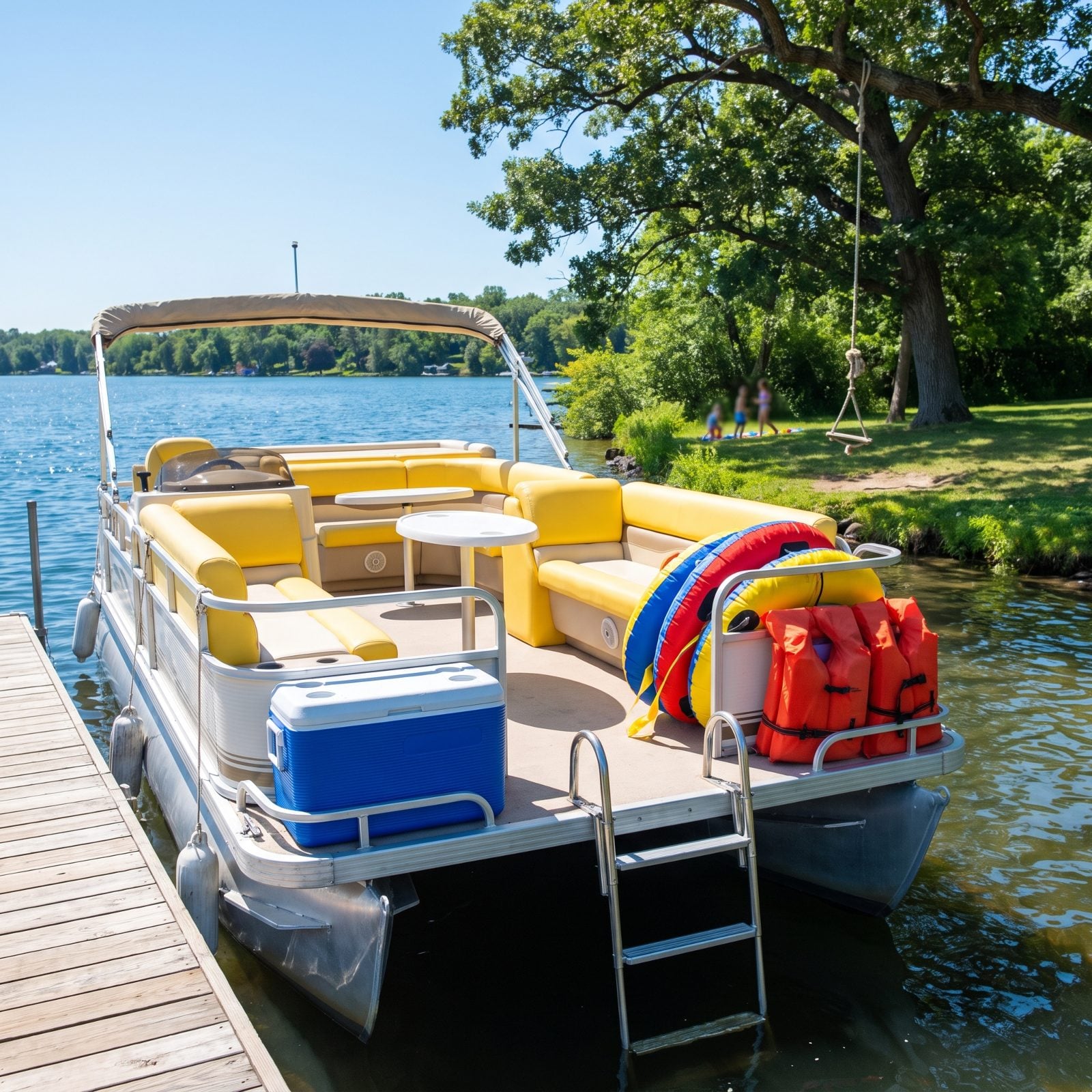
The pitch to your spouse is airtight. This isn’t for you — it’s for the family. Think of the memories, the kids, the grandkids, quality time away from screens, bonding on the water, a childhood worth remembering.
All true. Also convenient. When a want feels indulgent, we reframe it as a selfless need, and few reframes work better than “it’s for the children.” The loan goes down smoother when it’s wearing a parenting costume.
And look, boats really do create family memories, some of the best ones. But be honest about the ratio. If the kids come out twice a summer and you take it out forty times, the boat is mostly yours, and that’s fine. Just don’t be surprised when someone eventually points it out at a cookout.
12. You Hear Five Warnings and Remember One Enthusiast
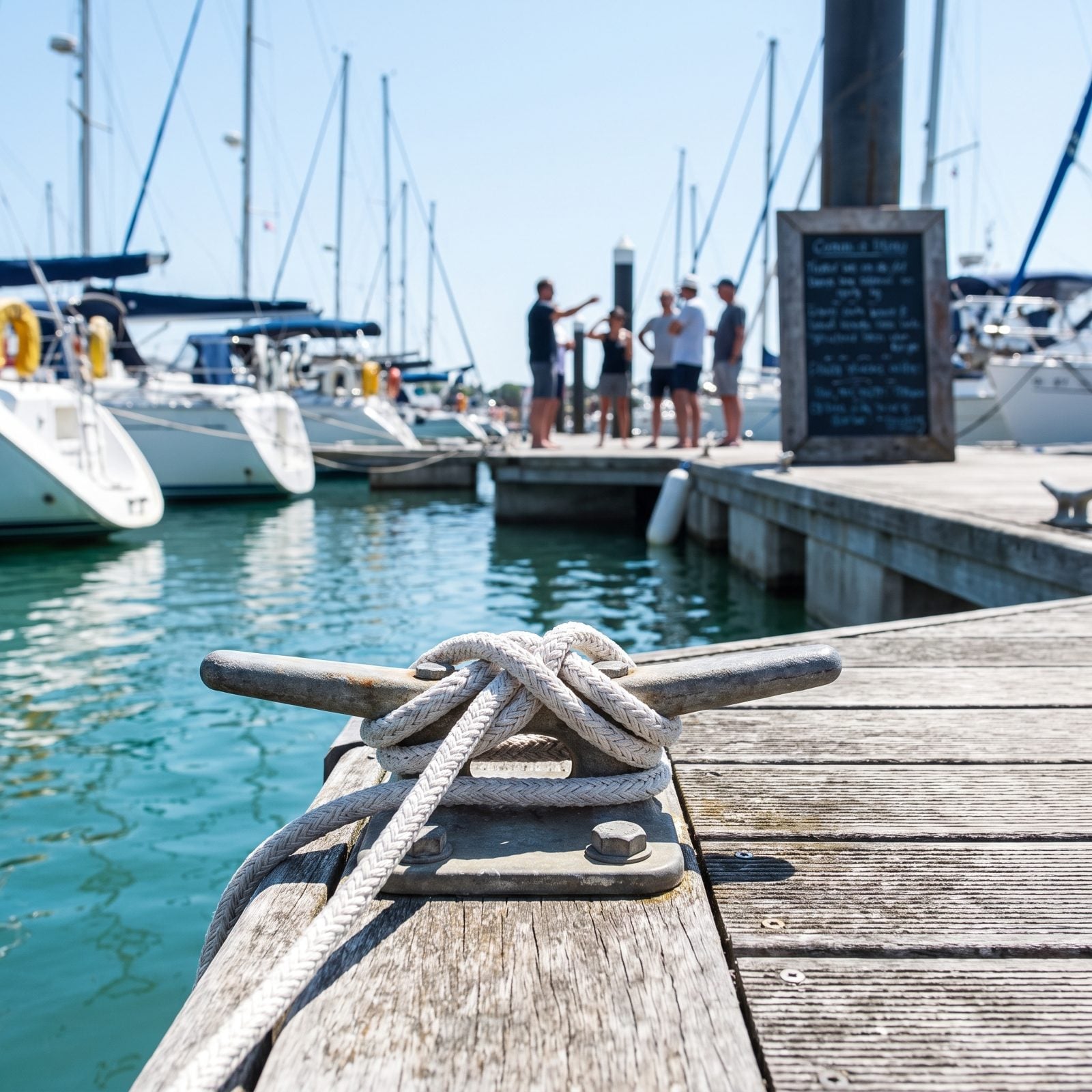
Five people tell you a boat is a hole in the water you throw money into. One guy at the marina, grinning, salt in his beard, says “best thing I ever did.” Guess which voice you carry home.
That’s confirmation bias plus a dash of social proof from the one source you wanted to believe. You’ve already half-decided, so your brain goes shopping for evidence that agrees and tunes out everything else. The five warnings become “negative people.” The one enthusiast becomes “someone who gets it.”
The warnings aren’t wrong, by the way. But neither is the grinning guy. The water really is that good. Both things are true, which is exactly why you get to pick the one you already wanted.
11. You Treat the Sea Trial Adrenaline as a Sign
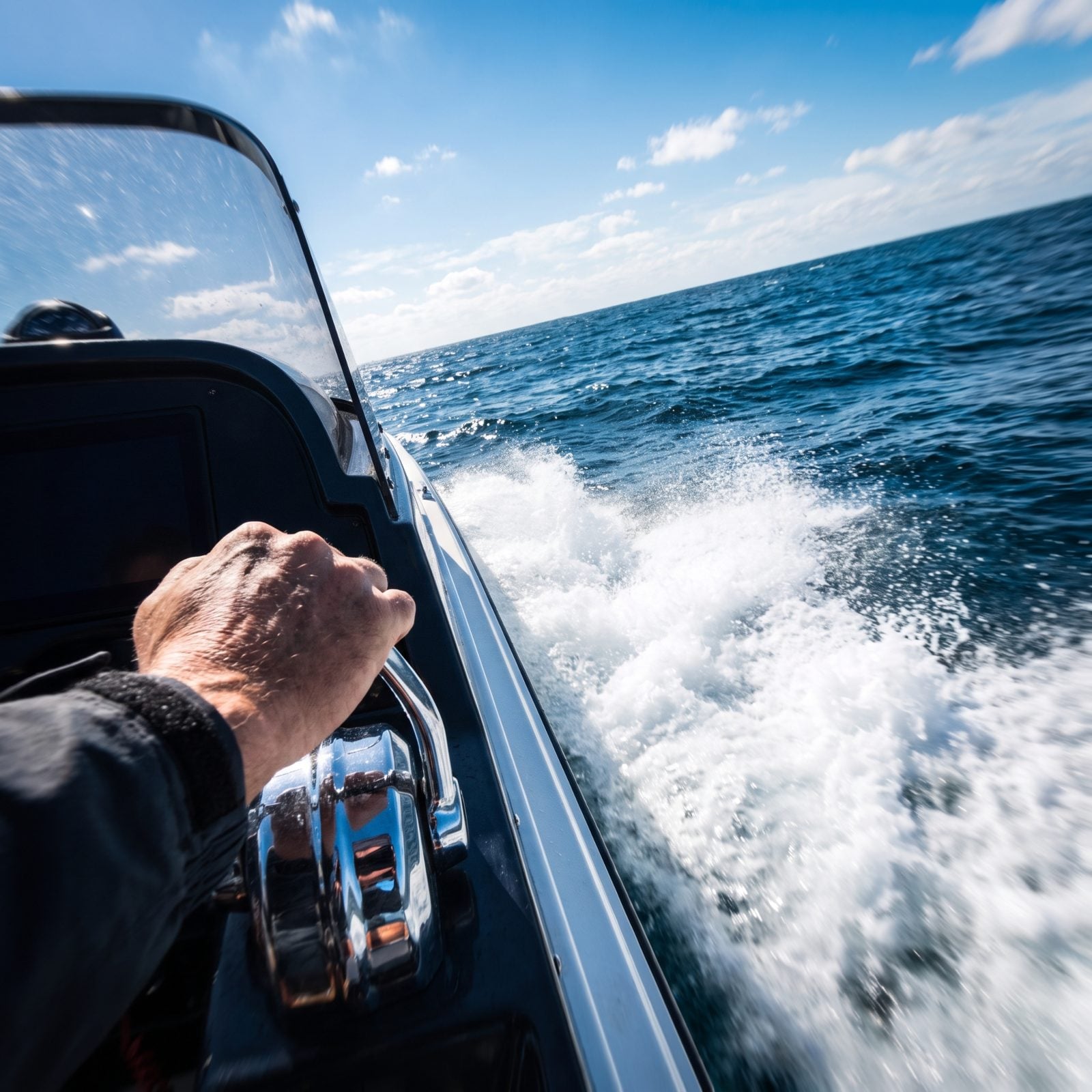
The sea trial is a legal form of persuasion. Full throttle, wind in your face, spray off the bow, your heart pounding. In that moment you’re not evaluating a purchase — you’re falling in love, and you mistake the pounding heart for wisdom.
Here’s what’s actually happening. That rush is physiological arousal, and your brain is terrible at telling its causes apart. It feels the racing pulse, notices it’s standing next to a boat, and concludes the boat is the reason you feel alive. Researchers call it misattribution of arousal. Dating coaches call it “take them somewhere exciting.” Boat dealers just call it Tuesday.
The thrill is real. It’s also engineered. Every demo boat is clean, light, and running on the dealer’s best day. The question isn’t whether the ride feels good wide open. It’s how you’ll feel idling into the no-wake zone for the four-hundredth time. Go on the sea trial. Just don’t sign anything while your pulse is still up.
10. You Need More Horsepower After Seeing the Next Slip
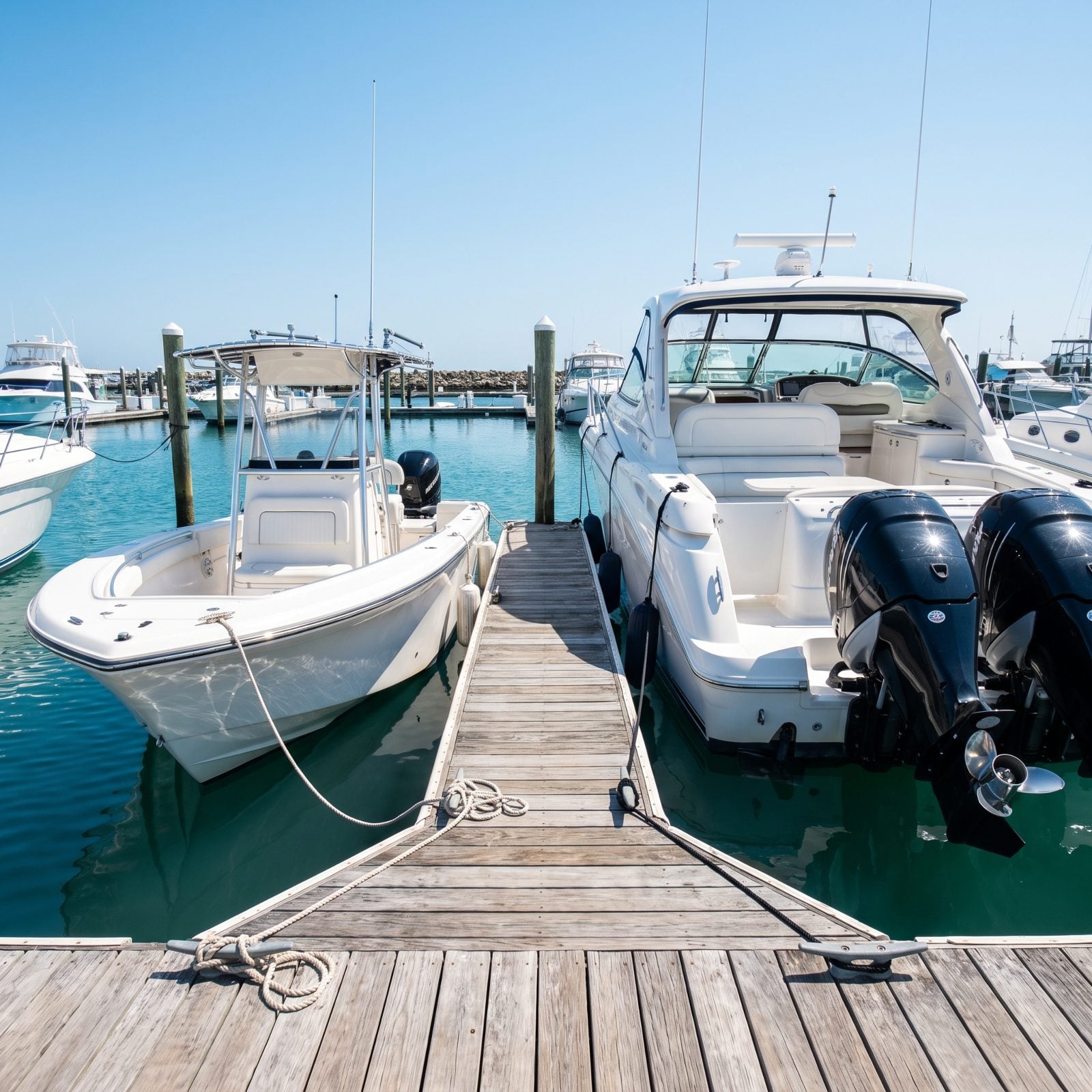
You were perfectly happy with your choice until you parked next to it. The boat in the next slip is a foot longer, has one more engine, and a hardtop yours doesn’t. Suddenly your boat feels small — the same boat it was this morning.
This is the hedonic treadmill meeting the oldest comparison in the book: keeping up with the slip next door. Satisfaction isn’t absolute, it’s relative, and the reference point keeps moving. Every upgrade feels great for about a season, until a bigger one shows up and resets the baseline to zero.
There is no boat big enough to win the slip next to a bigger boat. Someone always has twelve more inches of waterline than you do.
The fix isn’t a bigger engine. It’s deciding, before you buy, what you actually want the boat to do, then refusing to let the neighbor’s transom rewrite the spec. Easier said than done. We’ve watched grown adults lose whole afternoons to this exact math.
9. You Check With Your Partner After Finding the Perfect Boat
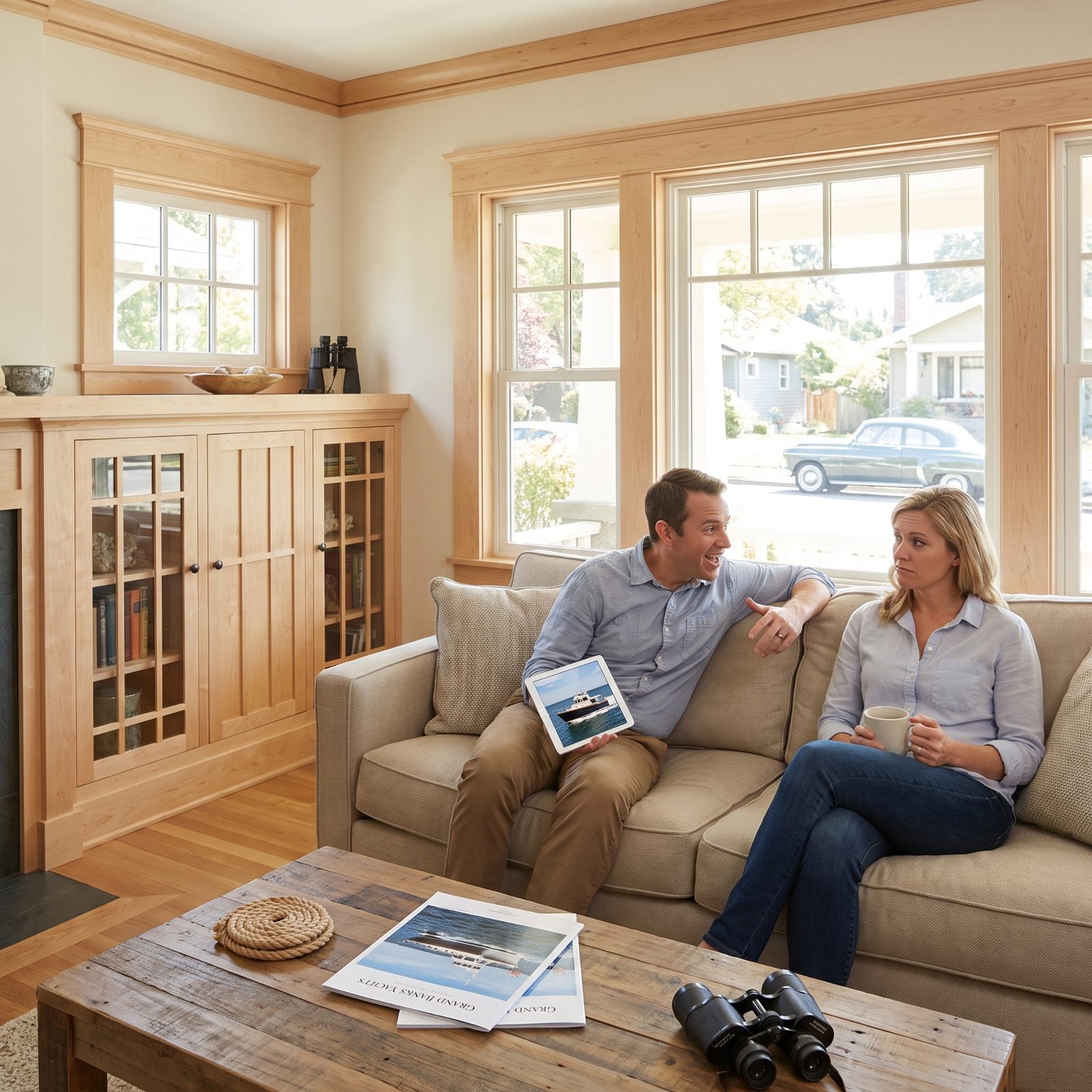
You already know. You knew the second you stepped aboard. But you tell the salesman you need to “run it by” your partner, and you call home — not to ask permission, but to arrange a blessing for the decision you’ve already made.
This is post-decision rationalization dressed as consultation. The classic sign of a locked-in choice is seeking approval instead of input. You’re not opening the question. You’re closing it, with a co-signer.
And honestly? That’s not always bad. A big decision deserves a second voice. But be straight about which conversation you’re having. If you’ve already picked the boat, say so. “I found the one, and I want your blessing” is a very different call than “should we do this,” and your partner can tell the difference from the first sentence.
8. You Insist This Is Your Last Summer to Do It

The clincher, the one you whisper to yourself in the truck on the way home: if not now, when? The kids are almost grown. The knees aren’t getting younger. This is the summer. The window is closing. It’s practically irresponsible not to.
Manufactured urgency is the engine of nearly every big reinvention, and the midlife version has real teeth because the scarcity is real. Time genuinely is finite, and that truth makes the pressure feel like wisdom instead of impatience, which is exactly why it works so well on smart, sensible people.
Here’s the kind truth. The window probably is open, and there’s real grace in acting on a thing you want while your body still lets you. But “last summer” has a way of repeating itself every single year. If the urgency is genuine, the boat will still make sense next March when the adrenaline’s gone and the storage invoice is in your hand. If it only makes sense tonight, that’s not urgency. That’s the salesman, and the Monday that started all this.
7. You Expect the Boat to Rescue Every Weekend
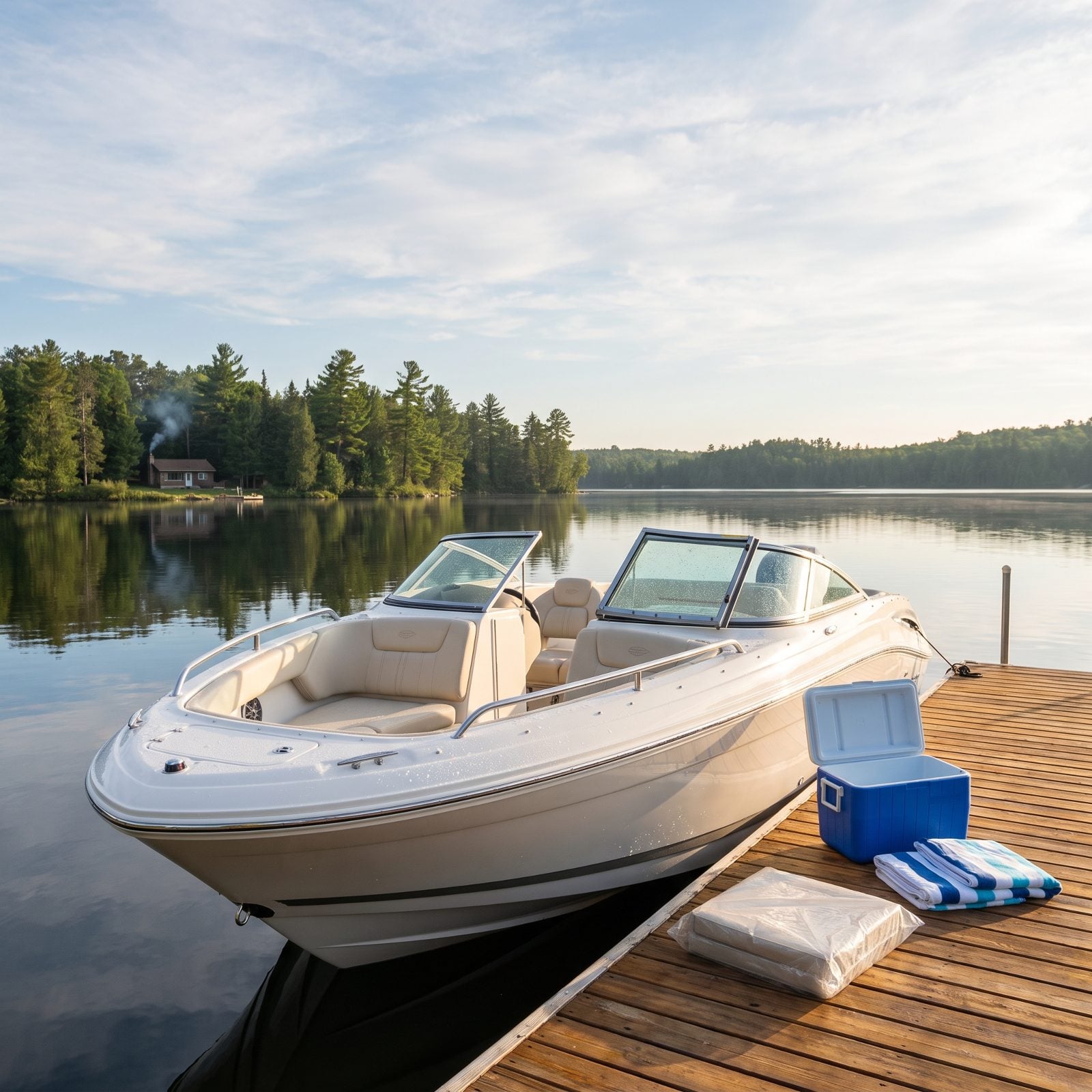
The brochure promised sunset cruises and kids laughing in the wake. What you actually bought was a plan to be happier, delivered in fiberglass. Every Saturday now has a job: make the whole week worth it.
This is hedonic adaptation doing its quiet damage. The thrill of a new purchase fades fast — faster than almost anyone expects — so we hang the leftover longing on the object and wait for it to deliver. A boat can give you a wonderful afternoon. It cannot fix a flat Tuesday or a marriage running on fumes. Same deal with the convertible, the lake cabin, the sudden interest in triathlons.
The boat performs beautifully right up until the moment you need it to be more than a boat. Then the water’s choppy, somebody’s seasick, and the thing that was going to rescue you is just sitting there, doing exactly what boats do.
6. One Electronics Upgrade Somehow Becomes a Full Refit
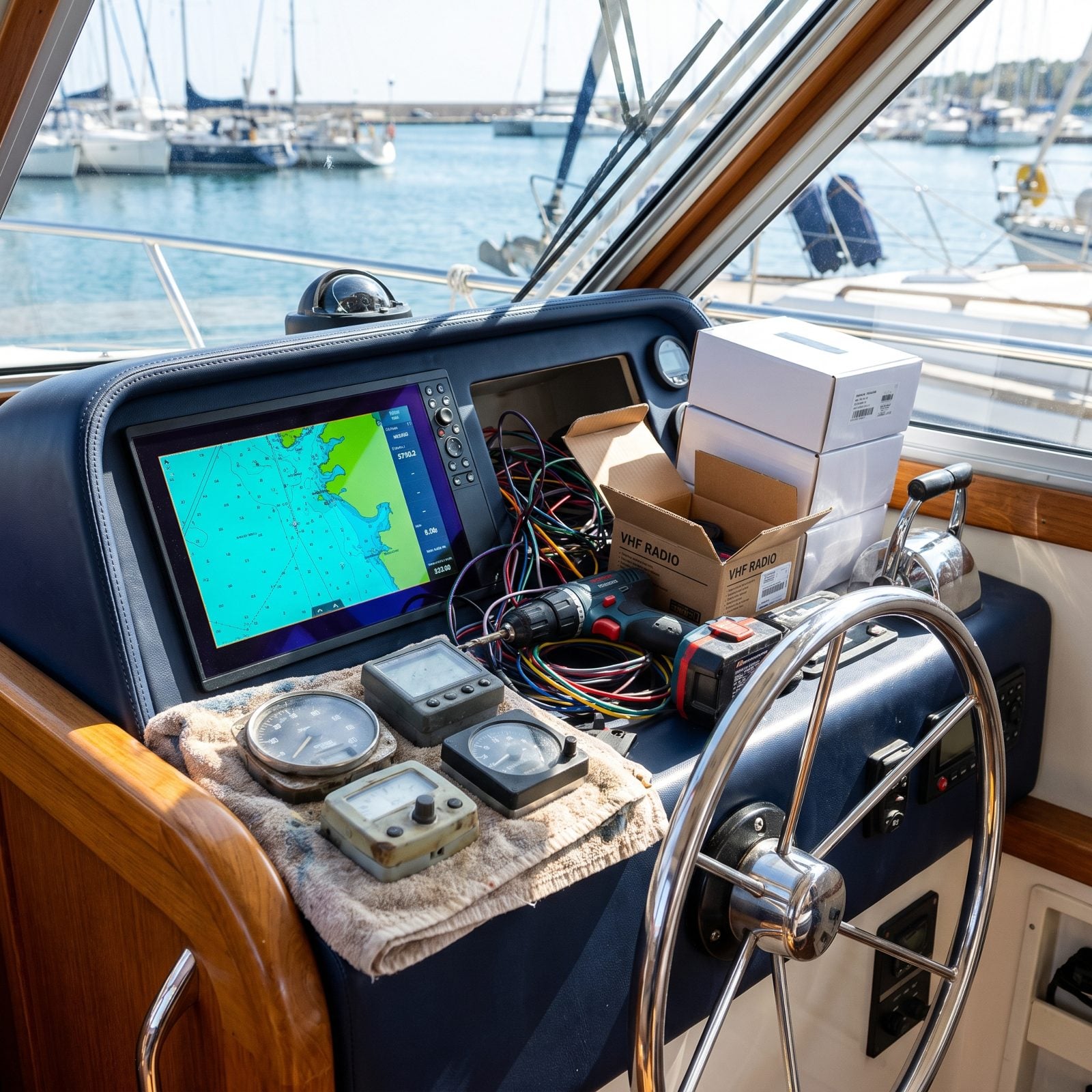
It started so reasonably. The old fishfinder was useless, so you’d just swap in a modern chartplotter. One screen. Clean install. Done by lunch.
But the new unit made the ancient VHF look embarrassing. And once the radio was out, the wiring behind it looked like a nest a raccoon abandoned. Might as well redo the harness. Then the stereo, the trim tabs, the courtesy lights. Suddenly you’re three thousand dollars deep in what was a hundred-dollar afternoon.
This is the Diderot effect, named after a philosopher who got a fancy new dressing gown and ended up replacing his entire study to match it. One upgrade sets a standard the rest of your stuff suddenly fails to meet. Same engine drives the kitchen remodel that follows a new fridge, or the whole new wardrobe that follows one good jacket.
5. You Defend the Boat Harder After Paying the Deposit
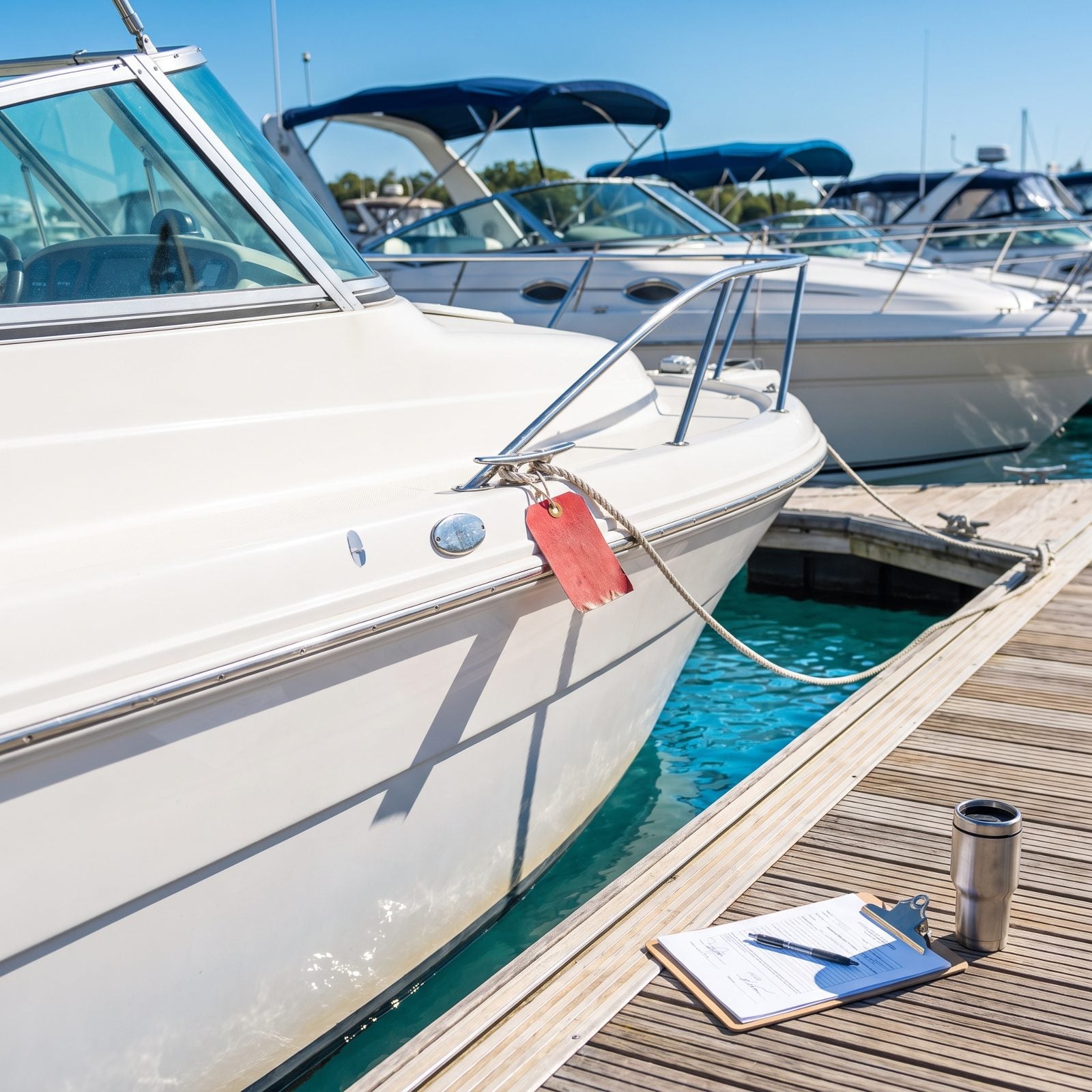
Before the deposit, you listed every flaw. The teak needs work, the hours are high, the previous owner clearly stored it in a swamp. You were a hard-nosed buyer. Skeptical. Immune to charm.
The moment your money changed hands, something flipped. Now when your brother-in-law points out the exact same flaws you spotted, you find yourself explaining why they’re actually not a big deal. The teak gives it character. High hours mean a well-loved engine. You’ve become the boat’s lawyer.
That’s cognitive dissonance smoothing itself over. Once we commit, especially with money, we quietly rewrite our opinion to match the decision, because believing we bought a flawed boat feels worse than believing we’re brilliant judges of boats. Happens the second you sign a lease, take the new job, or finally commit to someone. Doubt gets demoted. Loyalty shows up uninvited.
4. You Rename the Boat Like You’re Renaming Yourself
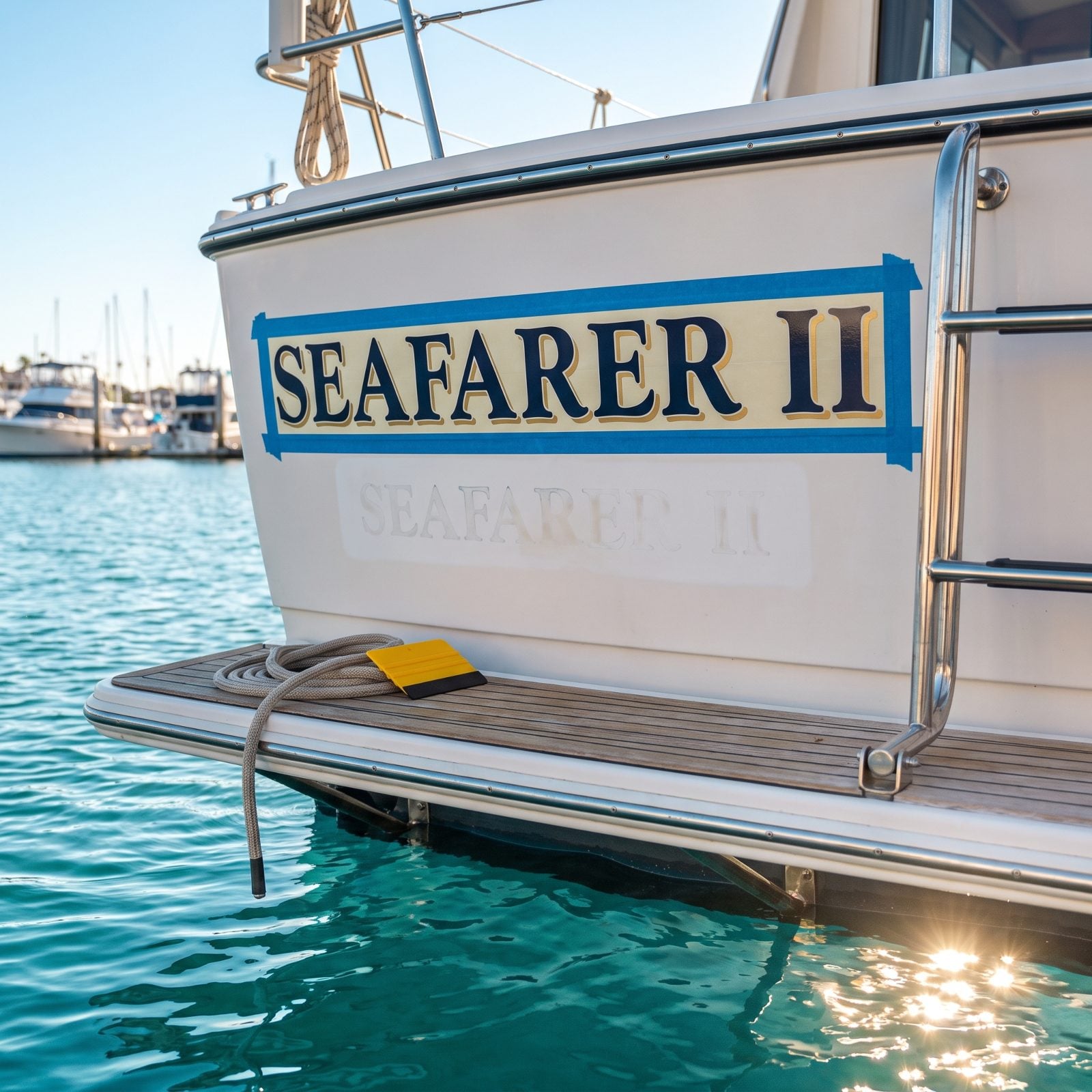
Nobody renames a boat casually. You spend weeks on it. You reject Serenity for being too obvious and Second Wind for being too on the nose, then quietly circle back to something that means exactly that. There are superstitious ceremonies involving champagne. People take this deathly seriously.
Because it isn’t the boat you’re naming. It’s the chapter. A new name on the transom is a flag planted on a new identity — the same impulse behind a dramatic haircut after a breakup, or going by your middle name at the new job. You’re announcing a self that didn’t exist last year.
Here’s the tell: the names people choose lean hard on escape and rebirth. Knot Working. Island Time. Reel Therapy. That’s not whimsy. That’s a mission statement.
You’re not naming a boat. You’re naming the person you want to be when you’re on it.
3. You Join the Yacht Club Before Mastering a Cleat Hitch
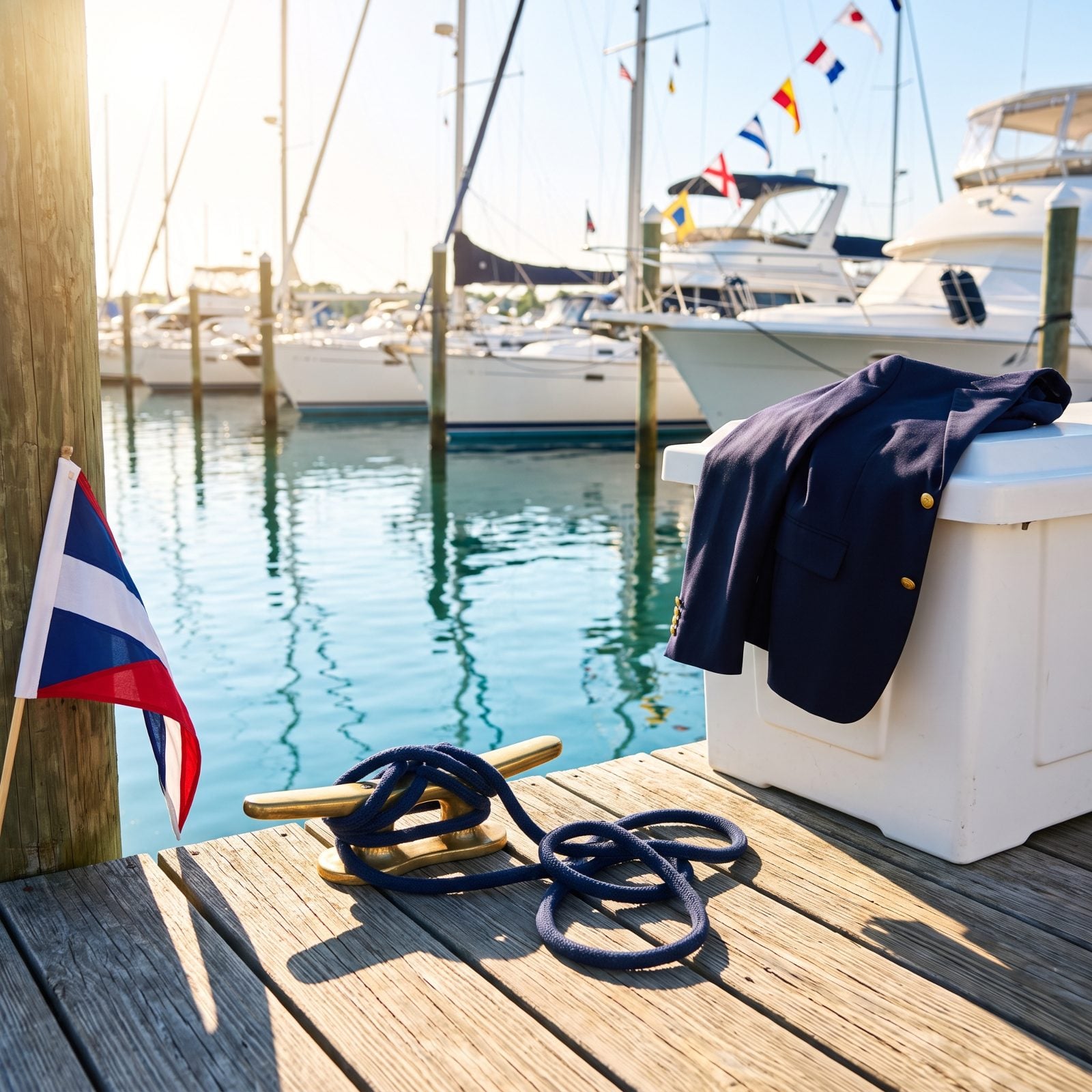
The membership came first. The burgee, the blazer, the dinner at the club with the brass lamps and the old racing photos. You felt it immediately — belonging, like you’d always been a boat person and just hadn’t had the paperwork yet.
Meanwhile the cleat hitch, the single most basic skill in tying up a boat, still takes you three tries and a glance over your shoulder to see if anyone noticed.
This is status signaling getting ahead of competence, one of the oldest moves in the human playbook. We buy the uniform of the group we want to join because the badge feels faster than the mastery. The gym membership before the first workout. The golf clubs before the first lesson. Business cards for a company that doesn’t quite exist yet.
2. You Buy a Project Boat to Feel Capable Again
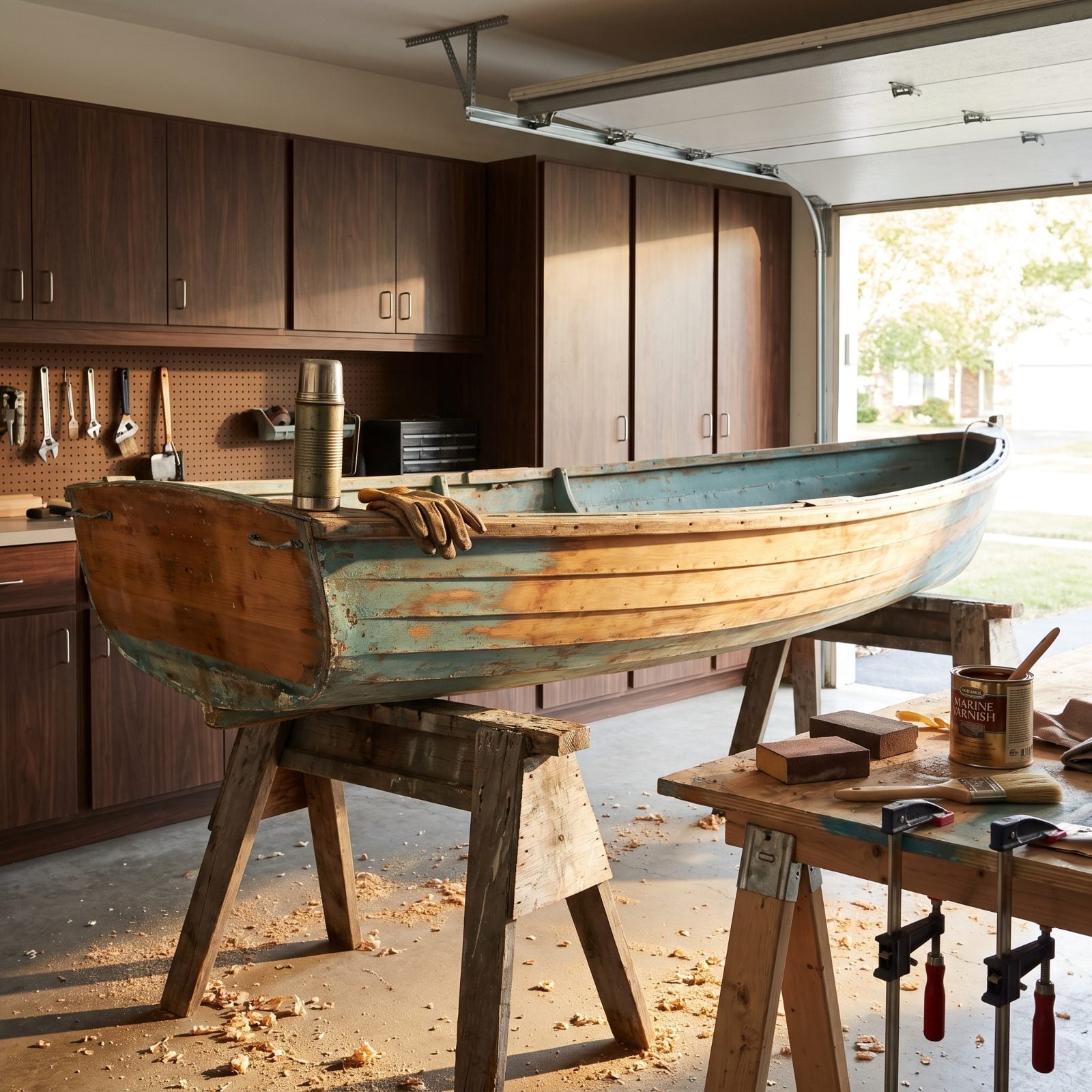
You could have bought something that runs. You had the money for a boat that would float on day one. Instead you bought a tired old hull with soft decks and a seized engine, and you felt a strange flicker of joy about it.
That flicker is the point. Somewhere in the career, the kids leaving, the general sense of being managed rather than mastering, a person starts craving a problem he can actually solve with his own hands. A boat you rebuild gives you that. Every sanded plank is proof you still make things instead of just attending meetings about them.
Psychologists call the affection you develop for things you build yourself the IKEA effect. We value our own labor more than it’s objectively worth. Your restored boat will be worth less than you spent and mean more than almost anything you own. And honestly? That’s the whole reason you did it.
1. You Research Hull Angles Instead of Asking Why Now
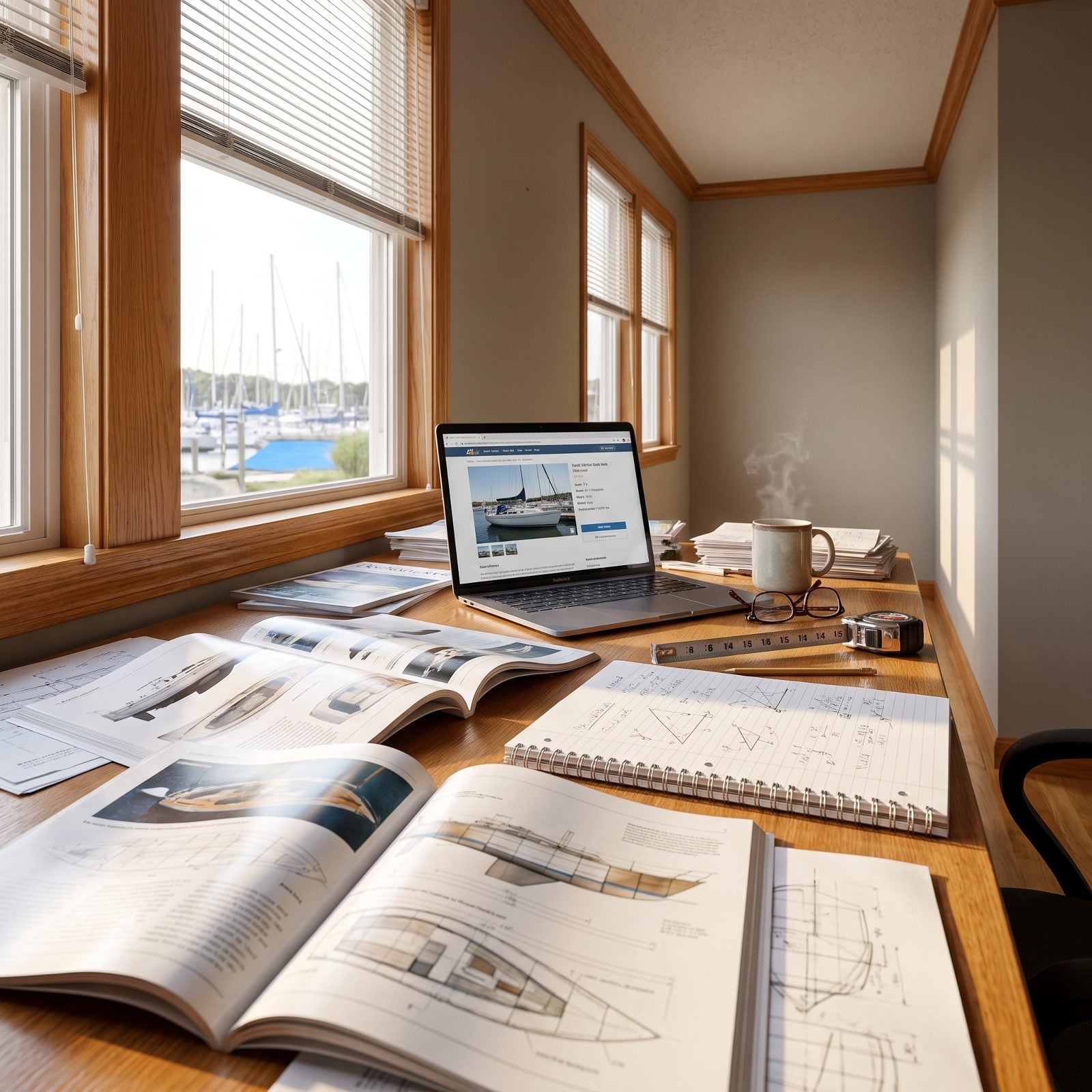
By now you can explain deadrise angle at a dinner party. You know the difference between a deep-V and a modified-V, the trade-offs of planing versus displacement hulls, the exact gallons-per-hour of three different engines. You’ve done the homework. Impressive homework, really.
But notice the one question you never researched. Why now? Why this spring, this particular ache to be out on the water, this particular need for a whole new life that floats. The spreadsheet has forty tabs and not one of them is about you.
That’s intellectualizing, and it’s a comfortable place to hide. Facts about hulls are solvable. The feeling underneath — the restlessness, the wanting something to change — is murkier and a lot harder to Google. So we pour our energy into the technical question we can master and skip the human one we can’t.