
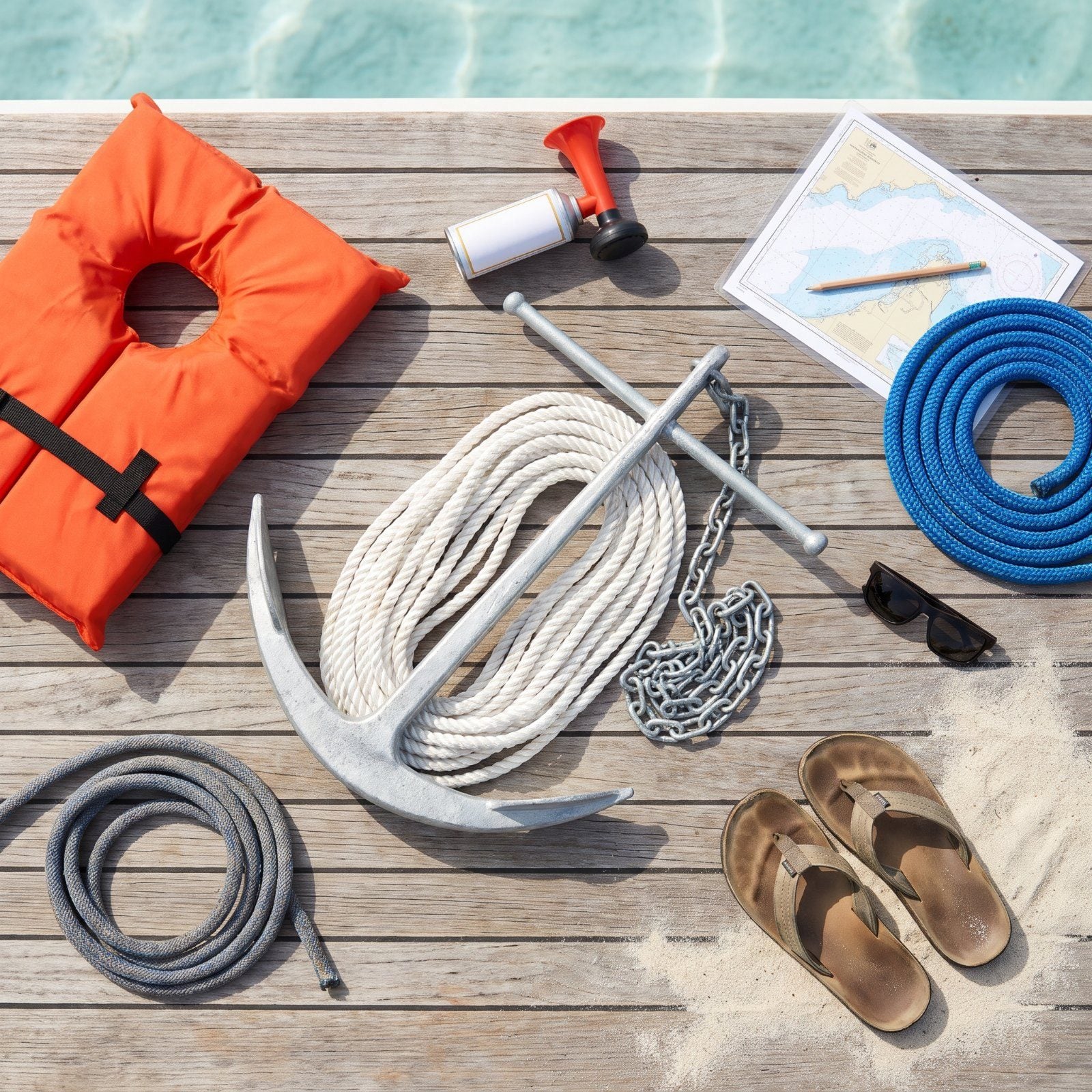
The anchor dragged, the boat swung forty feet to port, and the family next to us watched their cooler lid slap against our swim platform. Nobody yelled. But somebody had done the math wrong, and on a packed holiday sandbar that kind of mistake surfaces in a hurry. A good day out here runs on quiet agreements: idle in, read the tide, drop two anchors, give the next boat room to breathe. Get those right and you spend the afternoon with your feet in warm water and a sandwich in your hand. Get them wrong and you spend it apologizing. Here are the ones worth knowing before you point the bow toward the shallows.
Please note that some of the imagery in this article may have been enhanced with the assistance of AI.
45. Enter and Leave the Sandbar at Idle Speed
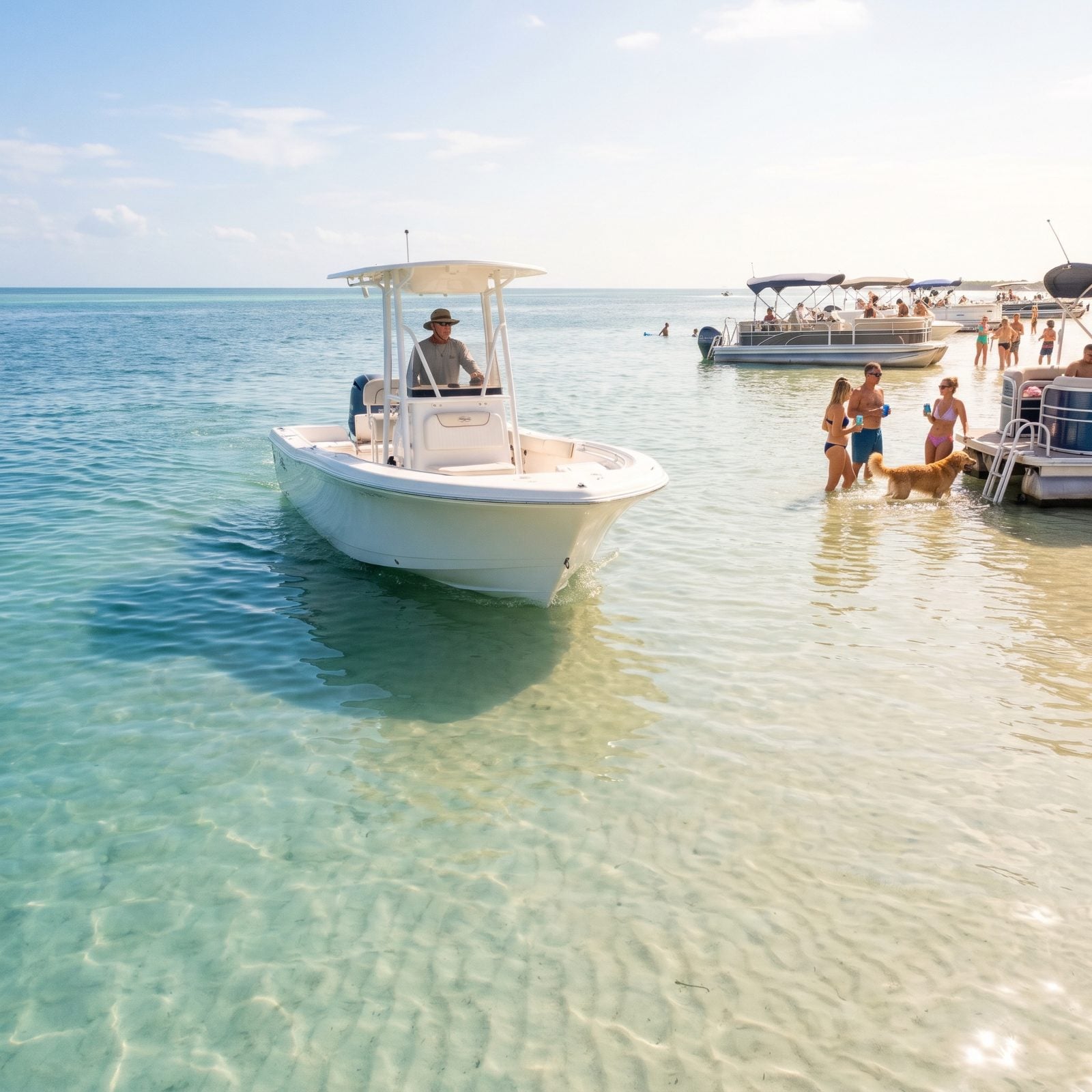
The wake you throw on the way in is the wake somebody’s toddler catches to the face. That’s the whole argument. At a crowded sandbar the water is thick with people standing waist-deep, dogs paddling, and floats tied off the stern, so coming in on plane sends a wall of displaced water rolling through all of it.
Idle speed saves you from yourself too. In two feet of clear water you can read the bottom, spot the shallow lip, and ease off before you plow into sand. Rush the entrance and you end up grounded in front of an audience.
44. Follow the Established Approach Channel
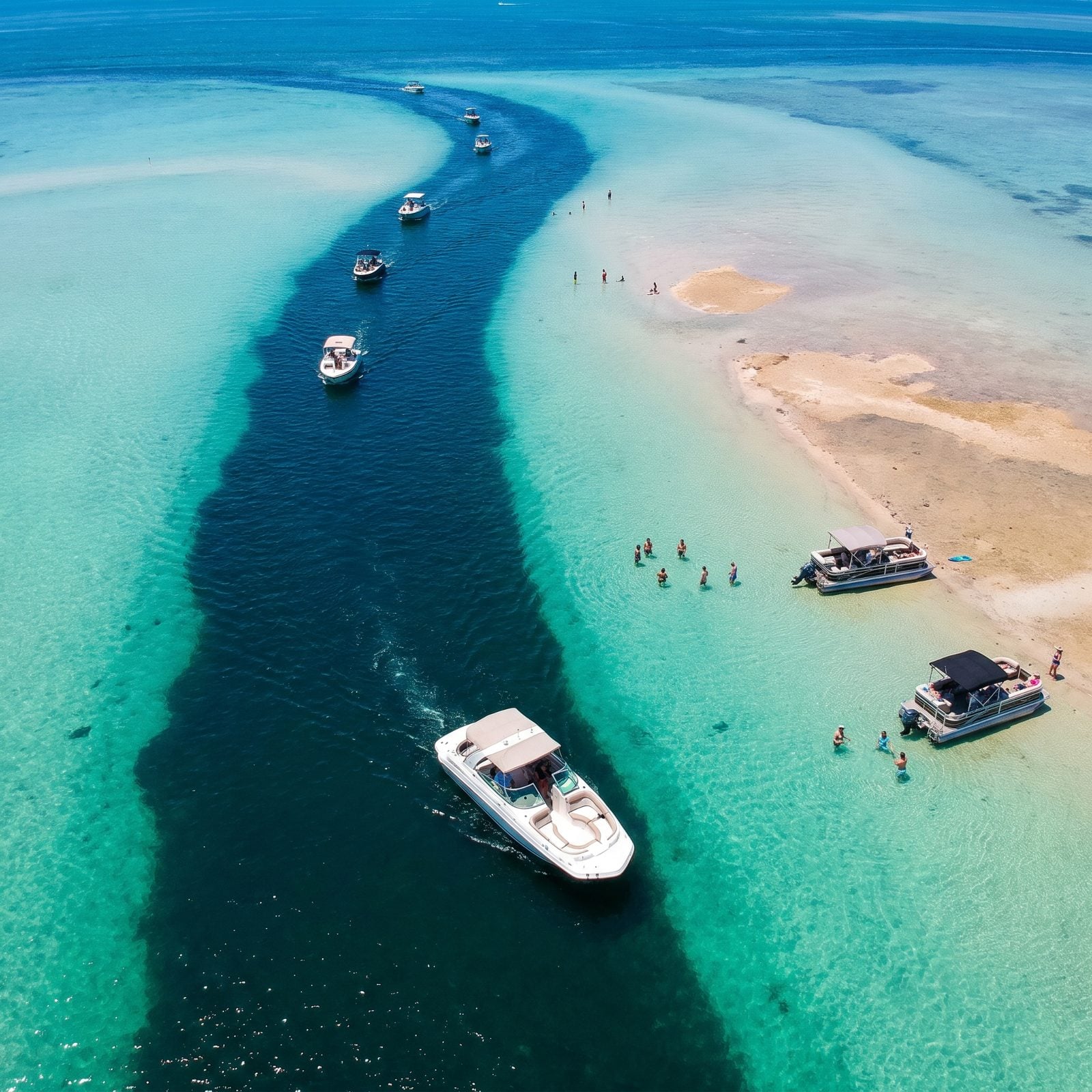
There’s almost always a deeper lane into a popular sandbar, and the locals have known it for years. You can usually read it in the water color, where the channel runs a shade darker blue than the shallows around it.
Cutting your own path across the flats is how you find a sandbar the hard way, and how you churn up bottom that everybody else is swimming in. So follow the boats that know the spot. Fall in line. That lane exists because somebody already found the shallow bits so you don’t have to.
43. Give Grounded Boats a Wide, No-Wake Berth
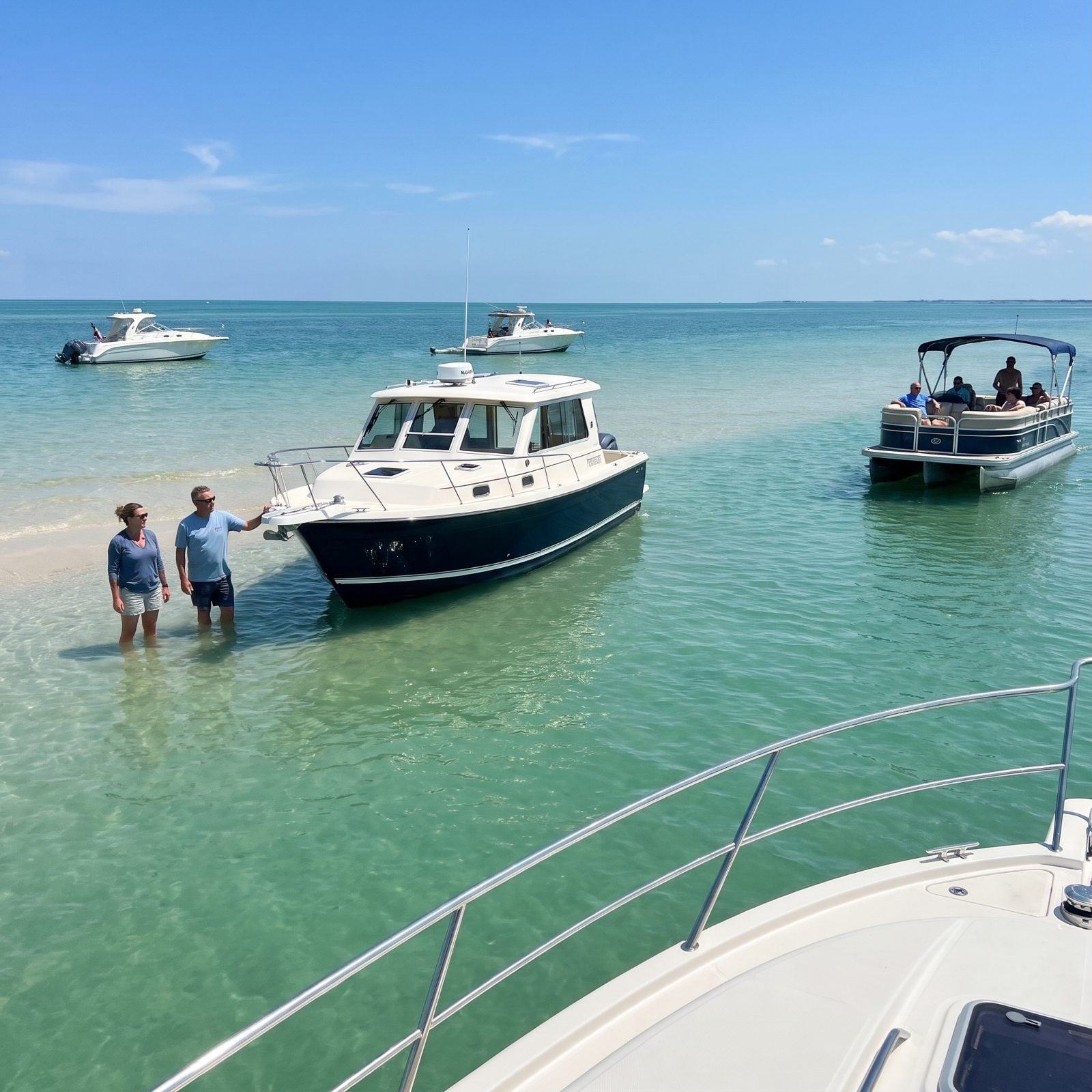
A boat sitting on the bottom is already having a rough day. The last thing its hull needs is your wake rocking it harder onto the sand, or worse, slamming it against the bottom as the water surges.
Slow to a crawl and swing wide. Give the grounded crew room to kedge off, walk an anchor out, or just wait for the tide. If they wave you off, respect it. One day it’ll be you on the sand, and you’ll remember exactly who idled past and who roared by throwing spray.
42. Never Beach the Boat Under Power
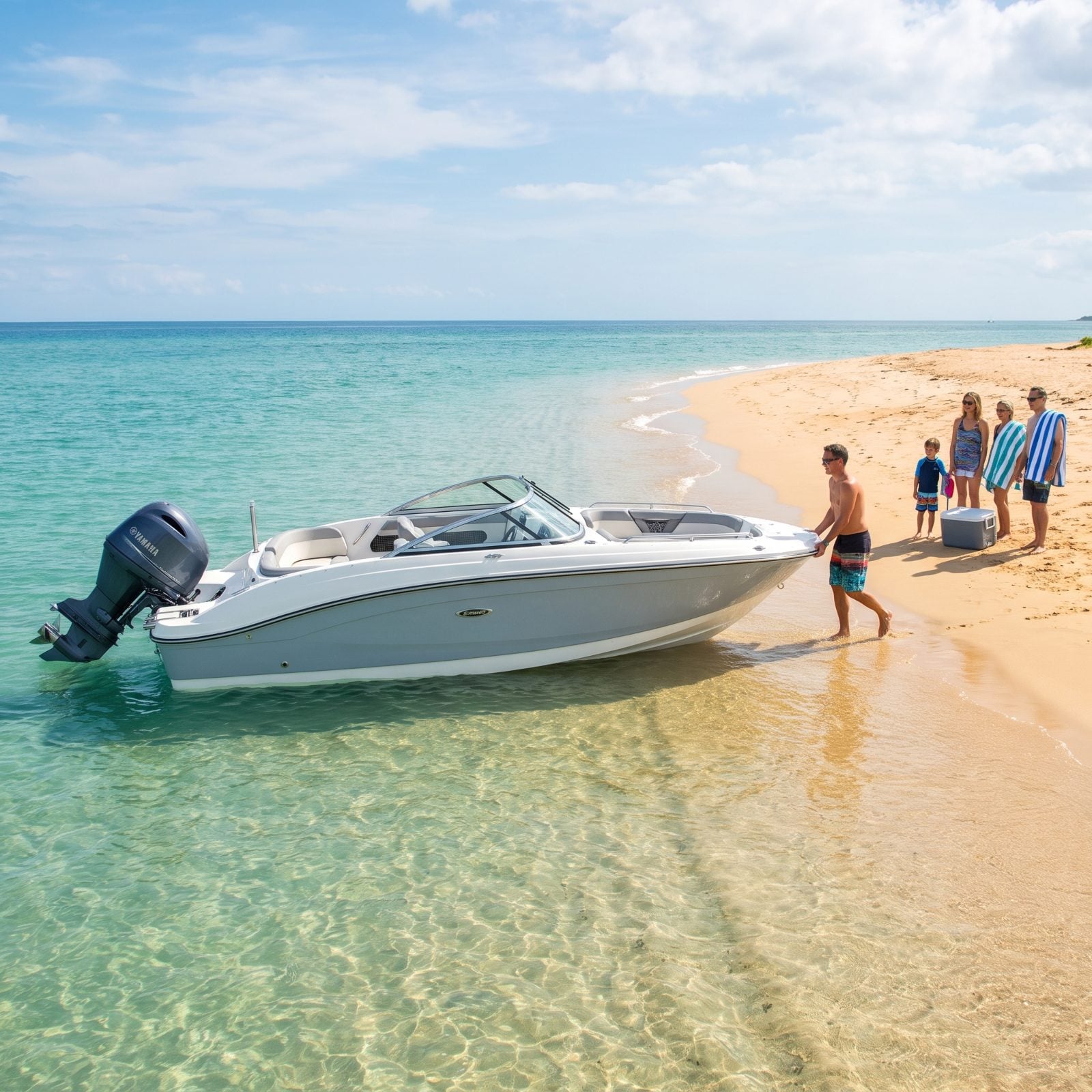
Driving the bow up onto sand under throttle feels decisive and looks confident. It also packs sand into your cooling intake, scuffs the gelcoat, and can wedge the hull so firmly that only a rising tide will set you free.
Come in at idle, trim the drive up as the water shallows, and let momentum carry the last bit. Better yet, step off into the shallows and hand-walk the bow those final few feet. Lower unit stays clean, hull stays unscratched, and you don’t bury yourself in front of everyone nursing a cold one on the beach.
In his guide to anchoring at sandbars, a sandbar charter captain warns “Driving hard onto the sand can leave the boat stuck as the tide falls and may put the hull, lower units, props, and cooling-water intakes unnecessarily close to the bottom.”
41. Never Use the Propeller to Dredge Yourself Free
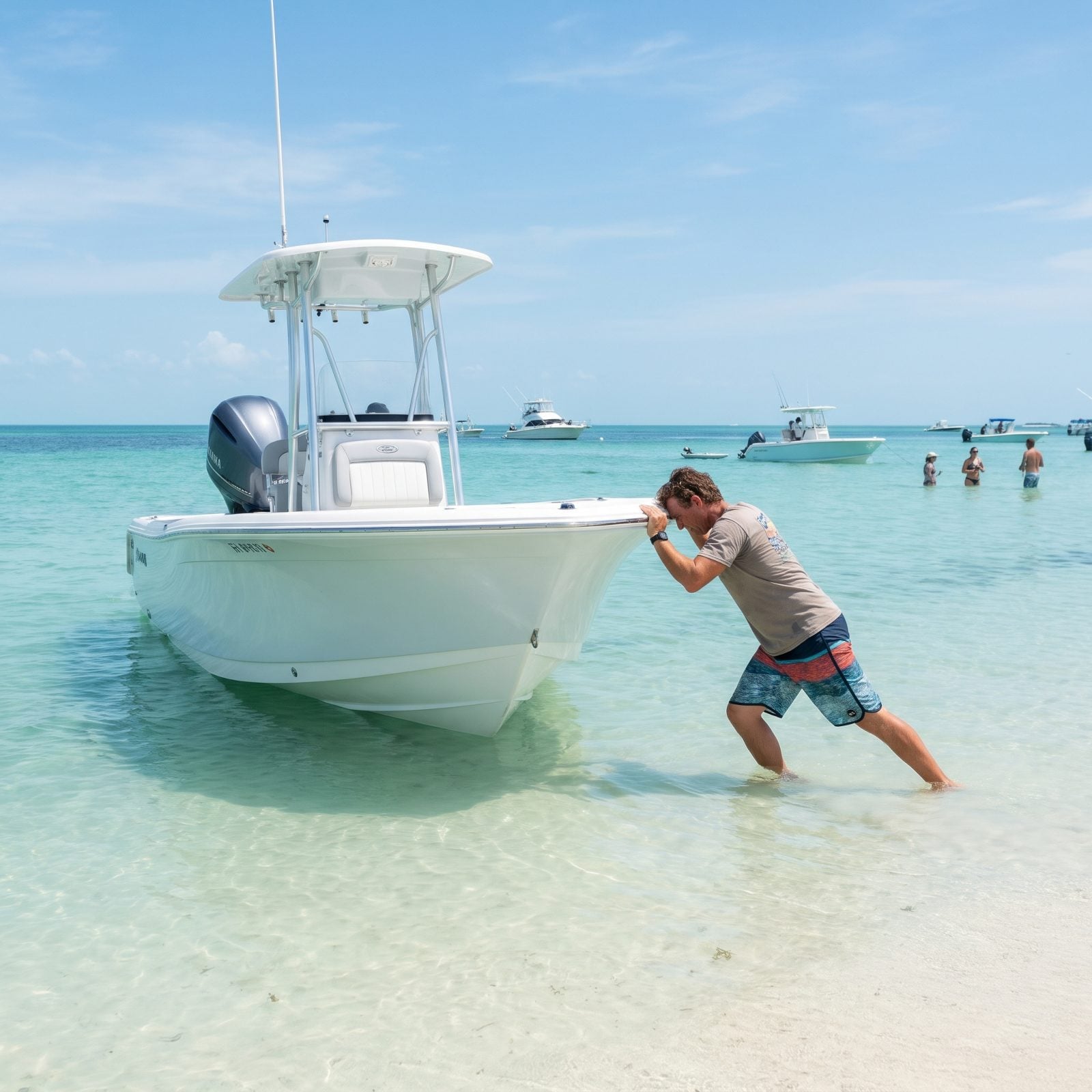
Gunning the engine to blast yourself off a bar ruins everyone’s water and your own day in one move. The prop digs a trench, throws up a brown plume that drifts into the whole anchorage, and sucks sand straight through your cooling system. People swimming nearby suddenly can’t see their own feet.
Shut it down and get physical instead. Push off by hand, rock the hull, walk the bow into deeper water, or set an anchor out and pull. Patience and a rising tide beat full throttle every time, and nobody’s floating their kid through a cloud of silt you kicked up.
40. Point the Bow Into the Current or Chop
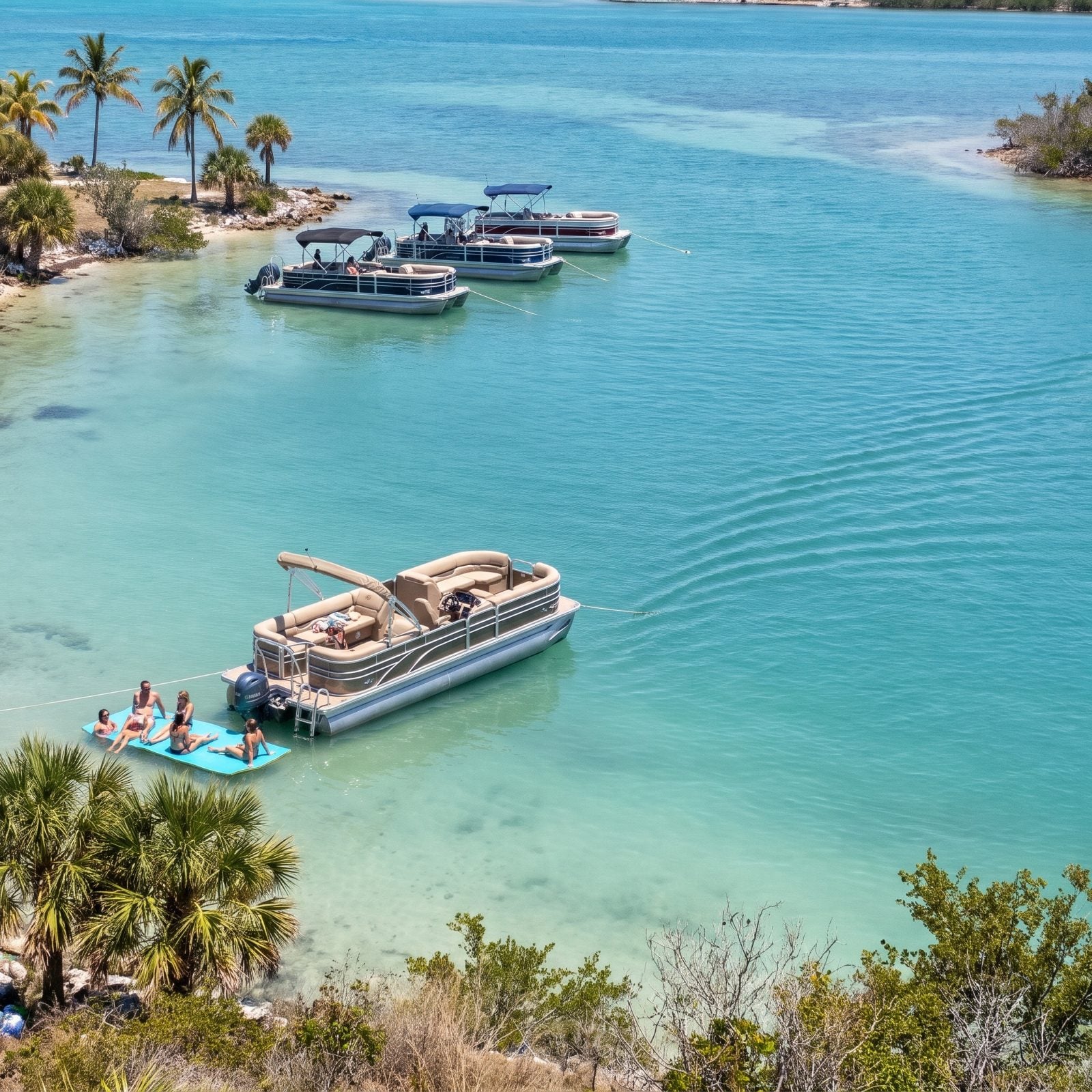
A bow takes current and chop far better than a beam does. Point it into whatever’s moving and the boat rides steady, the anchor pulls straight, and your passengers aren’t rolling side to side in the shallows.
Get it wrong and you anchor broadside to the flow. Now every wake and every tide push shoves the hull sideways, the anchor loads at a bad angle, and you start dragging toward the boat next to you. Set up facing the water movement from the start. The whole anchorage usually sits the same way, so if you’re pointed differently than everyone else, take the hint.
39. Bury and Test the Bow Anchor
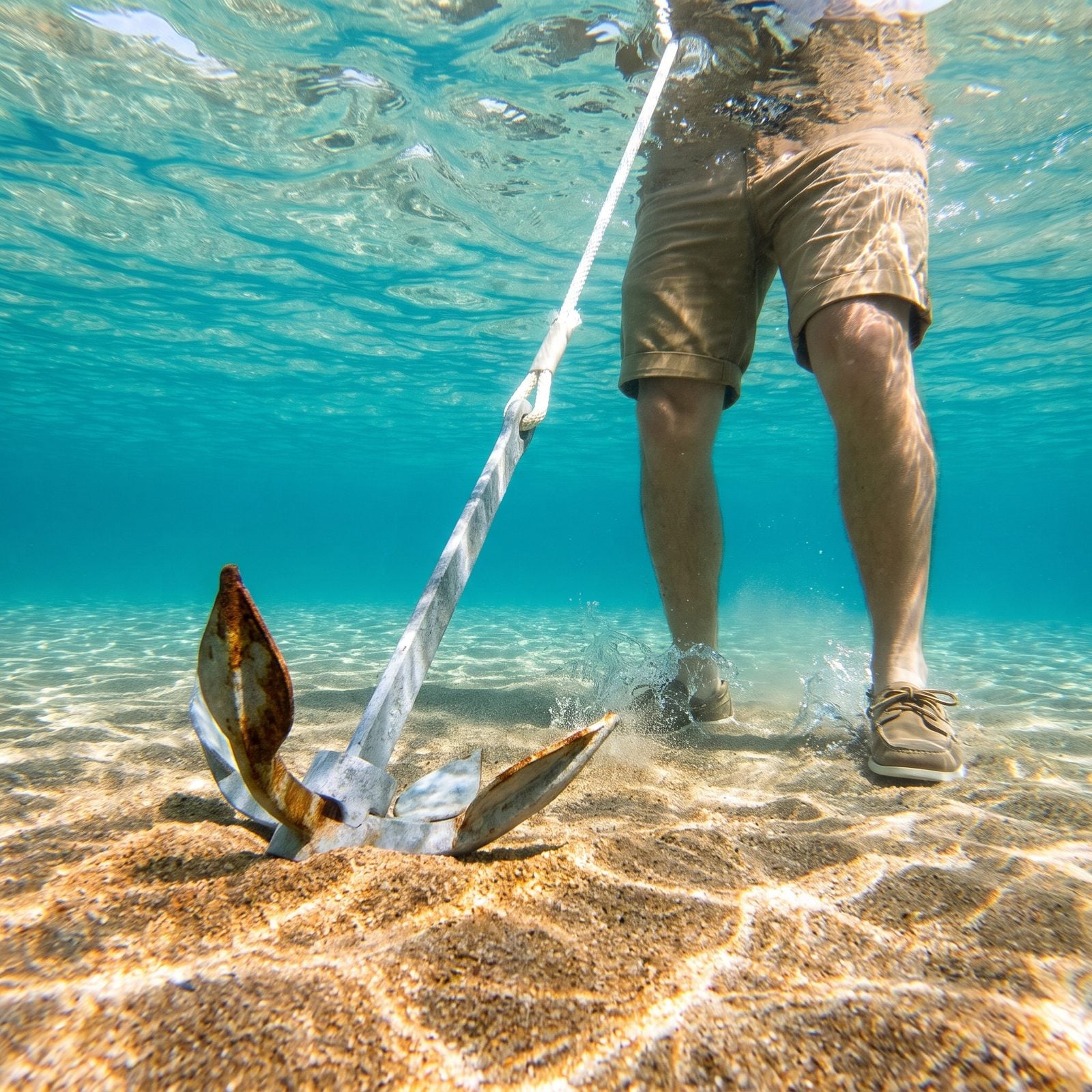
Dropping an anchor is not the same as setting one. A fluke lying flat on hard-packed sand will hold fine until the first boat wake, then it skips free and you’re drifting toward someone’s swim ladder.
Let out enough rode for a decent scope, usually several times the water depth, then back down gently until the anchor digs in and the line comes tight. In clear sandbar water you can often watch the flukes bury themselves. Tug it by hand to confirm it’s set, not just resting. Half a minute of checking now saves you a scramble later when the current turns and your boat quietly walks away.
38. Add a Stern Anchor to Prevent Swinging
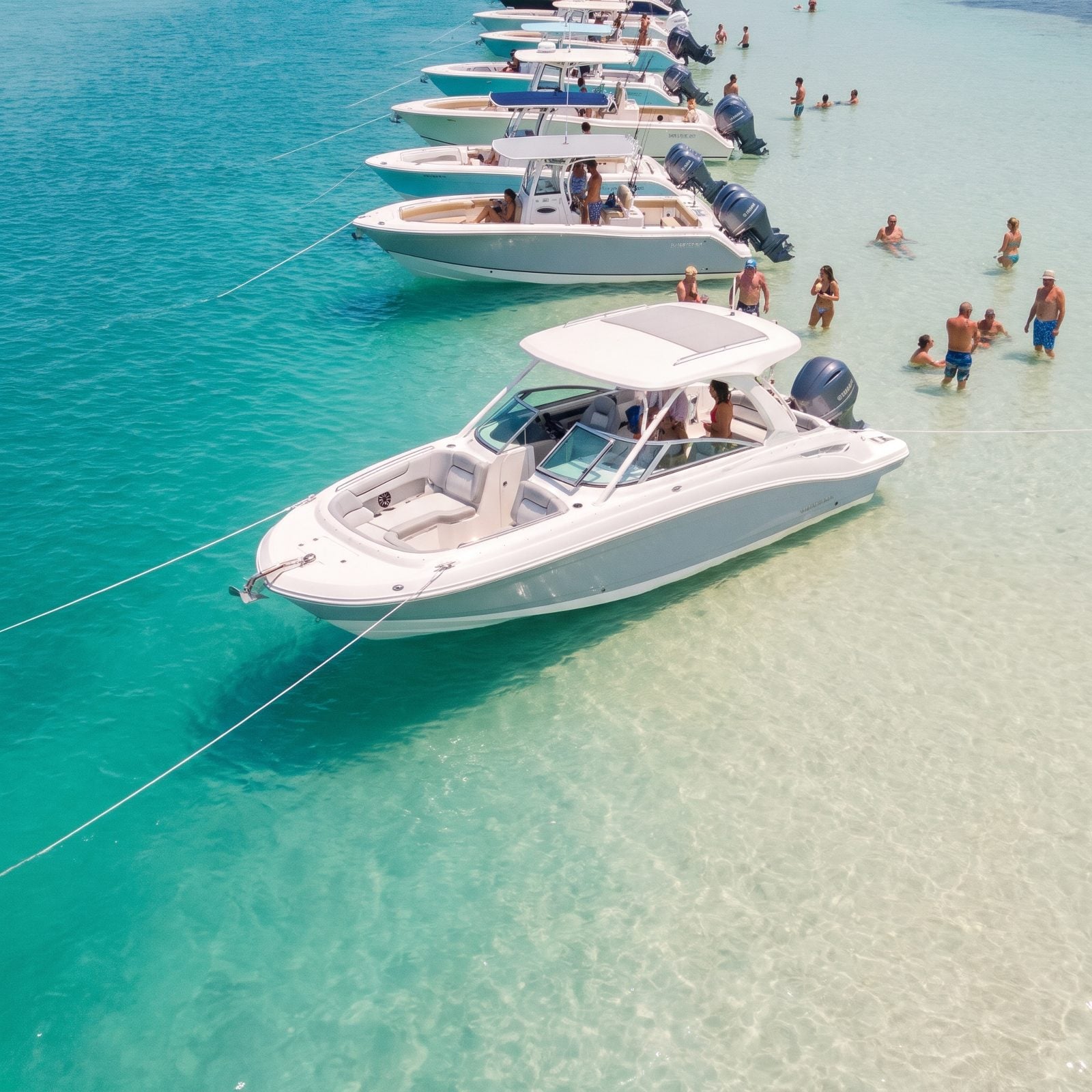
On a packed bar, a boat on one anchor swings in a big lazy circle as the wind and current shift. Multiply that by forty boats and you get a slow-motion bumper-car game nobody signed up for.
Drop a second anchor off the stern and you pin the boat in place. Set the bow anchor first, back down to position, then carry or drop the stern hook and snug both lines. Now your boat holds its lane. The crews beside you can trust where your hull will sit in an hour, and that trust is what keeps a tight anchorage relaxed instead of tense.
37. Leave Enough Room for Every Boat to Swing
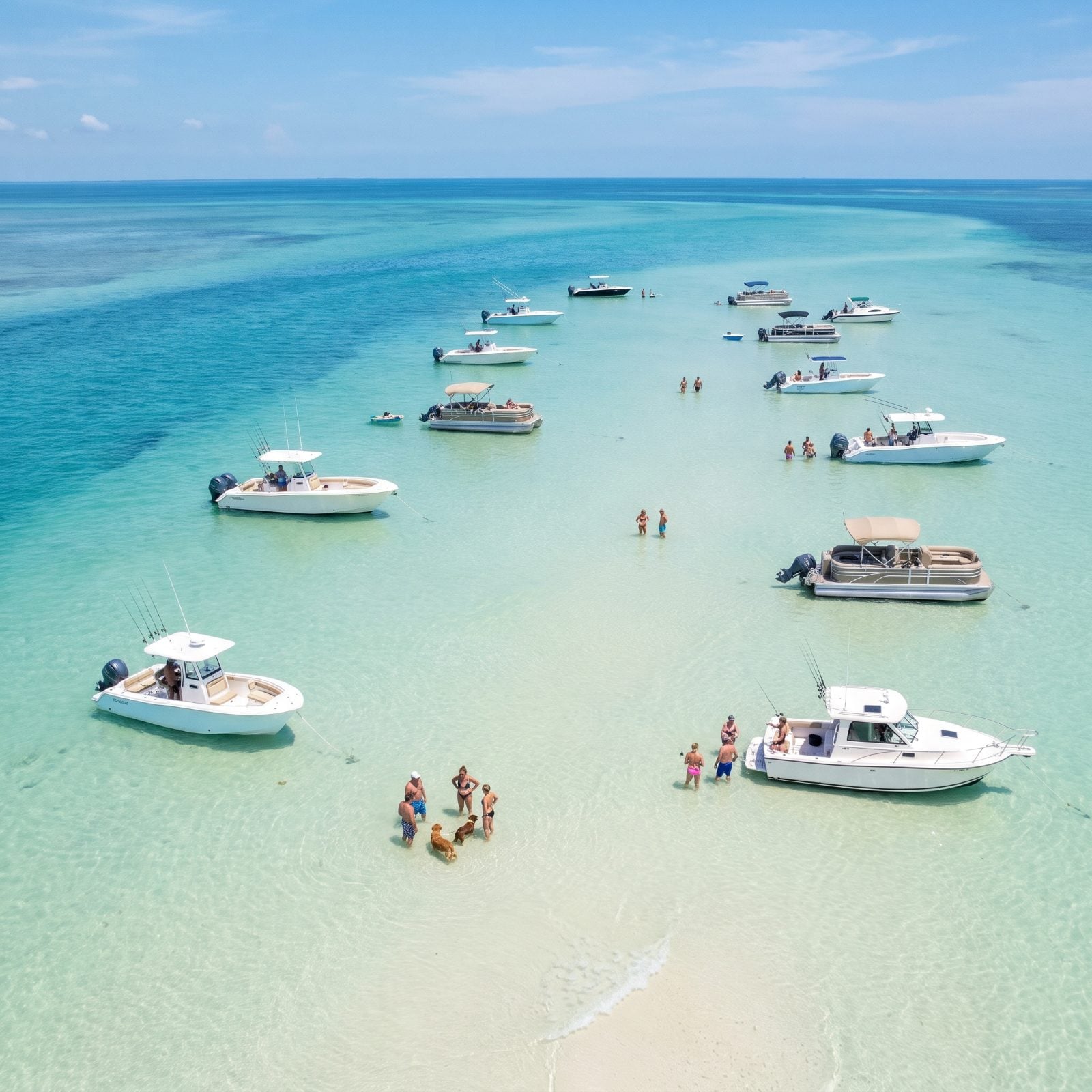
The first boats at a sandbar get to spread out. The ones that arrive at noon on the Fourth of July have to thread in politely, and that’s where tempers fray.
Picture the worst case before you drop the hook. The wind clocks around, every boat swings on its rode, and now where does your hull end up? Give yourself a full swing radius of clearance from the boats around you, even if it means anchoring a little farther out and wading in. Crowding in to save forty feet of walk is how two families spend the afternoon fending each other off instead of eating lunch.
Leave the room. The whole sandbar runs on it.
36. Mark Your Submerged Anchor Line With a Float
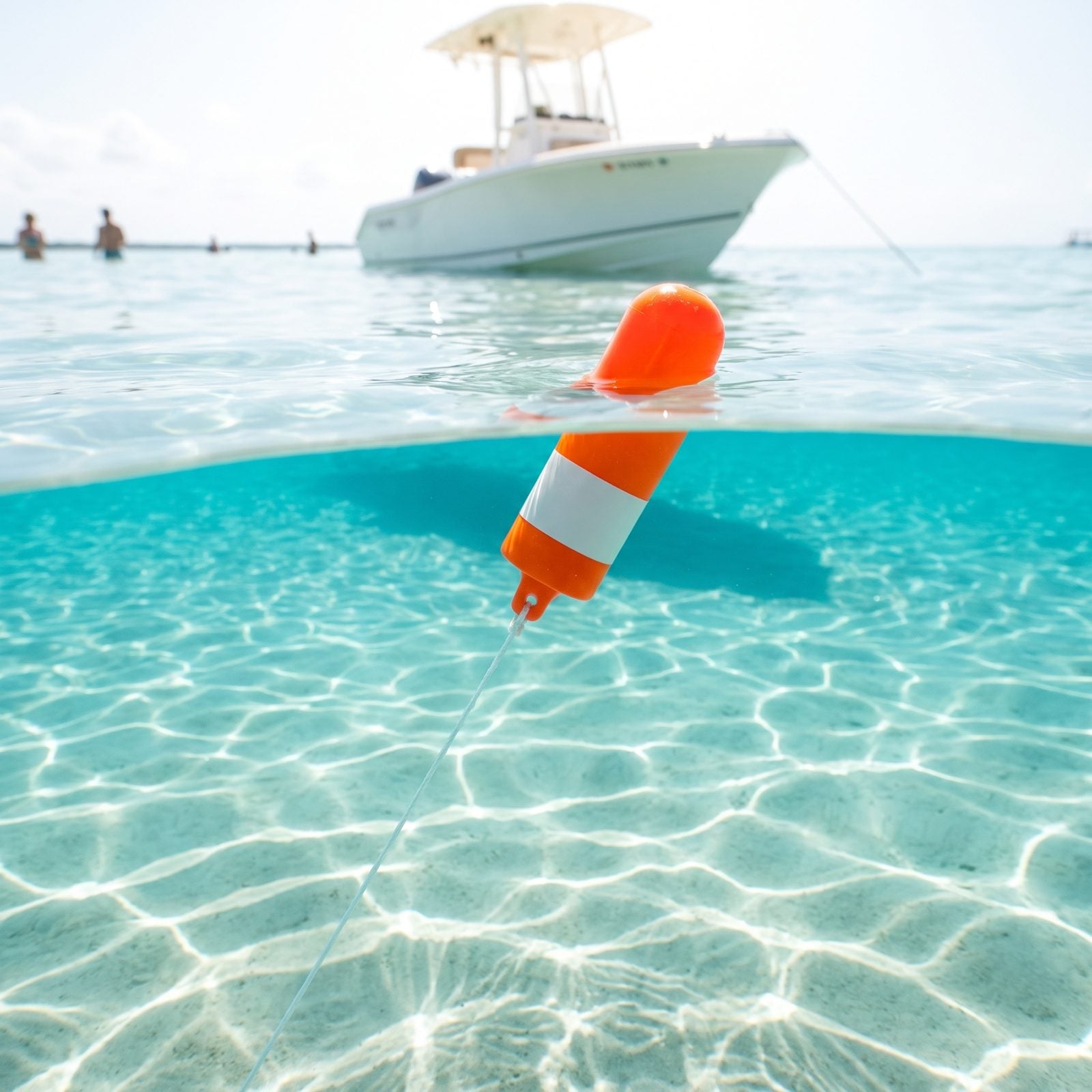
A horizontal anchor line that disappears under the surface is a trip wire nobody can see. Wading kids catch their shins on it, an approaching prop can snag it, and the boat behind you has no idea where your tackle ends and open water begins.
A cheap foam marker float clipped partway up the line fixes all of it. Everyone sees where your anchor sits. Everyone gives it room. Spend about ten bucks on a float and save yourself an afternoon of apologies.
35. Keep the Navigation Lane Open
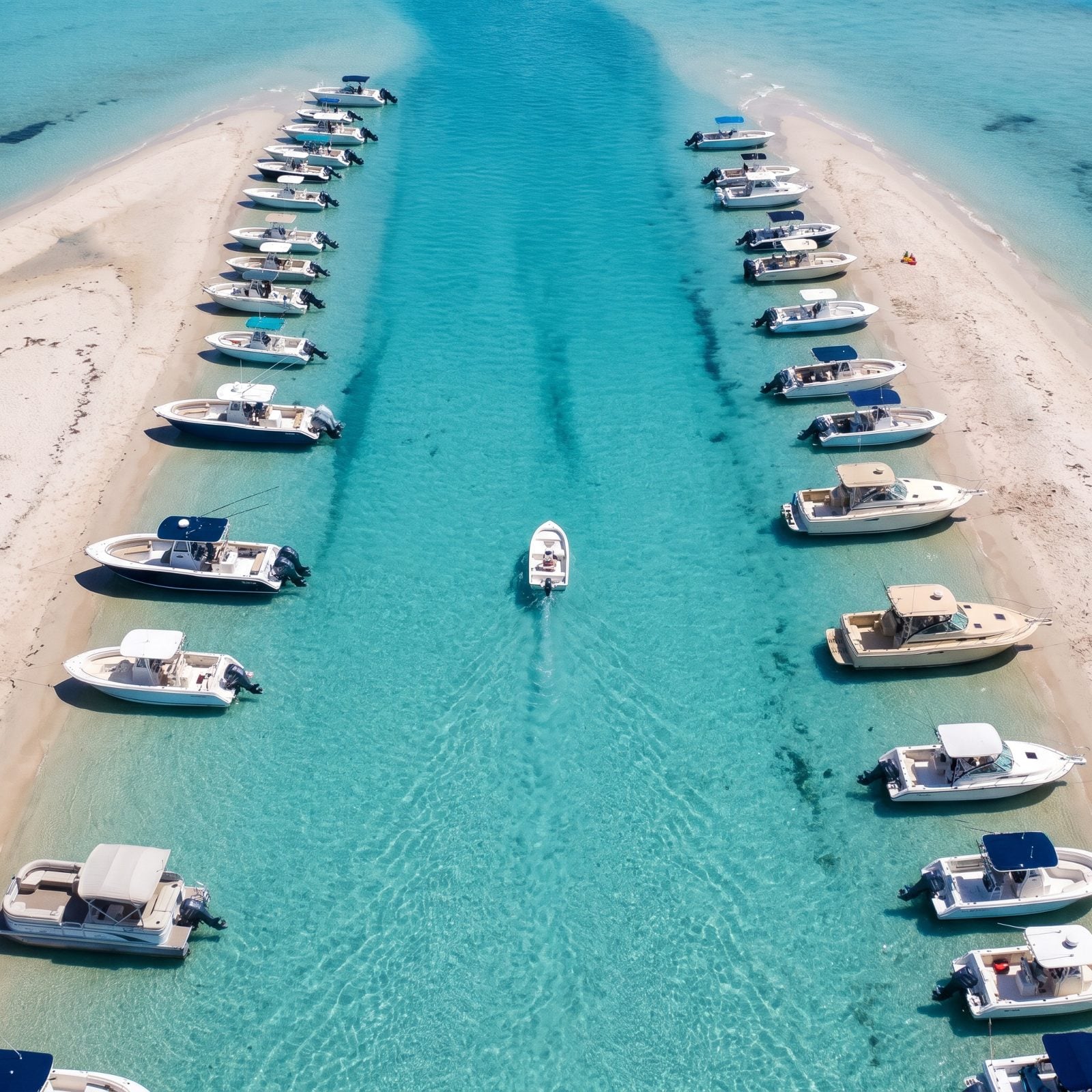
Every popular sandbar has a line through it that boats actually use to come and go. The regulars know it. The newcomer who anchors dead center does not, and now everyone has to thread around them at idle.
Look at the flow before you drop anchor. Where are boats entering? Where are they leaving? Park off to the side of that path, not across it. A clear lane means someone can get a boat moving in a hurry if they ever need to, and that matters more than a prime center spot.
34. Pick the Sober Operator Before the First Cooler Opens
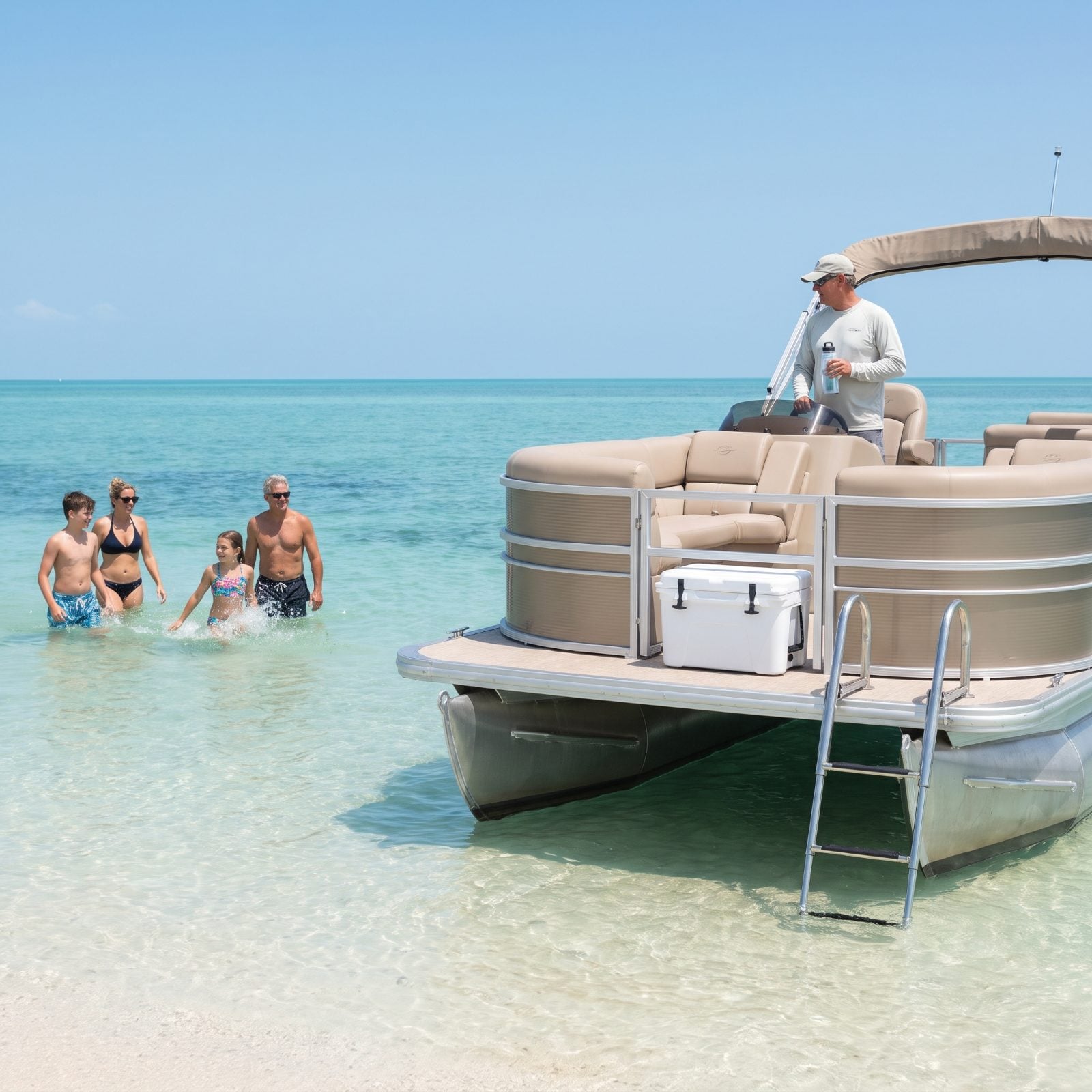
Boating under the influence is illegal in all fifty states, and the water magnifies everything. Sun, wind, engine noise, dehydration — they all hit harder out there, so the same drink that’s nothing at home lands like two on the boat.
Sort out your driver before anyone cracks the first can. Not mid-afternoon, when someone realizes the boat has to move and nobody’s fit to move it. The designated operator stays on water or soda all day, and in exchange gets the easiest job on the boat. Decide it early, say it out loud, done.
33. Take a Head Count Before You Move the Boat
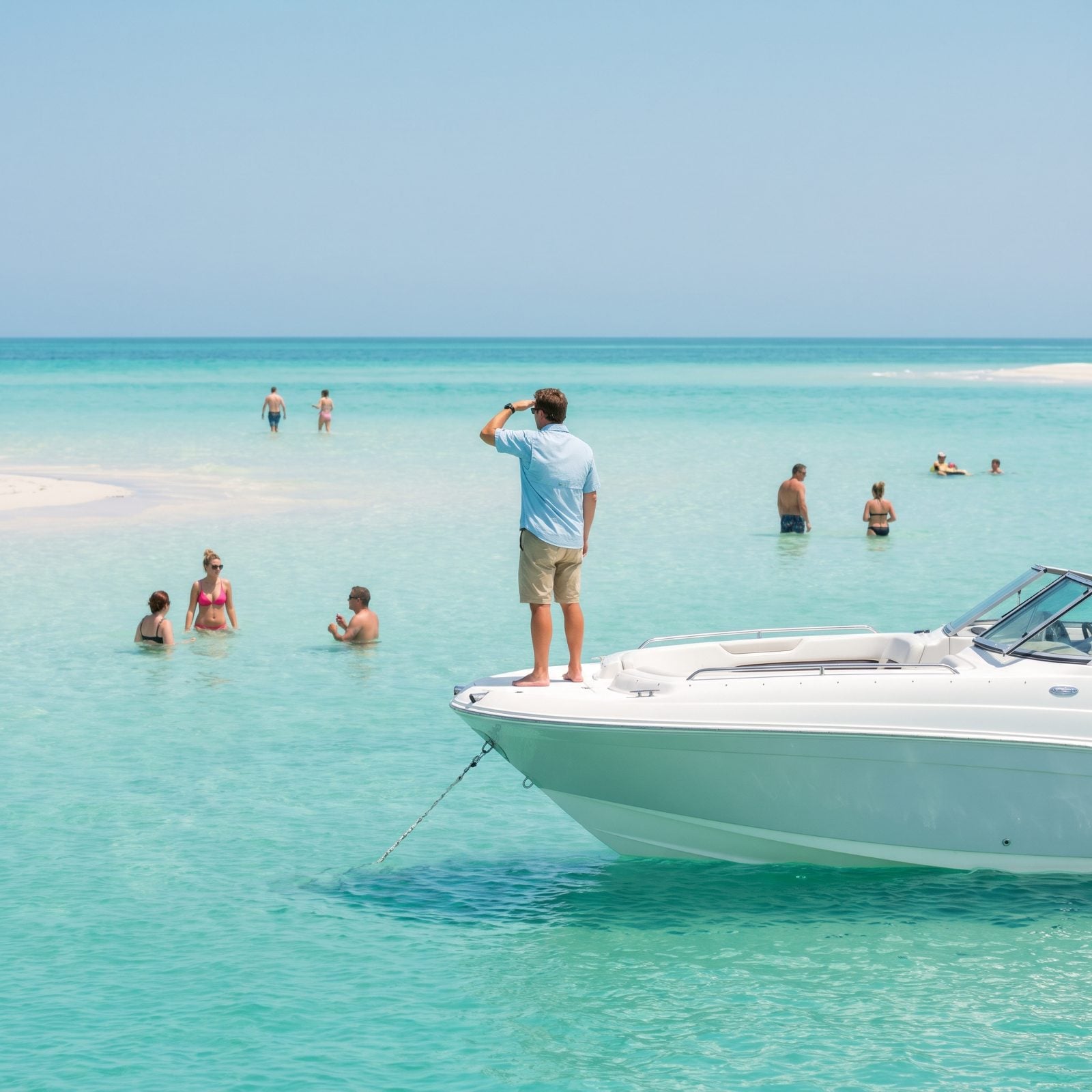
The single most dangerous moment of any swim day is the one right before you start the engine. Someone’s always in the water when you think everyone’s aboard.
Count heads out loud. Point at each person. Say the number. Then look again at the water around the stern, because that’s exactly where someone cooling off tends to drift. The prop doesn’t care that you were sure. Thirty seconds of counting is the cheapest insurance you’ll ever buy.
32. Drop the Boarding Ladder Before Anyone Jumps In
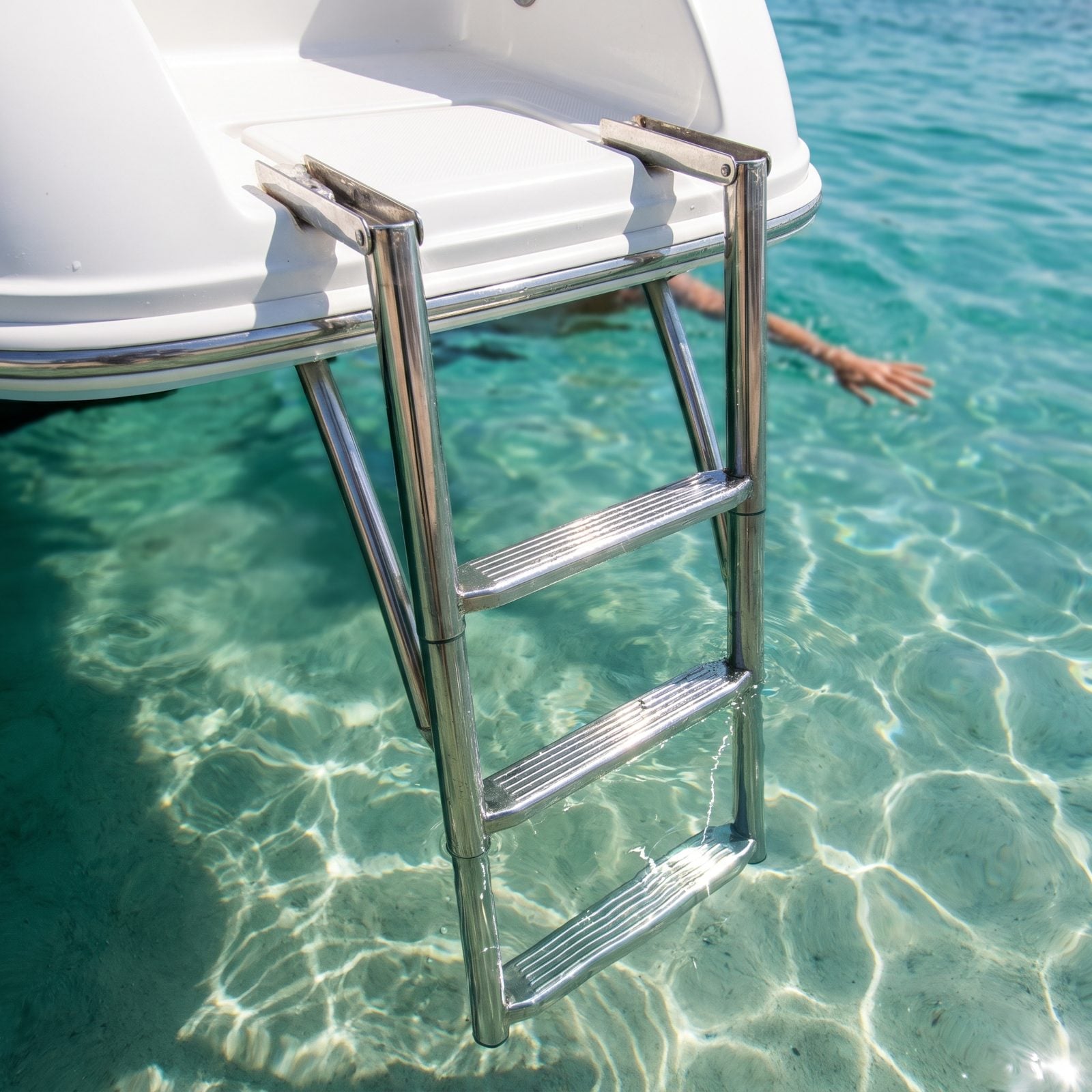
Getting into the water is easy. Getting back out is the part people forget until they’re treading water, tired, staring up at a hull they can’t climb.
Put the ladder down first, before the first person goes in. A ladder stowed up while swimmers are already out invites a scramble, and a scramble over a slick transom is how people get hurt. Lower it, check that it’s locked, then let everyone jump.
31. Never Dive Headfirst Into Unfamiliar Shallows
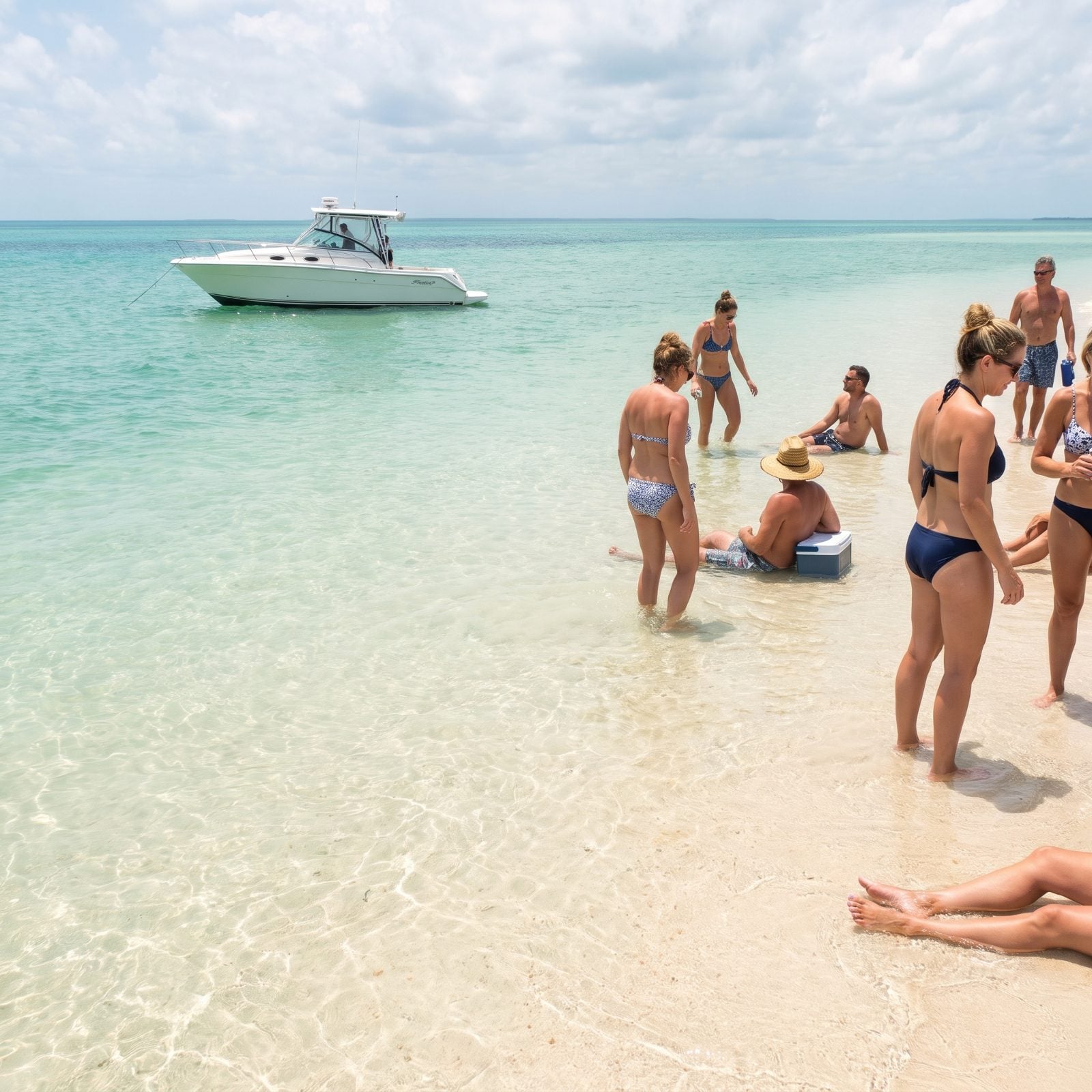
Sandbars are shallow. That’s what they are. The water that looks deep enough to dive into is often three feet over hard-packed sand, and a headfirst dive into three feet of water breaks necks — the exact kind of injury that turns a great day into a lifelong one.
Enter feet-first, every time, until you’ve personally checked the depth by wading it. Teach the kids the same. No running jumps off the bow into water you haven’t stood in.
Warning families about diving into shallow water, a neurosurgeon explains “When your head hits the ground, your body keeps moving. That’s when the neck buckles, and that’s when the fracture can happen”
30. Put Life Jackets on Weak Swimmers
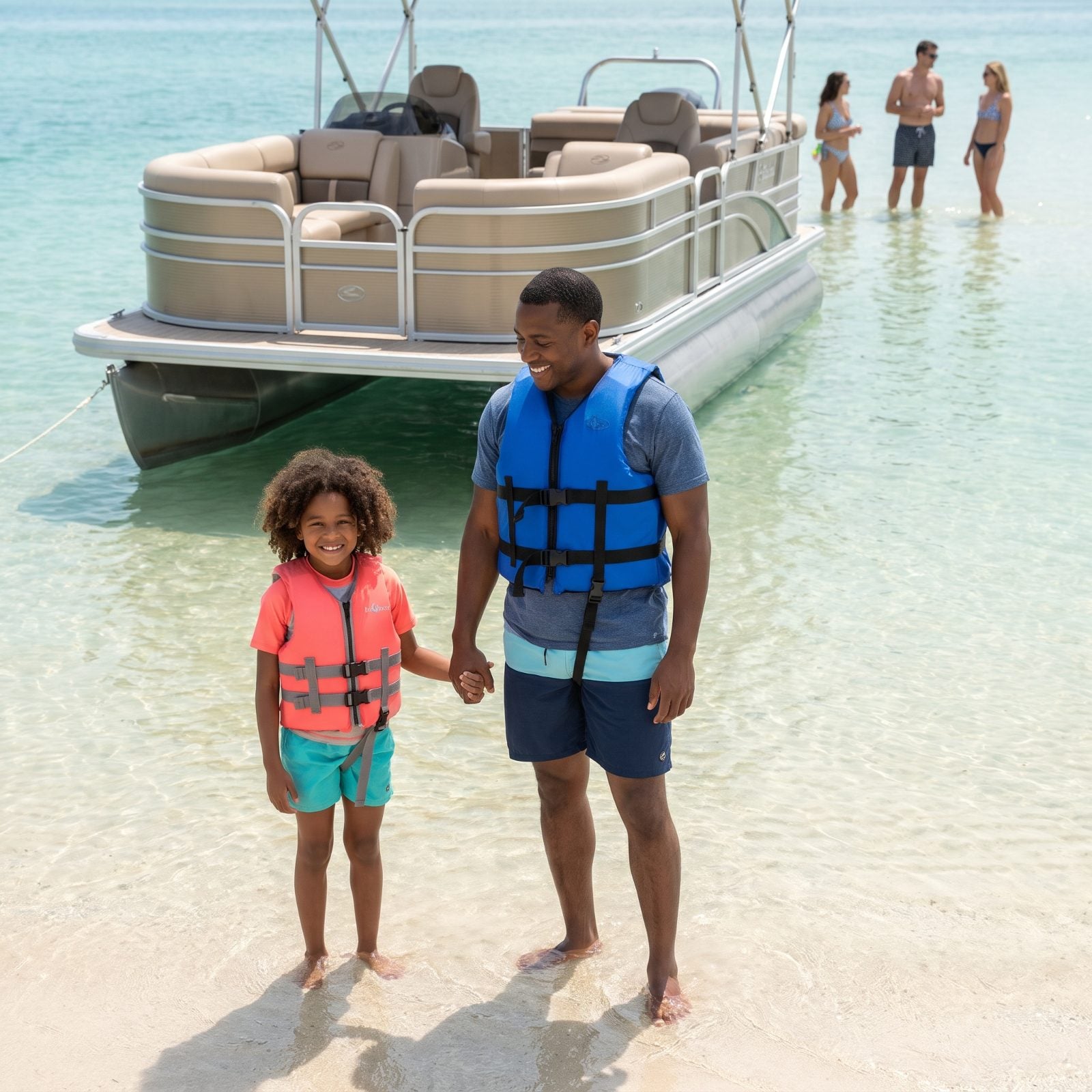
A sandbar feels safe because the water near the boat is shallow. Three steps the wrong way and it isn’t. Drop-offs at sandbars come up fast, going from waist-deep to over-your-head without warning.
Anyone who isn’t a confident swimmer wears a properly fitted Coast Guard approved life jacket in the water. Not an inflatable pool toy, not water wings — an actual vest, with the chest buckles clipped snug. Nobody’s too cool for it once they’ve felt how fast a current pulls at the legs. Make it normal and the kids won’t fight you on it.
29. Keep Young Children Within Arm’s Reach
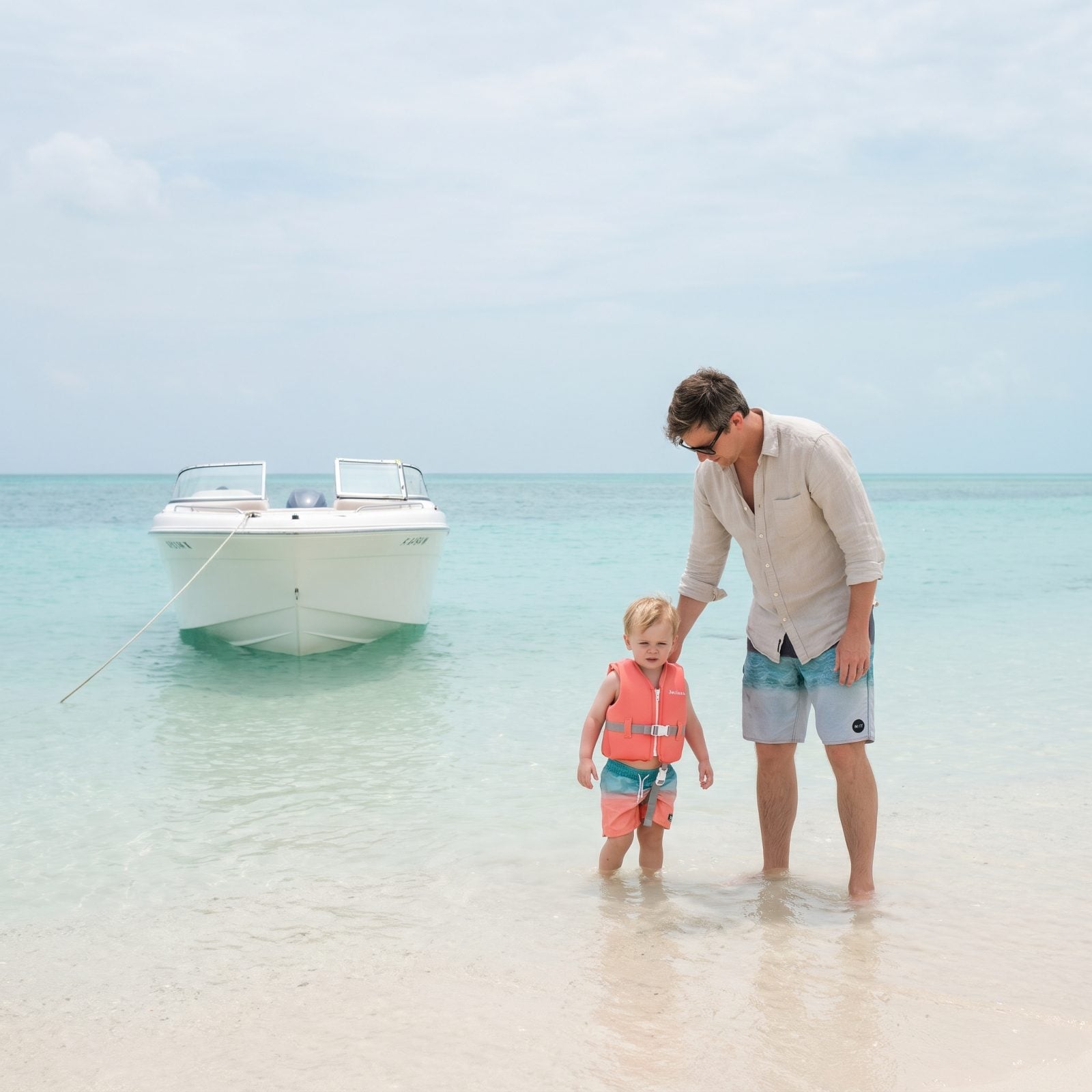
Drowning doesn’t look like the movies. No splashing, no yelling. A small child slips under in silence, and in a crowd of fifteen boats and floating music, nobody hears a thing.
With little ones, arm’s reach means arm’s reach. Not watching from the deck. Not glancing over between sips. One adult, close enough to grab, with no phone and no other job. Trade off in shifts so everyone gets to relax, but the watch never goes empty. This is the one rule where there’s no wiggle room.
Writing about a girl who nearly drowned beside a sandbar, a retired rescue swimmer says “Drowning is almost always a deceptively quiet event. The waving, splashing and yelling that TV and movies depict is rarely what happens in real life.”
28. Climb the Ladder, Not the Outdrive
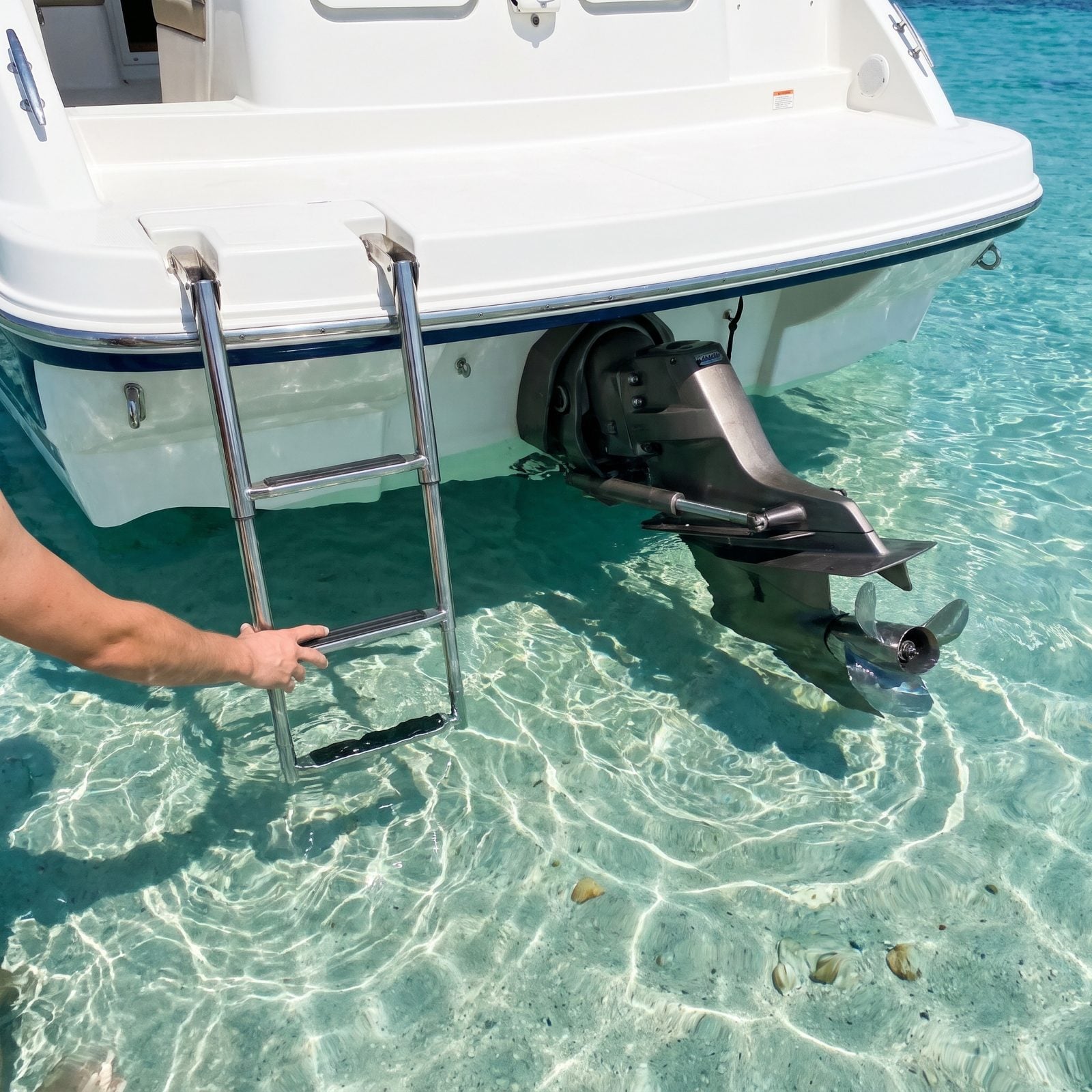
The outdrive sticks out of the stern at exactly the height that makes it look like a convenient step. It is not one.
Fresh out of the water it holds engine heat and burns bare feet. It’s slick with algae and growth. And if the key’s still in, even an accidental bump near the controls is a nightmare you don’t want. Use the ladder, always, and tell your guests before they figure out the shortcut themselves. The outdrive is for pushing the boat. The ladder is for pushing people.
27. Ask Before You Raft Up
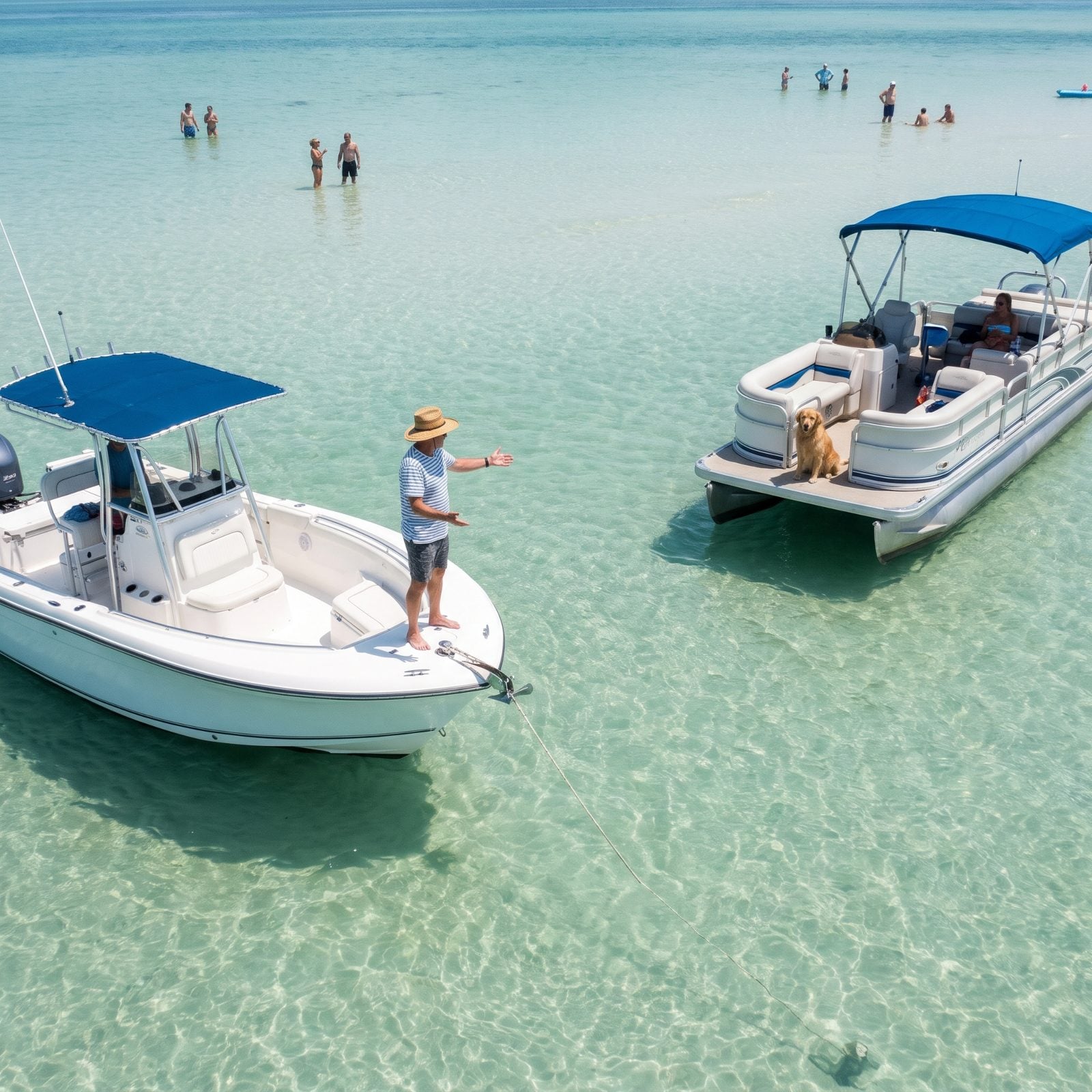
A raft-up is a request, not a right. Pulling your boat alongside someone else’s without a word is how a friendly sandbar turns frosty fast.
People anchor where they do for reasons you can’t see. Maybe they set two hooks in a crossing current, or they’ve got a nervous dog or a napping grandkid below, or they just want their own patch of water for the afternoon. Call over, wave, ask plainly. A yes means helping hands and a bigger party; a no means you drop your own anchor and give them room. Both answers are fine. The asking is the whole thing.
26. Hang Your Fenders Before the Hulls Kiss
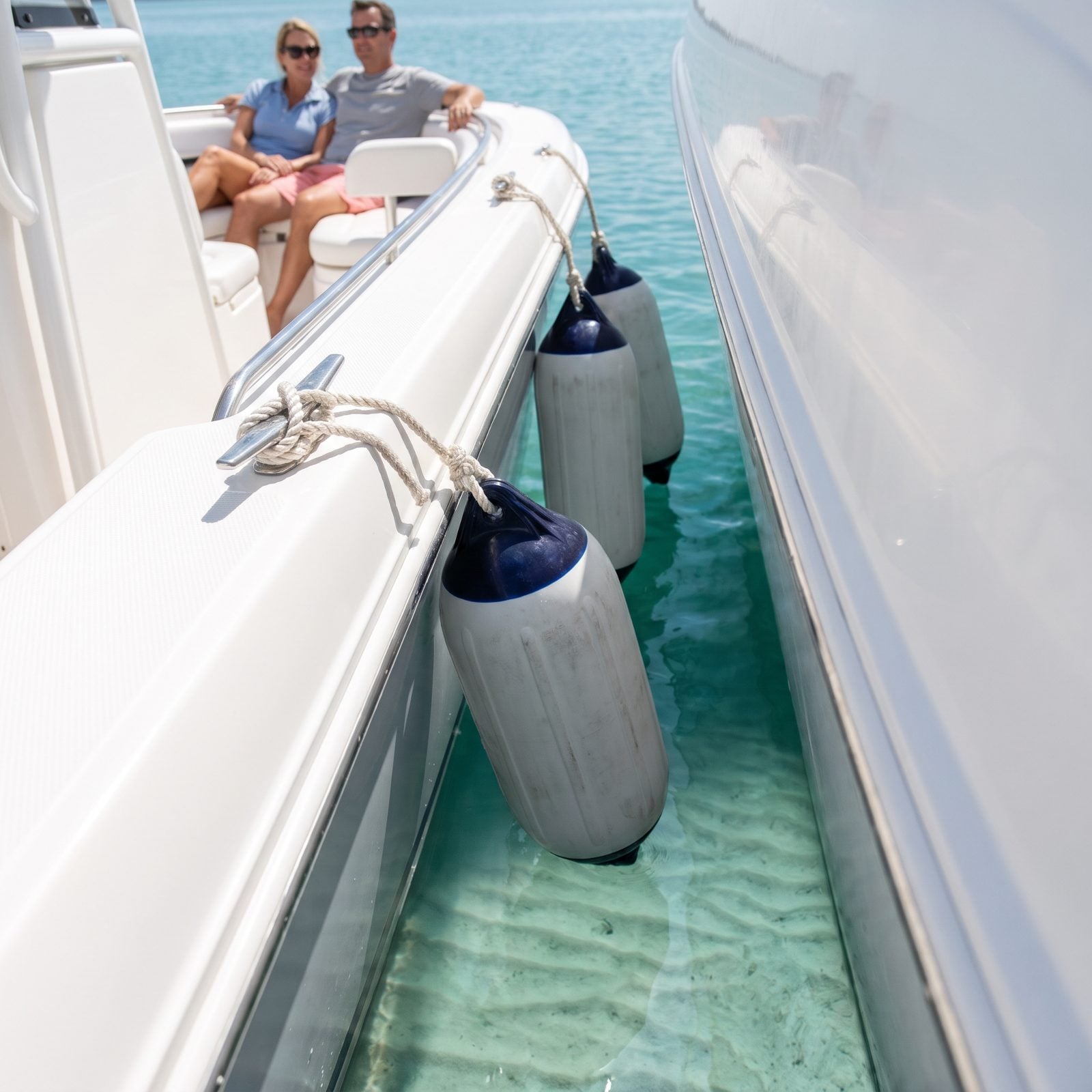
Fenders go out before you drift close, never after. Once two hulls are already rubbing, you’re wrestling a cushion into a gap that’s trying to grind gelcoat off both boats.
Hang enough of them, and hang them at the right height. A fender riding above the rub rail protects nothing but the air. Set them where the widest parts of the two hulls will meet, usually near the beam. And because current and wake shove boats around all day long, check on them now and then.
25. Never Step Aboard Another Boat Uninvited
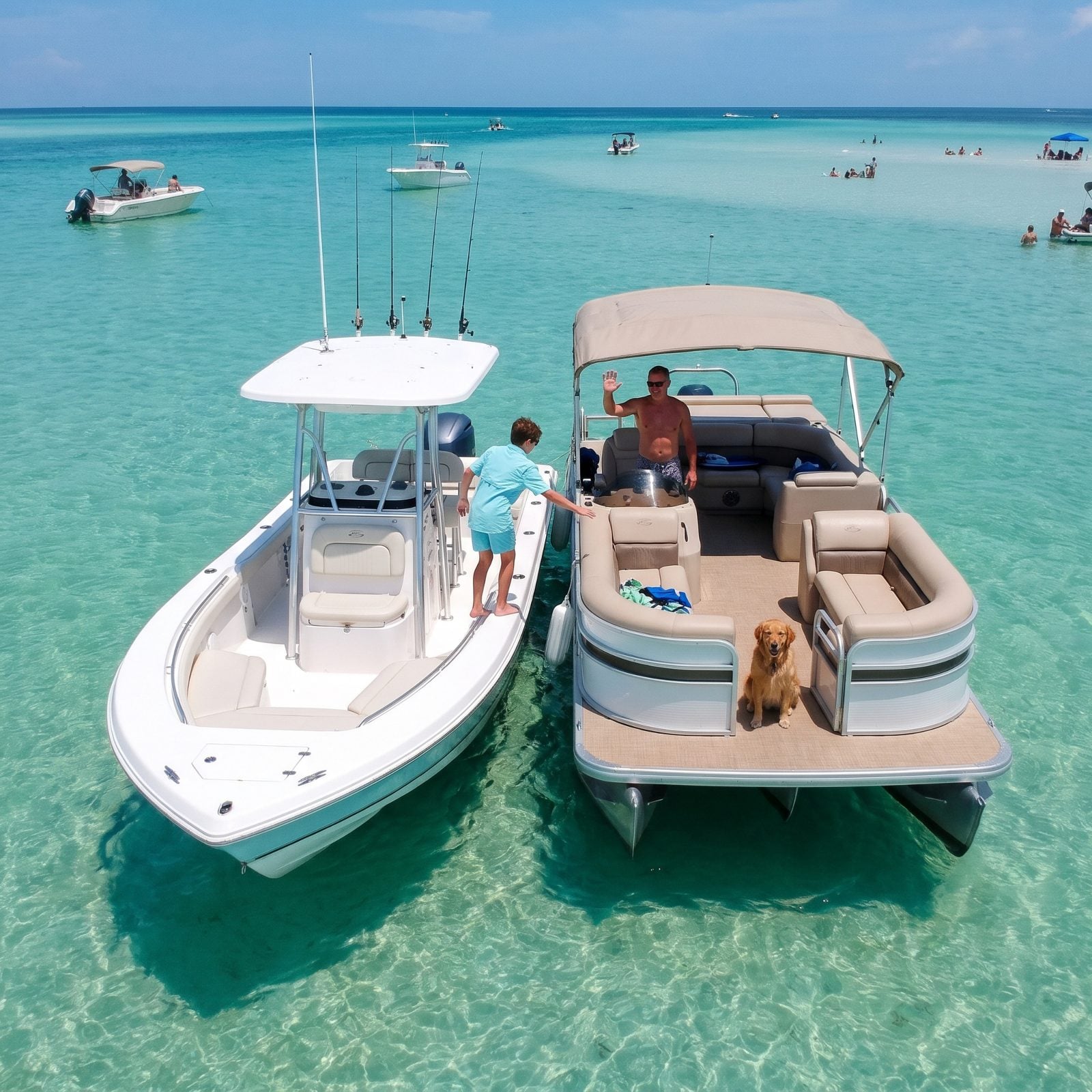
A boat is somebody’s floating living room. You wouldn’t walk through a stranger’s patio door just because it happened to be near yours, and the same goes here.
Wait for the wave-on. Even in a cheerful raft-up, cross over only when you’re asked, and keep your drink and your wet feet off their upholstery unless they say otherwise. Kids especially need this spelled out, because to a seven-year-old every deck looks like one big playground. It mostly is. It’s just not all yours.
24. Keep the Music at Conversation Level
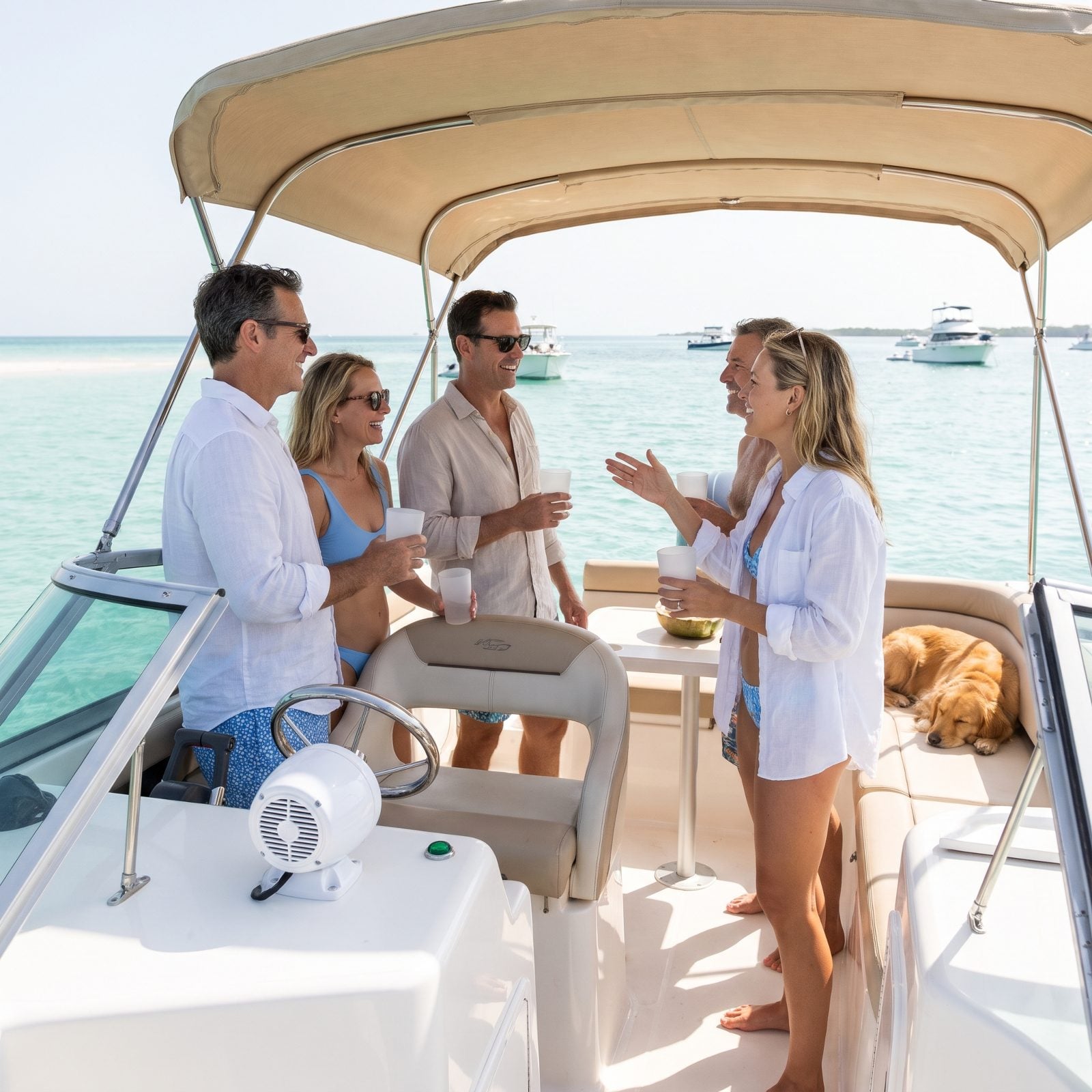
Your playlist carries a lot further over water than it ever does over a lawn. Sound skips across a flat surface with almost nothing to soak it up, so what feels like background music on your deck is the main event three boats down.
Set it where your own group can still talk without leaning in. That’s the honest test. If people on your boat are shouting to be heard, everyone within earshot is getting your music whether they wanted it or not.
23. Save the Air Horn for Actual Emergencies
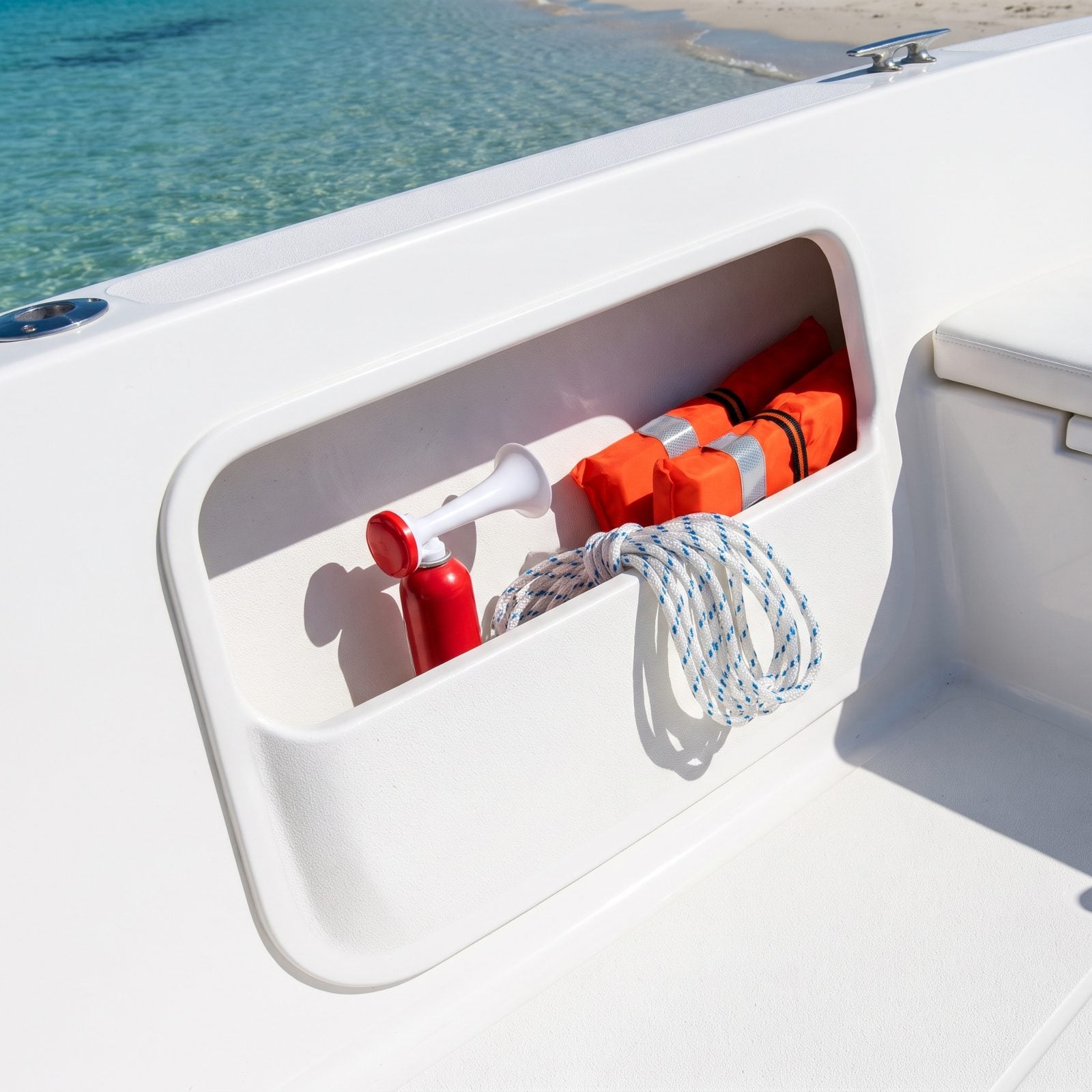
An air horn is a safety signal, not a party favor. Every blast you fire off for laughs is a blast nobody takes seriously when a swimmer actually drifts into the channel.
Keep it accessible, keep it loud, and keep it reserved for the real thing: a person in trouble, a boat where it shouldn’t be, a warning that can’t wait. That way, the one time it matters, every head on the sandbar snaps toward the sound instead of rolling their eyes.
22. Keep the Party Chatter Off Channel 16
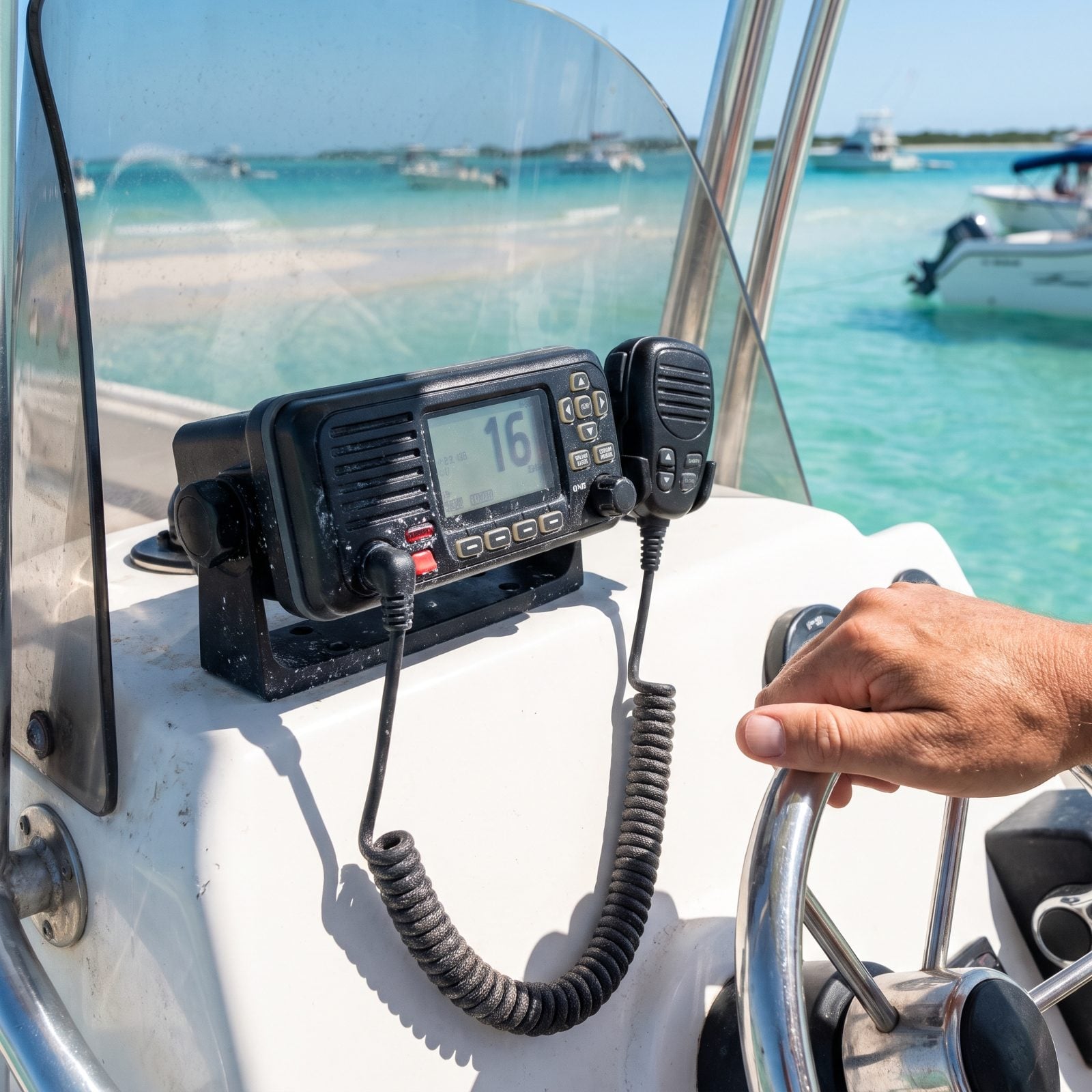
The VHF is not a walkie-talkie for ordering lunch to the other boat. Channel 16 is a hailing and distress frequency that the Coast Guard and everyone else monitors, and tying it up with “you want another cold one?” buries the calls that actually matter.
Hail on 16 if you must, then switch to a working channel like 68, 69, or 72 for the chit-chat. Better yet, use your phone for the burger order. The radio earns its keep when fog rolls in or an engine dies — not when you’re three boats apart deciding on snacks.
21. Keep Generator Noise and Exhaust in Check
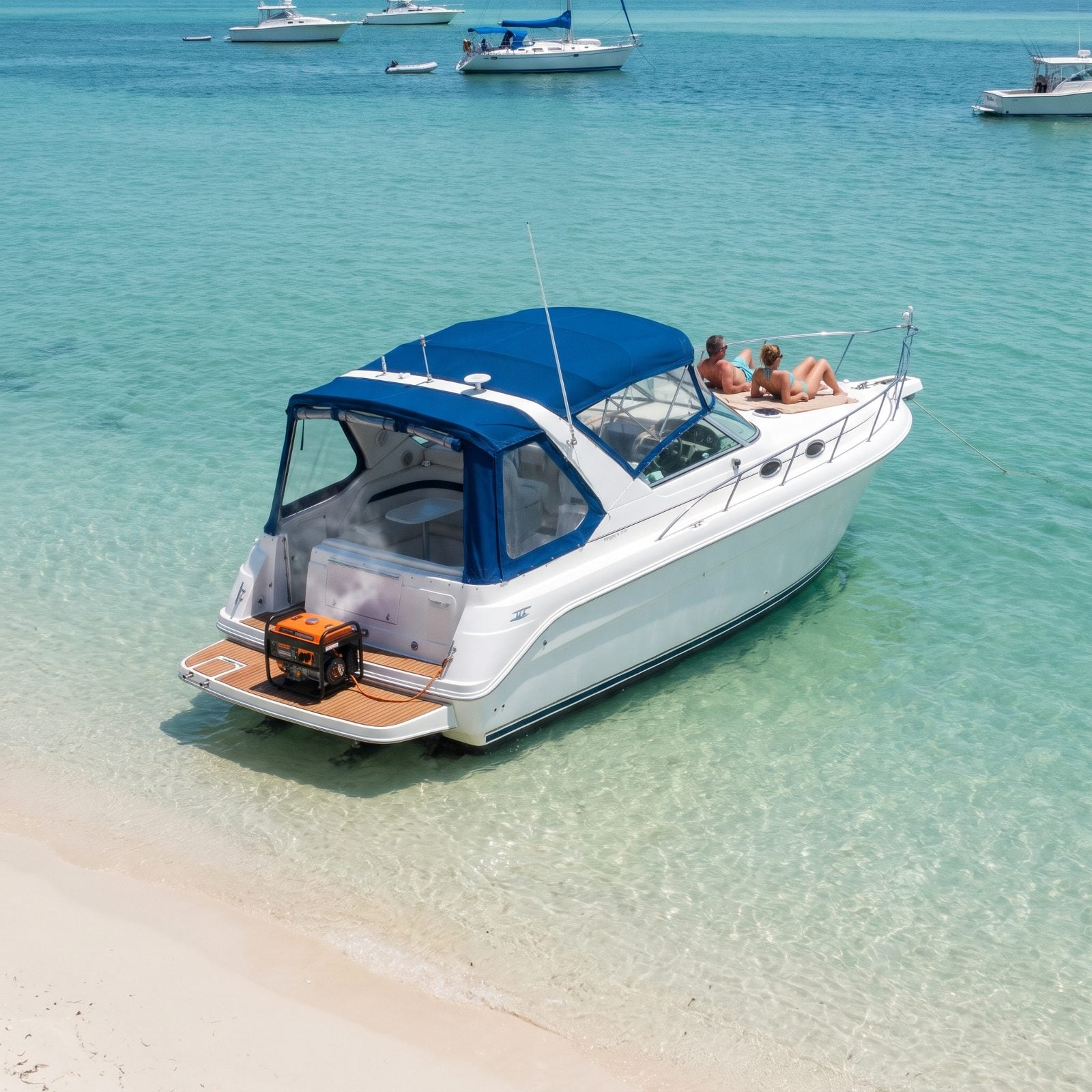
A droning generator is the uninvited guest nobody can ask to leave. It hums under every conversation, and the exhaust drifts straight into whoever’s sitting downwind of you.
Run it only when you genuinely need it, and think about where your fumes and noise are heading before you fire it up. Point the stern away from the nearest boats. Shut it down at anchor overnight if folks are sleeping nearby. Carbon monoxide collects in still air around swim platforms, so keep swimmers clear of a running exhaust. Quiet inverter models? Worth every dollar on a crowded sandbar.
20. Get a Yes Before You Launch That Drone
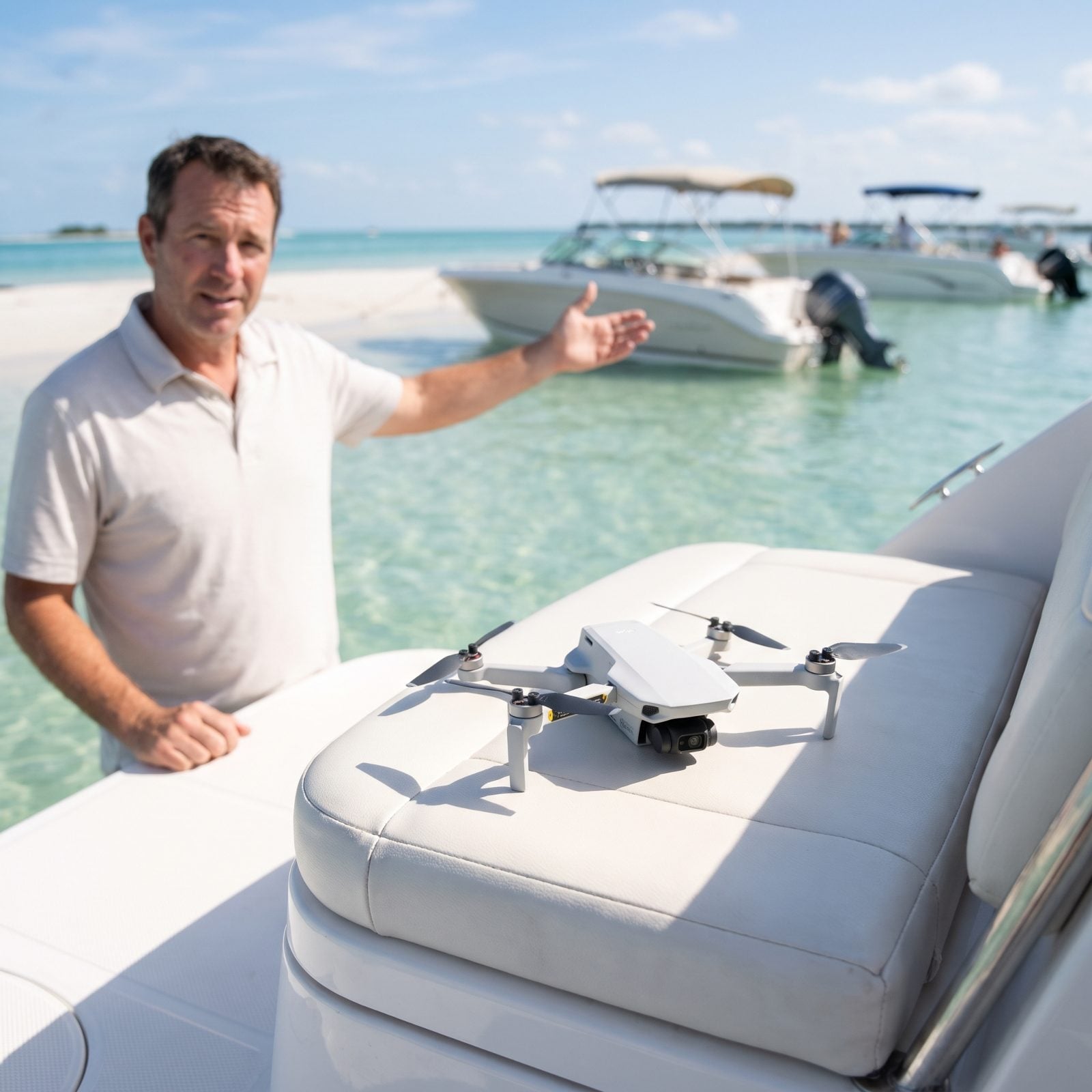
A drone buzzing over a sandbar feels less like aerial photography and more like being watched. People came out here to relax in their own skin, not to star in your video.
Ask the boats near your flight path before you launch, keep it well clear of swimmers and other vessels, and don’t hover over anyone’s deck. Know the local rules too — some lakes, harbors, and parks ban flights outright. A quick heads-up turns a hovering nuisance into a shared group photo everyone’s happy to be in.
19. Keep Chairs and Canopies to a Tidy Footprint
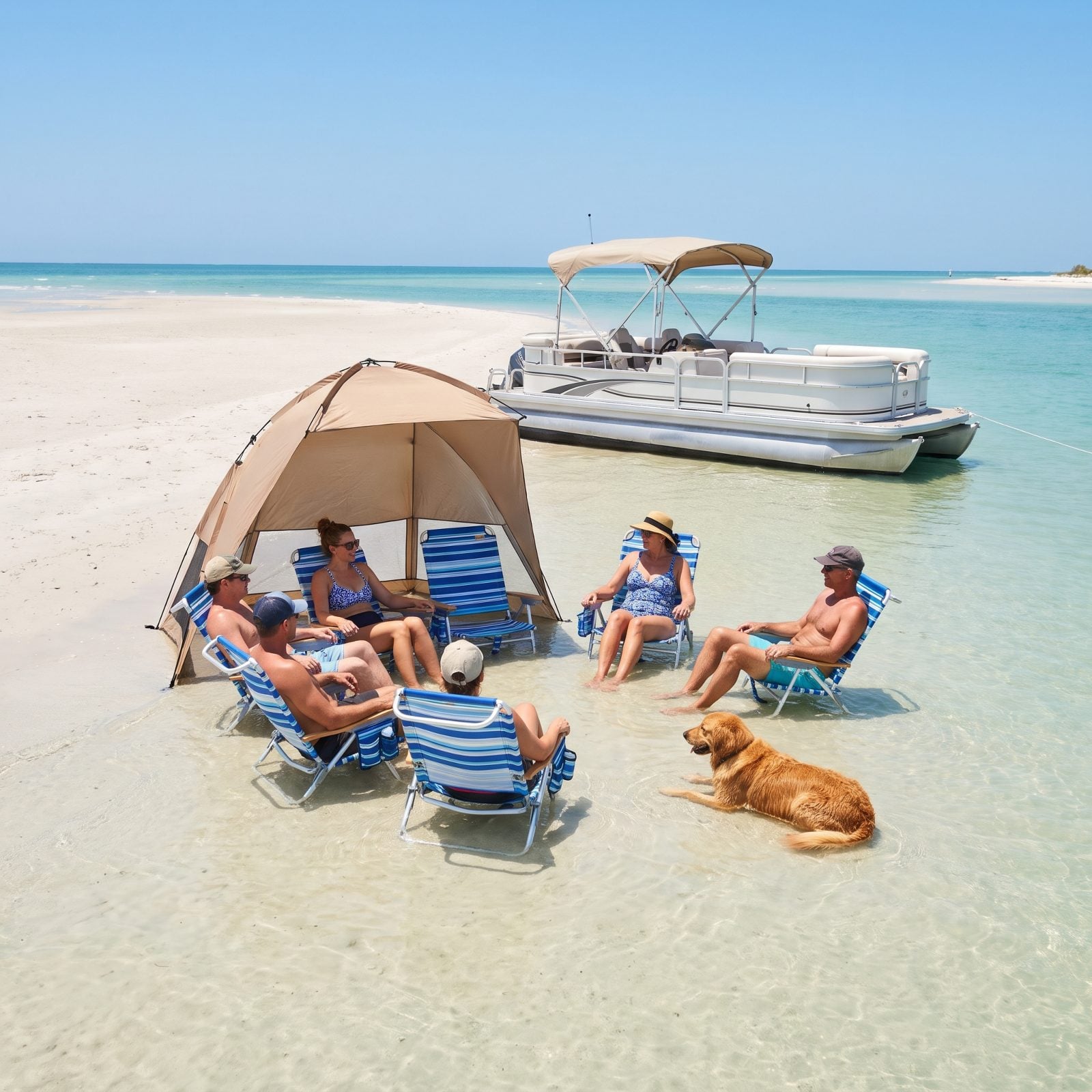
The sandbar is common ground, not beachfront you’ve claimed by planting a flag. Spread chairs, coolers, floats, and a canopy across forty feet of sand and you’ve fenced off water that everyone’s meant to share.
Keep your gear clustered near your own boat. Stake the canopy low and tight so a gust doesn’t send it cartwheeling into the next group. And pack out every bottle cap, cigarette butt, and busted float, because the sandbar looks pristine right up until somebody treats it like a trash can.
18. Play Ball Games Away From Boats and Picnics
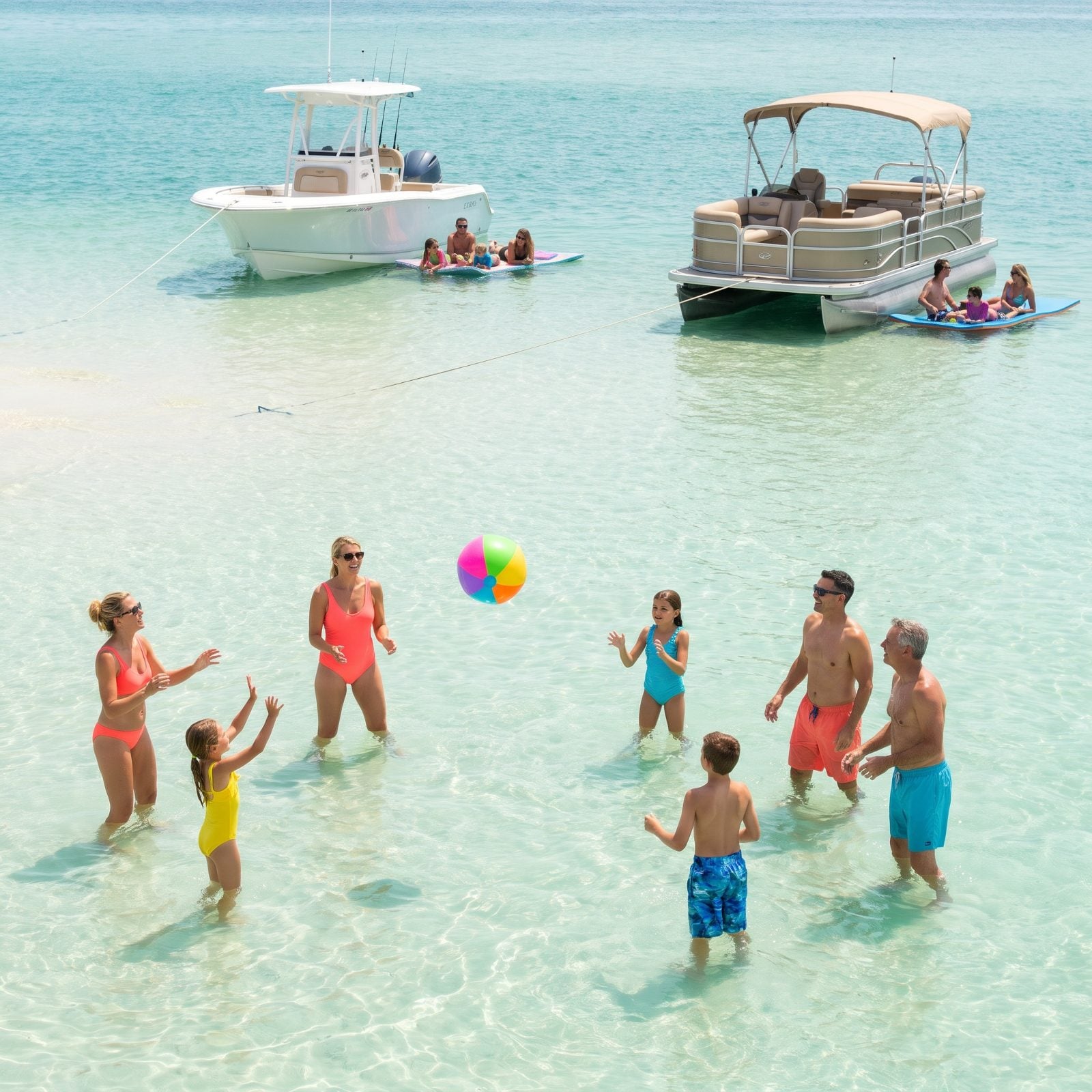
Nothing ends a lazy raft-up faster than a wet football landing in someone’s potato salad. Ball games wander. A toss goes long, the dog bolts after it, and suddenly you’re reaching under a stranger’s swim platform to fish it out.
Walk the game out to open water before you start. Fifty feet of empty shallows gives you room to miss, which means the folks stretched out on their floats get to keep dozing and you get to throw as hard as you want.
17. Keep Fishing Hooks Covered in Crowded Areas
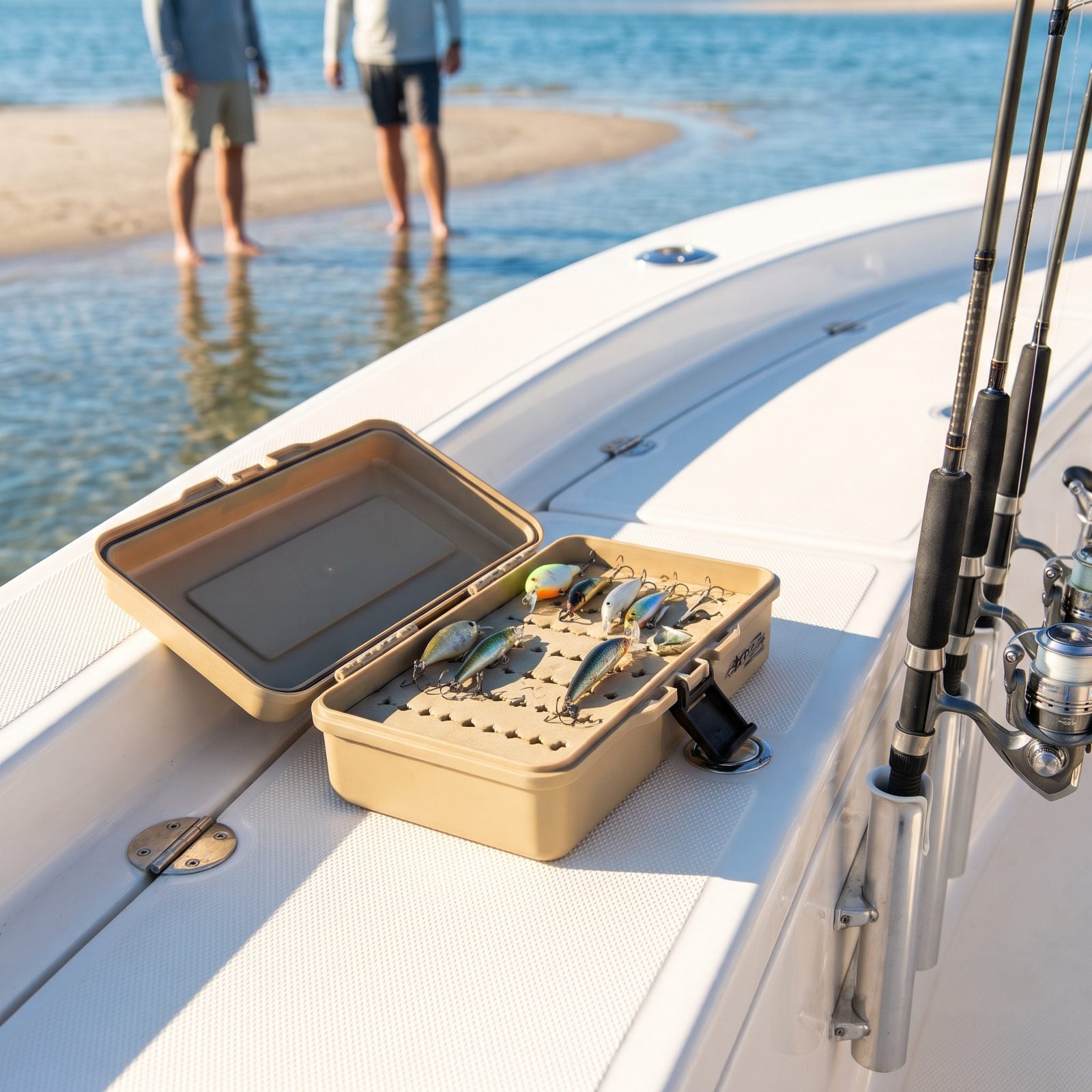
An open box of bare treble hooks left on the gunwale at a crowded sandbar is a trip to urgent care waiting to happen. Barefoot kids run the shallows, and people climb up over swim platforms with no idea what’s lying on your deck.
So tuck your hooks into the rod’s keeper when you’re not actively fishing, or snap on a cheap rubber lure guard. Close the tackle box lid, and don’t leave rods lying loose on the deck; stow them in those empty holders, tips capped. Ten seconds of work, and you’ve saved somebody a very bad afternoon.
16. Tether Floats to Your Own Boat
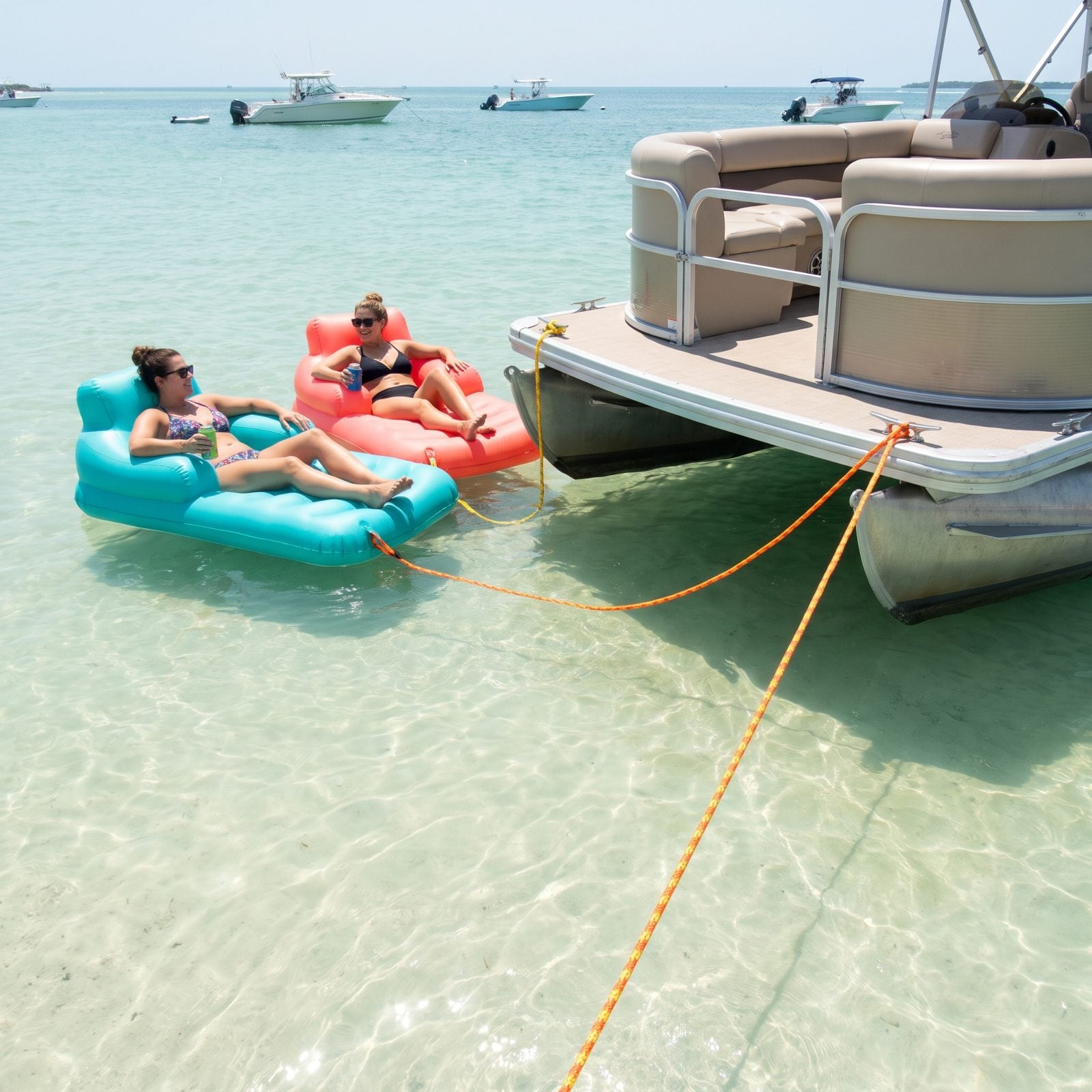
Floats drift. Always. A breeze picks up, a wake rolls through, and that giant flamingo you paid sixty bucks for is bumping down the sandbar toward boats you’ve never met.
Clip a line from every float to your own stern cleat. Short enough that it stays in your water, long enough to still feel like you’re floating free. When you pack up, you’re pulling in a line instead of swimming after a runaway.
15. Keep Paddleboards and Kayaks Out of Boat Routes
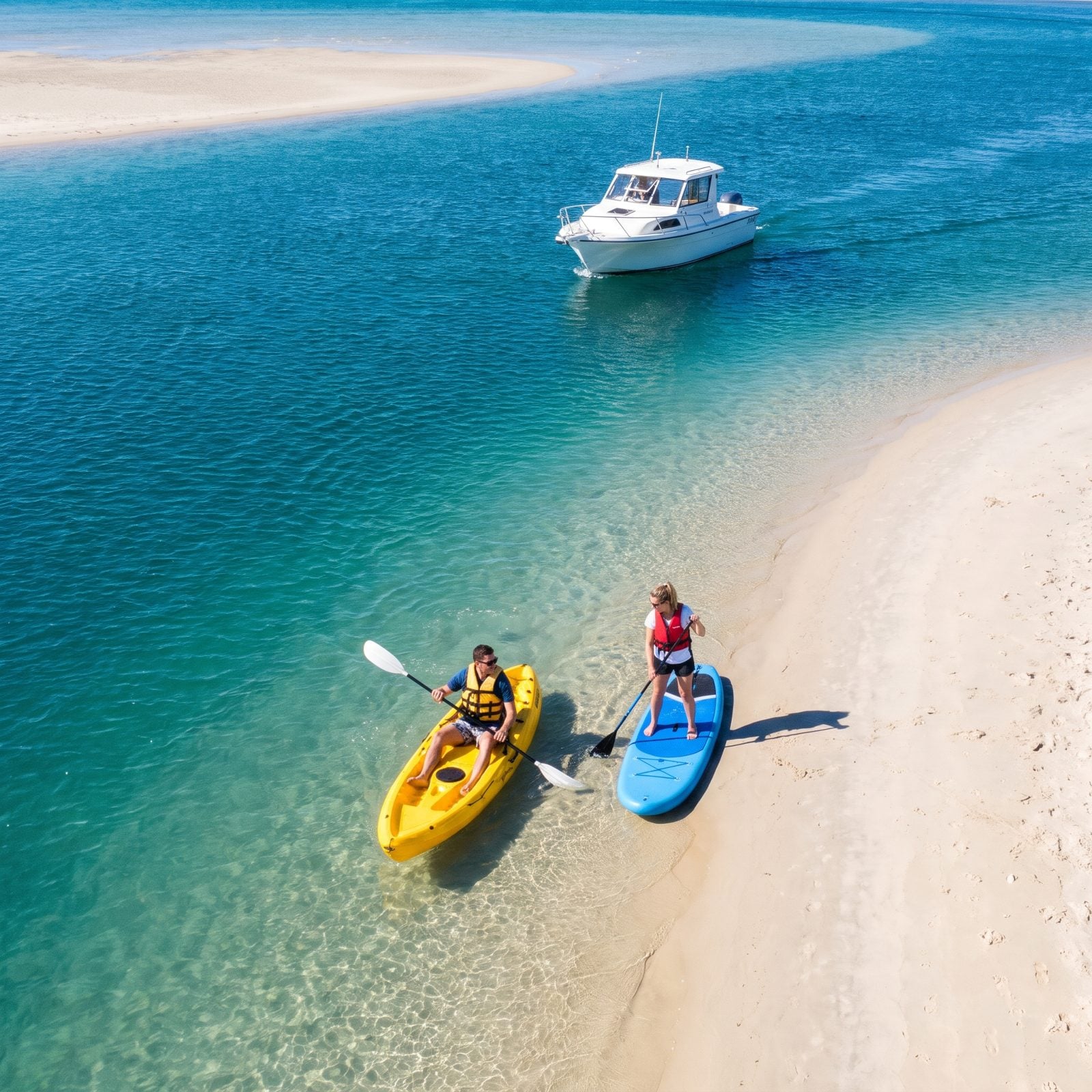
A paddleboard sits low and quiet, which is exactly the problem. From the helm of a moving boat, somebody on a board is almost invisible until they’re close.
Hug the shallow edge where boats can’t go. And if you need to cross a lane? Cross it fast and straight, like a pedestrian at a busy intersection. Lingering sideways in the channel is how good days go wrong.
14. Leave Glass Bottles at Home
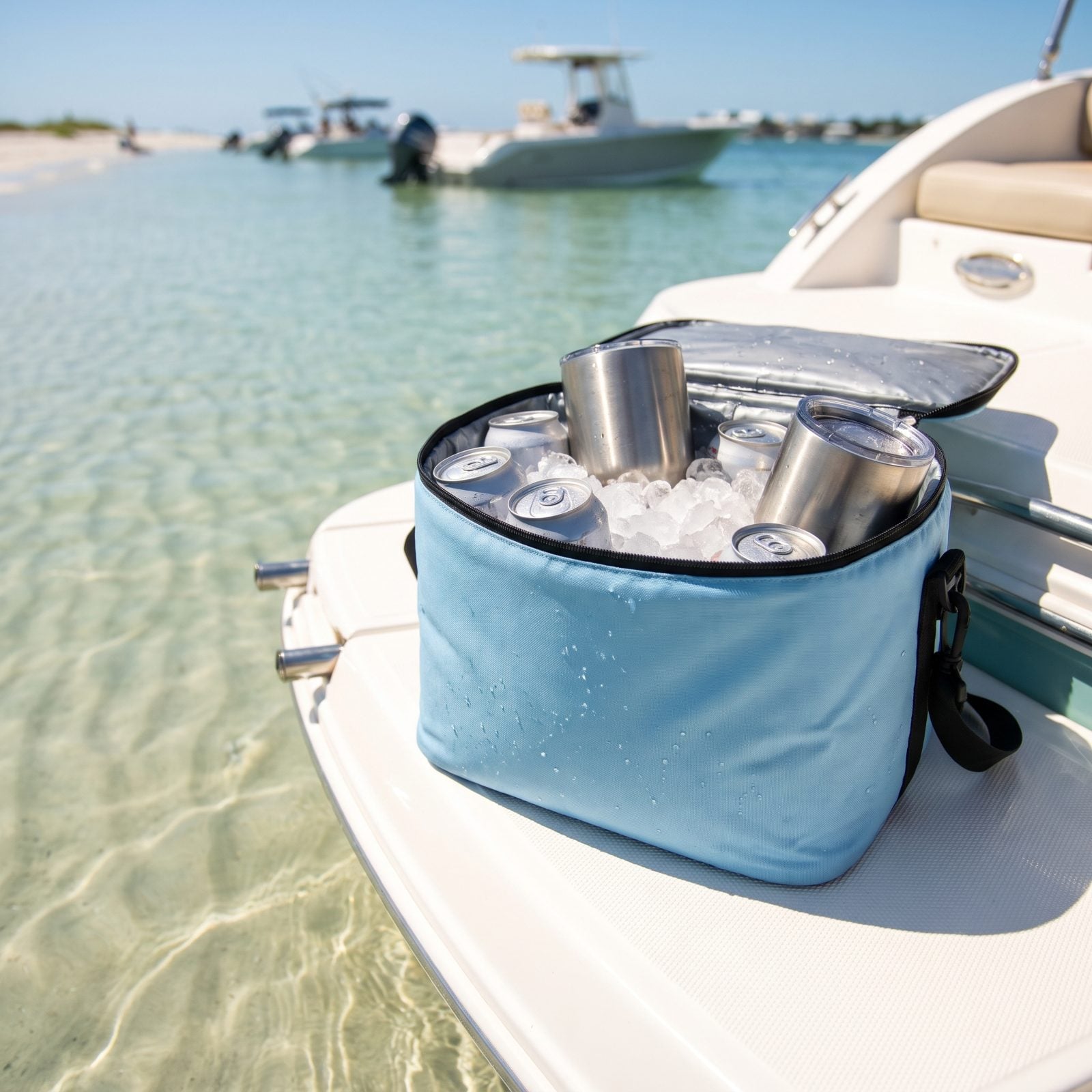
A broken bottle underwater is the one nobody sees until a foot finds it. Sand swallows the shards, the water hides them, and the cut is deep before anyone knows what happened.
Cans and insulated tumblers do everything glass does, minus the emergency. Most popular sandbars ban glass outright anyway, and even where they don’t, you’re the only one who loses if it shatters at your feet.
13. Bring More Drinking Water Than You Expect to Need
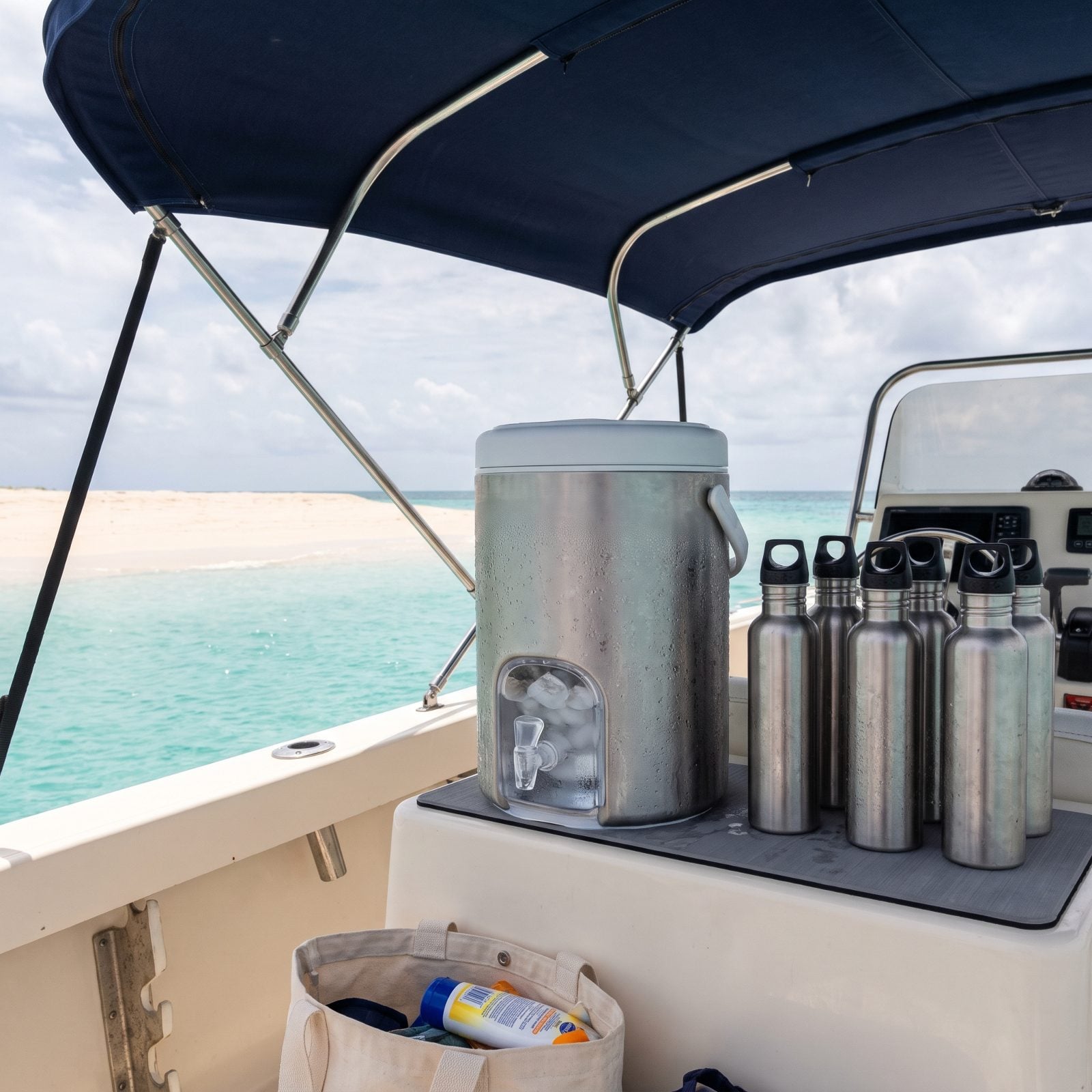
Sun, salt, a couple of drinks, and zero shade. That combination sneaks up on people, and by the time someone’s dizzy and cramping you’re a long way from a faucet.
Pack a gallon per person minimum, then pack more. Water is cheap insurance and it’s the first thing you’ll reach for when the afternoon heat settles on you. I’ve never once come home wishing I’d brought less.
12. Create Shade Before Anyone Overheats
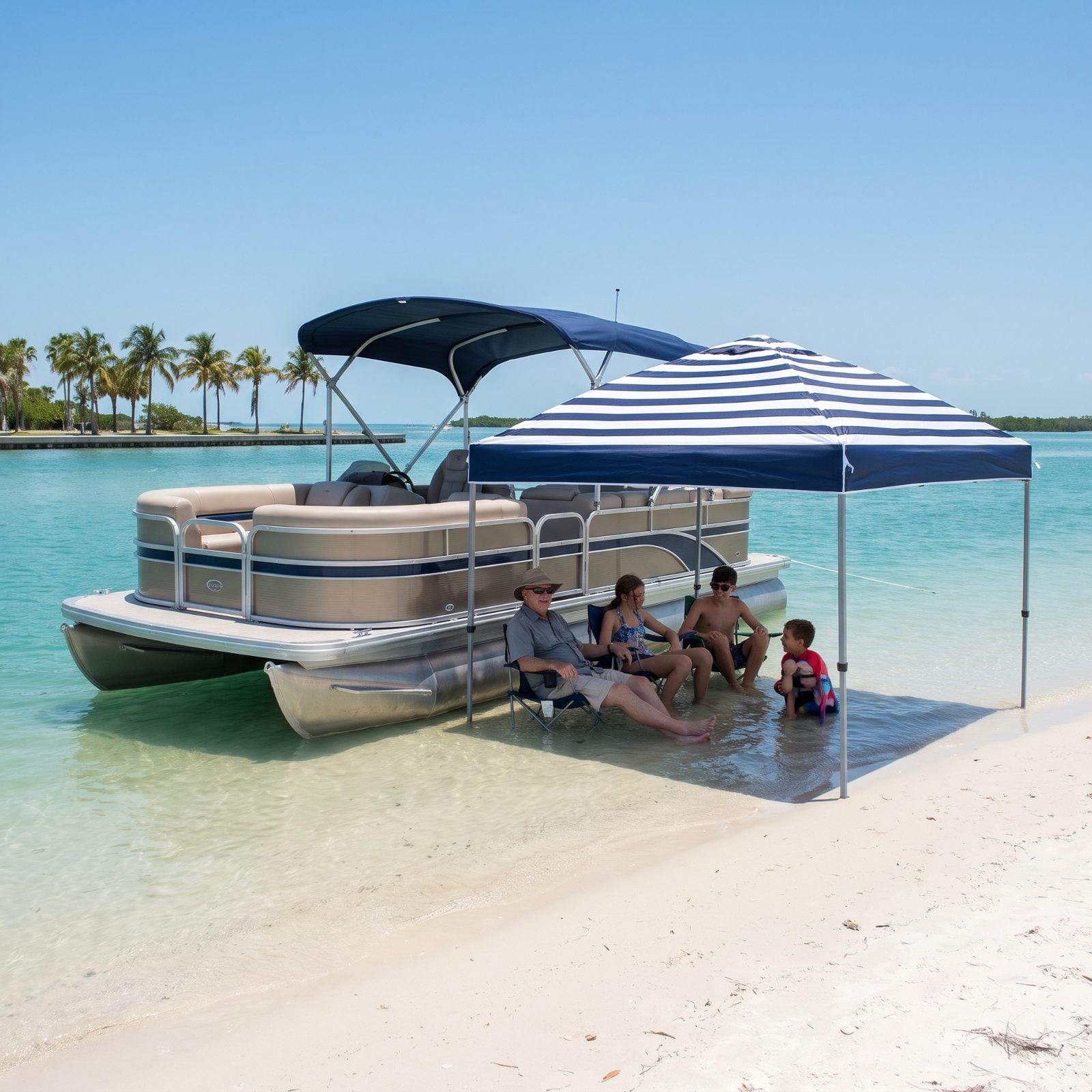
Shade is a before problem, not an after one. Once someone’s gone pink and woozy, a bimini top feels like too little too late.
Set it up early. Pop the canopy when you anchor, not when the complaints start. A pole-mount beach shade staked into the sand gives you a cool patch to rotate through, and the kids and the dog will claim it before you do.
11. Set the Grill on a Stable, Fire-Safe Surface
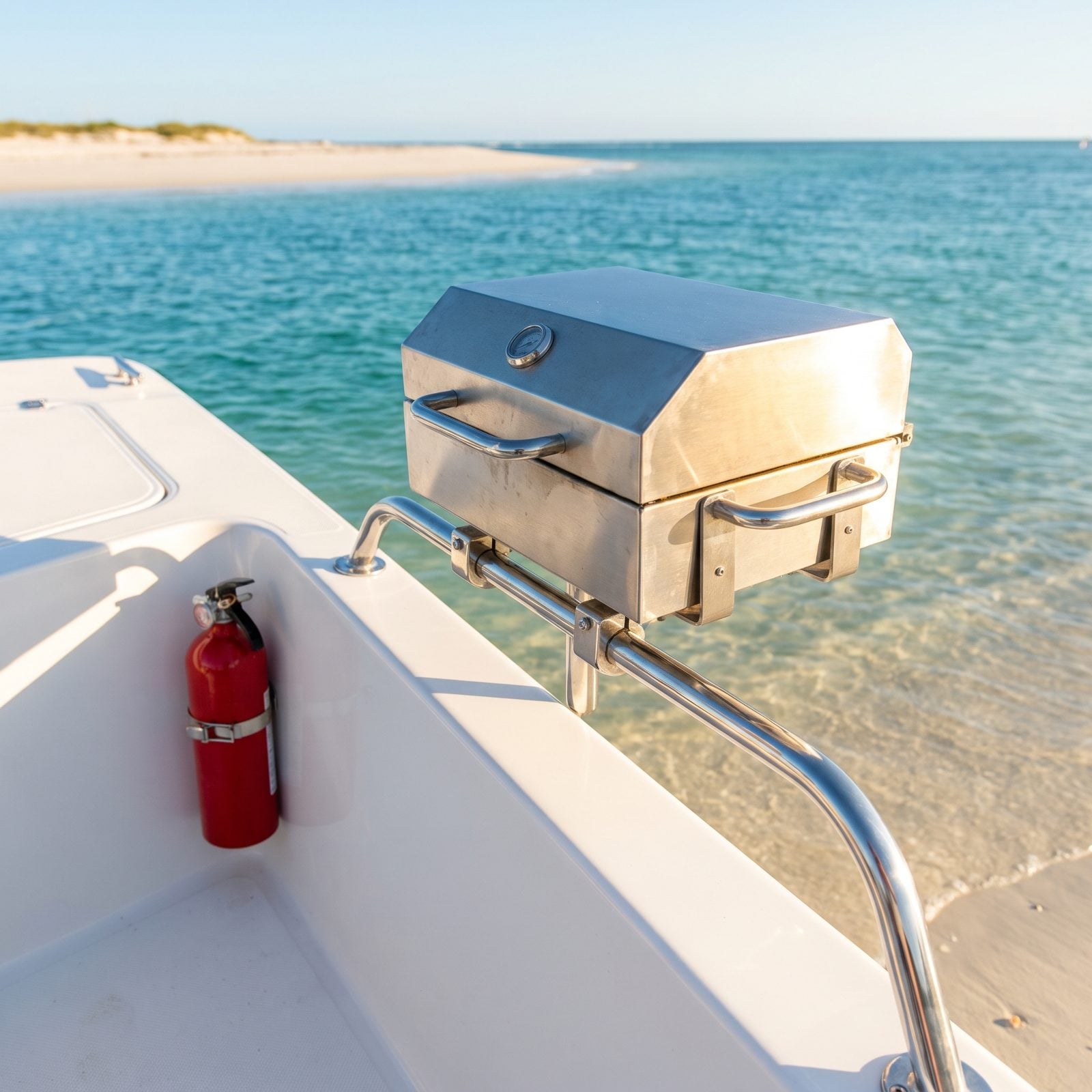
A grill on a wobbly cooler lid is a lawsuit with a lid. Boats rock, wakes roll through, and a tipping grill full of hot coals is the kind of thing that ends a cookout and a friendship at once.
Use a proper rail-mount marine grill, or set it on a solid, level surface away from anything that burns. Keep it clear of the fuel fill and the bimini fabric. And have an extinguisher within arm’s reach, not buried in a locker.
10. Let the Grill Cool Completely Before Stowing It
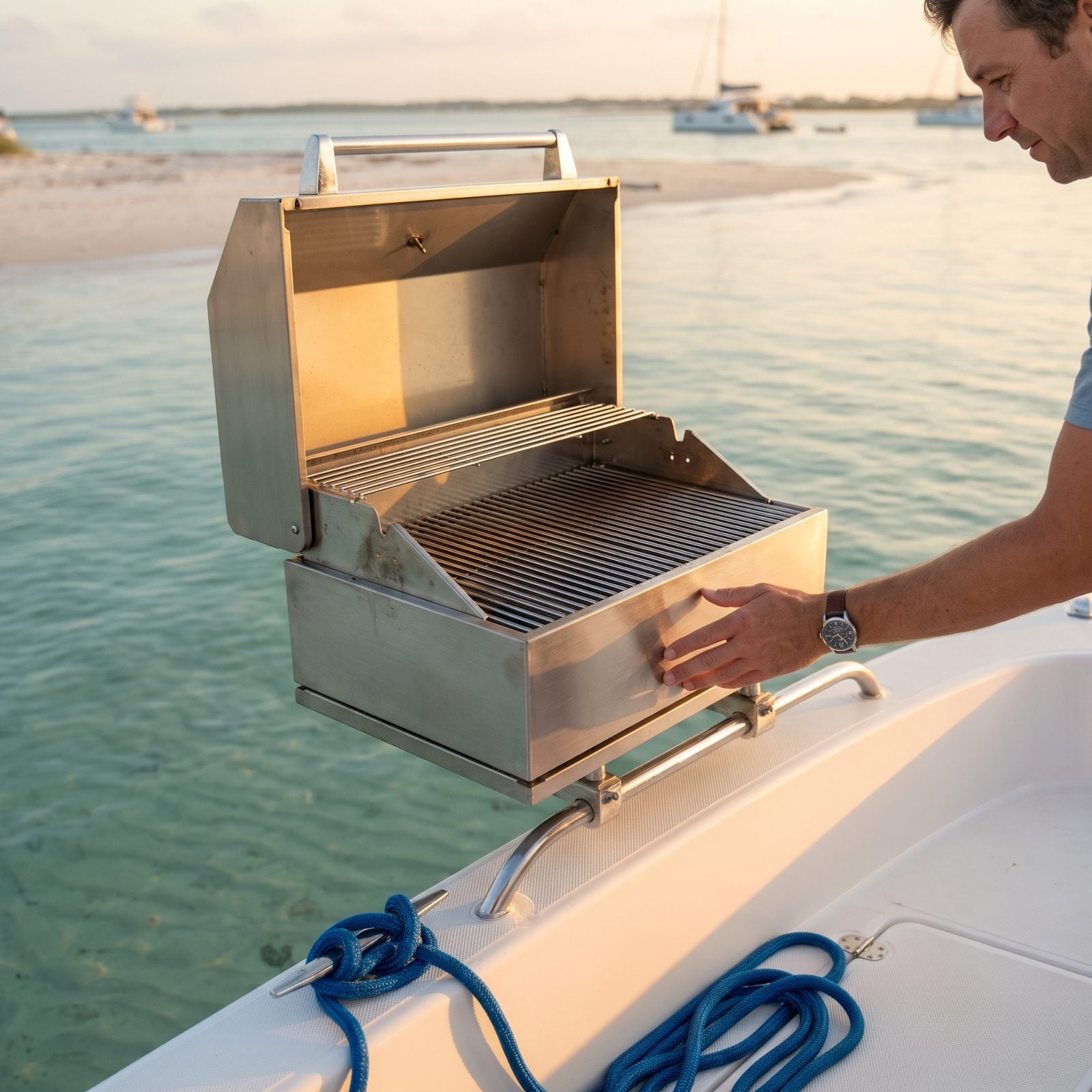
Everyone knows a grill stays hot. Everyone still packs it up too soon.
A grate that feels fine to a quick hand can still be hot enough to scorch a seat cushion or melt a stowage locker twenty minutes later. Give it real time to cool, lid open, before anything goes near it. The ride home is no place for a smoldering surprise under the bench.
9. Keep Dogs Under Reliable Control
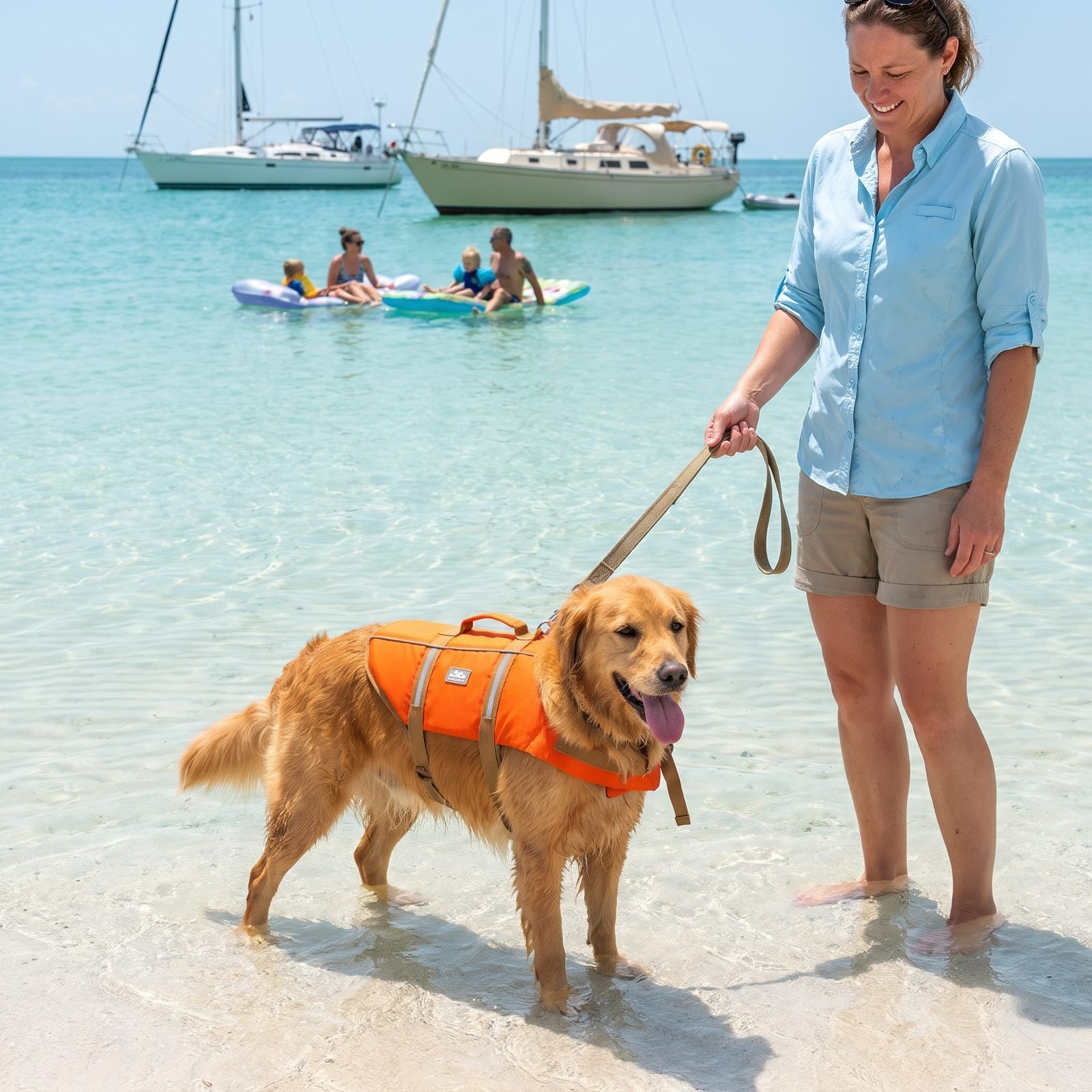
Your dog is wonderful. The stranger three boats over with a cooler full of burgers doesn’t know that yet.
A loose dog on a sandbar means somebody’s chasing it through someone else’s picnic, or worse, out into a boat lane. Keep a lead handy and a vest on, especially in deeper water where even strong swimmers tire. A dog on a long lead can still splash and play. It just can’t disappear.
And watch the heat. Sand cooks paws, and dogs don’t sweat the way we do. A patch of shade and a bowl of fresh water keep the happiest passenger on the boat happy.
8. Pick Up Your Dog’s Waste the Second It Happens
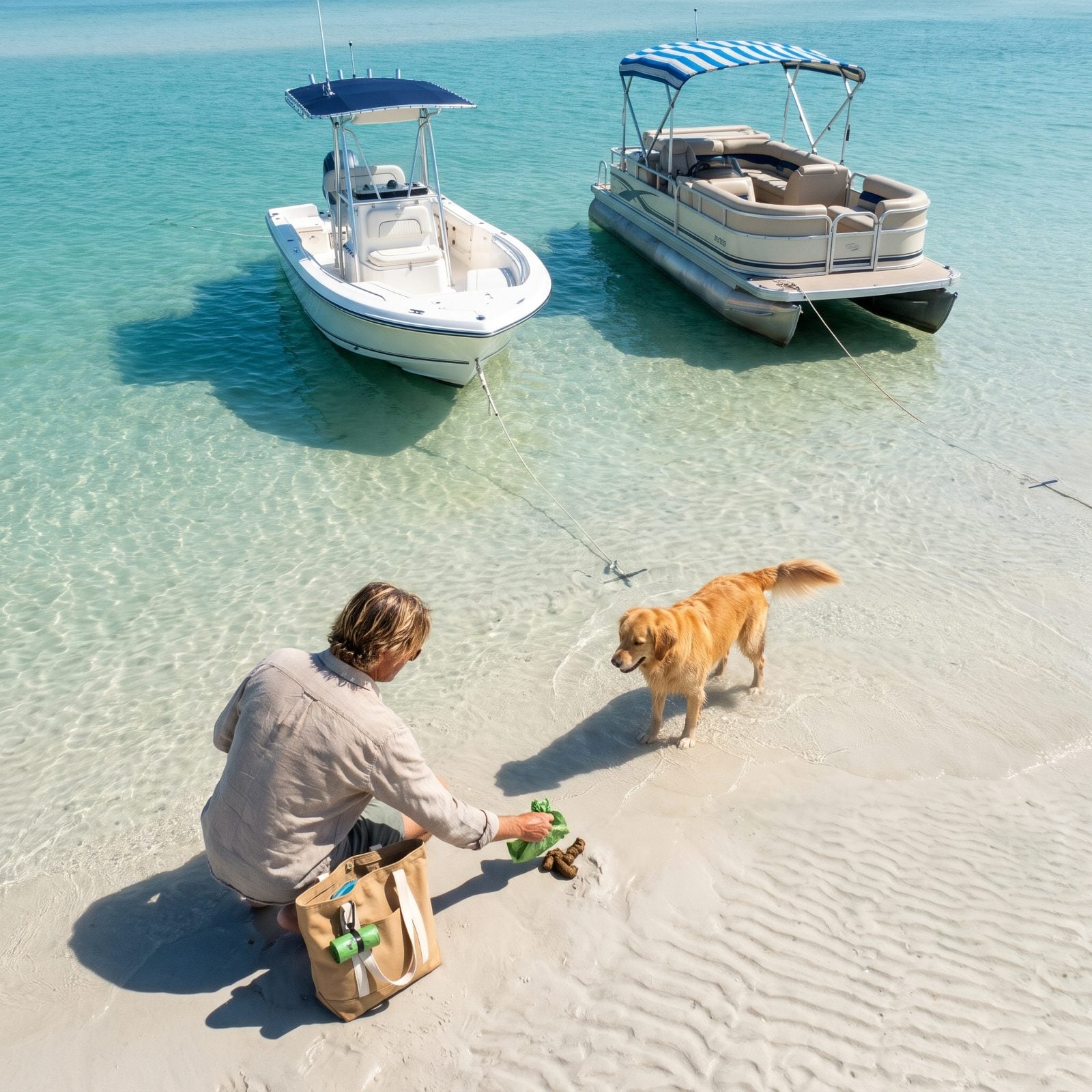
Sandbars are shallow, warm, and barely moving, and that’s exactly why dog waste is worse here than on a trail. It doesn’t wash away. Instead it sits there in water where kids are wading and other dogs are drinking.
Keep a roll of bags clipped to your cooler handle so you’re never hunting for one when it counts. Bag it the moment it happens — not after you finish your sandwich, not once you’ve topped off your drink.
7. Never Toss a Chip to the Gulls
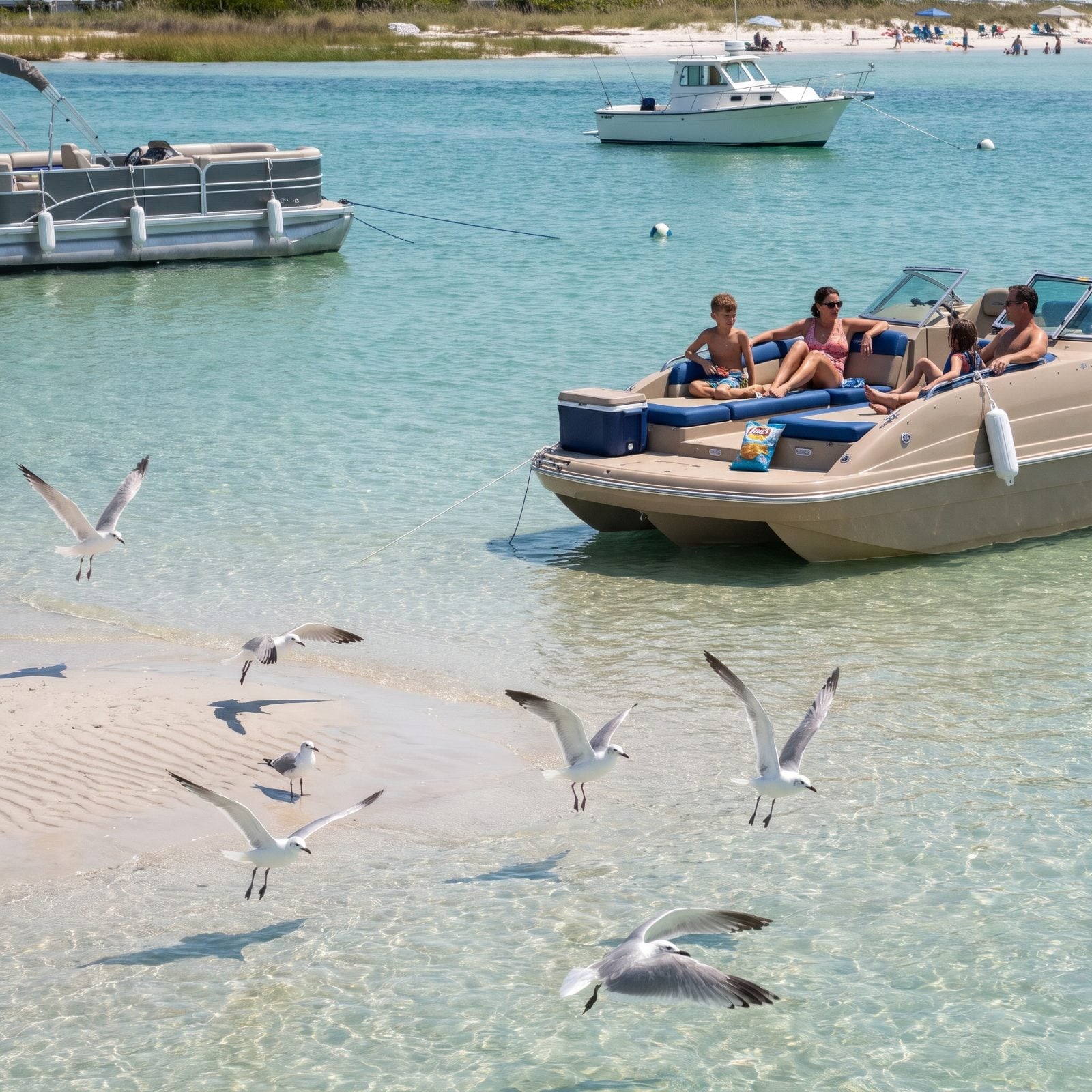
Feed one gull and you’ve invited forty. They talk. Within minutes your boat is the loud table at the party, and the family three boats over is wearing your generosity down their collars.
Human food wrecks a gull’s diet and teaches it to dive-bomb coolers all season long. A fed gull isn’t grateful — it’s a repeat customer with no manners and a grudge if you close up shop.
Seal the chips. Zip the cooler. Let the birds do what they did just fine before boats ever showed up.
6. Drop Your Anchor Clear of the Seagrass
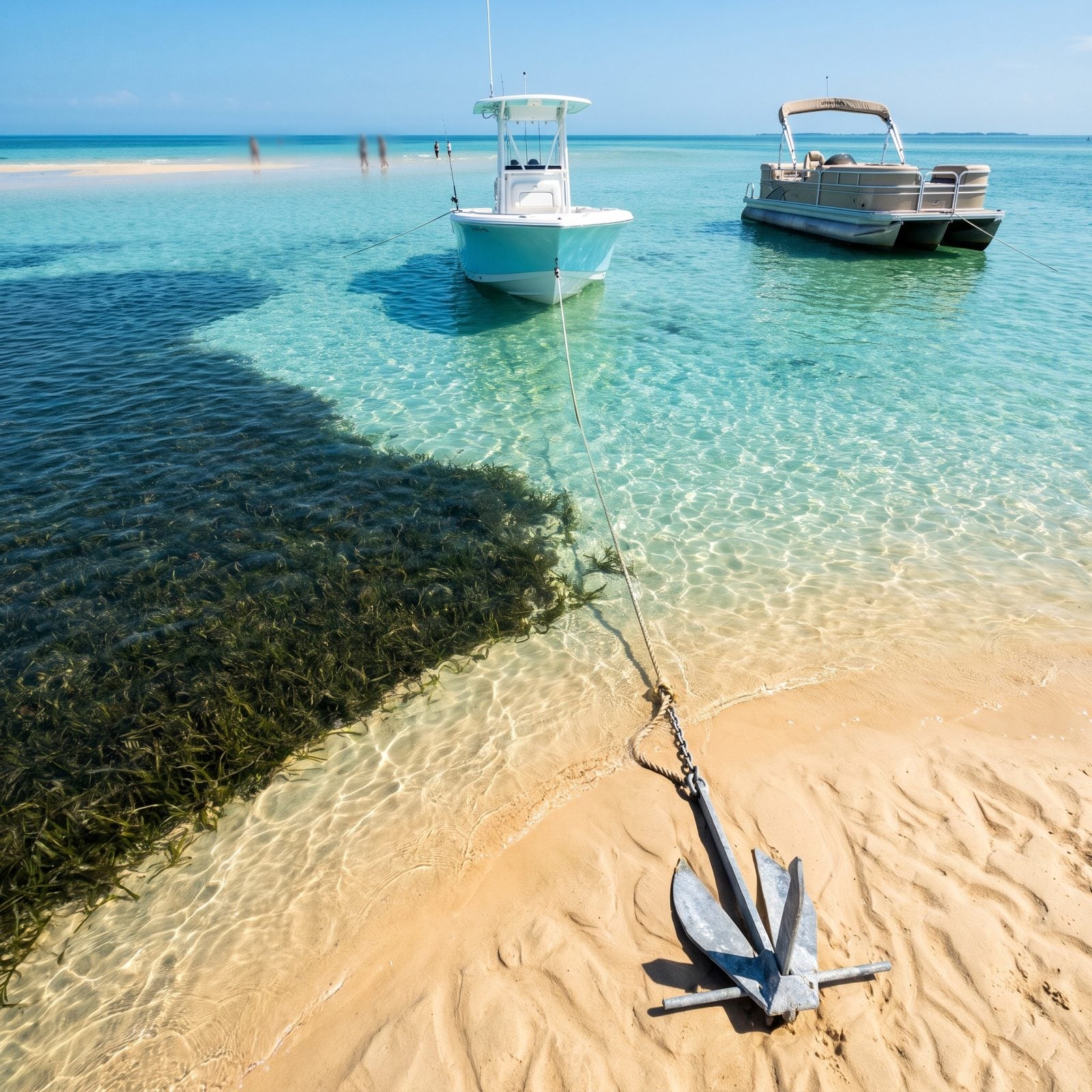
Seagrass is slow to grow and quick to scar. One anchor dragged through a meadow leaves a bald stripe that can take years to grow back, and the fish nurseries living in that grass don’t get a vote on the matter.
So read the water. Dark patches are grass, pale patches are sand, and your hook belongs in the sand every single time — even if it means motoring an extra minute to find a bare spot.
5. Leave the Living Shells and Sand Dollars Where You Found Them
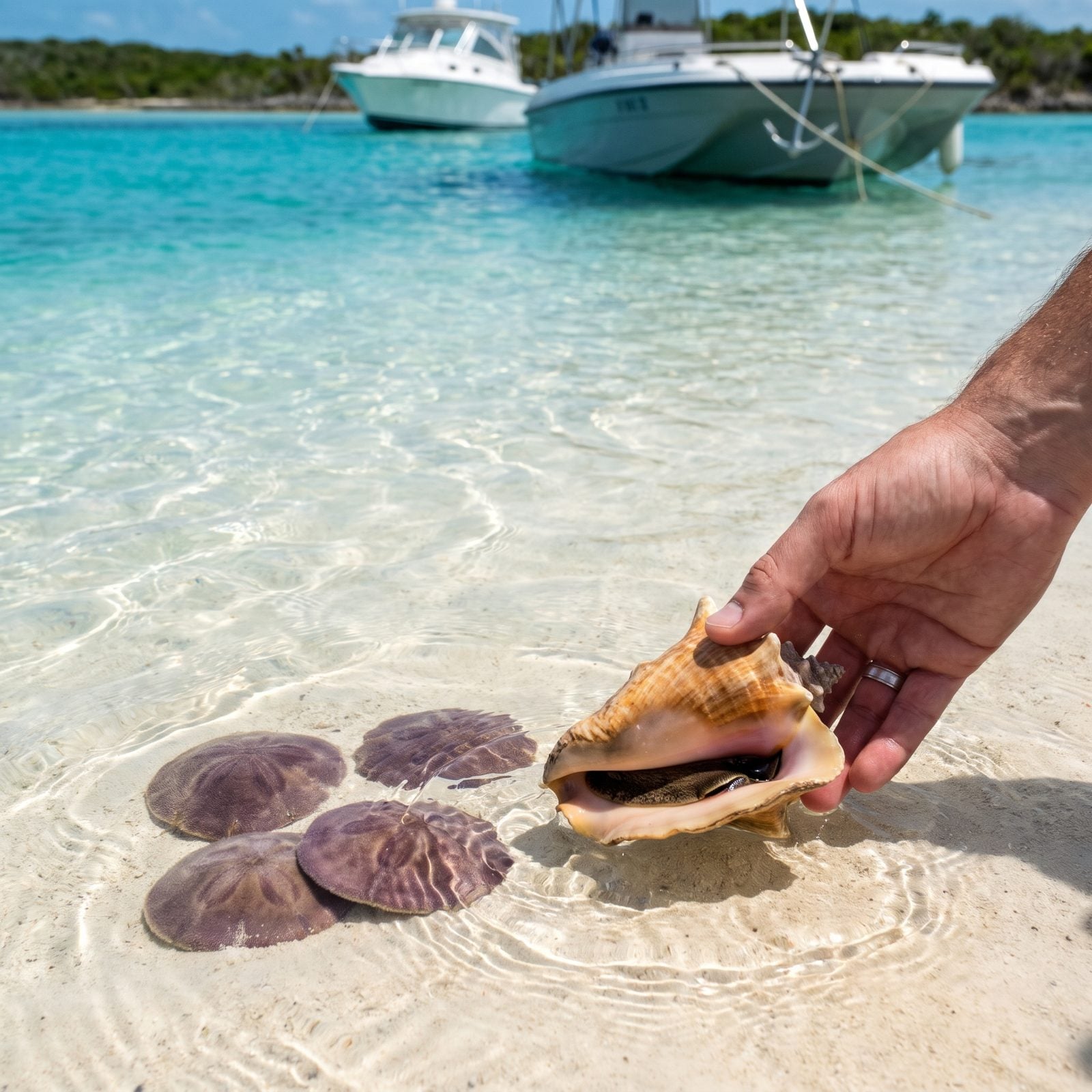
A sand dollar with a faint purple fuzz on it is alive. So is that pretty conch with something tucked inside. Pocket either one and you’ve got a souvenir that stinks up your dash by the ride home and died for nothing.
Flip it, look for color or movement, and put it back face-down if it’s living. A lot of coastal spots will fine you for hauling live shells too, and the rules shift from state to state and park to park.
Empty, bleached, clearly abandoned shell? Fair game. Everything else stays put.
4. Fill in Every Hole the Kids Dug
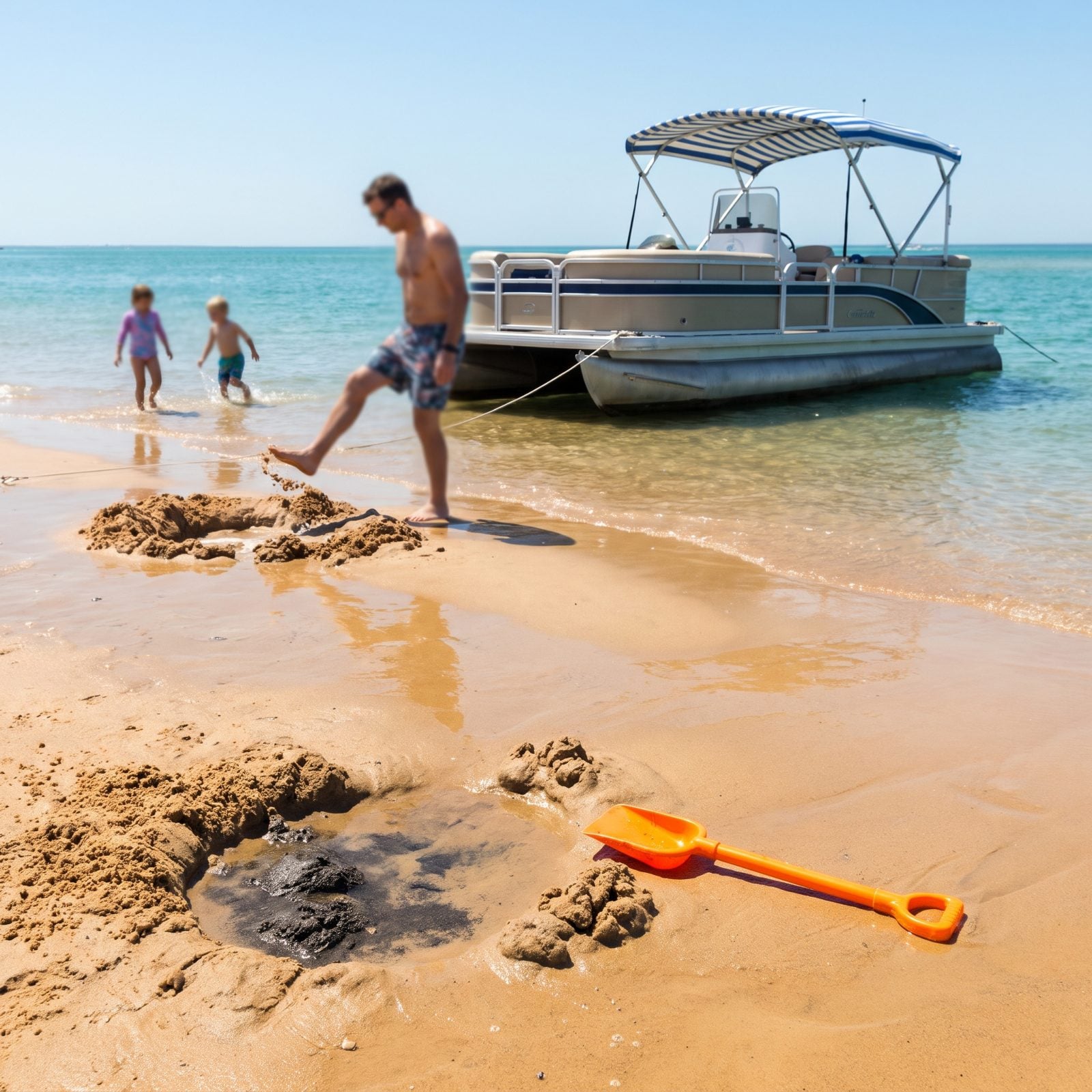
A knee-deep hole on a sandbar is a sprained ankle waiting for the next person who wades over at dusk and never sees it coming. Nesting birds and turtles tumble in too, and they can’t climb back out.
Before you pull anchor, walk your patch and push the sand back. Thirty seconds, tops. Whoever anchors there tomorrow will never know you were here, and honestly that’s the goal.
3. Use the Marine Head or a Portable Restroom, Not the Water
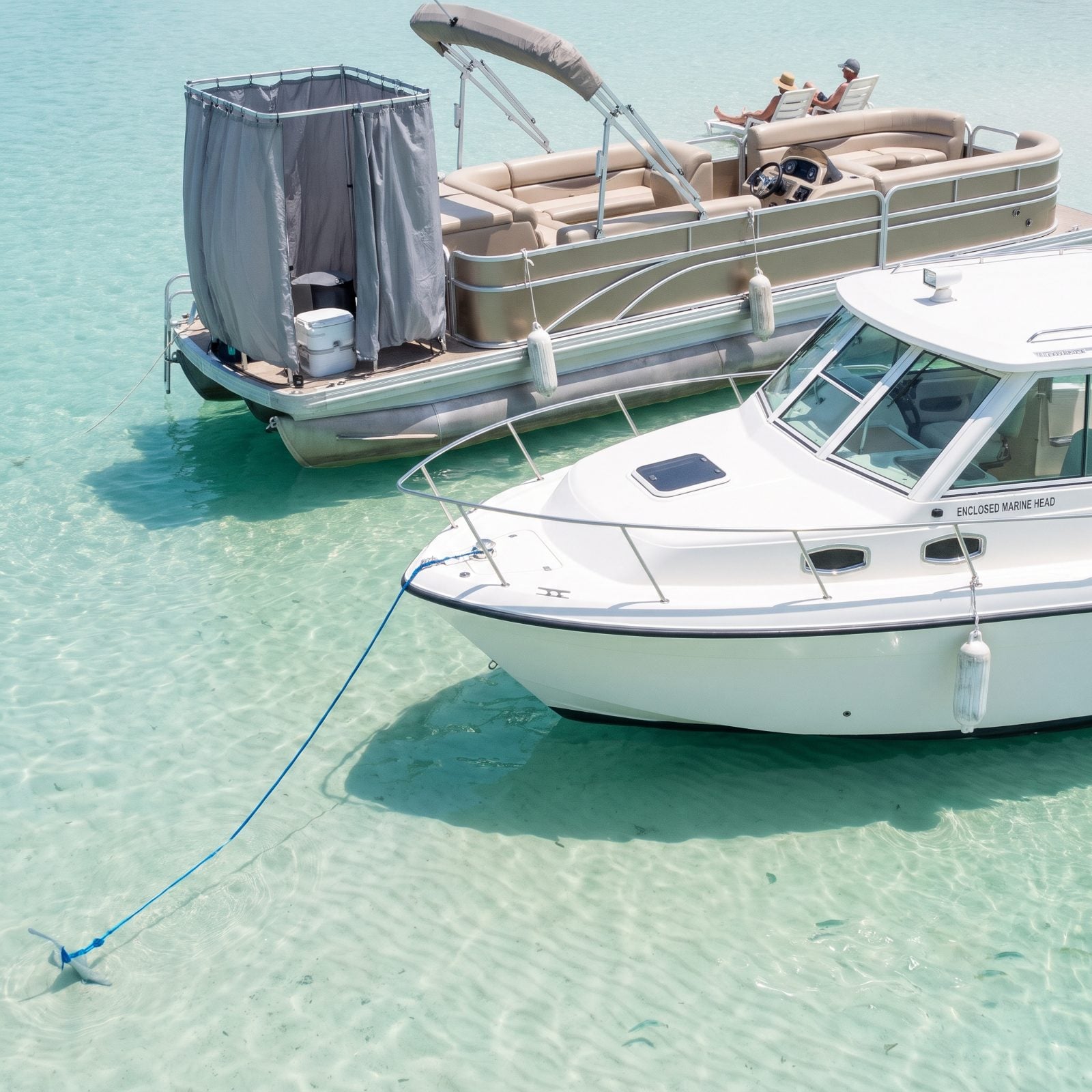
The water everyone’s floating in is the same water — warm, shallow, slow to flush. There’s no graceful way around this one, so here it is flat out: use the head on your boat, or bring a portable toilet.
Dumping raw sewage in a No Discharge Zone is illegal, and most of the popular sandbars sit smack in the middle of exactly those zones. A toilet tucked behind a framed privacy curtain, like the freestanding plastic portable one set on this pontoon’s open deck, solves the whole thing for a pontoon crew.
Nobody wants to be the reason the health department padlocks a favorite spot.
2. Pack Out Every Can, Then Sweep the Sand for Bottle Caps
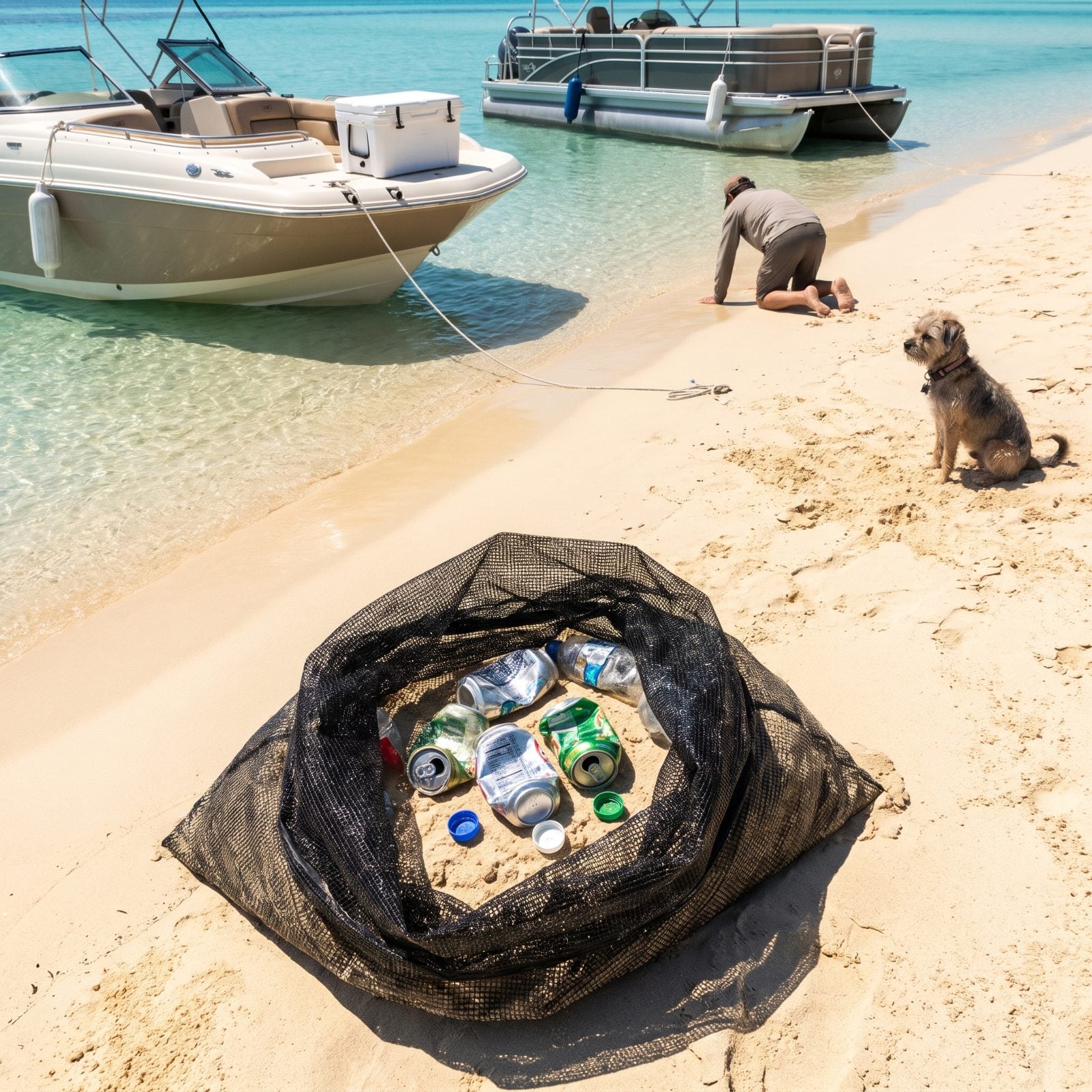
The big stuff is easy. It’s the confetti that gets forgotten: bottle caps, cigarette filters, the torn corner of a chip bag, a cracked koozie half-buried by the tide. Tiny things, every one of them outlives you.
Do a slow walk before you leave, phone in your pocket and eyes on the sand. A cheap mesh bag clipped to a cleat holds the whole day’s haul and drips dry on the ride back.
Leave it cleaner than you found it, and the sandbar stays open to everyone for one more summer.
1. Pull Anchor the Moment You Hear the First Thunder
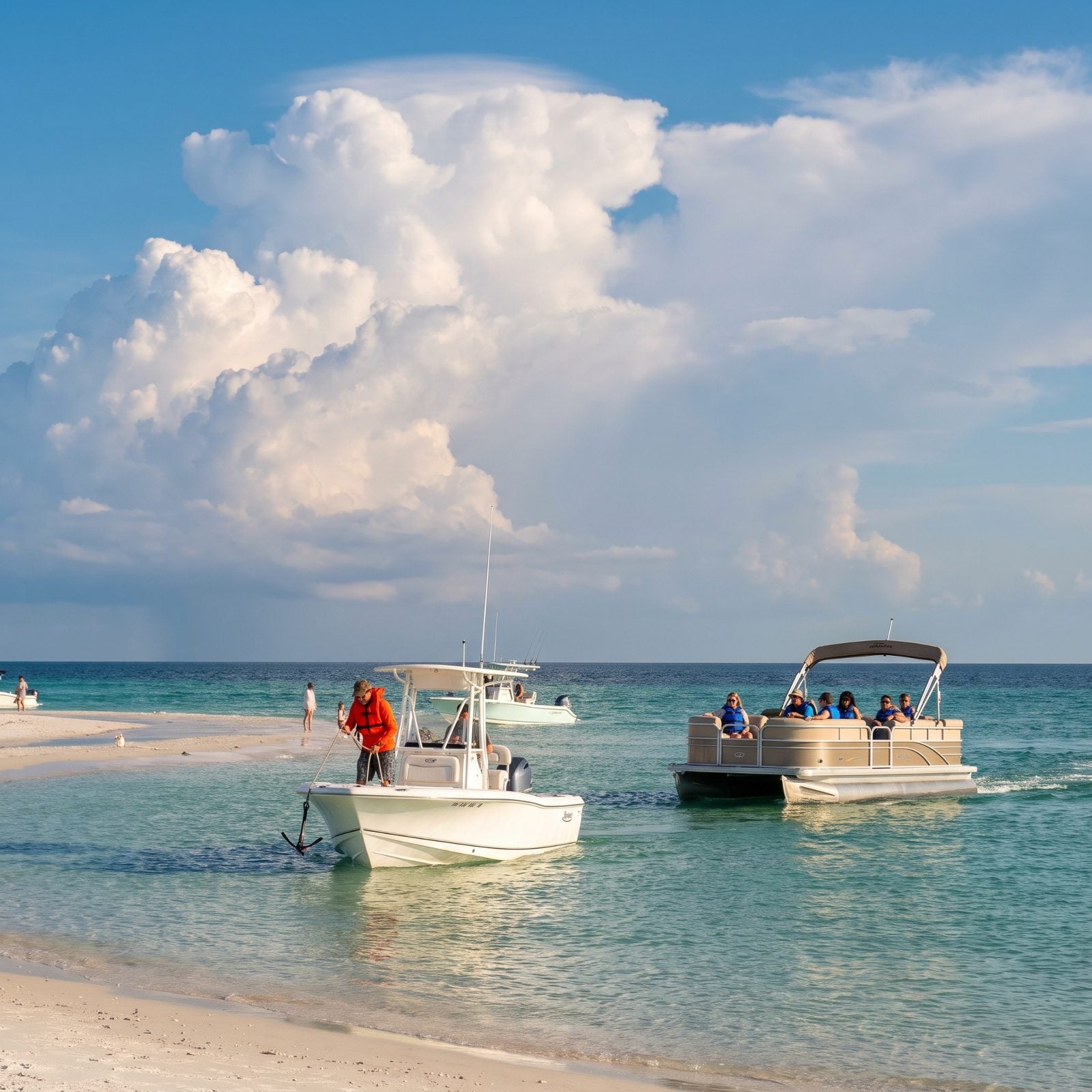
Thunder means lightning is already close enough to reach you. Out on open water with a metal boat, you’re the tallest thing around — and that’s not a position worth negotiating from.
So don’t wait to see the lightning or finish the float. First rumble, start pulling anchor. Sandbar storms build fast and move faster, and the real scramble happens when everyone decides to leave at the same moment.
Beat the rush. Get everyone in life jackets, point for the ramp, and ride it out on dry land.