
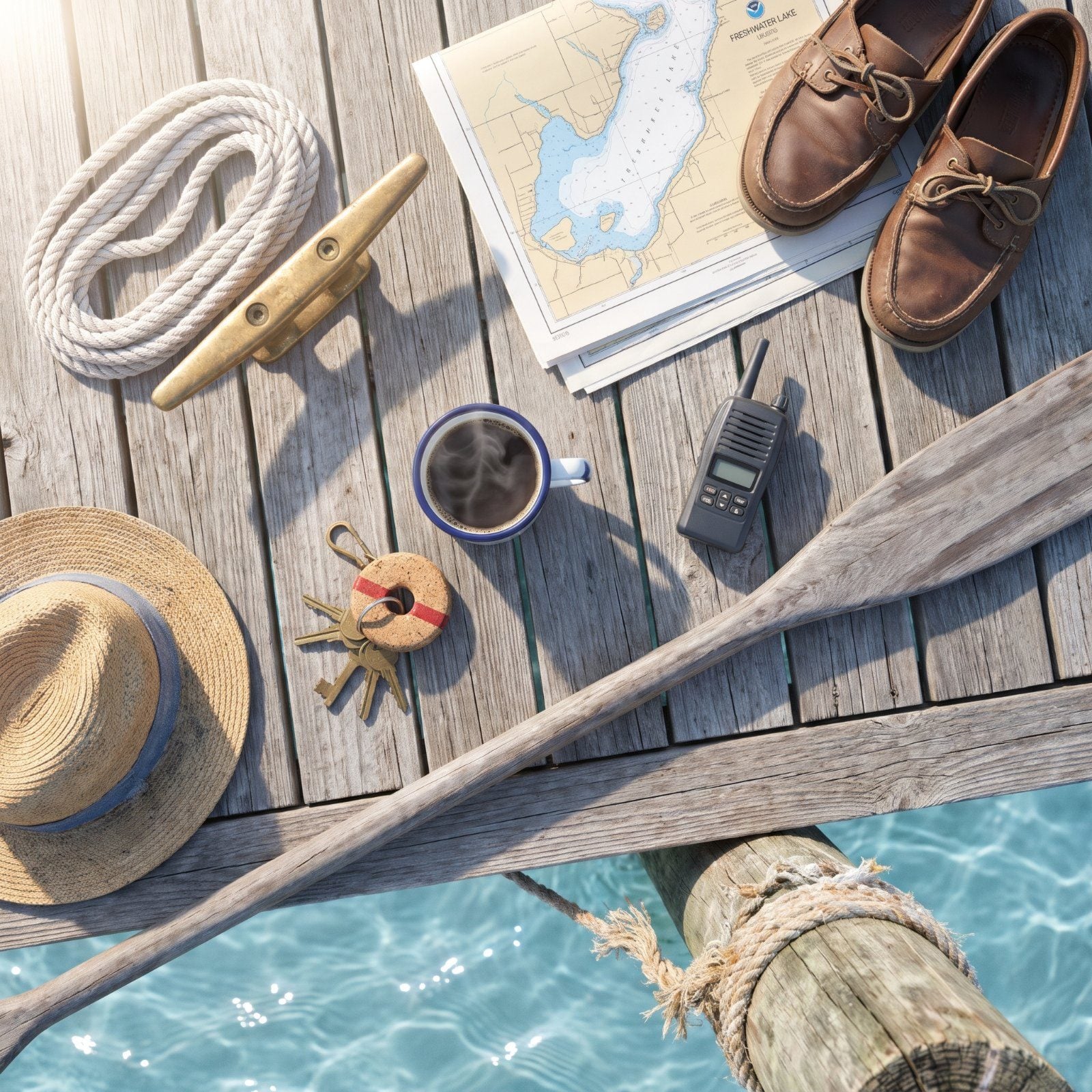
The new dock went up in April and sat empty for three weeks while every boat on the lake slowed down to look at it. That’s how it works out here. You don’t get welcomed with a casserole — you get watched, gently, while everyone figures out whether you understand how things run. Good news, though: lake etiquette isn’t complicated, and it has nothing to do with money or the size of your pontoon. It comes down to a handful of small habits that signal you respect the water and the people who share it. Learn these, and the nod at the launch ramp turns into an invitation.
Please note that some of the imagery in this article may have been enhanced with the assistance of AI.
49. Wave Back to Every Passing Boat
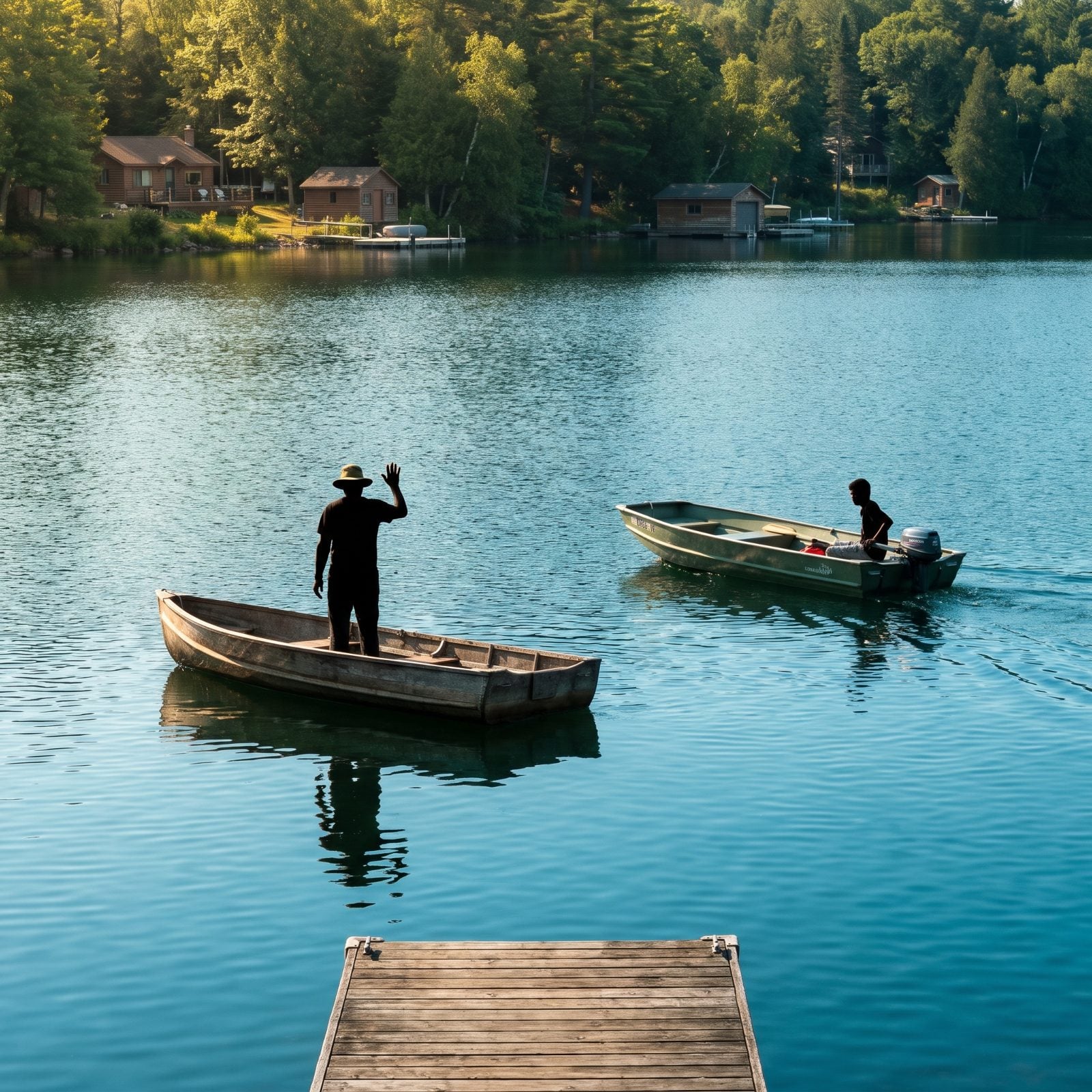
The lake wave is the first test, and most newcomers blow it by overthinking. It’s not a parade float wave. A single lifted hand, maybe two fingers off the wheel, held for a beat — that’s the whole thing. And you give it to everyone: the bass boat, the kayak, the retiree in the pontoon who waves at absolutely anything that floats.
Here’s what nobody tells you. The wave isn’t friendliness for its own sake. It’s a quiet headcount, a way of saying I see you and you see me, which matters a lot the day someone’s engine dies two coves over at dusk.
48. Introduce Yourself and Learn the Names Behind the Nearest Docks
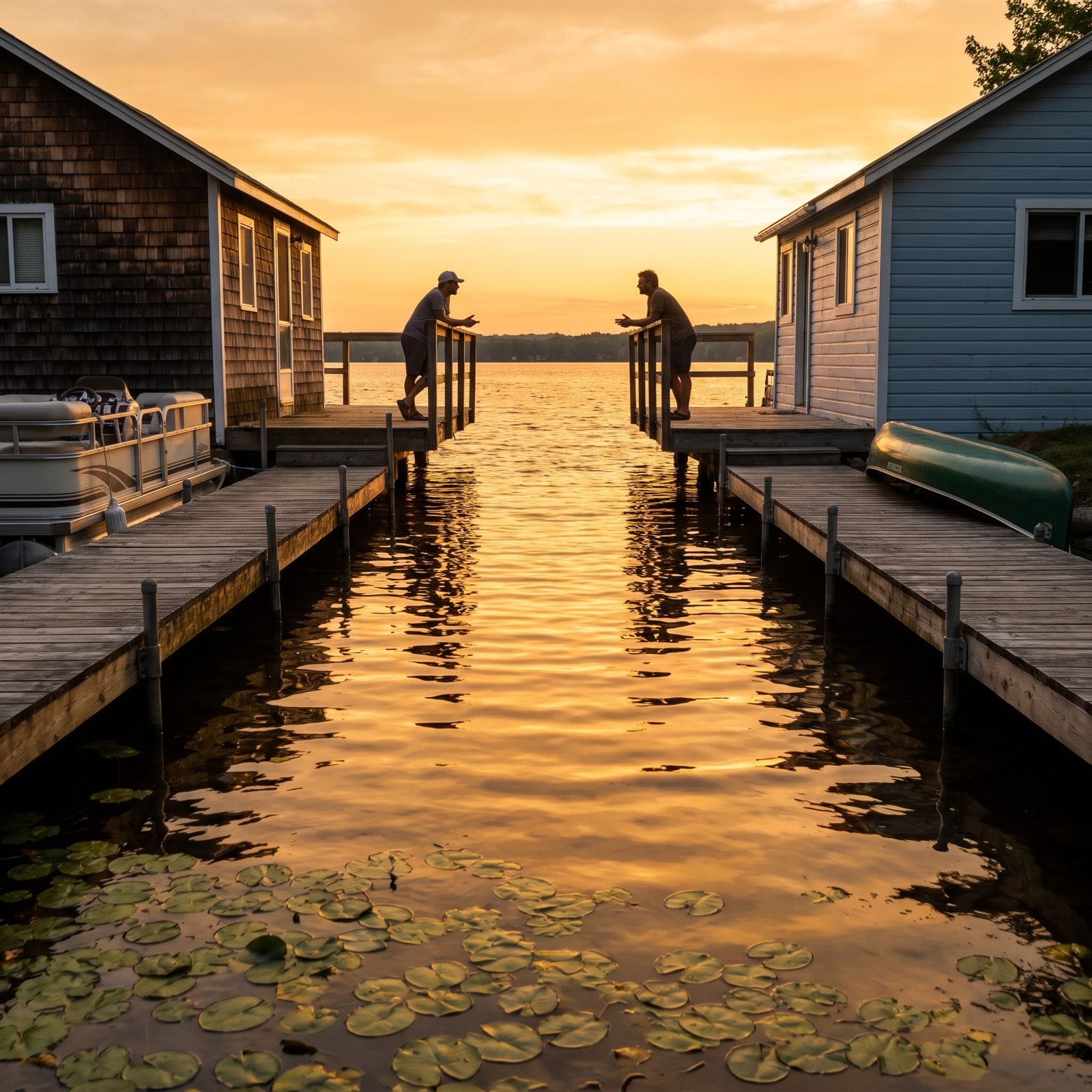
You can live next to someone for a whole season and only ever know them as the people with the yellow kayak. Don’t let it get to that point.
Walk over in the first week, before the awkwardness calcifies. Bring nothing, or bring beer — your call. Learn the names of the three or four nearest docks and write them down somewhere, because you will forget, and the second introduction is far more embarrassing than the first.
These are the people who’ll clock a strange car in your driveway in February, who’ll pull your dock cushions in before a storm when you’re a hundred miles away. Worth every minute of mild social discomfort.
47. Exchange Emergency Contact Information With Shoreline Neighbors
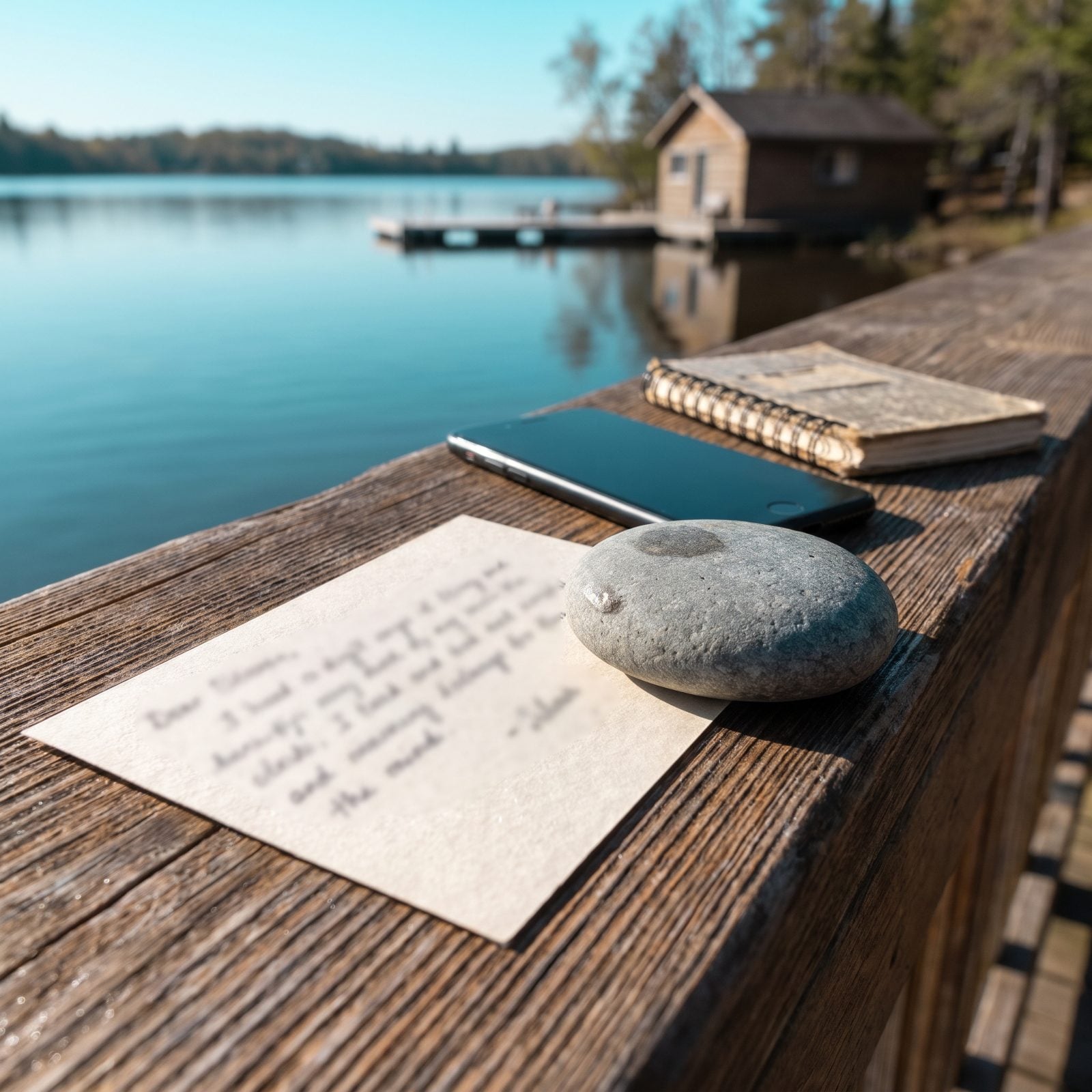
Nobody wants to think about the bad day. The chimney fire. The boat that doesn’t come back. The fall on the icy dock in March when half the lake is boarded up and nobody’s around to hear it. That’s exactly why you trade numbers before you ever need them.
Swap cell numbers with the two or three closest neighbors and note who’s year-round versus seasonal. The year-rounders are gold — the ones home when your pipes freeze and water’s running down the driveway.
46. Protect the Quiet of Early Lake Mornings
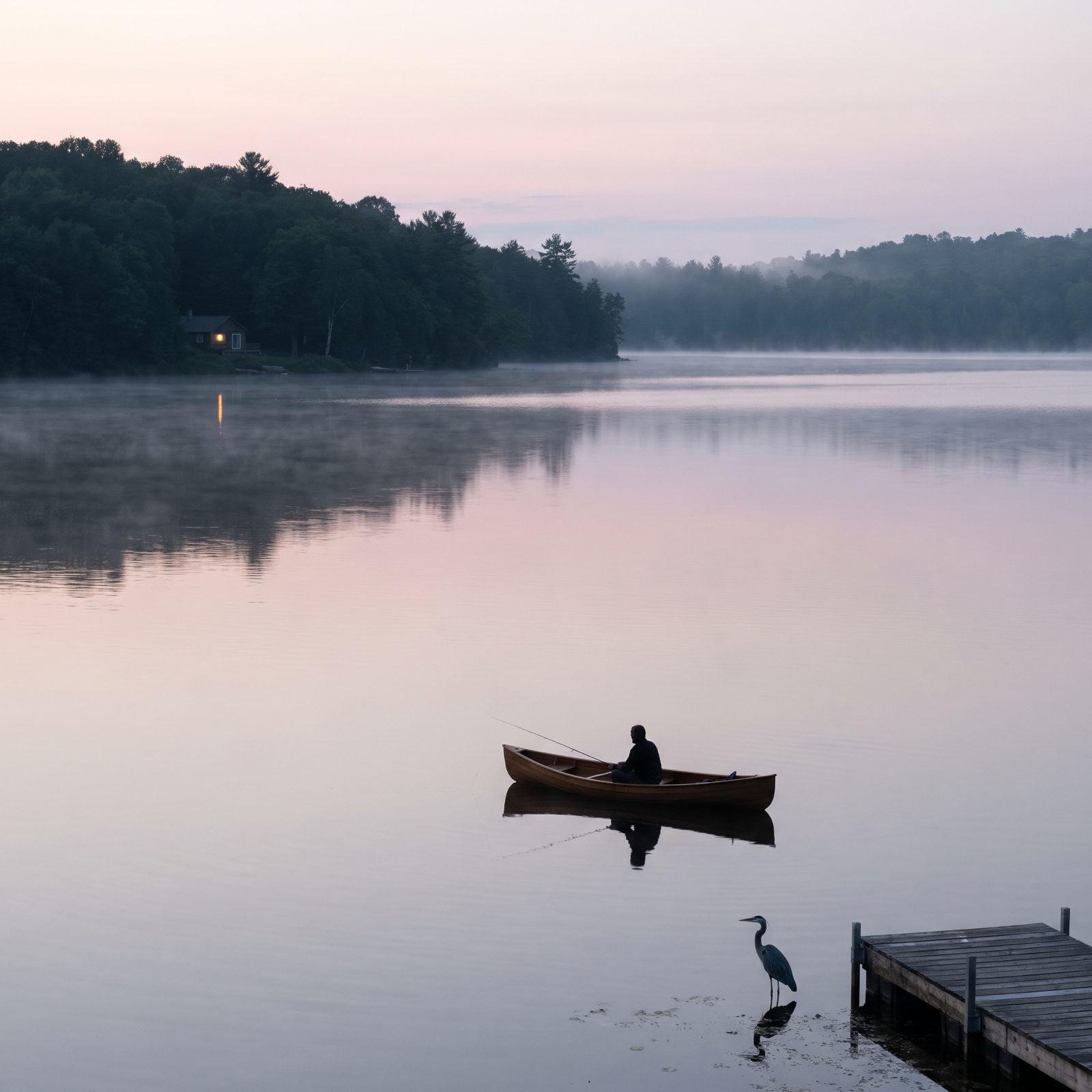
There’s a window on the lake, roughly from first light to about eight, when the water goes flat as glass and the only sounds are a loon and somebody’s coffee maker. People guard this hour like treasure, and fishermen plan their whole year around it.
So don’t be the one who fires up the ski boat at 6:45 to get a jump on the wakeboarding. You can, technically. But you’ll undo three weeks of good standing in a single morning.
Save the loud stuff for mid-morning. The lake is yours later. The quiet belongs to everyone before then.
45. Remember That Music Carries Farther Over Water
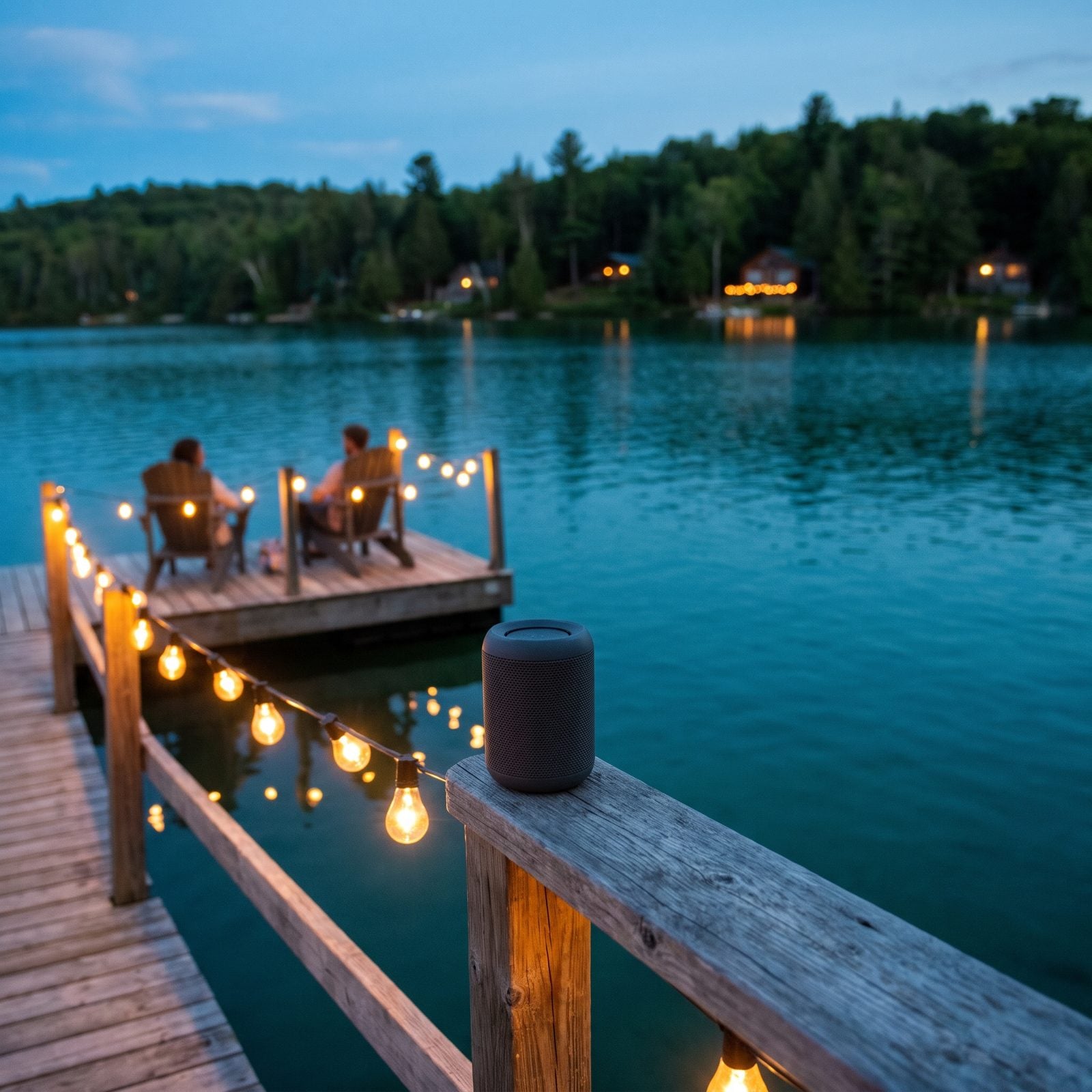
Sound does something strange over flat water. It skips. A conversation at a normal volume on your dock can be heard, word for word, by a neighbor a quarter mile across the cove, and your party playlist travels even better.
Most newcomers genuinely don’t realize this. They’d be mortified to learn the whole north shore caught their argument about the grill.
On a calm night, the lake is a stage, and every dock has a seat.
Keep the volume where you’d want a stranger’s to be. And if you want to know how far it carries, walk to the far dock during soundcheck. You’ll turn that knob down fast.
44. Save Mowers and Power Tools for Civilized Hours
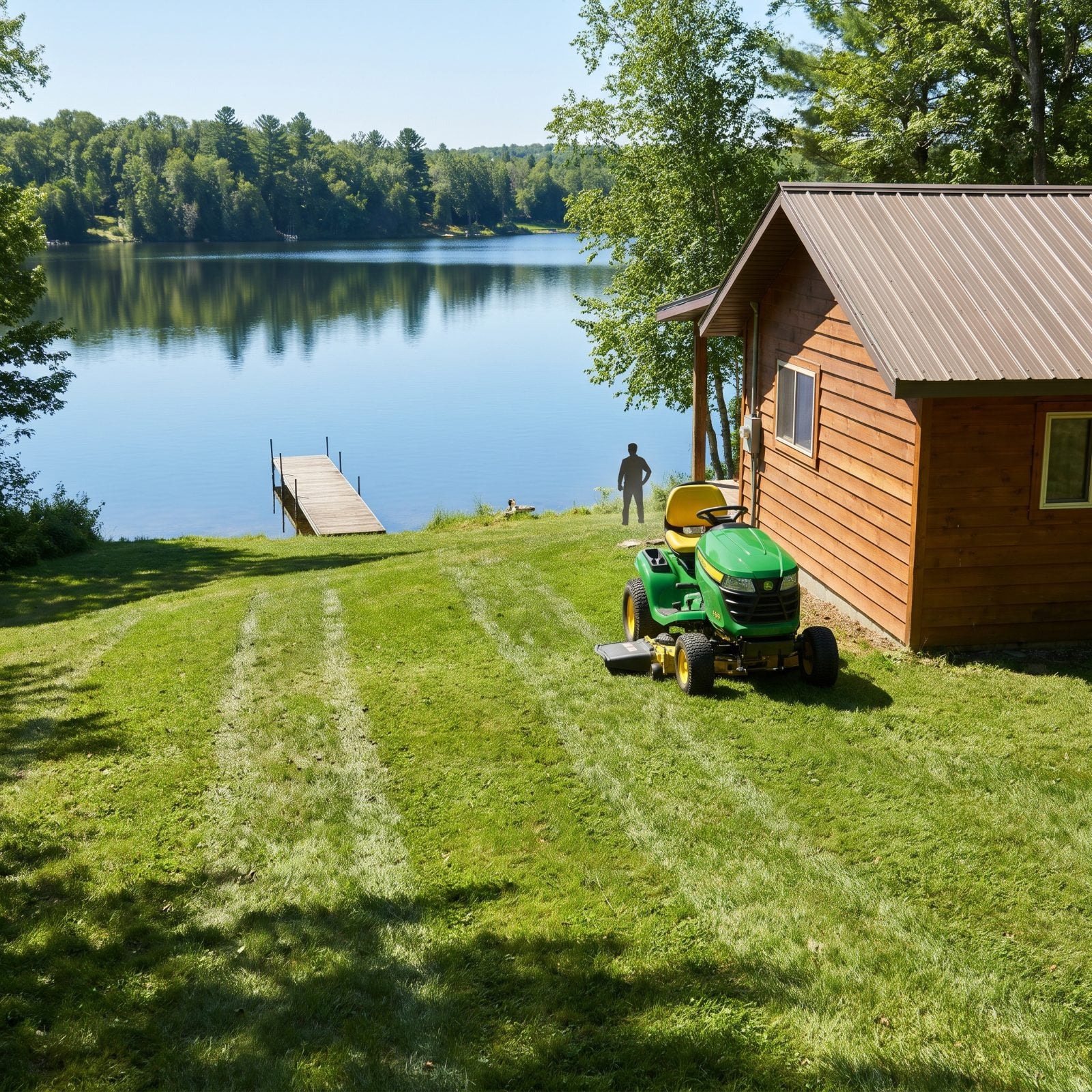
Same idea as the music, different machine. Your leaf blower and chainsaw carry across the water like a kid learning trumpet. On most lakes there’s an unspoken agreement about when the noisy chores happen.
Rough guide: nothing loud before nine on weekdays, before ten on weekends, and wrap it up before dinner on a Saturday when people are out on their decks. Nobody posted these hours. Everybody knows them.
43. Give Neighbors Advance Notice of a Big Gathering
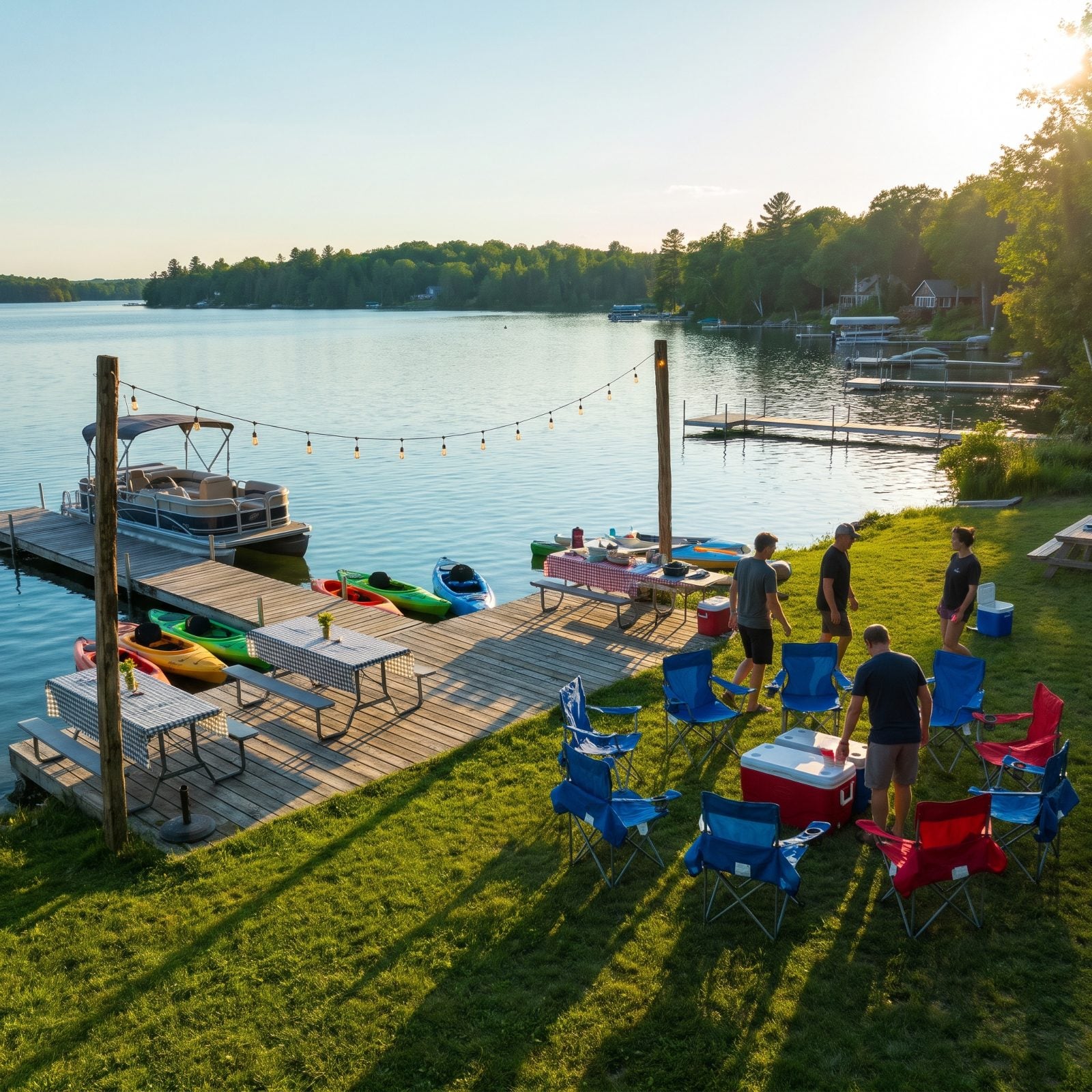
A knock on the door two days before the party does more for your reputation than any apology after it. Tell the nearest neighbors you’ve got twenty people coming Saturday, there’ll be boats and music, and you’ll keep it reasonable by ten.
Watch what happens. The complaint evaporates before it even forms. You’ve turned a potential annoyance into something they were warned about and, half the time, invited to.
We learned this one the slow way, from the other side — listening to a stranger’s graduation party until midnight with no heads up. The music wasn’t the problem. The surprise was.
42. Make a Plan for Guest Parking Before Guests Arrive
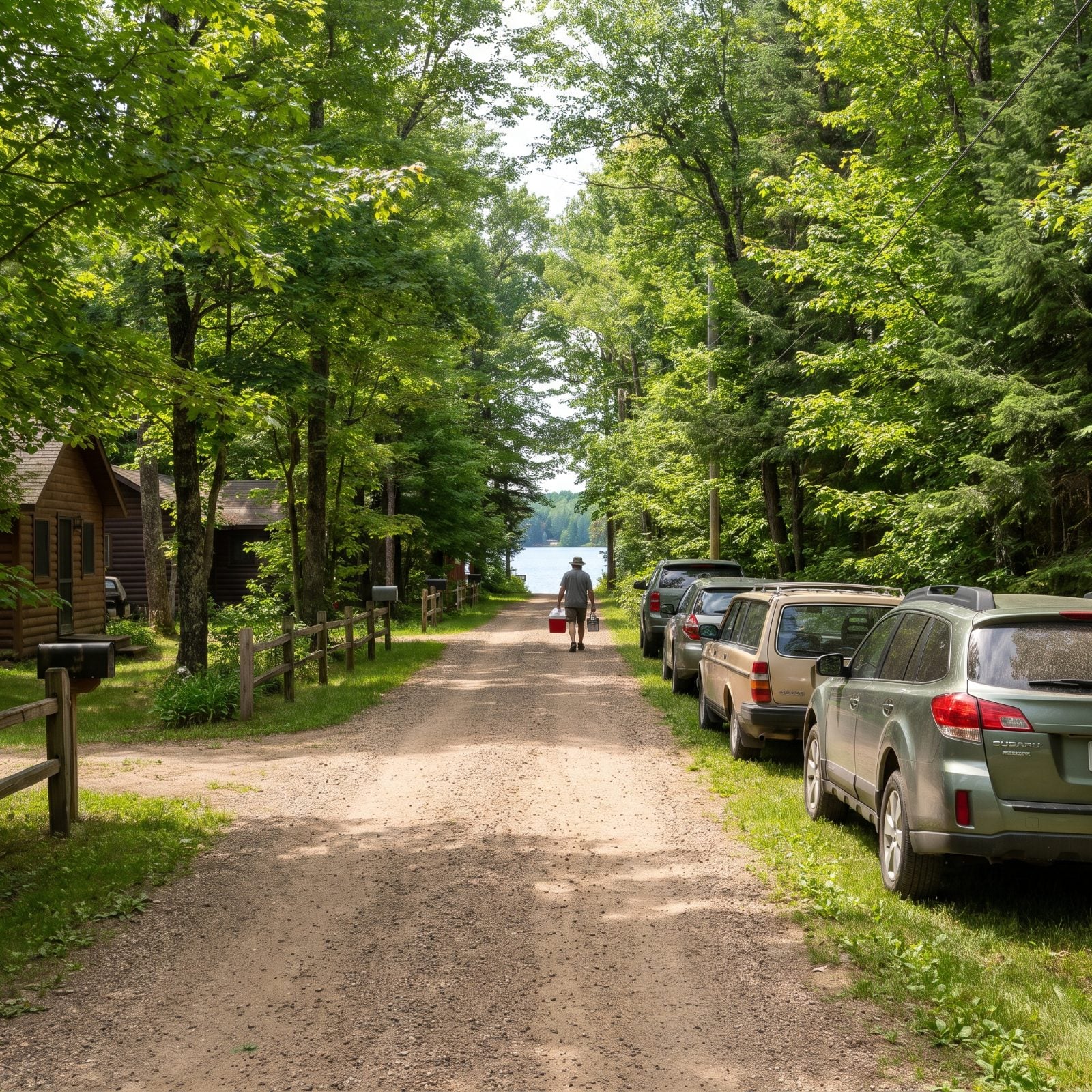
Lake roads are narrow, and often they’re private, shared, and kept up by everyone’s annual check to the road association. A line of your guests’ SUVs on both shoulders turns a two-way road into a one-way headache, and it blocks the one thing that must always get through: the fire truck.
Sort it before anyone shows up. Point guests to your own grass, double up in the driveway, and tell them which shoulder is fair game and which one belongs to the neighbor who will absolutely notice.
41. Teach Vacation Renters the Local Lake Rules
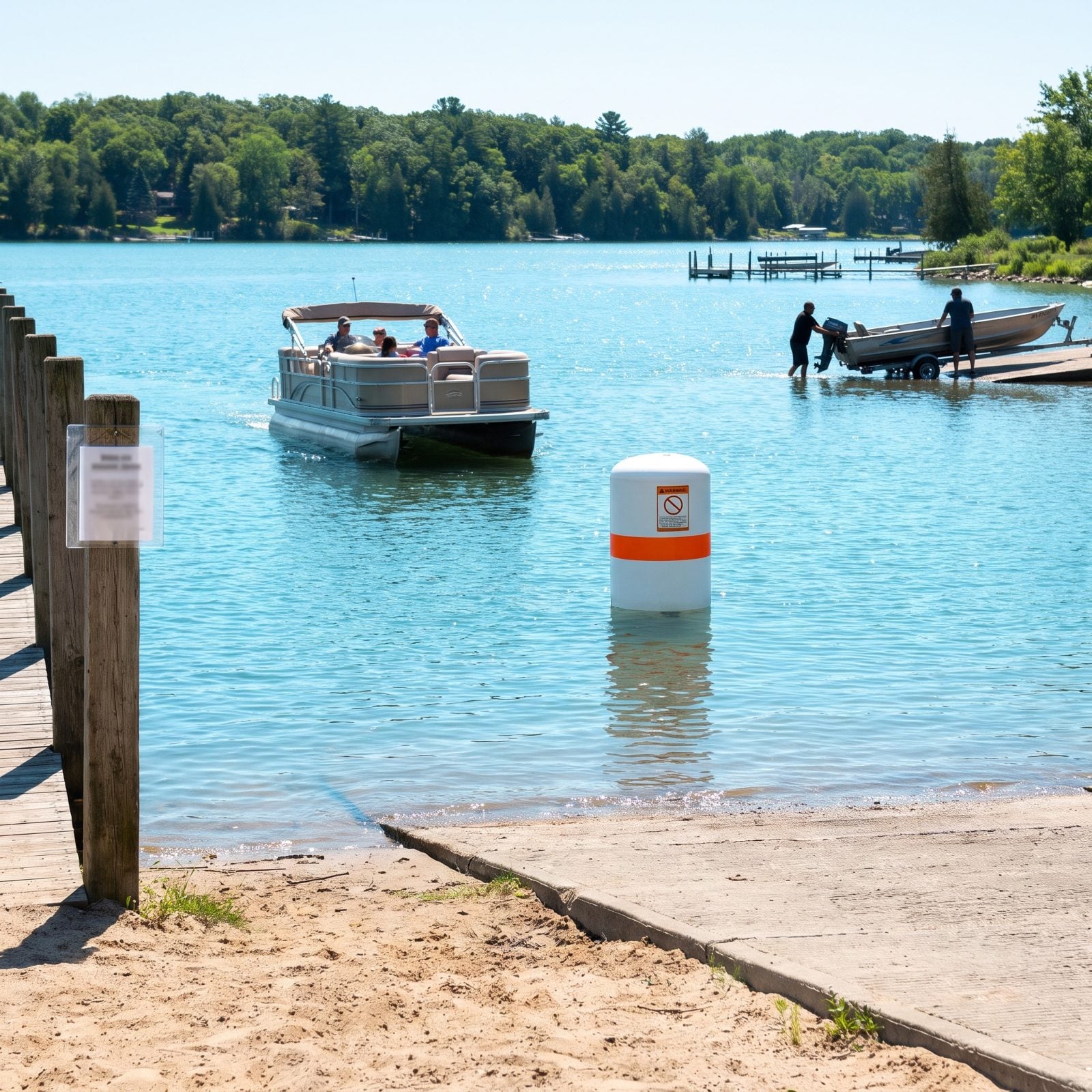
If you rent your place out, your renters are you. The lake doesn’t draw the distinction. When a vacationer blasts across the no-wake zone at full throttle, the neighbors don’t blame a stranger — they blame your dock.
Leave a one-page sheet on the counter. No-wake zones and where they are. Quiet hours. Which way the current pulls at the swim area. Where the shallow rocks sit that’ll eat a prop. Trash and recycling days.
Renters aren’t trying to be bad neighbors. They just genuinely don’t know there’s a shallow bar fifty feet off your dock. Tell them, and most of them will care.
40. Confirm Property Lines Before Starting an Outdoor Project
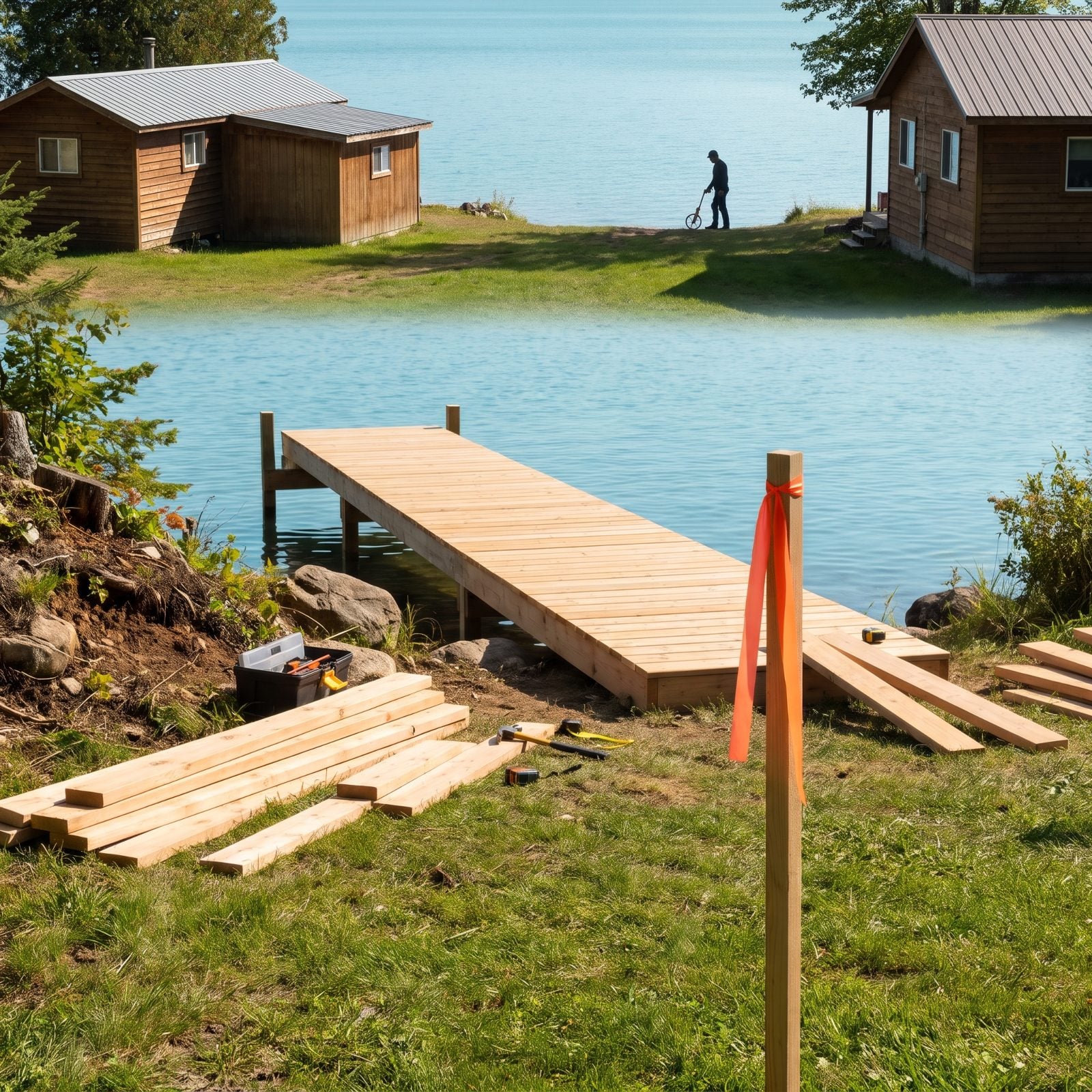
Shoreline property lines are weird. They don’t always run the way you’d guess toward the water, and permit rules for docks, retaining walls, and tree removal vary wildly by state, county, and whichever lake association governs the water.
Before you build that dock, cut that leaning oak, or push back that bank, find out where your line actually sits and who you need to ask. A survey is cheap next to tearing out a structure that crept three feet onto someone else’s bottomland.
And nothing poisons a lake friendship faster than a dock that blocks the neighbor’s view, thrown up without a word. Measure first. Then talk to them. Then build. In that order, every time.
39. Ask Before Using a Neighbor’s Shoreline as a Shortcut
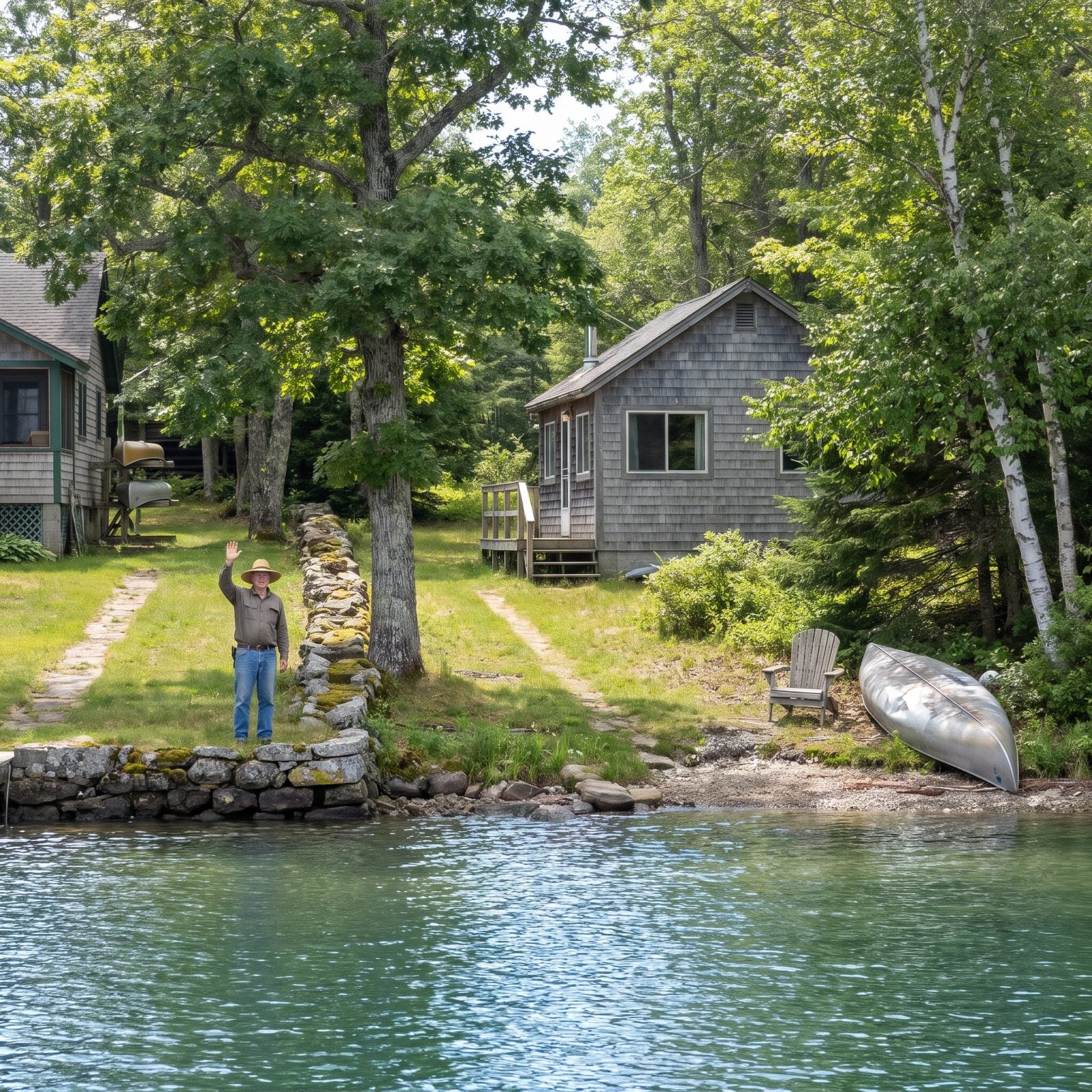
That worn footpath across the point looks public. It usually isn’t. Most lakeshore property runs right to the waterline, so the trail you’d love to shortcut through is really somebody’s side yard.
Knock, or catch them at the dock, and ask once — nine times out of ten you get a yes and a wave for life. Cut through uninvited and you become the newcomer who doesn’t respect lines, and that reputation travels fast on a small lake.
38. Never Treat a Public Cove Like a Private Backyard
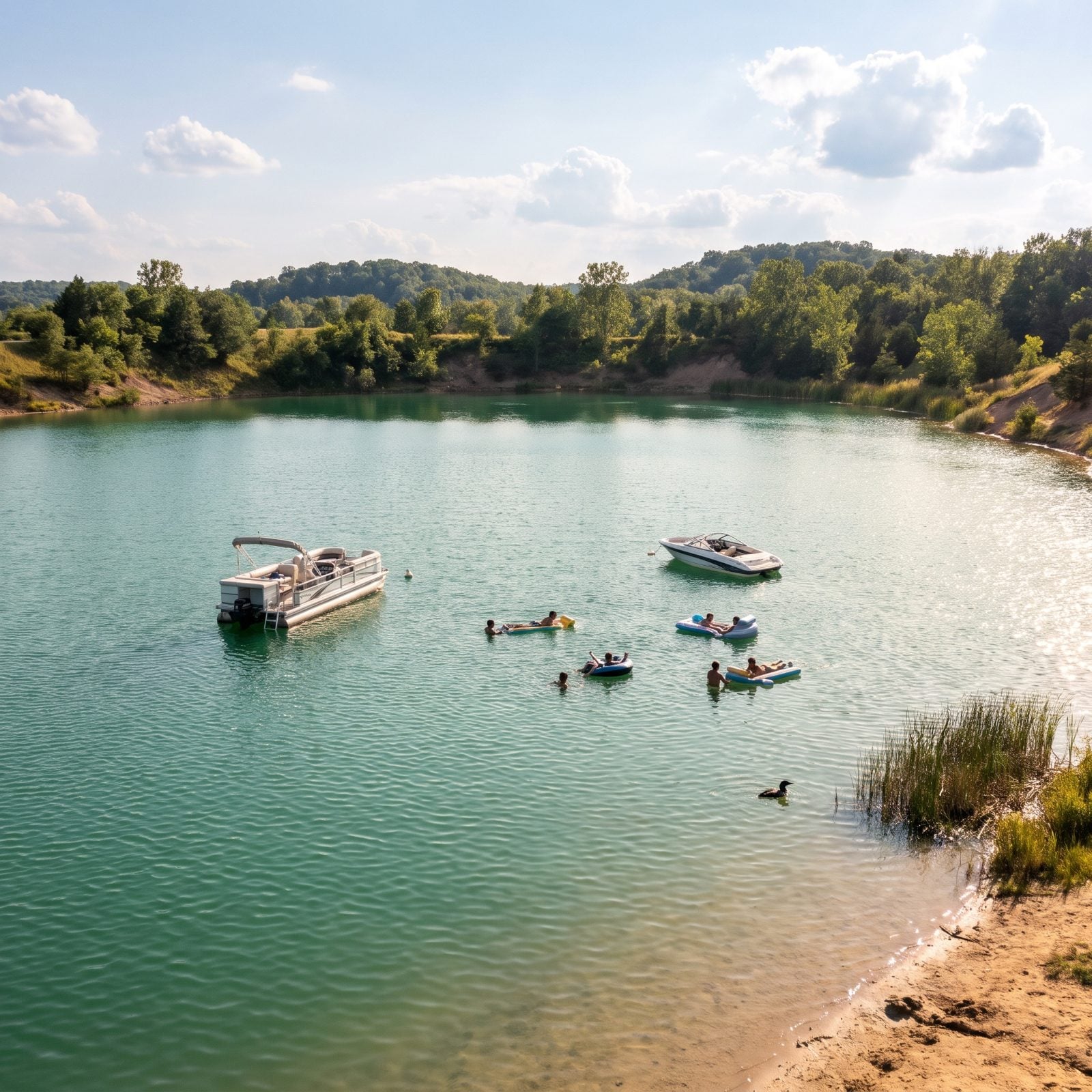
A good cove feels like it was made for you. It was made for everyone else too, and the folks who forget that are the ones who anchor dead center, crank the music, and fan three inflatables across the whole swimming area.
Give other boats room. Keep the speaker at a level that won’t carry, because sound travels farther on a lake than you’d ever guess — much farther than it does on land. Share the shade under the one good overhanging tree. You borrow a cove. You don’t claim it.
37. Keep Shared Paths and Water Access Completely Clear
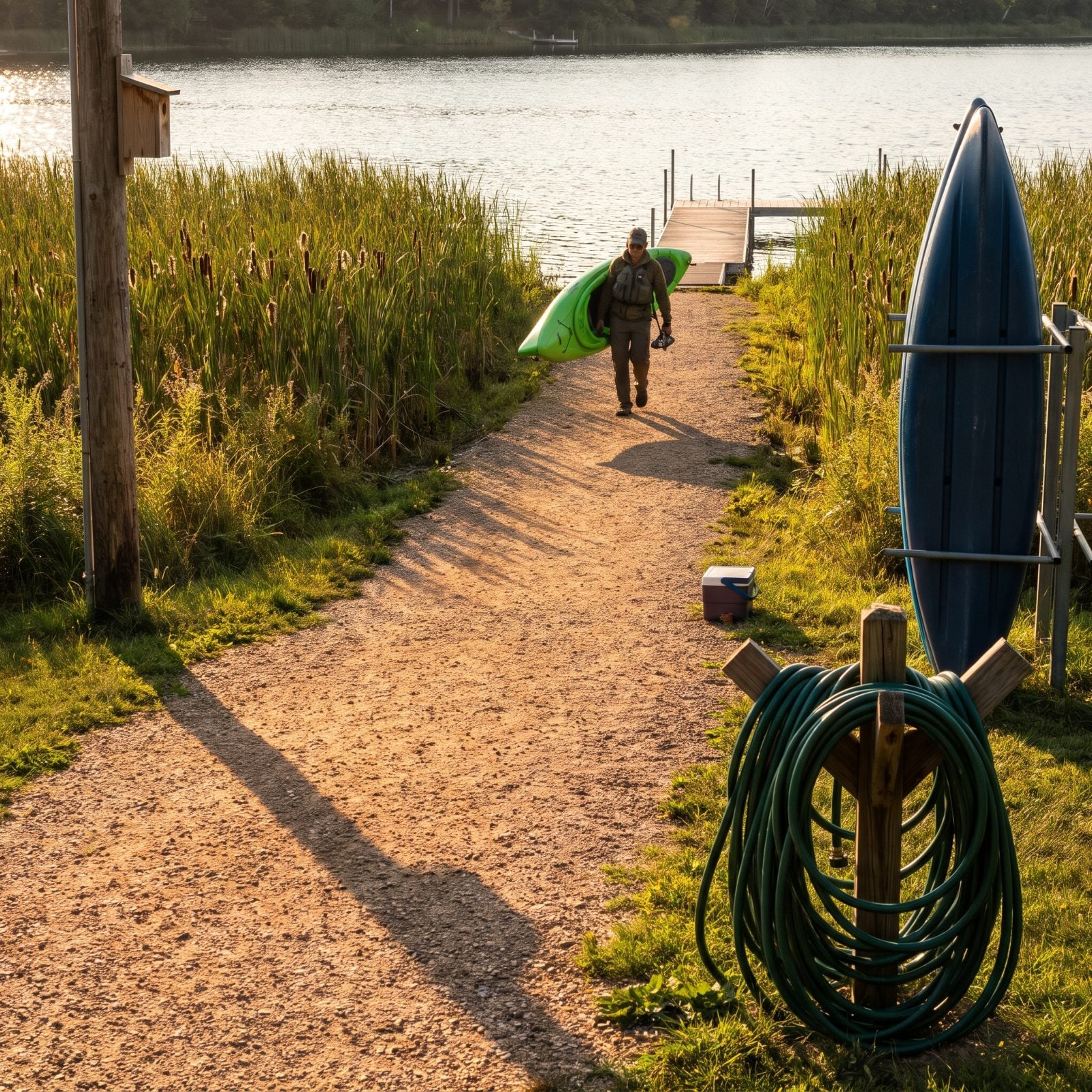
Leave the kayak on the launch ramp overnight and you’ve turned a shared resource into your personal garage. People notice.
Shared access points are a handshake the whole community leans on. Pull your gear off the path, coil the hose, move the trailer, and clear the ramp the second you’re done. Somebody’s always launching at dawn or hauling out at dusk, and that open lane is the one courtesy standing between a small community and an all-out feud over parking spots.
36. Ask Before Stepping Onto or Tying Up at Someone Else’s Dock
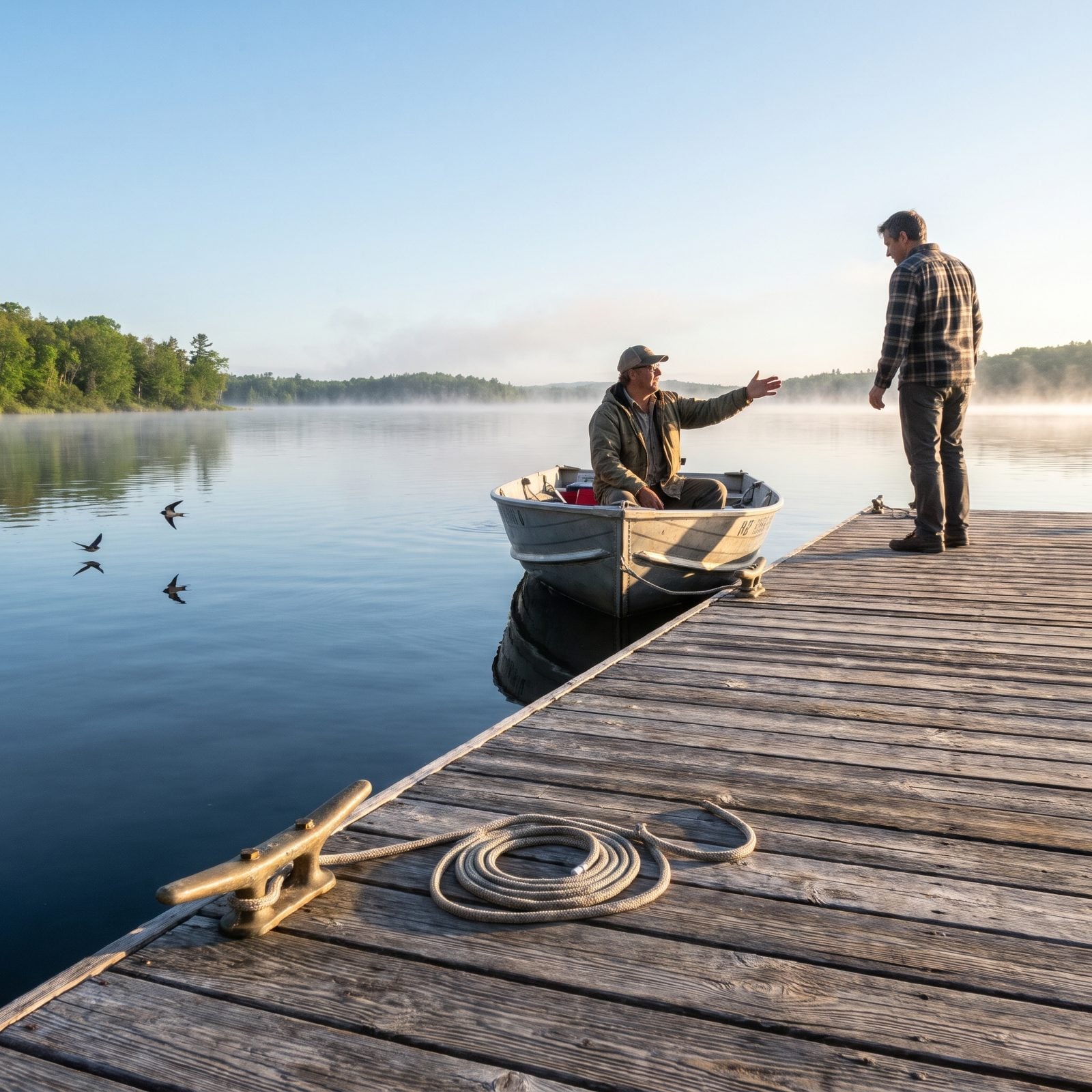
A dock reads as public space and it almost never is. It’s furniture. It’s somebody’s investment, their fishing spot, the plank their grandkids cannonball off every July.
Stepping onto a stranger’s dock to grab a photo or catch your breath feels harmless right up until you’re standing there and the owner comes out wondering who on earth you are. So ask first. If nobody’s home and you genuinely need to tie up in a pinch, keep it short, leave no trace, and be ready to explain yourself with a smile.
35. Use Proper Lines and Fenders When Visiting by Boat
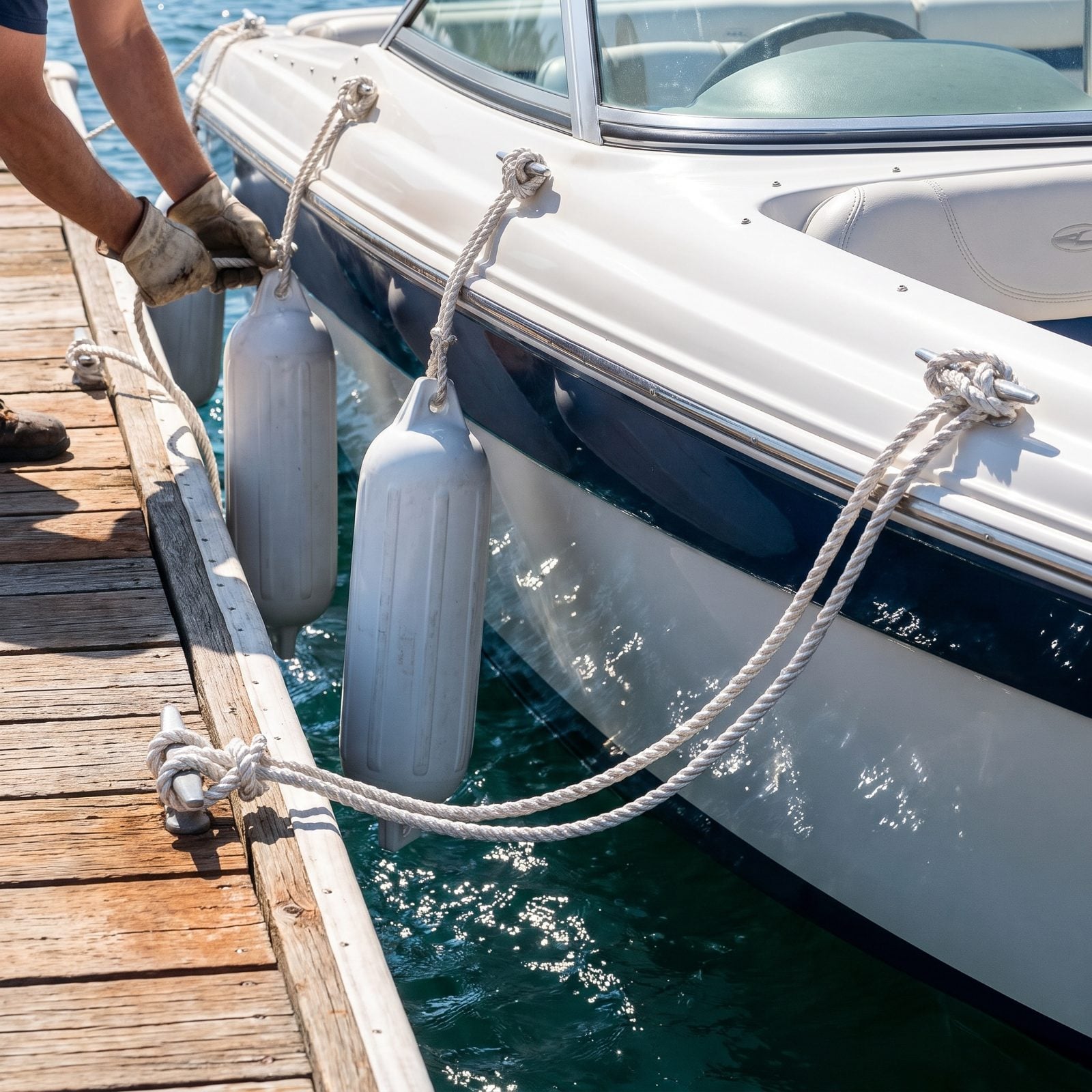
Nothing announces the new guy louder than a scuffed gel-coat streak dragged across somebody’s dock planks.
Hang fenders before you come alongside, not after you’ve already banged the piling. Use real dock lines instead of the frayed rope molding in the bottom of the ski locker. And tie off so the boat can rise and fall with the water rather than straining the cleat every time a wake rolls through.
34. Never Moor Where Your Boat Blocks Another Dock
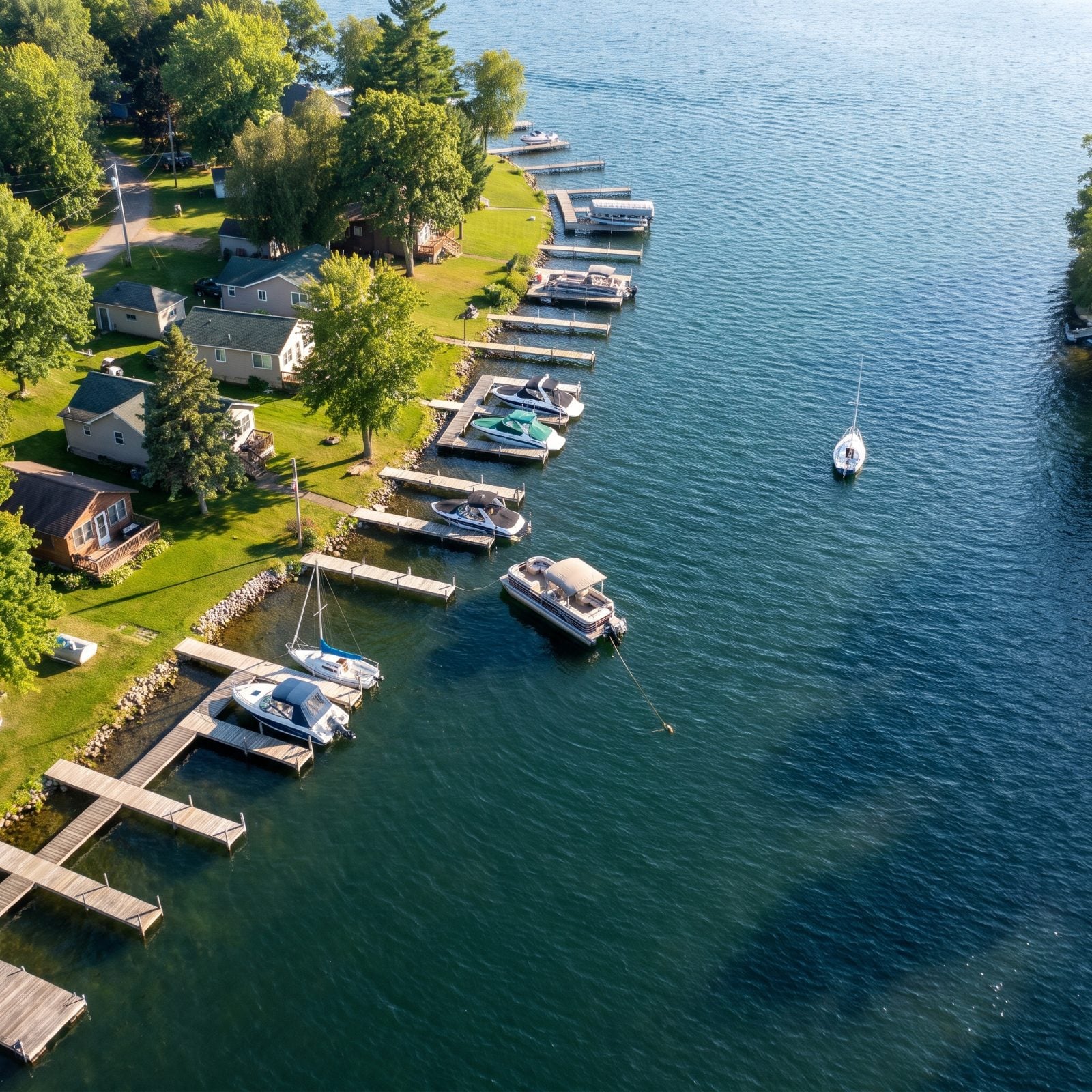
Drop your anchor just offshore for a swim and you might be parking your boat smack across your neighbor’s front door.
Every dock needs a clear lane to pull in and back out of. Set your hook where it won’t swing into that lane, and keep in mind that an anchored boat drifts in a wide arc as the wind shifts. A thirty-foot swing can turn a polite spot into a blockade by the time cocktail hour rolls around. When in doubt, move out and give the dock its room.
33. Retrieve Inflatable Toys Before They Drift Across the Lake
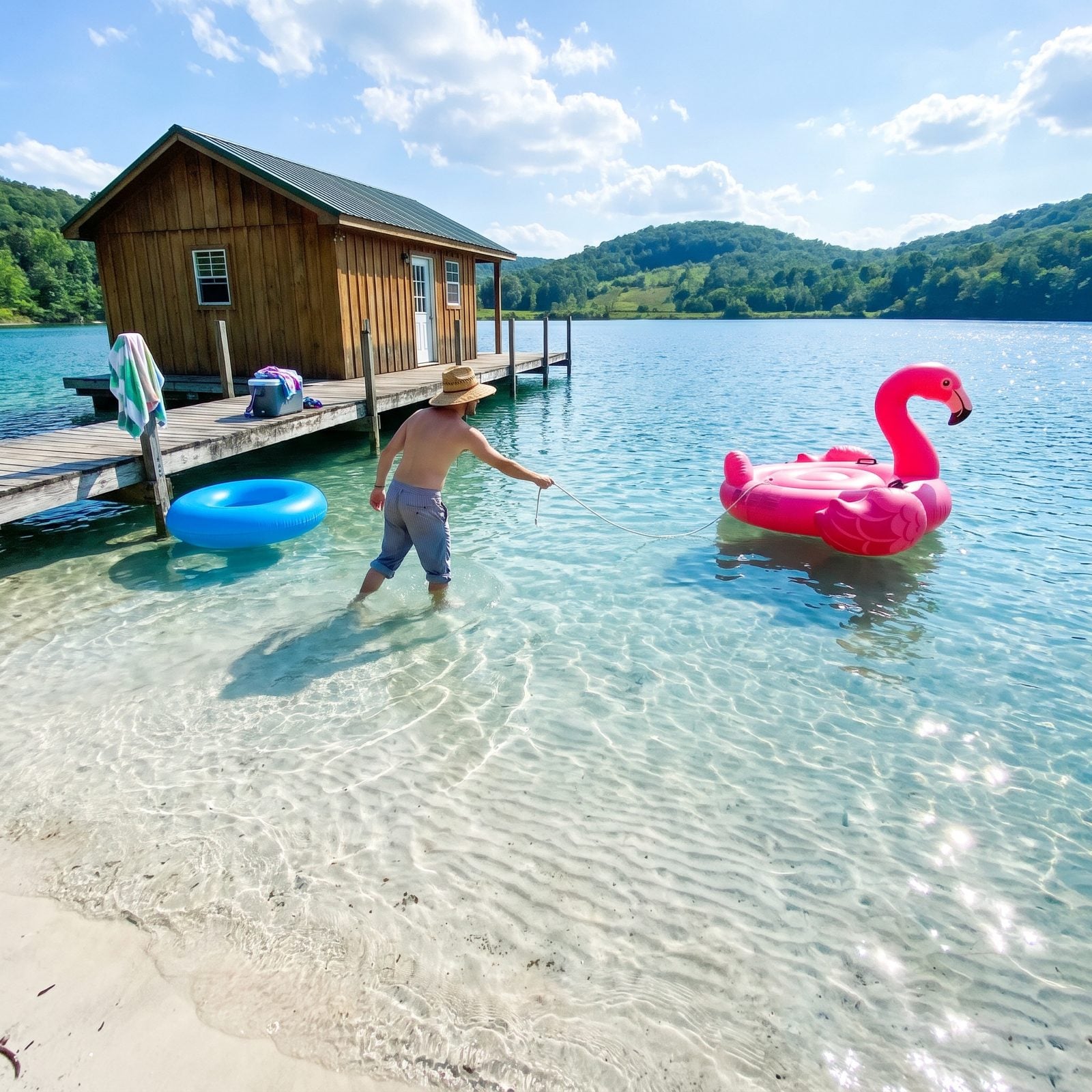
An unmanned flamingo float has zero respect for property lines. The afternoon wind picks up, and by five o’clock your kid’s giant unicorn is beached half a mile down the shore in somebody’s reeds, looking faintly embarrassed.
Pull the toys in when you’re done. A stray float on a busy lake isn’t just untidy, it’s a genuine hazard — a boater rounding a point can’t always tell a drifting inflatable from a swimmer. Deflate the big ones at night or tie them to the dock. Nobody wants to be the cabin that seeds the whole lake with escaped pool toys.
32. Label Loose Gear and Return Anything That Washes Ashore
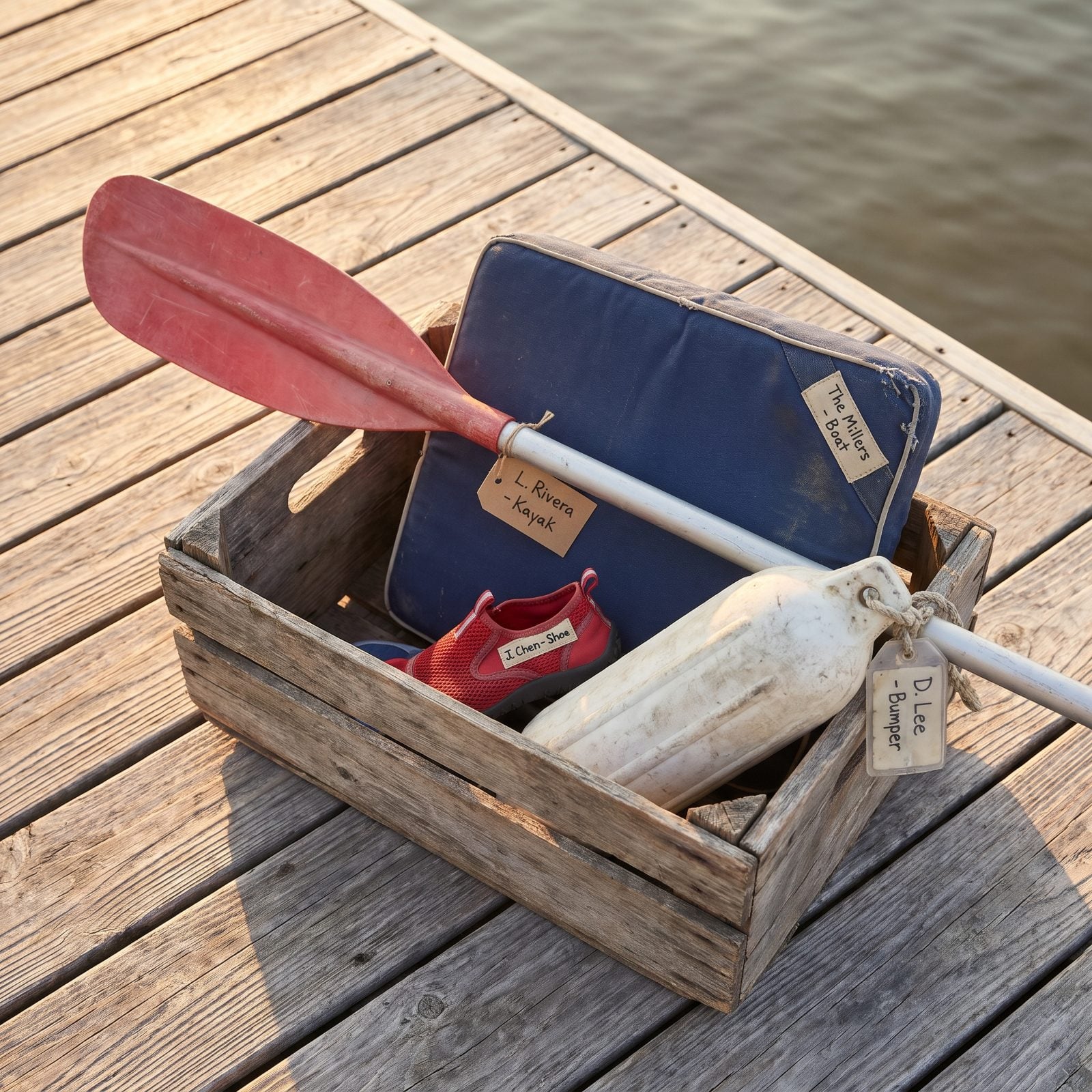
Write your name on it. All of it. The paddle, the cushion, the cooler lid, the kid’s water shoes that will absolutely end up three coves over by Tuesday.
Lakes move things around, and a labeled item finds its way home while an anonymous one sits in a stranger’s shed all season until it gets tossed. When something washes up on your beach, make the small effort to return it, or at least ask around. That’s the quiet economy holding a lake together, one returned fender at a time.
31. Ask Before Borrowing Lake Tools or Equipment
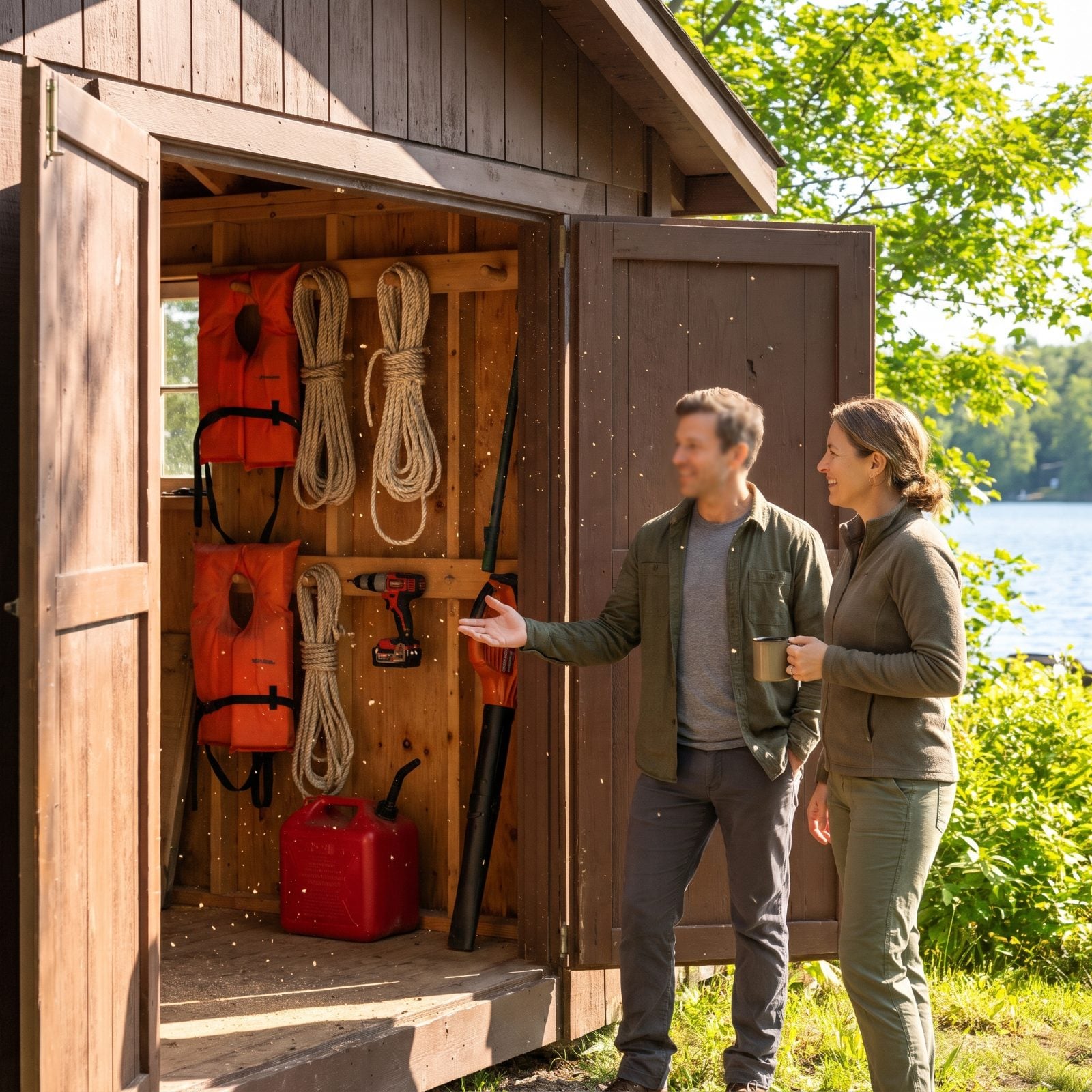
The shovel’s leaning right there against his shed. Doesn’t matter. You ask.
Lake neighbors lend generously, which is exactly why you don’t want to be the one who assumes. Borrow without asking and a friendly tool share curdles into a trust problem — and trust is the whole currency out here. A quick “mind if I grab your dock cart for an hour?” keeps the door open for the next hundred favors. The people who ask get the keys to everything. The people who help themselves get a locked shed.
30. Return Borrowed Gear Clean, Dry, and Fueled
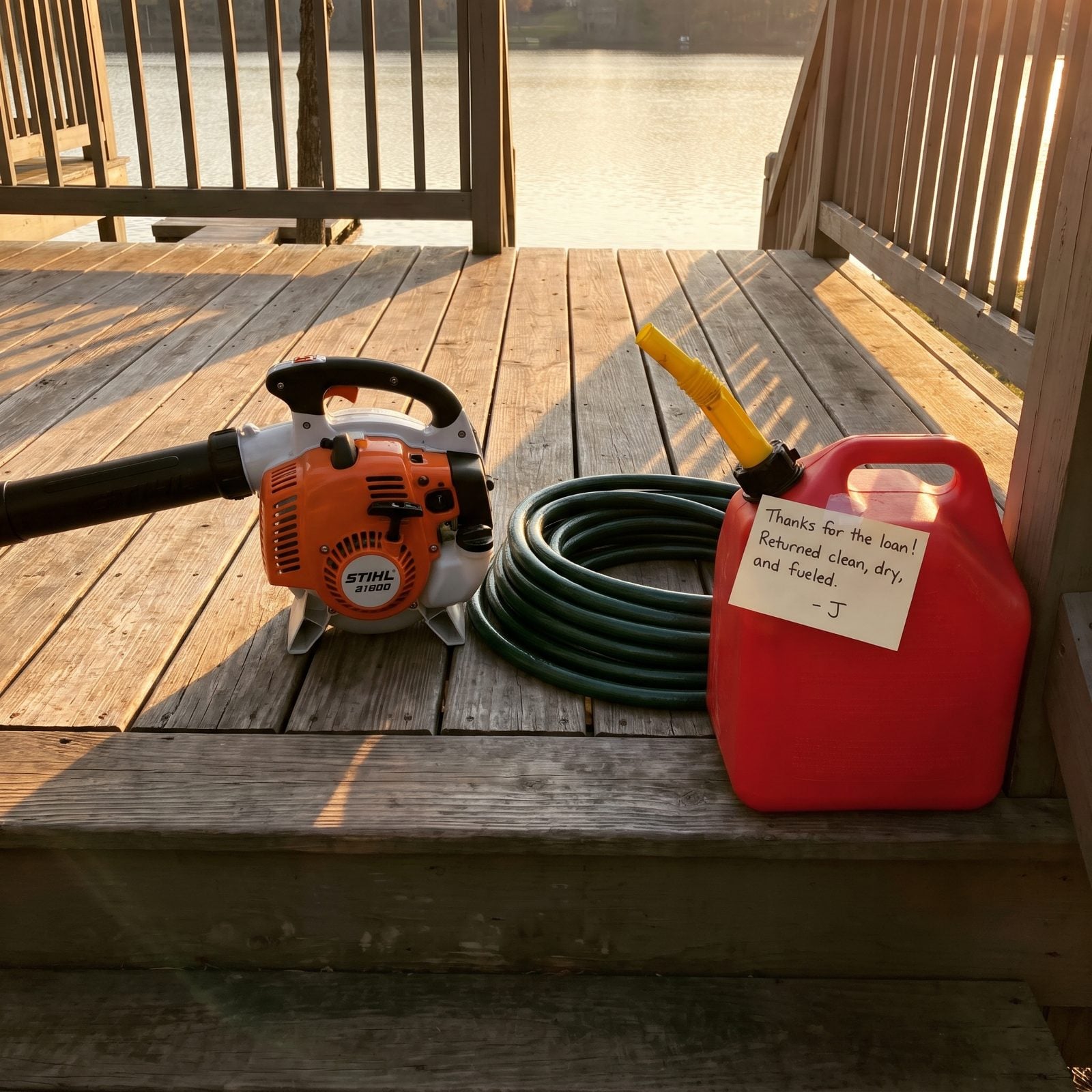
Returning gear worse than you got it is the fastest way to never borrow again.
Hose off the mud. Dry the rope so it doesn’t mildew in a corner. Top off the tank on the chainsaw or the generator you ran down to fumes. The person who borrows a half-full gas can and brings it back brimming is the person whose name comes up when someone asks who’s good on the lake.
It costs a few bucks and ten minutes, and it buys you a reputation that outlasts the summer.
29. Check on Nearby Properties After a Major Storm
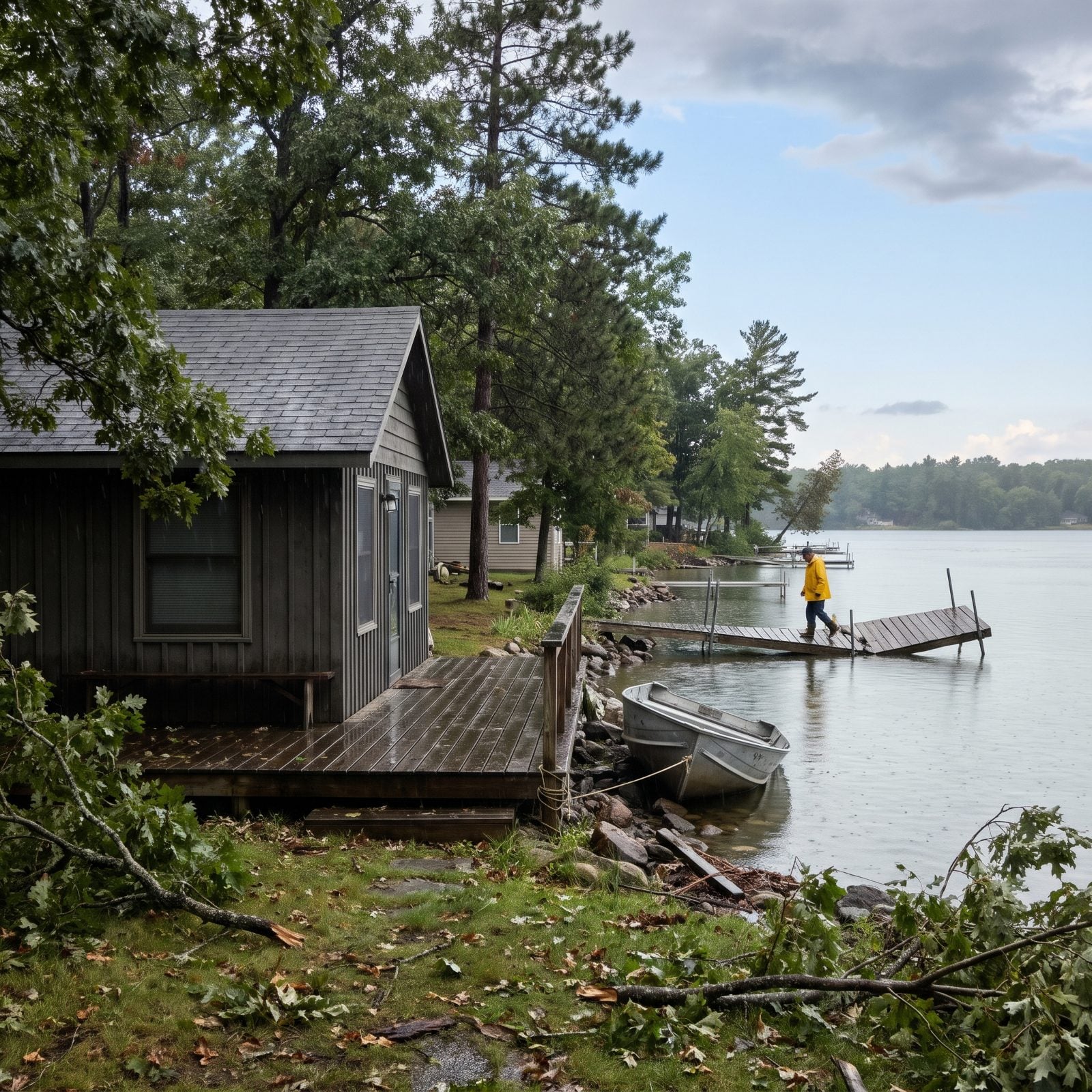
The first thing a good lake neighbor does after the wind dies down is walk next door.
Storms hit shoreline property hard. A dock line snaps, a canoe floats off, a window cracks — and half the season the owner is three states away with no idea any of it happened. You don’t need a key or a plan, just ten minutes and a pair of eyes to check that boats are still tied, nothing’s drifting, and no tree came down on a roof.
This is the fastest way to earn a reputation on a lake. Word travels. The family who caught their neighbor’s pontoon before it drifted into the rocks gets remembered for years.
28. Never Advertise That a Seasonal Neighbor Is Away
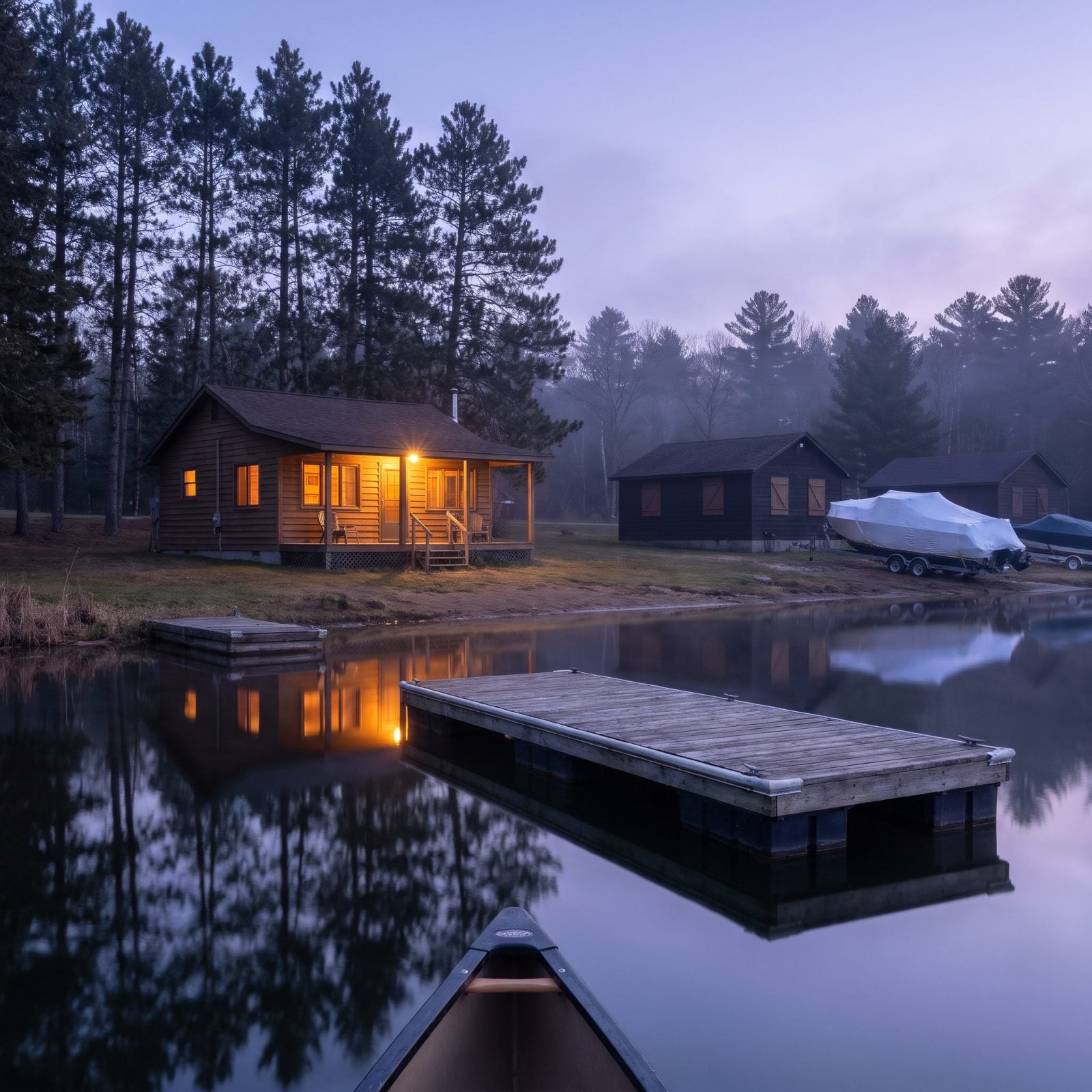
Keep your mouth shut about empty cabins. Sounds obvious until you’re three drinks into a dock party and someone asks whether the green place at the point ever gets used.
Half a lake community is seasonal. Those owners trust the year-rounders and the regulars to stay quiet about which houses sit dark from October to May. Posting “nobody’s at the Harpers’ till June” in the lake Facebook group, or letting it slip to the wrong contractor, is exactly how break-ins happen.
Watch the empty places. Report the car that shouldn’t be there. And never, ever make it public that a stretch of shoreline is sitting unoccupied.
27. Prep Your Boat Before the Ramp, Then Clear the Trailer Promptly
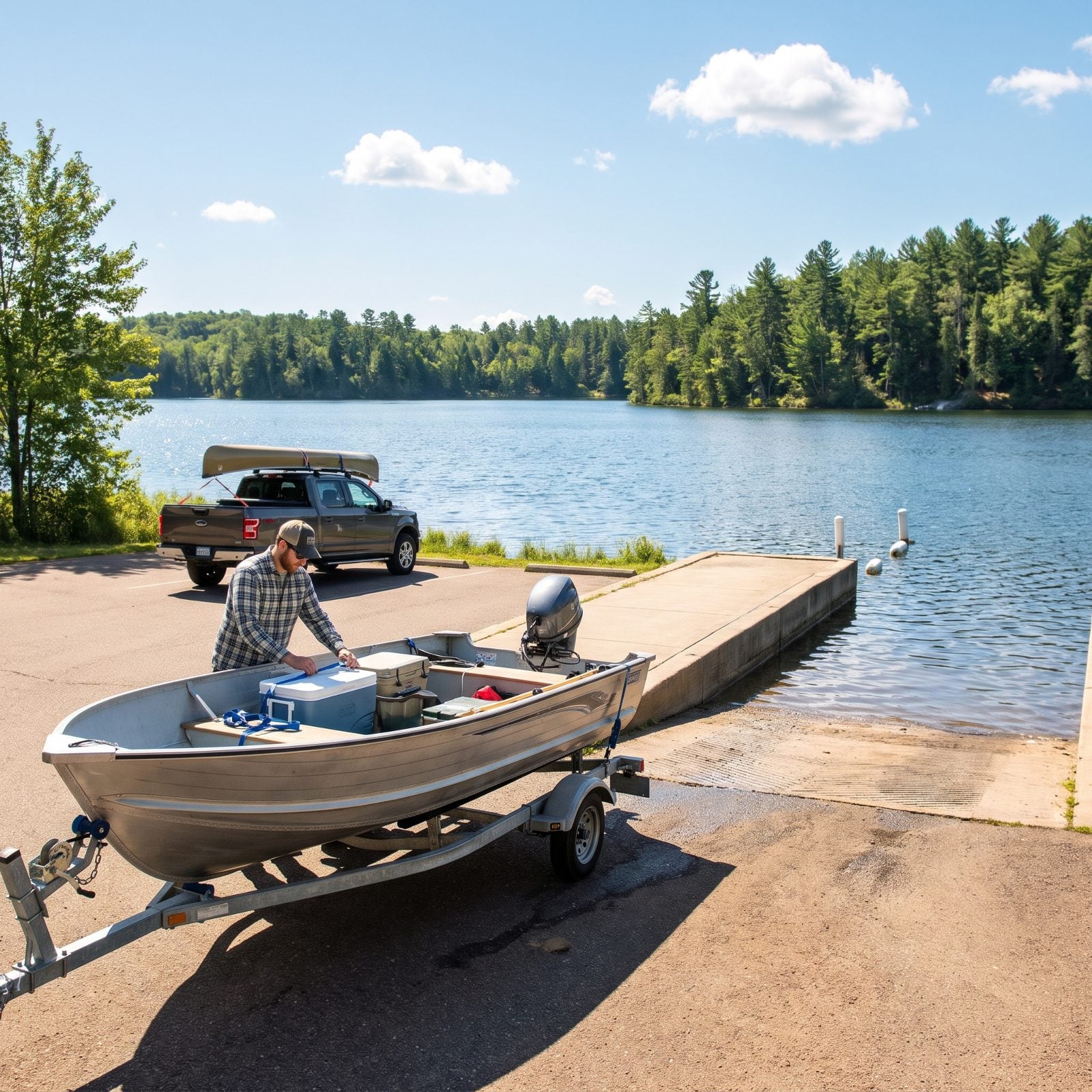
The ramp is not your prep station. This is the single most common way new boaters get glared at, and they never understand why.
Do your loading in the staging area — straps off, plug in, coolers aboard, lines ready, all before you back down the concrete. The ramp is for exactly one thing: getting the boat in or out fast so the next person can go. Same deal on the way home. Pull up, get off the ramp, then transfer gear and secure the trailer up in the lot.
On a busy Saturday a line of ten rigs can build in minutes. The person fussing with tie-downs on the ramp while everyone waits becomes a local legend, and not the good kind.
26. Respect the Launch Queue Even on Chaotic Weekends
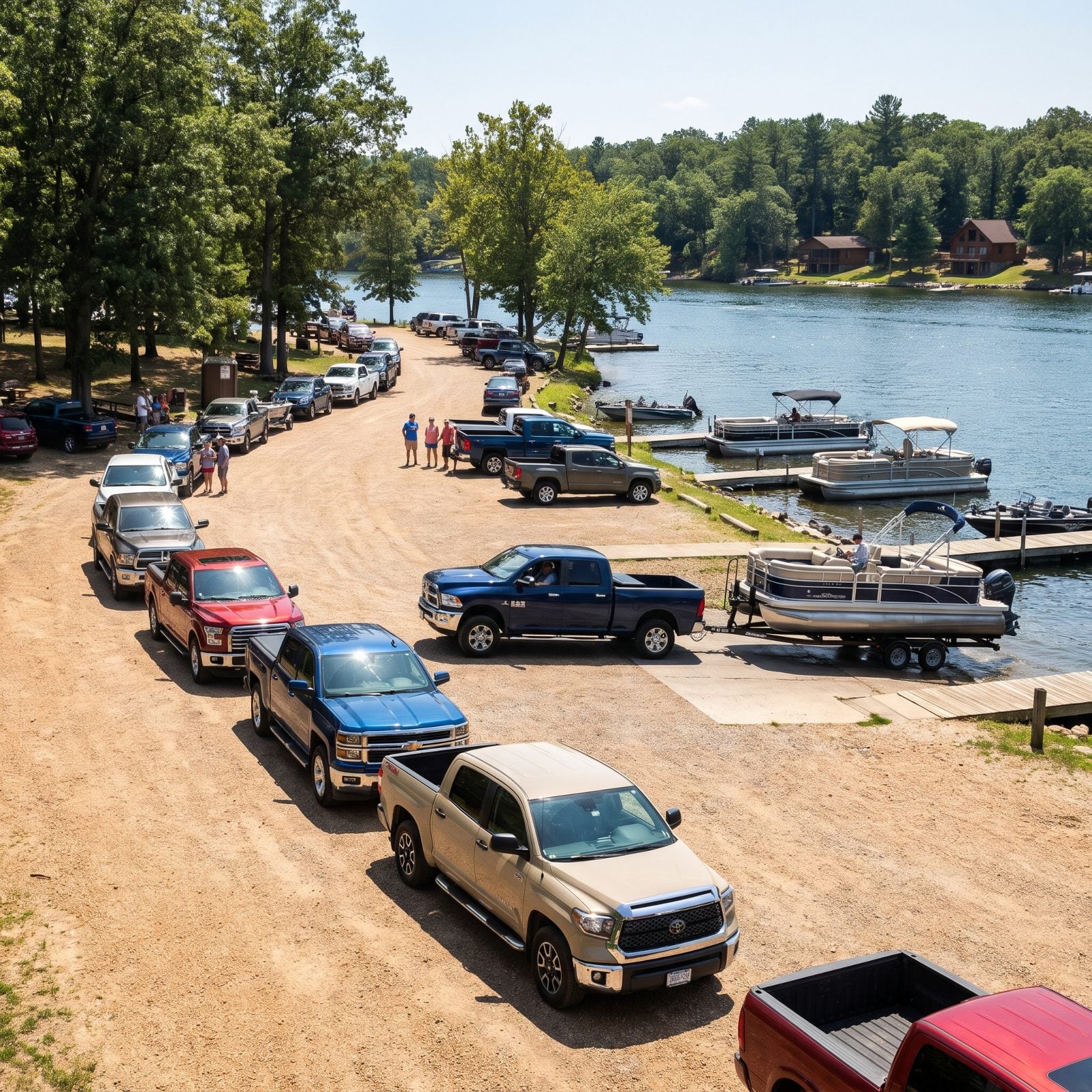
There’s a rhythm to a busy ramp, and you learn it by watching for two minutes before you join in.
One line. First come, first served. You don’t cut because your boat is smaller or your buddy’s already in the water. Got a courtesy dock? Use it to park and wait instead of hogging the ramp lane, and help the guy whose rig is giving him trouble rather than leaning on your horn.
Holiday weekends test everyone. The Fourth of July ramp at 7 a.m. is pure chaos, and the folks who stay calm and take their turn are the ones everybody wants to launch next to.
25. Throttle Down Before Your Wake Reaches Docks
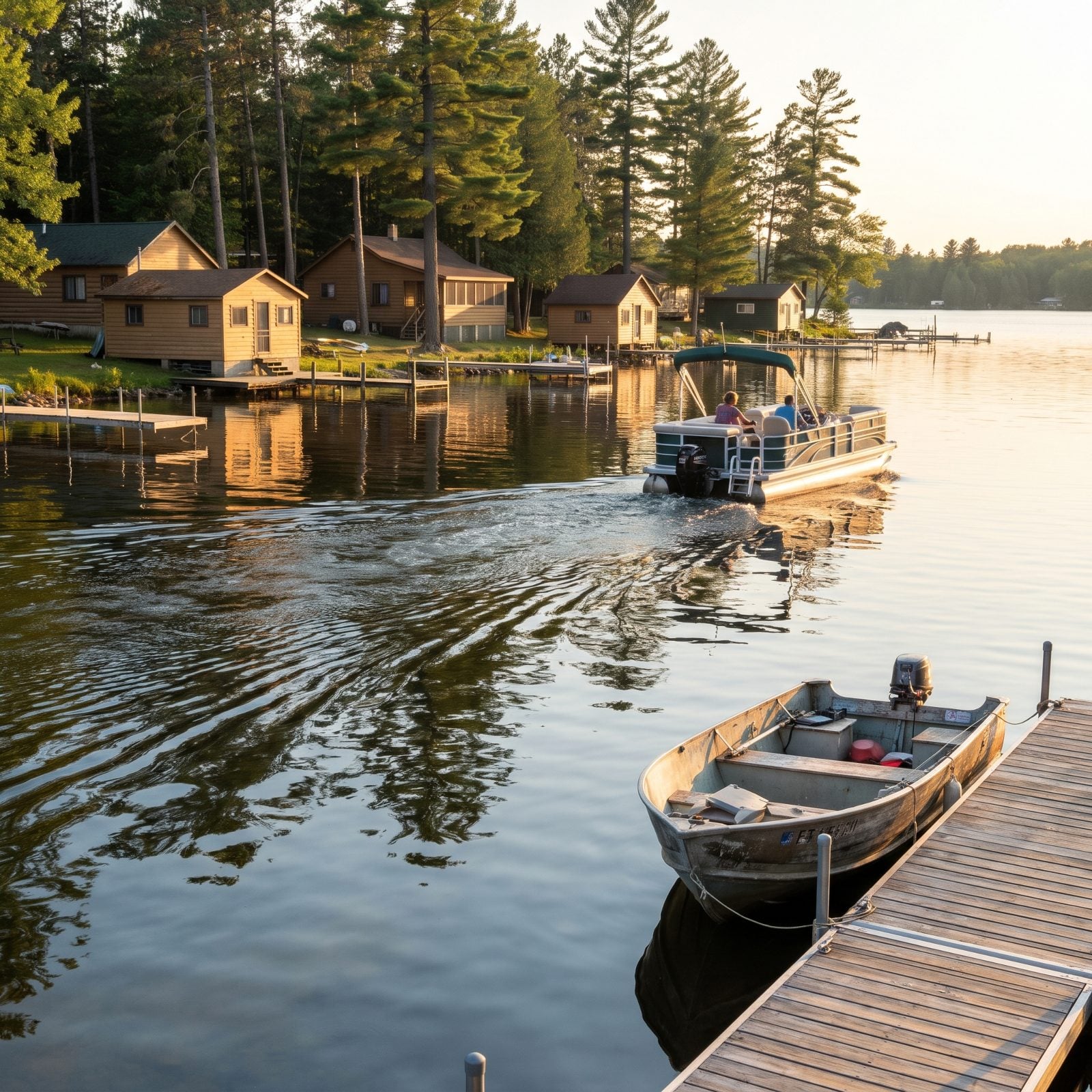
A wake you barely notice from the helm hits a dock like a slow punch.
Coffee cups slide off tables. Lines groan. Someone’s grandkid loses their footing on a swim ladder. Most lakes post no-wake zones near shore, but the custom runs further than the law — you ease off well before your wake gets close to anyone’s dock, moored boat, or shoreline, marked or not.
We once watched a bass boat throw a two-footer down a cove at full plane and set every dock rocking. Nobody said a word. They didn’t have to. Everyone just knew whose boat it was now.
24. Give Anglers a Slow, Wide Berth
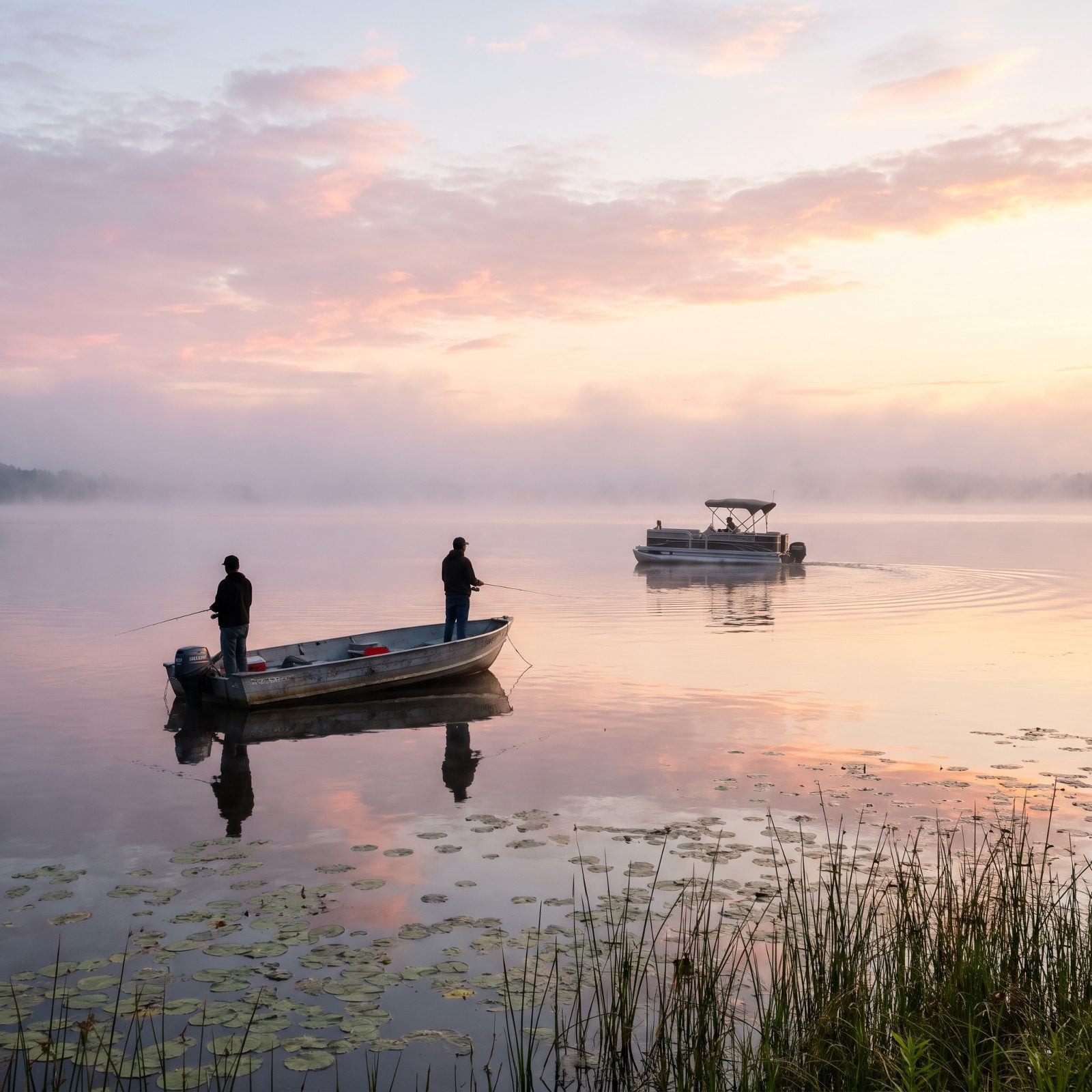
Fishing is a patience game, and a boat roaring past at thirty feet undoes an hour of quiet work.
See rods out, anchored boats, or someone working a shoreline? Swing wide and drop your speed. Fish spook, lines get crossed, and the angler who was dialed into a honey hole at 6 a.m. will remember exactly who blew through it.
Give them the cove. Give them the point. There’s almost always another route, and the thirty seconds it costs you buys a lot of goodwill with the people who’ve fished that lake for decades.
23. Yield Generously to Paddlers and Small Sailboats
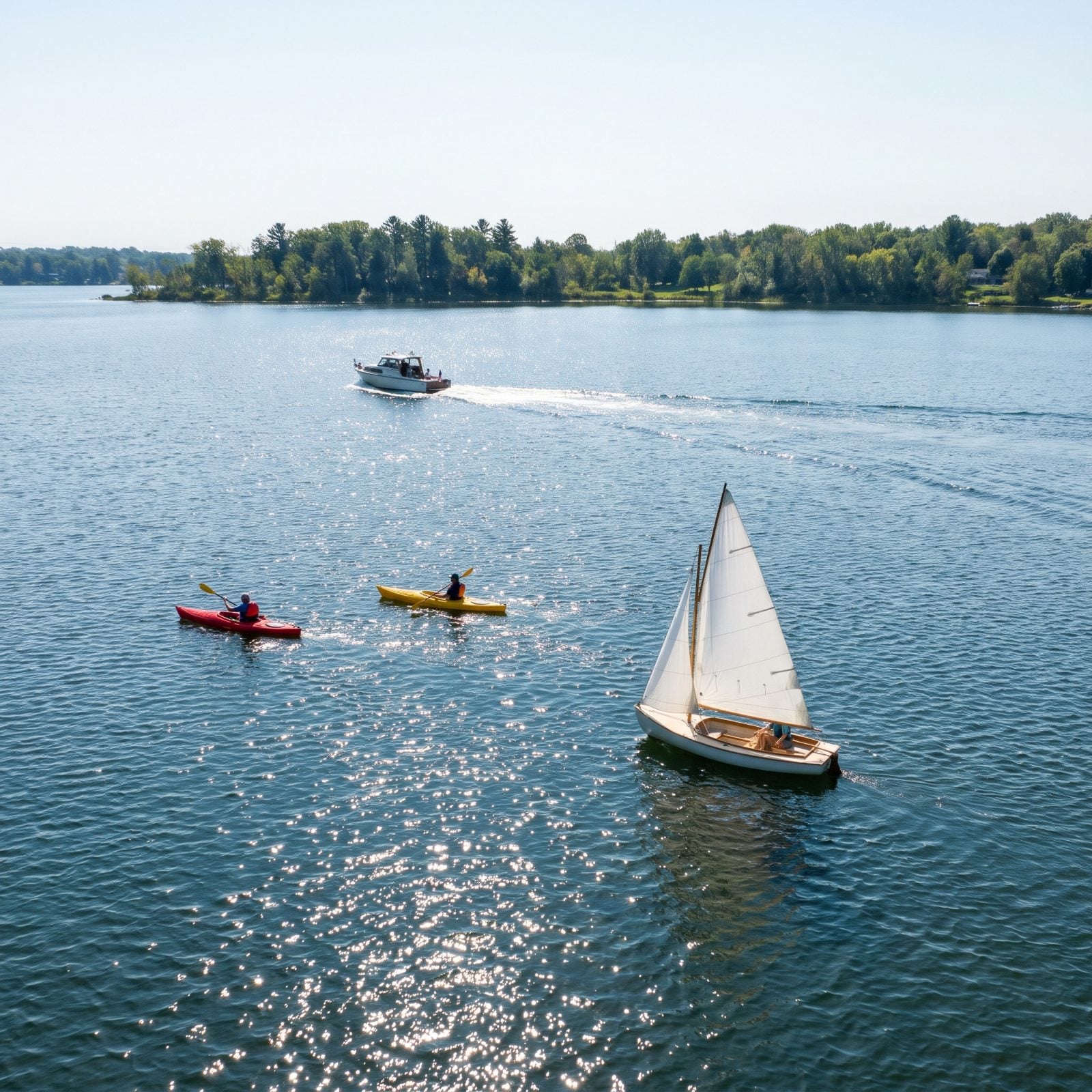
A kayak can’t get out of your way. You get out of theirs.
Paddlers, canoeists, and small sailboats are slow, low, and hard to see, and a bad wake can flip them. The rules of the water already favor them, but the neighborly version goes further: slow down early, point your course clearly behind them, and never make a paddler guess what a fast boat is about to do.
Nothing marks a newcomer faster than buzzing a kayaker and then wondering why they’re shaking a paddle at you. On a shared lake, the small craft always get the room.
22. Stay Well Outside Marked Swimming Areas
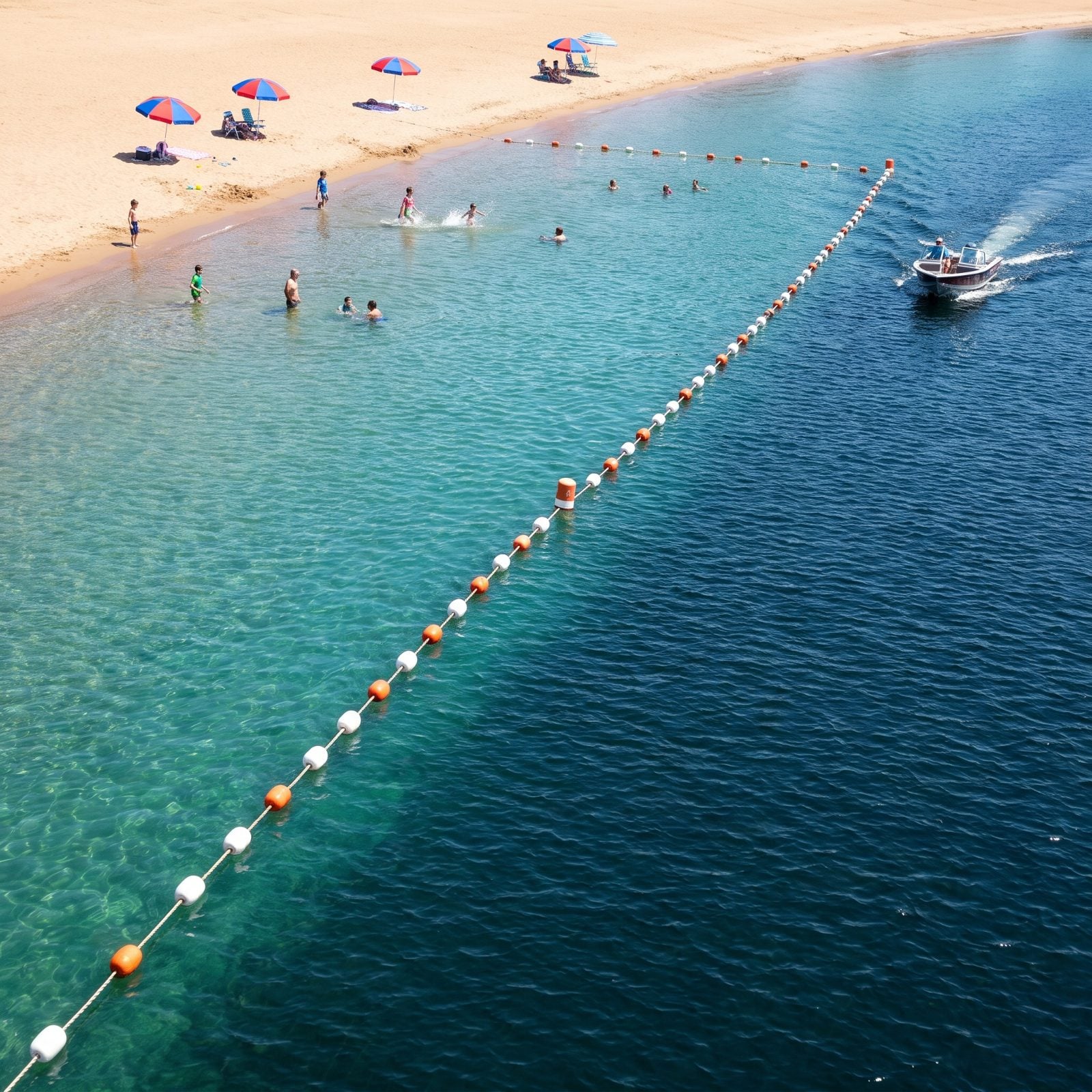
The buoy line exists because a swimmer’s head is almost invisible from a boat until it’s too late.
Marked swim zones are off-limits to motors, full stop, and you stay well outside them rather than skimming the edge. Kids dart past ropes. Floats drift. A prop near a public beach is the nightmare nobody on the lake wants to live through.
Give beaches, roped areas, and known swimming spots a generous buffer, and cut your speed near any shoreline where you spot towels, chairs, or people wading in the shallows. There’s no version of being in a hurry that’s worth it.
21. Use a Spotter and Flag for Every Tow Sport
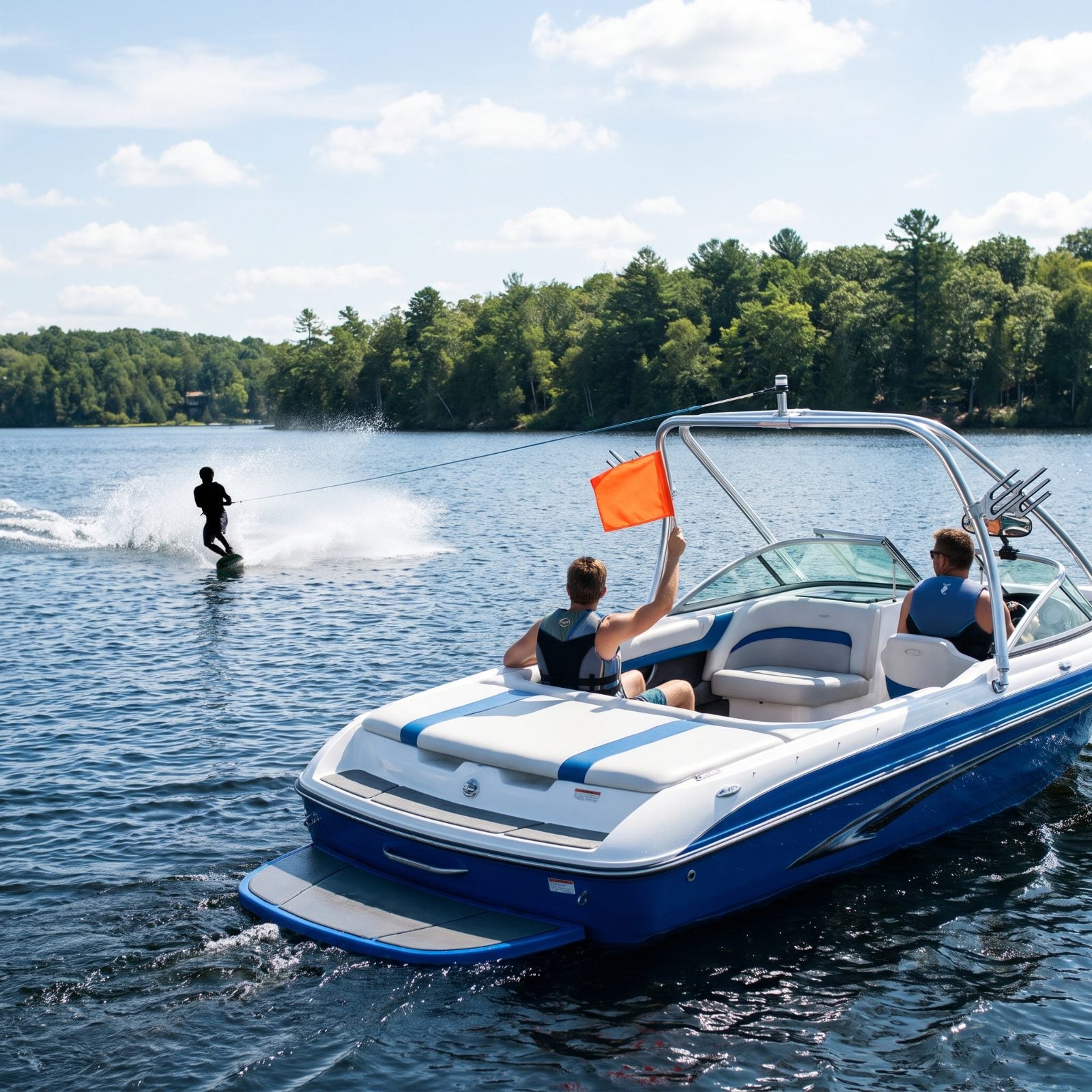
A driver can’t watch the water ahead and a fallen skier behind at the same time. That’s the whole reason spotters exist.
Every tow — skier, tuber, wakeboarder — needs a second person facing backward, calling the rider’s status while the driver drives. When a rider falls, the spotter holds the orange flag high, telling every other boat there’s a person in the water nearby. Most states actually require both the spotter and the flag, and the ones that don’t still expect it.
Run your tows out in open water, clear of docks and swim areas, and give downed riders a wide, slow circle on the pickup.
20. Secure Chairs, Umbrellas, and Water Toys Before Storms
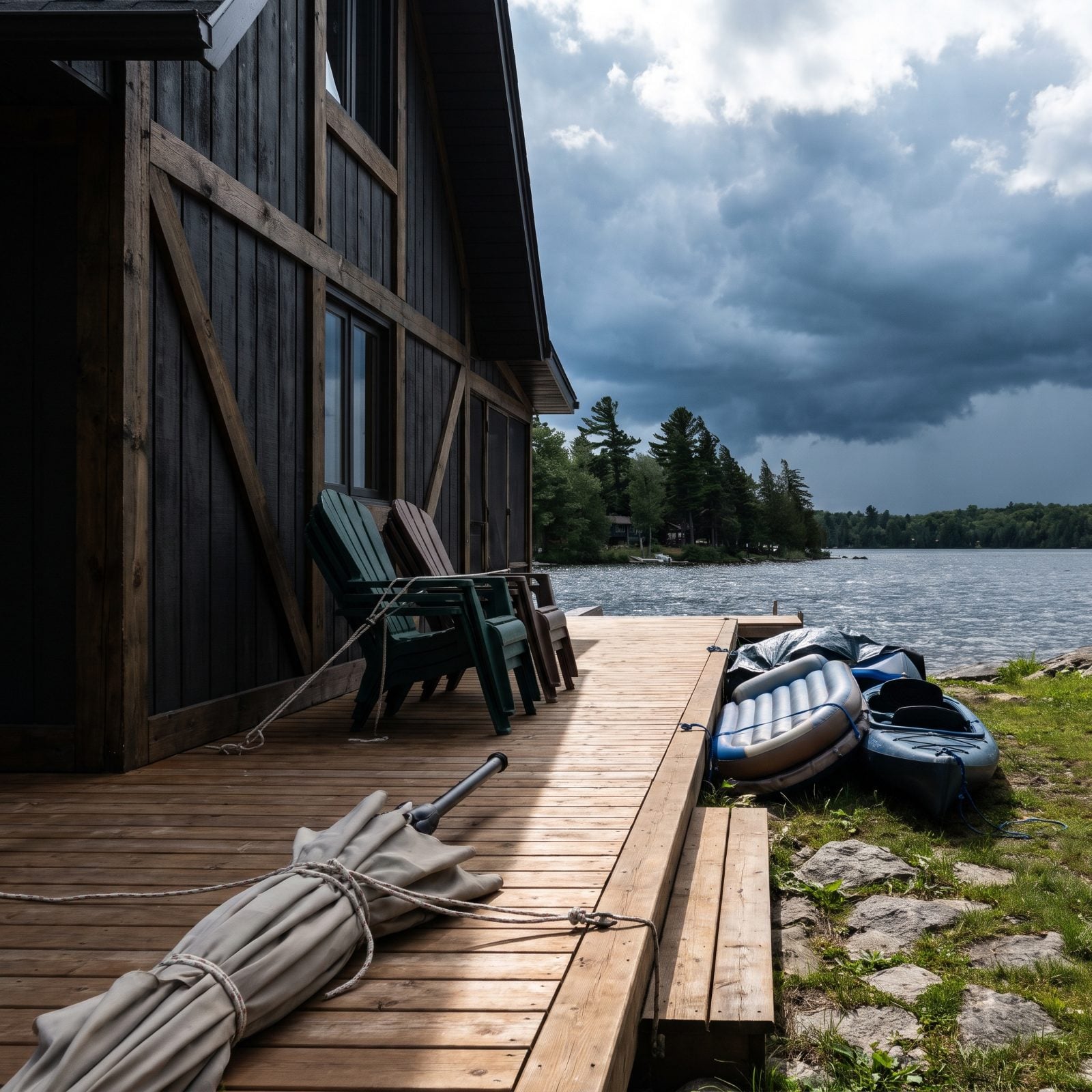
Lake storms arrive fast, and an umbrella becomes a sail the second the gust front hits.
Chairs cartwheel into the water. Inflatables launch two coves over. A loose paddleboard ends up pinned under someone else’s dock, and now it’s their problem. The custom here is dead simple: when you see weather building, fold it, stack it, strap it, or haul it up the bank.
This matters for your neighbors as much as for you. Your runaway float that fouls the next guy’s prop, or your umbrella that spears across three properties — that’s the kind of thing people remember. Ten minutes of tidying before a front rolls through saves everyone a scavenger hunt in the rain.
19. Clean, Drain, and Dry Every Visiting Watercraft
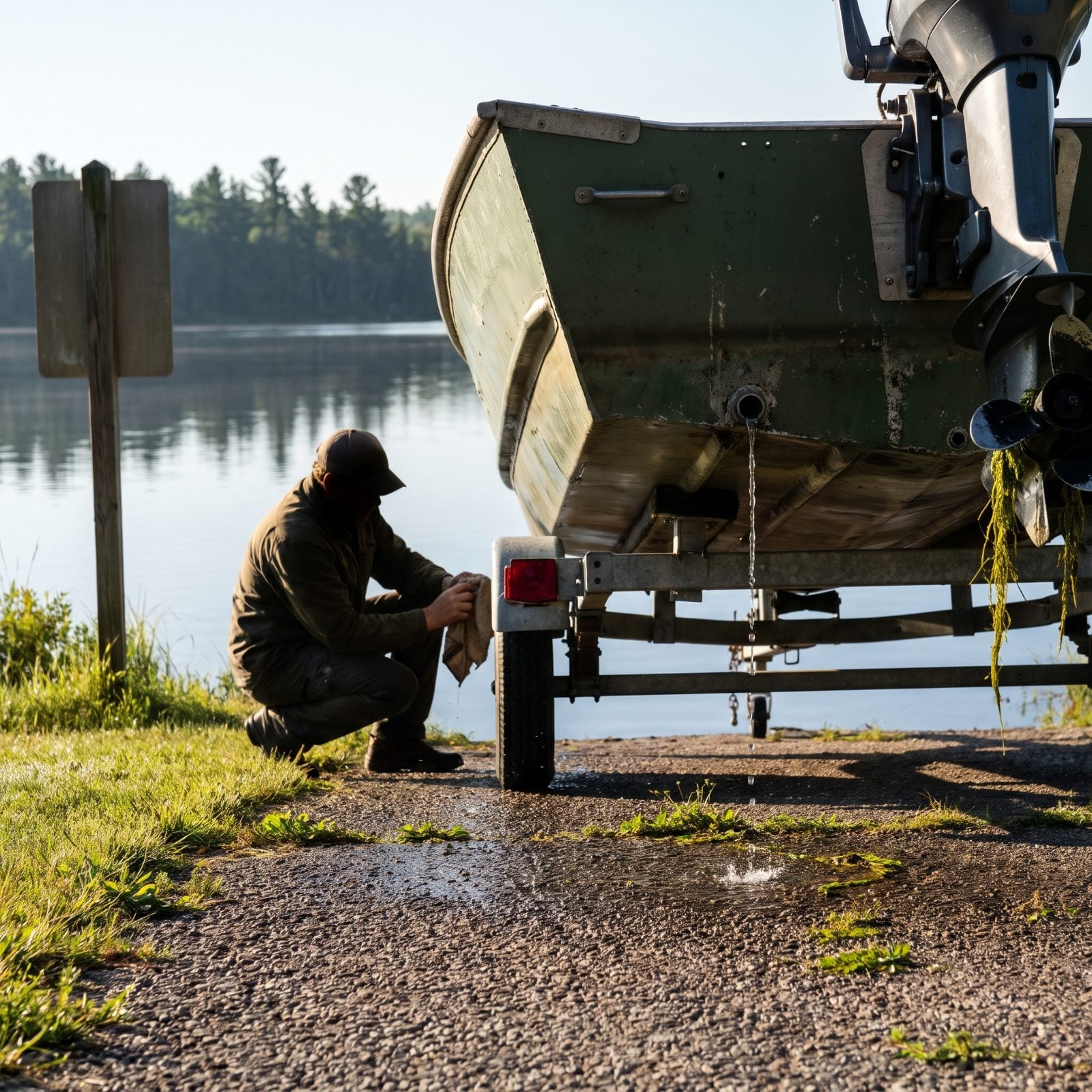
Zebra mussels, Eurasian milfoil, spiny waterfleas. They don’t swim between lakes — they hitch a ride on your boat.
Every lake with a milfoil problem got it the same way, because somebody launched a trailer that still had weeds wrapped around the axle from the last lake. Pull the plug, drain the bilge and livewell, and if you can, let the boat sit dry in the sun for a day. Five minutes with a rag at the ramp is the difference between a clean lake and one your grandkids can’t swim in.
18. Keep Soap and Shampoo Out of the Lake
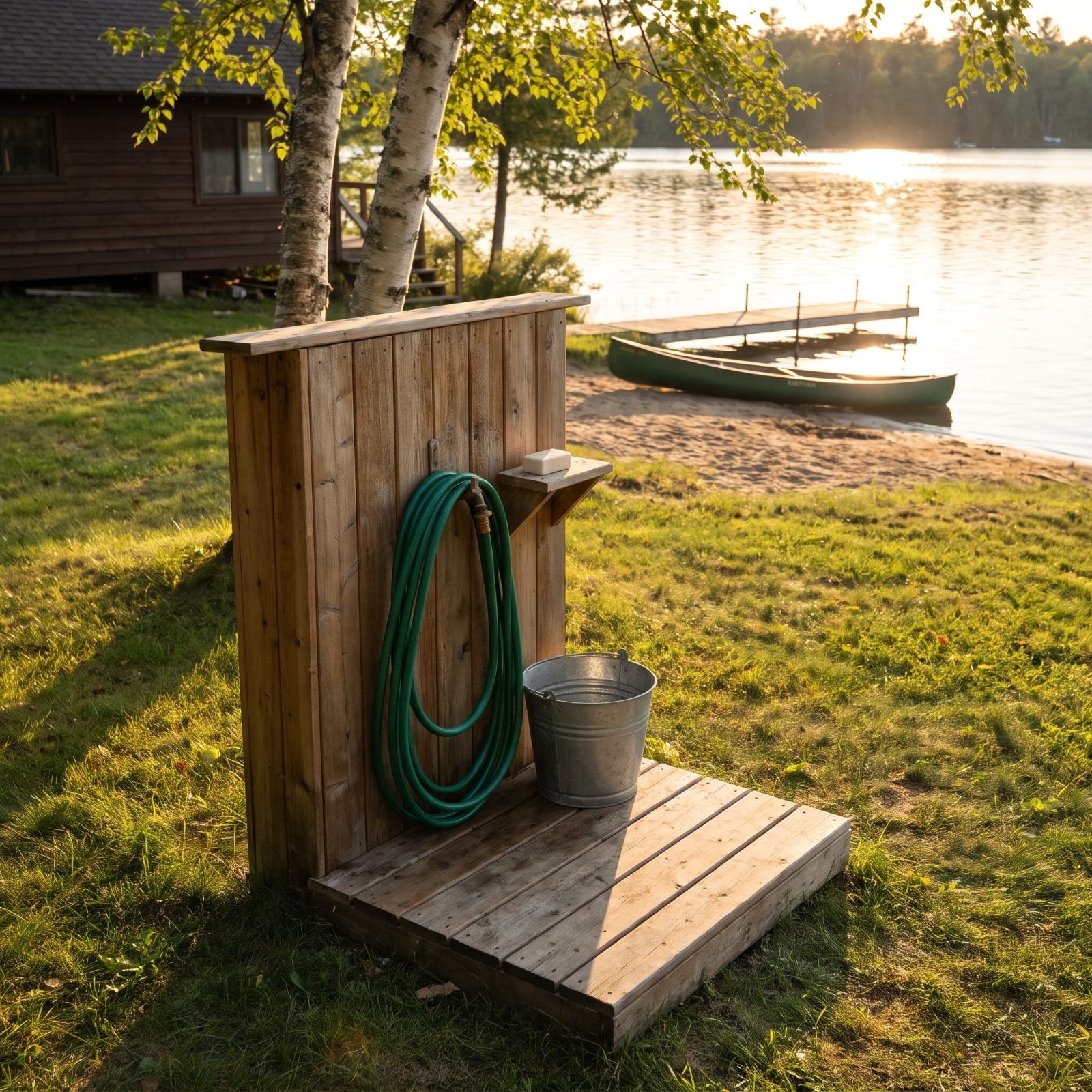
Even the bottle that says biodegradable is lying to you a little. Biodegradable means it breaks down eventually — it does not mean the stuff is harmless the moment it hits the water.
Phosphates from soap and shampoo feed algae, and feed the algae enough and you get the green scum that turns a swimming lake into pea soup by August. So bathe and wash dishes well up the bank, dump the gray water on the grass, and let the soil do the filtering. We got lazy about this for a whole summer once and felt like hypocrites every single time we grumbled about the bloom.
17. Use Spill Protection Whenever Fueling Near Water
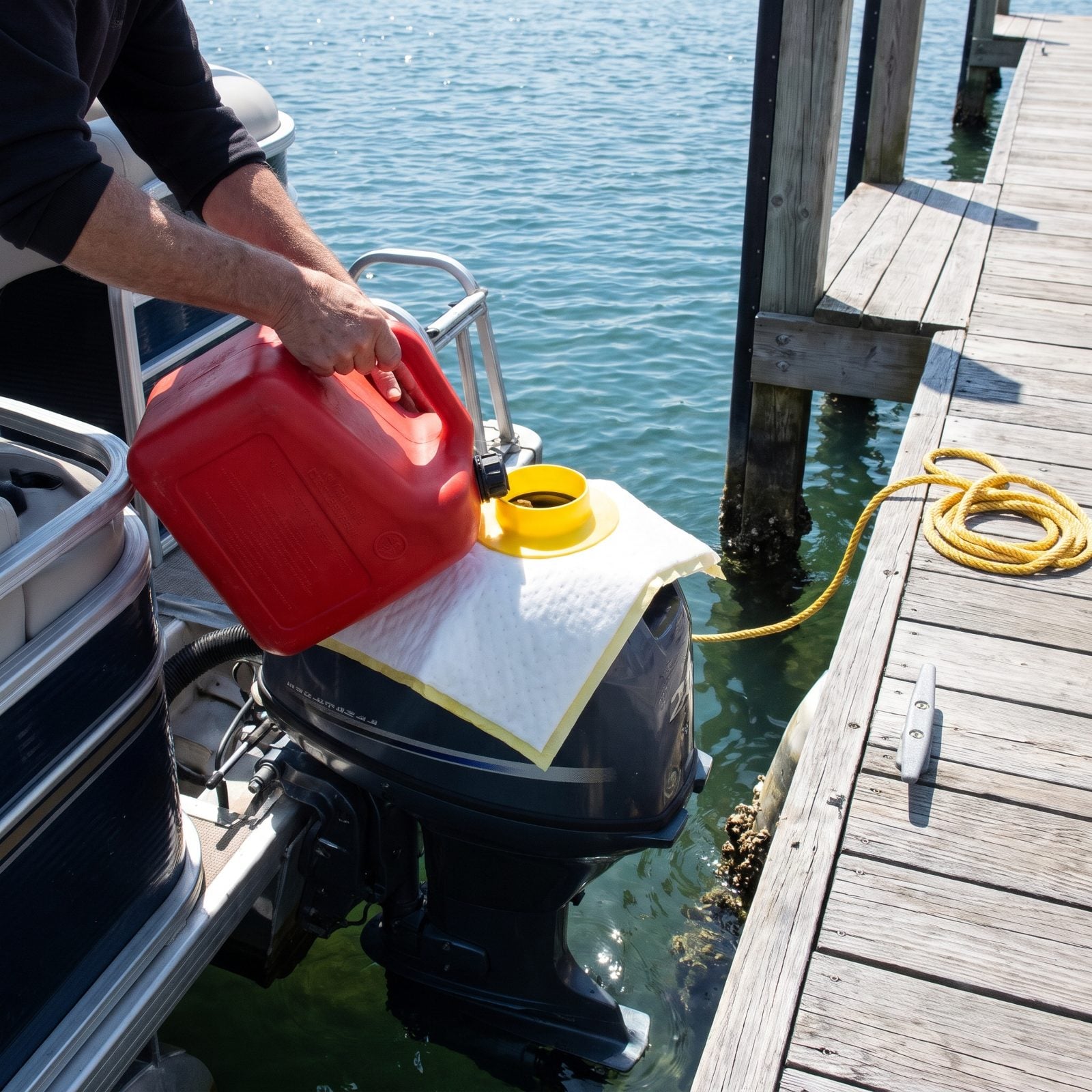
A single gallon of gasoline can foul a shocking volume of water. You don’t need a dramatic spill to do damage — you need a slow, distracted dribble while you stare at your phone.
Keep an absorbent pad or a little fuel bib under the nozzle every time you top off near the water. If you’re pouring from a gas can while leaning out over the transom, use a funnel and drape a pad across the engine cowling first. And watch that last optimistic squeeze after the gauge clicks off, because overfilling is where most spills come from.
16. Collect Discarded Fishing Line Before Wildlife Finds It
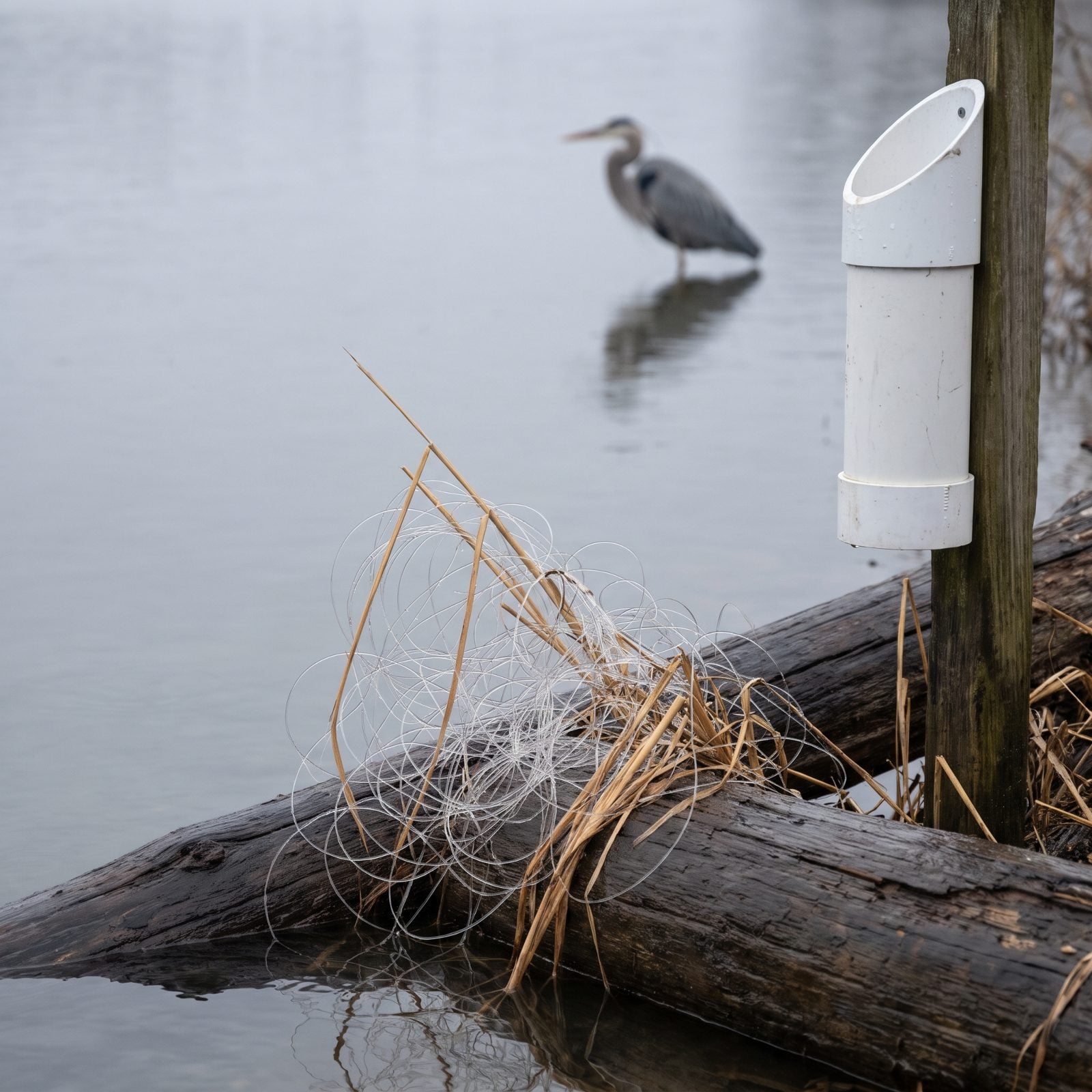
Monofilament does not rot. A tangle left on the rocks today will still be there long after you and I are gone — centuries, give or take.
Birds get wrapped in it. Turtles swallow it. Loons strangle on it. So if you spot a bird’s nest of it, a loose snarl, a snagged lure, pick it out and pocket it. Plenty of lakes have those white PVC recycling tubes at the launch now — use them, and cut your own line scraps short before they blow off the dock.
15. Ask Before Sharing Someone Else’s Favorite Fishing Spot
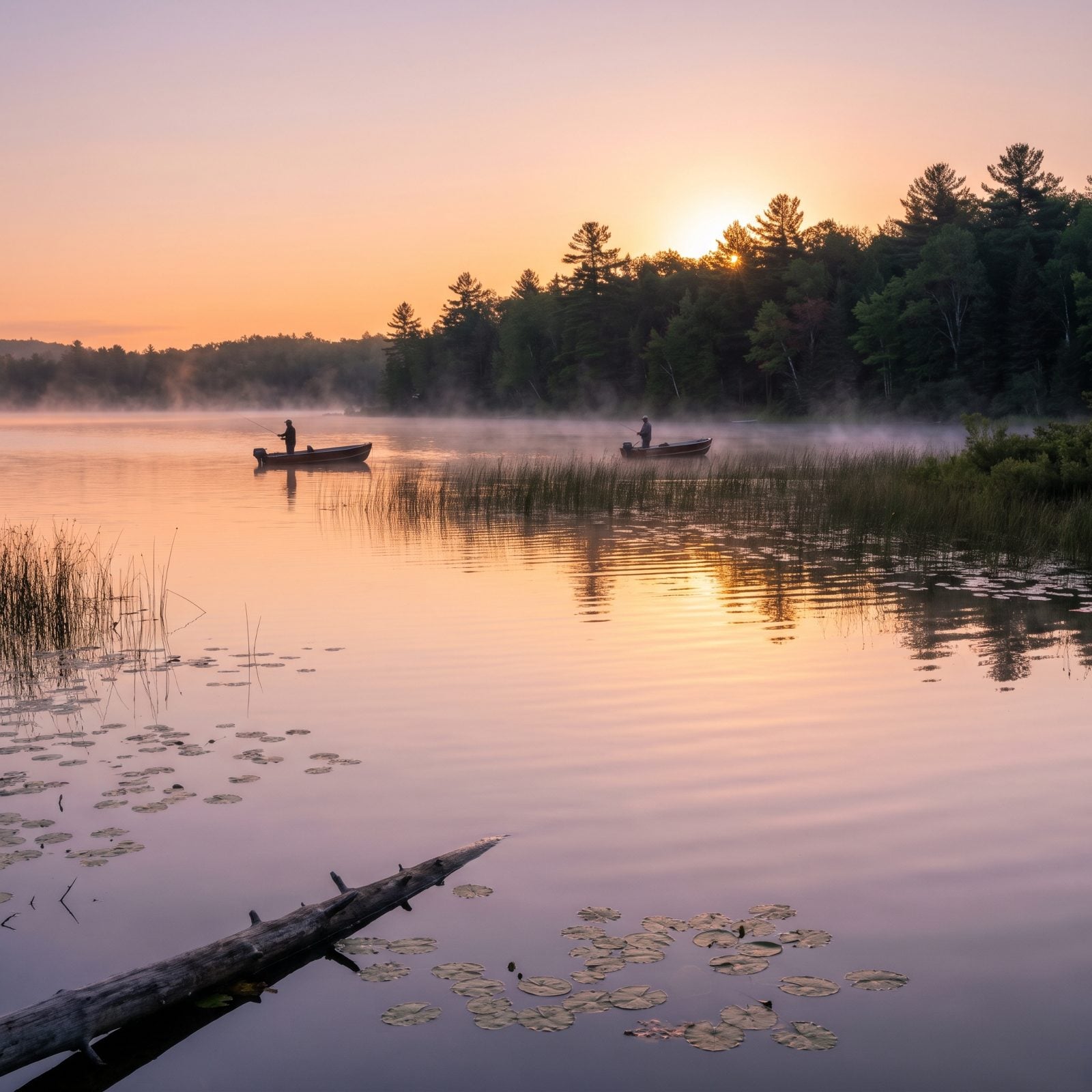
A good fishing hole is a secret somebody earned over twenty seasons of getting skunked everywhere else. Treat it like their house key.
If a neighbor takes you to their honey hole, that’s a gift, not a map to post online. Don’t broadcast the GPS coordinates, and for heaven’s sake don’t bring six of your buddies back the next weekend. Ask before you share it with anybody, and the answer is usually no. Nothing sours a lake friendship faster than watching your quiet cove fill up with strangers because you ran your mouth.
14. Never Feed Geese or Other Shoreline Wildlife
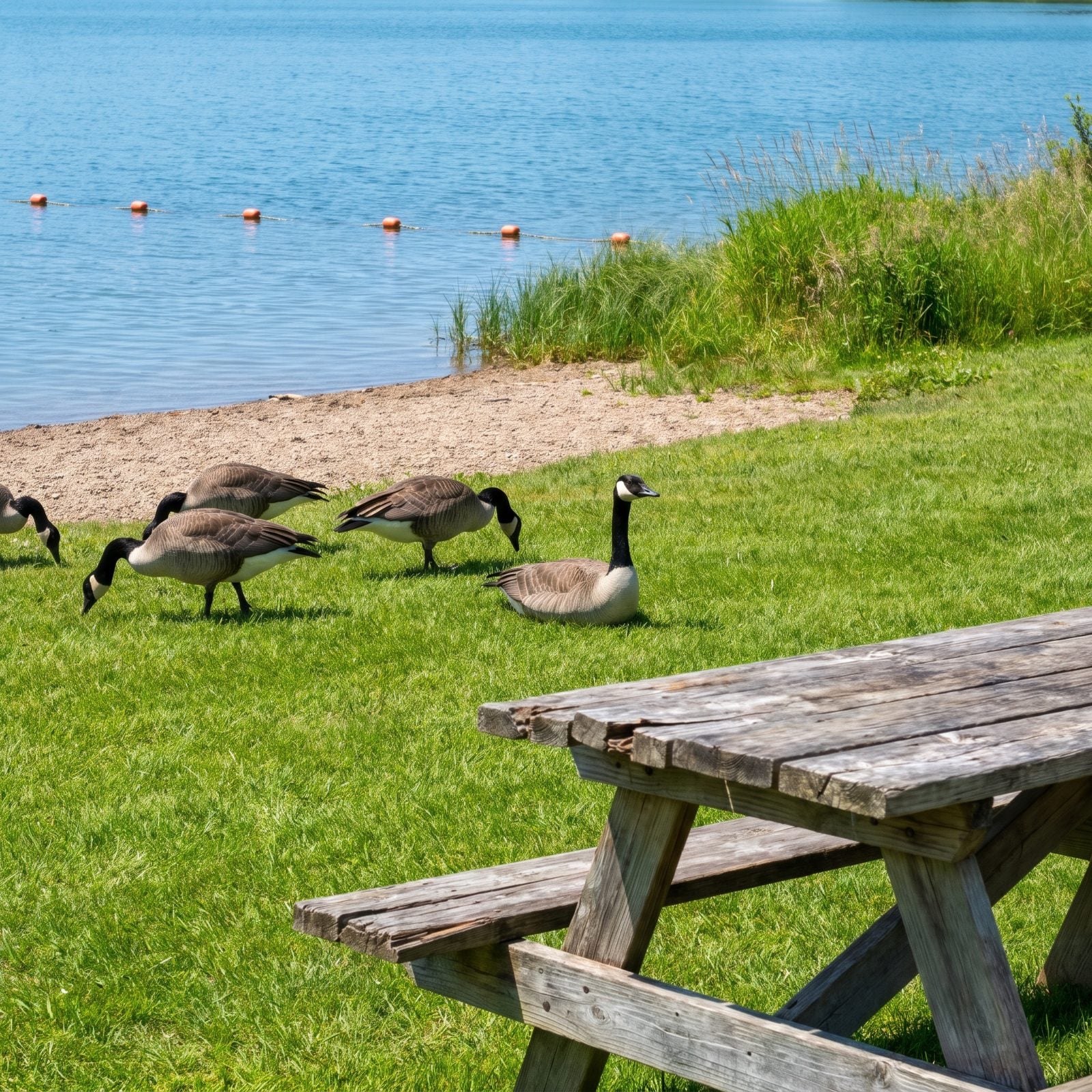
That cute family tossing bread to the geese is exactly why you can’t walk the beach barefoot by July.
Fed geese stop migrating. They settle in, multiply, and coat the swimming area in droppings that spike bacteria levels and shut beaches down. Bread also causes a crippling wing deformity in young waterfowl called angel wing, so you’re not being kind — you’re building a permanent, aggressive colony your neighbors will curse for years. Same goes for ducks, raccoons, and that chipmunk you think is your friend. Keep the snacks to yourself.
13. Give Nesting Loons and Their Chicks Extra Space
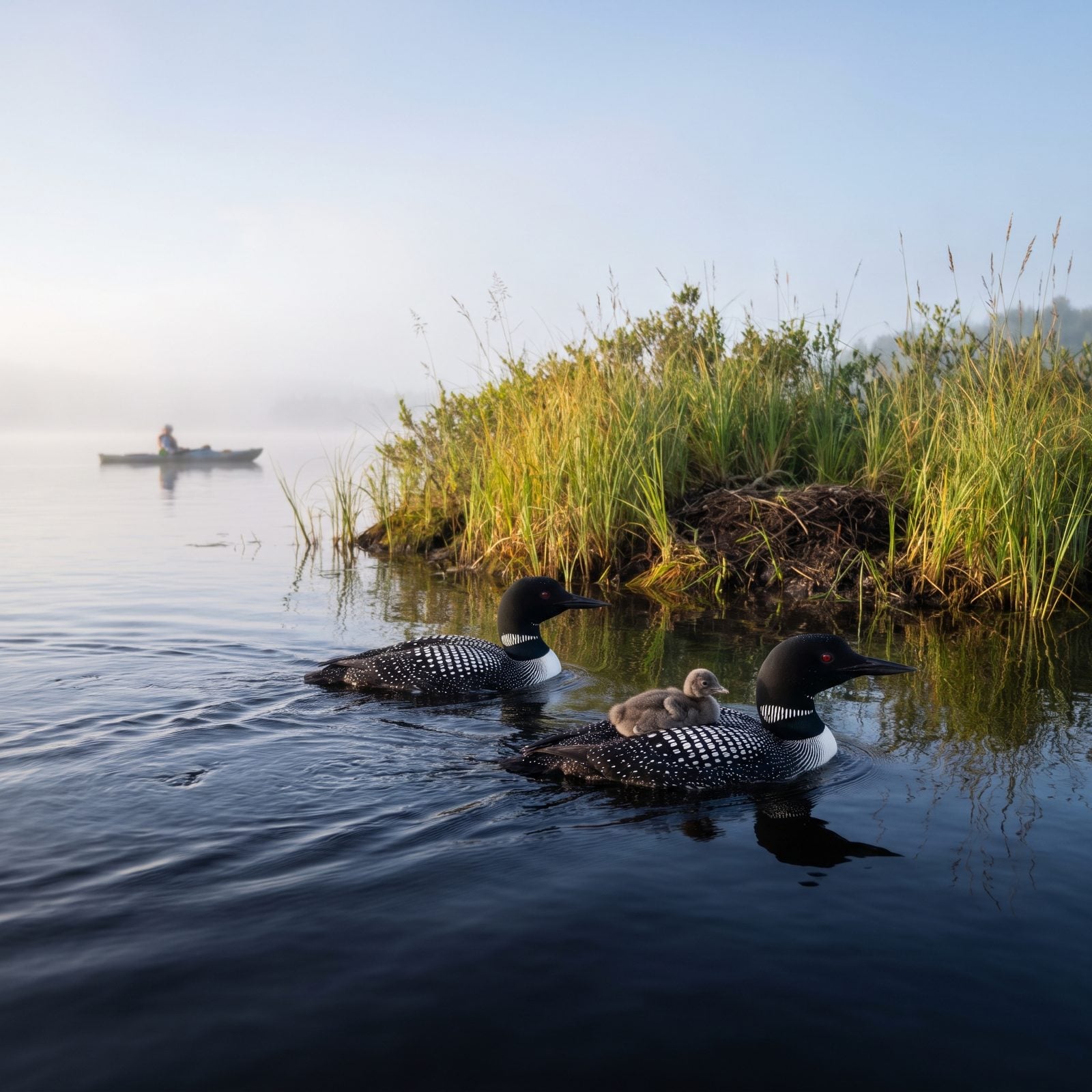
A loon’s wail across a still lake at dusk is the sound people drive four hours to hear. Few things are easier to ruin.
Loons nest right at the waterline, which makes their eggs easy to flood and easy to abandon. Paddle too close and a nesting adult slips off, leaving the eggs to chill or bake, and a careless boat wake can wash the whole nest out. Give nesting pairs a wide berth, keep your wake down near shorelines in early summer, and if you spot a chick riding on a parent’s back, admire it from a long way off.
The lake that still has loons is the lake that gave them room.
12. Pick Up Pet Waste Before Rain Carries It Into the Lake
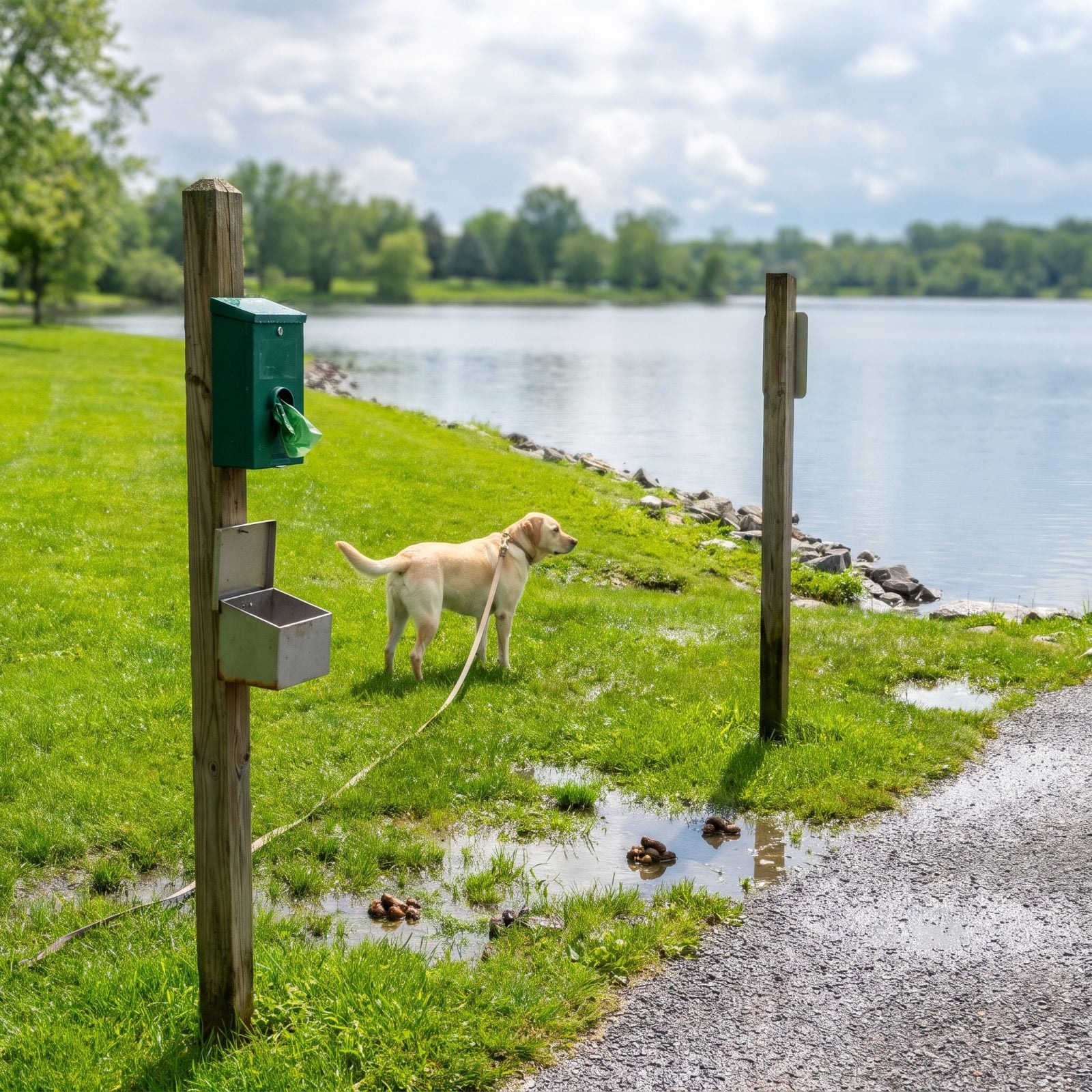
Rain doesn’t soak dog waste harmlessly into the ground. On a sloped lakefront lawn it washes the whole mess straight downhill into the water you swim in.
Pet waste carries the same bacteria that close beaches. One retriever’s weekend output, multiplied across a cove full of dog-loving cabins, is a genuine reason a water test comes back failing. Bag it the same day, even in your own yard, even way back from the shore. Everything slopes toward the lake — that’s the whole problem.
11. Secure Trash Against Wind, Raccoons, and Bears
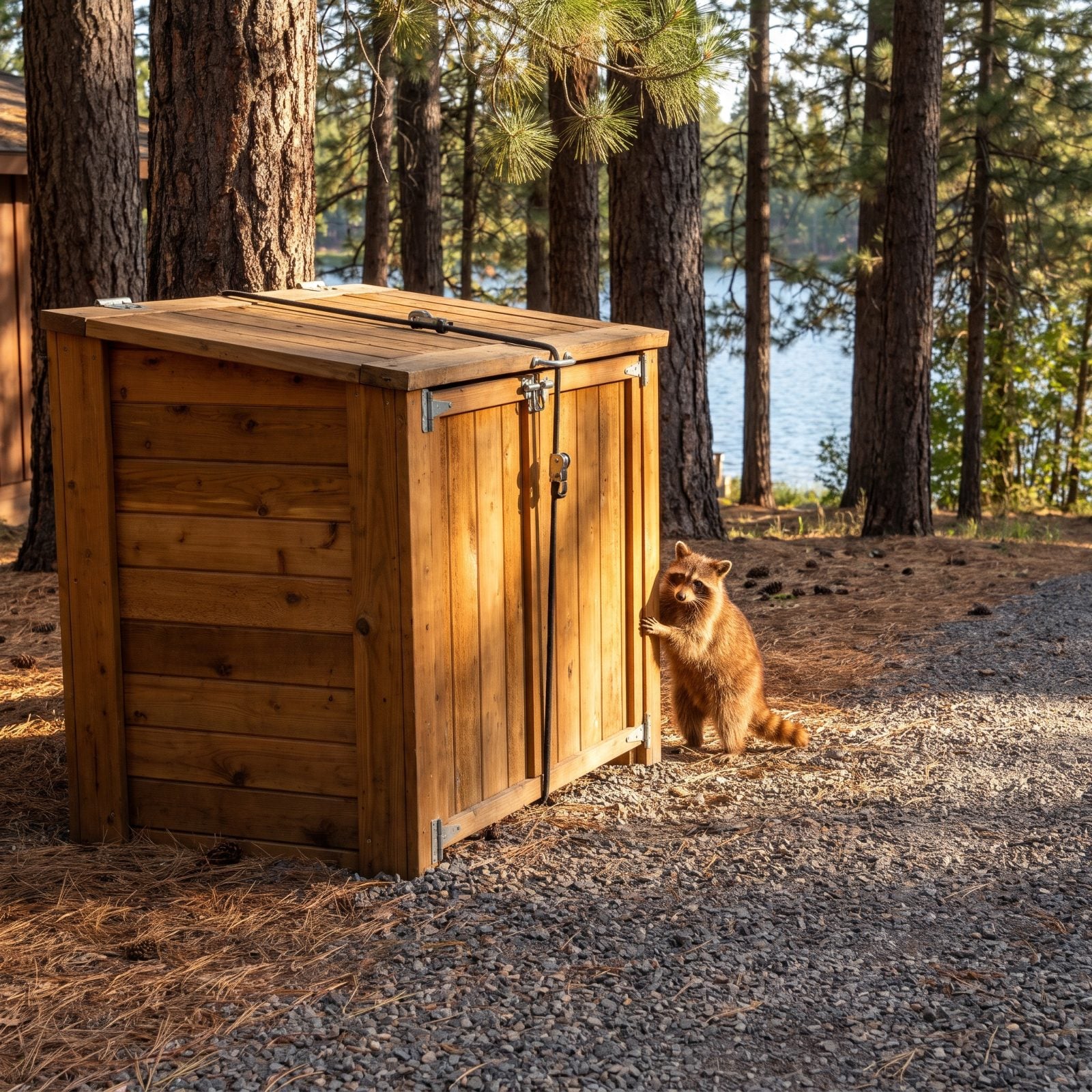
You’ll lose this fight exactly once before you take it seriously. A raccoon can pop a flip-top garbage can faster than you can.
Loose trash on a lakeshore is a buffet. Wind scatters it into the water, raccoons shred the bags across your neighbor’s yard, and in bear country a few easy meals turn a shy black bear into a habituated problem bear that eventually gets destroyed — on whoever left the lid off. Use a latching bin, strap it down, and stash anything smelly inside until pickup day.
10. Keep Grass Clippings and Leaves Out of the Lake
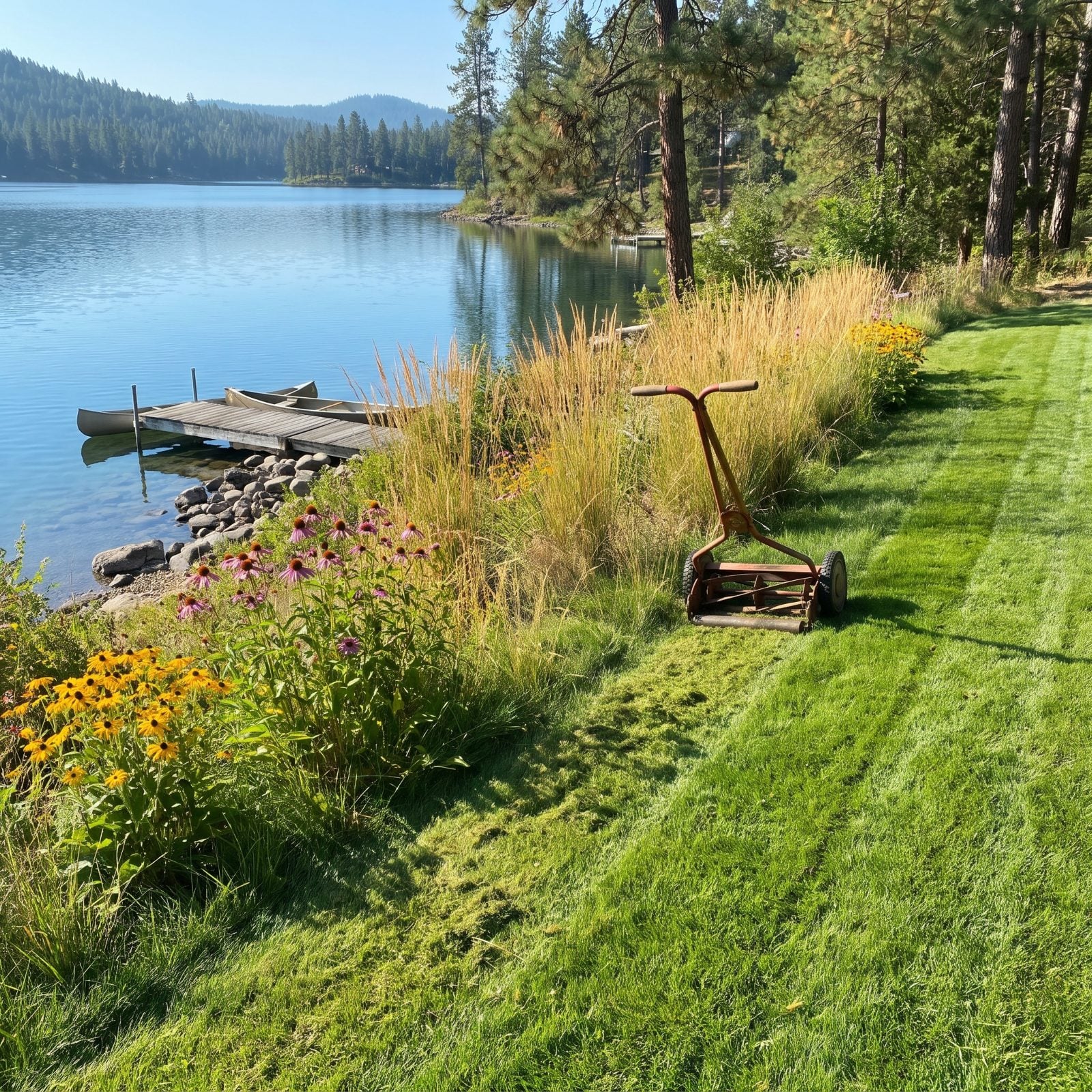
Grass clippings look innocent. They’re basically slow-release fertilizer, and fertilizer is the one thing a lake needs less of.
Every bag of clippings and pile of leaves that slides into the water breaks down and feeds the exact algae blooms everyone complains about. Mow so the clippings land in the tall buffer strip rather than the water, and rake your leaves away from the shore instead of into it. Better still, let a strip of native grasses grow tall along the waterline — it filters runoff, slows erosion, and the loons and dragonflies love it. Your reward is water clear enough to see your own toes in waist-deep shallows. Which, honestly, is why any of us bothered coming to the lake in the first place.
9. Protect the Septic System and Explain Its Limits to Guests
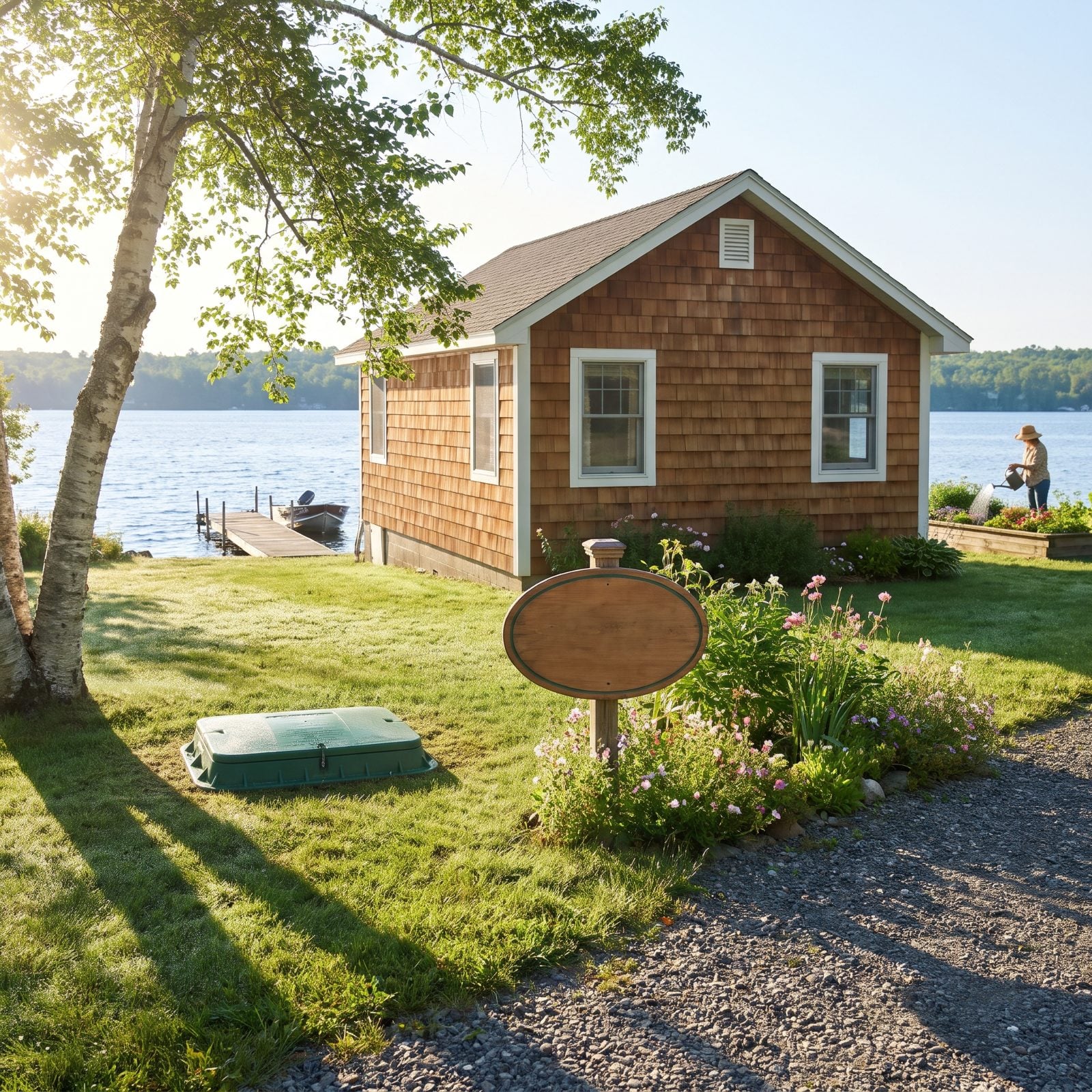
Lake houses almost never run on city sewer. That old steel or concrete septic tank buried in the yard was sized for a family of four, not the twelve people you invited up for the long weekend.
Here’s what sinks newcomers fast: a houseful of guests flushing wipes, pouring grease down the drain, running the dishwasher four times a day until the tank backs up. And a backed-up tank near a lake is a real problem, not just a smelly one. So tell guests the rules before they arrive — nothing down the toilet that didn’t come out of a person, and space out the showers.
8. Aim Dock Lights Downward and Away From Neighbors
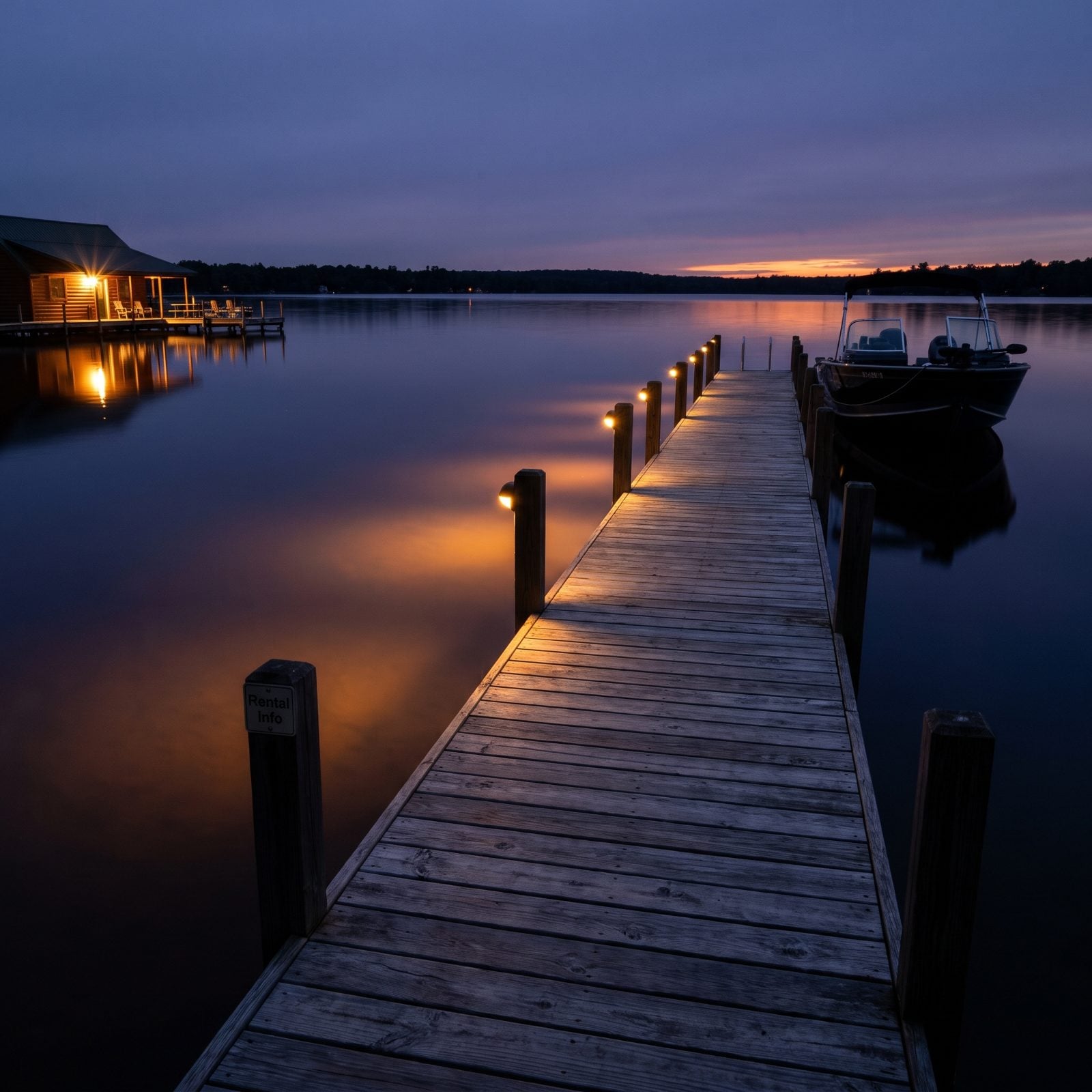
Dark skies are half the reason people buy on a lake, and one over-bright dock floodlight ruins them for everyone downshore.
Point lights down at the deck where you actually need to see your footing, not out across the water. Warm, low bulbs. Shields that cut the glare. A single harsh light reflecting off calm water travels a long way, and your neighbor three docks over didn’t move to the lake to sleep with the blinds shut. Done right, you can find the dock cleat in the dark and the stars stay where they belong.
7. Warn Nearby Neighbors Before Setting Off Legal Fireworks
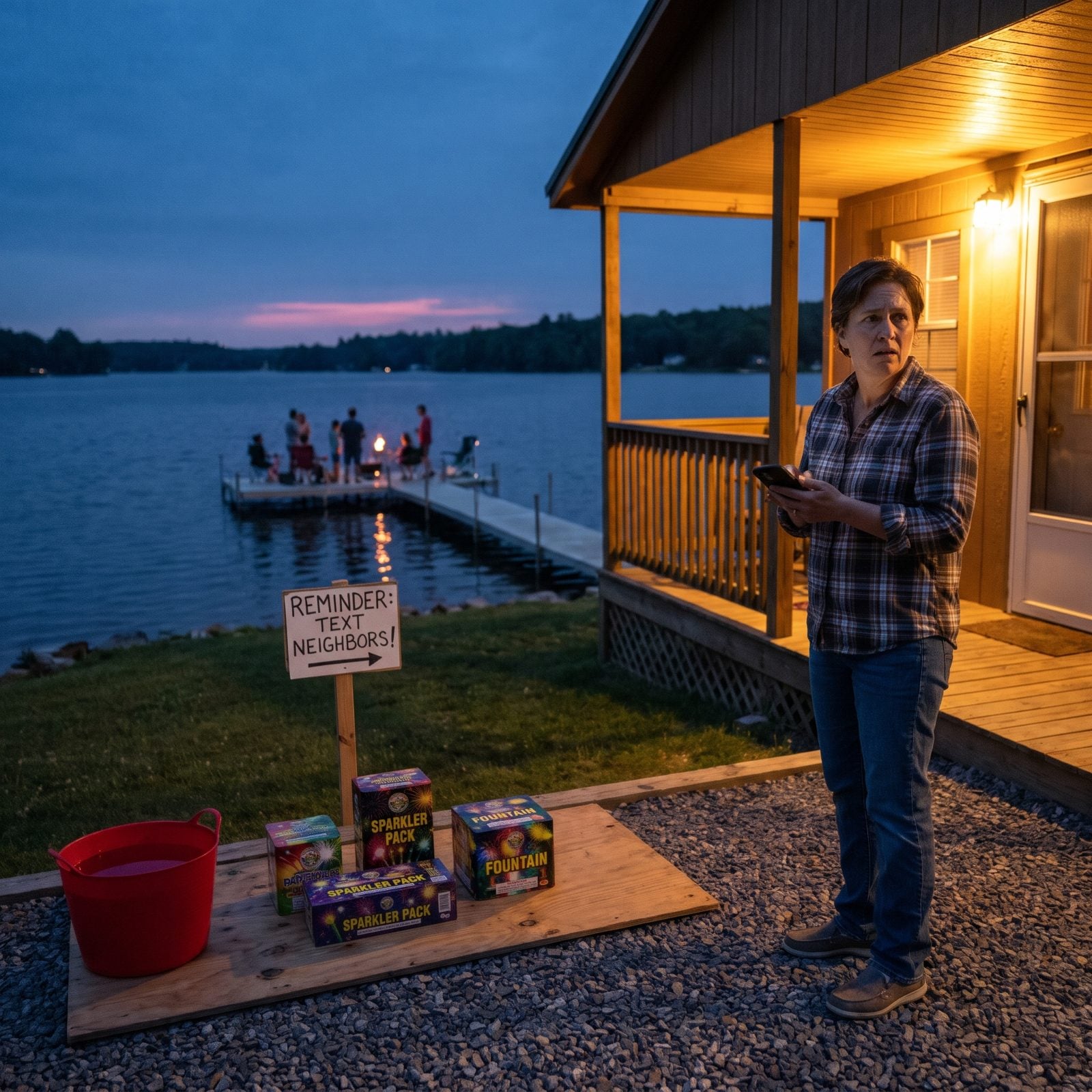
Sound carries across water like nothing else. A firework that’s a cheerful pop in your yard is a cannon shot inside the cabin two hundred feet away.
If fireworks are legal where you are — and they aren’t everywhere — a quick heads-up changes everything. Knock on a door. Send a group text. Let folks get the dogs inside, the babies down, the horses settled. People don’t resent the noise half as much when they weren’t ambushed by it. The newcomer who warns everyone gets a wave; the one who doesn’t gets a reputation by sunrise.
6. Drown Campfires Completely Before Going Inside
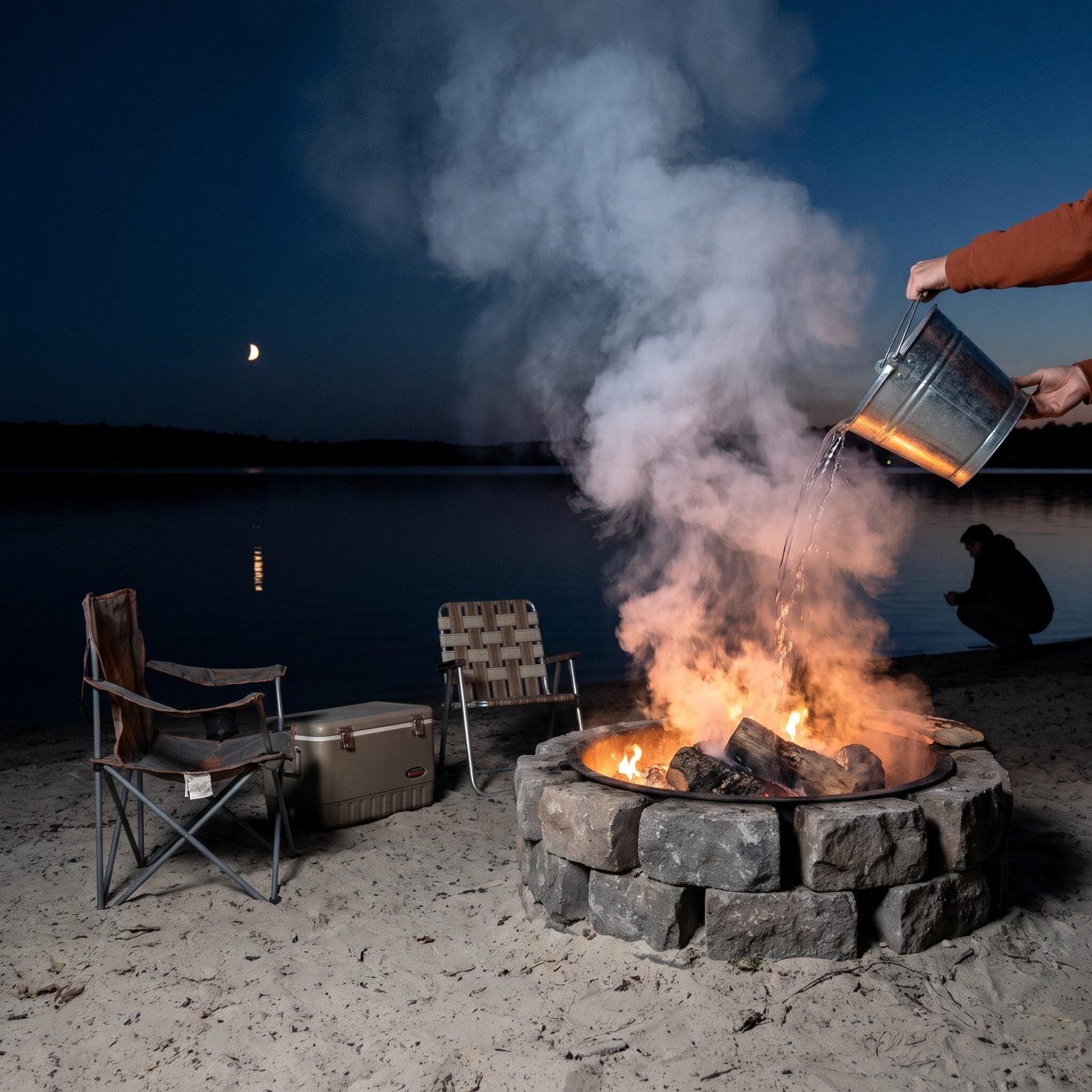
A fire you think is out is usually not out. Embers hold heat for hours under a crust of gray ash, and a lake shore is all dry pine needles and wind.
Douse it, stir it, douse it again. The test is your hand: hold it near the ashes, and if you feel warmth, it’s still alive. Some people swear by burying coals. Don’t. Buried embers can smolder underground and surface somewhere you’ll never see them. You’ve got a whole lake twenty feet away. Use it.
5. Report Floating Debris and Navigation Hazards Promptly
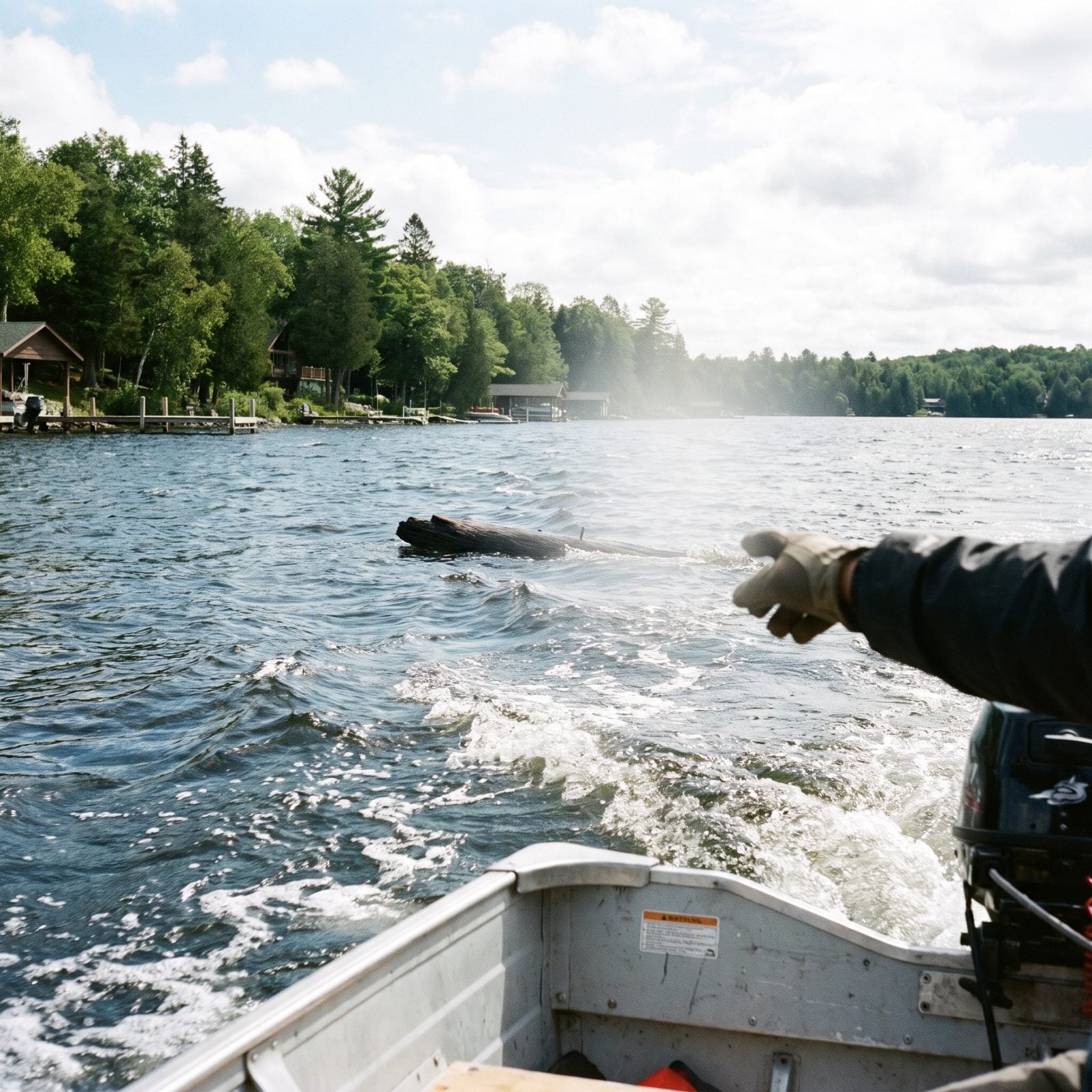
After a storm, the lake rearranges itself. A whole dock section breaks loose. A deadhead log floats just under the surface where a fast boat can’t see it until it’s too late.
Spot a hazard? Say something. Most lakes have a neighborhood group chat, an association, or a lake patrol number for exactly this, so mark the rough location and send it. A floating log that punches a hole in someone’s hull was invisible to them and could’ve been a two-minute message from you. Being the person who flags trouble early is how you earn trust faster than any potluck ever will.
4. Teach Children Dock Safety Before Giving Them Freedom
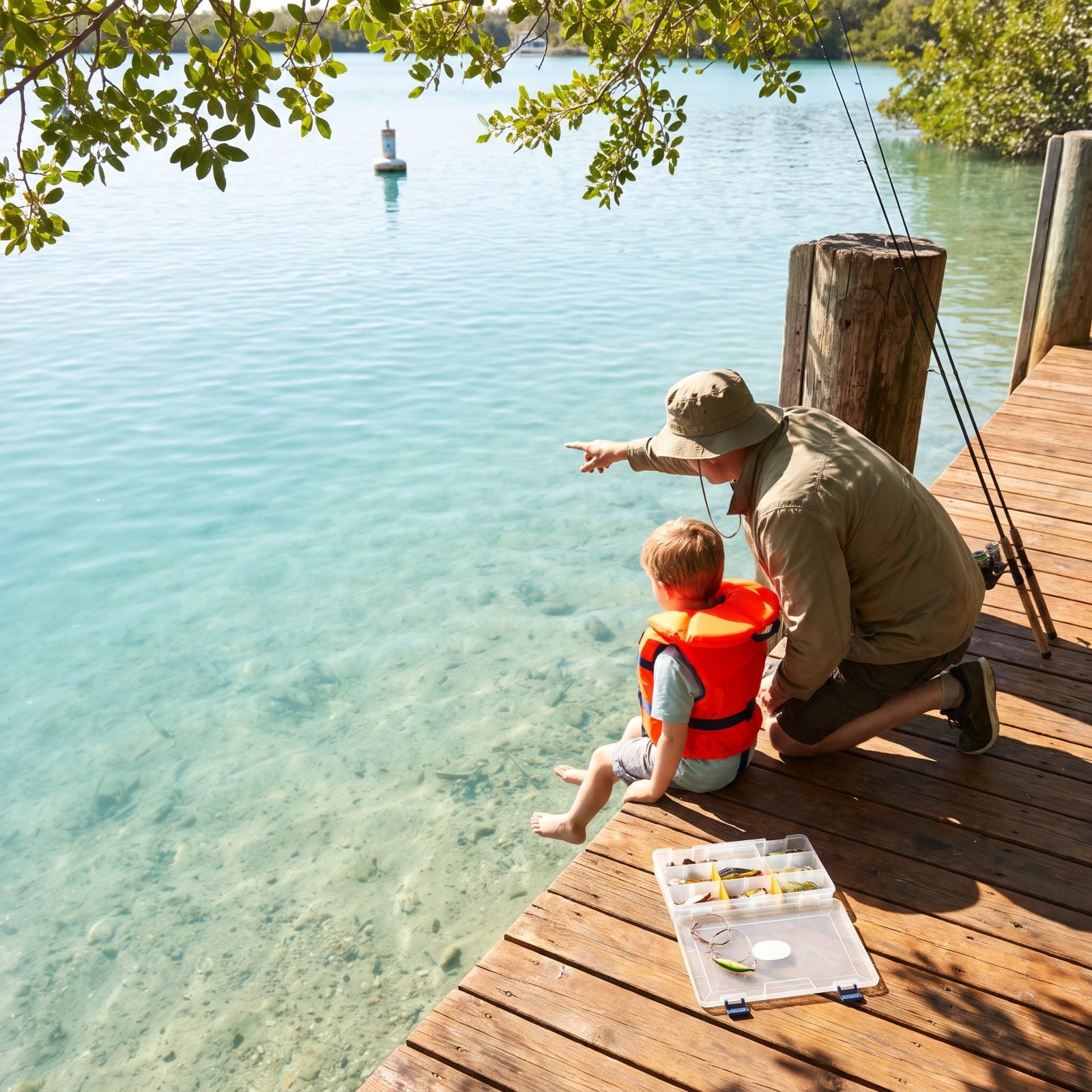
The dock is the most dangerous place a kid will spend their summer, and it’s the one that looks the safest.
Before the freedom comes the rules. No running on wet planks. No swimming alone. Know where the ladder is before you ever need it. And never, ever dive into water you haven’t personally checked for depth and rocks — lake water runs murkier and shallower near shore than it looks.
Spell out where swimming is allowed and where the boats go. A kid who understands the dock gets to roam it. A kid who doesn’t gets a death grip on the back of the life vest all summer, and that’s no fun for anybody.
3. Take Turns on Shared Swim Rafts and Platforms
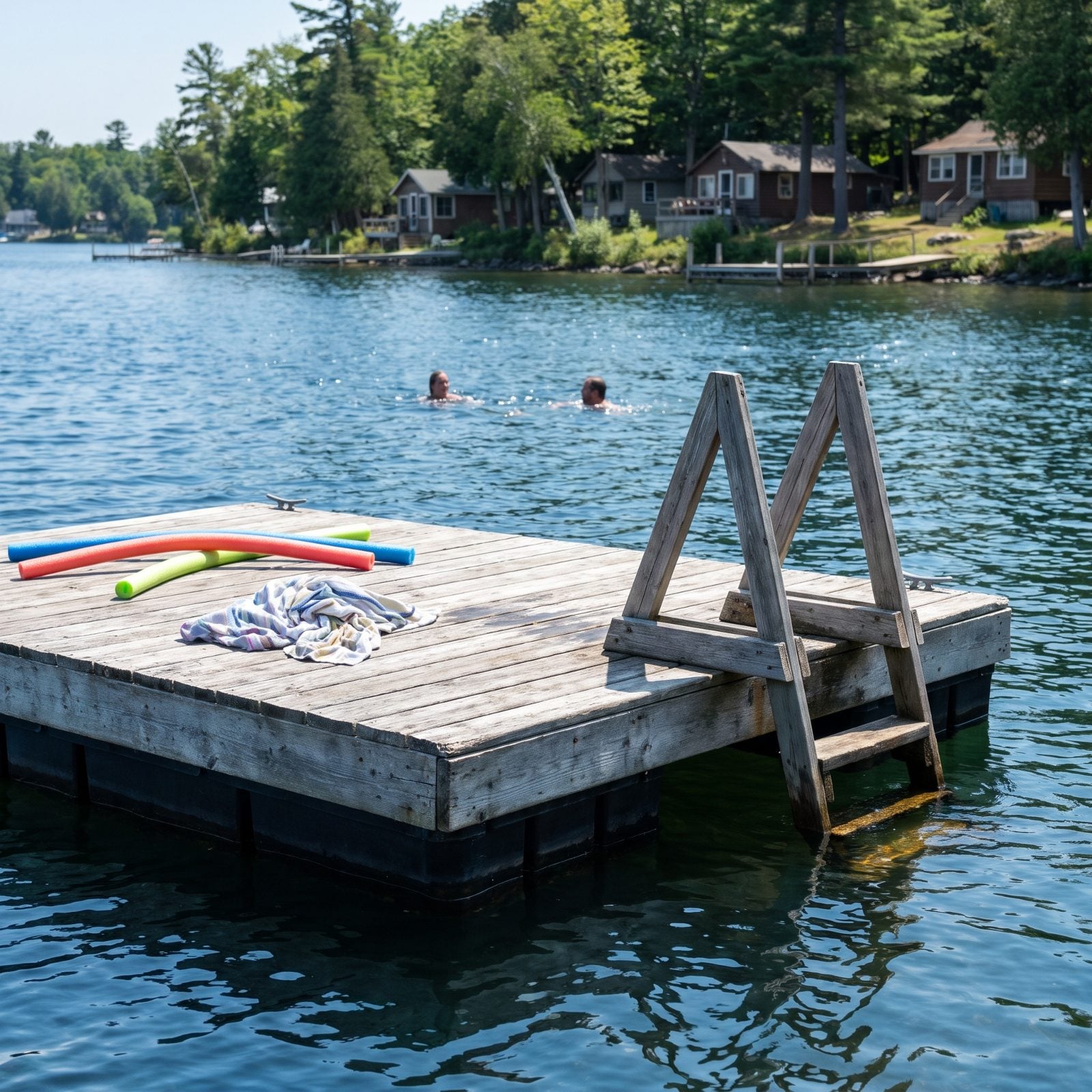
Some lakes have a community swim raft out past the dock line. It belongs to everyone, which means it belongs to no one on any given afternoon.
So read the room. If a family with little kids is already out there, don’t roll up with a cooler and a speaker and claim the whole platform for the day. Share the ladder. Give the diving side room when someone’s going off it. These floating platforms get slick and crowded, and nearly every raft argument we’ve ever watched started with somebody treating the thing like private property. It isn’t. Take your turn, make room, move along.
2. Anchor Floating Mats Outside Navigation Channels
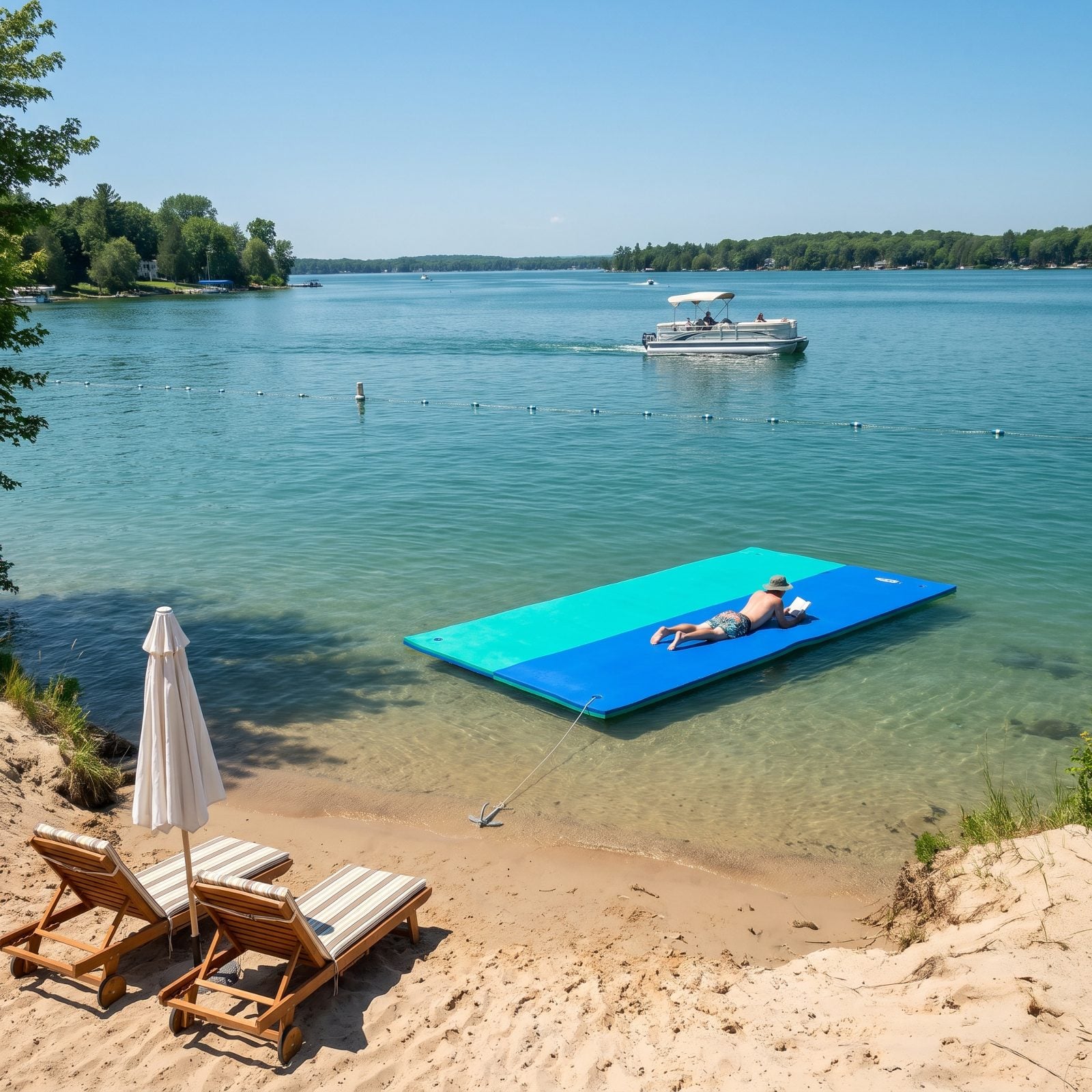
Those big foam party mats are great fun and a genuine hazard in the wrong spot.
Anchor them in your own bay or close to shore, out of the lane where boats run. A low-floating mat is almost impossible to spot from the helm until you’re right on top of it, and a mat full of people parked in the middle of a channel is an accident forming in slow motion. Keep it tucked near your waterfront. Pull it in at night. Nobody wants to be the reason a passing fishing boat has to swerve.
1. Help First and Never Film When Someone Is in Trouble
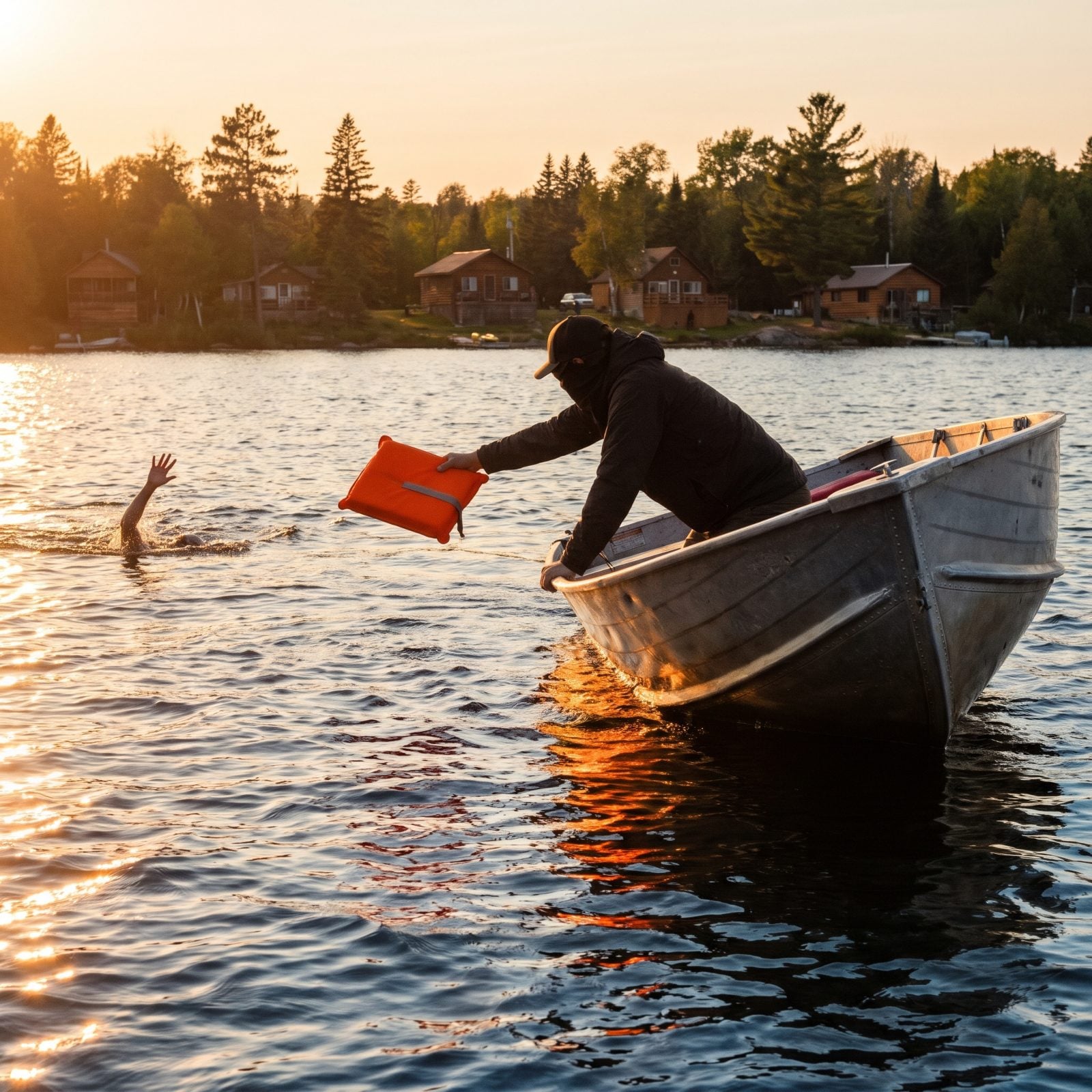
This is the one that actually matters. Everything else on this list is about fitting in. This is about being worth having around.
When someone’s in trouble on the water — a capsized kayak, a swimmer in over their head, a boat taking on water — you go. You throw the cushion, you call it in, you point your bow at them. You do not pull out your phone.
On a lake, your nearest emergency responder is usually the neighbor three docks down. Be that neighbor.
Keep a throwable floatation device somewhere you can grab it without thinking, and learn the channel to call for help on your lake. The newcomer who drops everything for a stranger isn’t a newcomer anymore. That’s just a lake person. That’s all of it, right there.