
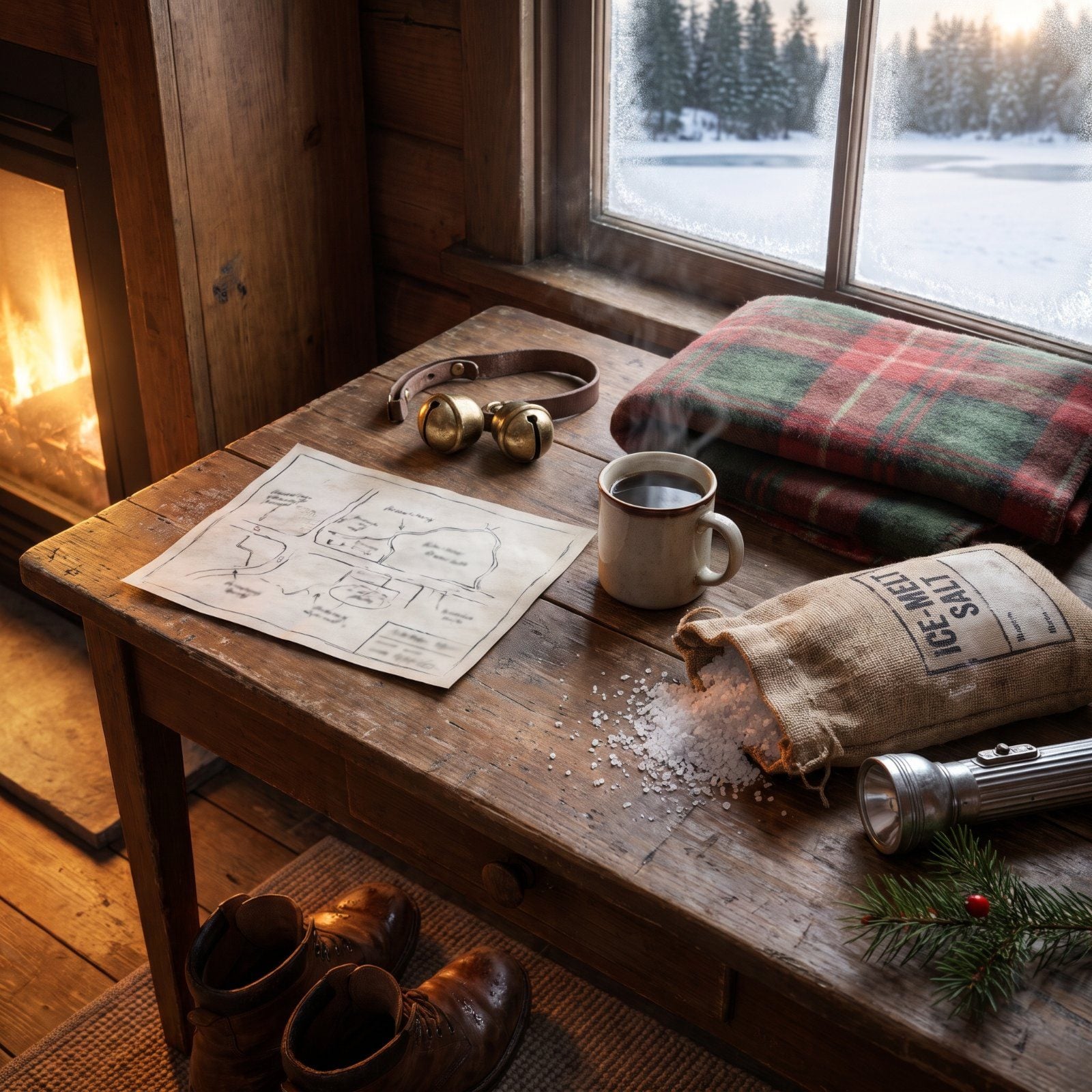
A lake house in July forgives almost everything. December doesn’t. The driveway ices over by four, the pipes under the kitchen sink freeze while everyone sleeps, and Grandpa’s knees could not care less how charming that loft ladder looks. Hosting the whole clan at a cold-weather cabin is one of the best things you’ll ever do, and one of the easiest to botch. Most of the trouble is avoidable with a little foresight and a few quiet conversations before anyone pulls into the driveway. These are the things seasoned winter hosts know that nobody writes on the welcome card.
Please note that some of the imagery in this article may have been enhanced with the assistance of AI.
40. Send Winter Road Directions Before Travel Day
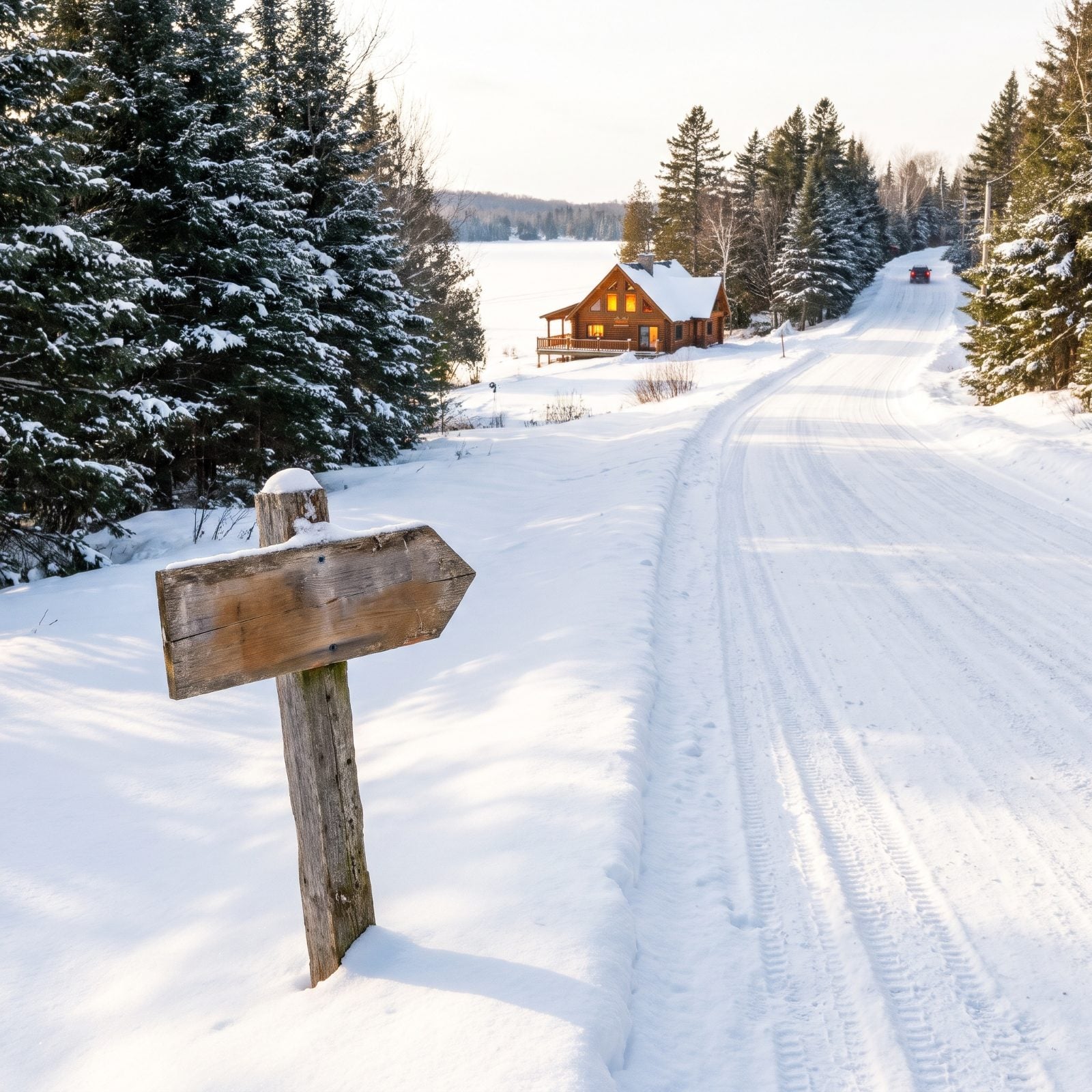
GPS gives up about a mile before most lake houses. The pin drops in the middle of the water, or it routes everyone down the seasonal road the county stops plowing in November.
So write real directions. Which turn to ignore, where the pavement ends, the gate code, the landmark mailbox, the fact that the last dark stretch needs to be taken slow. Send it days ahead rather than the morning of, because that’s when the arthritic drivers and the nervous first-timers want to study it over coffee instead of squinting at a phone mid-snowstorm.
39. Keep the Snowplow Route Free of Parked Cars
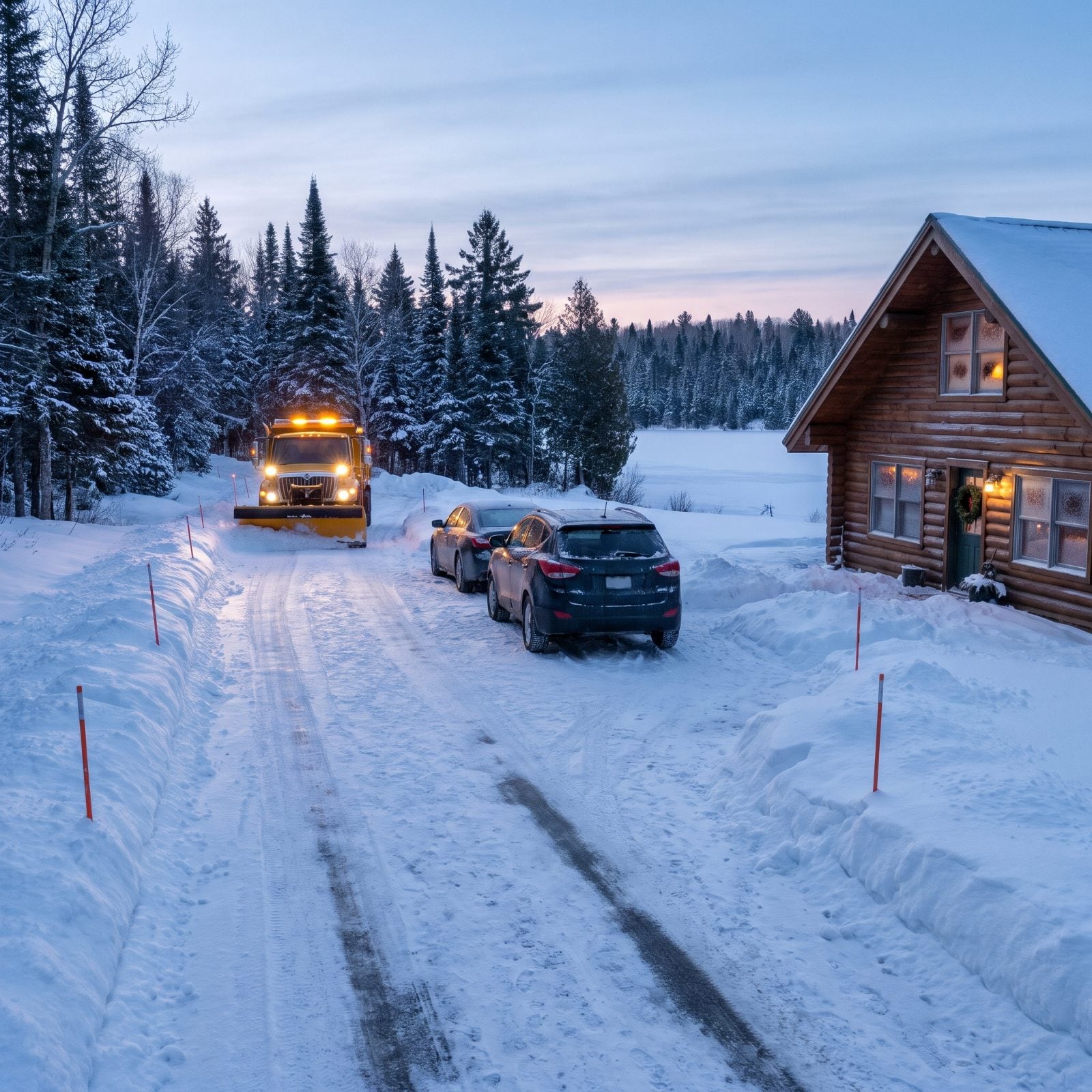
The plow comes when the plow comes, usually before anyone’s awake, and it will not thread around a cousin’s rental sedan.
Decide where cars go before the first one arrives, and make it a hard rule. One blocked lane means the driver skips the whole stretch, and now a full house is stuck behind six inches of fresh powder on departure morning. I’ve watched a Christmas afternoon vanish into shovels and bad moods over exactly this.
38. Clear, Salt, and Light the Path From Parking to the Door
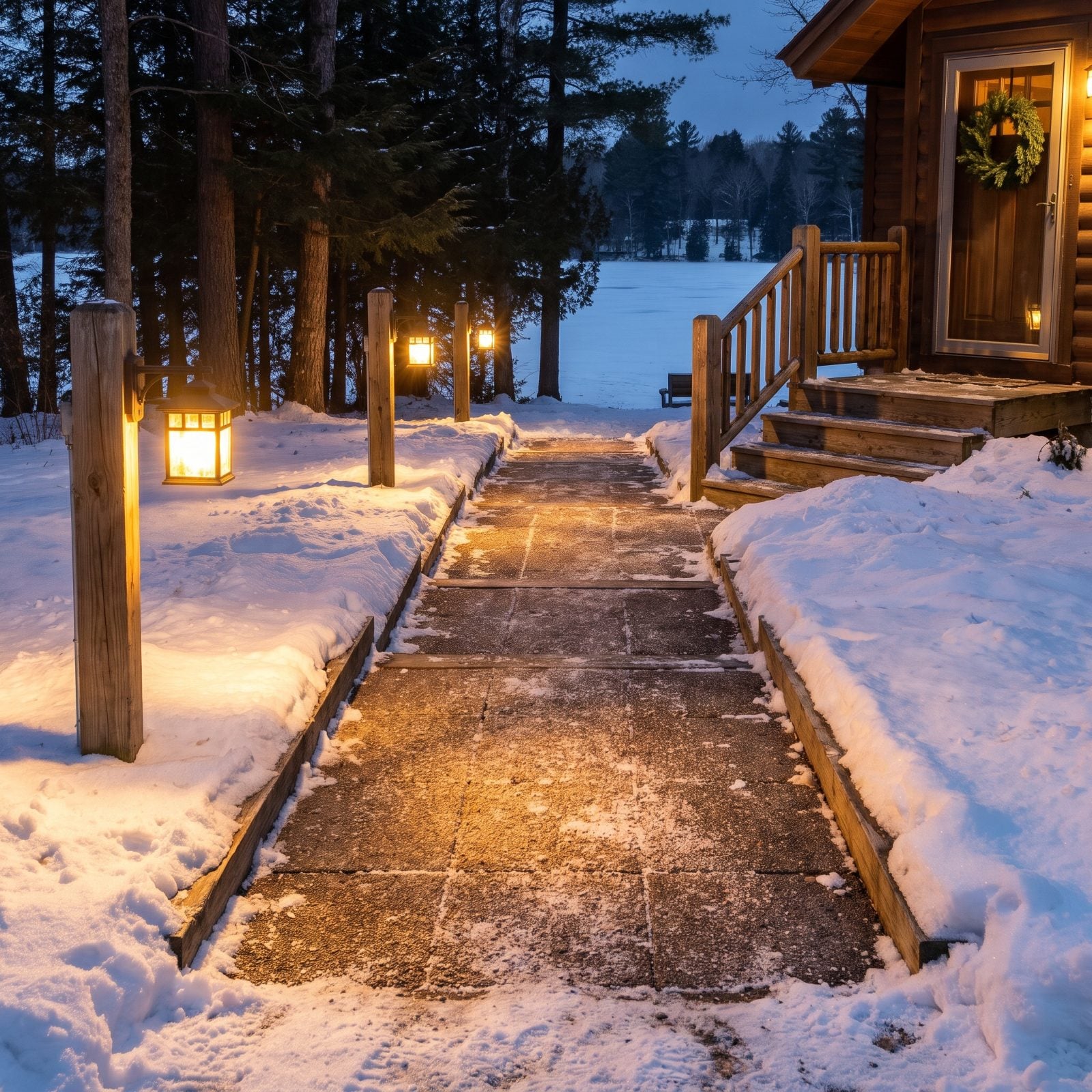
The fall nobody plans for happens between the car and the door.
Hands full of casserole dishes and gift bags, a dark path, a thin sheet of refrozen melt. That’s how a holiday ends in an ER two counties away.
Shovel it down to the surface, throw salt or sand on anything that could glaze over, and light the whole run. Solar lights die in deep cold and under snow, so string proper lanterns or run an outdoor cord. And a steady handrail on the steps matters more than any decoration you’ll put out.
37. Build a Real Drop Zone for Wet Boots and Coats
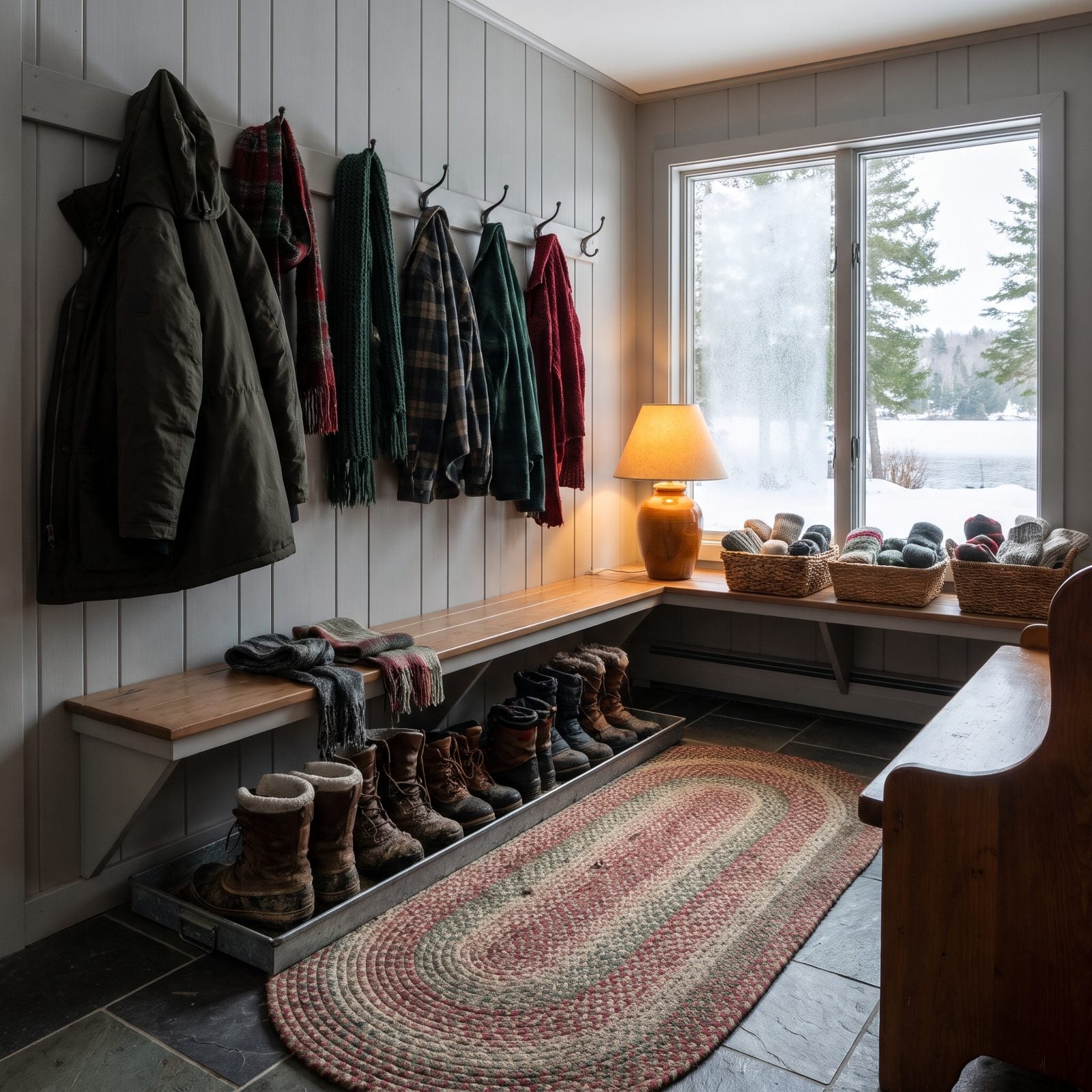
Fifteen people tracking snowmelt across hardwood turns your floor into a skating rink by noon. Wet socks, puddles by the fridge, somebody going down in the kitchen.
Give the wet gear a home right at the door: a big rubber boot tray, a bench to sit and wrestle boots off, hooks low enough that kids can actually reach them, and a basket of dry wool socks for the inevitable soaked pair. Keep a towel by the door for the dog, too. None of it is glamorous. It’s just the difference between a cozy house and a slippery one.
36. Give the Easiest Bedroom to the Least Mobile Guest
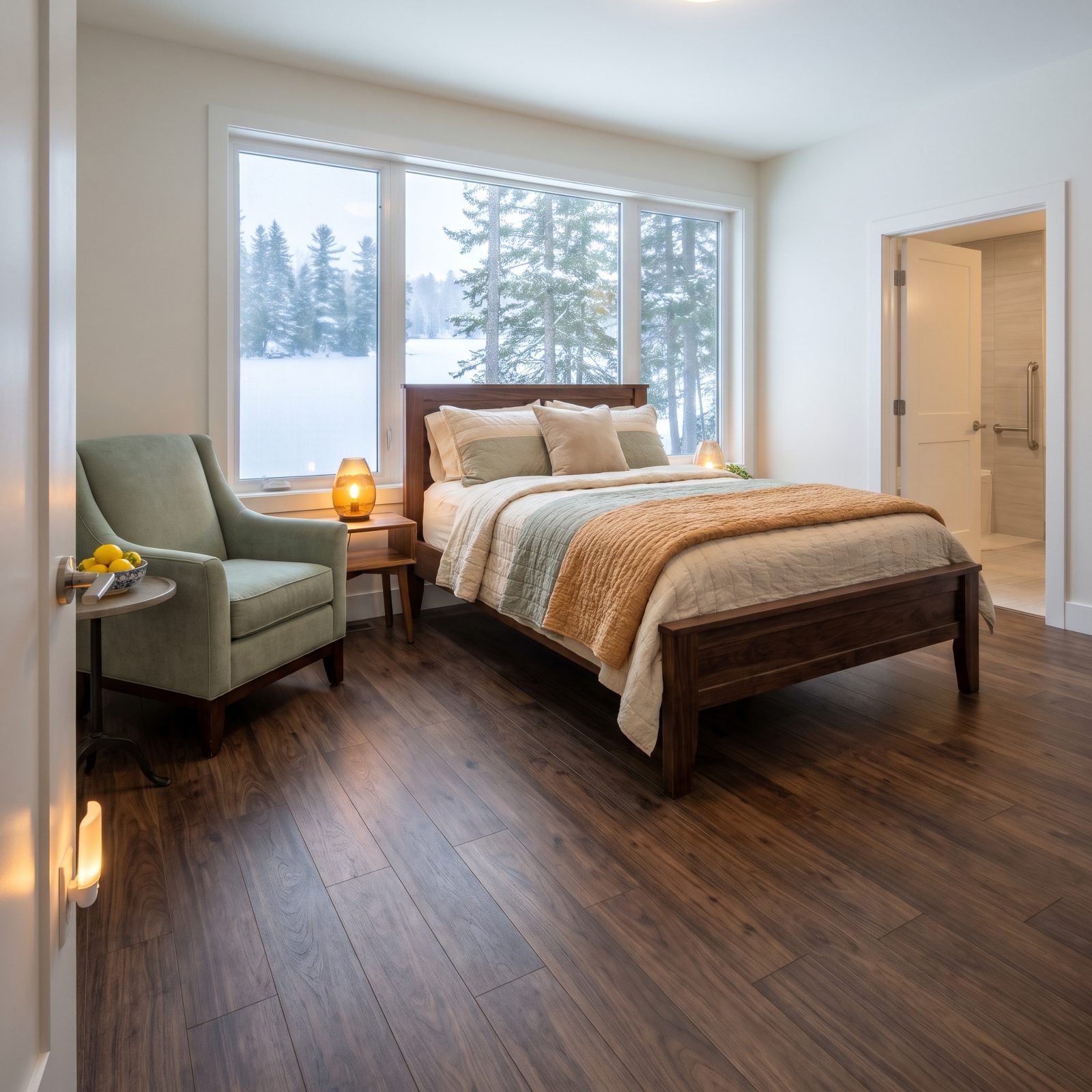
Someone has to climb to the loft. Make sure it isn’t the person with the new hip.
The guest who moves slowest gets the ground-floor room nearest the bathroom. No stairs, no cold hallway, no 3am navigation past sleeping grandkids. This isn’t a favor or a fuss — it’s the quiet logic of a good host, and most older relatives are too proud to ask for it, so you offer it before they have to.
Put a nightlight in the hall while you’re at it. Unfamiliar cabins and dark stairs don’t mix.
35. Be Honest About Lofts, Bunks, and Sofa Beds
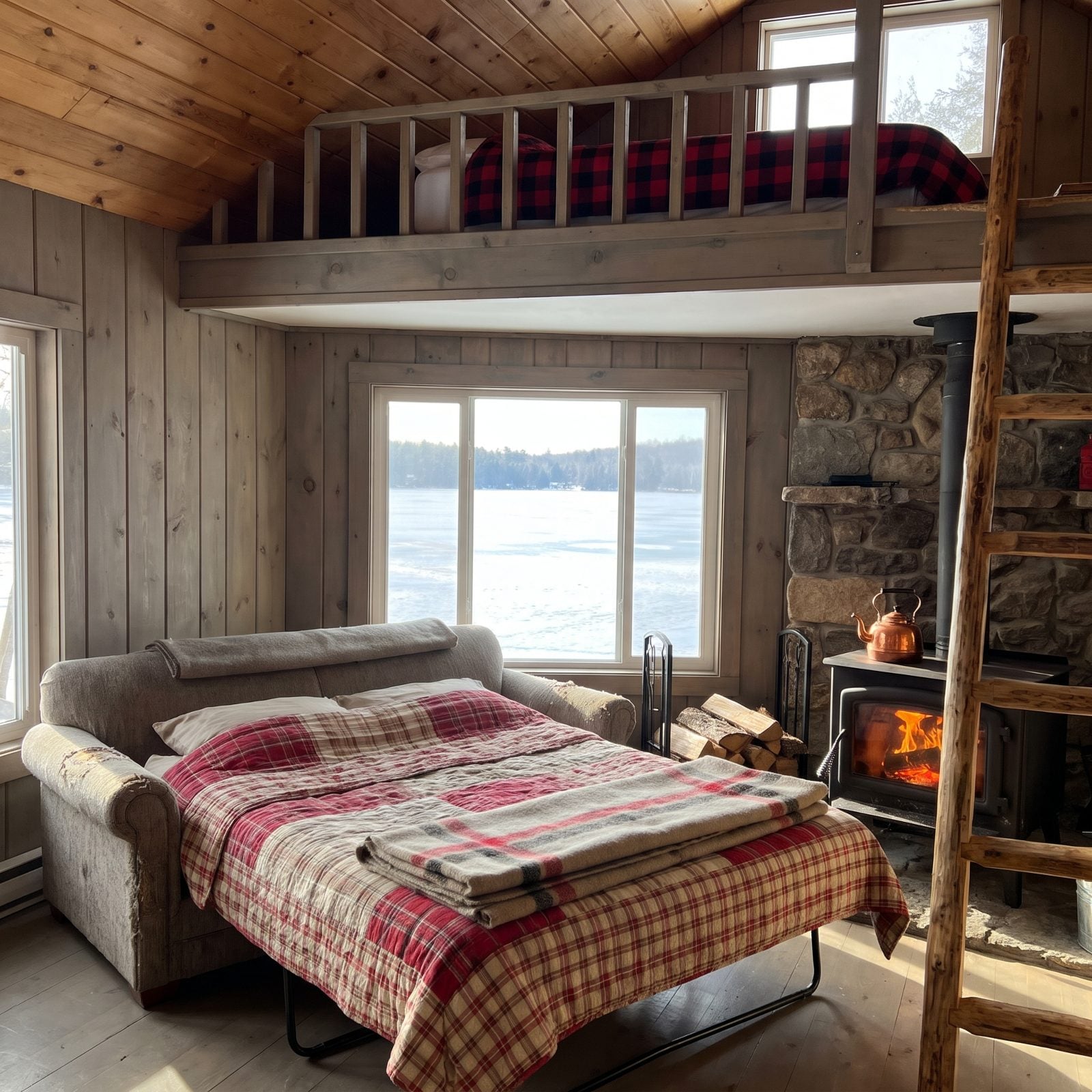
That loft is adorable in photos. It’s also reached by a ladder, has a ceiling you can’t stand under, and runs stove-hot or freezing depending on the hour.
Tell people the truth before they arrive. The sofa bed has that bar you feel through the mattress. The bunk room sleeps four, but the top bunk is a long way down in the dark. Guests can plan around honesty. They can’t plan around a surprise at 11pm when they’re exhausted and the only thing left is the floor.
A guest told the truth in advance becomes a good sport. A guest surprised at bedtime becomes a story they tell for years.
34. Protect the Pipes During Every Cold Snap
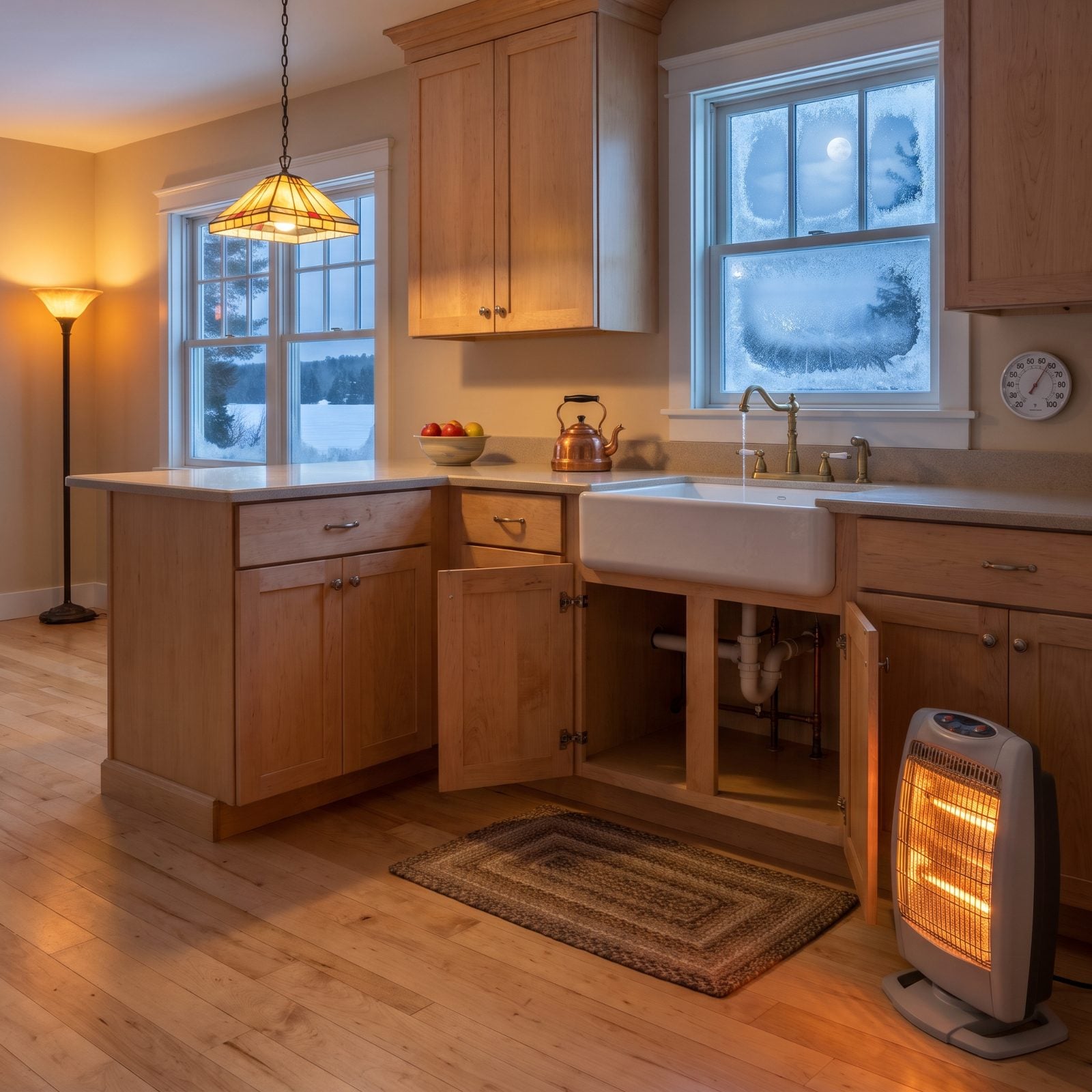
A burst pipe doesn’t announce itself. You wake to a ceiling stain and a very expensive problem, and the water was probably running behind the wall for hours.
When temperatures drop hard, open the cabinet doors under sinks so warm air reaches the plumbing, and let a faucet drip overnight on exterior walls. Know where the main shutoff is. Make sure at least one other adult knows too, because the person who finds the leak might not be you.
In a winter TV news segment, a plumbing company owner advised opening the cabinet doors under sinks during freezing weather so household heat can reach the pipes.
33. Explain the Septic Rules Without Making It Awkward
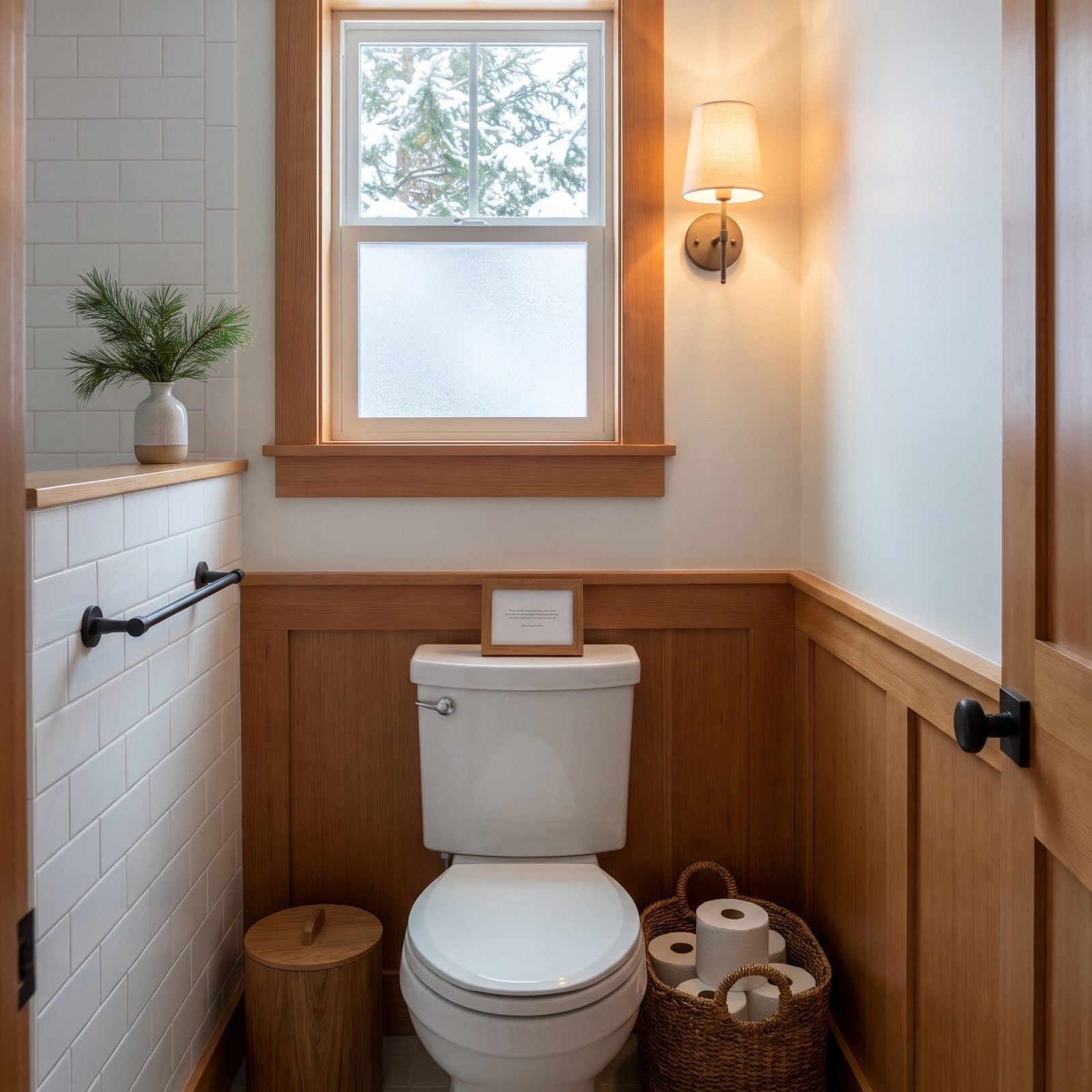
Half your guests have never lived with a septic system. They assume anything that fits goes down, and they’ll learn otherwise at the worst possible moment.
Only the obvious goes in the toilet. No wipes, no cotton, no paper towels, nothing labeled flushable — because flushable is a marketing word and the tank disagrees. Put a small, plainly-worded card in each bathroom and a lidded bin right there so the alternative is obvious. Nobody wants a lecture at the dinner table, and nobody wants a backup on Christmas night either.
Frame it as the quirk of the house, not a rule about them. People follow a cabin’s eccentricity happily. They bristle at being managed.
As a septic service contractor puts it, “Many of your guests whether over for a party or stay-over guests, will not know the rules of using a septic system.”
32. Schedule Showers Around the Hot-Water Tank
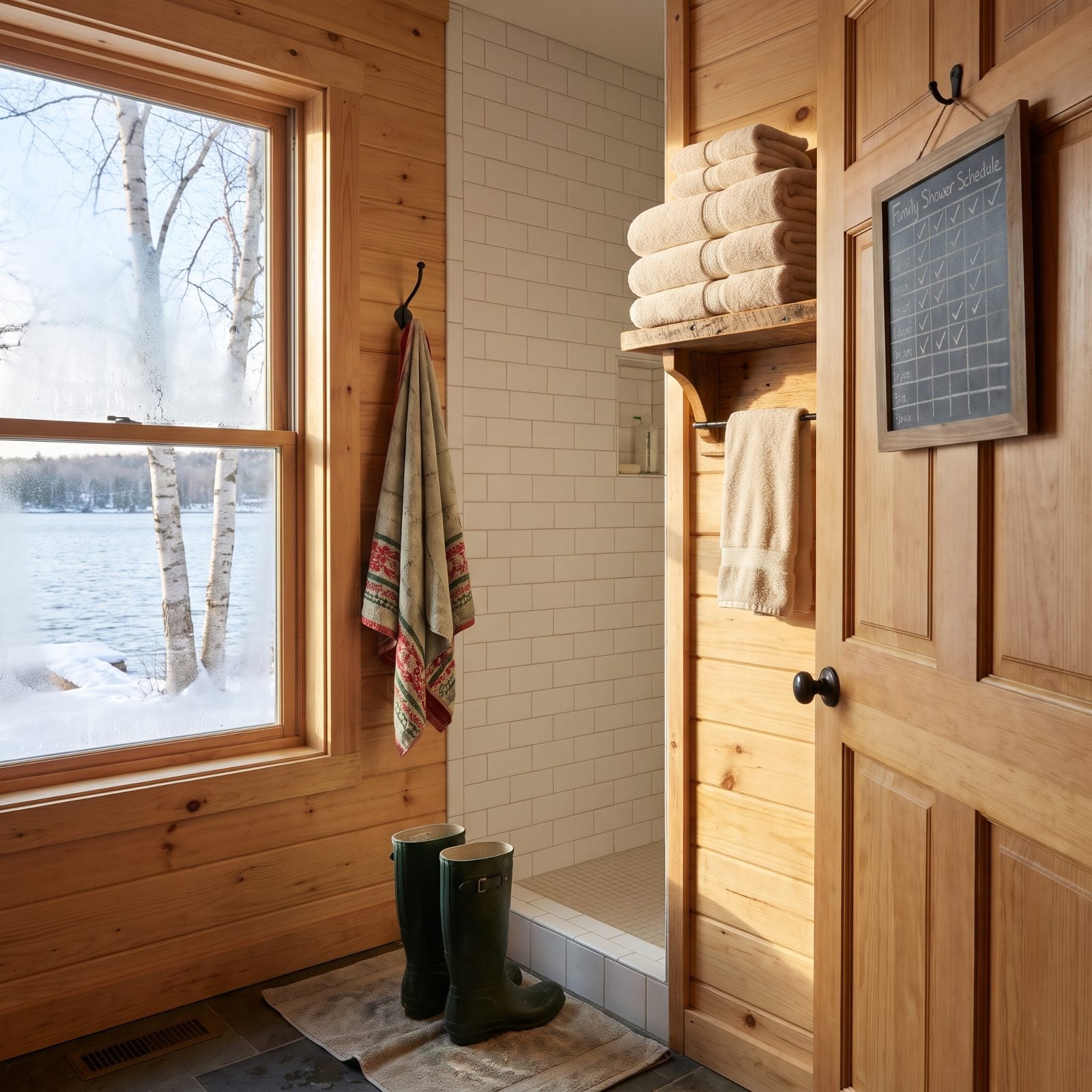
A typical household water heater was sized for two people and a dishwasher, not eleven cousins who all want a hot shower by nine. That old forty-gallon tank in most homes empties out after three back-to-back showers and then needs the better part of an hour to climb back.
So stagger them. Early risers and whoever ran the dog get first dibs, and the teenagers who surface at eleven can take the tail end. Post a loose order on a big chalkboard in the living room so nobody’s standing in a cold spray wondering what went wrong.
31. Keep a Dry Firewood Supply Under Cover
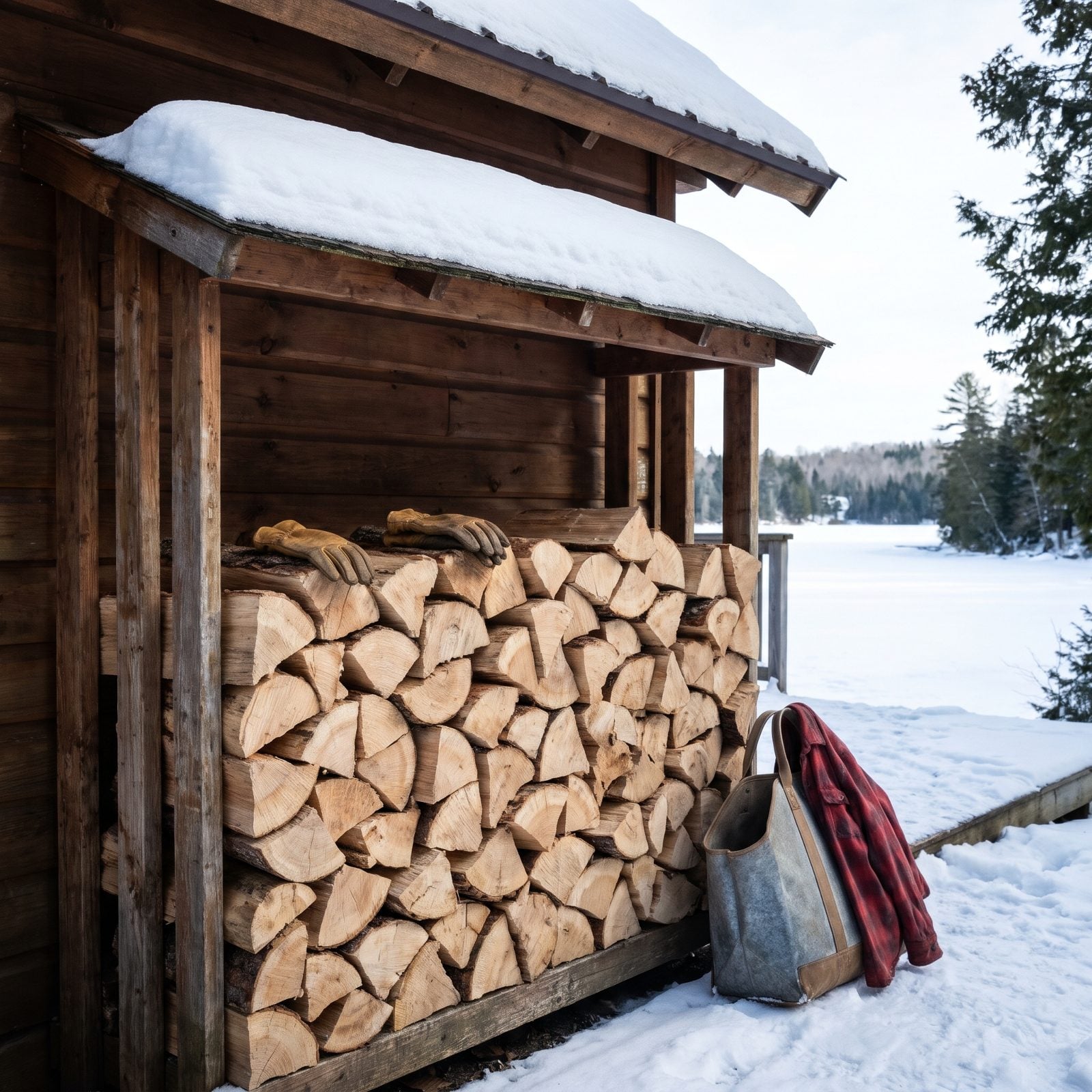
Green or damp wood doesn’t just burn poorly. It coats the chimney in creosote, the sticky stuff that causes flue fires, and a Christmas Eve spent waiting on the fire department is nobody’s idea of a holiday.
Bring a few days of split hardwood indoors to a rack by the hearth so it’s room-dry and ready. Keep the main pile outside under a cover, off the ground, cut ends exposed to the air. Oak and maple that’s been seasoned at least a season will light clean and throw real heat.
I learned this the hard way with a cord somebody sold me as “ready to burn.” It hissed for three nights and warmed nothing.
As a chimney sweep service puts it, “Each time you burn logs, especially green ones, creosote will build up. The reason this is a significant issue is that creosote is highly flammable.”
30. Make Fireplace Screens Nonnegotiable Around Children
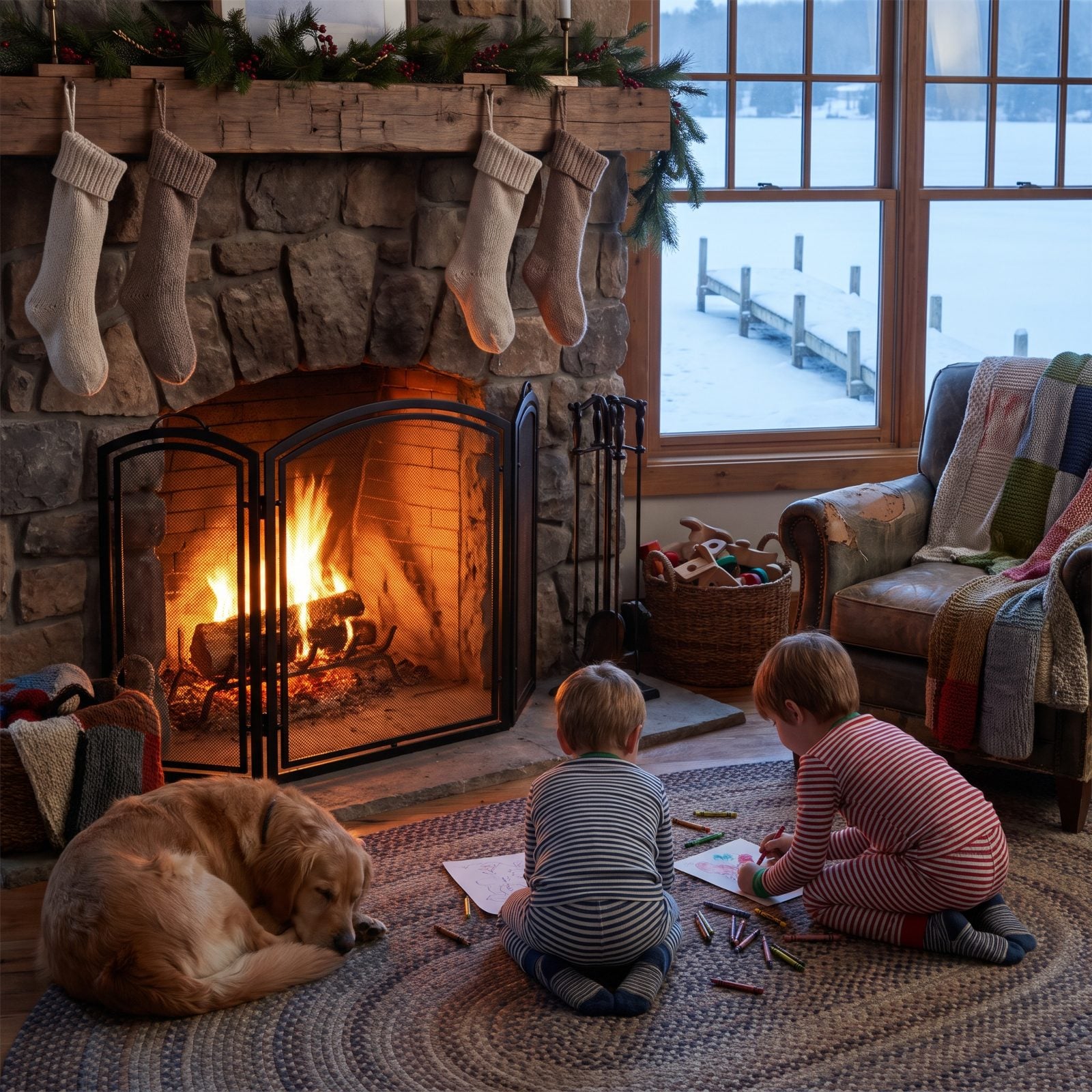
A spark that pops out of an open hearth lands two feet into the room. Toddlers crawl faster than you’d believe, and the glass front of a running stove gets hot enough to cause a bad burn in under a second.
So the screen stays up. Every fire, no exceptions, even when the adults swear they’re watching. Watching is exactly when it happens, in the half-second someone turns to answer a question.
29. Show Everyone the Extinguishers, Exits, and Carbon-Monoxide Alarms
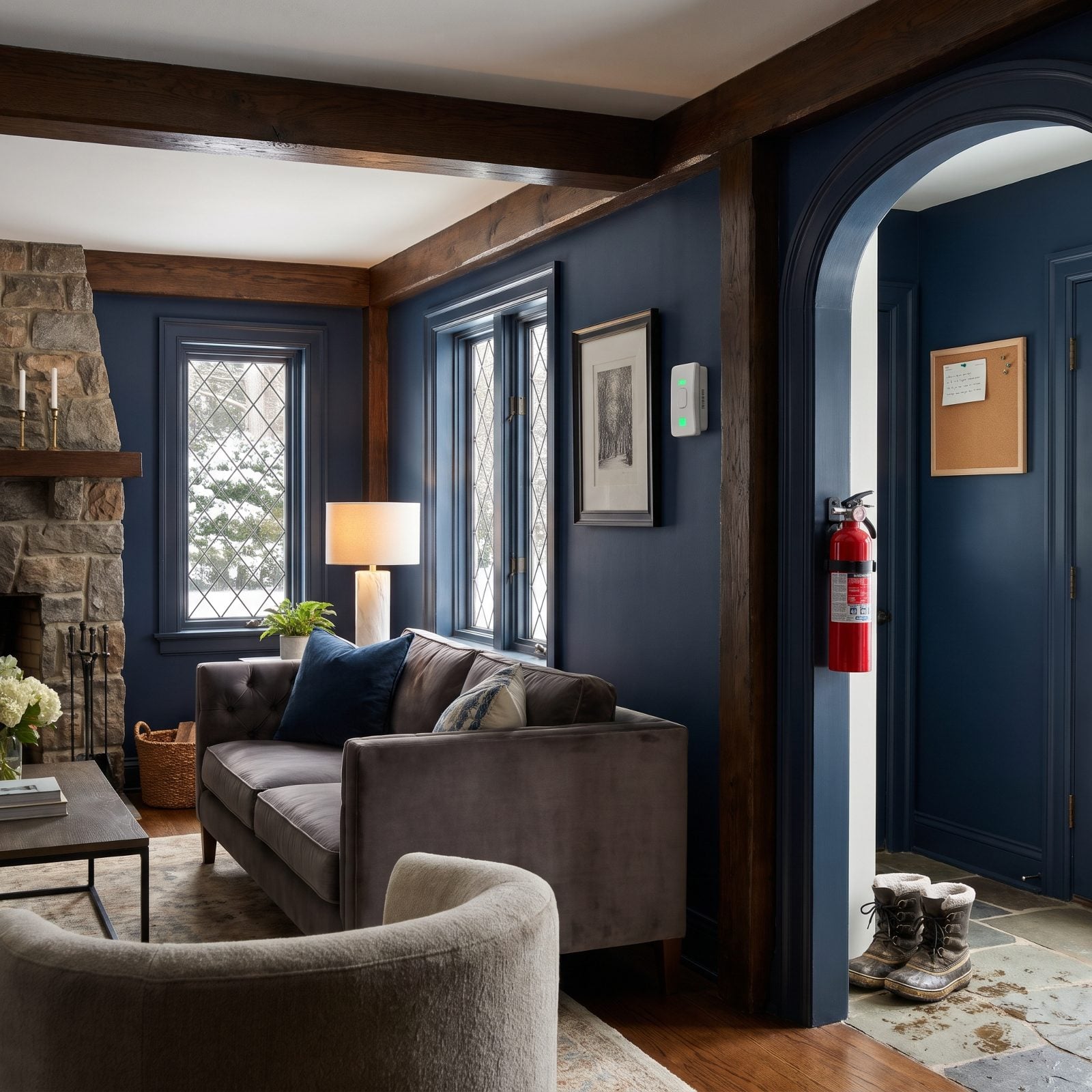
Two minutes on the first night saves everyone the panic later. Walk the group through where the extinguisher lives, which doors open to the outside, and where the kids sleep relative to the nearest exit.
Rentals and family cabins are notorious for dead carbon-monoxide alarms. You know the one, the detector with a battery somebody pulled a few years back because it chirped. A gas furnace, a generator, a fireplace with a partly closed flue: any of them can push CO into a sealed-up winter house.
Asked about winter carbon-monoxide calls, a fire department lieutenant put it simply: “The biggest thing is making sure you have those detectors”
28. Anchor the Christmas Tree Against Kids, Pets, and Drafts
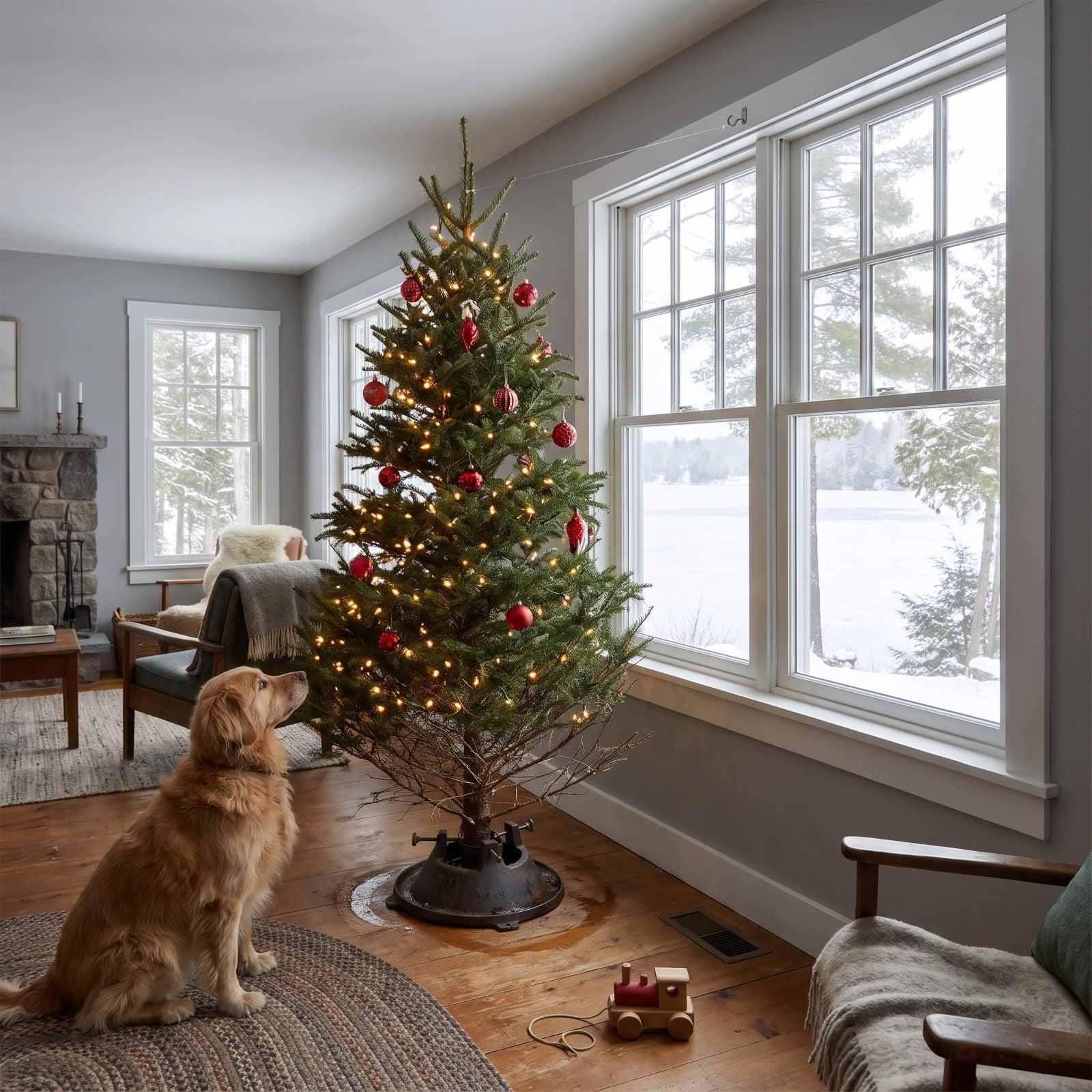
A real tree in a cabin dries out fast near a wood stove, and a dry tree is a genuine fire risk. Top the stand with water every day and park the tree well away from the heat.
Then anchor it. Run a length of clear fishing line from an upper branch to a wall hook or window-trim screw and the whole thing stays upright when a dog’s tail swings through or a kid grabs a low branch for balance.
Save the heirloom glass for the top third. Down low, where small hands and wagging tails live, hang the unbreakable ones. You’ll thank yourself.
As a fire department spokesman puts it, “If it catches fire, it’s going to consume everything in that room in less than 90 seconds, it’ll be gone.”
27. Let the Lake View Stay the Star of the Decorations
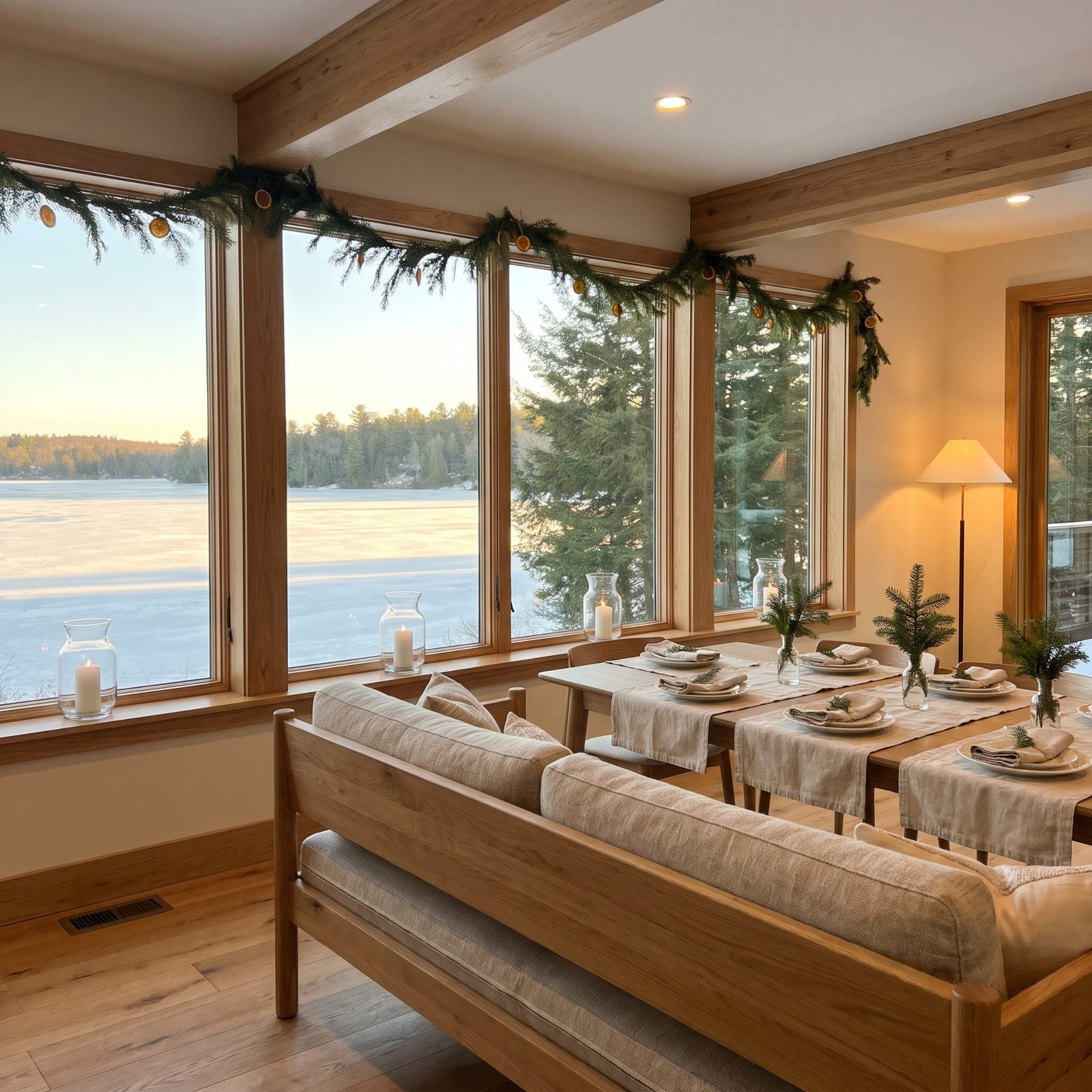
You rented a place on the water for the water. Then somebody hangs tinsel across the picture window and the whole reason you came disappears behind sparkle.
Keep the glass clear. A simple pine garland along the frame, a few candles on the sill, and the frozen lake and sunset over the far shore do the heavy lifting on their own. Nature already decorated out there.
The best decoration a lake house has is the window it’s standing in.
At night, lamps and candles reflected in the dark glass double your light and pull the outdoors into the room. Block the view and you lose both.
26. Label Stockings So Nobody Is Accidentally Left Out
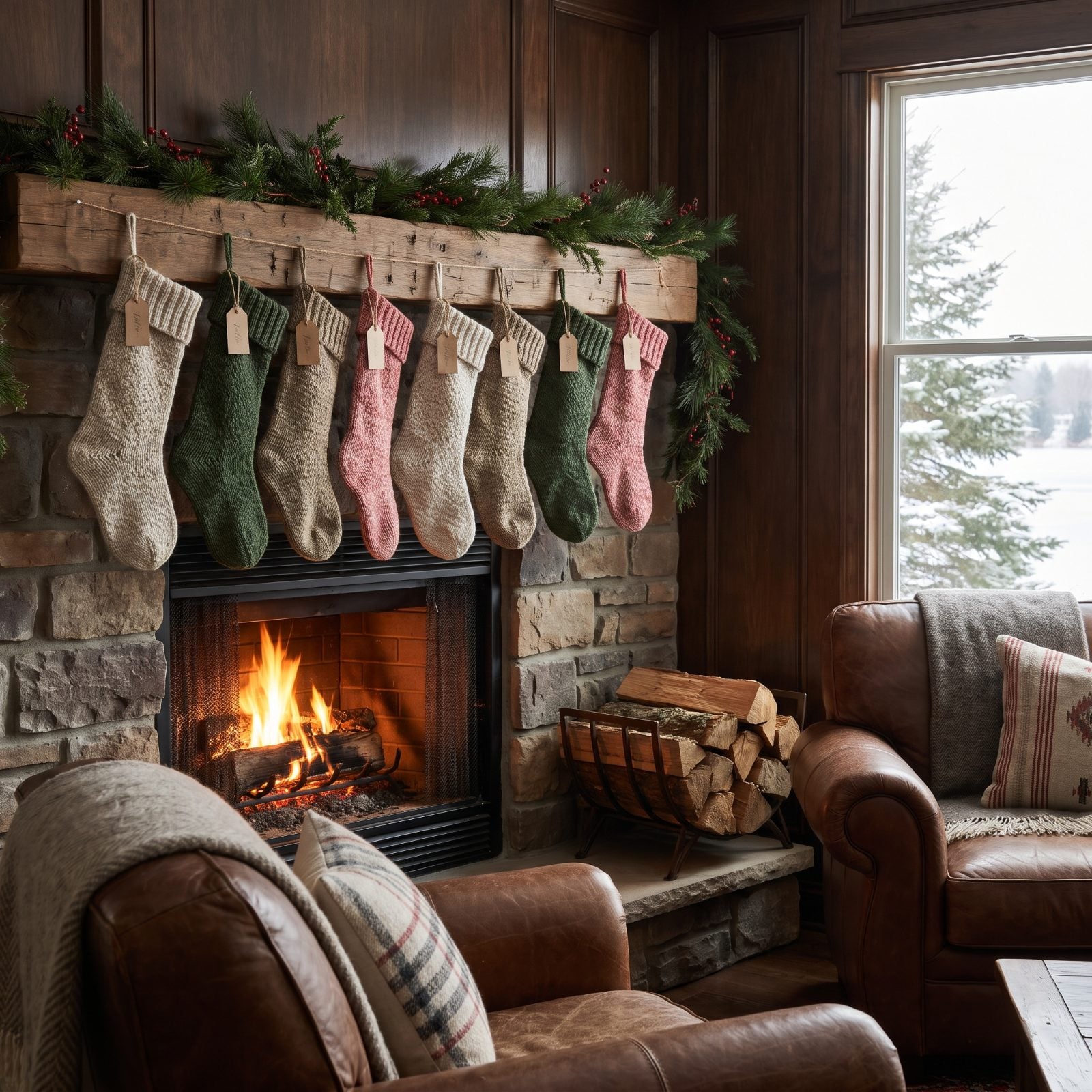
Multigenerational means somebody always gets missed. A new spouse, a grandchild born since last Christmas, the cousin who came last-minute. And a kid who finds every stocking full but their own? They’ll remember it for a decade.
Put a name tag on each one the day you arrive, and count heads twice while you’re at it. Keep a couple of blank stockings and a few filler gifts stashed for the surprise arrival or the friend someone brought along.
25. Ask About Allergies Before Grocery Shopping
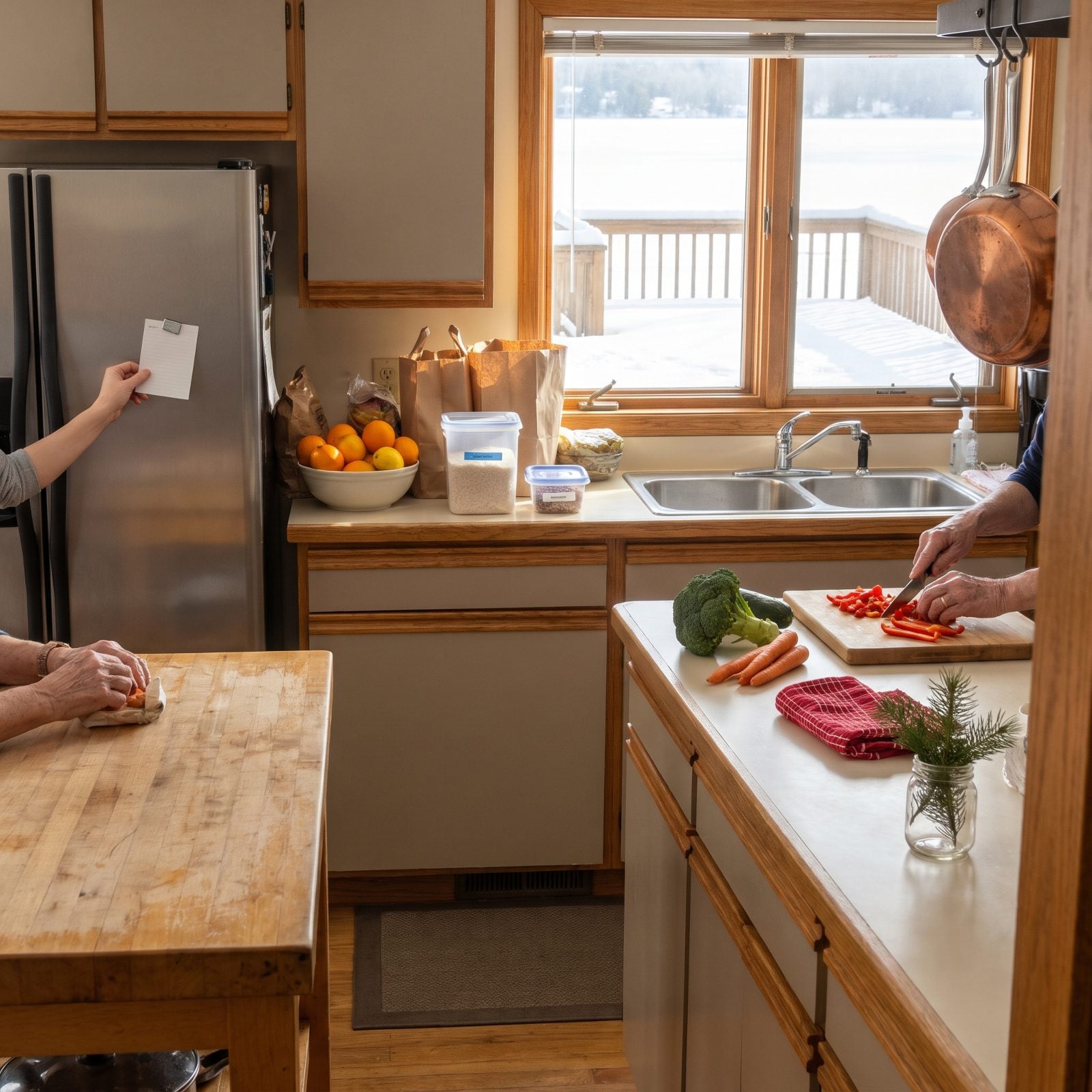
One group text before the big grocery run prevents a lot of grief. Allergies, celiac, a toddler who’s just gone dairy-free, grandpa’s low-sodium orders from his cardiologist: ask about all of it in advance.
A severe nut or shellfish allergy at a packed holiday table is the kind of thing you plan a whole menu around, not something you discover when someone’s reaching for an EpiPen. Out at a cabin, the nearest hospital might be forty minutes of snowy road away.
And honestly, the picky-eater kid is a lot easier to feed when you’ve asked ahead than when you’re improvising at eight at night with whatever the lone grocery in town had left.
24. Set Up Coffee and a Self-Serve Breakfast Before Bed
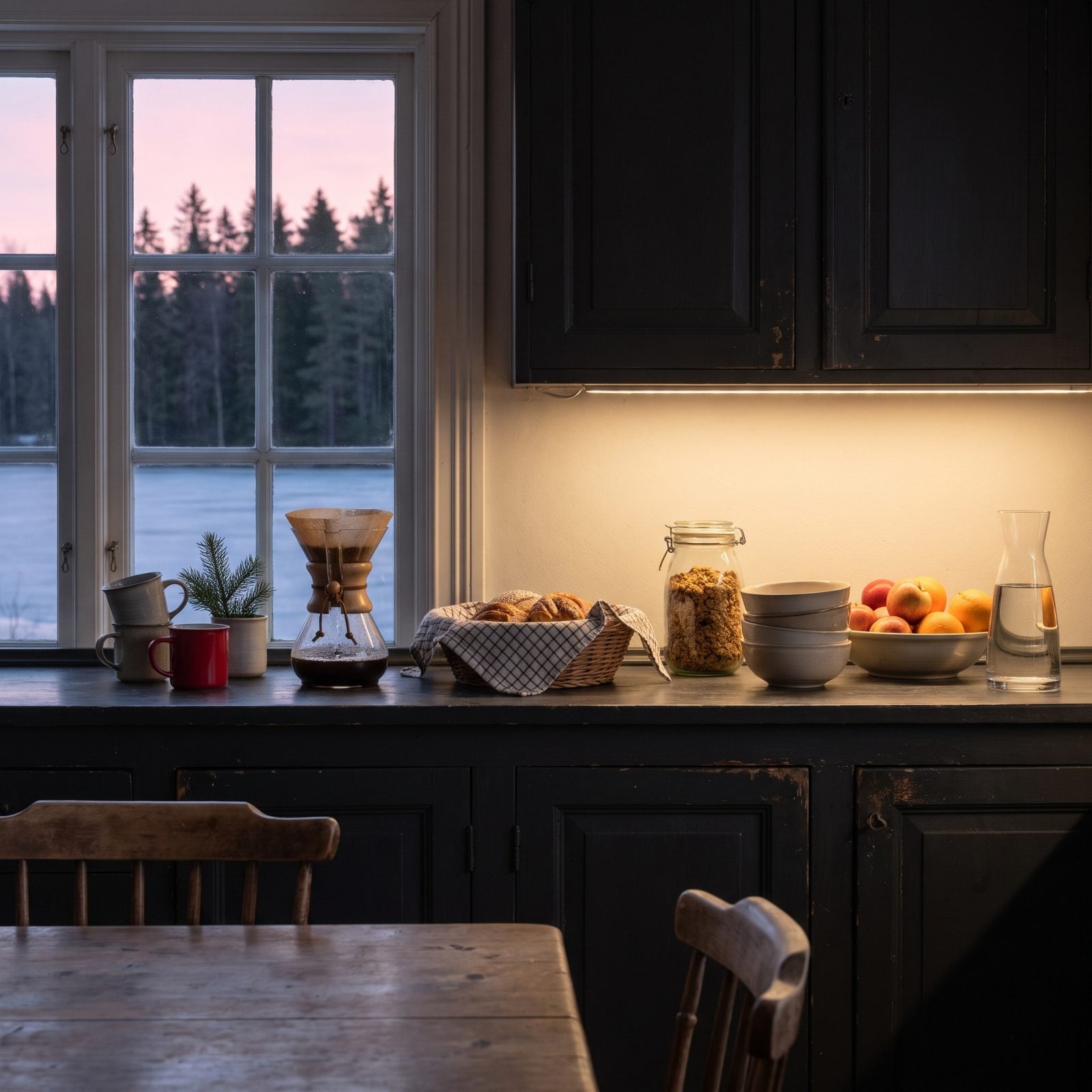
The first person awake in a full lake house should not have to puzzle out a strange coffee maker in the dark while everyone else sleeps. So set it up the night before.
Load the coffee, line up the mugs, leave out cereal and bowls, fruit, bread by the toaster. The early risers, usually the grandparents and the little kids, serve themselves and watch the sun come up over the ice without waking a soul.
It buys the cook a slow morning instead of a breakfast rush for a crowd. The big cooked breakfast can happen whenever the house finally gathers, somewhere around ten.
23. Put Out a Hot Arrival Snack, Not Just Sweets
People show up at a winter lake house cold, a little carsick from the last icy switchback, and quietly starving. Set out a cookie plate and half of it vanishes before dinner, which leaves you with three cranky kids and one adult rummaging in your fridge like a raccoon.
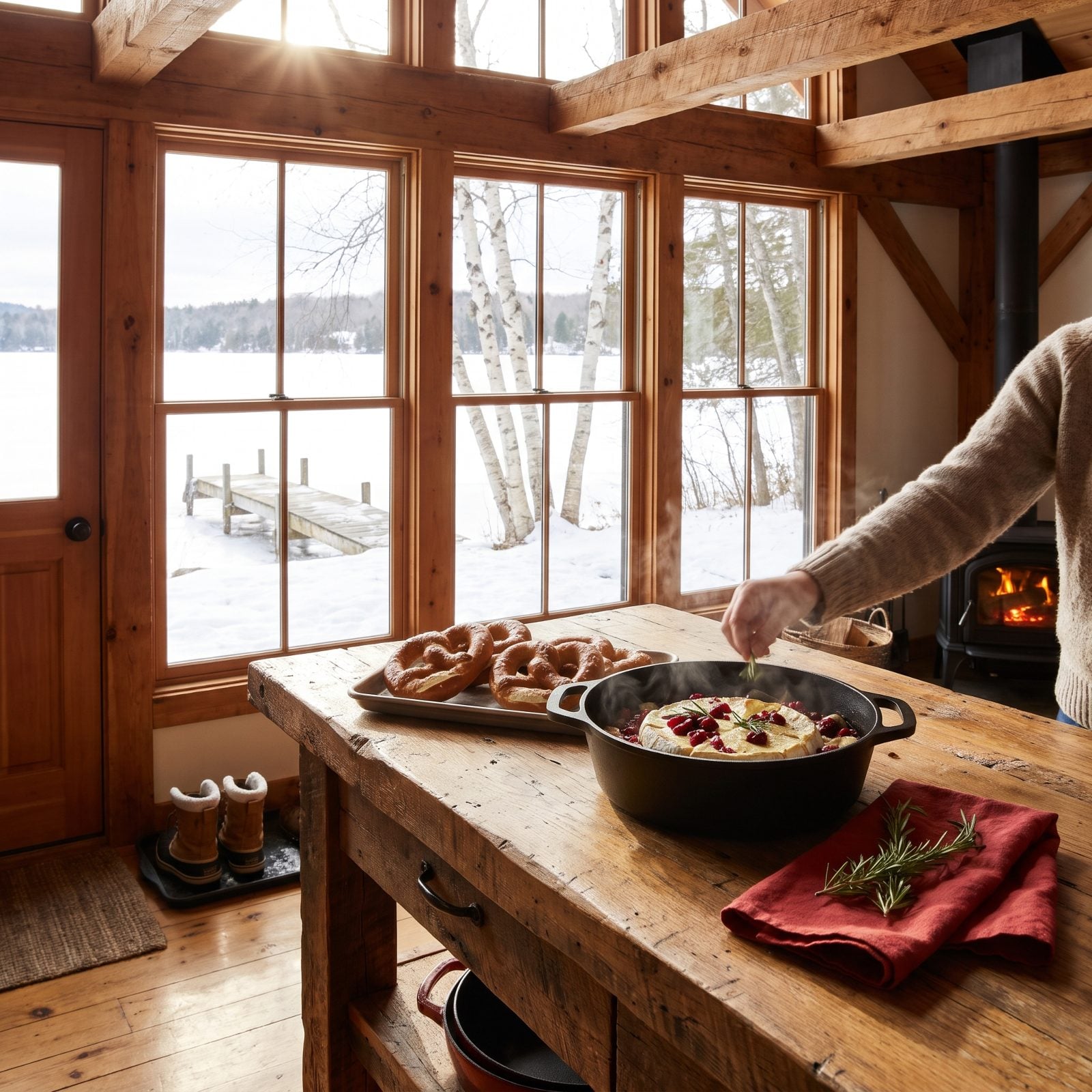
Give them something hot and savory the minute coats come off. Baked brie, a crock of chili, warm nuts, soft pretzels. It takes the edge off, buys you an hour to finish the real meal, and sends a quiet signal that you planned for them. Nobody asks for it. But everyone relaxes the second it’s there.
22. Treat Festive Nonalcoholic Drinks as Thoughtfully as Cocktails
The pregnant daughter-in-law, the uncle three years sober, the designated driver facing an icy mountain road, the kids. That’s a real slice of any family holiday, and handing them a sad can of club soda tells them exactly where they rank.
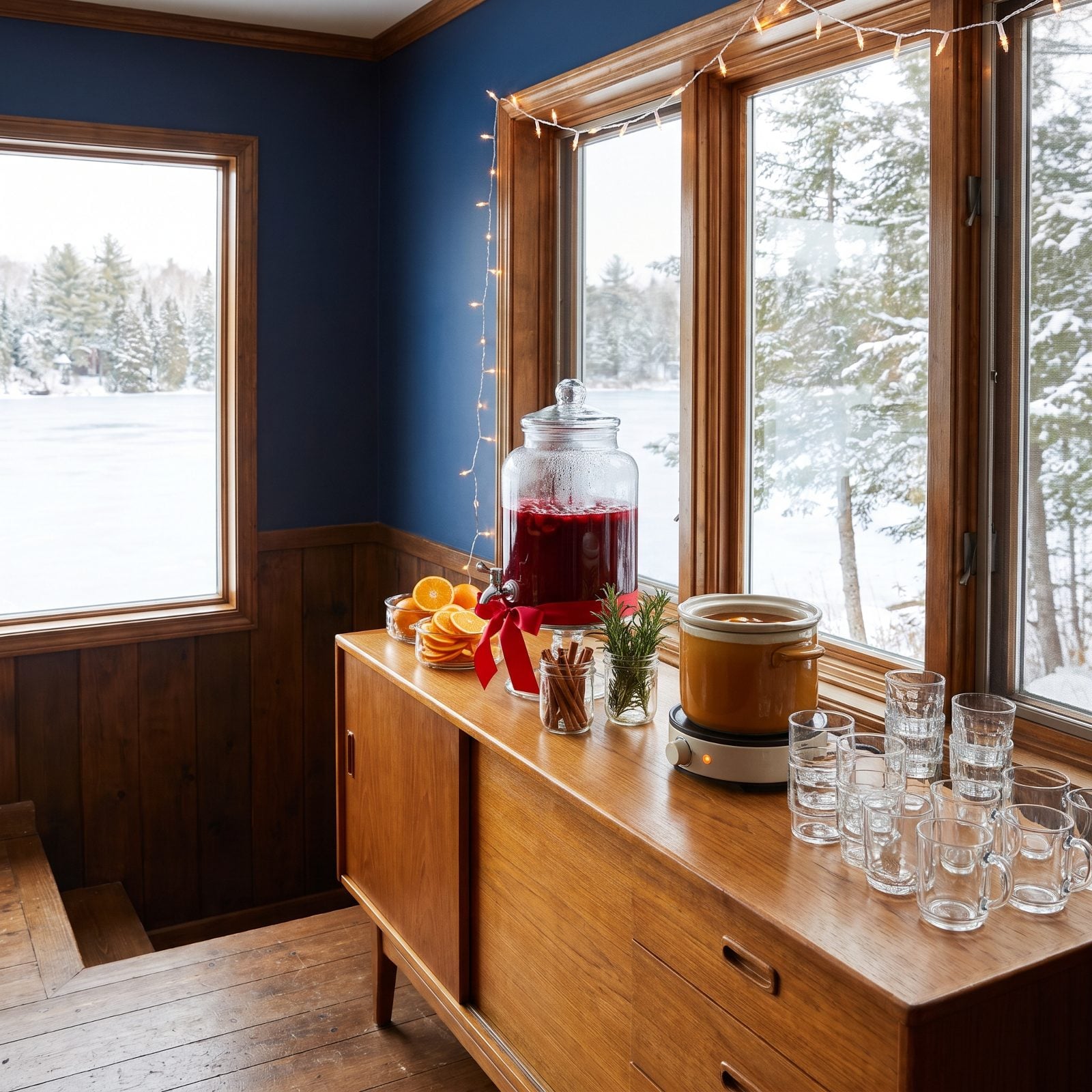
Make the nonalcoholic option feel like a choice, not a consolation. Mulled cider on a warmer. Cranberry punch in a real glass with an orange slice and a rosemary garnish, because why not. It costs almost nothing and quietly includes everyone who can’t or won’t drink. People notice. They always notice.
21. Label and Date Leftovers Before the Refrigerator Fills Up
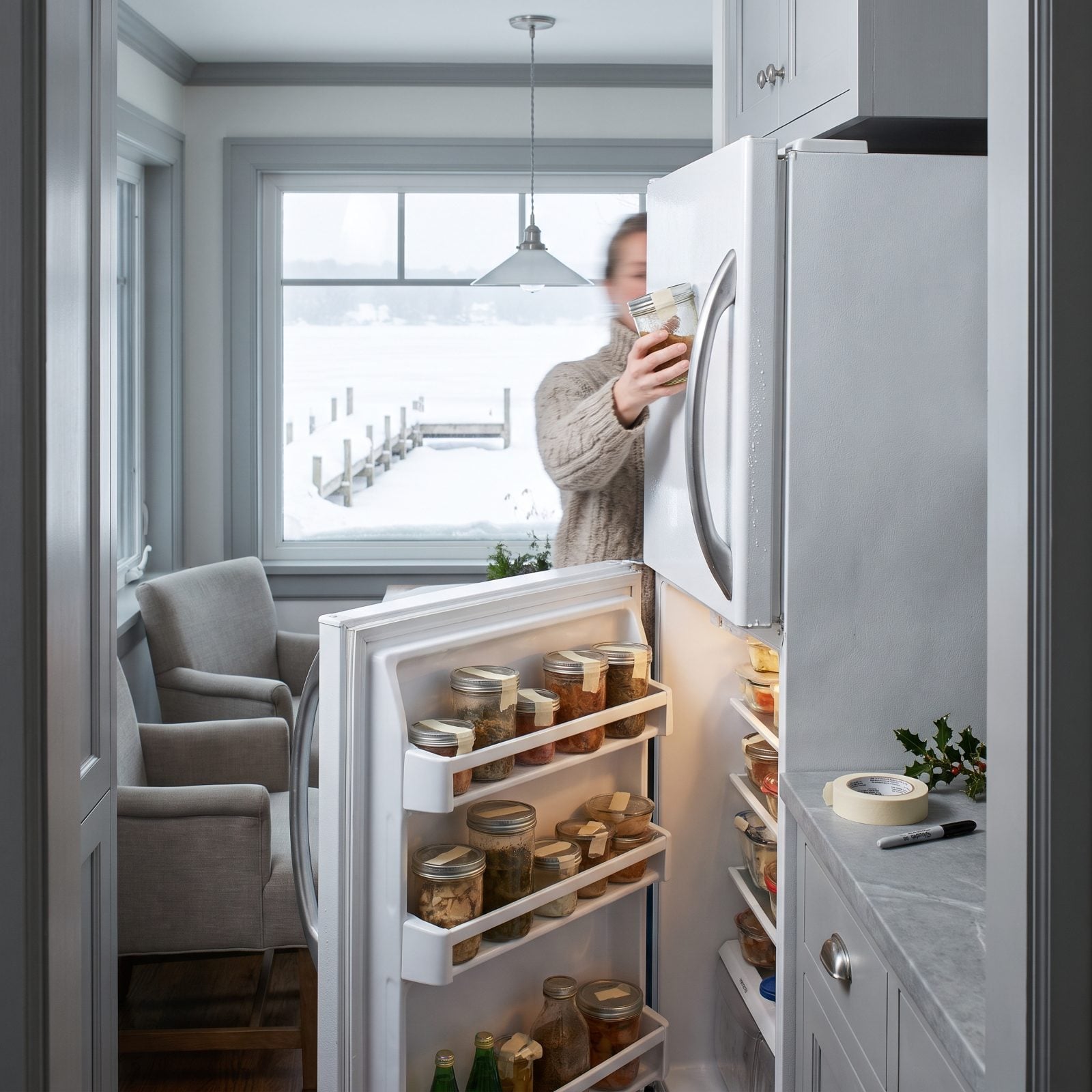
By the night of the 26th, the fridge becomes a graveyard of foil mounds nobody can identify. Somebody throws out the good turkey and keeps the mystery dish from three days ago. Happens every year.
Masking tape and a marker fix it. Date everything the moment it goes in, and you’ll know what to eat first, what to freeze, and what to toss without the sniff test. Small habit, huge payoff when a house full of people is grazing around the clock.
20. Rotate Dish Duty So Nobody Is Trapped at the Sink
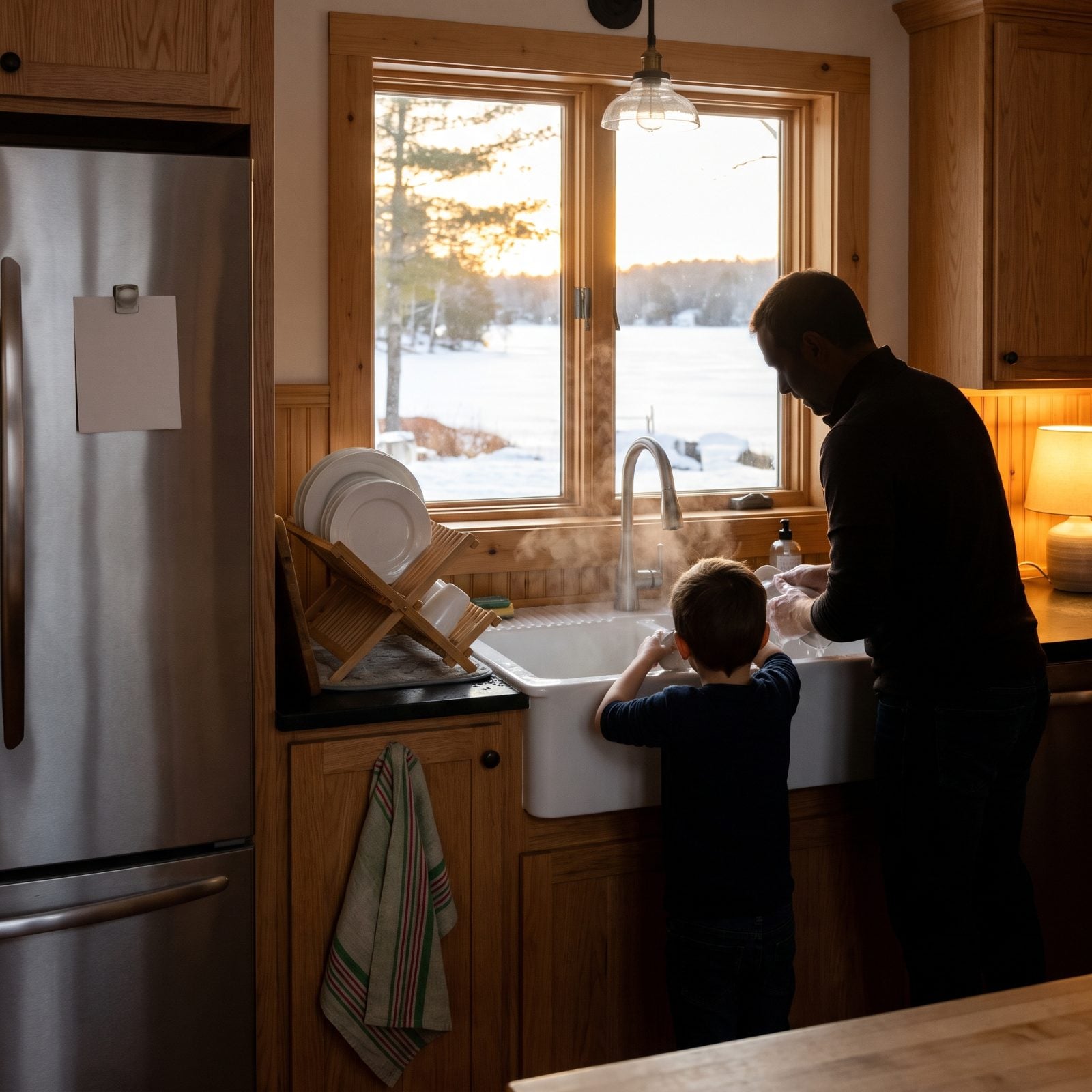
You know who ends up at the sink. The same person who can’t stand to see a mess, usually a woman, usually the host, while everyone else drifts to the couch and calls it a night.
Break the pattern before it sets. Write the cleanup teams on a scrap of paper: grandkids clear, uncles wash, somebody else dries and puts away. Rotate it each meal. Nobody argues with a list, and the host actually gets to sit down for once, which is, frankly, the point of being at a lake in the first place.
19. Protect One Slow Morning With No Planned Activity
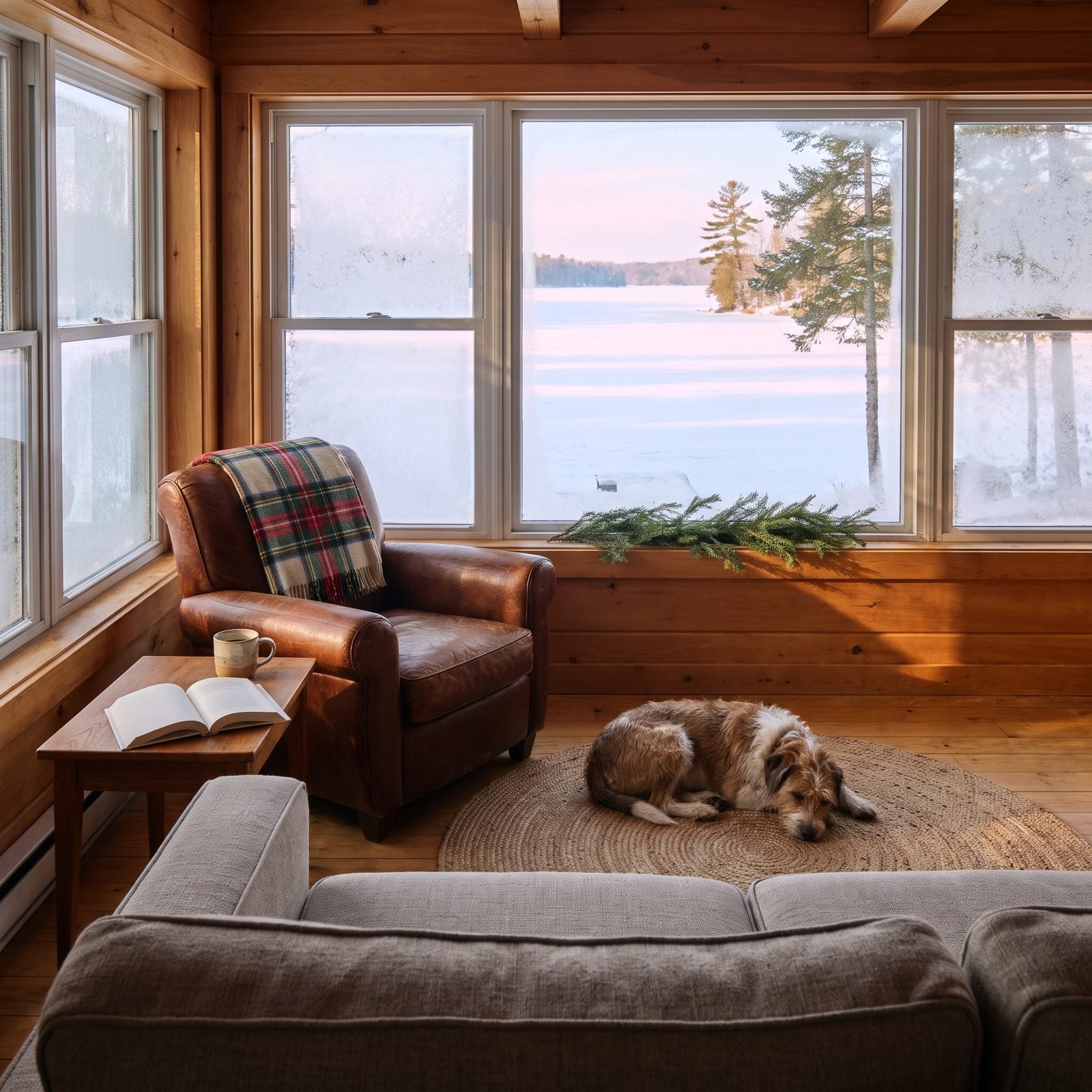
The overscheduled holiday is a trap, and lake houses tempt you into it because the views practically beg to be used.
Leave one morning completely empty. No outing, no craft, no group photo in matching pajamas. Just coffee, a fire, whoever wanders down in their socks, and the lake sitting there doing nothing in the best possible way.
This is the morning people remember. Not the organized sledding. The slow one, where an uncle finally tells the good story and nobody’s watching the clock.
18. Create a Craft and Puzzle Table for Children
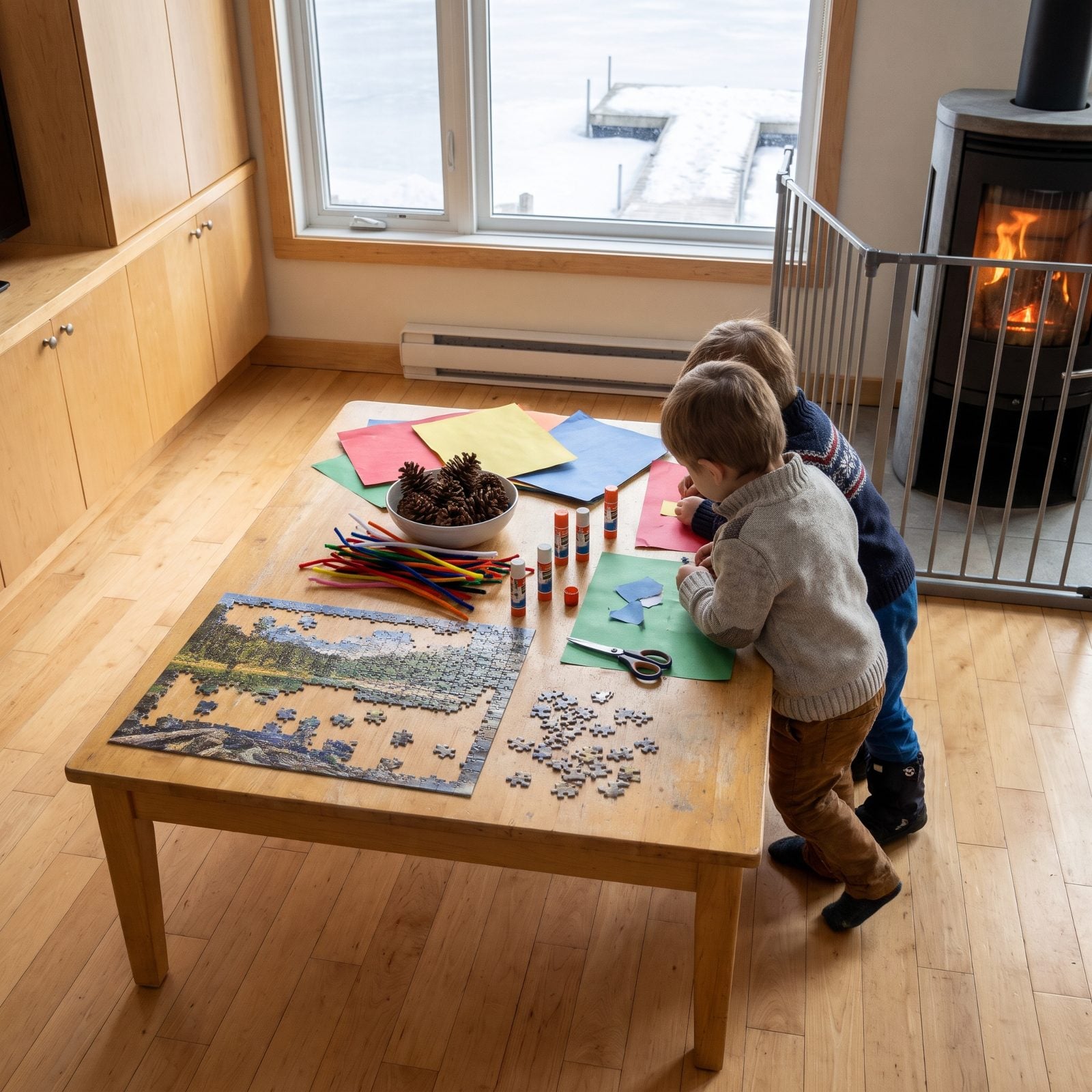
Children in an unfamiliar house with nothing to do will find something to do, and you will not like their choice. The steep stairs, the dock, the box of ornaments. Give their hands a job instead.
Set up a dedicated corner table. A thousand-piece puzzle that stays out all week, paper and safety scissors, pinecones and glue for making ornaments. It pulls kids in and, honestly, pulls in grandparents too. Half the time it’s an eighty-year-old and a seven-year-old hunched over the same puzzle, which is its own kind of tradition.
17. Give Teenagers One Room Where Adults Do Not Hover
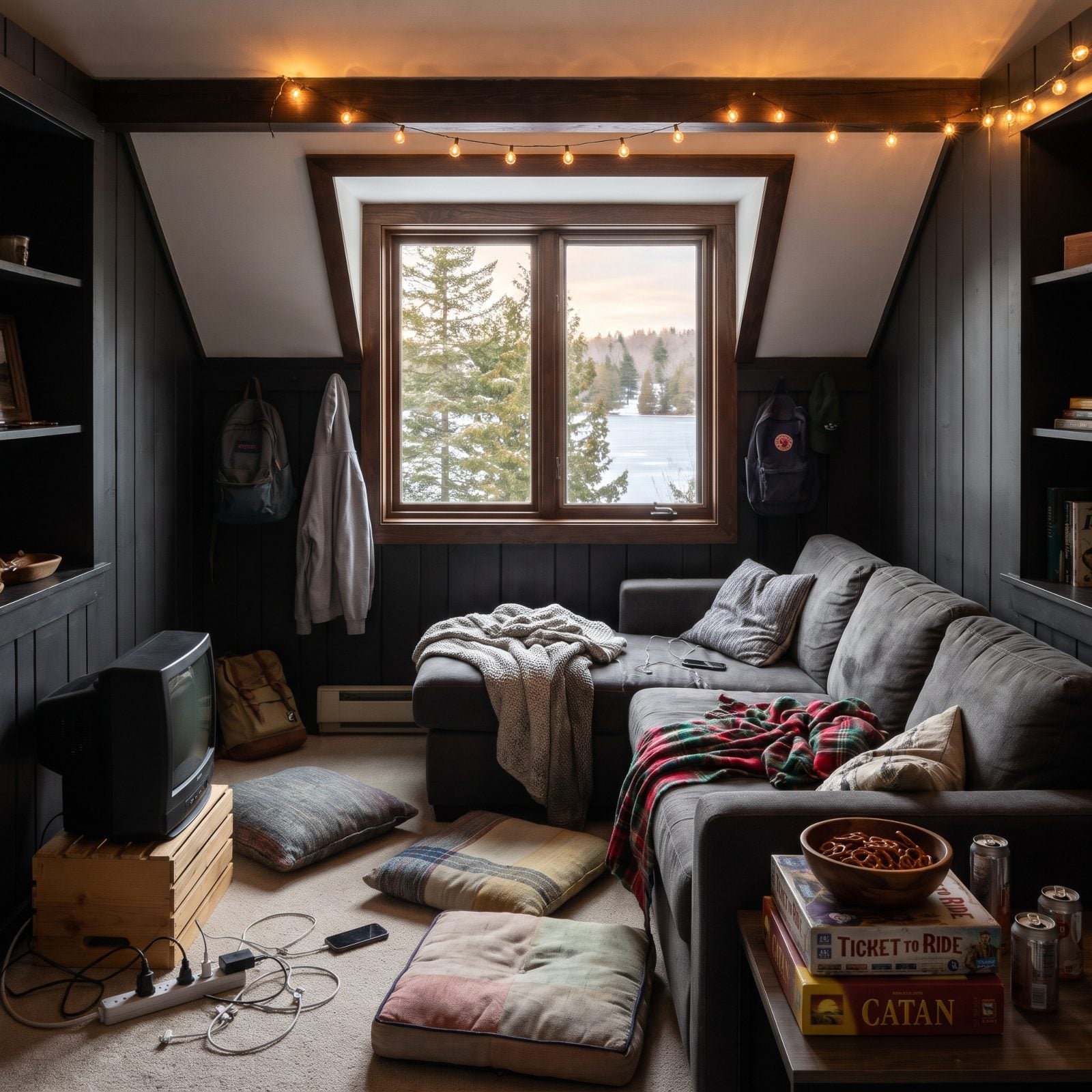
Teenagers at a family holiday are doing a hard thing. They’re half kid, half adult, and a week of being watched by relatives is a lot to ask of anyone.
So give them a room. The loft, the den, a corner with a sofa and good wifi, somewhere they can flop with a cousin, play cards, be weird and loud and un-observed. Let them disappear into it for stretches without a running commentary about screen time.
They’ll come back to the family table more willingly when they know they have somewhere to retreat to. A little space is how you keep them around. Smother them and they’ll vanish into a bedroom for three days, and you’ll wonder what went wrong.
16. Explain the Traditions Before the New Faces Walk In
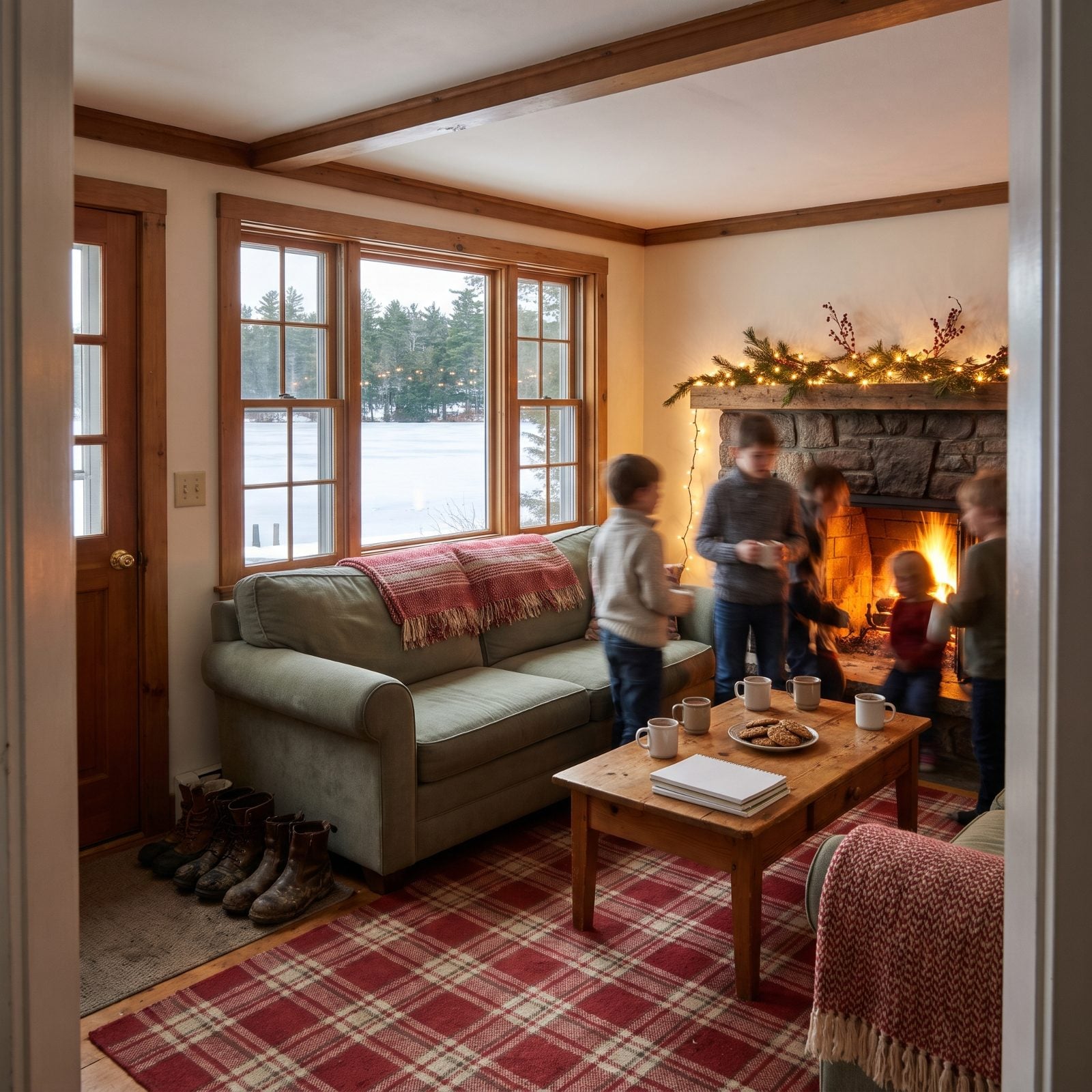
Every family has a tradition that makes zero sense to an outsider. The cousin who hides the pickle ornament, the rule that nobody opens a gift before the youngest kid finds the star, the toast that only lands if you already know who it’s for.
A first-time guest sitting through all that in silence isn’t shy — they’re lost. Pull them aside the night they arrive and walk them through the weird stuff before it happens. Two minutes of explanation turns a bystander into a participant.
15. Settle the Dog Rules Before Anyone’s Dog Arrives
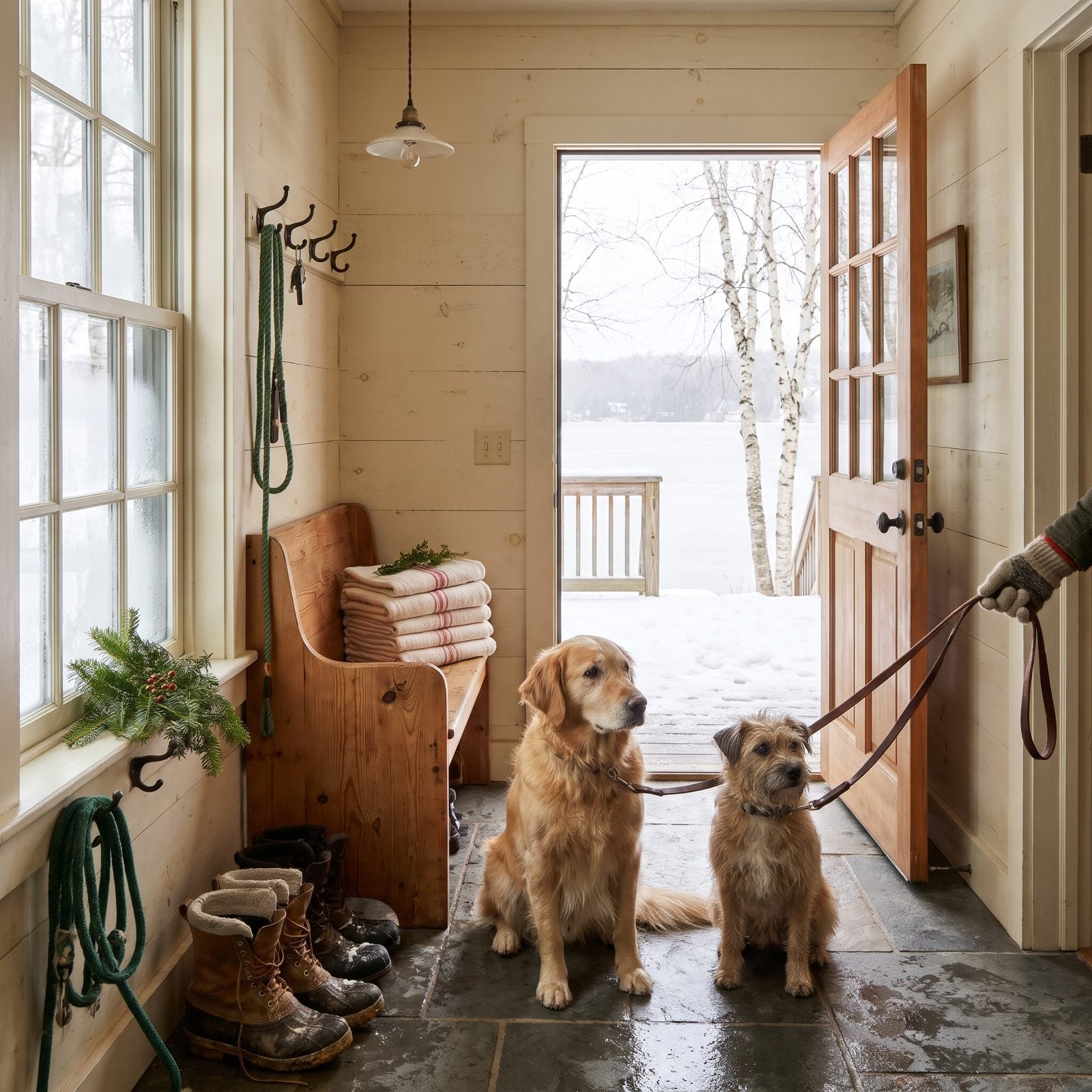
Three families, three dogs, one house, and nobody agreed on whether dogs get the couch. That’s how a holiday starts with a growl and ends with somebody sulking in a bedroom.
Sort it out over the phone a week ahead. Who’s allowed where, who feeds whom and when, which dog gets anxious around the baby and needs its own quiet corner. And decide whether the resident dog defends the house against visiting dogs, because plenty of them do, and the owner always swears theirs doesn’t.
Get the boring agreements done before the car doors open.
14. Keep Every Dog Leashed Near the Ice and Open Water
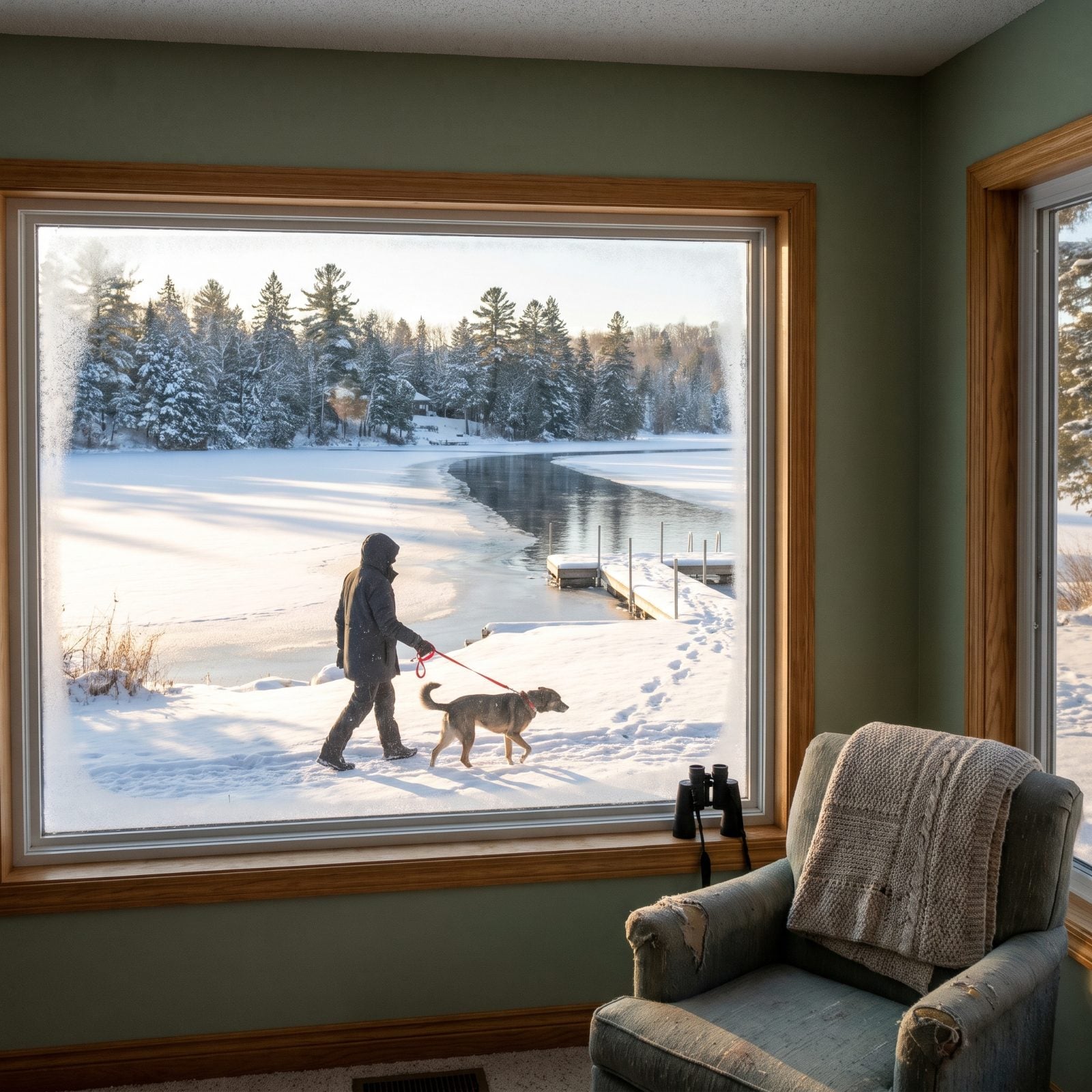
Ice that holds a dog on Tuesday can give out on Thursday. Thin spots form near inlets, docks, and any current you can’t see from shore, and a dog chasing a goose has zero interest in your read on the conditions.
Leash them anywhere near the waterline. All of them. The well-trained one too.
As an emergency veterinarian puts it, “Owners should always keep dogs on a leash near frozen water, and avoid throwing toys in that direction”
13. Close the Dock for Winter Unless It’s Truly Been Made Safe
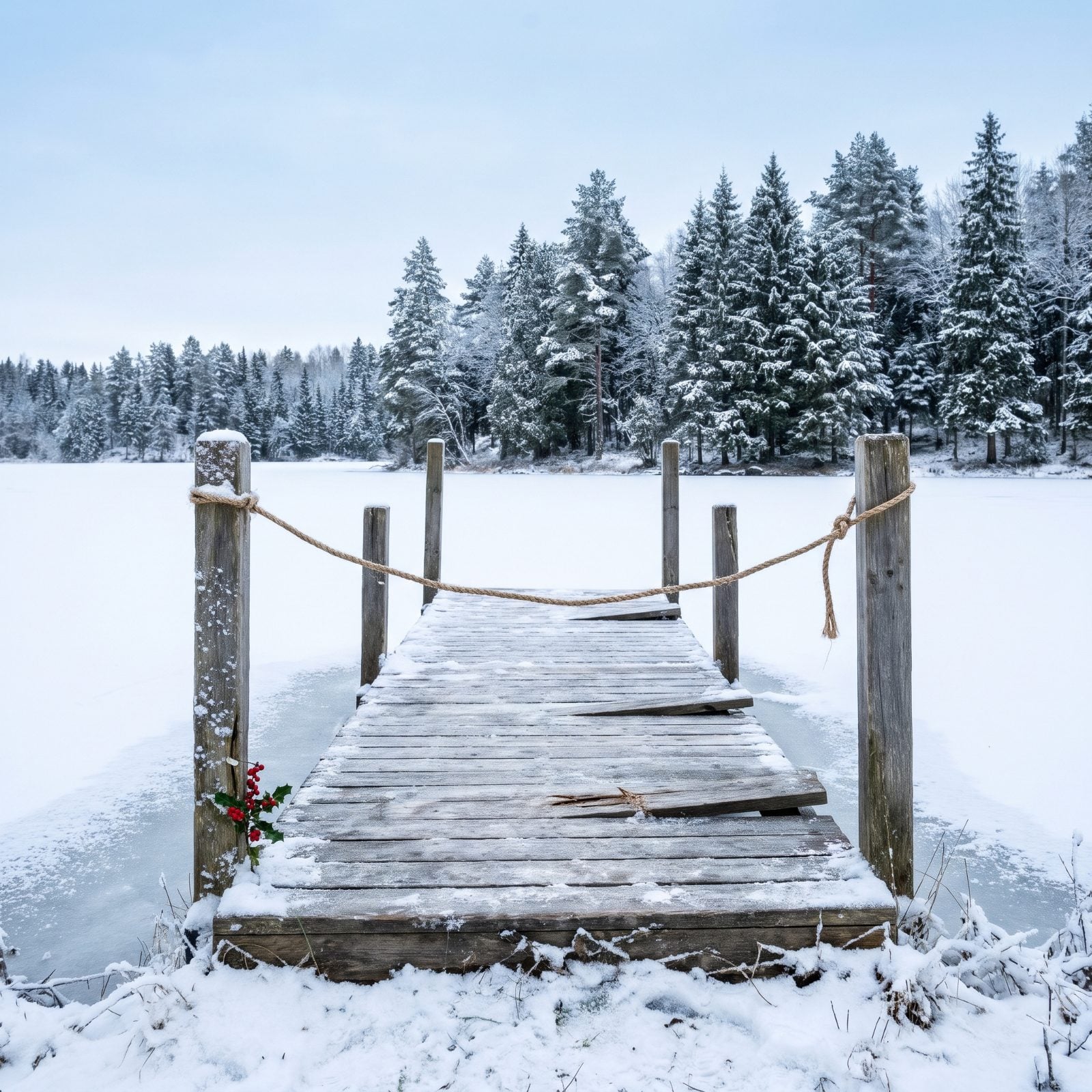
A summer dock in December is a slick ramp over black water. The boards ice over, the edge vanishes under snow, and the kids read the whole thing as a dare.
Unless you’ve cleared it, salted it, and checked the structure, close it. A rope across the entrance and a clear word to every guest beats any sign you could nail up. Everybody nods about the dock and then nobody watches it, which is exactly when a seven-year-old wanders out to look at the ice.
Make it off-limits out loud. Say it twice.
12. Flag the Sledding Lane Away From Trees and the Shoreline
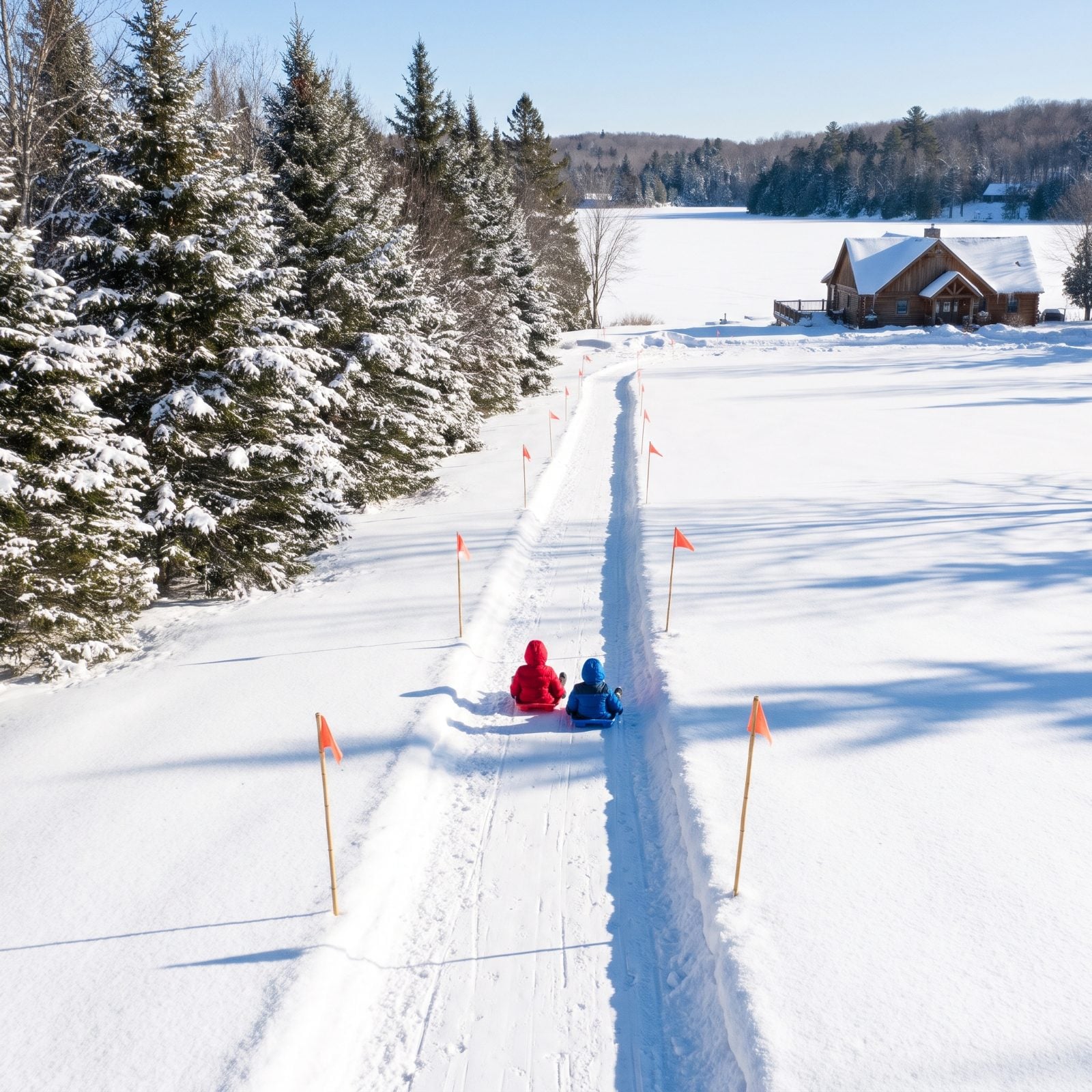
Kids pick the fastest hill, never the safest one, and the fastest hill at a lake house usually dead-ends at a tree, a dock piling, or the ice.
Walk the slope before anyone grabs a sled. Pick a lane with some breathing room from the tree line (shift it toward open ground if the edge flags end up brushing the branches), and if it points toward the frozen lake, make sure there’s a long stretch of flat runout before the shoreline. Then push a row of flagged stakes into the snow along both sides so the boundary is obvious at speed.
11. Build an Indoor Backup for Every Outdoor Plan
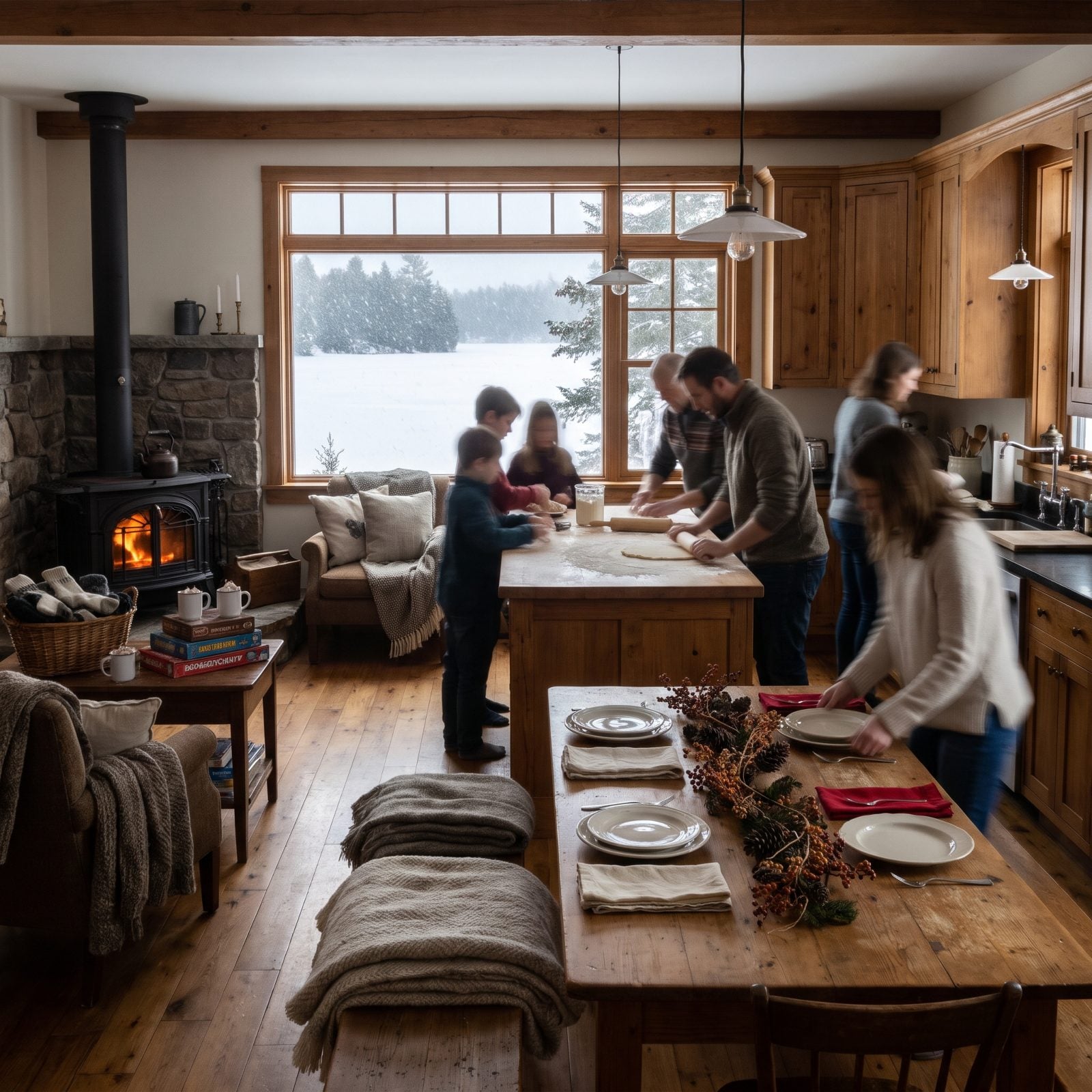
The forecast lies, and so does the thermometer. You plan the big skate on the lake, a front rolls in, and now you’ve got eleven people and a day with a hole in it.
So for every outdoor thing on the schedule, have the inside version ready. The skate becomes a baking afternoon. The bonfire becomes wool socks and a warm seat by the woodstove. Cocoa, a puzzle, a stack of movies nobody’s agreed on yet. It’s not a downgrade if you planned it on purpose.
The families who wing it are the ones staring at each other by two o’clock.
10. Stage a Winter Emergency Kit Right by the Main Door
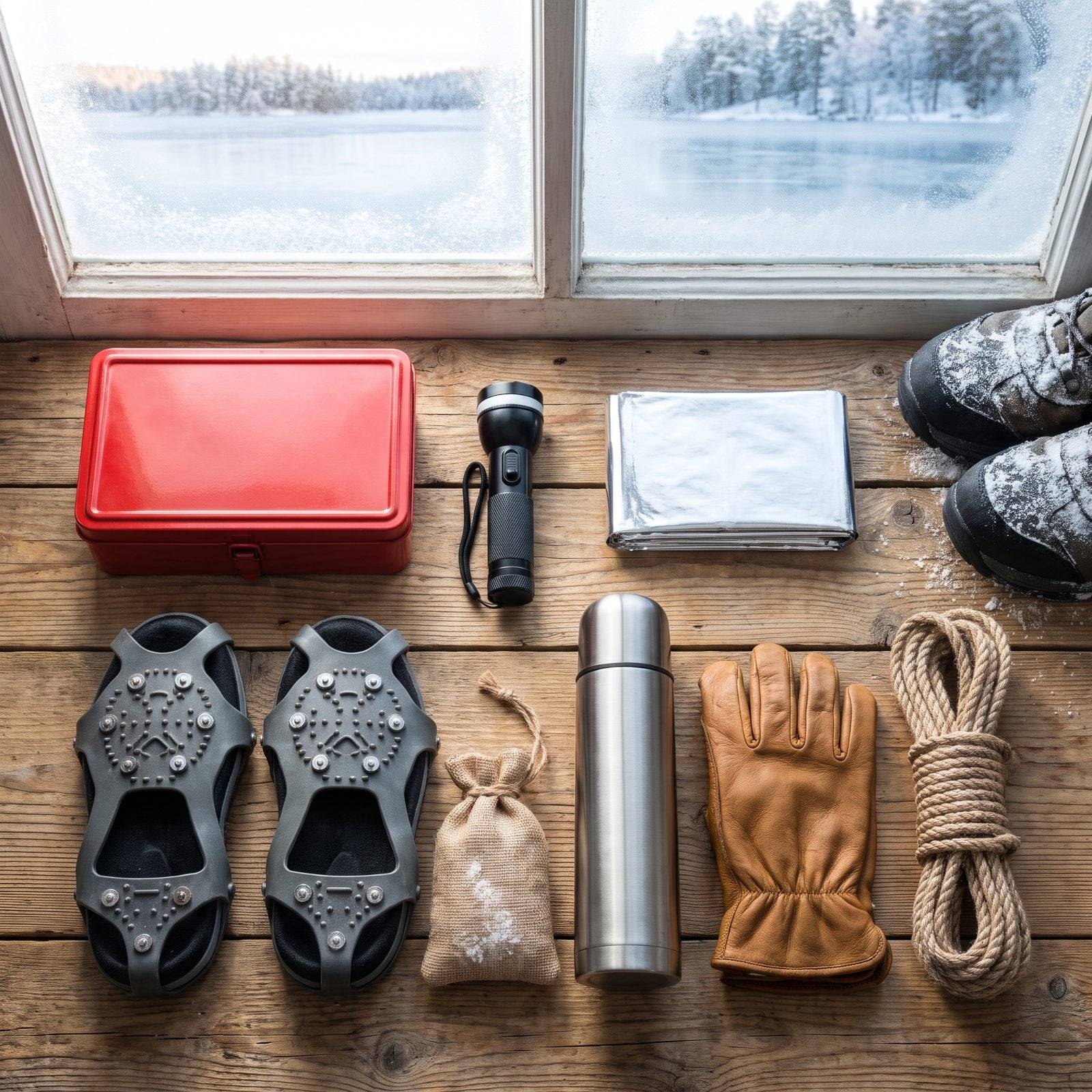
A kit buried in the hall closet behind the extra chairs does you no good. It needs to live by the door you actually use, where anyone can grab it in the dark without a search party.
Winter version, not the summer one. First aid, a wind-up flashlight, foil blankets, boot cleats, salt or sand, gloves, a thermos. Rope, too. The stuff a lake house in the cold actually calls for.
9. Put a Flashlight in Every Bedroom Before the Lights Go Out
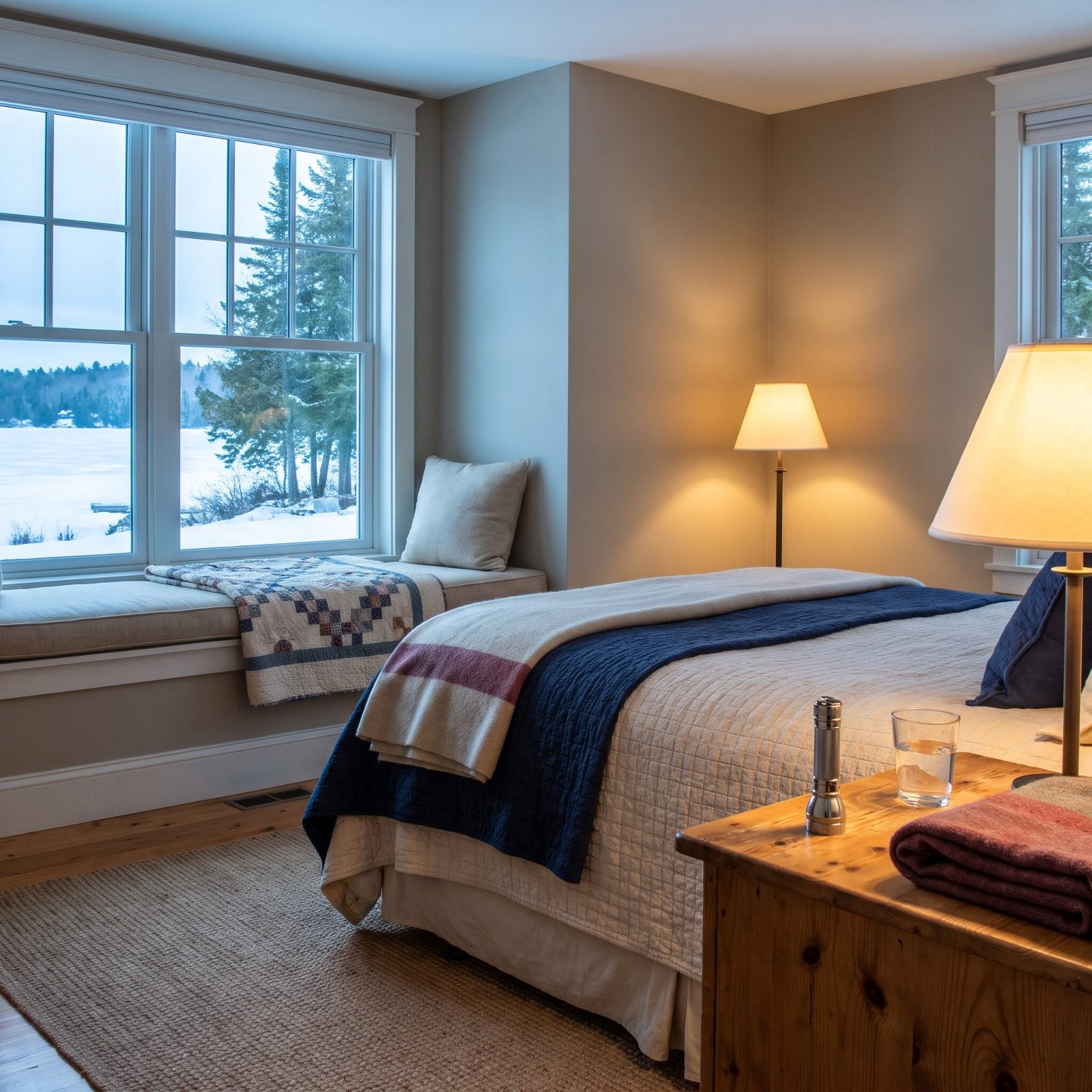
Winter storms drop the power, and a lake house full of guests who don’t know the layout turns into a lot of people feeling for a wall in the pitch dark. One flashlight per bedroom, on the nightstand, checked before anyone unpacks. Grandparents navigating unfamiliar stairs to a strange bathroom at 3 a.m. shouldn’t have to call out for help.
It’s a small thing you’ll feel smug about exactly once — in the dark, when it matters.
8. Run the Generator Outside and Far From Every Window
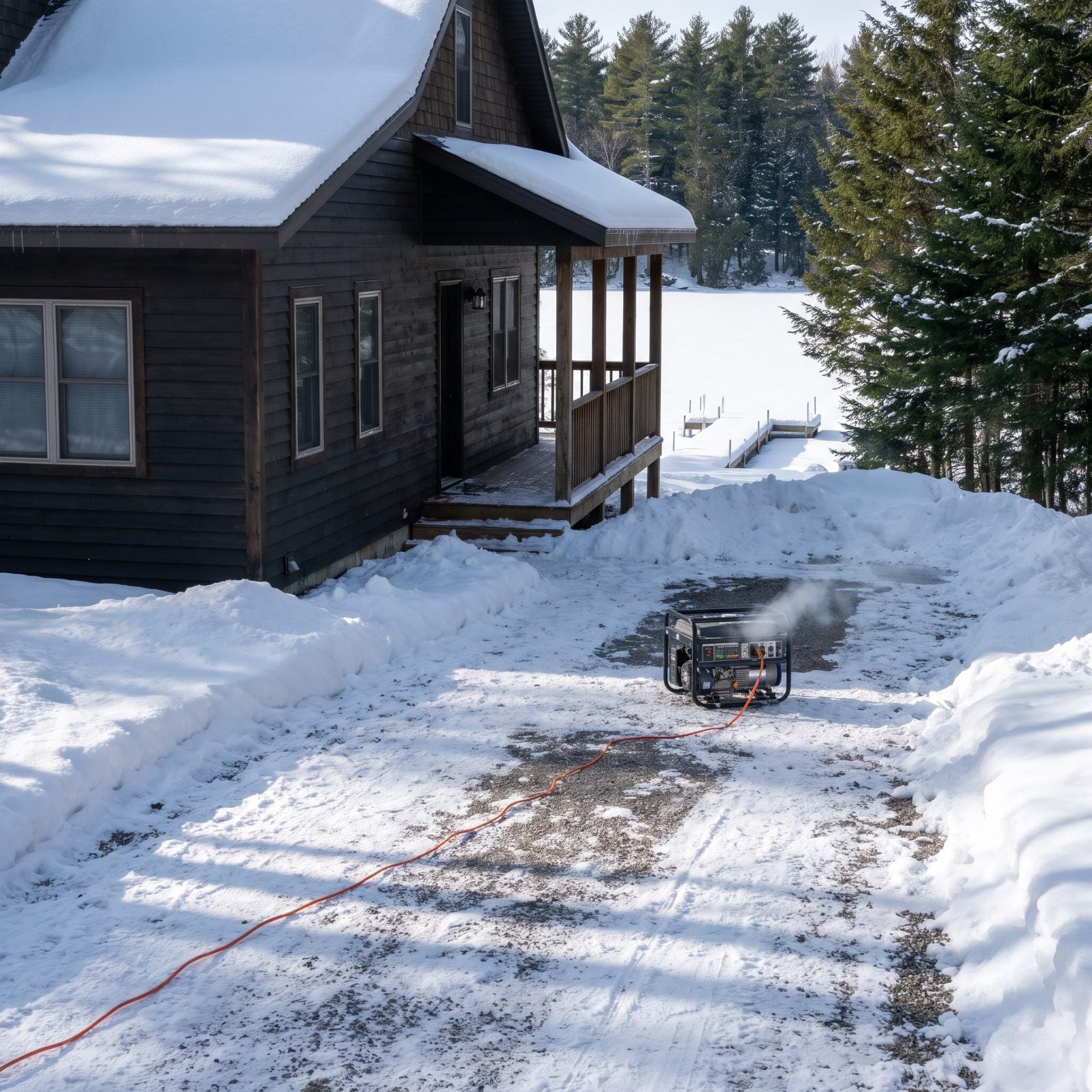
A generator feels like salvation during an outage, which is exactly why people make the deadly mistake with it. They run it in the garage. Or the basement. Or just outside a window with the exhaust drifting right back in.
Carbon monoxide has no smell and no warning. It kills quietly, often while people sleep.
Run it outdoors only, well away from the house, with the exhaust pointed clear of every window, door, and vent. Keep a CO alarm with fresh batteries inside. There’s no shortcut here, and no second chance.
7. Post the Nearest Urgent Care and Local Emergency Numbers
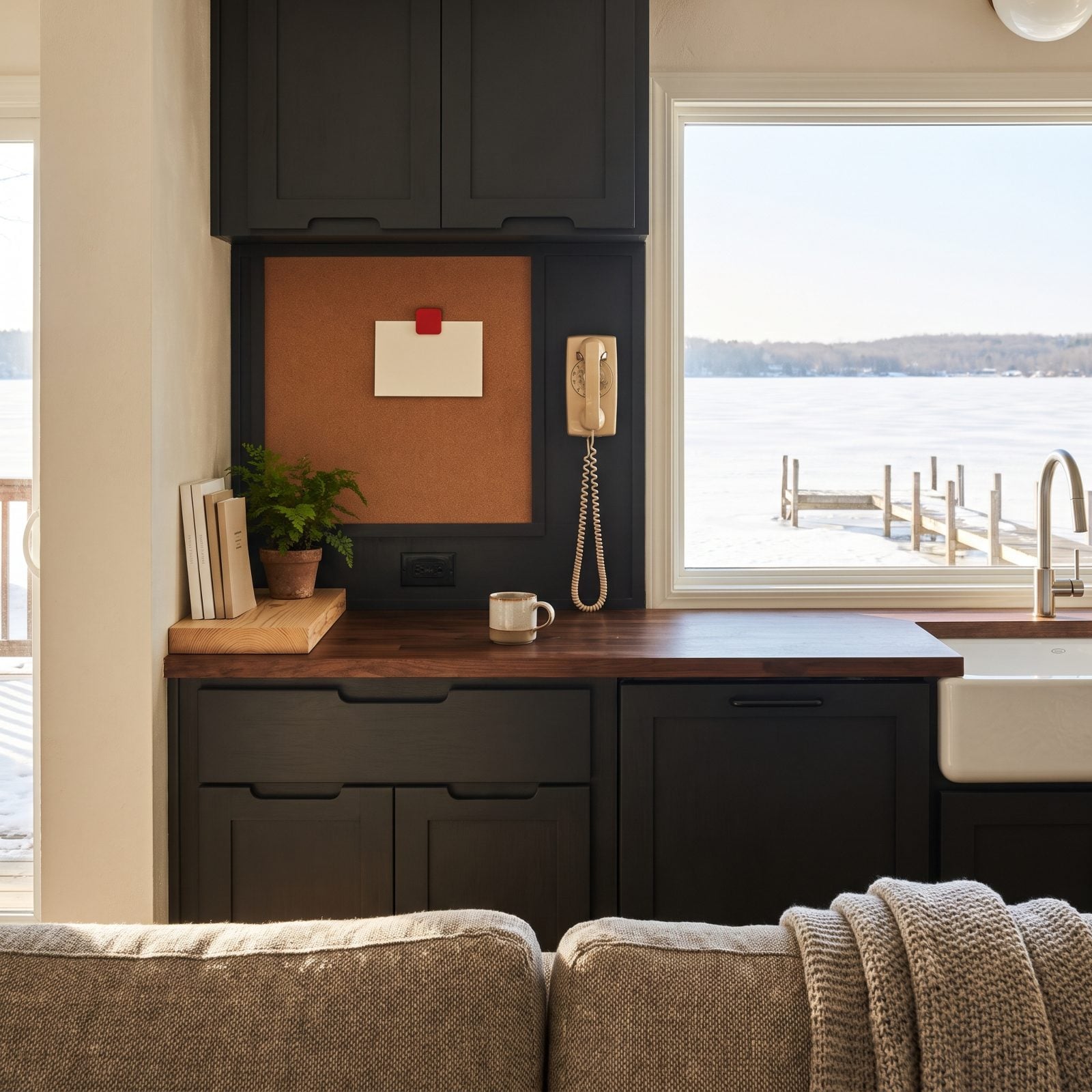
In a panic, nobody remembers that the nearest hospital sits forty minutes the wrong way around the lake. And a guest won’t know the address to give the dispatcher.
Write it all down and stick it where people look. Property address. Nearest urgent care and its hours, because rural clinics close early and on holidays. The cross street. A neighbor who’s home year-round.
6. Aim Your Outdoor Lights Down, Not Across the Lake
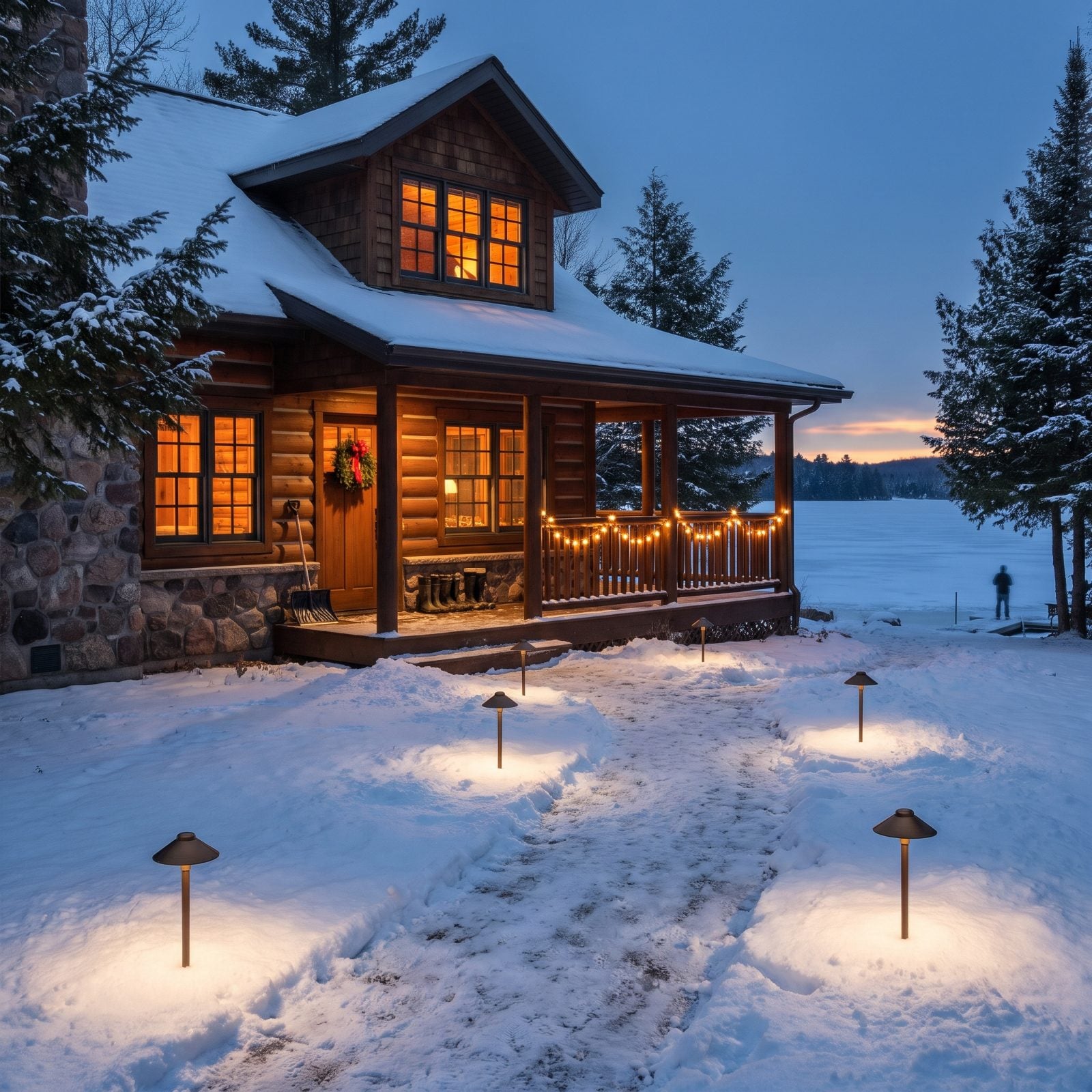
A floodlight that looks modest from your deck is a lighthouse from the far shore. Flat open water and bright snow give light nothing to hide behind, so whatever you point outward lands in a neighbor’s bedroom window half a mile away.
Aim fixtures at the ground you actually need to see: the steps, the path, the spot by the car. Shielded or hooded fixtures, warm bulbs, and a timer or motion sensor handle the job without lighting up the whole cove all night. Some lake communities have outdoor lighting rules, so check before you bolt anything new to the eaves.
You also get something back. Kill the glare and step outside after dinner, and the stars over a frozen lake are better than any string of lights you could hang.
5. Accept the Help Instead of Playing Holiday Martyr
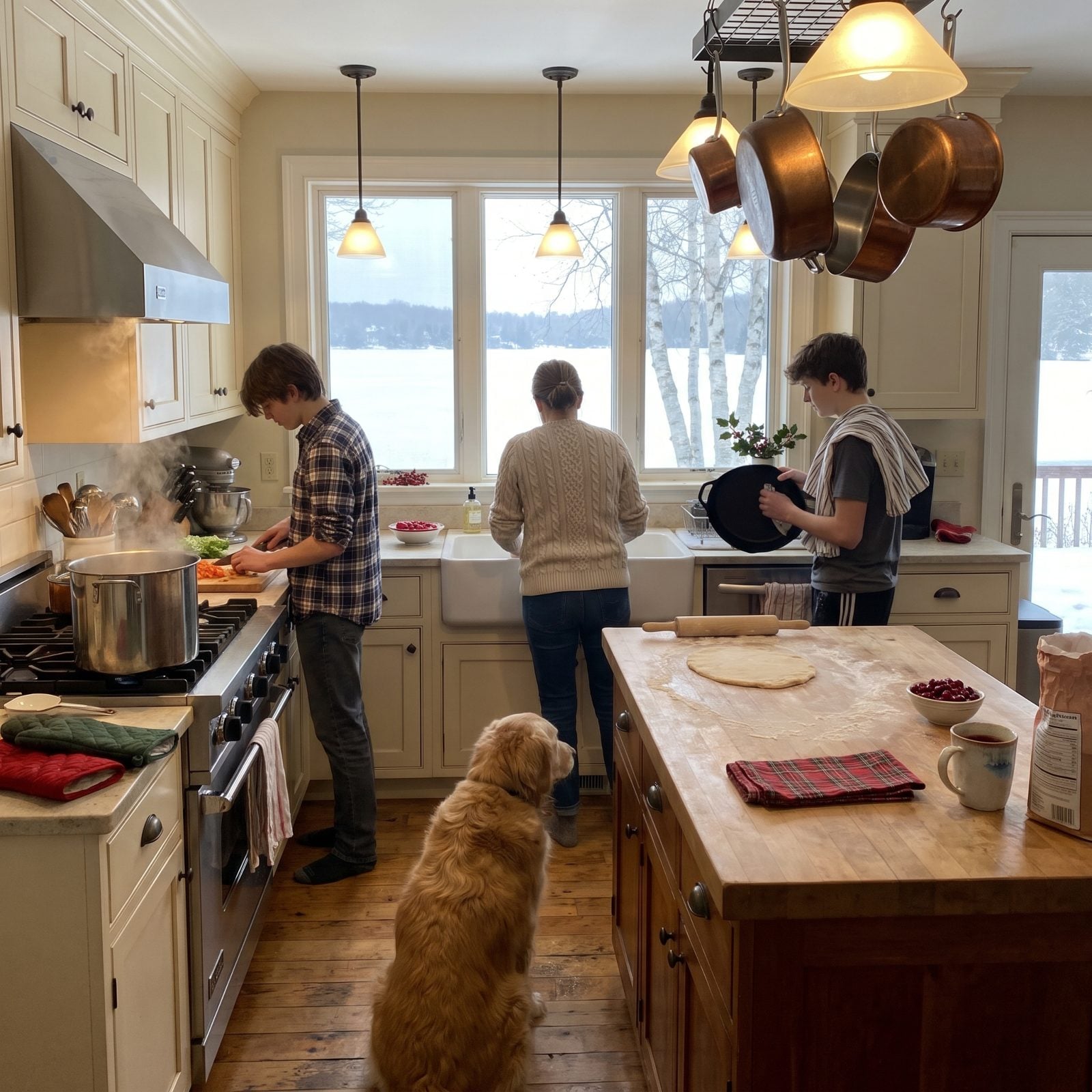
Somebody always tries to run the whole show alone. You know the type. Up at six with the apron on, waving everyone out of the kitchen, then quietly simmering with resentment by the time the turkey comes out. Don’t be that person. And don’t let that person be your mother-in-law either.
The gracious move is handing out jobs before anyone even asks, because people genuinely want to feel useful at a lake house. Peeling potatoes, hauling firewood, running the dishwasher. A task is a gift, not an imposition.
4. Never Pack In More Overnight Guests Than the Beds and Septic Can Take
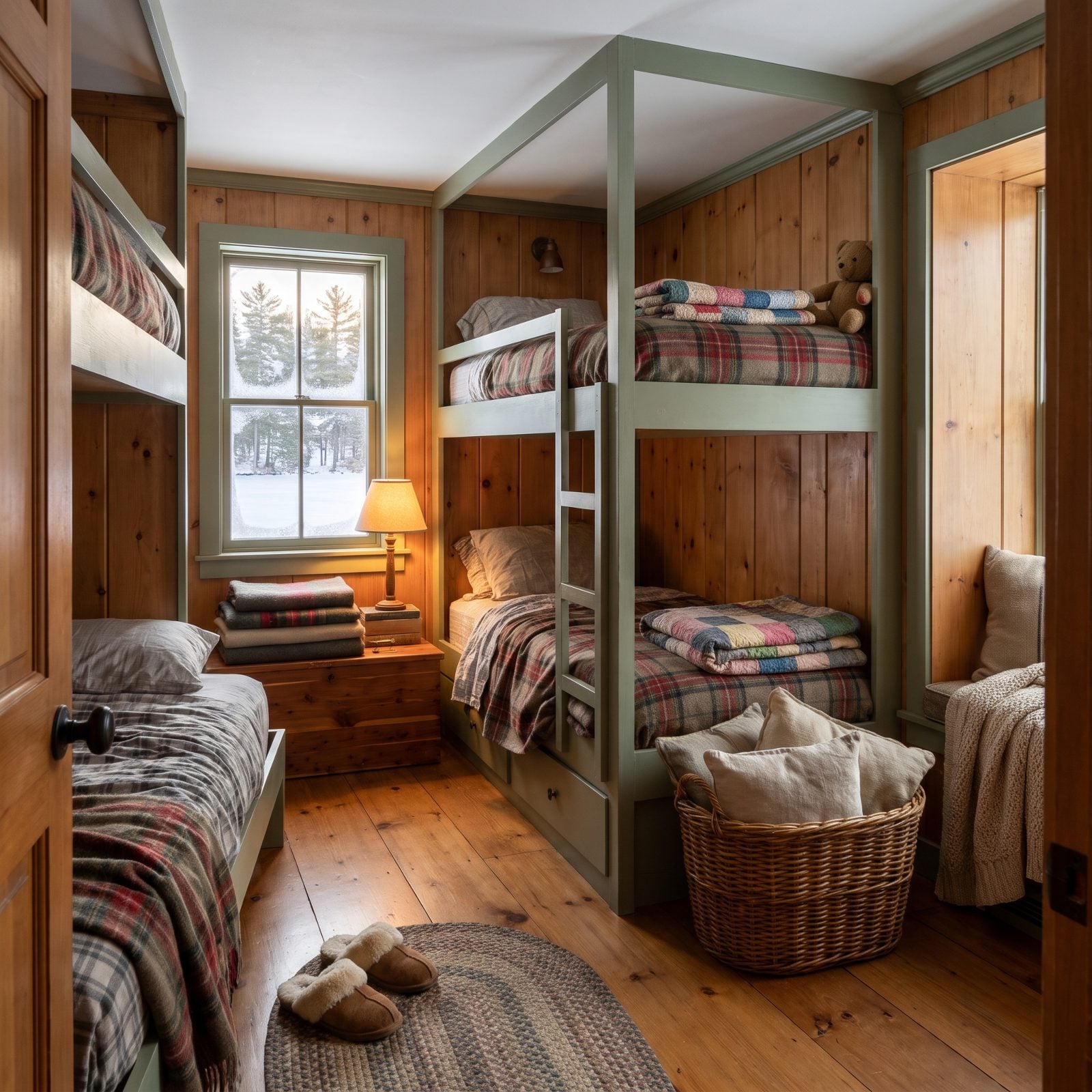
A lake cabin’s real limit isn’t the floor space. It’s the septic tank.
Ten extra people means a flood of extra flushes, showers and dish water, all of it heading into a system sized for a family of four back in July. Winter only makes it worse, since frozen drain fields don’t absorb and a backed-up septic on Christmas morning is the opposite of merry. Count beds honestly. A couch is not a bed, and an air mattress on a cold floor by the slider is just a complaint waiting to happen.
3. Assign the Final-Morning Cleanup Crew Before the First Toast
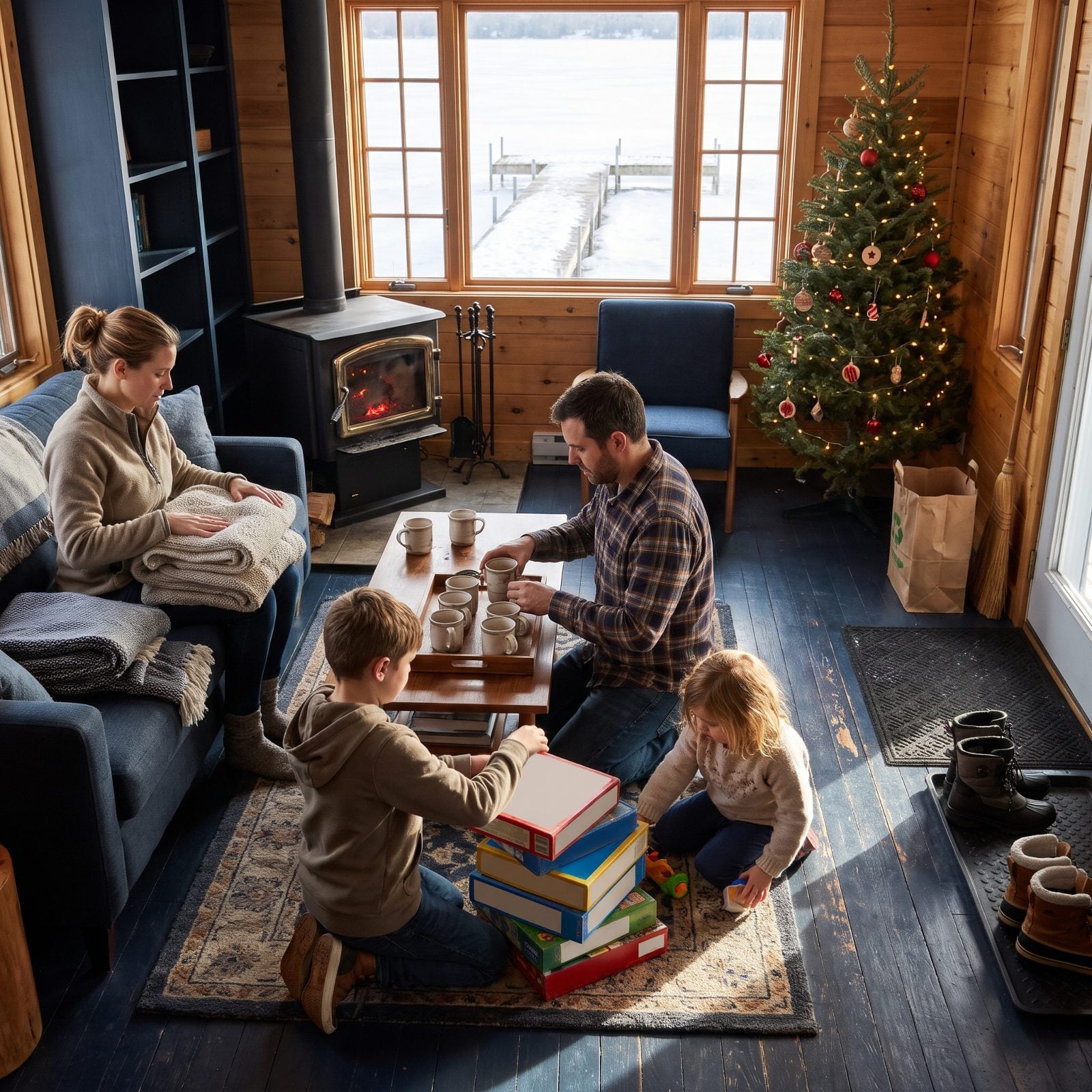
The last morning is where goodwill goes to die. Everyone wants to leave, and nobody wants to strip the beds, bag the recycling, or scrub the roasting pan that’s been welded shut since yesterday afternoon.
So settle it early, when spirits are high and the wine is flowing. Who takes the kitchen, who handles linens, who does the final sweep for phone chargers lost under the couch cushions. Scribble it on a scrap of paper and tape it to the fridge. It holds up better than good intentions ever will.
Skip this and you’ll end up doing all of it yourself while waving cars down the icy driveway. I’ve waved. It’s lonely work.
2. Lock Down the Garbage Against Raccoons, Bears, and a Gusting Lake Wind
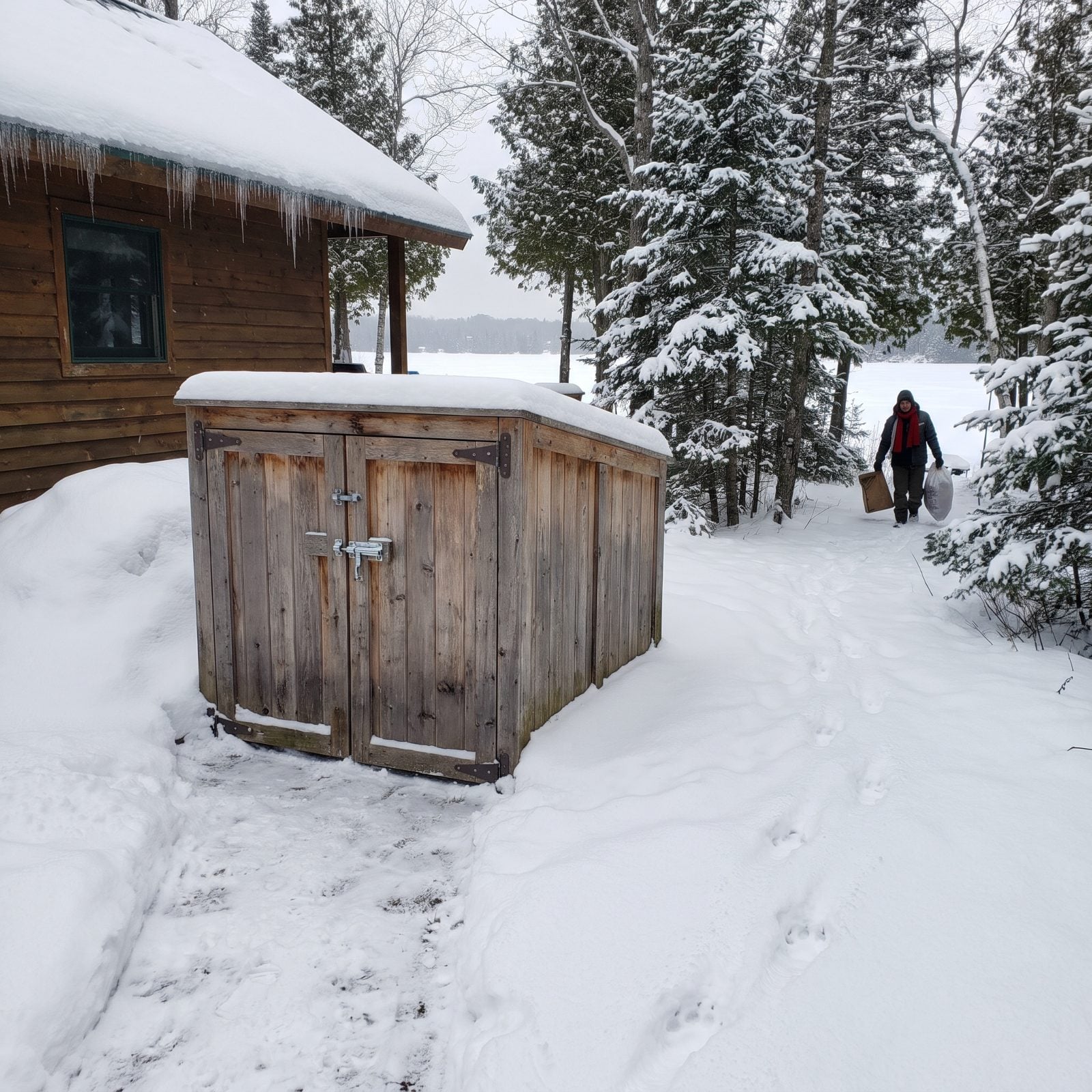
Leave a bag of ham scraps by the back door overnight and you’ll meet the neighbors. The ones with claws.
Raccoons are patient, bears are strong, and a December gust off open water will scatter your trash across the shoreline before you’ve finished your coffee. Secure bins matter more in winter, not less, because garbage sits longer between pickups and the smell of a holiday feast carries a long way across still, cold air.
As a state wildlife biologist puts it, “Leaving trash cans unsecured or accessible gives bears the opportunity to rummage through garbage, which can create a dangerous situation for people – and the bears too.”
1. Let the Weather Call Departure Time, Not the Clock
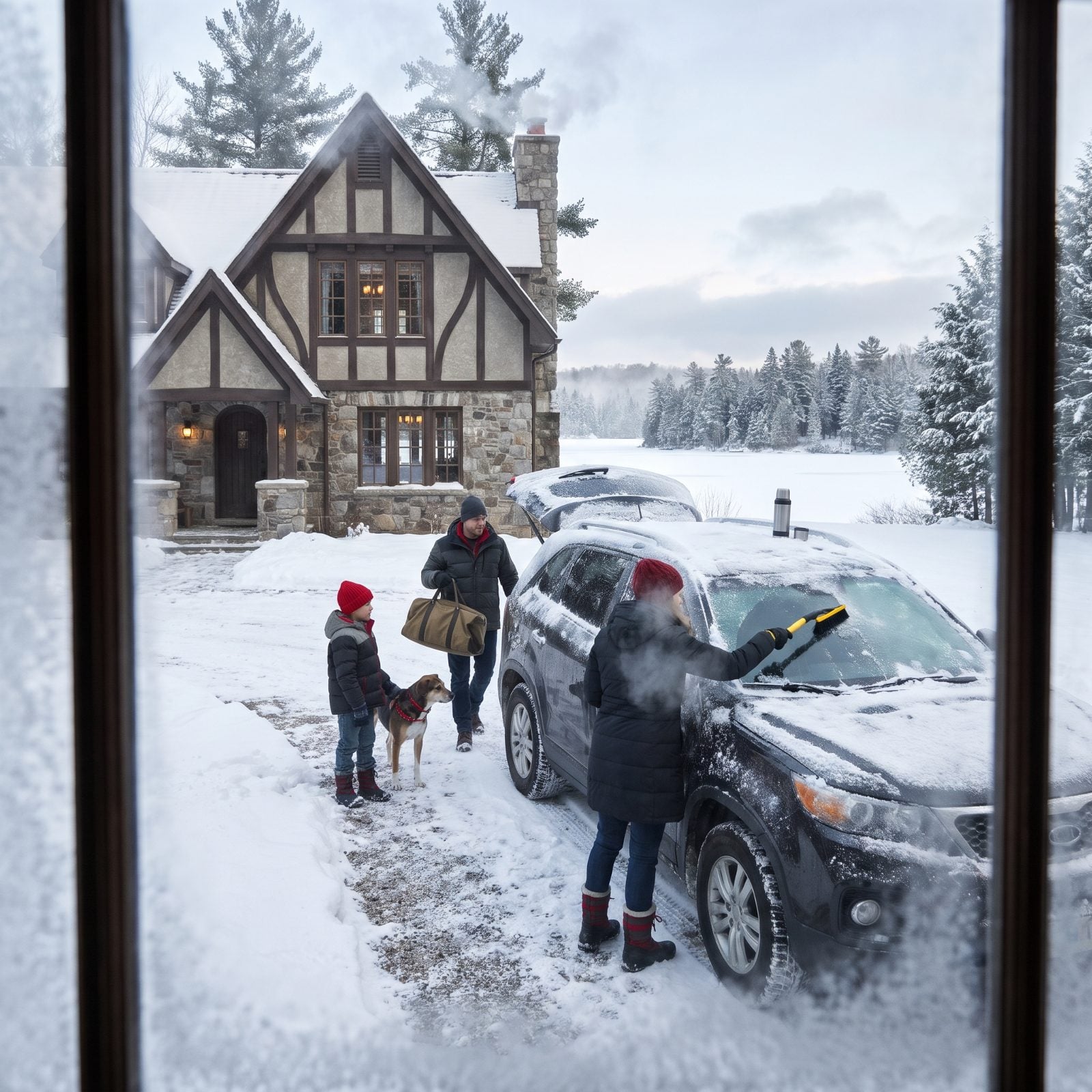
The drive home is the most dangerous part of the whole trip, and it has nothing to do with the house.
Lake roads ice first and clear last. A storm that looks like nothing from a warm window turns into a white-knuckle crawl down a grade with no guardrail. Good hosts watch the forecast and say the hard thing out loud: leave at dawn before the front moves in, or stay the extra night and roll out once the plows have come through.
Nobody has ever regretted an extra pancake breakfast at the lake. Plenty have regretted a 10 p.m. departure into freezing rain because somebody had a meeting Monday. Keep the sleeping bags out until the cars are actually gone.