
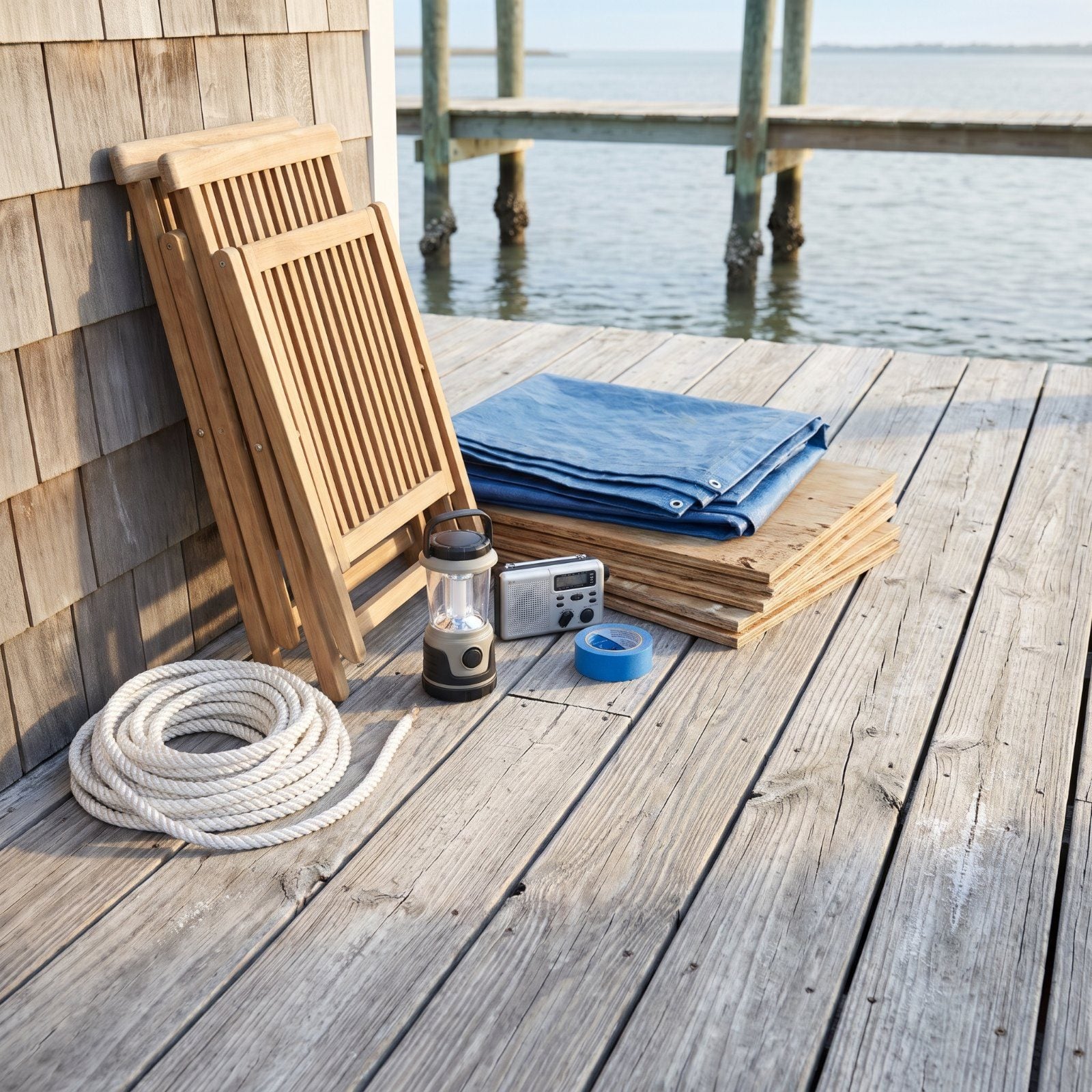
The first storm season teaches you things no inspector ever will. You learn which way the wind actually comes off the water, whose trash can ends up in your azaleas, and exactly how far saltwater can push itself under a garage door you were sure was sealed. Most of what changes isn’t dramatic. It’s small, practical, and learned the hard way — usually at dawn with a broom, or while fishing a cushion out of the marsh. These are the routines people on the water give up after one honest hurricane season, and the smarter habits that move in behind them.
Please note that some of the imagery in this article may have been enhanced with the assistance of AI.
46. Leaving Patio Furniture Fully Assembled Outdoors
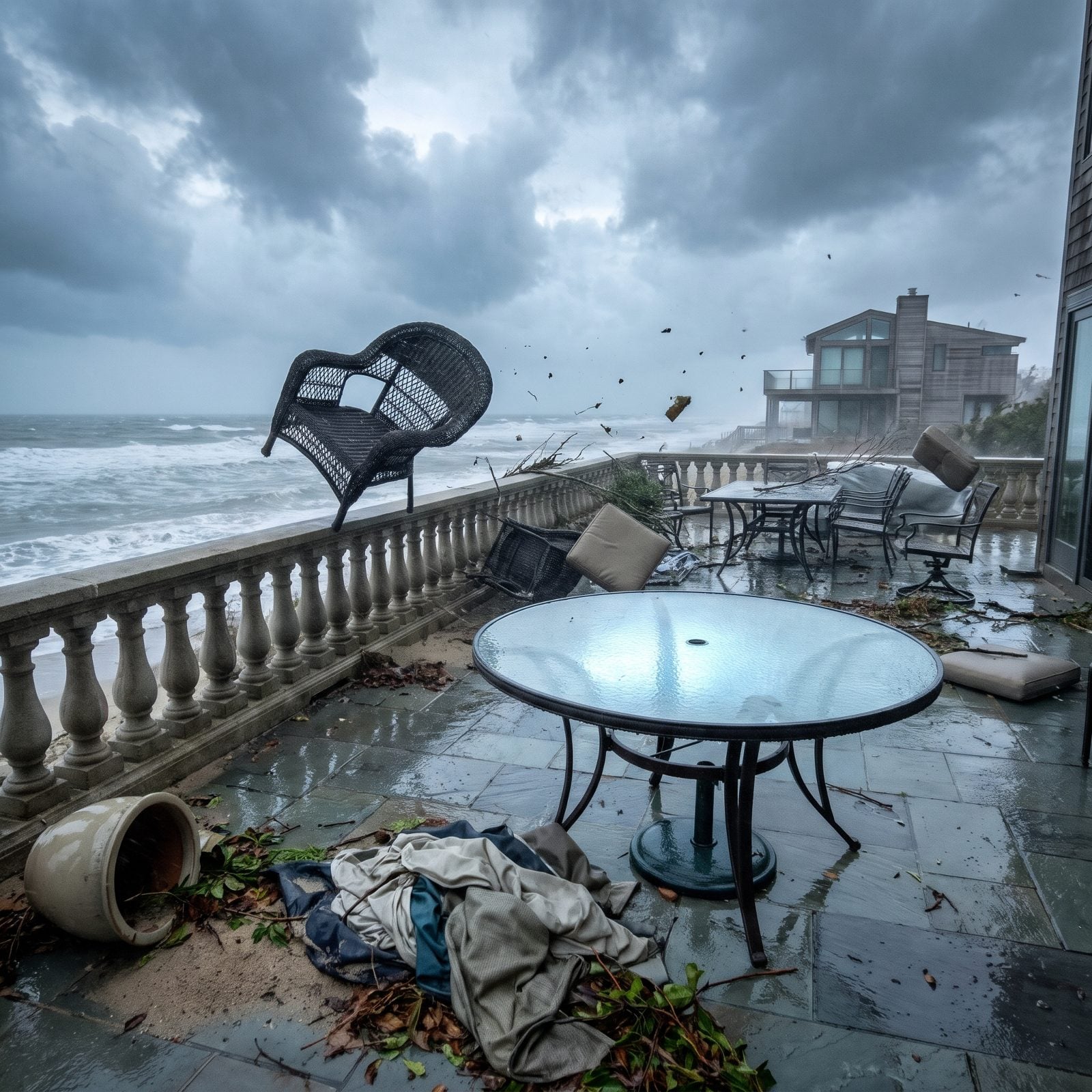
That lovely outdoor dining set turns into a box of projectiles the moment the wind hits forty. A glass tabletop in a gust doesn’t blow away gracefully — it finds a window.
After one season, nobody leaves everything staged for a magazine shoot anymore. Folding chairs get folded, umbrellas come out of their bases and go flat in the garage, and the heavy stuff gets a plan instead of a prayer. Cushions count too. A soaked one in the marsh is a cushion you’re buying again.
45. Leaving the Grill on an Exposed Deck
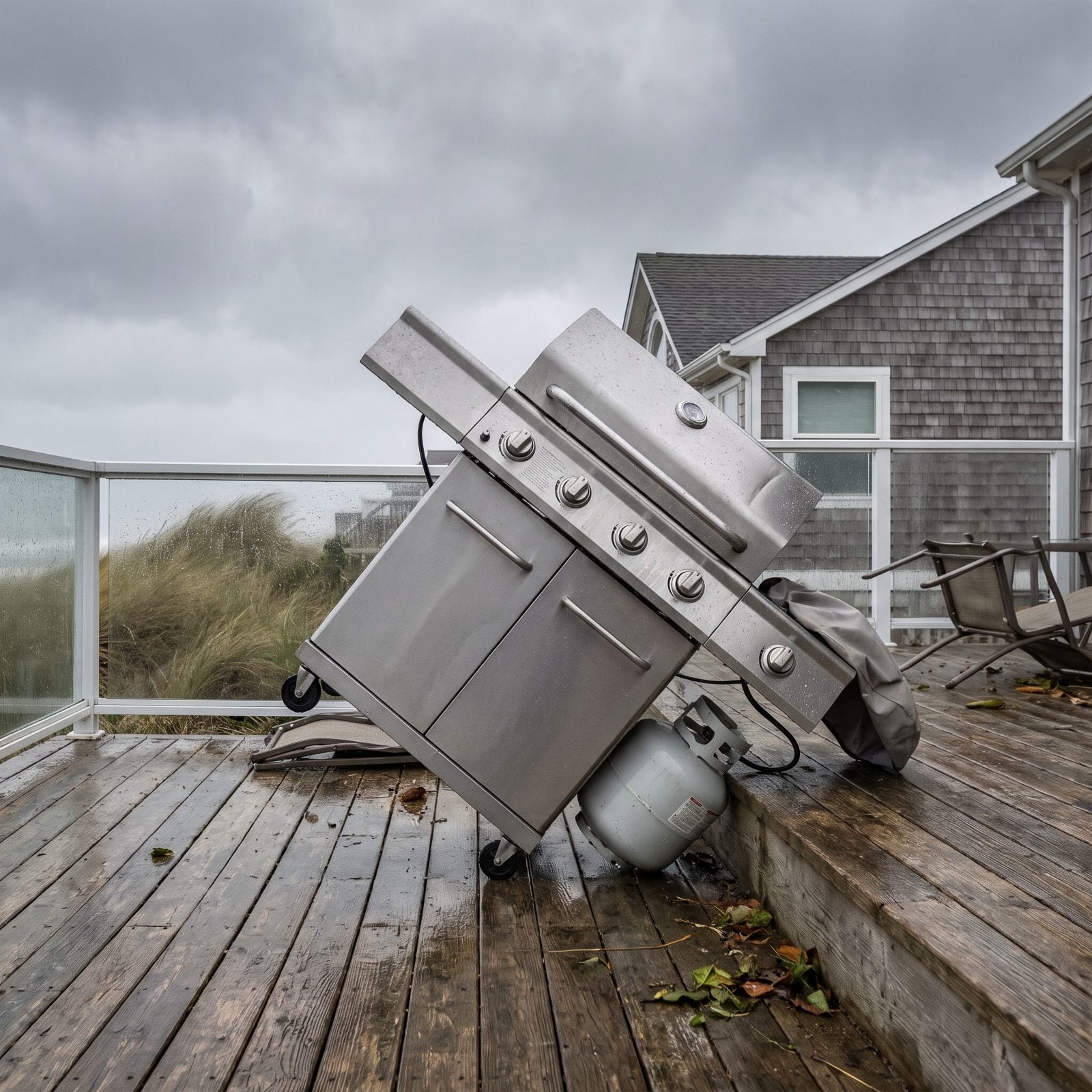
A grill feels heavy until the first real blow proves it isn’t. Two hundred pounds tumbles across a deck like a runaway shopping cart, denting railings and cracking boards the whole way.
That lesson sticks fast. The propane tank gets disconnected and stored low and ventilated — never left attached, never brought inside. The grill itself gets strapped to a wall anchor or rolled into the garage. Nobody wants a loose tank and an ignition source doing laps in sixty-mile-an-hour wind.
44. Putting Trash Bins Out Before a Stormy Night
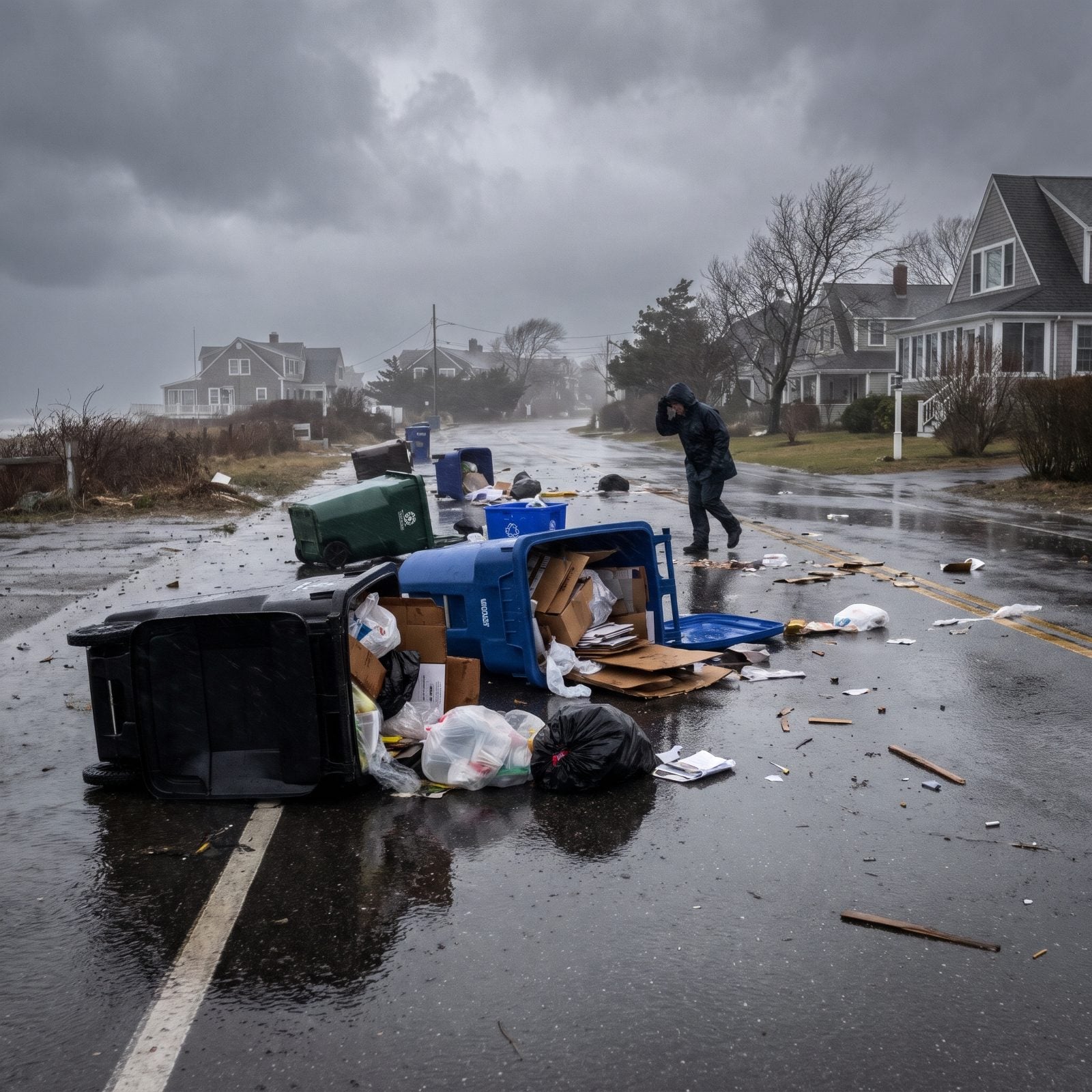
You set the cans at the curb the night before, same as always, because that’s just the routine. Then the storm shuffles the pickup schedule, the wind arrives first, and your bin is three yards down the street with the lid gone and the contents in someone’s hedge.
That habit dies quick. Collection almost always pauses before a named storm anyway, so the bins come in, get wedged under the house or in the garage, and ride it out empty and latched.
43. Storing Kayaks and Paddleboards Beneath the Deck
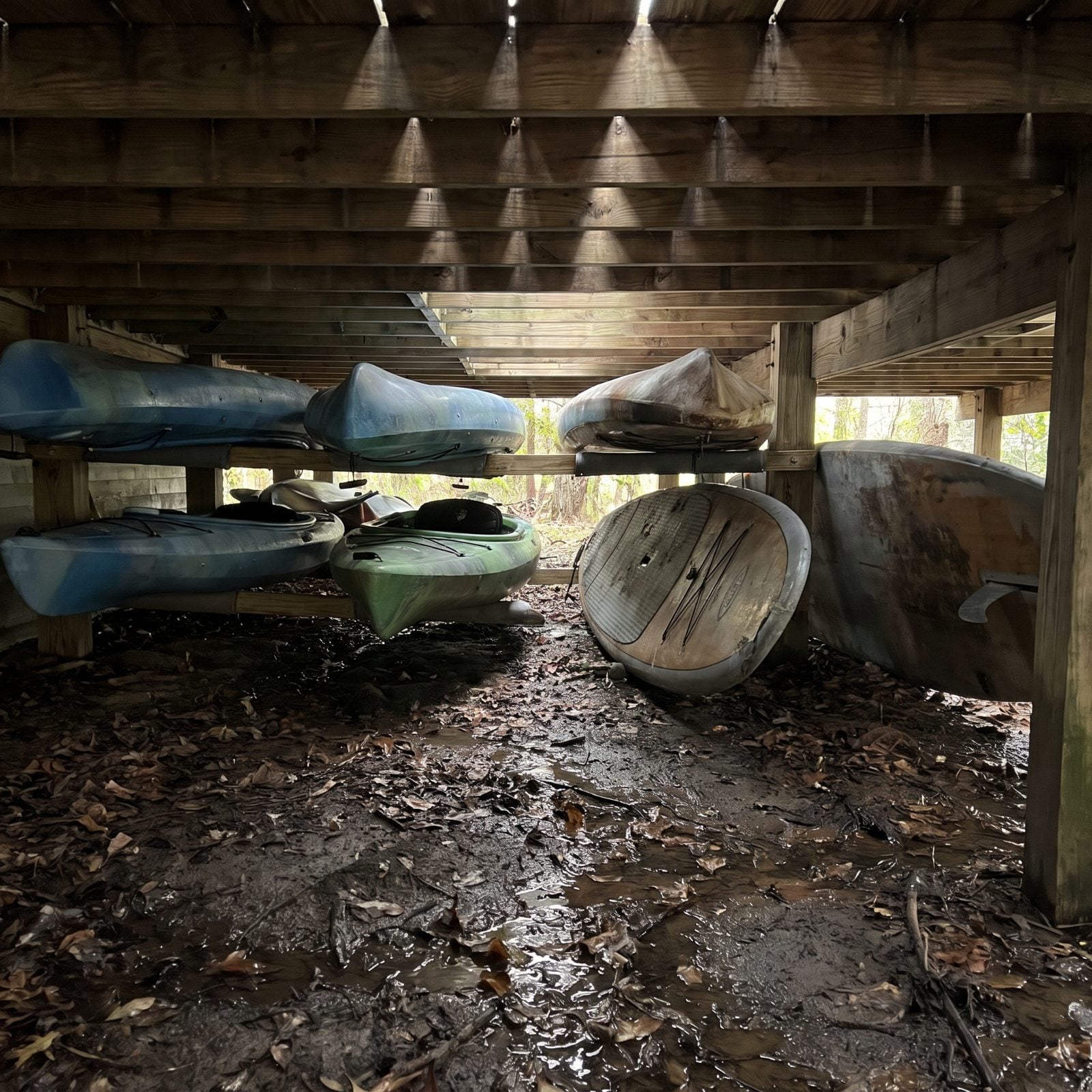
Under the deck looks like the obvious spot — shaded, out of the way, already soggy ground nobody uses. Which is exactly why surge takes it first.
A kayak floats. A paddleboard floats better. When the water comes up they lift off the sand and sail straight into whatever’s downstream, usually your own pilings or the neighbor’s. So after a season the boards go up on wall racks mounted high and strapped tight, or they come inside entirely. That waterline stain on the piling tells you how high “high enough” really is.
42. Assuming a Closed Shed Will Hold Its Contents
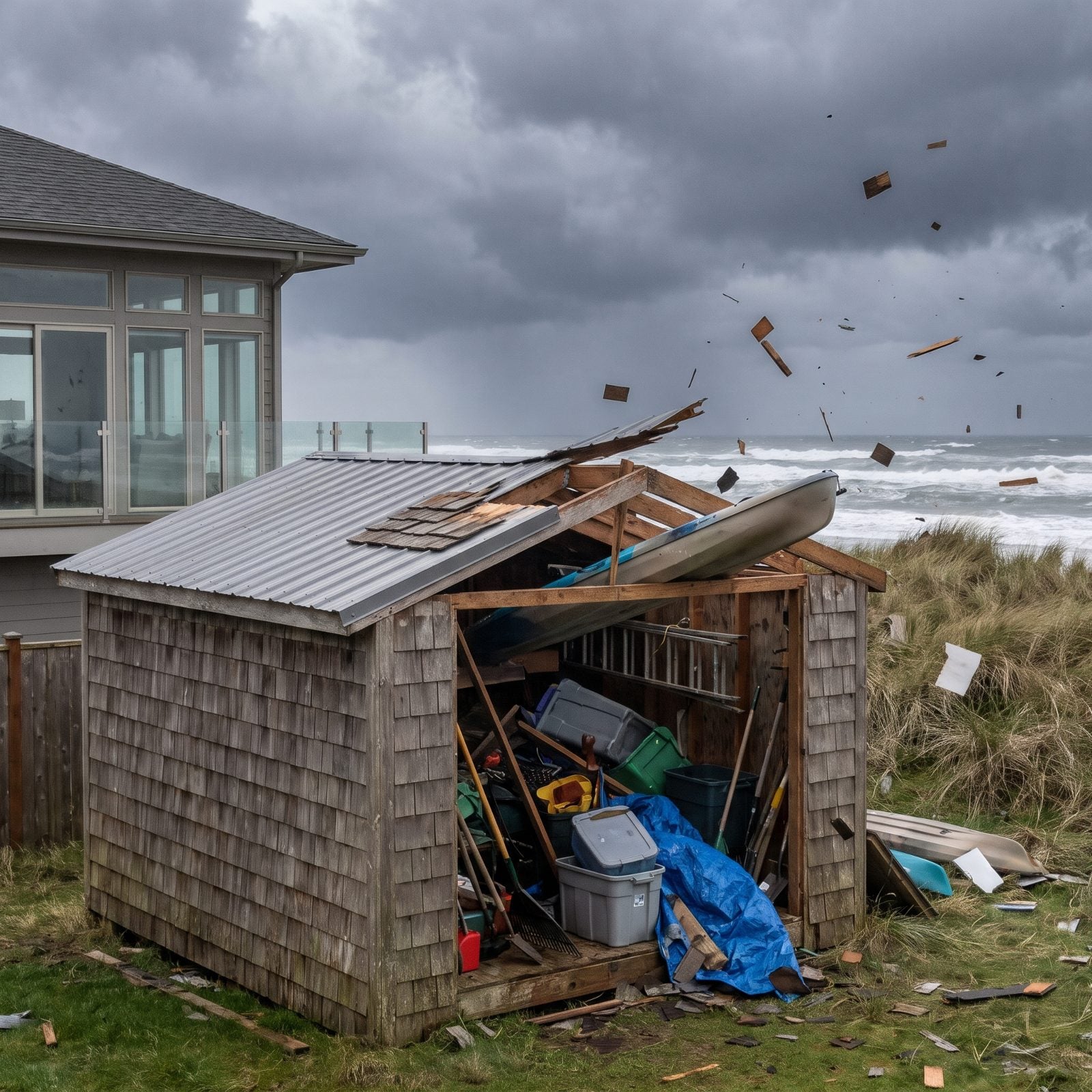
A shut shed feels like a solved problem. Door’s closed, stuff’s inside, done.
Then the wind pries the whole structure apart and your rakes, paint cans, and fertilizer become coastal litter — and a bag of fertilizer in floodwater is a genuine mess, the kind that haunts a backyard for a season. A shed is only as strong as its weakest hinge and its lightest anchor, and most people find that out the hard way. The fix runs down a short list: roof tie-downs to ground anchors, heavier hinges, a real hasp, and the chemicals and valuables moved indoors before the water decides to redistribute them for you.
41. Leaving the Boat on Its Lift During a Major Storm
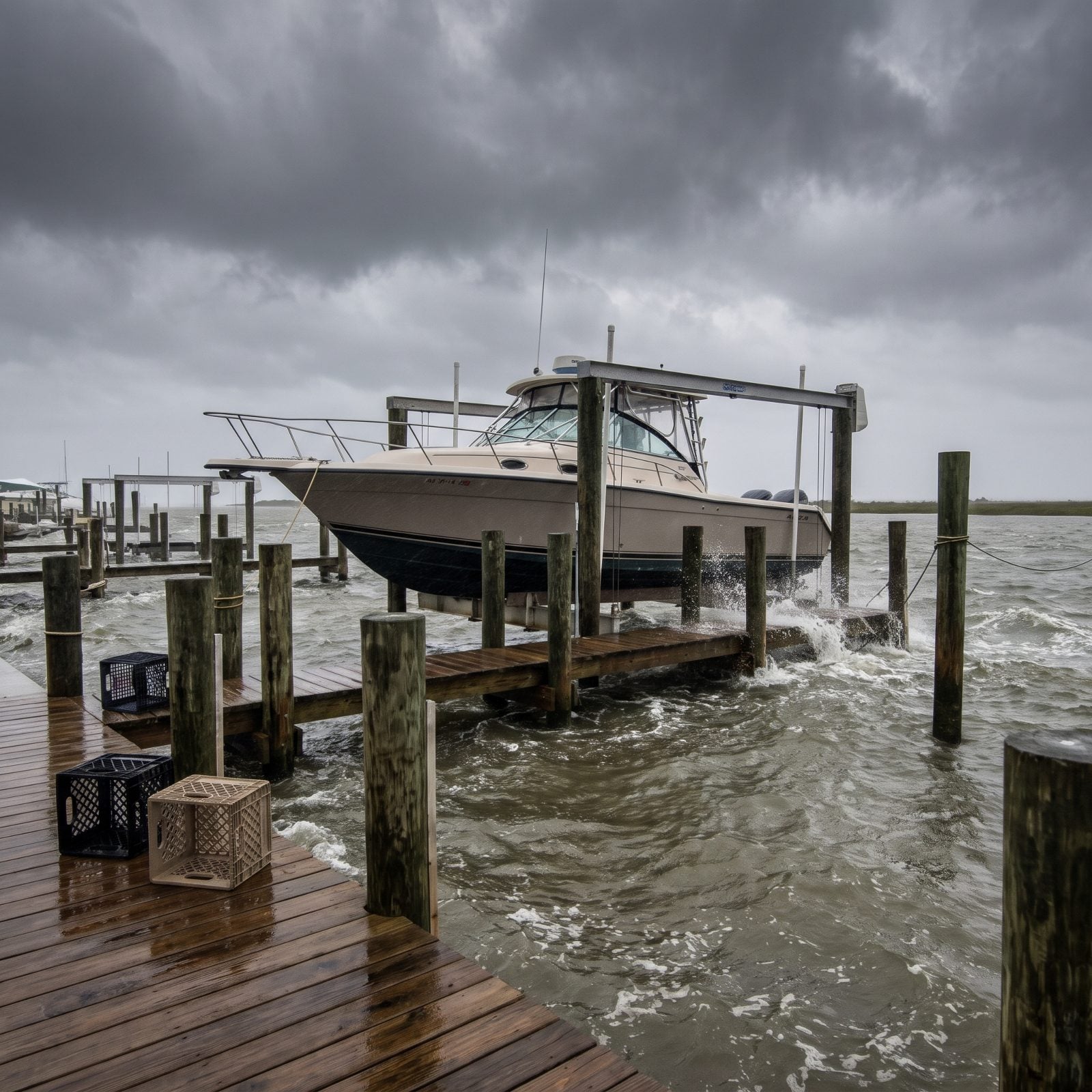
The lift kept the hull out of the water all summer, so leaving the boat up there for a hurricane feels logical. It isn’t.
Surge can float a boat right off the cradle. Or the rising water and wave action can rip the motor, cables, and pilings to pieces with the boat still strapped on — worst case, you lose both. People who’ve watched it happen move the boat before the storm: a dry rack inland, a trailer in the garage, a protected hurricane hole upriver. The lift is for a sunny Tuesday, not a Category 3.
In its storm-prep guide, a marine construction contractor says “the best way to protect your boat during a hurricane or major storm is to remove it from your boat lift and put it in a garage or boat storage facility.”
40. Securing the Boat With Everyday Dock Lines
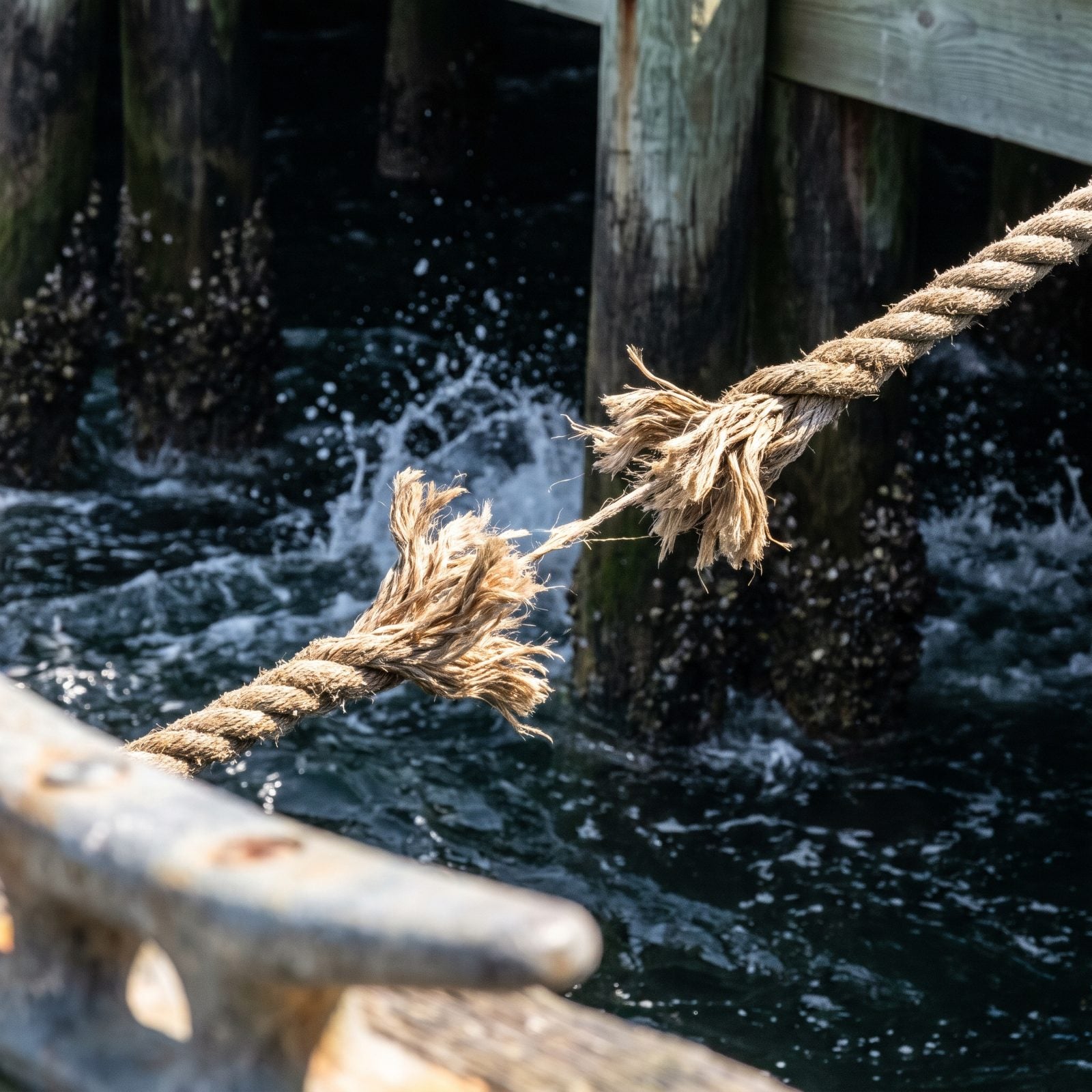
Your regular dock lines are fine for a breezy afternoon. In a storm they’re the thing that snaps at two in the morning while you’re three counties away and powerless to do a thing about it.
So people keep a dedicated set of storm lines — thicker, longer, with chafe guards wherever rope rubs wood or metal. Lines get doubled, spring lines added, fenders rigged on the piling side, and plenty of slack worked in so a rising tide doesn’t drag the boat under its own cleats.
39. Keeping Shore Power Connected Until Evacuation
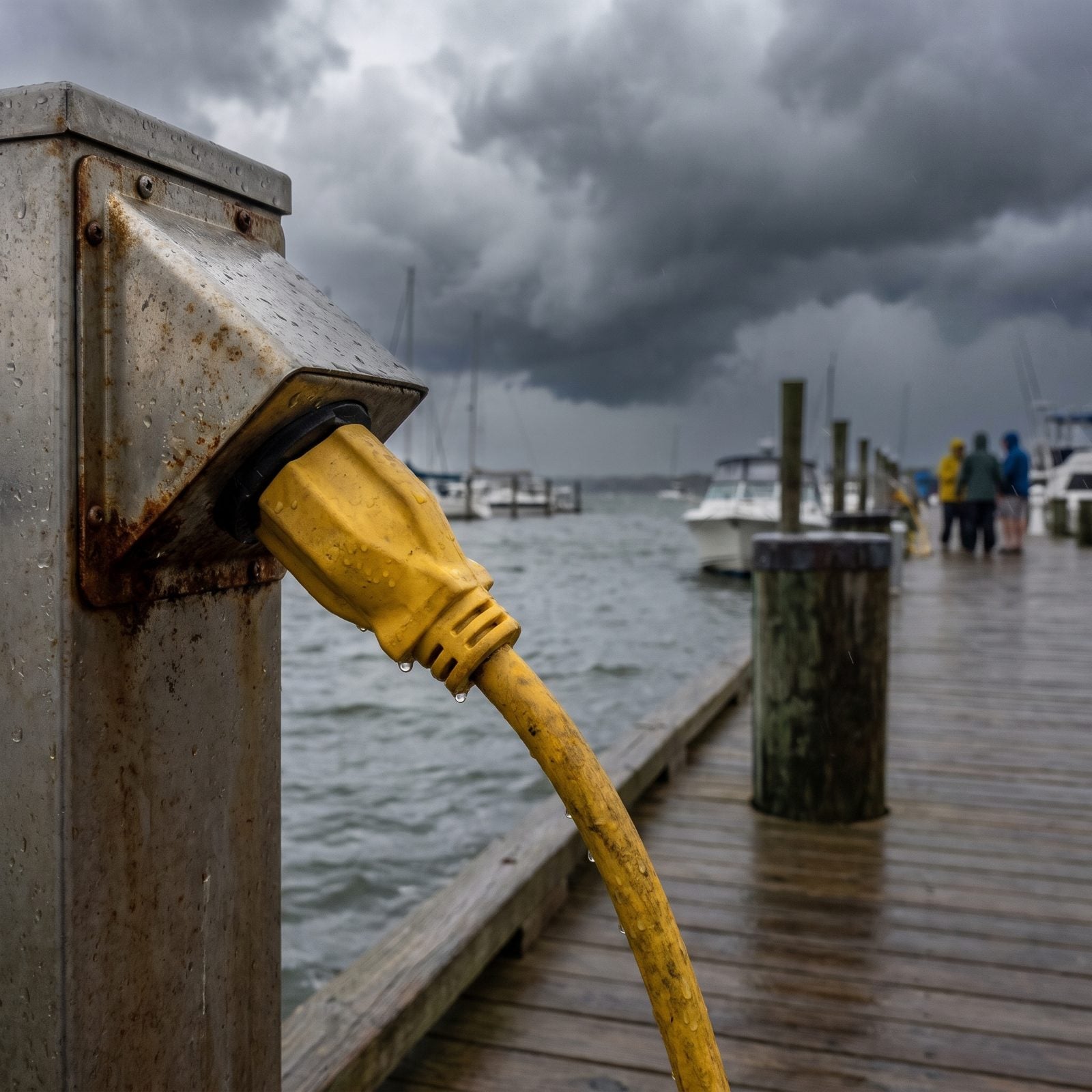
Leaving shore power hooked up until the last minute feels efficient — batteries topped, bilge pump happy.
But a flooded pedestal or a surge-swamped connection turns a power cord into a hazard, and a live cord in rising water around a dock is about the last thing you want anywhere near you. So people disconnect and cap shore power early, flip off the pedestal breaker, and coil the cord up high and dry. The batteries can carry the bilge pump for a good stretch, which beats energized metal sitting in floodwater every time.
38. Ignoring a Floating Dock’s Gangway Clearance
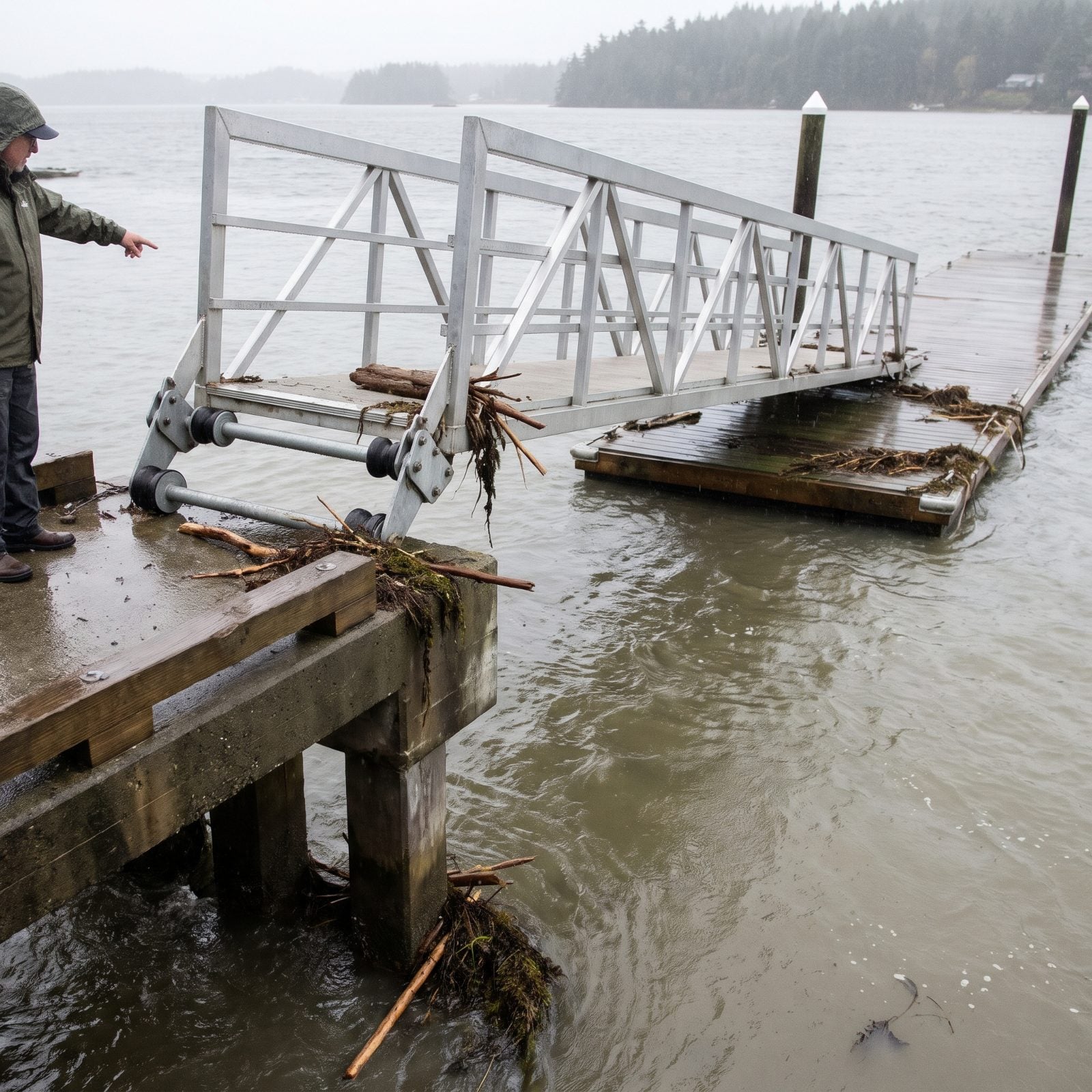
A floating dock earns its keep by rising and falling with the tide. Great — until surge lifts it past the top of its guide pilings and the whole thing floats off down the inlet.
The gangway is the sneaky part. Bolted at both ends or sitting on short rollers, it can bind, bend, or tear loose right where it meets the shore when the water comes up. So people start checking that the gangway can travel up with the dock, that the pilings run tall enough for the worst water they can reasonably expect, and that nothing’s rigidly pinned on both ends.
37. Trusting the Garage Door Without Reinforcement
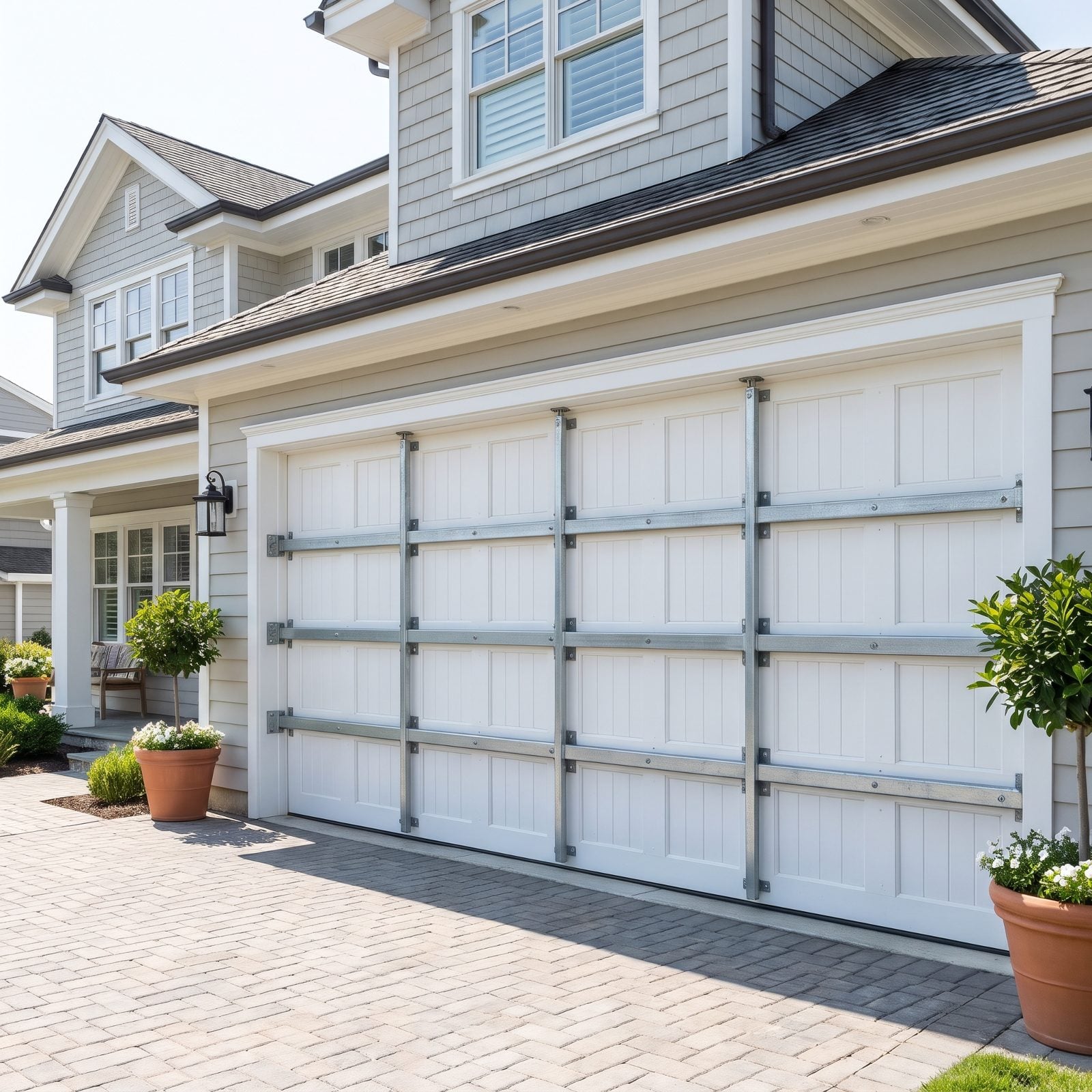
The garage door is usually the biggest, weakest opening on the whole house, and most people never give it a thought until it bows inward in a gust.
Once wind gets inside the garage, it pushes up on the roof from underneath — and that’s how houses come apart. After a season near the water, people add bracing kits, swap in a wind-rated door, or at the very least reinforce the panels before a storm. Cheap fix for the single opening most likely to let the whole structure down.
Explaining how a failed garage door pressurizes a house, a coastal building contractor writes: “We saw it across hundreds of homes after Ian. Garage door fails first, roof or gable goes next, house is a total loss.”
36. Taping Window Glass Instead of Actually Protecting It
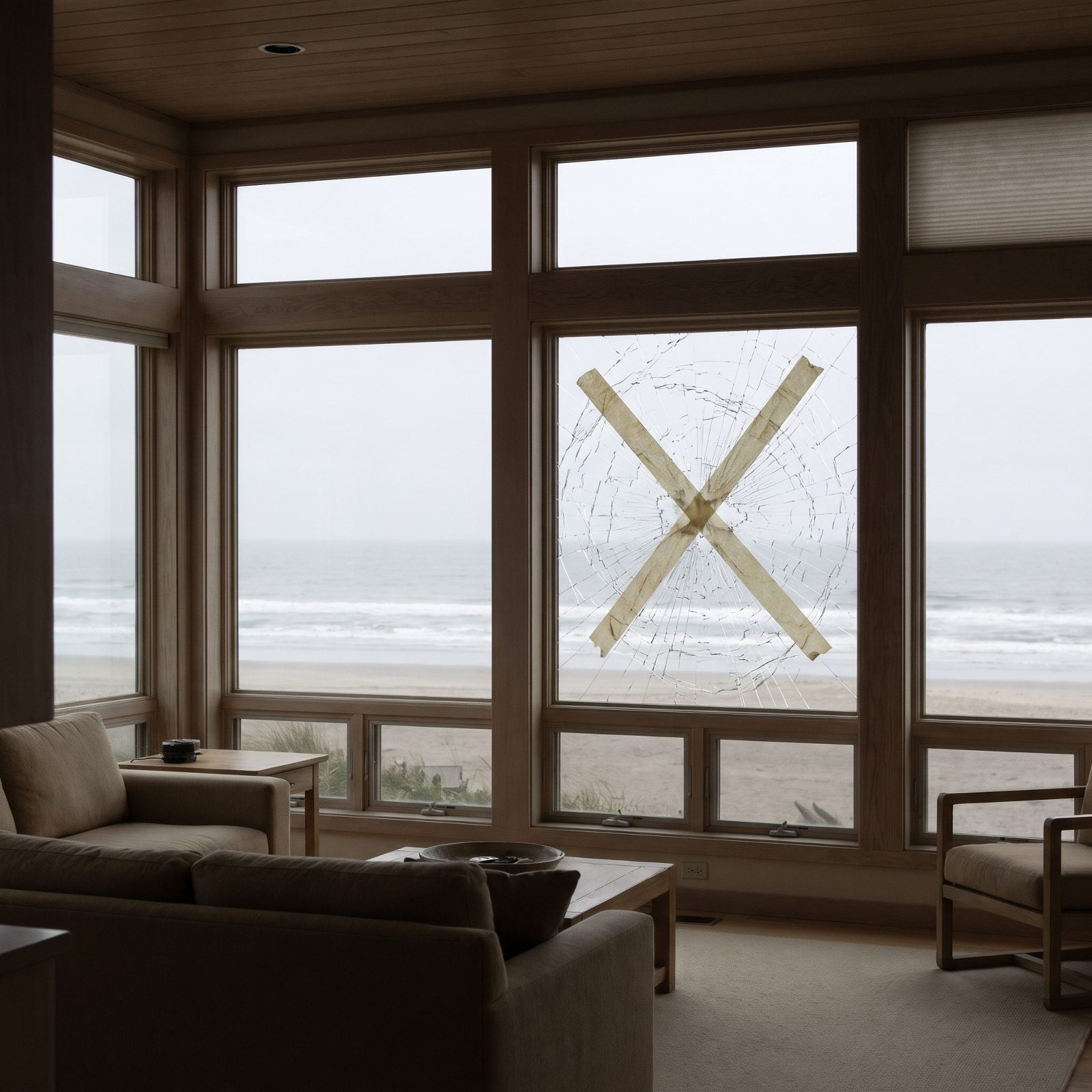
Tape does nothing. It never did. The myth that a big X across the glass holds it together survives because it feels like action, and action feels safer than standing still with your hands in your pockets.
Here’s what actually happens. Wind-driven debris punches through at highway speeds, and taped glass shatters into bigger, uglier shards instead of a spray of small ones. After one season of hearing branches hit the house all night, most people stop reaching for the roll and install real panels or shutters instead.
Debunking the window-tape myth, an emergency management professor explains that “if you have a projectile that’s going to hit your window, it’s going to hit the window and it’s going to shatter into bigger pieces that could cause more bodily harm if it’s taped.”
35. Burying the Shutter Hardware Behind Garage Clutter
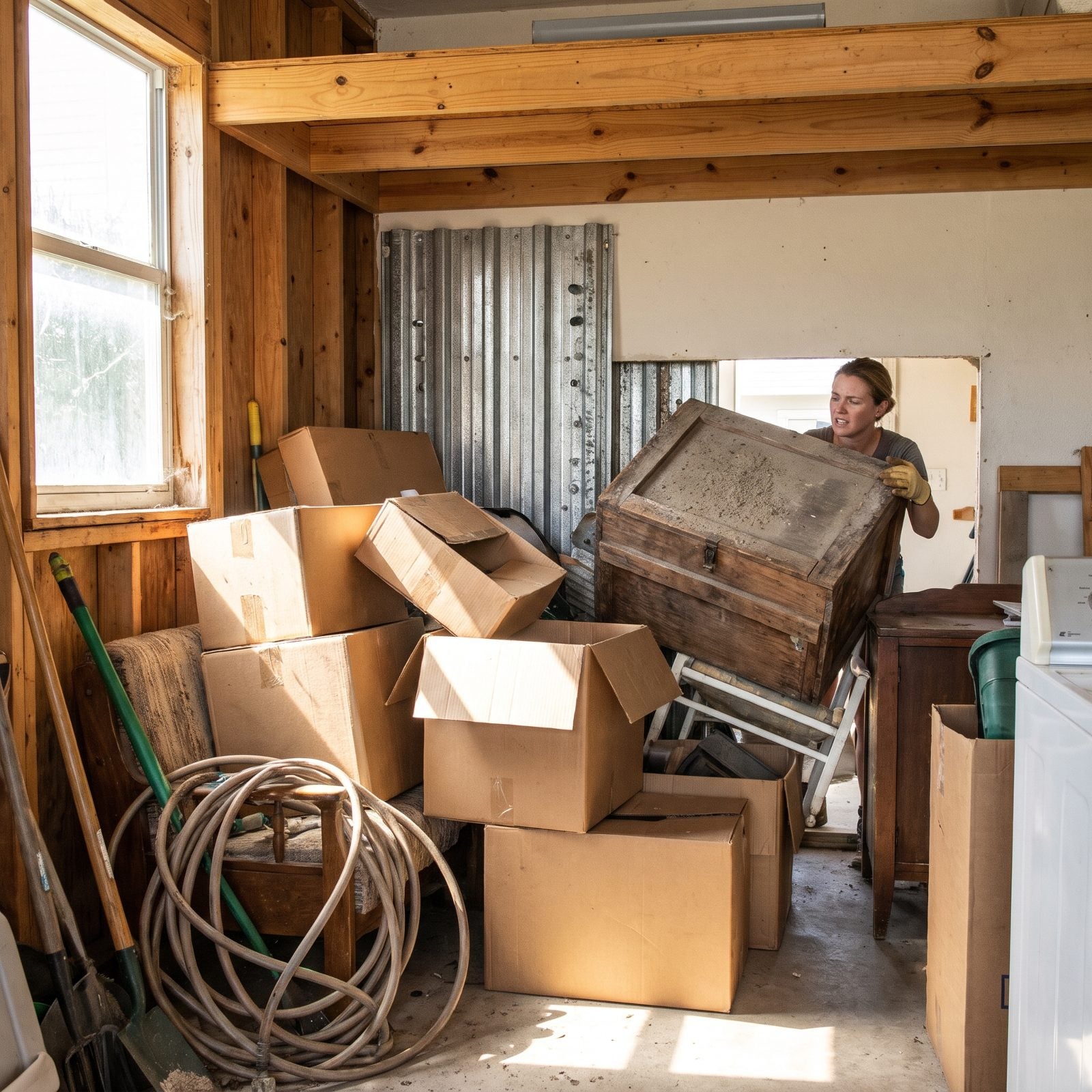
You buy the shutters. You install them once, in good weather, with the manual open and all day to figure it out. Then the hardware goes into a coffee can, the panels get stacked behind the lawnmower, and three days out from a storm you’re on your knees in the dark hunting for a wing nut you lost back in March.
After one frantic scramble, the hardware moves to a labeled pouch on the wall and the panels get numbered to match their windows. That scramble? Nobody warns you about it, and it’s the whole lesson.
34. Cracking an Exterior Door to Feel the Wind
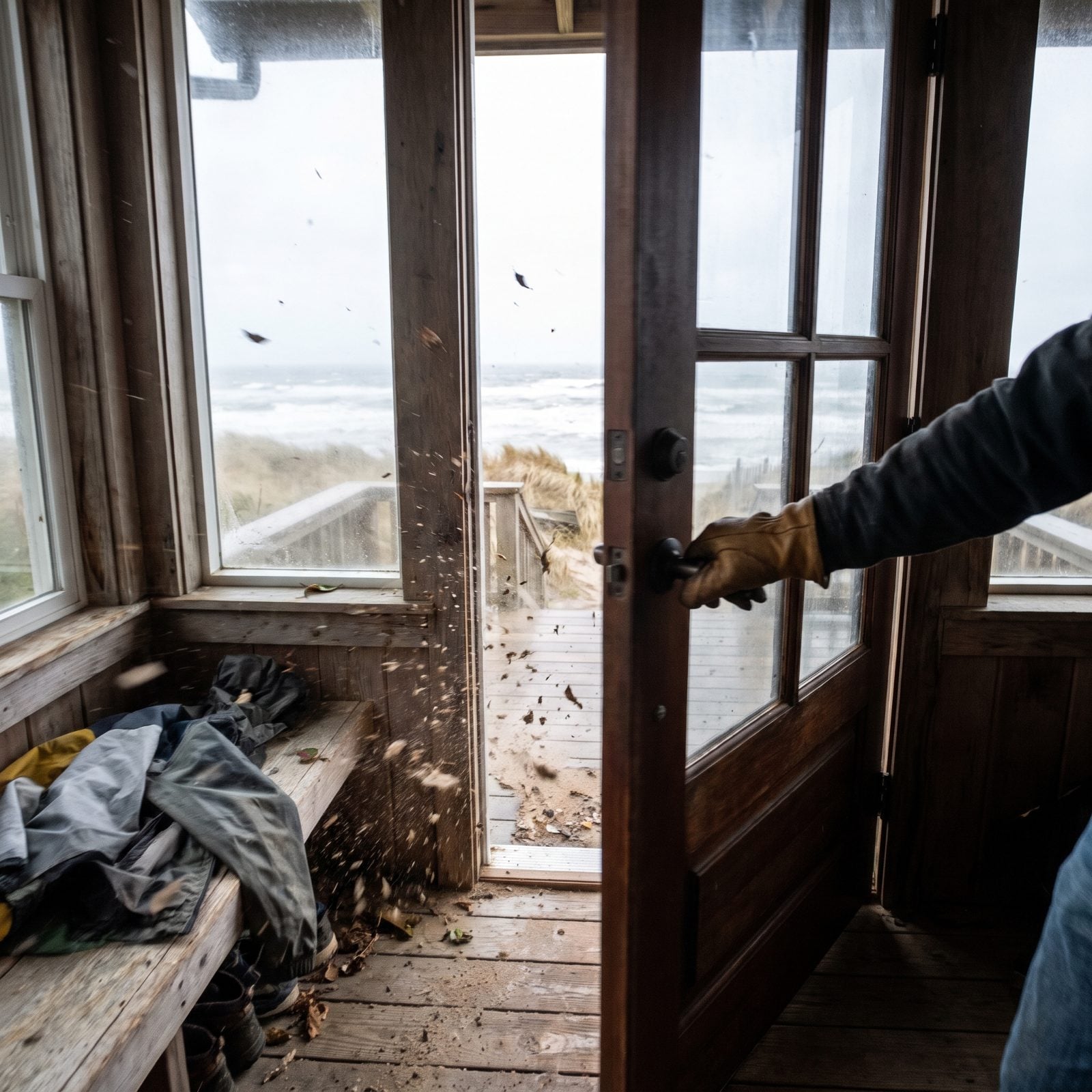
Curiosity is the enemy here. You hear the gusts pick up and you want to crack the door, just to feel it, just to look.
One pressurization event ends that forever. A door opened to the wind lets the storm inside, and the pressure can lift a roof from within faster than it ever could from without. Once you’ve felt a house breathe under that kind of load, you check the weather on a phone and keep every door shut and locked.
33. Parking Under Palms and Big Shade Trees

That shady spot under the palm is a gift for eleven months of the year and a liability for the twelfth. Palm fronds turn into blades. A live oak limb comes down with the weight of a small car.
The first time you clear glass and bark off a crushed hood, you learn to park in the open, or inside a garage, or drive the car inland entirely before the storm. Shade is temporary. The dent isn’t.
32. Leaving the HVAC Condenser Unstrapped on Its Pad
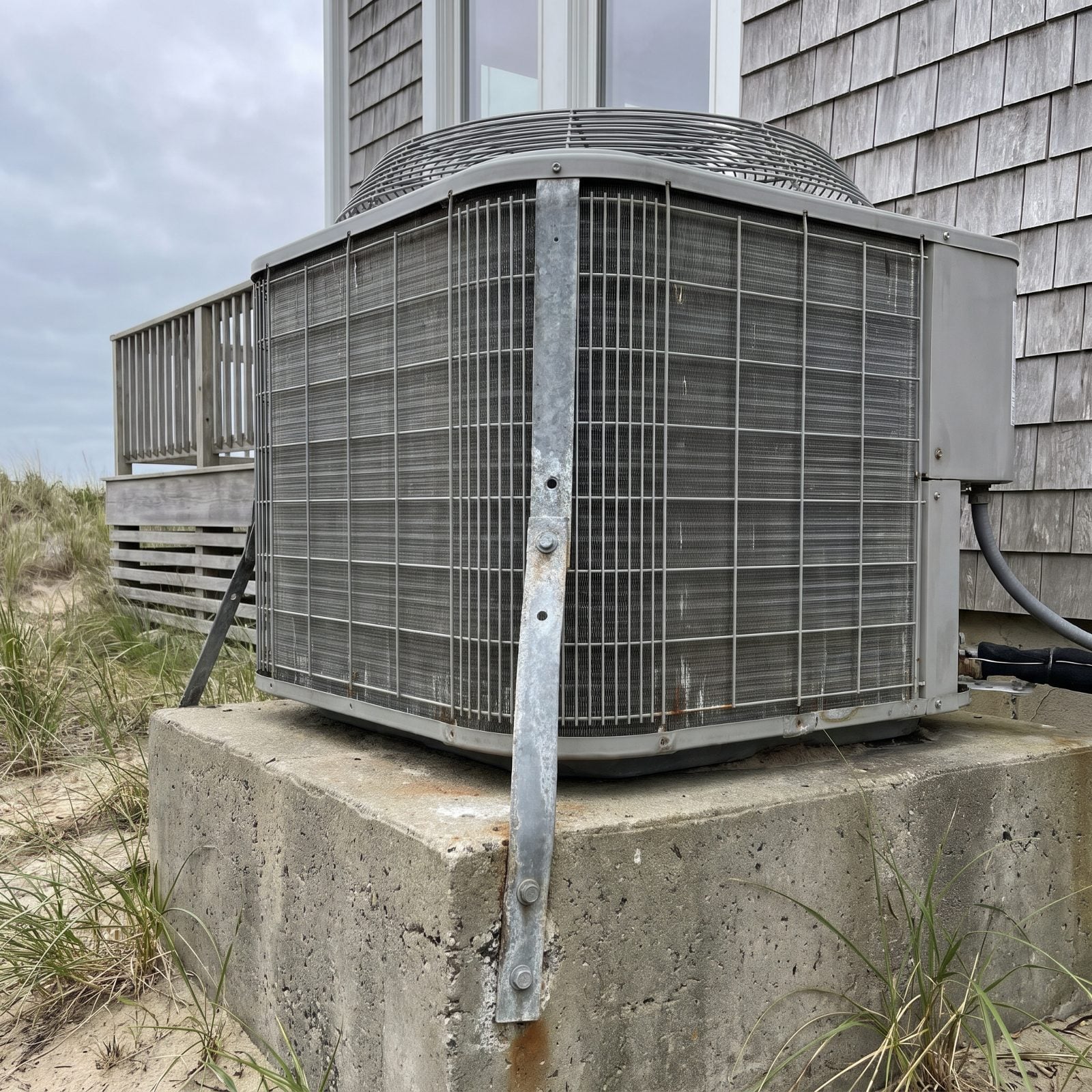
Your air conditioner is one of the most expensive things sitting outside your house, and it’s held down by its own weight and a little gravity. That’s it.
High wind walks it off the pad. Surge floats it. Either way you’re looking at thousands of dollars and weeks of sweating in the heat while you wait for a replacement. Galvanized straps bolted to the pad cost almost nothing. Spend one season waiting on an HVAC crew in August and the straps stop being optional.
31. Trusting a Single Road Off the Island
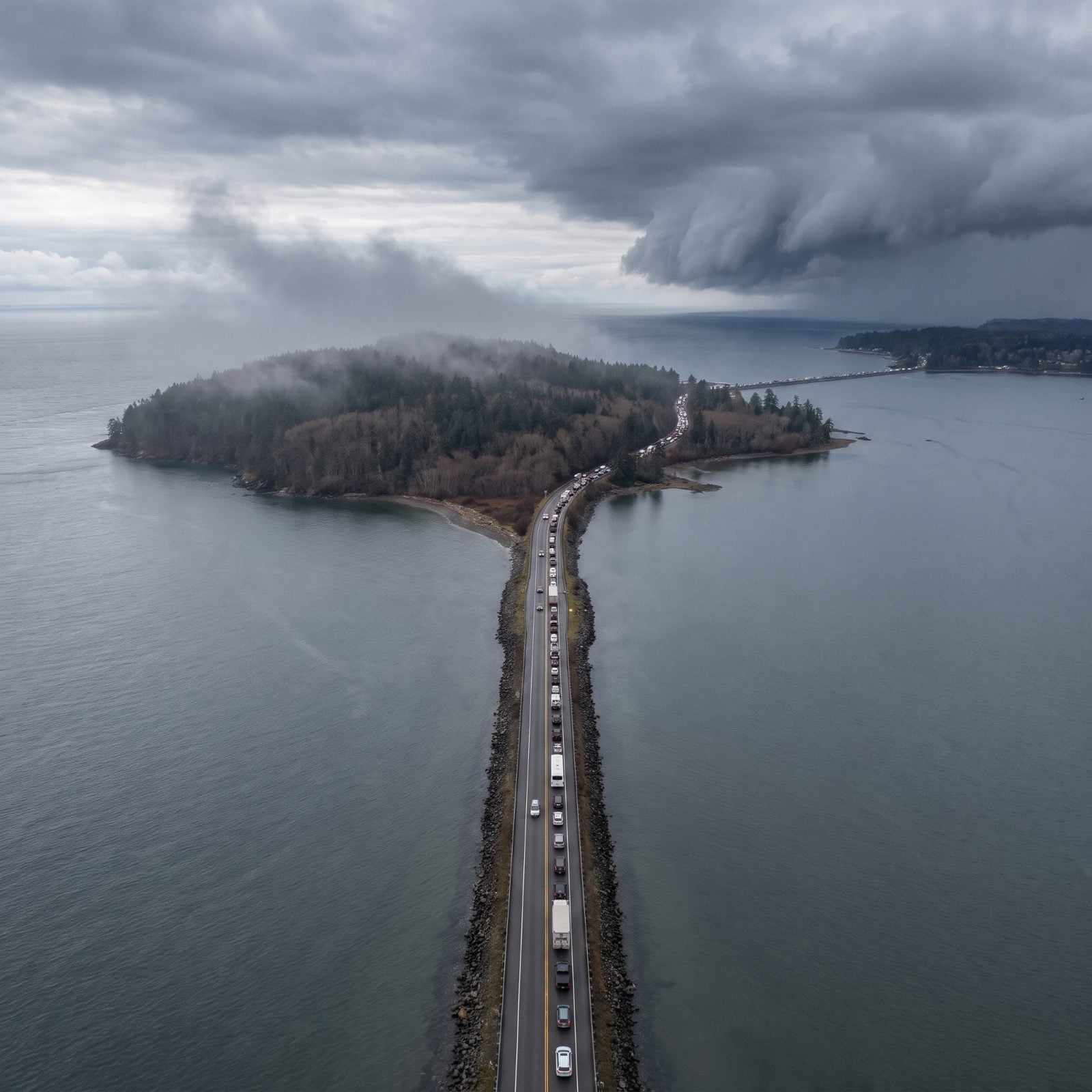
Barrier islands and spits often have one way out, and everyone uses it at the same moment. The road that takes twenty minutes on a Sunday takes most of a day when the whole island decides to leave at once.
After you’ve sat in that line, watching the gas gauge drop and the sky darken, you plan differently. You map a second route. You leave a full day earlier than feels necessary. Casual confidence in one road dies in a single traffic jam.
30. Rushing Home Before Officials Clear the Area
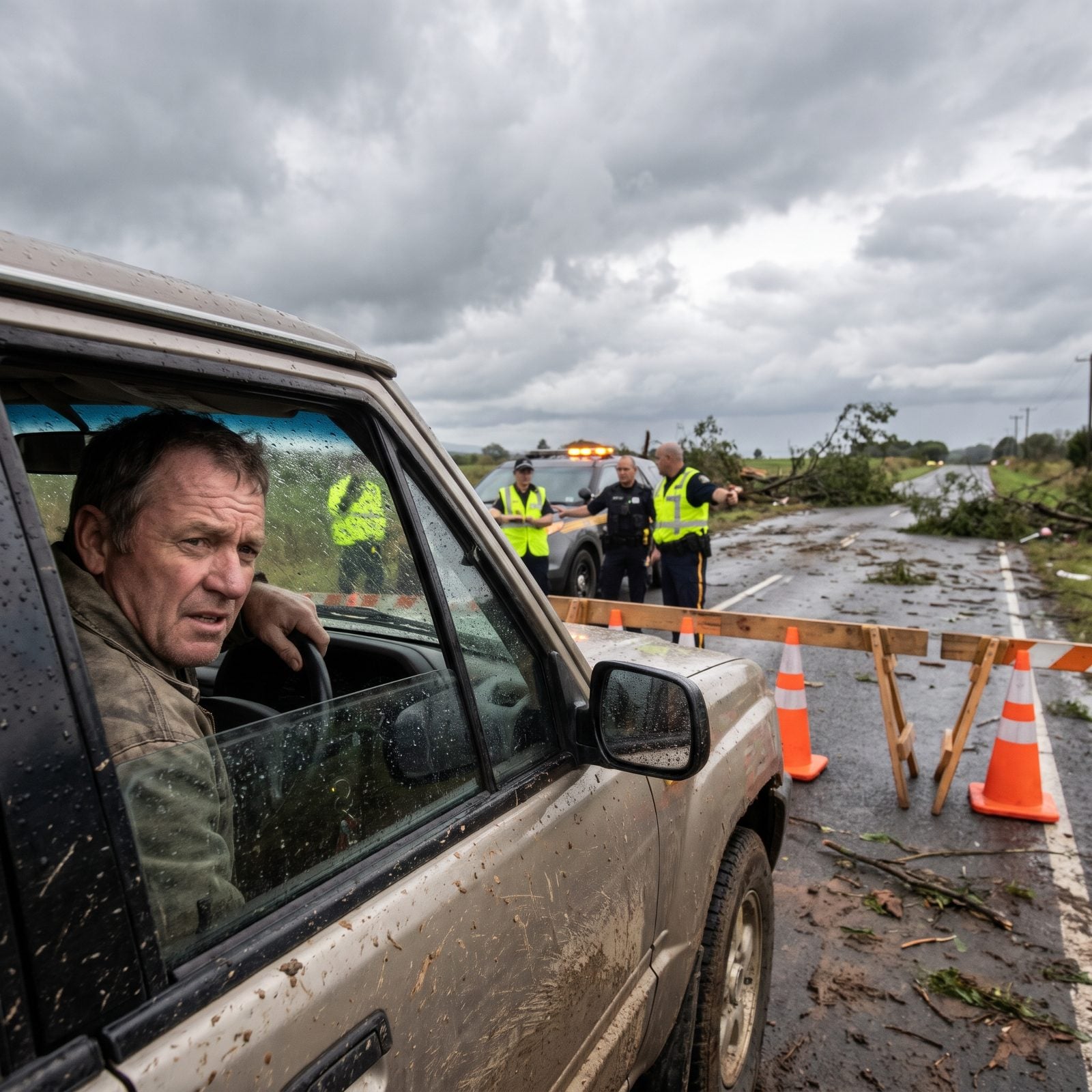
You want to see your house. The wait feels unbearable. But the window between the storm passing and the all-clear is exactly when the hidden damage bites.
Downed power lines look dead and aren’t. Gas leaks have no smell until they do, and roads that look passable collapse under a tire. Crews need the streets empty to restore power and clear hazards. Come home once to a live wire lying across your driveway and you’ll learn to wait for the word. The house will still be there.
29. Driving Through Water Across a Coastal Road
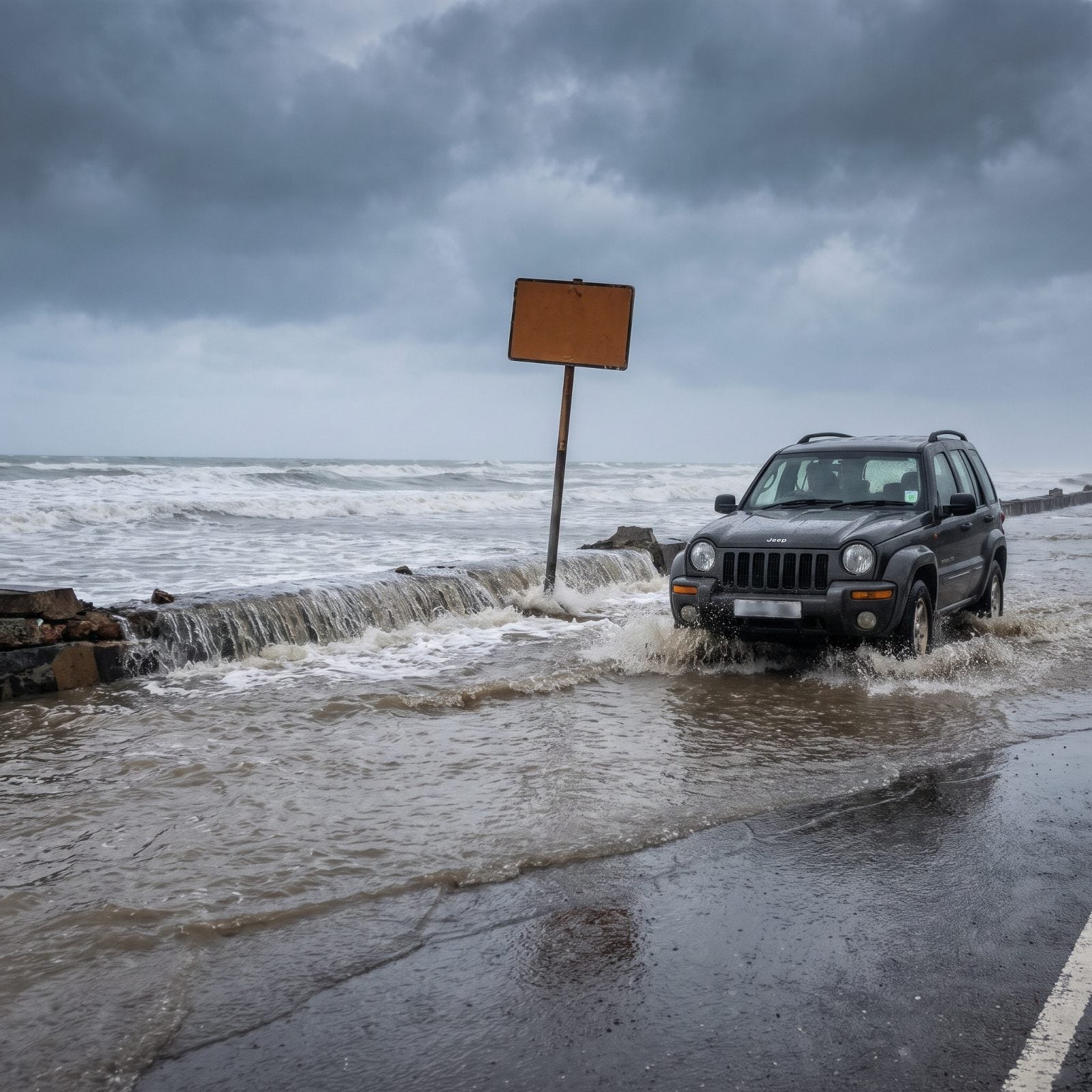
Six inches of moving water will knock you off your feet. A foot of it floats most cars, and two feet carries away a pickup truck. Worse, you cannot tell by looking whether the road beneath that calm brown surface is still there at all.
Turn around. Don’t drown. It sounds like a bumper sticker right up until you’ve watched water that looked ankle-deep swallow a vehicle to the windows. After one season on the coast, nobody who’s paying attention gambles the car and their life to save twenty minutes.
28. Walking Barefoot Through Receding Floodwater
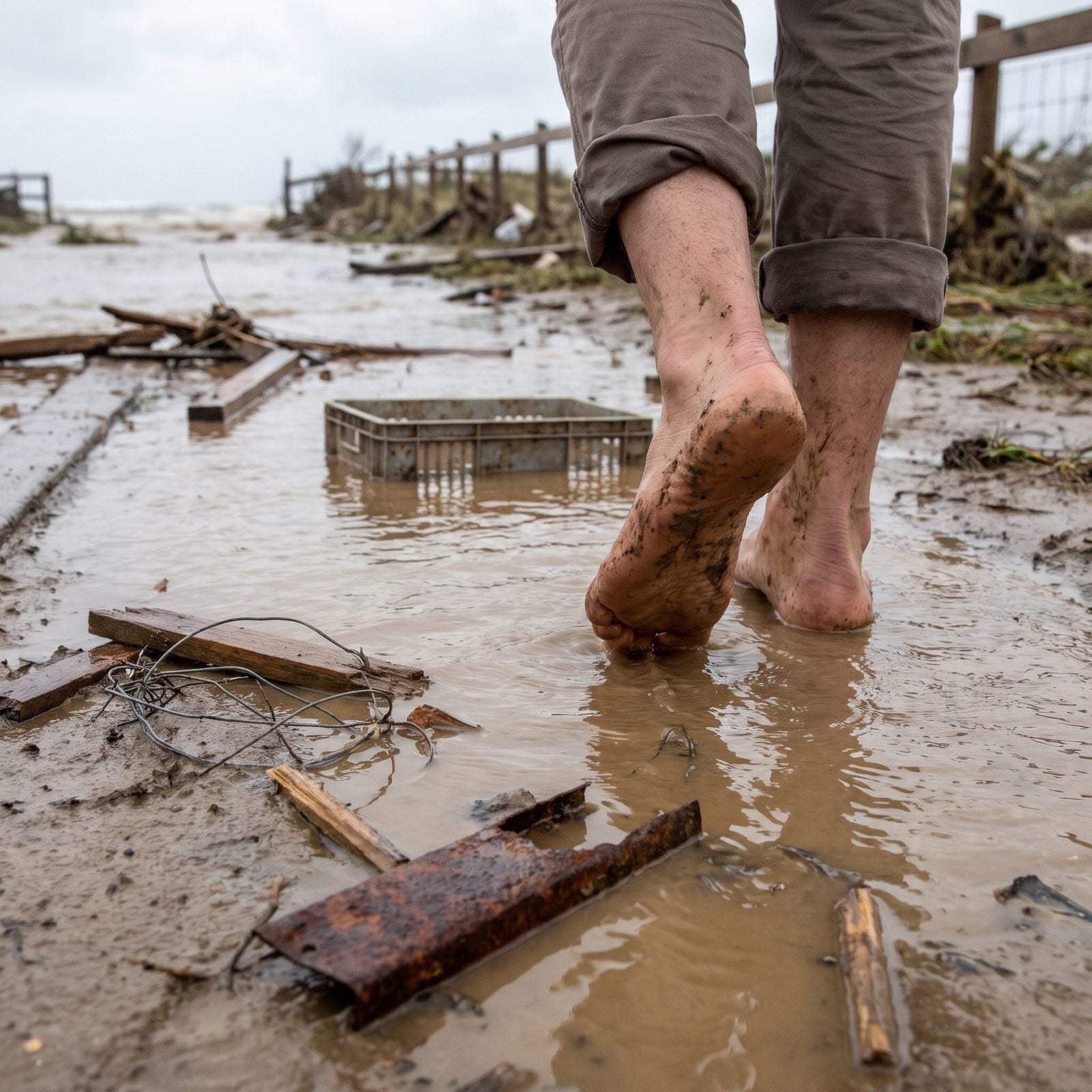
The water’s going down, the sun’s out, and the pull to wade in and start cleaning is strong. Don’t — boots first.
Floodwater after a coastal storm carries sewage, fuel, fire ants riding in rafts, snakes pushed from their flooded burrows, and sheet metal you can’t see. A small cut turns into a serious infection in days. One bad gash through the bottom of a bare foot teaches that lesson once and for all. Rubber boots and gloves live by the door now, every season.
27. Swimming the Minute the Clouds Break
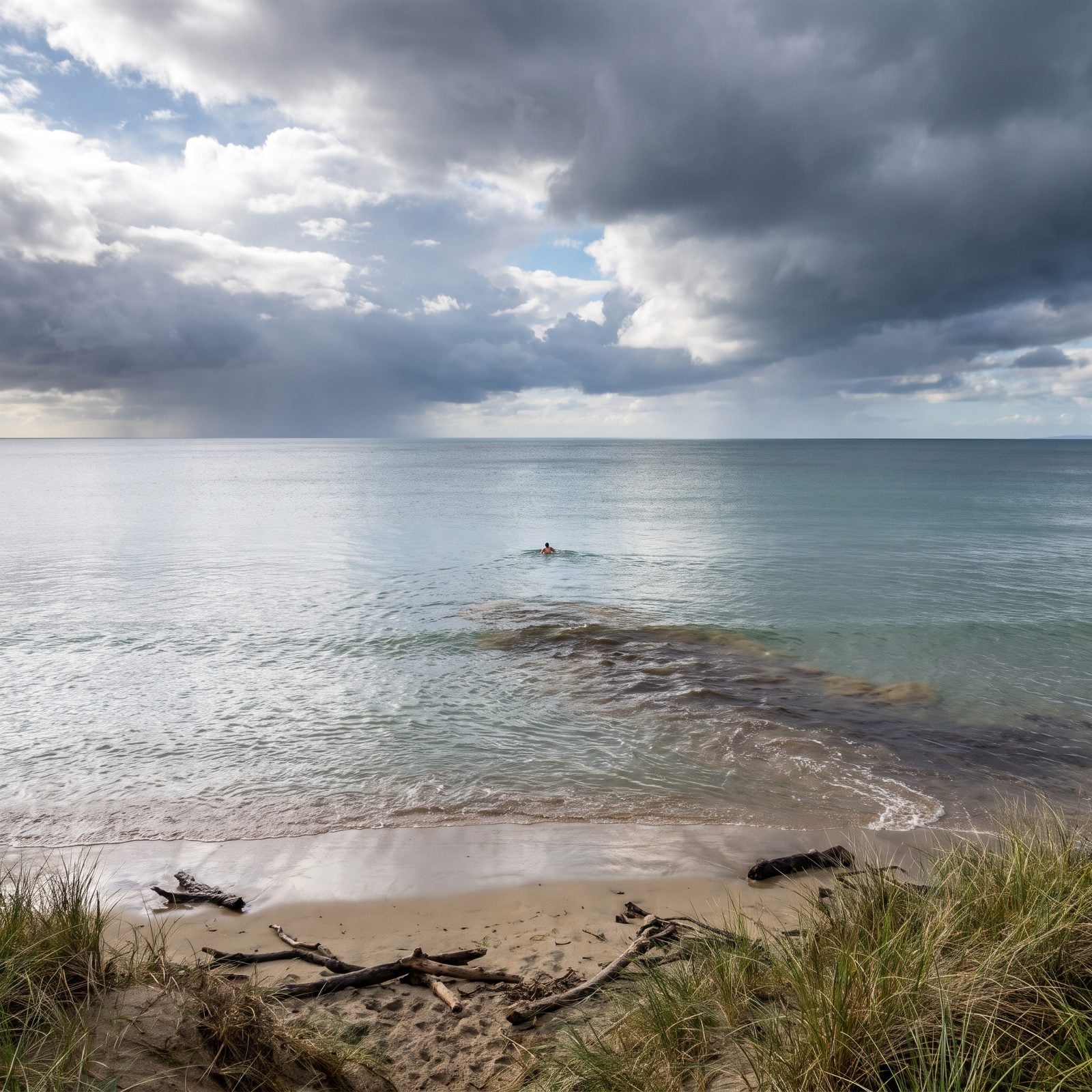
A break in the clouds, calm-looking water, nobody around. Feels like a reward after two days stuck indoors. It isn’t.
Surge rearranges the whole ocean. Rip currents run hard for days after the wind quits, debris sits just under the surface where you’ll never spot it from the dune, and runoff dumps enough bacteria into the shallows to ruin a week no matter how bright that gap in the clouds looks overhead.
After one season you learn to wait — for the beach to officially reopen, for the water to settle back into itself. The ocean looks friendliest right when it’s most confused.
26. Treating the Dune as a Front-Row Seat
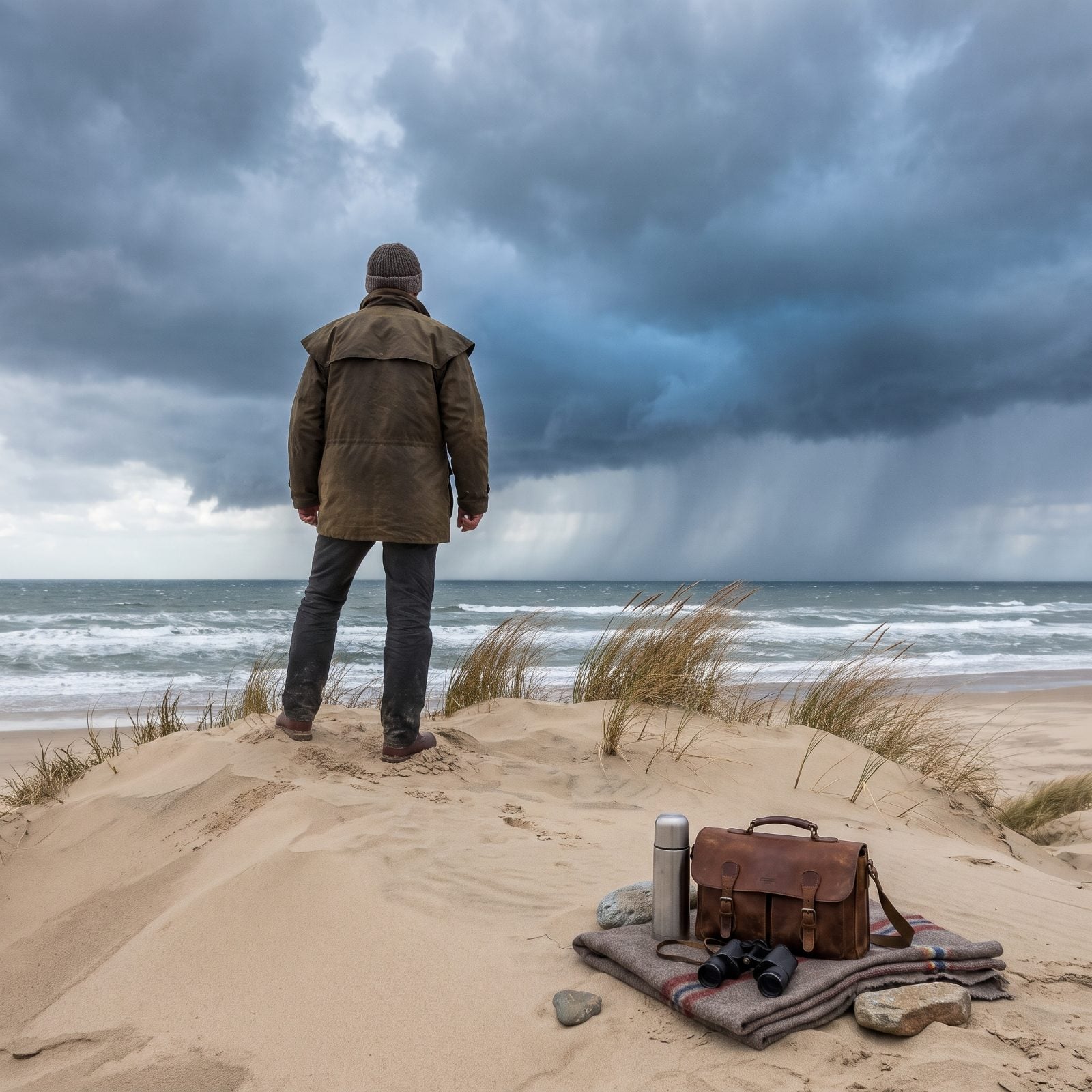
The pull to watch a storm roll in from the sand is real. The sky does things you’ve never seen, and it drags you right out the door.
One season cures it. Wind lifts roofing and signage into flying projectiles, lightning reaches miles ahead of the rain, and surge arrives faster than anyone expects on an open beach — which also happens to be the hardest place to retreat from in a hurry.
Now the watching happens from behind closed shutters, coffee in hand, the weather radio muttering in the background. Same show. Infinitely better seat.
25. Trusting Wi-Fi to Tell You the Weather

The internet is the first thing to go. Not the fifth. The first.
When the power drops the router dies with it, and the cell towers get swamped or knocked offline right when you most need an alert. Phones that live on apps and push notifications suddenly tell you nothing at all. So you find out about the tornado warning from a neighbor pounding on the door.
A battery or hand-crank NOAA weather radio couldn’t care less about any of that. It keeps talking when everything else has gone dark, and dollar for dollar it’s the cheapest peace of mind on this whole list.
24. Lighting Candles When the Lights Go Out

Candles are romantic right up until you factor in a house full of storm debris, gas lines that may have shifted, and a toddler or a curious dog underfoot.
House fires climb after major storms, and open flame in a dark, stressed, cluttered home is exactly why. Fire crews are stretched thin and the roads may be blocked. One knocked-over candle turns into something nobody can reach in time.
LED lanterns and headlamps throw more usable light, cost almost nothing, and never once set the curtains going. The ambiance was never worth it.
23. Assuming the Tap Will Always Run Clean

Turn the faucet, water comes out. That assumption survives exactly one boil-water notice.
Surge and flooding knock out pumping stations, break mains, and pull contaminants into the system. Water keeps flowing for a while on pressure alone — then it doesn’t, or it comes out looking wrong, and either way you can’t drink it and may not know for hours.
So the habit shifts. A gallon per person per day, stored ahead, several days’ worth. Jugs filled before the storm, bathtub filled for flushing. You stop treating the tap as a promise and start treating it as a convenience that quits the second things get hard.
22. Flushing and Running Water During a Sewer Alert
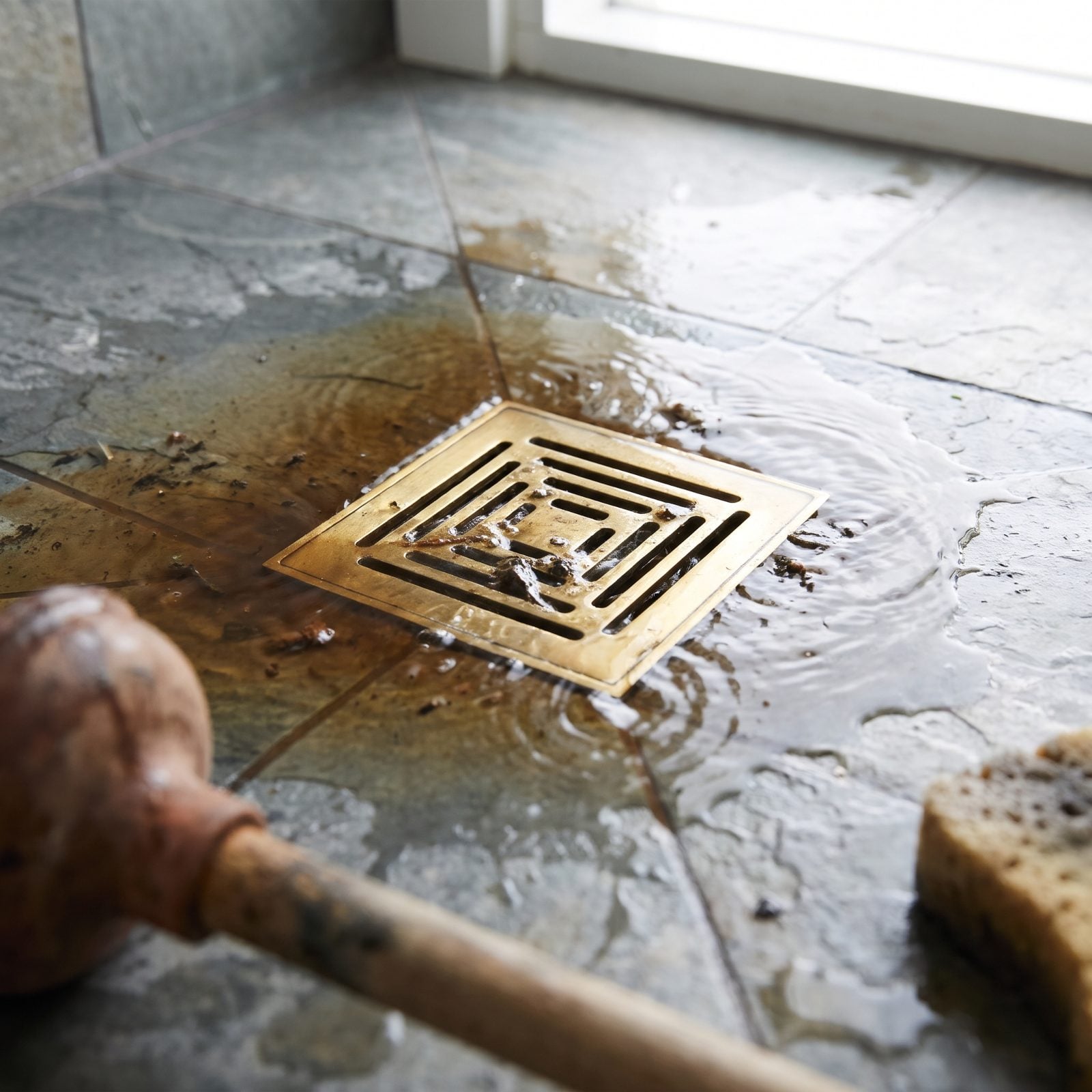
Nobody thinks about the sewer until it comes back up through the shower drain.
When flooding overwhelms a municipal system, or a lift station loses power, pushing more water down the line gives it nowhere to go but back toward you. A sewer advisory means stop — no flushing, no laundry, no long showers, nothing for the dishwasher.
You learn to listen for that one specific alert and shut it all down the moment it comes. A backflow preventer on the main line helps. But the first defense is simply not adding to a system that’s already drowning.
21. Running a Sump Pump With No Battery Backup
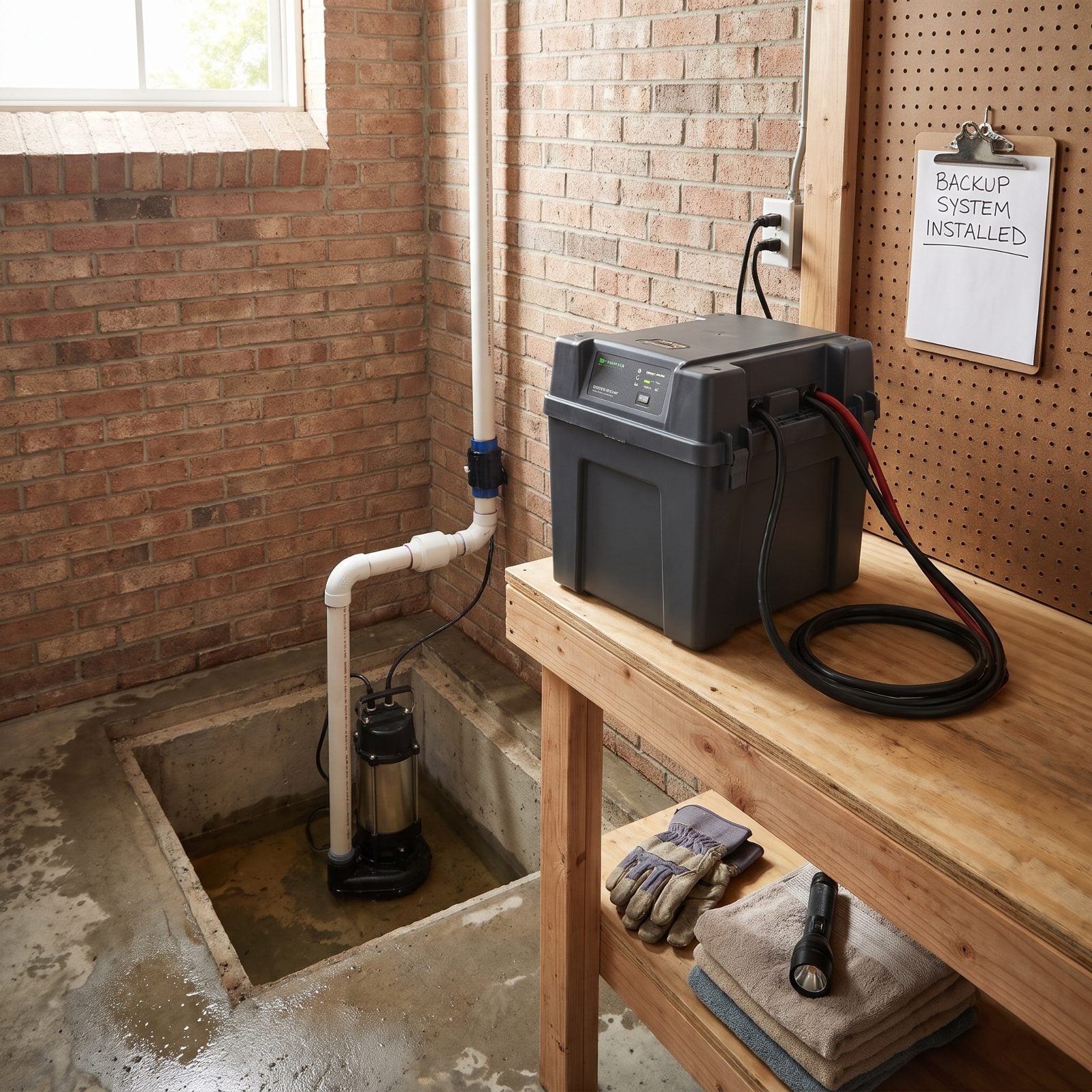
A sump pump is only as reliable as the grid it plugs into. And the grid is the thing that fails first.
So the pump dies at the exact moment the water is rising fastest. You come downstairs to a flooded crawl space or basement because the one device standing between you and the water needed electricity you no longer had.
The fix is a battery backup pump that kicks in on its own, or a water-powered backup where municipal pressure holds steady. First season teaches you that a primary pump alone is a plan with a hole right in the middle of it.
20. Setting the Generator Up Next to a Door or Window
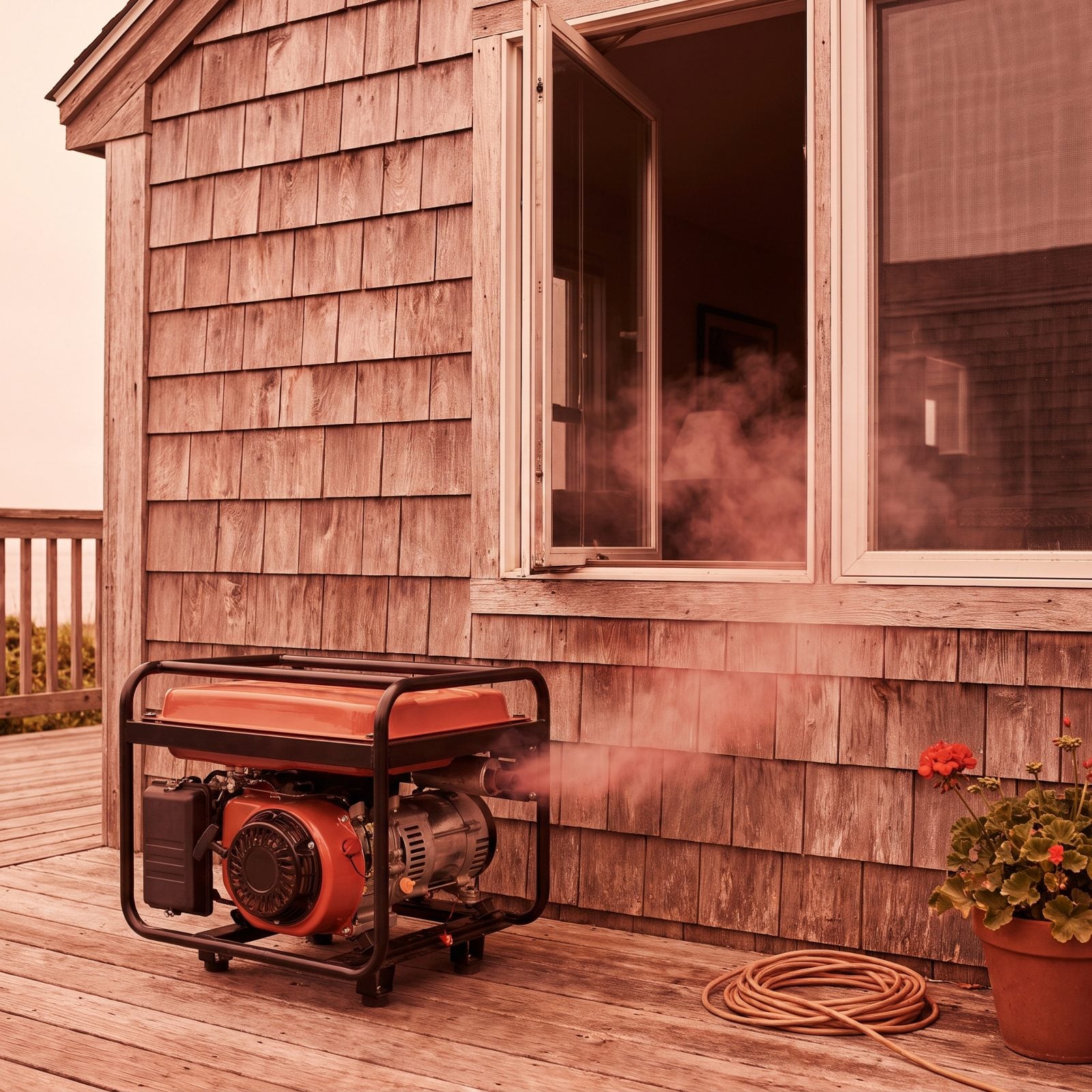
This is the one that kills people, and it does it quietly.
A generator tucked under an eave, in an open garage, or beside a cracked window feels sensible — out of the rain, close to the cord. It’s also feeding carbon monoxide straight back into the house, and the gas gives you no smell and no warning. People go to sleep and don’t wake up.
After one season the rule is absolute. Generators run outside, far from the house, exhaust pointed away from every opening, never under a carport. A battery CO alarm goes inside. No exceptions, no shortcuts the night you’re tired.
19. Saving the Generator Test for the First Outage
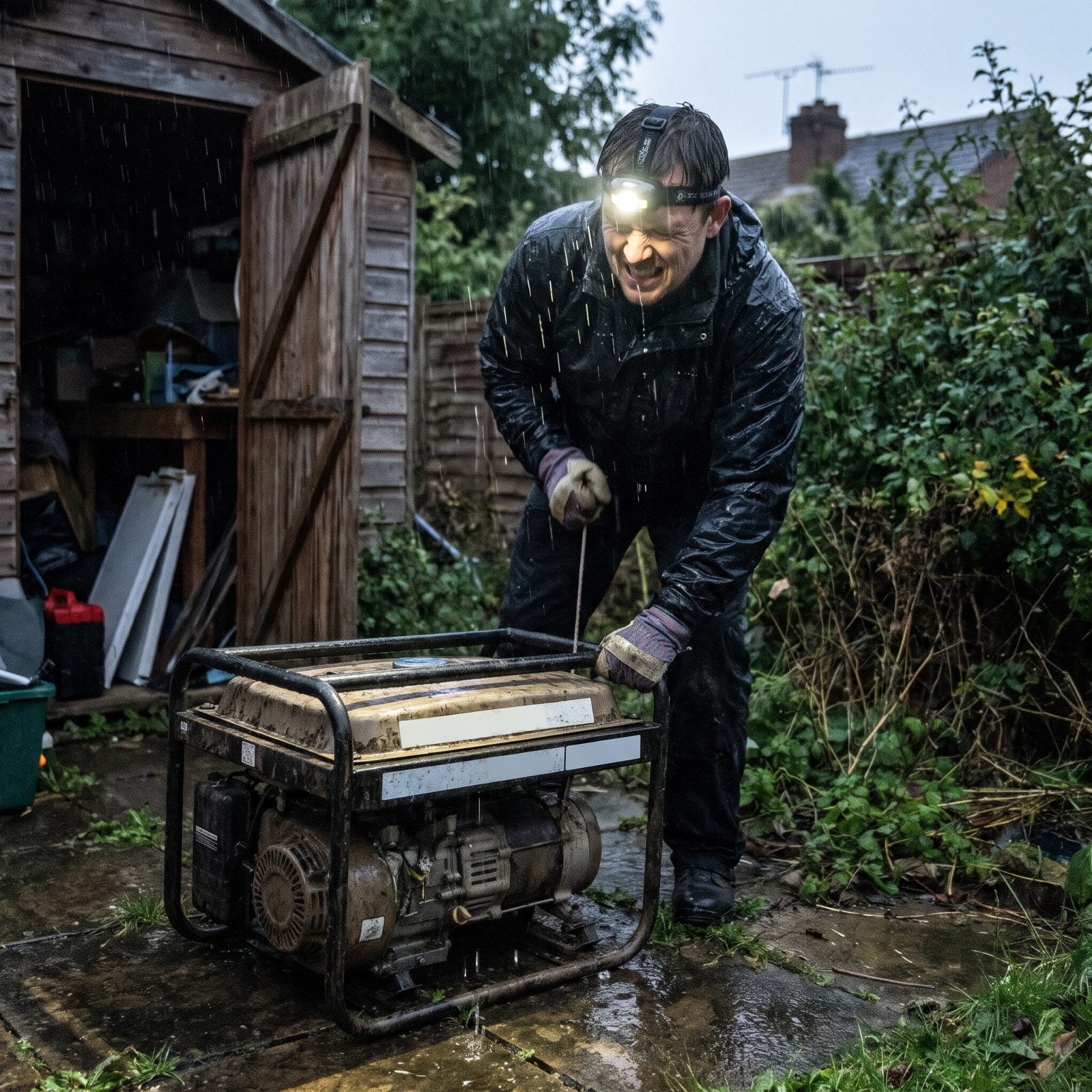
The generator comes out of the box, goes in the shed, and waits. The first time anyone starts it is at 2 a.m. with the power out and the water rising — which is right when you discover the fuel went stale, the oil’s low, or it won’t turn over at all.
Generators want to run on a schedule when nothing’s wrong. A monthly test start, fresh stabilized fuel, a quick oil check, a spare set of plugs in the drawer. Ten quiet minutes on a sunny day beats a dead machine on the worst night of the year.
18. Bringing Propane Cylinders Into the Garage
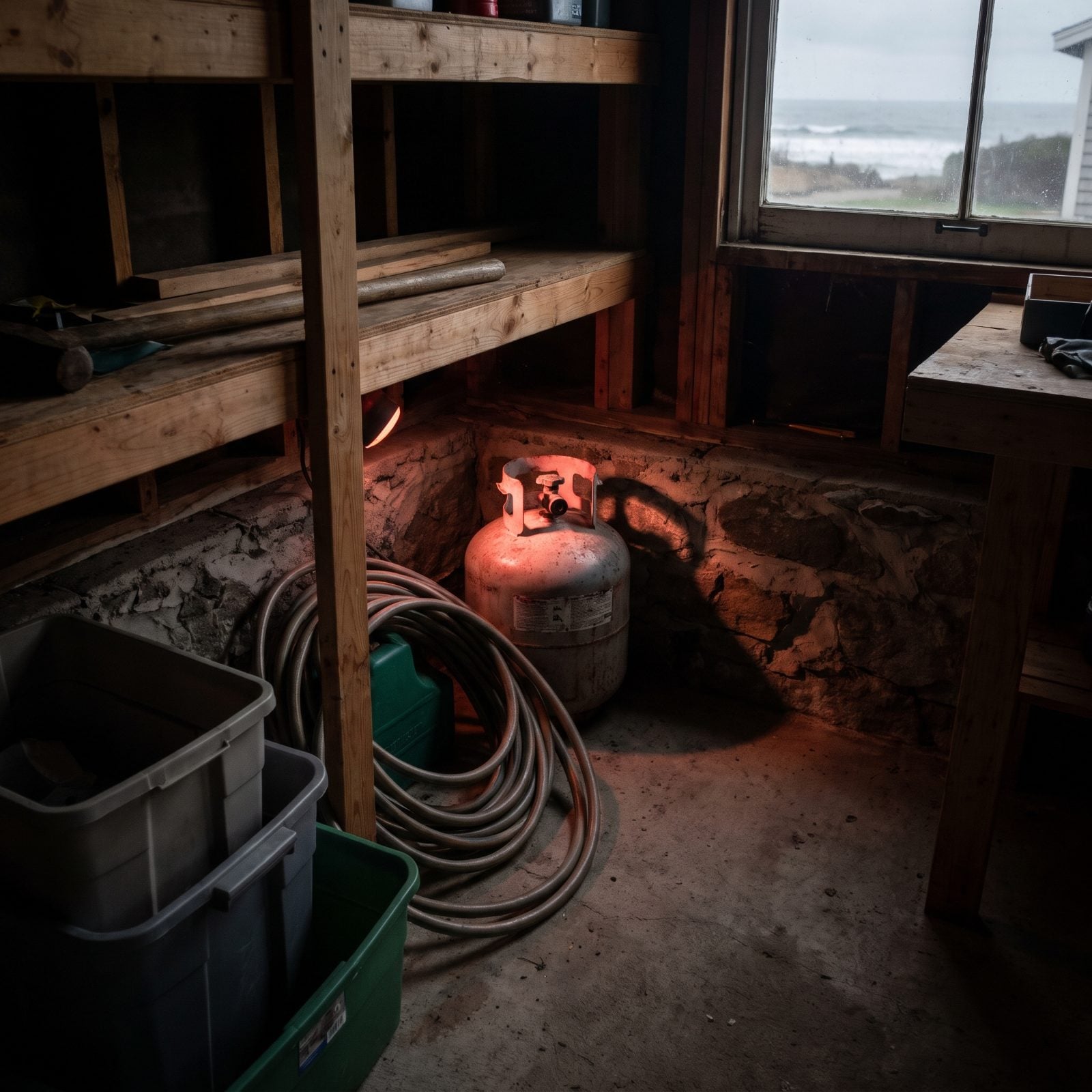
You brought the grill tank into the garage to keep it dry. Everyone does it once. Then a storm season teaches you that propane and an enclosed space make a terrible pairing, especially when the power flickers and a pilot light somewhere decides to argue.
Cylinders belong outside, upright, strapped to a rack, a good distance from the walls. The move that saves you is boring: a ventilated spot in open air where a leak can disperse instead of pooling.
A town fire marshal warns that propane tanks kept inside a shed or garage that also holds pool chemicals, fertilizer, or gasoline-powered yard equipment pose a risk to residents and firefighters. (via a town fire marshal)
17. Keeping Outdoor Electrical Circuits Energized
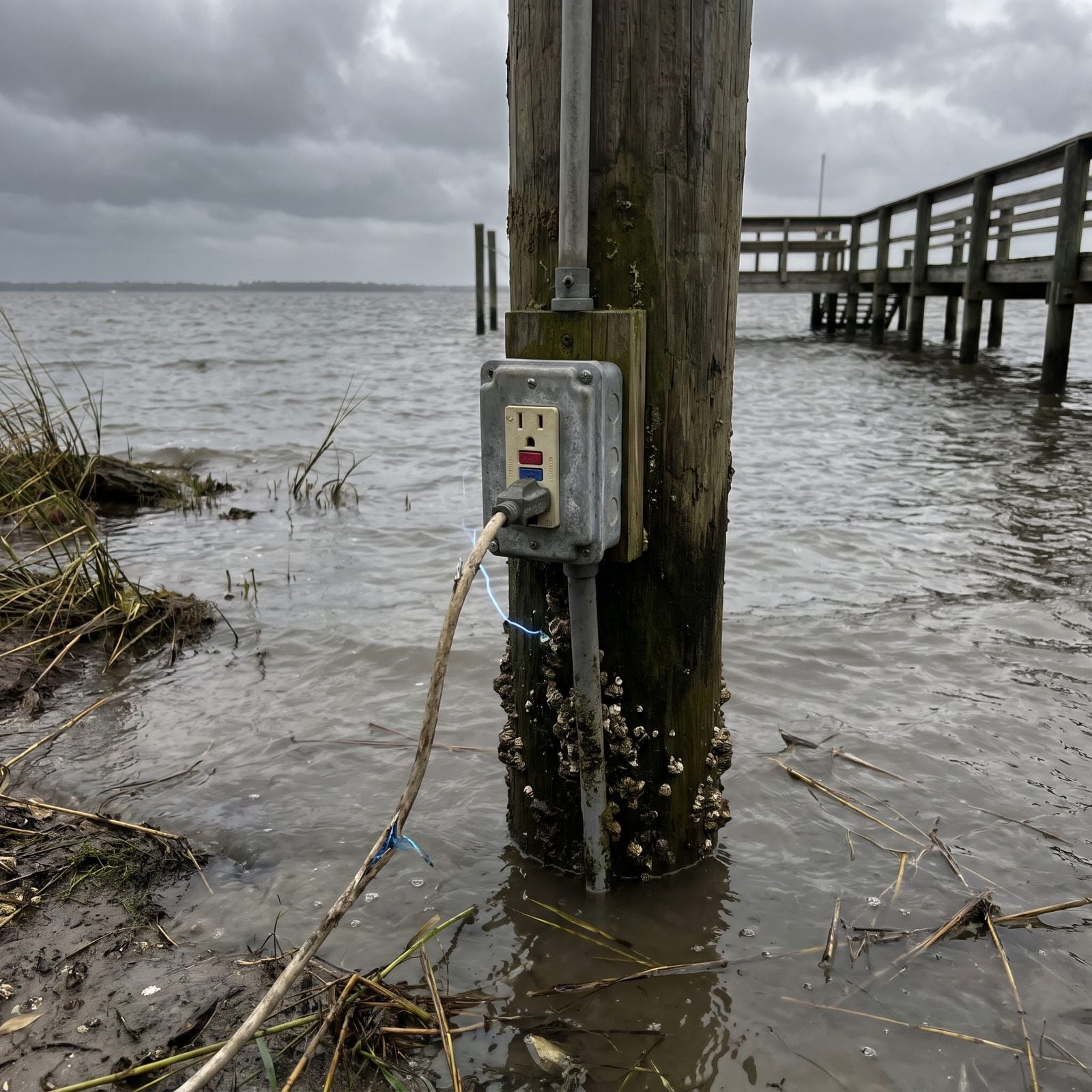
Dock lights, the pool pump, the outlet behind the shed: all of it stays live year-round until water finds a circuit and reminds you electricity doesn’t care about your plans.
After one surge season, you learn to kill the outdoor circuits before the water arrives. Live conductors sitting in floodwater threaten anyone wading through the yard, including the crew who shows up to help.
It takes thirty seconds at the panel. Label the breakers now, while it’s dry and you can think straight, because you won’t be thinking straight later.
16. Storing Valuables on the Ground Floor
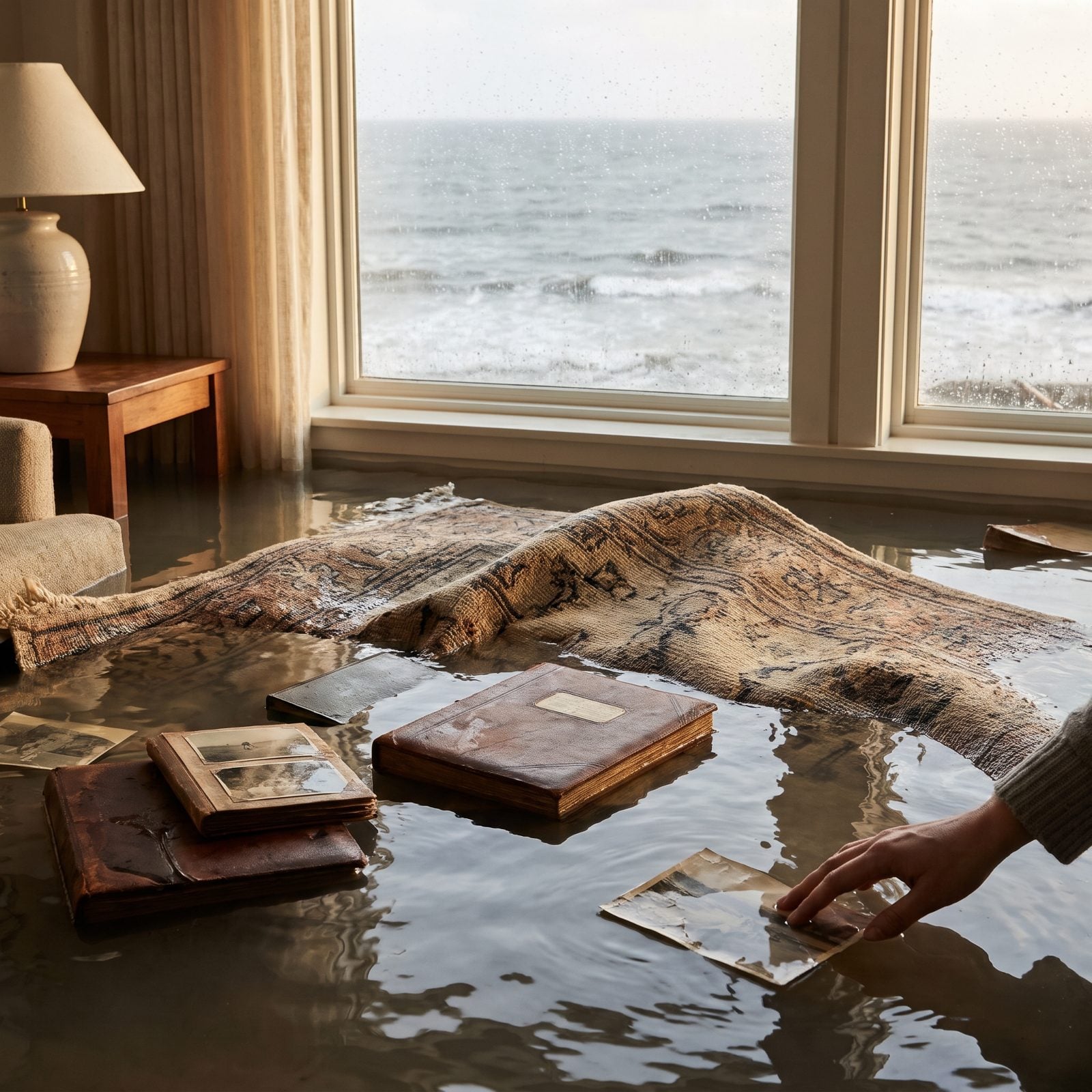
The ground floor is the first thing the water claims. Photo albums, the good rug, the box of tax documents, the guitar: anything irreplaceable kept at surge level is a bet you’ll eventually lose.
Homeowners who’ve been through it move the sentimental and the critical upstairs or into waterproof totes on high shelves. Not everything. Just the things you’d grieve.
15. Using Cardboard Boxes for Garage Storage
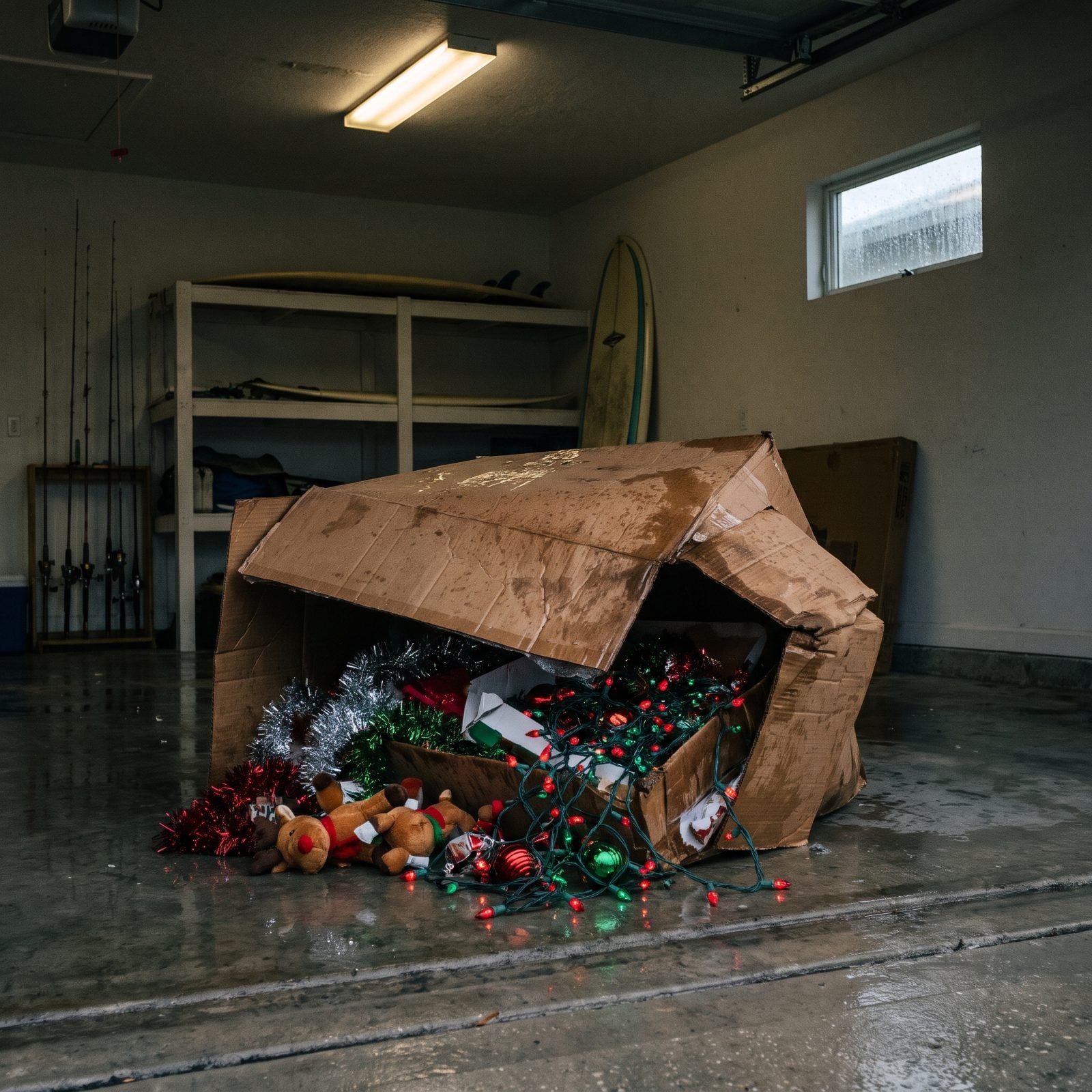
Cardboard wicks water like a sponge and then collapses. One damp season and your holiday decorations, boat cushions, and spare life jackets become a mildewed heap on the floor.
Sealed plastic totes with latching lids earn their keep the first time the garage takes an inch of water. Get them up on shelving, off the slab, and you’ve solved the problem before it starts.
14. Keeping Paint and Chemicals at Flood Level
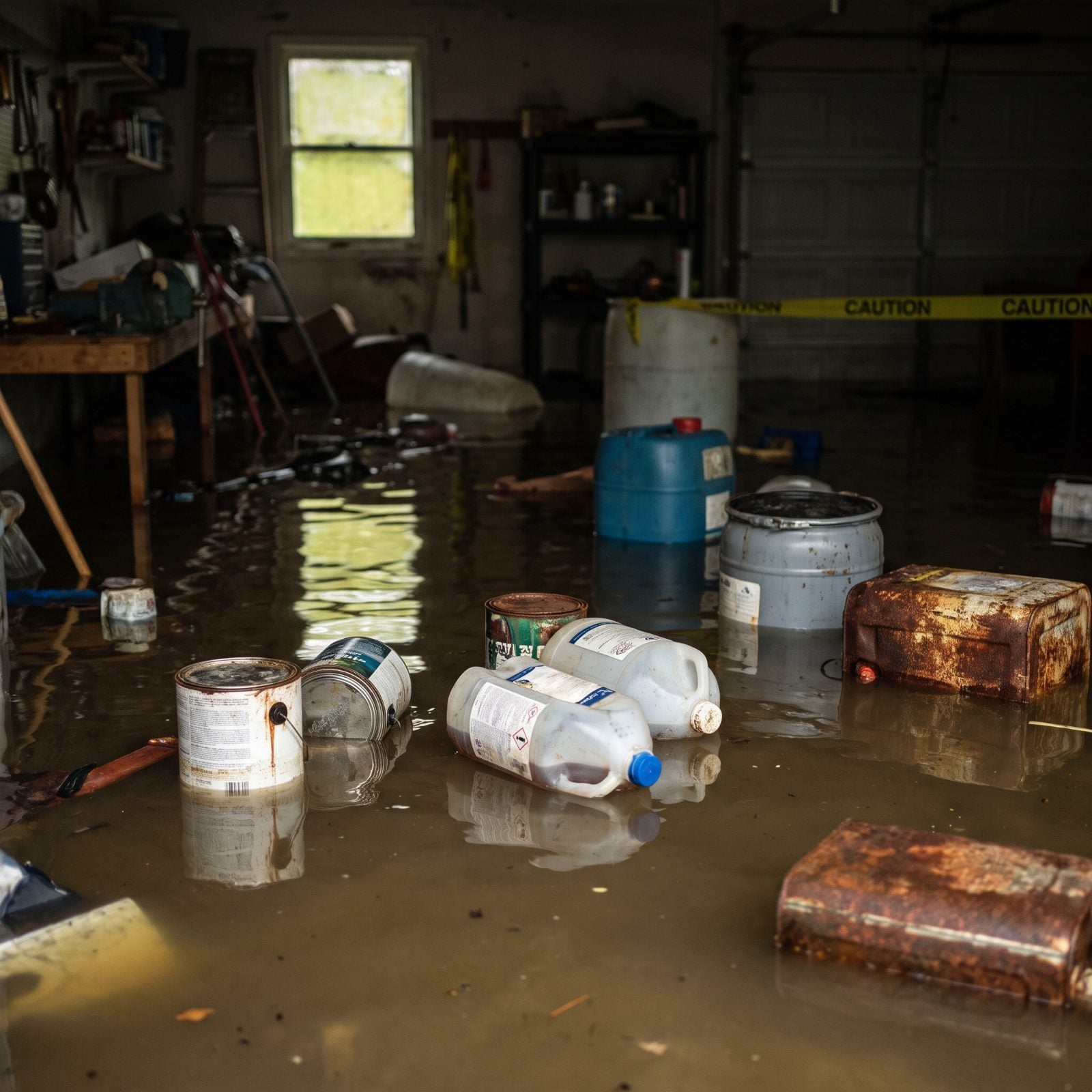
Think about what’s sitting on your garage floor right now. Paint thinner, pool shock, fertilizer, a half-gallon of gasoline for the mower.
Floodwater doesn’t just ruin those containers when it hits the shelf. It mixes everything into a slick that spreads through your yard and your neighbor’s, and some of those combinations are genuinely hazardous.
The fix is height. A wall cabinet mounted high keeps chemicals above the waterline, which spares you a cleanup nobody signed up for.
13. Throwing Away Damaged Property Before Photographing It
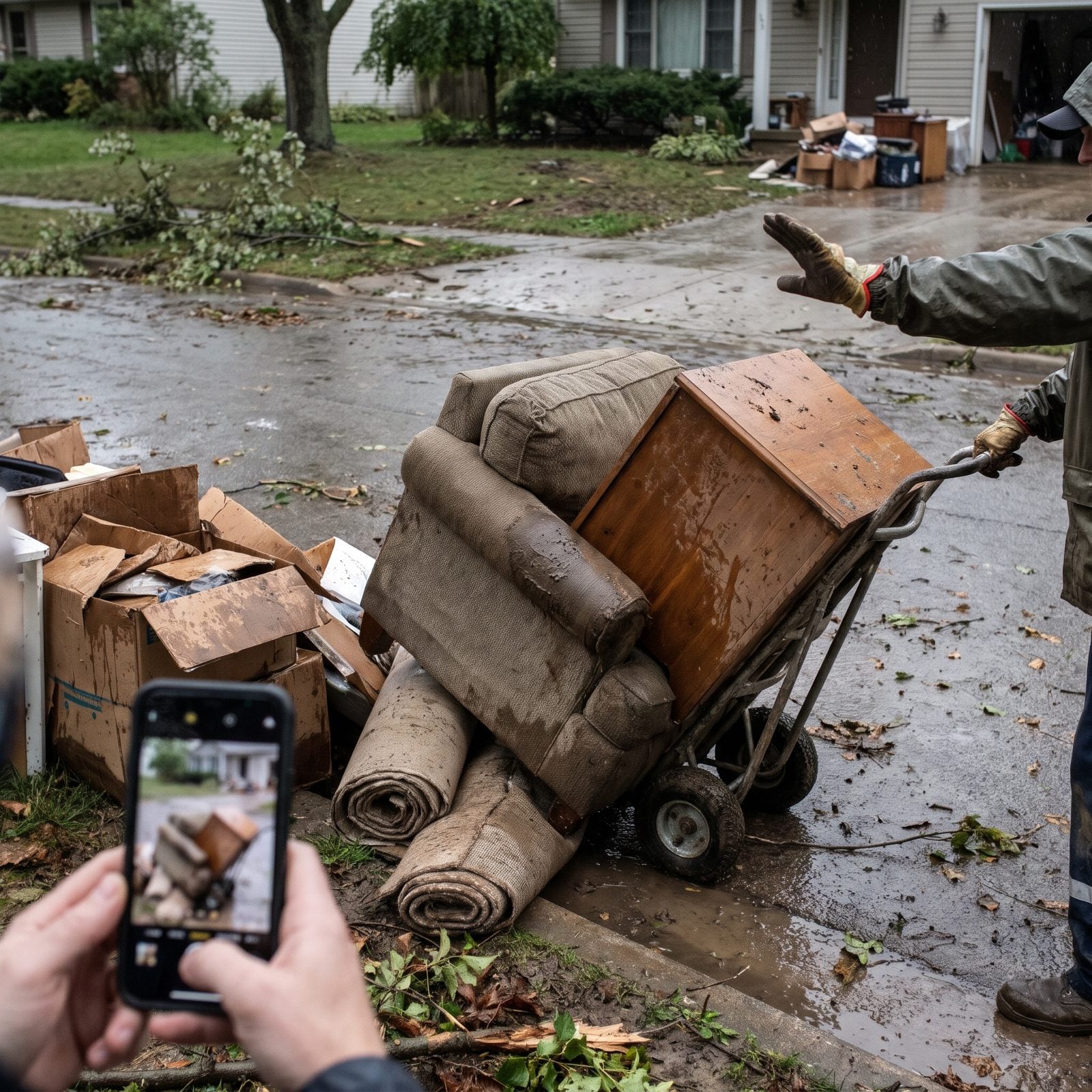
The instinct is to haul it all to the curb and be done. Don’t. Soaked furniture smells awful and you want it gone, but an adjuster can’t reimburse what they can’t see.
People learn this the expensive way. Photograph every ruined item first, from a few angles, before it leaves the property. Keep a sample of damaged flooring or drywall if you can.
Then move it out. Documentation before disposal, every time, because the paperwork decides what you get back.
12. Hiring the First Roofer Who Knocks
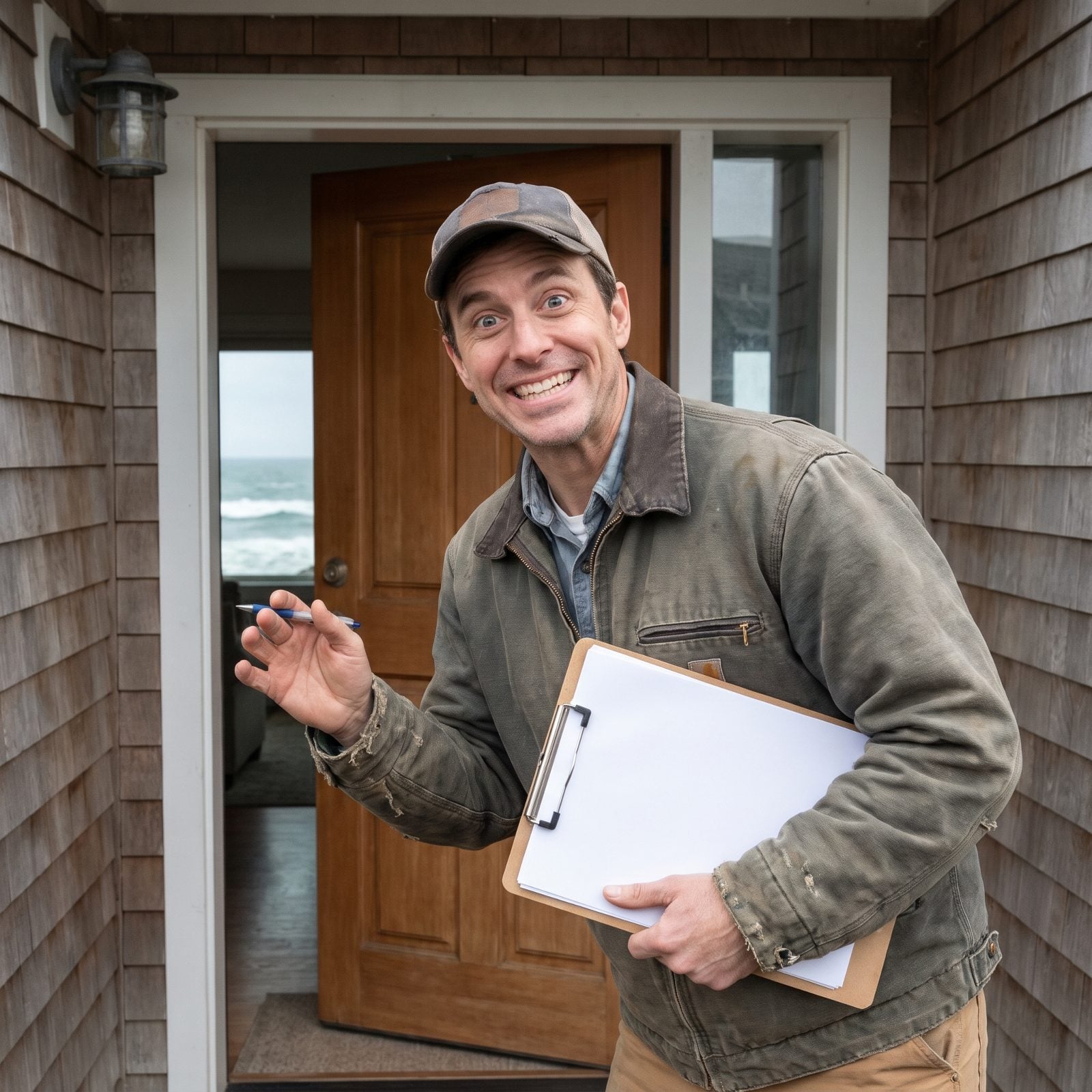
After a big blow, trucks cruise the neighborhood and a friendly guy appears at your door with a clipboard and a too-good price. The pressure is the pitch.
Storm-chasing contractors collect a deposit and vanish, or do shoddy work that fails the next season. Get burned once and you’ll start checking licenses, pulling references, and refusing to pay large sums up front.
11. Letting Mulch Cover Yard Drains and Swales
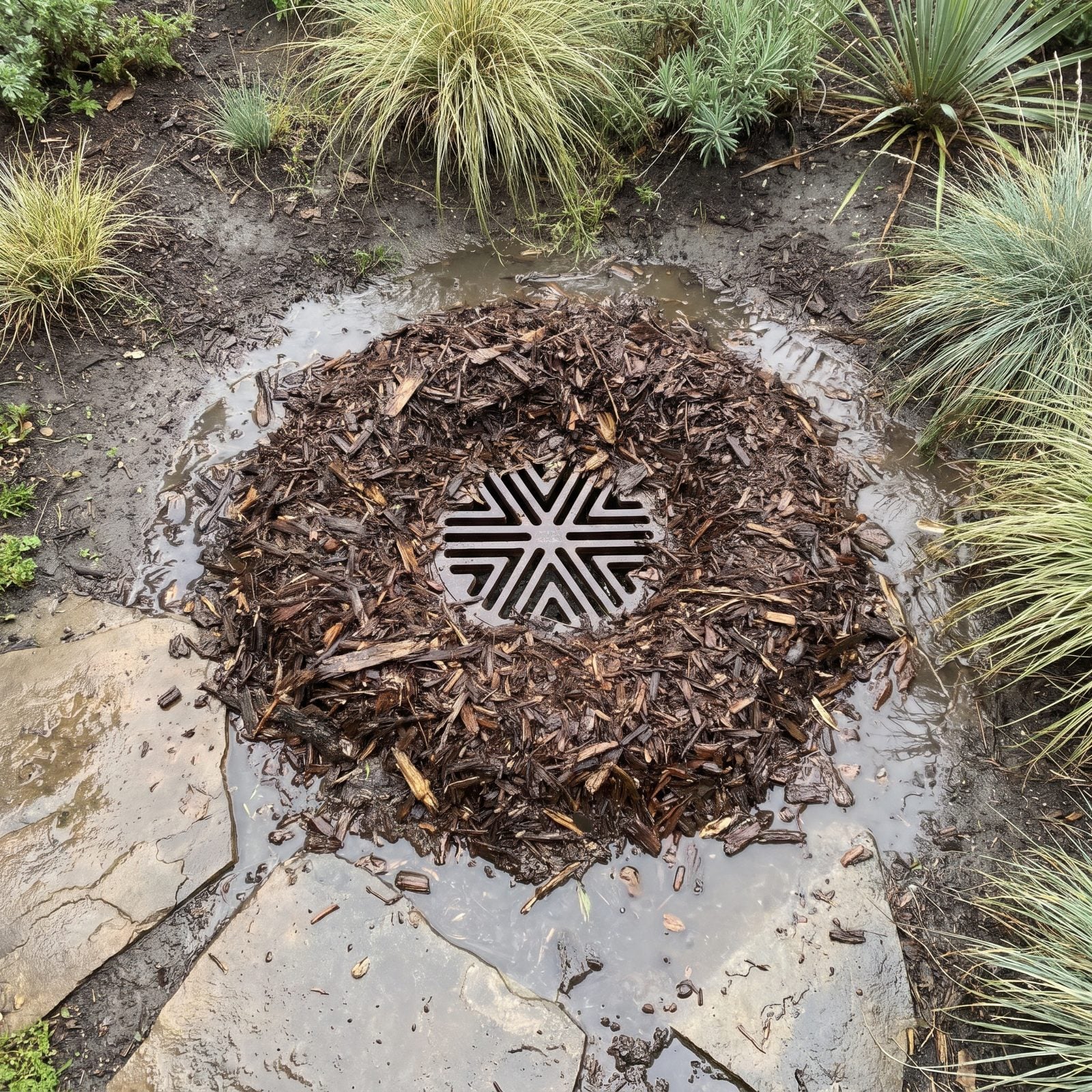
You spread fresh mulch across the beds and it looks great. It also floats, and the first hard rain carries it straight into the yard drain or packs the swale that’s supposed to carry water away from your foundation.
One soggy season and you figure out that the grass channel between you and your neighbor isn’t a design flaw. It’s doing a job. Keep it clear, keep the drain grates visible, and mulch stays in the beds where it belongs.
10. Allowing Branches to Rest Against the Roof
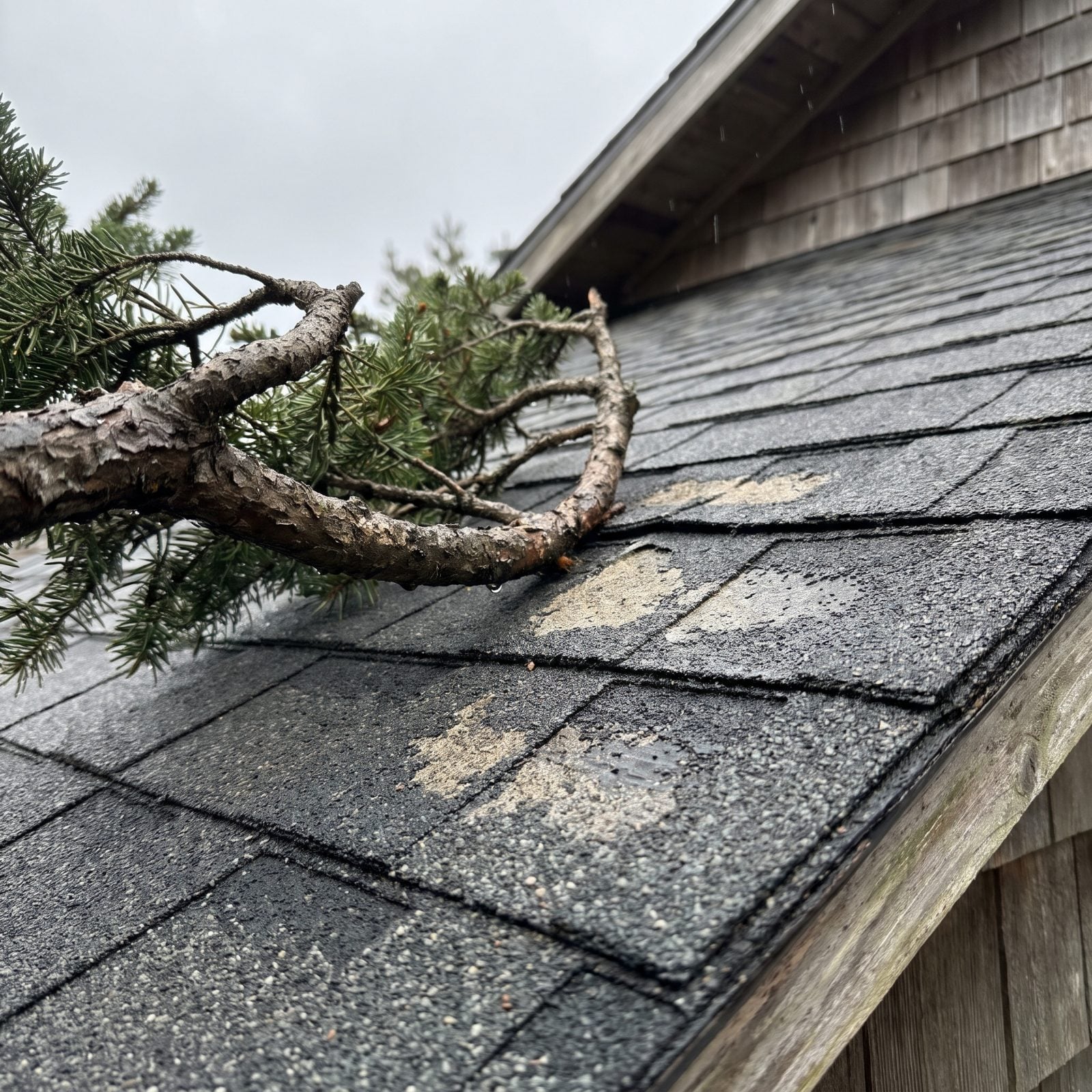
A branch brushing the shingles seems harmless. In a storm it turns into sandpaper, scrubbing granules off your roof with every gust, and in a strong enough wind it becomes a projectile aimed at your attic.
Overhanging limbs also hand squirrels and roof rats a ramp straight to your soffit. After one windy season, you keep the canopy trimmed back a good few feet from the roof and eaves.
Do it before hurricane season, not during. Nobody wants to be up a ladder with a pole saw when the wind’s already picking up.
9. Using Loose Decorative Gravel Near Large Windows
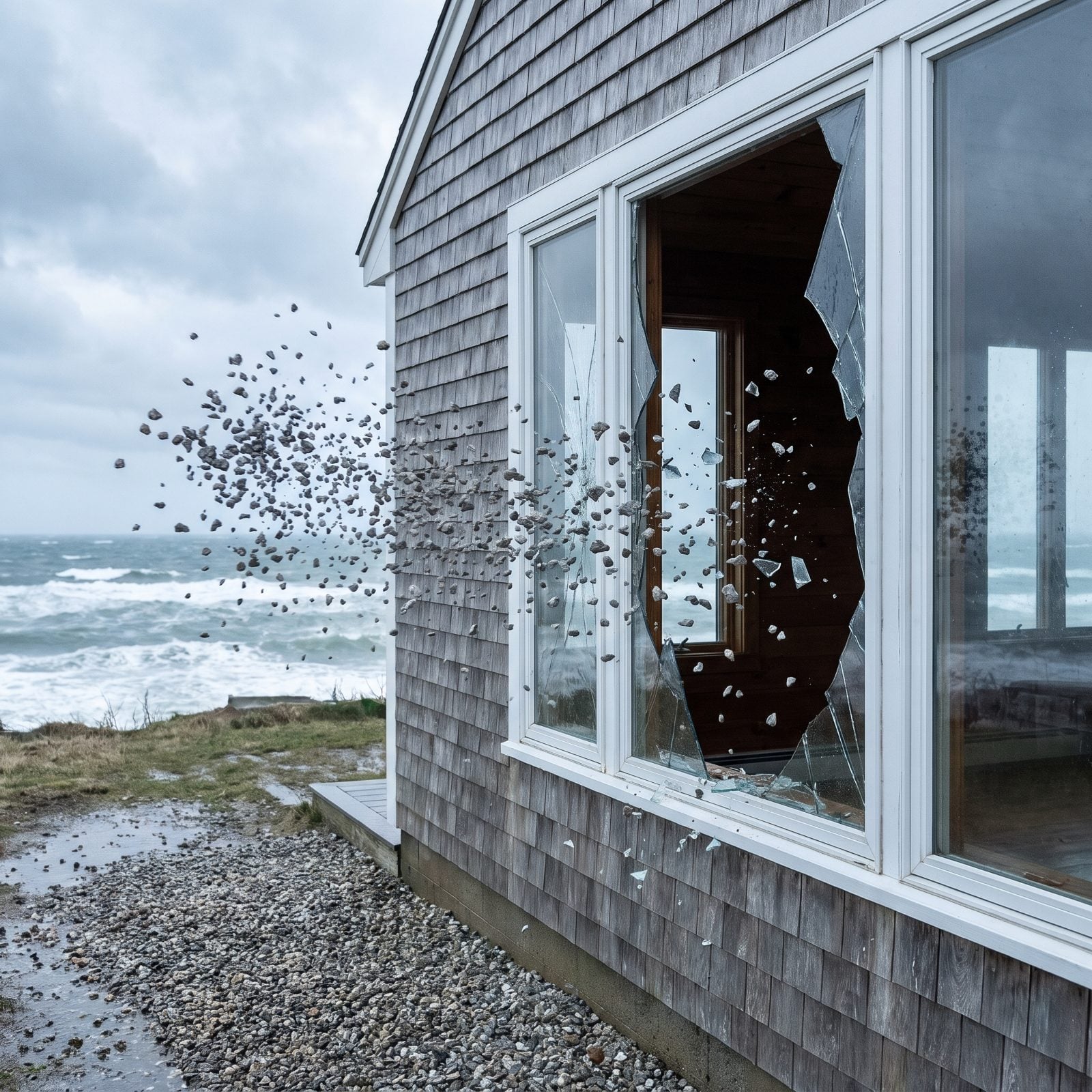
Pretty gravel turns into shrapnel when 90-mile winds get hold of it. You learn this the first season, usually from the starburst of cracks a storm of flying stones leaves spidering across your biggest window.
Loose stone near glass is trouble, so most folks swap it out for something that stays put: larger anchored river rock, ground cover, or crushed shell packed tight against an edging. You lose a little of the look. The window you keep makes up for it.
8. Draining the Swimming Pool Before a Storm
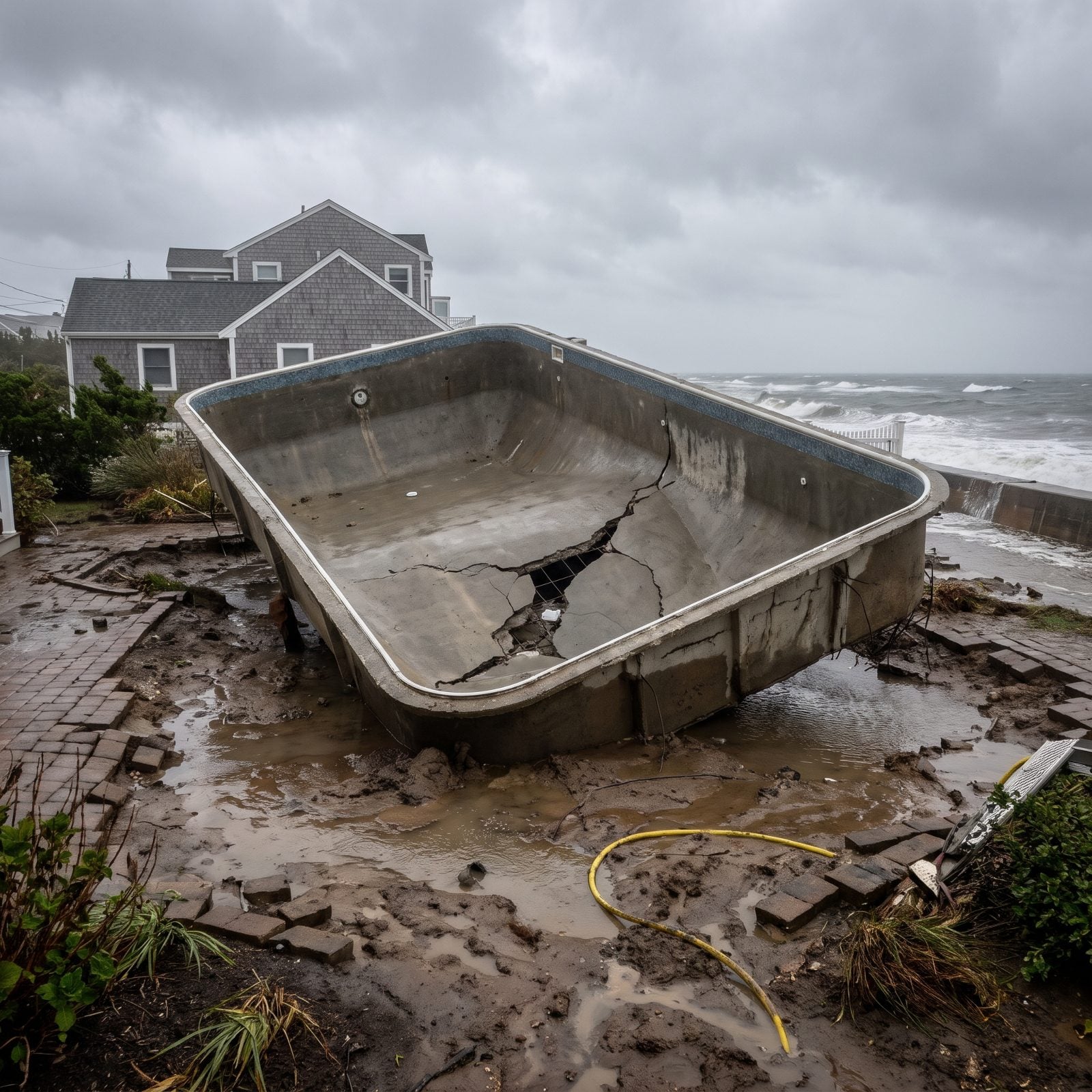
Empty your pool before a hurricane and you may float it right out of the ground.
Saturated soil shoves up on an empty concrete shell with a force that’s hard to picture until you’ve seen the aftermath. The water sitting in the pool is what pins it down. Plenty of owners drained for a storm that first year, figuring they were being careful, and then watched the whole structure heave and crack like a dropped dinner plate.
So here’s what most people land on. Leave it full, or close to it. Lower the level a foot or so if heavy rain is coming to give it room, shut off the equipment, and let the weight do its job. The pool stays put, and your back and your wallet both thank you.
A pool builder says that although social media posts recommend draining a swimming pool before a hurricane, doing so is not necessary. (via a pool builder)
7. Skipping a Freshwater Rinse After Salt Spray
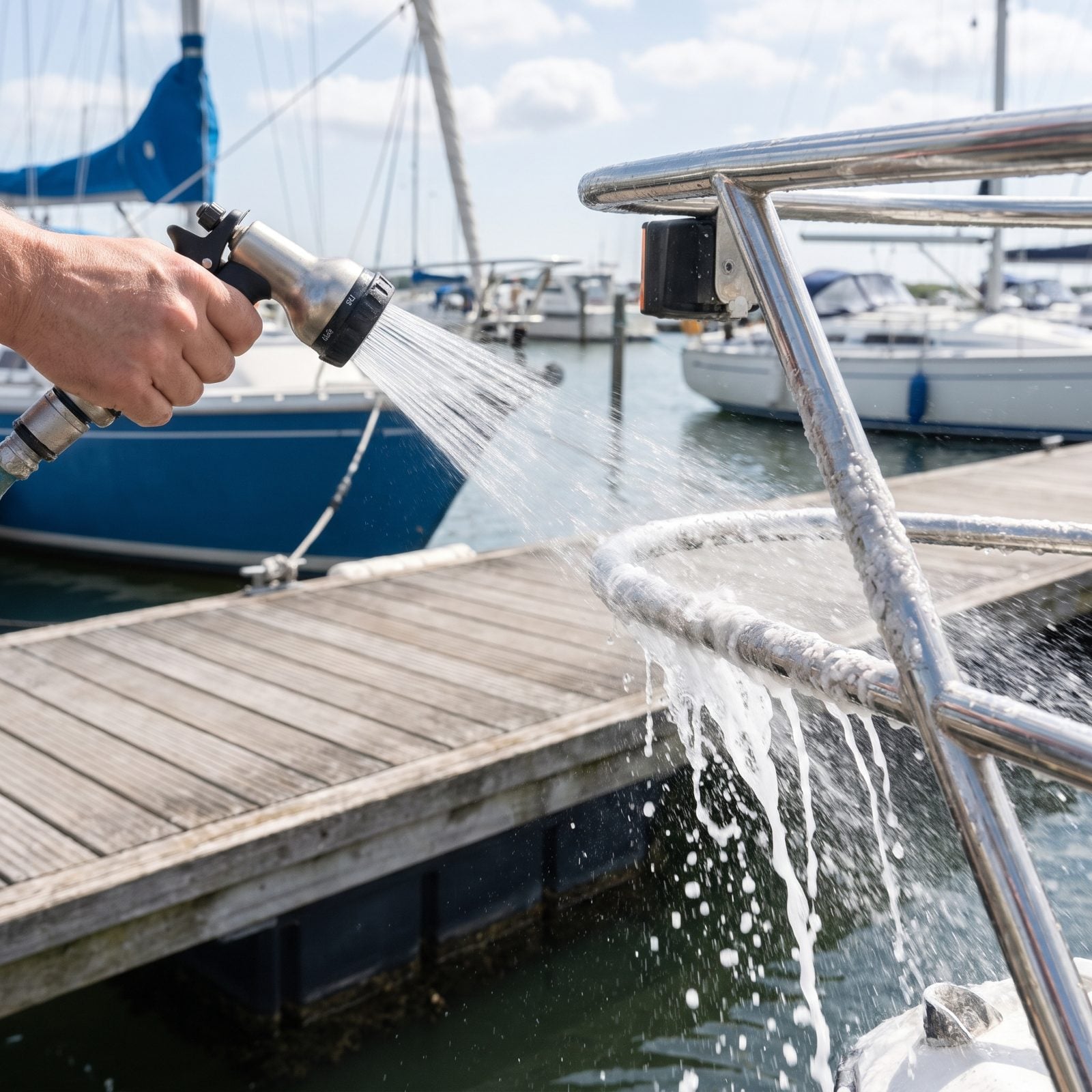
Salt does not take the day off. It settles on railings, hinges, window tracks, outdoor light fixtures, and the boat, and then it sits there chewing away at every bit of it.
After one season of seized latches and rust bleeding down white trim, a freshwater rinse stops feeling optional. Hose down the hardware, the screens, anything metal after a blow. It stretches the life of everything you own near the water.
6. Repainting Damp Walls Before Moisture Testing
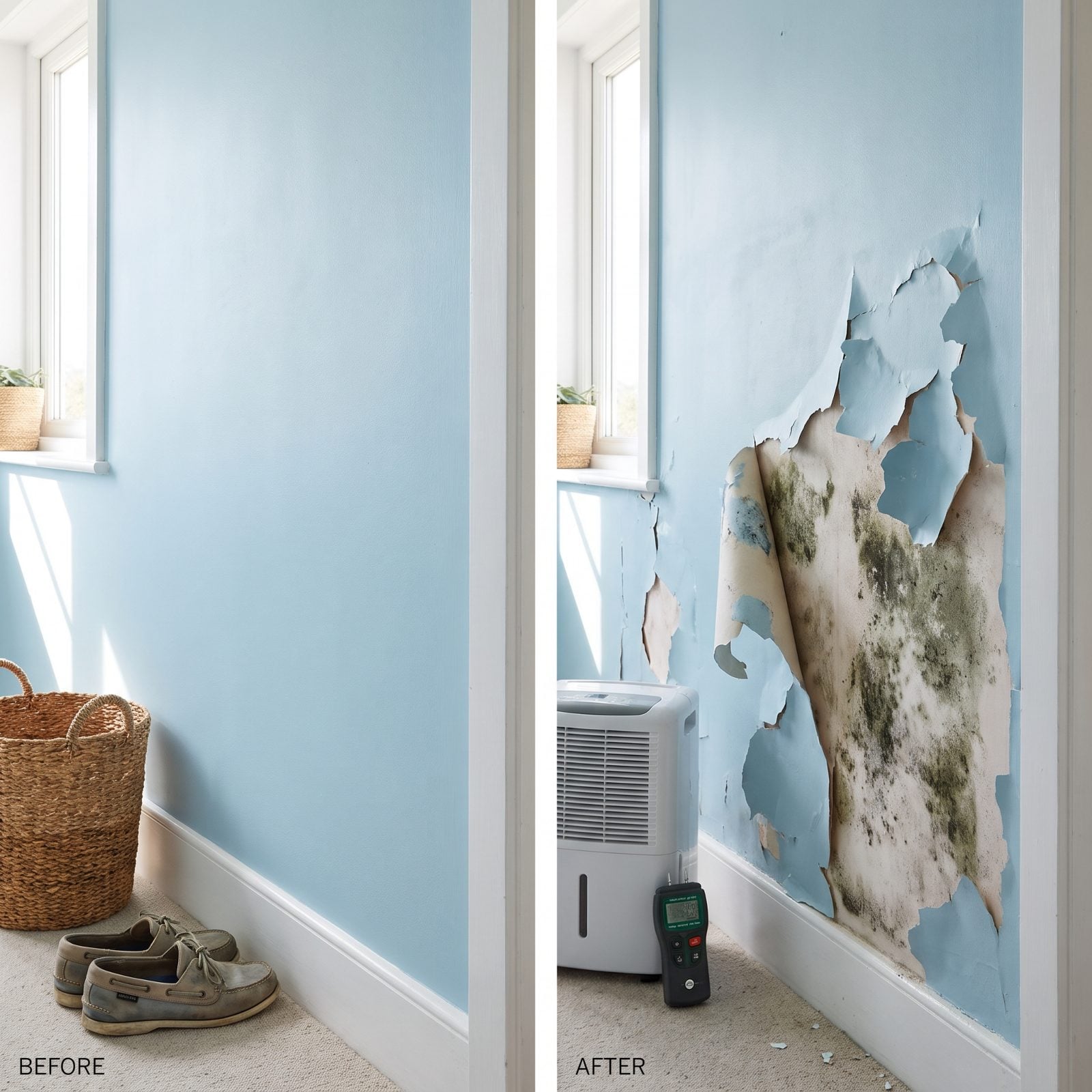
Fresh paint over a wall that’s still wet inside is a time bomb. It looks finished for about three weeks. Then the mold blooms behind the new coat, and now you’re tearing out work you just paid for.
What replaces the rush? Test first, dry fully, then paint. A cheap moisture meter (trust a proper reading, not a glance) and a little patience save a full redo. Walls can read dry to the touch and still be soaked behind the surface, which is the part nobody warns you about until you’ve learned it the hard way.
5. Cutting Down a Storm-Damaged Leaning Tree Themselves
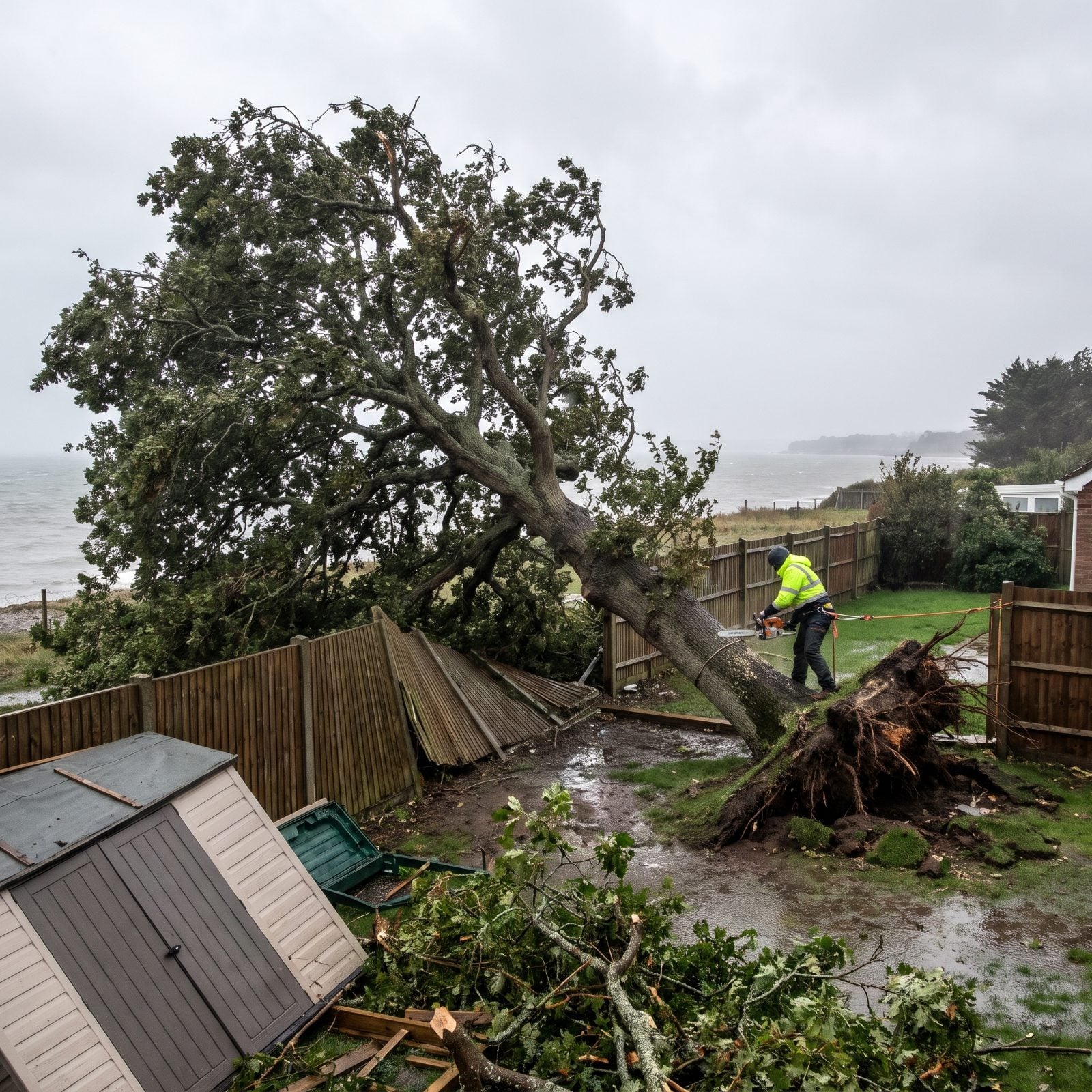
A leaning tree with a stressed trunk and lifted roots is holding tension you cannot see. One wrong cut and it comes back at you, or drops on the house you were trying to protect.
Homeowners who tried it once, and got lucky, usually never try it again. They call an arborist for anything leaning, split, or hung up in power lines. What you spend is pocket change next to what a loaded trunk can do when it lets go. This is one job where confidence is the dangerous part.
Writing after a tropical storm toppled trees, a university extension expert warns: “Cutting even small branches can cause pieces to release tension and spring back, or cause weight and balance to shift unexpectedly with the potential for serious injury.”
4. Installing Expensive Finishes Below an Elevated Home
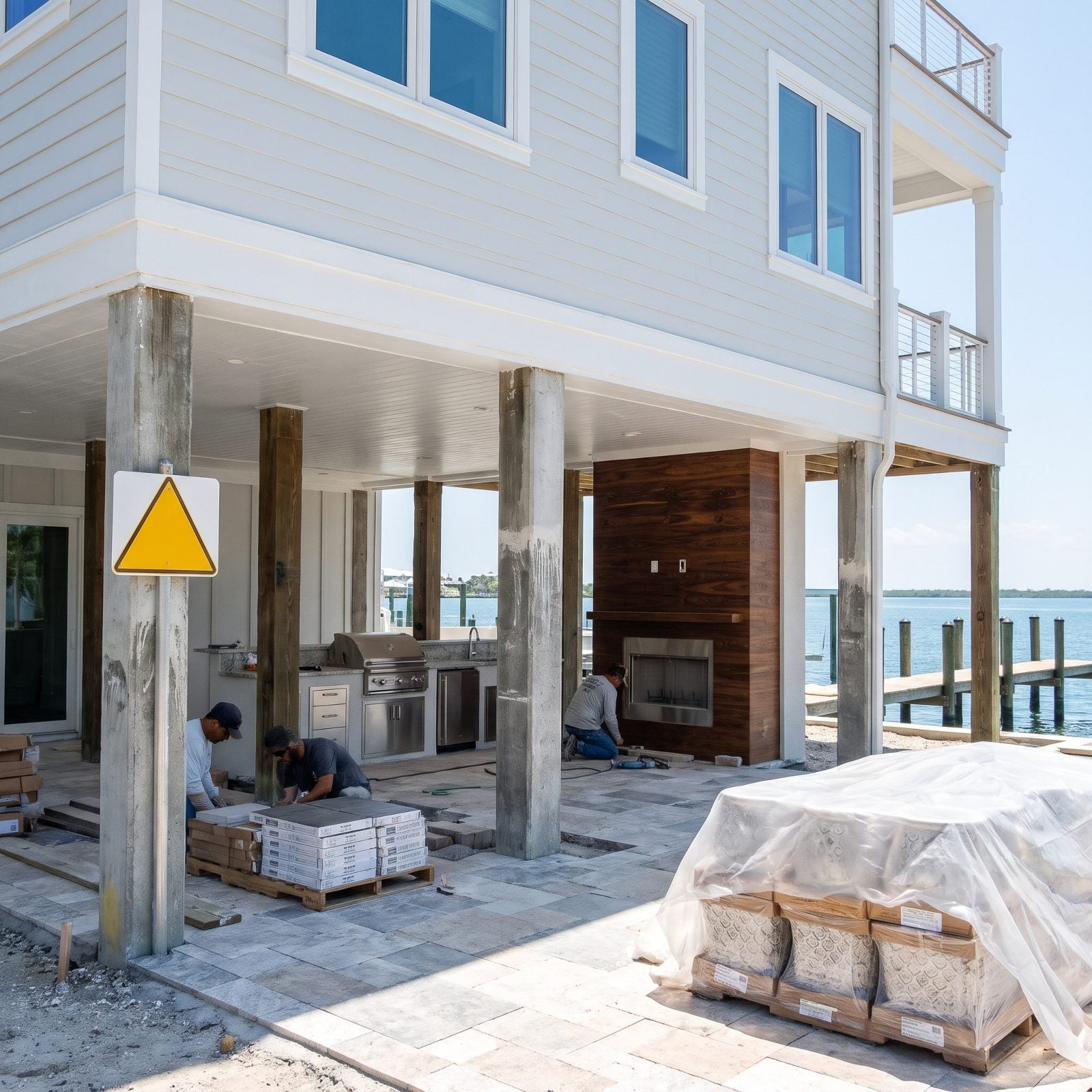
The space under an elevated house is designed to flood. That’s why the living space sits up above it in the first place.
Finish that ground level with nice drywall, a real bathroom, fine cabinetry, and the first surge turns it into an expensive pile of ruined material. Owners figure this out fast and shift to flood-friendly choices below: sealed concrete, breakaway walls, raised storage, and nothing down there they’d mourn.
3. Keeping All Emergency Supplies in One Closet
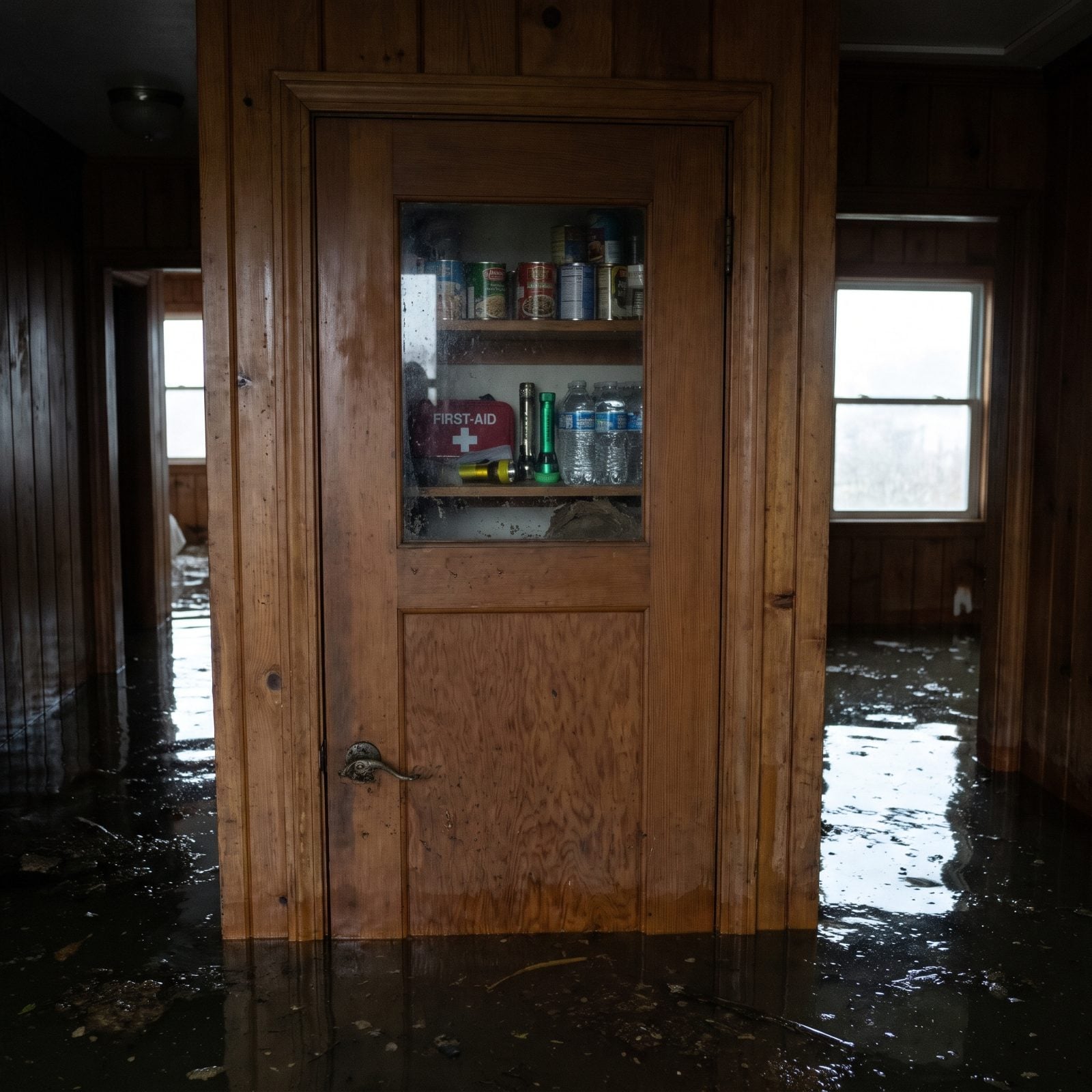
One closet full of supplies feels organized right up until that closet is behind a flooded door, or you’re evacuating and can’t haul the whole thing.
After a season, the single stash becomes a split system. A grab-and-go bag by the door. Backup supplies up high and dry, water spread across more than one spot. Redundancy beats tidiness here, because you want to reach something useful no matter which part of the house the storm takes out first.
2. Assuming a Neighbor Will Watch an Empty Coastal House
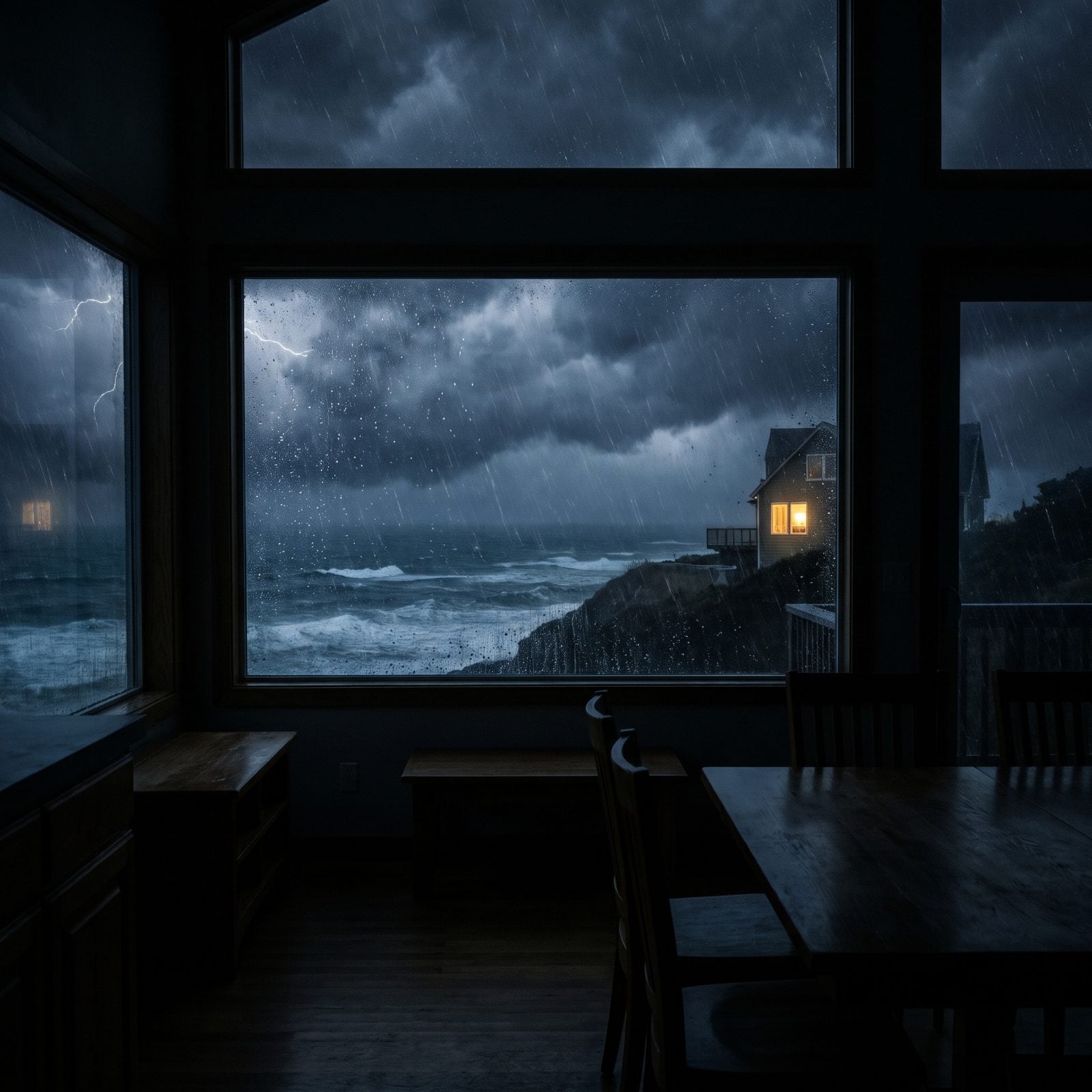
A neighbor watching your place is a kindness, not a plan. In a real storm they’re protecting their own home and family, and they simply can’t be your eyes on a second property across the street.
Second-home owners learn to stop leaning on good intentions. They set up a paid watch service, remote cameras, shutters they can close ahead of time, and a written list of who has a key and what to do. That favor you asked for at the closing table rarely holds up once a named storm is bearing down.
1. Assuming Homeowners Insurance Covers Flooding
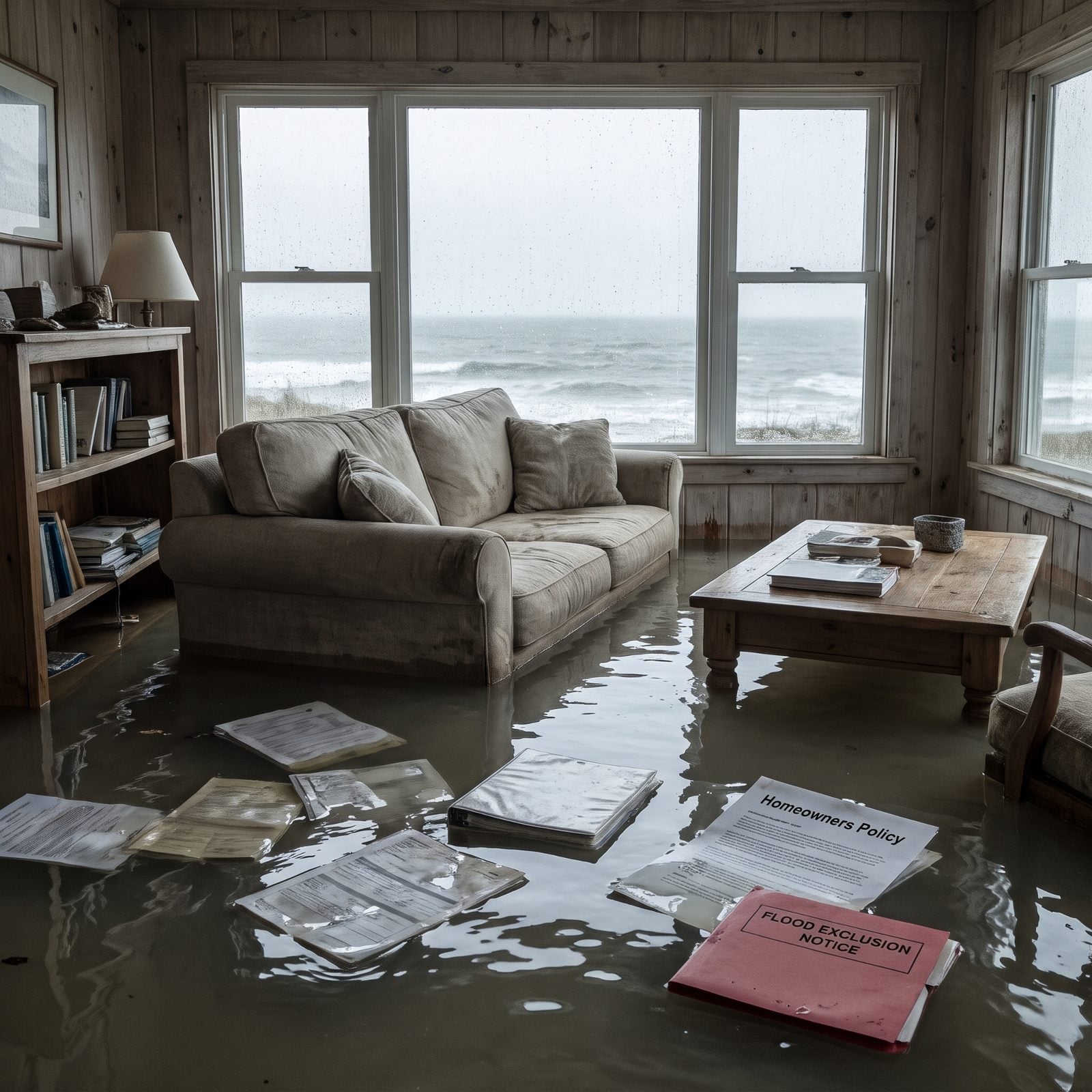
This is the one that stings worst, because you don’t find out until the water’s already gone.
Standard homeowners policies exclude flood. Full stop. Storm surge, rising water, the creek that came up the lawn, none of it is covered without a separate flood policy. People discover this the first time they file a claim and get told no.
So they stop assuming and start reading. They buy flood coverage, learn their zone, and come to understand that policies often sit out a waiting period before they take effect, which means you can’t grab one as a storm is spinning up offshore. The gap between what you thought you had and what you actually had is where coastal dreams go to die.