
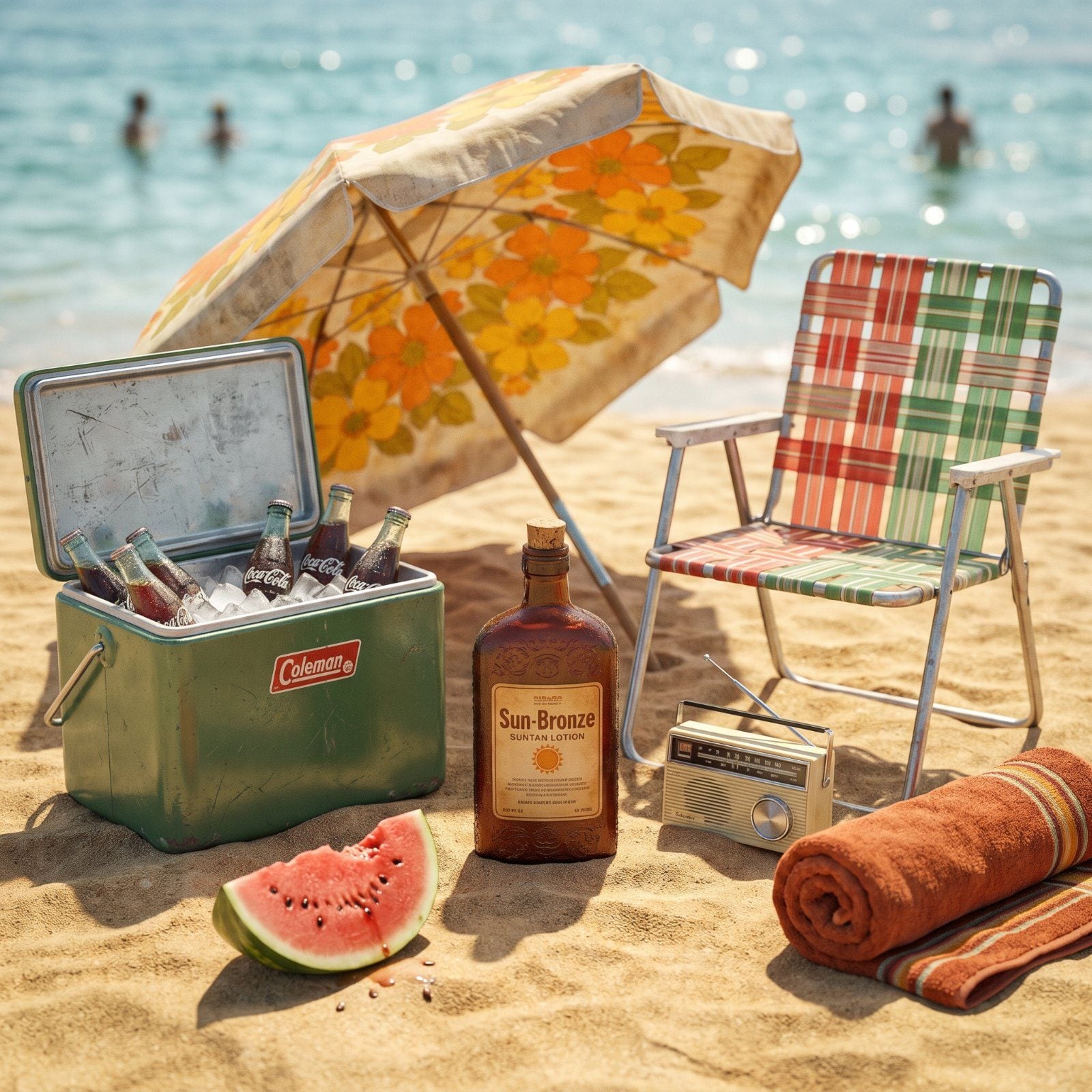
The smell hits first. Coconut oil baking on hot skin, salt drying in your hair, the faint sweetness of watermelon rind left too long in the sun. A whole decade of beach summers lived without a single screen, without sunscreen worth the name, and without a single reason to be anywhere else by three in the afternoon. We spent whole summers at the shore back then, and the details stuck: the pinch of a webbed chair, the hiss of a glass bottle cracked open on a cooler lid, a transistor radio cranked as far as its little speaker would go. Here are the ones that still bring it all back.
Please note that some of the imagery in this article may have been enhanced with the assistance of AI.
43. Coppertone Suntan Lotion in the Brown Glass Bottle
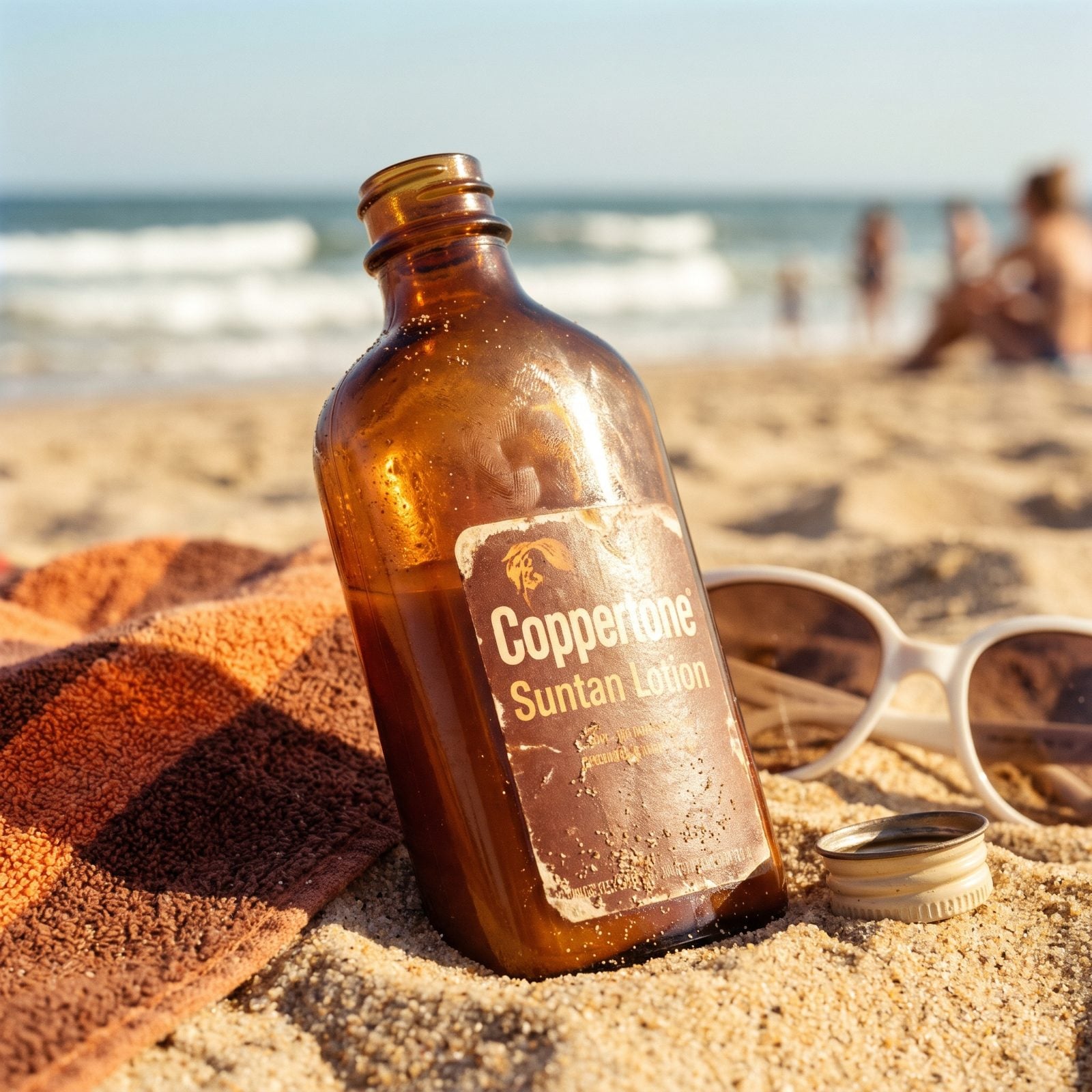
You could smell it from three towels away. That coconut-sweet oil in the brown bottle was less sunscreen than seasoning, promising a deep tan with almost no protection to speak of. We slathered it on, baked for hours, and called the burn a good day.
Nobody checked an SPF number because the bottles barely had one. Color was the goal, not caution. You’d flip over on the hour like a rotisserie and consider it science.
42. Wood-Paneled Station Wagons Loaded With Beach Gear
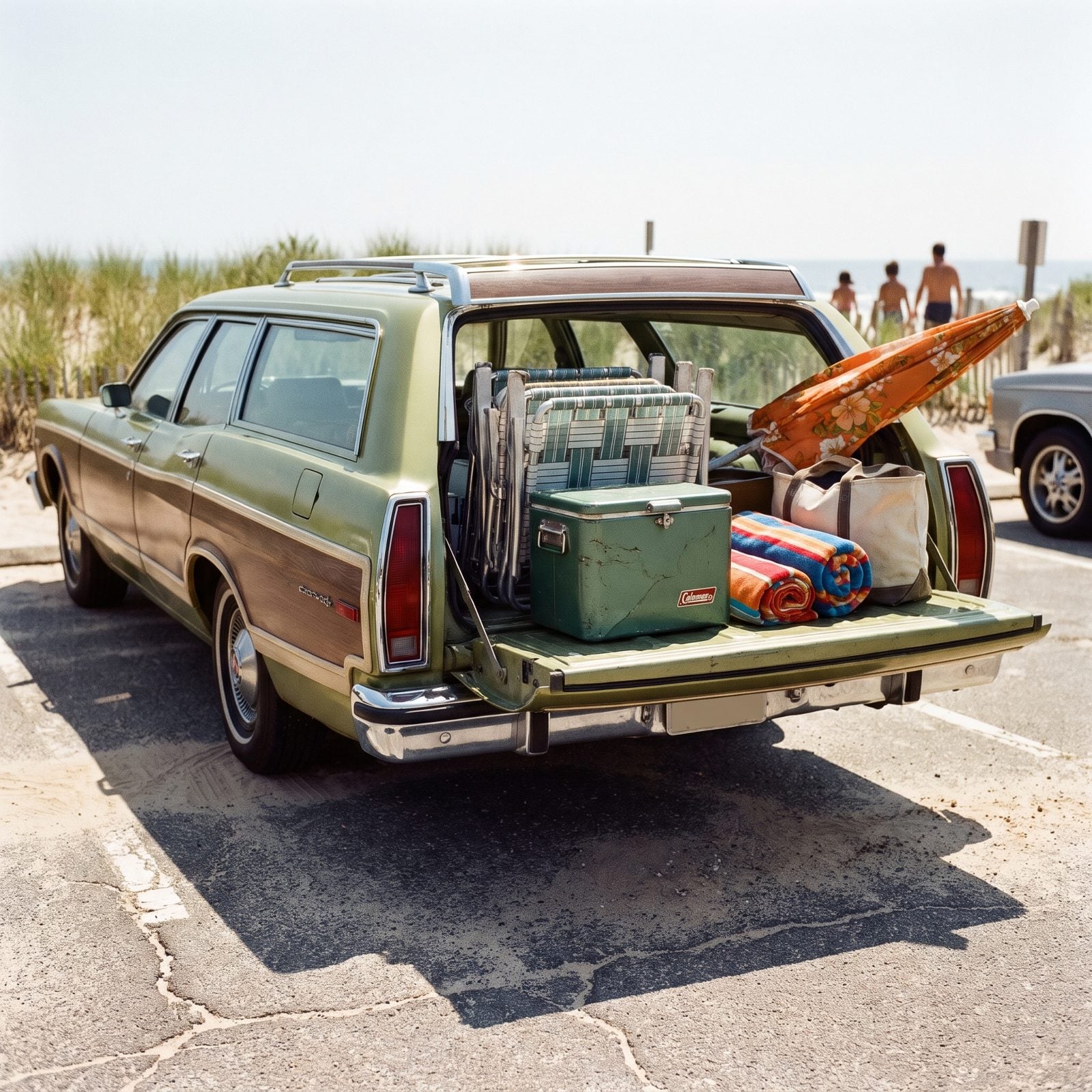
The tailgate came down like a stage curtain, and out spilled the coolers, the folding chairs, the beach bags stuffed past zipping — somehow all of it crammed into that long back end with the fake wood on the sides.
No seatbelt rules back there, either. Kids rode in the rear-facing third seat, waving at the cars behind, and everyone thought it was perfectly fine. One giant rolling living room, windows down, radio on, the whole family packed in.
41. Transistor Radios Playing Top 40 Hits
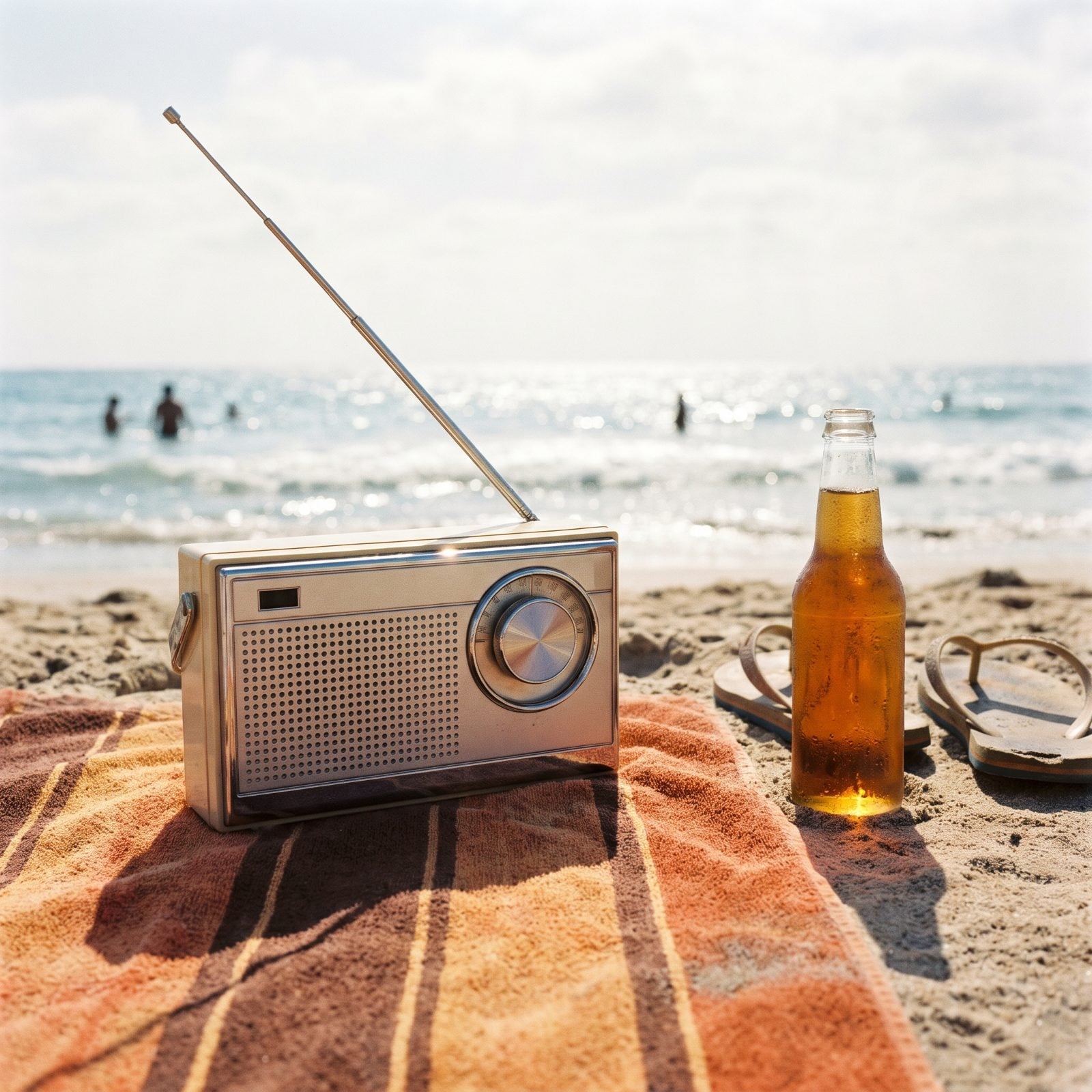
One radio, one shared soundtrack. Somebody’s little plastic transistor sat on a striped beach towel in the sand, antenna up, tuned to the one AM station that came in clear, and whatever was number one that week belonged to the entire beach.
Tinny sound, and the signal drifted the second you waded too far into the surf. Didn’t matter. You heard the same songs from every towel on the sand, which meant the summer had a melody, and by August everyone knew the words.
The whole beach ran on one station and nobody argued about it.
40. Striped Webbed Folding Chairs That Pinched Your Legs
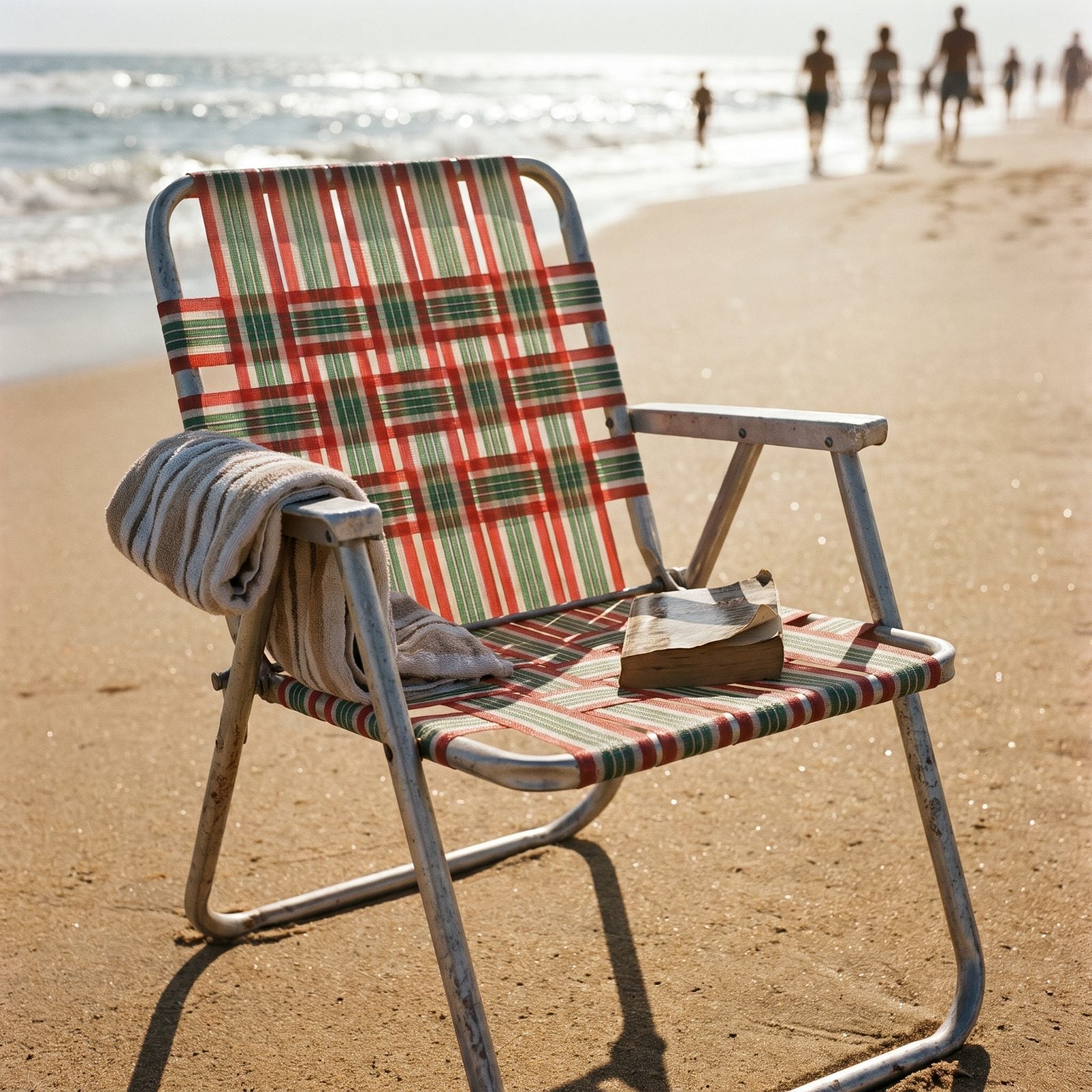
Everyone knew the risk. You’d settle into the striped webbing, the aluminum frame would flex, and sooner or later it caught a pinch of skin between the slats. A small yelp, a laugh from the next towel, and up you got anyway.
Those chairs weighed nothing and lasted forever. The webbing frayed and the frame scratched, but it folded flat and rode out every winter in the garage. I’d take one over half the padded contraptions sold today.
39. Orange-and-Yellow Floral Beach Umbrellas
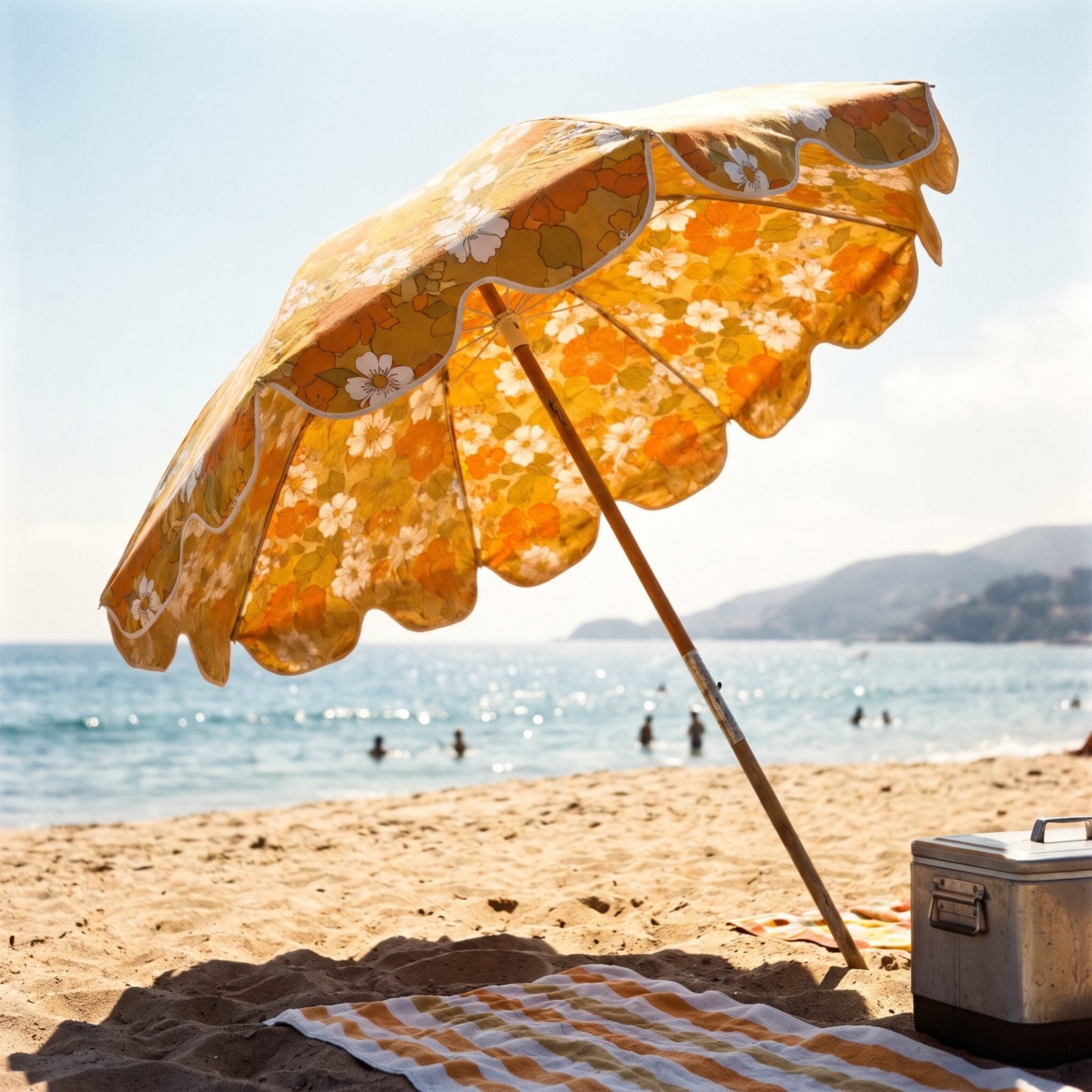
The pattern alone could date a photograph. Big marigold flowers, mustard yellow, white scalloped edges, planted in the sand like a little island of shade the whole family crowded under by noon.
Anchoring it was its own ritual. You twisted the pole deep, said a prayer to the wind, and watched it cartwheel down the beach anyway the moment a gust came through. Someone always had to chase it. Honestly? That chase was half the fun.
38. Metal Coleman Coolers Packed With Glass Soda Bottles
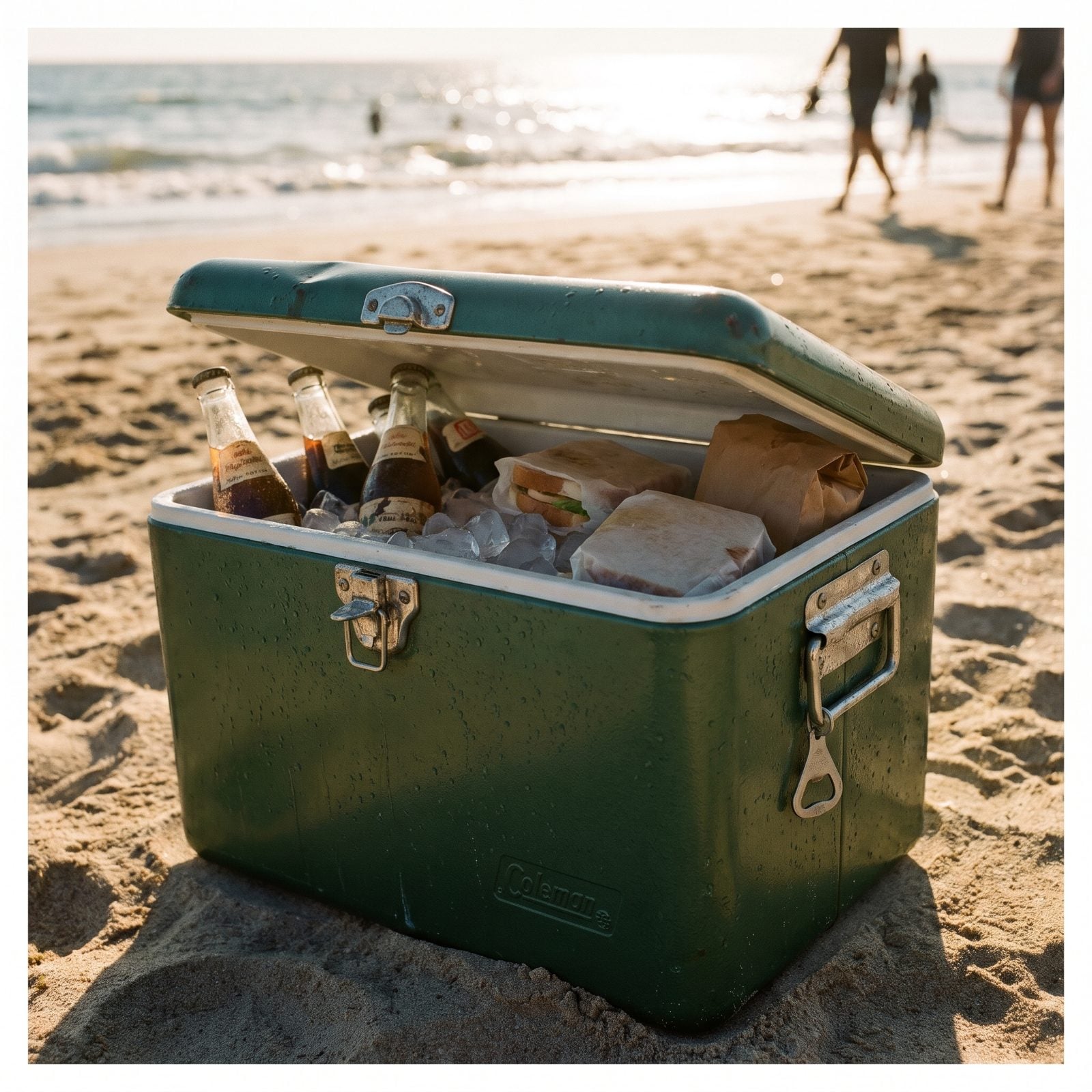
These things were built like small safes. Steel body, a heavy hinged lid with a chunky metal latch, and enough heft that loading it was a two-person job and carrying it earned you a sore shoulder by the time you reached the car.
It kept ice for days. You packed it full of glass bottles the night before, closed the lid, and that cooler was the single most important piece of equipment on the sand. Lose the opener, though, and you were sunk.
37. Glass Bottles of Coca-Cola Buried in Ice
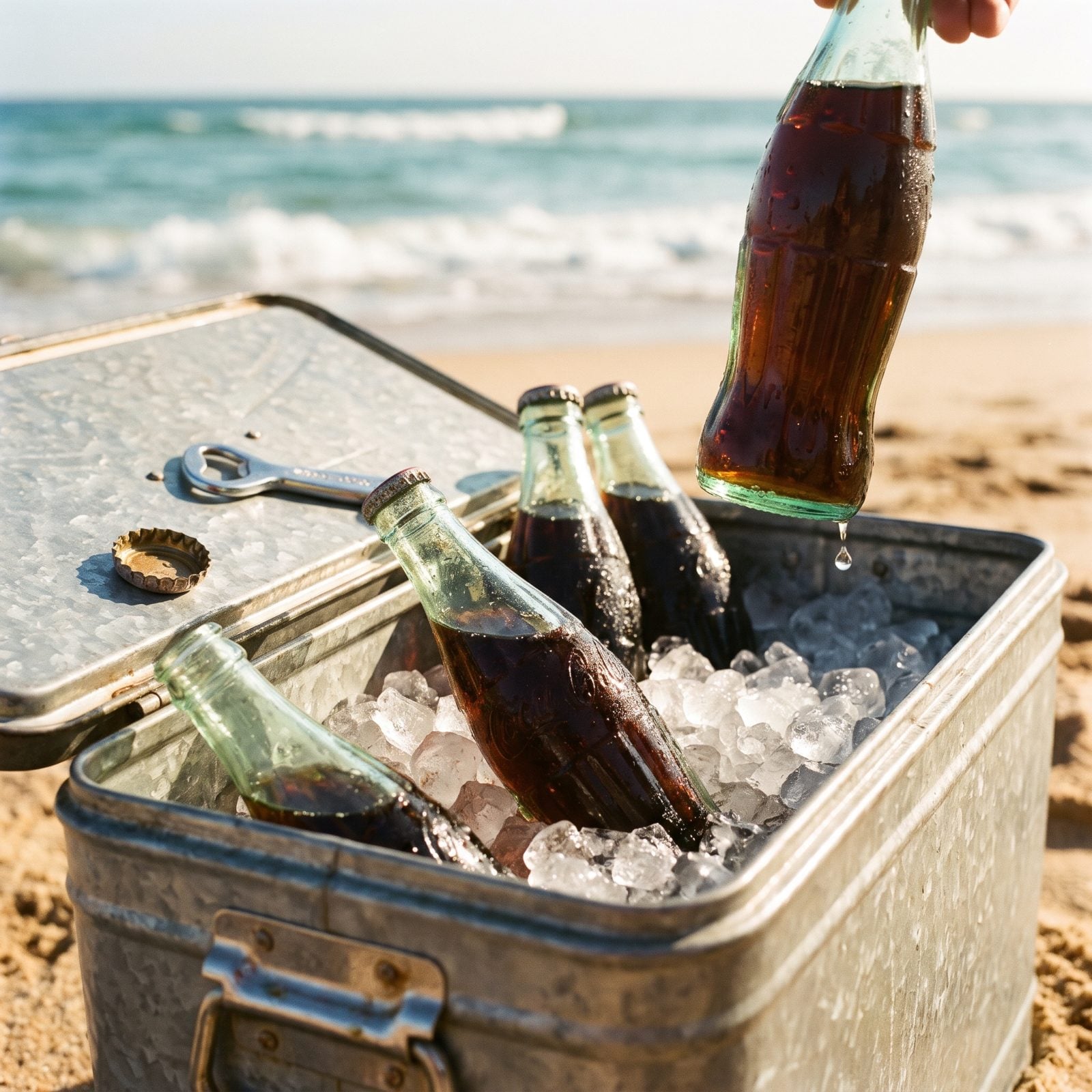
Nothing tasted colder. A glass bottle pulled dripping from the ice, the cap popped on the cooler’s edge with a hiss, and that first swallow after an hour in the water was the best thing going.
The glass itself was half the appeal. It stayed cold longer than any can, fit the hand just right, and that curved shape felt like summer in your palm. You drank it slow because there were only so many down in the ice, and you knew it.
36. Tab-Top Soda Cans With Detachable Pull Rings
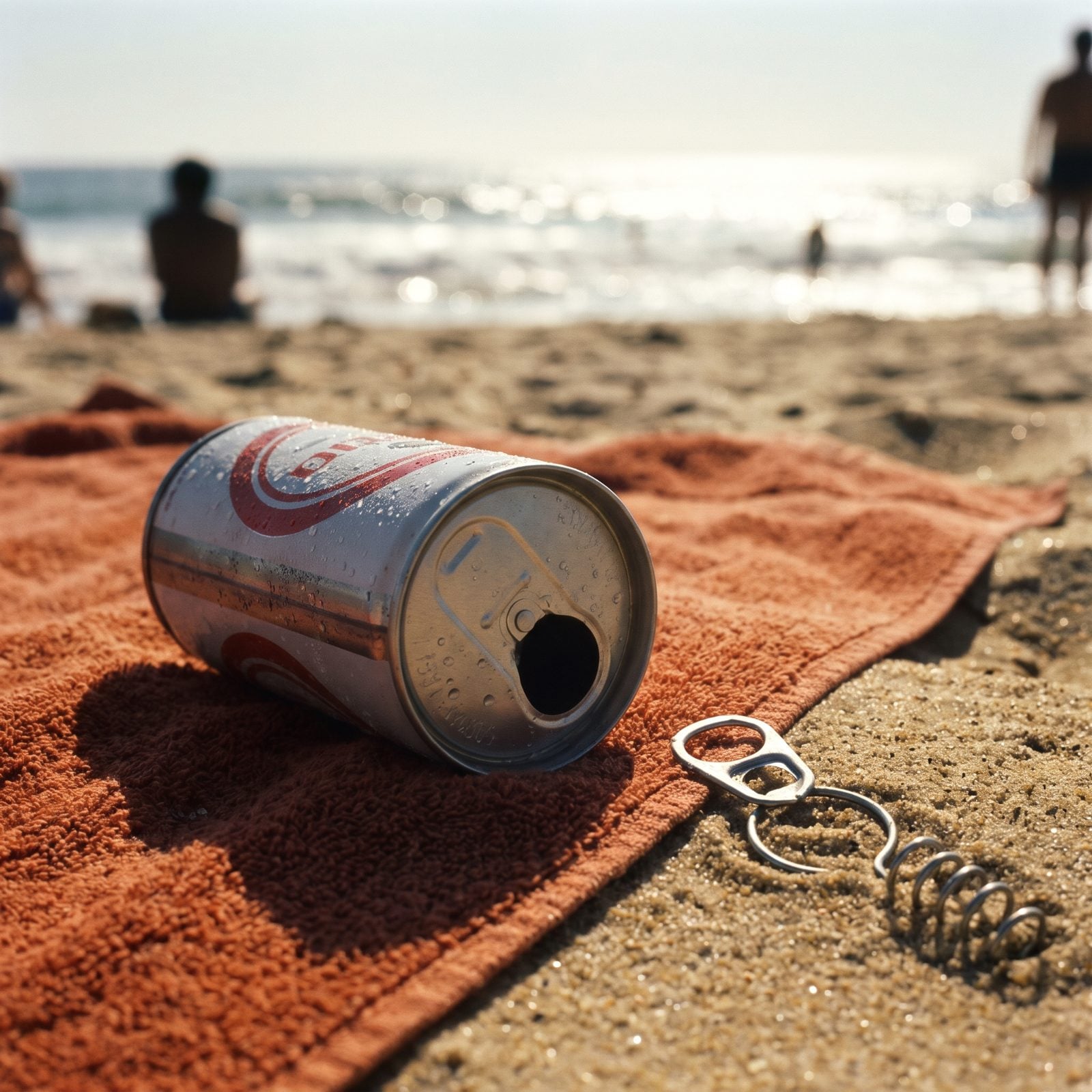
You pulled the ring, the whole tab came off in your hand, and then you were holding a sharp little piece of metal with no idea what to do with it. Some people dropped them right in the can and drank around the hazard. Bad idea.
Most ended up in the sand, which is exactly why the barefoot crowd learned to watch their step. The design disappeared by the late seventies, and for good reason. But that satisfying snap of the ring coming free? Pure 1970s.
35. Fried Chicken Picnics Eaten Straight From the Cooler
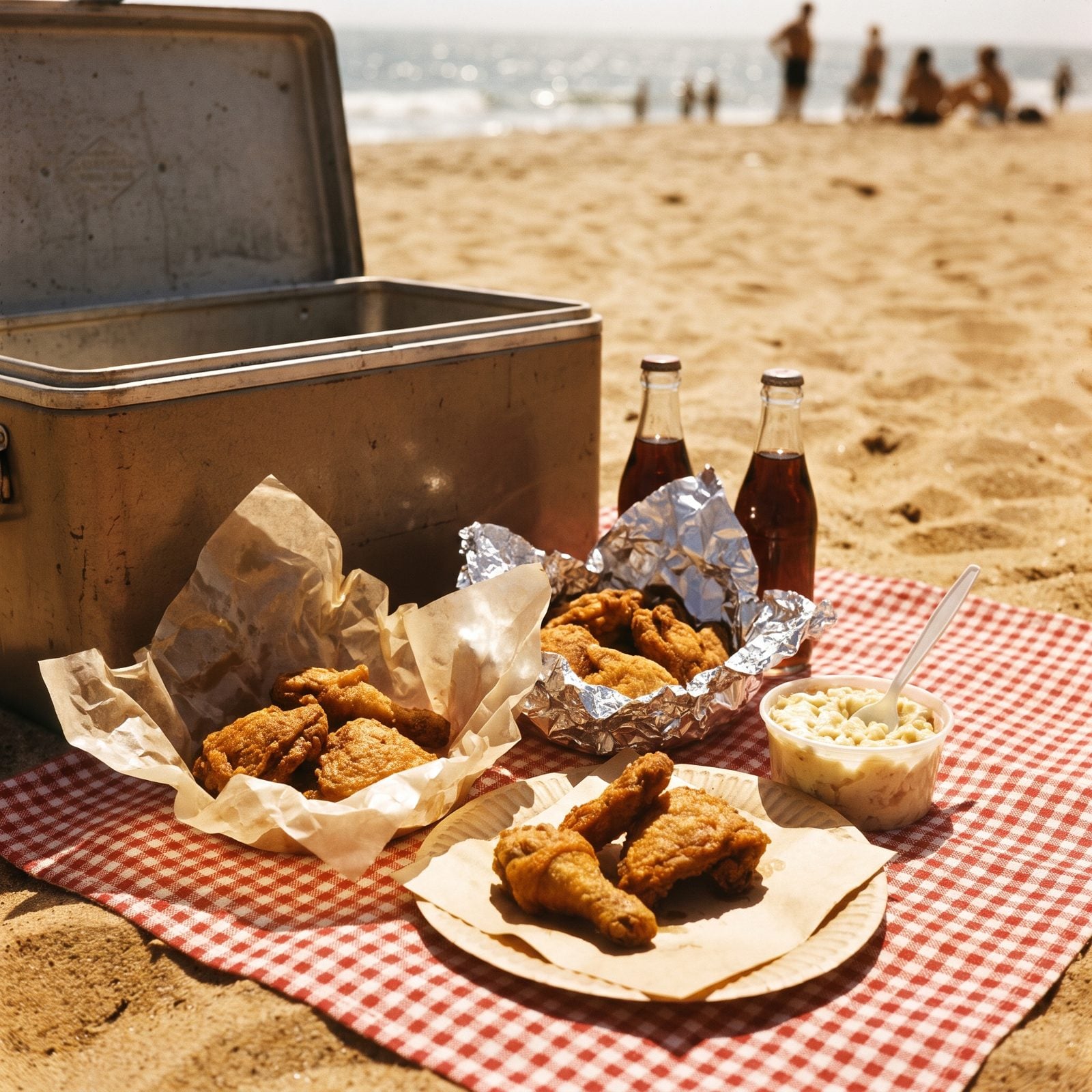
Someone fried it the night before. By the time it came out of the cooler wrapped in foil and wax paper, cold fried chicken had become its own kind of delicacy — piled onto a paper plate and eaten with sandy fingers.
There was always too much and it always vanished. Potato salad in a sweating container, a loaf of bread, deviled eggs if the day felt special. You ate standing up, dripping seawater, and it tasted better than any restaurant ever managed.
34. Watermelon Slices Dripping Onto the Sand
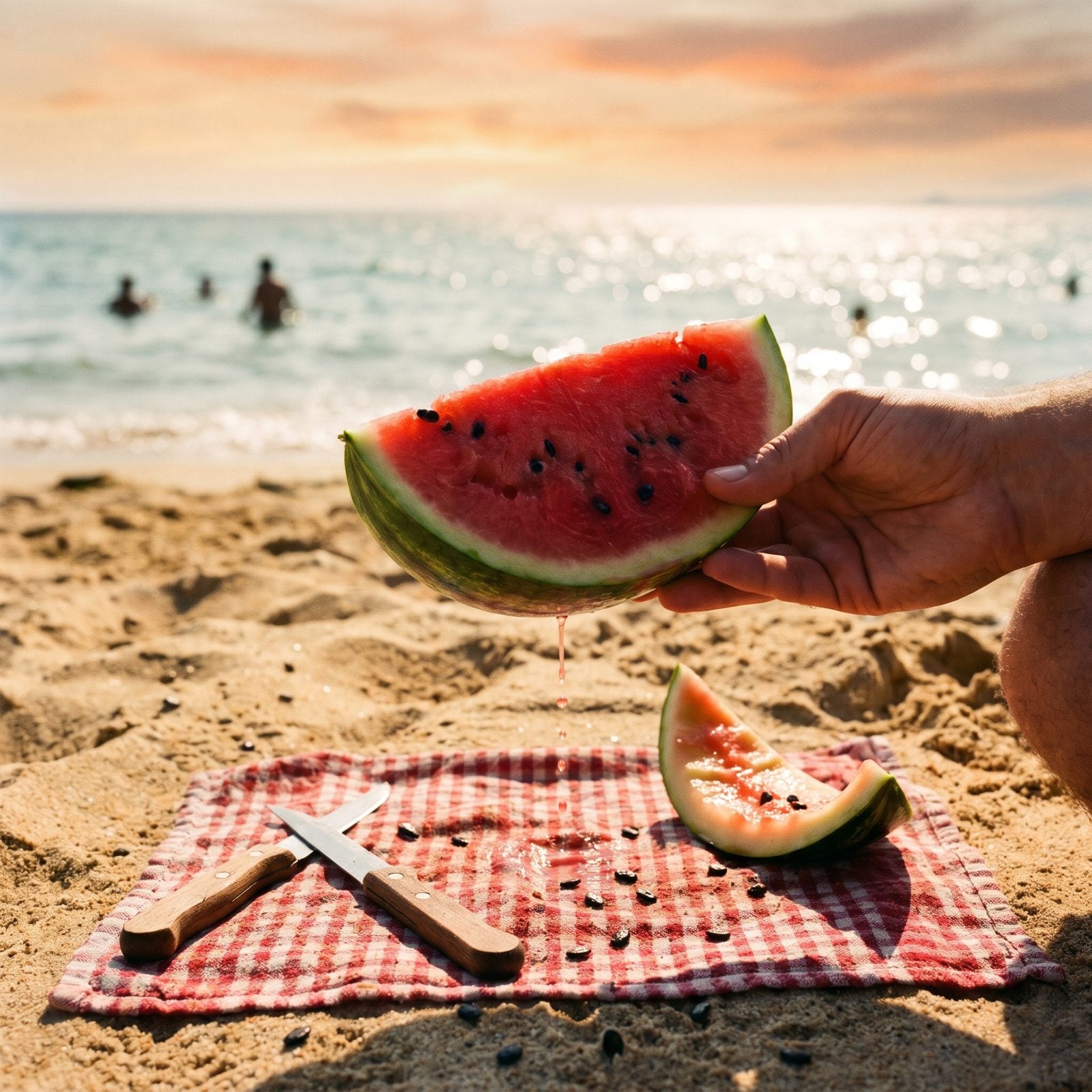
The seeds were part of the deal. You bit in, the juice ran down your wrist and off your elbow into the sand, and you spit the seeds as far as you could — that was the game.
Nobody minded the mess because the ocean was right there to rinse it off. A cold slice straight from the ice on a hot afternoon, sticky hands, sand stuck to everything, the rind tossed for the gulls. One bite of that and you were back in 1975.
33. Frozen Lemonade Scooped From the Boardwalk Stand
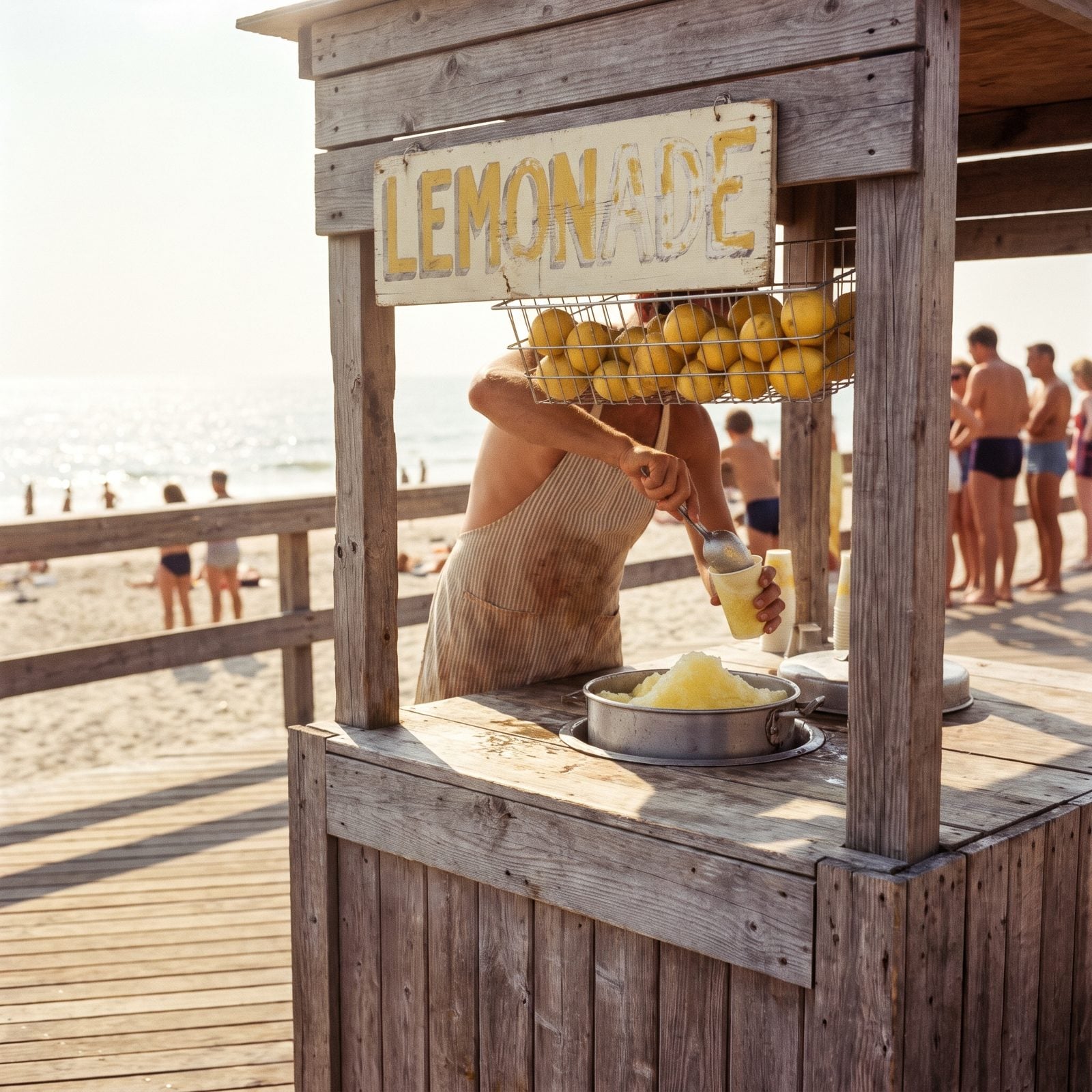
The cup sweated faster than you could drink it, and that was half the point. Shaved ice loaded with real lemon, scooped from a churning metal drum, sharp enough to make your jaw ache on the first pull.
You paid in dimes and quarters out of a sandy pocket. The line never moved fast because the person ahead of you always changed their mind, and the vendor never rushed, because why would he — it was July and the ocean wasn’t going anywhere.
32. Orange Push-Up Pops Melting Down Your Wrist
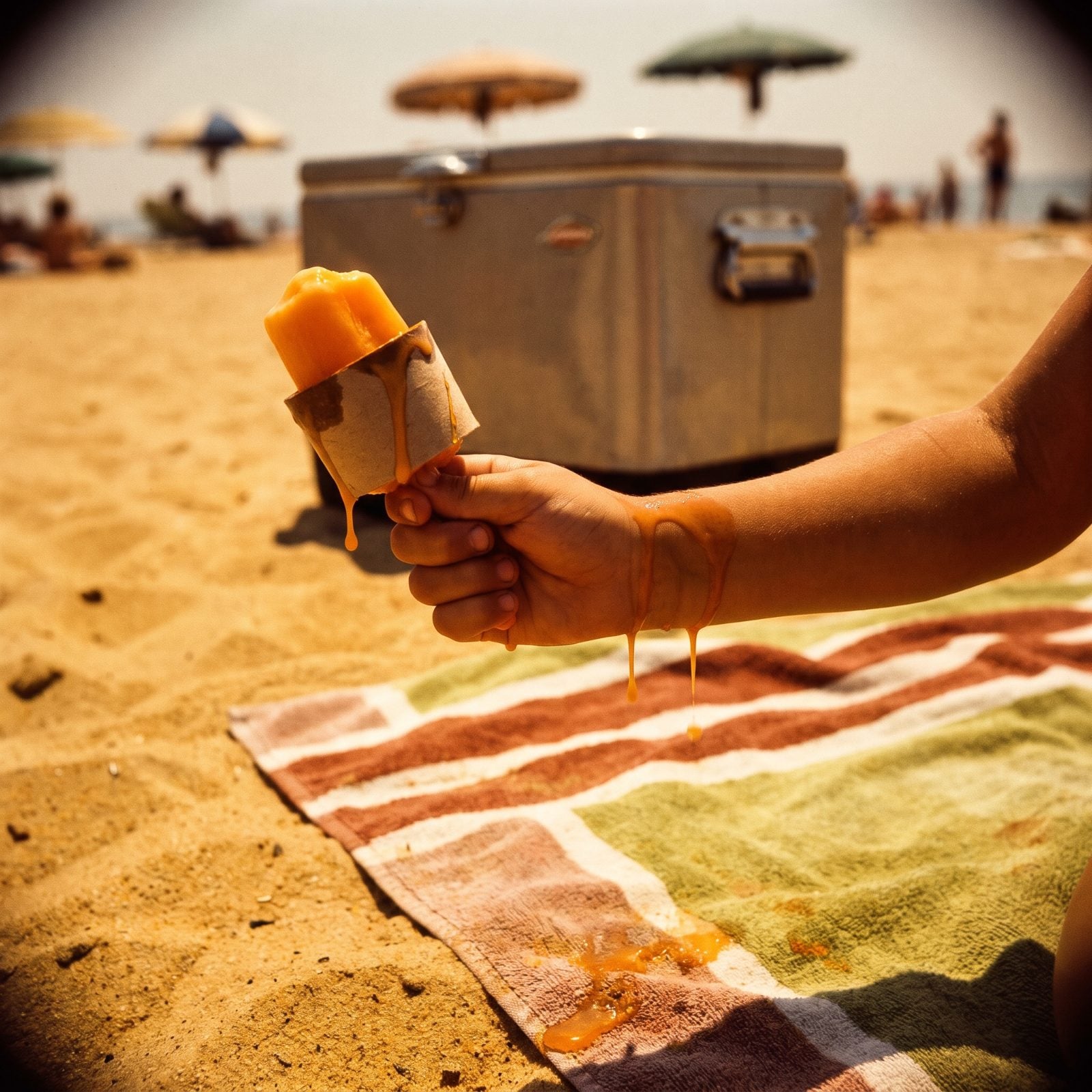
You pushed the cardboard tube from the bottom and it never cooperated. The orange sherbet shell gave way to that pale vanilla core, and the whole thing turned to warm soup somewhere around the third lick.
Sticky to the elbow. Sand stuck to the sticky. Nobody cared.
These were a dead heat with the sun, and the sun always won. So you learned to eat fast or eat it off your own arm — and I’ll admit I got faster every summer, which tells you how much of my childhood went into this.
31. Saltwater Taffy in the Striped Souvenir Box
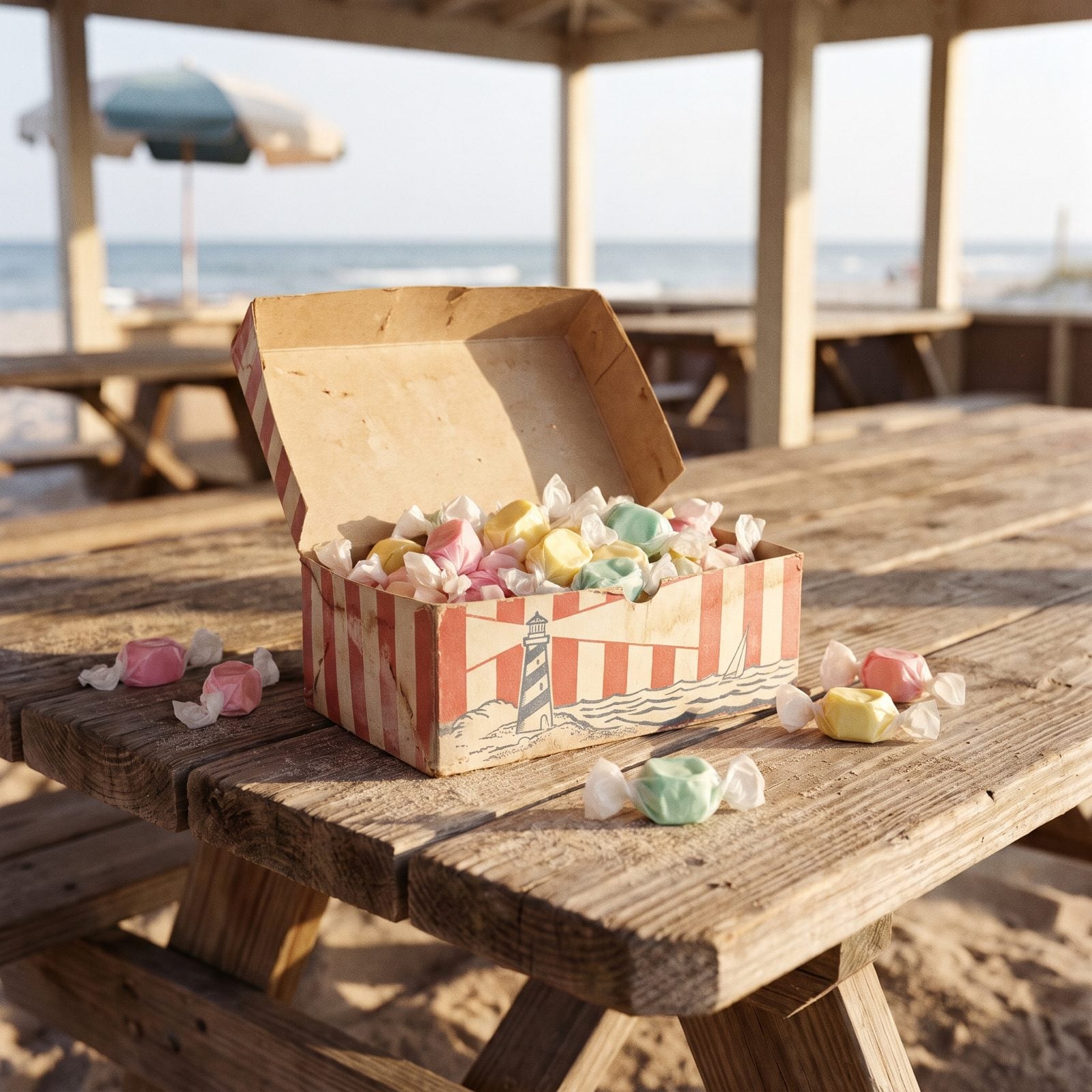
Every piece came twisted in wax paper like a tiny wrapped gift you had to free before it freed itself. The box, though — that was the real prize. Striped cardboard, a painted lighthouse, usually the name of a town you’d remember for about a week.
The flavors were a gamble, and half of them tasted like the same vague sweetness. You chewed one and felt a filling consider its options.
30. Boardwalk Fries Served in a Paper Cone
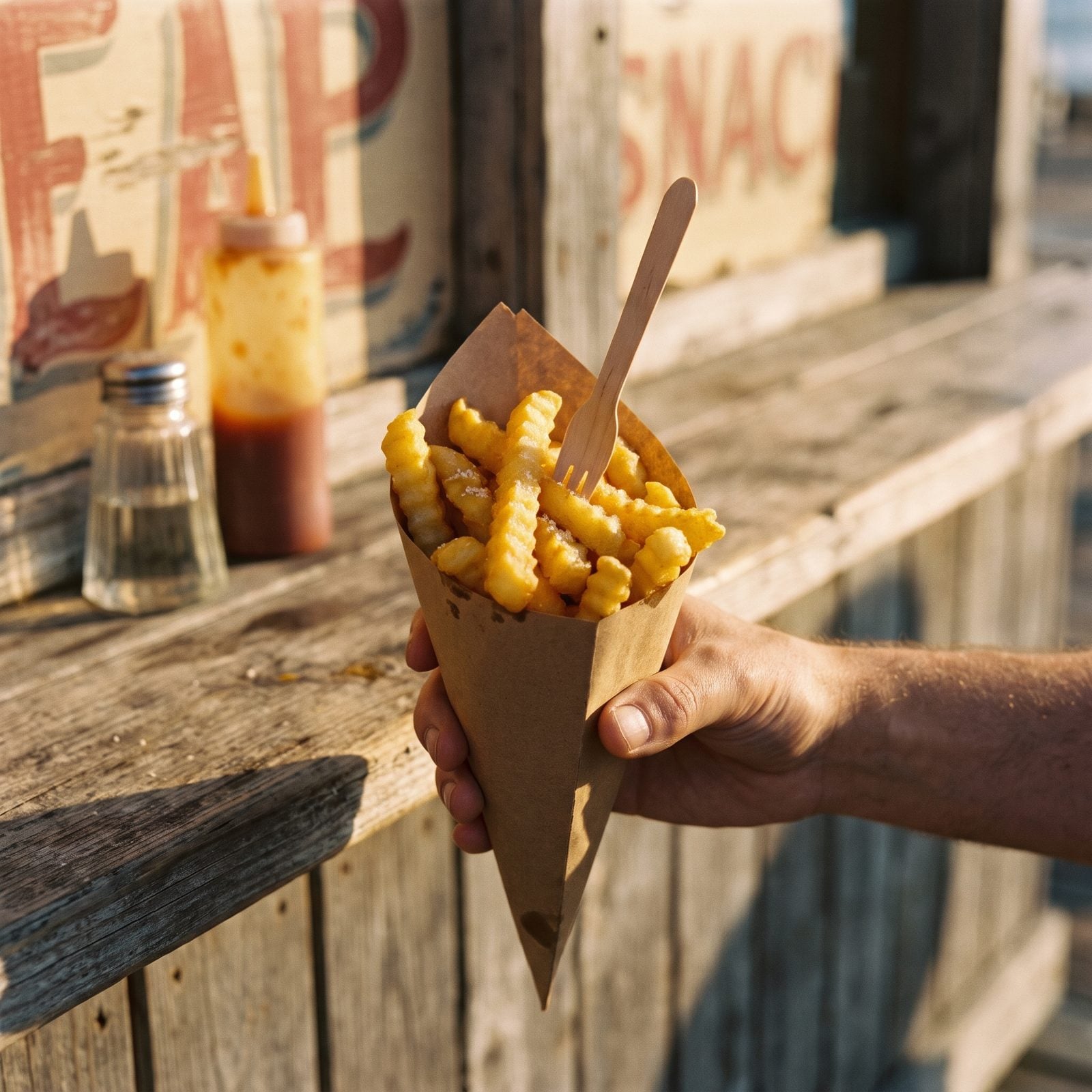
Crinkle-cut, drowned in malt vinegar, salted by someone who had clearly given up on moderation around noon. You got them in a paper cone or a cardboard boat, and the bottom was always the best and worst part at once.
Too hot to eat. You ate them anyway. Burned the roof of your mouth every single time and would’ve done it again in a heartbeat.
29. Fudge Shops With the Candy Maker Working in the Window
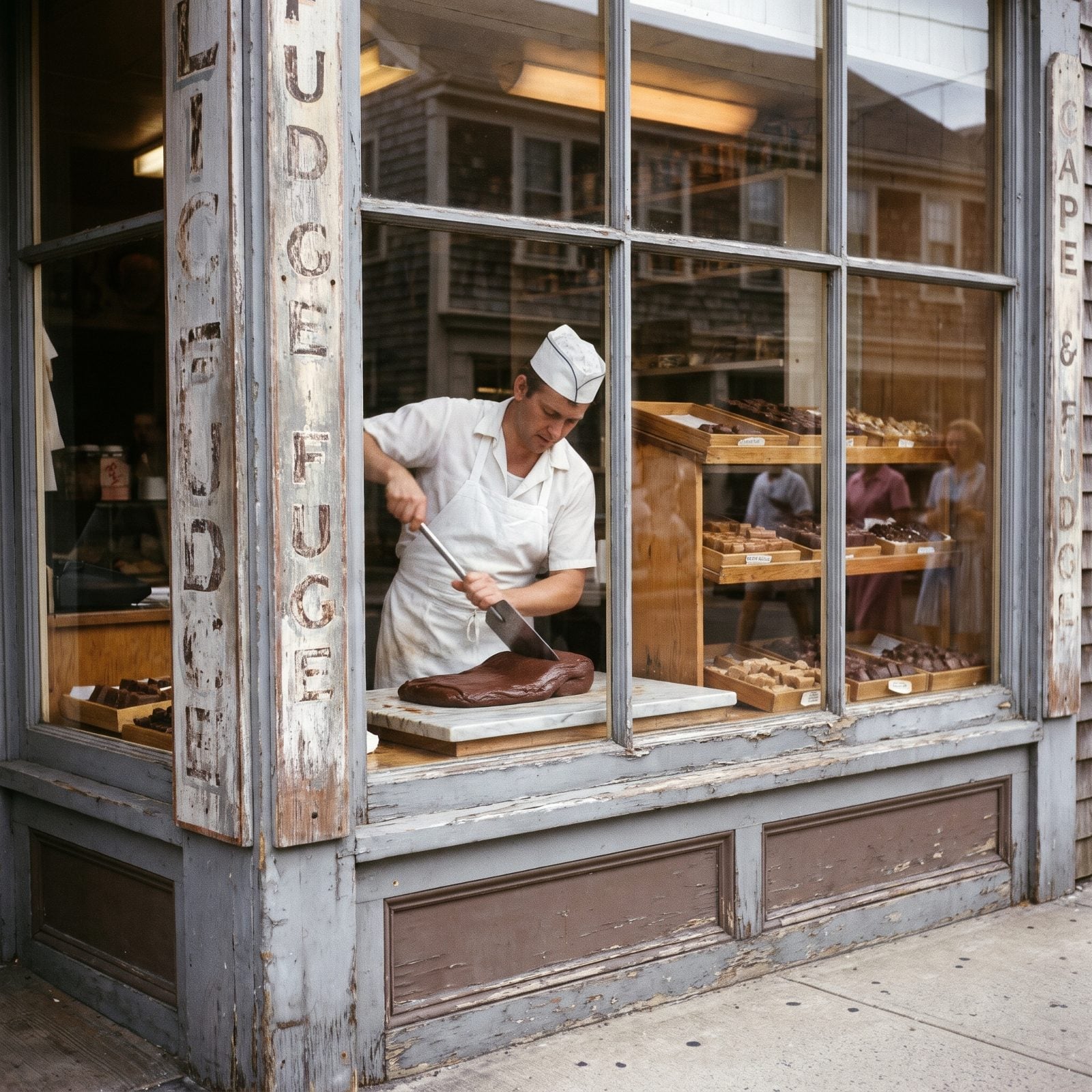
The marble slab was the whole show. You pressed your nose to the glass and watched someone cut into a thick slab of chocolate with a long-handled blade, chopping it down into pieces right there on the marble.
The smell got you from half a block down — sweet, heavy, almost too much. You bought a quarter pound and ate most of it before you hit the car.
28. Baby Oil Slathered on in Pursuit of a Deep Tan
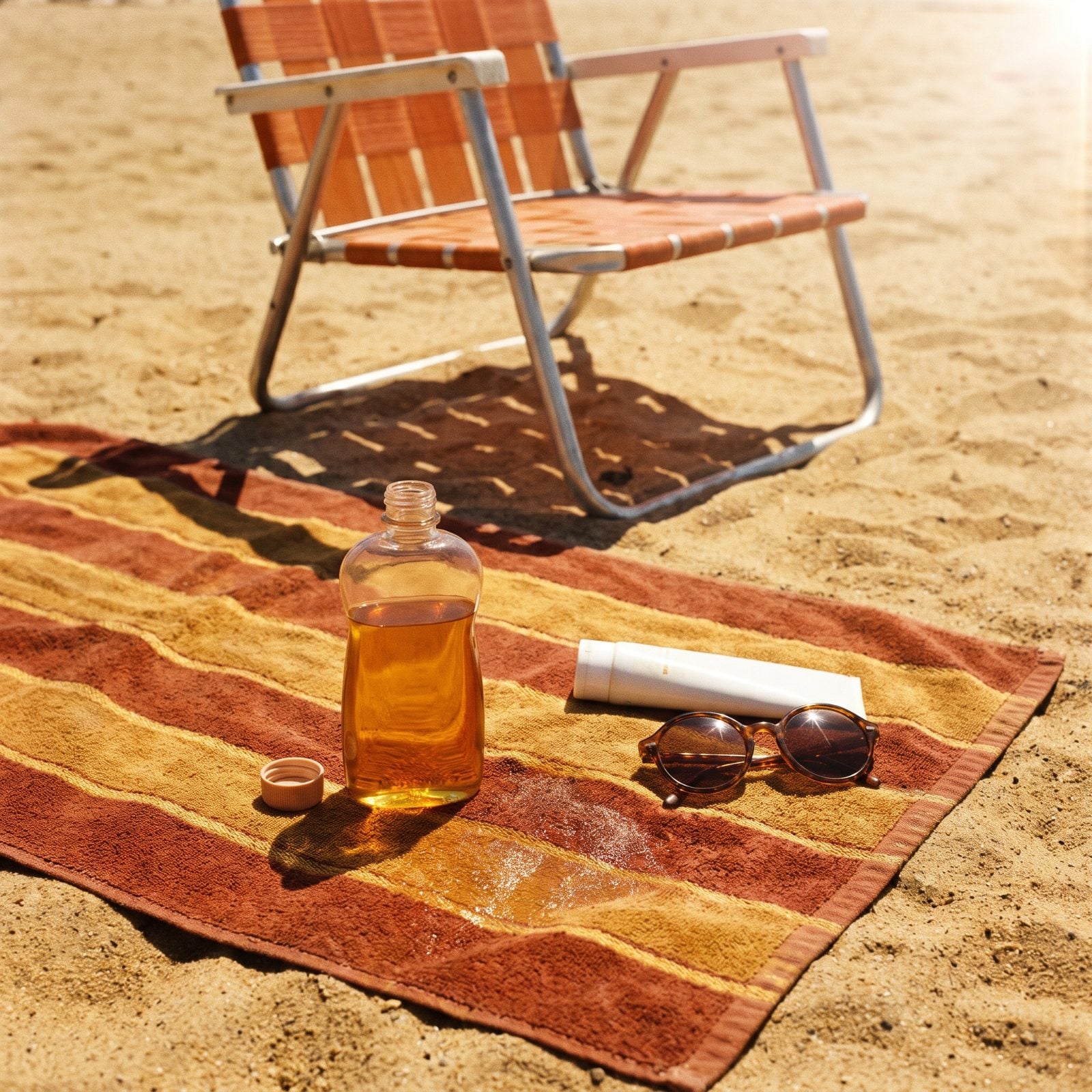
Baby oil. On purpose. The whole strategy was to fry evenly, so people flipped themselves on their towels like something on a grill.
Some folks mixed it with iodine for a deeper color, which we now know was a terrible idea and knew even then, somewhere in the back of our heads. The reflective fold-out tanning boards came later, for the truly committed.
I’m not recommending any of this, to be clear. The decade had a complicated relationship with the sun, and the sun won most of those arguments.
27. Zinc Oxide Stripes Down the Lifeguard’s Nose
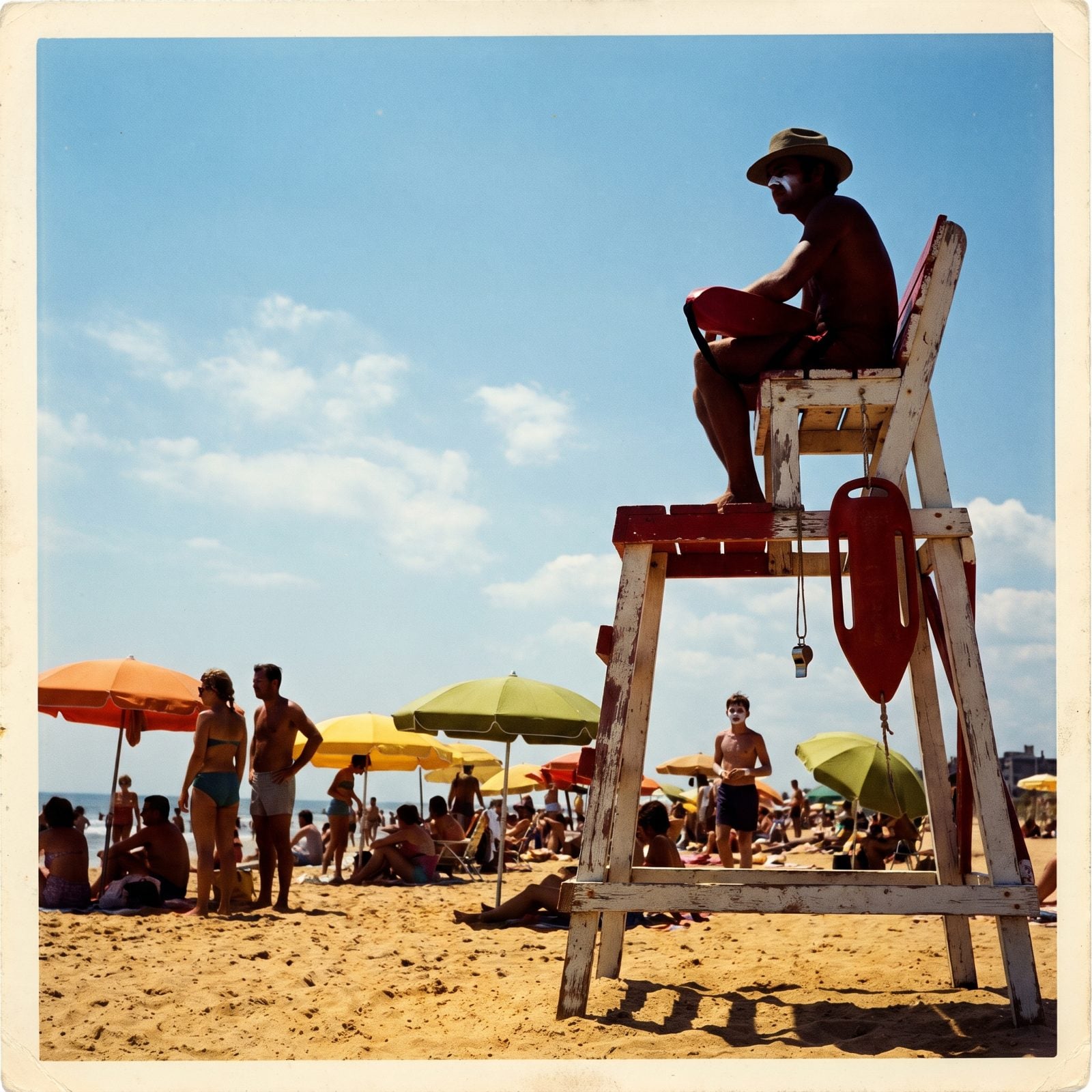
That thick white smear across the nose and cheeks was practically a uniform. Zinc oxide, bright and chalky, worn like war paint by the lifeguard keeping watch from his tall chair.
Kids copied it. You’d dip a finger in the tin and draw a stripe down your own nose just to feel official for an afternoon.
And here’s the twist — zinc oxide actually worked. Still does. The same mineral that looked goofy on a sunbather in 1976 is sitting in the fancy reef-safe sunscreens now.
26. The Peeling Sunburn Worn Like a Vacation Badge
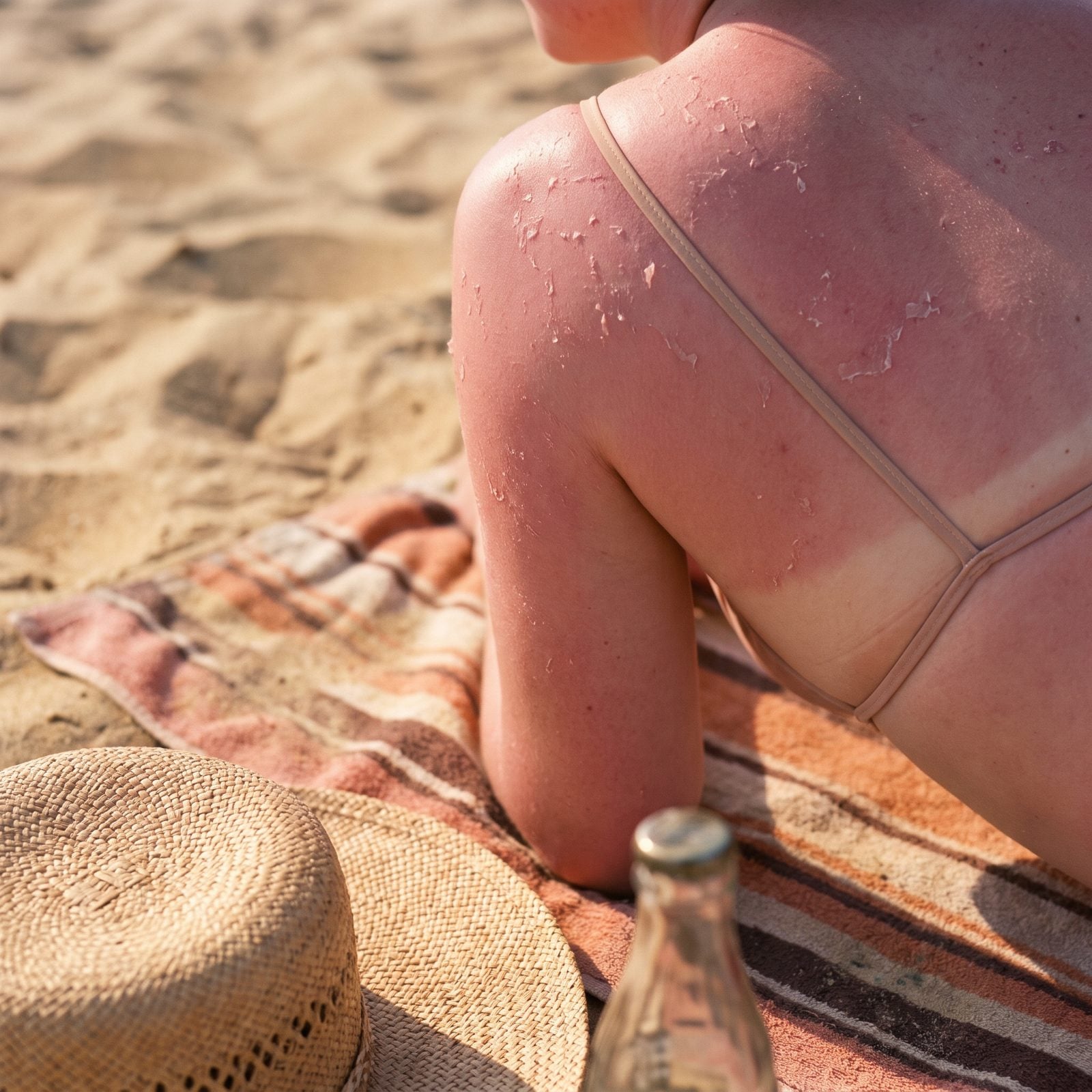
You came home lobster-red and treated it like proof you’d been somewhere. The peeling started around day three, and there was an awful fascination to it that nobody will admit out loud.
The tan line underneath was the trophy — white strap mark against toasted skin, worn to the pool deck like a ribbon.
We know better now. But the ritual of it — the aloe, the shower that stung, the week of looking like a molting creature — that was summer whether you wanted it or not.
25. Aviator Sunglasses Catching the Afternoon Light
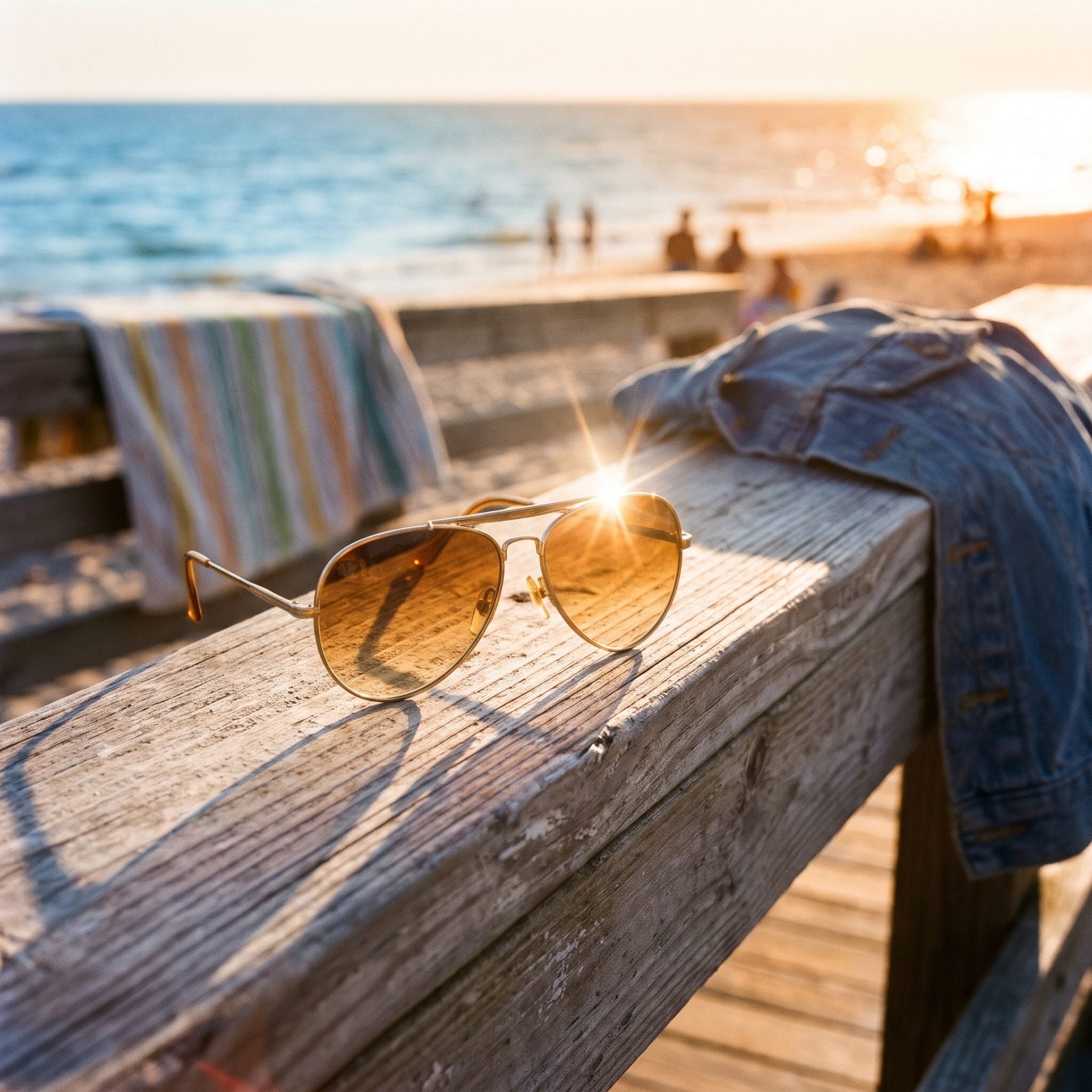
Gold frames, gradient lenses that went from dark amber at the top to clear at the bottom, and a glint that caught the afternoon sun from across the parking lot.
The aviator did all the work. That teardrop shape, the thin metal bridge, and a slightly too-cool tilt of the head that came free with the purchase — they turned a kid in cutoffs into someone with somewhere to be.
24. Crocheted Bikini Cover-Ups With Long Fringe Swinging at the Hem
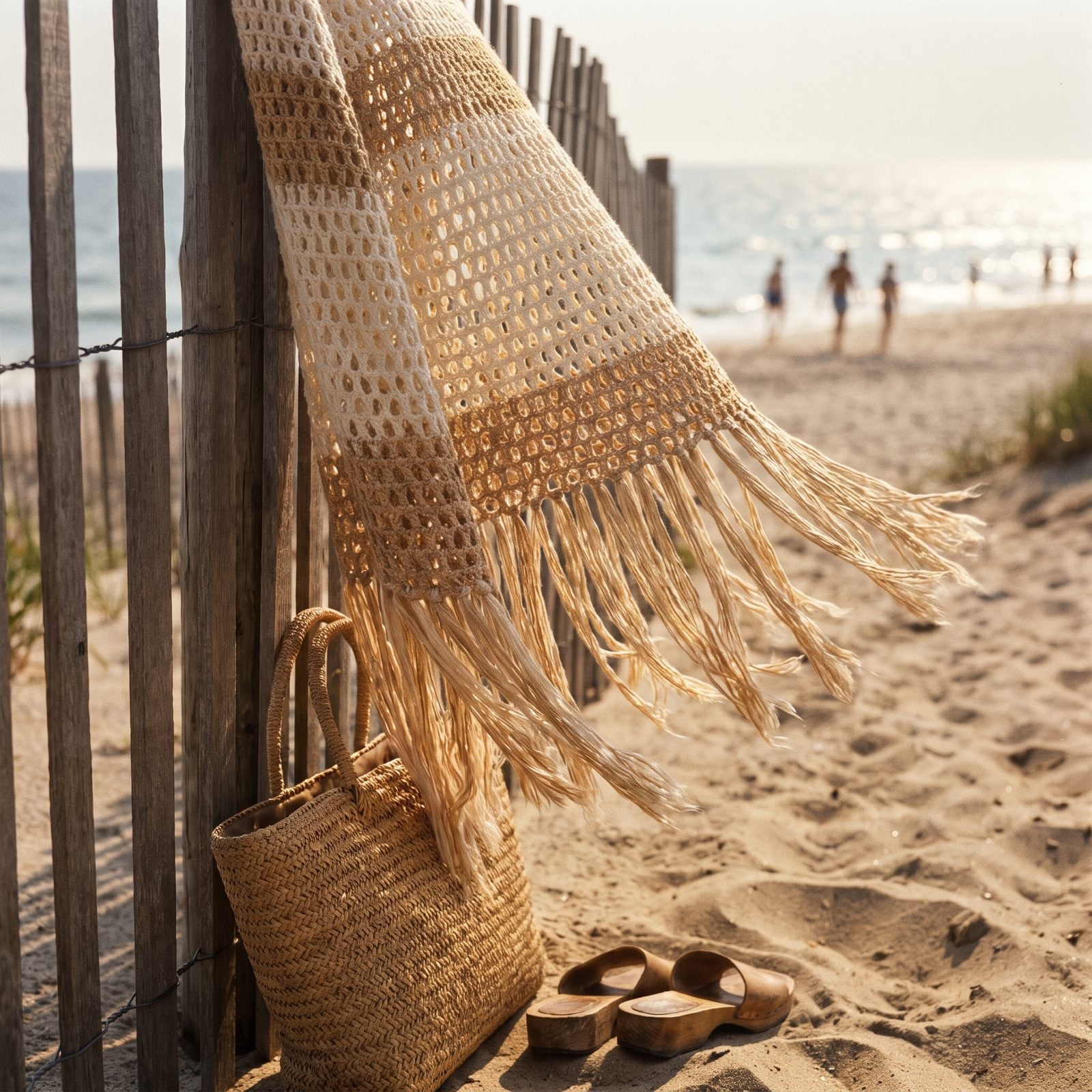
The fringe did everything. Long, swinging, hitting mid-thigh, moving a half-second behind you with every step across the sand.
Open-weave crochet in cream or earthy tan let the sun through and the breeze with it. The clever part was the texture — all that handmade loop and knot against bare skin, a looseness that read as easy without trying for it.
Worn over a bikini, knotted at the waist, it walked you from the water to the snack stand without a wardrobe change. Quiet confidence from a piece that doesn’t need to cover much to say plenty.
23. Men’s Short Swim Trunks With Contrast Piping
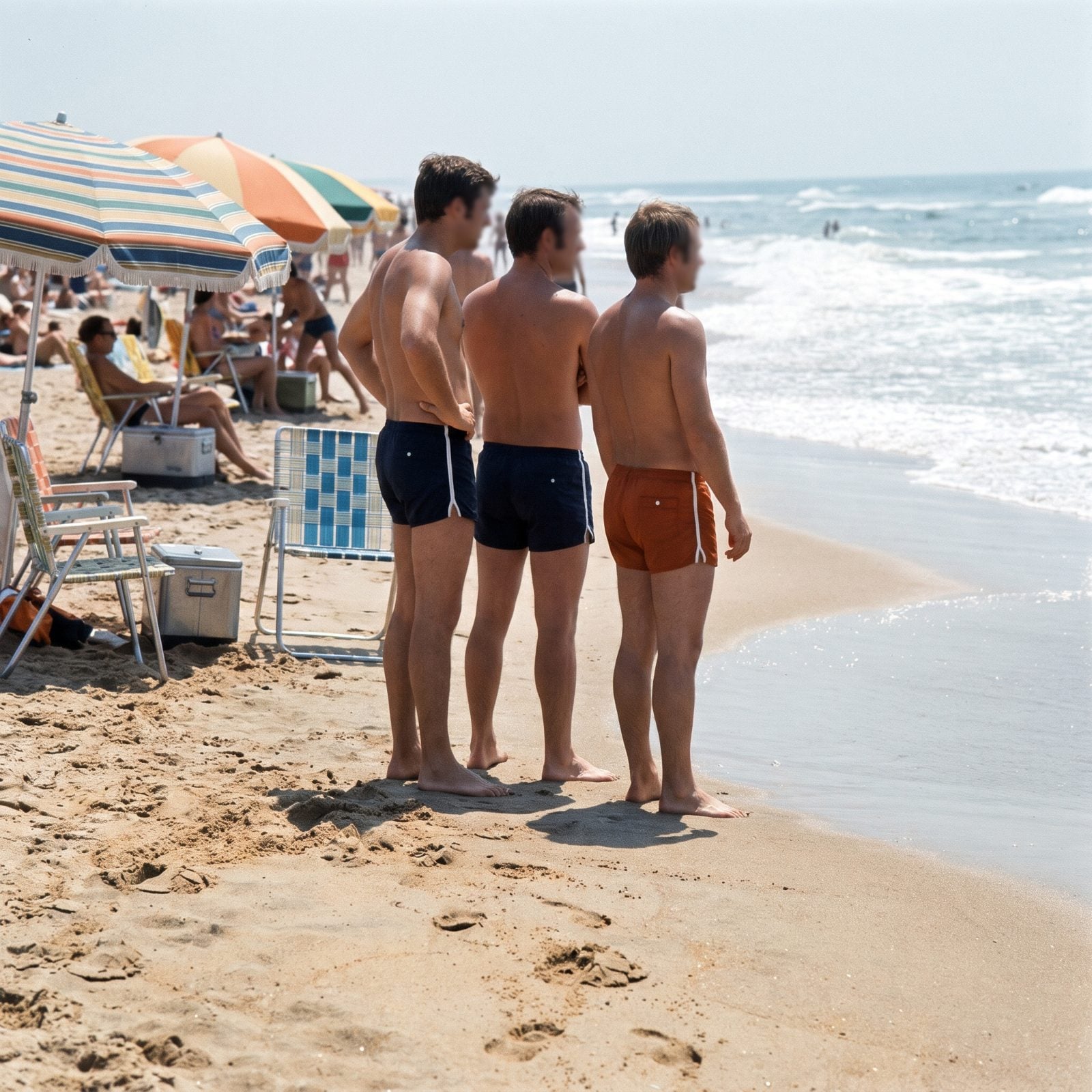
Short. Really short. These trunks ended where modern decency tends to begin, cut from slick nylon that dried in about four minutes flat and clung to nothing. The contrast piping was the whole personality, a crisp white line running down a navy or burnt-orange leg, borrowed straight from track-and-field styling.
They had a built-in mesh liner that itched like a wool sweater, plus a single elastic waistband that gave up by August. Nobody cared. You wore them from the parking lot to the water to the snack stand and back to the parking lot again.
22. Cutoff Denim Shorts Worn Over Swimsuits
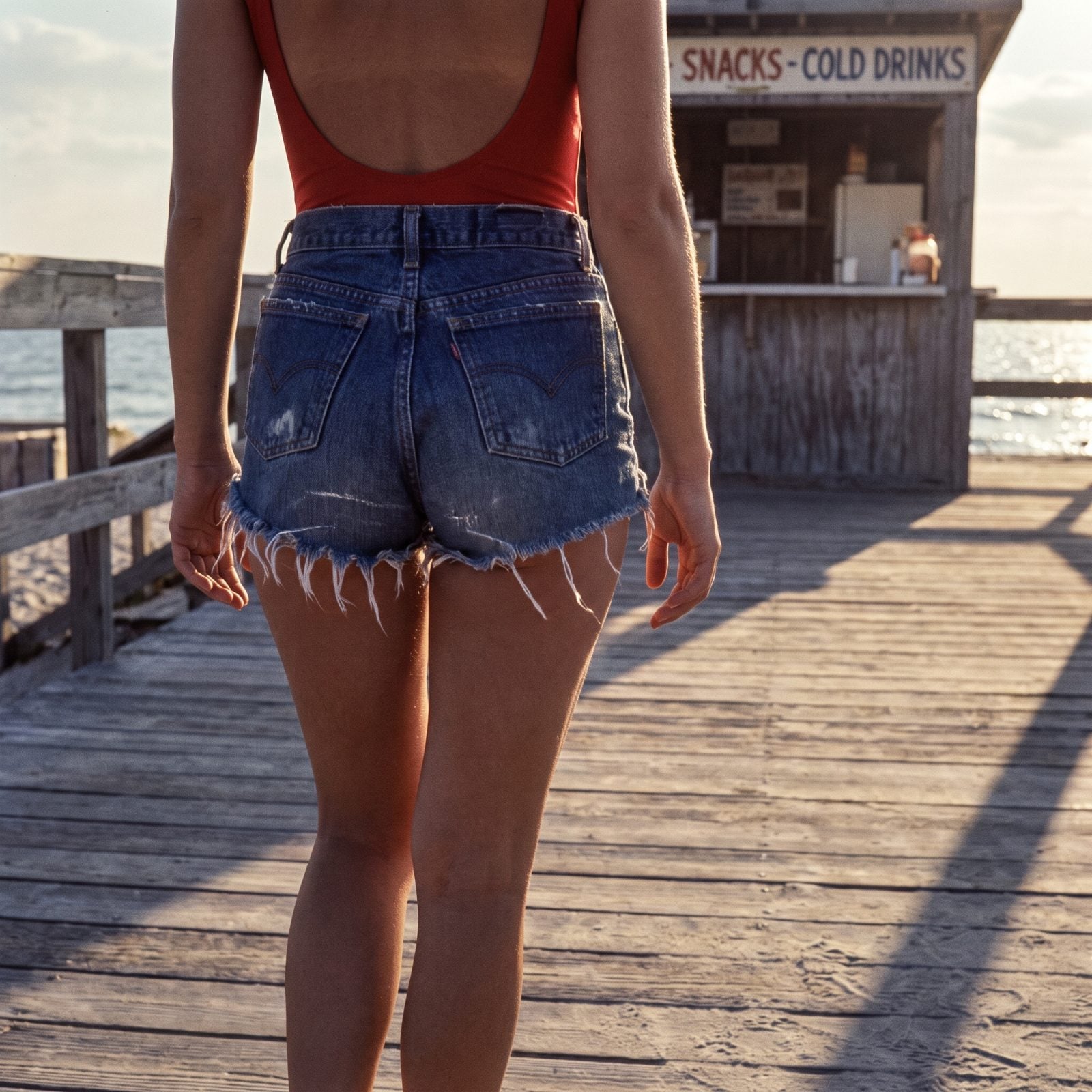
The denim did the heavy lifting. You cut an old pair of jeans off with kitchen scissors, left the hems to fray on their own, and suddenly had the most versatile piece of beach clothing ever invented.
Worn over a swimsuit, they took you from the sand to the ice cream line without a thought, and the frayed white threads were a badge of how long you’d owned them. The higher the cut and the paler the wash, the better. Store-bought cutoffs always looked wrong, too neat, trying too hard. The real ones came from a pair of jeans you’d already worn out.
21. Puka Shell Necklaces Bought at Souvenir Shops
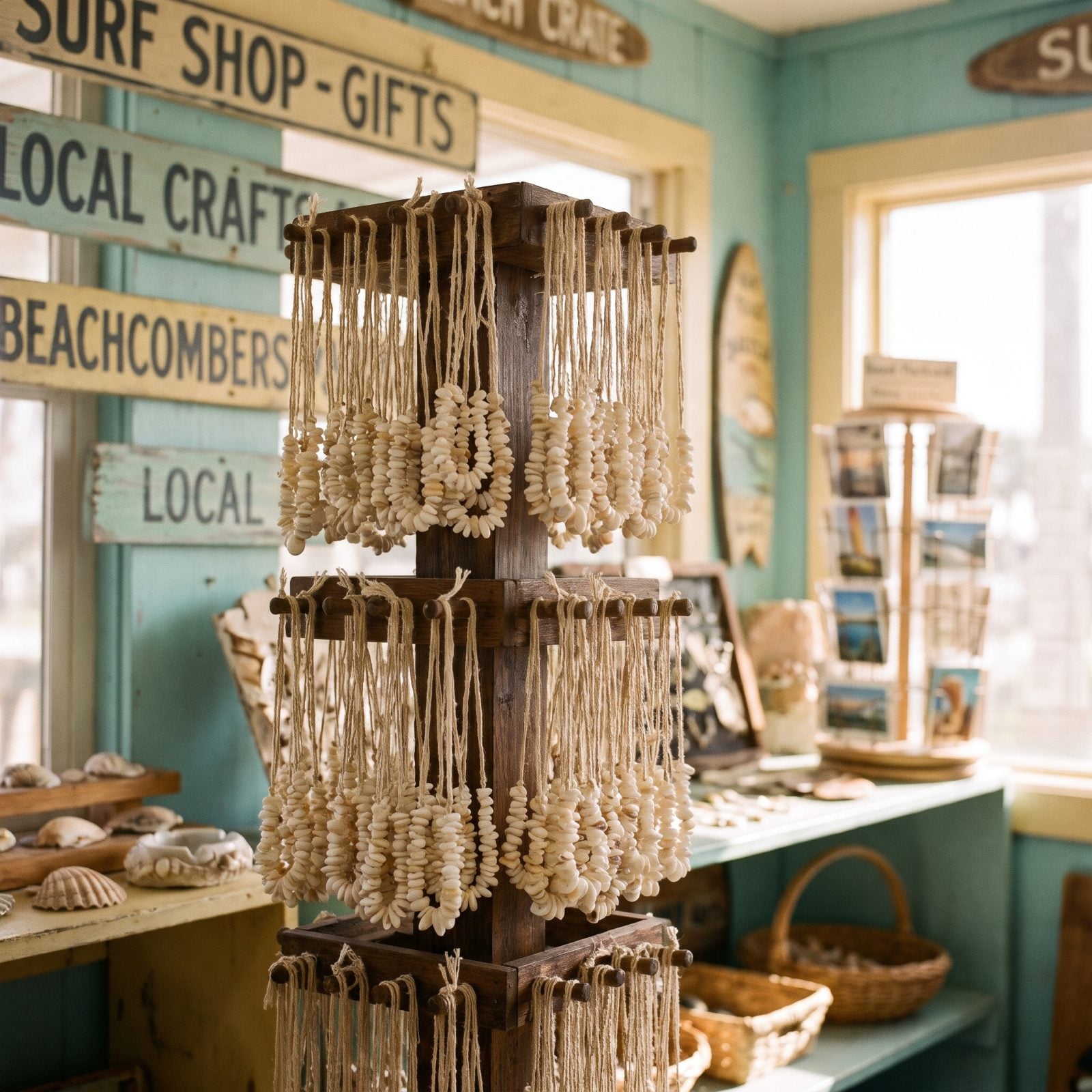
A fistful of tiny white shells on a cotton string, and somehow it was the coolest thing a kid could own.
Puka necklaces came off a spinning rack at every beach town souvenir shop, right next to the shell ashtrays and the sand dollars. They cost next to nothing. You put one on the first day of vacation and never took it off again, not to shower, not to sleep, not until the cord finally rotted through sometime around Labor Day.
20. Mood Rings Changing Color in the Heat
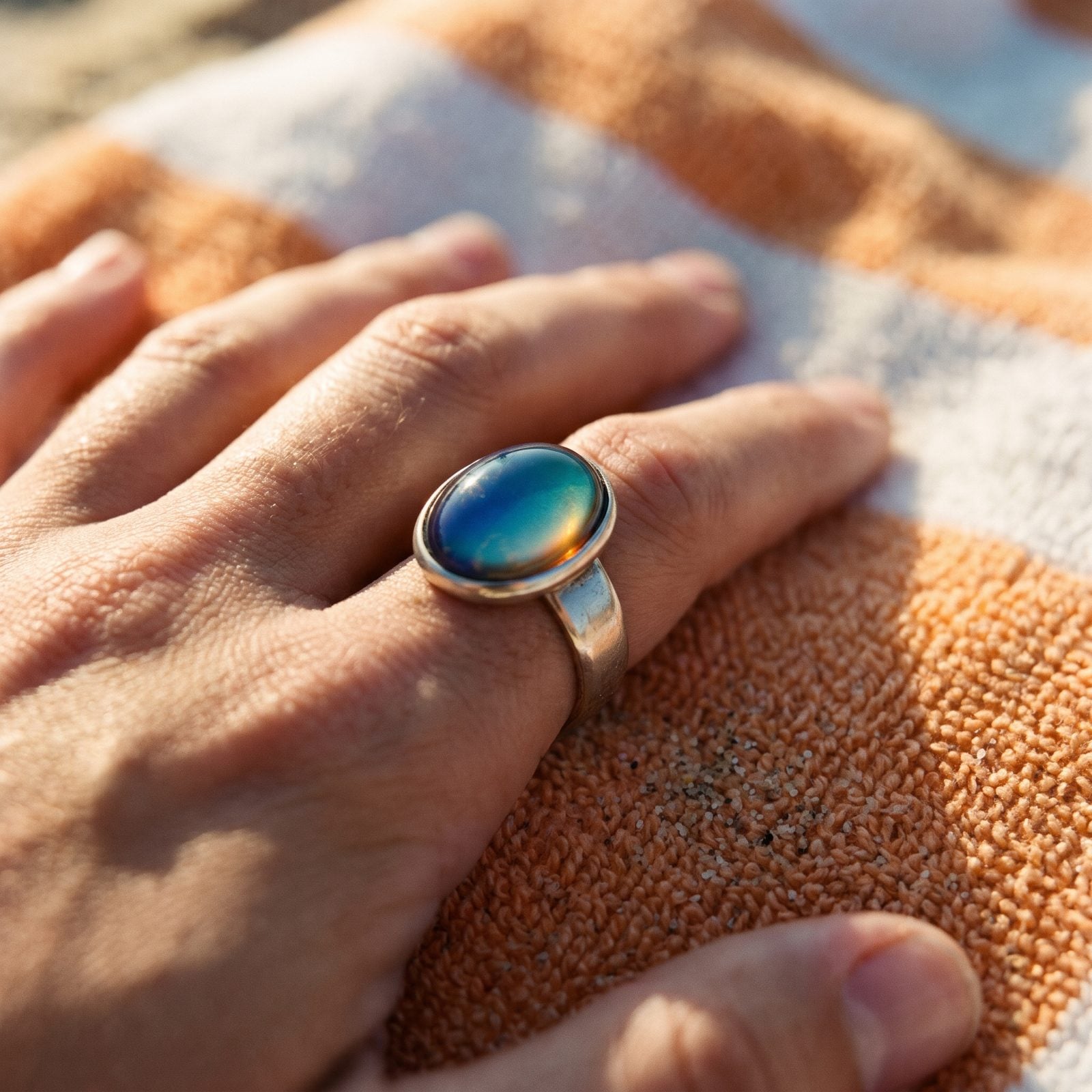
You believed it, a little. The stone was supposed to read your emotions. What it actually read was your skin temperature, which at the beach meant it sat on deep violet-blue all afternoon and told you that you were, apparently, deeply passionate.
Mood rings were liquid crystal sealed under a glass dome, and direct July sun made them a liar. You checked it constantly anyway. Blue for calm, black for stressed, a murky brown for who-knows. Dunk your hand in the cold ocean and watch it swing dark, then warm back up walking to the towel.
19. Rubber Flip-Flops Slapping Across Hot Pavement
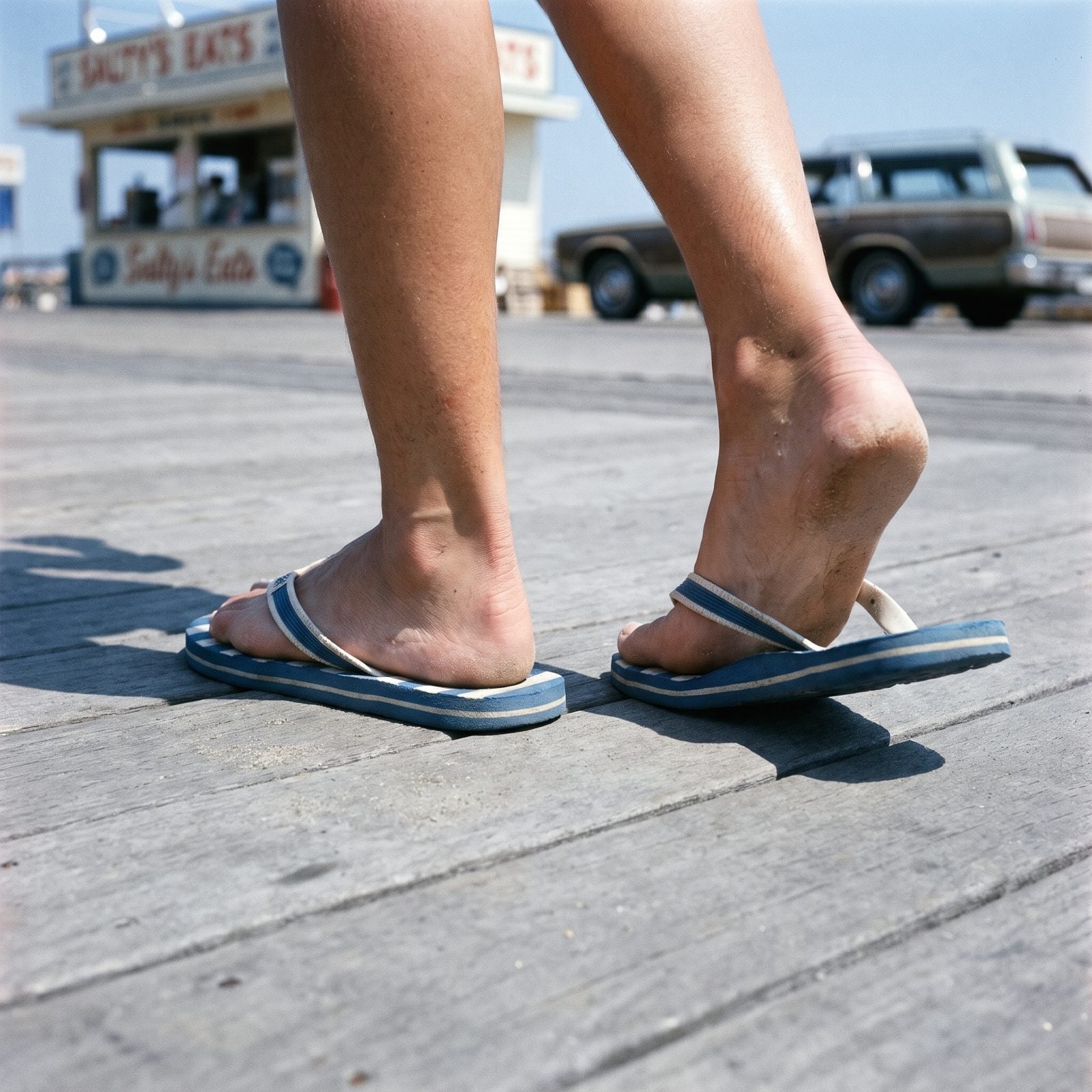
That sound. Rubber against hot concrete, a lazy syncopated slap that meant someone was coming back from the water, and you could identify a whole family by their walk.
These were the cheap thong sandals from the drugstore bin, a buck a pair, in that blue-and-white or green-and-yellow foam. They offered zero support and burned the gap between your toes if you left them in the sun. And the thong plug always popped out of the sole at the worst possible moment, usually halfway across a parking lot that felt like a skillet.
18. Feathered Hair Blown Wild by the Ocean Wind
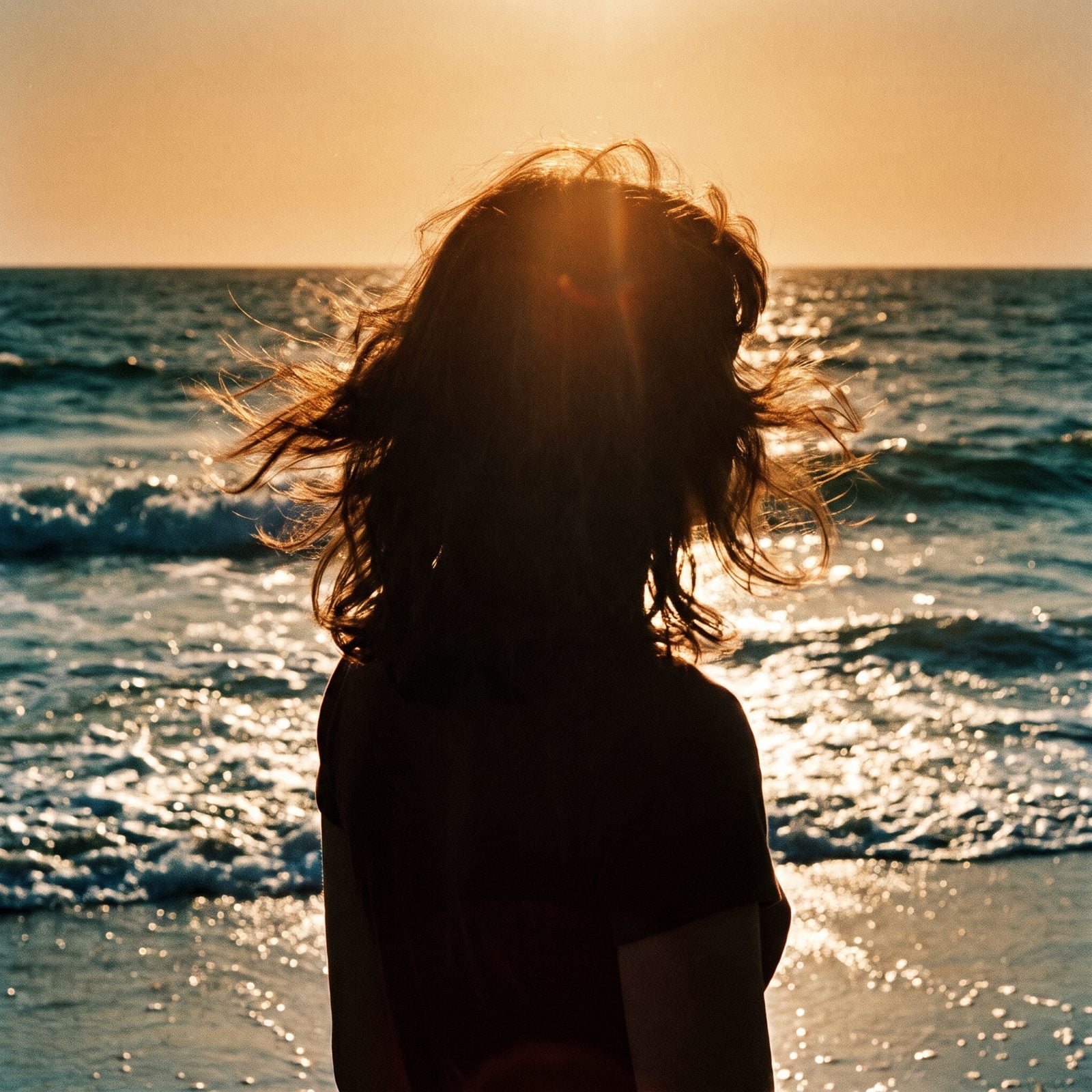
Feathered hair swept back off the face in soft wings, parted down the middle and held in place by sheer willpower and a lot of product.
The ocean had other plans. Salt wind turned a careful feather into a tangled mess by noon, and the humidity undid whatever the curling iron had managed that morning. People fought it the whole week. The beach always won.
17. Brightly Striped Terry-Cloth Beach Towels
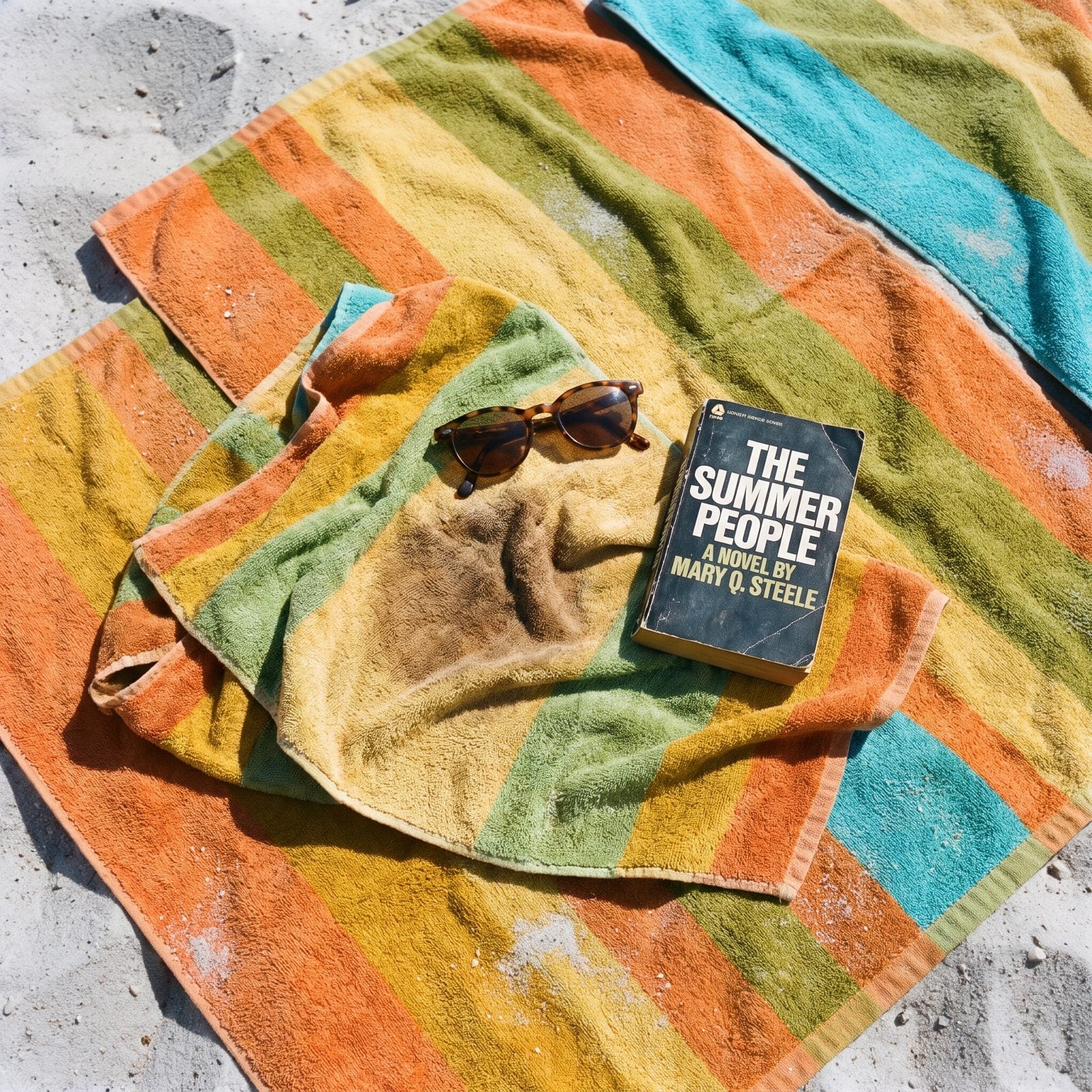
Thick, loud, and the size of a small flag. The terry-cloth towel in bands of orange, yellow, avocado, and turquoise was how you claimed your square of sand for the day.
It never fully dried, and it collected sand in the loops that you’d still be finding at home in October. It doubled as a cape, a picnic blanket, a changing tent when held up by a cooperative relative, and the thing you fell asleep on until your back was striped pink.
16. Inflatable Vinyl Rafts in Loud Psychedelic Colors
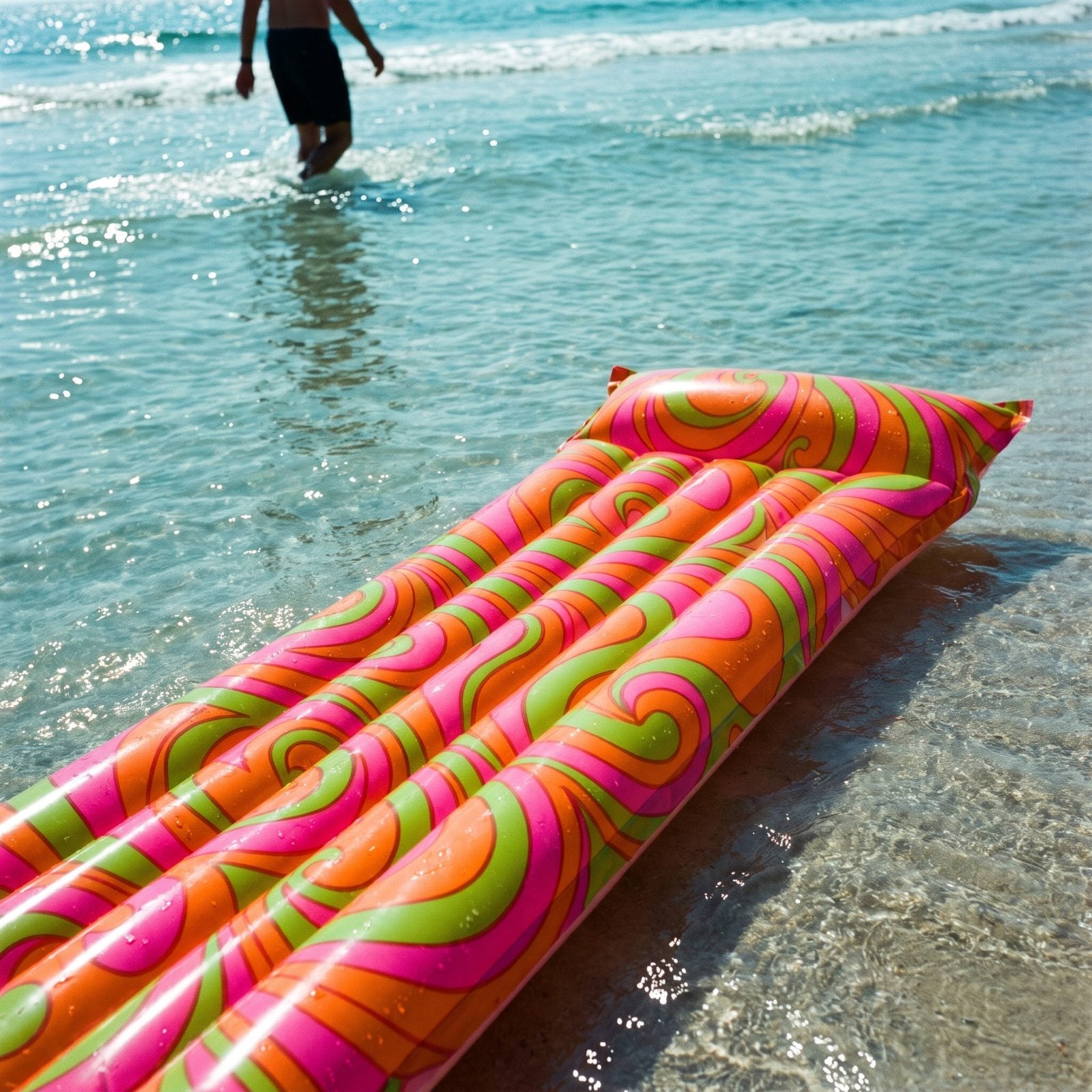
You inflated it by lungpower. Three valves, lightheaded by the third, and it still had one soft corner you ignored.
The vinyl ran hot in the sun and stuck to your skin, peeling off with a sound that made everyone wince. The colors were anything but subtle: pink and orange swirls, lime green, patterns that looked like a lava lamp had exploded. They lasted exactly one season, maybe two, before a seam gave out or a dog found it in the yard. The smell of hot vinyl is pure 1970s summer.
15. Styrofoam Belly Boards That Snapped in Heavy Surf
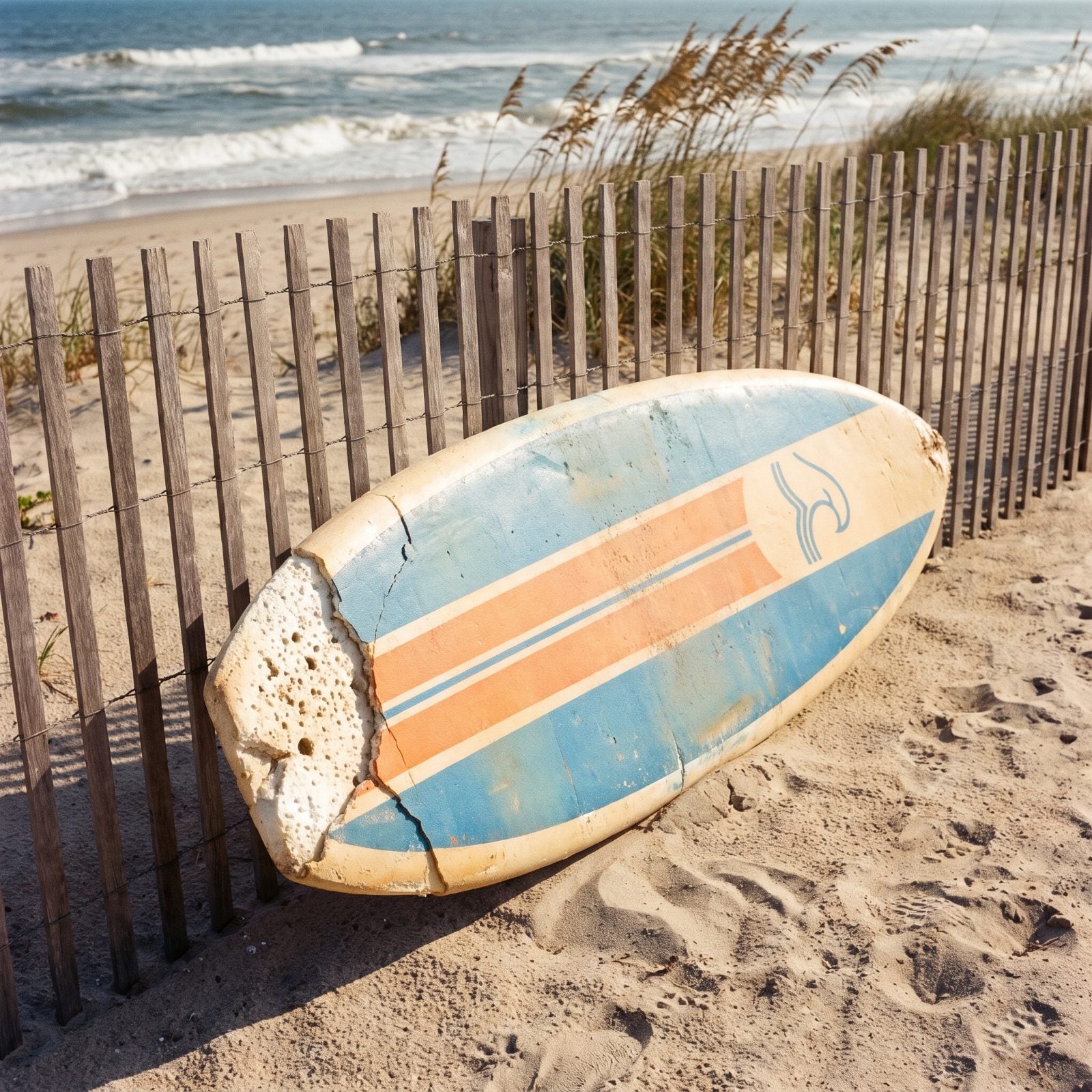
Cheap, light, and doomed. The Styrofoam belly board was the drugstore cousin of a real surfboard, bought off a wire rack near the register for a few bucks.
You’d paddle out, catch a wave on your stomach, and ride it in grinning, little white beads of foam flaking off the whole time. Then a bigger set rolled through, the board bent the wrong way, and that was that. A clean snap, a chunk floating away, a kid standing in the shallows holding half a board. Everyone had one. Nobody had one for long.
14. Rubber Swim Fins and Fogged Plastic Masks
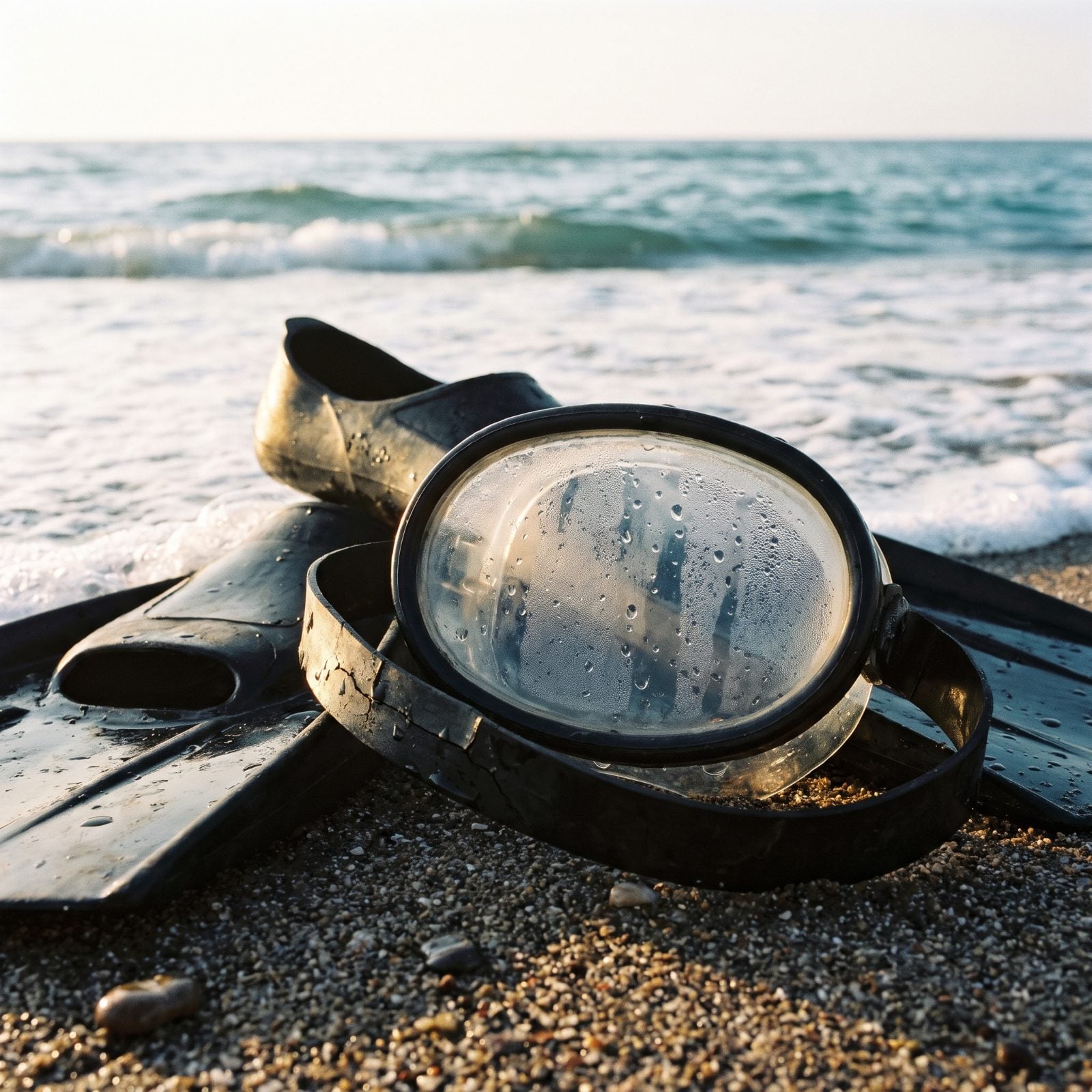
Snorkeling gear in the 1970s was an exercise in optimism. The fins were heavy black rubber that chewed up your heels, and the mask was a stiff oval that left a red ring around your face for an hour after.
The lens fogged the second you put it on. Everyone had a trick, spit in it, rub it around, rinse it out, and it fogged again by the second dive. You walked backward into the water in the fins because walking forward was impossible, lost your balance, went down in front of everyone, and did it all again the next day.
13. Plastic Sand Pails Shaped Like Castle Towers
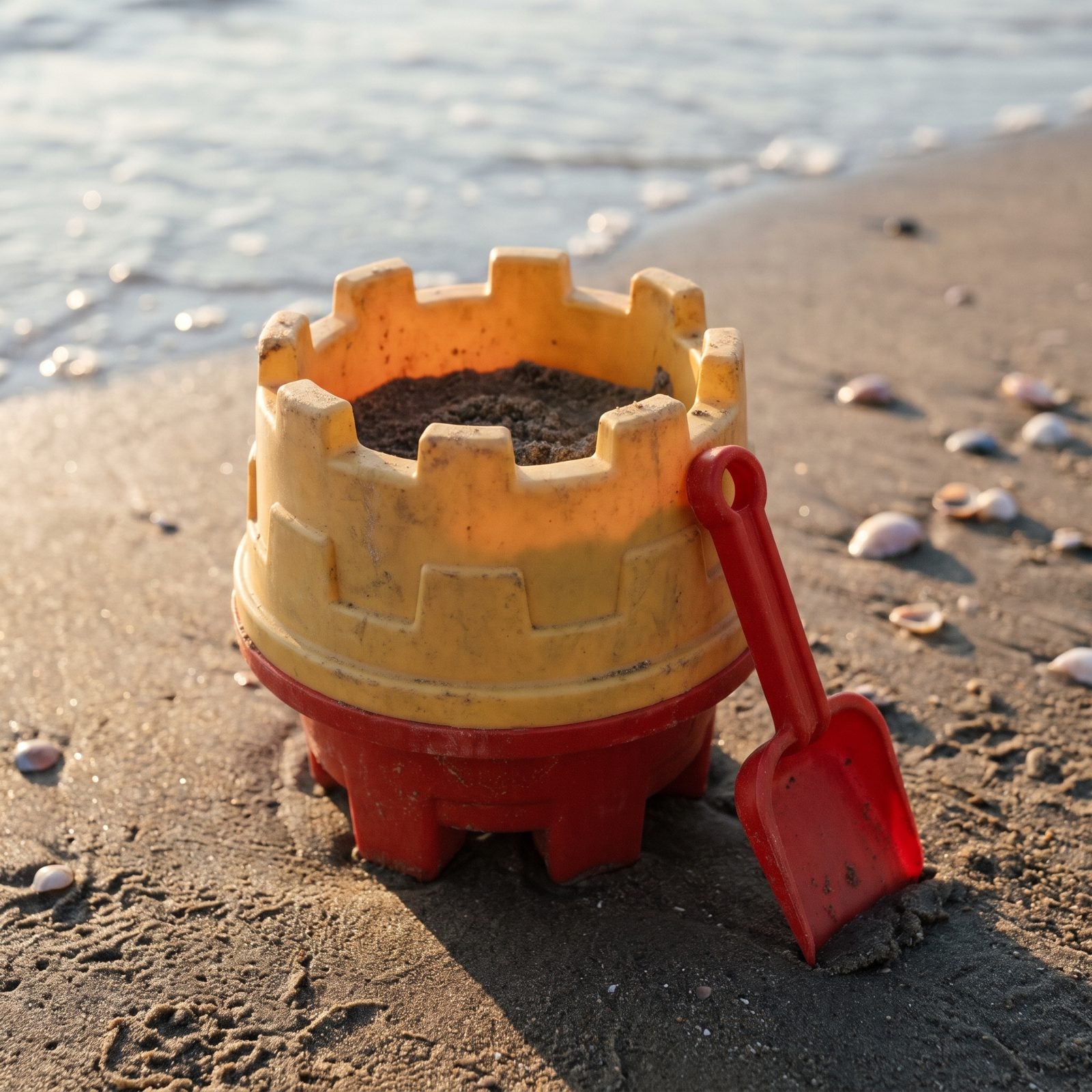
You filled it, packed it tight, flipped it over, and lifted it off to reveal a tower, battlements and all. The castle-tower pail was the engine of every beach day, molded in that specific hard candy yellow and fire-engine red, with a handle that always cracked by August.
What made it matter was ambition. A kid holding a tower-shaped pail believed a whole city was possible, and the plain bucket shapes never sparked the same grand plans.
12. Lifeguard Whistles Cutting Through the Surf
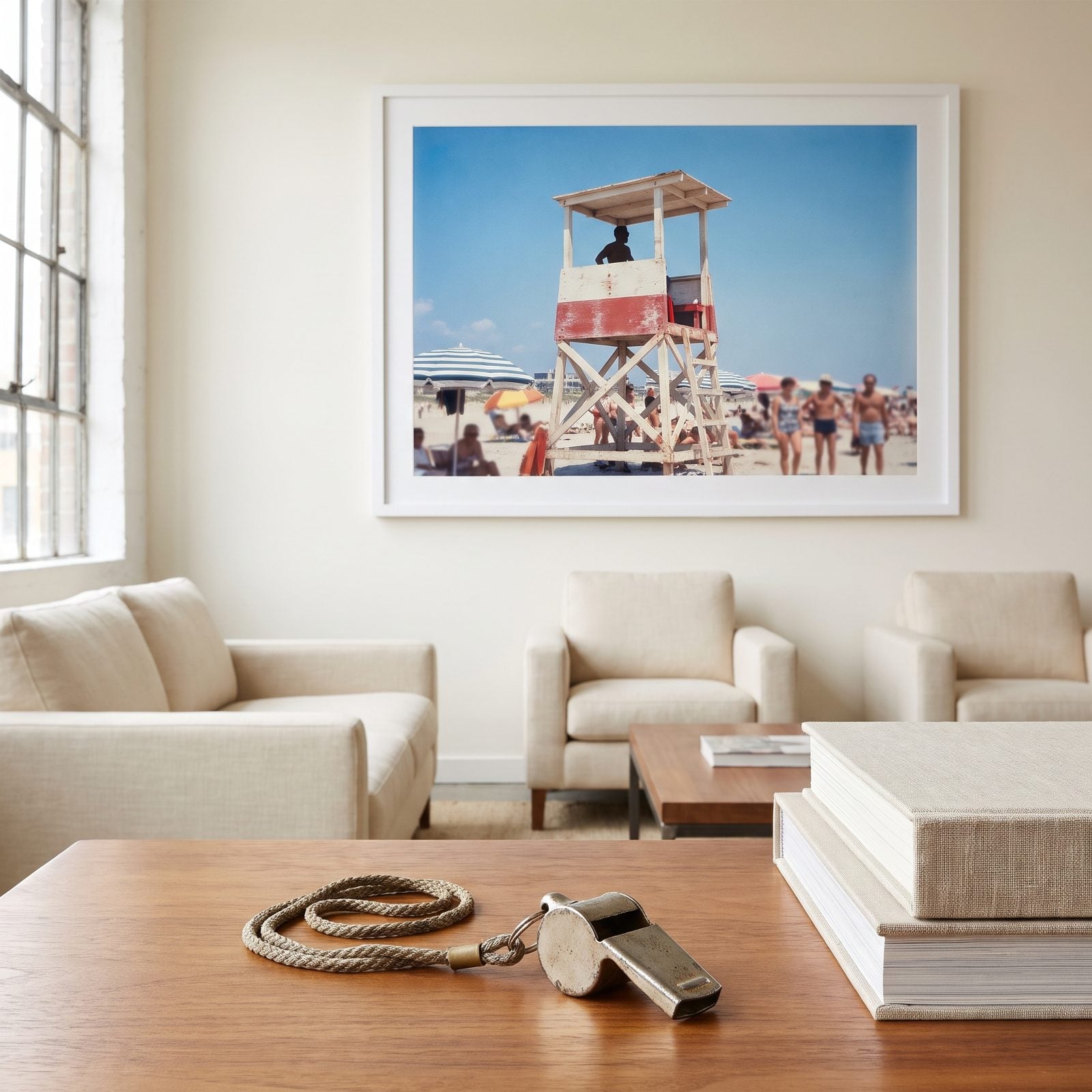
Two sharp blasts and every parent on the beach sat up straight. That whistle was the one sound that could slice through wind, surf, a hundred transistor radios, and a thousand shrieking kids all at once.
You learned the code without being taught it. One whistle meant pay attention, and a long one meant get out of the water now. The guards sat up on those tall white stands with zinc on their noses, and that little chrome whistle carried the whole authority of the beach.
11. Tinny Loudspeaker Announcements About Lost Children
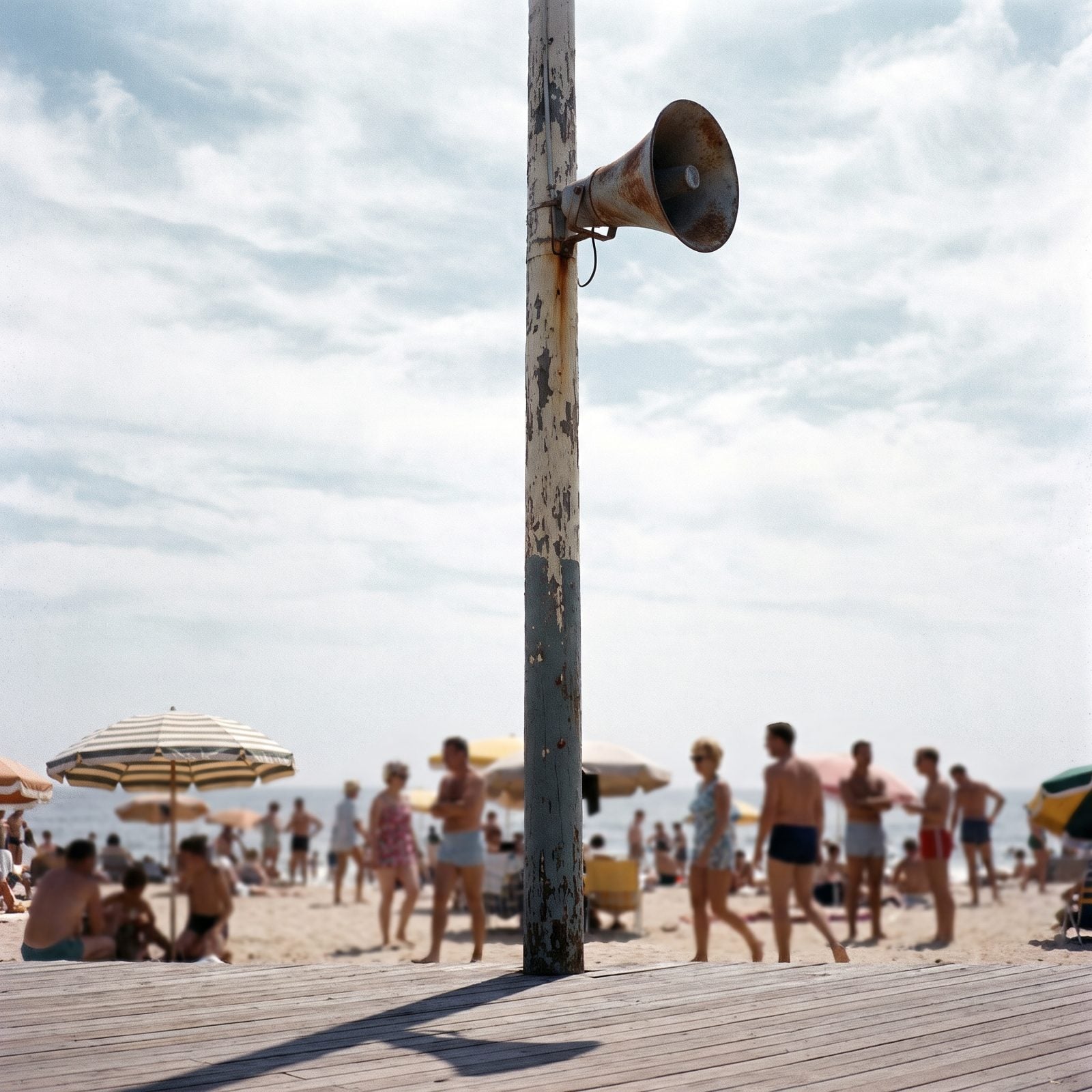
“Would the parents of a little boy in red trunks please come to the main lifeguard stand.”
The announcement crackled out over a speaker that distorted every third word, and the whole beach went quiet for a second to listen. Some kid had wandered off chasing a wave or a dog or nothing at all. No wristbands, no phones, no way to text anyone — you just lost track of each other sometimes, and that tinny voice was how you found your way back. Nine times out of ten the kid was already at the snack stand.
10. Airplanes Towing Advertising Banners Overhead
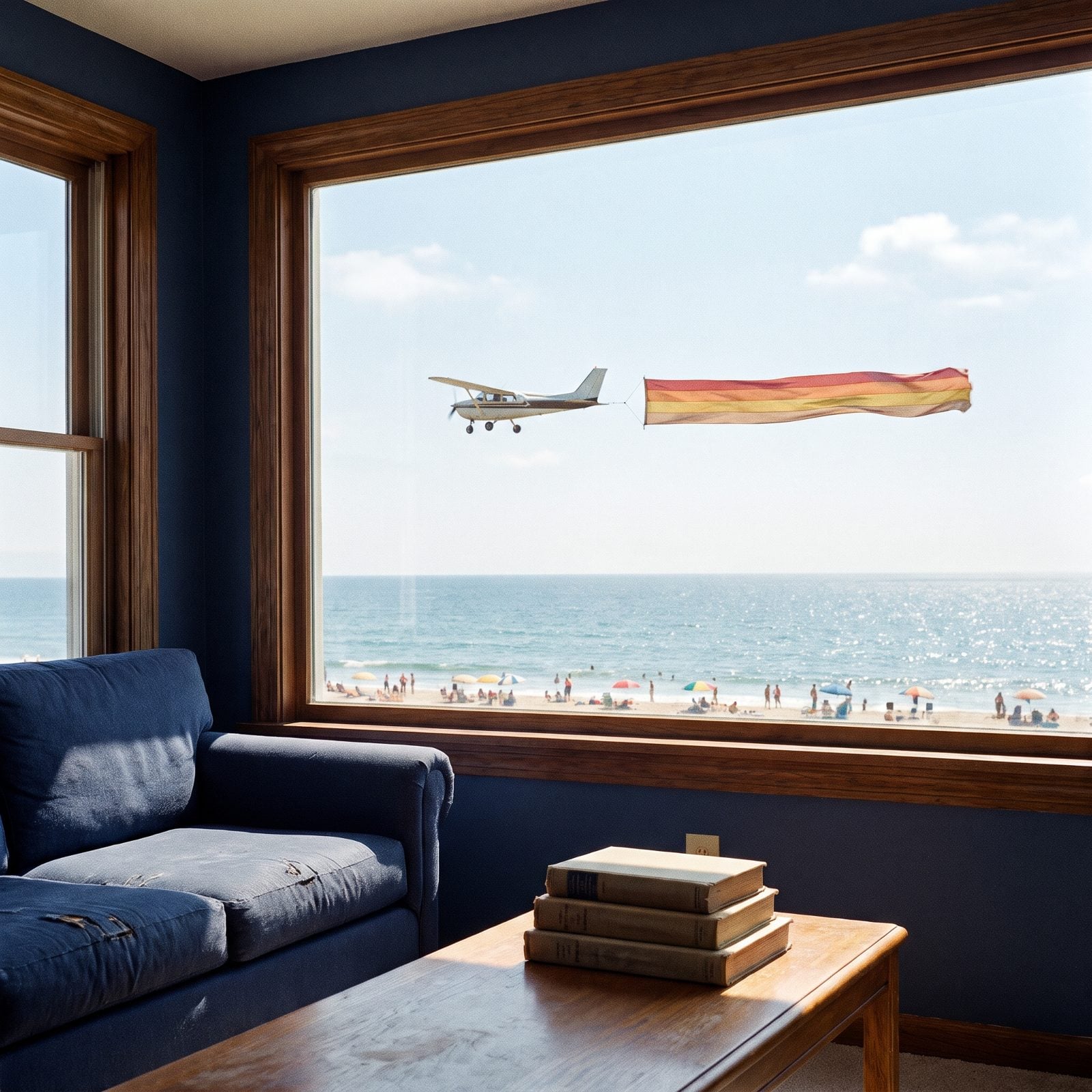
You heard the drone before you saw it. A little prop plane crawling along just off the shoreline, dragging a banner that rippled and snapped in the wind behind it.
Every kid on the beach stopped and squinted up at it. Usually it was a seafood joint or a nightclub two towns over. Didn’t matter. For thirty seconds the whole stretch of sand was looking at the same thing in the sky.
9. Seagulls Circling Every Unattended Lunch
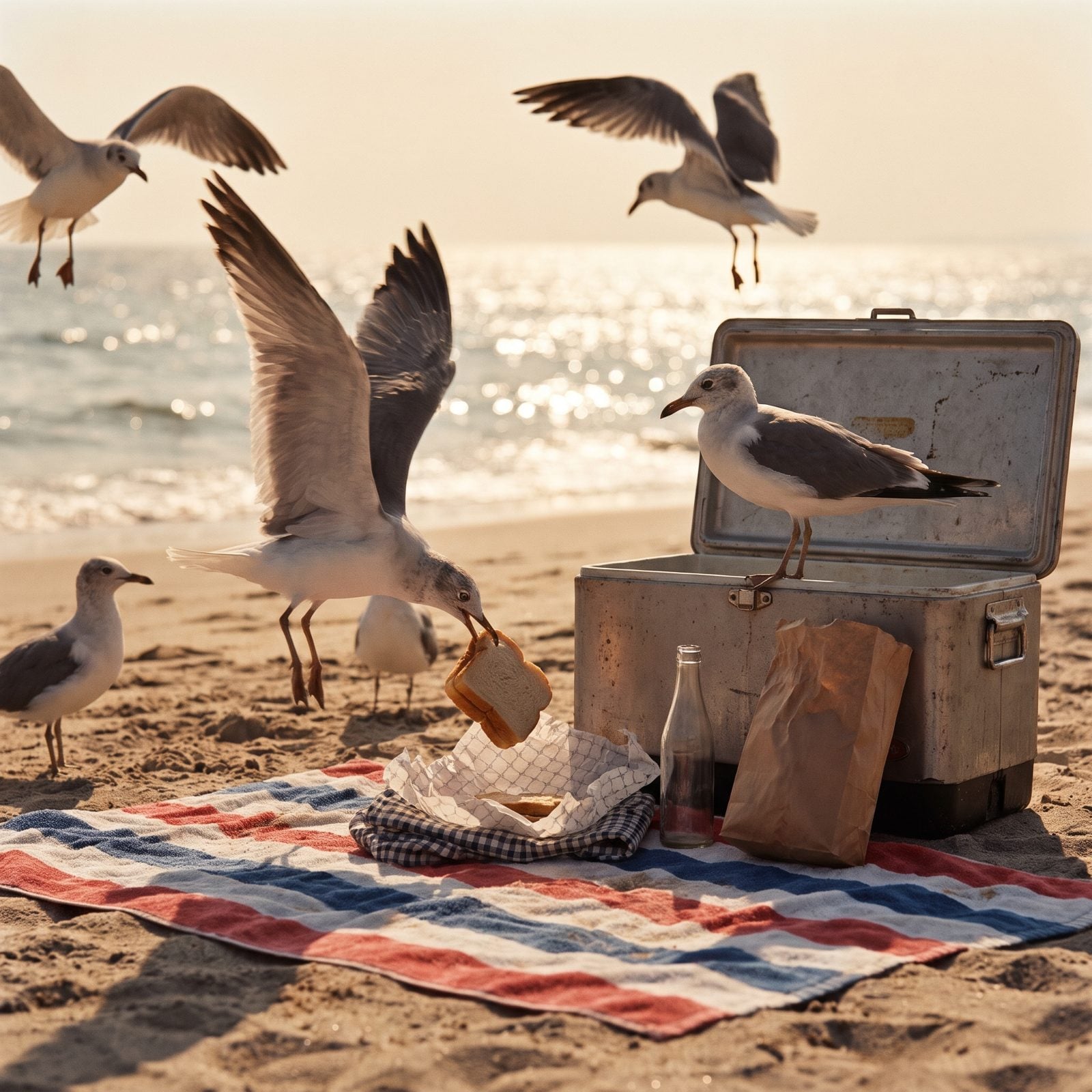
Turn your back for ten seconds and a gull had your sandwich. They worked in teams, really — one would distract you from the front while the other dive-bombed the cooler.
I still don’t fully trust a seagull, and I say that as someone who has lost an entire hot dog to one. They weren’t scared of you. They’d stand three feet away, cocking their heads, waiting for you to blink. The whole beach economy ran on who was guarding the food and who wasn’t.
8. Metal Detecting Along the Tidal Line
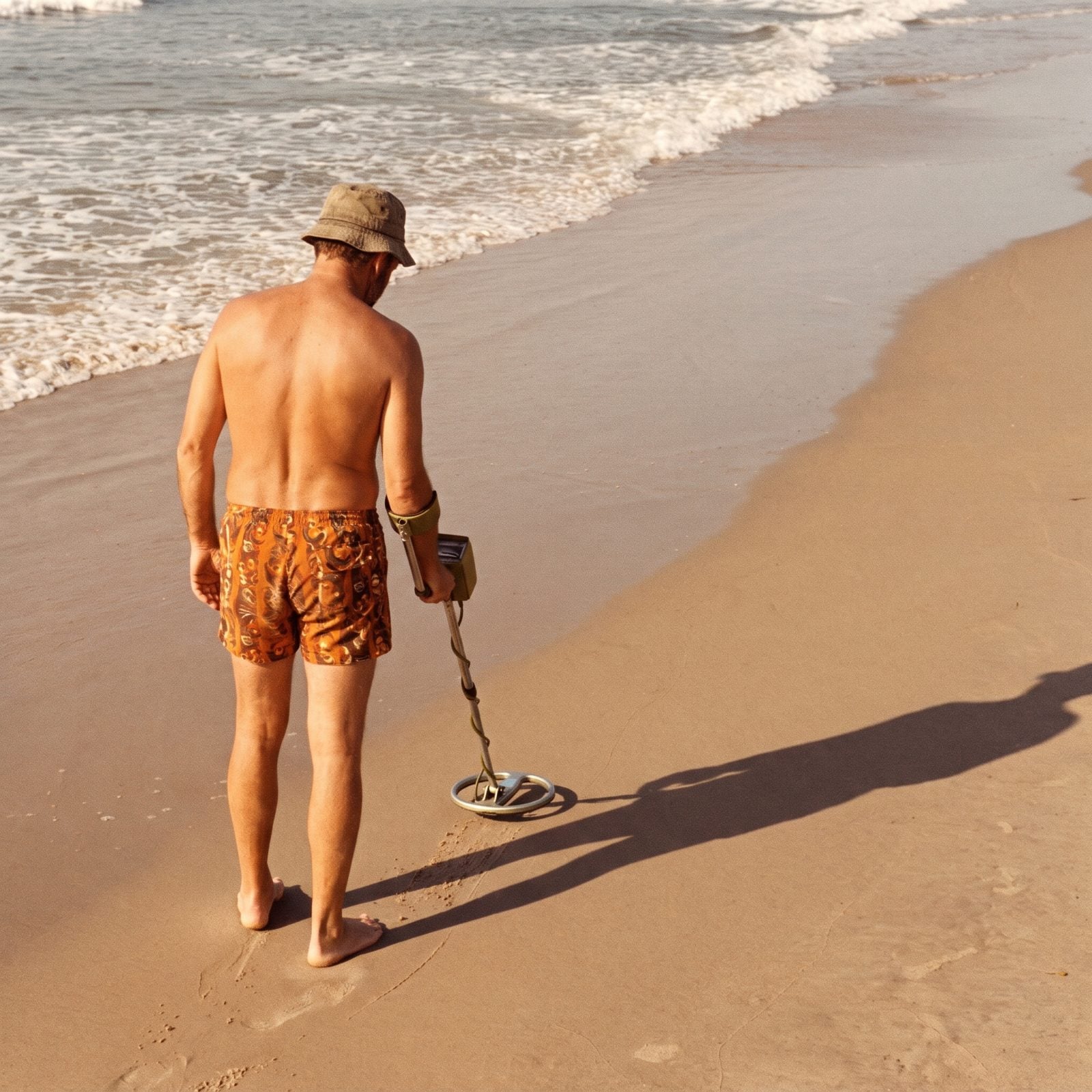
Early morning, before the crowds, there was always someone pacing the wet sand with headphones and a detector, swinging it in slow arcs like they were mowing a very patient lawn.
They were after whatever yesterday’s beachgoers dropped — loose change, a wedding ring, a watch. Mostly they dug up bottle caps and pull-tabs and the occasional rusty nail. But every so often a real find kept the whole hobby alive, and that was the hook of it.
7. Kodak Instamatic Cameras Capturing Square Vacation Snapshots
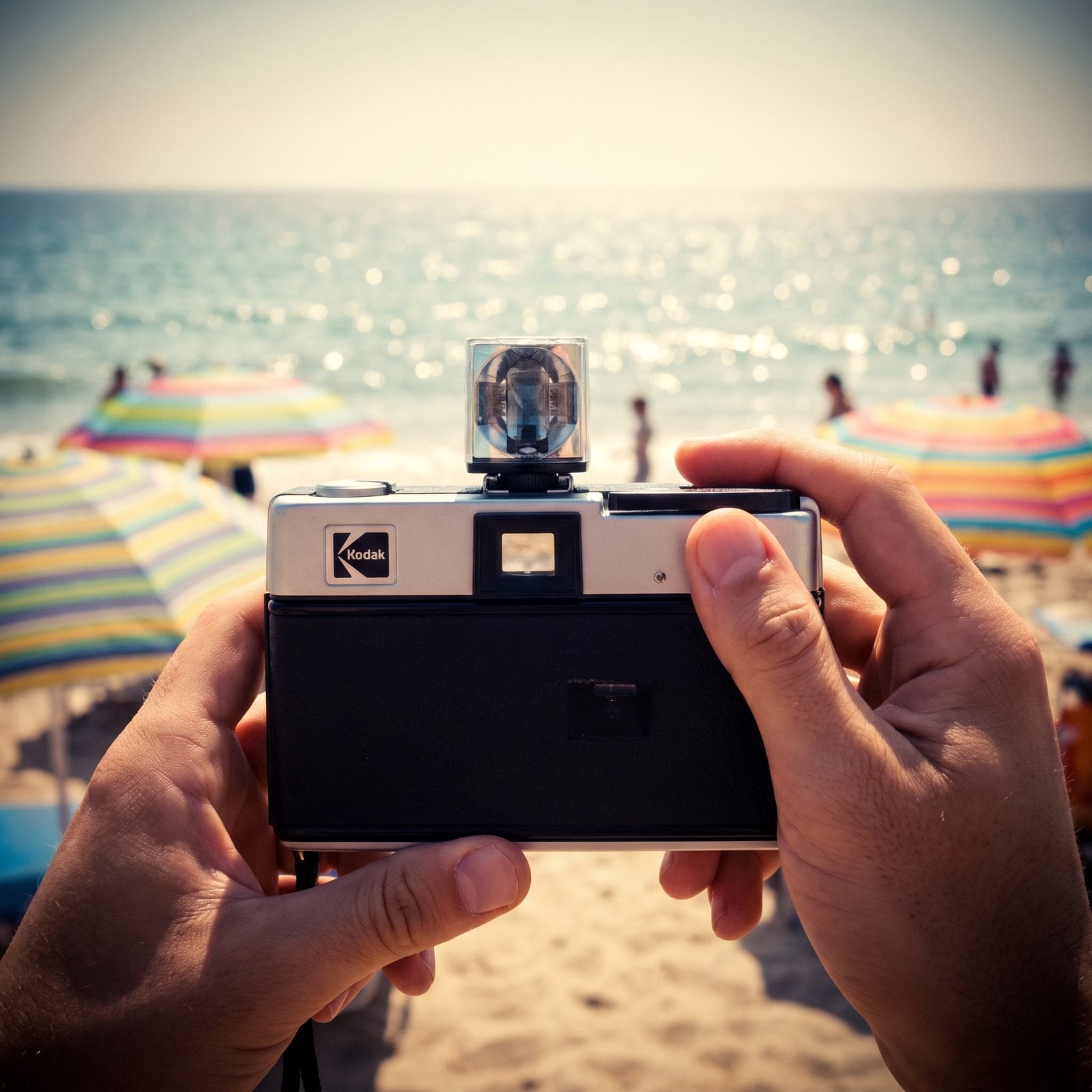
Point it, click it, wind the little thumb wheel, done. The Instamatic made everyone a photographer, and everyone’s photos came out slightly crooked and square.
You got one flashcube that gave you four shots before it had to be swapped, and there was no reviewing anything. You shot the whole roll, mailed it off or dropped it at the drugstore, and waited a week to find out half your beach pictures had a thumb in the corner.
6. Super 8 Movie Cameras Recording Silent Family Scenes
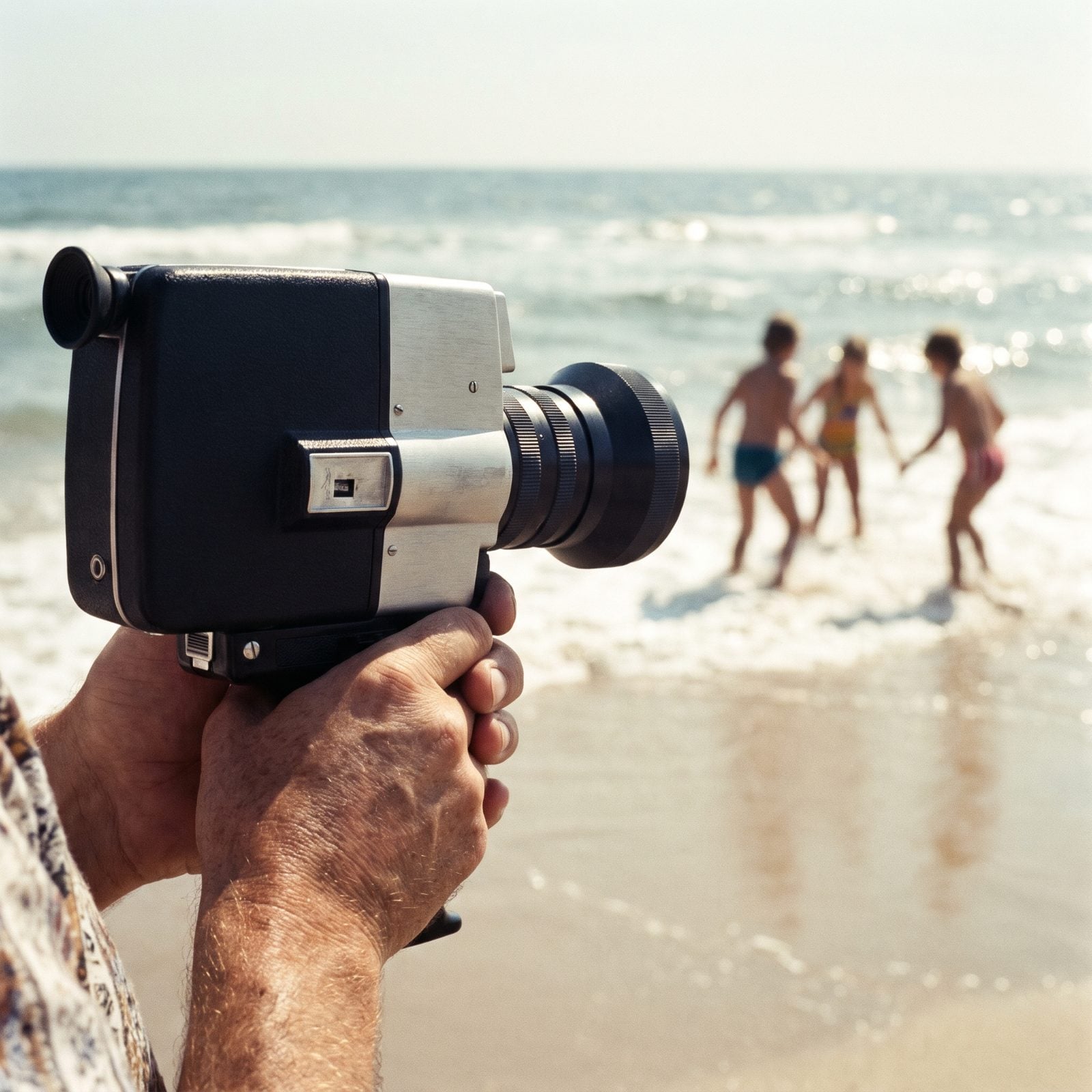
No sound. That’s what people forget. All those home movies of kids running into the surf and waving at the lens were completely silent, which somehow made them feel more like memories and less like recordings.
You got about three minutes per cartridge and the camera ate batteries. Everybody waved at it because nobody knew what else to do while being filmed. Months later the projector came out, the screen went up on the living room wall, and the whole family watched the beach flicker by in jerky, grainy color.
5. Postcards Written at Motel Room Desks
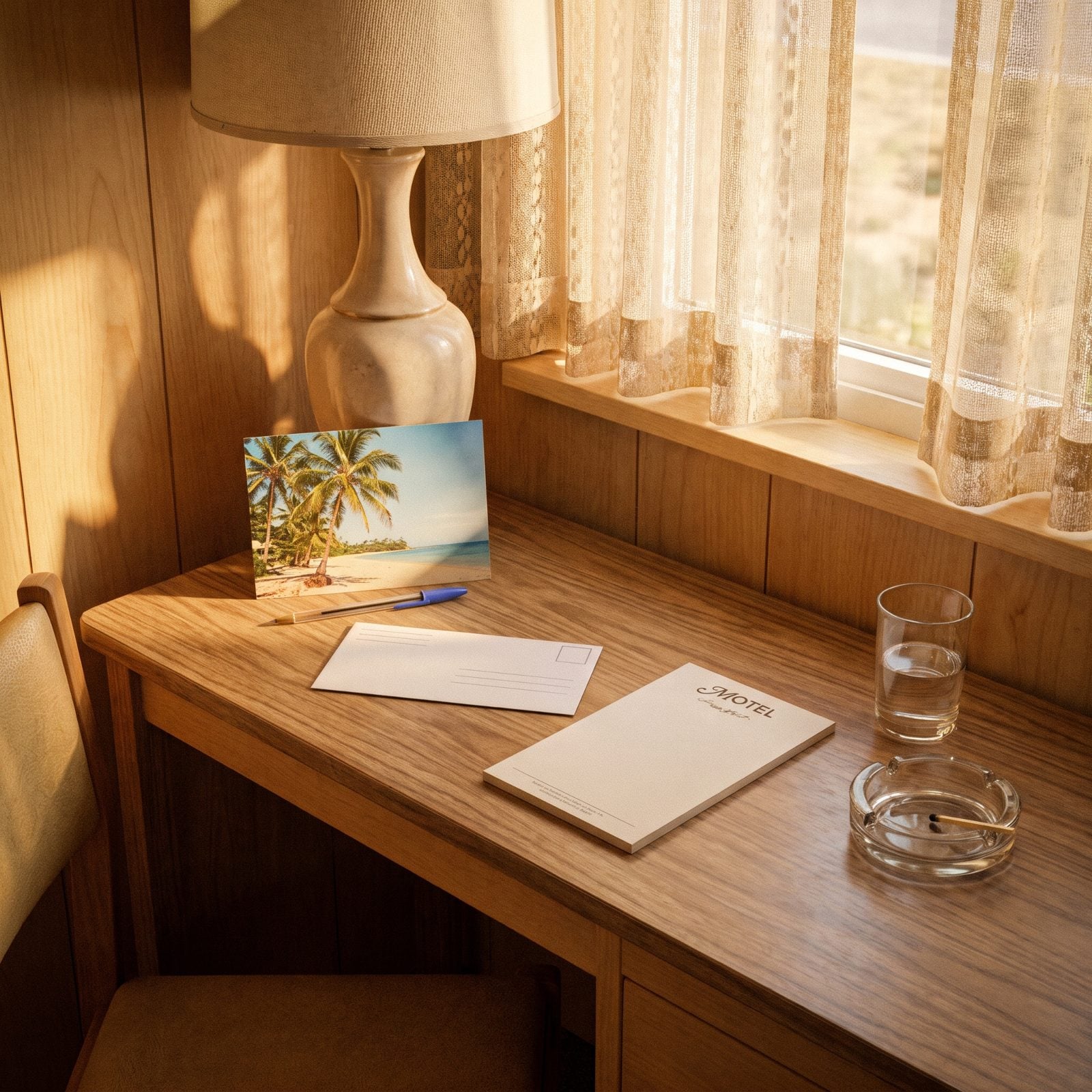
You bought a stack from the spinning rack at the drugstore, each one more sun-bleached than the last, and you wrote them at the little motel desk while everyone else rinsed off sand in the shower.
The hard part was always the same. Four square inches of space and nothing to say except “Weather great, wish you were here.” So that’s exactly what you wrote. They arrived home two days after you did. Nobody minded.
4. Hand-Painted Motel Signs Promising Color TV and a Pool
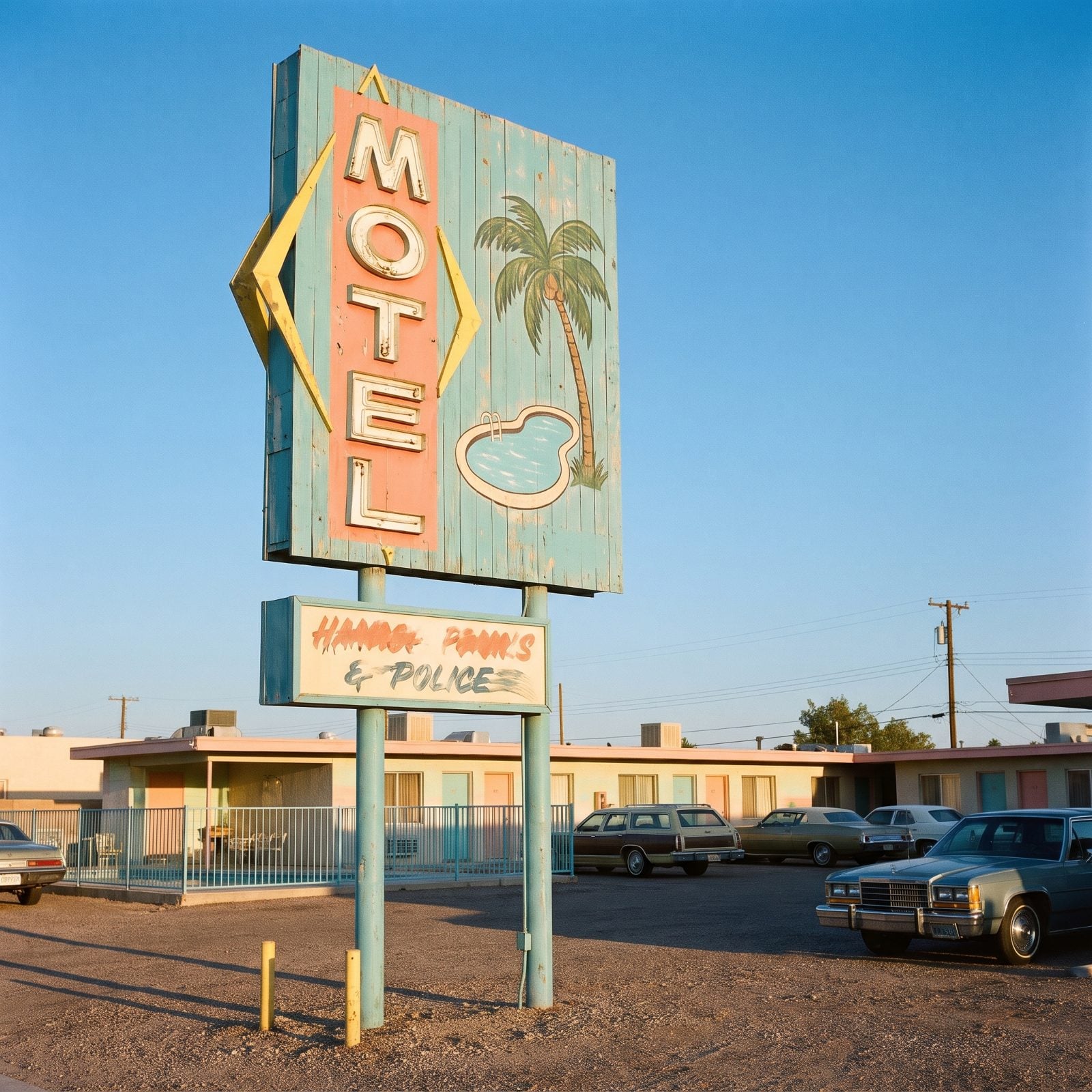
“Welcome.” “MOTEL.” A kidney-shaped pool under a palm tree. Those promises, hand-painted in fat turquoise and coral on a sign out by the highway, were enough to make a family pull in for the night.
That painted pool was a genuine selling point, right up there with the words COLOR TV. The pool was usually smaller than the sign suggested and the water was a little cloudy, but after a day in the car it looked like a lake. Real sign painters made these, letter by letter, and that slightly uneven lettering is a look nobody has managed to fake since. Alright, go find one that’s still standing. They’re out there.
3. Disco Songs Blasting From Boardwalk Arcades
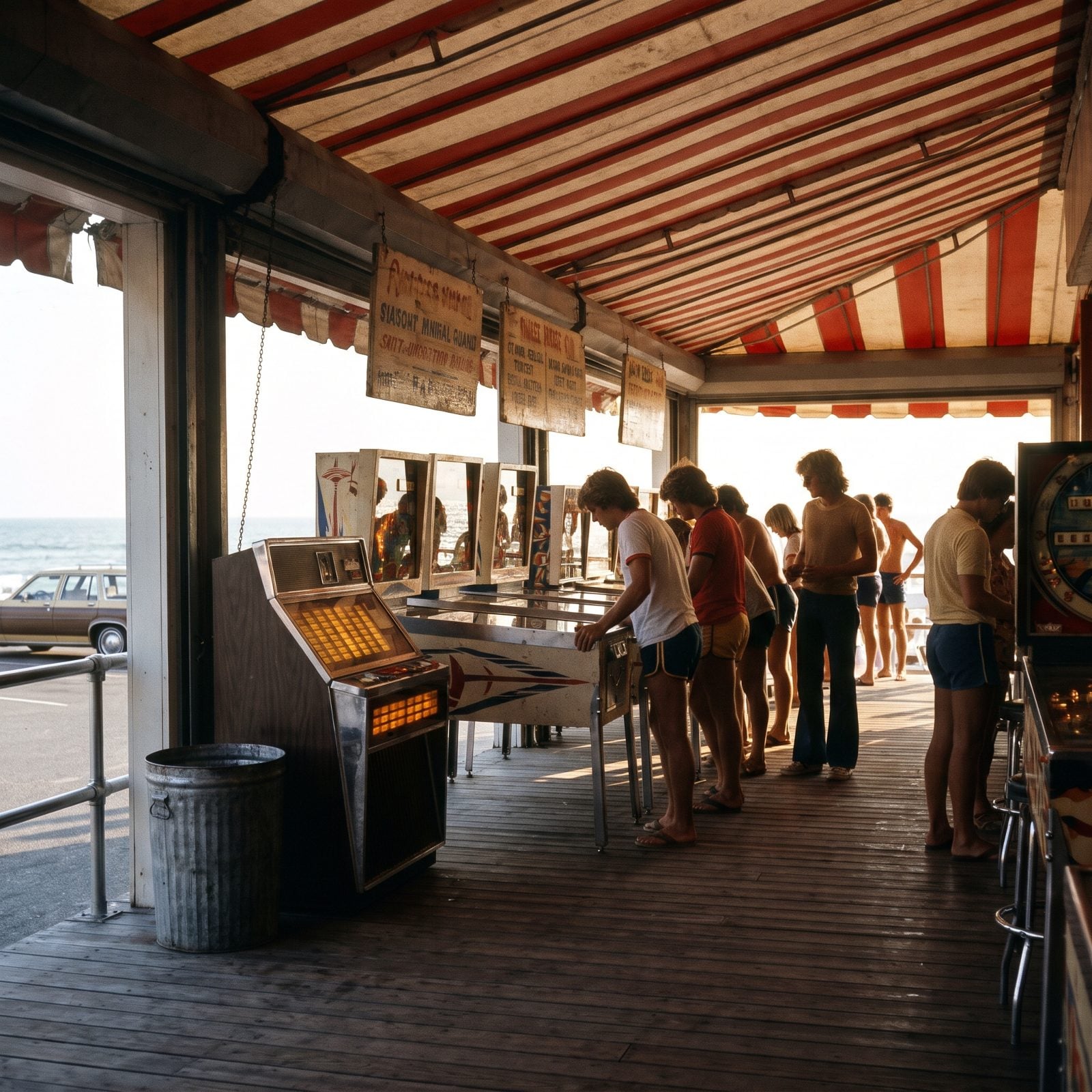
You heard it before you saw it — a bass line thumping off the planks, cut with the electronic warble of a pinball table and somebody’s sister squealing at Skee-Ball. Loudest building on the boardwalk by a mile, and nobody ever asked it to turn down.
Disco ran the summers of 1977 and 1978 like a tide, the hits pouring out of open doors and mixing with salt air and the smell of hot machine oil. You didn’t go in to dance. You went in with sandy quarters and a sunburn, and the music made losing feel like a party anyway.
2. Shark Teeth Found While Combing the Shore
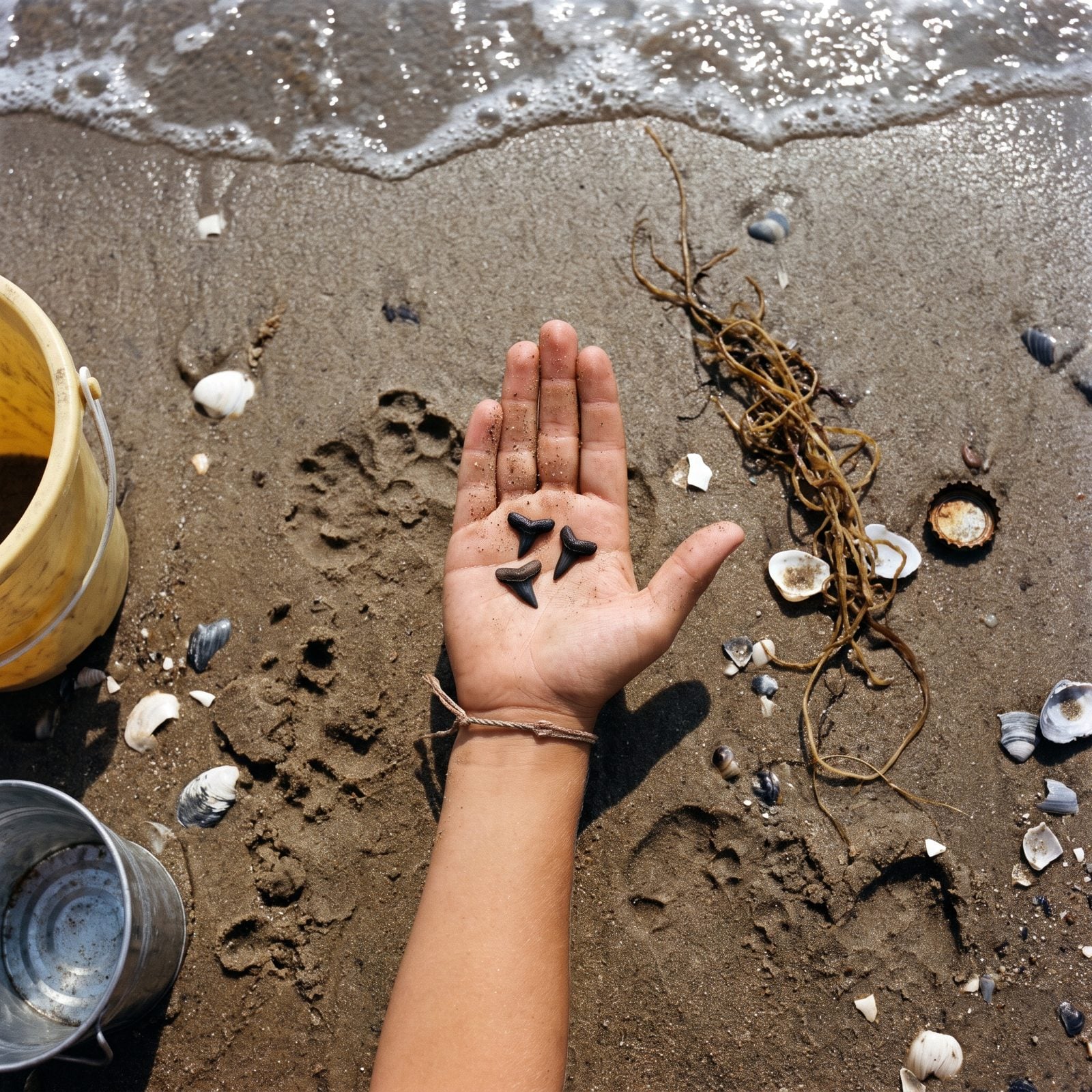
Finding one justified the whole afternoon. You walked bent at the waist, eyes down, scanning for the dark little triangles that sorted themselves out of the shell wrack at the tide line.
Most were no bigger than a pencil tip — glossy black or slate grey, worn smooth by a few thousand years of water. The beaches of the Carolinas gave them up by the handful, and kids carried them home in old film canisters and pill bottles, the collection rattling like a tiny secret the ocean handed over for free.
1. Foghorns Sounding Beyond the Beach at Night
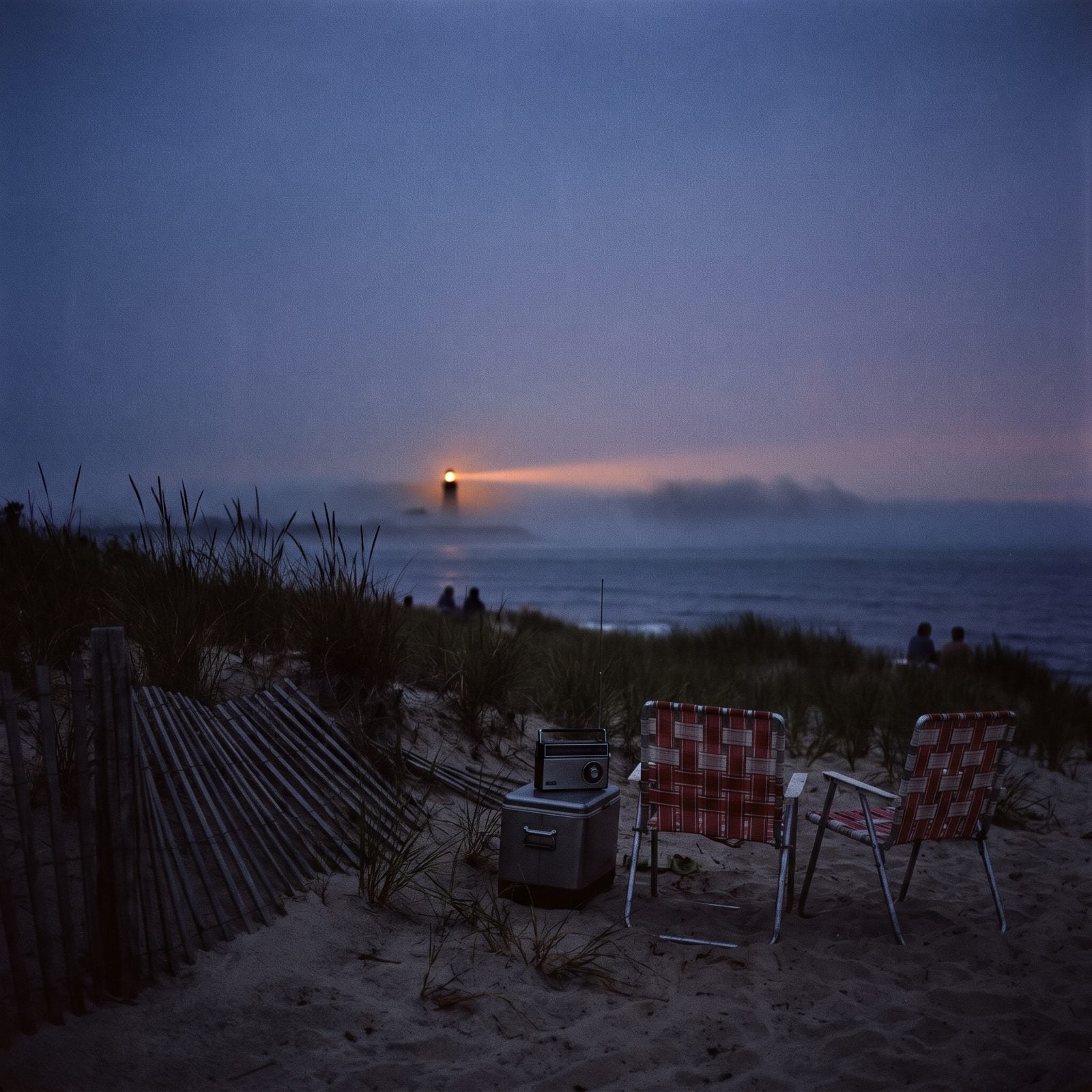
The sound carried long after the sun was gone. A foghorn’s low two-note moan would roll in over the dunes, spaced out far enough that you’d almost forget it — and then it came again and settled something in your chest.
It meant the fog had rolled in offshore, and boats were being told where the rocks were. For a kid lying on a motel cot with the window cracked, it was the last sound before sleep. Lonelier and more comforting than any one sound has a right to be.
You can still catch one in a handful of harbors. Same note. Still does the same thing to you.