
The best boaters aren’t the ones with the biggest engines or the shiniest gelcoat. They’re the ones who never give the water a reason to embarrass them. Most trouble on the lake or in the harbor doesn’t come from freak accidents — it piles up from small, avoidable slips on a sunny afternoon when everything feels easy. The fixes cost nothing but a few minutes of attention. Here are the ones worth paying.
Please note that some of the imagery in this article may have been enhanced with the assistance of AI.
41. Leaving the Dock Without Checking the Forecast
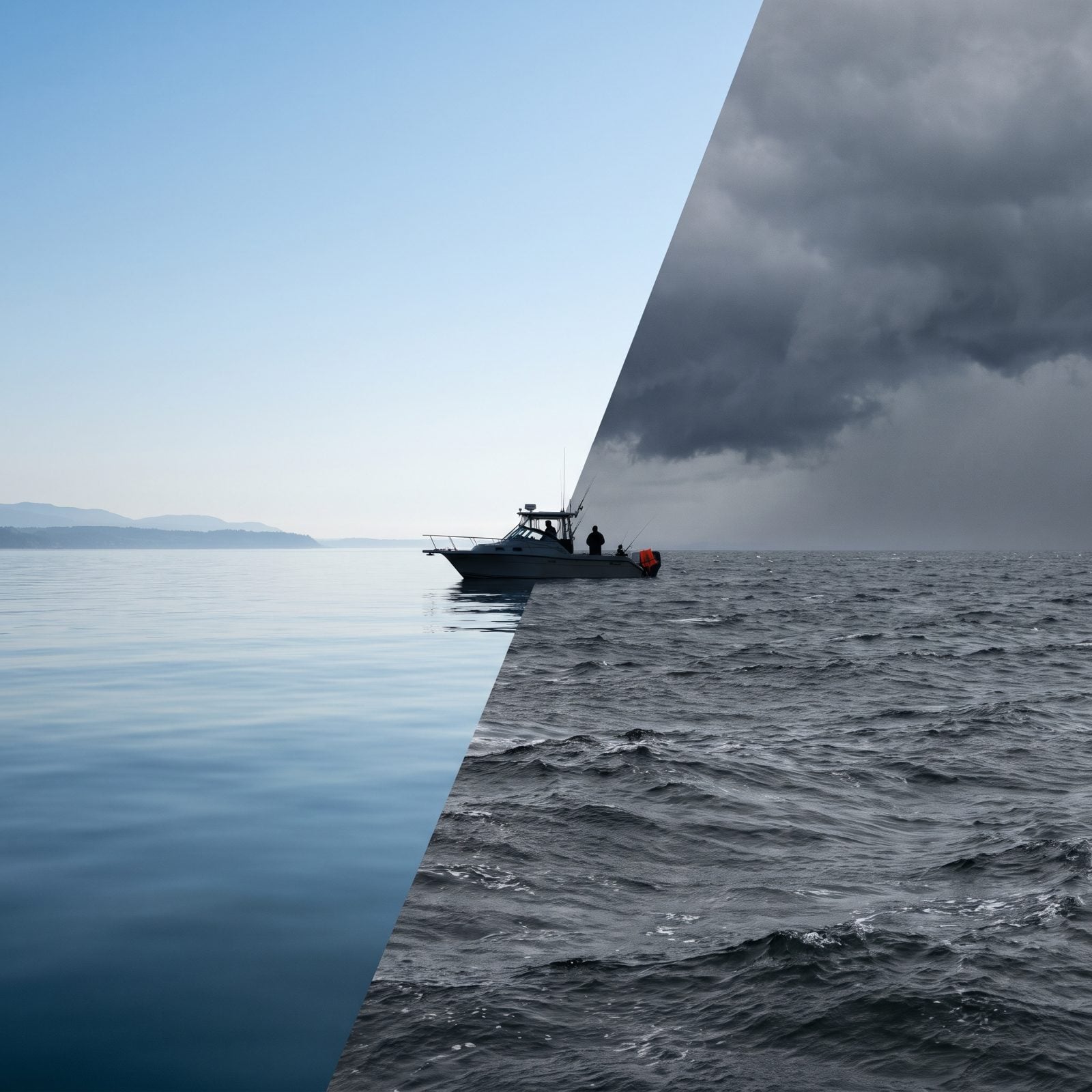
A flat, glassy launch at 8 a.m. tells you almost nothing about what the lake does at 2 p.m. Wind builds, storms stack up fast over open water, and a thirty-minute ride home turns into a white-knuckle pounding that scares the kids and strains the hull.
Pull up the marine forecast and the radar before you untie anything. Check wind speed, gusts, and the timing of any front. If there’s a storm with your name on it that afternoon, go earlier or skip it. I’ve turned around in the parking lot more than once, and never once regretted it.
40. Setting Out Without a Proper Life Jacket for Everyone Aboard
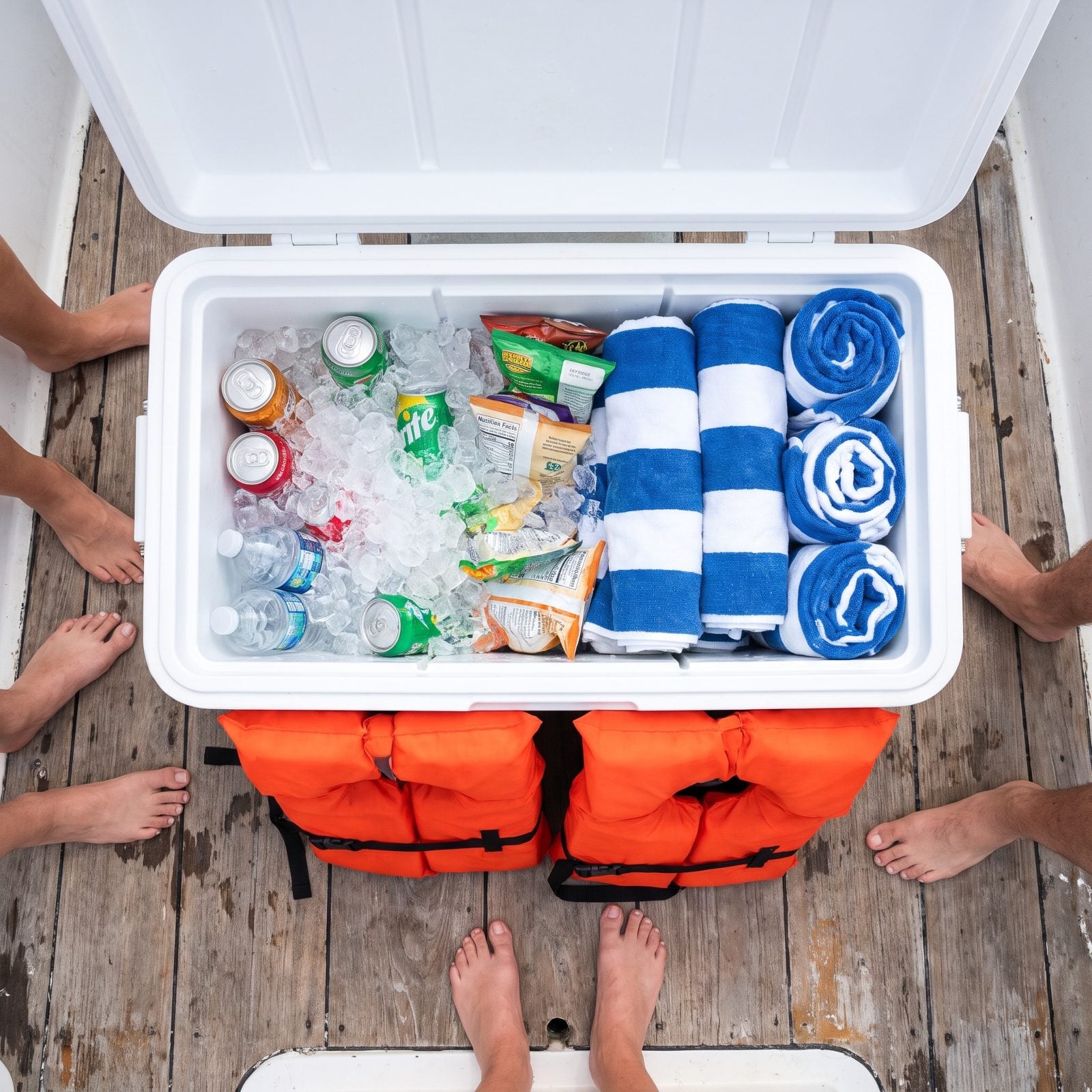
A cooler on the dock packed with drinks, towels, and snacks but only two life jackets for four people is a common sight. It’s also the one mistake that turns a minor fall overboard into something far worse.
Everyone on board needs a Coast Guard-approved life jacket that actually fits them — not a dusty adult vest tossed at a seven-year-old. Kids need child-sized jackets with a crotch strap and a grab handle, and the little ones should wear them the whole time. Count heads, count jackets, make them match before you leave the slip.
39. Ignoring the Engine Cutoff-Switch Lanyard
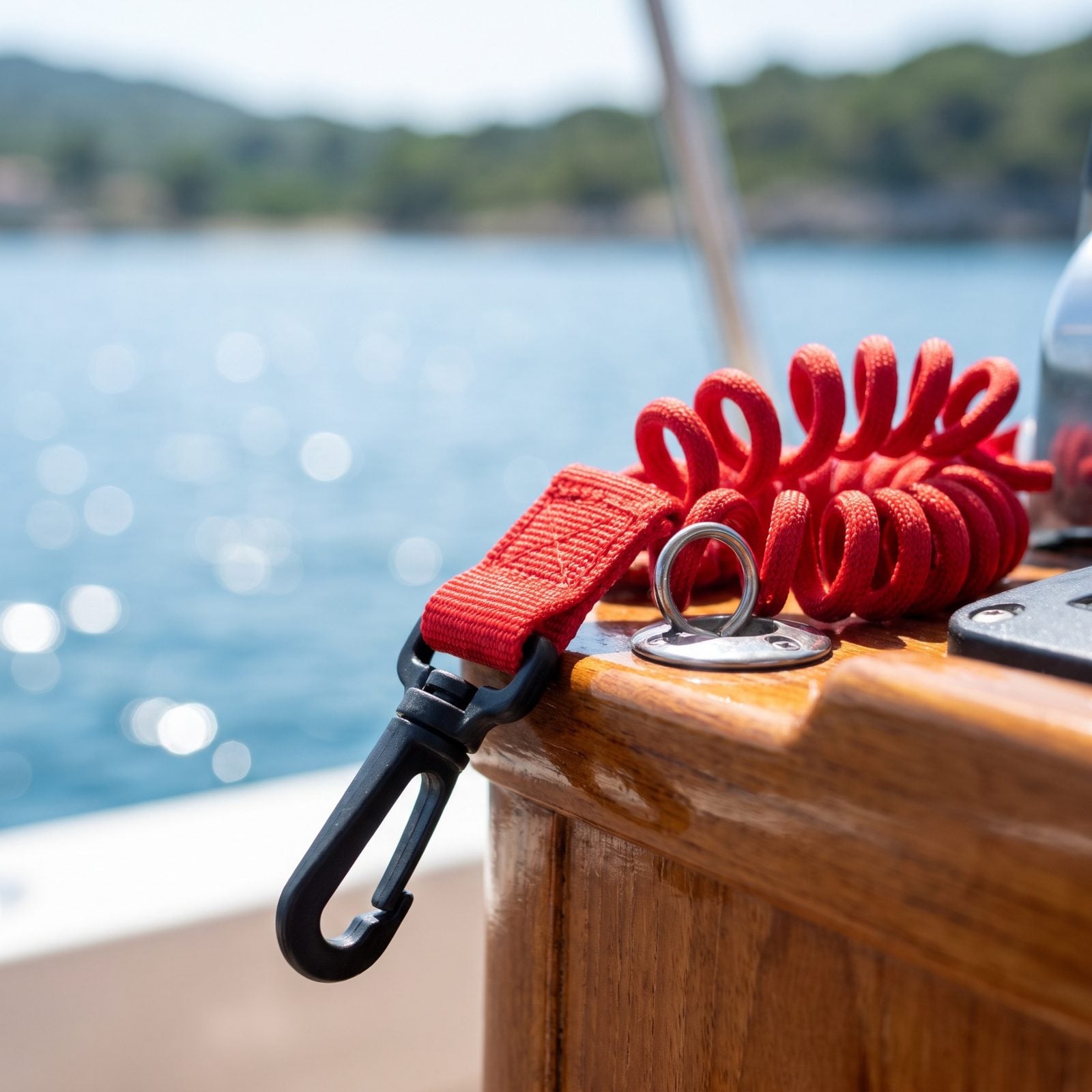
That little coiled cord dangling off the helm isn’t decoration. Clip it to yourself. If you get thrown from the helm, hit a wake wrong, or go over the side, the engine shuts down instead of leaving a running boat circling back toward whoever just fell in.
People skip it because it feels like a hassle and the boat runs fine without it. Then one bad bounce changes everything. Loop the lanyard around your wrist or clip it to your life jacket every single time you’re at the throttle. Newer boats have wireless versions now, which is one less excuse to go without.
38. Drinking While Running the Boat
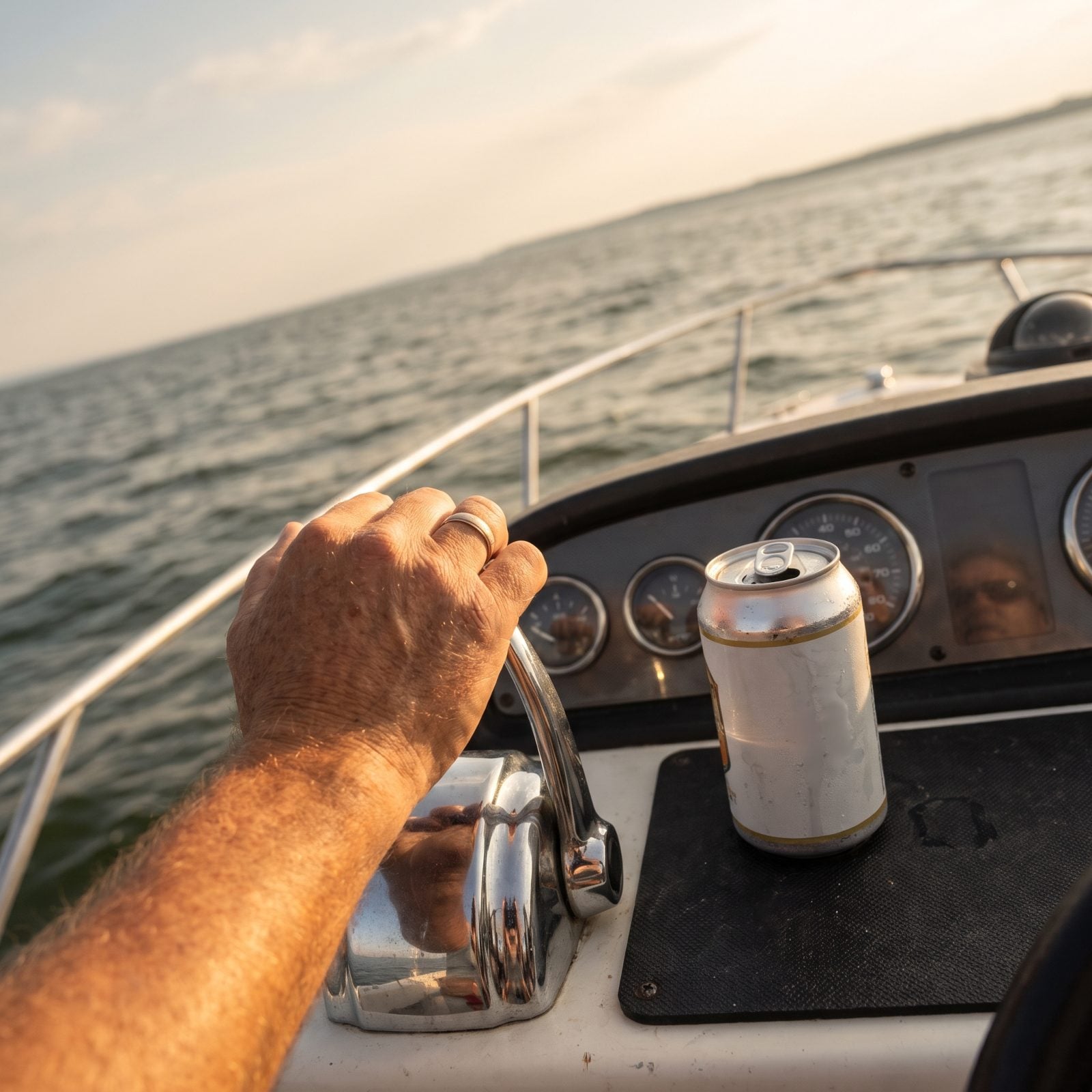
Sun, wind, engine vibration, and the rocking of the deck hit you harder than you think. Boaters call it boater’s fatigue, and it means a couple of beers on the water work like twice that on land. Your reaction time drops right when a jet ski cuts across your bow.
The person at the wheel stays sober. That’s the whole rule. Let the passengers enjoy the cooler, pass the driving around if you want to loosen up at the sandbar, but never mix the throttle and the bottle. A designated captain is as normal on water as a designated driver is on the highway.
37. Packing On More People Than the Boat Can Carry
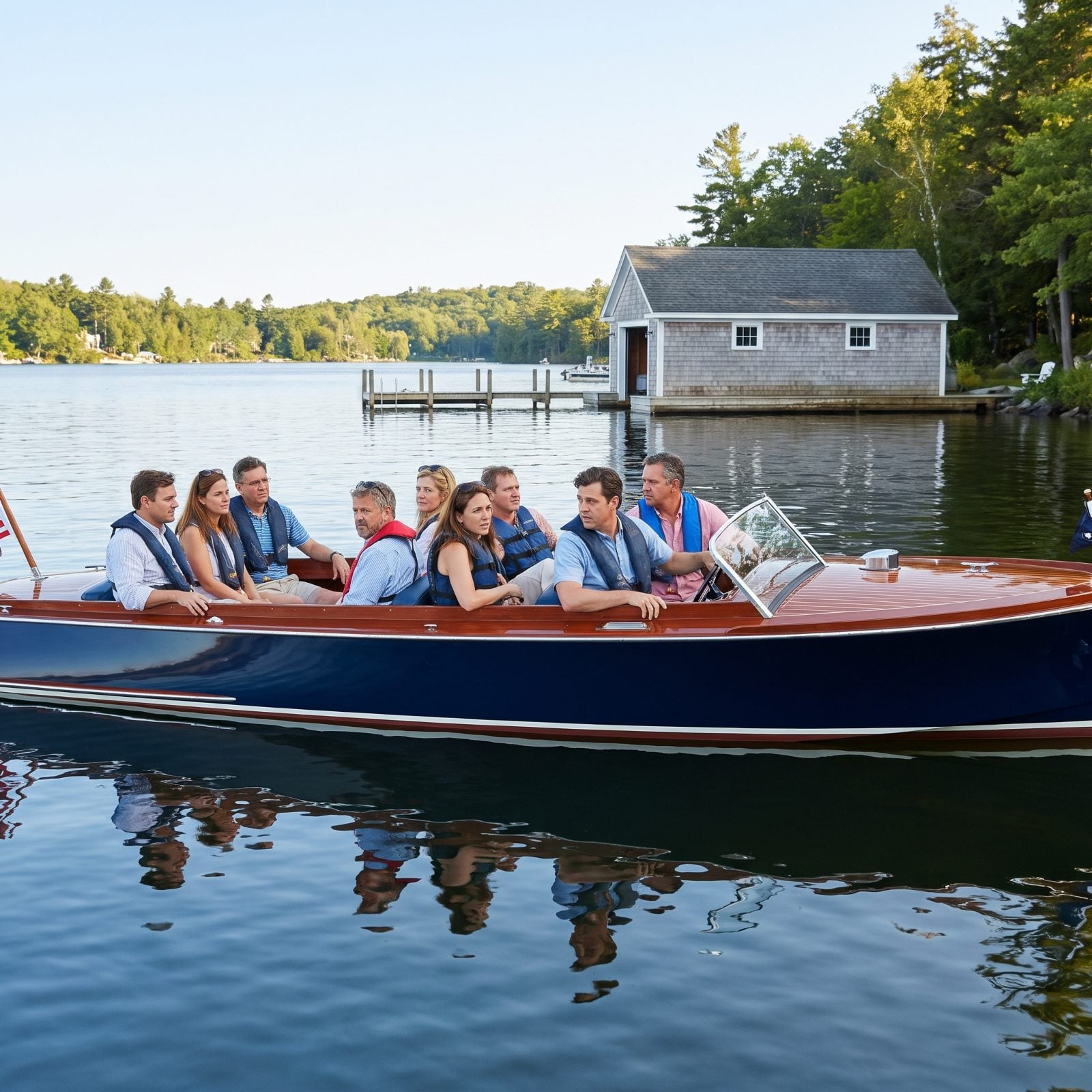
A boat built for six with ten aboard sits low, turns sluggish, and swamps in a wake that a properly loaded hull would shrug off. The capacity plate near the helm isn’t a suggestion from the lawyers. It’s the number the boat was designed around.
Count people and gear against that limit, and remember a cooler full of ice, three bags of wakeboard gear, and a full fuel tank all add up fast. When in doubt, take fewer passengers or run two trips. A crowded, low-riding boat stops being fun the second the water gets choppy.
36. Heading Out Without Leaving a Float Plan
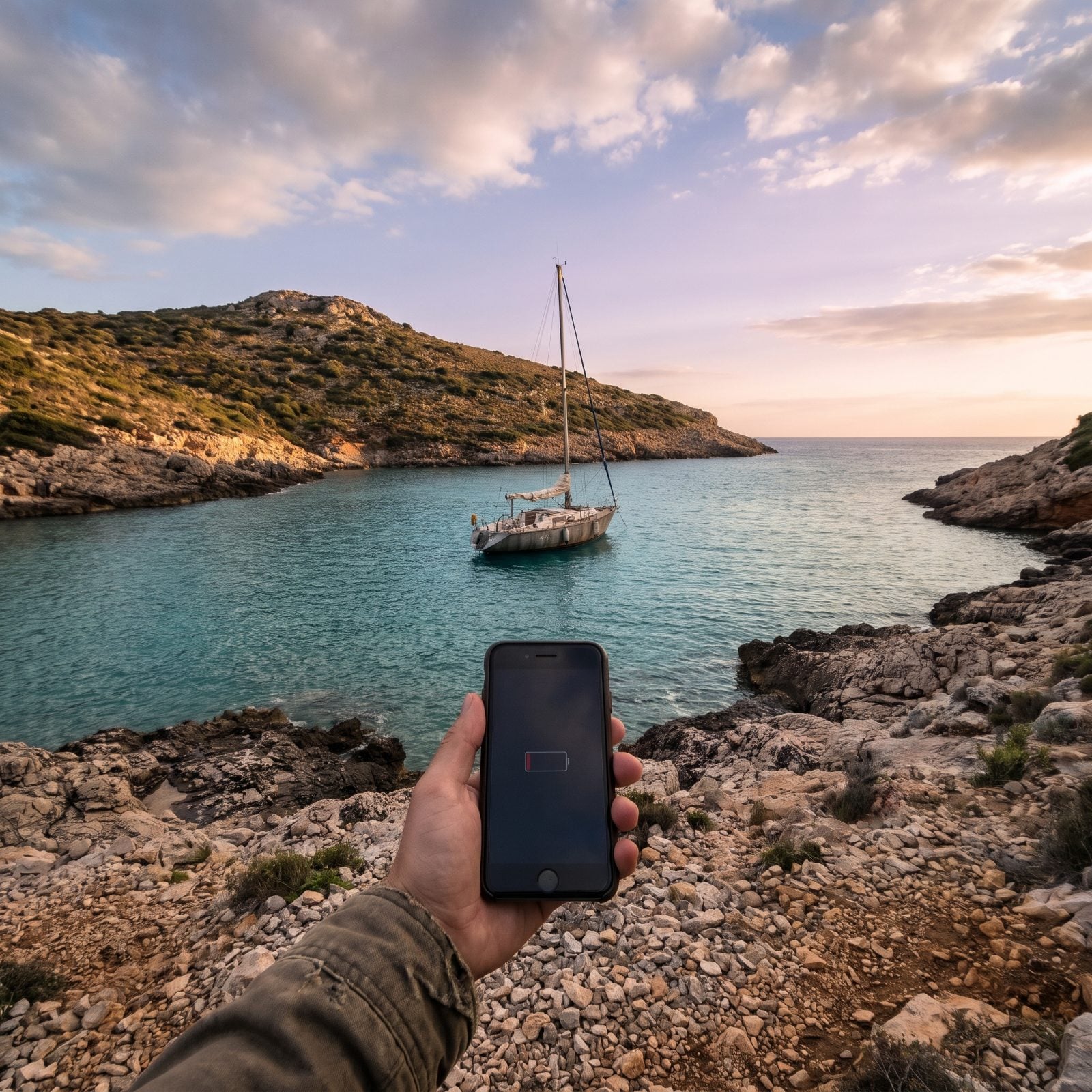
You tell no one where you’re going, your engine dies three coves over, and your phone is dead too. Now nobody knows to even look, let alone where. That’s how a short outing becomes an overnight search.
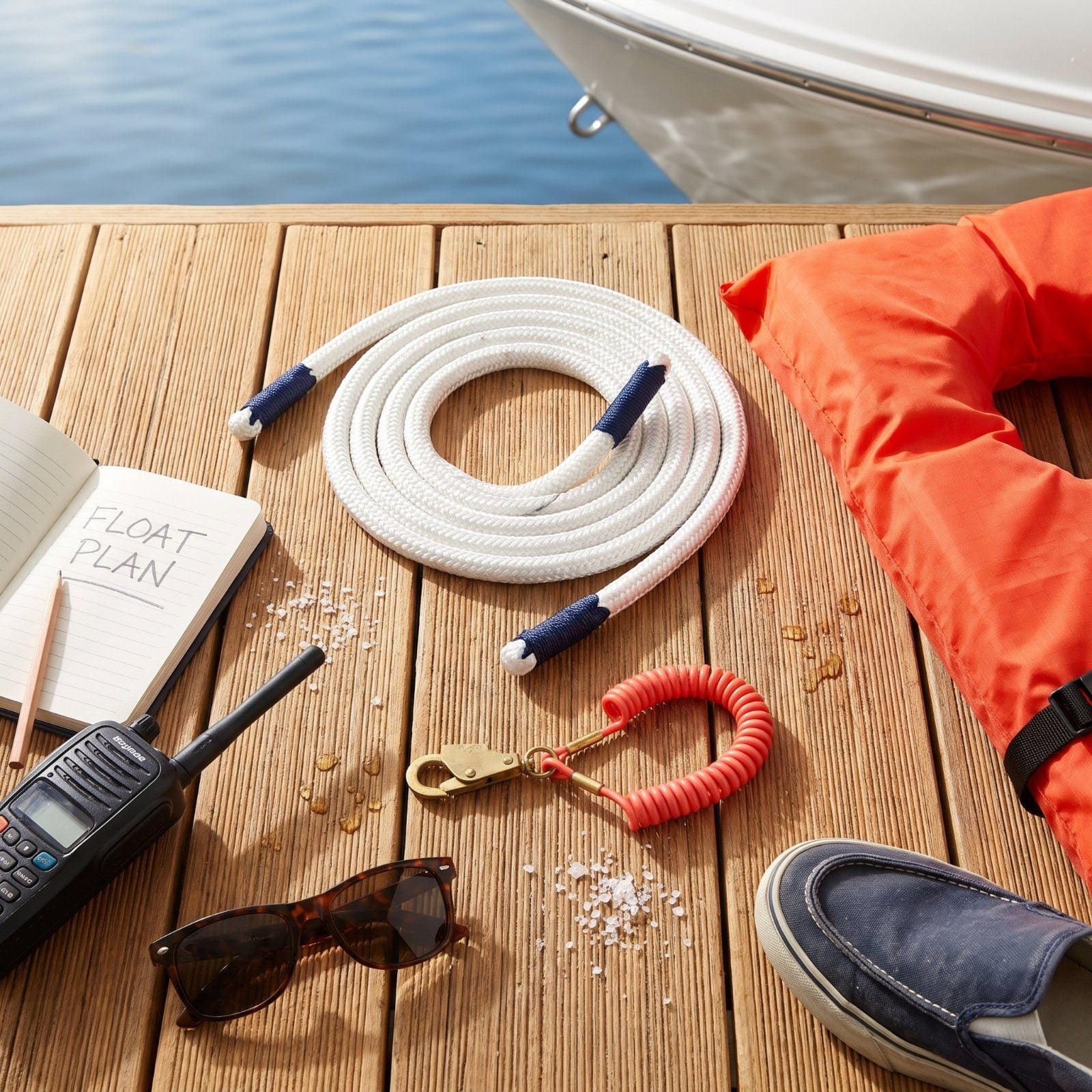
A float plan takes two minutes. Tell someone on shore where you’re launching, where you’re headed, who’s with you, a quick description of the boat, and when you expect to be back. Text it, write it on a notepad, leave it on the counter — whatever sticks. And here’s the part that actually saves you: tell them to call for help if you’re not back by a certain time.
35. Getting Underway With Dock Lines Trailing in the Water
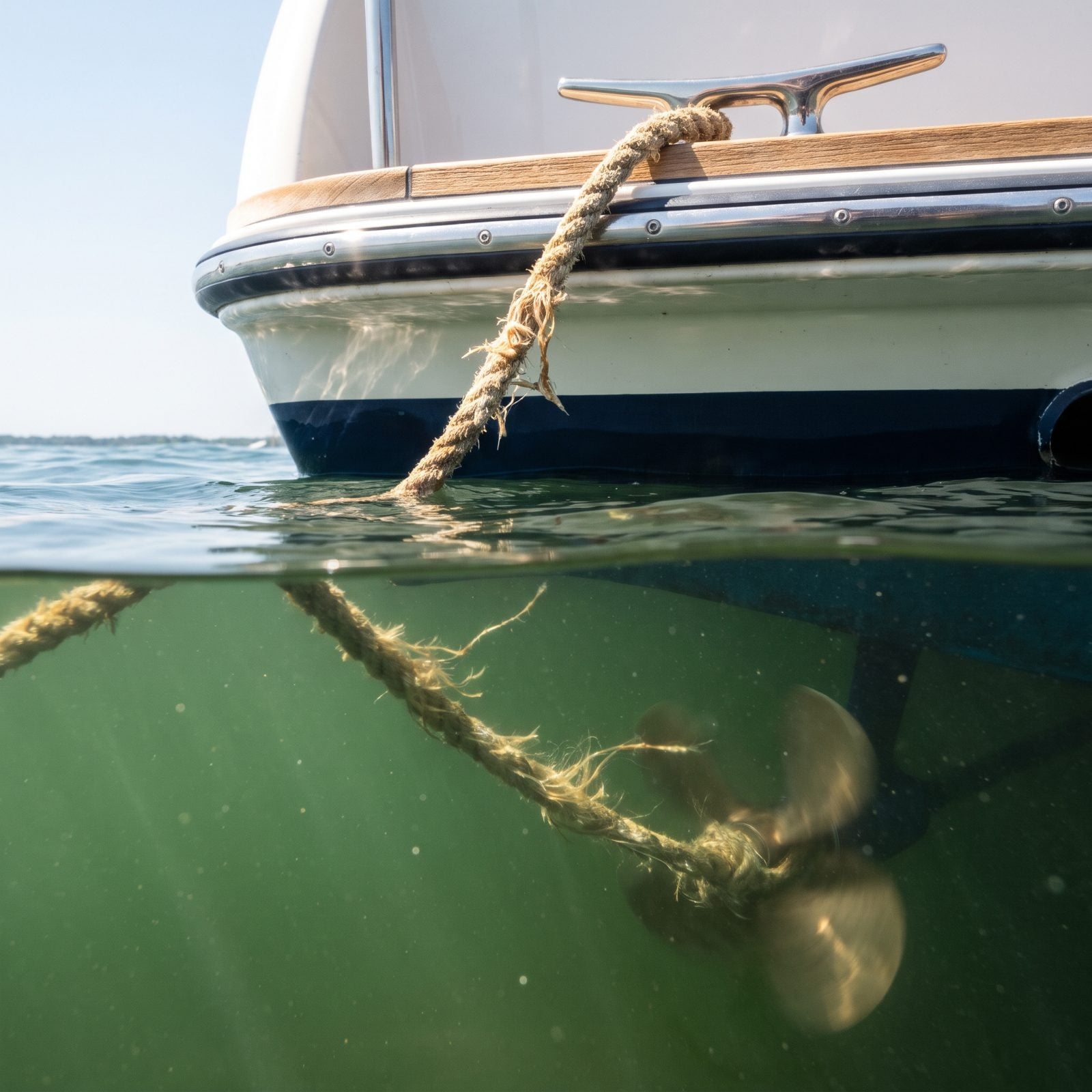
A loose dock line slips over the side, drifts back toward the stern, and wraps the prop the moment you give it throttle. Now you’re drifting — maybe into another boat — with a fouled drive and a job for a diver or a very cold swim.
Before you put it in gear, pull every line aboard and coil it on deck. Then walk the boat once, bow to stern, and confirm nothing is hanging in the water: no lines, no fender lanyards, no stray straps. Ten seconds. It saves a ruined afternoon.
34. Backing Up Without Looking Behind the Stern
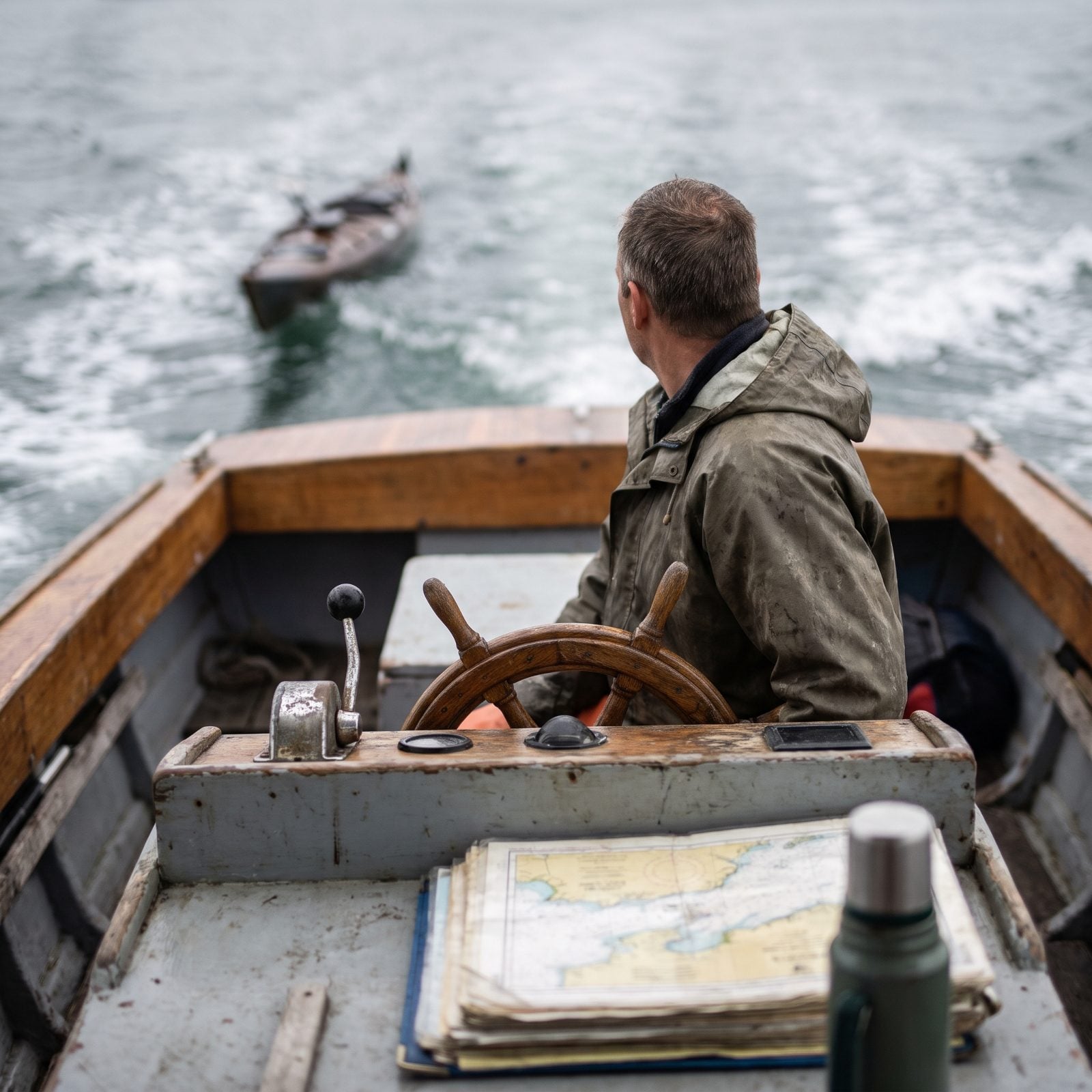
Boats have no rearview mirror and no brakes. The swimmer who just slipped off the swim platform, the kayak paddling through your wake, the debris you can’t see from the helm — all of it lives in your blind spot the second you’re underway.
So turn and look behind you before you shift into reverse, slow, turn or stop. Actually turn your body, scan the full arc behind the stern, and ease into it. In open water, a second set of eyes calling out what you can’t see beats any gauge on the dash.
33. Throwing a Big Wake Past Docks and Moored Boats
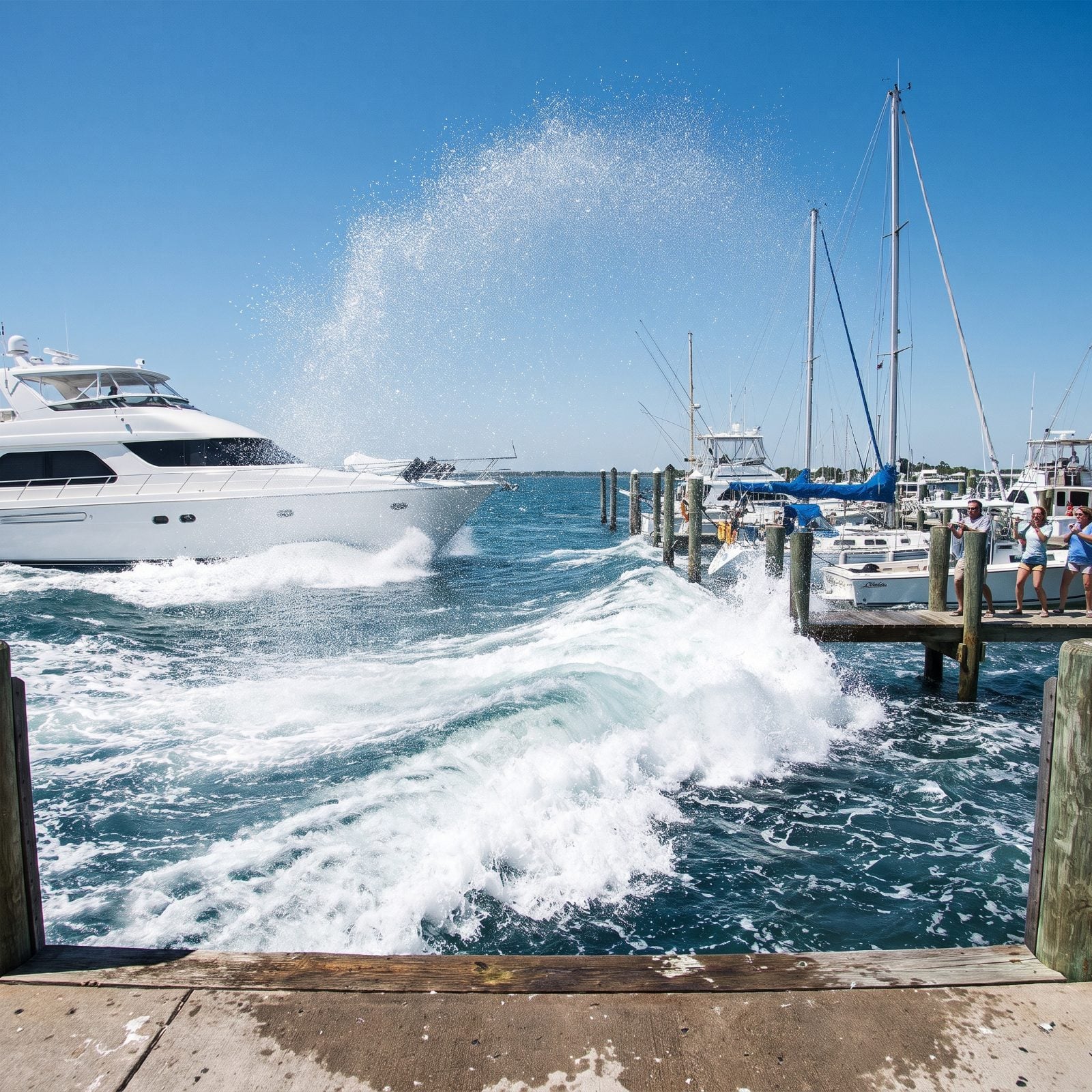
Blasting through a mooring field at speed sends a wall of water into boats that can’t get out of the way. People get knocked off their feet in galleys, dishes break below, and hulls grind against each other and the dock. It’s loud, it’s rude, and it’s expensive for everyone but you.
Slow to idle in no-wake zones, near docks, around anchored boats, and anywhere people are swimming. In most places — and in plain decency — you own the damage your wake causes. Come off plane early, pass slow, and let the water settle behind you.
32. Cutting Close Across Another Boat’s Bow
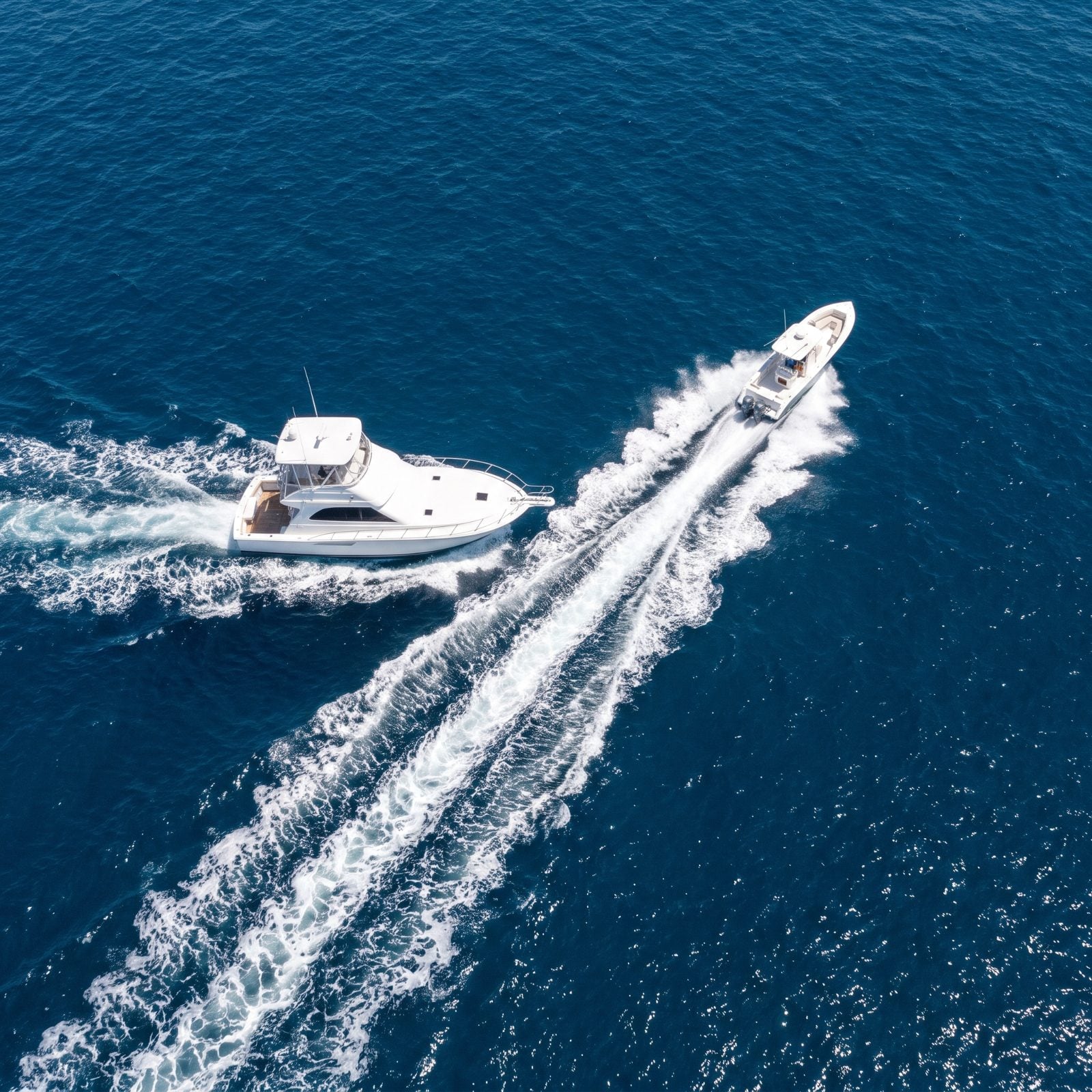
Slicing across the bow of a faster boat to save a few seconds is a gamble with lousy odds. They can’t stop, you misjudge their speed, and suddenly you’re the stern-on target in a collision that was entirely avoidable.
Give crossing boats room. Learn who has right of way, pass behind the other vessel’s stern instead of darting in front, and when there’s any doubt, slow down and let them go first. The water isn’t a merge lane. A few seconds saved is never worth a caved-in hull, and the courteous move is almost always the safe one too.
31. Switch On the Autopilot and Stop Watching the Water
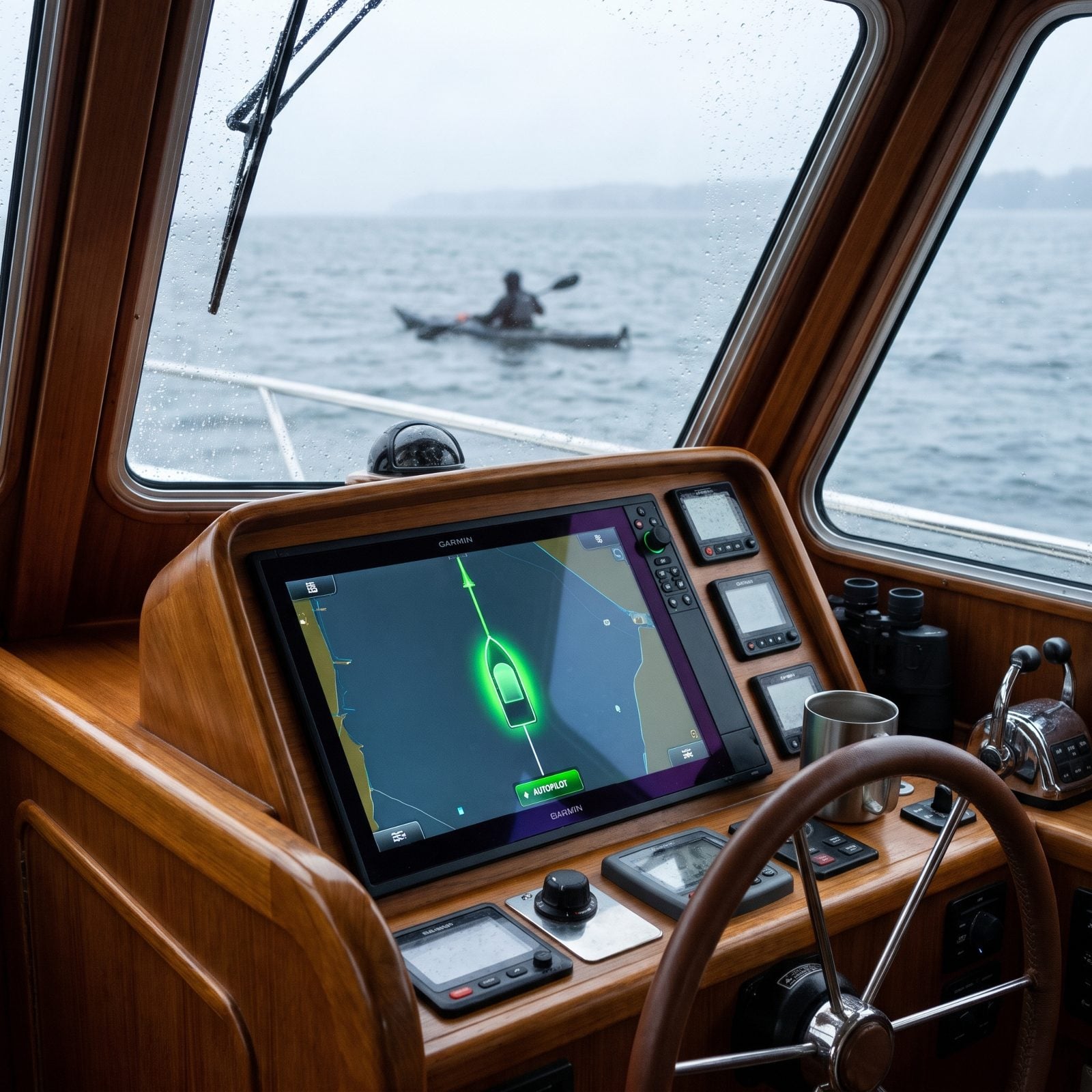
Autopilot holds a heading. It can’t see the crab-pot buoy, the drifting kayaker, or the log riding just under the surface — that’s still your job, and the moment you treat it like a co-captain instead of a steering assist, you’ve handed the lookout to a machine that has none.
The cost shows up fast. A boat on autopilot at cruising speed covers a lot of ground while you’re coiling a line or squinting at the chartplotter, so keep your eyes up and sweep the water every few seconds — bow to beam to astern. Set it, sure. Just don’t walk away from the window.
30. Run After Sunset With No Navigation Lights

You left at four, the fishing was good, and now it’s murky out and you figure the dock is just around the point. So you run dark. Nobody can see you coming, and you can’t be sure another boat sees you either.
Nav lights aren’t decoration — they tell every other skipper what kind of vessel you are and which way you’re heading. Red to port, green to starboard, white astern. Flip them on the second the light starts going, not when it’s fully black. And carry a spare bulb or a backup handheld, because the one night your stern light dies is the night a bass boat comes screaming across the flat.
29. Blast the Docking Lights Like You’re on the Interstate
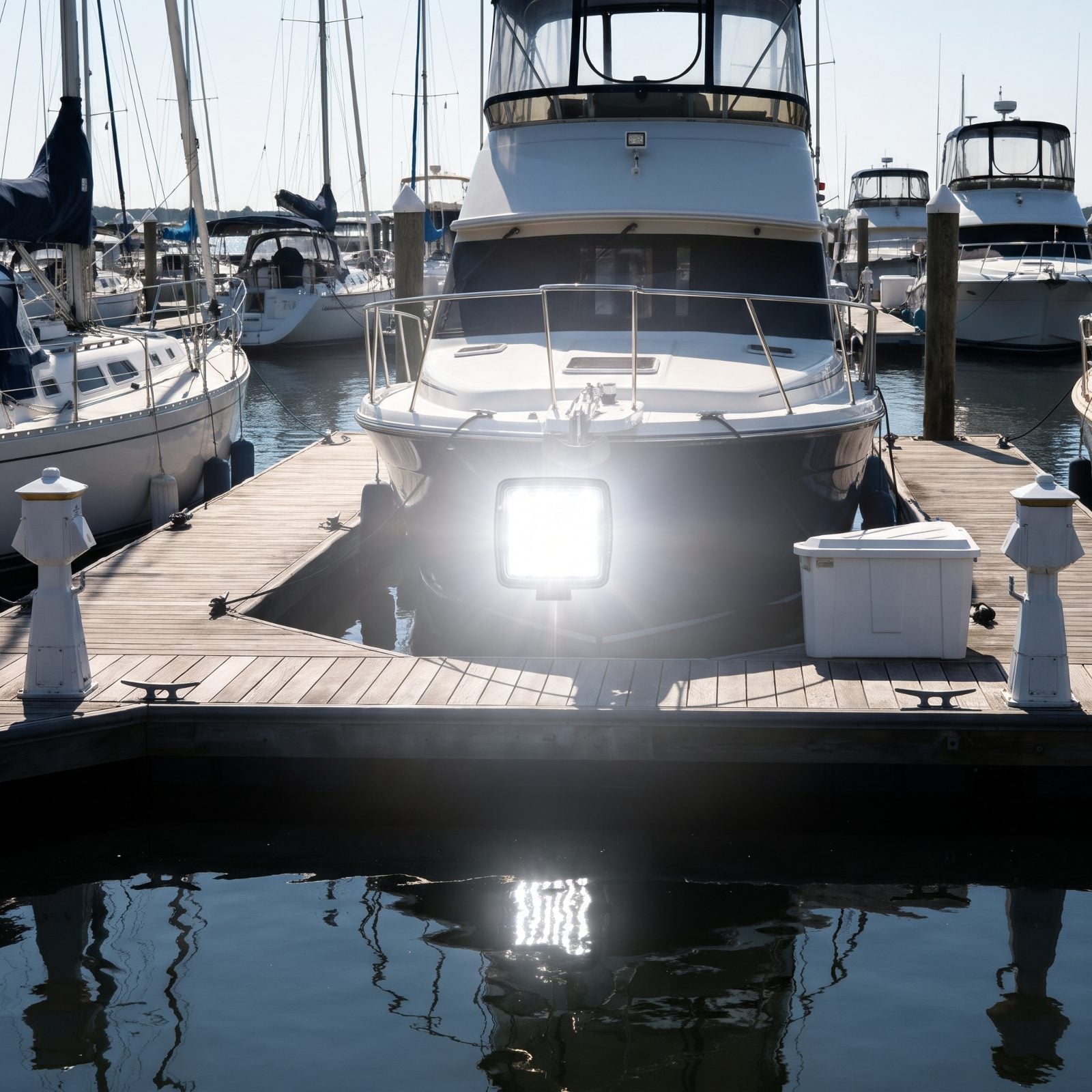
Docking lights are made for one thing: easing up to a slip at idle so you can see the piling before you kiss it. Flip them on while underway and you’ve turned your boat into a spotlight that blinds every skipper coming the other way.
Here’s the part folks miss. Those forward floods wreck your own night vision too, so you’re lighting up fifty feet of foam while going blind to the buoy a hundred feet out. Run on nav lights alone. Save the floods for the last boat length, hit them when you’re nearly stopped, and kill them the moment you’re tied off.
28. Hold Your Speed When the Fog Rolls In
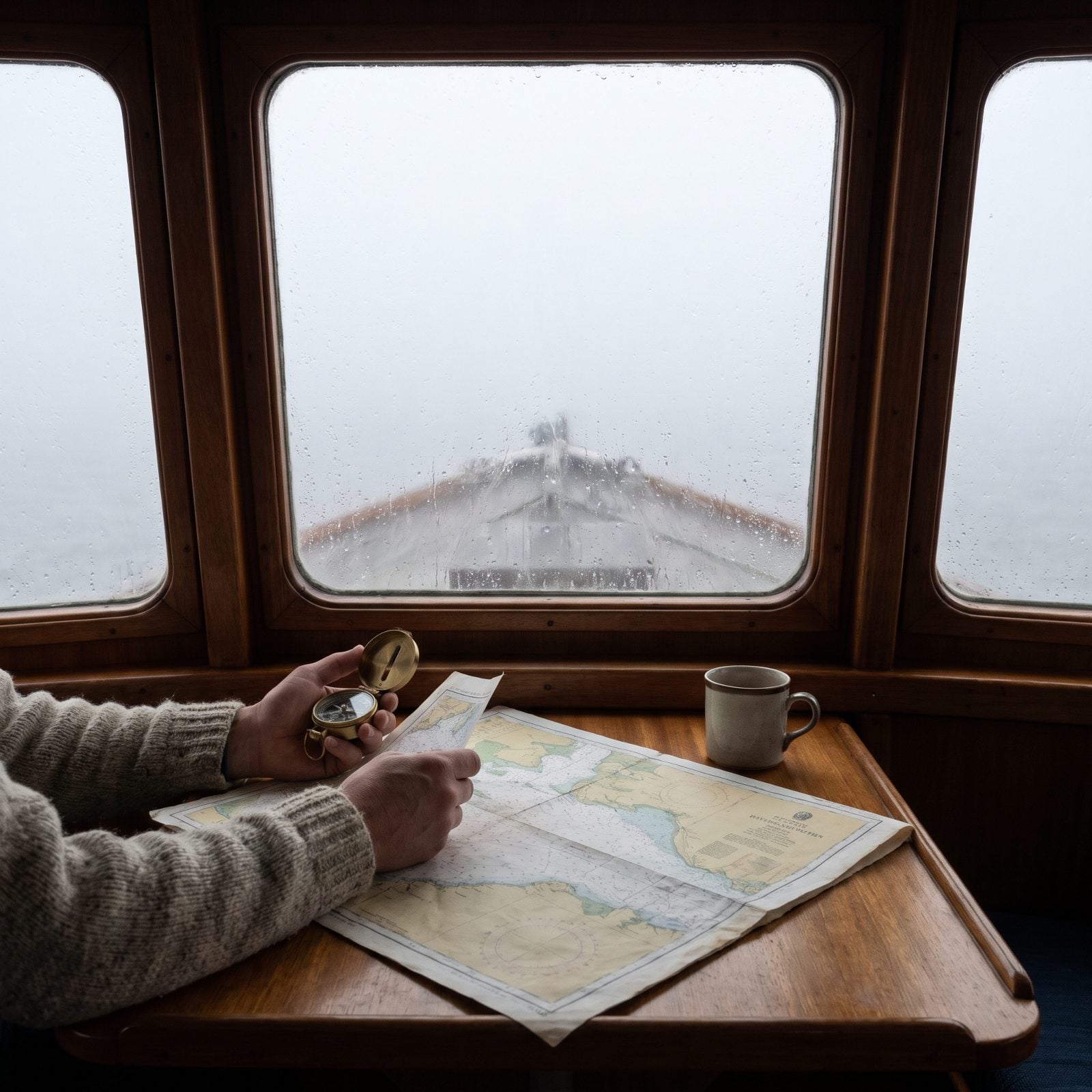
Fog has a way of closing in before you admit it. One minute you’ve got the far shore, the next you can see maybe three boat lengths, and the temptation is to push on and beat it home.
Don’t. Speed in fog means you’ll spot the other boat, the jetty, or the moored sailboat with no time left to do a thing about it. Throttle down to bare steerageway, turn on your nav lights, sound your fog signal — one prolonged blast every two minutes if you’re making way — and put someone on the bow to listen. Radar and AIS earn their keep here. No gear and the fog’s thick? Anchor somewhere out of the channel and wait it out. The fish will keep.
27. Trust the GPS and Nothing Else
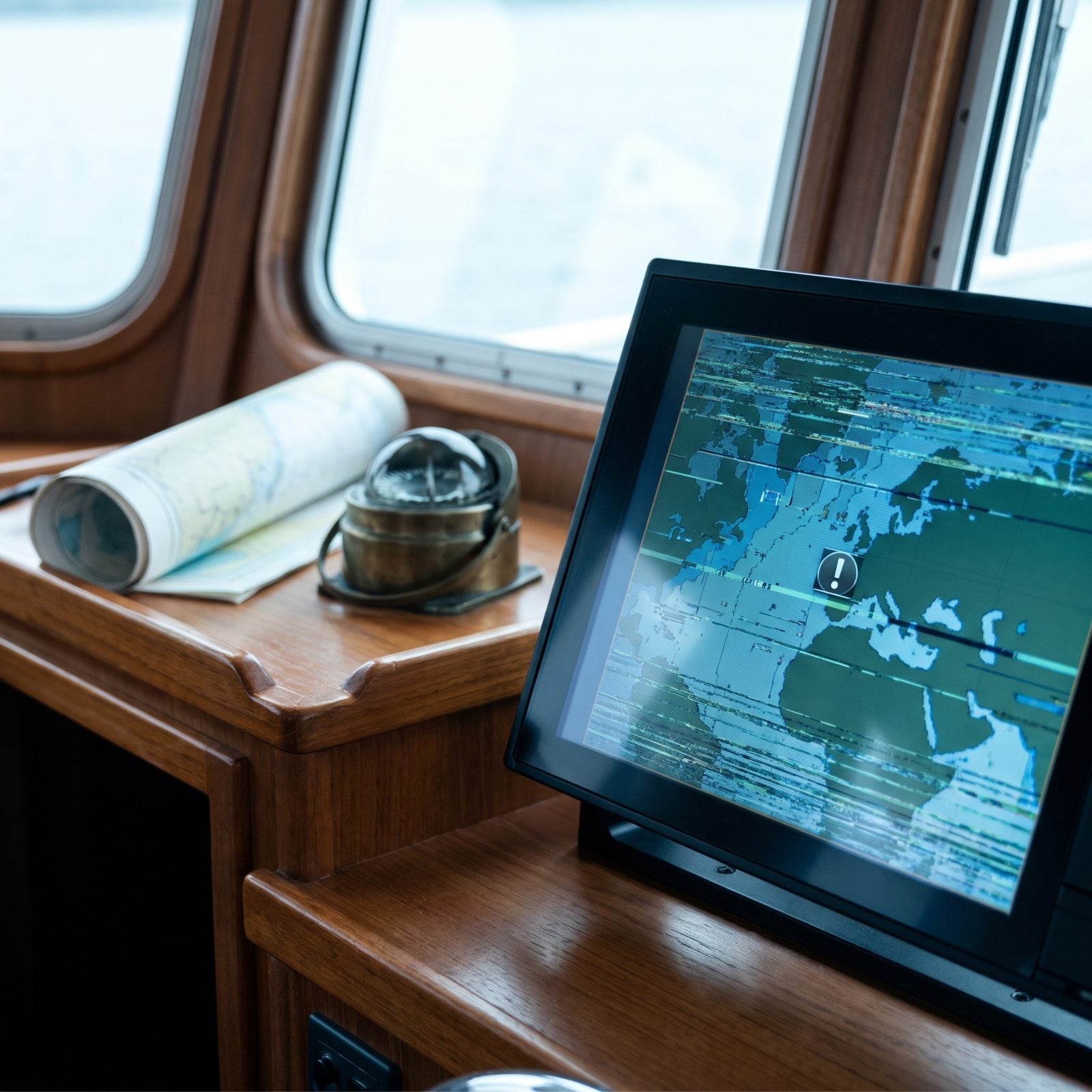
The chartplotter is wonderful right up until it isn’t. Screens freeze. GPS drops signal under a bridge, a software glitch scrambles your position, or the unit just quits — and if that one box is your only way of knowing where you are, you’re a single blank screen away from being genuinely lost.
Experienced boaters build in backup: a magnetic compass you actually trust, and a paper chart you’ve studied so you know the shape of the water and where the shoals live. Keep a phone with a charged battery and an offline nav app, and cross-check whatever the plotter says against what’s out the windshield. When the buoy isn’t where the screen puts it, believe the buoy.
26. Cut the Unmarked Shortcut Through Water You Don’t Know

You see a boat take a line between two islands, figure it saves ten minutes, and follow. Except that local knows exactly where the submerged rock sits. You don’t.
Unmarked water is unmarked for a reason, and shortcuts are where lower units go to die. The shape of the surface, a color change, a line of ripple — these mean something no chart will tell you. Stick to the marked channel unless you’ve run that shortcut with someone who knows it, and if you must explore, do it at dead idle on a rising tide with a spotter up front reading the water color. Slow is cheap. A new prop is not.
25. Cross the Skinny Water Without Watching the Depth
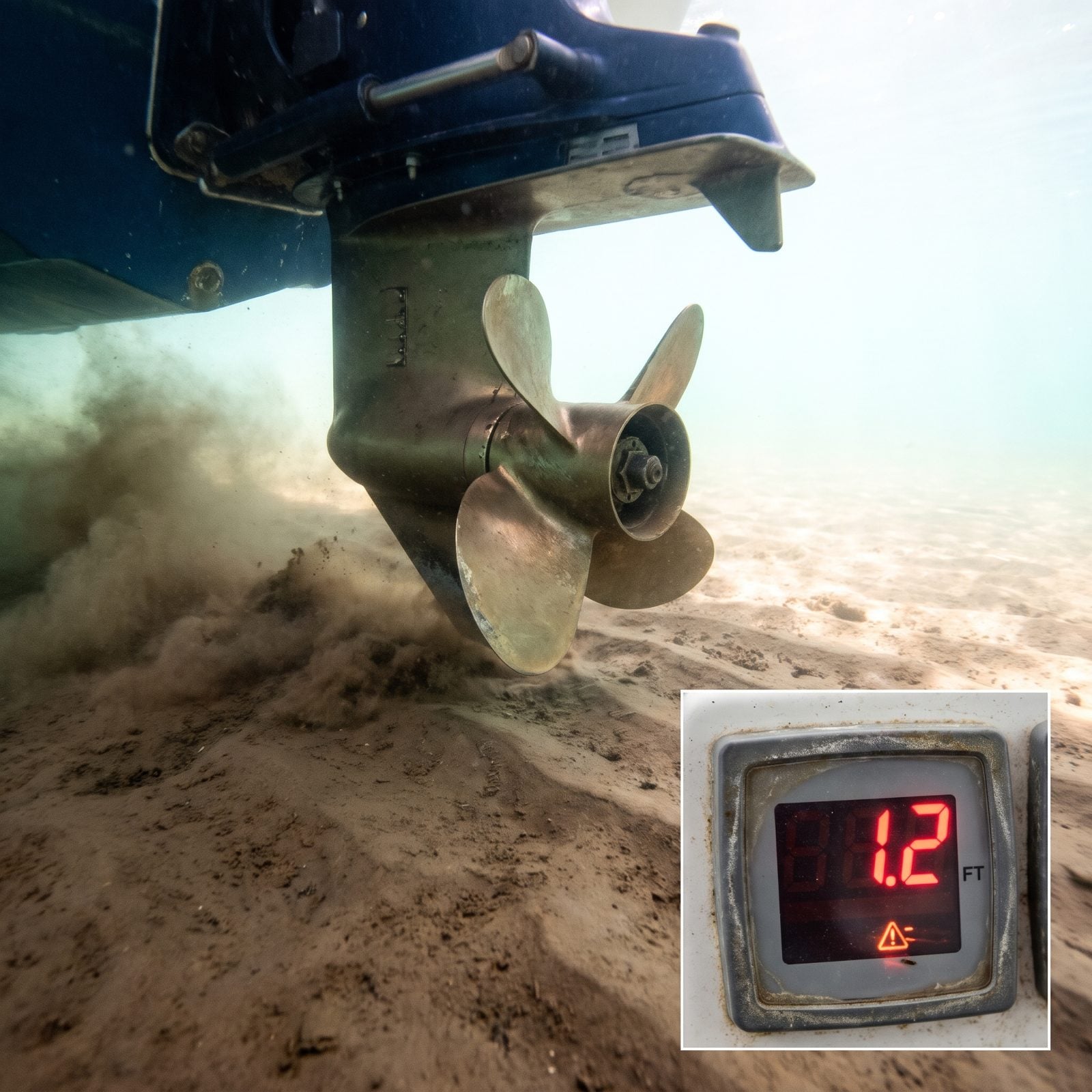
Skinny water doesn’t give you much warning. One soft thud and you’re plowing a furrow through the mud with a bent skeg to show for it.
Keep one eye on the depth sounder the whole time you’re on a flat or near a shoal, and learn what your boat actually needs to float with fuel and people aboard. Watch the trend, not just the number — three feet dropping to two to eighteen inches means turn around now, not after one more reading. Trim up, slow down, and if the number keeps falling, stop and check the chart before you commit. The sounder is the cheapest crew member you’ll ever have.
24. Run an Unfamiliar Inlet Into Wind Against Tide
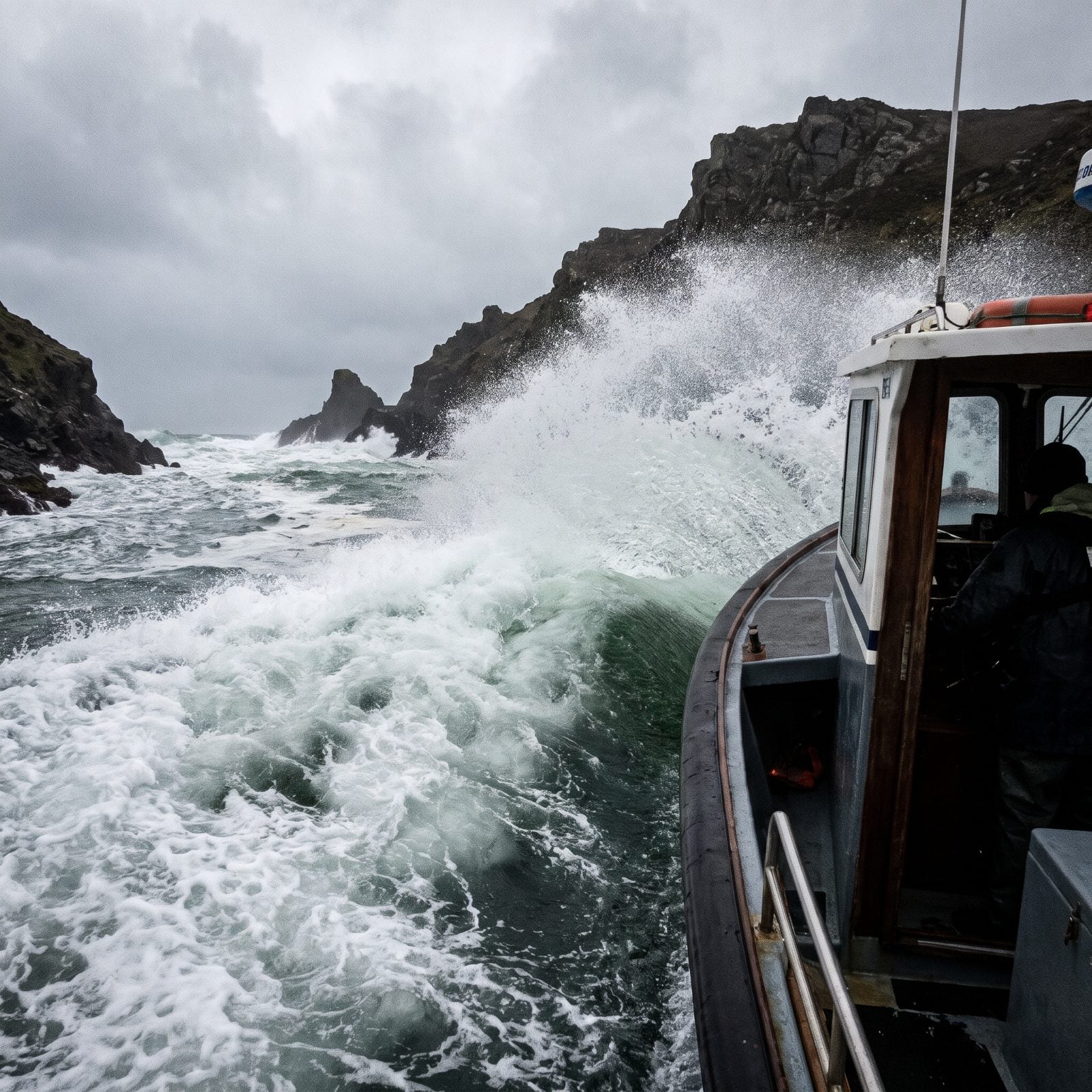
An inlet looks like a door. In the wrong conditions it’s a trap. Wind blowing against an outgoing tide stacks the waves up short and steep, right in the narrowest, shallowest stretch, and that’s where boats get stood on end.
Local inlets have moods, and the famous bad ones earned their reputations in bodies. Don’t know the inlet and the sea is confused across the mouth? Don’t just gun it and hope. Stand off outside, watch a few waves roll through, see whether another boat makes it look easy or ugly. Time your run on the back of a set, go with the swell when you can, and if it looks nasty, wait for slack water or run to a calmer inlet. Pride is a terrible navigator.
23. Buzz Close to Swimmers and Diver-Down Flags
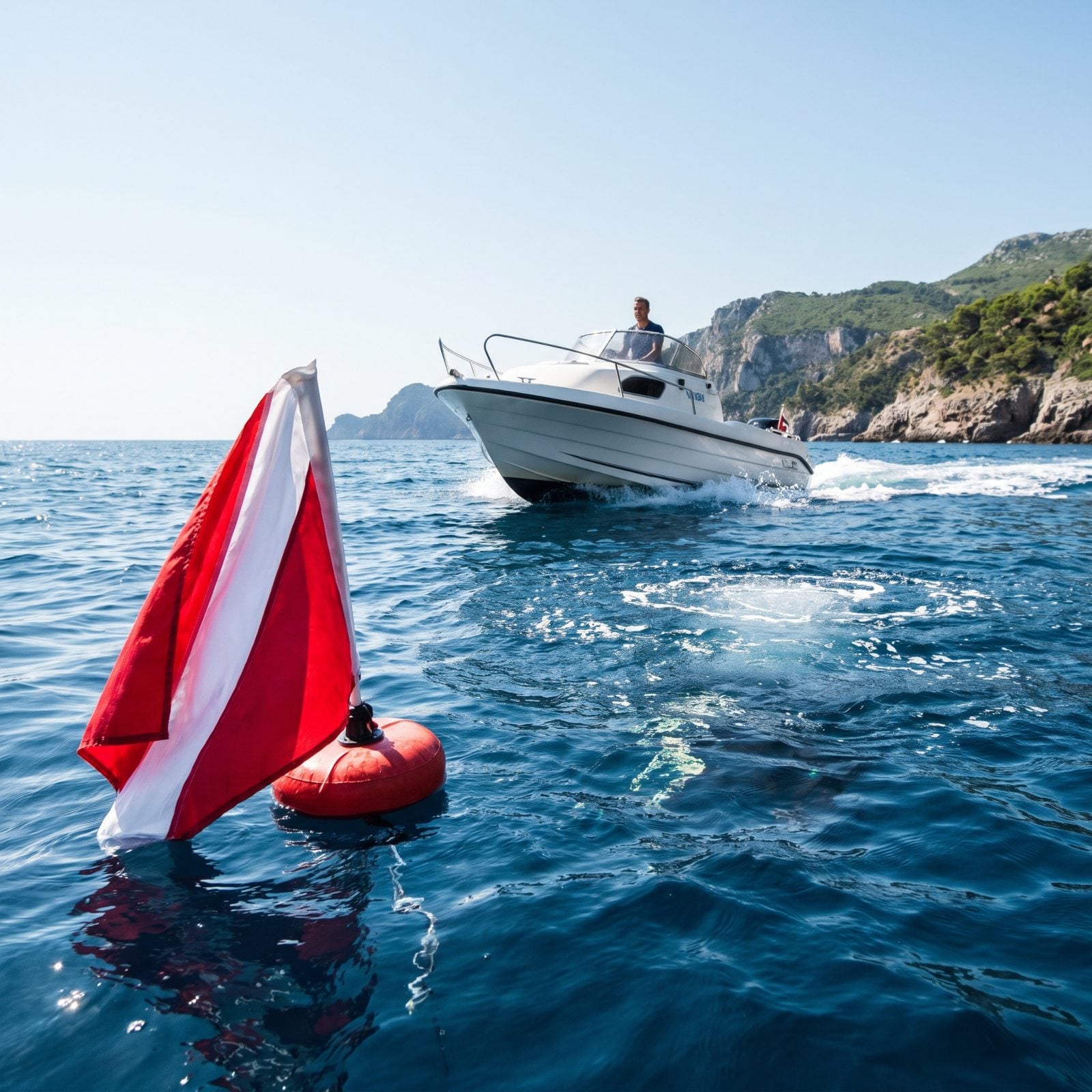
That red flag with the white diagonal stripe means people are in the water right there, often where you can’t see them. The alpha flag — blue and white — means the same. Swim areas get buoyed off for exactly that reason: heads in the water you’ll never spot until it’s too late.
The mistake is cutting the corner, running the edge of a swim zone to save thirty seconds, or passing a dive flag inside a couple hundred feet. A diver surfaces where you don’t expect. Give dive flags at least 300 feet in open water, 100 in a channel, and treat any flag as a wall. Near beaches and swim lines, idle, and keep well clear. Those are kids out there.
22. Keep the Prop Spinning With Someone in the Water
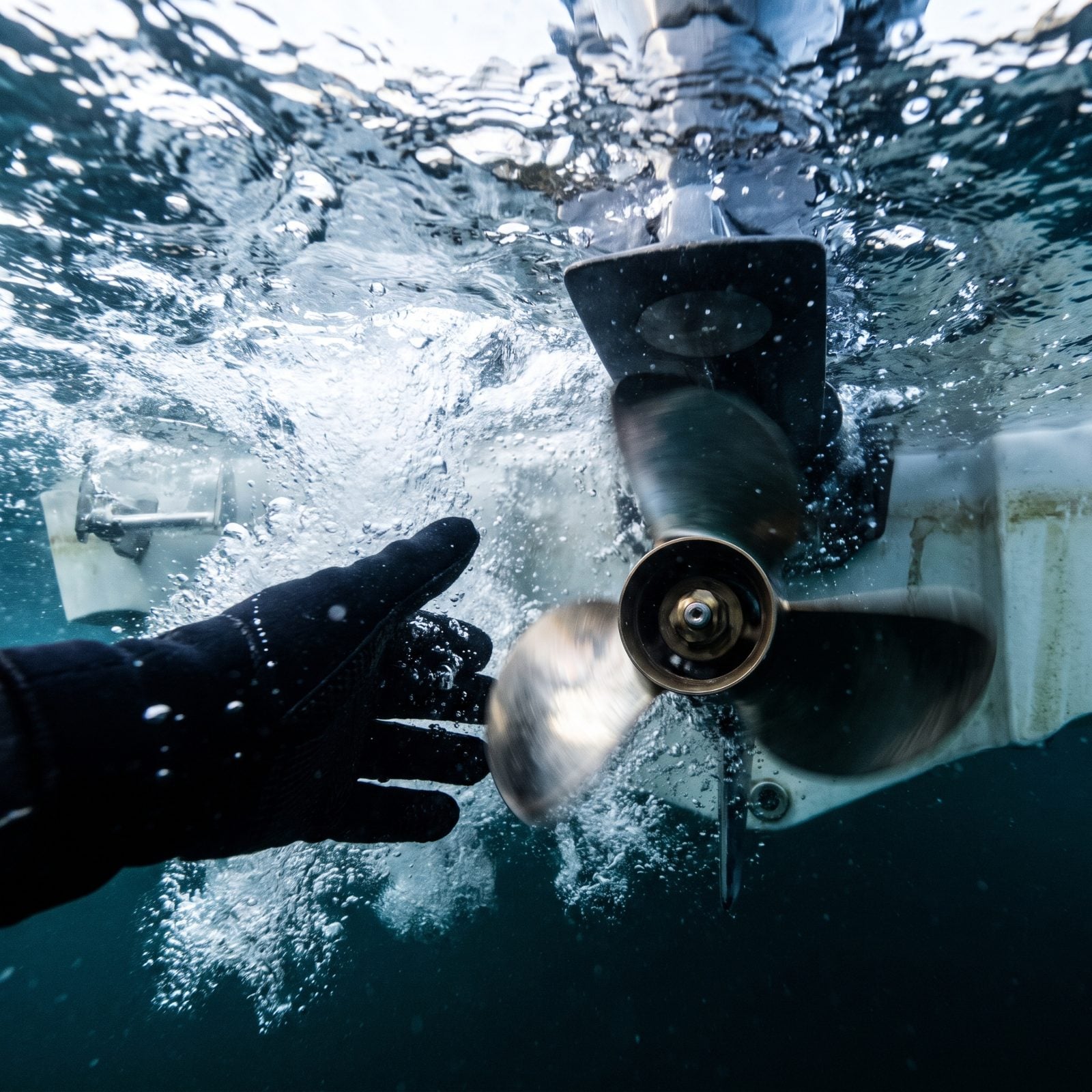
This is the one that ends worst. A tuber falls off, a swimmer paddles up to the transom, a kid jumps off the bow — and the engine’s still turning over in neutral. A prop in gear, or even idling, creates suction and spins fast enough to do terrible harm, and the person in the water has no idea how close it is.
Shut the engine off. All the way off, key out, before anyone comes near the stern or climbs the swim ladder. Make it a rule nobody argues with on your boat: motor’s running, nobody in the water near the back. When you pick up a skier, idle up slow, point the bow at them, and kill it before they reach the platform. No shortcut is worth it here, not one.
21. Letting Passengers Ride on the Bow Underway
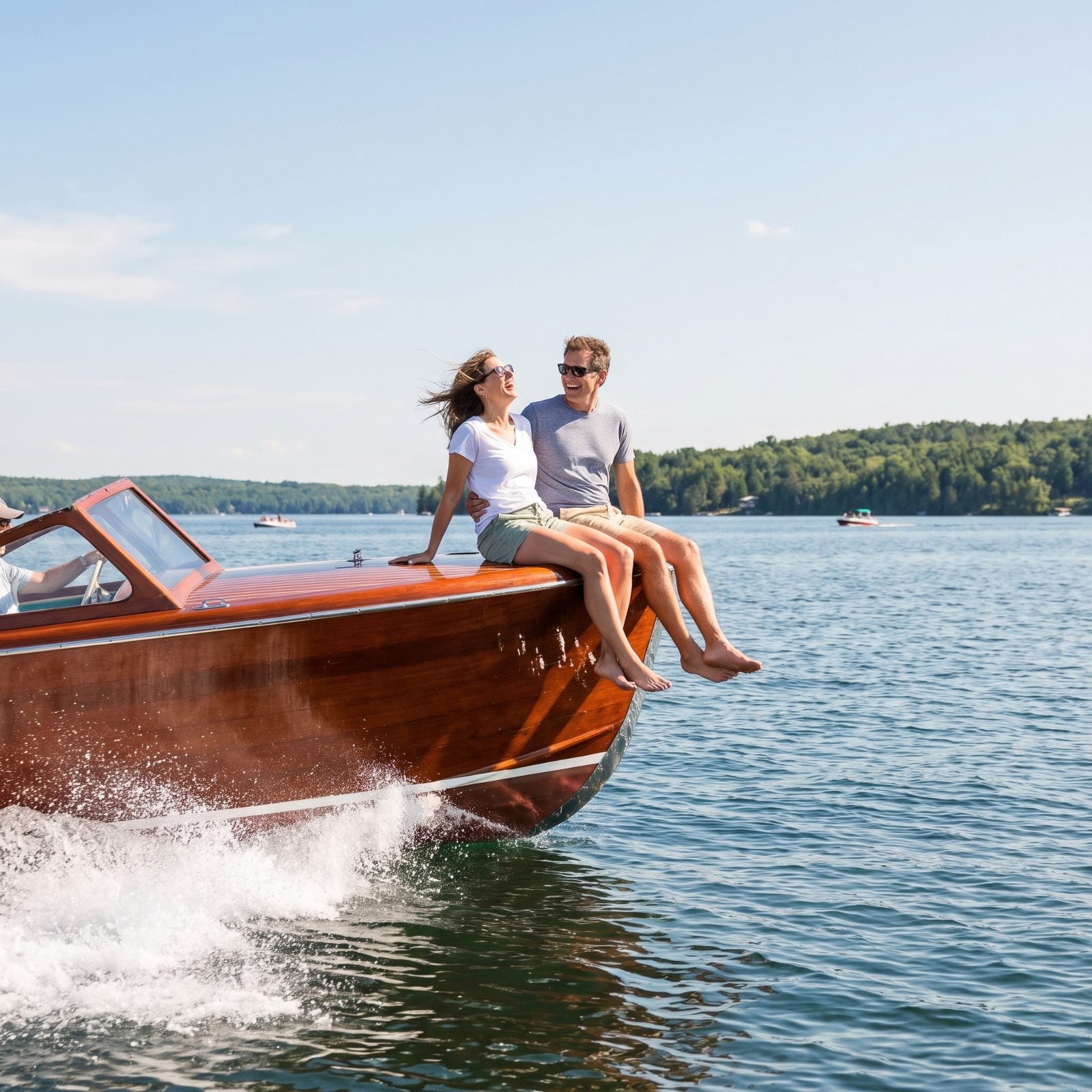
You’ve seen it on every lake in July: two people perched up on the bow with legs dangling over the rail, boat up on plane, everybody grinning like the brochure photo. And it’s one wave or one hard turn from a person going under the hull.
Bow riding puts a body right where the boat lands when it drops off a wake, and right where the prop ends up if someone slips in. That’s how a fun afternoon becomes a 911 call. Most states ban it outright, and honestly, the fine is the least of your worries.
Keep everyone seated inside the gunwales once the throttle’s up. Want the bow experience? Idle down, let them sit up front at rest, then move them back before you accelerate.
20. Towing a Skier or Tube With No Spotter Aboard
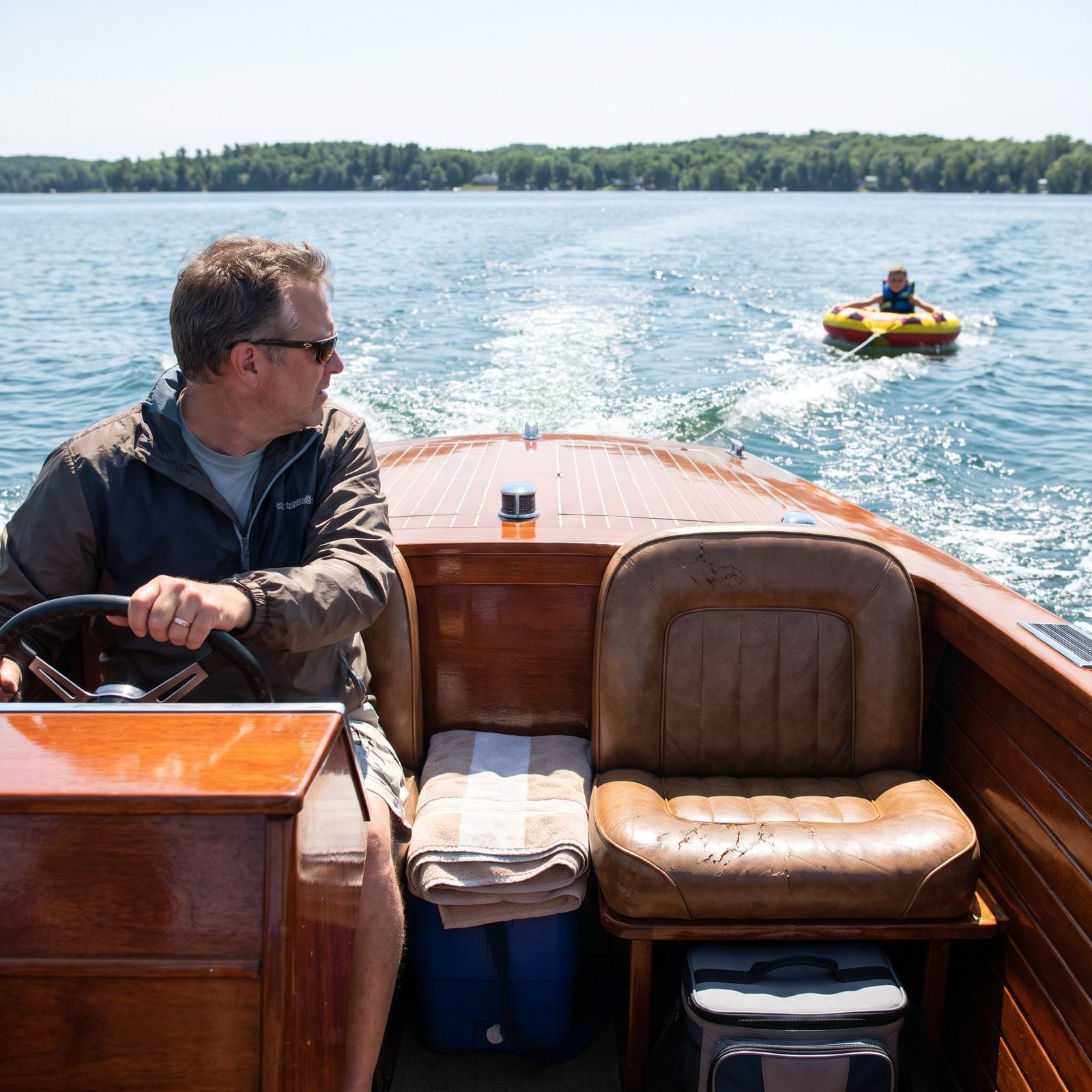
The driver who tows solo thinks they can do both jobs — watch the water ahead, glance back at the rider, repeat. They can’t. The second your eyes are on the skier, you’re blind to the dock, the swimmer, the other boat. The second your eyes swing forward, you miss your rider going down.
A fallen tuber is nearly invisible from fifty yards. Boats have run over the very people they were towing, simply because nobody was watching the exact moment it mattered.
So put a spotter aboard whose only job is the person on the rope. Most states require it anyway. Agree on hand signals before anyone hits the water — thumbs up, thumbs down, flat hand for stop.
19. Stopping to Fish or Swim in an Active Navigation Channel
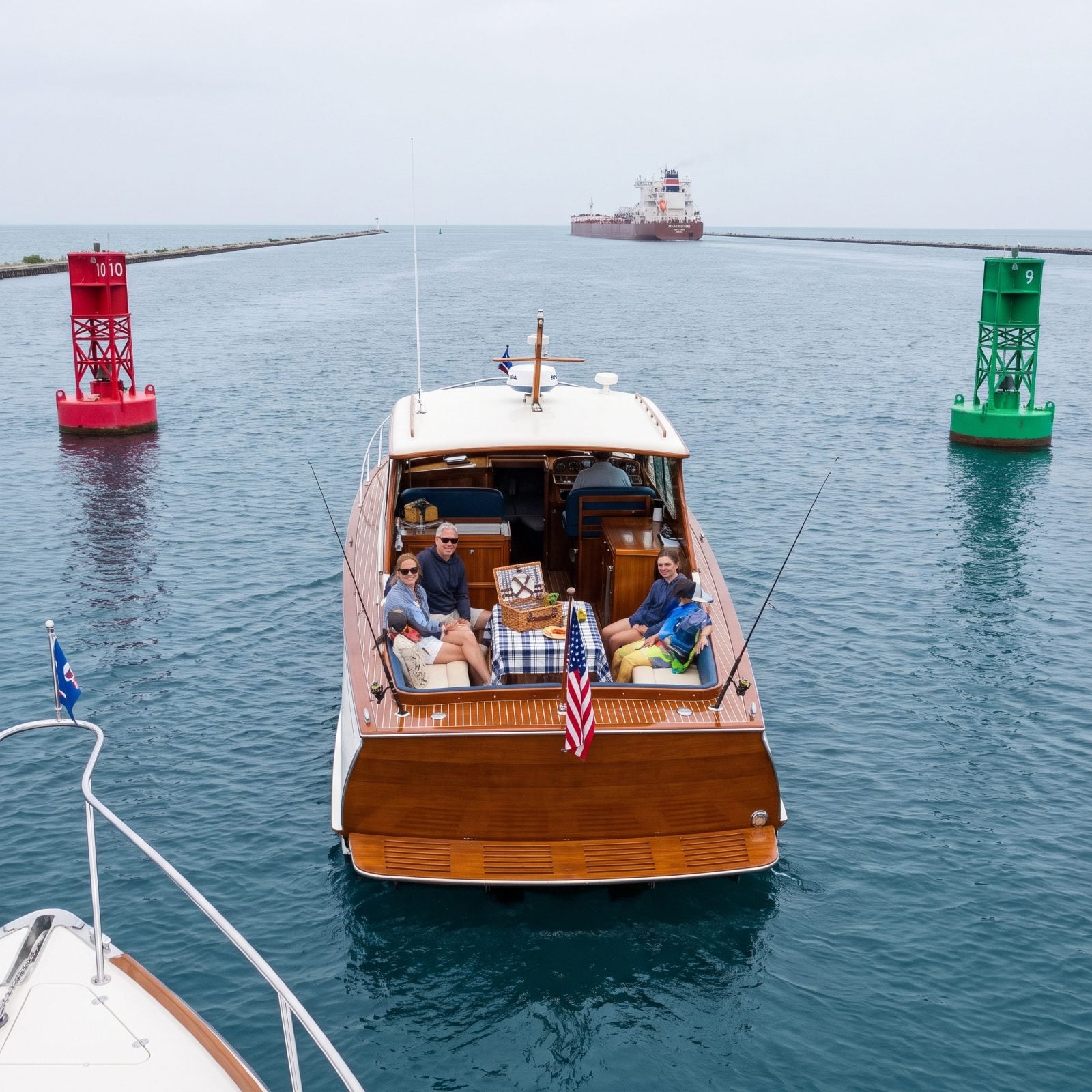
A channel is a road. Nobody parks in the middle of a highway to eat a sandwich, yet people drop anchor dead center in a marked channel to work a dropoff or let the kids swim.
Big boats can’t swerve. A loaded cruiser or a towboat needs the deep water the channel provides, and it needs real time and room to stop. Sit there and you’ve made yourself an obstacle in the one place everyone has to pass.
Fish the edges instead. Swim off the sandbar or tuck into a quiet cove. And if the depth you want only exists in the channel, anchor just outside the markers and work in toward them, staying clear of whatever’s coming through.
18. Coming Into the Dock Faster Than You’d Want to Hit It
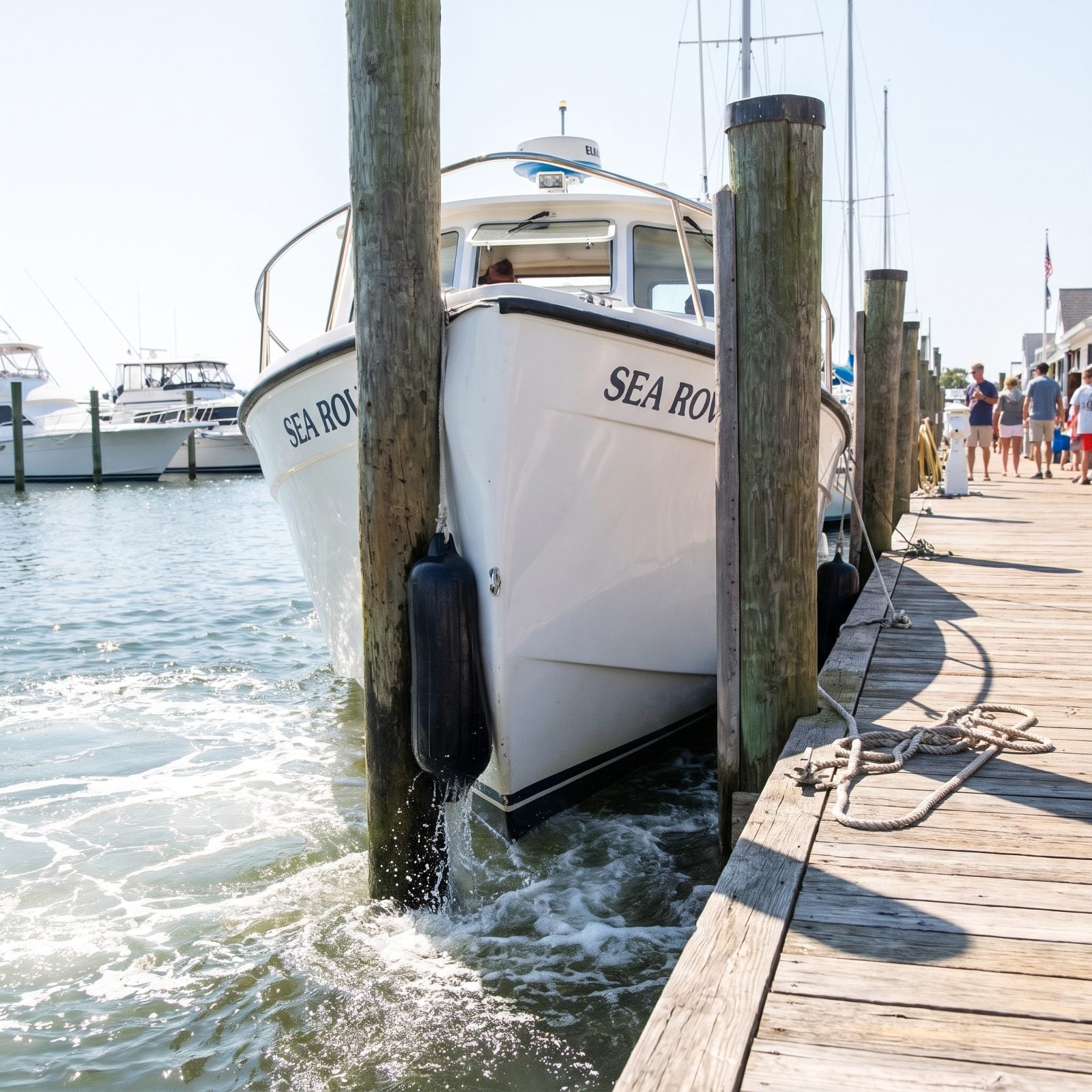
There’s an old dockmaster’s line worth living by: never approach anything faster than you’re willing to hit it. The nervous skipper guns it to “get it over with” and ends up gouging a neighbor’s hull — or stepping off into open water that wasn’t there yet.
Speed removes your options. At a crawl you can still adjust, back off, reconsider. At speed you’re committed to whatever happens next.
Come in slow enough that a small bump does no damage. Approach into the wind or current when you can, since both act as brakes. Nobody at the marina has ever laughed at a captain who docked too gently.
17. Wrapping a Dock Line Around Your Hand or Wrist
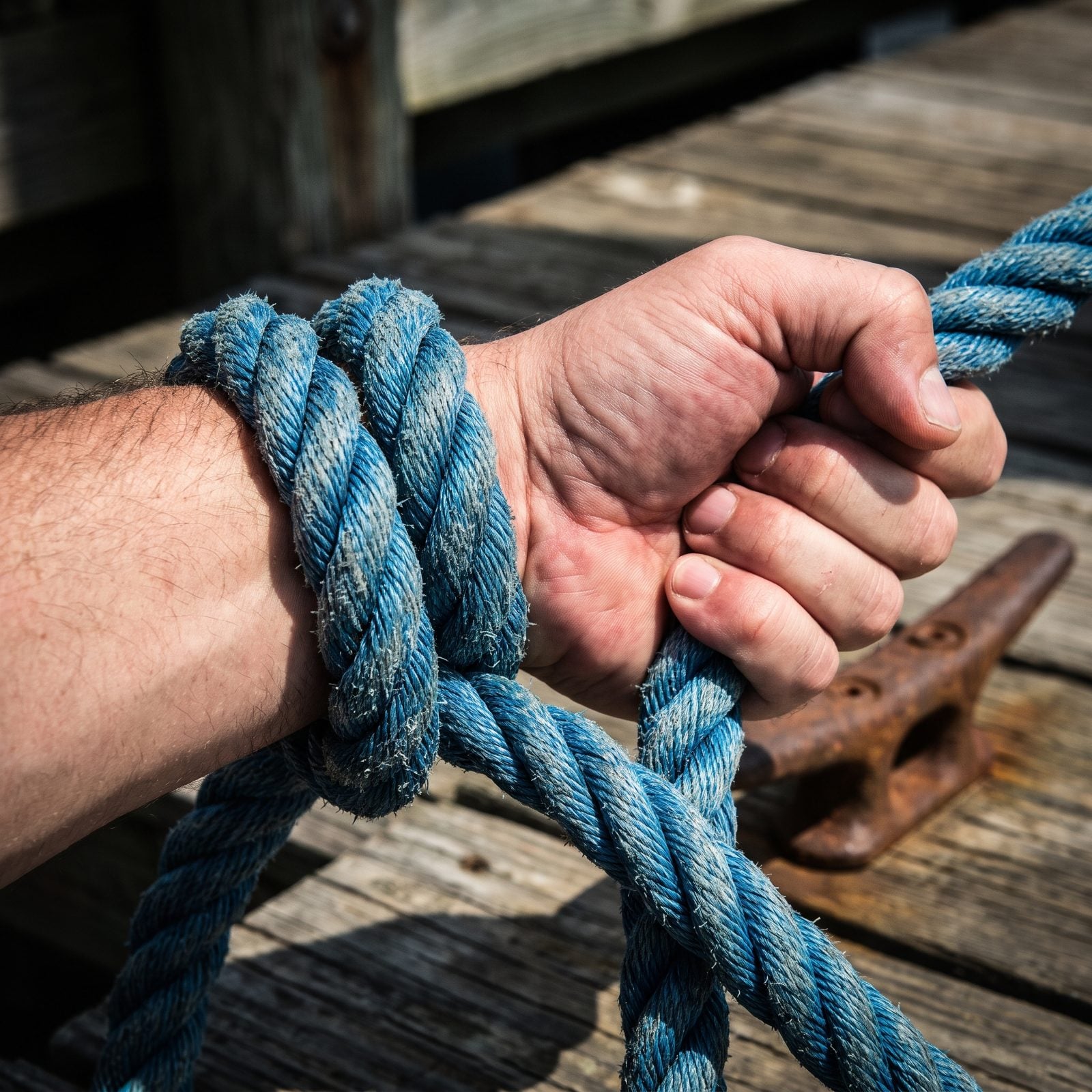
A loop looks like control. It isn’t. Take a quick turn of the line around a hand or wrist and you’ve just tied yourself to a floating object that weighs several thousand pounds.
When a gust or a current loads that line, it tightens like a snare. People have lost fingers and broken wrists in a half-second because the boat decided to leave and their hand went with it.
Hold lines with open palms. Take your turns on a cleat or piling — never on your body. And if a line is coming tight and getting away from you, let it go. A loose line is a minor chore. A trapped hand is an ambulance.
16. Using a Hand or Foot as a Boat Fender
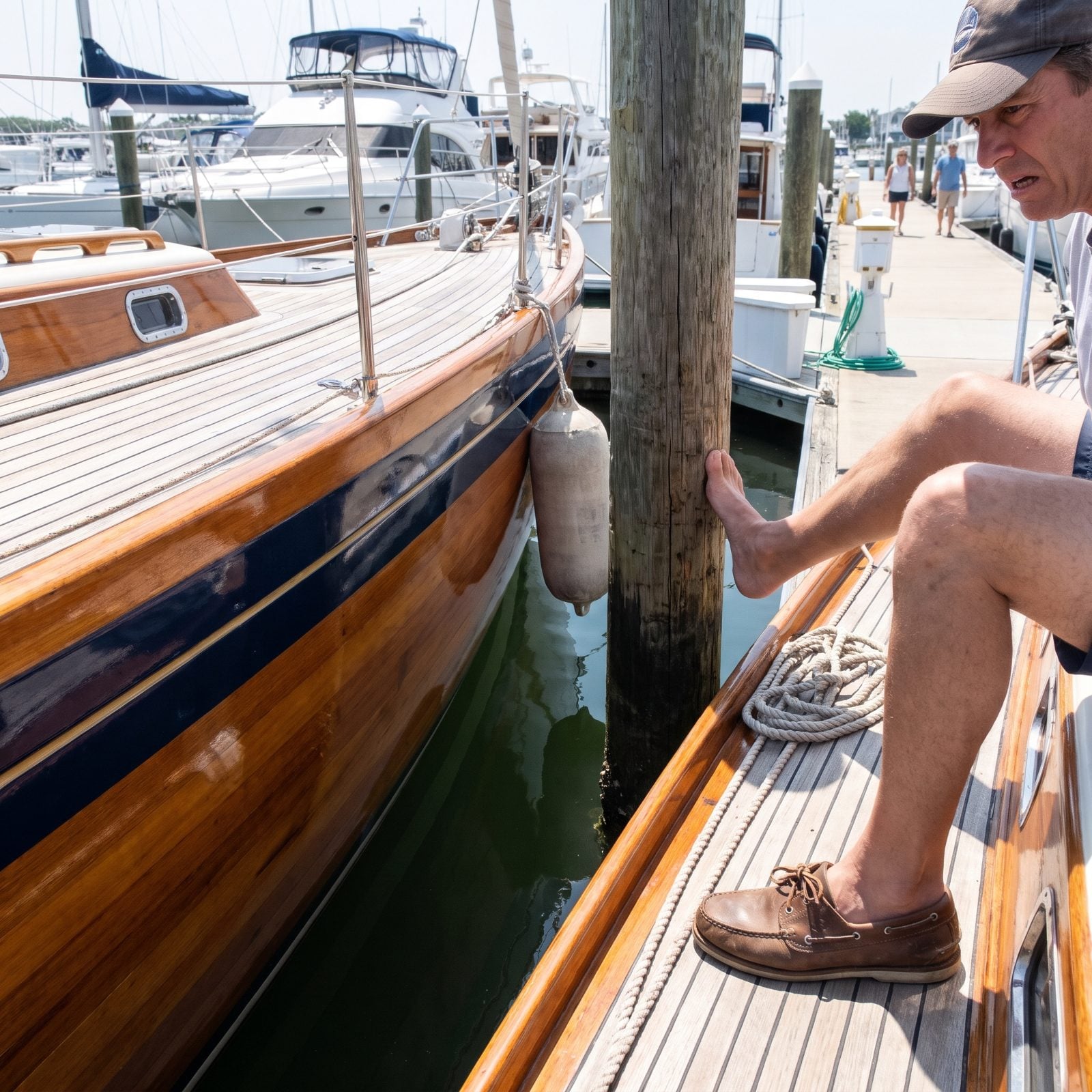
Instinct is a liar here. The boat drifts toward the piling, and the body says stick your foot out, push with your hand, keep it off. But a person cannot stop a moving boat. The boat wins, every time, and your ankle or shoulder is in between.
Crush injuries from this are grim and common.
Hang fenders before you come in, not after. Keep a boat hook within reach to fend off from a safe distance. And if a collision’s coming and you can’t push it off with a pole, let it bump. Gelcoat scratches buff out. You don’t.
15. Forcing a Blown Docking Approach Instead of Circling Back
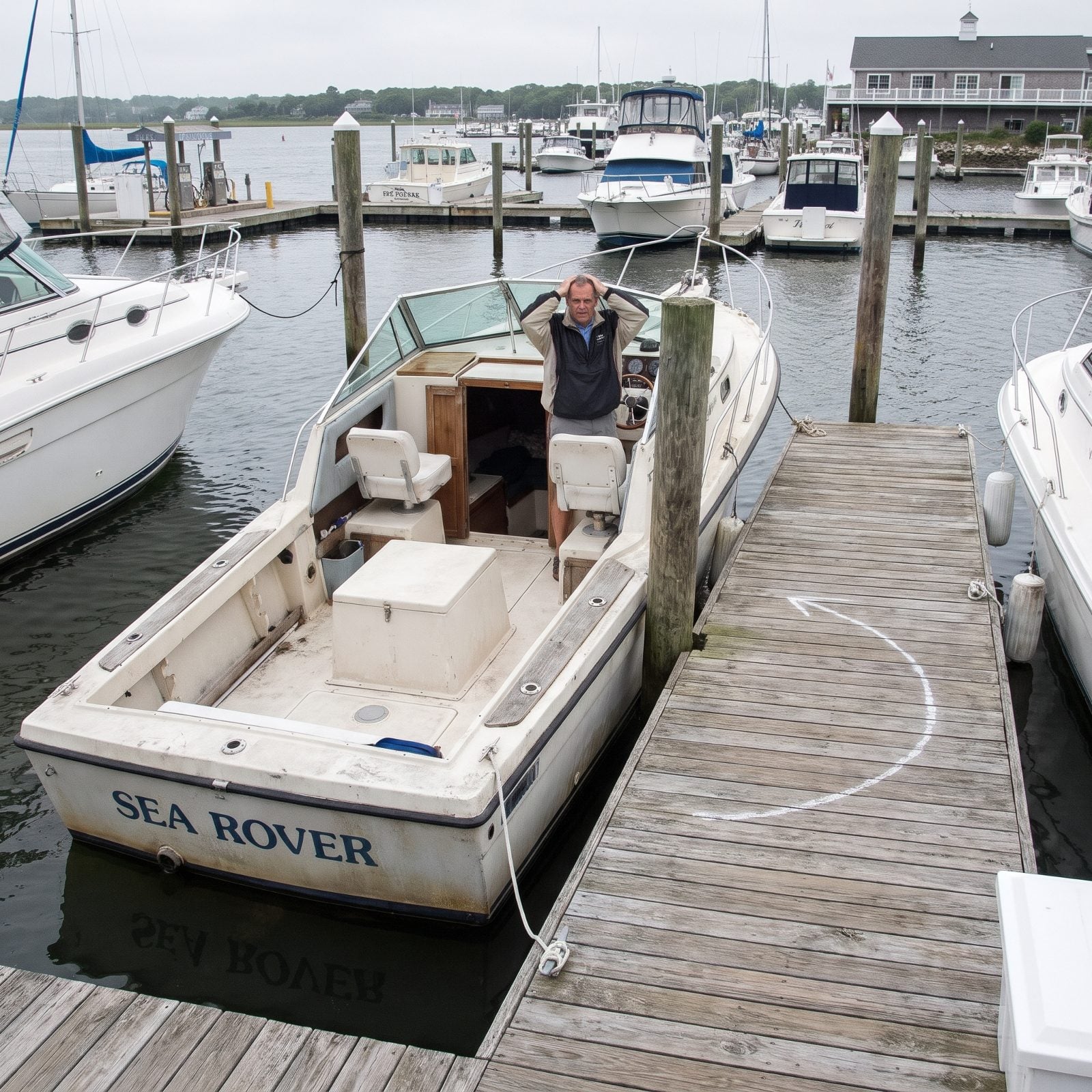
Pride sinks more docking attempts than wind does. The approach goes sideways, the angle’s wrong, the slip’s slipping away — and the stubborn skipper jams it in anyway because an audience is watching.
A forced approach turns a clean miss into a real hit. You trade a little embarrassment for a cracked rub rail, or someone else’s bow.
When it’s not working, add power, pull away, and go around for another try. Experienced hands do this constantly and think nothing of it. The second approach is almost always better than the first, because now you know exactly how the wind and current are pushing you.
14. Anchoring From the Stern in Open Water
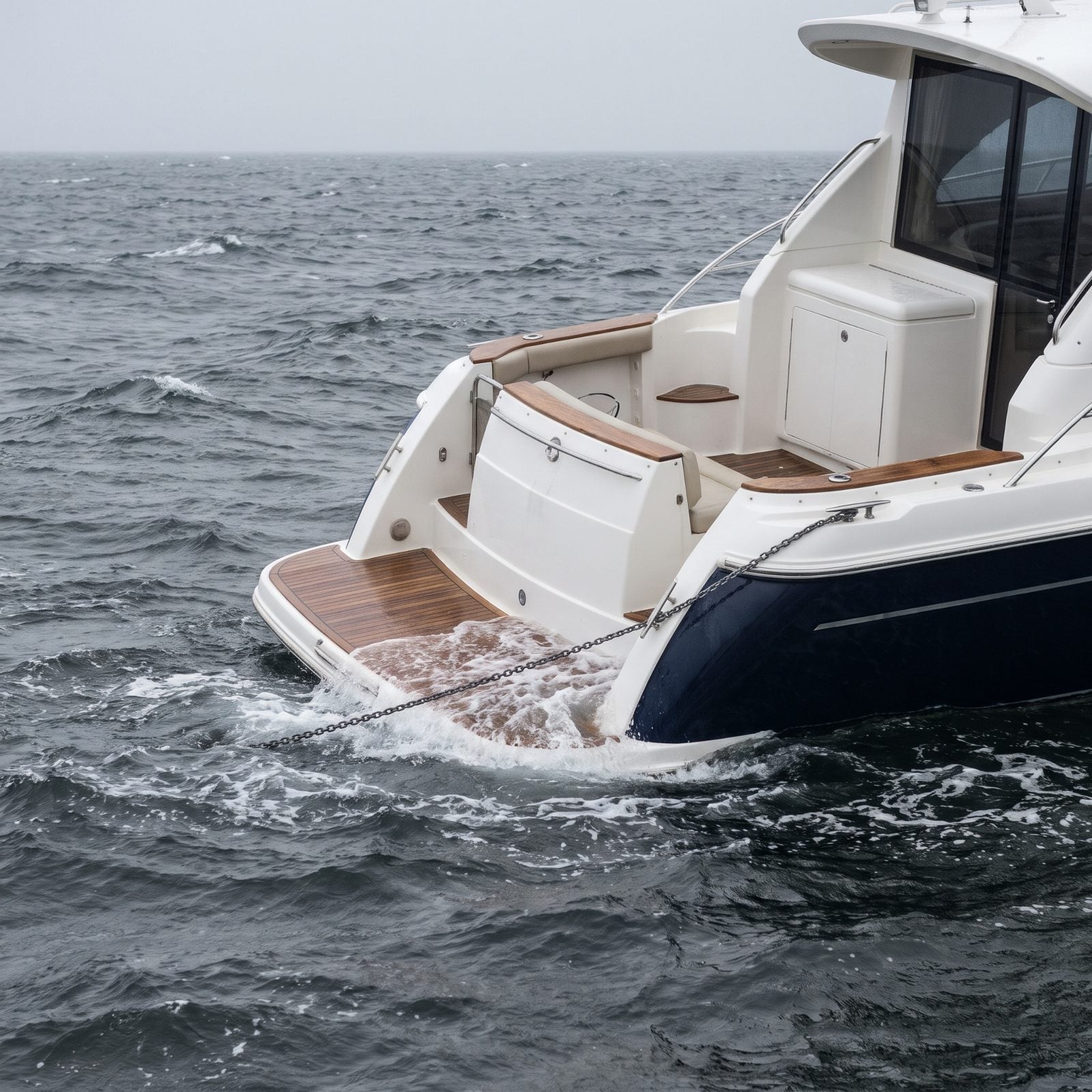
The stern cleat is right there and easy to reach, so the shortcut’s obvious — drop the hook, tie it off at the back, done. But in open water with any wind or wave, that’s precisely how boats take water over the transom.
Boats are built to meet waves bow-first. Anchored by the stern, the low, flat back faces the chop, and the engine cutouts and swim platform scoop it right in. In a building breeze, this swamps boats.
Anchor from the bow and let the boat swing and ride to the waves the way the hull was designed to. A stern tie has its place in flat, protected water to hold an angle. Just never as your only line when it’s rough.
13. Anchoring With Too Little Scope
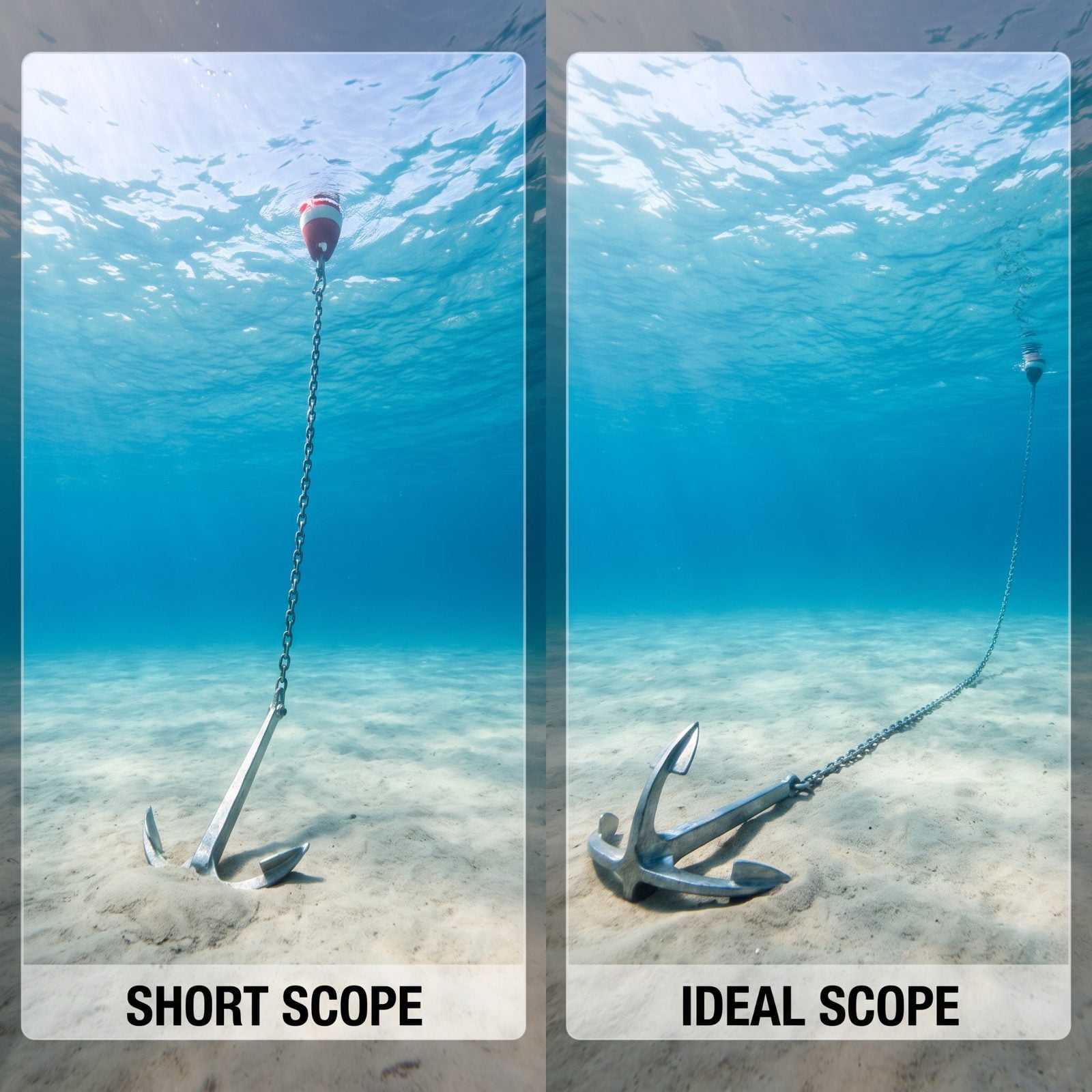
Scope is the whole game, and most people skimp on it. Dropping the anchor straight down and paying out a few feet feels tidy. It also leaves the anchor pulling up instead of digging in, so the first gust drags you clean across the cove.
Not enough rode means the pull is nearly vertical, and the flukes trip right out of the bottom. That’s how boats end up on the rocks while everyone’s napping.
Let out plenty of line relative to the depth. The old rule of thumb is roughly seven feet of rode for every foot of water, measured at high tide — more in wind. Low, long, and flat is what makes the anchor bite.
12. Drop Anchor on Coral, Seagrass, or Submerged Cables

The chain goes over, it catches on something solid, and you feel good about it. Trouble is, that something solid is often living coral or a meadow of seagrass that took decades to grow. One careless drag can scar a reef or rip out grass that fish nurseries depend on, and in a lot of places there’s a hefty fine waiting on top of the damage.
So read the water before you drop. Sand reads pale and clean from above; coral and grass read dark and textured, so aim for the bright sandy patches and use a mooring ball wherever one exists. Never let the boat swing across a reef as the wind shifts. And submerged cables? Those are the sneaky ones. Charts mark them for a reason, so look.
11. Run the Engine, Smoke, or Use an Open Flame While Refueling
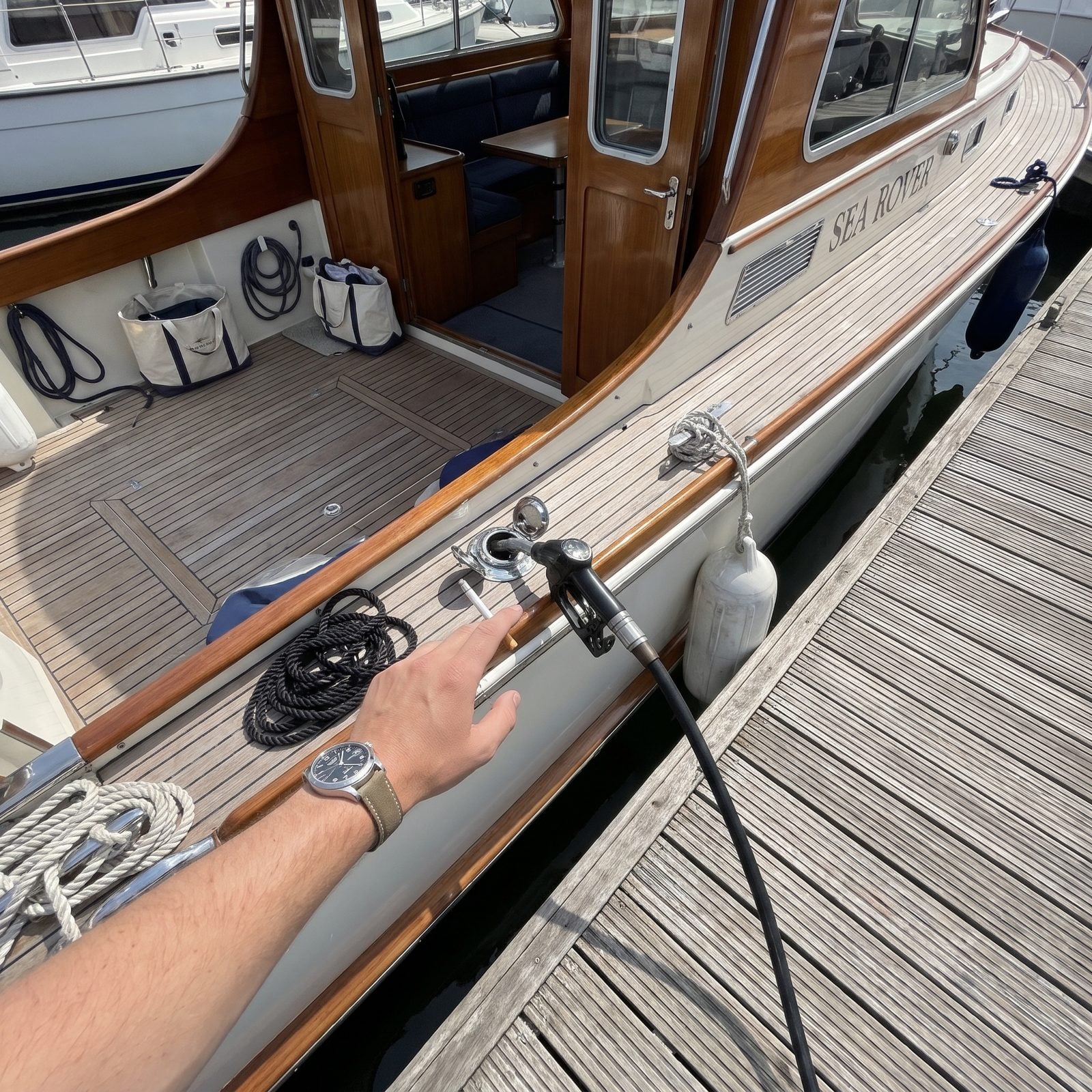
Gasoline fumes are heavier than air, so they pool and sit low in the cockpit and the bilge, waiting for a spark. A running engine, a lit cigarette, a stove pilot — any one of them is plenty to find them.
Shut everything down before the nozzle comes near the fill. Engine off, electronics off, no flames of any kind, and everyone off the boat and standing on the dock while you fuel. Keep the nozzle touching the fill to bleed off static. Then wipe spills, close the fill, open things back up, and let it ventilate before you so much as touch the key.
10. Skip Bilge Ventilation on a Gasoline-Powered Boat
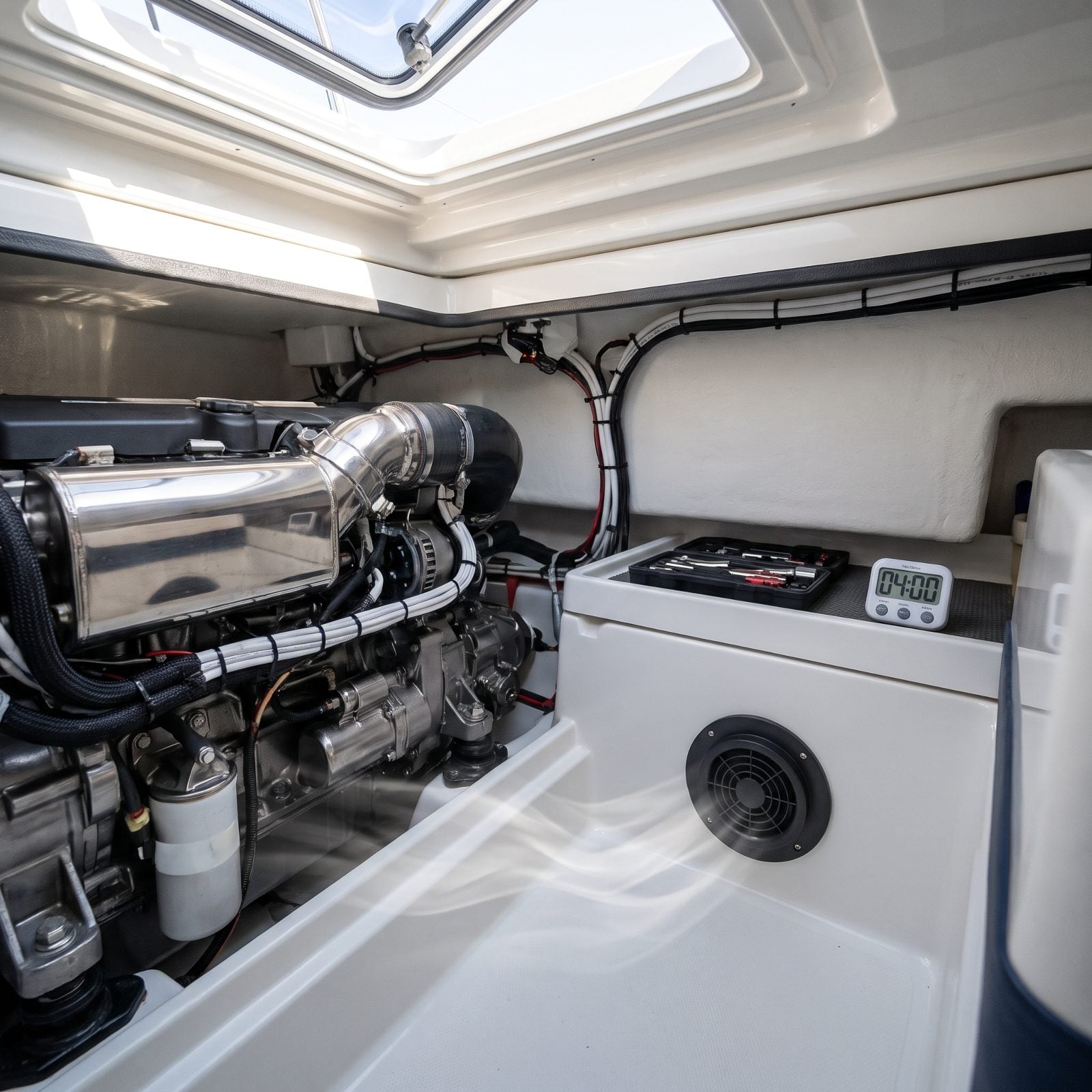
You turn the key, the engine fires, nothing bad happens — so the four-minute blower routine starts feeling optional. It isn’t.
Fumes collect in an enclosed engine space between trips, and the blower exists to clear them before the first spark. The day they’ve quietly built up without one is exactly the day it matters. Run the blower for at least four minutes before starting, and any time after you’ve refueled or sat idle. Then do the old sailor’s trick: open the hatch and sniff the bilge. Smell gas? Ventilate longer and find the leak before you go anywhere.
9. Ignore the Smell of Fuel or Exhaust
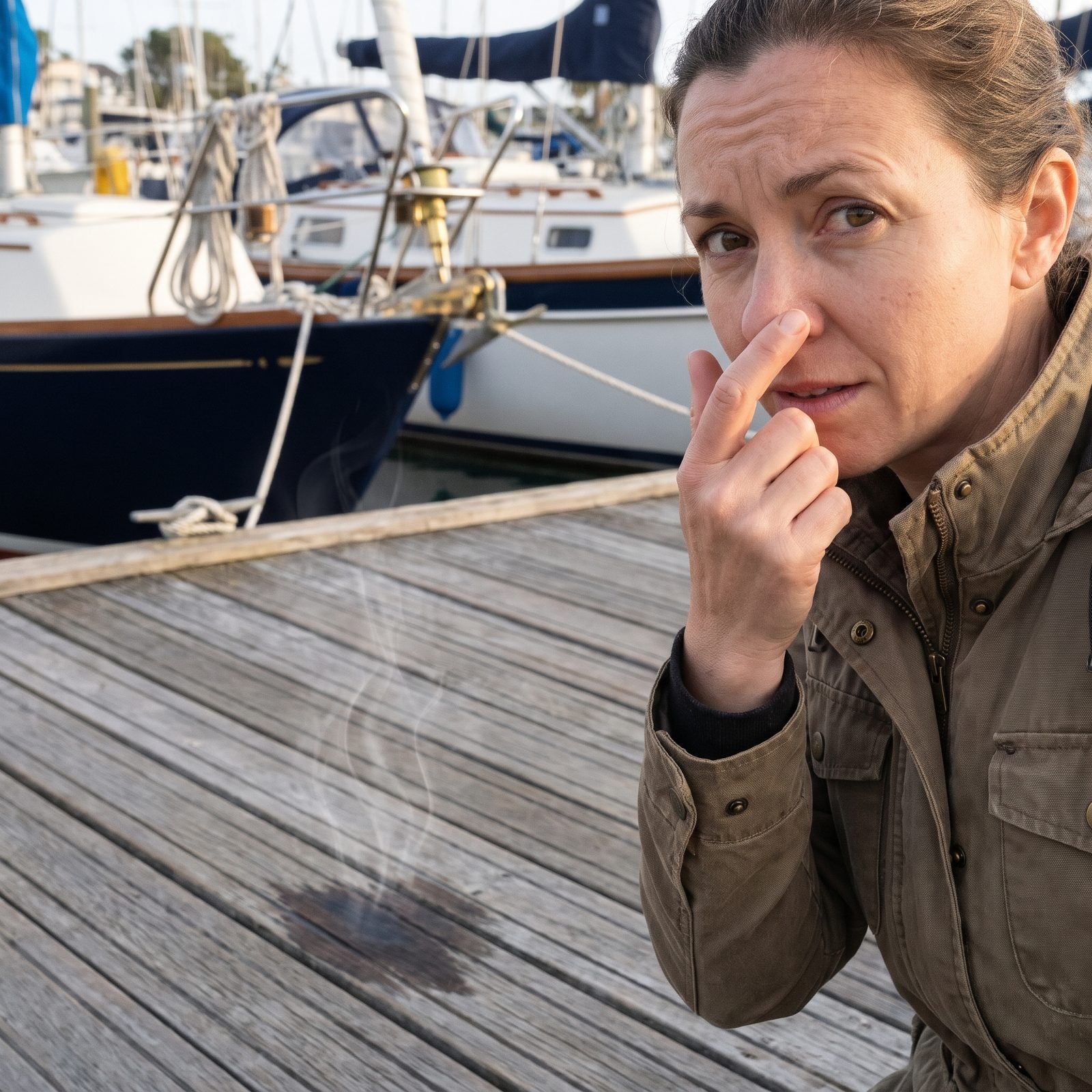
A faint whiff of gas near the dock is easy to wave off — the breeze shifted, somebody else was fueling, it’s nothing. Except your nose is one of the better fuel-leak detectors on the whole boat, and exhaust that drifts back into the cockpit can carry carbon monoxide you can’t smell at all.
Treat any fuel smell as a leak until proven otherwise. Kill ignition sources, ventilate, track it down before running. For exhaust, keep people off swim platforms near a running engine and watch for headaches, dizziness, or a passenger who was fine an hour ago and now looks drowsy. That’s not seasickness. That’s a reason to get fresh air now.
8. Ignore Water Rising in the Bilge
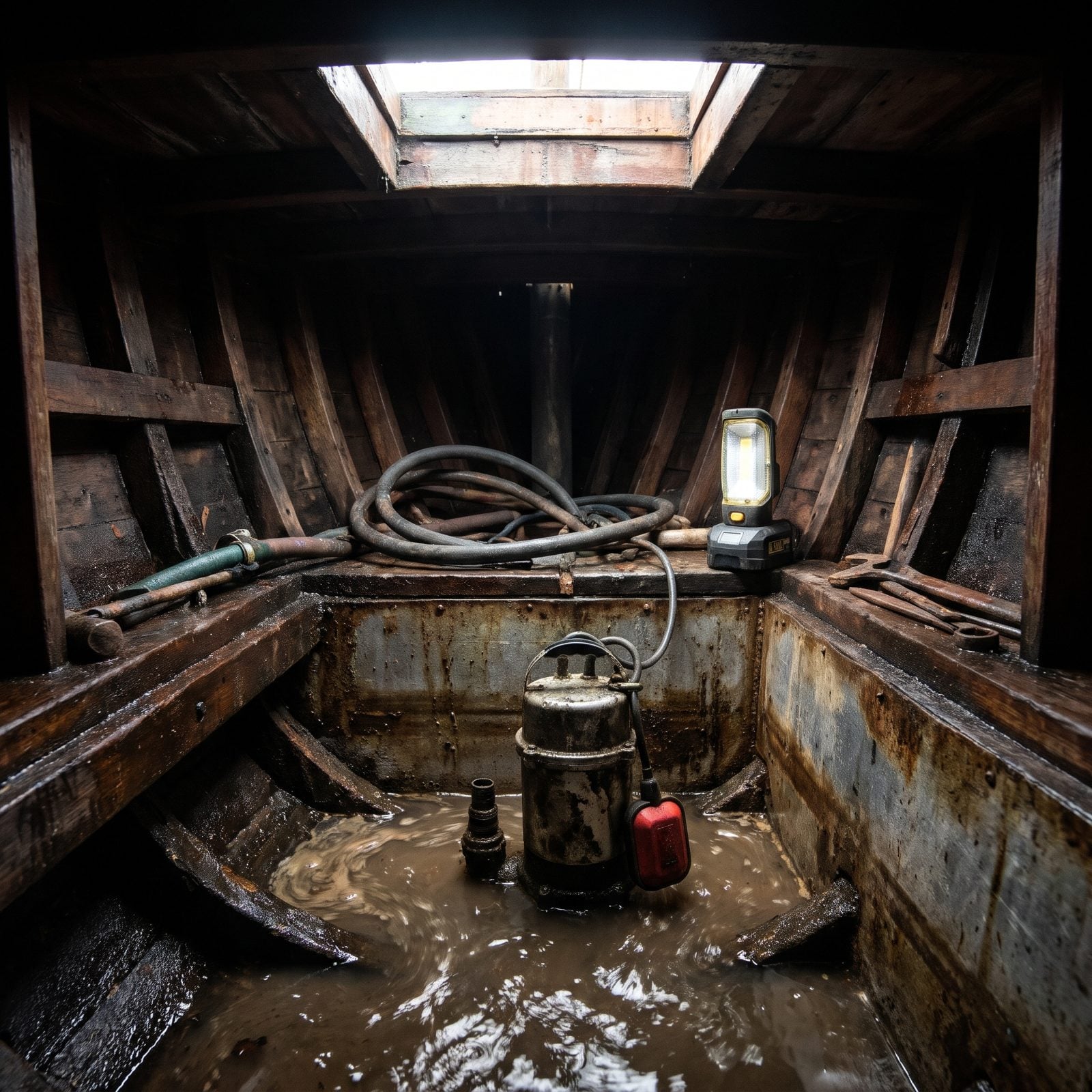
A little water in the bilge is normal. Rising water is not, and the mistake is assuming the pump has it handled and never once checking why the thing keeps running.
A pump cycling more often than it used to is the boat talking to you — maybe a leaking fitting, a bad hose clamp, a stuffing box gone loose, or a through-hull that wants attention. Lift the hatch regularly, learn what dry looks like, and act on any upward trend before it becomes a bad afternoon. Carry a backup manual pump, and know where your through-hulls and seacocks are long before you need them in a hurry.
7. Open the Engine Hatch During an Engine-Space Fire
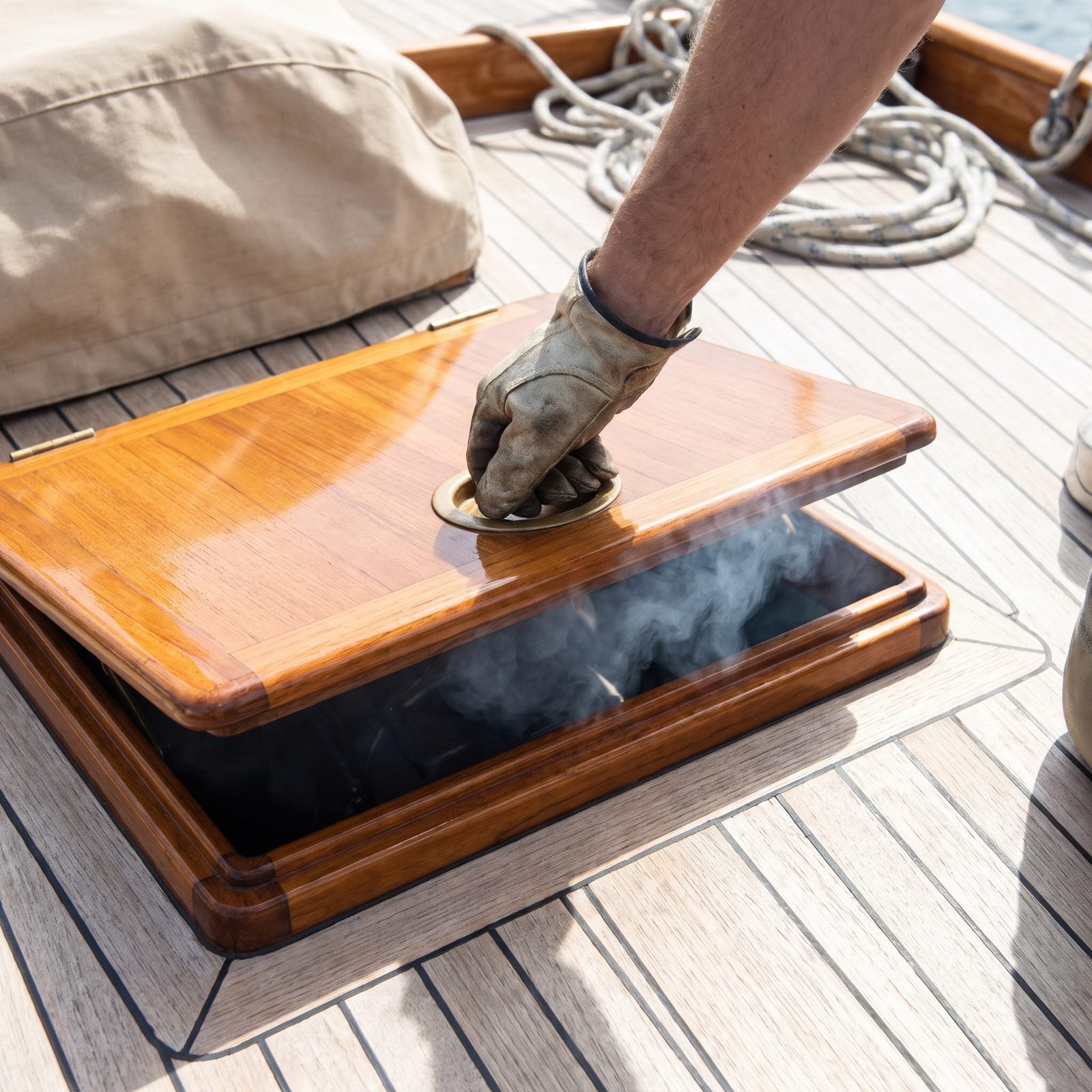
Smoke rises from the engine box and instinct screams to lift the hatch and see what’s burning. Don’t. Opening it feeds the fire a lungful of oxygen and can throw flames straight up at you.
Got a fixed automatic suppression system down there? Let it do its job with the hatch closed. Shut off fuel and power if you can reach the switches safely, keep the compartment sealed, and get everyone into life jackets at the bow, upwind. If yours has a port in the hatch built for discharging an extinguisher, use it. A boat is replaceable. The people on it are not.
6. Throw Water on a Fuel or Electrical Fire
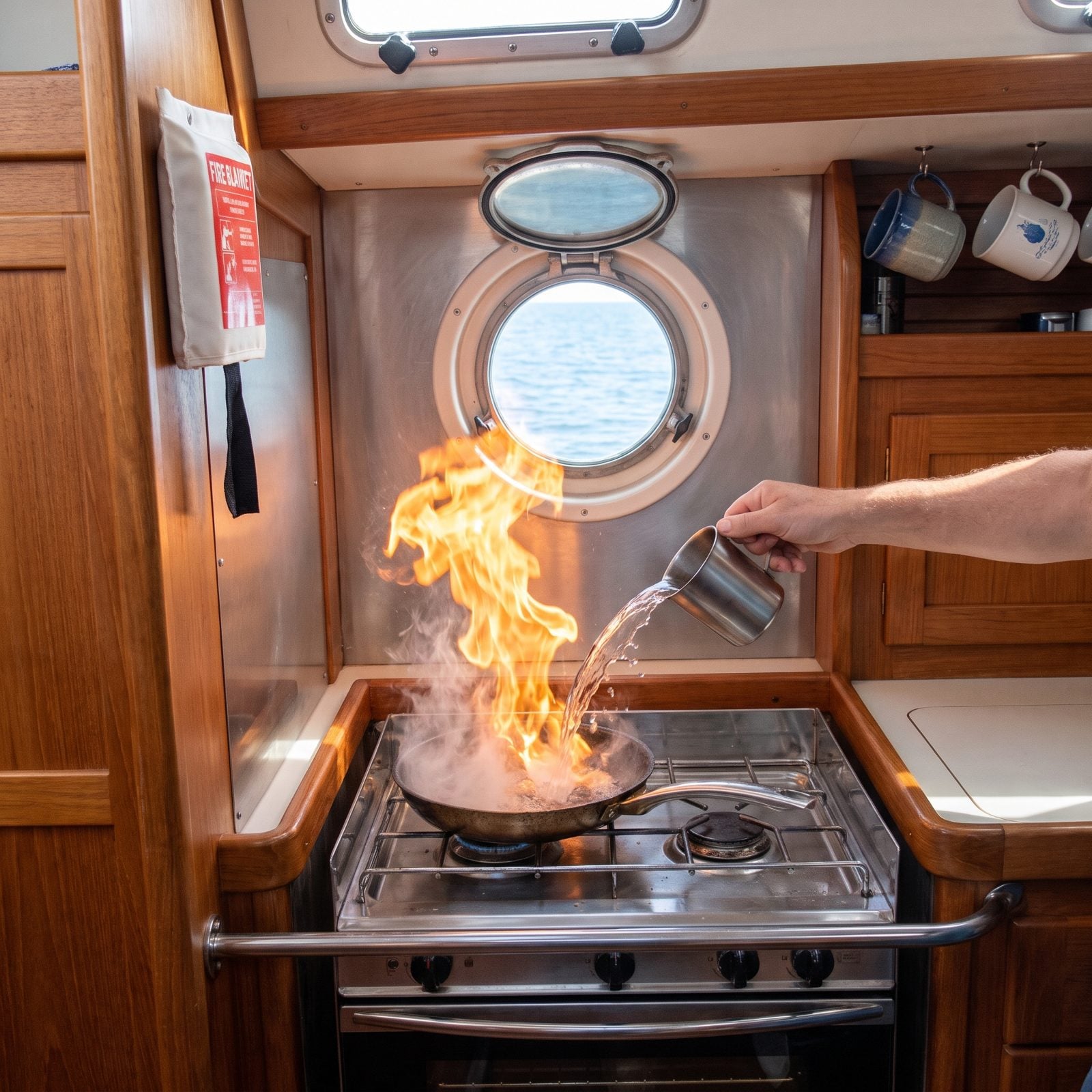
Water on a grease or fuel fire spreads it. Water on an electrical fire can shock you. Grabbing a cup of water from the sink feels decisive, and it makes everything worse.
Keep rated extinguishers aboard, mounted where you can grab one without crawling past the flames, and check the gauges every season. Aim at the base of the fire, not the flames, and sweep. For a stovetop fire, turn off the burner first if you safely can. And know your classes — a rated ABC handles most of what a kitchen can throw at you. One extinguisher buried in a locker you have to dig through is worthless when seconds count.
5. Use VHF Channel 16 for Casual Conversation
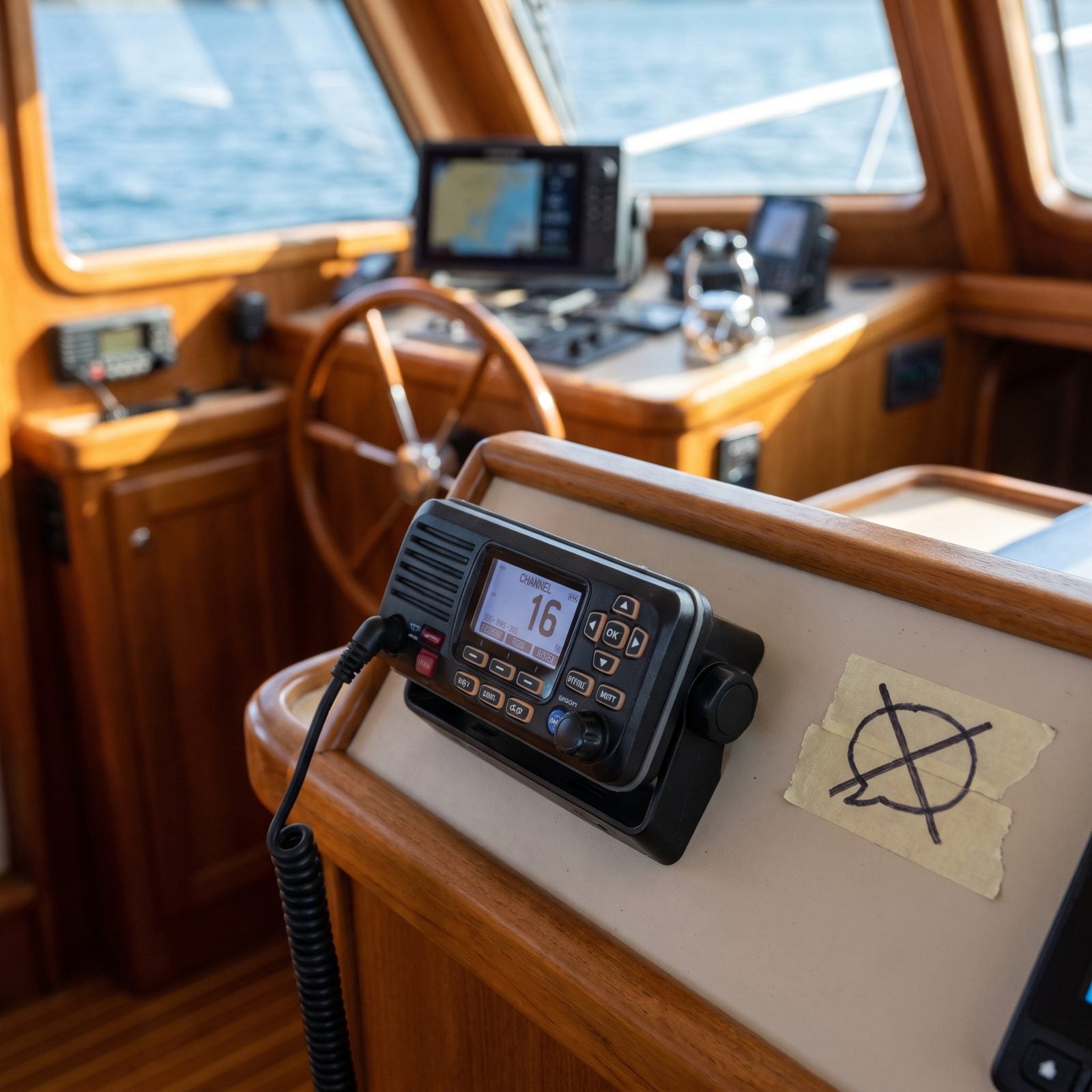
Channel 16 is the one everyone monitors, which is exactly why it has to stay clear. It’s the hailing and distress channel, the frequency a mayday goes out on. Tie it up chatting with your buddy on the next boat over about dinner plans and you might be parked right on top of someone’s emergency.
Hail on 16, then switch straight to a working channel — 68, 69, 72 — for the actual conversation. Keep it short. Save 16 for contact and emergencies, and keep an ear on it even while you’re talking elsewhere. It’s shared space. The courtesy is simple: say who you’re calling, agree on a channel, and get off.
4. Rely Solely on a Cellphone for Offshore Communication
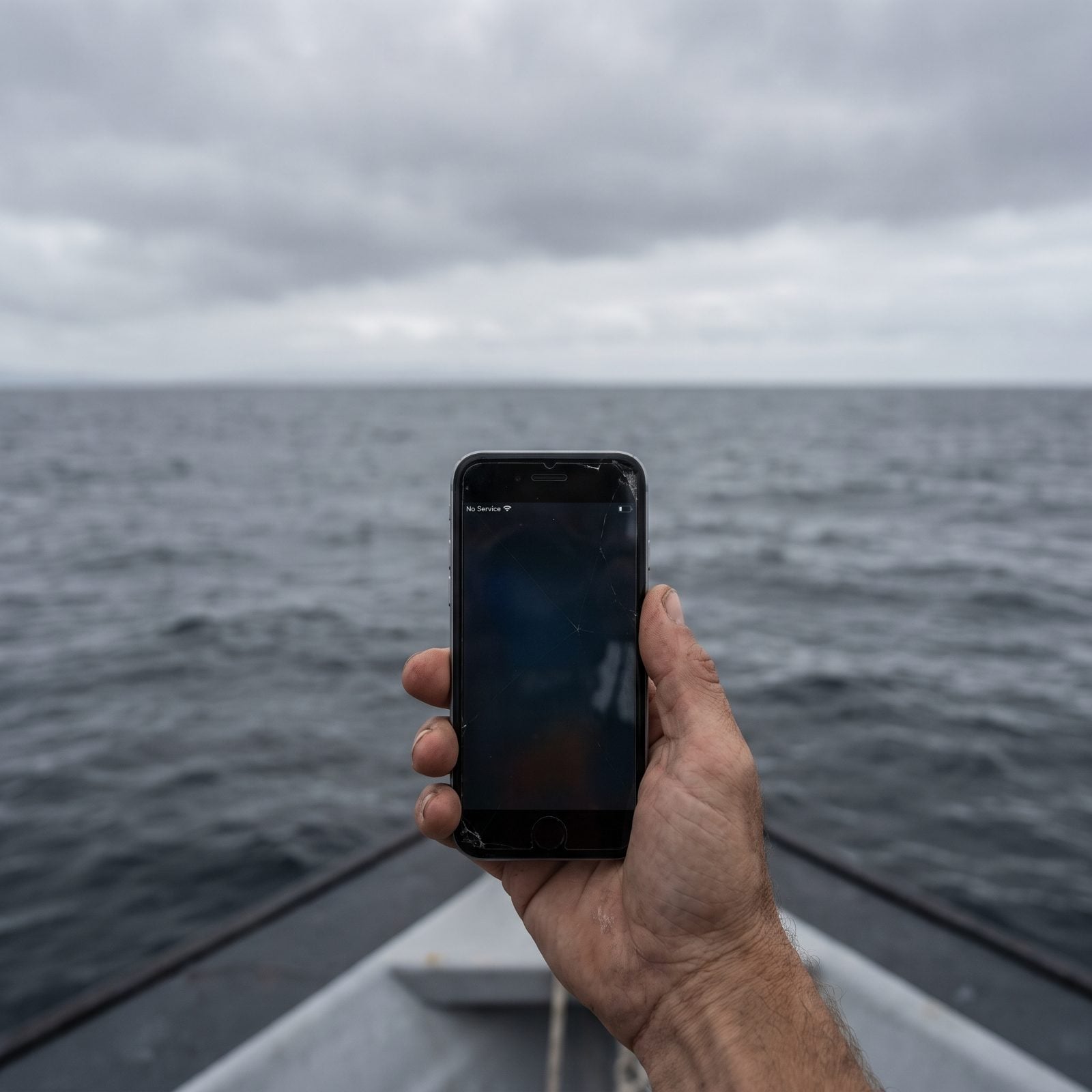
Your phone has every app you could want until you’re a few miles out and the bars vanish. Even when it works, a phone call reaches one person who may not be able to help. A VHF distress call reaches every boat and station in range at once, and DSC can broadcast your position at the push of a button.
So carry a VHF, fixed or handheld, and actually learn how to use the distress function before you need it. Running serious offshore? Add an EPIRB or a satellite messenger. Phones drown, die, and lose signal. Keep one as a backup, never the whole plan.
3. Stay Exposed on Open Water as Lightning Approaches
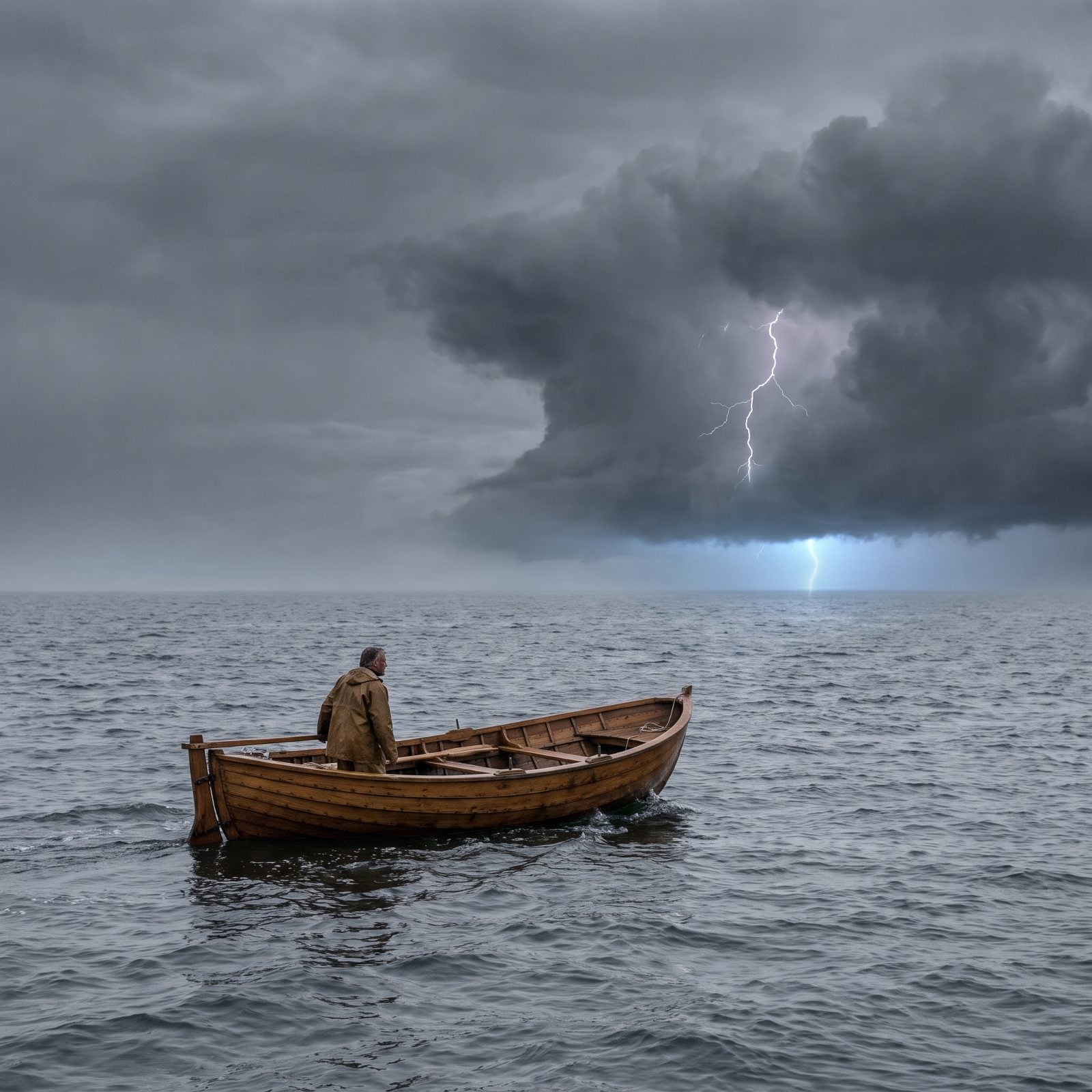
The sky darkens, the wind picks up a notch, and now you want one more run before it hits. Bad idea. Out on open water you are the tallest thing around, and a boat is a lousy place to be standing when lightning goes looking for a path to ground.
Watch the horizon, watch the forecast, and leave early. The thirty-thirty rule is a good habit: if thunder follows lightning by less than thirty seconds, the storm’s close enough to hurt you. Head for shelter at the first sign of building thunderheads, not the first raindrop. And if you do get caught out, drop the antennas and rods, stay low and centered, keep off metal, and ride it out away from the tallest gear. Getting back early beats every clever reason you’ll invent to stay.
The best storm story is the one where you were already tied up at the dock watching it roll through.
2. Tossing Trash, Oil, or Sewage Over the Side

A sandwich wrapper slips off the gunwale. A holding tank gets dumped near the dock because the pumpout line was long and nobody felt like waiting. It feels small in the moment. It never is.
That stuff doesn’t vanish — it washes onto the same beach your grandkids swim off and coats the hull of the boat moored next to you, and in most inland and coastal waters it carries fines that plenty of boaters have watched people actually pay. Oil’s the worst of it. One lousy quart spreads a sheen you can spot from the air.
So keep a lidded trash bag clipped inside the cabin, run absorbent pads under the engine, and plan your pumpout before the tank is screaming. None of this is hard. It’s just a habit you build.
1. Jumping Ship Before the Boat Actually Needs Abandoning
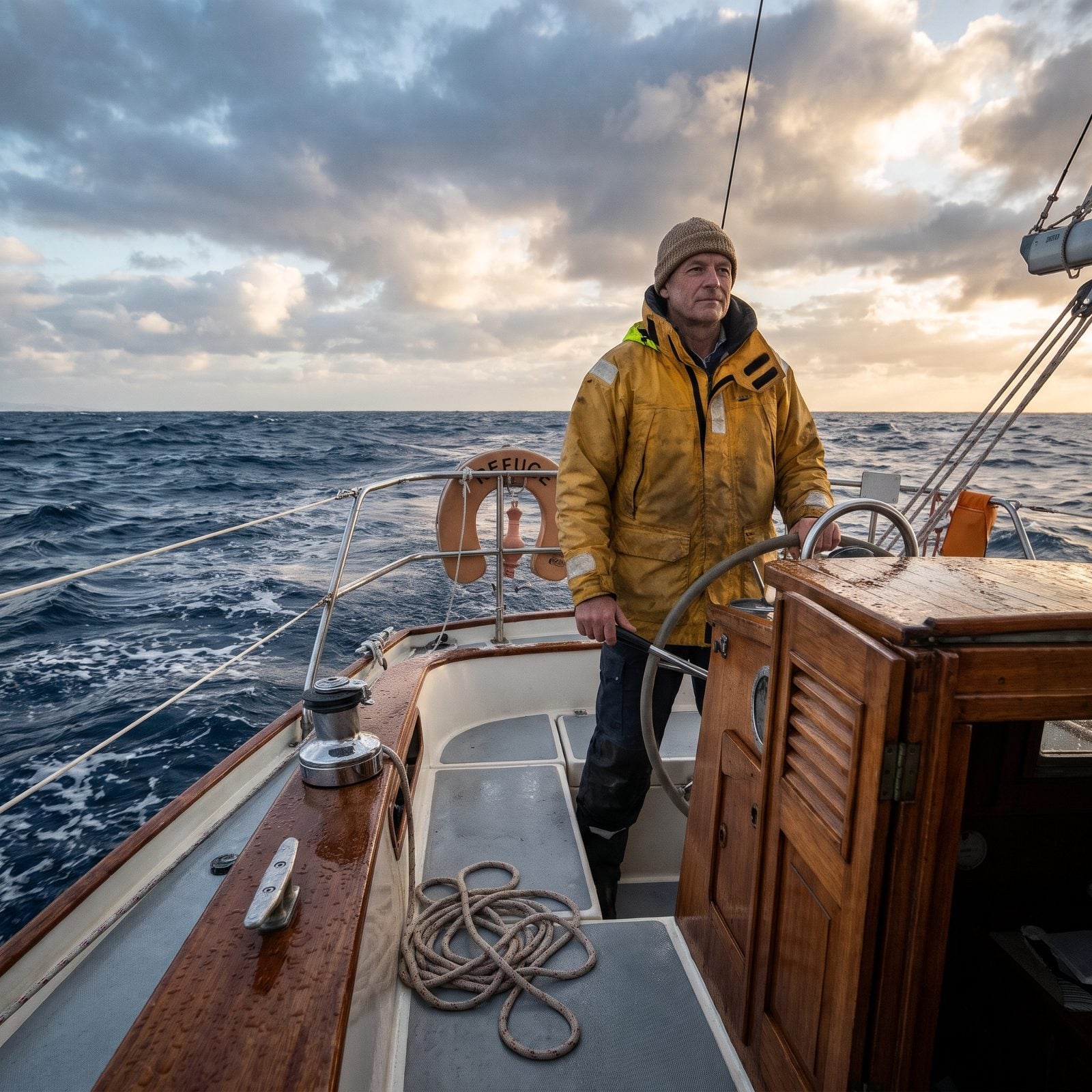
A boat that’s still floating is the best life raft you have. Remember it on a choppy, golden evening like this one, one hand on the wheel at the helm, because people forget it when it counts. Someday a little water will come over the transom, the engine will cough, panic will kick in — and suddenly everyone’s eyeing the life ring or doing the math on a swim to shore.
The Coast Guard will tell you flat out: more people die leaving a troubled boat than riding it out. A hull full of flotation, radios, flares, shade, and dry clothes beats open water almost every time. You abandon ship when the boat leaves you. Not before.
So rehearse it now, while the seas are easy and the boat is sound: know your bilge pump switch, know the call on 16, and know where the chart, the radio and the life ring live. And then, when it’s real — this is the hard part — wait. You leave the boat when the deck is going under, and not one second sooner.