
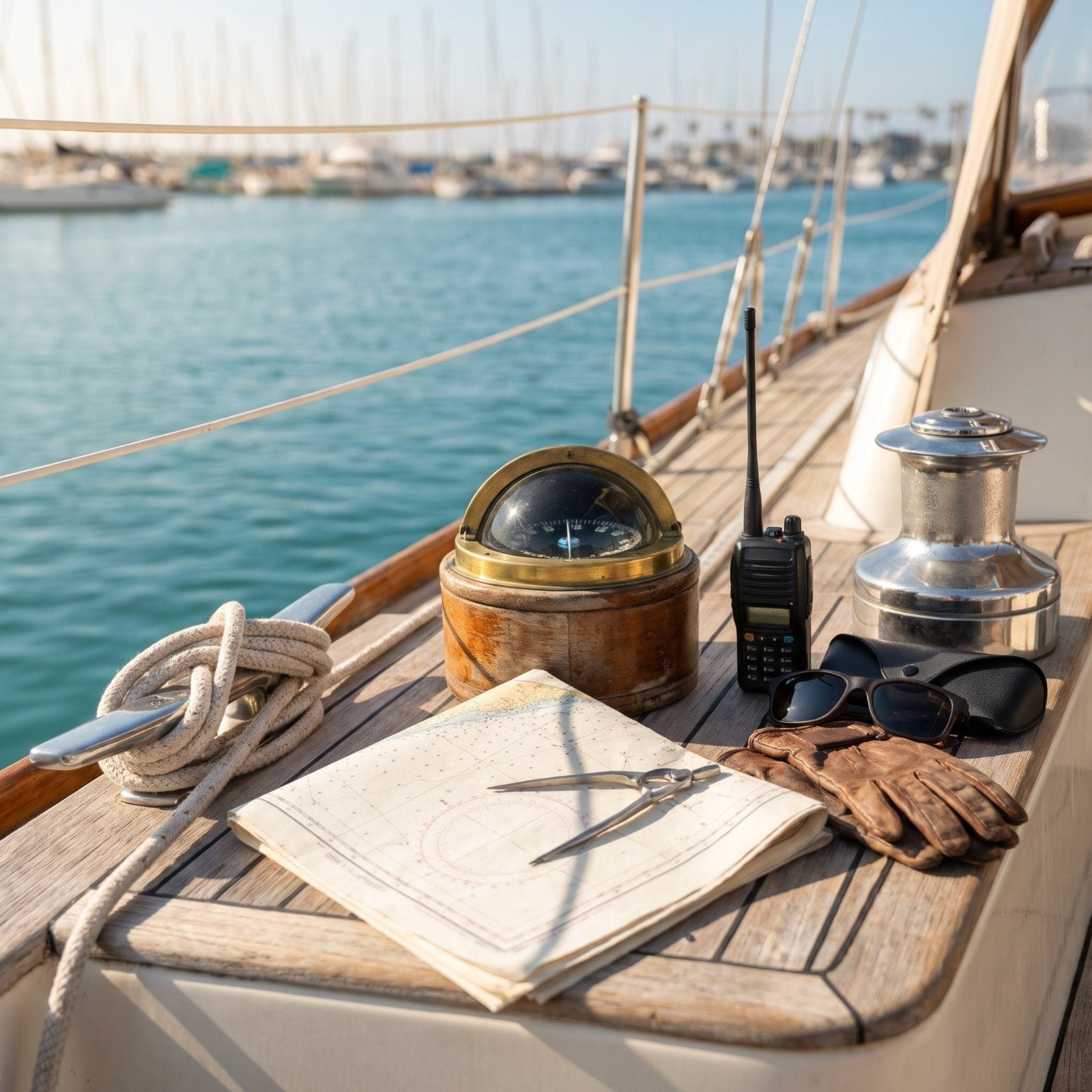
The nicest day of your charter can get cancelled by a wind forecast you never saw. Catches people off guard every season. You booked months ago, the sun is out, the cooler is packed, and the captain is squinting at a chartplotter telling you the anchorage you wanted is a bad idea. He’s probably right. Behind the glossy listing photos and the price-per-day math sits a whole set of working truths that charter crews live by and rarely spell out before you pay the deposit. Learn them before you book, and the day runs the way you hoped.
Please note that some of the imagery in this article may have been enhanced with the assistance of AI.
38. The Captain Has Final Say Once Safety Is Involved
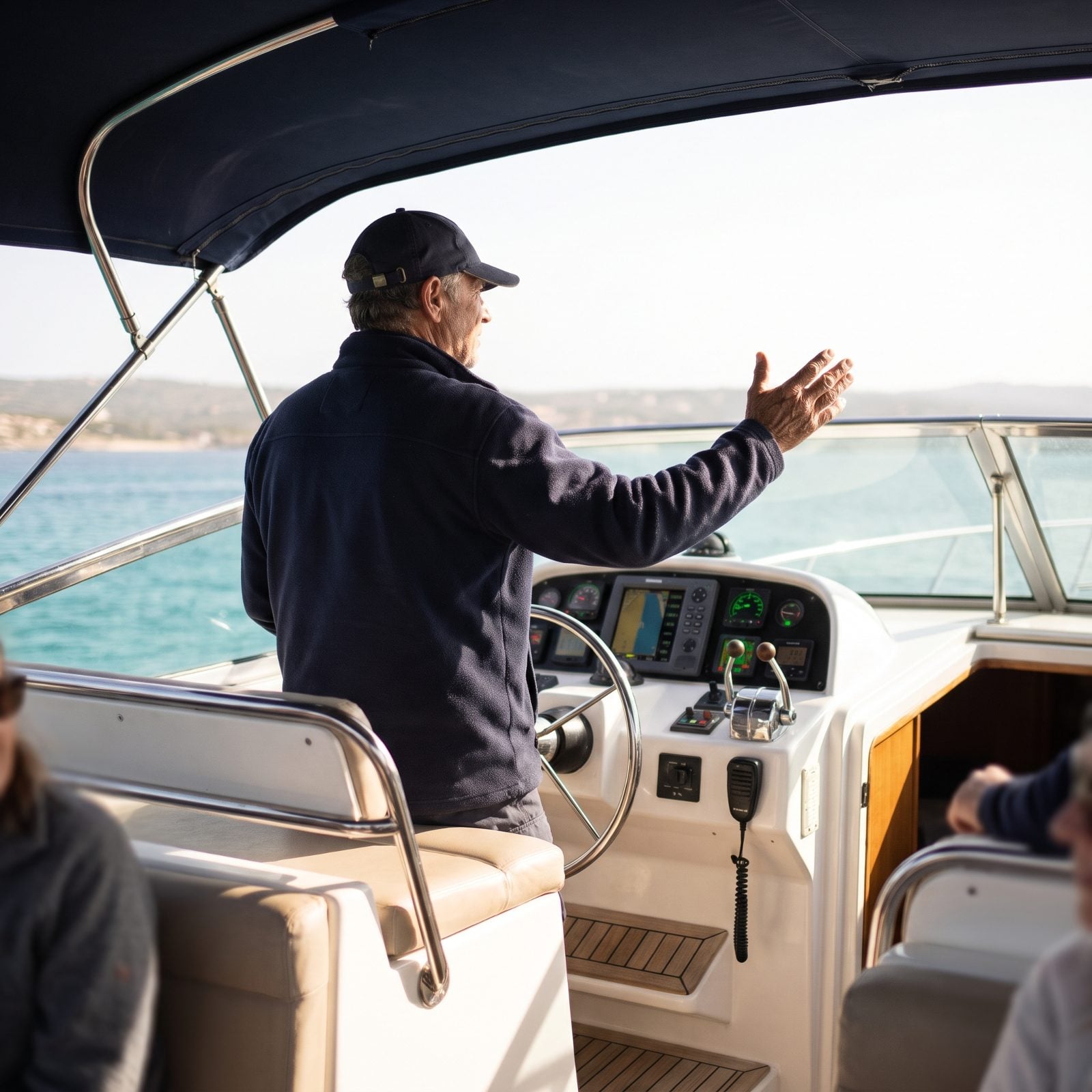
You paid for the boat. You did not buy the authority. Maritime law and the charter contract both put the captain in charge the second weather, traffic, or a guest’s behavior becomes a safety question — and that call is not up for negotiation at the dock bar.
People bristle at this, then thank the captain later. A good one won’t anchor you in a swell that rolls the boat all night just because you liked the Instagram spot. He’ll move you somewhere calmer and you’ll actually sleep.
37. Blue Skies Do Not Guarantee Safe Sea Conditions
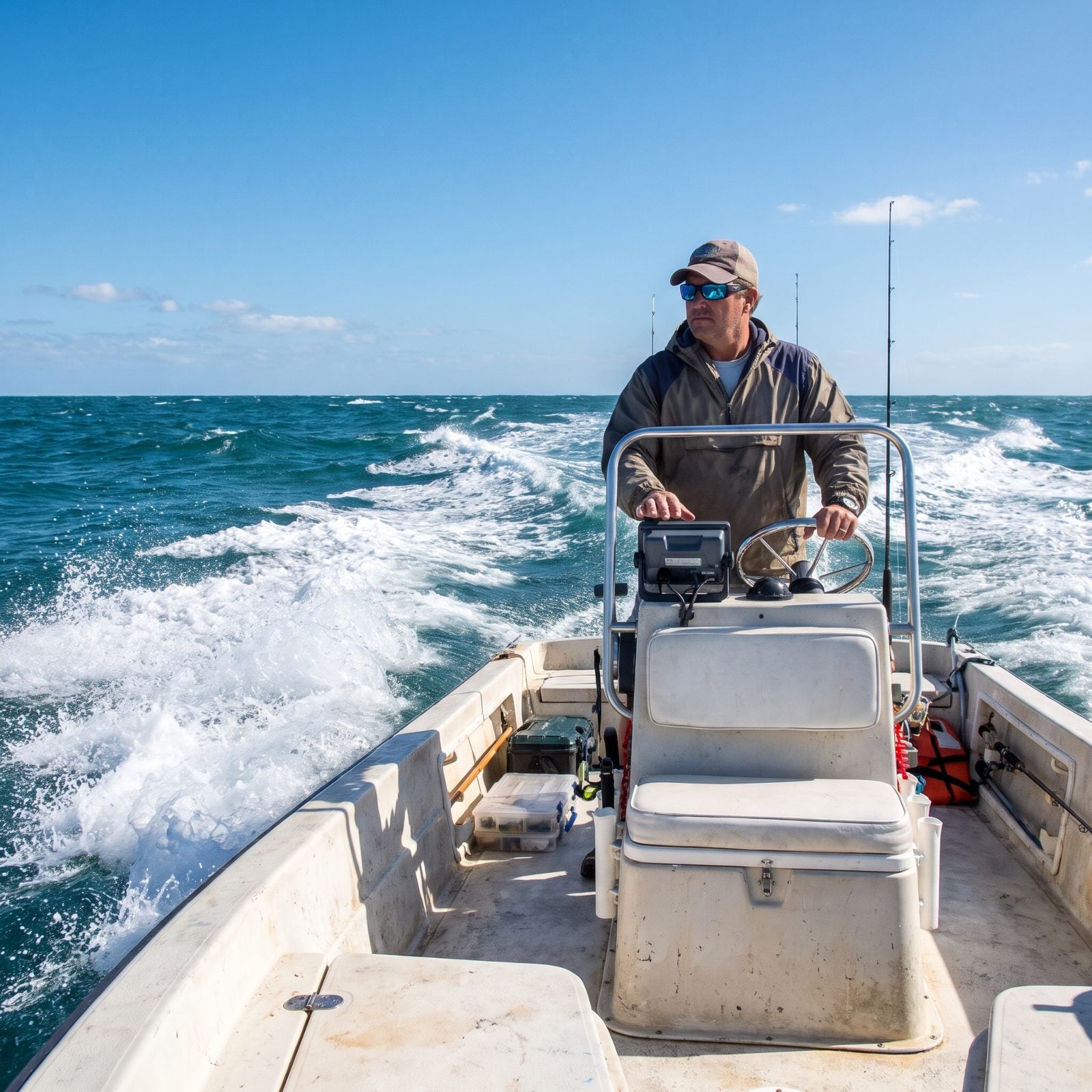
Sunshine lies. The sky can be flawless while the sea is working against you, because wind fetch and swell don’t care one bit about cloud cover.
A tight, short-interval chop will pound a boat and empty stomachs even when it’s eighty degrees and gorgeous out. Captains read the swell period and the direction, not the forecast icon with its smiling little sun. So when yours says the crossing isn’t happening today, he’s reacting to numbers you simply can’t see from the dock.
36. Bridge Openings and Daylight Can Dictate the Schedule
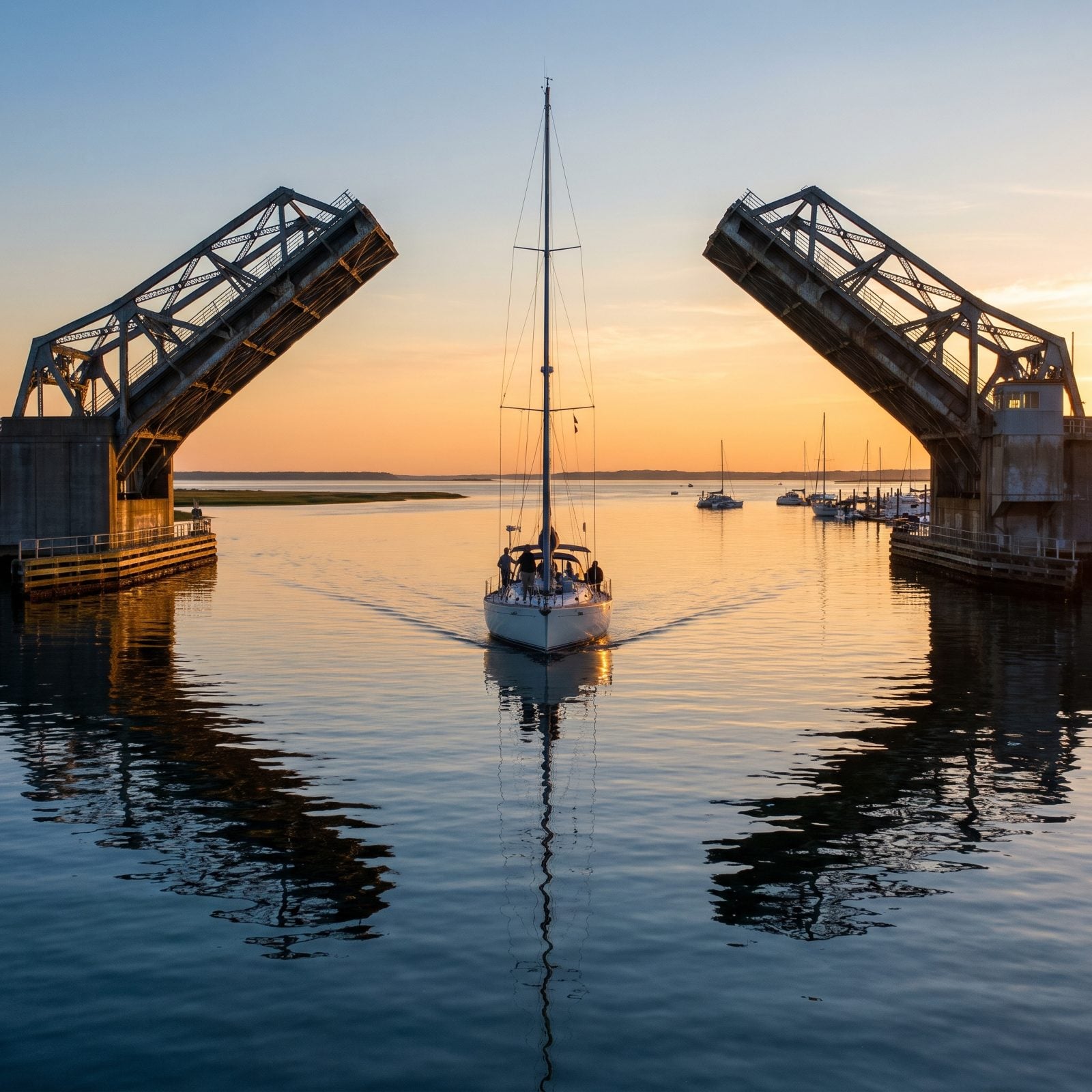
Ever wonder why a short hop takes all afternoon? A bridge that only opens on the hour, or only during certain daylight windows, can hold your whole schedule hostage.
Miss an opening by three minutes and you’re idling in a canal for the better part of an hour, watching a line of boats pile up behind you. Captains plan departures around these openings the way airlines plan around runway slots. Layer in the sensible rule about not nosing into a strange inlet after dark, and that leisurely morning start suddenly has a hard reason behind it.
35. A Marina Reservation May Determine Where You Spend the Night
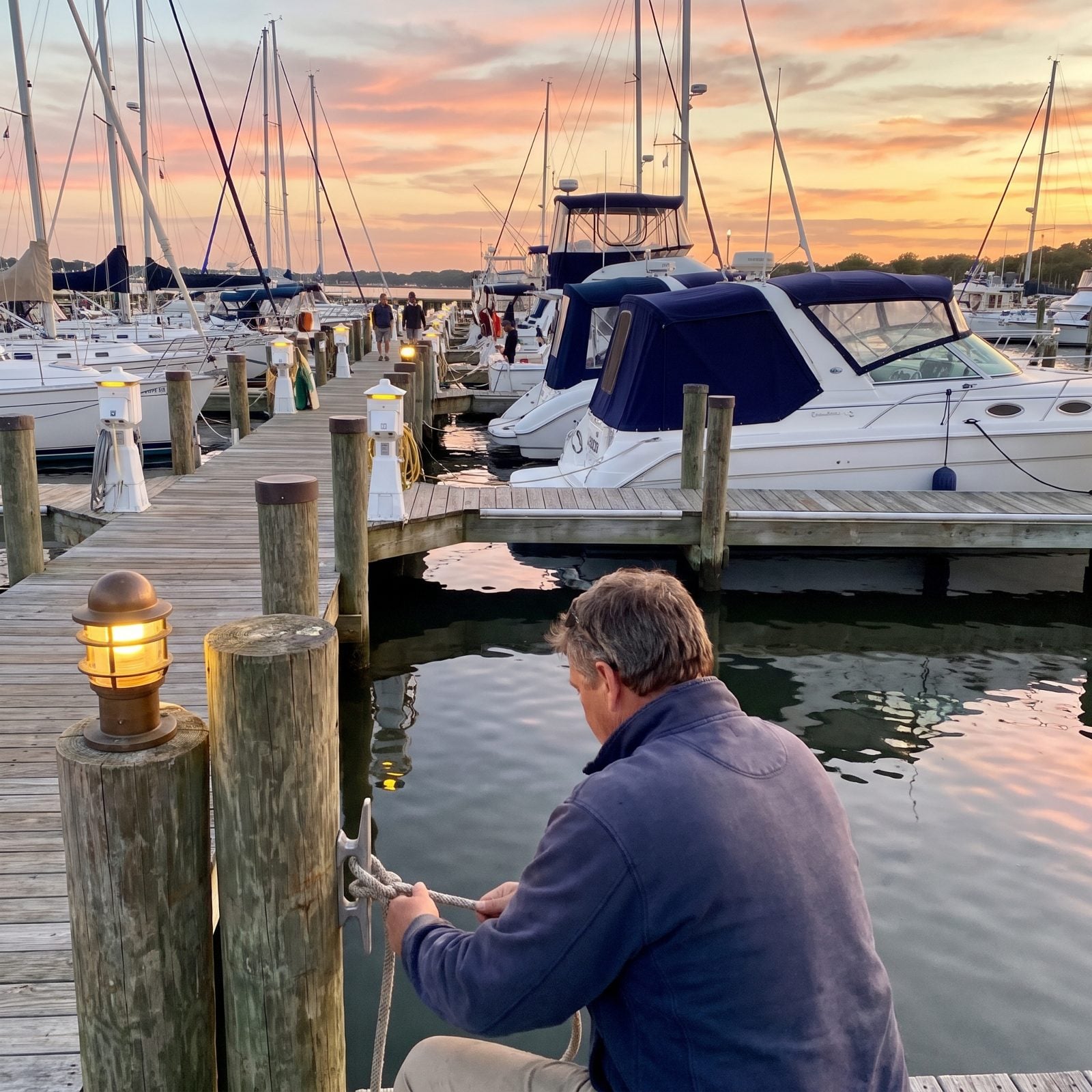
The prettiest anchorage in the guidebook might be full, and in peak season the good slips get booked weeks out. Where you tie up for the night often comes down to who had the foresight to call ahead — not where you wished you’d land.
So your captain sometimes pushes to reach a harbor earlier than feels necessary. He’s holding a reservation that expires, or racing a dozen other boats for the last transient slip. Lose that race and the night gets a lot less comfortable.
34. Arriving Late Usually Shortens Your Charter, Not the Next Booking
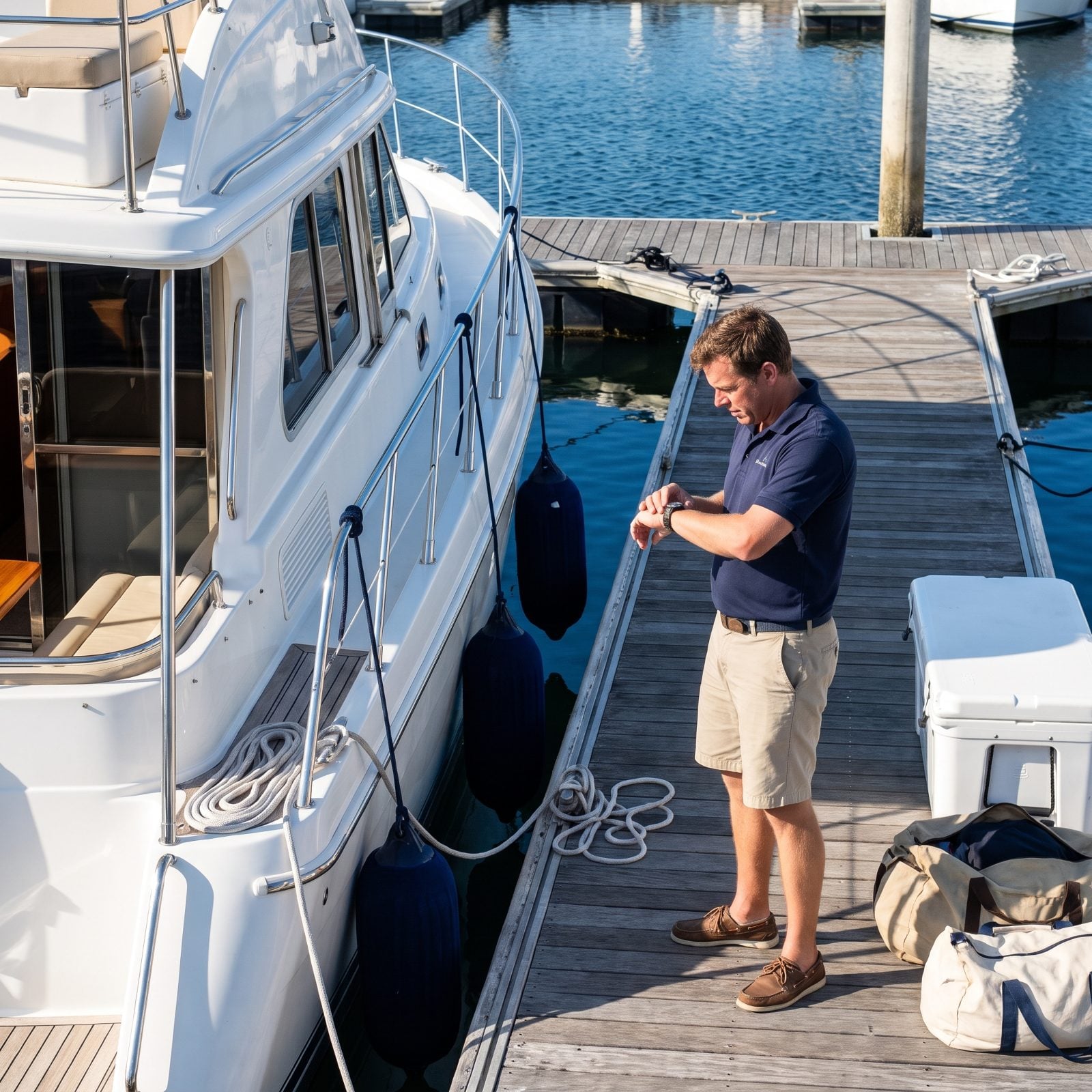
Show up an hour late and you don’t get that hour back at the end. The boat has a turnaround, the crew has a return time, and often another party booked the next slot. Your lost hour is your loss, nobody else’s.
In busy months charters run on tight back-to-back schedules, and the clock usually starts at the agreed departure time regardless of where you happen to be standing. Traffic, a slow lunch, a forgotten bag at the hotel — the boat still leaves when it leaves.
33. The Captain in the Listing Photos May Not Lead Your Trip
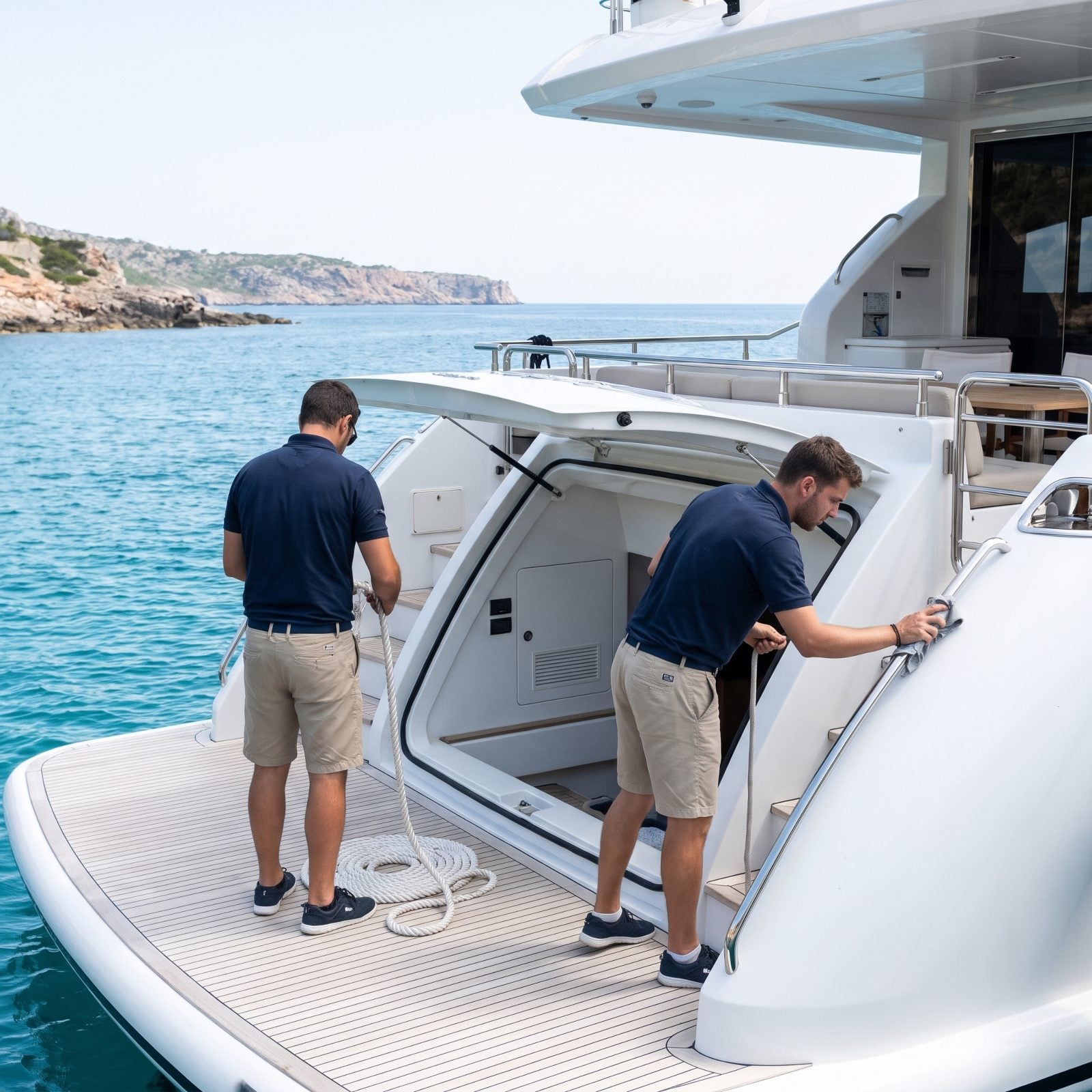
Crews rotate. The smiling captain in the brochure might be running a different boat the week you sail, or might have moved on entirely since the listing went up.
This matters more than people think, because the captain sets the whole tone of a trip. If a specific person’s reputation is the reason you booked, confirm in writing that they’ll actually be aboard. A reputable operator won’t dodge the question. One that gets vague about who’s running your boat is telling you plenty.
32. Listing Photos May Predate a Refit, Ownership Change or New Crew
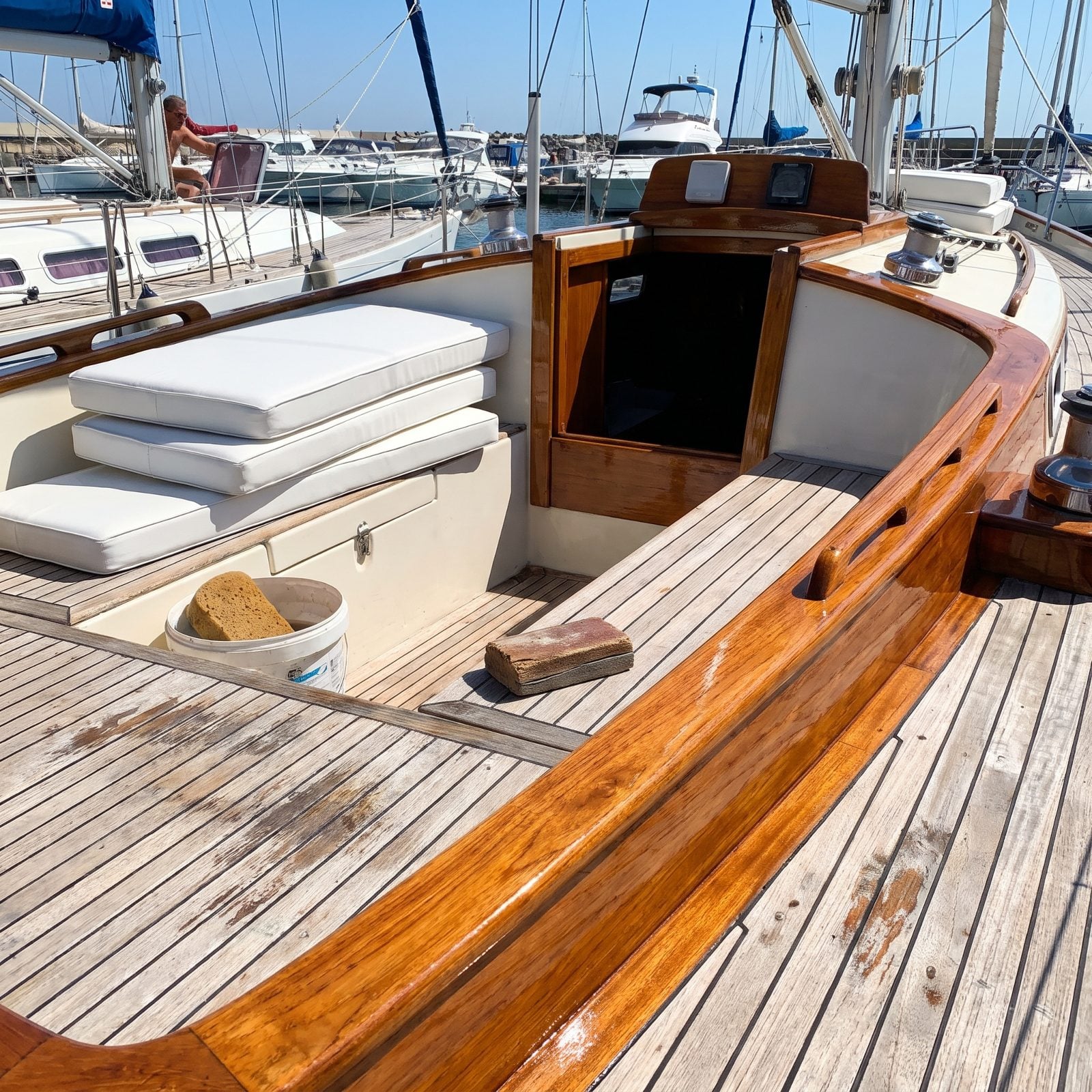
A photo set can be two seasons old. The boat you board might have new cushions and a fresh engine — or it might have changed hands and dropped the very crew that earned all those glowing reviews.
Reviews follow the operation, not always the vessel. That five-star rating from last year could belong to an entirely different team. Ask when the photos were taken and when the current owner or crew took over. The honest answer tells you what you’re really booking.
31. Booking Direct Is Not Automatically Cheaper Than Using a Broker
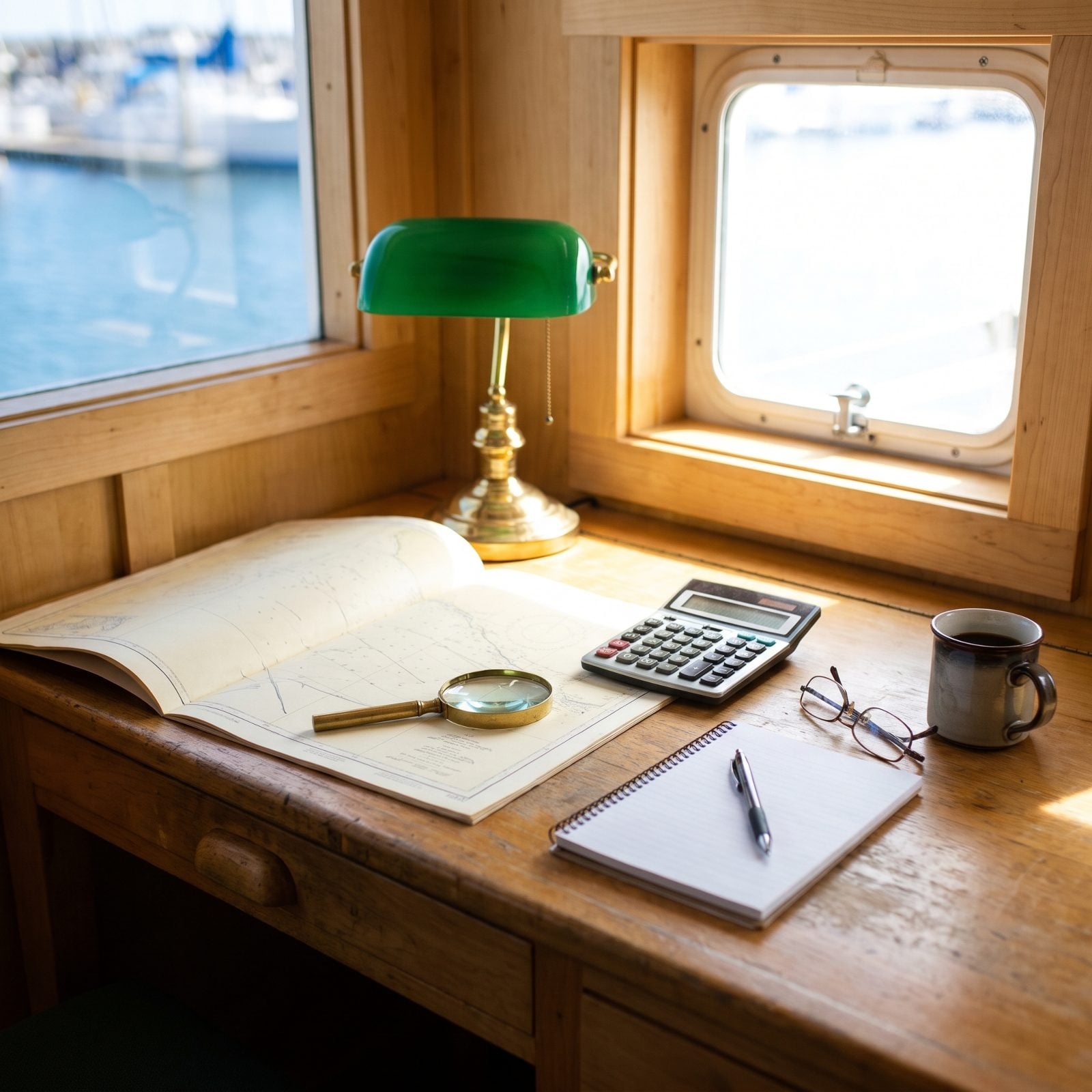
Cutting out the middleman sounds like obvious savings. Often it isn’t. Good charter brokers land negotiated rates, pass along perks, and know which boats actually deliver — and they usually cost you nothing, because the operator pays their commission.
Go direct and you might pay the same price while doing all the research, vetting and troubleshooting yourself. When something goes sideways mid-trip, a broker is a phone call with leverage. A direct booking is you, alone, arguing with the only party who can fix it.
According to a yacht charter broker who fields this question from clients, “In yacht charter, the broker’s commission is paid by the yacht owner or central agency from the charter fee.”
30. Passenger Limits Include Infants and Day Visitors
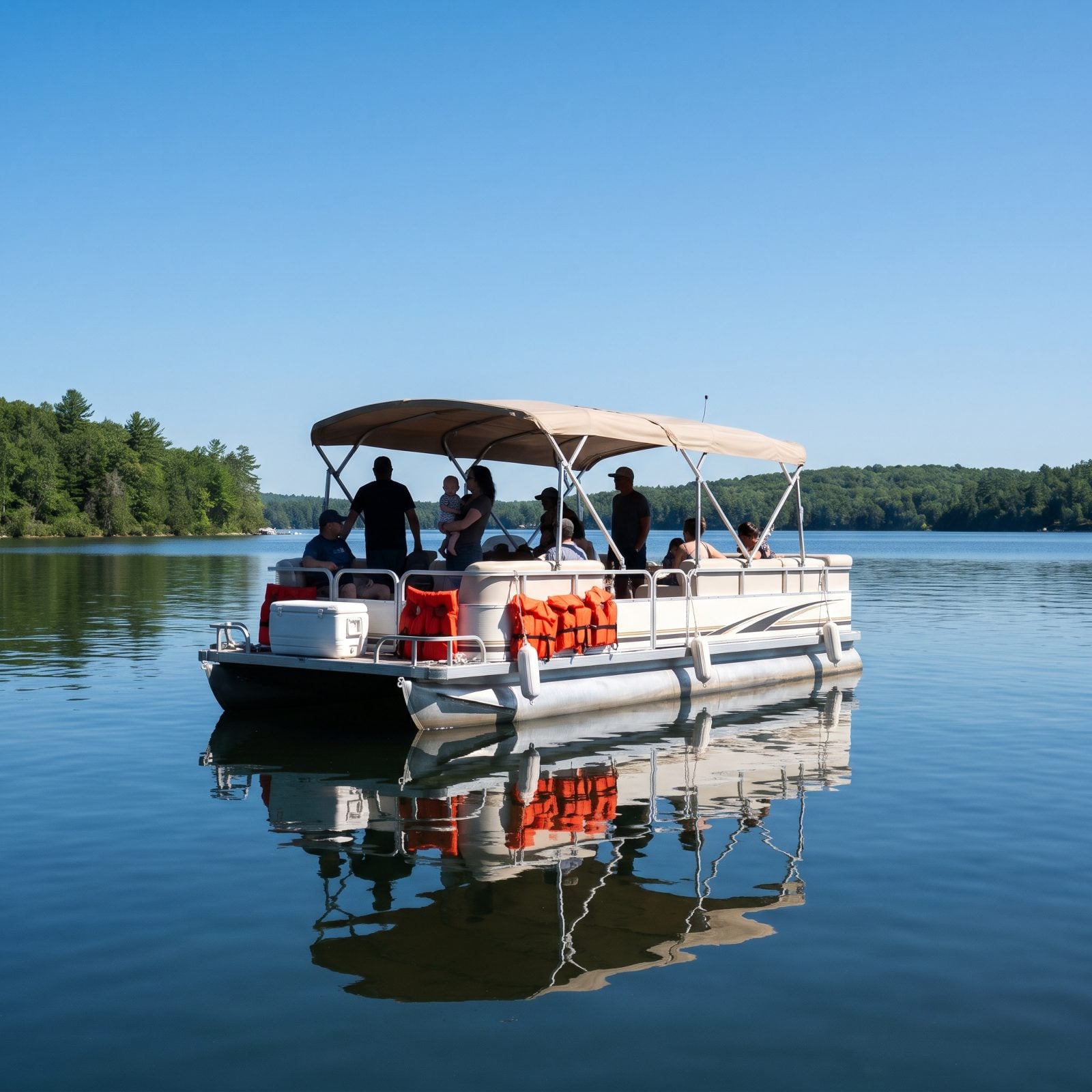
A boat rated for six means six humans. The baby counts. The friend who hops on for a sunset cruise counts. Legal capacity and the vessel’s insurance don’t carve out exceptions for small ones or short-timers.
A captain who goes over risks his license, his coverage, and everyone’s safety, so a good one turns away the extra passenger right there at the dock no matter how much the group groans about it. Count every head before you book, then build your guest list to fit the boat. Showing up seven-strong for a six-person charter is a problem you created — and not one the captain can wave away.
29. Your Tip Is Usually Divided Among Crew Members You Barely See
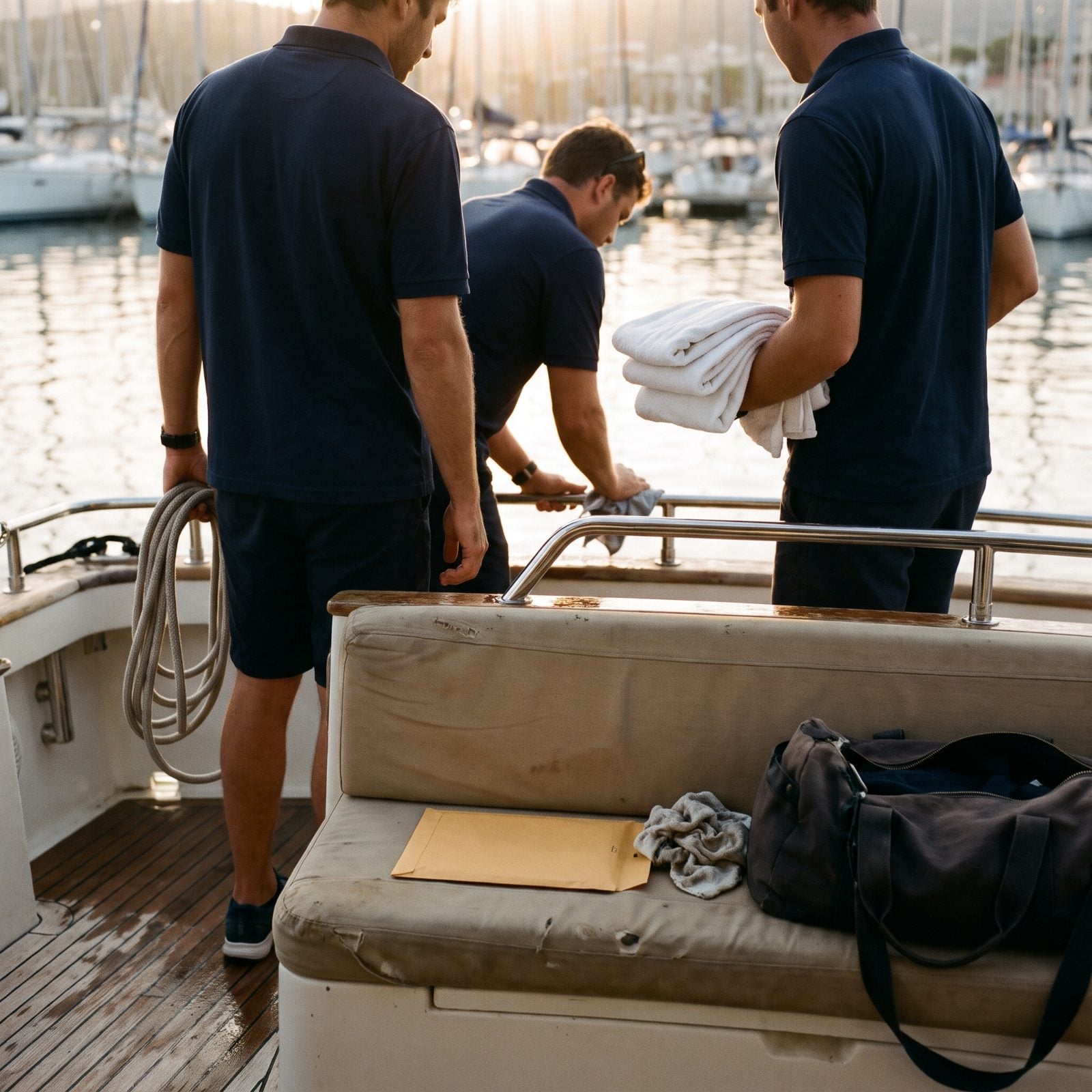
You hand the captain an envelope and assume it ends there. It rarely does.
On most crewed charters the tip gets split among the whole team, and the standard runs somewhere around 10 to 20 percent of the base rate. The deckhand who caught your lines at every dock. The cook who figured out your kid won’t eat anything green. That engineer you never once laid eyes on, because he spent August below keeping the air conditioning alive. They all get a share.
Hand the money to the captain privately and ask him to divide it fairly, or give it to whoever booked the crew. Slipping cash to one smiling face and ignoring the rest is a quiet way to sour a boat that worked hard for you.
According to a crewed-yacht charter broker who walks clients through tipping, “The captain divides the envelope among the crew. Do not tip crew members individually instead of the captain; it undercuts the people who worked out of sight”
28. Dockage and Mooring Fees May Be Added Separately
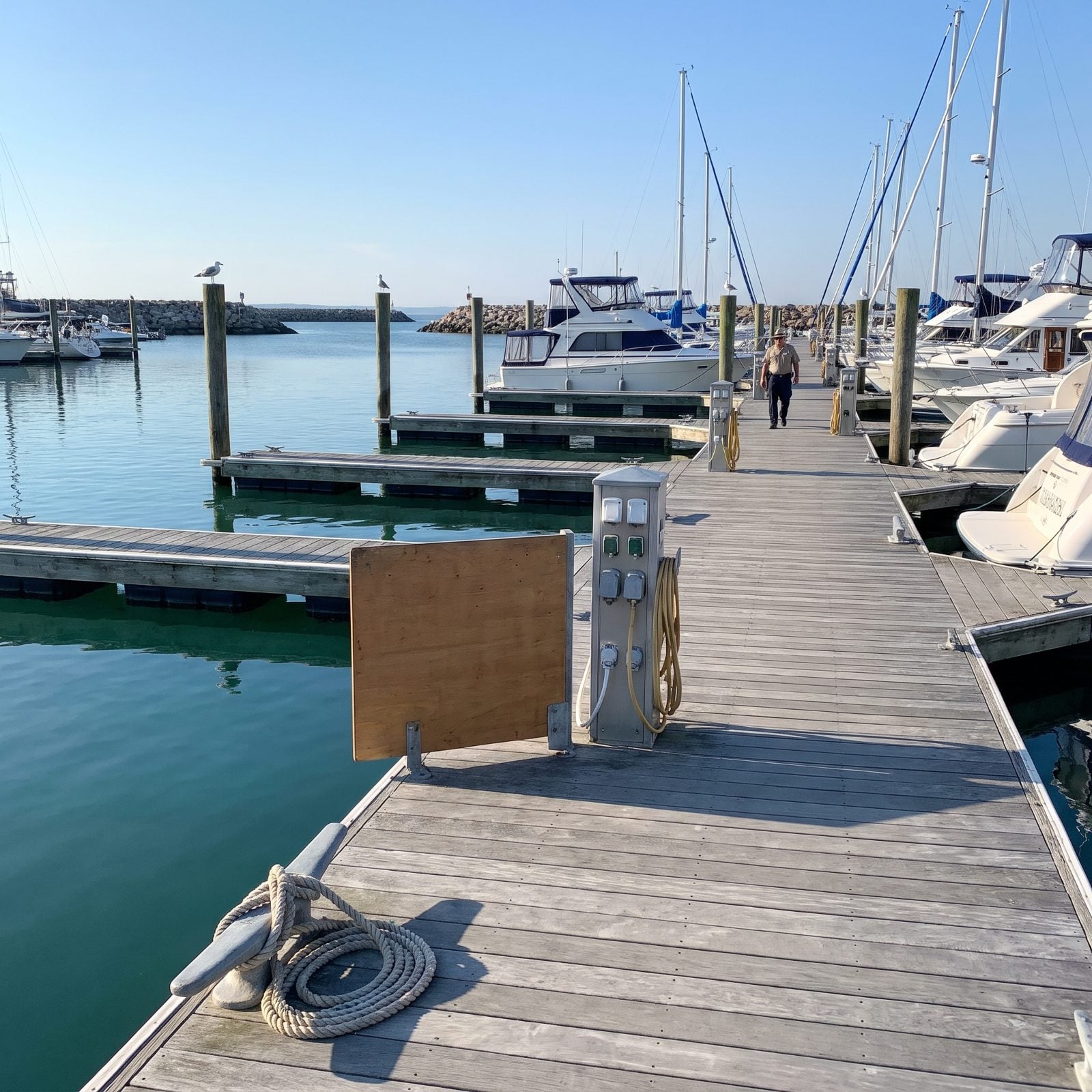
The ocean is free. The dock you tie up to at night is not.
Overnight slip fees in popular harbors get priced by the foot, and in a high-season hotspot a larger yacht can run well into the hundreds per night. Mooring balls cost less but still carry a charge. On a crewed charter these fees land on your final invoice rather than the headline price.
Here’s the part nobody mentions: the prettiest anchorages are often the priciest to dock near, and a few famous harbors need reservations you simply can’t get last minute.
27. Provisioning Often Includes Shopping, Delivery and Handling Fees

You asked for “nothing fancy, just some snacks and good coffee.” The provisioning bill still raised your eyebrows.
Provisioning is usually its own line. First the cost of the food, then a shopping and handling fee stacked on top, sometimes figured as a percentage of the grocery total. Someone drove to three stores, hauled it all down the dock, and stowed it in a galley the size of a closet. That labor costs money.
Island and remote-harbor prices run high too, since everything arrived by ferry or truck. A case of your favorite sparkling water near a resort marina will never be priced like your supermarket back home. Give the crew a real preference sheet before the trip and you’ll waste less and spend smarter.
26. One-Way Trips Can Carry a Hidden Repositioning Charge

Drop-off in a different port than pickup sounds convenient. It often isn’t free.
A one-way charter leaves the boat and crew stranded away from home base, and somebody has to bring it all back. That empty return passage, called repositioning, gets passed to you. Depending on distance it can add a real chunk to the bill, covering fuel, crew time and sometimes an overnight or two for the delivery run.
Round-trip itineraries that circle back to the starting marina sidestep the whole thing. Want a one-way route anyway? Ask for the repositioning fee in writing up front. We’ve watched that number ambush people at the dock, and surprises at the dock are never the good kind.
25. Overtime Can Trigger Both Crew and Marina Fees
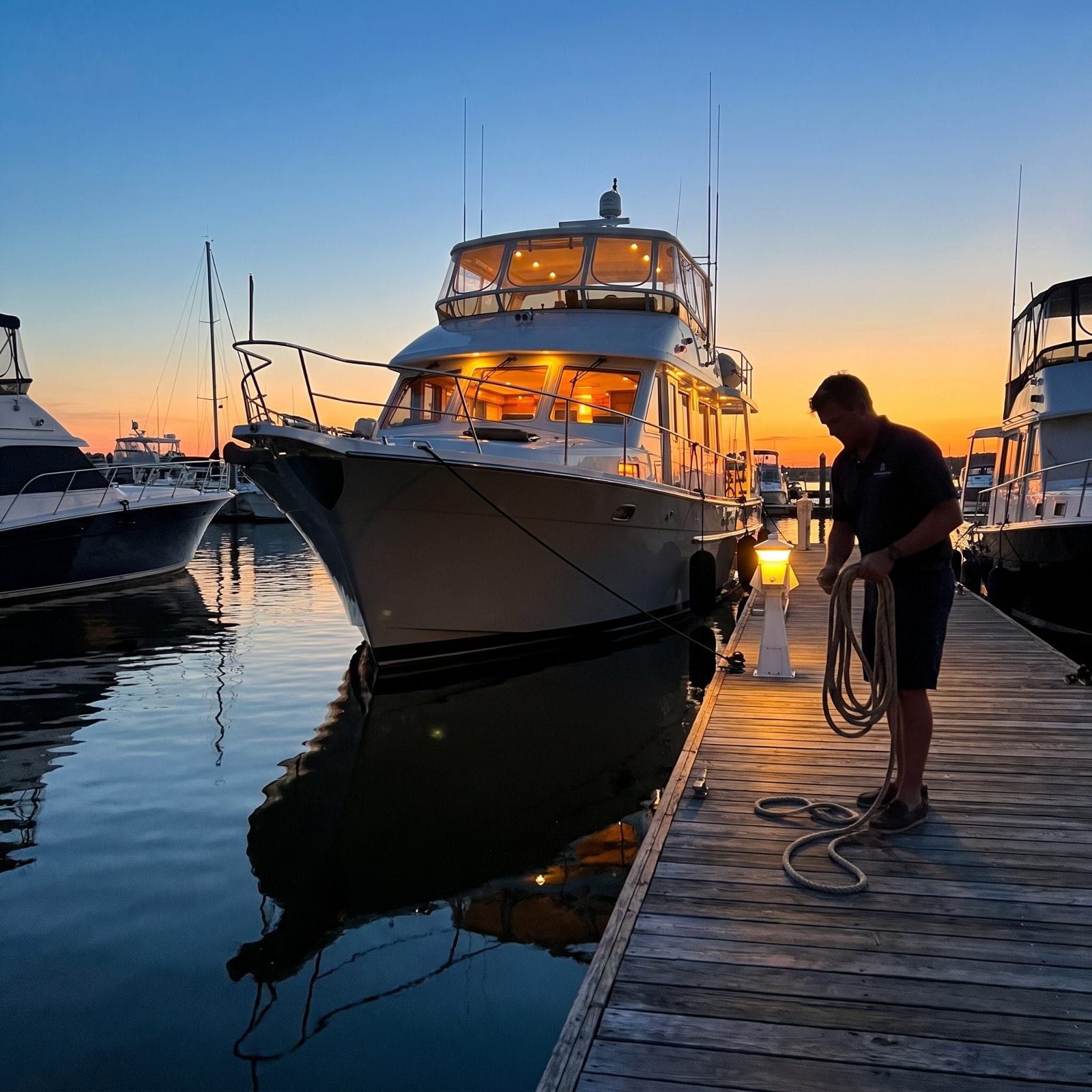
“Just one more hour” is the most expensive sentence on a charter.
Charter days have agreed start and end times for a reason. Run past the cutoff and you can set off overtime for the crew, who are on the clock just like anyone else, while the marina tacks on a late-return or extended-slip fee of its own. Two meters running at once.
And it usually happens by accident. One long lunch ashore, a swim everyone loved, a slow slog back against the current, and suddenly the clock has beaten you.
24. The Safety Briefing Reveals How Professionally the Boat Is Run
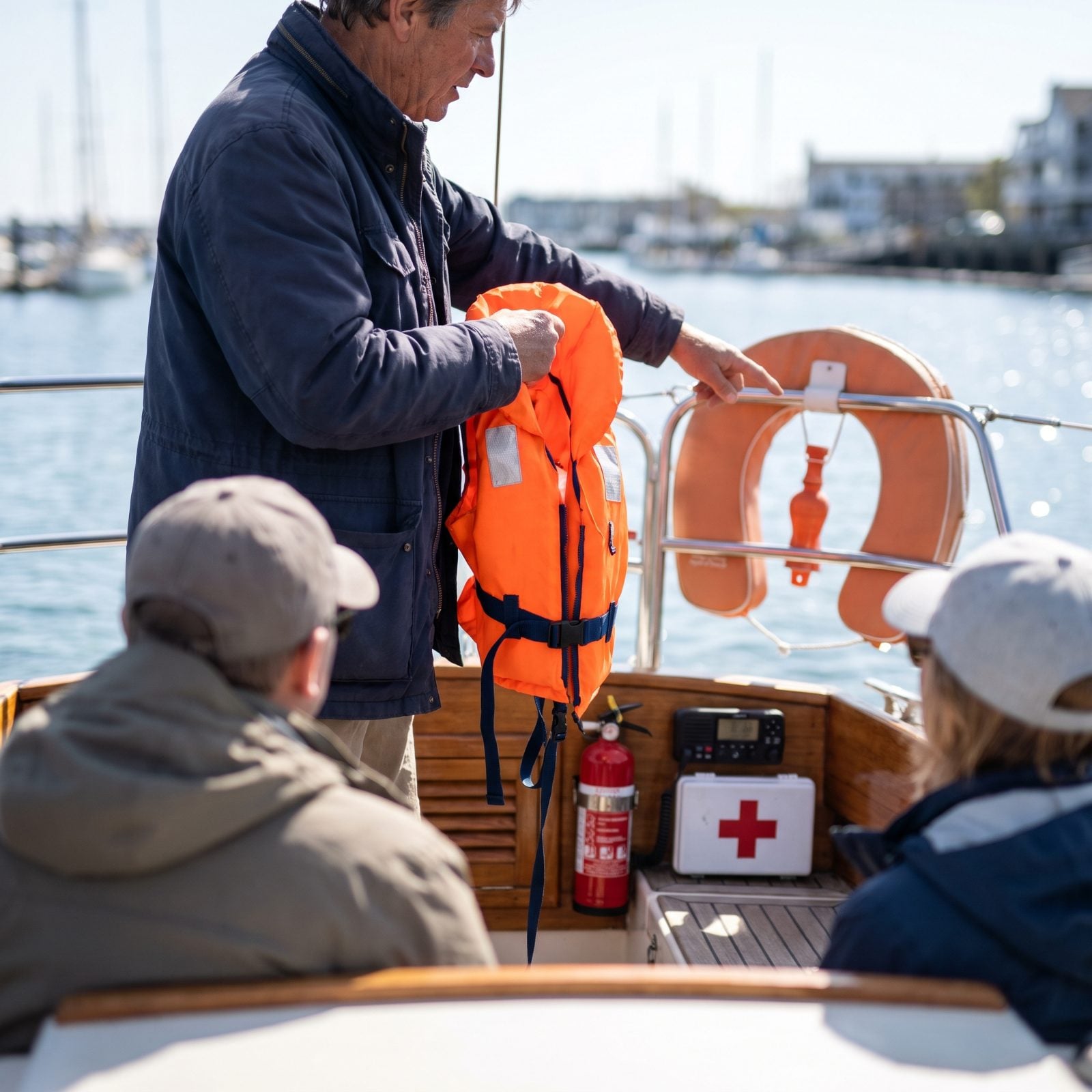
You can judge a whole operation in the first ten minutes, before you’ve even left the dock.
A proper captain walks you through the life jackets, shows you where the fire extinguisher and first aid kit live, points out the emergency radio, and explains what to do if someone goes overboard. A few minutes, and it tells you everything.
A skipper who skips all that, waves a vague hand toward “the orange stuff down below,” and casts off is telling you how the rest of the day will go. We’d rather sit through a thorough briefing I never end up needing than discover mid-afternoon that nobody has a clue where the flares are.
The best crews make it feel easy, even a little funny, while still landing every point. That’s experience, not showmanship.
23. Soft-Sided Bags Are Easier to Stow Than Rolling Suitcases
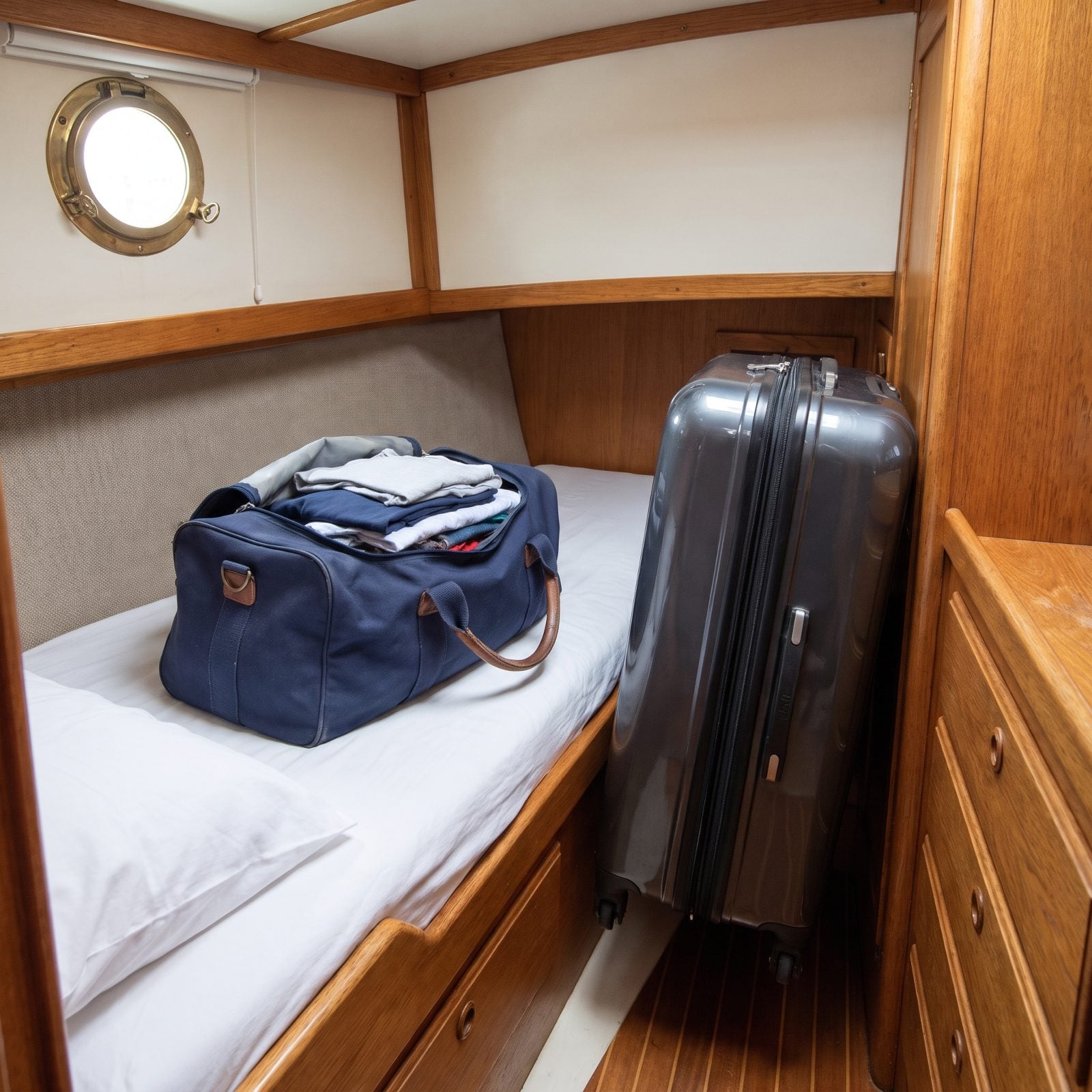
Pack like you’re boarding a plane and you’ll regret it below deck.
Boat storage is all odd corners, narrow lockers and under-berth cubbies. A soft duffel squashes flat and tucks away once it’s empty. A hard-shell rolling suitcase does neither — it eats a whole berth, slides across the sole when the boat heels, and leaves the crew hunting for somewhere to wedge it for the entire trip.
Captains often ask for soft bags right there in the charter notes, and this is exactly why. One collapsible duffel per person, packed light, and your cabin stays livable instead of looking like an airport carousel threw up in it.
22. Dark or Hard-Soled Shoes May Be Banned on Deck
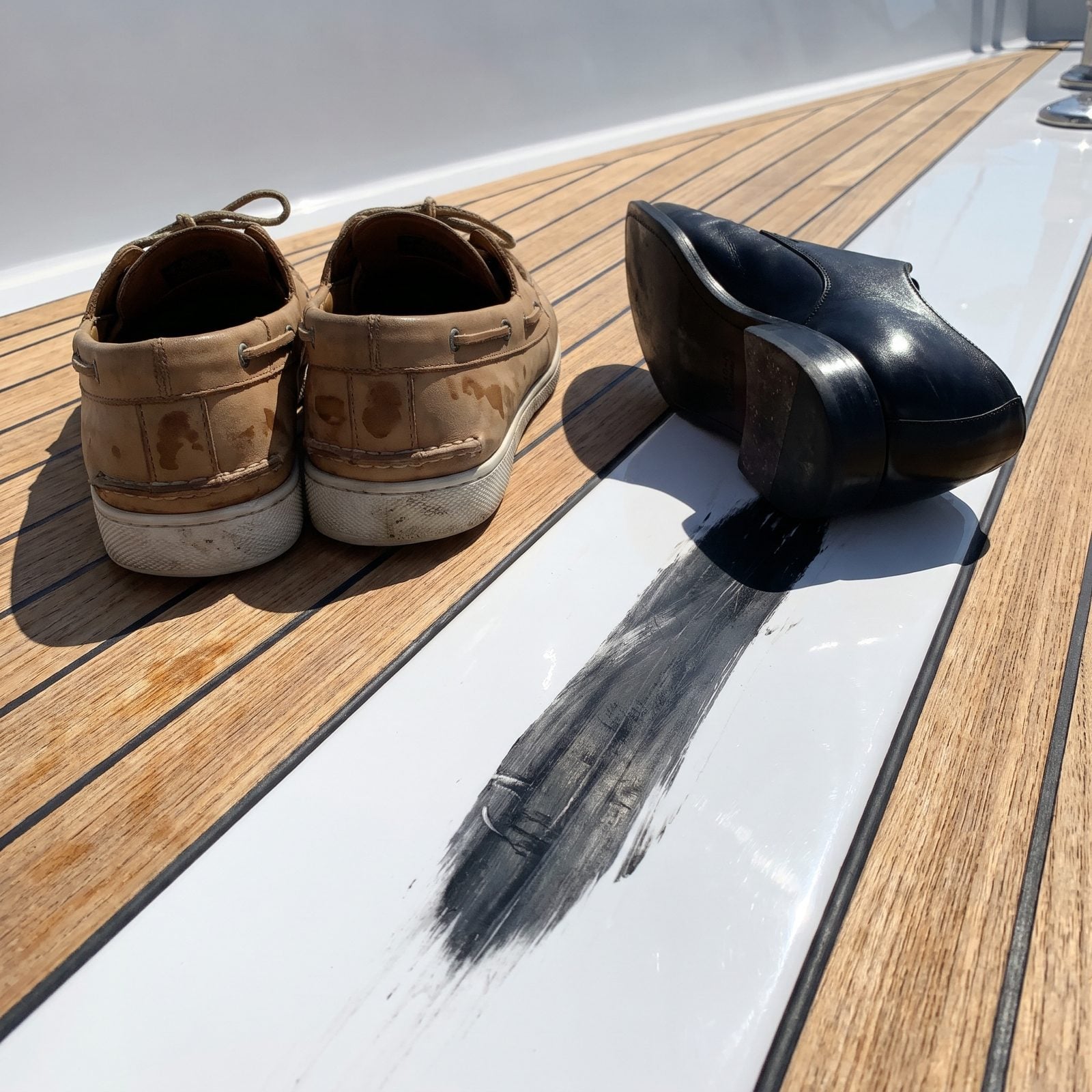
There’s a reason the crew eyes your footwear at the gangway.
Hard soles and dark rubber leave black scuff marks all over a pale deck, and someone has to scrub those off by hand later. Worse, a stiff smooth sole has no grip on wet fiberglass, and a slick deck is where days on the water go wrong.
The fix is simple: non-marking rubber soles, light colored, with a bit of tread. Classic boat shoes exist for exactly this. Plenty of boats run a barefoot-or-boat-shoes policy and will politely ask you to leave the dress shoes in your bag. Don’t take it personally. They’ve mopped up enough scuffs to have opinions.
21. Spray Sunscreen Can Turn a Deck Dangerously Slippery
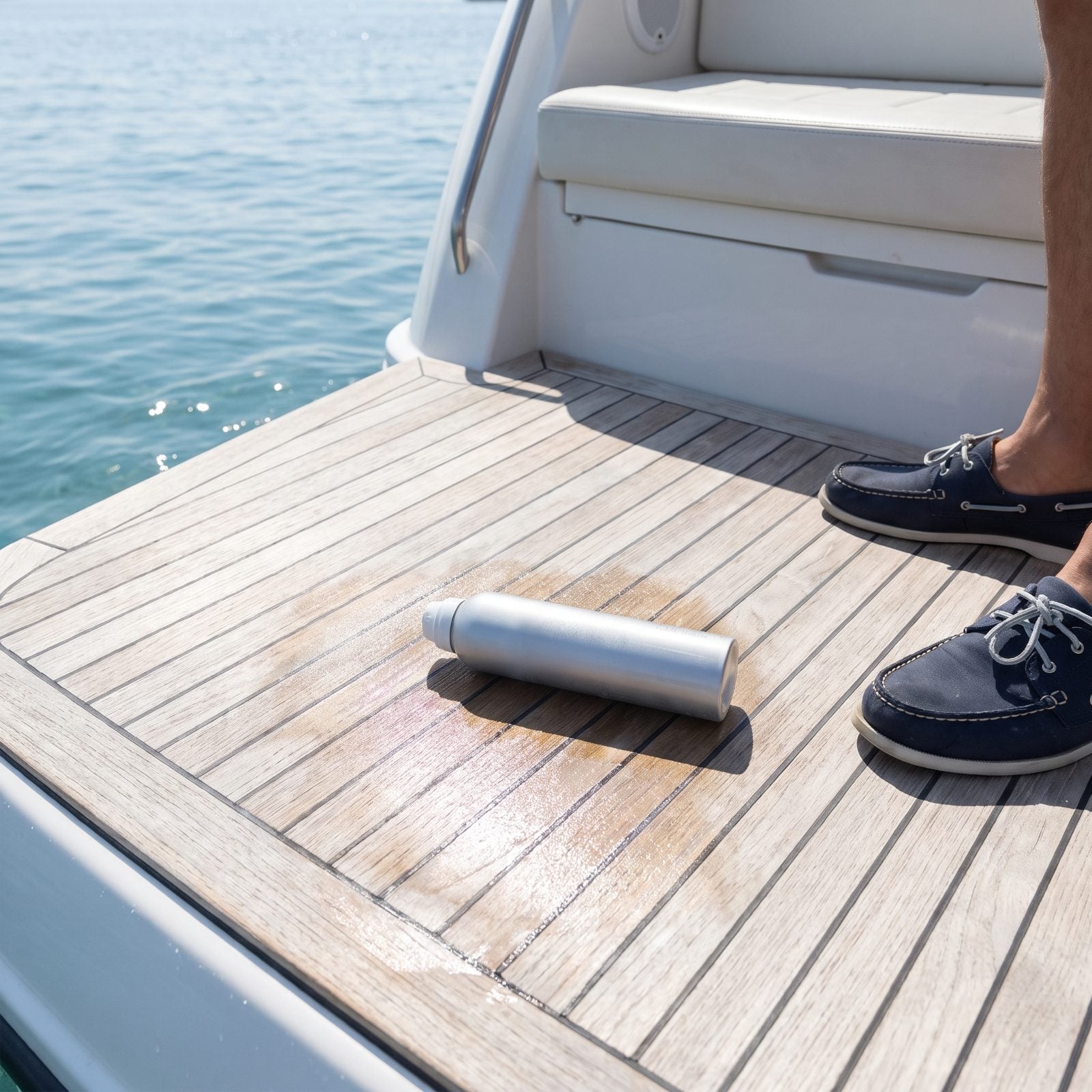
The least obvious hazard on a boat comes out of a convenient little can.
Spray sunscreen drifts. Half the mist lands on you, the other half settles on the deck, and that fine oily film turns teak or fiberglass into an ice rink. A guest reaching for the swim ladder goes down hard, and nobody understands why until they feel how greasy the surface has gotten.
Many captains ask guests to stick with lotion and apply it sitting down in the cockpit, well clear of walkways and ladders. It isn’t fussiness. It’s the difference between a good swim stop and a sprained wrist two miles from the nearest dock. Lotion, rubbed on where you’re sitting, keeps the deck grippy and everyone upright.
According to a sailing instructor and captain who checks what charterers bring aboard, “Also, spray sunscreens create a lot of overspray which not only finds its way into the water but also makes the boat slick and dangerous.”
20. Marine Toilets Clog Far More Easily Than Household Toilets
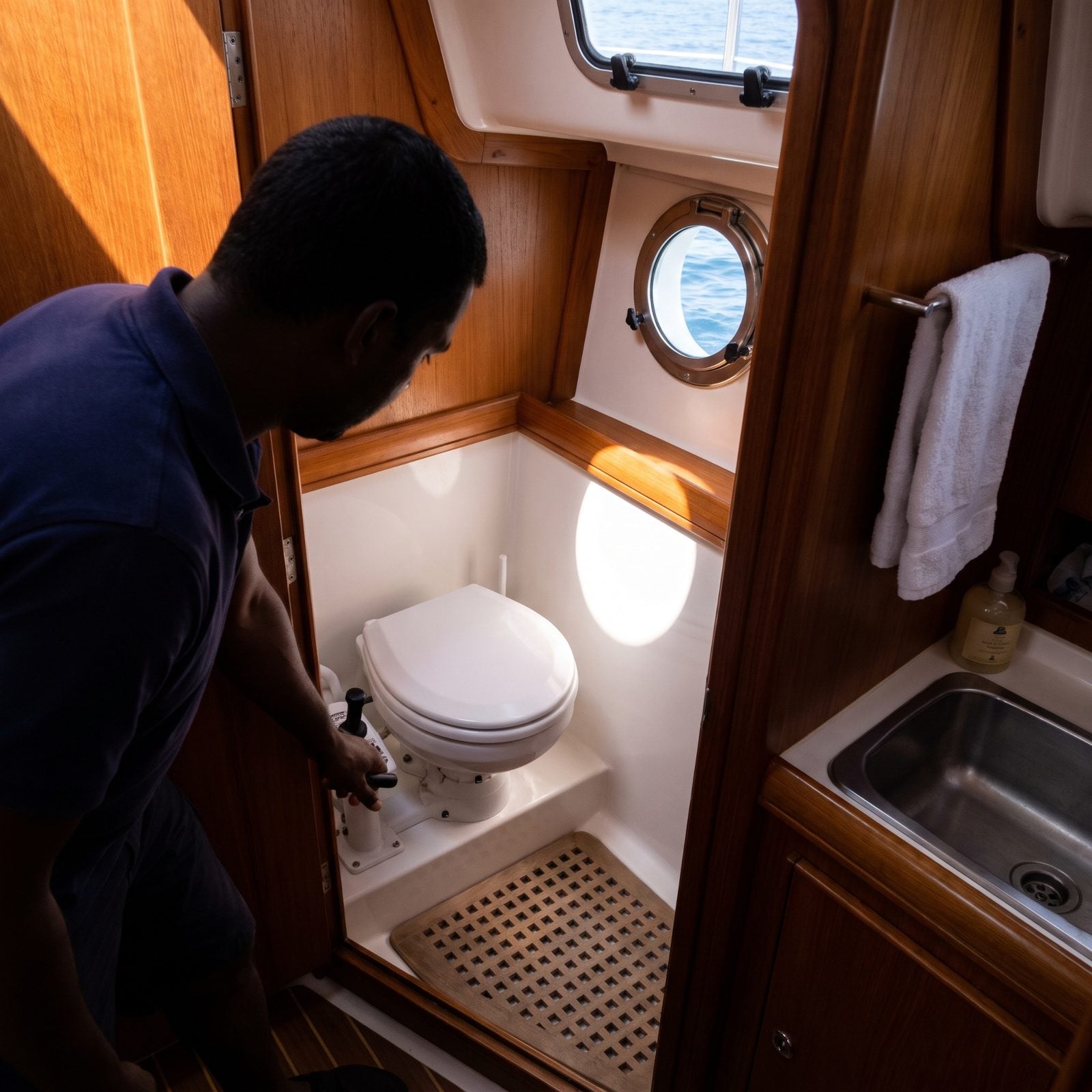
The plumbing on a boat is nothing like what you’ve got at home. Marine heads run on narrow hoses and either a little hand pump or a delicate macerator, and they’ll clog if you so much as think about flushing something thick.
Here’s the rule nearly every charter crew hands you: nothing goes in that you didn’t eat first, except the small amount of boat-safe paper they point out. No wipes, no paper towels, no feminine products, no cotton. A blocked head mid-charter means a crew member taking the whole system apart in a space roughly the size of a phone booth, for hours, and nobody enjoys that — least of all you.
19. Fresh Water Is a Limited Resource on Many Charter Boats
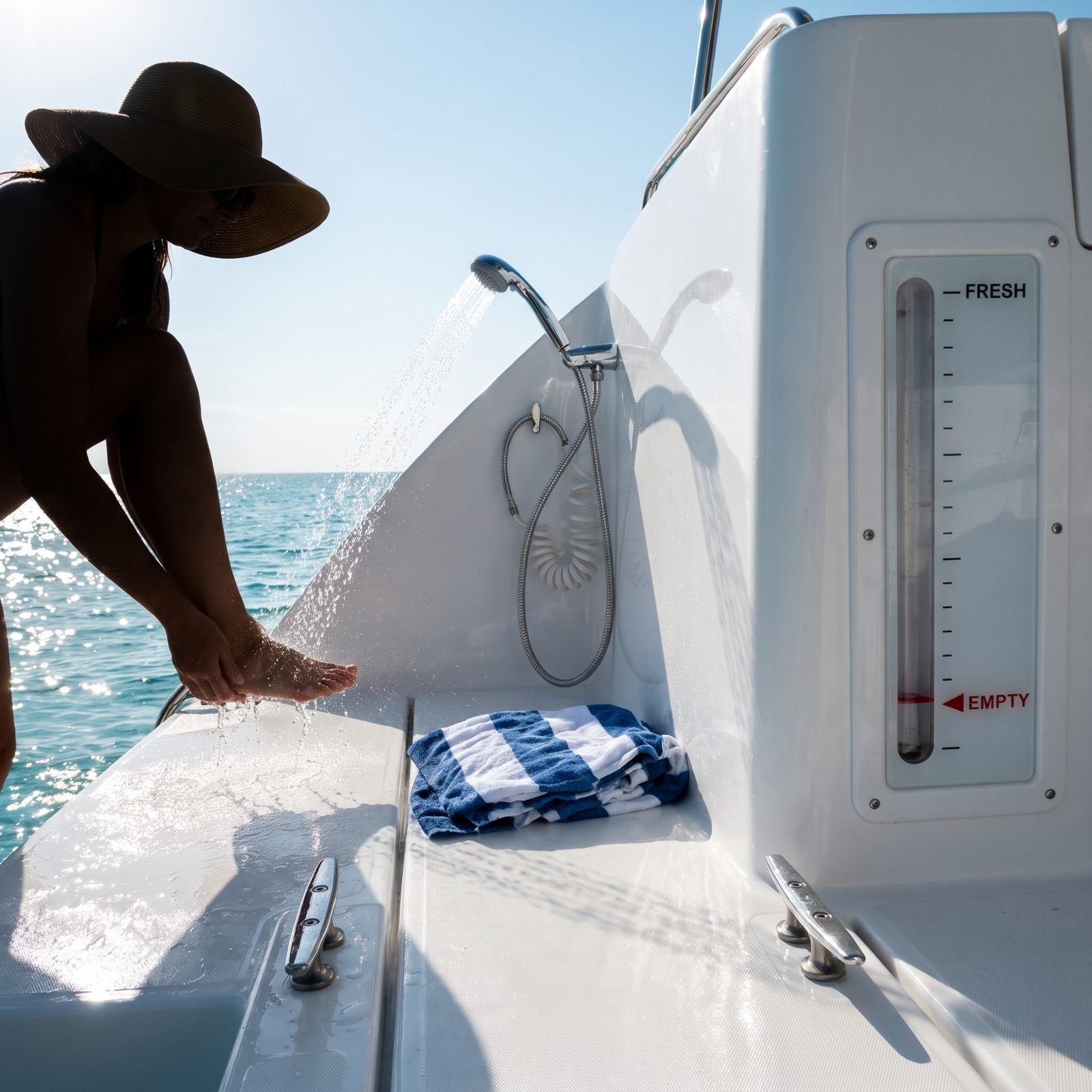
Twist a tap at home and water runs all day. On a boat, every drop came from a tank the crew filled in port, or from a watermaker grinding away off engine power. Both run out.
Long showers, the faucet going while you brush, ten minutes rinsing sandy gear — it piles up fast across a boatload of guests. Good crews tell you the deal early. And honestly, a short rinse at the swim platform beats a full shower when you’ve just climbed out of the sea anyway.
18. Air-Conditioning May Stop When the Generator Is Off
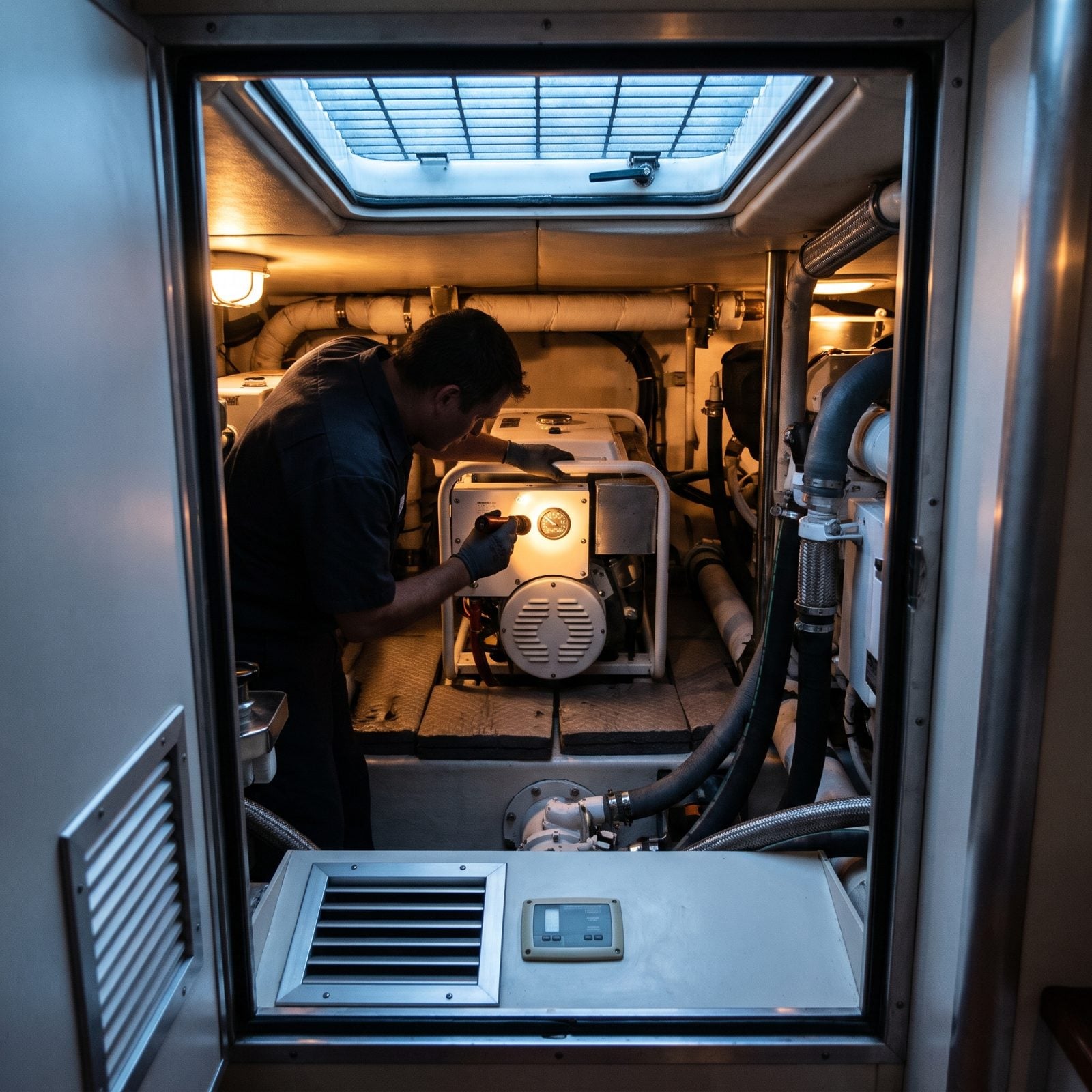
That cabin air-conditioning you loved last night? On most boats it needs the generator running to exist. And the generator doesn’t always run.
Crews shut it down overnight in quiet anchorages to save fuel, or because mooring-field noise rules forbid it after certain hours. Off generator means off AC, and the cabin warms up — which catches a lot of first-time charterers completely off guard.
Ask about the generator schedule when you board. A hatch cracked for a breeze and a small clip fan handle most nights just fine once you know what’s coming.
17. Marine Wi-Fi Can Disappear Just Beyond the Harbor
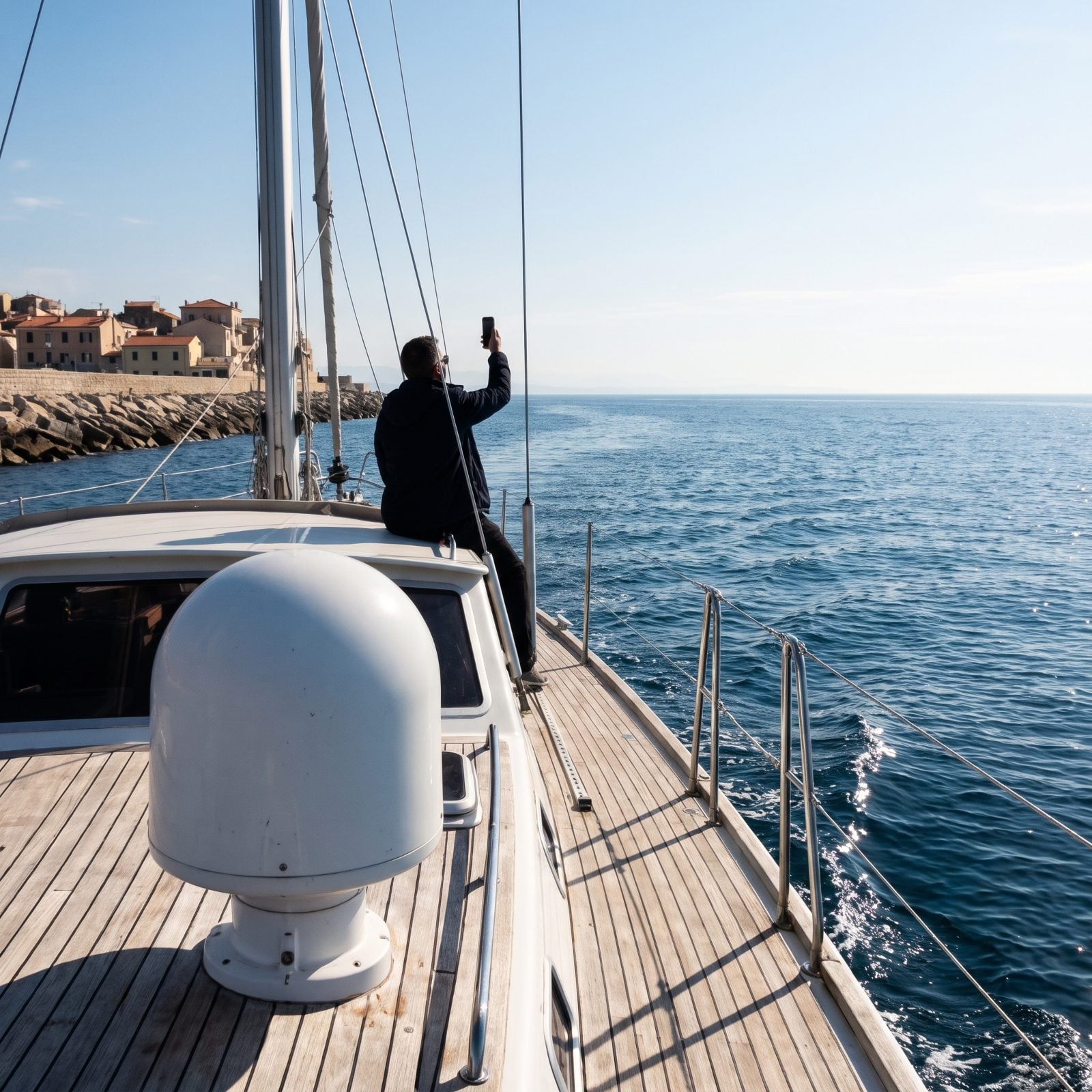
The marina had five bars. Round the headland and your phone drops to one flickering dot, then nothing at all.
Onboard Wi-Fi usually rides on a cellular signal or a metered satellite link, and both go patchy or pricey the farther you get from town. Stream a movie or dump a hundred photos to the cloud and you can swallow a whole day’s data in minutes.
Download your maps, music and reading before you leave the dock. Tell the folks at home you’ll check in near a port, not on the hour. The disconnection is half the point of going, anyway.
16. Crew Members Can Hear More Guest Conversations Than People Realize
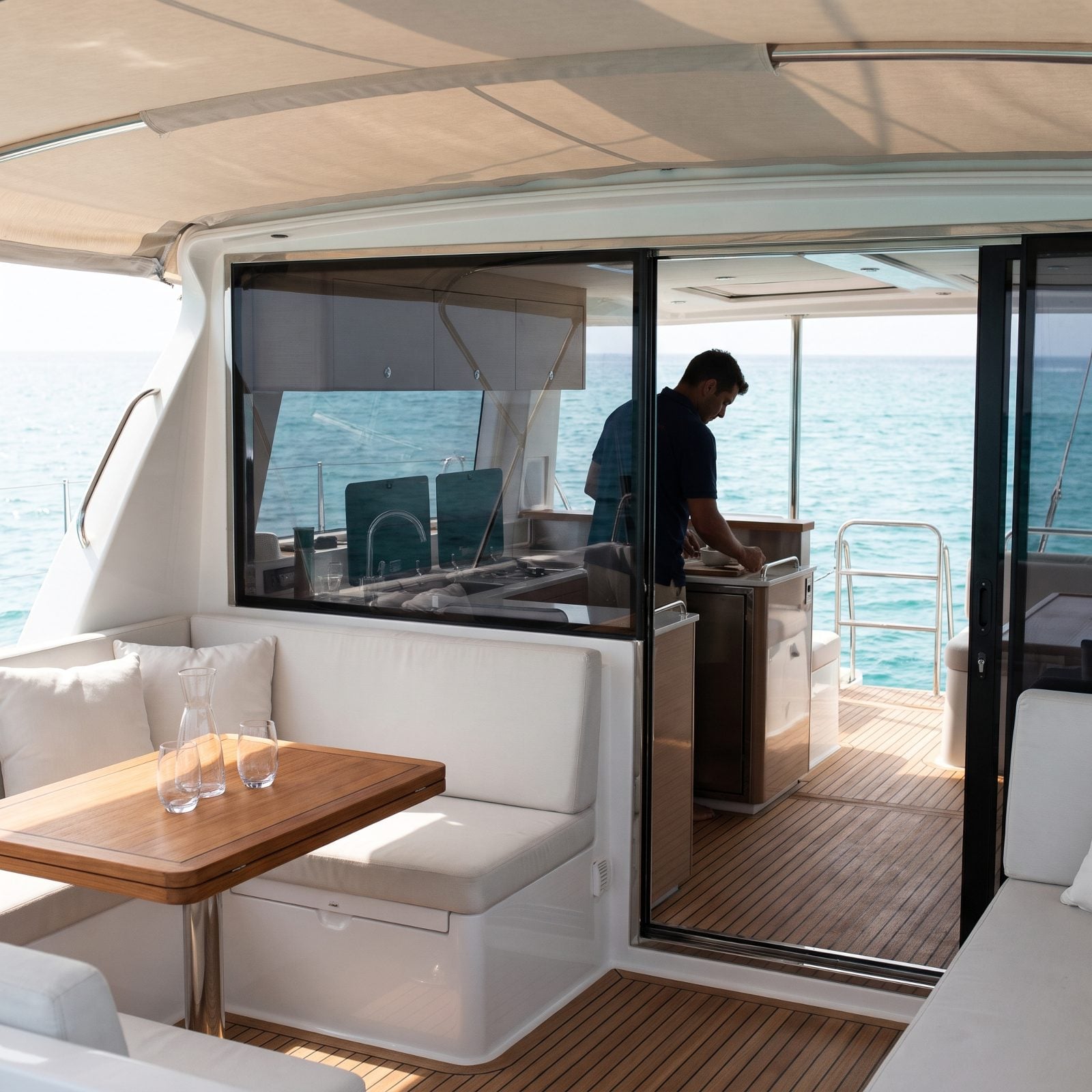
Boats are small, and sound carries over water and through thin fiberglass like nothing on land. That private chat in the cockpit? The crew member in the galley four feet away hears all of it, even with their eyes glued to the dishes.
Nobody’s eavesdropping on purpose — there’s just no soundproofing out there. Good crew have a knack for going politely deaf, but assume your talk about tomorrow’s plans, your opinions on the anchorage, your family business, all of it, is audible.
15. Disclosing Medical Needs Helps the Captain Build a Safer Plan
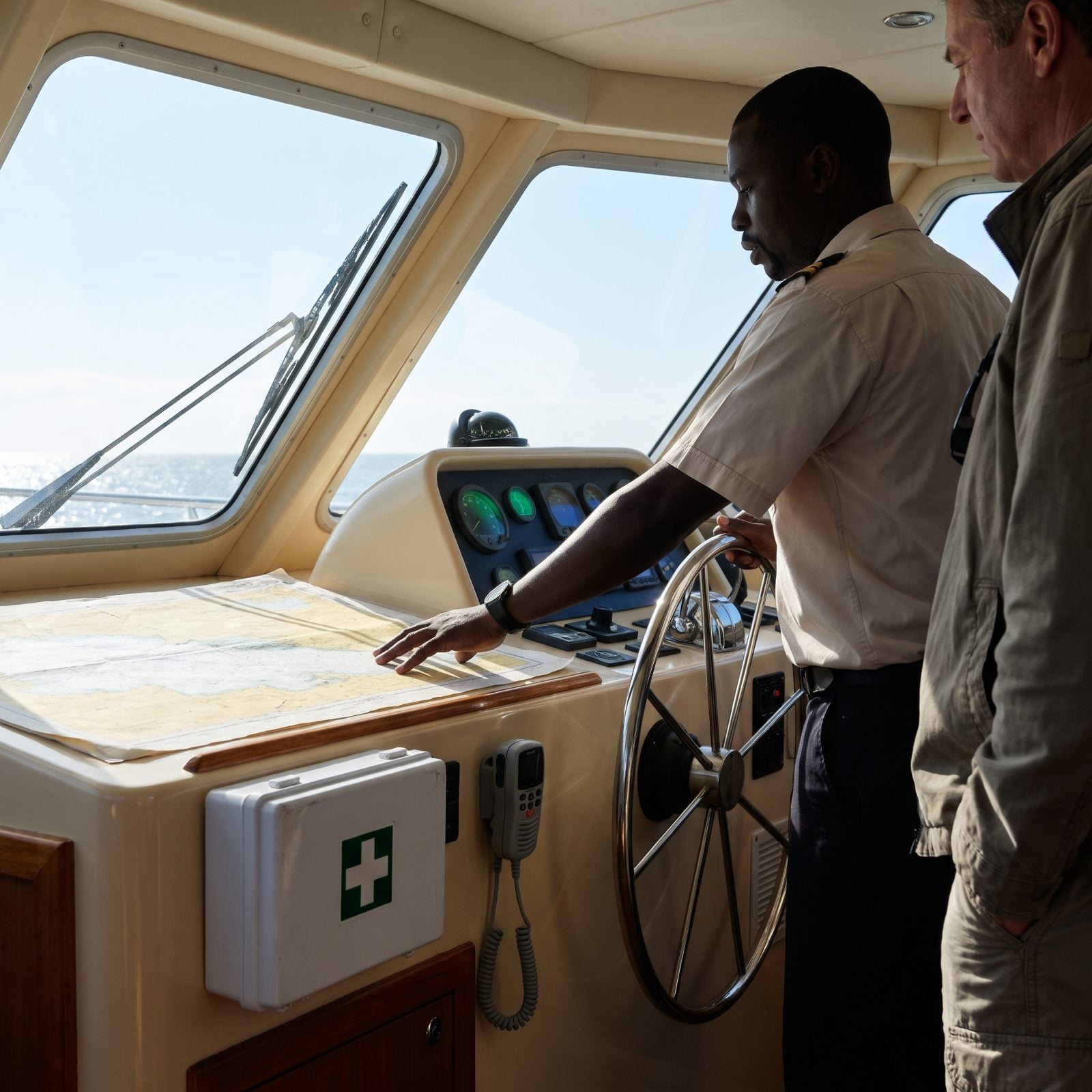
Telling the captain about an allergy, a heart condition, a mobility limit or a prescription you can’t skip feels like oversharing with a stranger. It isn’t — it’s one of the most useful things you can do before you leave the dock.
A captain who knows someone carries an epi-pen stows it where it can be grabbed in seconds. Knowing a guest can’t manage a wet ladder changes where they anchor and how they ferry everyone ashore. Out there the nearest clinic might be an hour away by tender, so the plan has to account for you in advance.
This conversation is confidential and routine. Captains have heard it all, and they’d far rather know now than find out mid-problem.
14. Seasickness Medicine Works Best Before Symptoms Begin
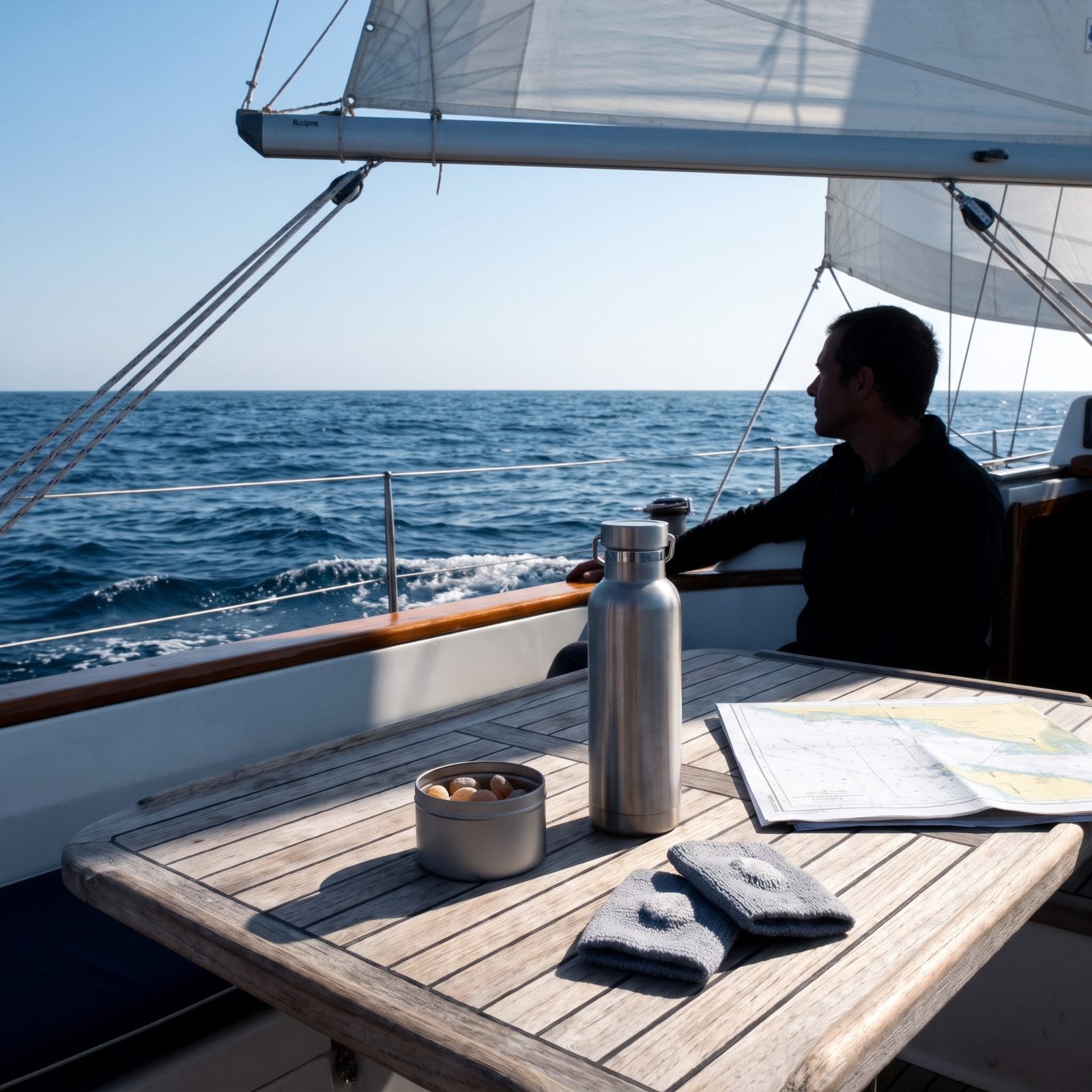
The cruelest thing about seasickness is the timing. By the time your stomach turns, most remedies have already lost the race.
Patches, tablets, the common non-drowsy options — they all work on prevention, not rescue. You take them before you leave calm water, often a solid hour or more ahead, so the medicine is already in your system when the swell builds. Swallow a pill after you’ve gone green and it’s mostly wishful thinking.
If you know you’re prone to it, tell the crew and dose ahead of time. Ginger, horizon-watching and fresh air on deck help too. And check with your doctor on anything you take, especially alongside other medications.
13. Too Much Alcohol Can End Swimming and Tender Privileges
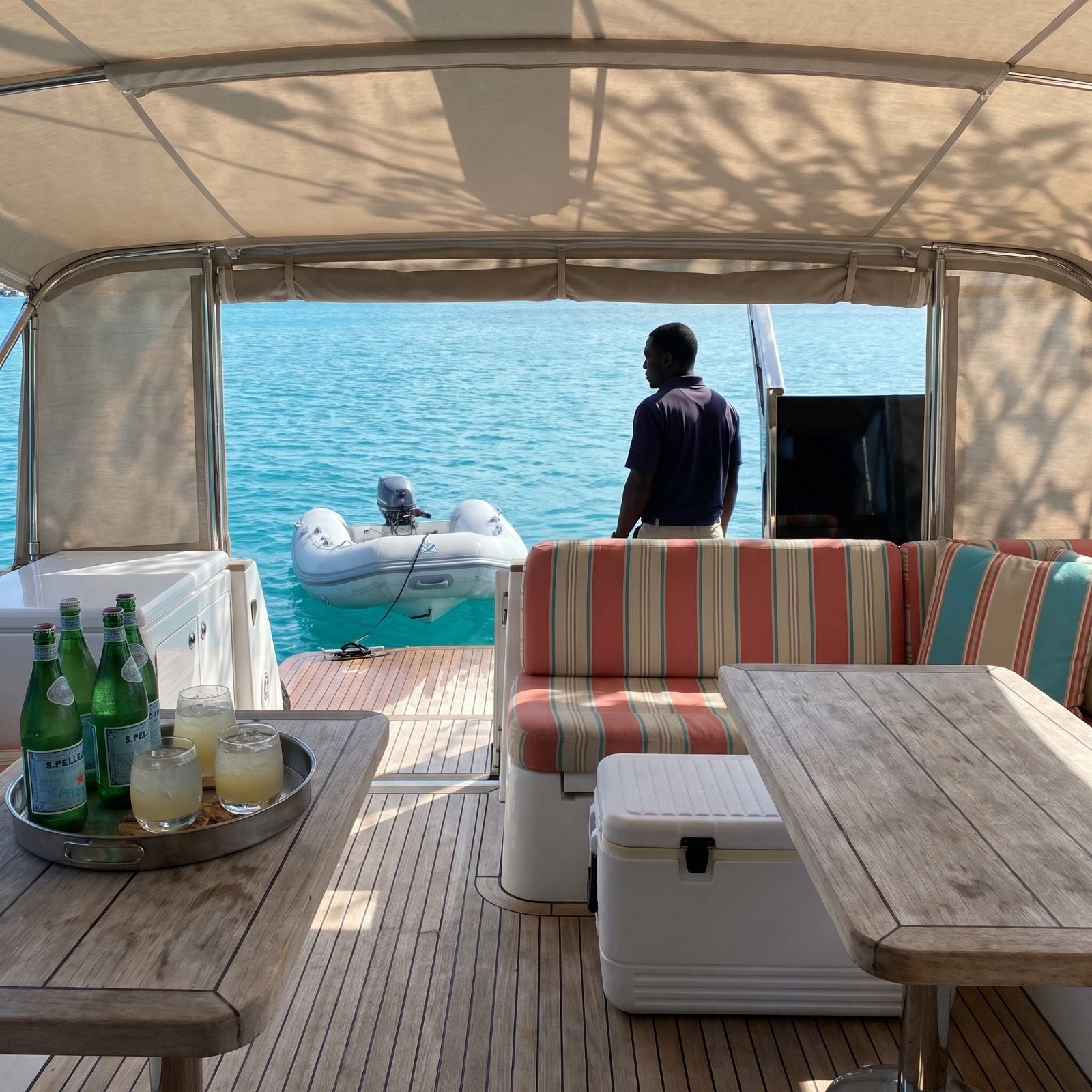
A cold drink at anchor is one of the great pleasures of a day on the water. Four of them before a swim stop is how good days go sideways.
Captains watch intake for a plain reason: alcohol and open water mix badly, and a wobbly guest stepping into a bouncing dinghy mixes worse. If someone’s clearly over the line, the crew may quietly close swimming or hold off running the tender ashore until things settle. It isn’t them playing fun police — they carry legal responsibility for everyone aboard.
Pace it, drink some water between rounds, and save the big night for when the anchor’s down and nobody’s getting in the water again.
12. Children May Have to Wear Life Jackets the Entire Time Underway
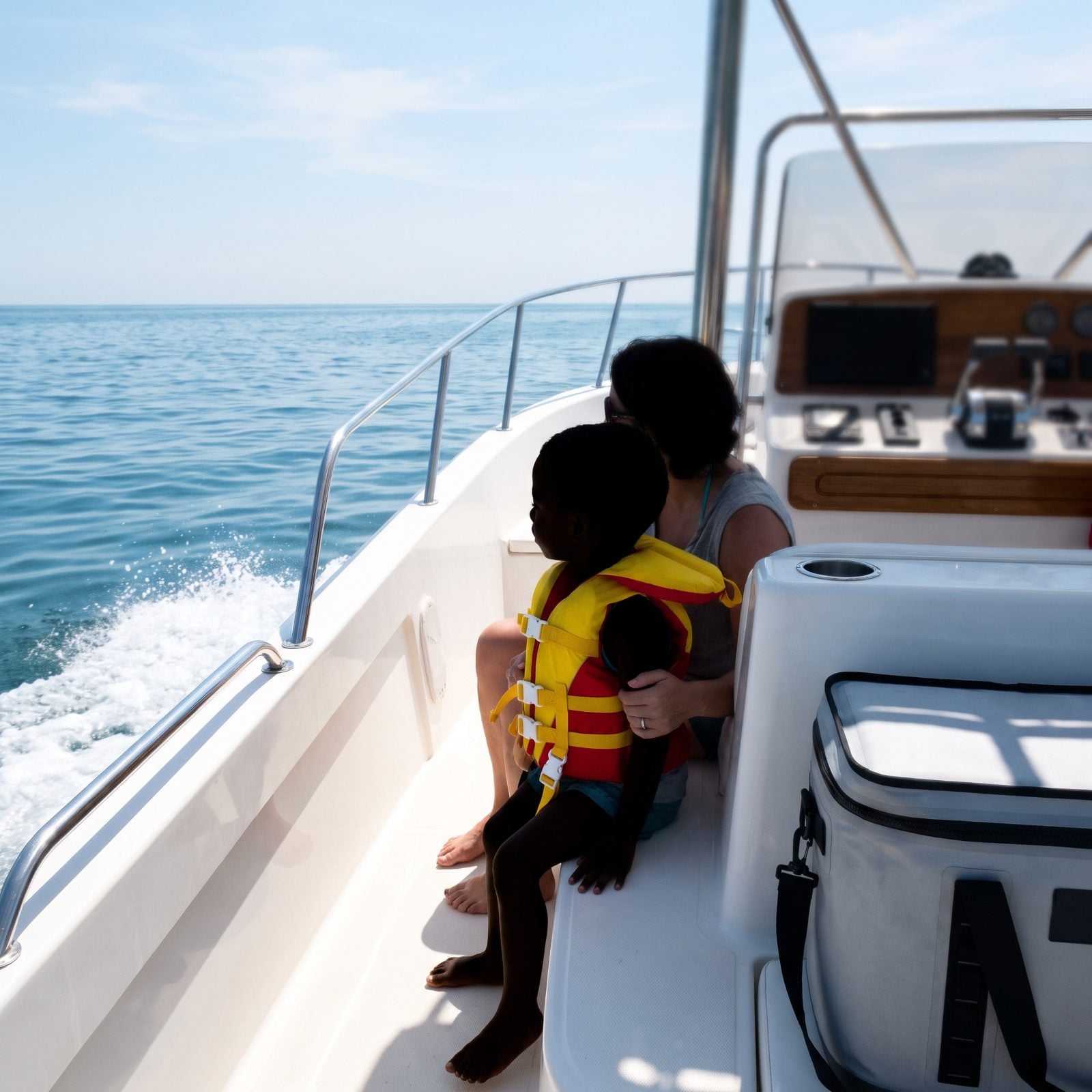
This one surprises families every single time. On many charter boats, kids under a certain age wear a life jacket whenever the boat is moving — full stop, no negotiating.
Rules shift from state to state and country to country, and responsible operators often set a stricter in-house policy than the law demands. A child can go over the side fast and without a sound, and a jacket already on is the difference that matters.
Bring your own well-fitting child’s jacket if you’ve got one your kid actually tolerates. A loose or scratchy loaner buys you a whole day of fighting about it, which helps nobody.
11. A Calm-Looking Swim Stop Can Still Have a Strong Current
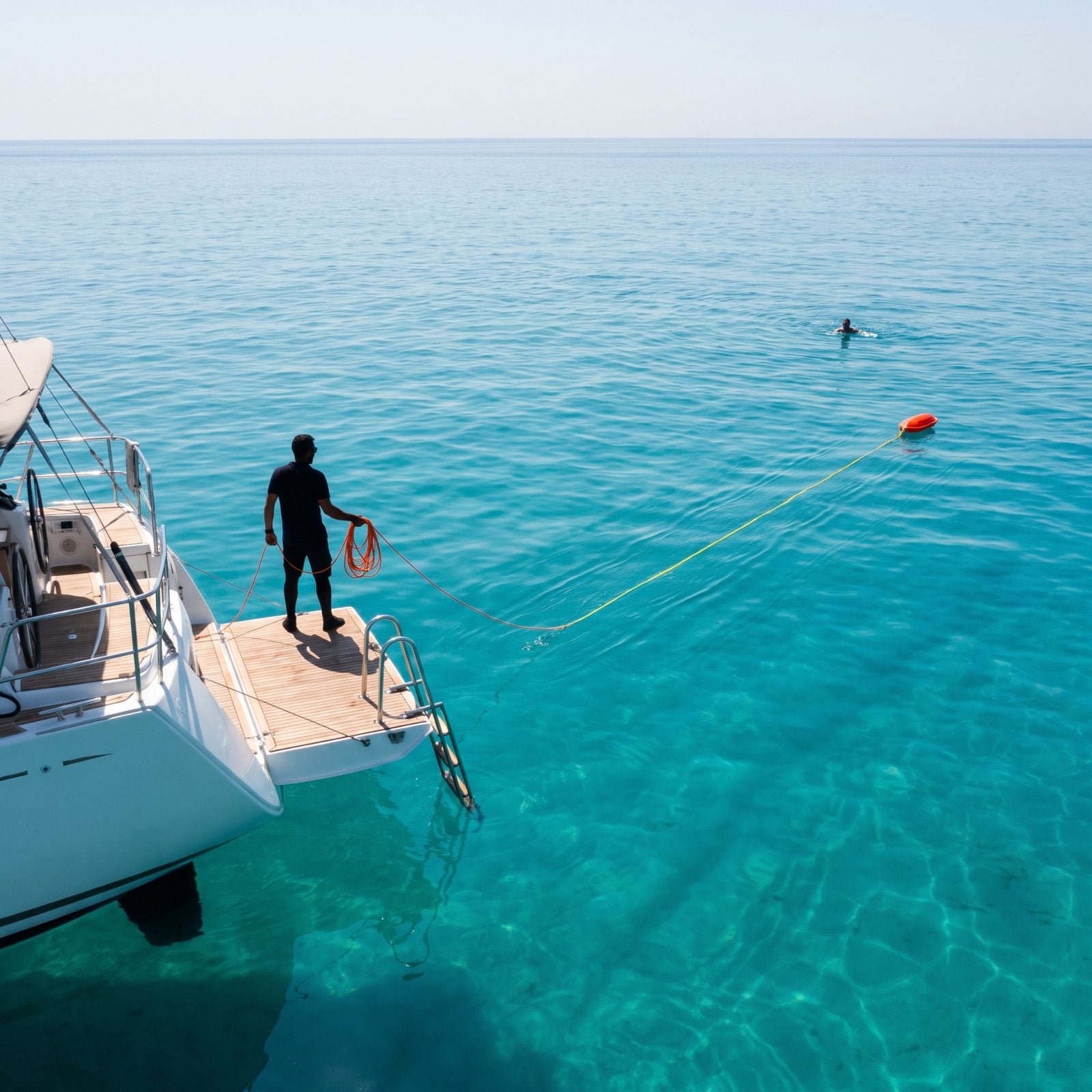
The water looks like a swimming pool — flat, clear, bottomless blue. Then you drift fifteen feet from the ladder and realize you’re working hard just to hold position.
Current doesn’t always show on the surface, especially around points, channels and tide changes, and a spot that sat still an hour ago can be moving steadily now. That’s why crews trail a floating line off the stern, tell you to stay between the boat and the marker, and keep a running count of who’s in the water.
Swim toward the boat, not away from it. Feel the water pulling? Don’t fight it in a straight line — flag the crew early. That trailing line is there for exactly this, and nobody will think less of you for grabbing it.
10. Launching Water Toys Eats More of Your Charter Than You’d Guess
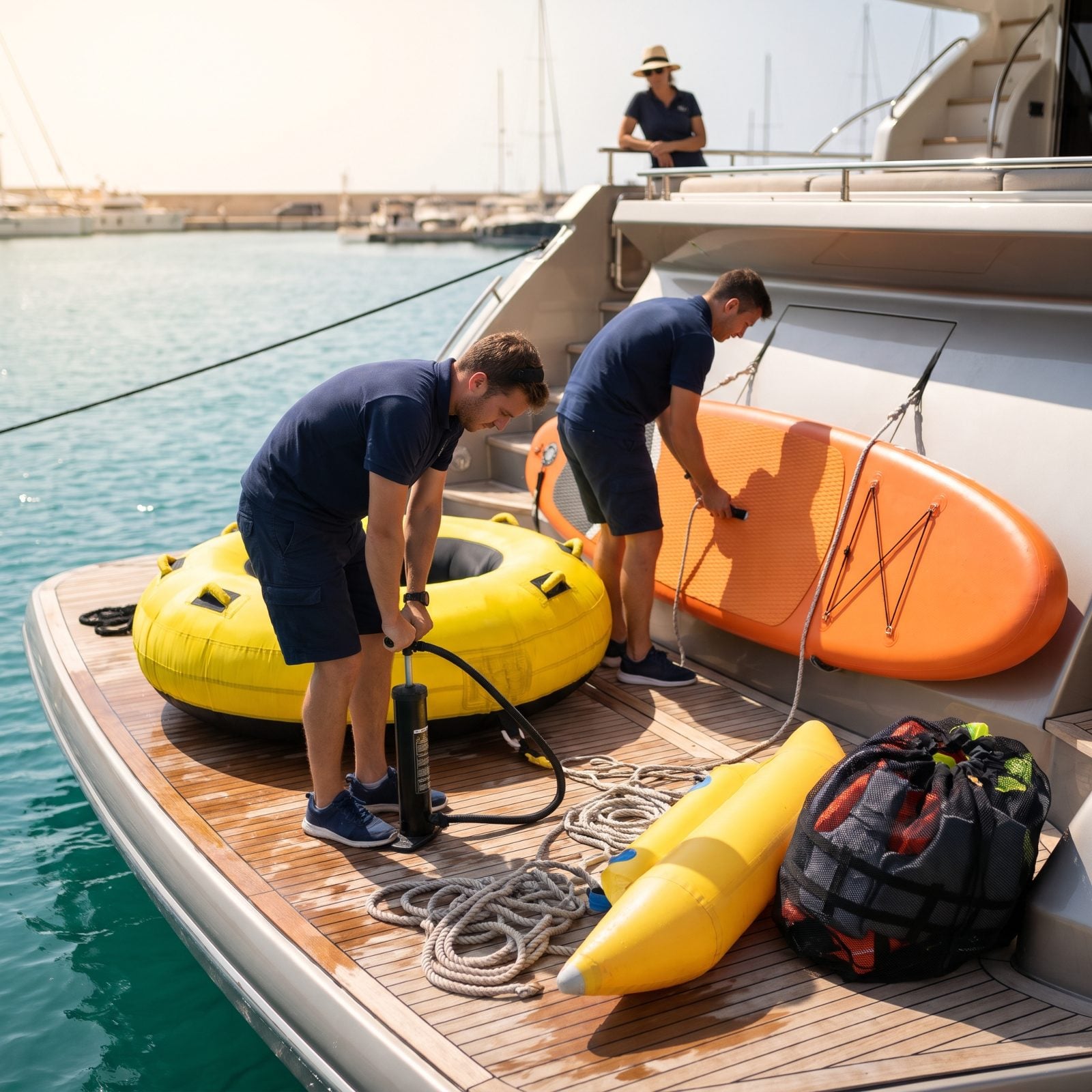
Nobody mentions this part when they’re picturing inflatable slides and jet skis: somebody has to drag it all out, pump it up, and clip it in. On a boat with two crew, that whole dance can swallow a good chunk of your morning before the first guest even gets wet.
And every toy needs a watcher. A paddleboard that drifts off, a tube left untethered, a swimmer who wanders past the safe zone — none of it minds itself. The crew isn’t being fussy. They’re running a floating playground without a single lifeguard chair.
9. No Captain Alive Can Guarantee the Fish Will Bite
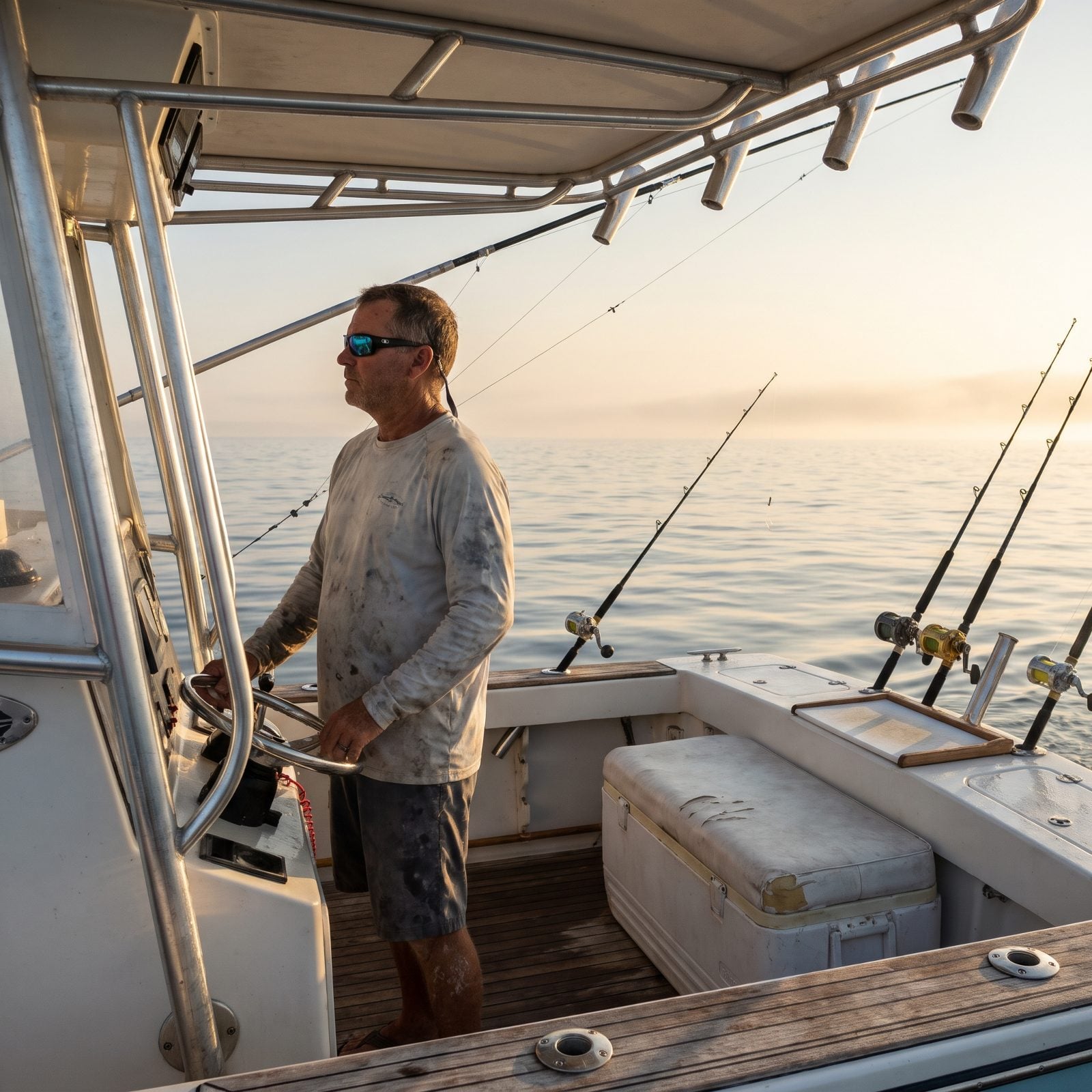
Fish don’t read the booking confirmation. A captain can put you over the right structure, at the right tide, with the right bait, and the ocean can still decide today’s a no.
Good crews stack the odds. They know where the thermocline sits, which wreck held fish last week, when the bite usually turns on. That’s experience talking, not a guarantee. And anyone who swears you’ll come home with a cooler full of mahi is selling you something.
Book the day for the hours on the water and the chance. Treat the fish as a bonus and you’ll never come home sulking.
According to a charter fishing captain on the Gulf Coast, “Nobody is guaranteed to catch something on a fishing trip or a deep-sea charter. That goes for the most experienced fishers.”
8. Getting Aboard Is Easy at the Dock and Harder Everywhere Else
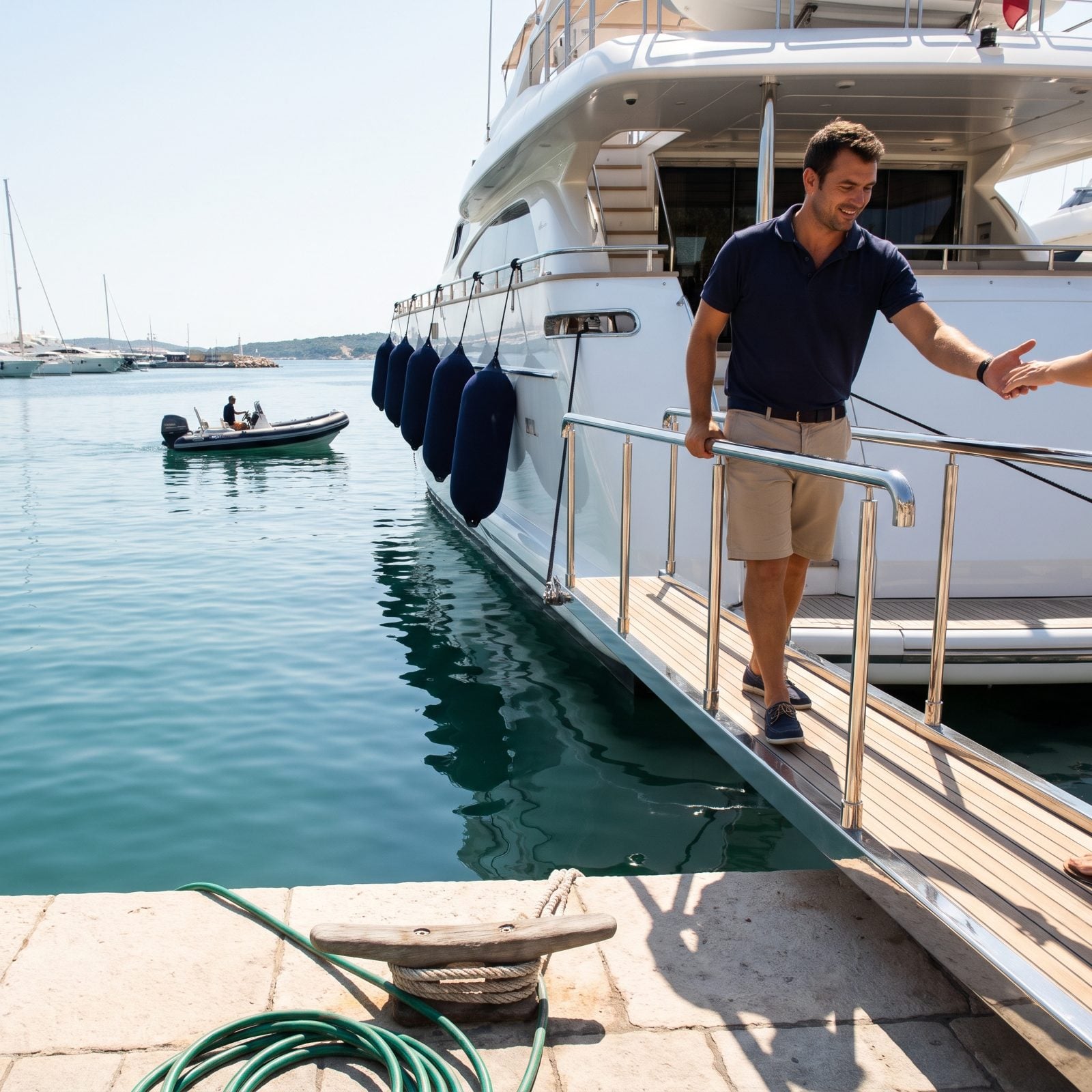
At a floating dock you step aboard like you’re walking into a kitchen. At anchor, that same boat turns into a moving target you board from a bobbing tender — timing the swell, hands full, hoping your footing holds.
This matters enormously for anyone with a knee that complains, a hip that’s been replaced, or a toddler who won’t sit still. That glossy brochure photo? Shot alongside a pontoon. The afternoon swim stop is a whole different animal.
So if mobility is a real concern in your group, tell the crew before you book. A good captain will plan calmer anchorages, work the swim ladder differently, or steer you toward a boat with a low, walk-on transom.
7. Harbor Quiet Hours Can Shut the Music Off Before You’re Ready
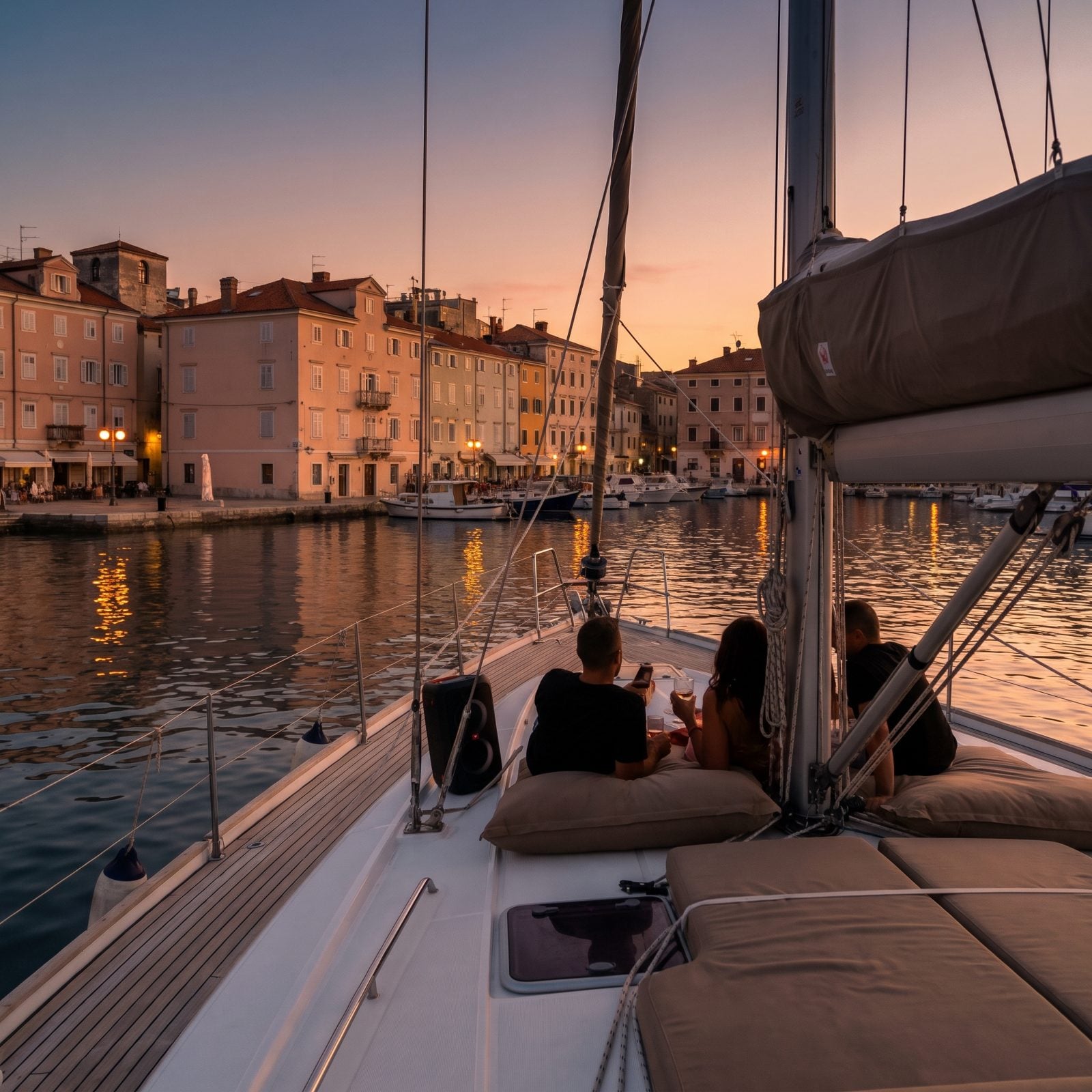
You pictured sunset cocktails and a speaker running well past dark. Many harbors picture residents who’d like to sleep.
Plenty of popular anchorages and town quays enforce noise curfews, often around 10 or 11pm and sometimes earlier. The crew isn’t being a buzzkill when they turn the volume down. They’re keeping the boat welcome in that harbor — and dodging a fine that lands on the charter.
6. That Perfect Anchorage in Your Head Might Be Off-Limits
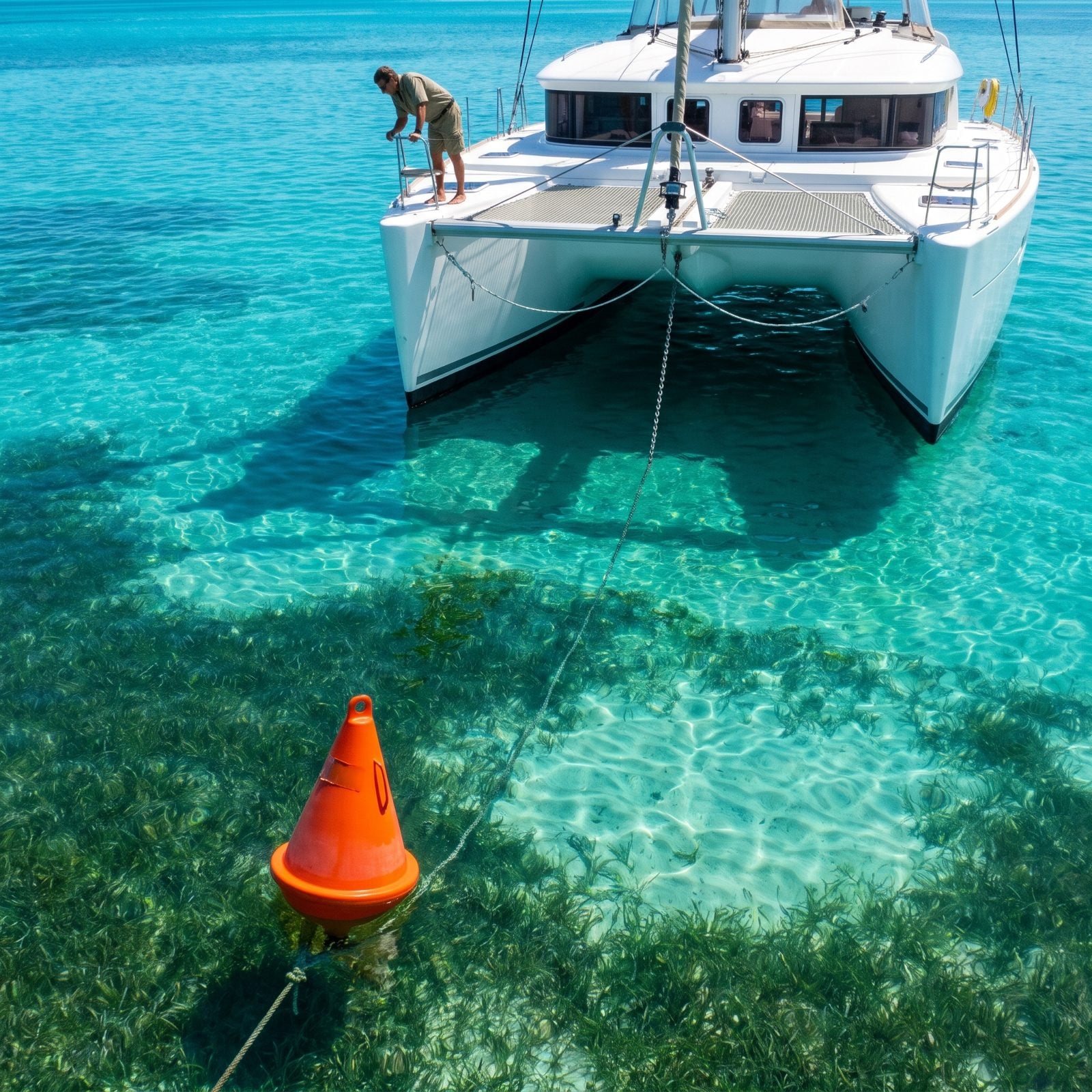
The cove that looks flawless from the deck might sit inside a marine reserve, a seagrass bed, a cable zone, or private water with no anchoring allowed. Captains know where those lines are drawn even when there’s nothing to see on the surface.
Drop a hook on protected seagrass and you’re looking at real fines, plus you’ve chewed up an ecosystem that takes decades to heal. So the captain nudges you two hundred meters over to a sandy patch that looks identical in your photos anyway.
When your captain picks the spot instead of the postcard spot, that’s judgment doing its job. Trust it.
5. The Tender Ride Can Leave You and Your Bags Soggy
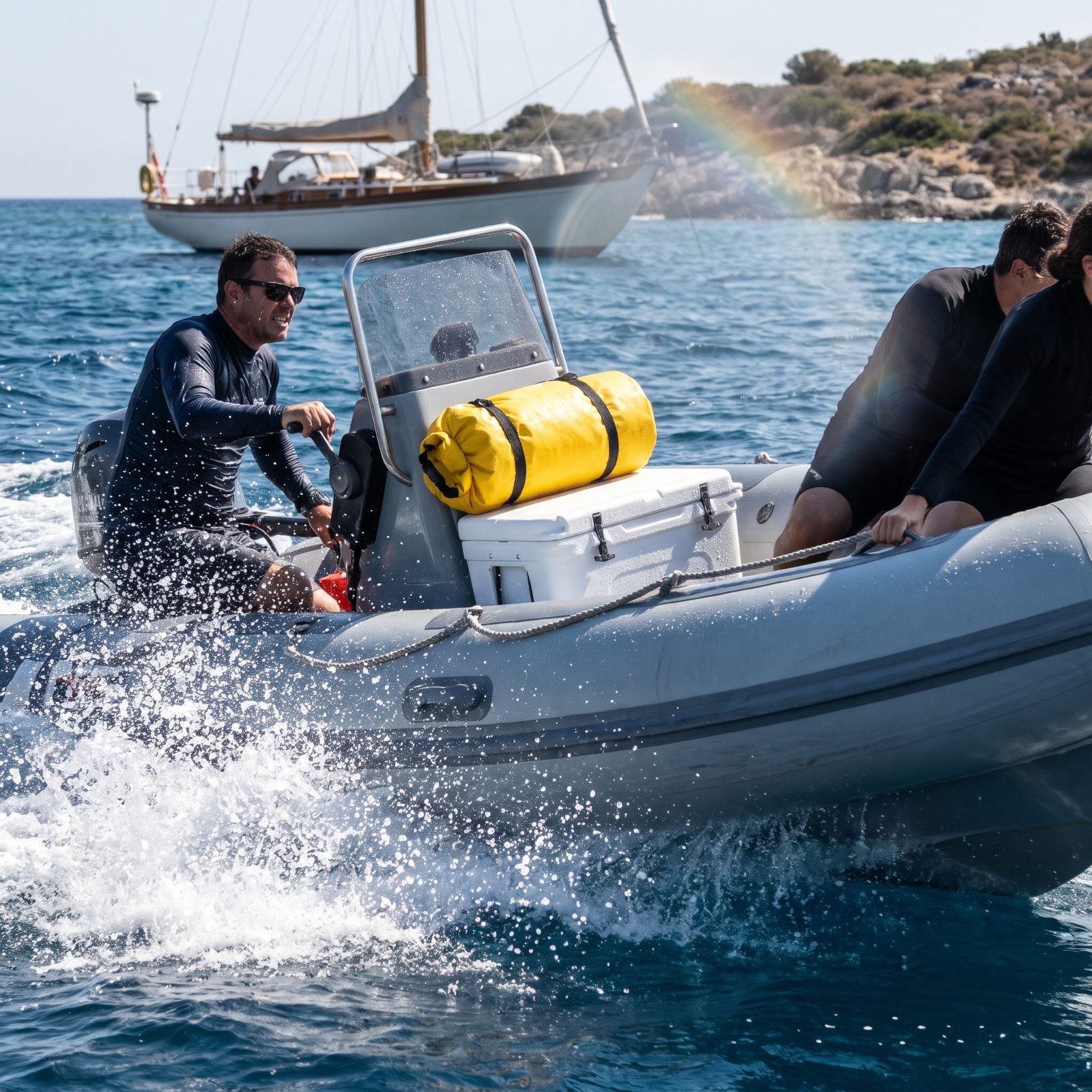
Short version: in anything but a flat calm, the tender can soak you right through.
Spray comes over the bow, a wave slaps the side, and all of a sudden your phone, your camera and the dry change of clothes you didn’t pack are swimming. The crew carries dry bags for a reason. Use them.
Sit toward the stern if staying dry matters, seal your electronics away, and just assume your feet are getting wet no matter where you park yourself. A good captain warns you before a bumpy run. Listen when they do.
4. Whether You Land on That Beach Depends on Surf, Tide and the Rules
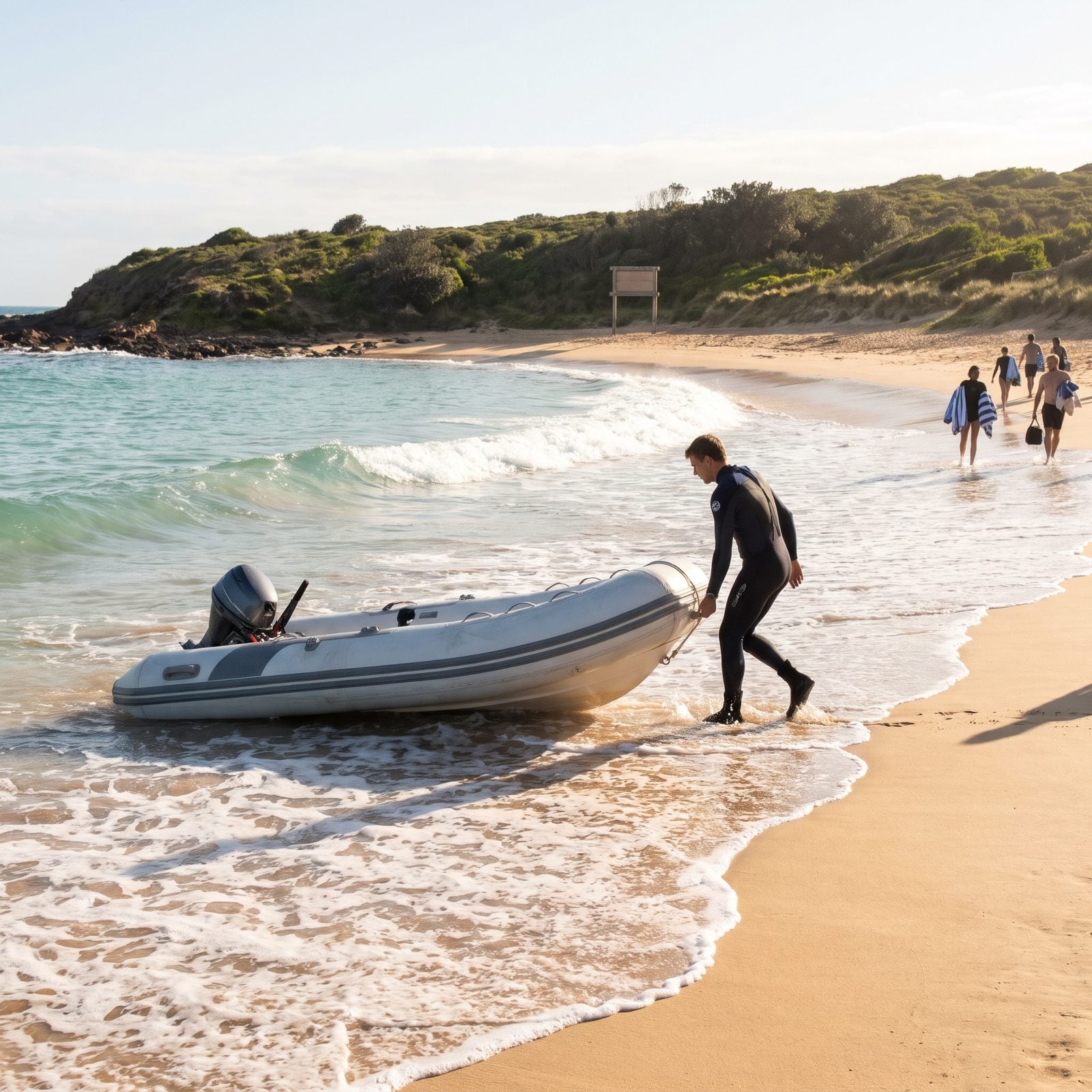
A beach landing answers to three gatekeepers: the surf, the tide, and whoever owns the rules.
Too much shorebreak and a dinghy landing becomes a capsize waiting to happen. Low tide can leave rocks or a mudflat where the chart promised sand. And plenty of gorgeous beaches turn out to be private, part of a park that bans anchoring, or closed to motorized tenders altogether.
3. The Cleanup Starts Hours Before Your Day Officially Wraps
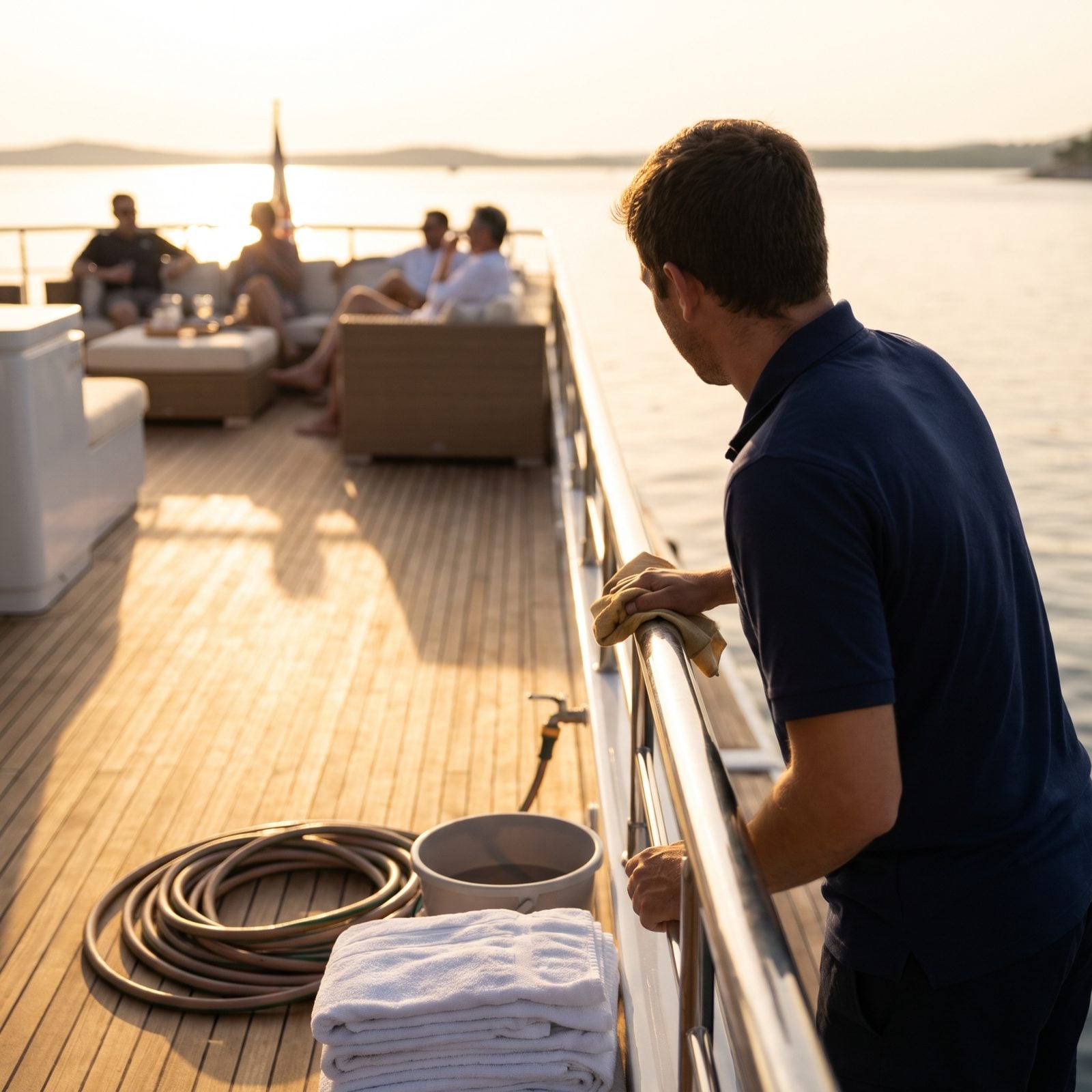
While you’re on your second swim, somebody’s already drying rails, rinsing salt off cushions and prepping the boat for the run home. That’s not the crew rushing you out. That’s how an eight-hour charter manages to stay an eight-hour charter.
A boat coming off a long day of sunscreen, wet feet and spilled rosé needs real work before it’s guest-ready again. Starting early means they can still be fully present for you while chipping away at the inevitable.
Tip accordingly. That quiet labor you half-notice at the edges? It’s most of the job.
2. A Breakdown Often Means a Different Boat, Not Your Money Back
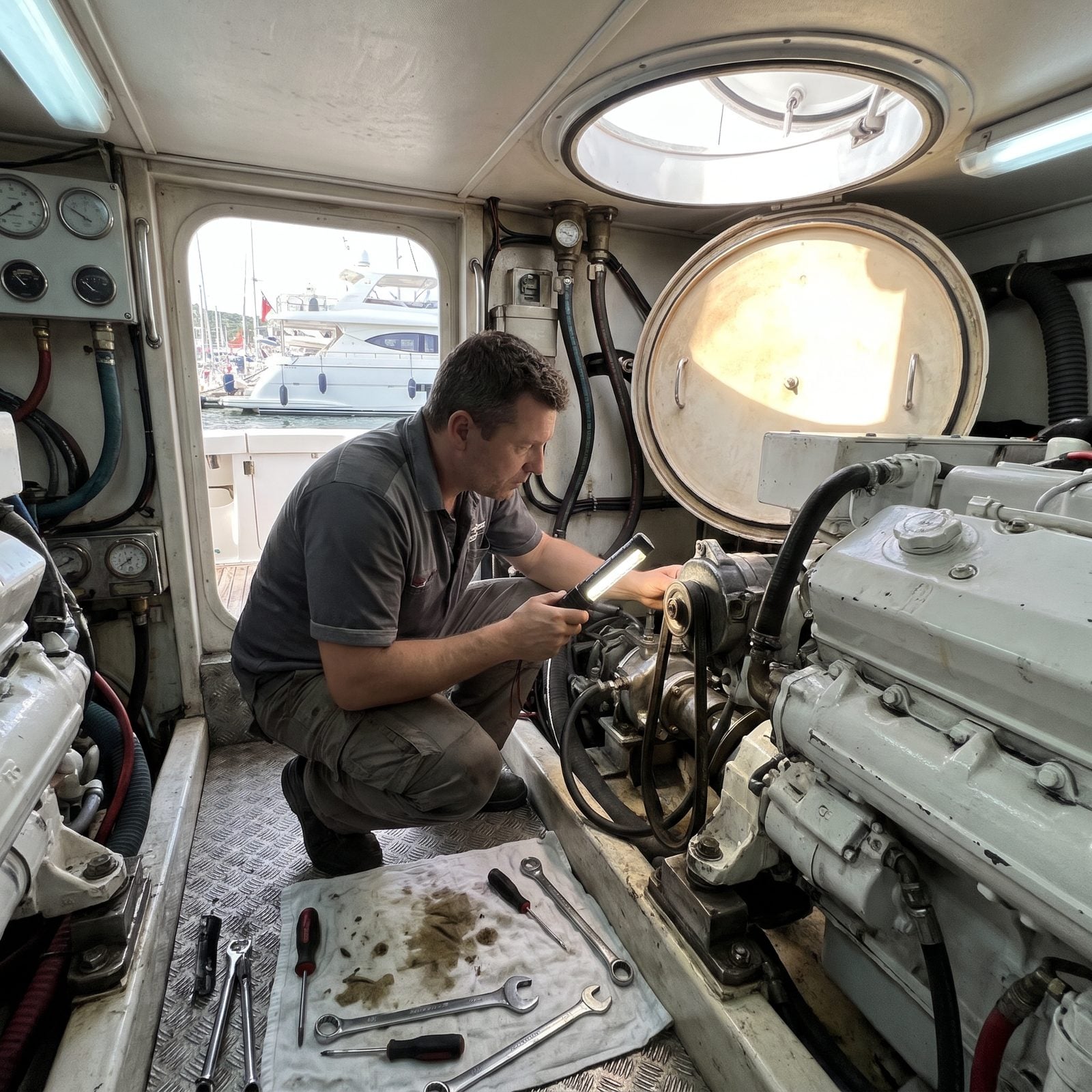
Read the fine print before you’re disappointed. When a charter boat develops a mechanical problem, most contracts let the operator swap in a comparable vessel rather than hand back your deposit.
From the operator’s side it’s reasonable enough. They’ve blocked the date, prepped a boat, scheduled crew. A swap keeps your day alive instead of killing it outright. From your side, though, it can sting if you booked that particular boat for the flybridge or the layout.
1. Fresh Flares Beat Fancy Varnish Every Single Time
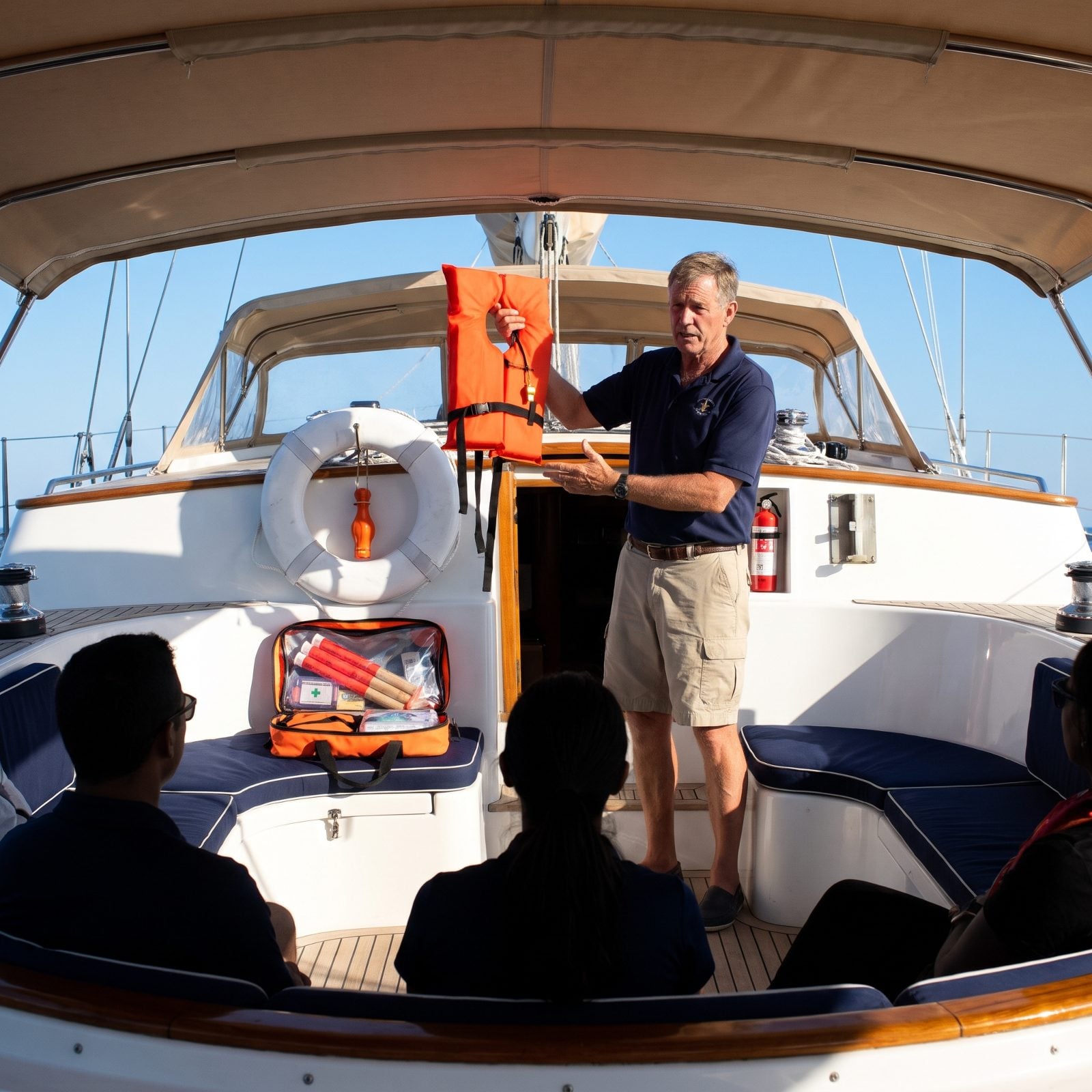
Owners love to show off teak that gleams and chrome you could shave in. Captains care about something a lot less photogenic: in-date flares, serviced extinguishers, life jackets that actually fit a child, and a liferaft that’s been inspected on schedule.
Glossy brightwork tells you the boat looks good at the dock. It tells you nothing about what happens if the day goes sideways.
A spotless galley is a nice detail. A current safety inspection is the whole point.
When you step aboard, glance at the safety gear. Life jackets handy, not buried under cushions. A fire extinguisher where you can actually reach it. A real briefing before you leave the dock. That’s the boat worth your day.