
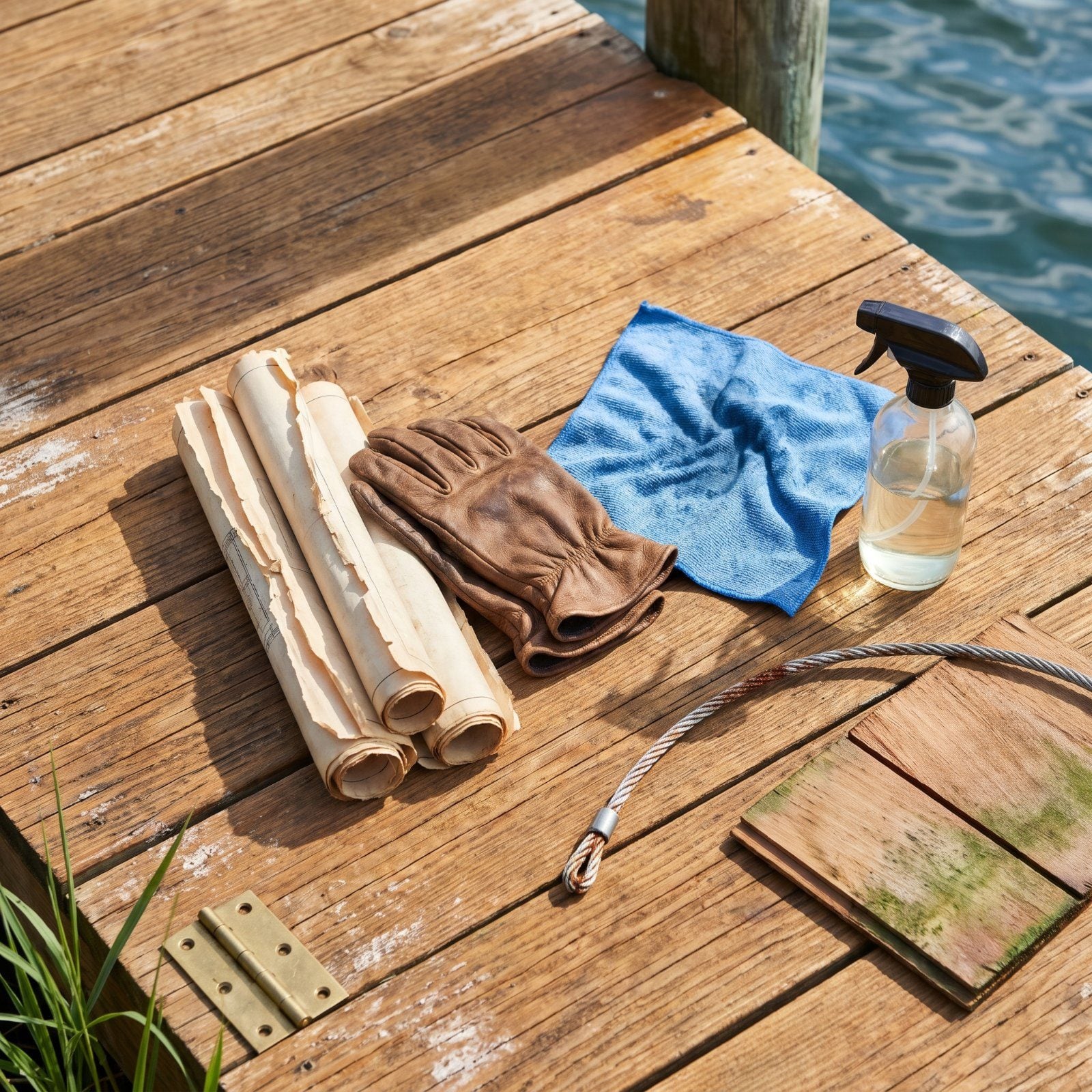
A boathouse lives in the worst conditions a building can face. Constant damp, salt or hard-water spray, and sun bouncing off the surface to cook everything twice over. The features that photograph best in a listing are often the ones that eat your weekends whole, and nobody mentions that when they’re sketching the glass walls and the roof garden. So here’s the honest list of beautiful ideas that turn into a second job, and what quietly causes the trouble in each.
Please note that some of the imagery in this article may have been enhanced with the assistance of AI.
42. Full-Glass Garage Doors That Collect Water Spots
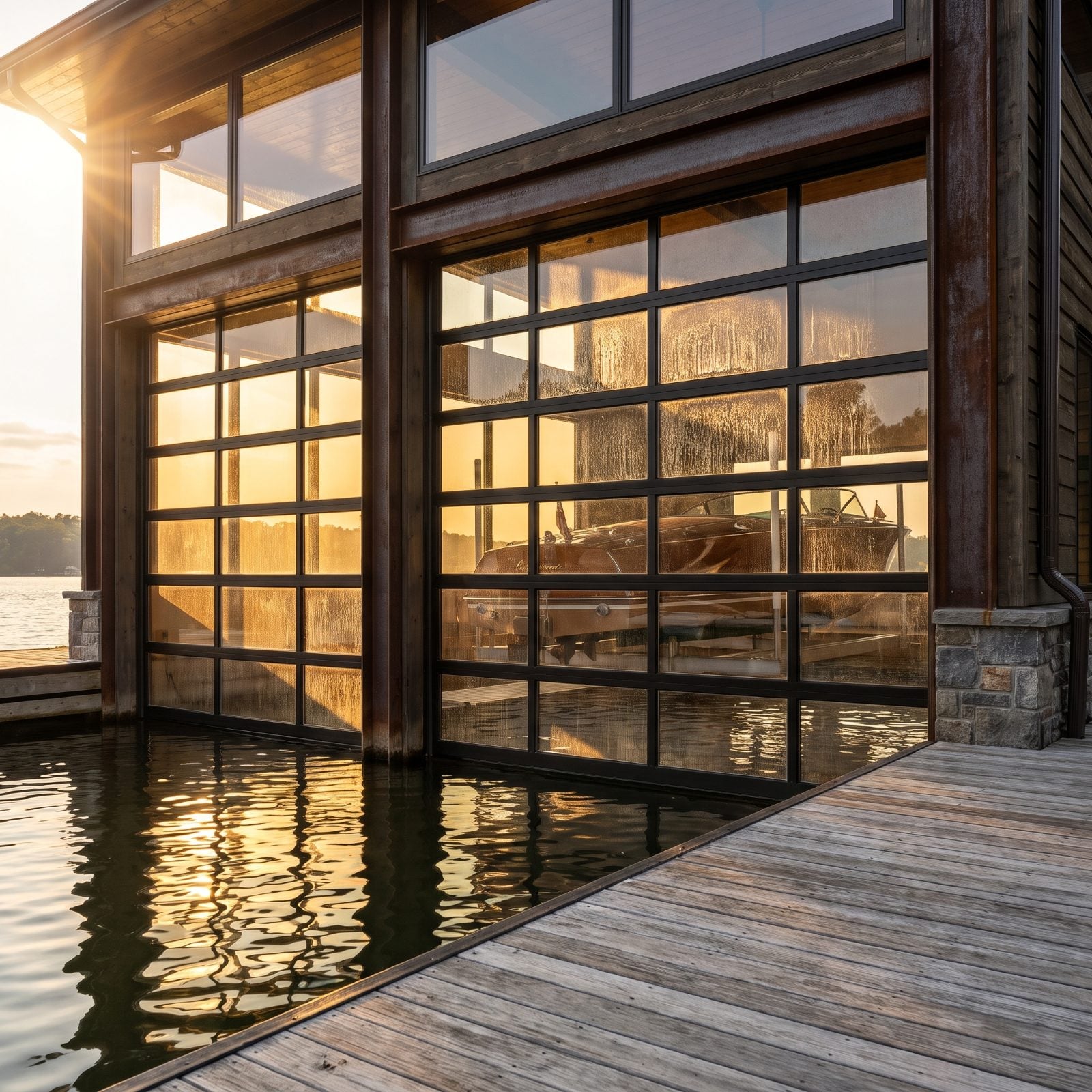
They look like the whole wall is made of light. Open the bay and the boat sits in a glass box above the water, which is exactly the fantasy. Then the lake does what lakes do. Spray dries on the panels, leaves its minerals behind, and within a week the lower third wears a cloudy halo that no quick wipe will touch.
Hard water etches glass over time, and if you let the spotting bake in the sun long enough you’re no longer looking at a cleaning problem but at permanent cloudiness. The fix is boring but real: squeegee after any big splash, run a dedicated mineral-deposit remover a few times a season, and specify glass with a factory hydrophobic coating if you’re still at the drawing board.
41. Living Roofs That Require Gardening Over the Water

A roof that blooms is a lovely idea until you remember it sits right over the water with no easy footing. Those wildflowers and grasses need weeding, feeding, and watering through dry spells, and every one of those chores happens on a flat, square platform over a lake.
The real trouble is underneath. Living roofs trap moisture by design, and if the drainage layer clogs or the waterproof membrane fails, you won’t see the leak until it’s already rotting the wooden platform beneath. Keep the plantings shallow-rooted, inspect the drains twice a year, and budget for a membrane you can actually get to. If you can’t reach it safely, you can’t maintain it. A roof you can’t maintain is just a slow leak with a view.
40. Frameless Glass Railings That Never Look Clean
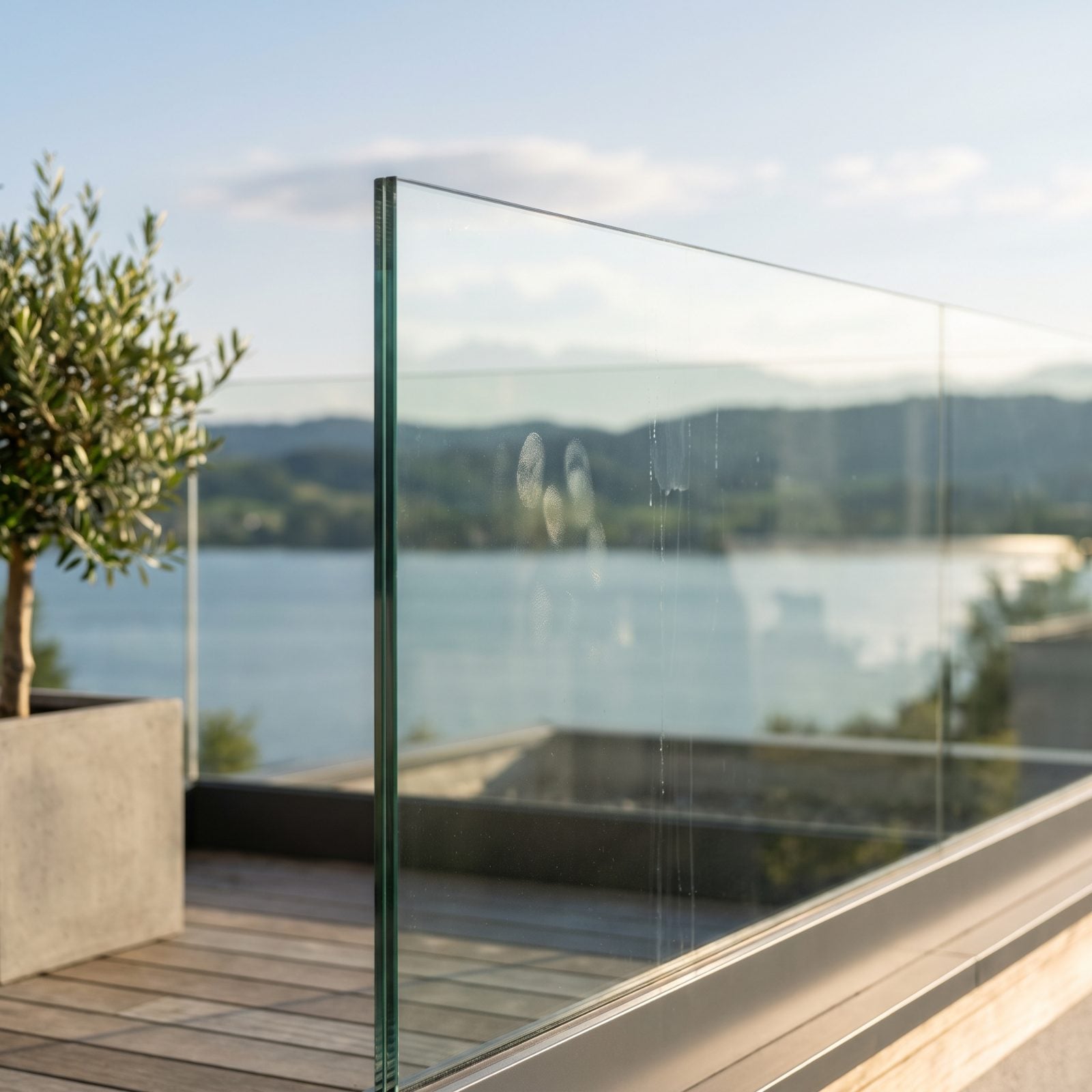
Frameless glass gives you the illusion of nothing between you and the lake. The catch? Nothing shows everything. Every fingerprint, every dried droplet, every dusting of pollen reads loud and clear on a panel with no frame to hide behind.
Near water it only gets worse, because spray and humidity leave a film almost daily, so the rail that looked pristine in the brochure needs wiping constantly to stay that way. Use both sides, a proper glass cleaner, and a squeegee to finish. And accept the deal you made: you bought the most honest railing money can buy, and honesty is high-maintenance.
39. Floor-to-Ceiling Windows That Are Hard to Reach

Tall glass sells the view. It also sells you a cleaning problem you won’t notice until the afternoon light hits the top panes and reveals a grey band of dust and cobweb you physically cannot reach from the floor.
Here’s the part people skip over: a boathouse interior is humid, so dust sticks and streaks set fast up high where a normal squeegee won’t go. You’ll either rent a lift, hire pros a couple times a year, or stare at grime for months. Before you order the glass, ask the one question nobody asks — how does a person actually clean the top three feet? If the honest answer is “a ladder on a dock,” rethink it.
38. Cable Railings That Corrode and Constantly Need Retensioning
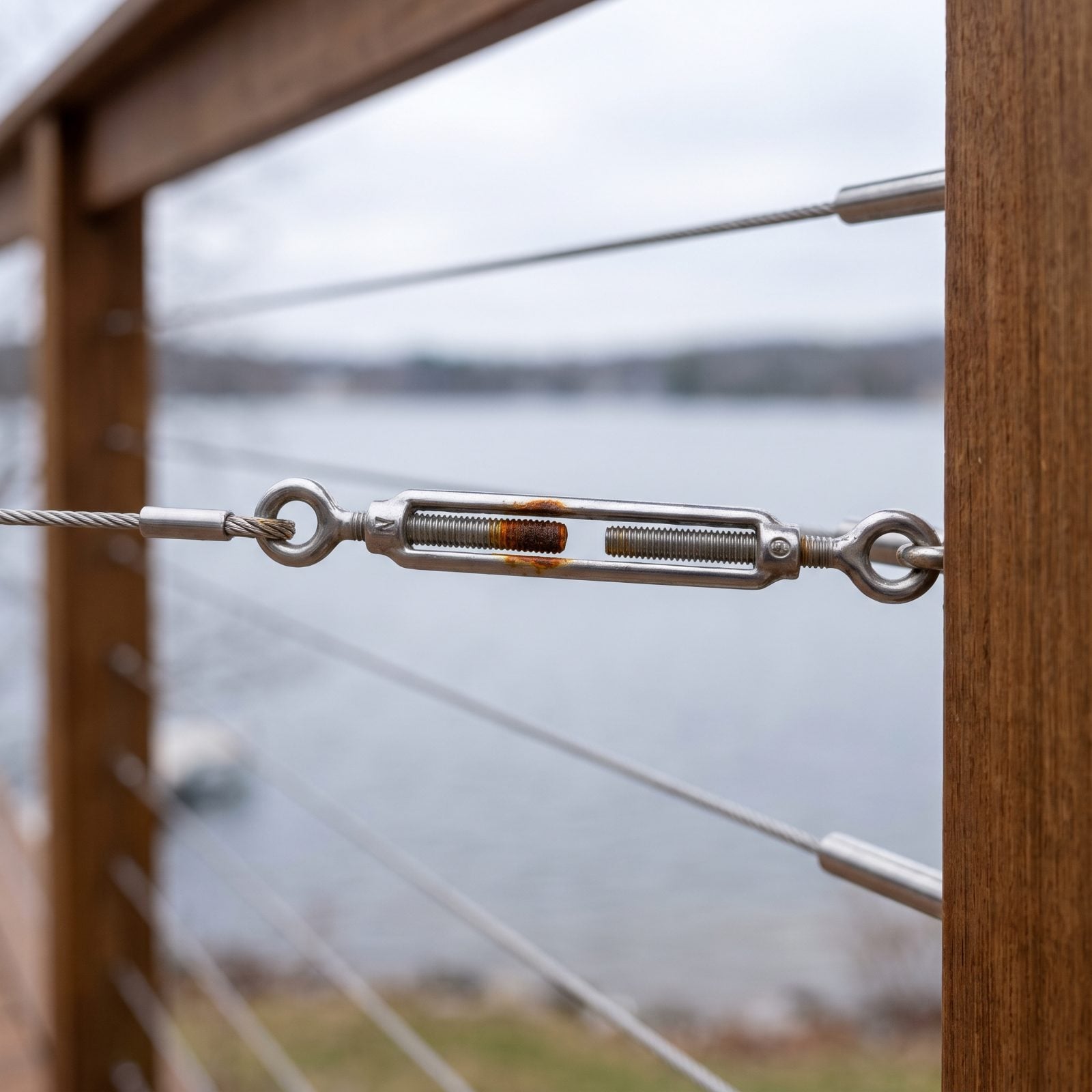
Cable railings look sleek and sailing-ready, which is why they end up on half the modern boathouses out there. But they live in a saltwater or hard-water spray zone, and stainless is only stainless-ish in those conditions.
Two things go wrong. The cables stretch and sag, so they need periodic retensioning to stay taut and code-compliant. And the end fittings — the turnbuckles and swages where water collects — start showing tea-colored corrosion before the cable itself does. Rinse the hardware with fresh water, specify marine-grade 316 stainless rather than 304, and keep a tool handy for retensioning. This is a rail you own a relationship with, not one you install and forget.
As a deck railing supplier puts it, “Skip the tensioner and you’ll end up with sagging cable within a few months, especially on longer runs where even small amounts of stretch are visible.”
37. Retractable Screen Walls With Delicate Tracks

A screen wall that disappears into a pocket is the dream for anyone who wants lake breeze without lake bugs. The dream has a floor track, and that track is where things fall apart.
Every leaf, grain of sand, and dead mayfly that blows off the water settles in that channel. Let it build up and the screen binds, jumps, or won’t seat, and the rollers that fix a jammed screen are neither cheap nor easy to source. Vacuum the track regularly, clear it after storms, and treat the mechanism gently — these systems reward attention and punish neglect in a hurry. A screen you have to wrestle is a screen you’ll stop using by July.
36. Exterior Barn Doors That Swell and Jump Their Rails
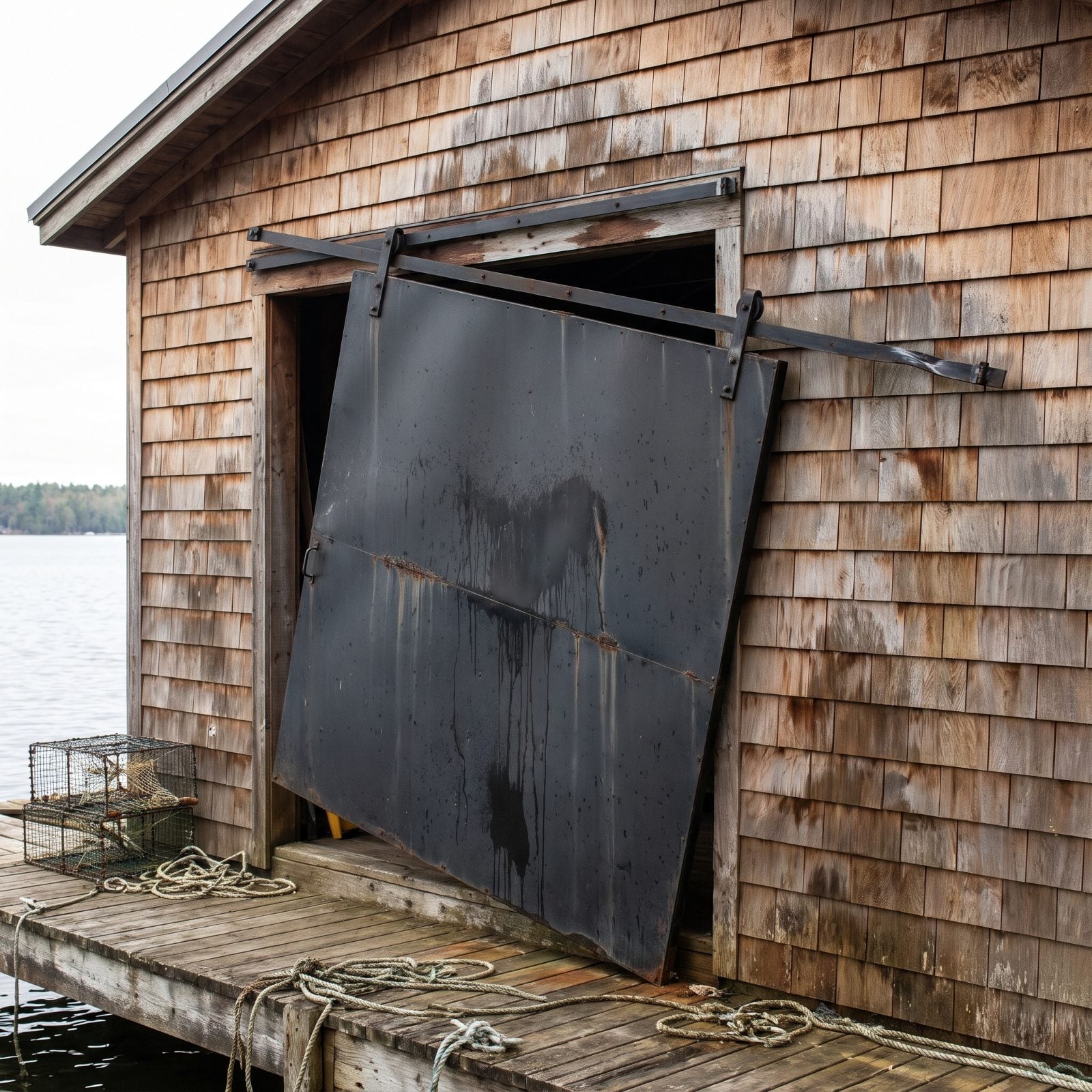
Sliding barn doors give a boathouse that handsome working-shed look — a heavy timber panel on a black steel rail, slung wide to the water. Wood near a lake does one thing reliably: it moves.
Humidity swells the wooden header and jambs, the rail shifts out of level, and even a steel door drags, binds, or hops the roller off its track. Suddenly a door that should glide with one finger takes two hands and a bad word. Use dimensionally stable material or a marine-rated composite, seal every edge including the hidden bottom, and check the roller alignment each spring. The rustic charm is real. So is the fact that raw wood and water have never once gotten along.
35. Cedar-Shake Roofs That Trap Moisture and Debris
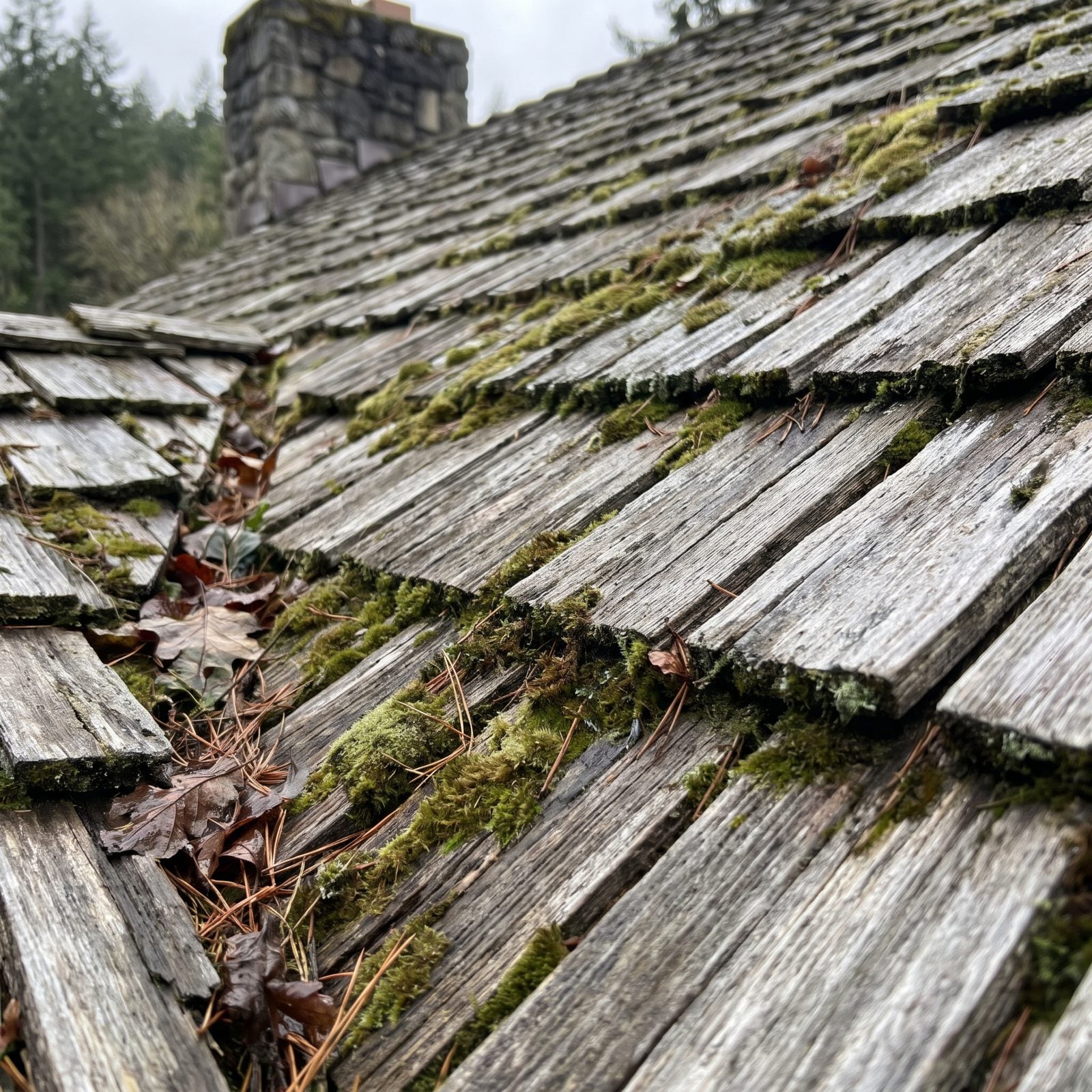
Cedar shakes weather to a silvery warmth that suits a boathouse better than almost any roof. They also drink in exactly the conditions a boathouse sits in: constant damp, shade, and a steady rain of leaves and needles off the nearby trees.
Debris packs into the keyways between shakes and holds moisture against the wood, and that’s how you get algae, then rot, then shakes that cup and curl years before they should. Cedar can last decades, but only if it dries between soakings. Keep the roof clear of debris, trim back overhanging branches, and inspect the shaded slopes where the sun never reaches. I’ve watched a north-facing cedar slope go green in a single wet summer. Humbling stuff.
As a cedar roofing contractor puts it, “Cedar is well suited to Puget Sound homes, but it still needs room to dry between wet periods. Rain, shade, and trapped debris can keep shakes damp longer than expected.”
34. Skylights That Invite Leaks Into Inaccessible Ceilings
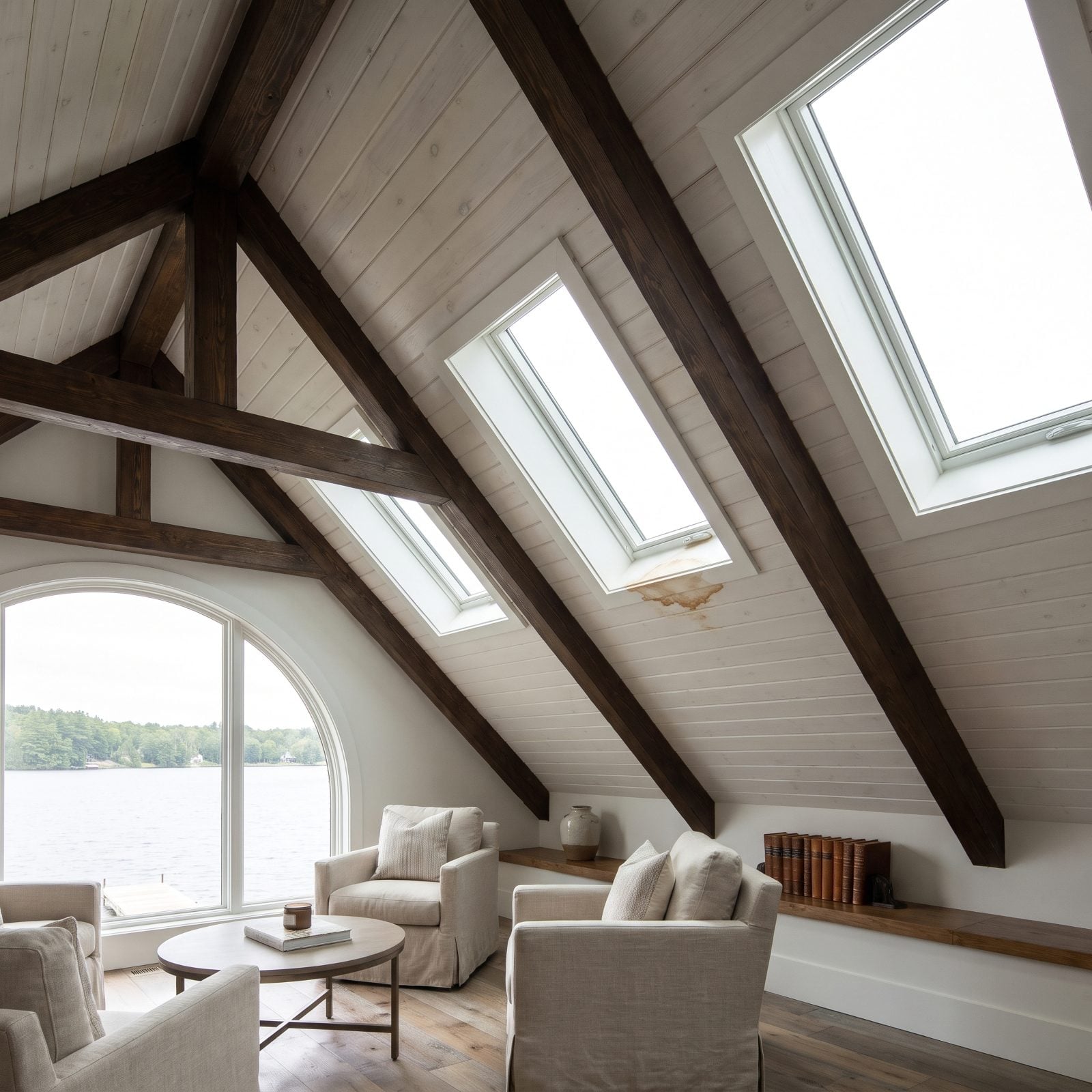
Skylights pour daylight into an attic bedroom that would otherwise feel like a cave, and they frame a patch of sky that makes the whole space feel bigger. Every one of them is also a hole in your roof held shut by a bead of sealant and good flashing.
In an attic room the stakes climb, because even a skylight set low on the sloped ceiling sits in a lined roof, and the void behind that lining is nearly impossible to reach. A slow leak can run for months before a brown stain appears, and by then the wood above is already soft. Choose a quality unit with a solid curb and flashing kit, inspect the seals yearly, and think hard about how you’d ever reach a leak from inside. If the answer is tearing open the ceiling, that’s your warning.
33. Hidden Gutters That Clog Where No One Can Reach Them
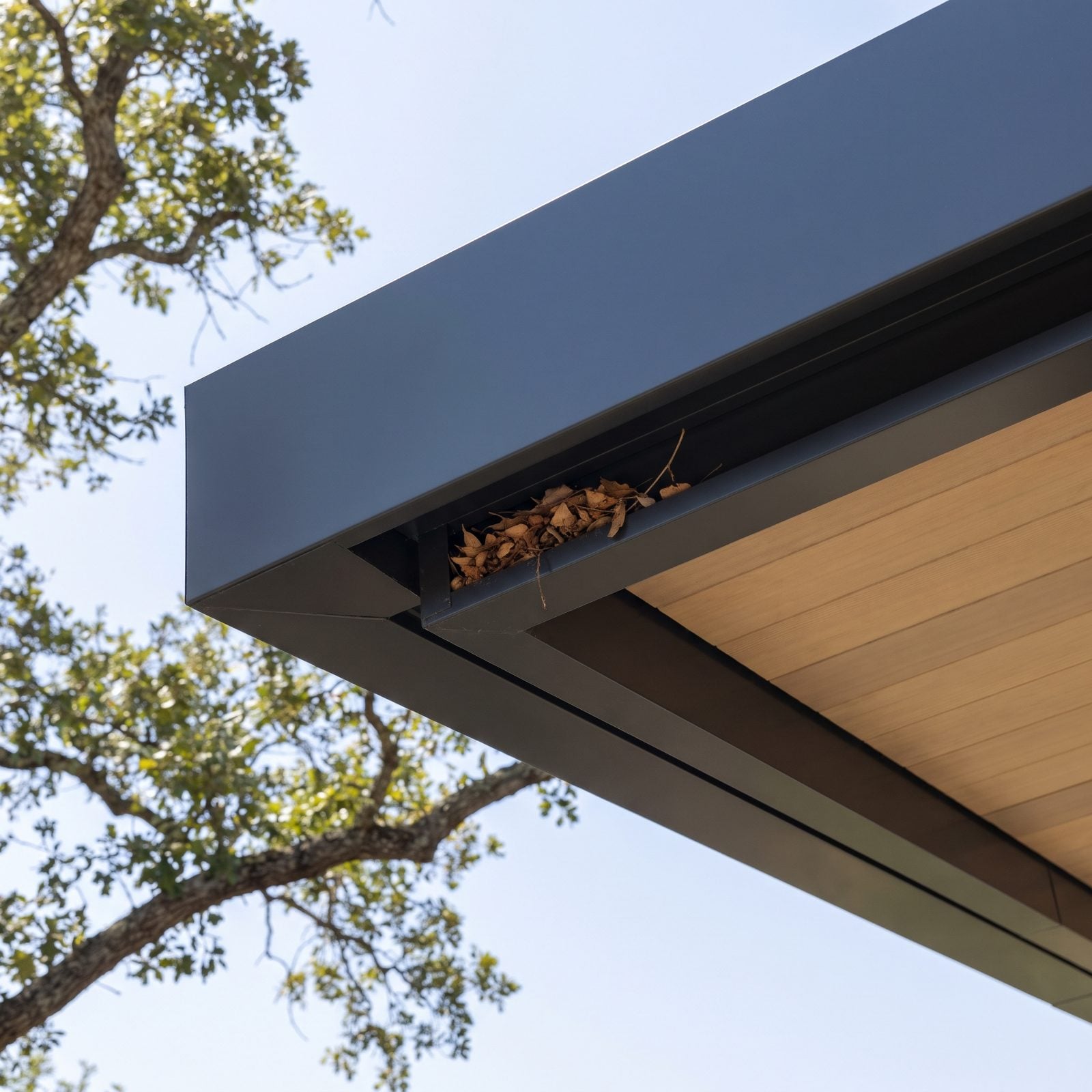
Concealed gutters give a roofline that clean, uninterrupted edge designers love, no clunky trough breaking the line. The beauty is in hiding the gutter. So is the problem.
Out of sight, it clogs out of mind. Leaves and needles pack a channel you can’t see, water backs up with nowhere to go, and instead of spilling harmlessly off a visible edge it works its way into the fascia and the wall. By the time a stain shows, water’s been sitting in your structure for weeks.
Want hidden gutters anyway? Demand access panels and leaf guards, and put them on a real cleaning schedule. A gutter you can’t inspect is a gutter you’re trusting on faith, and faith is a lousy roofing strategy.
As a roofing contractor puts it, “A built in gutter that leaks sends water into the fascia, the trim, and the wall below. That can mean rot and damage you can’t see until it’s bad.”
32. Copper Roofs That Streak Everything Below Them
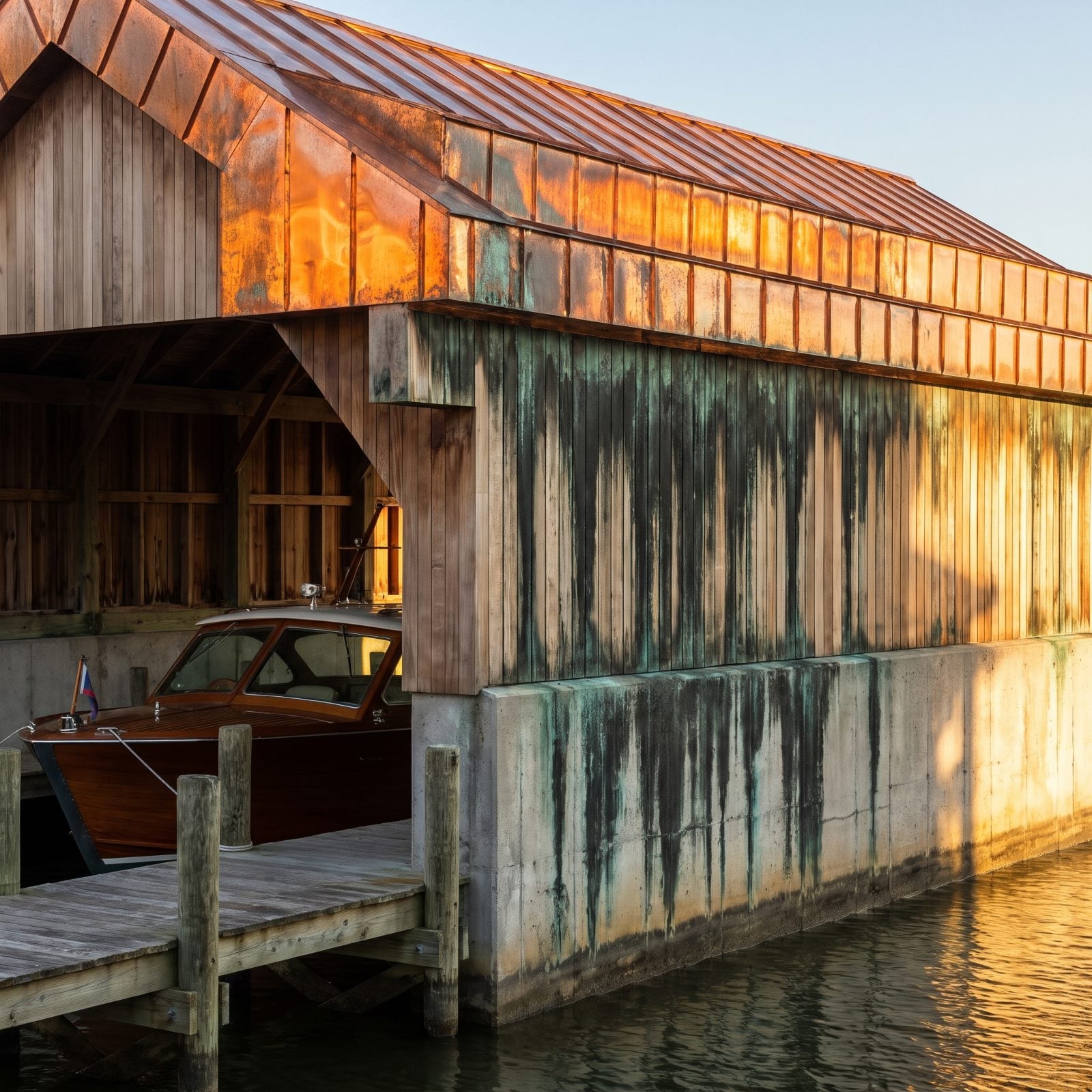
Copper looks like money the second the sun hits it. That warm amber shimmer over the slip is what sells the whole boathouse in the brochure photo.
Then it rains. Copper oxidizes, and every drop that runs off the roof carries dissolved metal down onto whatever sits below — pale stone, painted trim, light siding, all of it picking up greenish-blue streaks that no amount of hosing fully removes. Within a couple of seasons you’ve got verdigris tears bleeding down your walls.
Want the copper? Plan the runoff. Direct it into gutters and downspouts that carry the water away from any light-colored surface, and keep darker materials tucked under the eaves where the staining won’t read as loudly.
31. Natural Cedar Siding That Demands Regular Refinishing
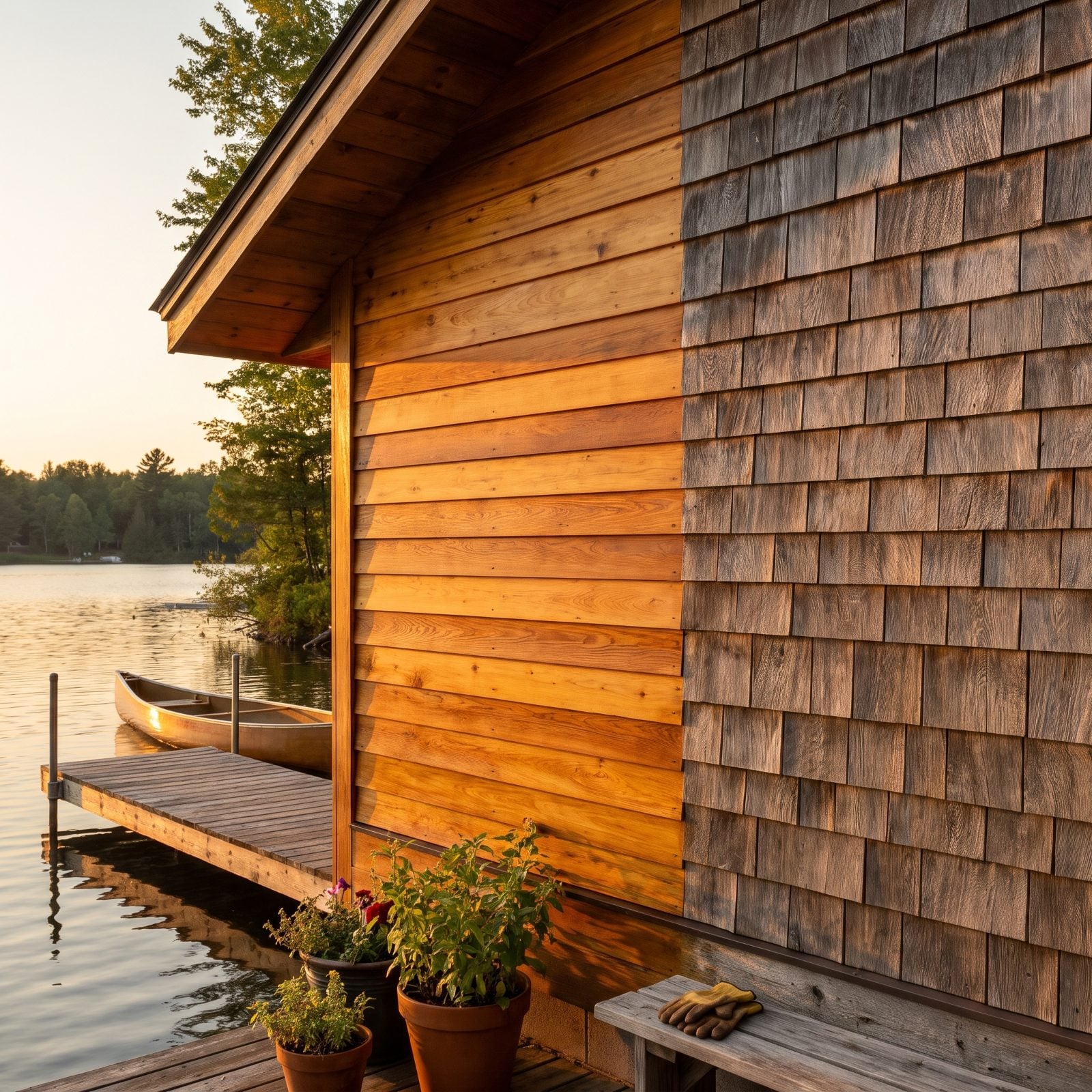
Fresh cedar siding by the water makes you stop the car. That honey grain, the cedar smell on a warm afternoon, the way it sits against the lake like it grew there.
The brochure skips the hard part. Cedar near constant moisture and sun fades to driftwood gray fast, and keeping that warm tone means signing up to strip, clean, and refinish it on a cycle that comes around far sooner than you’d like. Skip one season and the lower courses go gray and start spotting with mildew where the spray hits.
So pick a lane. Commit to the maintenance rhythm with a quality penetrating stain, or decide up front you love the silver-gray weathered look and let it go. A patchy, half-faded wall — the in-between — is the one that looks neglected.
30. Reclaimed-Wood Walls That Shelter Insects and Moisture
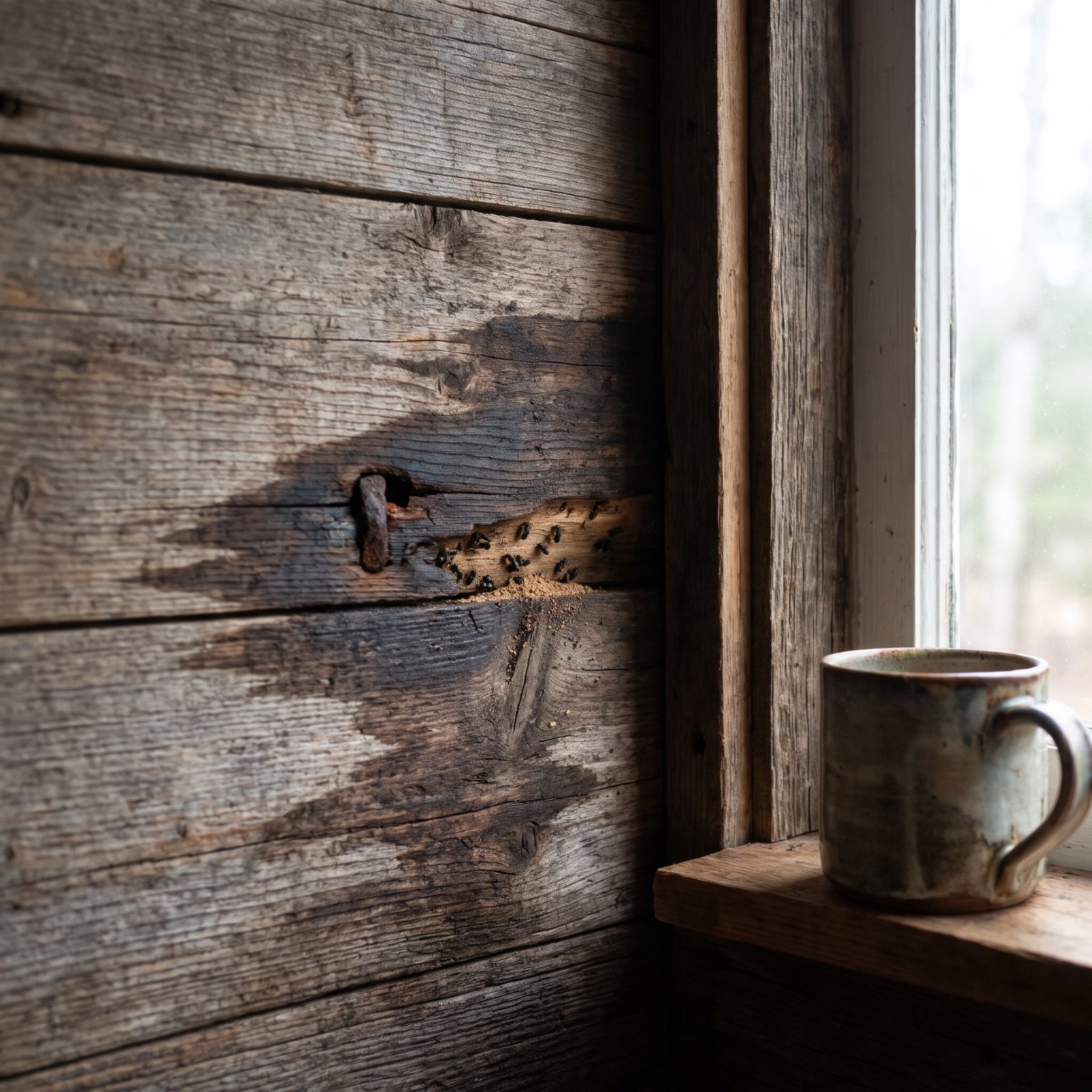
Reclaimed barn wood carries a story in every nail hole and checked plank, and inside a boathouse it reads warm and lived-in before you’ve hung a single thing on it.
The trouble comes bundled with the character. Old wood arrives with cracks, checks, and hidden galleries, and a humid slip is exactly the environment that wakes up whatever’s been sleeping in there — boring insects, mildew in the deep splits, moisture wicking up from the floor line. You’re carrying a sponge into the wettest room on the property.
Kiln-dry and treat every board before it goes up. Seal the back faces, keep the bottom courses off the floor, and check the cracks each spring for powdery frass. A beautiful wall that quietly rots behind itself is no bargain.
29. Corrugated Steel Siding That Rusts Around Every Fastener
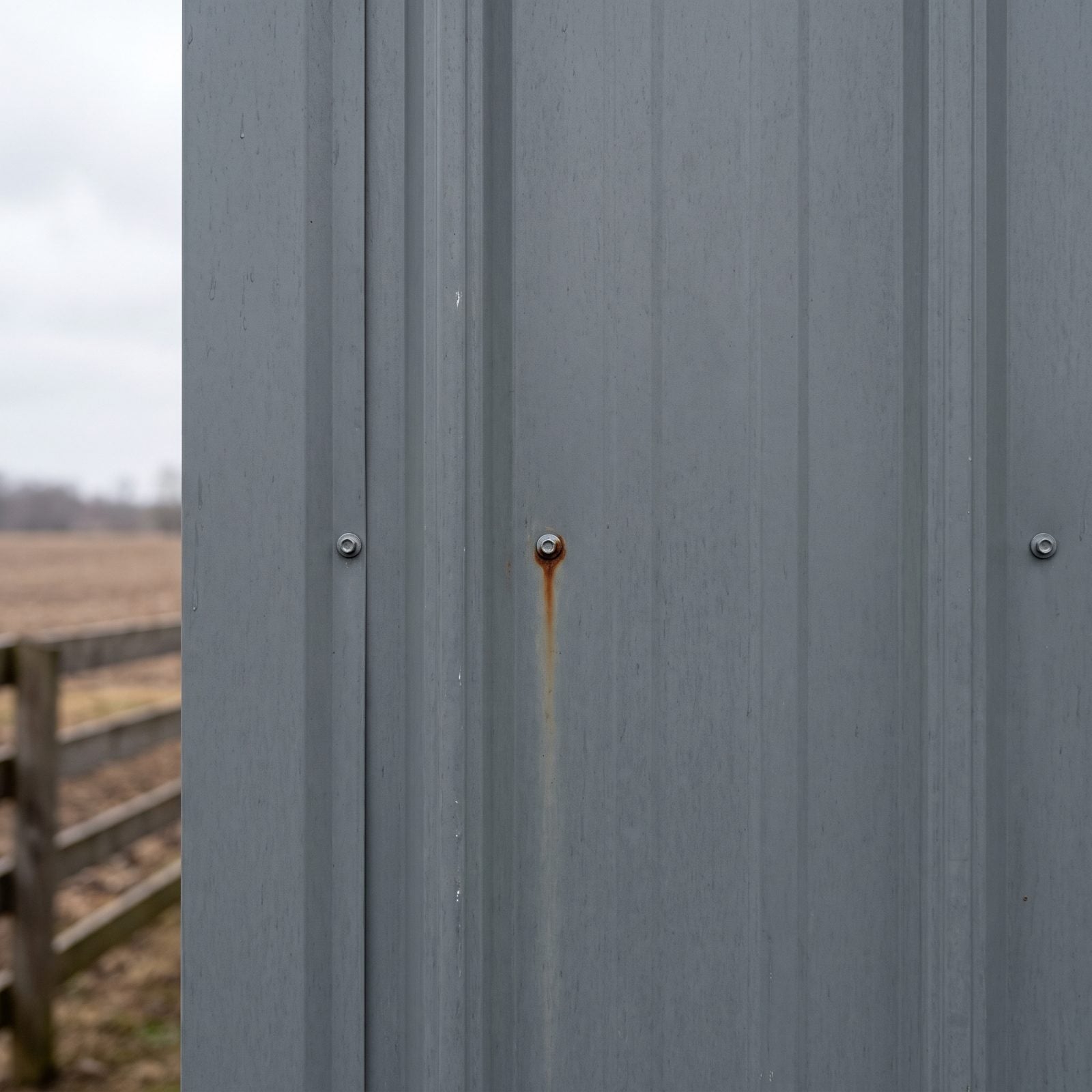
Corrugated steel gives a boathouse that clean, modern, agricultural-chic look. Those crisp ribbed panels against the water photograph beautifully.
But every exposed fastener is a tiny wound, and water finds all of them. Near a lake or the coast, rust blooms around each screw head and weeps orange streaks down the panels, and within a few years the whole wall looks like it’s crying rust. Salt air only speeds things up.
Spec hidden-fastener standing-seam or concealed-clip systems instead of face-screwed panels. Use stainless or coated fixings, choose a steel with a marine-rated finish. Yes, the upfront cost runs higher — and it’s a lot cheaper than re-skinning a streaked wall.
As a roof repair contractor puts it, “When rust starts to develop, it not only threatens the fastener itself but can also lead to roof leaks and water damage.”
28. Open Rafters That Are Almost Impossible to Clean
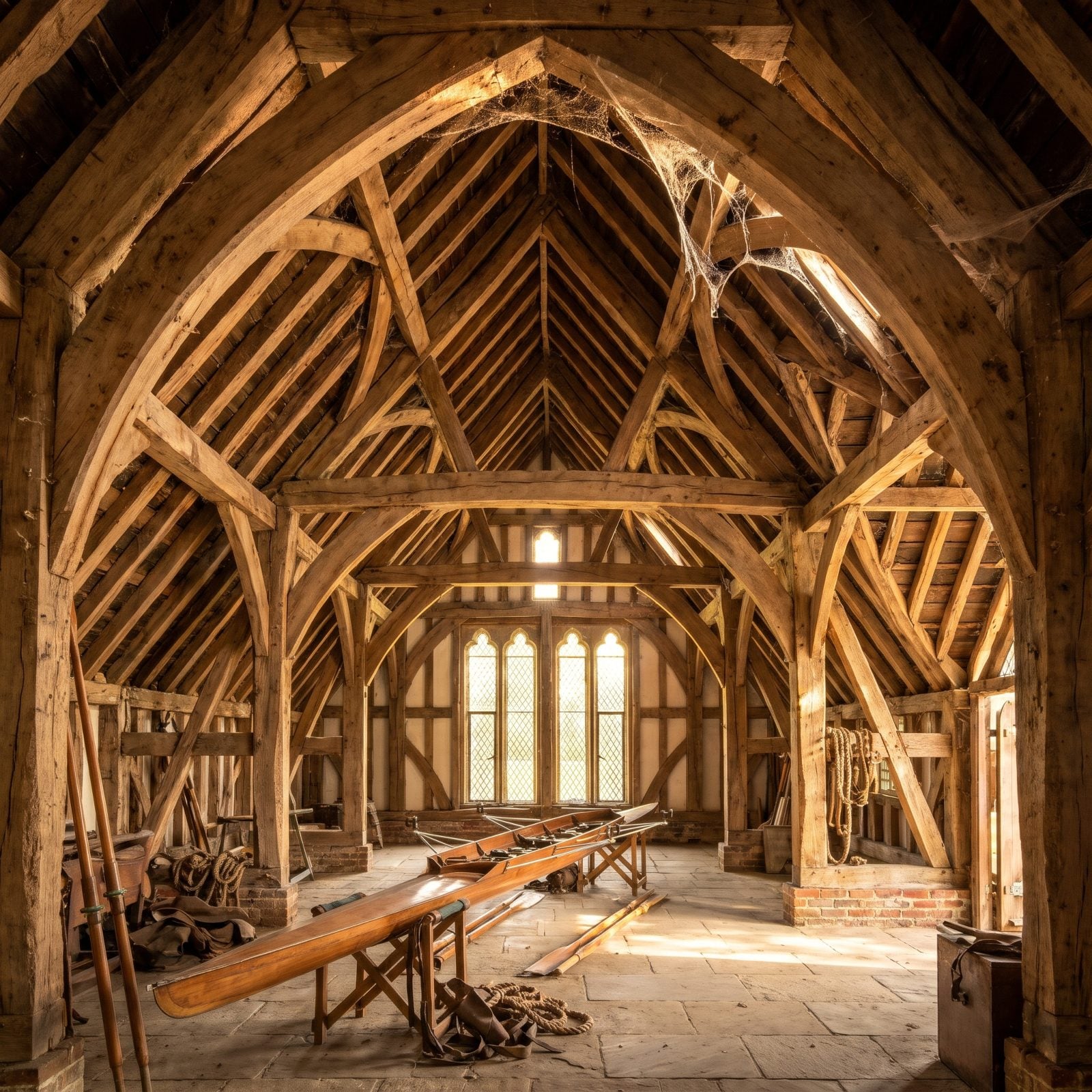
Open rafters make a boathouse feel like a chapel — all that height, the beams catching light, the airy volume over the boat on its rails. It’s the feature guests look up at first.
They look up differently once they realize who’s cleaning it. Those beams collect dust, cobwebs, and wasp nests at a height no ordinary ladder reaches, and the one spot you can’t easily set a ladder is right over the boat sitting on its rails. So the gunk just accumulates year after year, decorating your nice ceiling with gray fuzz.
Going open-rafter? Design the access in from the start: a catwalk, tie-off points, or beams smooth enough to reach with an extension pole from the stone floor. A gorgeous ceiling you can never touch becomes a gorgeous ceiling you’ve stopped looking at.
27. Statement Chandeliers Suspended Over the Boat Slip

A chandelier swinging over the slip is pure theater — glass and warm light floating above a mahogany hull, reflections rippling up from the water. Everyone takes the shot.
Now imagine changing a bulb. The fixture hangs over open water in constant humidity, catching spray and condensation that film the glass and tarnish the metal between cleanings. Every service call means a dock boom, a scaffold, or a very brave afternoon on a ladder over the one surface you really don’t want to drop into.
Go with a fully sealed, marine-rated fixture on a rated hoist or winch mount so you can lower it to a workable height. Pick wet-location glass that sheds water spots. The drama’s worth keeping. The access problem isn’t something to discover the first time a bulb dies.
26. Recessed Dock Lights That Let Water Reach the Housings
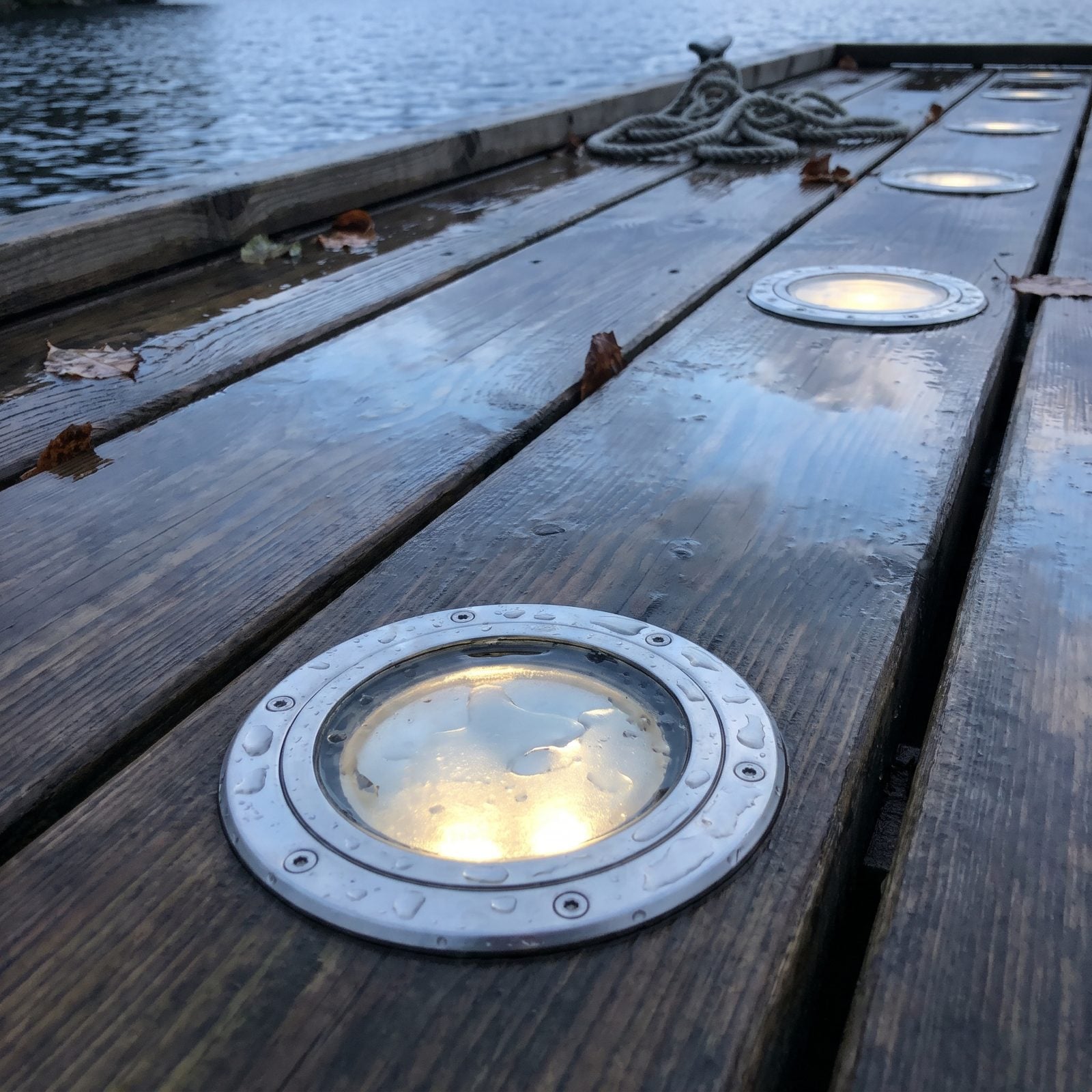
Recessed deck lights running along the dock look architectural and expensive, little glowing points set flush into warm teak. Clean lines, no clutter, nothing to trip on.
Set a light flush into a wet surface and you’ve built a cup. Rain and spray pool in the trim ring, water reaches housings that were never truly sealed for standing water, and the fittings corrode from the inside while debris packs into the recess. One cracked lens and the lake walks right in.
Use only fixtures rated for full submersion or constant wet contact — not just “outdoor rated” — and set them where water drains away rather than collects. Drill drainage, check the gaskets yearly, keep the recesses clear of leaves and grit.
25. Underwater Lights That Quickly Collect Algae and Scale

Underwater lights turn a yacht hull into something out of a resort — turquoise glow radiating out along the hull even in bright daylight, fish drifting through the blue below. It’s the feature that makes guests go quiet.
Here’s the part that happens fast. Anything submerged in the sea becomes a surface for algae and mineral scale, and the lenses fuzz over within a few weeks of warm weather. The glow dims and goes patchy, and now you’re in the water, or leaning over the side, scrubbing fixtures on a schedule you didn’t quite picture when you ordered them.
Choose lights with easy-release mounts you can lift and wipe without diving, favor smooth lenses that shed growth, and build a quick cleaning into the routine during algae season. The effect is genuinely worth it. Call the scrubbing your cover charge.
As an underwater light manufacturer puts it, “Algae, barnacles, and buildup can gather on the housing and reduce how brightly the light shines.”
24. Permanent String-Light Canopies With Corroding Connections
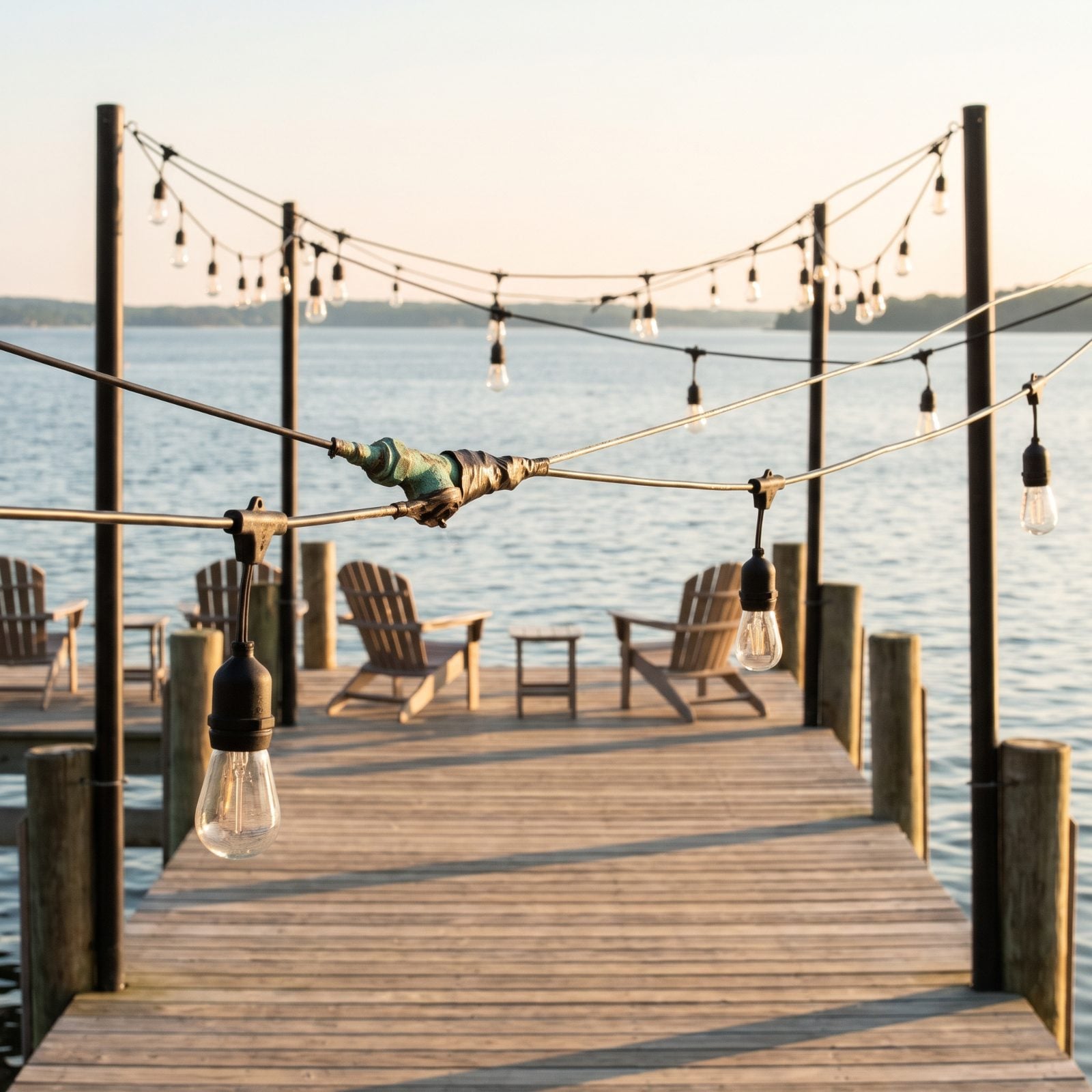
Cafe string lights strung permanently over the dock promise endless summer. Warm Edison bulbs criss-crossing the slip, a glow you could read a book under. It feels like vacation before you’ve even untied the boat.
Leave them up year-round by the water and every plug, splice, and socket becomes a corrosion site. Salt and moisture creep into the connections, contacts turn crusty green, and bulbs start dropping out until your romantic canopy is a patchwork of dead sockets and flickers.
Treat these as the semi-disposable feature they are. Use outdoor-rated strings with sealed connectors, lift them seasonally or cover the junctions, dab the contacts with dielectric grease. Honestly? I plan on replacing waterfront string lights every couple of seasons and I’ve stopped being annoyed about it.
23. Polished Brass Fixtures That Need Continual Buffing
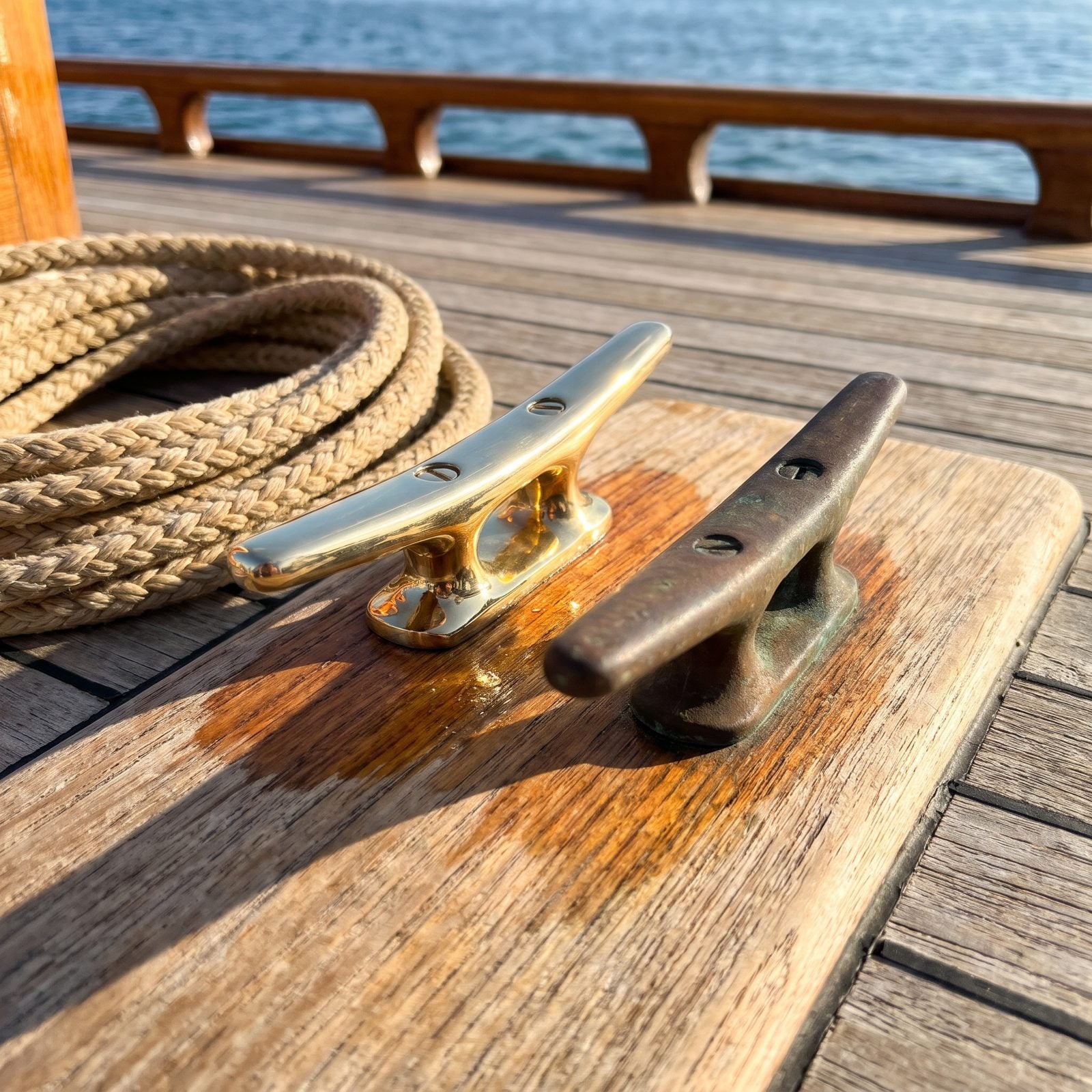
Polished brass is the sound of a good boathouse. A gleaming cleat, a nautical sconce, a brass railing cap throwing back the morning sun. It tells you someone here cares about the details.
Brass by the water won’t stay gleaming on its own. Salt air and spray oxidize it constantly, so that mirror shine clouds over and tarnishes in the recesses within weeks — which means you’re either polishing on a schedule or watching your crisp detail go dull and green.
Two honest paths. Accept a lacquered or clear-coated brass that holds its shine longer (and recoat it when the finish wears), or lean into the patina and let it age to that soft antique bronze the old harbor hardware wears so well. What actually looks neglected is bright brass you buffed once and then let go.
22. Teak Decking That Demands a Relentless Care Routine
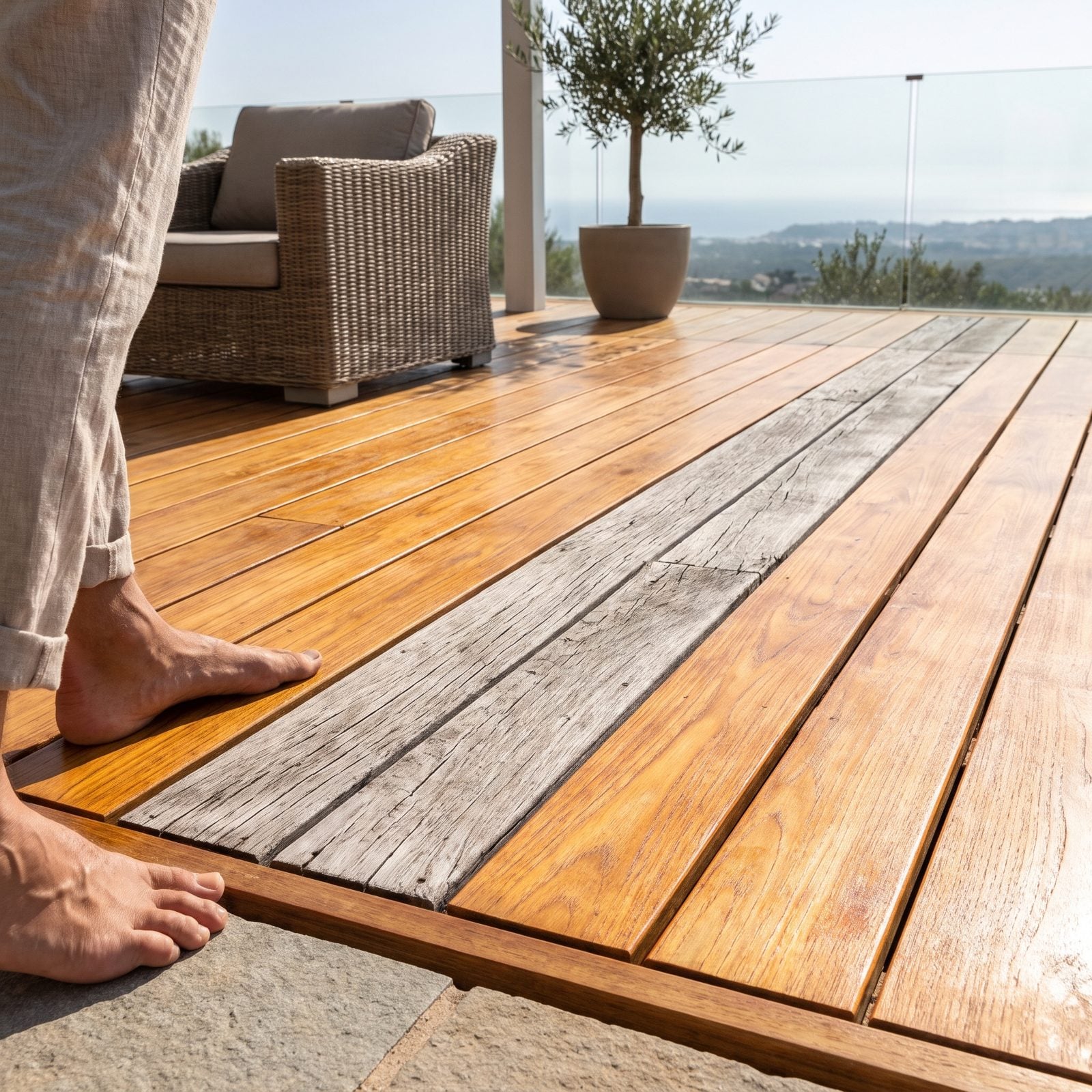
Teak looks like the right answer the second you see it. Warm, dense, that honeyed grain that makes everything around it look cheap. Then the sun gets to work. Leave it bare and it silvers out, and if you oil it to hold the color you’ve signed up for a twice-a-year ritual of scrubbing with the grain, rinsing, drying, and sealing before the next rain rolls in.
Miss a season and the boards go gray and blotchy, so now you’re sanding instead of wiping. On a boathouse deck taking constant spray and shade, mildew settles into the seams faster than you’d like. I’ve watched beautiful teak decks turn into the chore nobody wants on a Saturday.
If you love the look, accept the oiling calendar or let it weather gray on purpose and own that choice. The in-between is where people get resentful.
On owners who try to keep teak golden, a yacht maintenance specialist says “While sanding temporarily achieves this, UV exposure quickly returns the deck to silver-grey. A permanent golden finish requires regular sanding and chemical brightening, increasing maintenance and reducing lifespan.”
21. Mosaic Tile Floors With Acres of Grout to Scrub

A mosaic floor is a showpiece. Thousands of little tiles, a compass rose at the center, light bouncing around like the inside of a pool. Gorgeous — until you count the grout lines.
Every one of those tiny tiles is bordered by grout, and grout near the water is a sponge for mildew, algae, and whatever the lake drags in on your shoes. It stains dark in the corners first, then creeps outward. Cleaning it means a brush and a bucket and real time on your knees, not a quick mop.
So seal the grout before anyone walks on it, use epoxy grout if you’re building fresh, and pick a mid-tone color so the inevitable discoloration doesn’t announce itself. White grout on a boathouse floor is optimism I don’t share.
20. High-Gloss Epoxy Floors That Scratch and Turn Slippery
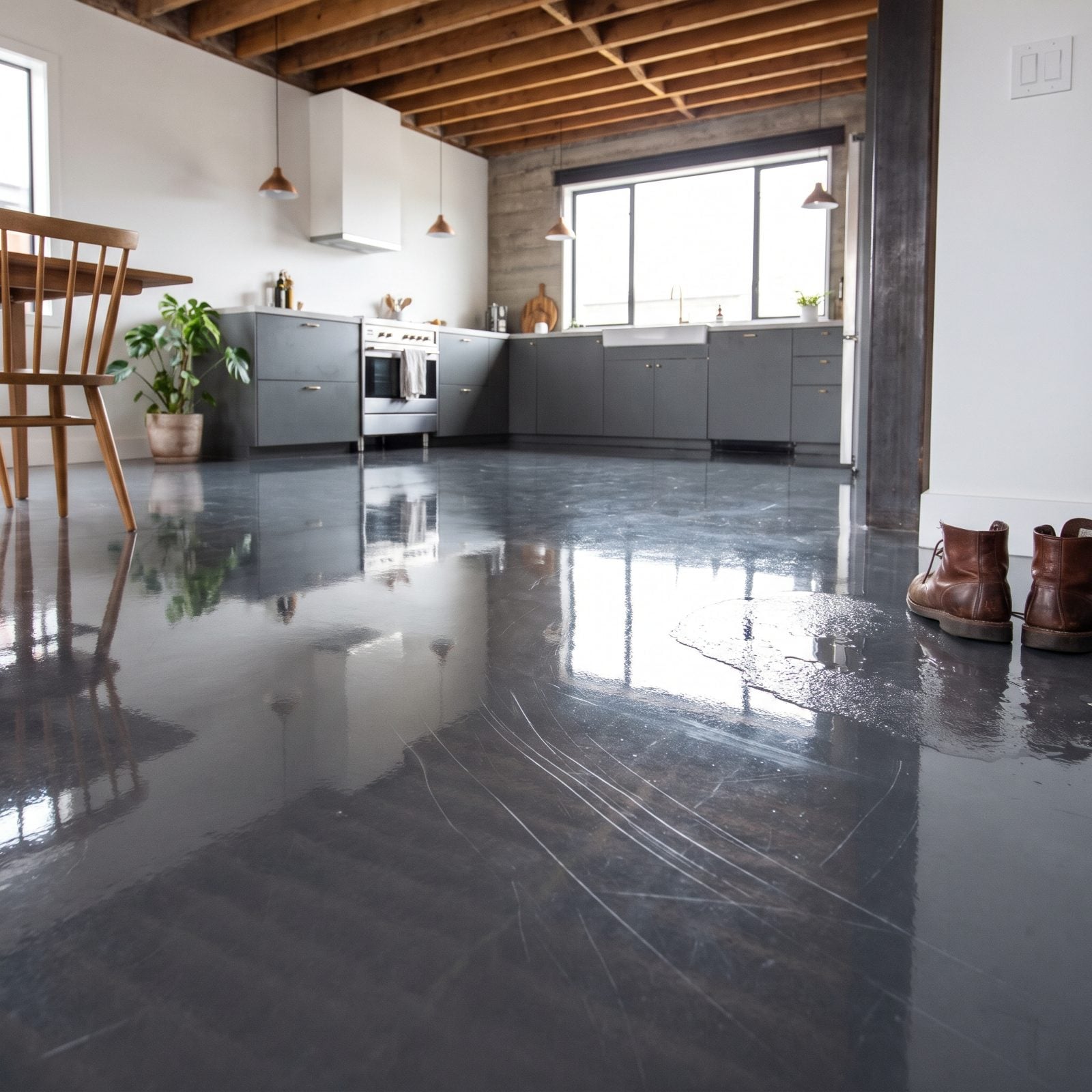
High-gloss epoxy sells itself in the showroom. Poured smooth, deep as water, reflecting everything above it. Then the first wet month arrives and two problems surface.
It scratches. Drag an anchor, a cooler, or a trailer dolly across it and you get hairline marks that catch the light forever, dulling the whole thing to a scuffed haze. And wet gloss is slick. Add dripping wetsuits and spray off the hull to a surface already smooth as glass, and you’ve built a slip-and-fall near open water. That’s not a cosmetic worry.
Spec a matte or satin epoxy with a broadcast grit anti-slip additive thrown into the topcoat. You lose the mirror. You keep your footing and your dignity.
19. Artificial-Turf Decking That Holds Odors and Moisture
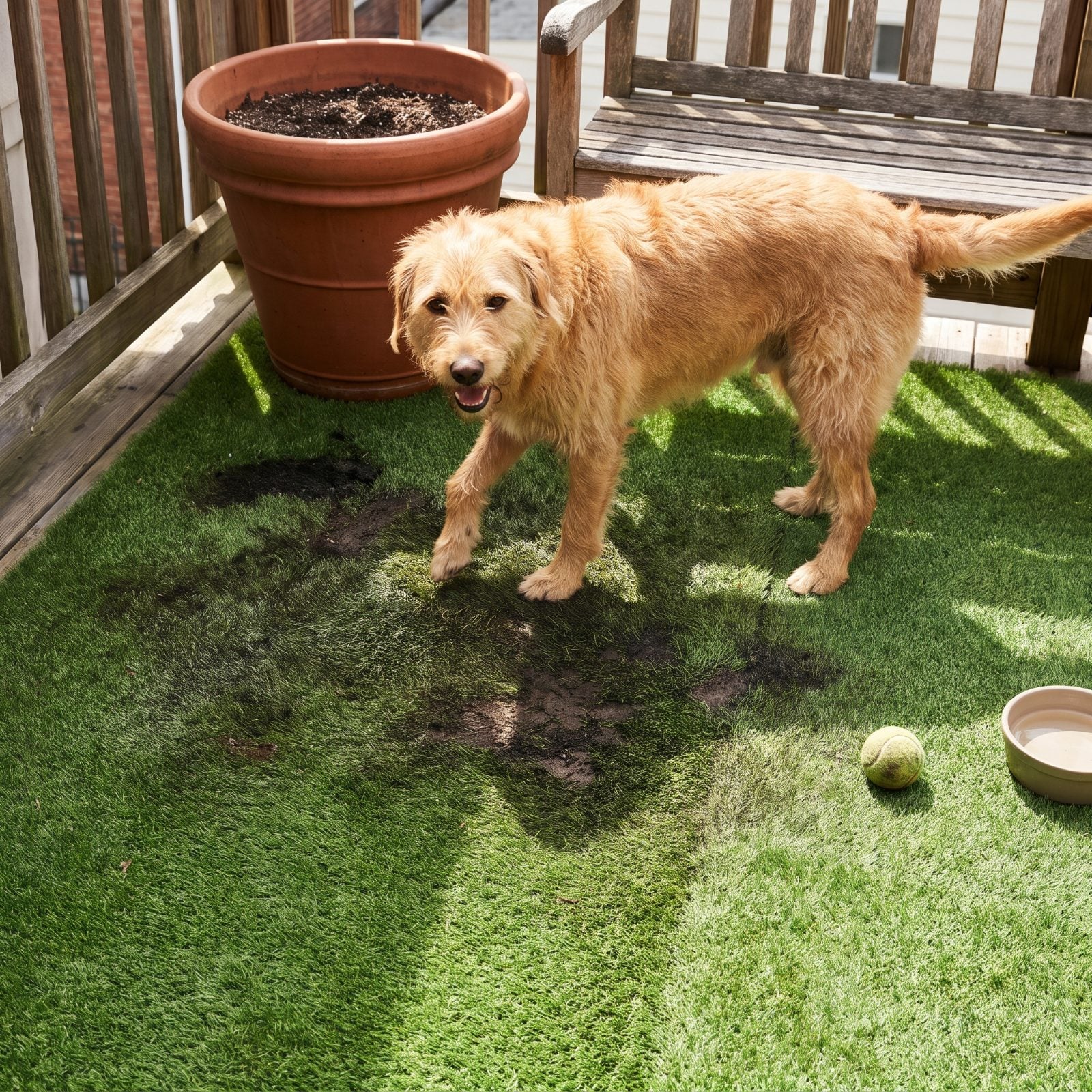
Turf decking promises the soft, barefoot feel of a lawn without the mowing. Kids love it, dogs love it, and the problem is what the pile holds.
Water drains slowly and sits in the backing, and a boathouse deck is wet most of its life. Trapped moisture plus shade plus lake organics equals a smell — a mildewy, swampy, nobody-wants-to-sit-here smell that no amount of hosing fully clears once it sets in. Leaves and dropped bait work down into the fibers where a broom can’t reach.
Want the soft underfoot feel anyway? Choose an open-weave turf rated for marine drainage, lift and rinse the backing seasonally, and keep it out of the deepest shade. Honestly, spaced composite boards do the same job and let the water fall straight through.
18. Spiral Staircases That Corrode at Every Joint
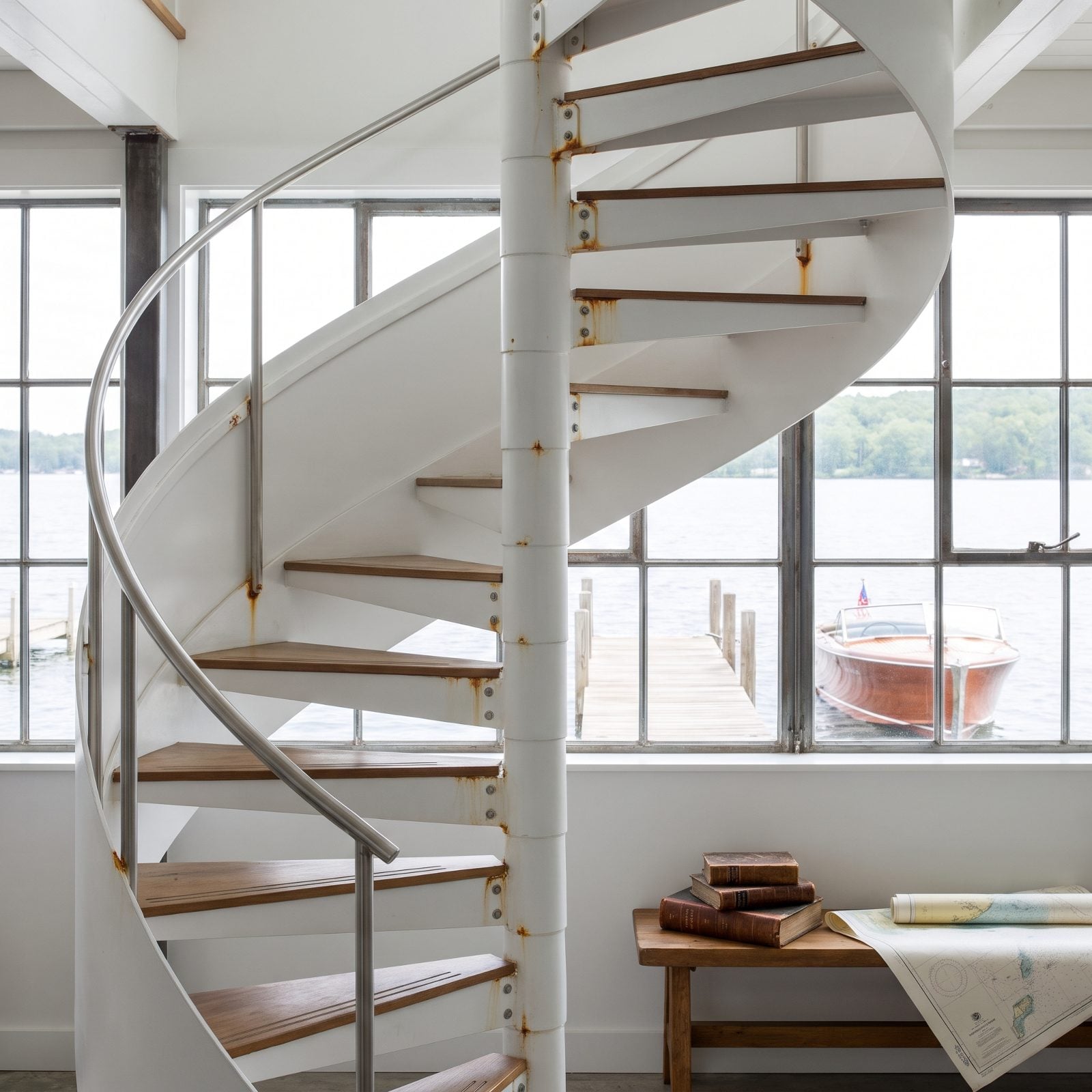
A spiral stair is a sculpture. It curls up through the middle of a boathouse and makes the whole building feel like it cost more. It also packs more joints, welds, and fasteners per square foot than any other way to get upstairs.
Every one of those connections is a spot where moisture sits and corrosion starts. Near water, rust finds the bolted joints and weld seams first, and once it bleeds through a powder coat you’re grinding, treating, and repainting pieces you can barely reach. The curved geometry that makes it beautiful also makes it miserable to service.
Go marine-grade. Hot-dipped galvanized or 316 stainless with isolated fasteners, and build in an annual wipe-down of every joint. A painted steel spiral by the lake is a repair bill on a clock.
17. Cantilevered Balconies That Make Underside Repairs Difficult
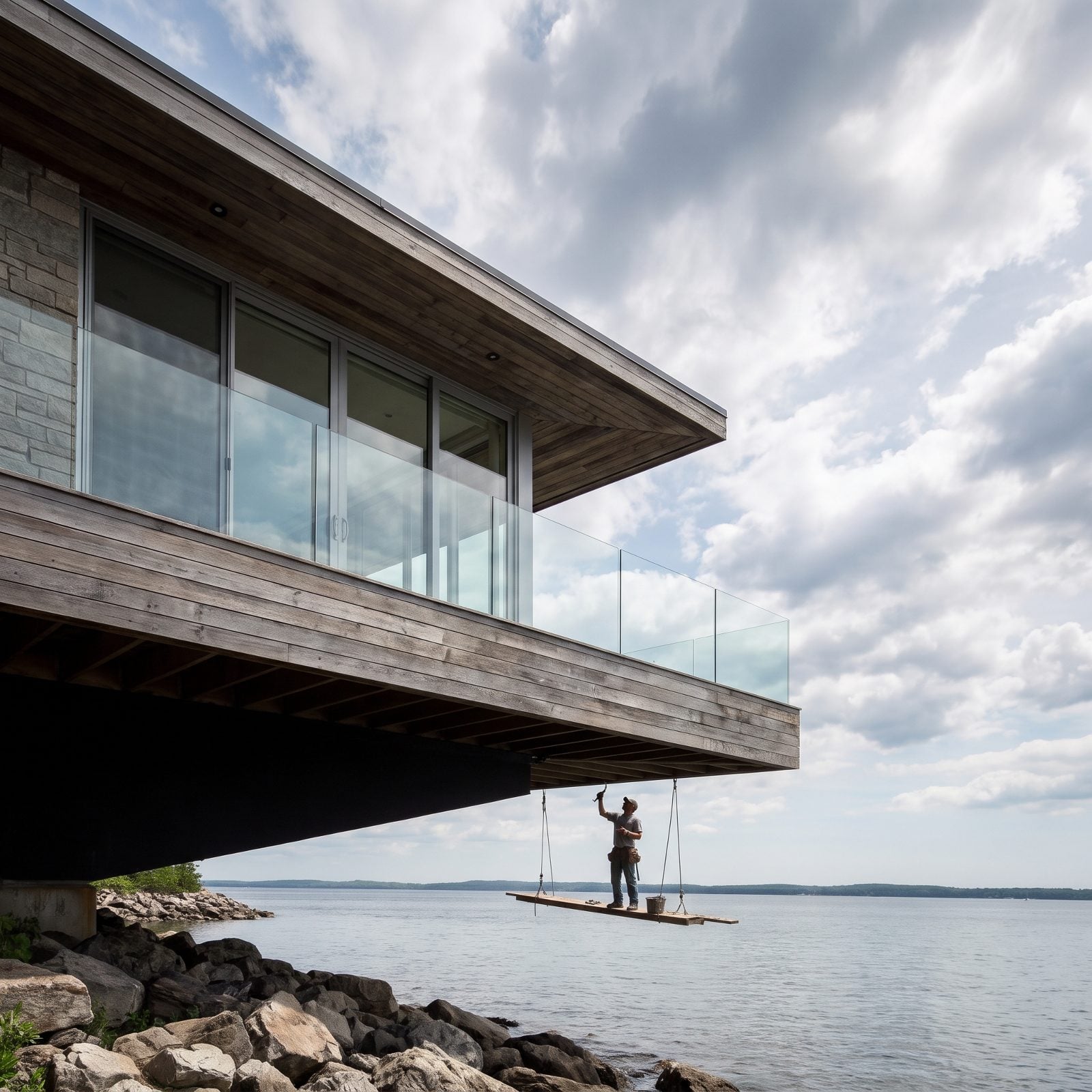
A balcony that floats out over the water with no posts holding it up is the kind of thing that makes guests stop talking. Pure drama. The underside, though, is where it gets you.
That soffit takes spray and sun and gets nothing back except streaks of mildew and water staining, and when a board or a flashing fails under there, you can’t reach it from the ground. You’re hanging off a boat, renting a lift, or building scaffolding over open water to fix something that would take ten minutes if it were accessible.
Design for service before you design for the wow. Sealed, rot-proof soffit materials, hidden drainage that actually sheds water, and some planned way to reach the underside. A gorgeous overhang you can’t maintain is a slow-motion expense.
16. Metal-Grate Catwalks That Trap Weeds, Lines, and Debris
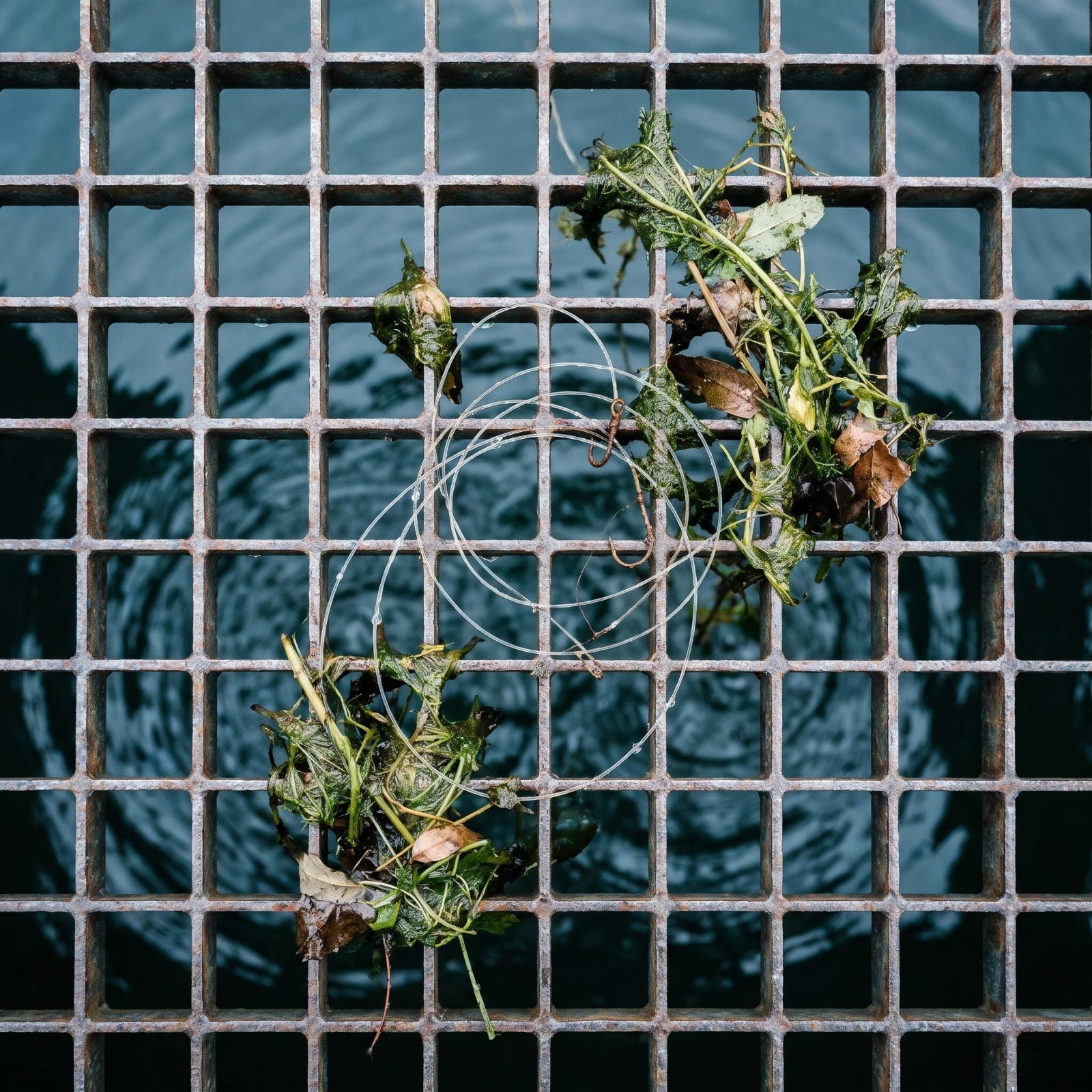
Open grating seems clever. Water falls straight through, nothing pools, you can see the lake under your feet. Then the lake sends things up to meet it.
Weed strands thread through the squares, snapped fishing line wraps around the grid, and leaves, caps, and bits of bait all wedge into openings a broom can’t sweep and a hose won’t fully flush. Clearing a grate catwalk means picking debris out square by square, and galvanized steel near water eventually hazes and spots at the welds no matter how good the coating was.
Choose a wider grid that lets debris drop rather than catch, keep it marine-grade, and accept a seasonal hands-and-knees clean-out. A pretty catwalk that collects the whole lake isn’t the convenience it looked like.
15. Built-In Storage Benches That Become Damp Lockers
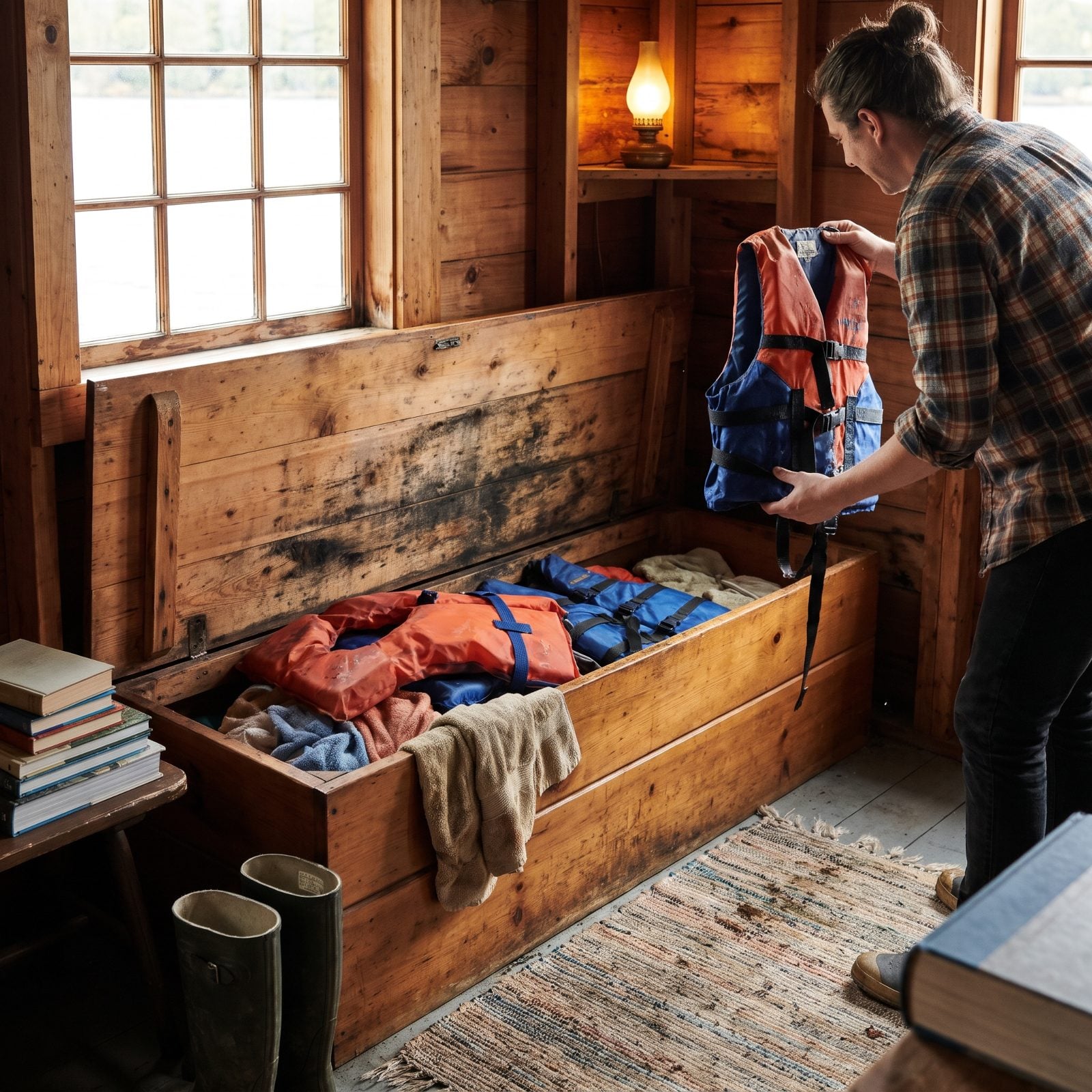
A bench that opens into storage is smart square-footage. Sit on the lid, stash the life jackets underneath, clean lines all around. But a sealed box inside a humid boathouse becomes a terrarium.
Wet gear goes in, the lid comes down, and the air inside never moves. Mildew settles on the walls and the stored cushions come out smelling like a basement after a flood. Life jackets you need dry sit there going musty in the dark.
Build in ventilation, drilled drainage, cedar lining, and a lid that doesn’t seal airtight. Toss a few desiccant packs in the corners. And here’s the real fix I wish more people used: never close the lid on anything still wet.
14. Custom Wood Cabinetry That Swells in Marine Humidity

Custom wood cabinetry brings a kitchen-grade finish to a space that’s basically outdoors. Painted sage doors, brass pulls, soft-close drawers. Beautiful. Also fighting a losing battle with the air around it.
Wood moves with moisture, and a boathouse swings from damp to dry and back all season long. Doors swell and stop closing flush. Drawers stick. Painted joints crack as the wood expands and contracts underneath them. Fine furniture joinery that behaves perfectly in a house starts misbehaving by the water, and there’s no finish that fully stops it — only hardware you can retune and construction that leaves the wood room to breathe.
Spec marine-grade plywood or solid wood built with movement gaps, finish every edge and back face rather than just the pretty front, and use hardware with a little adjustment range so you can retune the alignment each season. Treat it like boat joinery, because that’s what it has to be.
13. Butcher-Block Fish-Cleaning Counters That Stain and Split
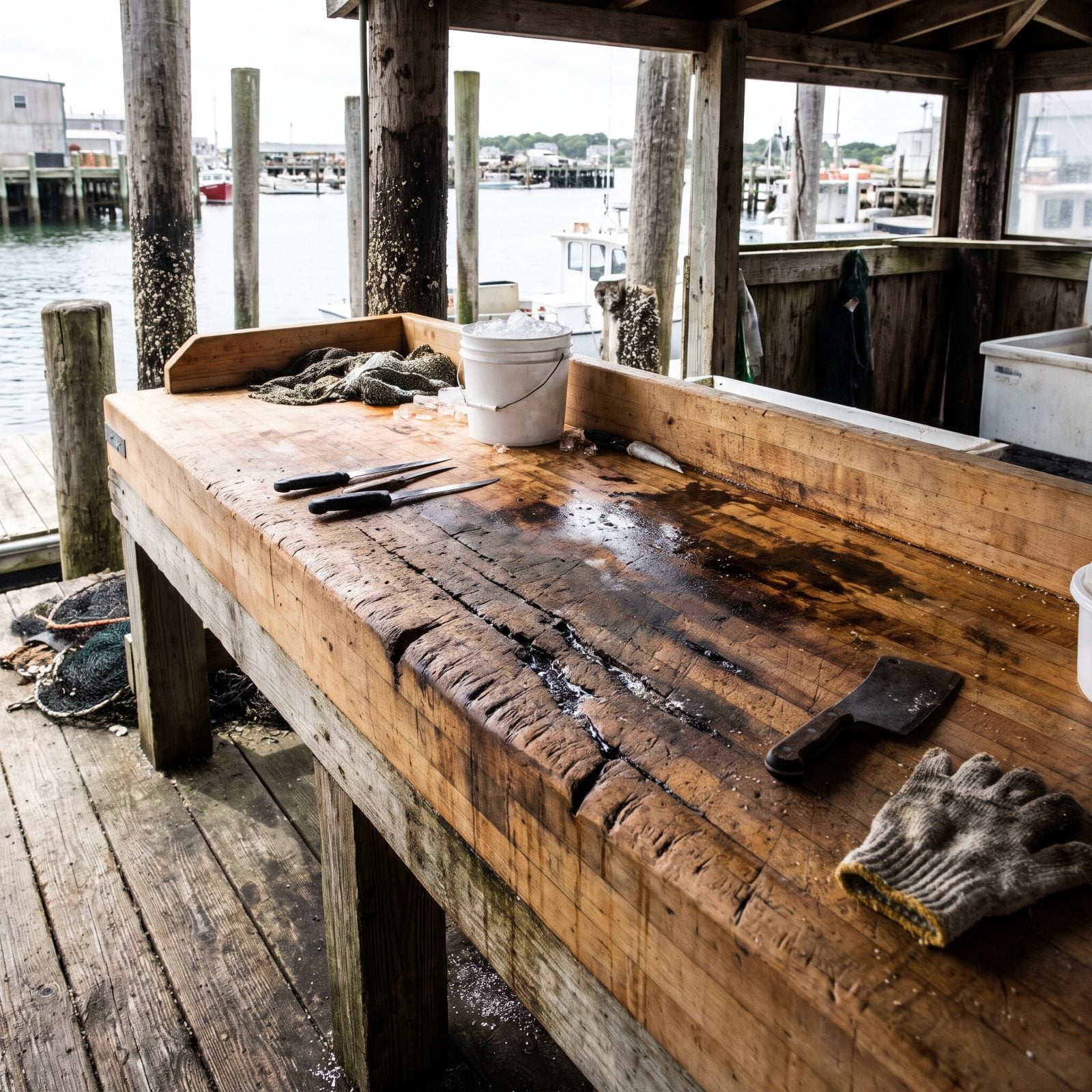
Butcher block on a fish-cleaning station looks like the real deal. Warm maple, thick end grain, the kind of counter that says a serious angler lives here. It’s also the worst possible surface for the job.
Fish, blood, and lake water soak straight into the grain and stain it dark, and no scrubbing lifts what’s absorbed. Constant wetting and drying splits the seams, water works into the cracks, and now you’ve got a cutting surface you can’t truly sanitize sitting next to the food you plan to eat.
Save the butcher block for the house. Out here, go sealed stainless or a solid poly cutting surface you can bleach down and hose off. Love the wood look? Keep it as a dry prep shelf and cut on something you can actually clean. Alright — that’s the one I feel strongest about on this whole list.
12. Plumbed Wet Bars That Must Be Winterized Every Fall
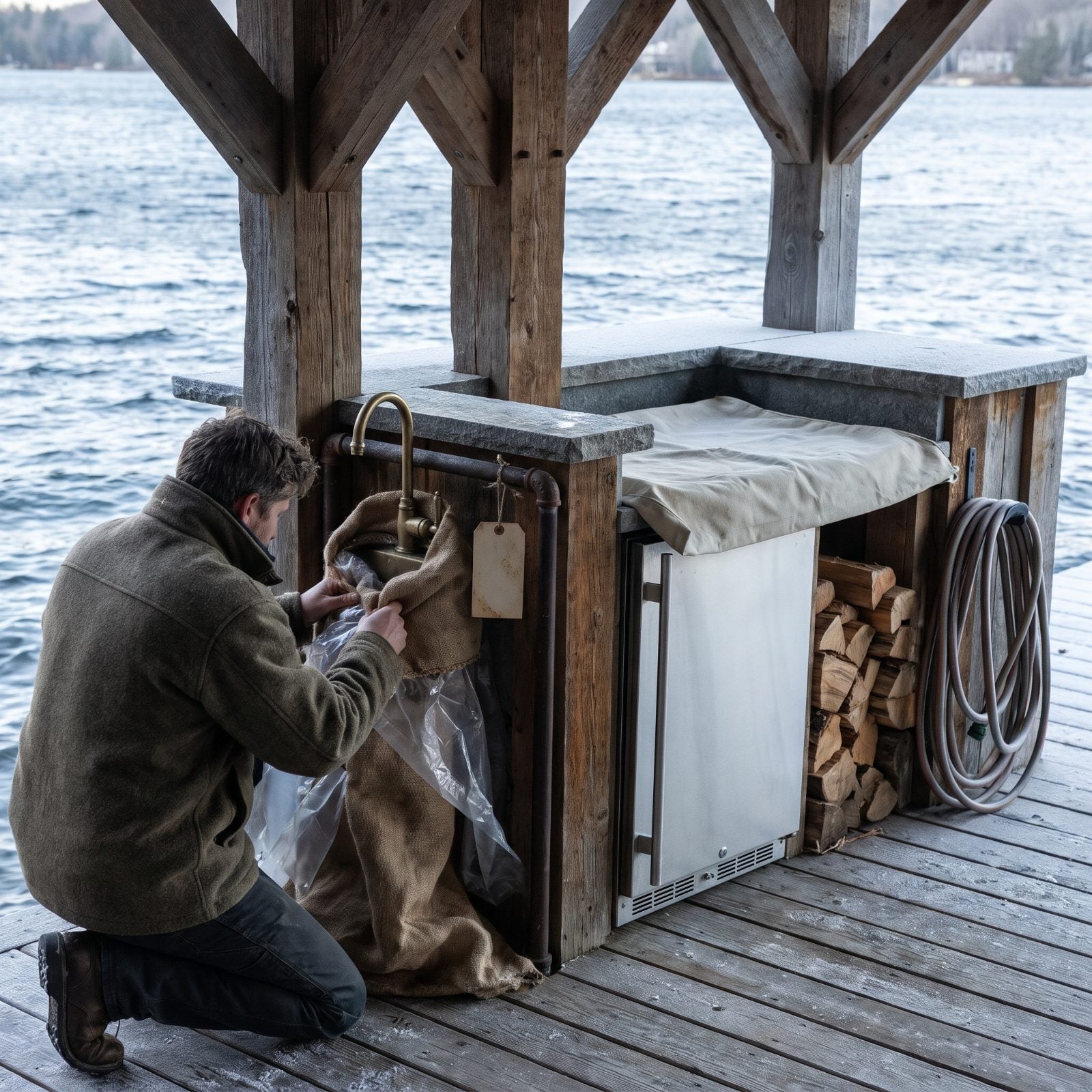
A sink and a bar fridge twenty feet from the water sounds like the best decision you’ll ever make. Cold drinks, no trek up to the house, the whole afternoon spent exactly where you want to be.
Then October comes. Every supply line, every trap, every inch of plumbing in an unheated boathouse has to be blown out and drained before the first hard freeze, or you’ll spend spring chasing a split pipe behind a cabinet you can barely reach. One missed fitting cracks and floods the slip.
Want the bar anyway? Plumb it so the whole run drains from a single low point and install shutoffs you can actually get to. Better yet, run it off a portable water jug with a drain-only sink. All the convenience, none of the February dread.
11. Hot Tubs That Pump Moisture, Weight, and Chemicals Into the Structure
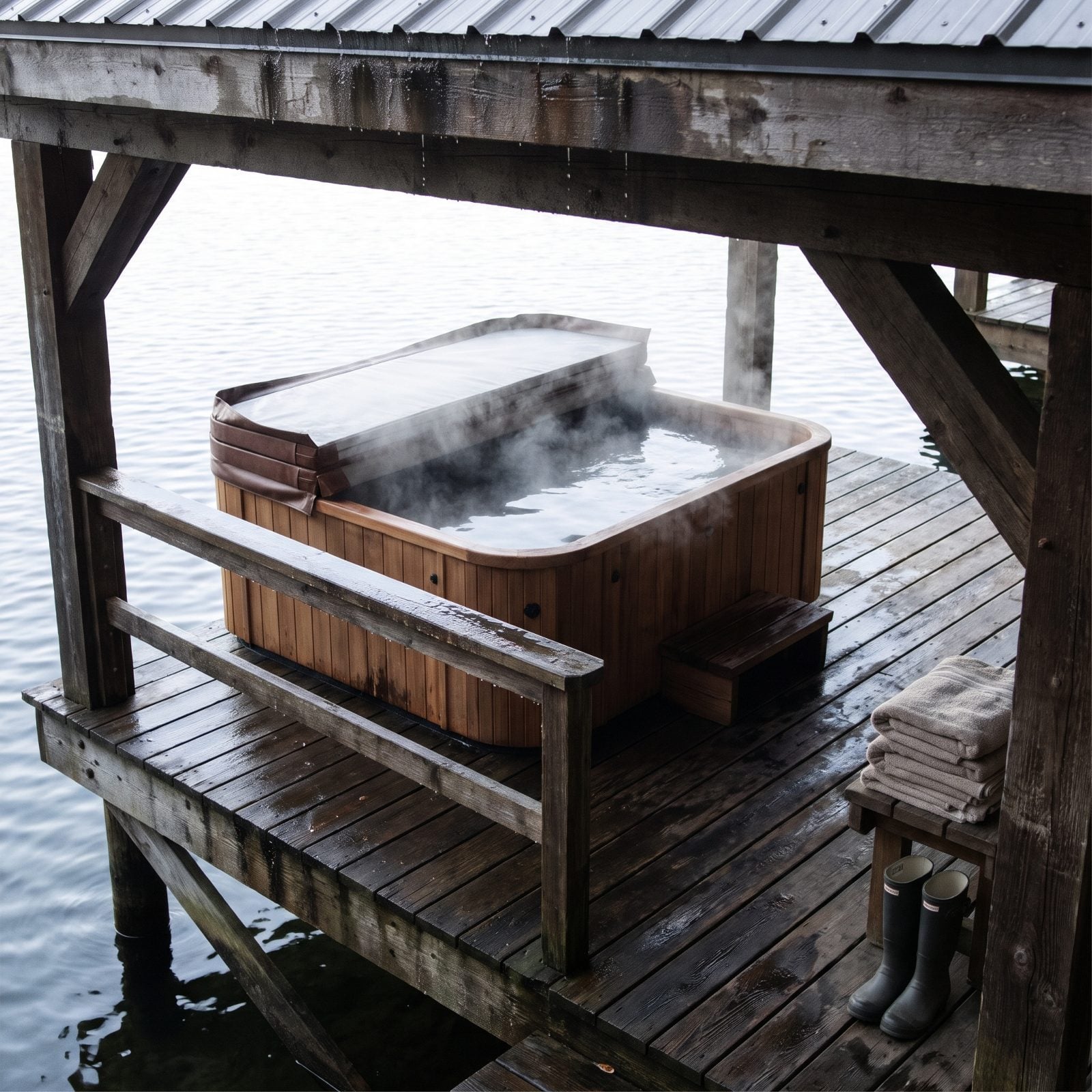
Nothing closes out a day on the water like sinking into hot water with the lake going silver at dusk. I get the appeal. I also get the invoice.
A full tub is a few thousand pounds of water parked on a wooden structure over a lake, and it never stops evaporating. That steam rises into your rafters and feeds mildew in every joint. The chemistry alone — bromine, shock, balancing the pH twice a week — turns relaxation into a part-time job.
A spa deck over the water needs engineered load support, a vapor-managed ceiling above it, and a cover you’ll actually keep latched. Honestly? A freestanding portable tub on the upper deck does the same job and lets the boathouse breathe. The lake looks just as good from eight feet higher.
10. Outdoor Showers That Turn Into Freeze Traps Every Winter
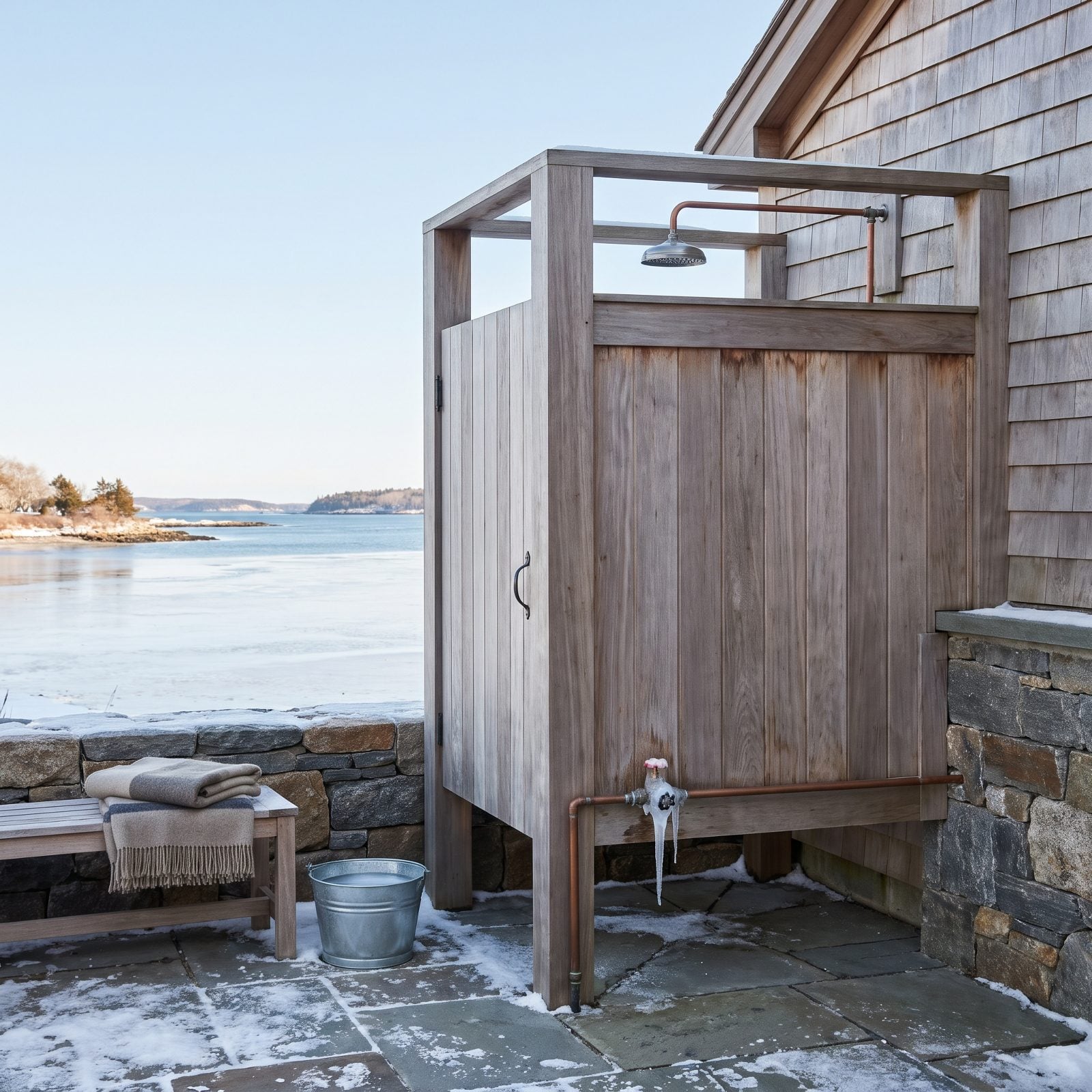
Rinsing the lake off before you walk inside is genuinely one of waterfront living’s quiet pleasures. Warm water, bare feet on smooth stone, the dock still dripping behind you.
The trouble is water that doesn’t leave. An outdoor shower over or beside a dock needs real drainage, and if the slope is off by even a little, you get a standing puddle that grows mildew all season. Come winter, any water left in the supply line freezes and splits the valve — a spring repair buried inside the wall.
Spec a shower with a dedicated drain, a generous floor slope, and a frost-proof valve with a true shutoff. In cold climates, drain it fully each fall. Done right, it’s a joy. Done lazy, it’s a slow leak with a view.
9. Decorative Fountains That Choke on Pollen, Leaves, and Lake Silt
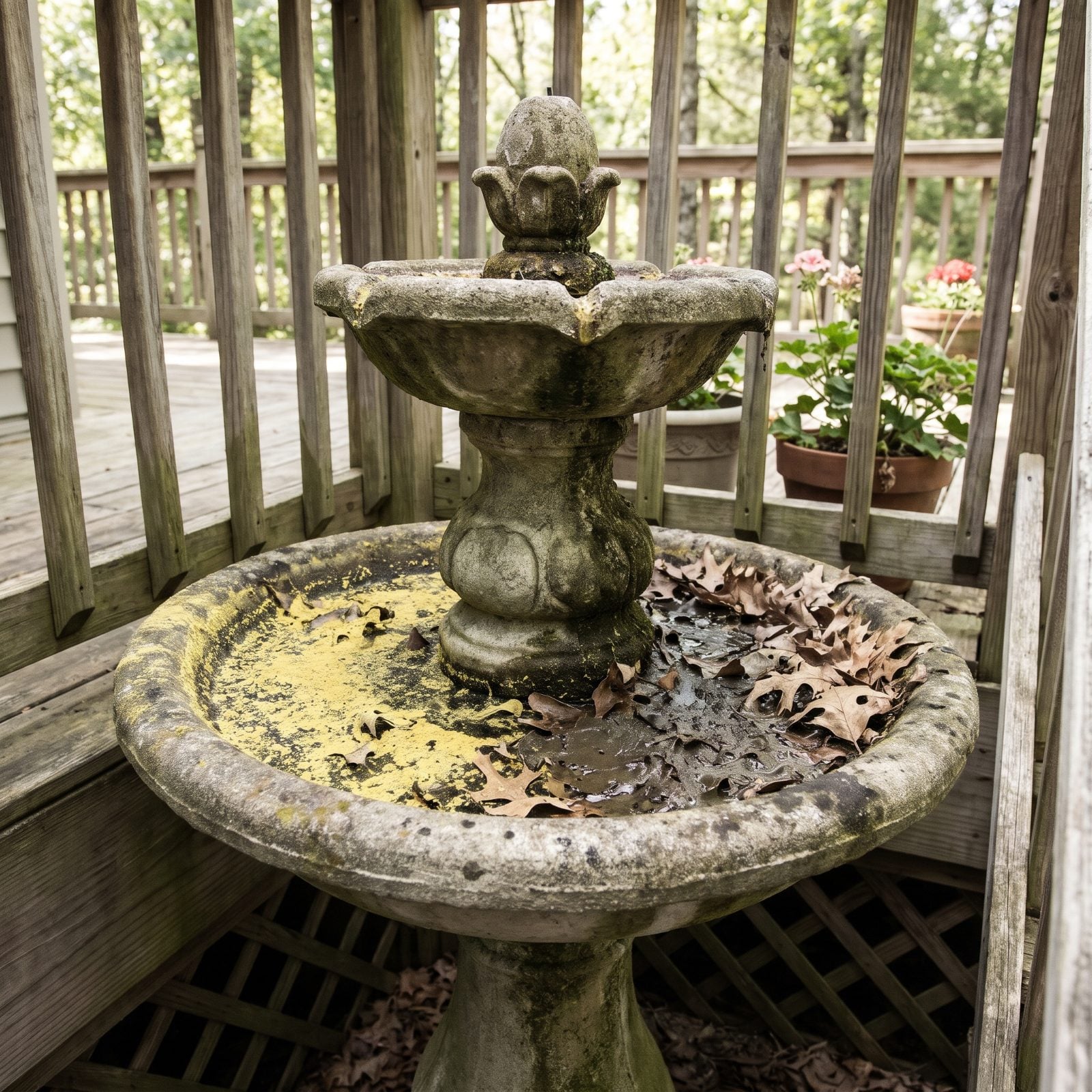
A fountain murmuring in the corner of a boathouse porch is pure atmosphere. It also sits in the one spot on earth where every bit of airborne lake junk goes to settle.
Pollen in spring, cottonwood fluff in June, fallen leaves all autumn — it all lands in the basin and heads straight for the pump intake. A clogged pump burns out, and standing water turns green fast in warm weather, so you’re scrubbing weekly to keep it from becoming a pond.
Love the sound? Pick a fountain with a submersible pump you can lift out and rinse in seconds, add a fine intake screen, and run it on a timer. Some weeks you’ll skim it like a tiny pool. That’s the deal.
8. Living Plant Walls That Hide Irrigation Leaks and Draw Insects
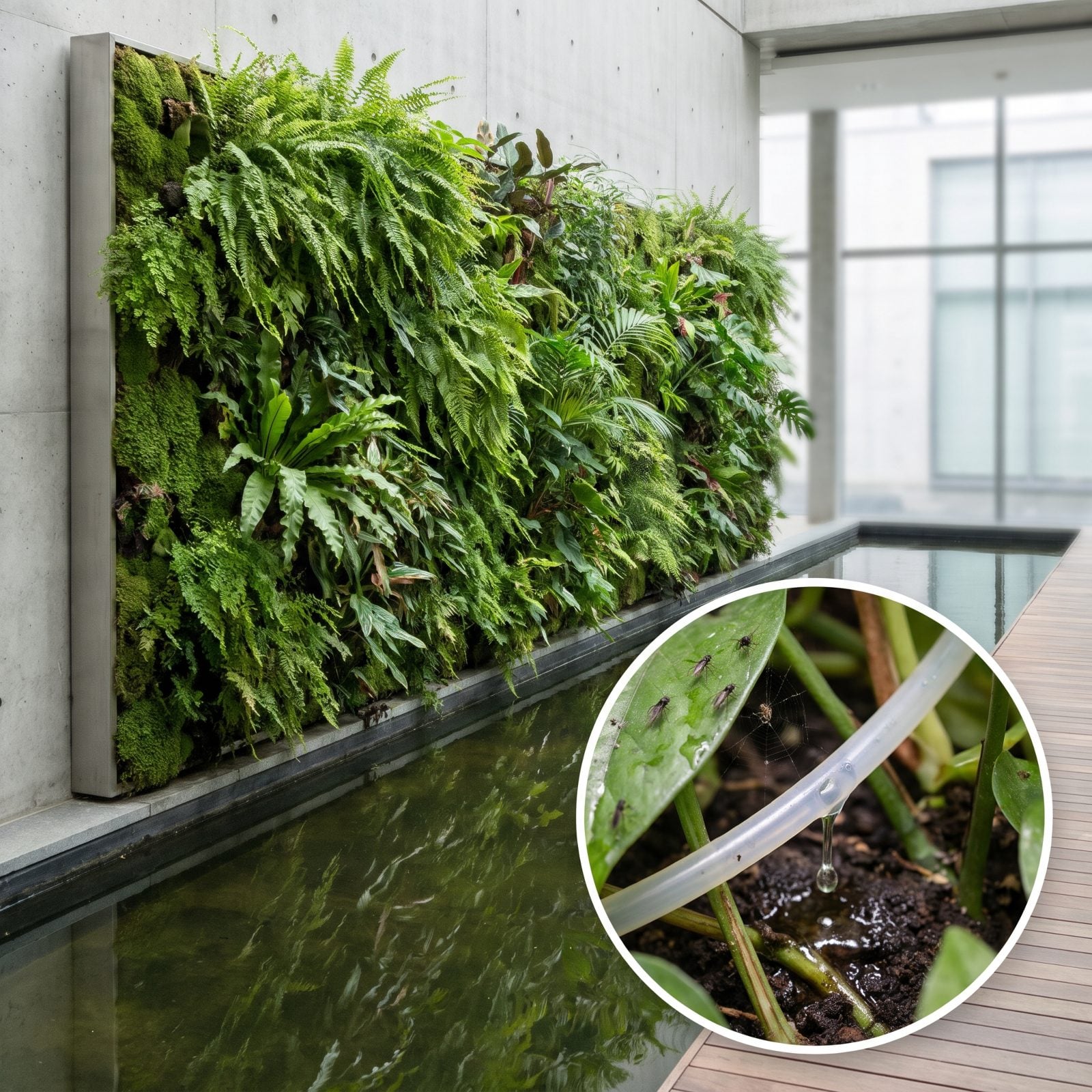
Green walls photograph like a dream and I understand why people want one inside a boathouse. Living texture, cool air, a loft that feels half-grown from the water itself.
Behind the leaves sits an irrigation system running water down a vertical surface inches from your concrete walls and wood decking. Emitters clog, lines seep, and the first sign of a slow leak is usually rot you can’t see until it’s structural. The constant damp also breeds fungus gnats and the occasional spider colony. Lovely.
Go living only if you’ve got a sealed, waterproof backing panel, a captured-drainage tray, and an irrigation line you check monthly. If that sounds like a chore, good faux greenery against a cedar wall gives you the same look and zero leaks.
A plant wall over water is a garden and a plumbing system pretending to be decor. Treat it like both.
7. Built-In Upholstered Lounges That Never Fully Dry Out
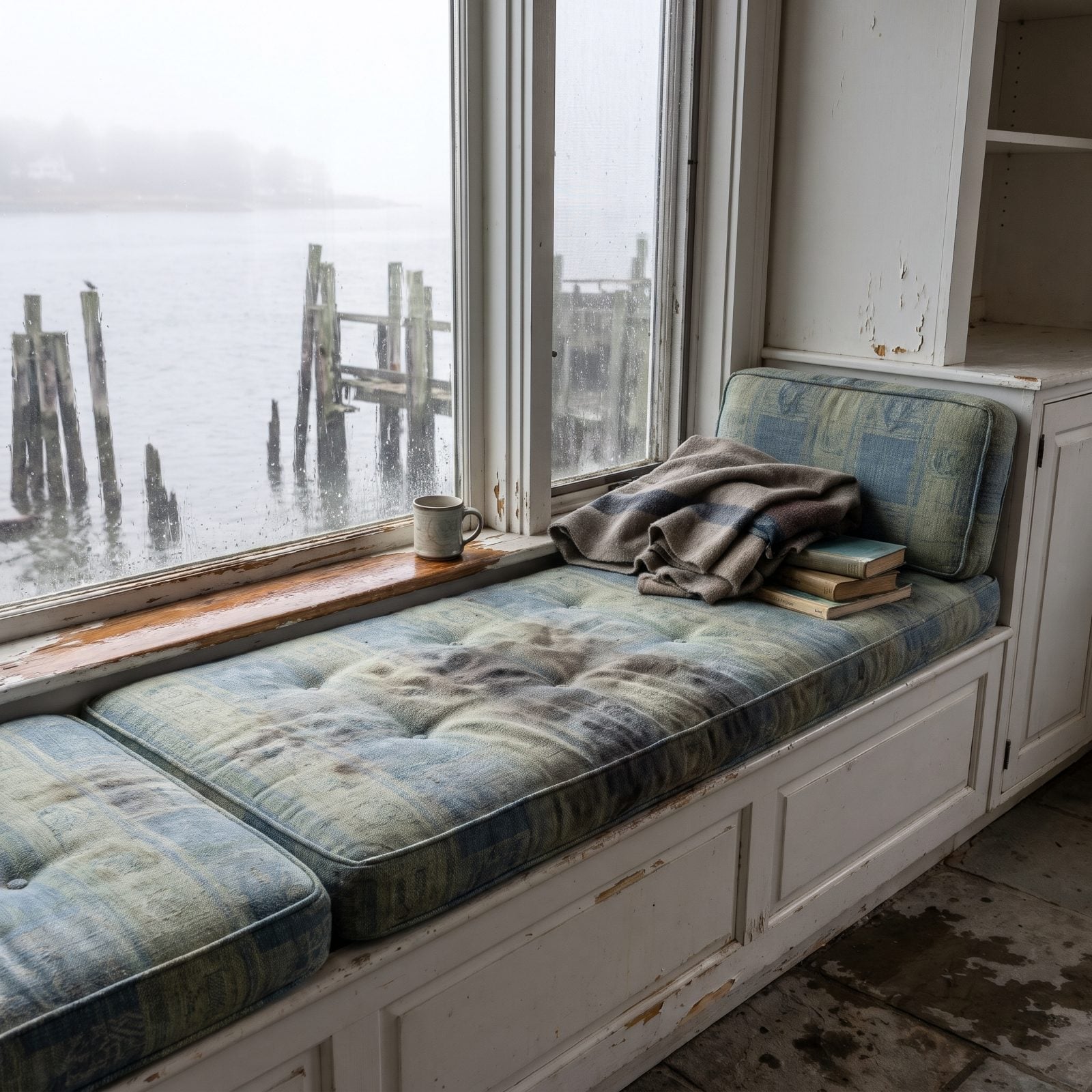
You want somewhere to sprawl with a book while the water slaps the pilings, and a fixed cushioned lounge seems like the obvious answer.
But upholstery over a lake has a problem the brochures skip: the air never dries out. Even marine fabric holds moisture in an unheated, humid boathouse, and built-in cushions can’t be moved, flipped, or carried inside. Mildew sets into the seams and the foam stays faintly damp for weeks. You’ll smell it before you see it.
Want soft seating down there anyway? Use quick-dry open-cell marine foam, removable covers in solution-dyed acrylic, and a base with airflow underneath so the cushions aren’t sitting on a sealed box. Store them up at the house off-season. A lounge you can lift beats a lounge you can’t.
6. Outdoor Rugs That Quietly Rot the Deck Underneath
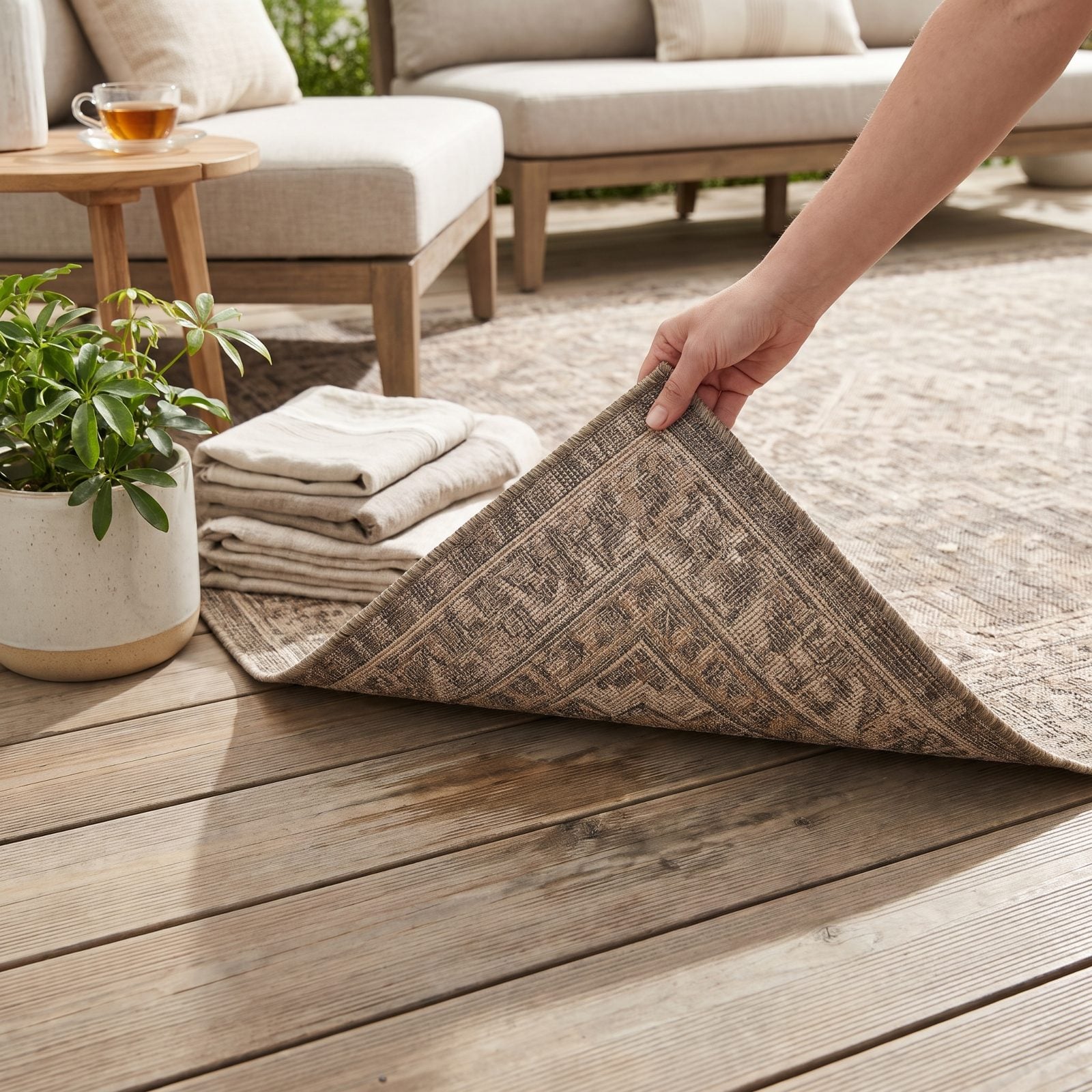
A rug makes a hard deck feel like a room. It also acts as a lid, and lids trap water.
Spray from a passing wake, morning dew, a splash off wet feet — it all slips under the rug and sits against the boards with nowhere to evaporate. Weeks later you can lift the corner and find a dark rectangle of mildew and softening wood.
Choose a fully permeable PVC or flatweave rug that lets water drain straight through, lift it after any heavy splashing, and roll it away entirely for the off-season. A rug that breathes is a rug that doesn’t quietly cost you a plank.
As a deck builder puts it, “Rain, morning dew, and high humidity can get trapped underneath a rug. If the rug material doesn’t allow for quick drying and proper airflow, that constant moisture will sit on the surface of your deck.”
5. Flowing Outdoor Curtains That Collect Every Bug and Lake Film

Those billowing curtains are the money shot of every waterfront listing. Then you live with them.
Fabric that hangs in open air over a lake catches everything the wind carries. The hems wick up spray and develop a grey-green grime line you can’t fully scrub out. Bugs nest in the folds, spiders set up in the corners, and the whole thing needs taking down and laundering far more often than anyone warns you.
Love the look? Hang solution-dyed acrylic panels on a track so they slide off easily for washing, keep the hems a few inches off the deck, and tie them back in still, damp weather when the bugs are worst. Fewer launder days, same romance.
4. Ceiling-Mounted Kayak Hoists That Drip on Everything Below
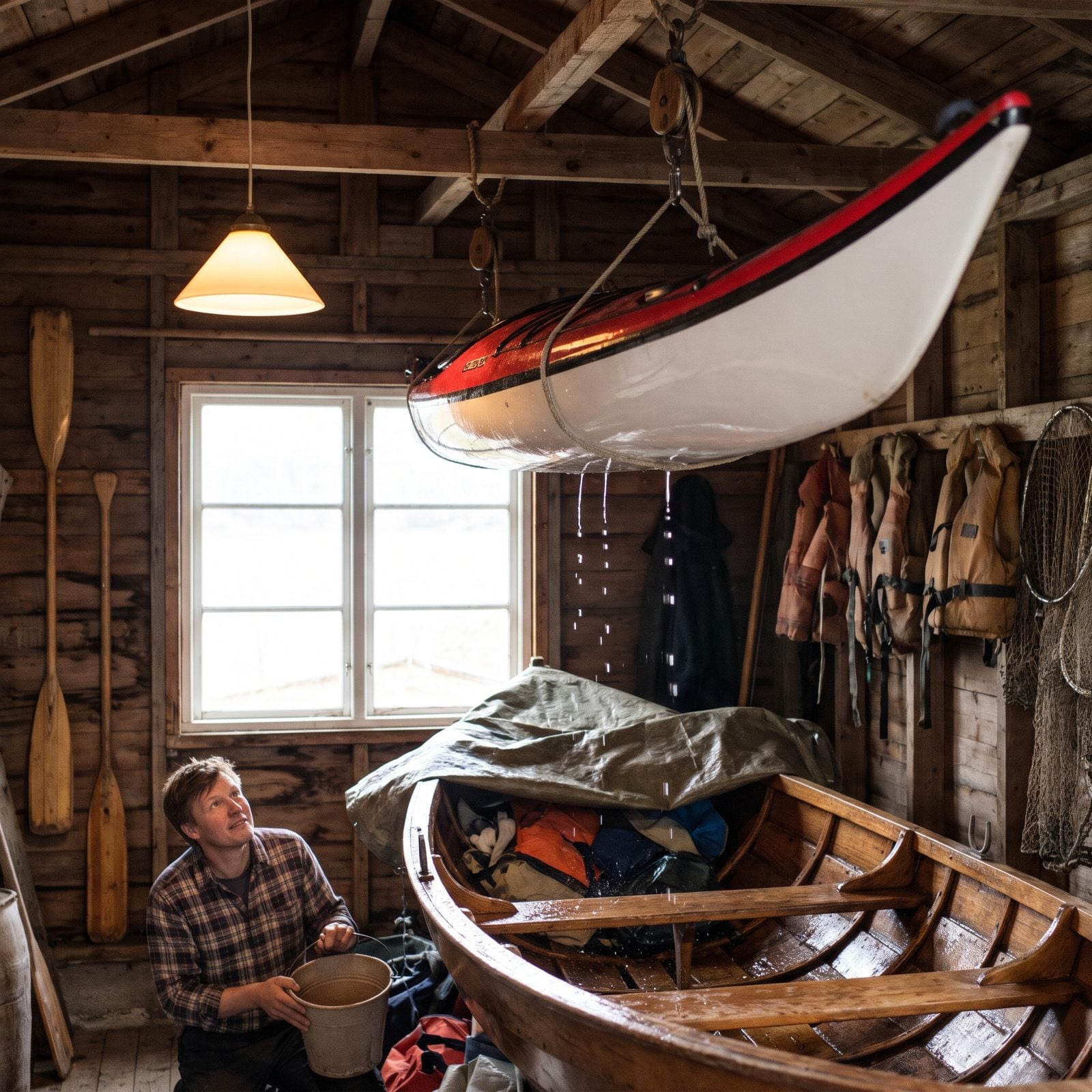
Hoisting the kayaks up out of the way is smart storage. The problem is physics: a wet hull stored overhead drips, and whatever sits below gets rained on.
Park a kayak over your seating, your bar, or your boat, and every paddle you take leaves water spots and slow mildew on whatever’s underneath. The steel hooks and pulleys live in humid air and rust, so you end up with a hoist that sticks or, worse, lets go.
Mount hoists over the open water of the slip or over a bare, drainable floor section — never over furniture or the boat. Use stainless or marine-grade hardware, let boats drip-dry before raising them, and check the pulleys each season. Store the kayak where its drips don’t matter, and the whole clever system stays clever.
3. Drive-On Jet Ski Ports That Trap Algae and Scum
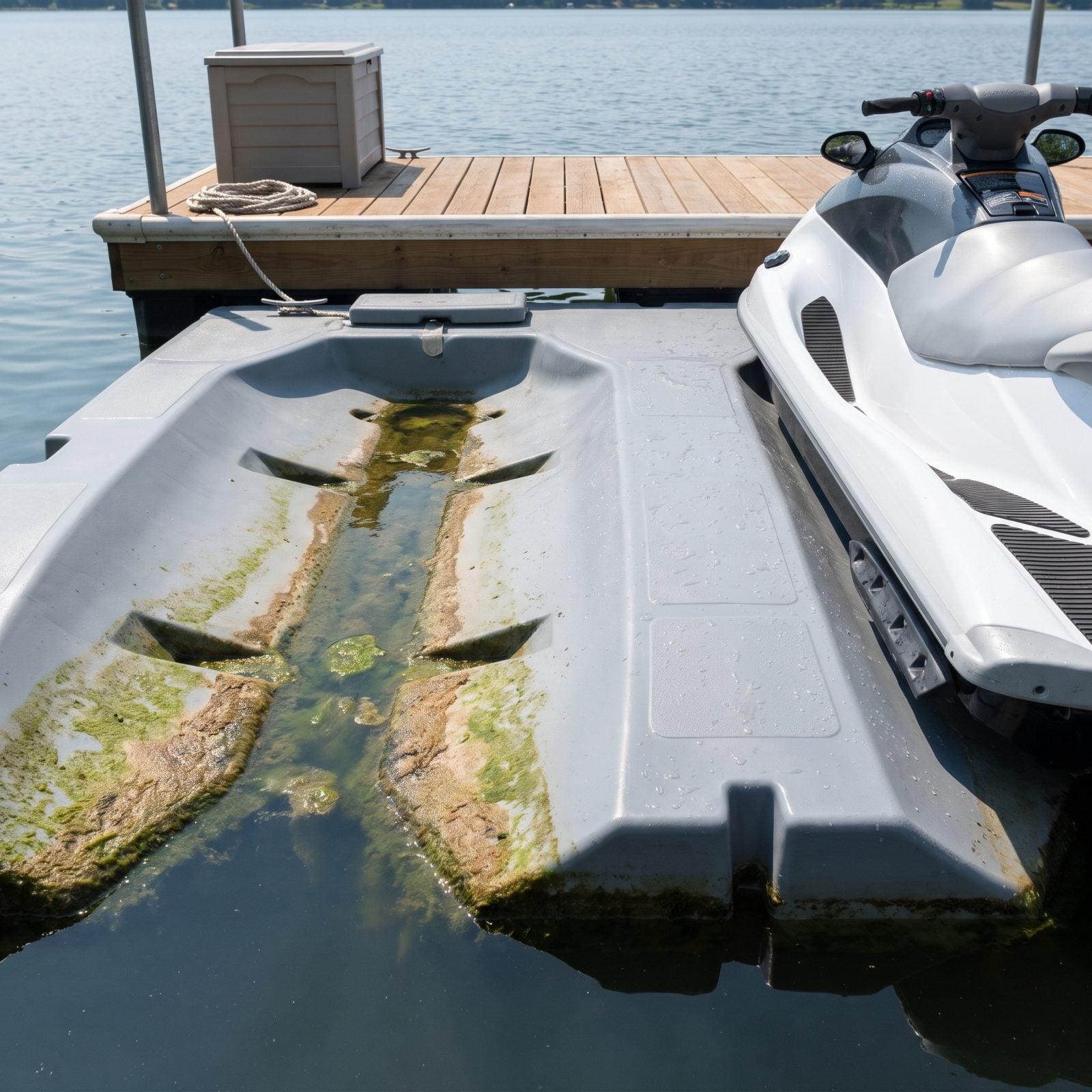
The sales photo always shows it dry and gleaming. You back the ski on, hop off, and walk away — no lift, no straps, no cranking. It looks like the easiest thing on the water.
Then summer happens. Those low rollers and self-draining channels sit right at the waterline, which is exactly where algae wants to live, so by August scum rings have crawled along the plastic and pollen has packed itself into the drainage slots and the whole thing has gone slick and green. Left alone, that film eats into the rollers and the ski starts skidding sideways on the way up.
Keep a stiff deck brush and a jug of boat-safe cleaner out on the dock, and scrub the waterline once a week through peak season. Ten minutes, tops. Skip a month and you’re into a full afternoon with a pressure washer and some regret.
2. Hydraulic Swim Platforms With Specialized Repair Needs
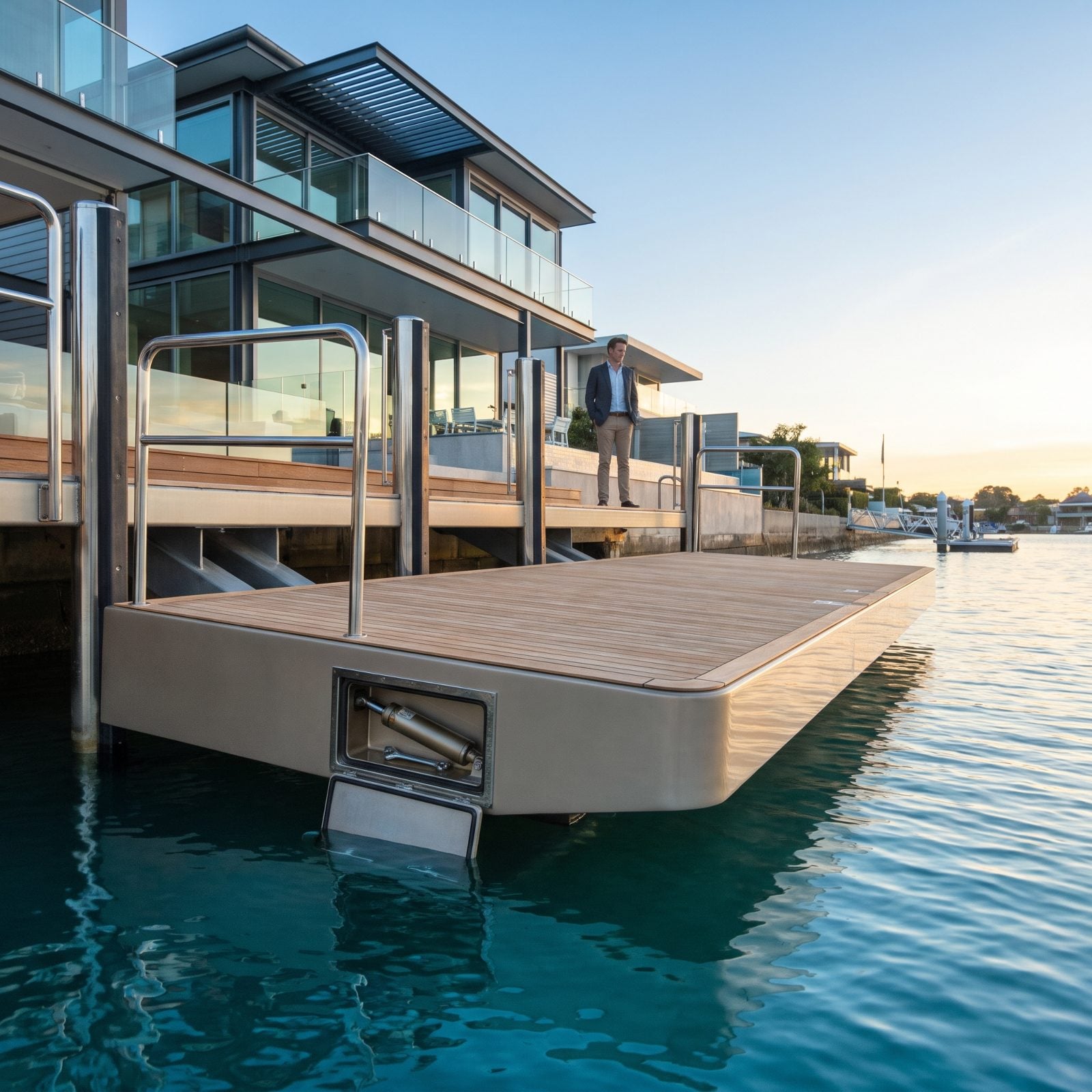
A swim platform that glides down at the push of a button feels like pure luxury. It drops to water level for swimming, lifts up to cradle a dinghy, and turns boarding into something your knees will actually thank you for.
The catch lives in those hydraulic cylinders and seals. Water, sun, and temperature swings wear the seals down over time, and a weeping cylinder is not a job for the guy who changes your oil — you’re looking at a marine hydraulic specialist, parts ordered straight from the manufacturer, and a bill that climbs fast once labor gets involved.
So rinse the rams and hinges with fresh water after every saltwater outing, wipe them dry, and hit the pivot points with marine grease a couple times a season. And watch for any oily film on the cylinder. That sheen is the first whisper of a seal going, and catching it early is the difference between a fifty-dollar fix and a thousand-dollar one.
1. Concealed Boat-Lift Machinery That Is Nearly Impossible to Service
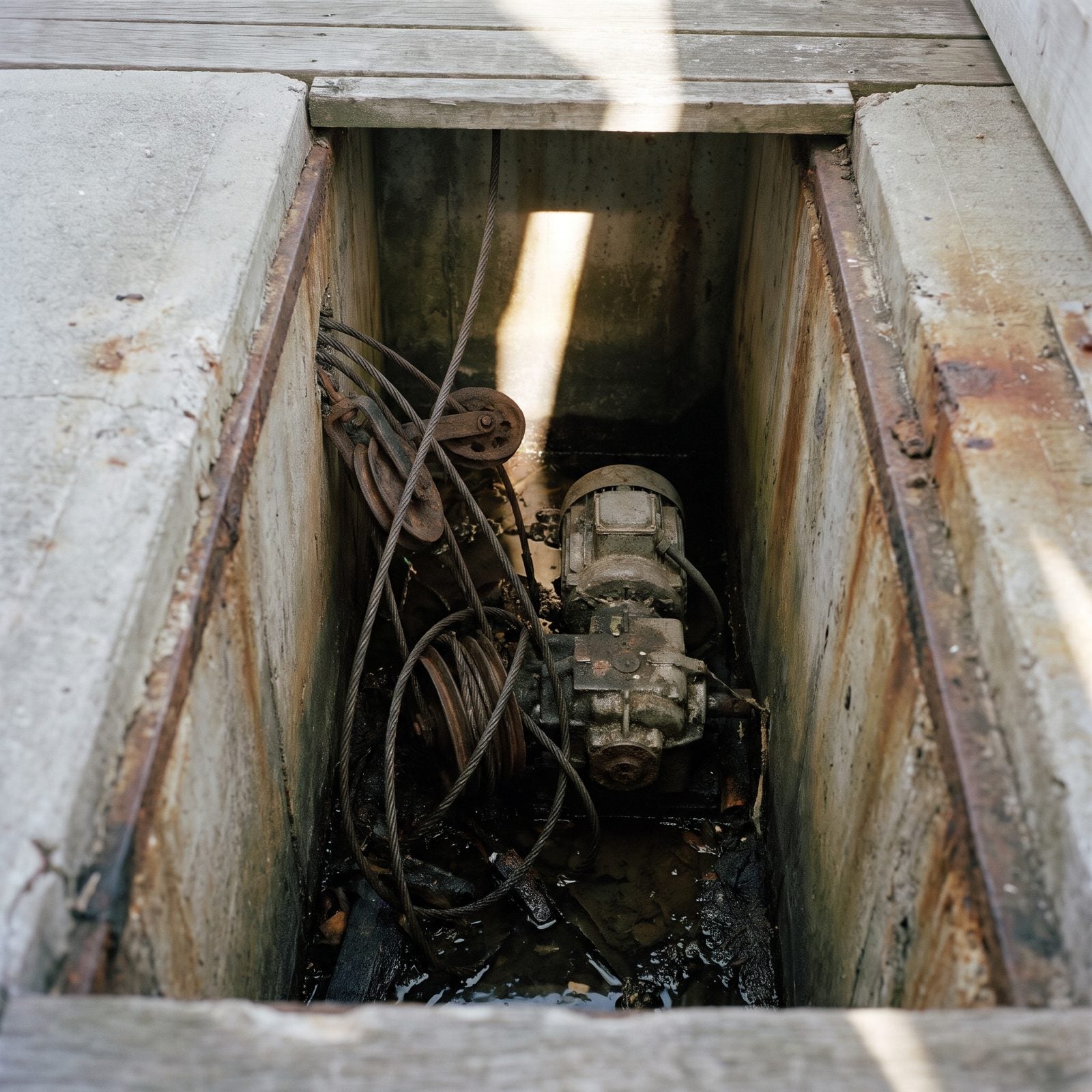
Tucked-away lift machinery is a thing of beauty right up until it stops working. The cables, motor, and pulleys vanish behind a tidy cedar box, the boathouse reads clean and finished, and nobody has to stare at greasy mechanical bits.
Nobody can reach them either. That’s the problem. Cables rust in the damp cavity air, motors need their gears checked, and when a tech shows up for routine service half the appointment gets eaten prying off panels and folding himself into a gap built for looks rather than for a grown adult holding a wrench.
Hidden machinery still demands cable inspection, motor lubrication, and a sharp eye on corrosion. Build in generous access from day one — otherwise you’re budgeting for the labor of wrestling your own boathouse on every single visit.