
The boat looks great from the dock. Clean gelcoat, tidy lines, a seller who clearly loved it. Then you step aboard and your gut does something funny before your brain catches up. The carpet. That engine box you have to climb over. A little tube TV bolted into the cabin like it’s still 2003. None of it is broken, but all of it will cost the seller money at sale time and cost you leverage if you’re the one walking the deck with a checkbook. Here’s what brokers quietly flag as the stuff buyers now squint at, discount, or walk from entirely.
Please note that some of the imagery in this article may have been enhanced with the assistance of AI.
Wall-to-Wall Glued-Down Carpet, Above and Below Deck
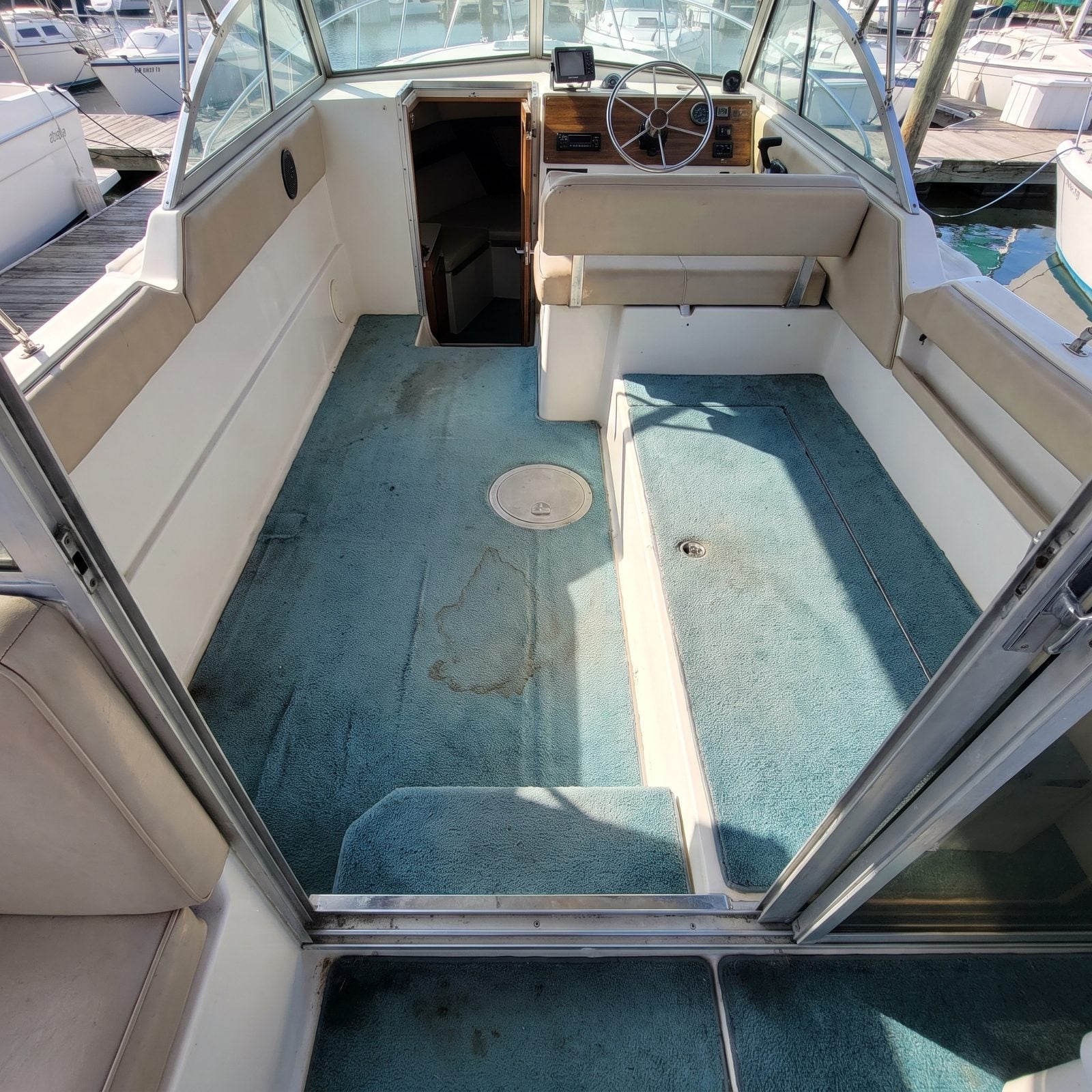
Carpet on a boat is a sponge. It soaks up spilled drinks, wet feet, fish slime, and that one rainstorm you didn’t quite close up for, then it traps all that moisture against the sole. Moisture against a sole is how you get smell and rot.
Buyers in 2027 want snap-in removable carpet or textured non-skid they can hose out. Glued-down loop pile reads as a project before the sale even closes.
Describing what every glued-down carpet replacement involves, a Tampa marine flooring installer lists “Scraping and prepping the substrate, often finding rot underneath because carpet hid moisture for years.”
Early-Generation Two-Stroke Outboards
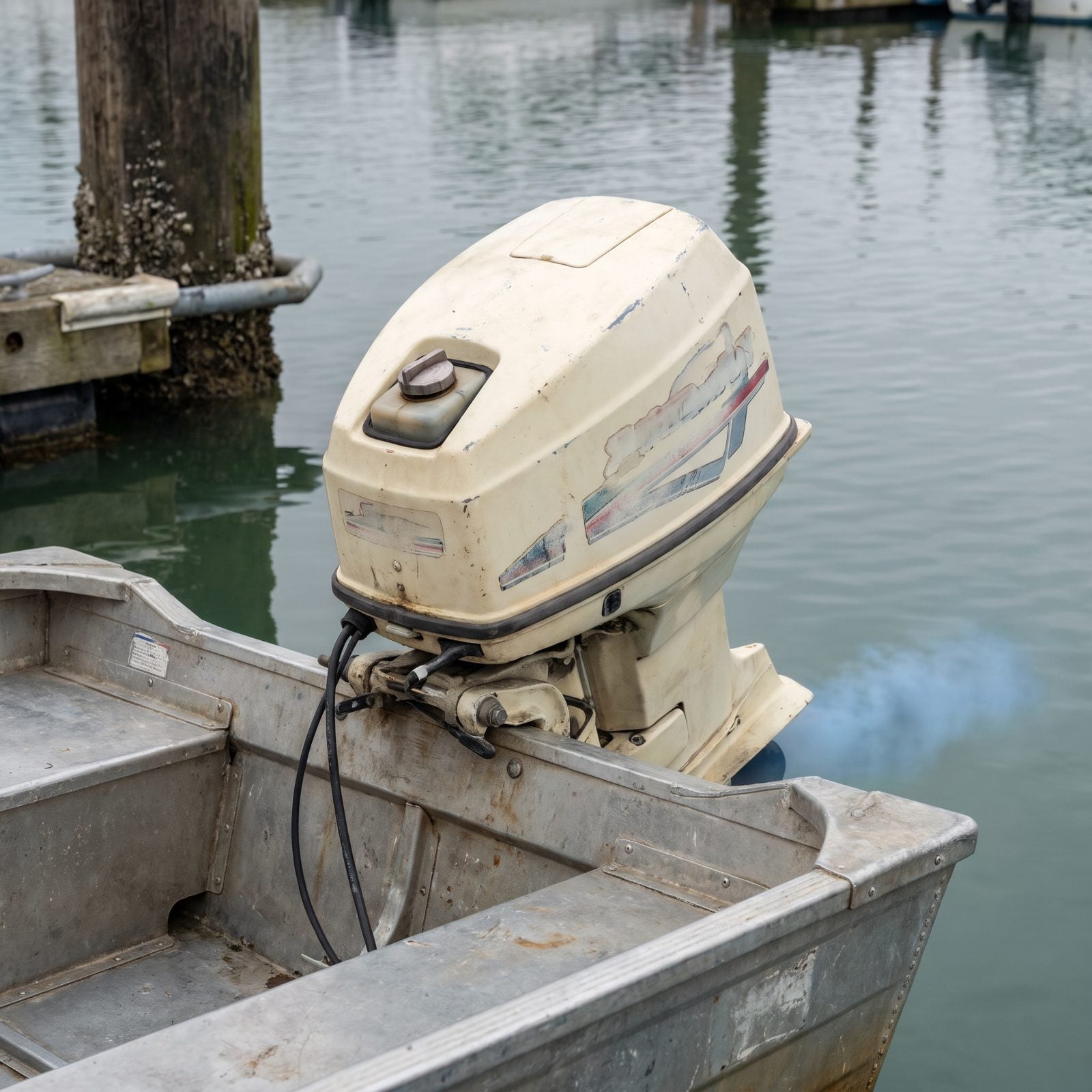
You can hear the difference from three slips away. The blue-smoke haze, the smell, the oil you’re forever mixing or topping off. Early two-strokes drink fuel and exhale emissions badly enough to make marina neighbors wince and some lakes legally off-limits.
Four-strokes and modern direct-injection outboards reset the bar on quiet, clean running. A smoky older two-stroke still runs fine, but buyers now treat it as borrowed time on the repower clock. And a repower is real money.
Speaking to a UK boating magazine, one used outboard dealer said most of the shop’s customers choose a used four-stroke over a two-stroke because it runs quieter and uses less fuel, even though it’s heavier.
Bulky Engine-Box Seating in the Cockpit
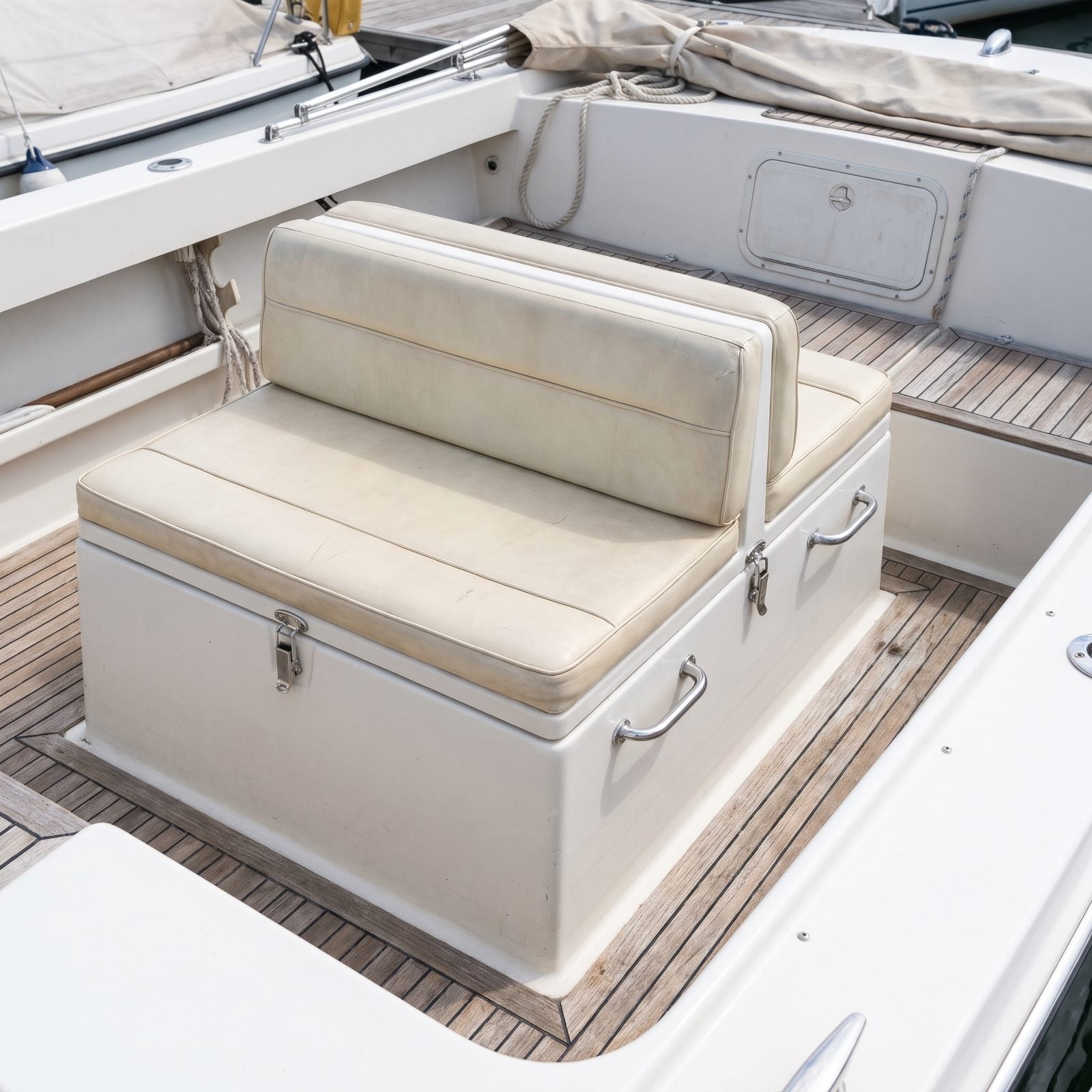
That padded bench in the middle of the cockpit is hiding your engine, and it’s eating the one thing boaters actually want: open, walkable floor space.
You climb over it, step around it, and lift the whole cushioned lid every time you check the oil. Newer layouts tuck the engine under a flush hatch and hand you a flat, usable cockpit. Once a buyer has stood in that kind of open space, the engine box starts to feel like furniture that refuses to leave.
Large Fixed Dinette Booths
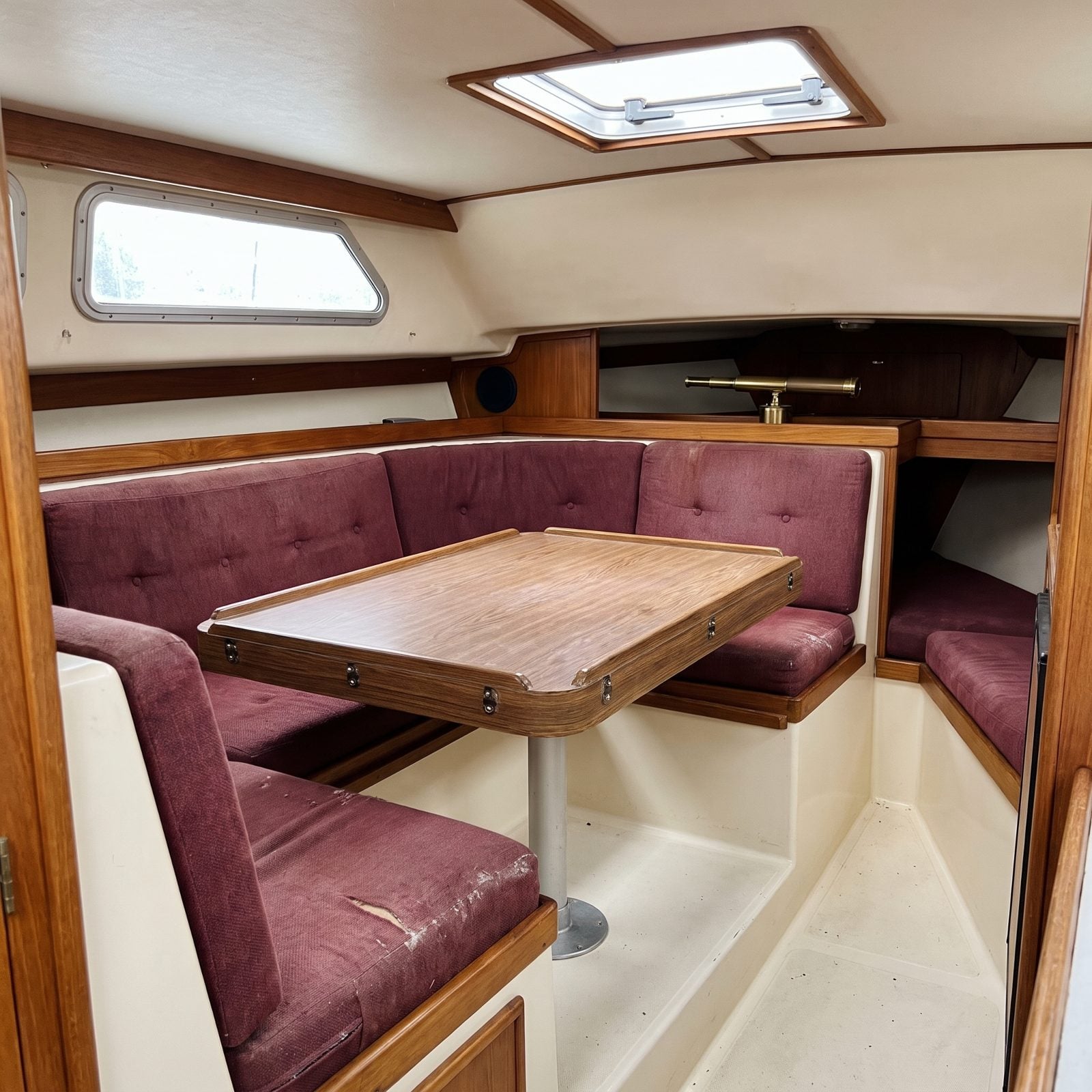
The big U-shaped booth was built for a dinner party nobody throws on a boat anymore. It’s bolted in, it’s huge, and it locks the cabin into one use.
Convertible setups that drop into a berth or fold away flat are what sell now, because space on a boat is the whole game. A fixed dinette that can’t move reads as square footage you paid for and can’t reclaim.
Wet Heads With No Separate Shower Stall
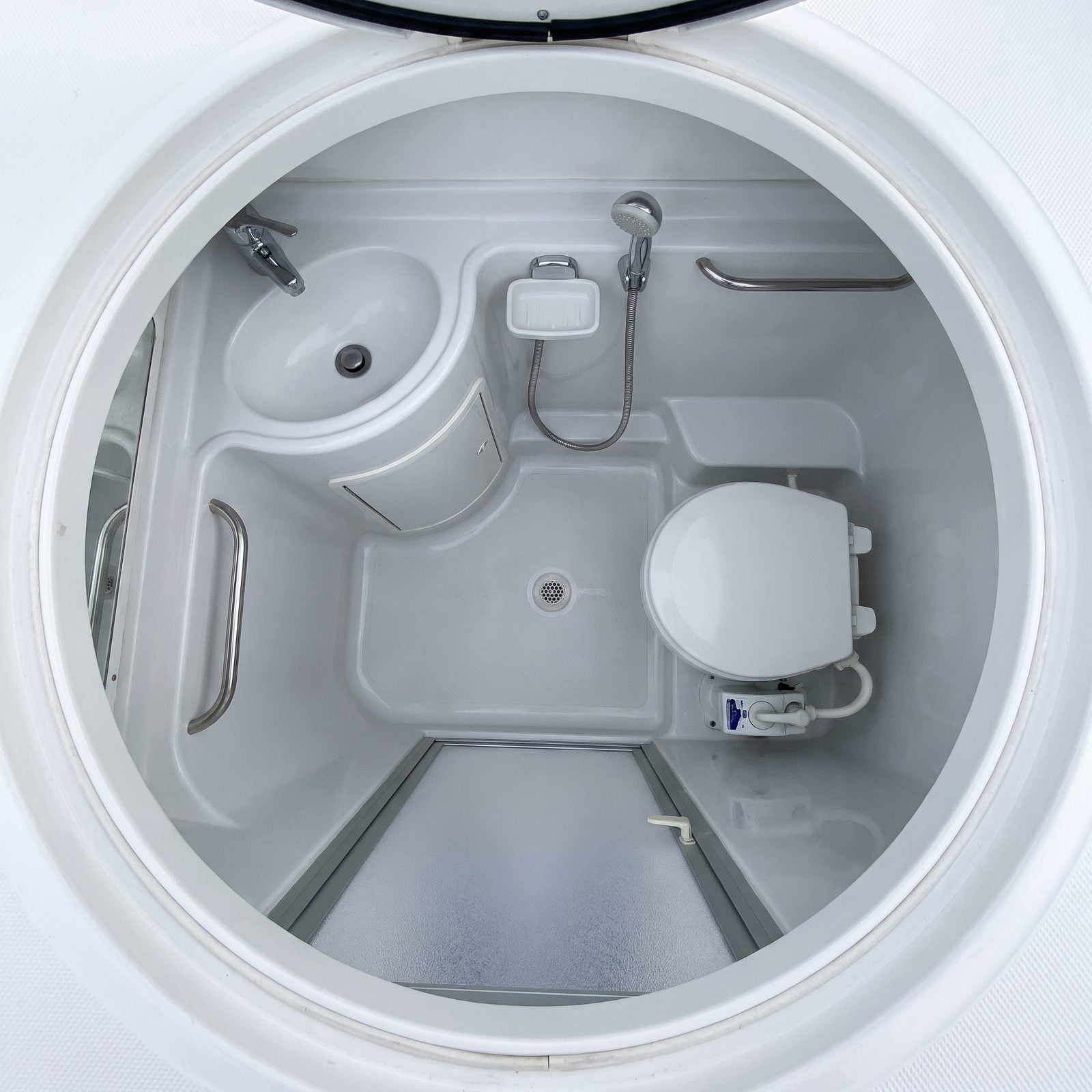
A wet head means the whole bathroom is the shower. You rinse off and everything gets soaked: the toilet, the paper, the towel you forgot to move. Then you wipe it all down, every single time.
Buyers planning to sleep aboard for more than a weekend want a separate stall that keeps the rest dry. On a small boat it’s a reality nobody loves. On anything mid-sized, the missing shower stall now reads as a comfort downgrade worth negotiating on.
Back-to-Back Lounge Seats
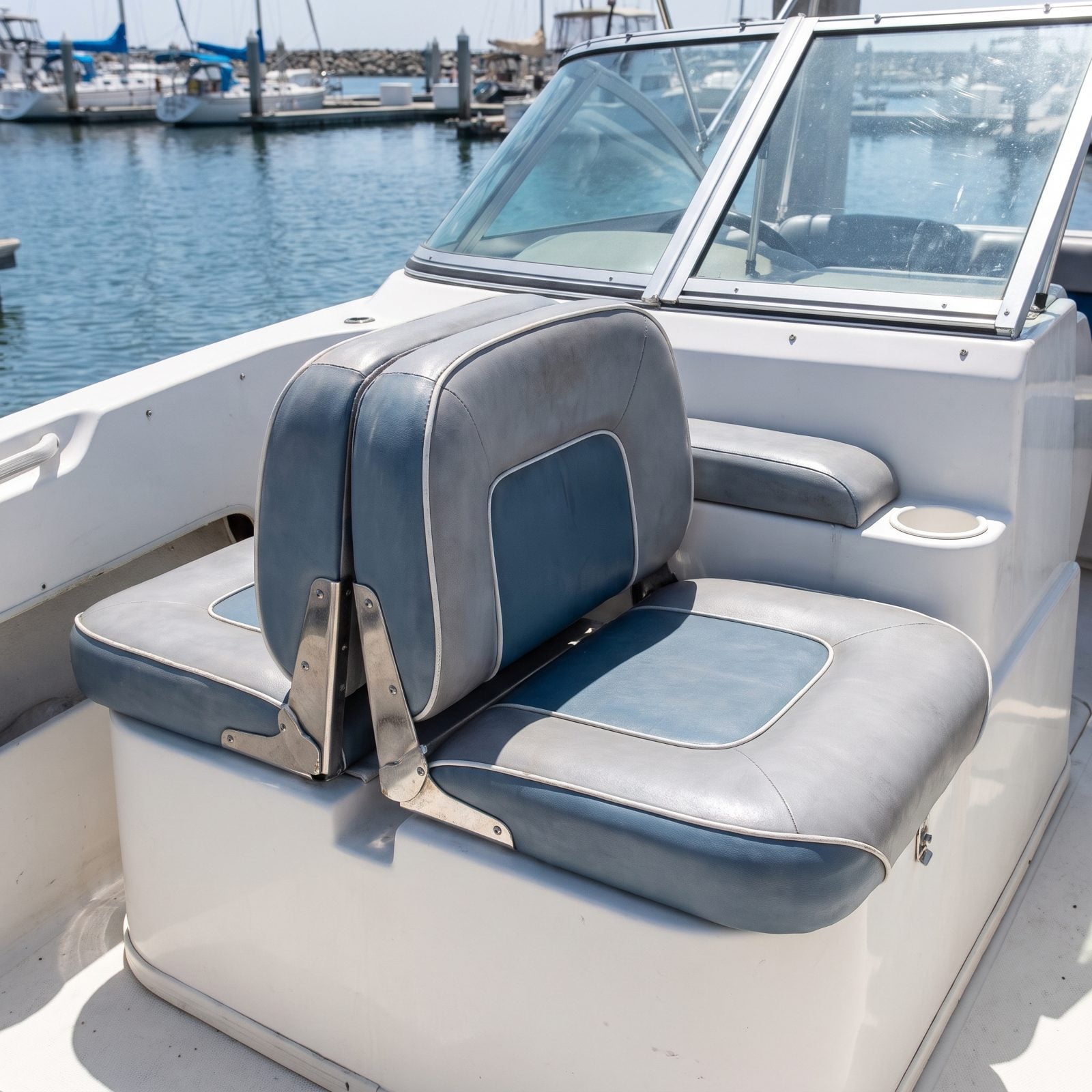
Back-to-back seats were clever for their day. Flip the backrest and your bucket seat becomes a short lounge. In practice, though, they’re narrow, the mechanism gets cranky, and the vinyl cracks right at the fold.
Modern layouts favor wide loungers, flip-up bolsters, and fill-in cushions that make one big sun pad. Next to those, a back-to-back feels like a compromise the boat never stopped making.
Built-In Tube Televisions
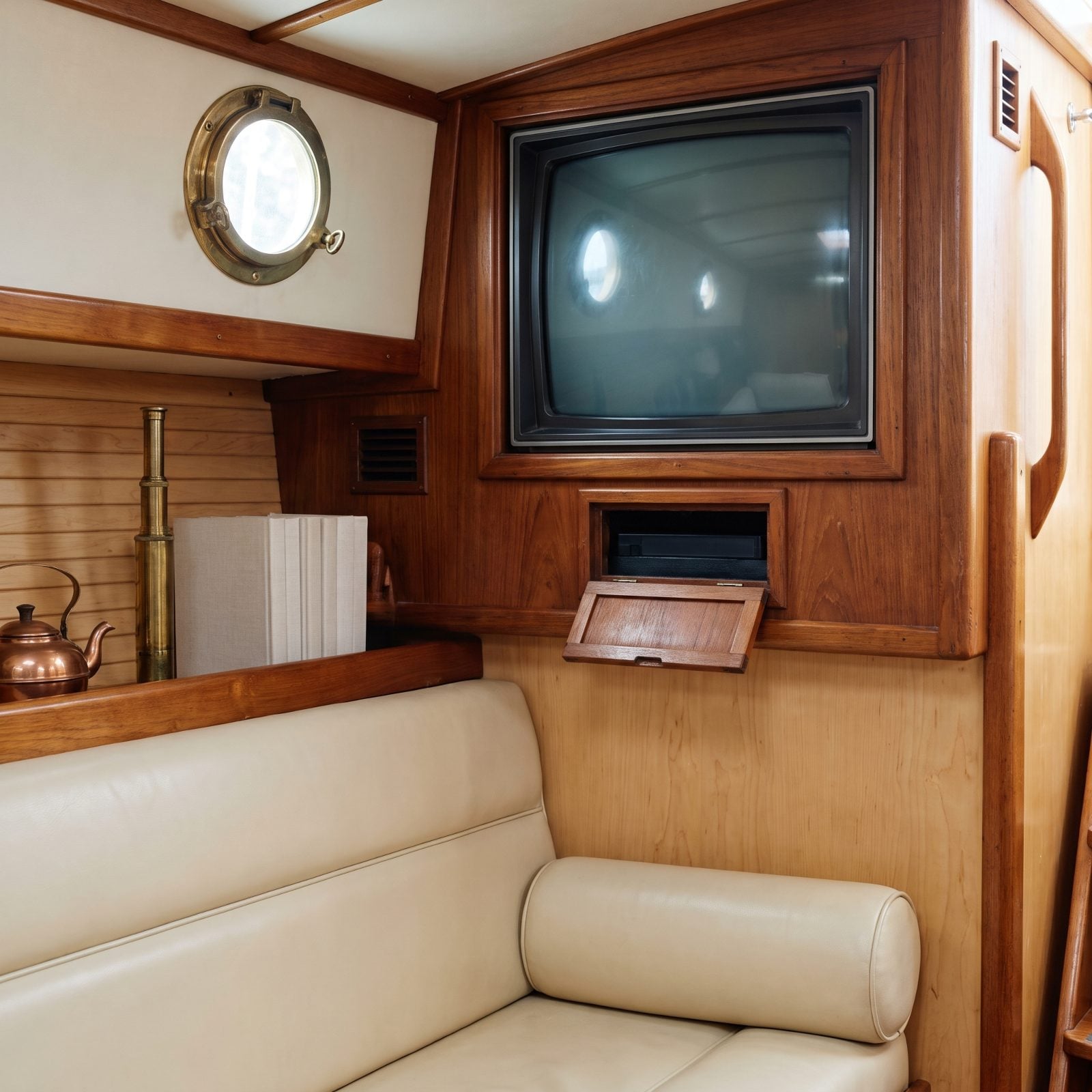
The deep cabinet built around a tube TV is a shrine to a format that’s gone. It eats cabin volume, weighs a surprising amount up high where you least want weight, and it’s wired for inputs nobody uses.
Here’s the real cost. You can’t just drop a flat panel into that cavity, because the cabinet was molded or framed around the old box. So a buyer is staring down carpentry, not a plug-and-play swap. A small thing, sure, but it quietly announces a boat frozen in its decade.
Carbureted Gasoline Engines
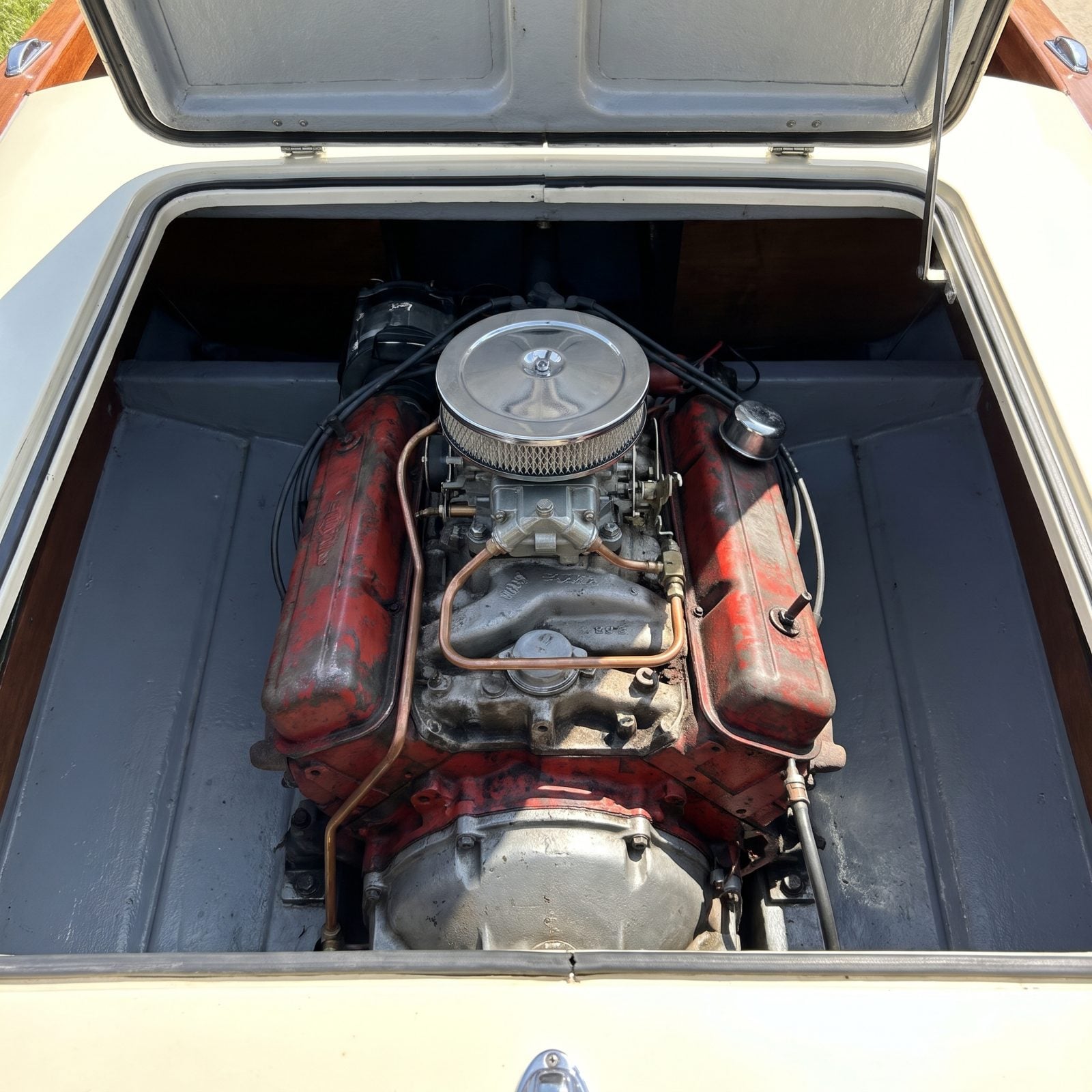
A carbureted engine wants to be understood. Cold mornings mean coaxing the choke, hot restarts can flood it, and getting it tuned right is more art than app.
Fuel injection fixed nearly all of that: easier starts, better fuel economy, cleaner running, no fiddling. Buyers who grew up with EFI cars expect their boat to behave the same way, so a carb reads as a chore disguised as an engine. A well-tuned one runs beautifully. Convincing a buyer of that at the dock is the hard part.
Permanent Aft Sun Pads That Eat Your Whole Deck
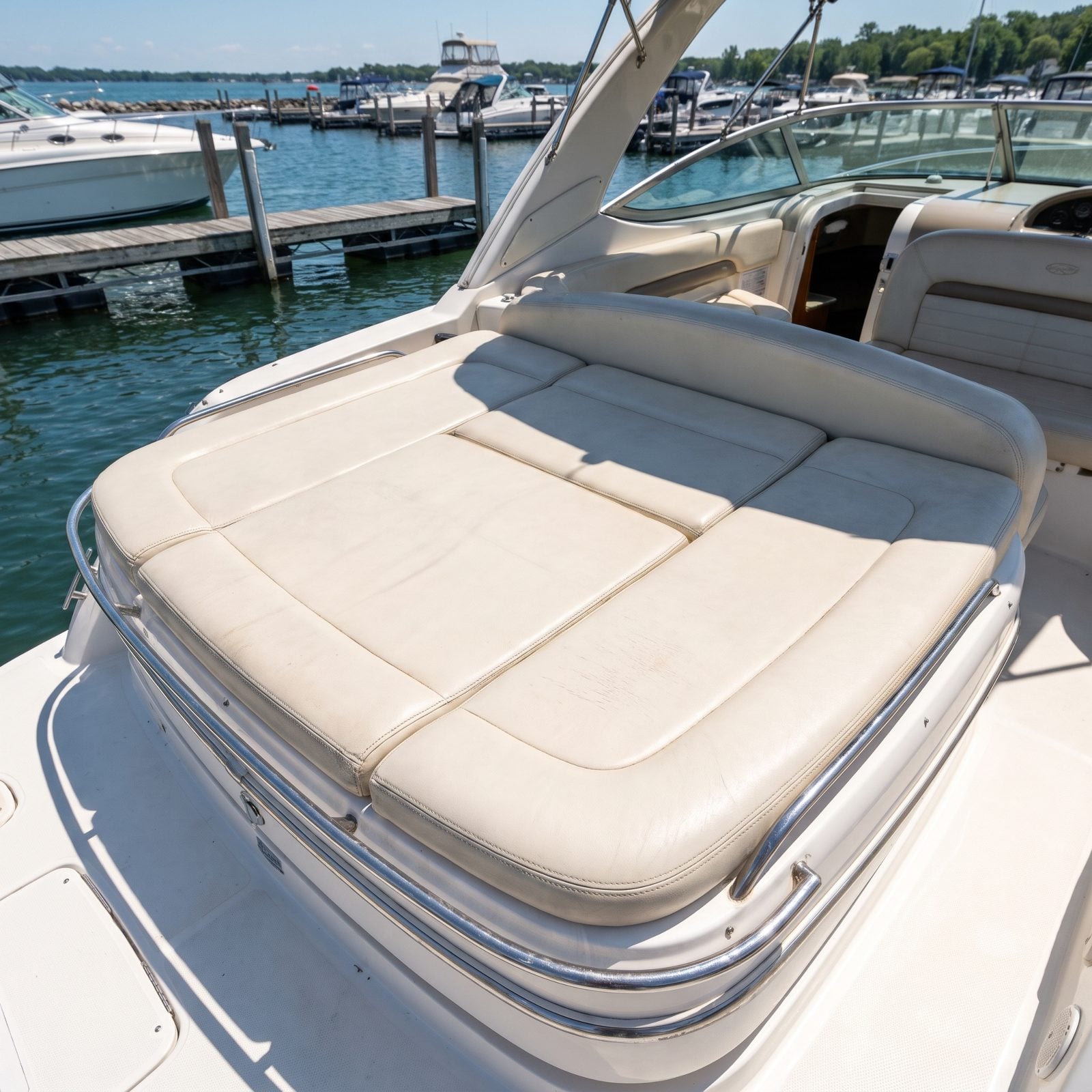
Builders put these in because they photograph like a yacht. Then you own the boat and discover the stern is a mattress you can’t move.
A fixed aft sun pad swallows the exact square footage you need for fishing, hauling coolers, or just standing around with a drink while someone backs the trailer down. You can’t reconfigure it, can’t fold it away — it’s molded in, and reselling it means finding a buyer who’d rather nap than use the deck.
Convertible lounges that drop into flat casting space are what sells now. The permanent pad looks like last decade’s brochure, and buyers price it that way.
Proprietary Navigation Electronics You Can’t Upgrade Piece by Piece
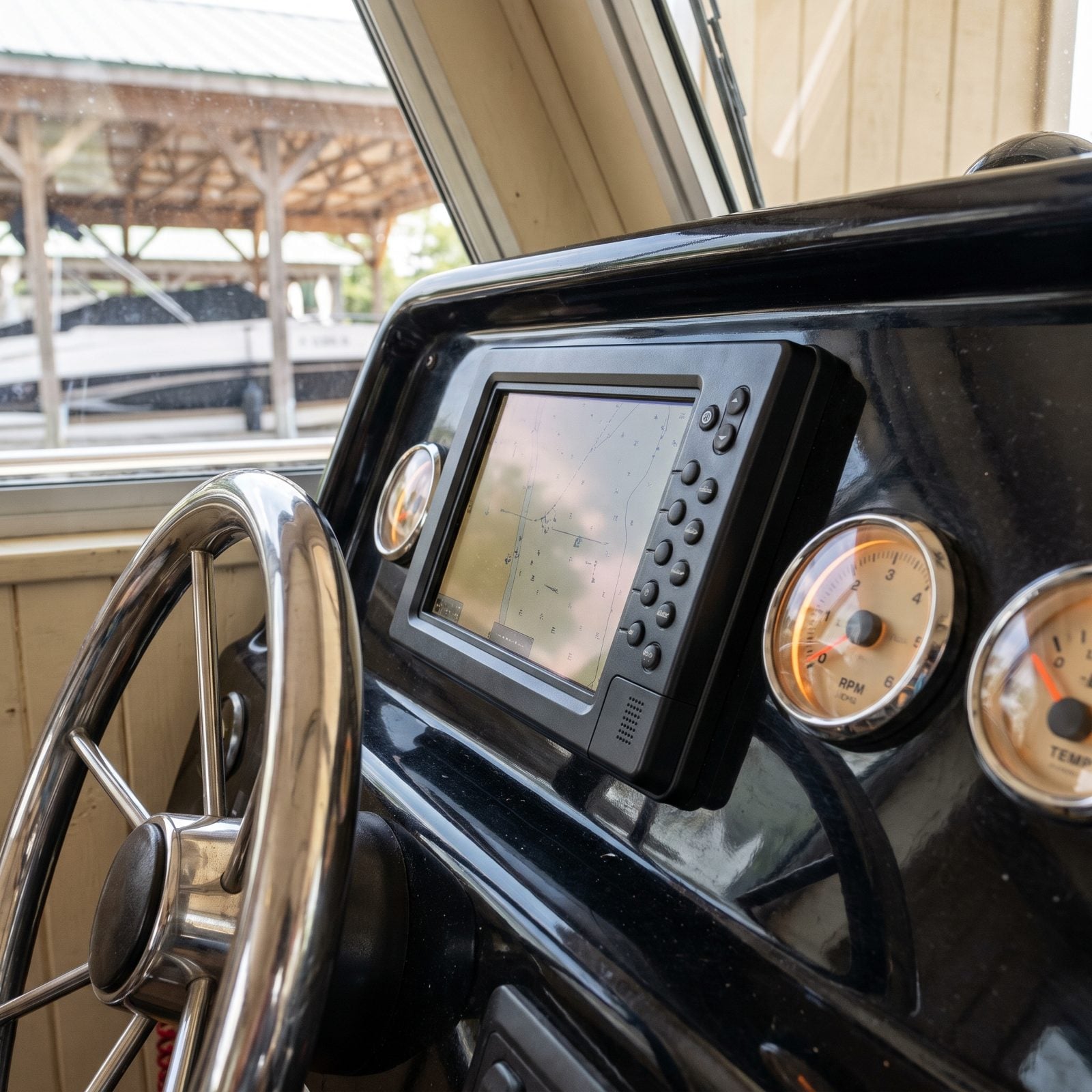
A screen that only talks to its own family ages the whole boat.
Older integrated helms were sold as a package — plotter, radar, depth, all locked to one manufacturer’s ecosystem. Sounds tidy. Until the plotter dies and you learn you can’t swap in a modern unit without ripping out the sounder, the transducer wiring, and half the dash too.
Buyers in 2027 know this math. Open-standard networking lets you replace one black box at a time. A closed system means a five-figure refit disguised as a quick upgrade, and they’ll knock the quote right off their offer.
Cramped Cuddy Cabins on Small Runabouts
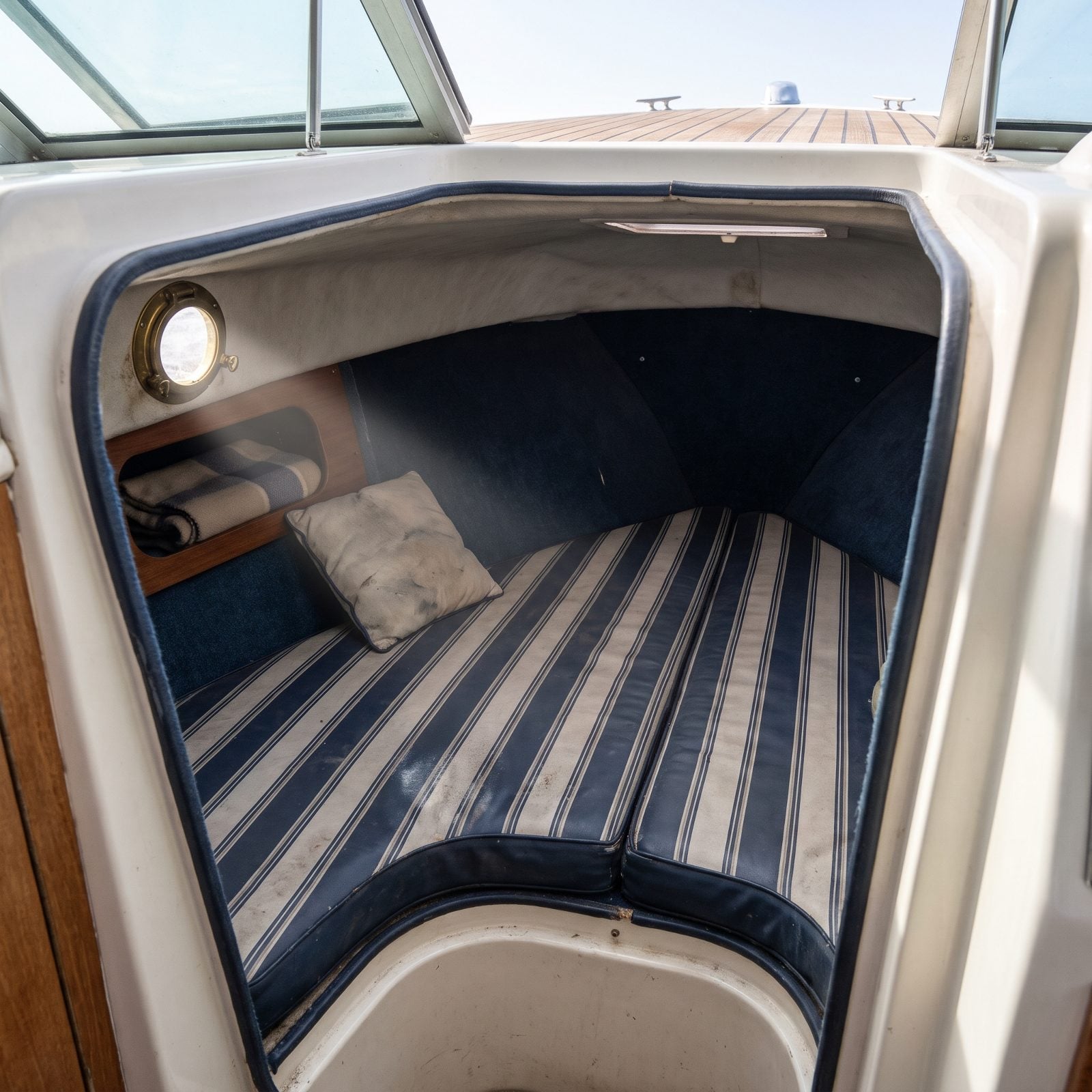
On paper it sleeps two. In practice it stores life jackets and a cooler nobody wants to climb over to reach.
The cuddy was a selling point back when every runabout had to promise overnights. Most owners used theirs exactly once, found the headroom tops out around three feet, and spent the next decade hunched over to grab a towel.
Buyers today want open-bow seating and a changing room, not a coffin-sized berth. A boat that traded cockpit real estate for a cabin nobody sleeps in has to compete on price alone.
Manual-Pump Marine Toilets
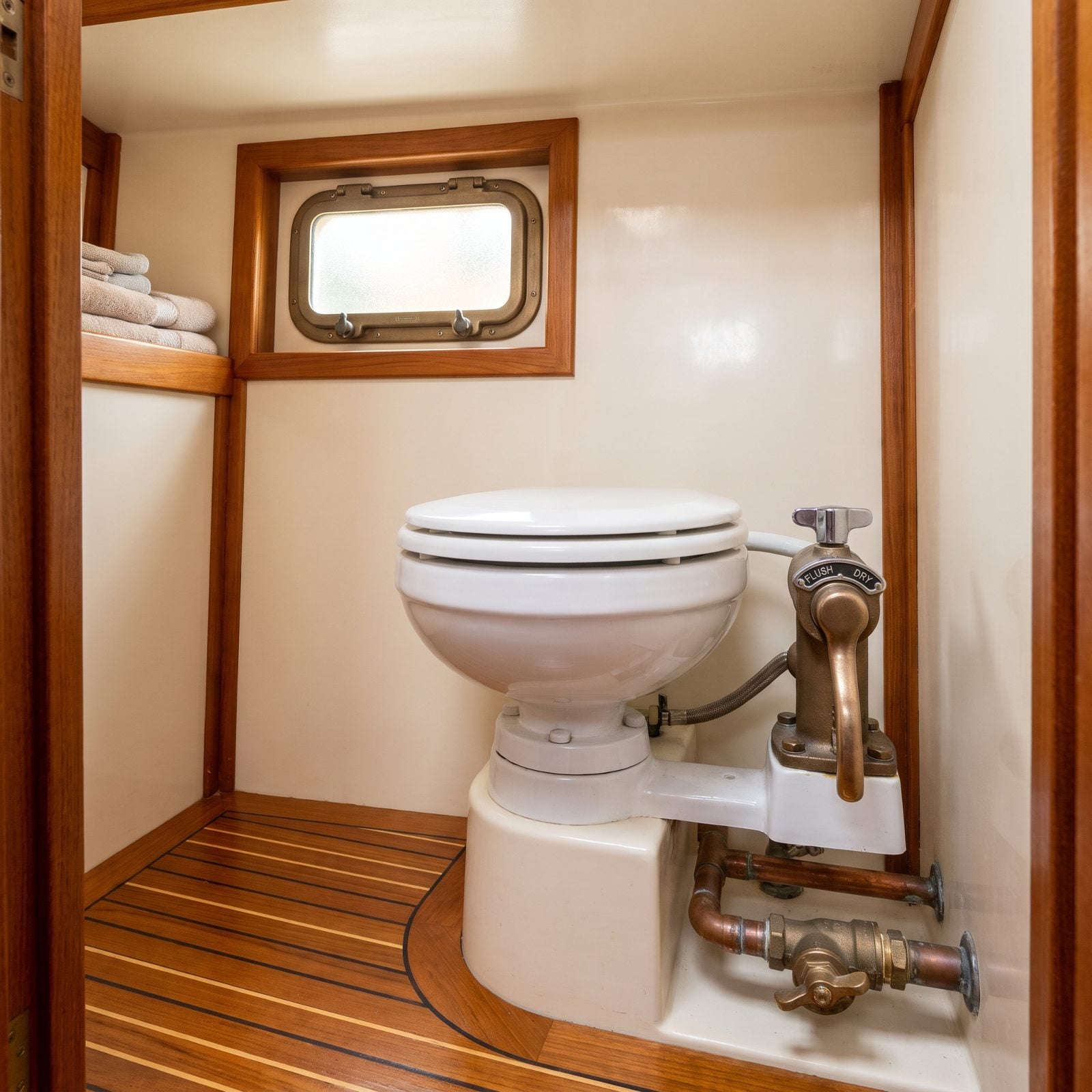
Pump to flush. Pump to dry. Then explain the lever to every guest who comes aboard, and apologize when they get it wrong anyway.
Manual heads work fine — that’s not the issue. The issue is that pushbutton electric and macerating toilets have reset what a buyer expects when they step into the head, and the hand lever now reads as roughing it.
Nobody wants to coach their in-laws through a two-position pump on a Sunday afternoon. Brokers find the head is one of the quietest deal-killers there is, and a manual unit lands it squarely in the discount column.
High-Gloss Cherrywood Cabinetry
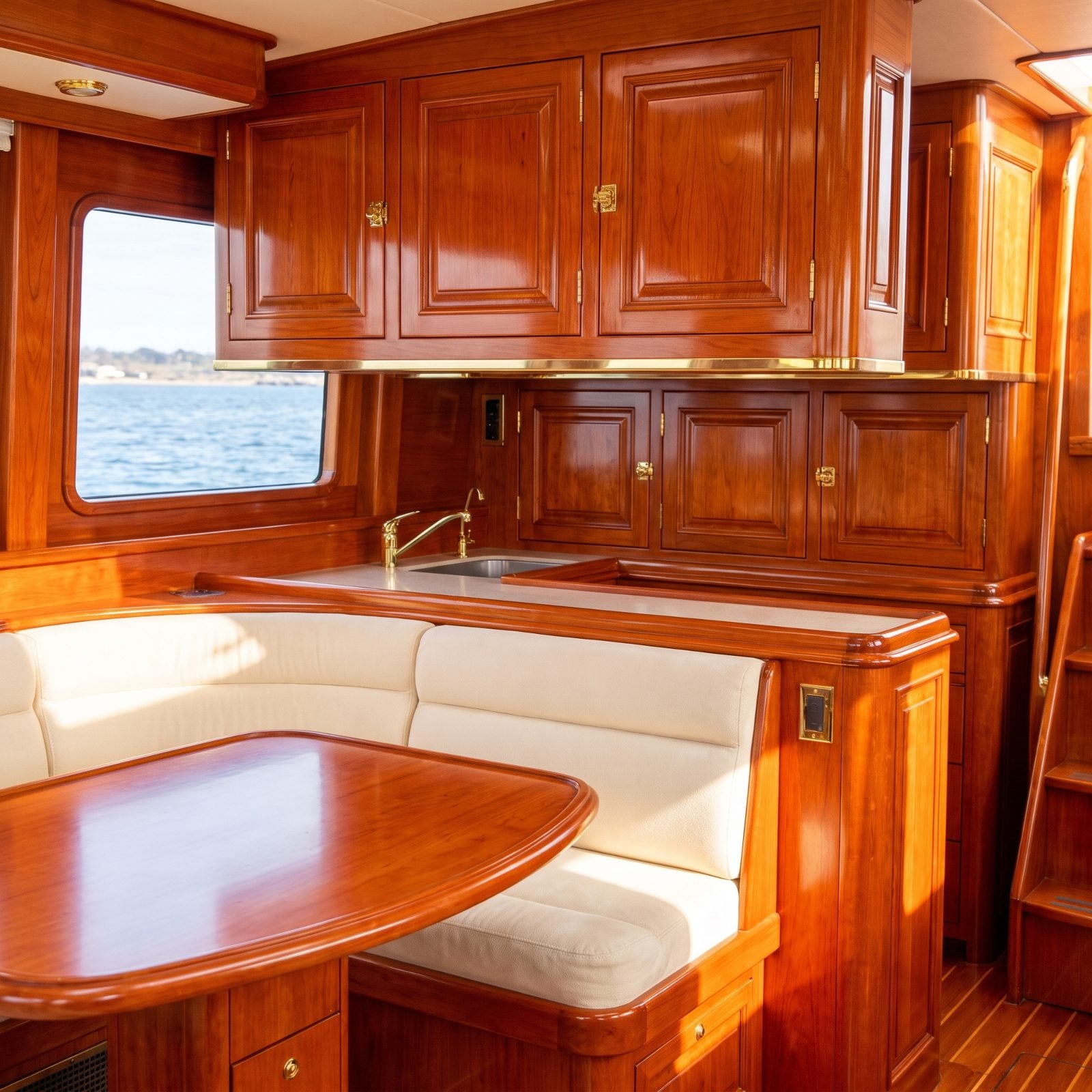
Dark, red, and shiny was the cabin look of a whole generation of cruisers. It’s also the first thing a 2027 buyer wants to paint over.
High-gloss cherry made cabins feel warm and expensive when it was new. Now it makes them feel small and dim. All that red-orange wood soaks up the light, and the lacquer bounces glare everywhere else.
Current taste runs pale — light oak, matte white, satin teak. A cabin wrapped in glossy cherry photographs cramped, and buyers either discount it or budget a refit they resent before they’ve even closed.
Built-In Iceboxes With No Powered Refrigeration
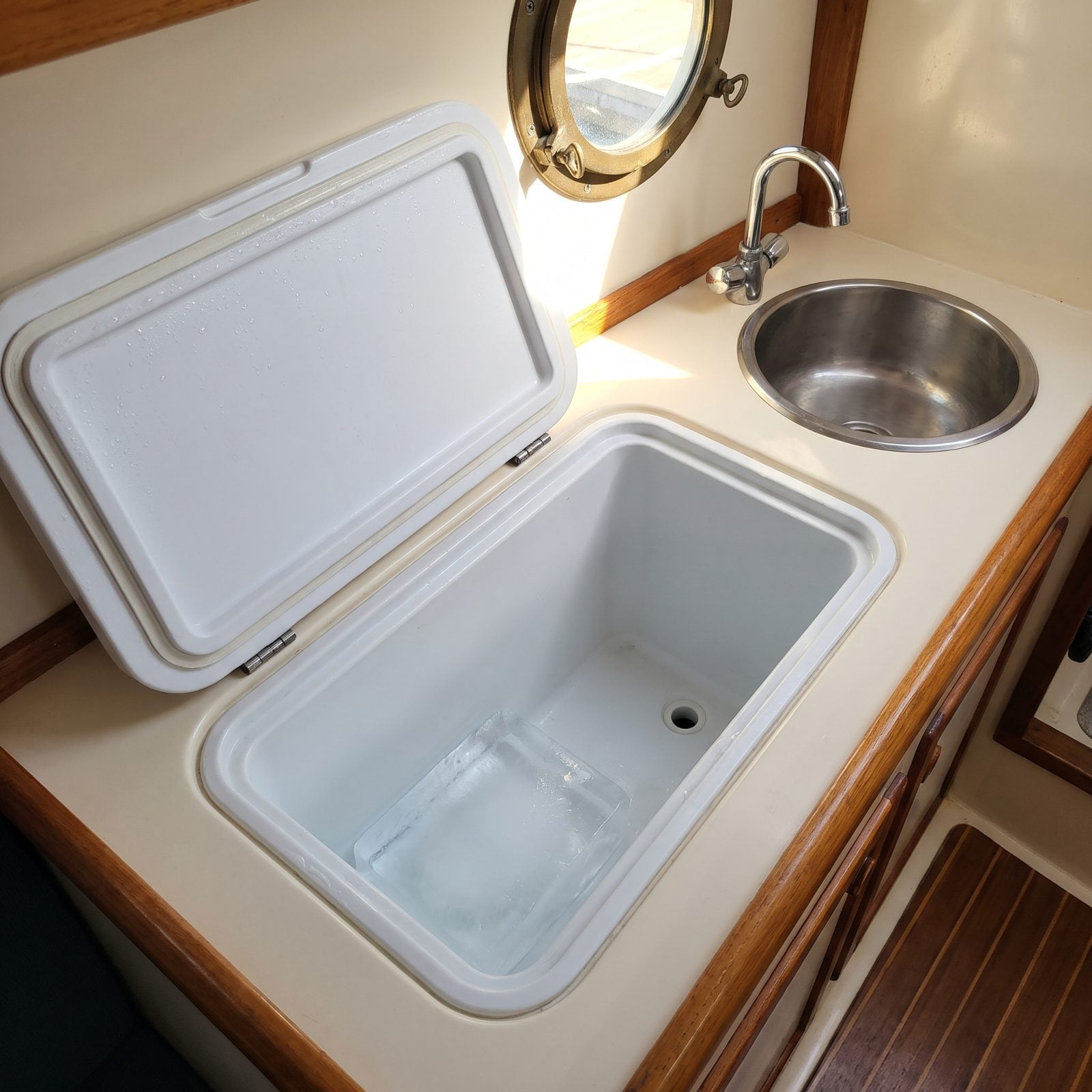
Here’s the part nobody mentions at the boat show. A built-in icebox means a stop at the gas station for bags of ice before every outing, plus a soggy cleanup after.
These were standard for decades because they’re cheap and need no power. But they melt by mid-afternoon, drown your sandwiches, and leave a drain line that turns swampy if you forget to flush it.
Buyers now expect a 12-volt fridge, or at least a slide-in compressor conversion. An icebox that never got that upgrade signals a boat frozen in its original spec, and they’ll budget the retrofit right out of your asking price.
Low-Ceiling Midcabin Berths
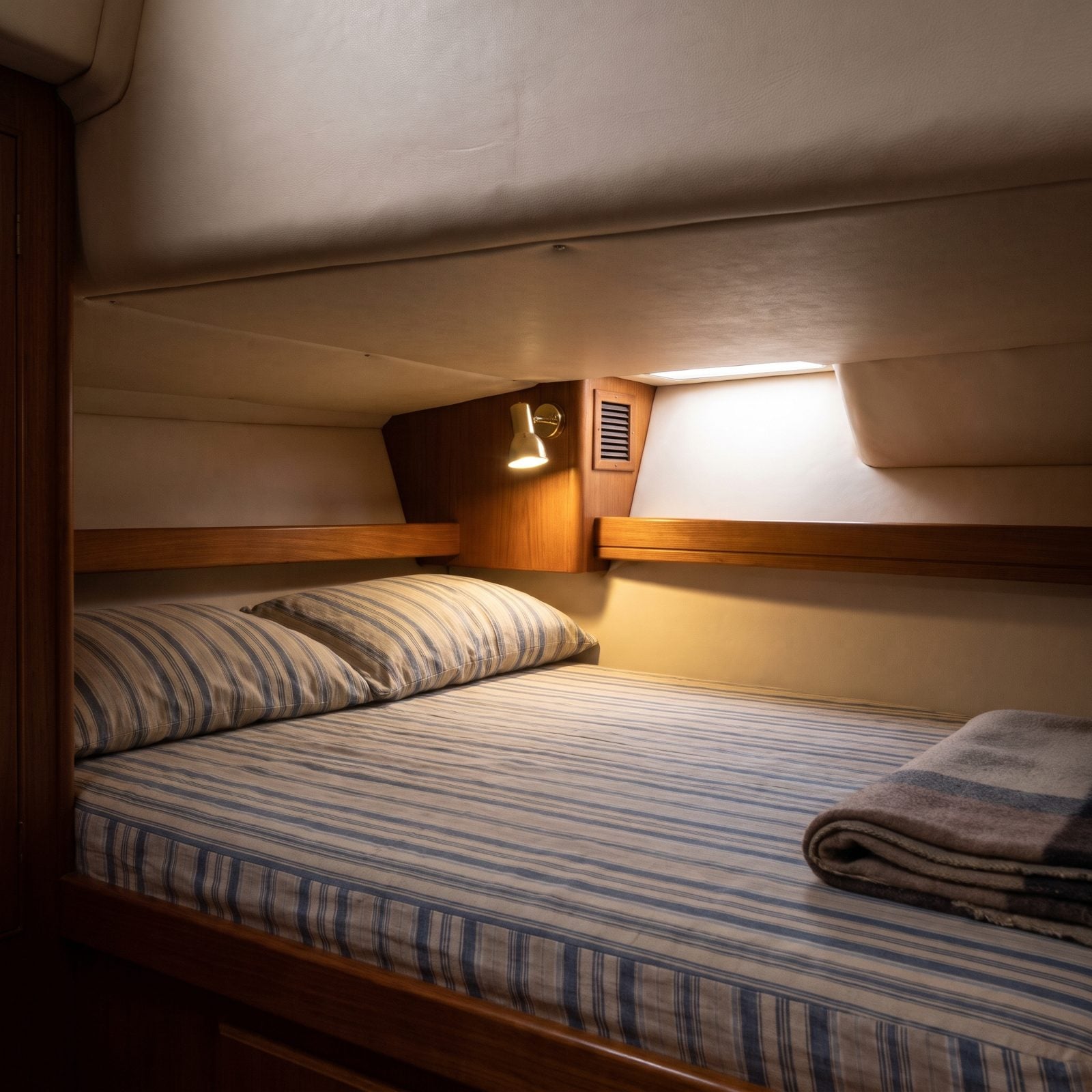
The brochure called it a private stateroom. Anyone who’s slept there calls it the cave.
Midcabin berths slide back under the cockpit, which means the ceiling sits a couple feet off the mattress. Great for kids. A real test for an adult who sits up fast in the dark.
It was a clever way to add a sleeping spot without lengthening the hull. But buyers over 40 try it once, bump their head, and start running the numbers down. Comfort at anchor sells boats now, and a berth you can’t sit up in works against you.
Raw-Water-Flushing Toilets
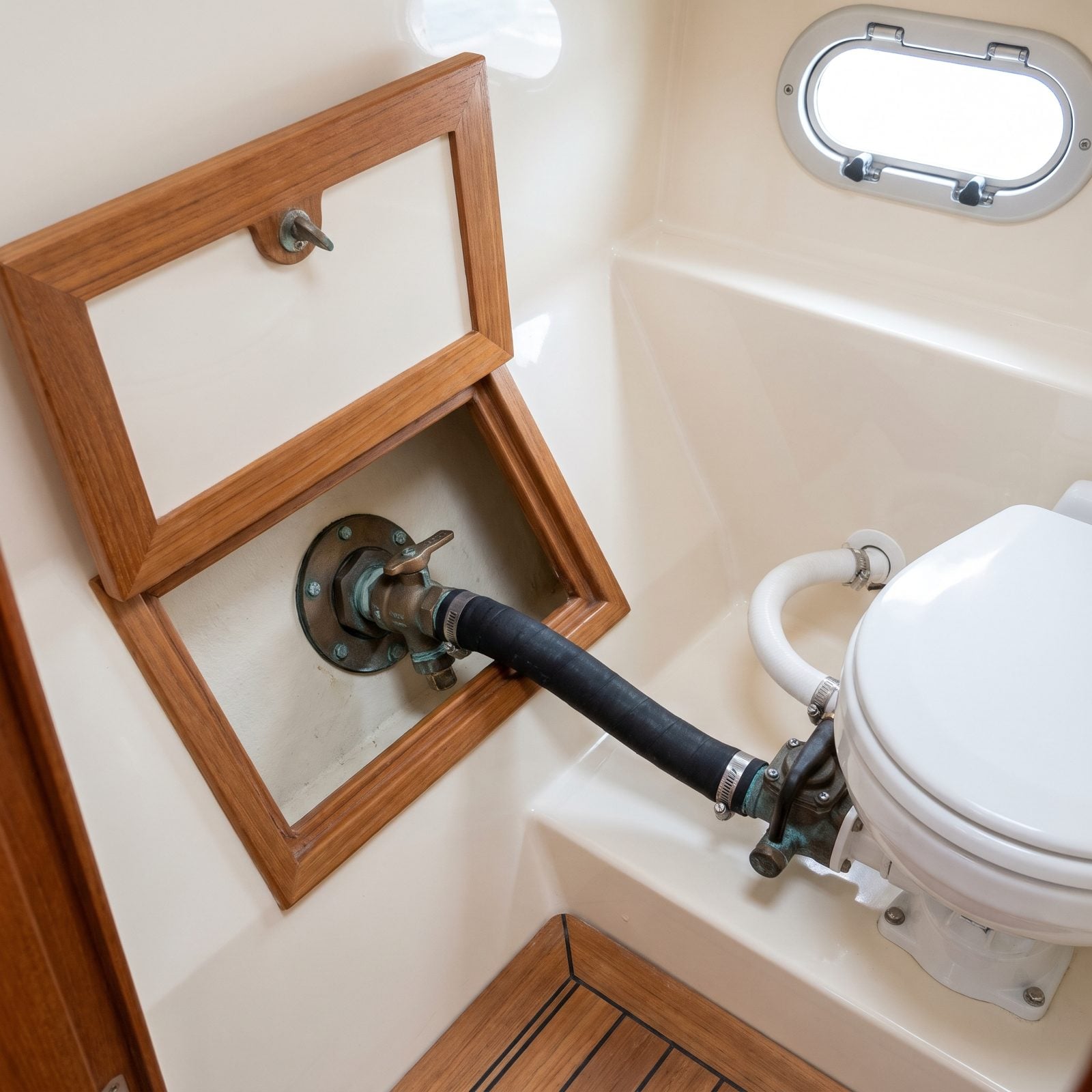
This one’s different from the manual-pump complaint. It’s about what gets pumped in, not how.
Raw-water flush draws lake or harbor water straight through the bowl. Fine in clean open water. A real problem in a stagnant marina, where that water brings smell, growth, and marine organisms that calcify the hoses over time.
Fresh-water flush systems and vacuum heads solved all of that, and they’re what buyers expect now. A raw-water toilet means stink lines, scaled plumbing, and a head that announces itself before you reach the dock. Surveyors flag it, and buyers quietly factor in the conversion.
Explaining why raw-water heads smell when water sits in the intake hose between flushes, a boating magazine contributor notes “That water may have microorganisms that died inside the hose since the last flush which may be the cause of your foul odor.”
Removable Pedestal Tables With Floor Sockets
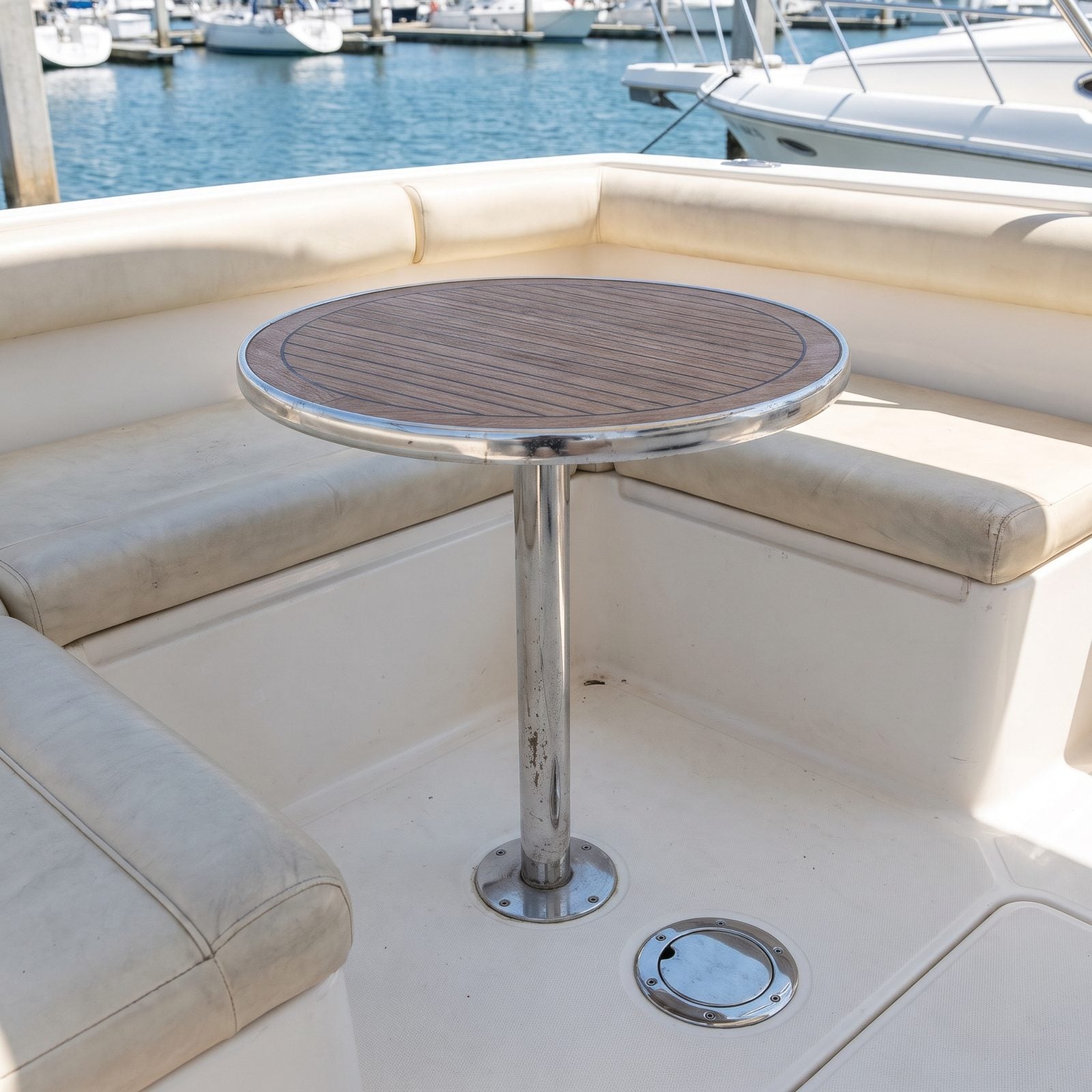
Lift the table off. Where does it go now? That’s the whole problem in one question.
The pedestal-and-socket table was the standard answer to flexible cockpit space for years. Drop the post in, eat lunch, pull it out, stash it somewhere. Except there’s never a good place to stash it, the post scratches, and the floor socket collects grit until the table wobbles like a three-legged chair.
Fold-down tables mounted to the bulkhead and powered actuating tables are where the market went. A loose pedestal and a sole full of empty sockets reads as a boat two trends behind, and buyers treat it as one more thing to re-engineer.
Fluorescent Tube Lighting Below Deck
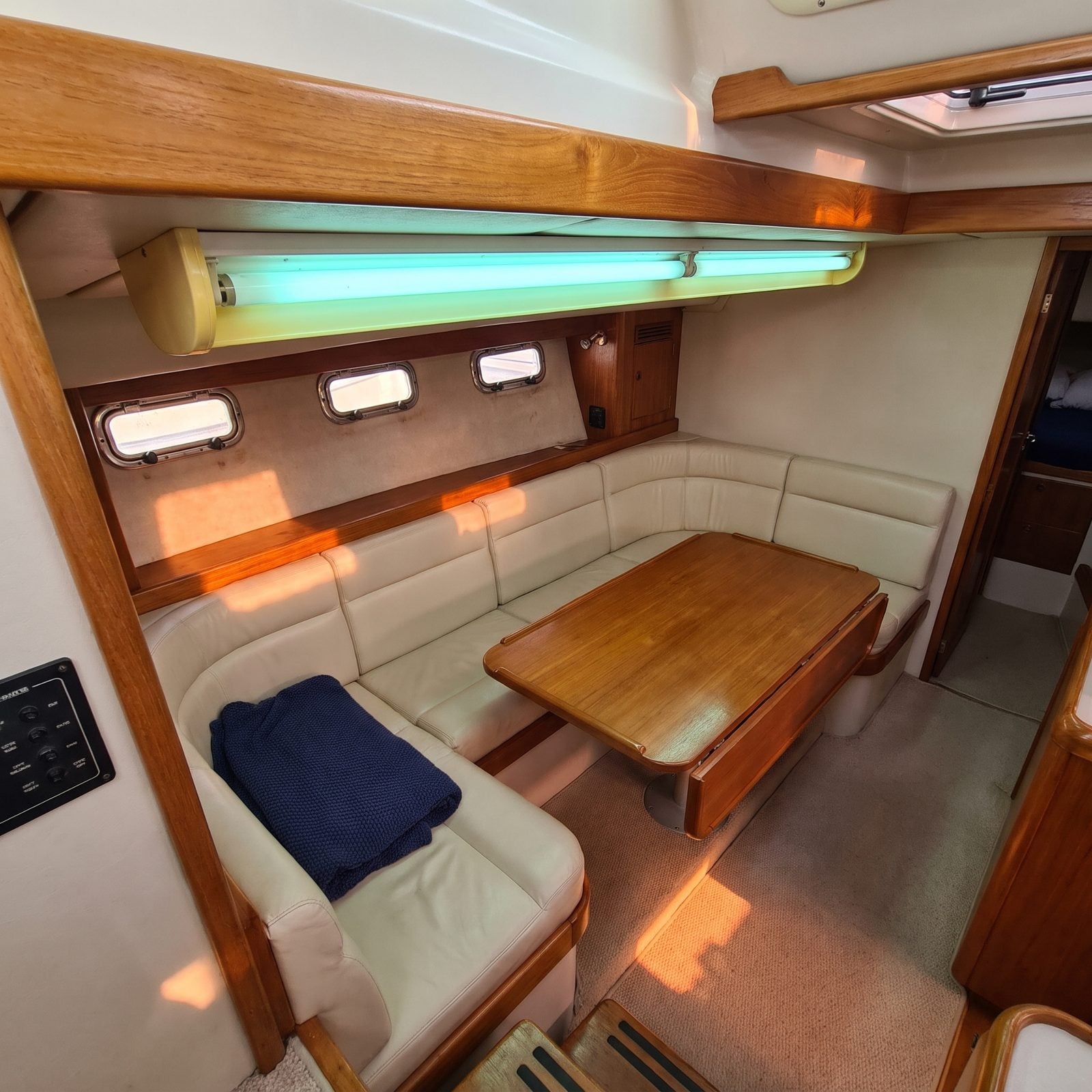
Flip the switch and the cabin goes the color of a hospital hallway. That’s the fluorescent tube talking. Builders loved them for decades because they threw a lot of light off a small draw, but the color temperature is unforgiving and the hum settles into your back teeth after an hour at anchor.
Buyers in 2027 clock it instantly. LED strips sip power, run cool, and won’t flicker on a cold morning while the coffee’s brewing. A tube fixture whispers that the rest of the electrical system is probably riding on its original age too.
Alcohol-Burning Galley Stoves
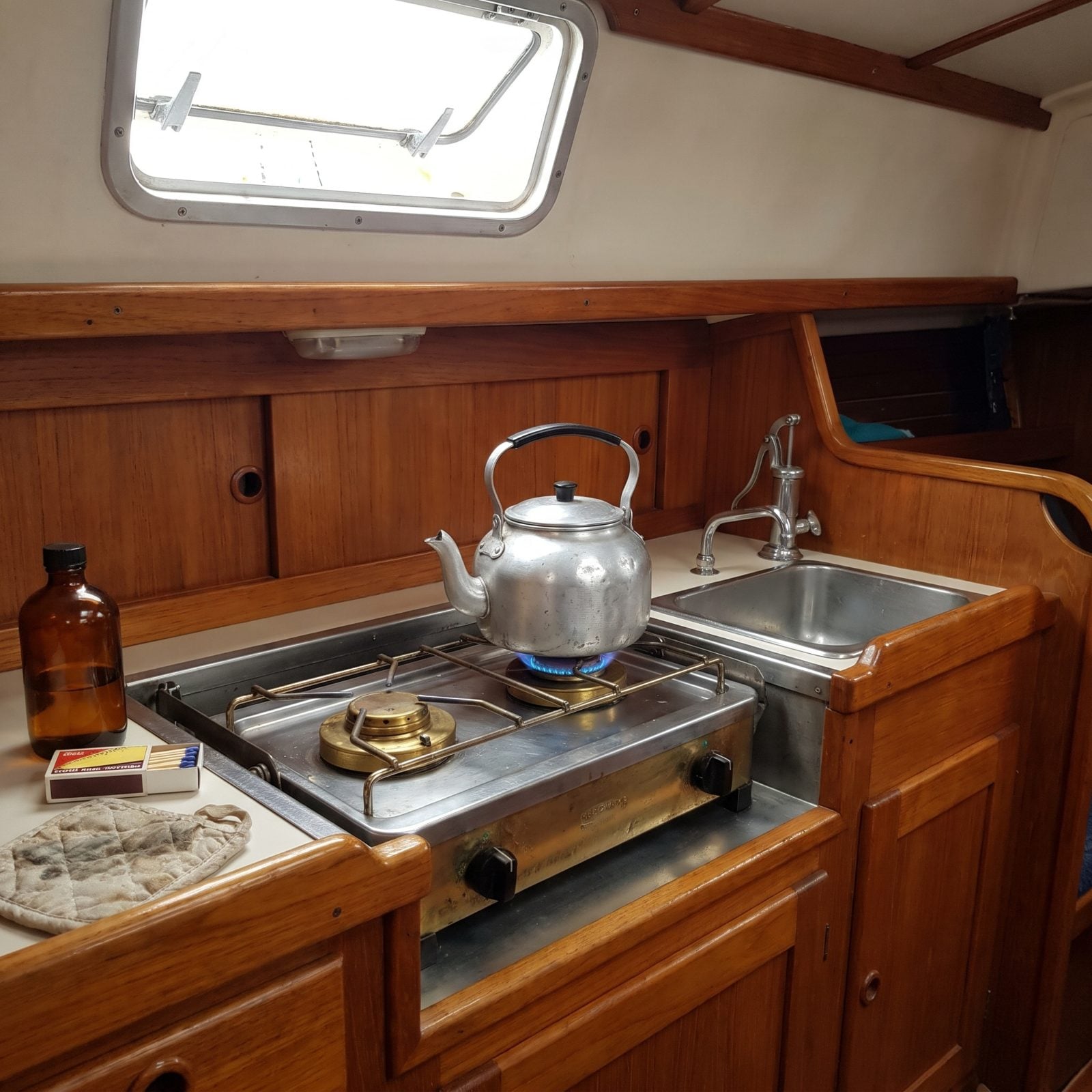
Alcohol stoves have a loyal following, and we get it: no explosive gas aboard, simple plumbing, old-world charm. But plenty of buyers won’t live with the tradeoffs anymore.
They’re slow. Boiling water for pasta on an alcohol burner takes patience you didn’t pack, and the flame is nearly invisible in daylight, which makes a spill genuinely unnerving. Meanwhile denatured alcohol keeps creeping up in price and getting harder to find at the fuel dock.
Propane and induction spoiled everyone. Show a listing with an original pressurized alcohol unit and the questions start right there, with the offer ending lower.
Exposed Electric-Coil Cooktops
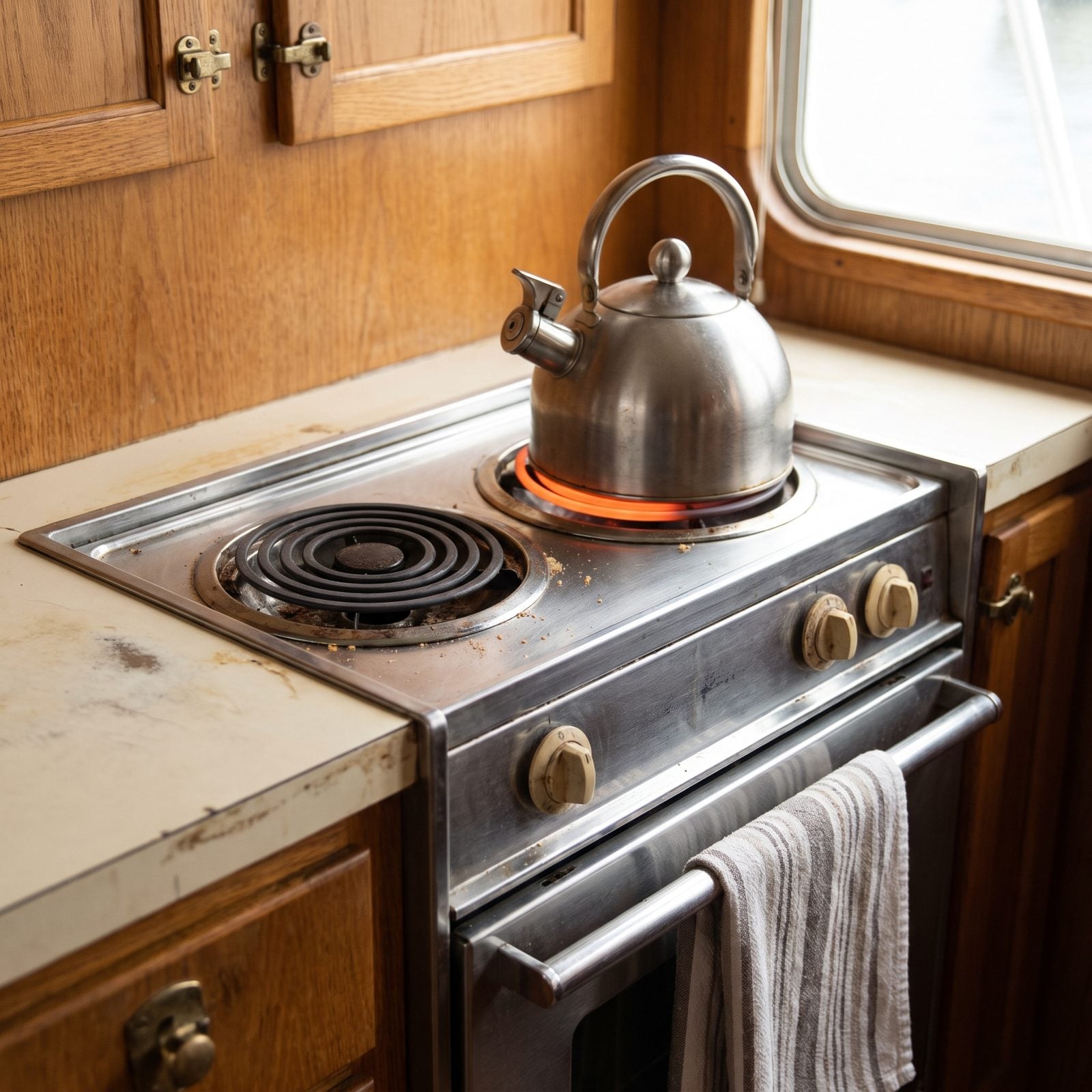
An exposed coil cooktop is a liability waiting for a swell. The coils stay dangerously hot long after you’ve switched them off, nothing holds a pot in place when the wake rolls through, and the open design loves to catch grease and crumbs in the drip pan underneath.
Induction moved the goalposts. A flat glass surface cleans with one wipe, cools fast, and leaves you a flat deck to work on once the burner’s off. Set a glowing coil beside that and it looks like something borrowed from a 1970s apartment kitchen. Buyers read it as deferred maintenance across the whole galley.
Permanent CD and DVD Changers
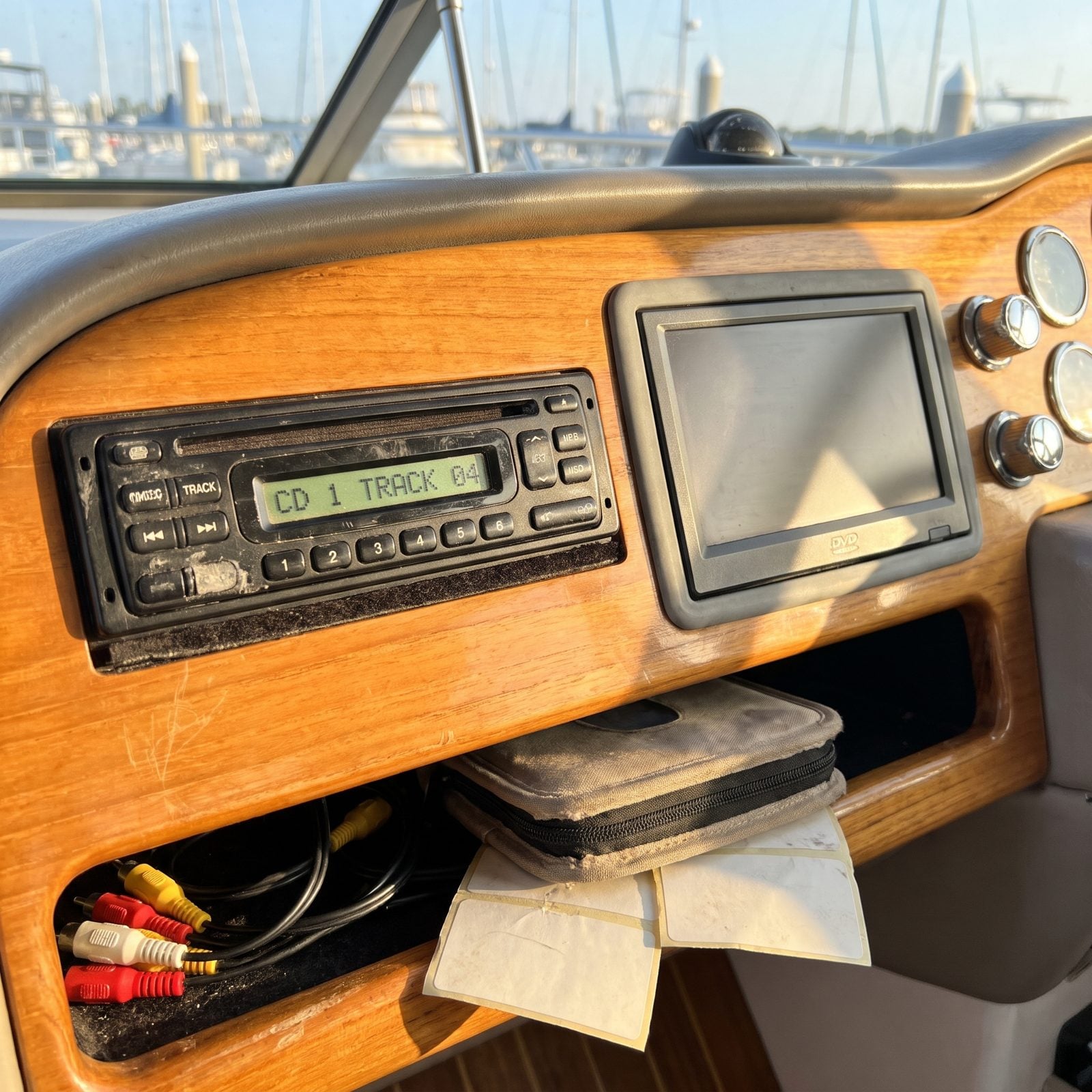
Nobody owns CDs anymore, and the dash knows it.
A built-in six-disc changer was a bragging point in 2005. Now it’s a hole in the dash where Bluetooth should be. Discs skip on chop, the laser eyes wear out, and replacement units simply aren’t made at that trim size.
The real tell is what it says about the rest of the stereo. No phone pairing, no streaming, probably speakers that have been baking in the sun for fifteen summers. Buyers aren’t paying for nostalgia they’ll have to rip out on day one.
12-Volt Cigarette-Lighter Sockets Without USB Ports
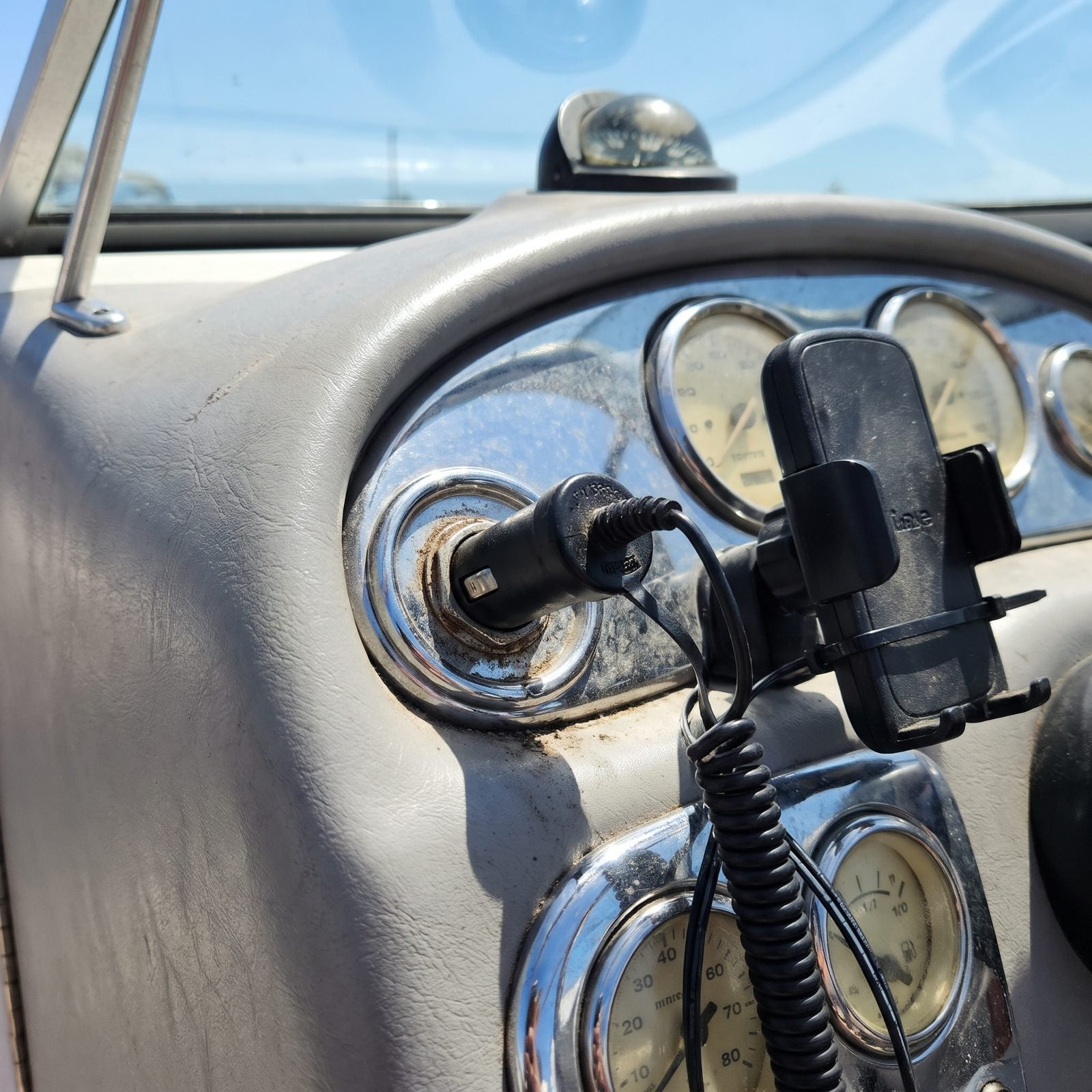
One lonely cigarette-lighter socket and nothing else. We’ve all stood at a helm like that, phone at twelve percent, digging through the glovebox for the adapter that never stays plugged in on rough water.
Tiny thing. Buyers feel it on the first sea trial anyway, because a modern family runs a chartplotter app, a music phone, and maybe a kid’s tablet all at once. A single 12-volt port with a dongle that pops loose over every wake tells them the electrical layout was never touched.
Cheap to fix, sure. But it piles onto every other old detail and quietly drags the asking price down.
Mirrored Cabin Walls and Ceilings
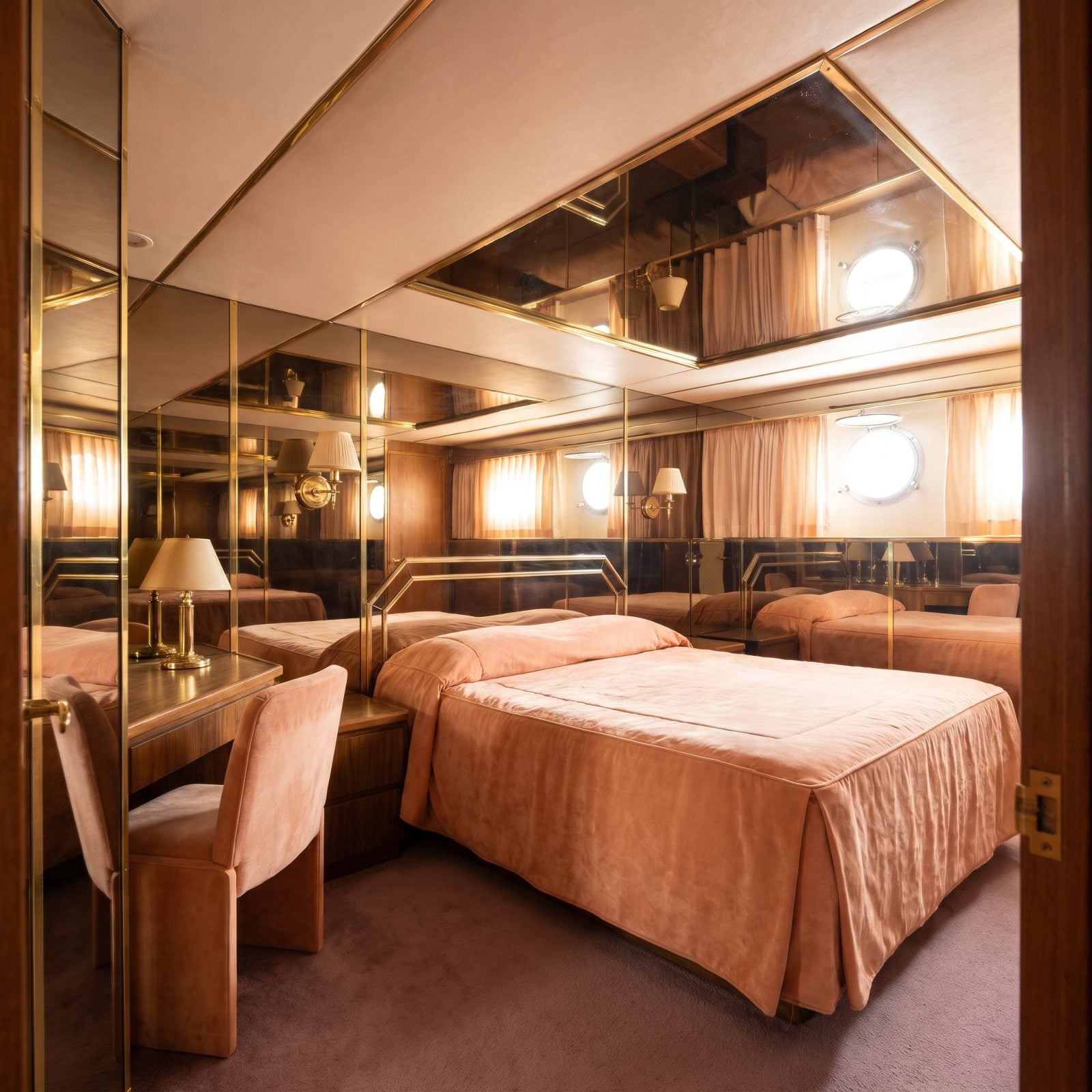
Mirrored everything was the look when big motor yachts wanted to feel like a Vegas suite. Smoked bronze glass on the bulkheads, more of it on the overhead, brass strips holding it all together.
It has not aged kindly. Mirror makes a small cabin feel busy rather than open, the smoked tint announces its exact decade, and every panel is a fight to keep clean in a damp marine space. Older mirror glass clouds at the edges where moisture creeps behind it.
Exterior Teak That Requires Constant Varnishing
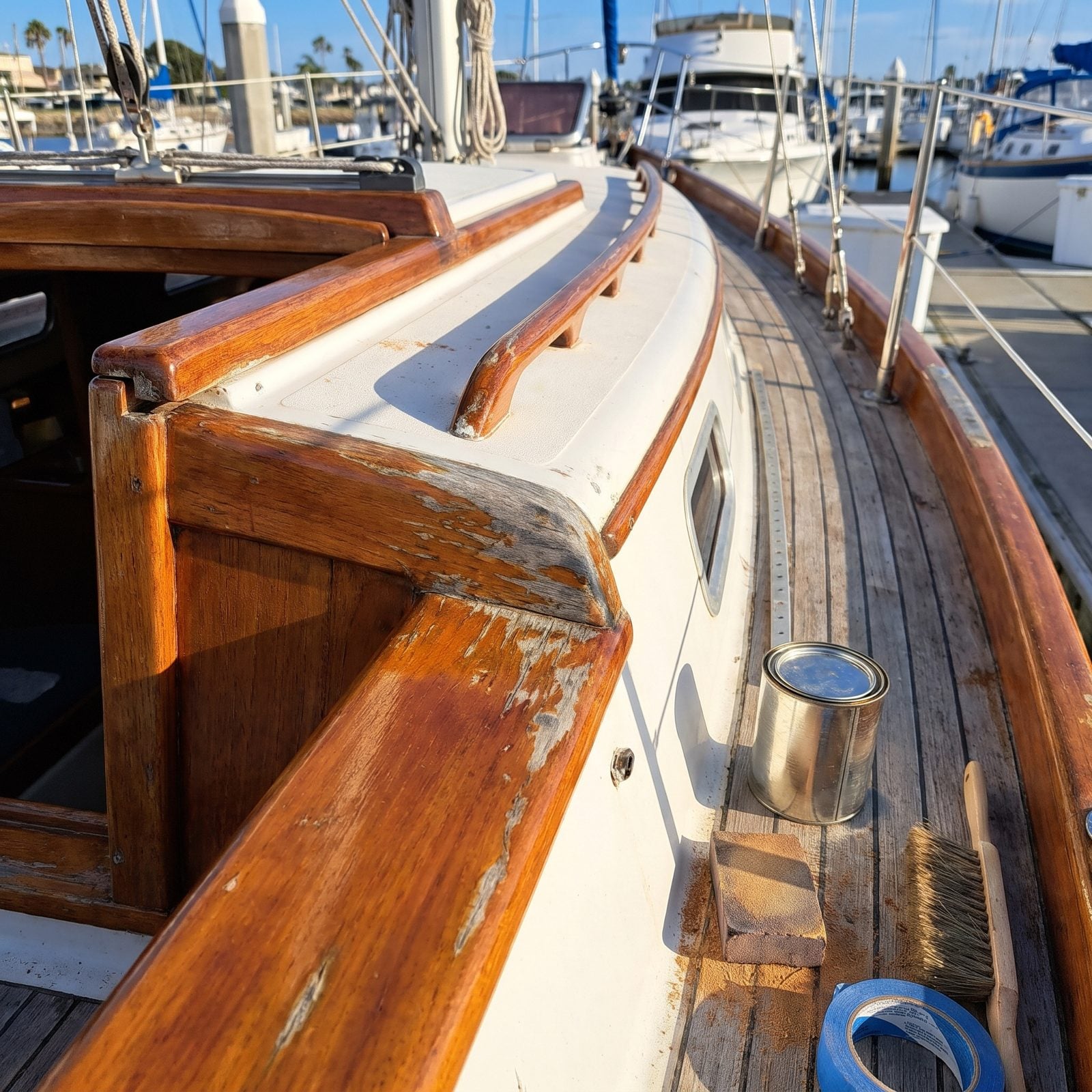
Gleaming varnished teak is the thing people photograph and the thing they stop maintaining by their second summer. We say that as people who’ve wrecked a whole Saturday chasing one more coat.
Brightwork in the sun needs sanding and recoating two or three times a year to stay glossy, and the moment it starts flaking it looks worse than if it were never varnished at all. Acres of exterior teak means acres of future weekends.
Lots of buyers now want less of it. Some actively prefer teak left to go silver and gray. A boat drowning in high-gloss brightwork reads as a chore list in waiting.
Explaining how much upkeep exterior brightwork needs, a Charleston boat detailer says “Most of our clients are under annual contract with us. This means we lightly sand then varnish exterior teak twice a year.”
Fixed Radar Arches That Limit Bridge Clearance
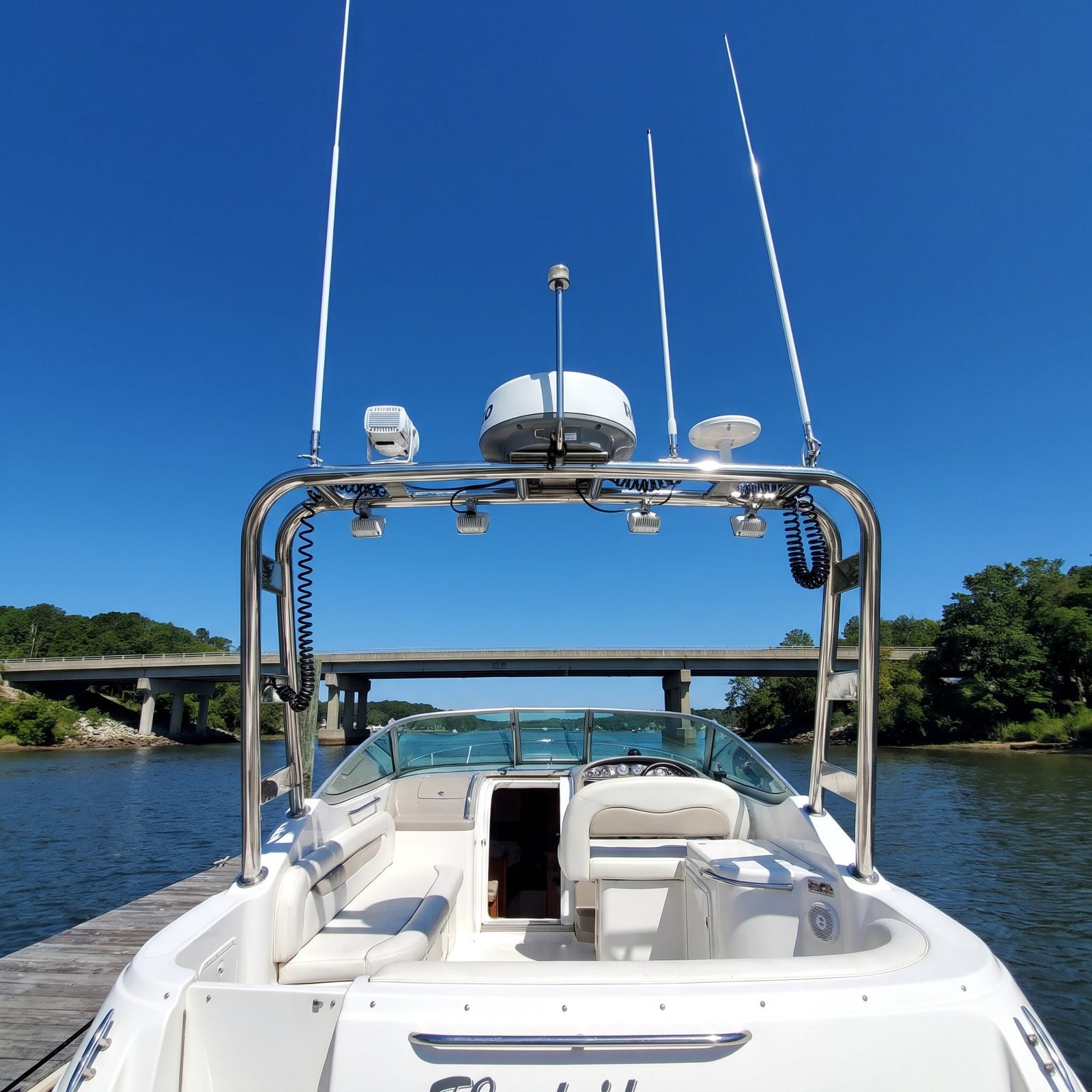
A towering fixed arch looks the business bristling with electronics. Then you meet your first low bridge on the home waterway and the whole purchase feels like a mistake.
Buyers who run rivers, canals or the Intracoastal check air draft before anything else, and a non-folding arch that adds a couple of feet up top can lock you out of entire cruising grounds. Once it’s welded in place, there’s no polite workaround.
Folding and hinged arches have solved this for years. A rigid one on a boat sold into bridge country? Genuine deal-killer, not a quibble.
Oversized Wakeboard Towers on Family Runabouts
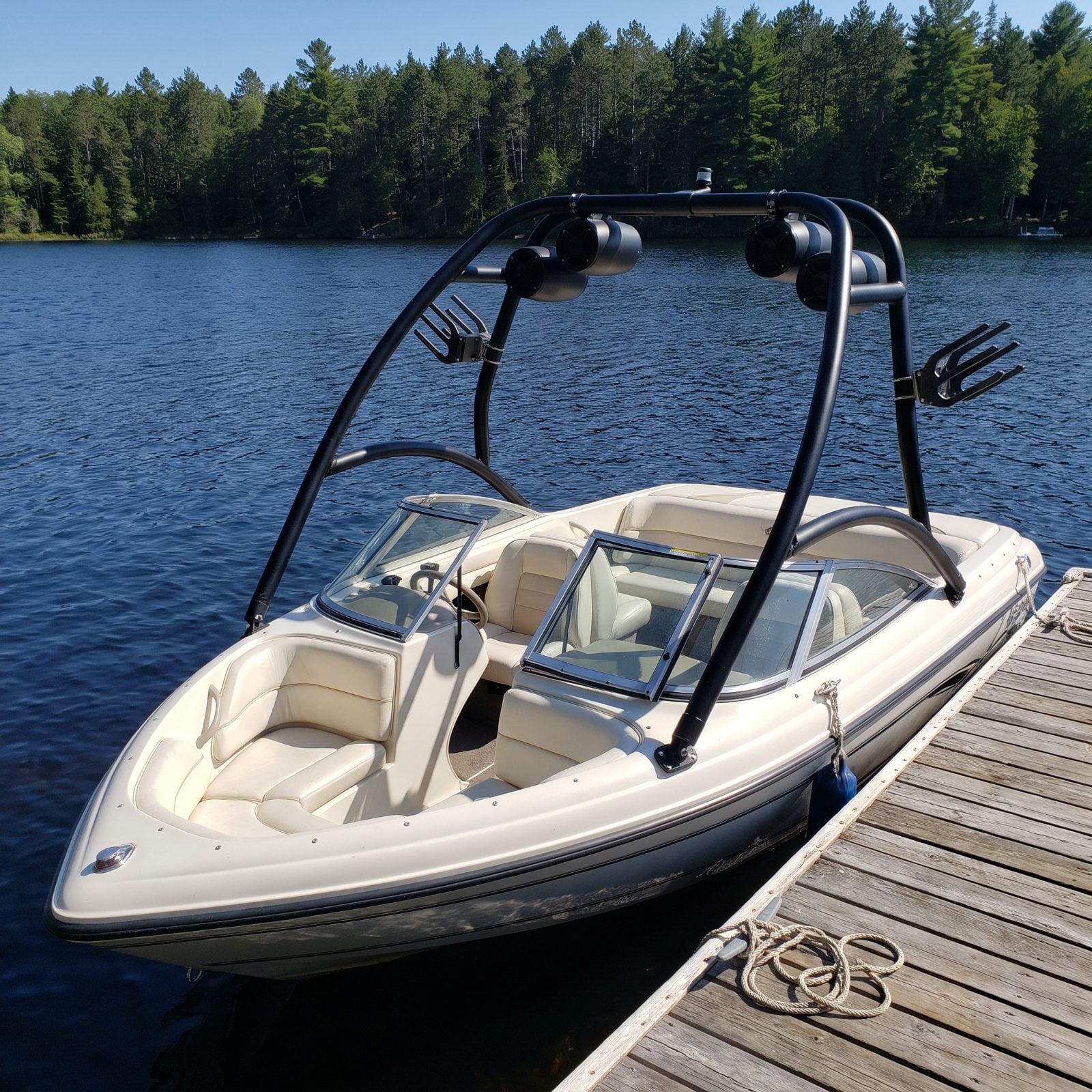
A big tower on a little boat is a fashion statement nobody asked you to keep paying for.
Aftermarket towers get bolted onto modest runabouts to chase a wakeboarding look the hull was never built for. The problem isn’t the fun. It’s everything that comes after.
Oversized towers raise the center of gravity, catch wind at the dock, kill garage storage, and sometimes stress mounting points the builder never reinforced. A family buyer sees a wind sail and a storage headache, not a lifestyle.
Fixed Helm Benches Without Flip-Up Bolsters
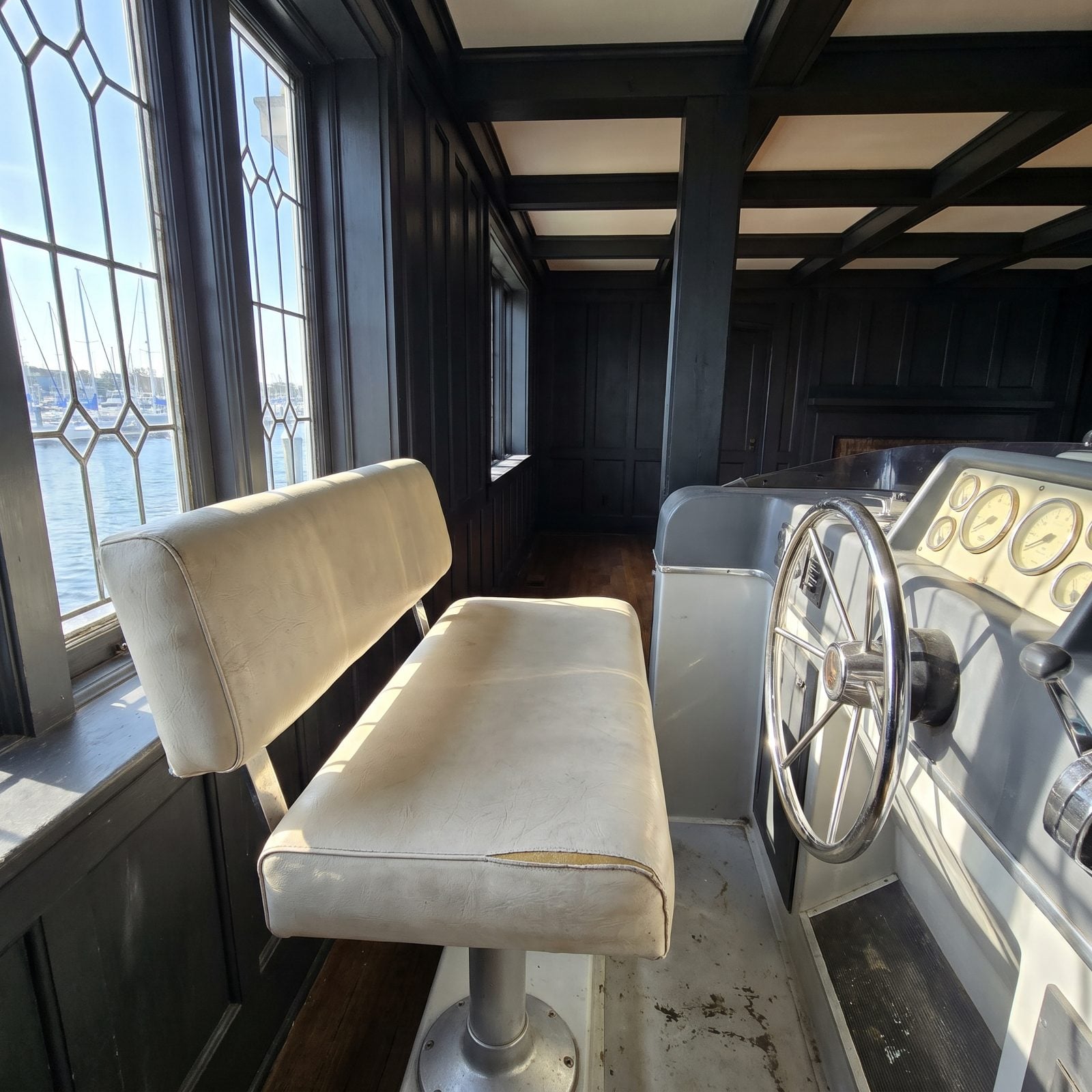
You notice a fixed helm bench the moment the water gets lumpy. No stand-up position, no bolster to flip and lean against, just a flat seat that pins you down with your sightline buried below the bow rise.
Flip-up bolsters became standard for a reason: they let you drive standing with support, see over the deck in a head sea, and stretch your back on a long run. A rigid bench offering none of that reads as an older layout and makes long days genuinely more tiring.
Small detail, big impact on how a boat feels under way. And the first test drive is where offers get written.