
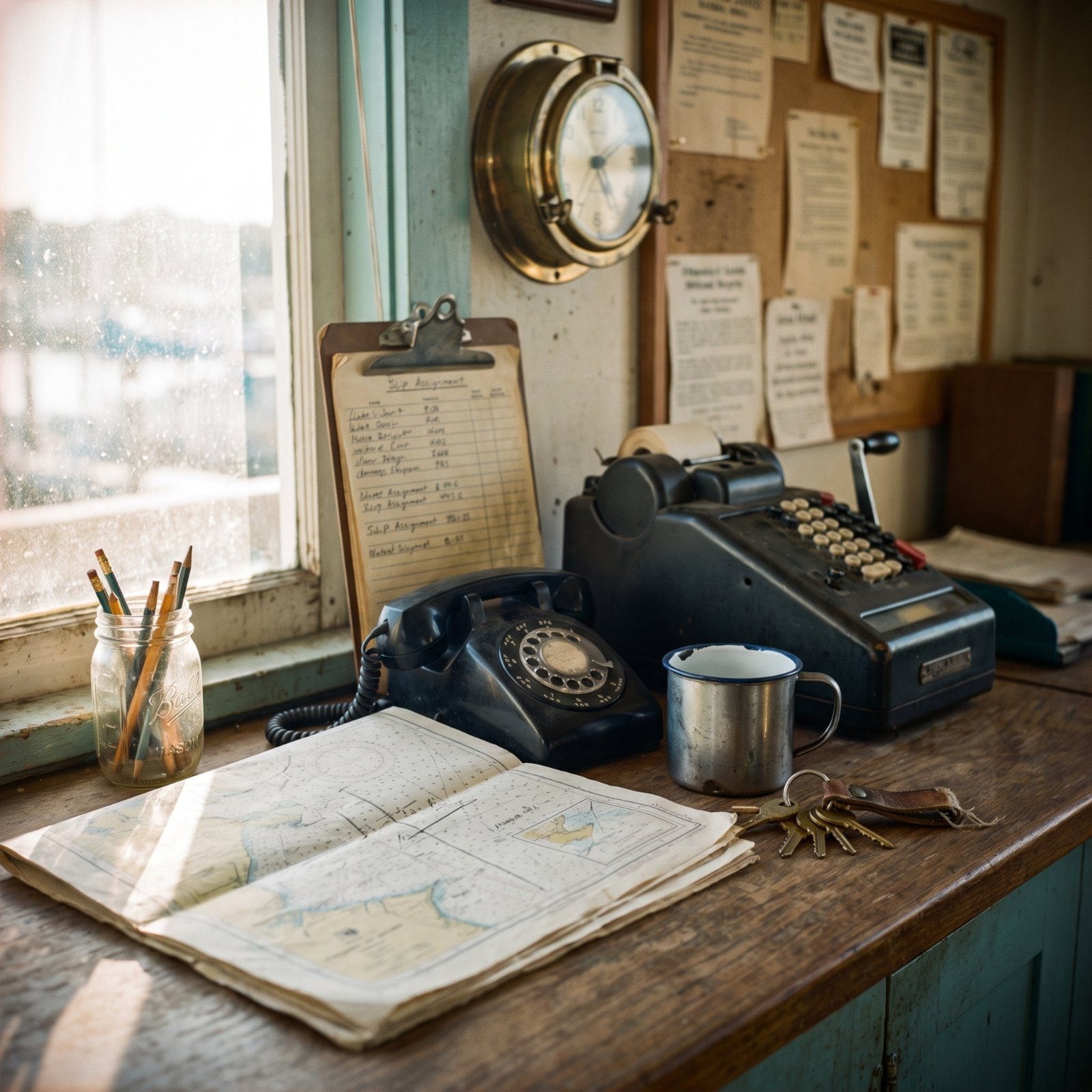
The smell gets you first. Diesel, sun-warm creosote, old coffee from a pot that never got turned off, and a screen door slapping shut behind someone carrying a bag of ice. That was the sound of a marina in 1985, before everything ran through an app and a card reader. Back then the dock ran on people who knew you, paper that never got backed up, and brass hardware you could actually hold before you bought it. Some of it was slow. Most of it worked better than what came after. Here’s what that summer at the dock actually felt like — the stuff worth remembering.
Please note that some of the imagery in this article may have been enhanced with the assistance of AI.
46. The Dockmaster Who Knew Every Boat by Name
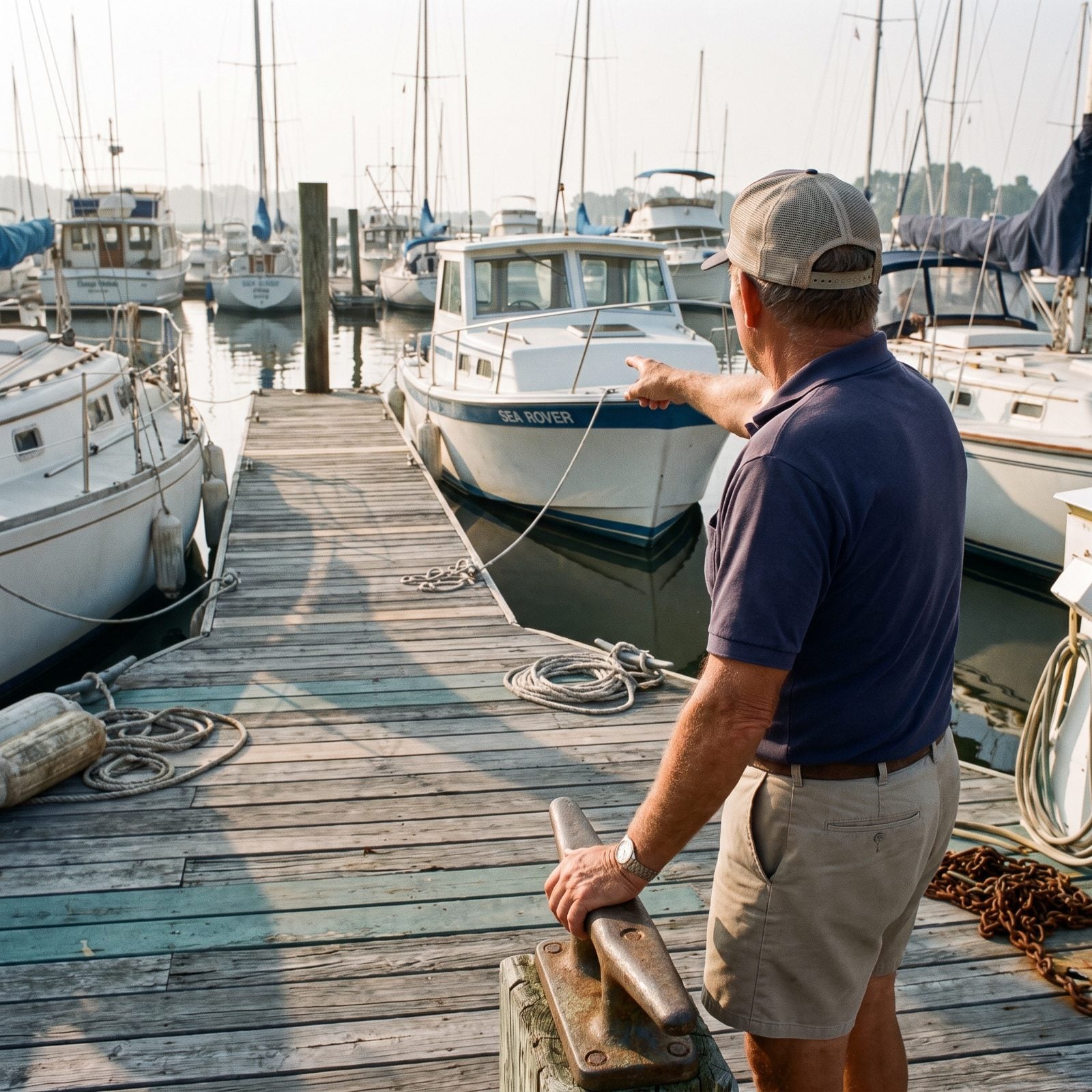
He had a mental database no server could touch. Boat, owner, slip number, the engine that always gave trouble, which kids belonged to which stern. You’d roll in at dusk with no reservation and he’d wave you to a slip somebody wasn’t using that weekend, because he knew they weren’t.
That recognition did something a keypad never will. Walking down the dock and hearing your name called from the office window told you that you belonged there, and people underestimate how much that mattered. A marina was a small town, and the dockmaster was the whole town hall.
45. Coin-Operated Payphones Beside the Slips
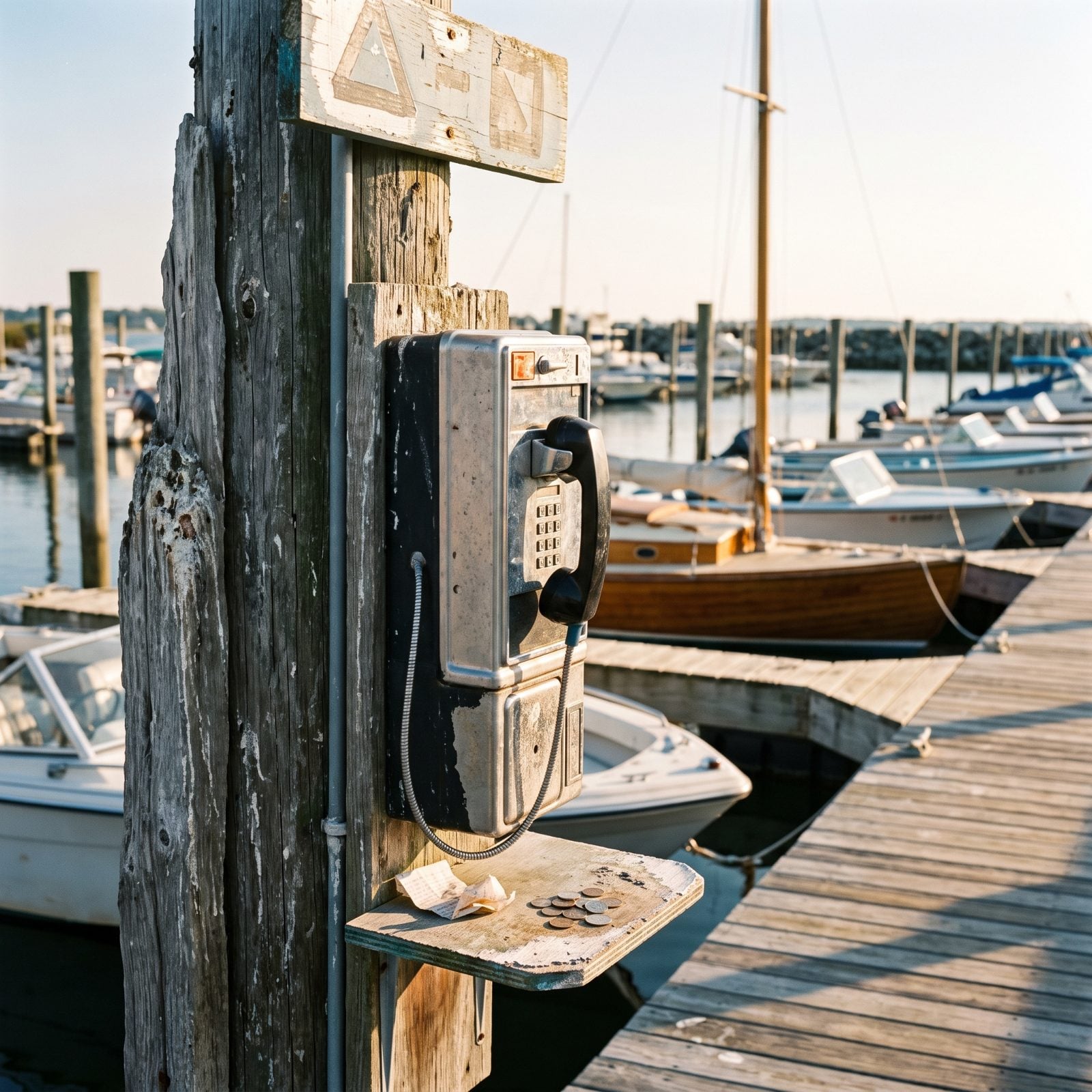
You fed it quarters and hoped nobody was waiting behind you. That little weathered wooden shelf held a few loose papers and whatever coins the last caller abandoned.
It was the only line to shore. You called the wife to say you’d be late off the water, called the mechanic, called home collect when you ran short. And when you hung up, you were unreachable again, which nobody back then considered a problem. That’s the part worth missing. The phone had a leash. You didn’t.
44. Handwritten Weather Forecasts at the Harbor Office
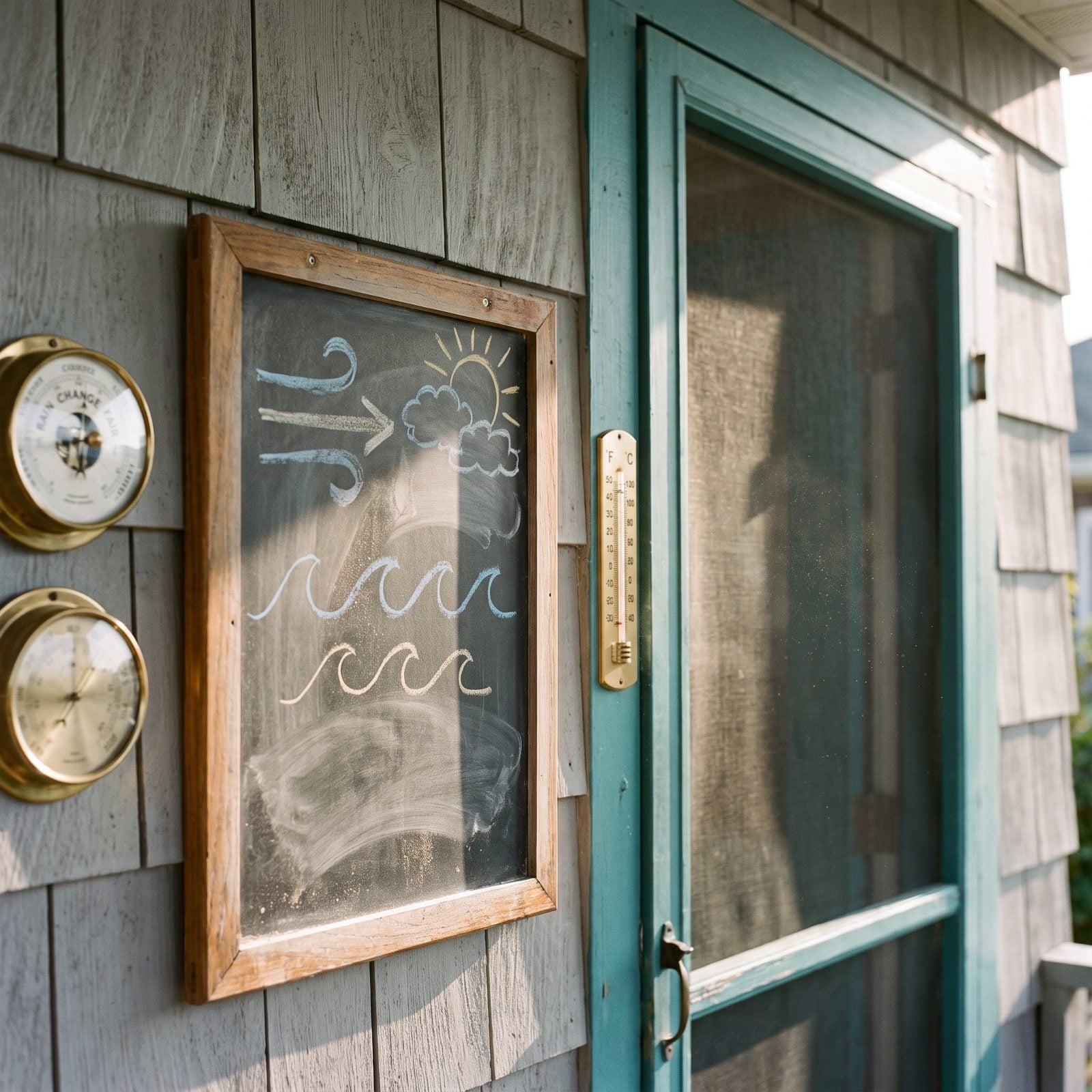
Somebody copied the marine forecast off the NOAA radio every morning and chalked it on a board by the door. Wind, seas, a little arrow for direction, maybe a sun with a storm cloud sketched next to it if things looked rough by afternoon.
Was it as precise as a satellite loop on your phone? No. But a person stood there, listened, and decided what you needed to know. The judgment was built in. You read that board before you cast off, and if the dockmaster had underlined the wind twice, you took the hint.
43. A Bulletin Board Covered in Boater Notes
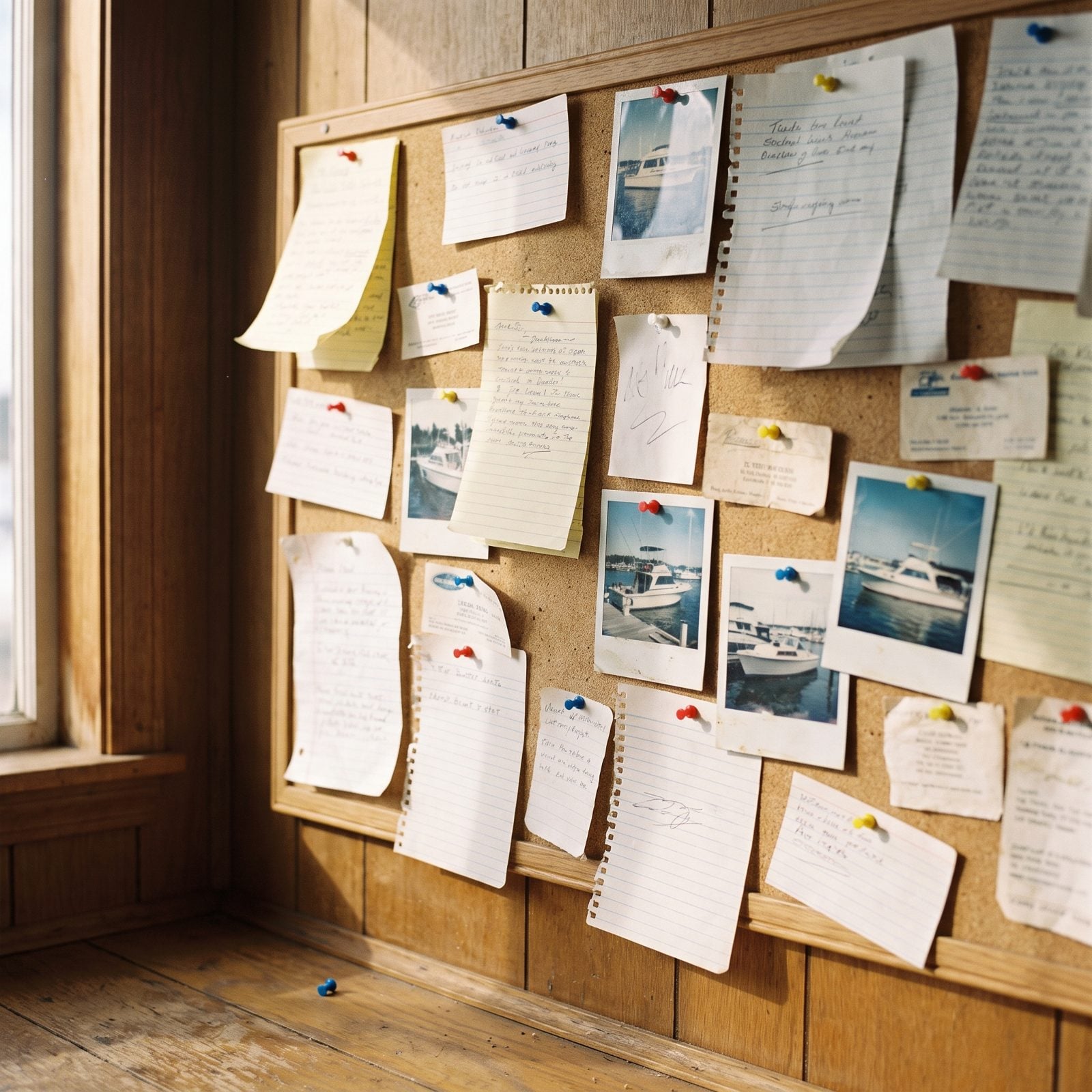
Three layers deep, and nobody ever cleared the old stuff. Handwritten notes on torn notebook paper and yellow legal sheets, the scrawl too faded to read from here. A Polaroid of a cabin cruiser tied up at the dock, pinned beside the notes. And a scatter of business cards gone yellow at the edges, held up with red, blue and yellow pushpins.
This was the marketplace, the classifieds, and the gossip column, all on one square of cork. You read it while you waited to pay for fuel. Half the deals at that harbor started with somebody squinting at a curling index card and saying, huh, I’ve been looking for one of those.
42. Paper Charts Spread Across the Counter
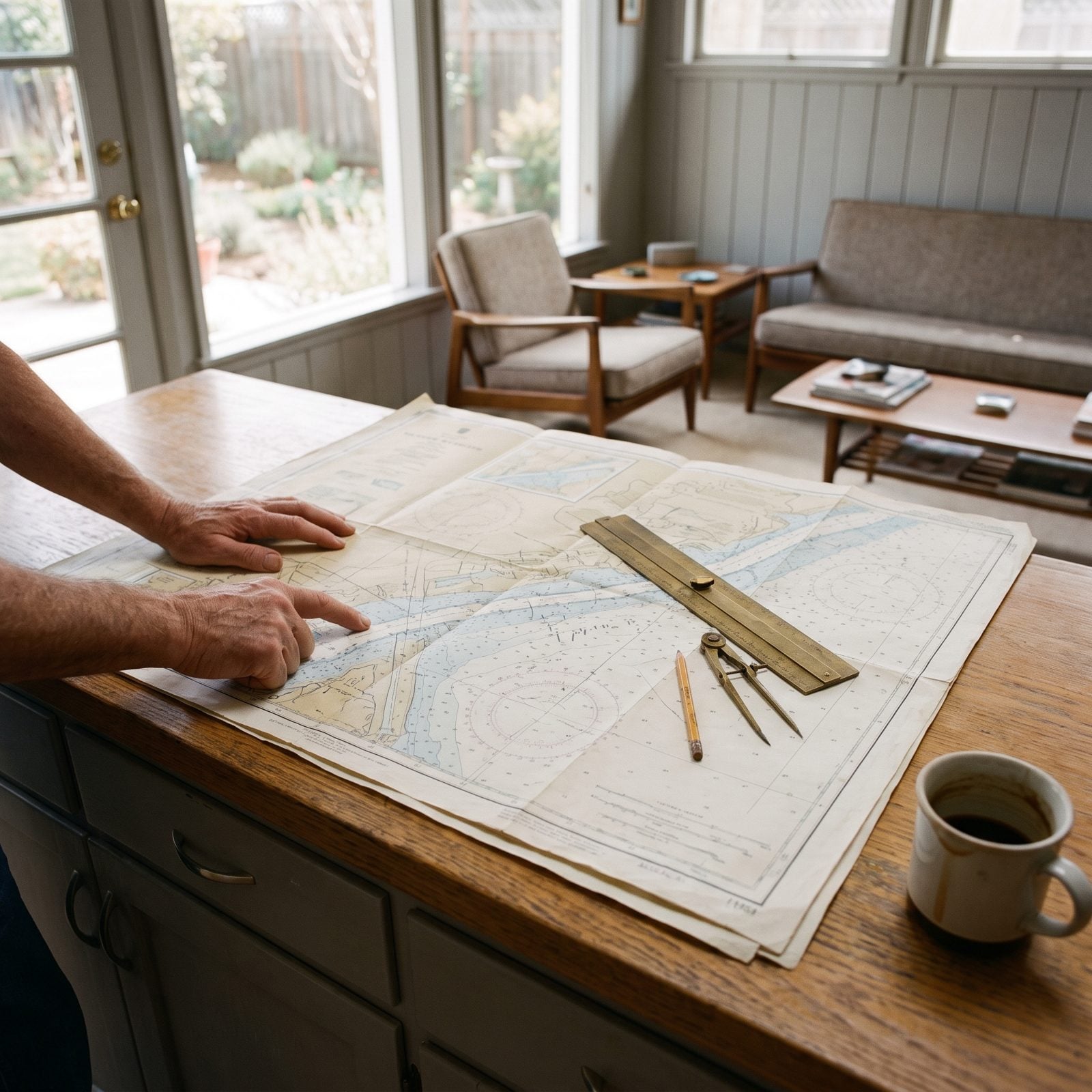
Big as a tablecloth, soft at the folds from being opened a thousand times. You’d lean over it with the parallel rules and walk a course across the chart with your finger, and somebody who’d run that passage would lean in next to you and tell you where the shoal really was versus where the chart said.
Nobody zoomed in. You saw the whole picture at once — the bay, the approach, the next harbor over, all in one glance. There’s a spatial sense you lose staring at a phone screen the size of a playing card. The paper gave you the big view and the local knowledge in the same breath.
41. A Mechanic Who Could Diagnose an Engine by Sound
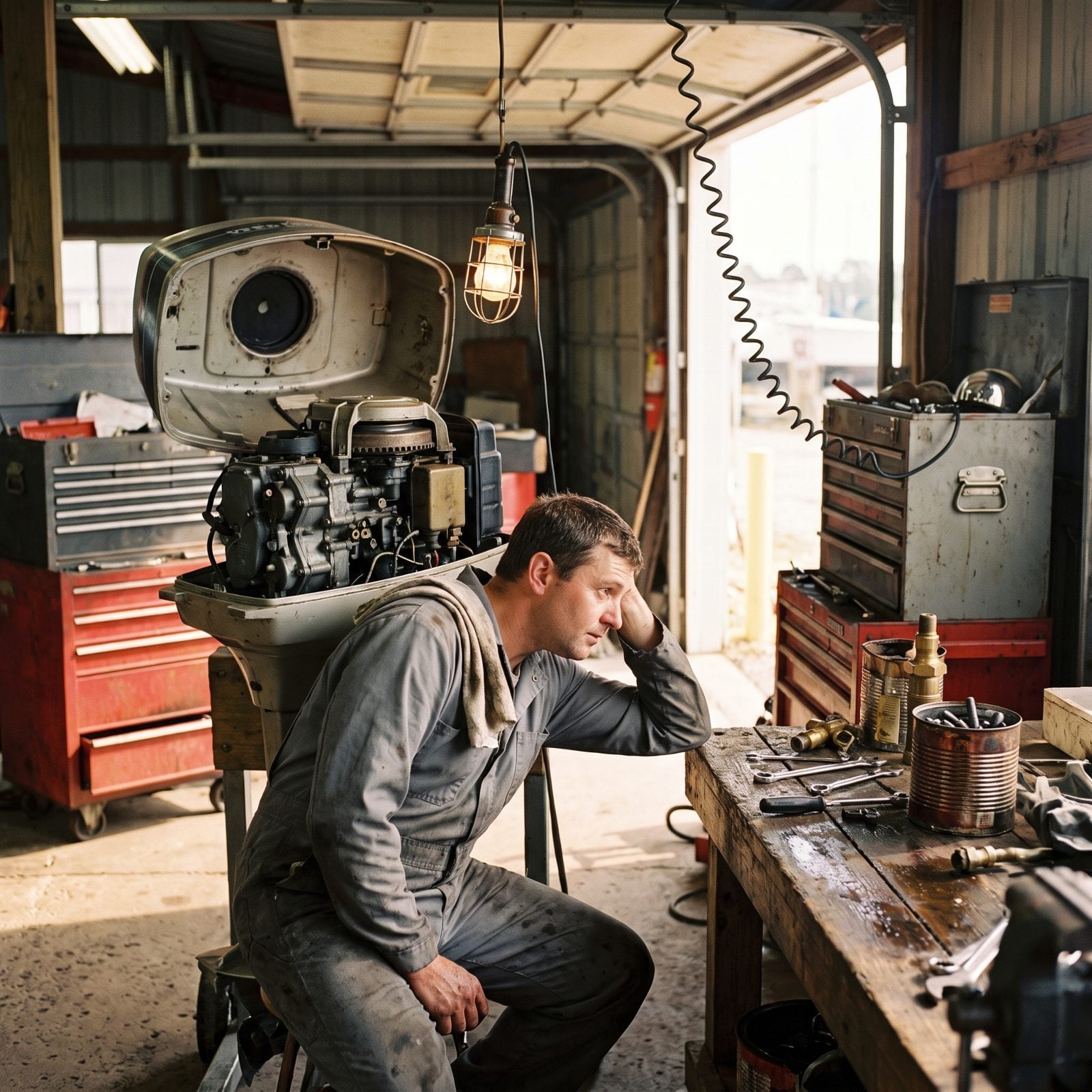
He’d sit on a stool beside your outboard, its top cover tipped open, head cocked toward the engine, just listening. A missed beat, a faint rattle he remembered from a hundred other motors, and he’d name the problem before he ever picked up a wrench.
That ear came from thousands of engines, not a diagnostic port. You trusted it because he’d been right so many times. The funny thing is, the fancy code readers that replaced him tell you a sensor failed, not why, and plenty of boaters now pay to have a computer guess at what that mechanic knew by sound.
40. A Fuel-Dock Attendant Ready With the Line
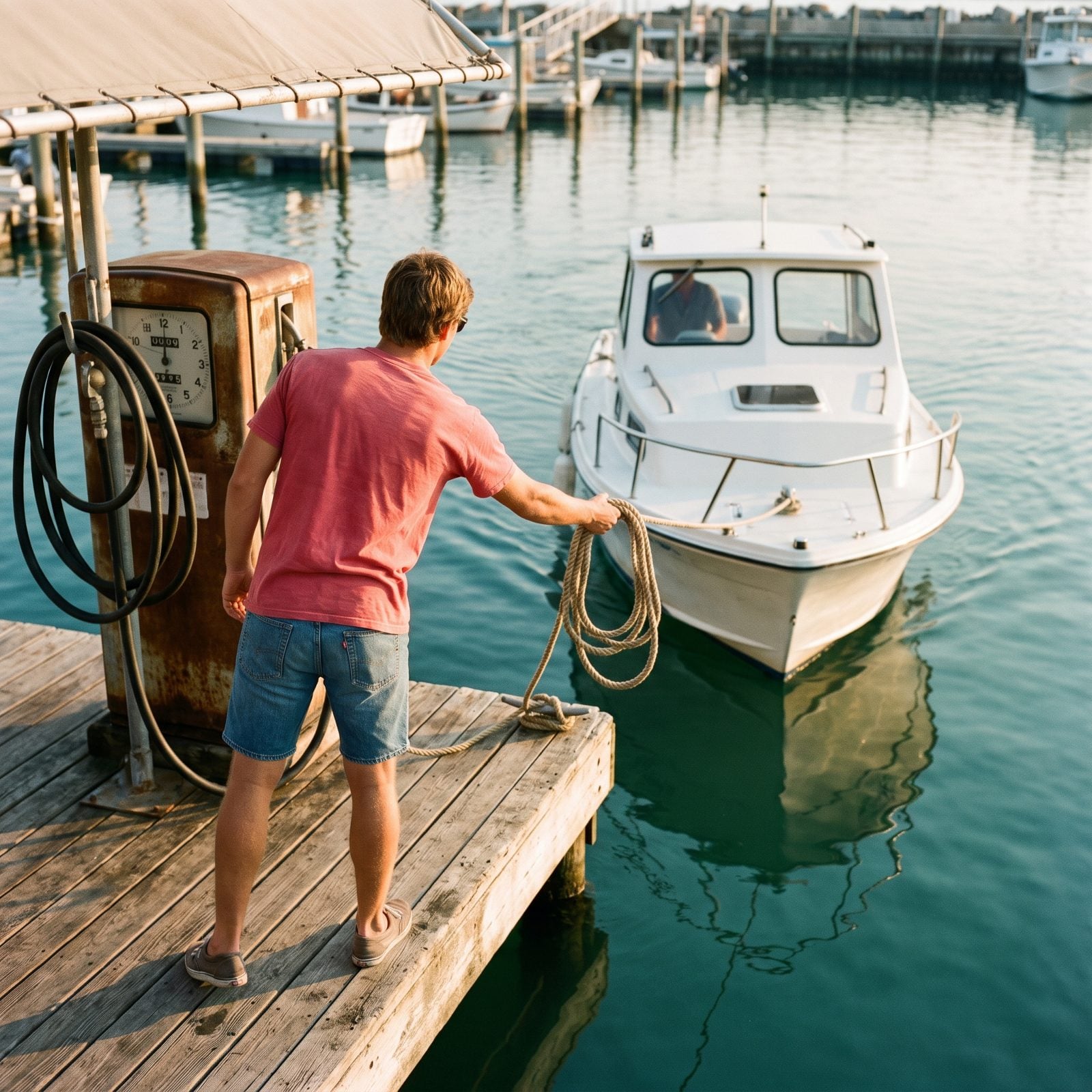
Pull up to the fuel dock and there he was, usually a teenager working his summer, hand already out, line ready to toss. He’d catch your bow, snub it to a cleat, and have you tied off before you’d killed the engine.
The pump had a spinning dial, not a screen, and the numbers clicked over with a sound like a slot machine. He wiped the nozzle, topped off the oil if you asked, and knew not to overfill. Small service. It set the tone for the whole harbor.
39. The Marina’s Battered Courtesy Station Wagon
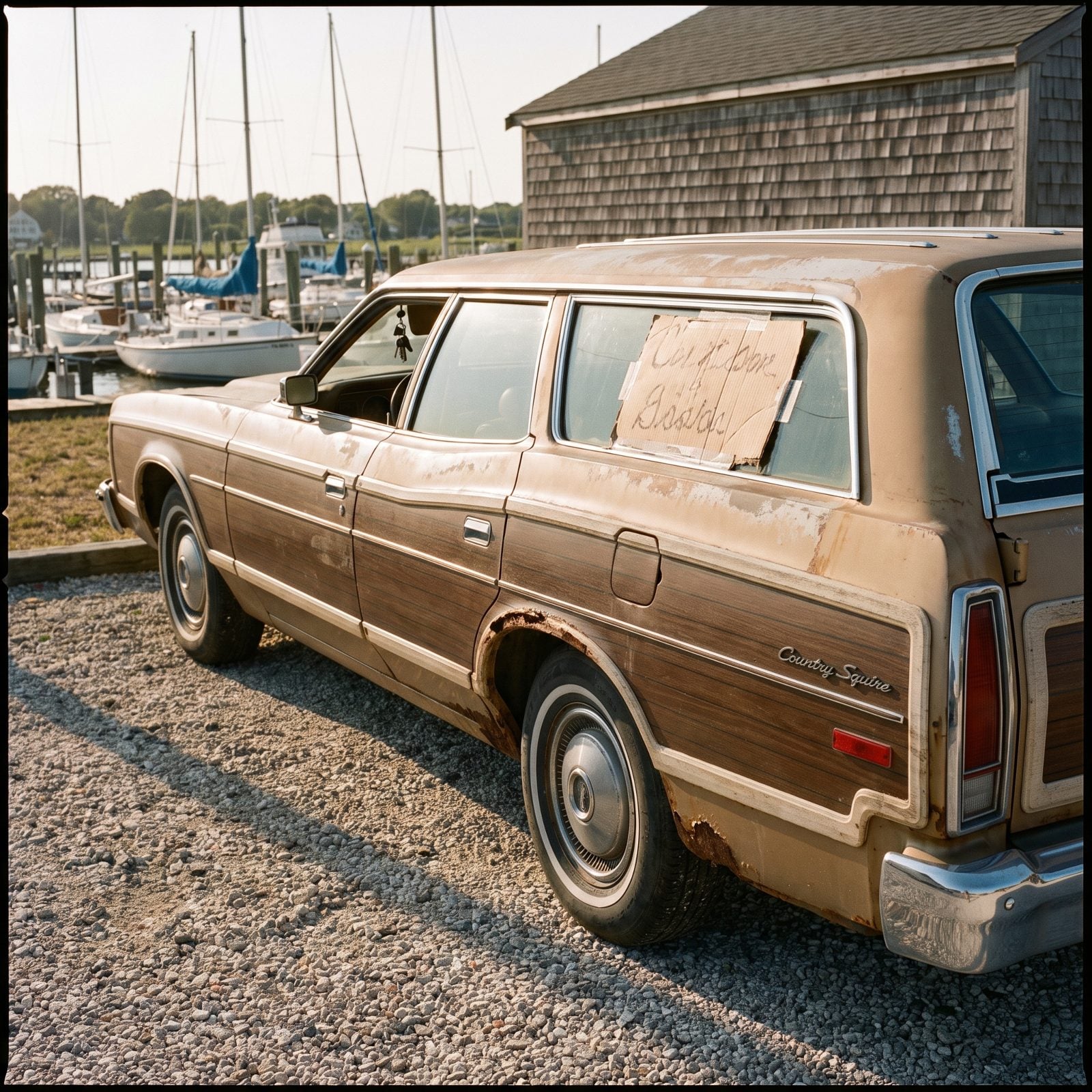
Every good marina had one — a wood-sided wagon with a quarter-million miles on it, a sticky door, and a tank that was always somewhere near empty. The keys just hung inside from the top of the open driver’s window frame, because who was going to steal it.
You borrowed it to run to the grocery store or the parts place three towns over, and the deal was simple: bring it back, put a little gas in it, don’t be the jerk who kept it all afternoon. No paperwork. Just the understanding that this is how neighbors treat each other.
38. A Ship’s Store Packed Floor to Ceiling
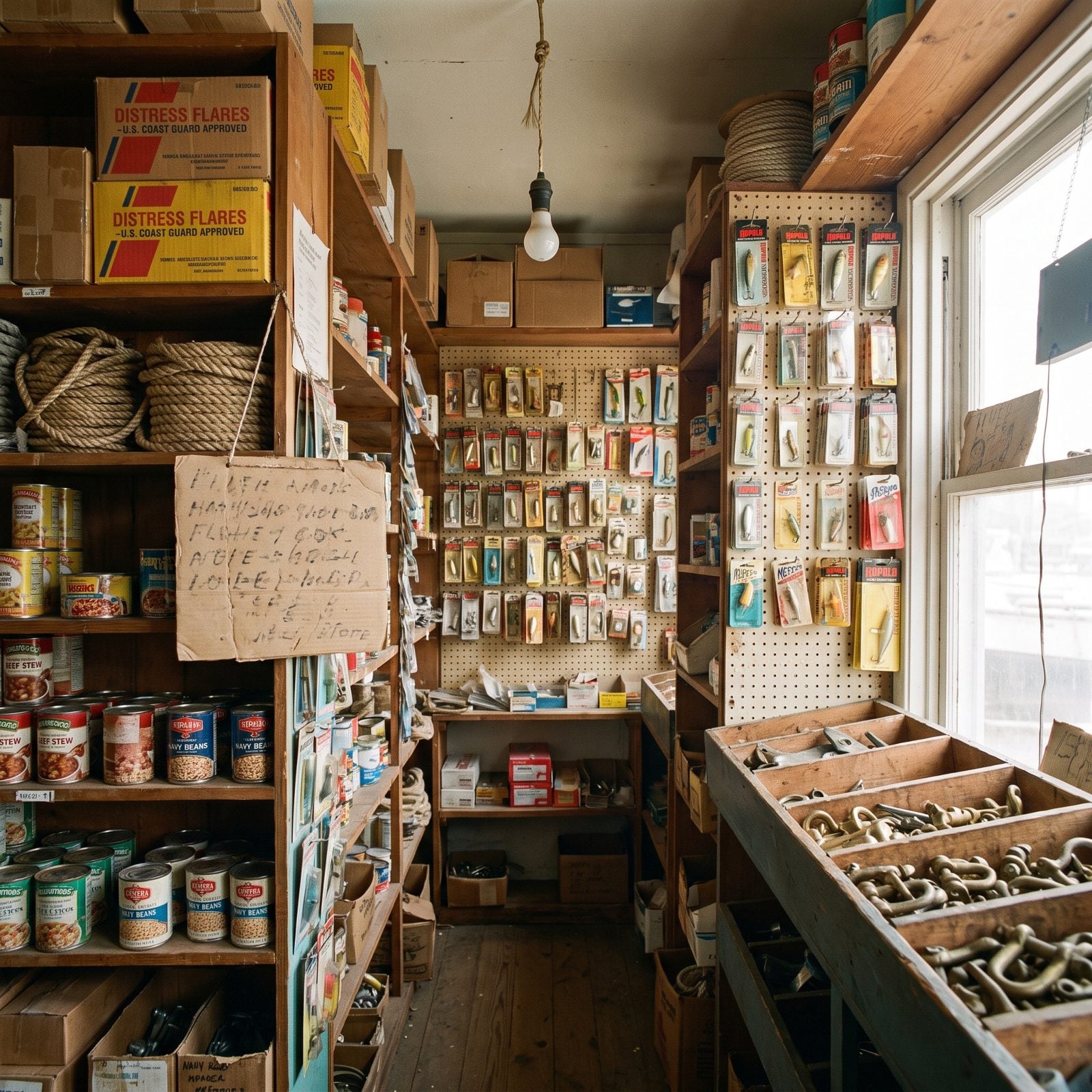
Every inch earned its keep. Line and lures, flares and fan belts, foul-weather gear jammed next to canned chili and a rack of fishing magazines. If your head needed replacing on a Sunday, they had the part, or close enough to limp you home.
You didn’t filter by category or wait two days for shipping. You walked the aisle, found a thing you didn’t know you needed, and bought it because it was right there. The modern version is a warehouse you never see; the old ship’s store was the opposite. All of it, in front of you, run by someone who knew what every piece was for.
37. Open Bins of Brass Marine Hardware
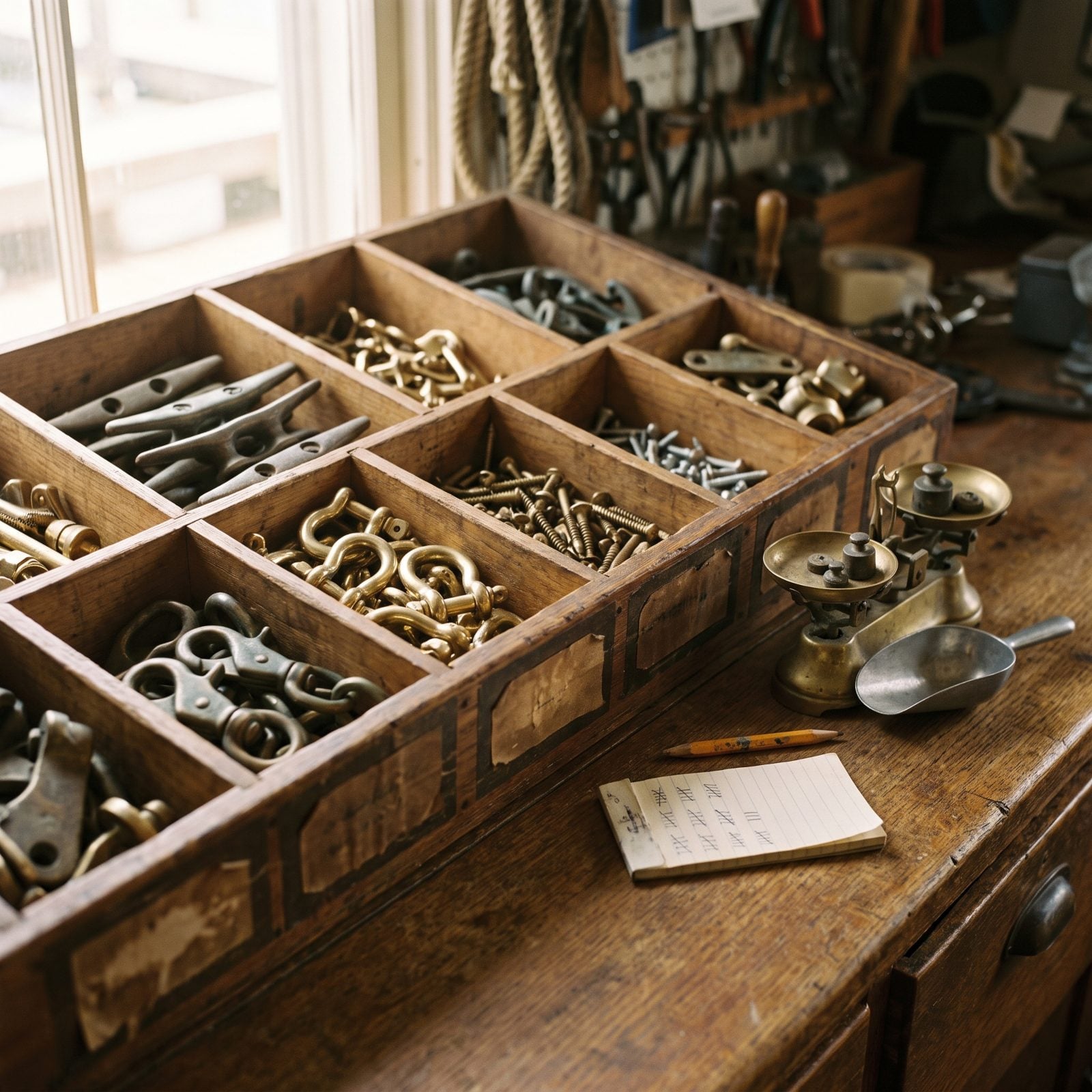
You dug through them with your fingers. Shackles, snap hooks, cleats, bronze screws, all loose in divided wooden bins, half of them tarnished green and half rubbed bright by every hand that came before yours.
You could hold a fitting, feel the weight, check the thread against the one in your pocket. Buy exactly two instead of a blister pack of ten. There’s something honest about brass you can touch before it’s yours. Walk into a store now and it’s all sealed in plastic behind a hook, and you’re trusting a photo instead of your own hand. The bins knew better. So did we.
36. A Canvas Shop With a Dodger Half-Stitched on the Table
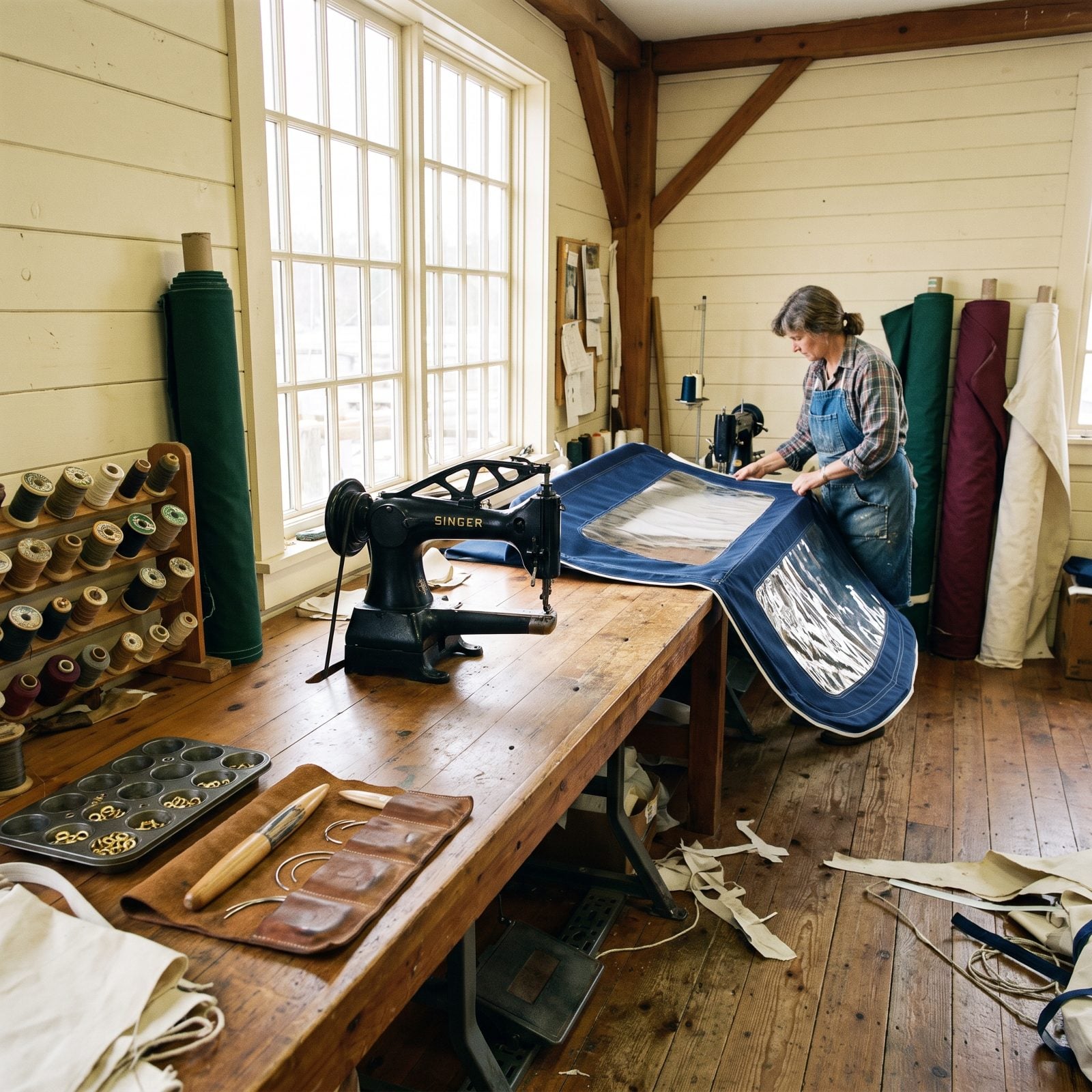
Push open the screen door and the whole room smelled like warm vinyl and waxed thread. A big cast-iron Singer hammering away, a dodger pinned out on the table, somebody squinting through reading glasses at a seam that had let go in last month’s blow.
These shops did the work nobody else wanted. Bimini tops, sail covers, cushion recovers, the torn corner of a mainsail that would’ve cost a fortune to replace. You brought in the ragged thing, they looked at it the way a tailor sizes up a good suit, and they fixed it.
Good canvas work lasted ten, fifteen years. The stitch count told you whether the person cared.
35. A Sign Painter Lettering a Transom Name by Hand
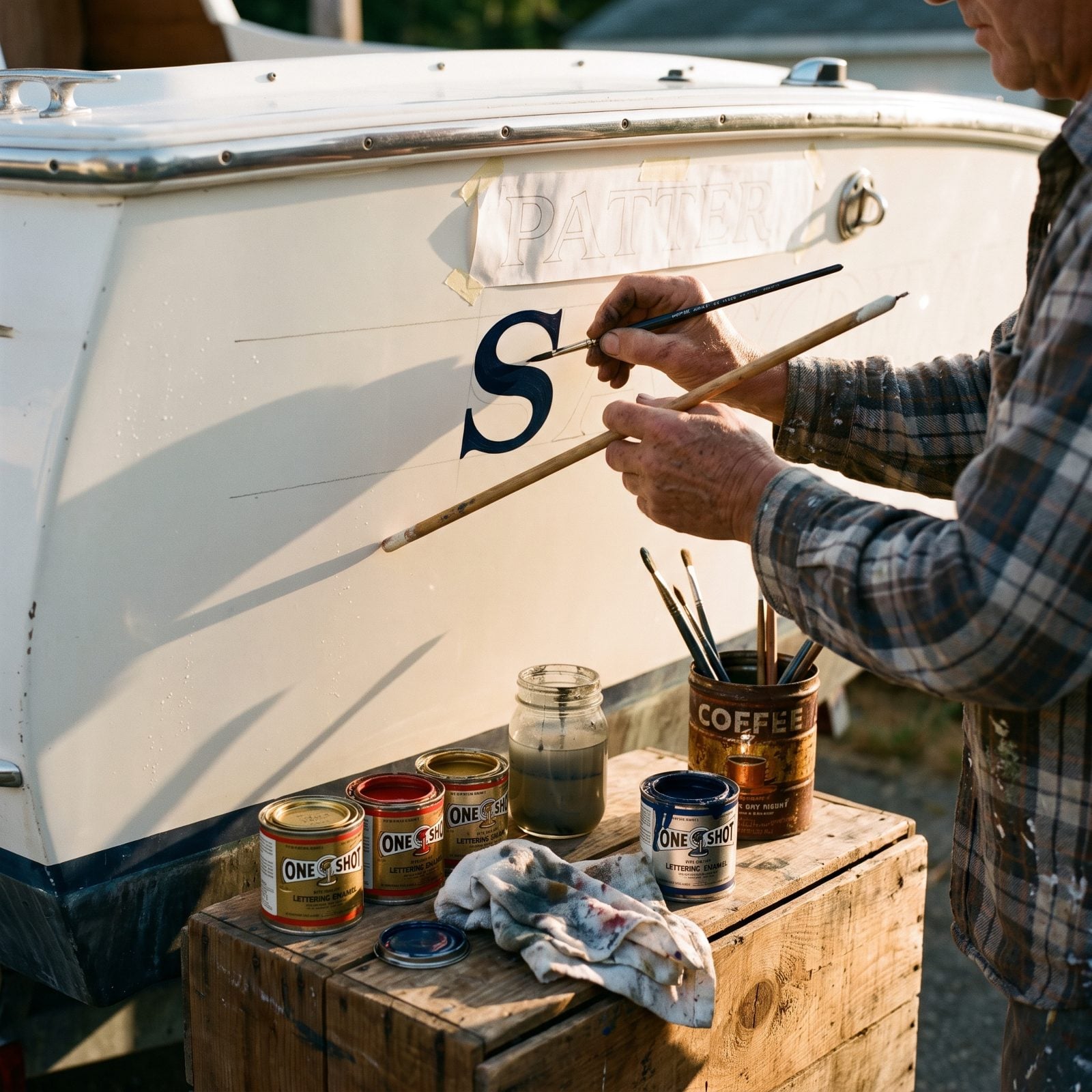
Before vinyl decals, a boat got its name from a human being with a steady hand and a loaded brush.
The sign painter would chalk a guideline, tape up a paper pattern, then freehand the whole thing in One Shot enamel — a serif here, a gold-leaf shadow there, the hull reflecting the slow performance back at you. It took hours. Watching it was its own entertainment at the yard.
A machine can match a font. It can’t give you the tiny confident wobble of a letter that a person committed to and never second-guessed.
Those transoms had character you can’t fake. You still see them on old wooden boats, the gold a little tarnished, and they look alive in a way a plotter-cut sticker never will.
34. The Old Marine Railway That Hauled Boats Out on Rails
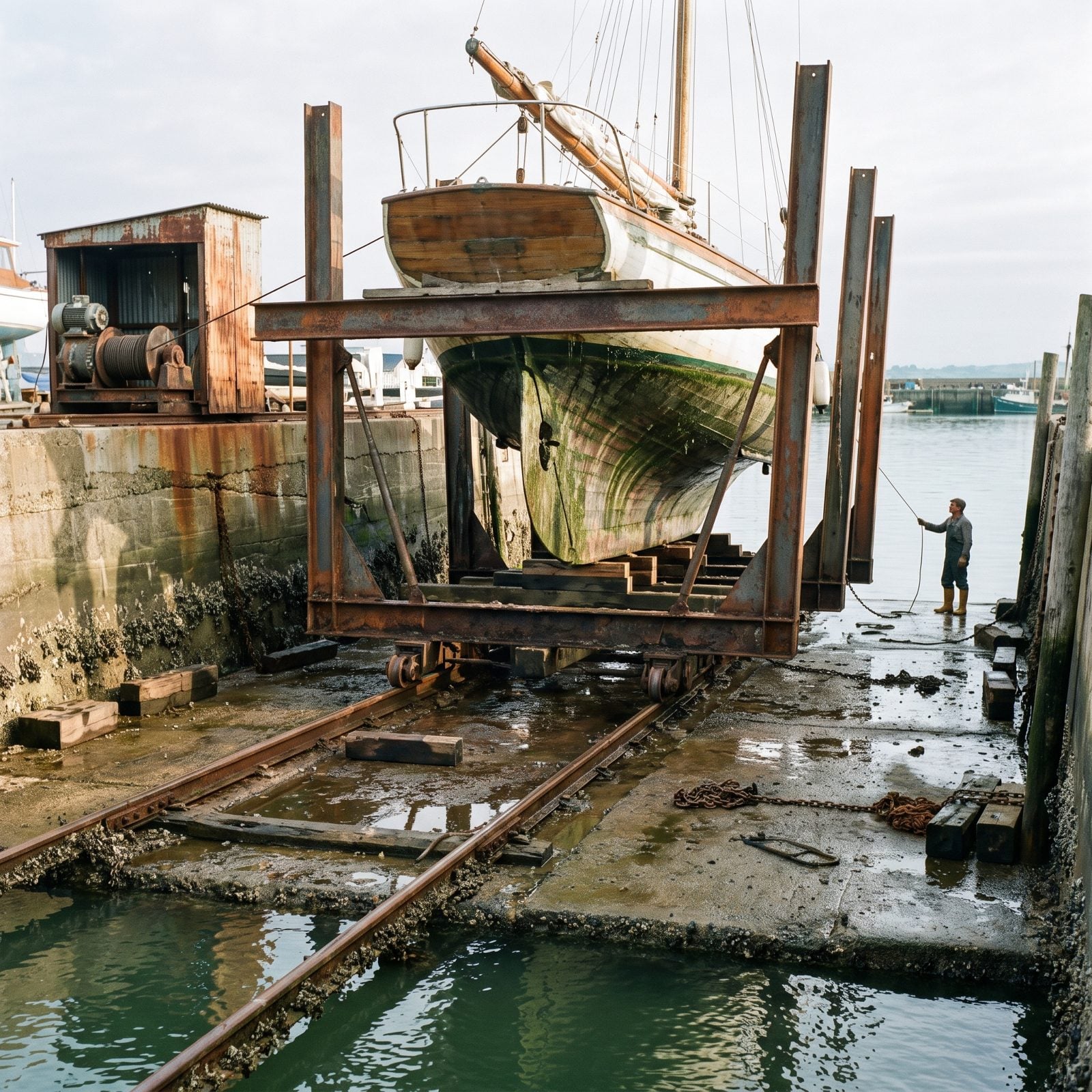
Long before travel-lifts with padded slings, a boatyard hauled you out on rails.
A steel cradle waited on iron tracks at the water’s edge, the boat was floated onto its timber blocks, groaning cables and chains drew the wheeled cradle up the rails out of the harbour, and an old winch drum sat in its tin shed beside the slipway — barnacles dripping, keel streaming, the hull emerging inch by inch like something being born.
Slow, and a little nerve-wracking if you’d never seen your own bottom before. But it worked, and some yards ran the same railway for sixty years before anyone touched the mechanism.
33. The Dock Crew Stepping a Mast With the Yard Crane
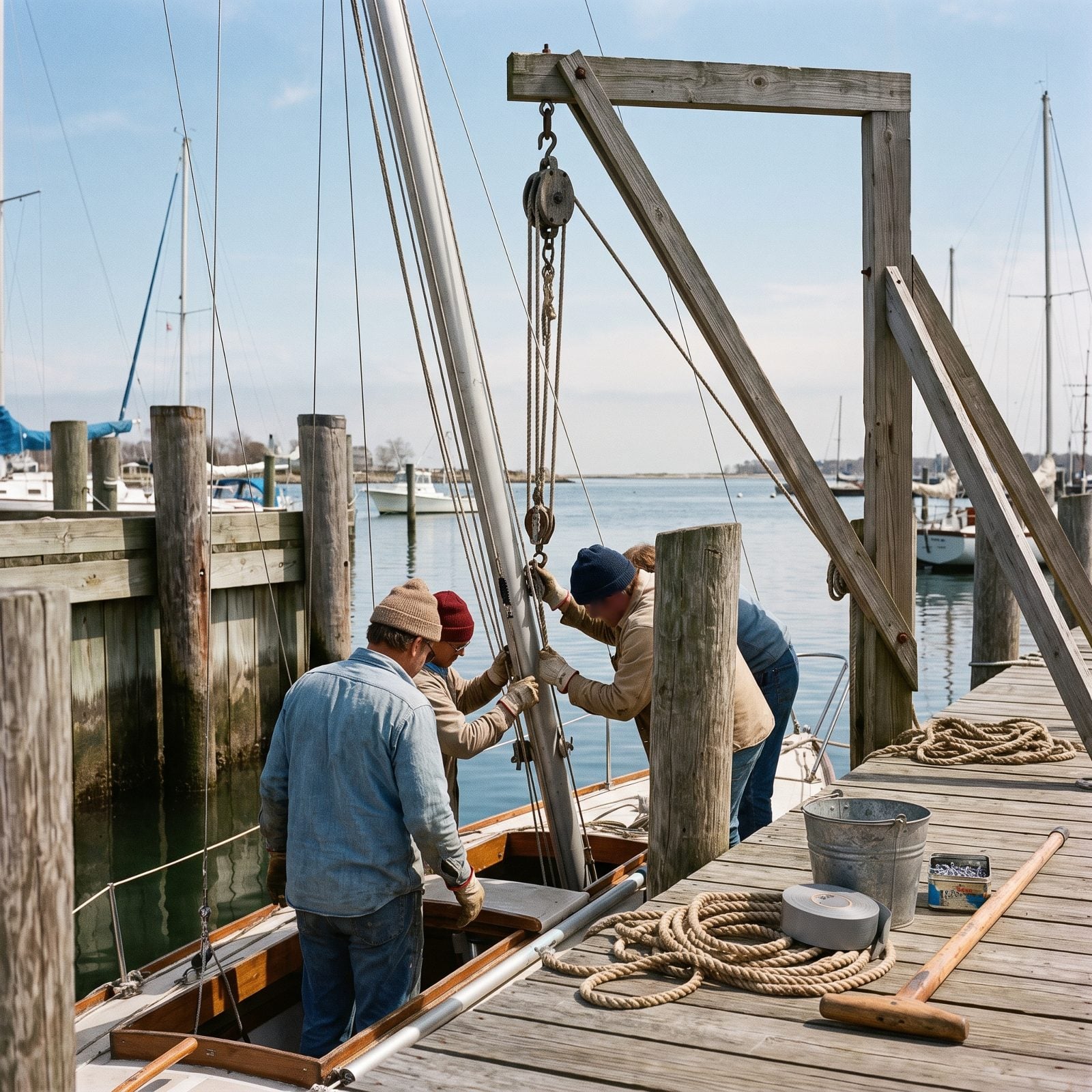
Spring at the yard had a rhythm, and mast-stepping day was the busiest note in it.
The crew worked a fixed crane or a gin pole on the bulkhead, swinging aluminum masts up out of the racks and lowering them through the deck while two guys on the dock steadied the base and called out small corrections. Easy. Easy. Hold it.
Choreography, really. One person on the cable, one at the step, one making sure the wiring doesn’t snag. Nobody rushed. A dropped mast is an expensive, heartbreaking thing, and everyone on that dock knew it.
You helped your slip neighbor. He helped you the next weekend. That was the whole arrangement.
32. Heavy Timber Docks With Planks Bleached Soft and Gray
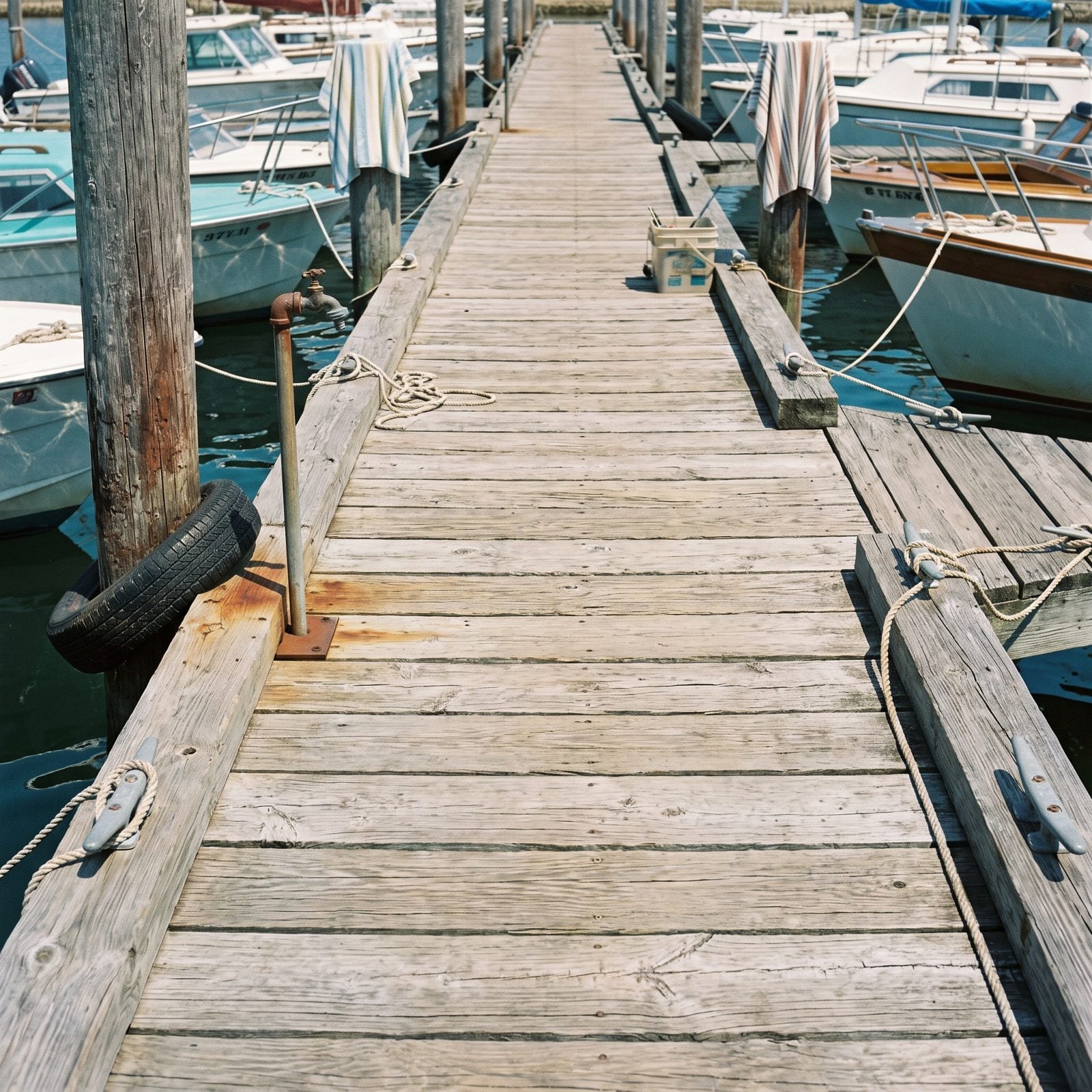
You could walk a dock like this barefoot and your feet knew it before your eyes did.
Old-growth timber, bolted down decades ago, worn soft and silvery by sun and salt and a few hundred thousand footsteps. Warm underfoot in the afternoon. Splinters if you got careless — everyone who grew up at a marina has dug at least one out of a heel on a July evening, usually right as the burgers were coming off the grill.
The gaps between planks showed water moving below. The galvanized cleats were bolted on crooked and nobody minded. These docks flexed and groaned and smelled faintly of creosote, and they’ll outlast half the plastic floating stuff that replaced them.
31. The Harbor Office Wall Hung With Numbered Brass Keys
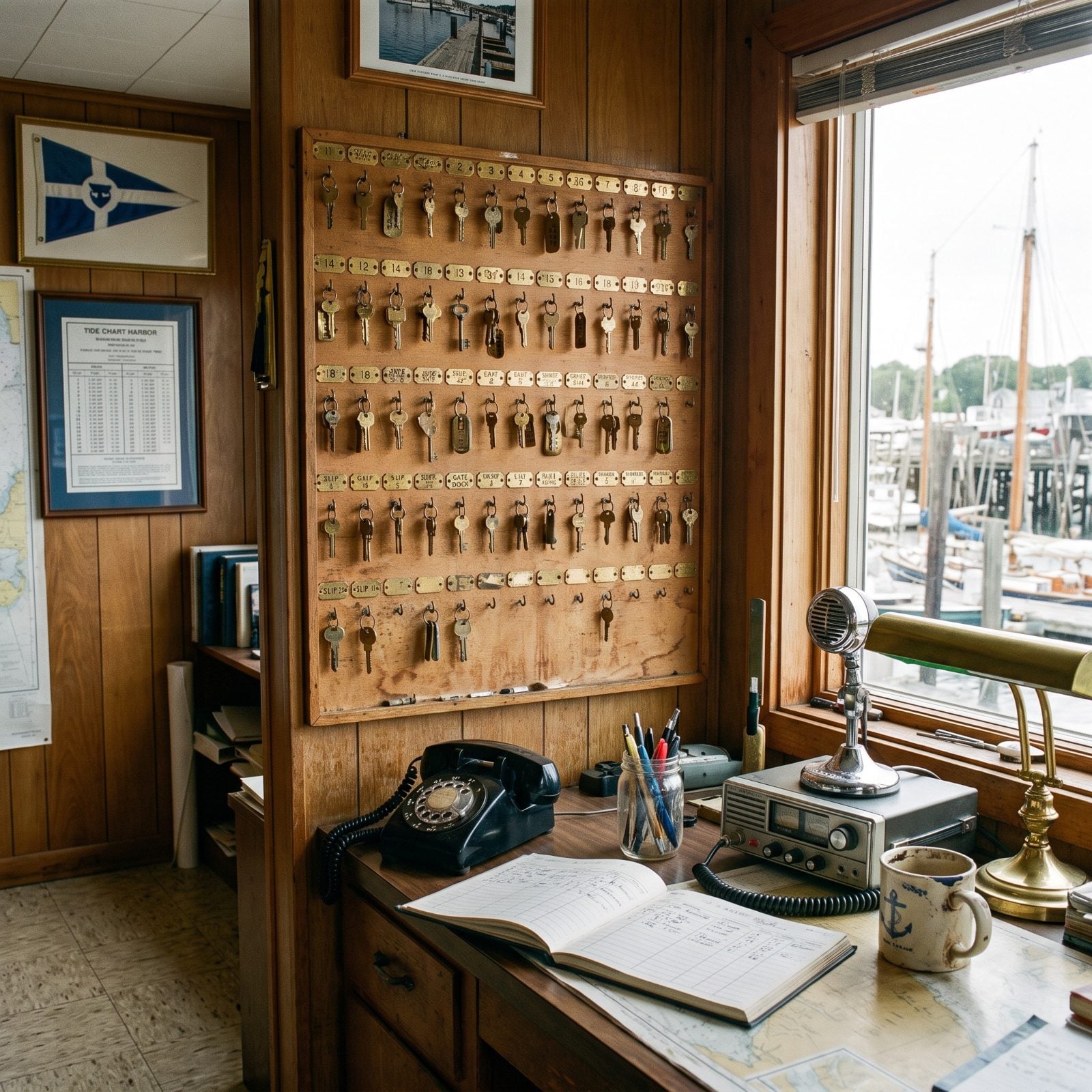
The first thing you saw walking into the harbor office was the key board.
Rows of brass keys on hooks, each under a brass tag whose worn, jumbled stampings (repeated numbers, out-of-order slips, half-legible words) only the harbormaster could really decode, all gone warm and dull from a thousand hands. Gate keys, fuel-dock keys, the key to the shower block that everyone’s kid lost at least once a season.
Losing one wasn’t a reset code and a reissue. It was a conversation. The harbormaster would look at you over his glasses, sigh, and cut you a new one at the hardware store in town. There was a social cost to it, which is exactly why people hung onto them.
30. A Paper Ledger Where Transient Slips Got Penciled In
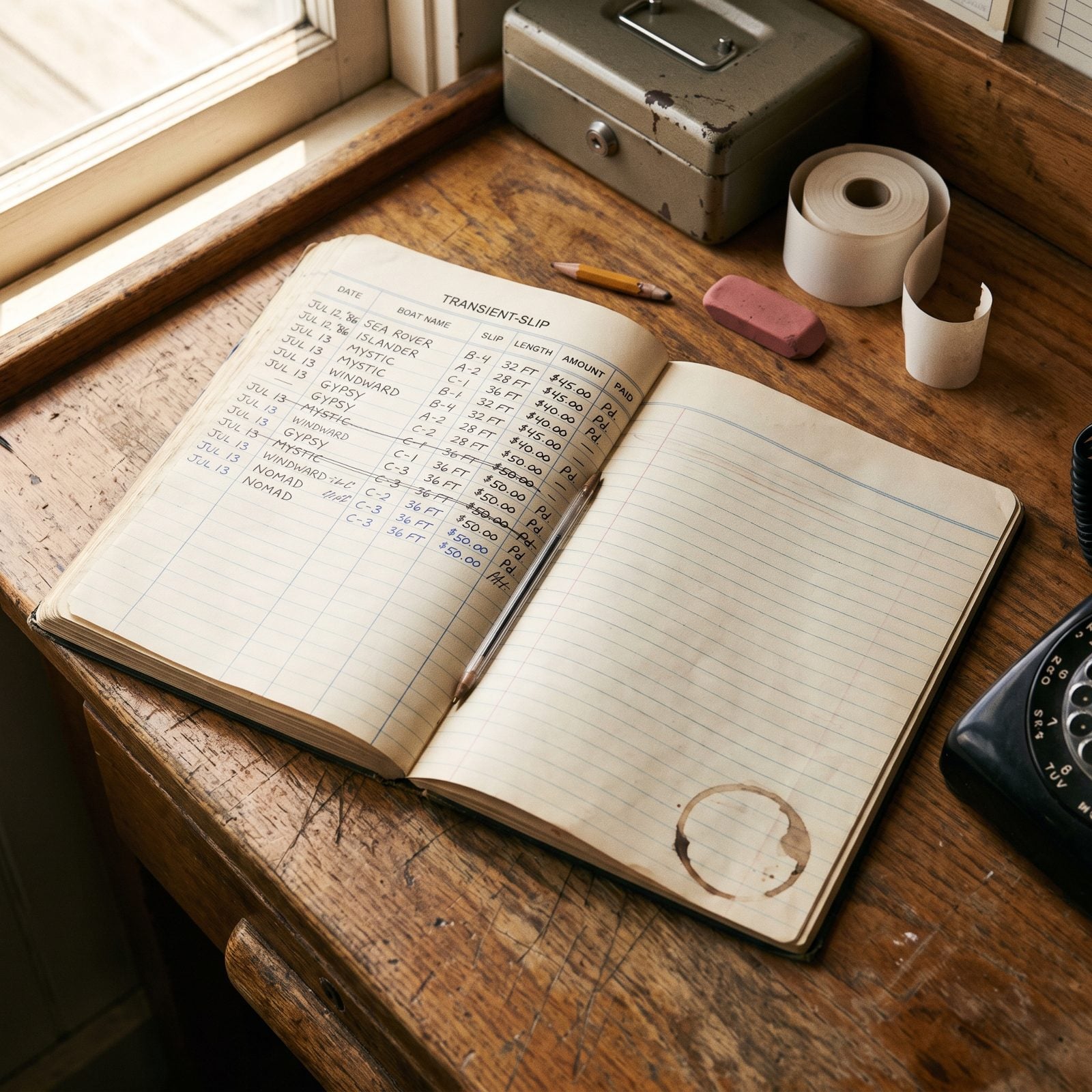
Transient dockage was a book. An actual book, with lined pages and a stub pencil chained to the counter so nobody walked off with it.
Boat name, length, slip number, how many nights, what you owed — all penciled in by hand, half the entries crossed out and rewritten when plans changed. The harbormaster could read that scrawl like sheet music.
And there was something honest about it. You signed the book, you paid cash or a check, you shook a hand. No confirmation email. If the book said you had slip 14 for the weekend, you had slip 14, and that was that.
29. The Stack of Free Printed Tide Tables by the Register
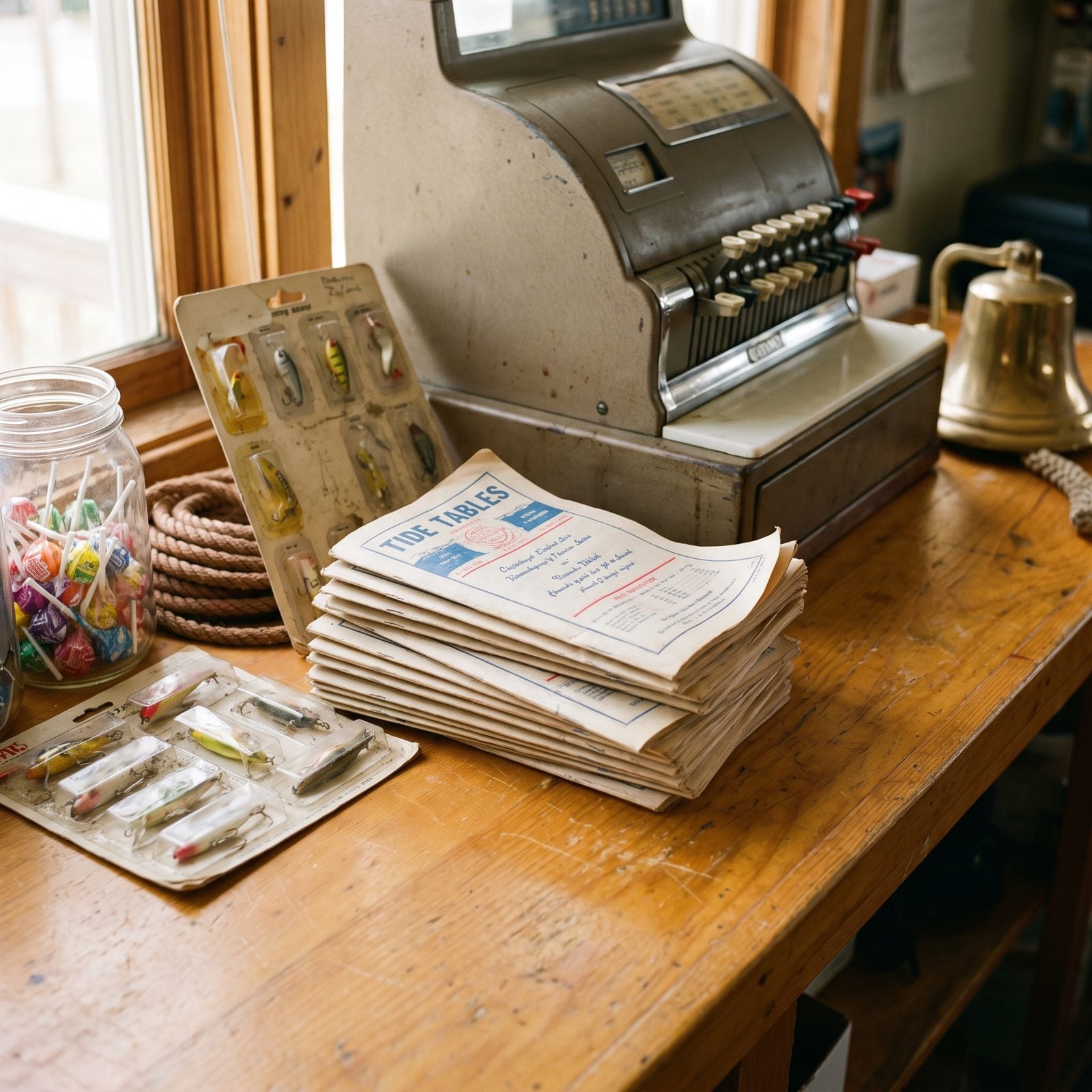
Little newsprint booklets, free for the taking, stacked right by the register next to the lollipop jar.
You grabbed one every spring and lived by it all summer. High tide, low tide, the whole season printed in tiny columns you learned to read fast because the fish and the sandbar didn’t wait.
The thing lived in the glovebox, salt-stained and curled, and you’d check it at the ramp before launching. It never needed charging. It never lost signal in the middle of the bay.
28. Storm Warning Flags Snapping From the Signal Mast
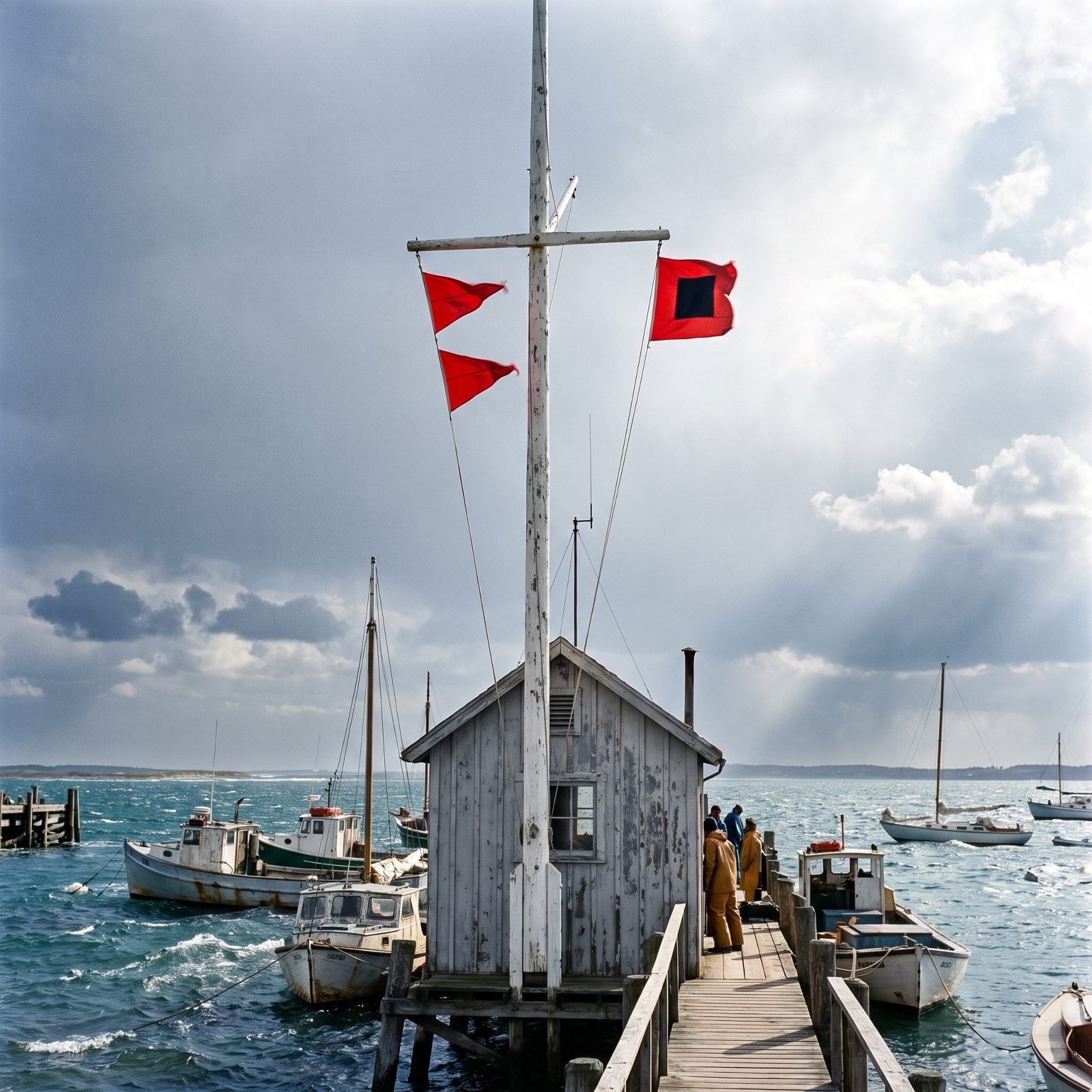
You looked up at the signal mast before you looked at anything else.
A single red triangular pennant meant small craft advisory. A single square red flag with a black center meant storm, and it meant stay in. No phone alert, no scrolling radar loop. Just colored cloth snapping in a freshening wind, telling you plainly that today was not the day.
The harbormaster raised them by hand. People trusted that mast completely, and they were right to. Weather you can see flying over the breakwater lands differently than a push notification you swipe away without reading.
The weather service officially retired the flag program in 1989. Hardly anybody flies it anymore. Worth losing an afternoon of good weather over, if you ask me.
27. A Harbor Map Marked With Colored Pushpins
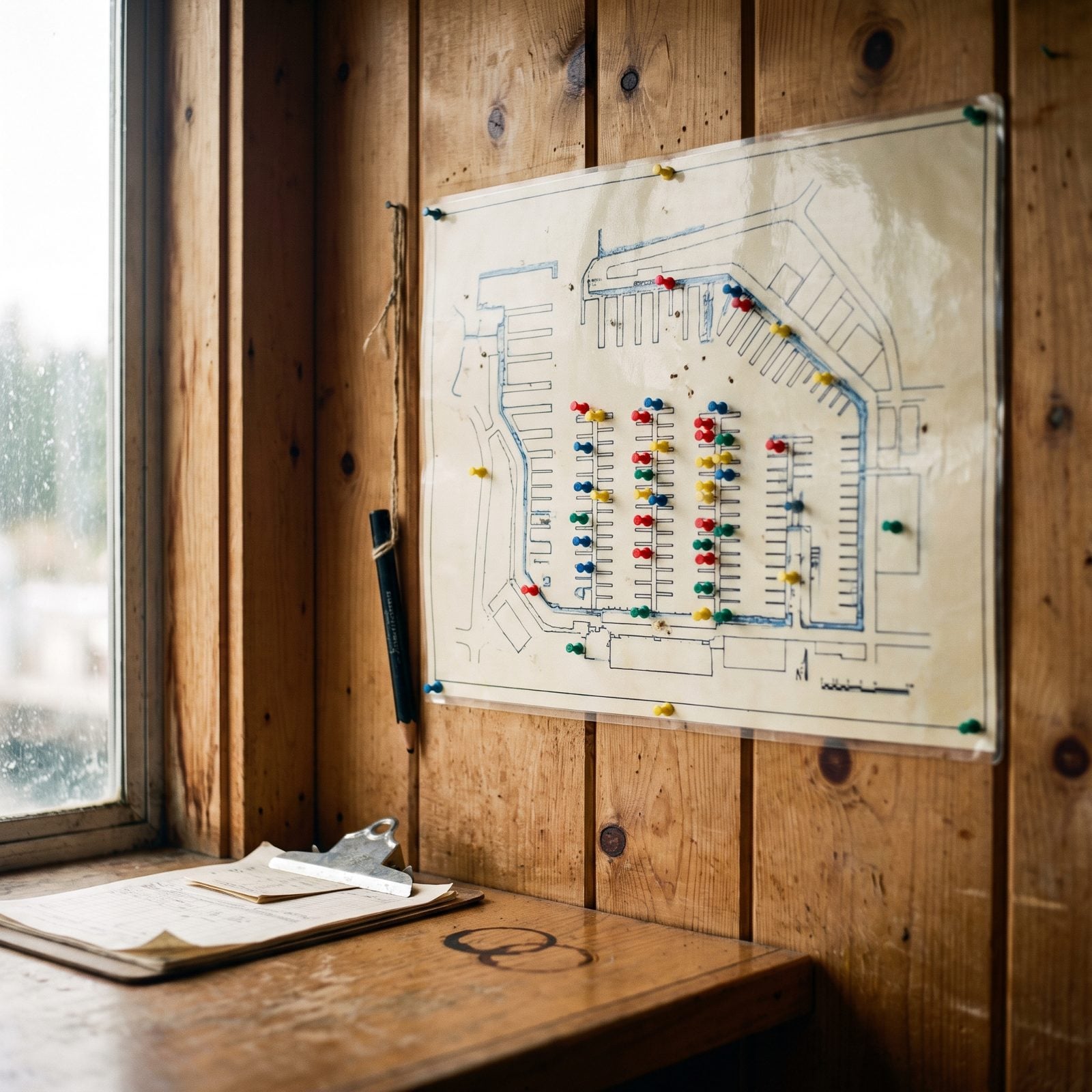
Before anyone had a screen to glance at, the whole marina lived on one board. A photocopied map of the slips, laminated if the dockmaster was fussy, studded with pushpins that told you everything you needed. Red meant occupied, yellow meant expected back by Friday, and the empty holes meant a transient could tie up for the night.
You learned to read it like a scoreboard. Who was out, who was late, whose boat hadn’t moved since Memorial Day. The dockmaster slid a pin and that was the database — one person, a box of pins, and a grease pencil for whatever notes didn’t fit anywhere else.
26. The VHF Radio Crackling in the Dock Office
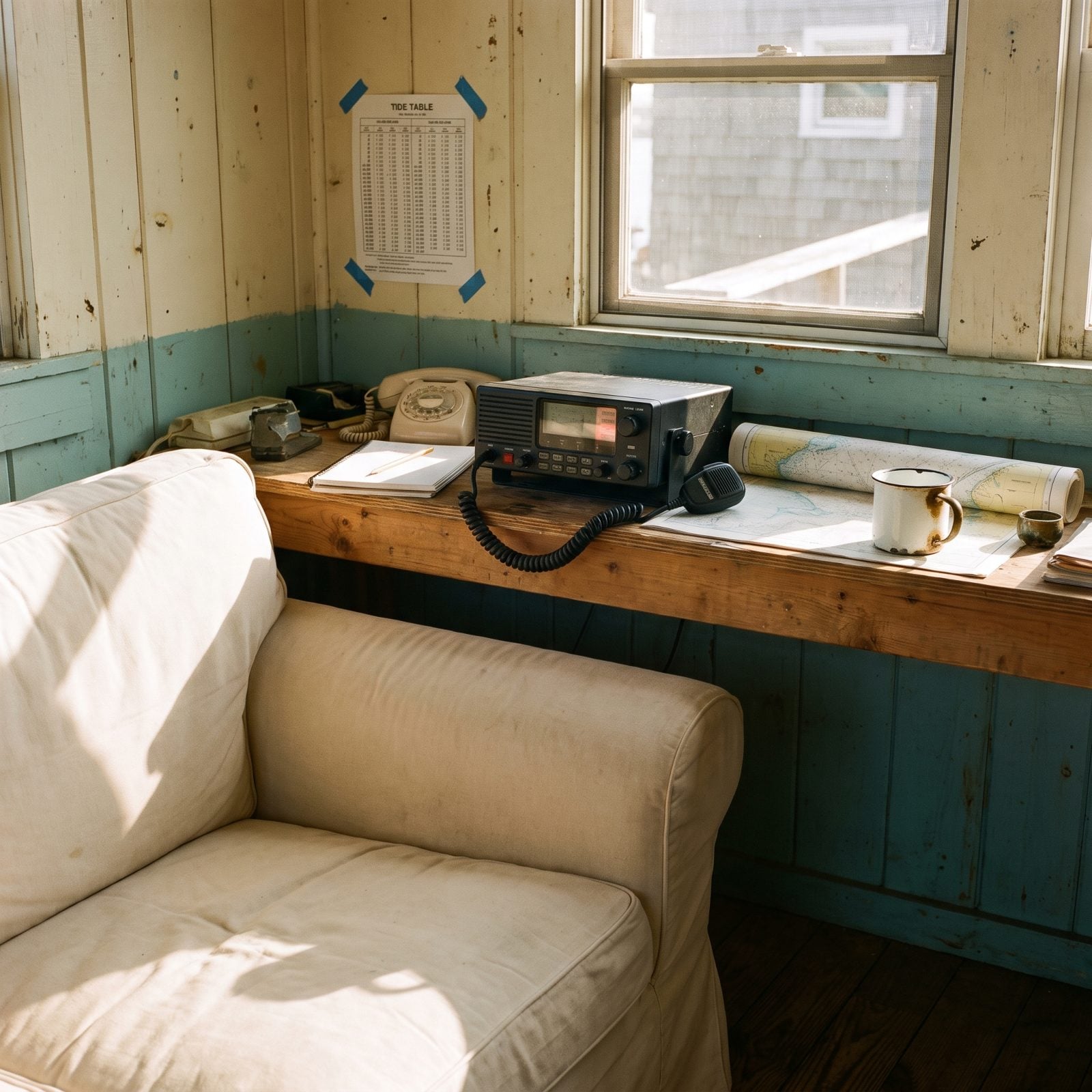
That squawk was the pulse of the place. A boxy VHF with a coiled mic, left on from open to close, muttering weather and chatter and the occasional captain hailing the fuel dock. You’d be buying ice and the thing would crackle to life and three heads would turn at once.
Channel 16 for hailing, then switch to a working channel. Everybody knew the drill, or learned it fast. It was how a stranded boater got a tow and how the dockmaster knew a storm was coming before the sky did. No bars of signal to fuss over — just a decent antenna and the patience to wait for someone to stop talking.
25. A Countertop Coffee Pot on the Honor System
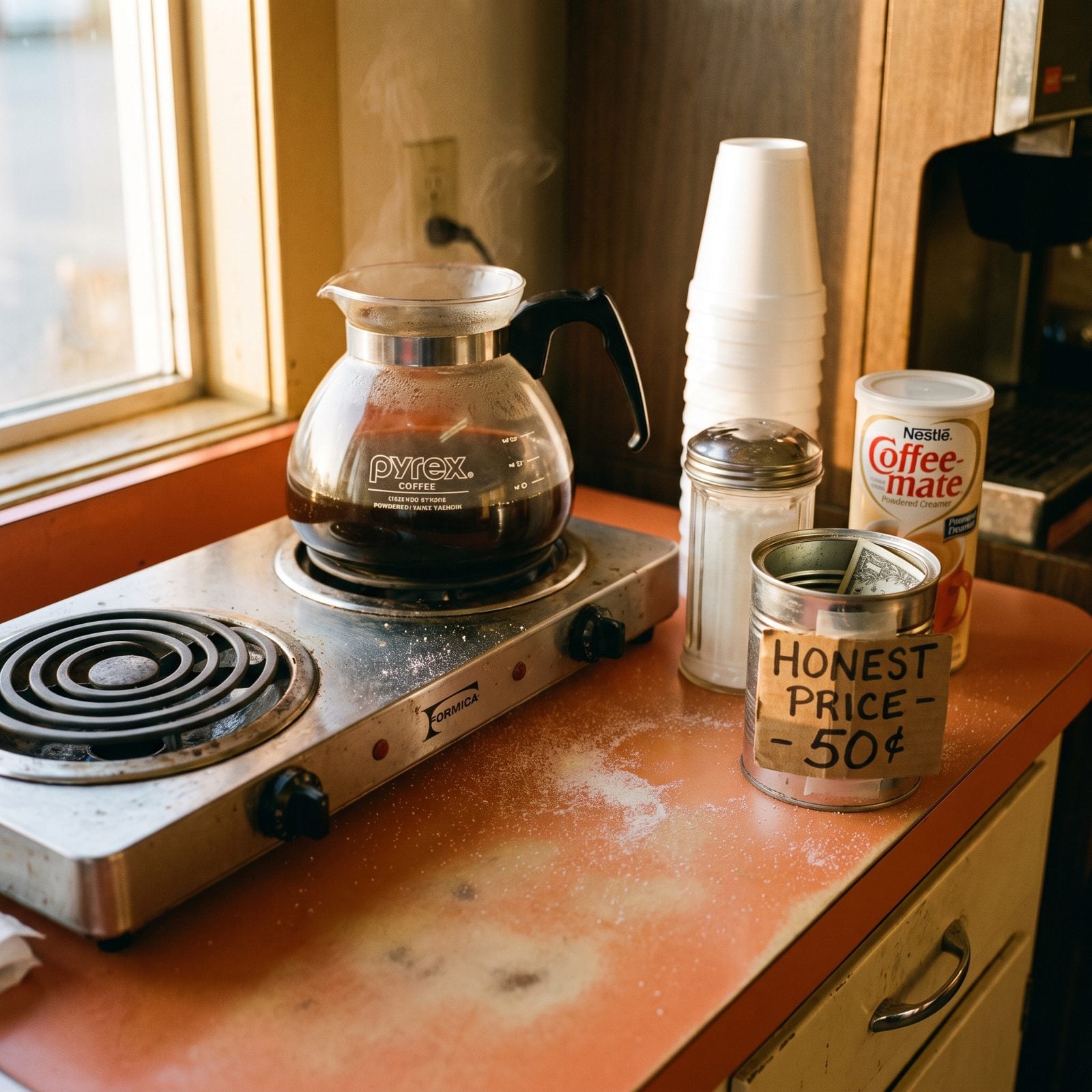
An open tin can with a cardboard sign taped to the side. That was the whole payment system.
You poured your own from a scorched glass pot that had been reducing since five in the morning, dropped your quarters or a folded dollar in the can, and got on with your day. Nobody counted. Nobody watched. The dockmaster figured boaters were honest about a cup of bad coffee, and mostly he was right.
The coffee itself was terrible and everyone drank it anyway — powdered creamer that refused to dissolve, foam cups, a plastic spoon used by a hundred hands before yours. It tasted like the inside of a tackle box. I’d take it back in a heartbeat.
24. Cold Soda in a Glass-Front Vending Machine
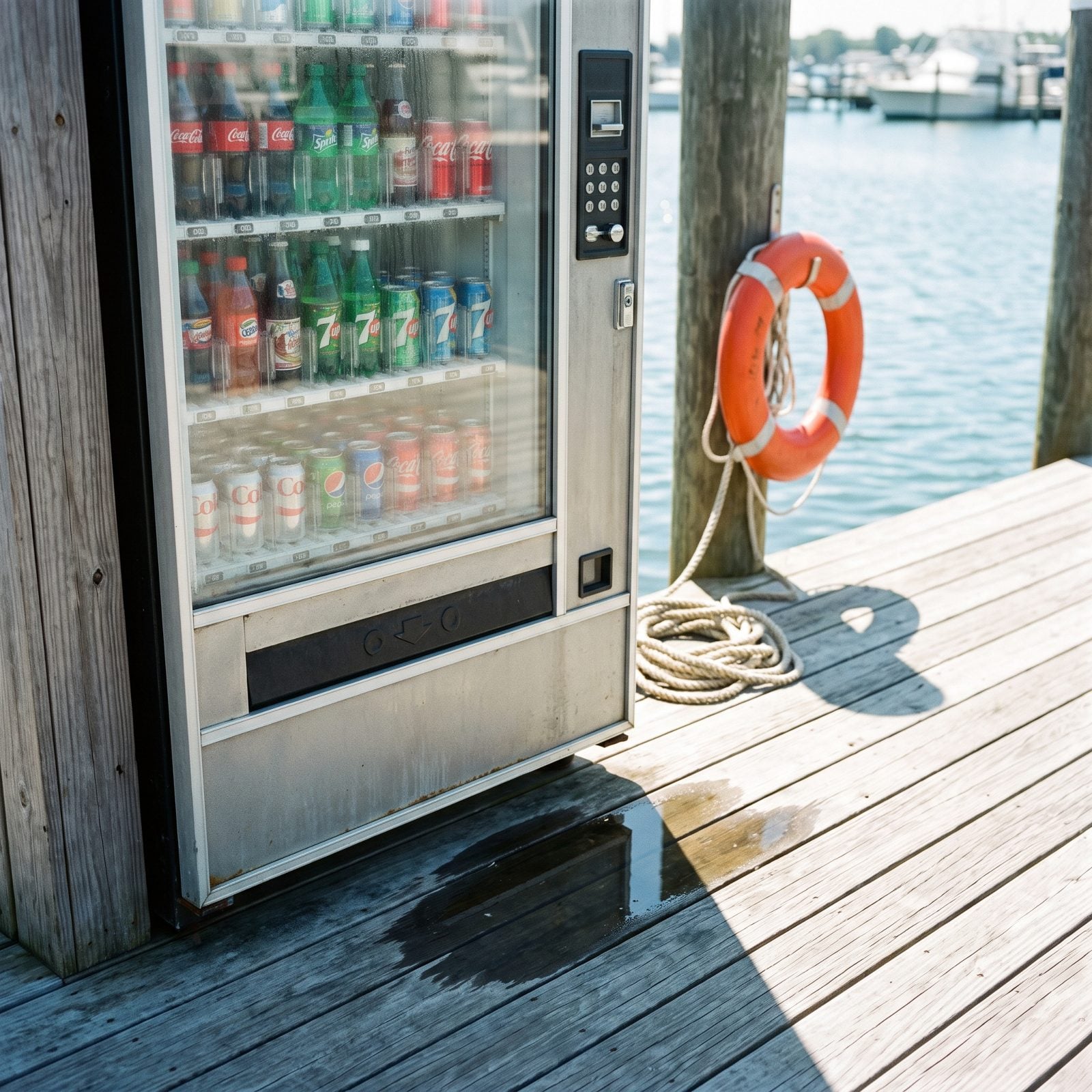
The hum of that machine on a hot dock was its own kind of music. Glass front, bottles sweating behind it, a coin slot that ate your dimes and sometimes gave nothing back. You smacked the side. Half the time it worked.
A cold soda after a morning on the water beat anything you could buy ashore. The bottle came out frost-cold, the cap hissed, and you drank it leaning against a piling watching boats come in. Simple pleasure, fully earned.
23. Live Bait Tanks Bubbling Near the Launch Ramp
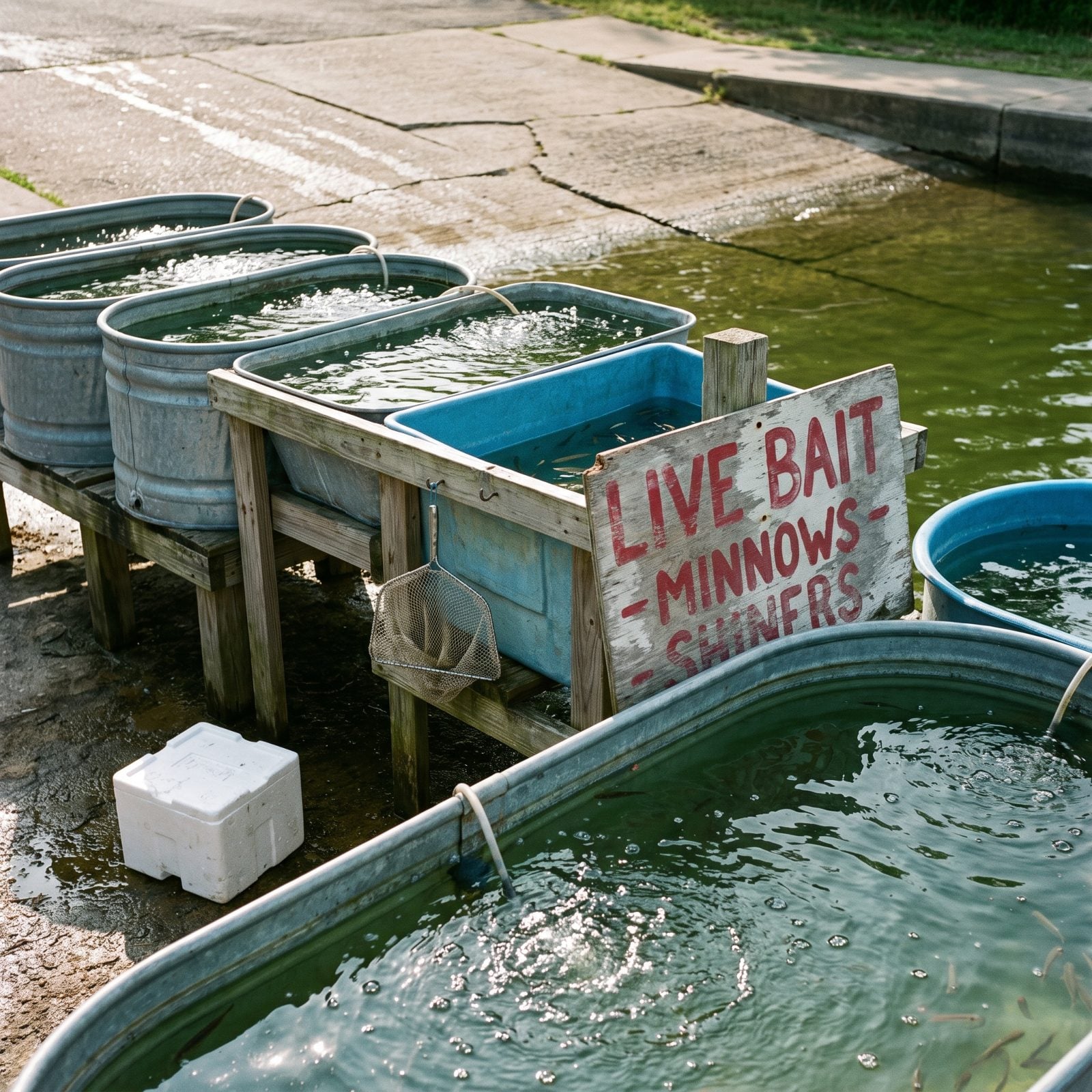
You heard them before you saw them. That steady bubble of an air pump pushing oxygen through galvanized tanks, keeping shiners and minnows alive until somebody wanted a dozen. The water smelled of pond and a faint tang of fish, a dip net hung off a nail, and the kid working the ramp scooped your bait into a styrofoam cup without counting too hard.
A plywood sign, hand-lettered, listed what was swimming that week. Fatheads, crawlers, leeches if the lake wanted them. Fresh bait straight from the tank outfished anything you’d carried from home in a cooler, and every regular knew it.
22. A Polaroid Wall of Memorable Catches
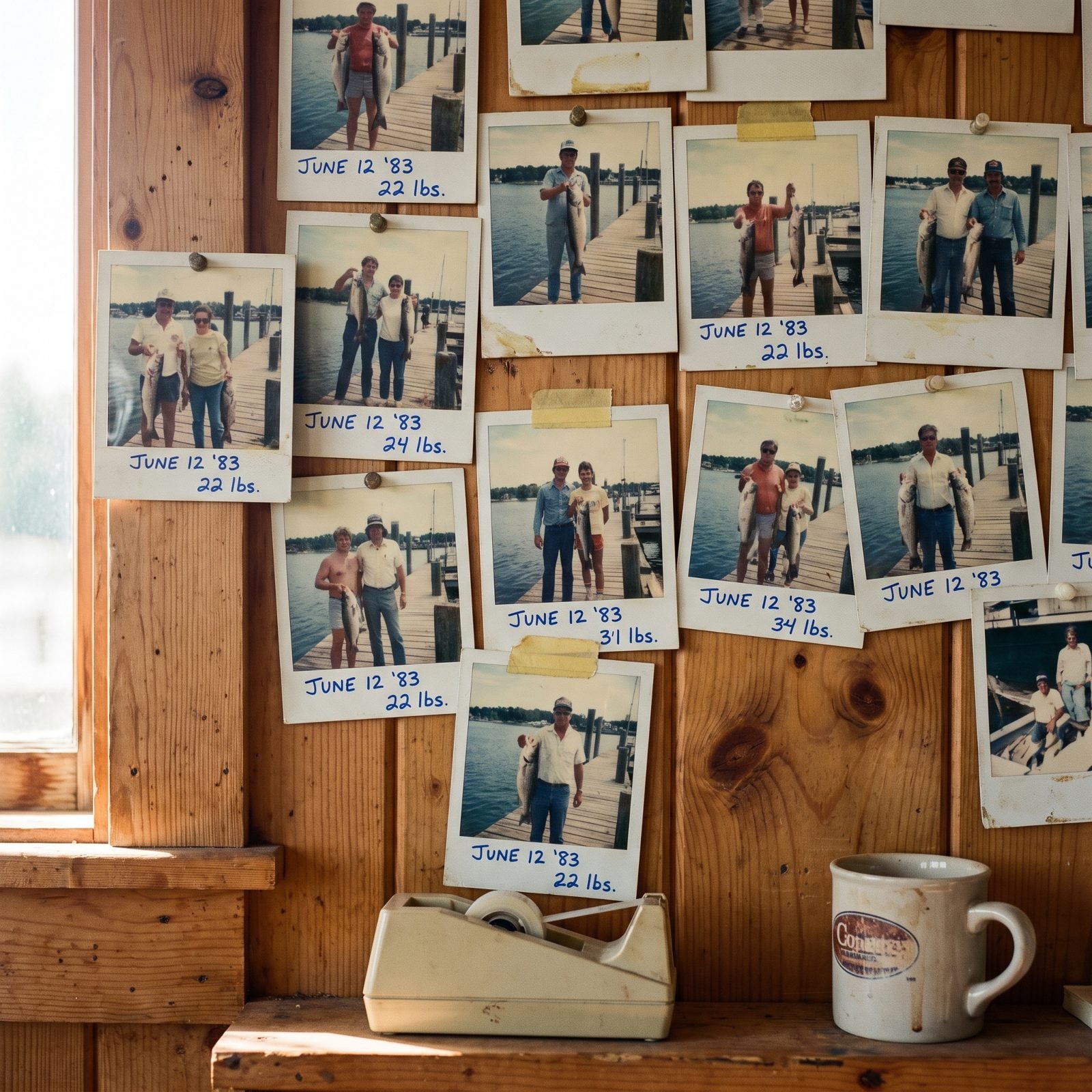
Every marina worth its salt had the wall. Polaroids pinned in crooked rows, each one a proud angler squinting into the sun holding up a fish that may or may not have grown in the retelling. Weights and dates scrawled on the white borders in ballpoint.
The photos had faded together, all of them gone the same soft, washed-out colour, like one long summer afternoon. You’d study them waiting for your gas, looking for a familiar face, measuring your own luck against the record. Nobody managed that wall. It grew on its own, one borrowed camera and one good catch at a time.
21. Rental Rowboats Tied Along a Low Dock
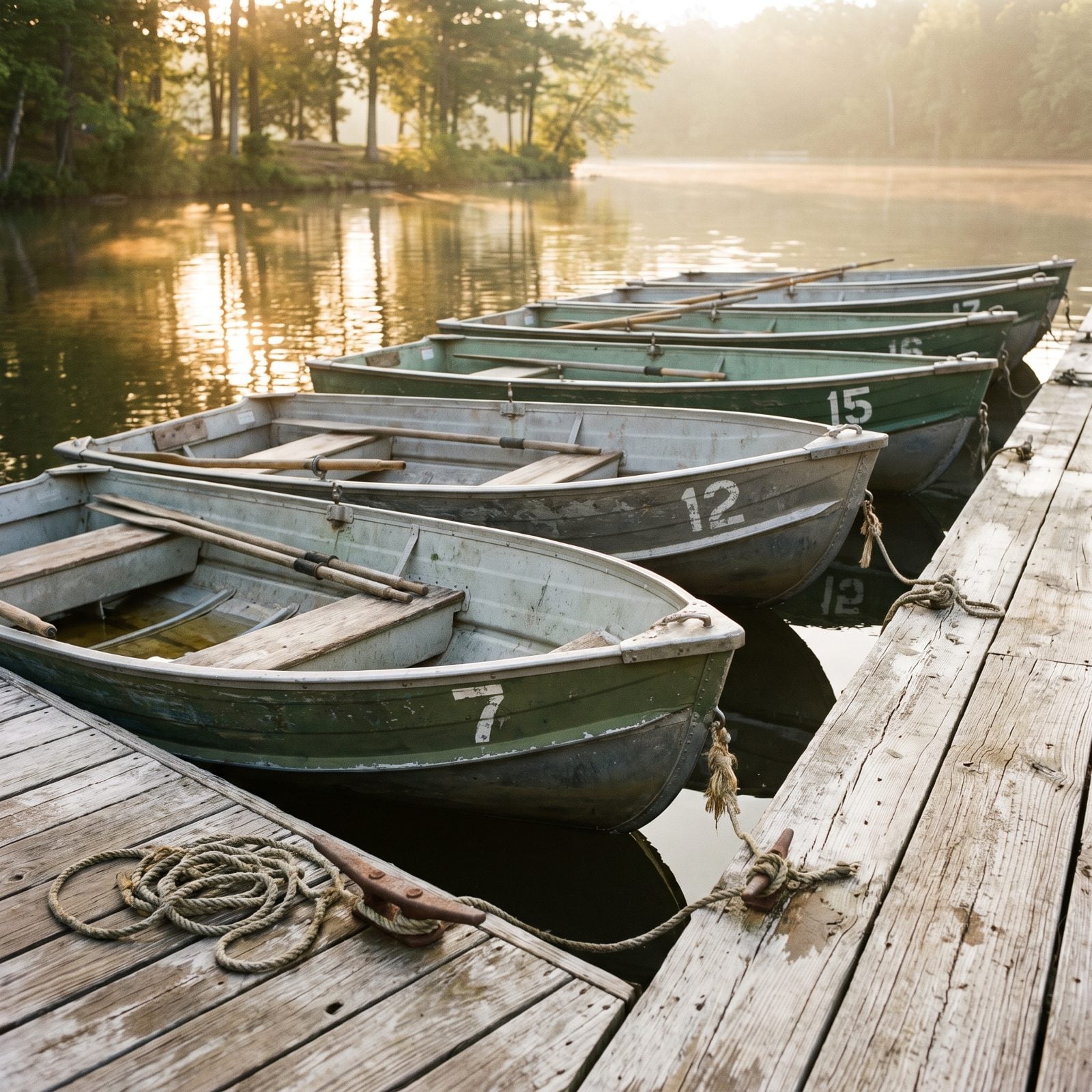
Numbered in white paint on the bow, a dollar or two an hour, bailing can included because every last one of them leaked a little. The rental fleet was how plenty of people got their first turn at the oars. You signed a clipboard, took boat seven, and pushed off wobbling.
Aluminum mostly, with a few old wooden ones hanging on. The oarlocks squeaked, the seats were damp, and you still remember the quiet once you got clear of the dock. Those boats taught a whole generation how a lake feels from the water instead of the shore.
20. Classic Runabouts Gleaming at Their Slips
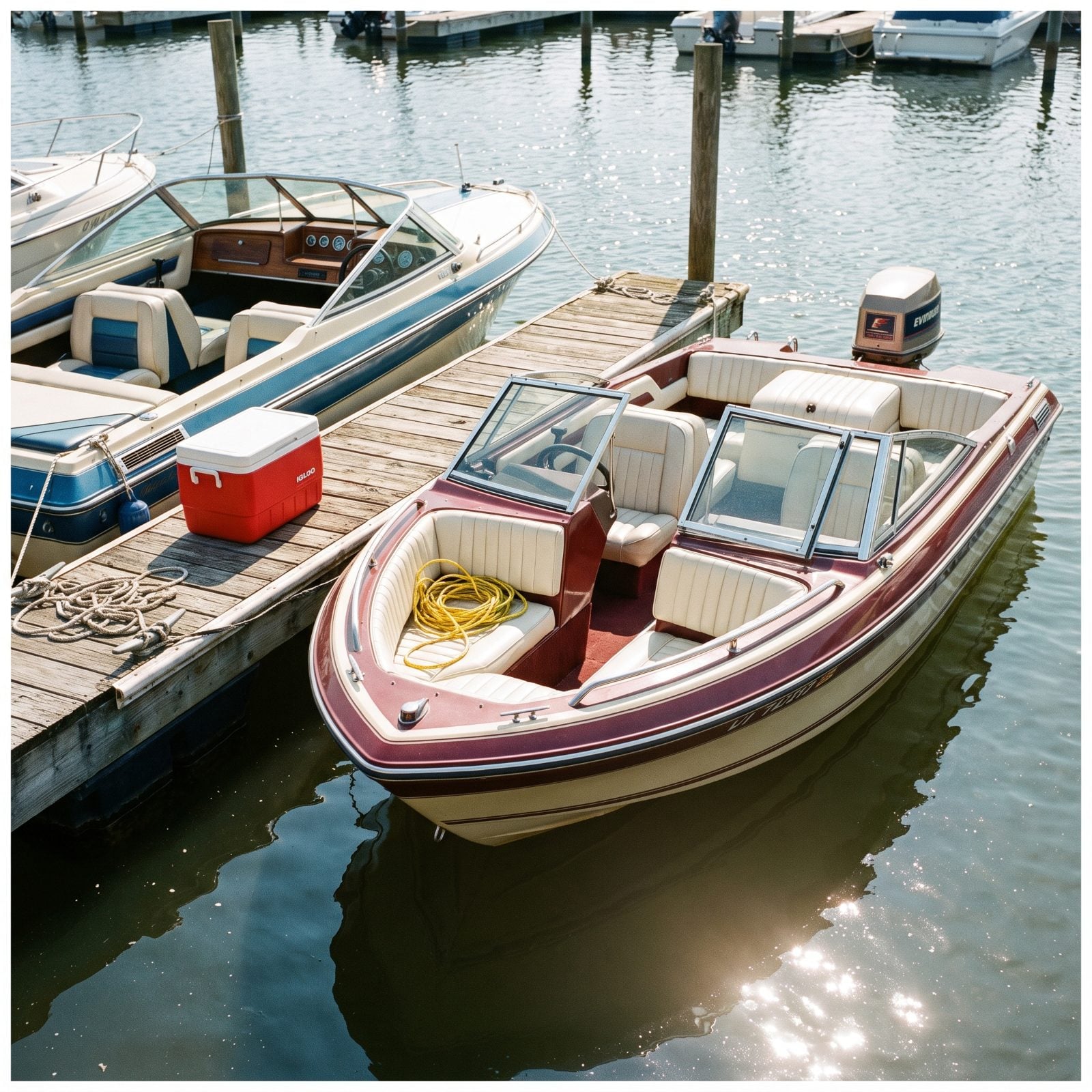
These were the showpieces, and their owners knew it.
Fiberglass runabouts with chrome windshields and upholstery the color of a candy wrapper, wiped down after every outing until the gelcoat threw back the sun. Burgundy and cream, metallic blue, a stripe down the side that meant somebody had chosen this on purpose.
You’d walk the dock on a Saturday morning just to look. A sterndrive rumbling awake, a ski rope coiled on the back seat, a cooler of sandwiches loaded for the day. These boats weren’t about getting somewhere — they were the destination, and the slip was half the show.
19. A Dinghy Dock Crowded With Tiny Tenders
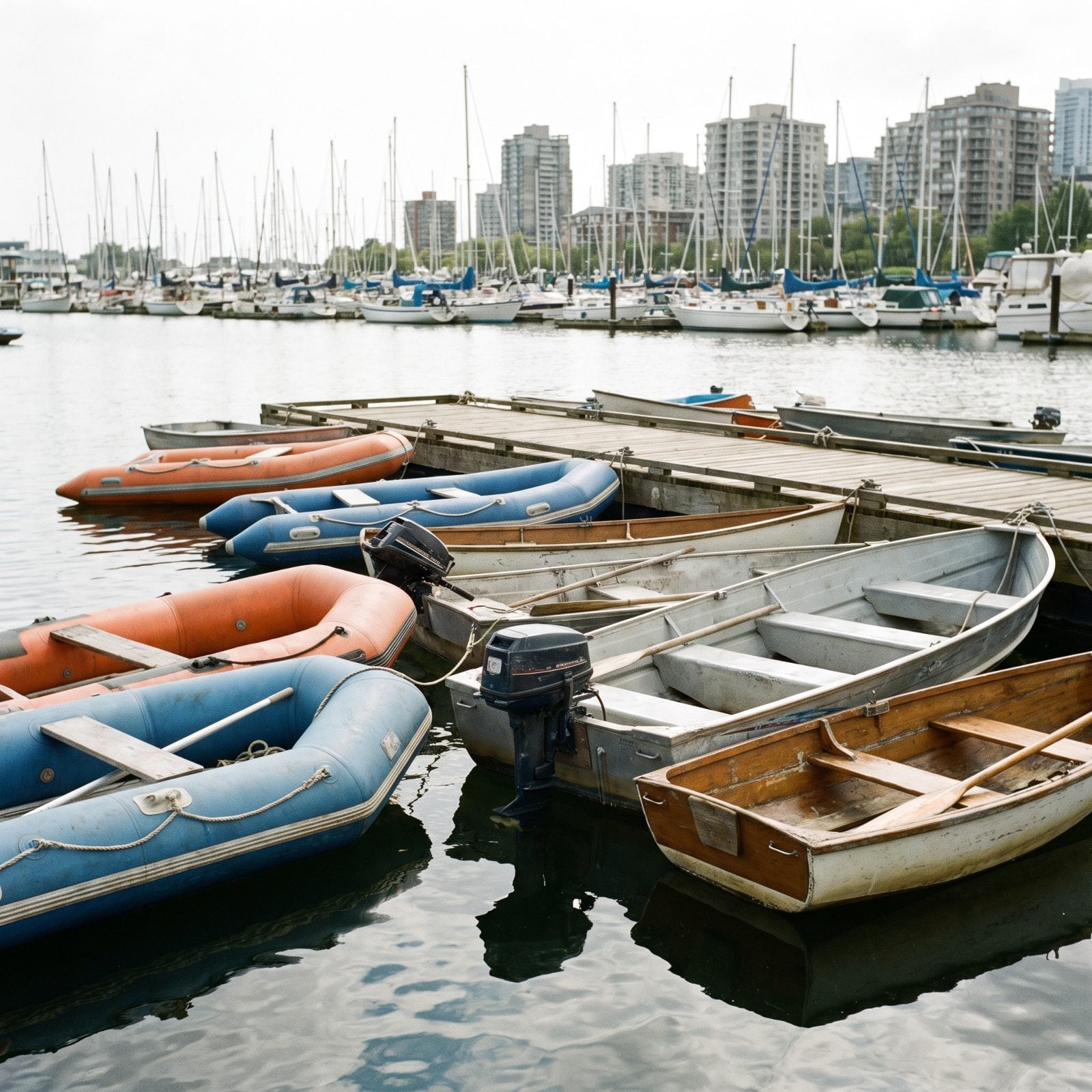
Out past the moored boats, the dinghy dock was organized chaos. Little tenders nosed in bow to bow, painters tangled into a knot no one ever fully sorted, inflatables rubbing against wooden prams against aluminum jons. You rowed or puttered in from the mooring, left your dinghy, and came back hoping to find it where you left it.
It rarely stayed put. Boats got shuffled, retied, nudged aside by the next arrival. Finding yours in the pile was a small daily puzzle, and the unwritten rule was simple: retie the ones you move, and don’t take the longest painter for yourself.
18. Community Dock Carts Made From Old Wheelbarrows
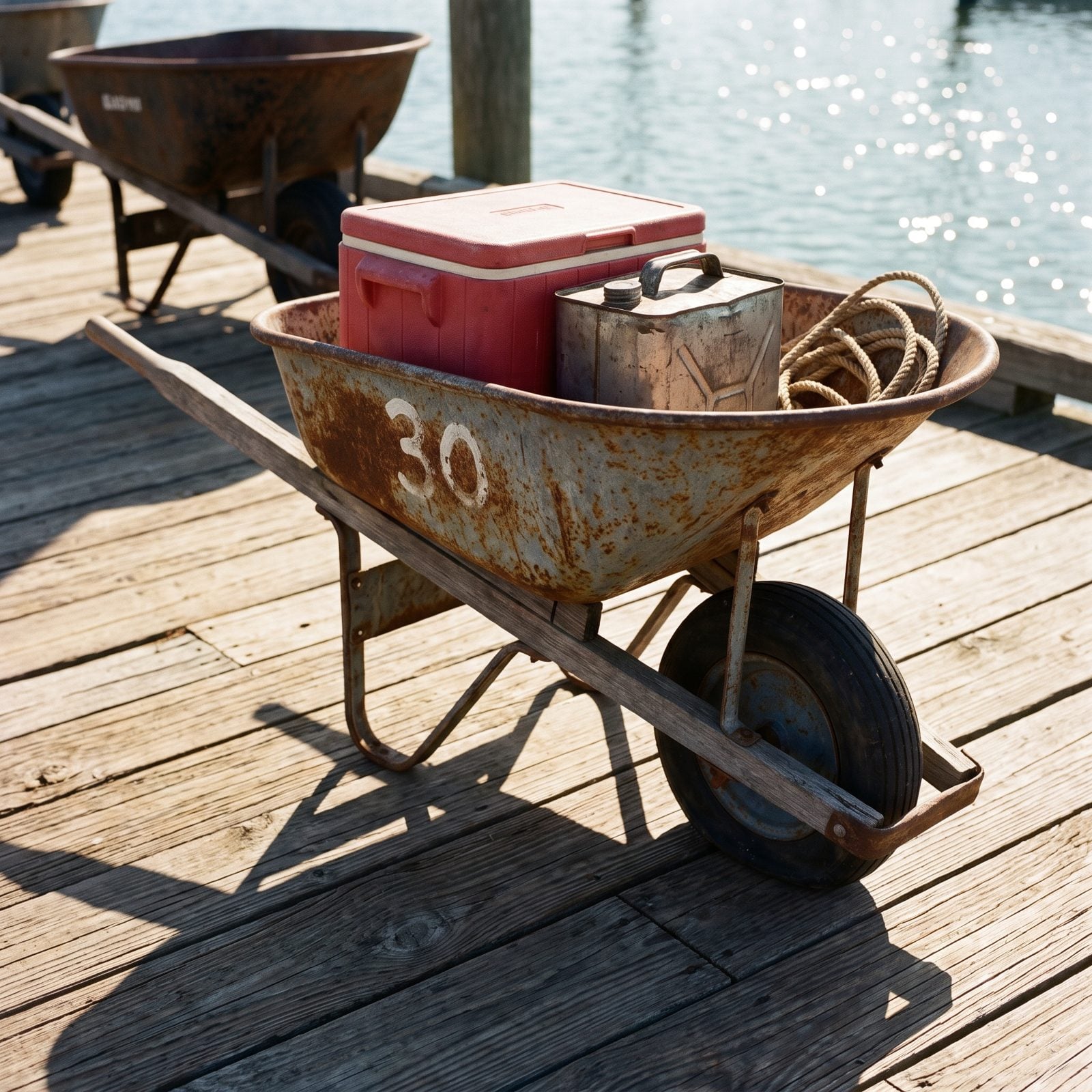
Nobody bought these. They were old wheelbarrows and garden carts, pressed into dock duty when their yard days were done, painted with a number so they’d come home. You loaded your cooler and your gas can and your bag of groceries, wheeled it bumping down the planks to your slip, and left it for the next person.
The tires always needed air. The trays always had a rust hole, and one wheel usually wobbled. Still, hauling a weekend’s worth of supplies the length of a long dock would have been pure misery without them.
17. Wooden Lockers Built for Every Slip Holder
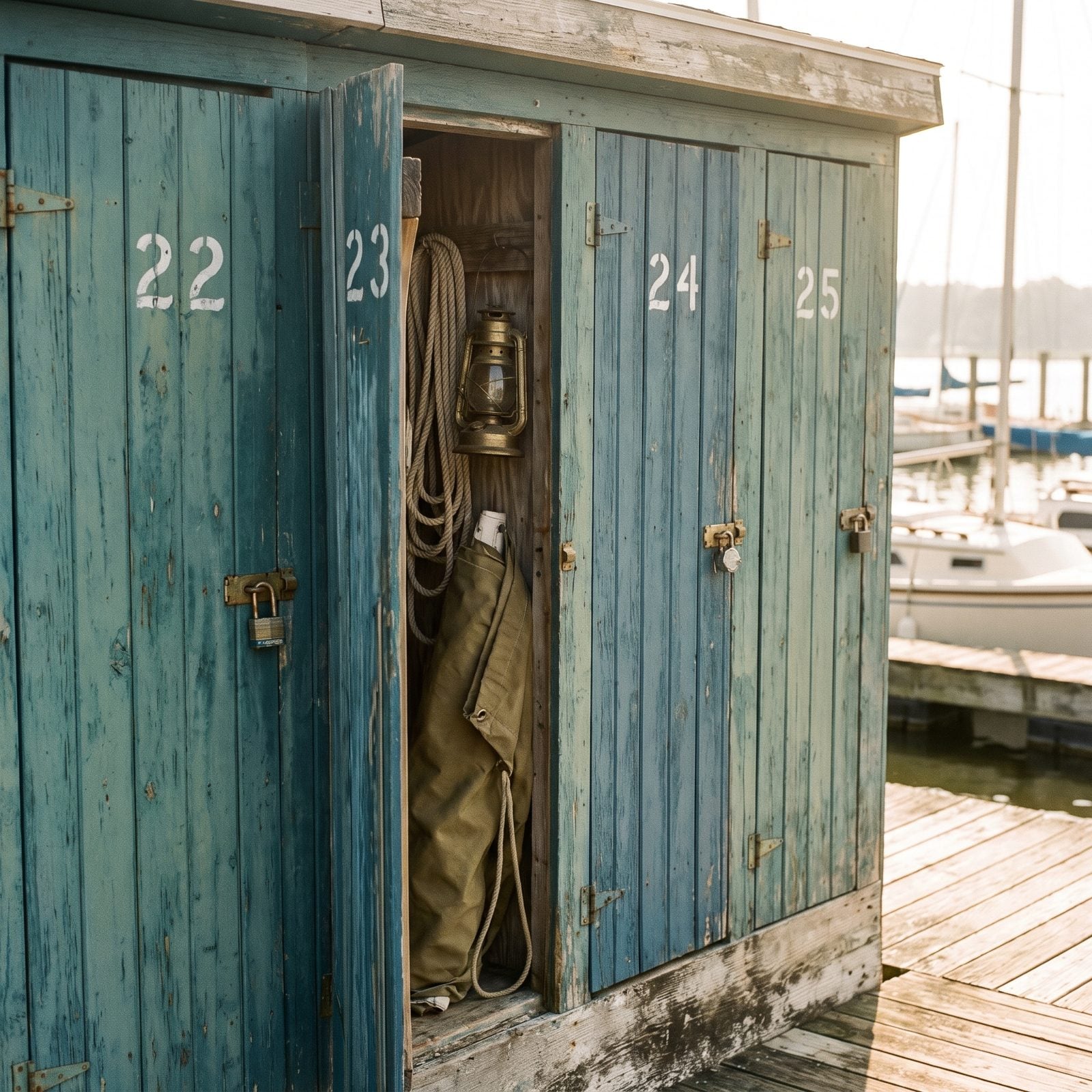
Every slip came with its own wooden box, and that box told you everything about the person who owned it. Spare line, a ratty life vest, maybe a bottle of something for after the last tack.
The locks were a formality — half of them didn’t close right, and nobody cared, because the dock ran on the understanding that you left other people’s gear alone. That hand-painted number on the door was often the only ID a boat owner ever needed.
16. A Shelf of Dog-Eared Engine Manuals
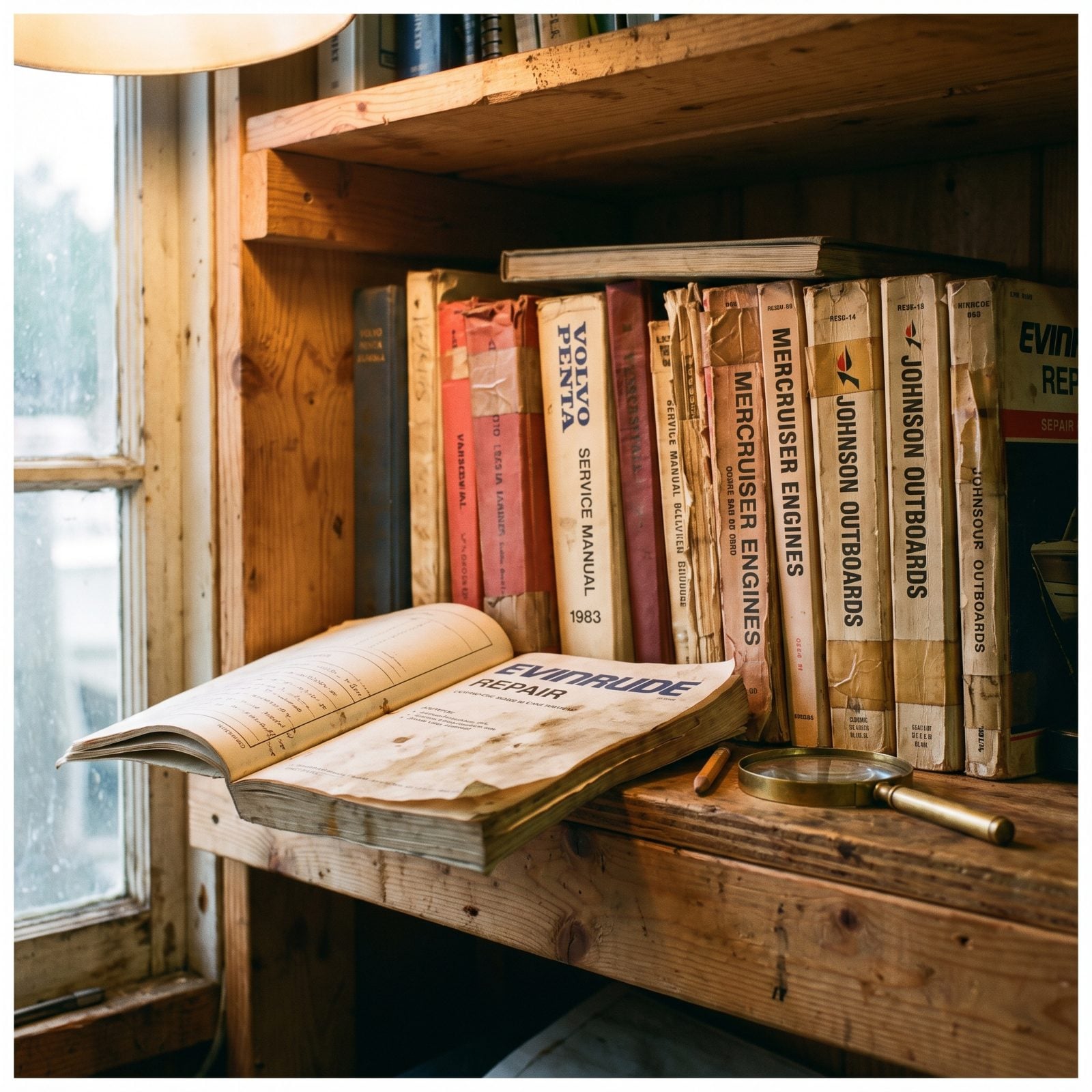
Something in your outboard was knocking, and the answer lived on this shelf. Johnson, Evinrude, MerCruiser, Volvo Penta — all stacked spine-out and smelling of grease.
You’d thumb through the right one at the counter while the parts guy watched over your shoulder and told you the manual was wrong, that the real fix was to tap the thing here and give it a minute. He was usually right. The margins were full of pencil corrections from people who’d learned the hard way, which is the only way anybody learned anything about a cranky two-stroke back then.
15. A Swap Shelf for Used Marine Gear
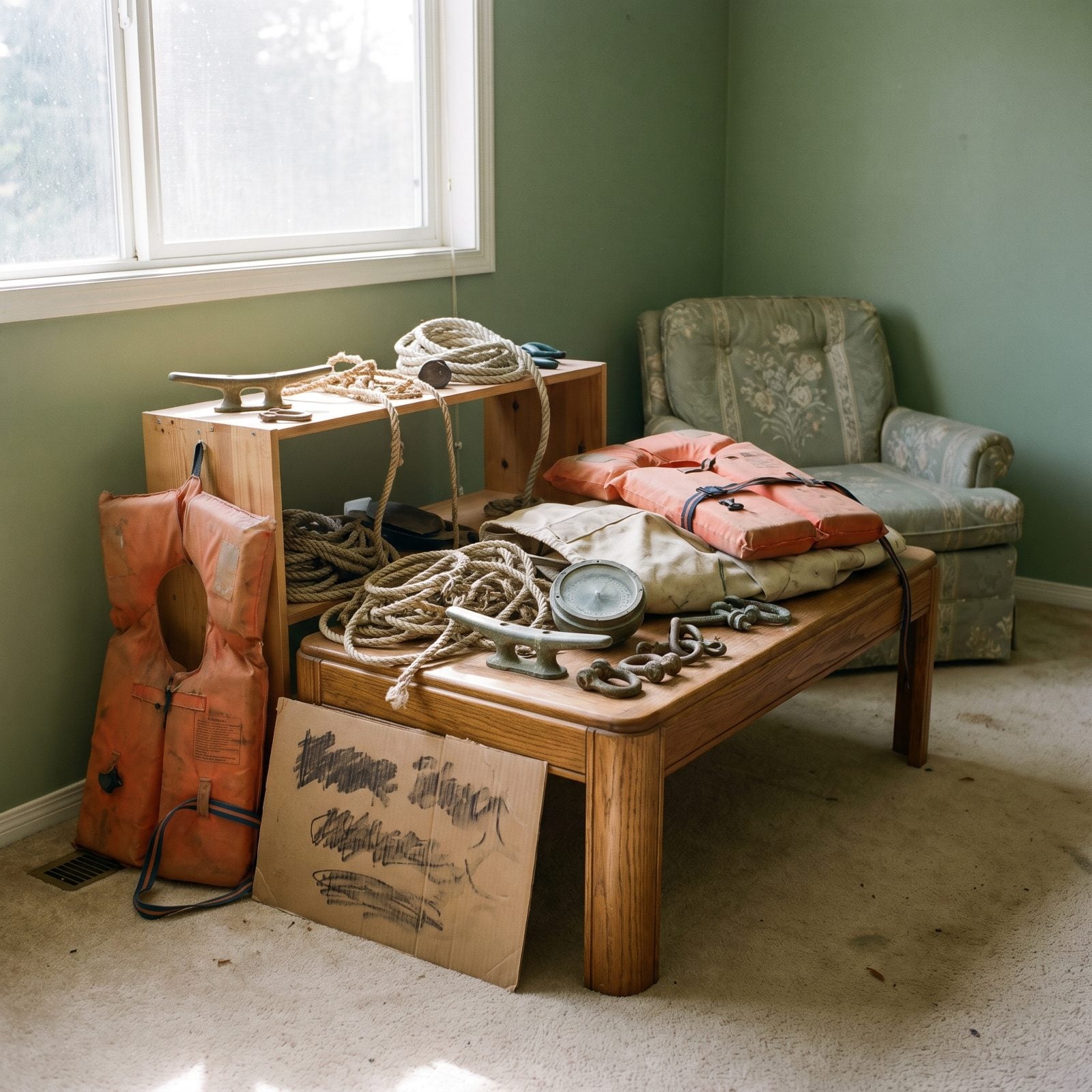
Take what you need, leave what you don’t. The swap shelf in the spare room ran on that honor system, and it mostly worked.
You could outfit half a boat from it over a season — a shackle here, a decent fender there, a compass somebody had upgraded away from. The real treasure was the stuff nobody wanted that turned out to be exactly right for your weird old hull. I once watched a fellow find the precise bronze fitting he’d been hunting for three years, sitting under a pile of mildewed rope, free for the taking.
14. Postcards Showing the Marina From the Air
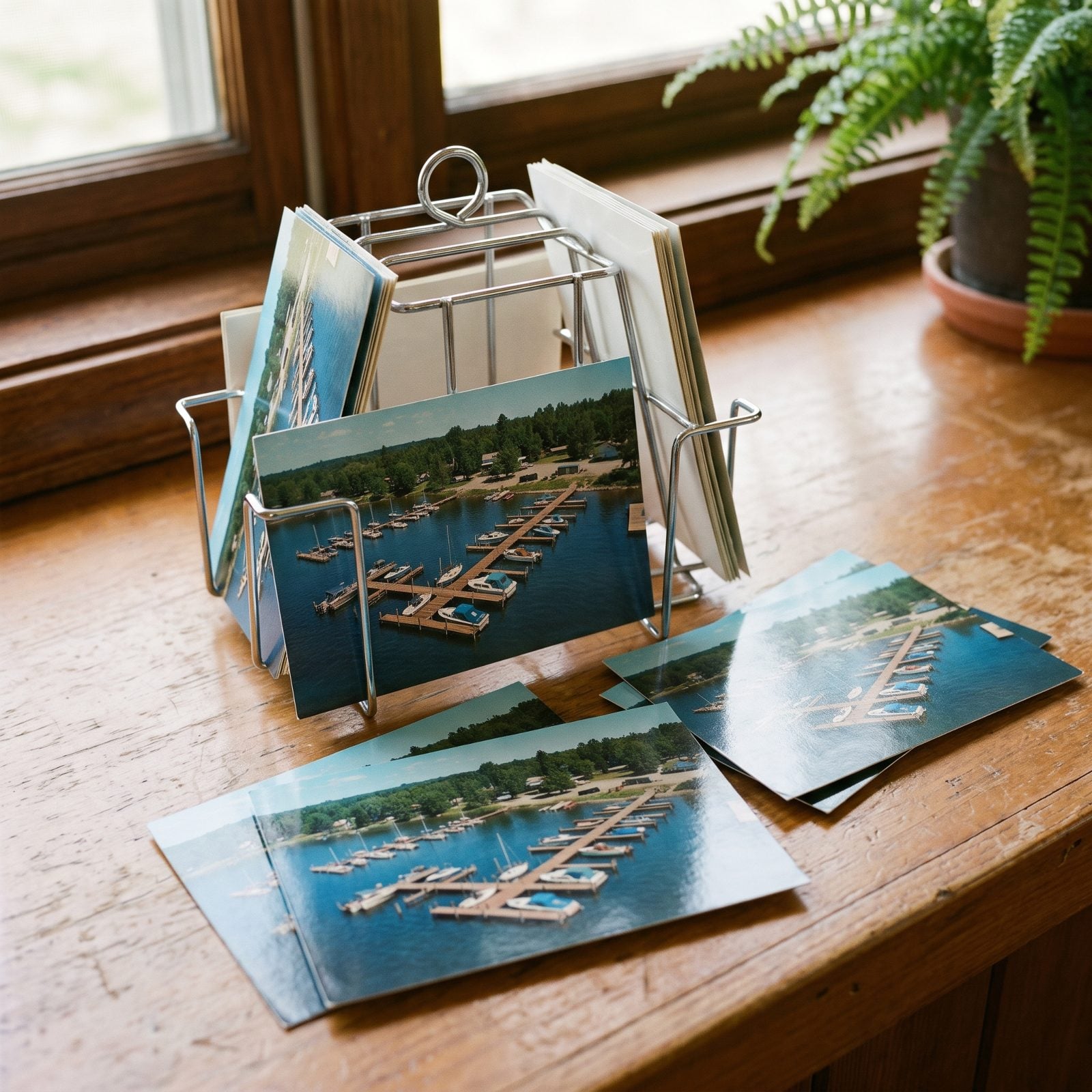
Before anyone could pull up a satellite view, the only way to see your whole marina at once was the postcard rack by the register.
Someone had hired a small plane, leaned out the window, and shot the whole harbor from a thousand feet up. The docks looked like a comb, the boats like scattered rice. And there, if you squinted, was your slip. People bought them not to mail but to keep, because here was the single picture that showed where their summer actually lived.
13. A Brass Bell That Announced Regatta Starts
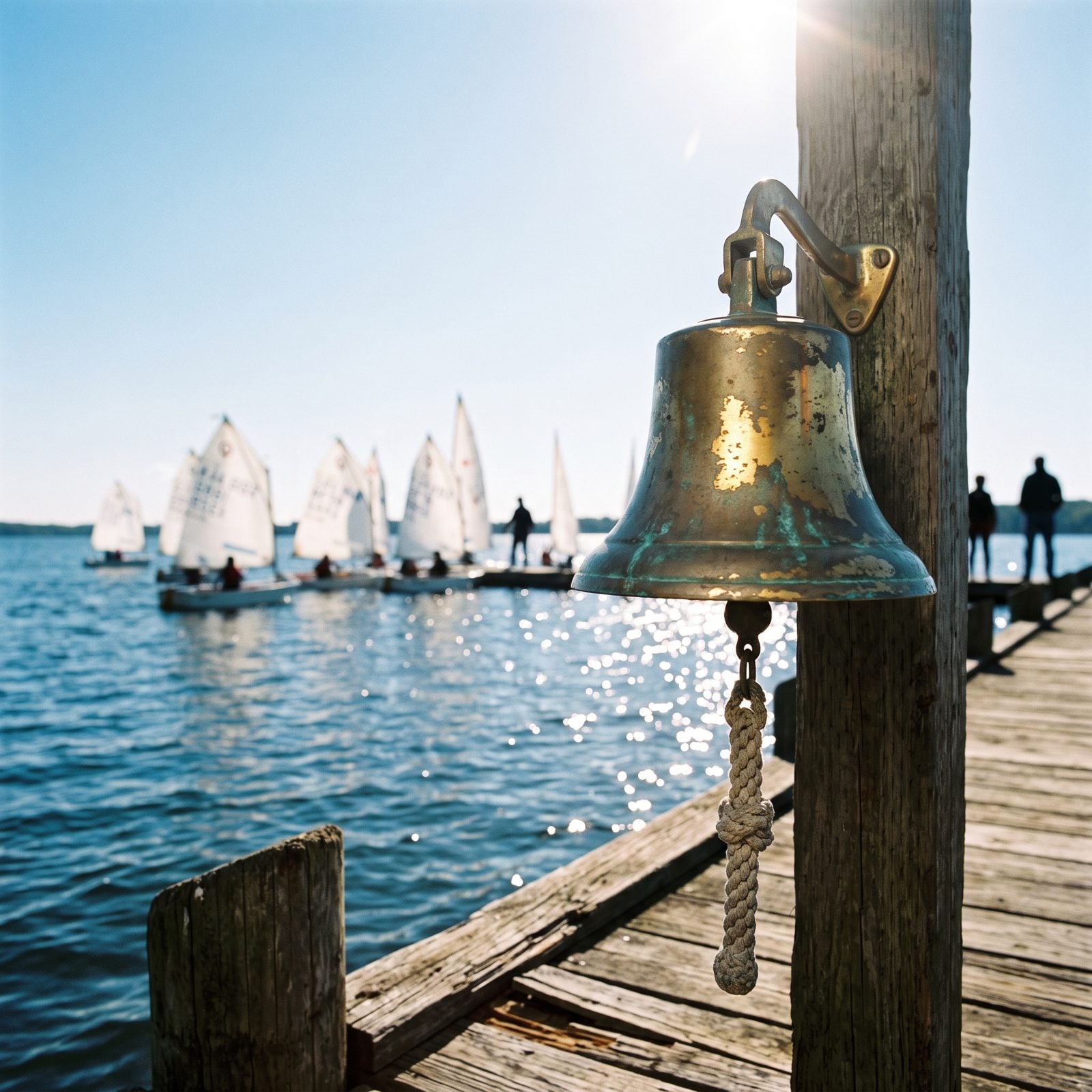
One clean ring and everybody on the water snapped to attention. The regatta bell was the start, the warning, and the five-minute gun all rolled into one piece of weathered brass.
Whoever rang it took the job seriously. There was a rhythm to it that regulars knew by heart, and getting it wrong meant a dozen skippers hollering across the water at you.
12. Saturday-Morning Sailing Lessons for Children
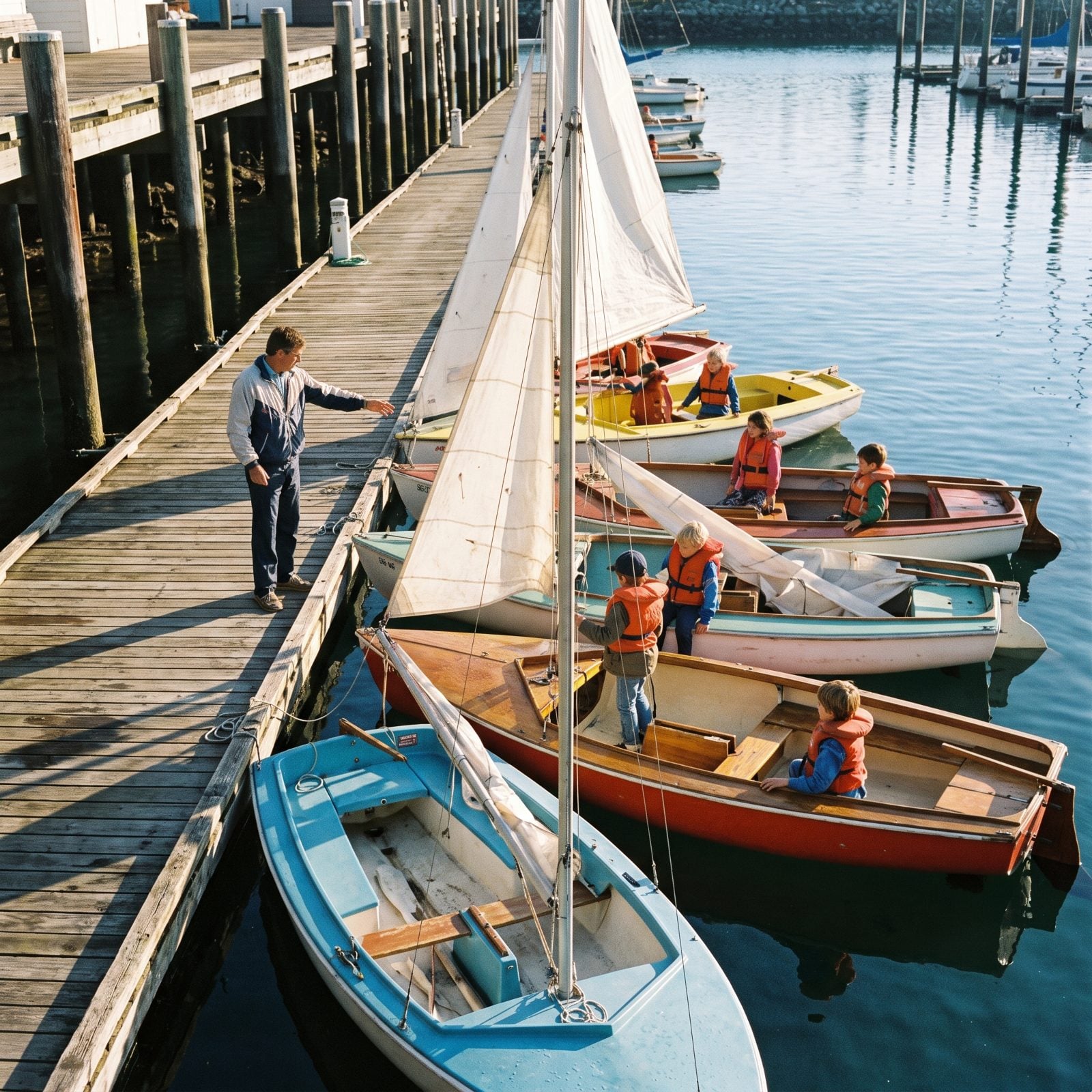
Eight o’clock on a Saturday, a dozen kids in life vests two sizes too big, and one patient adult trying to explain which way was into the wind.
This was how the marina planted its next generation. Half the kids capsized on purpose by August, because tipping over turned out to be the best part. The ones who stuck with it became the teenagers running the launch ramp, then the grown-ups who brought their own kids back to the same dock. One wobbly little dinghy at a time, that’s how the place kept itself alive.
11. Informal Dinghy Races Between the Docks
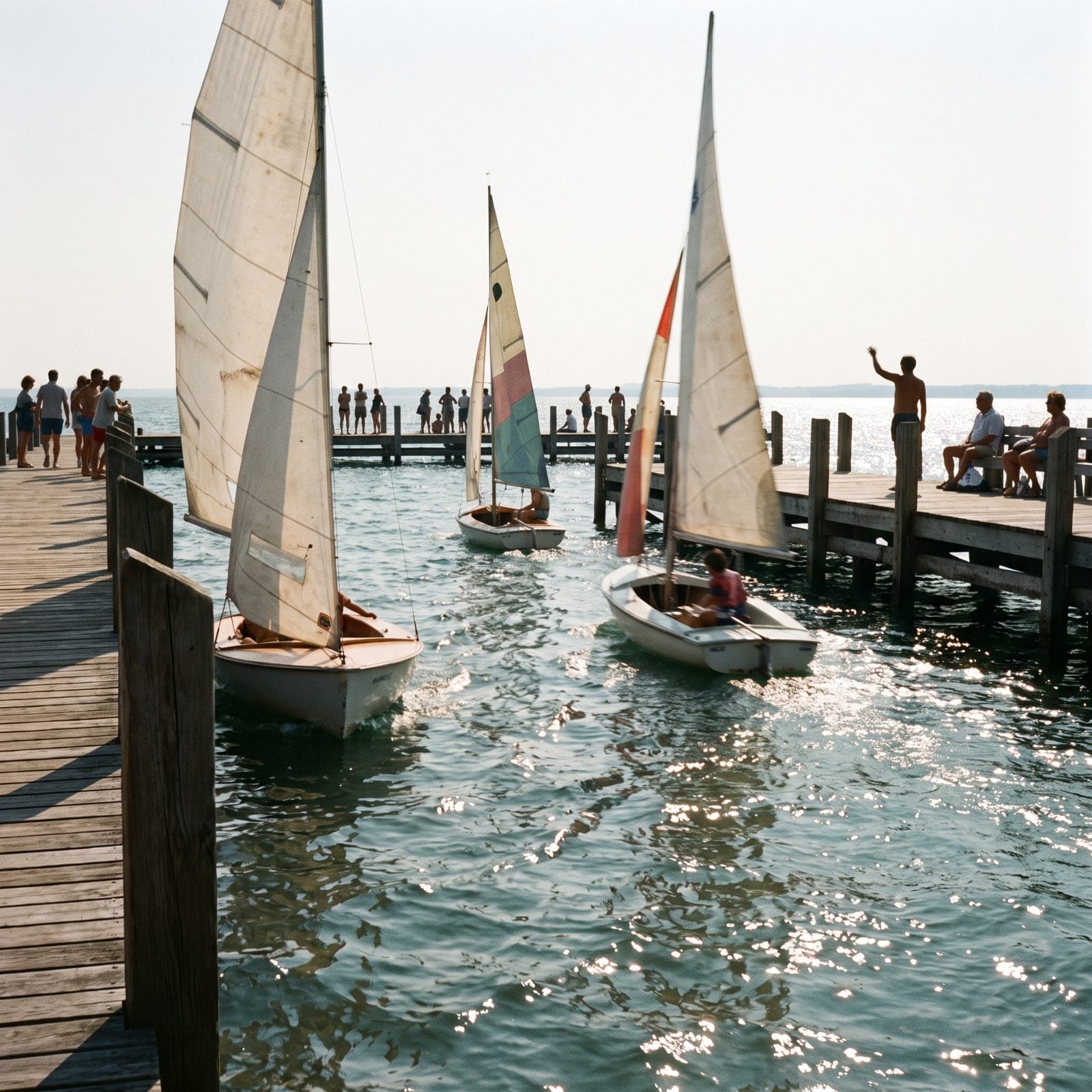
No entry fee. No measurement rules. Just whoever was around, grabbing a boat, and settling an argument the honest way.
These broke out on calm evenings once the real sailing was done and somebody said the thing you can’t take back. The course got made up on the spot, the prize was bragging rights until next time, and the whole dock would drift over to watch, beers in hand, hollering tactical advice nobody had asked for. Purest racing there is, if you ask me — the only thing on the line was the story you’d tell about it afterward.
10. Annual Fishing Derbies With Handmade Prizes
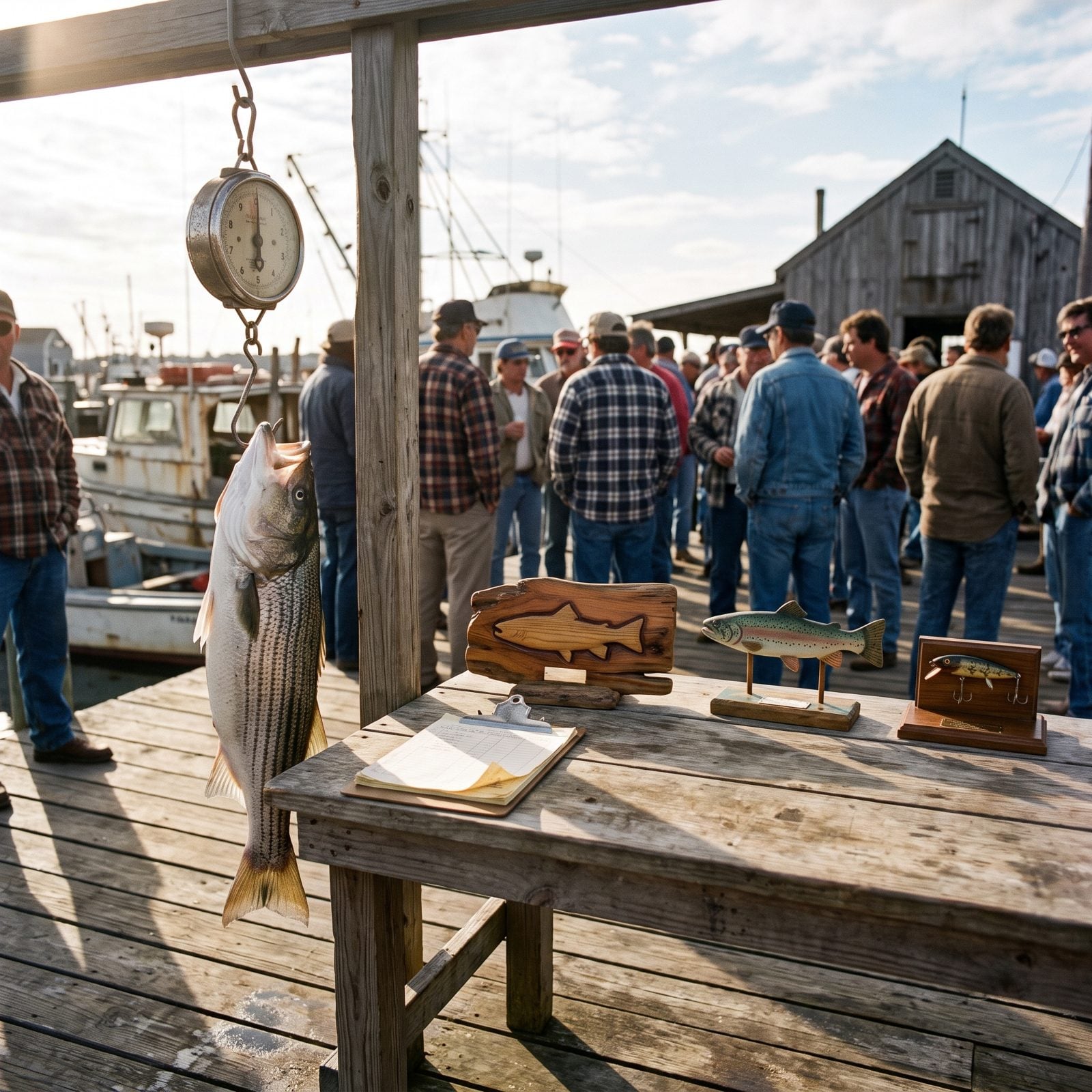
The trophies were what it was all about, and nobody bought them.
Somebody’s uncle carved the biggest-bass plaque out of driftwood every year, and the kids’ prize was usually a lure glued to a painted board. Nobody minded that they were homemade. What mattered was that they lasted — that your name got read out at the weigh-in, that the hand-carved thing you won back in ’86 still sat on the mantel decades later, meaning more than any factory trophy ever could.
9. Decorated-Boat Parades Around the Harbor
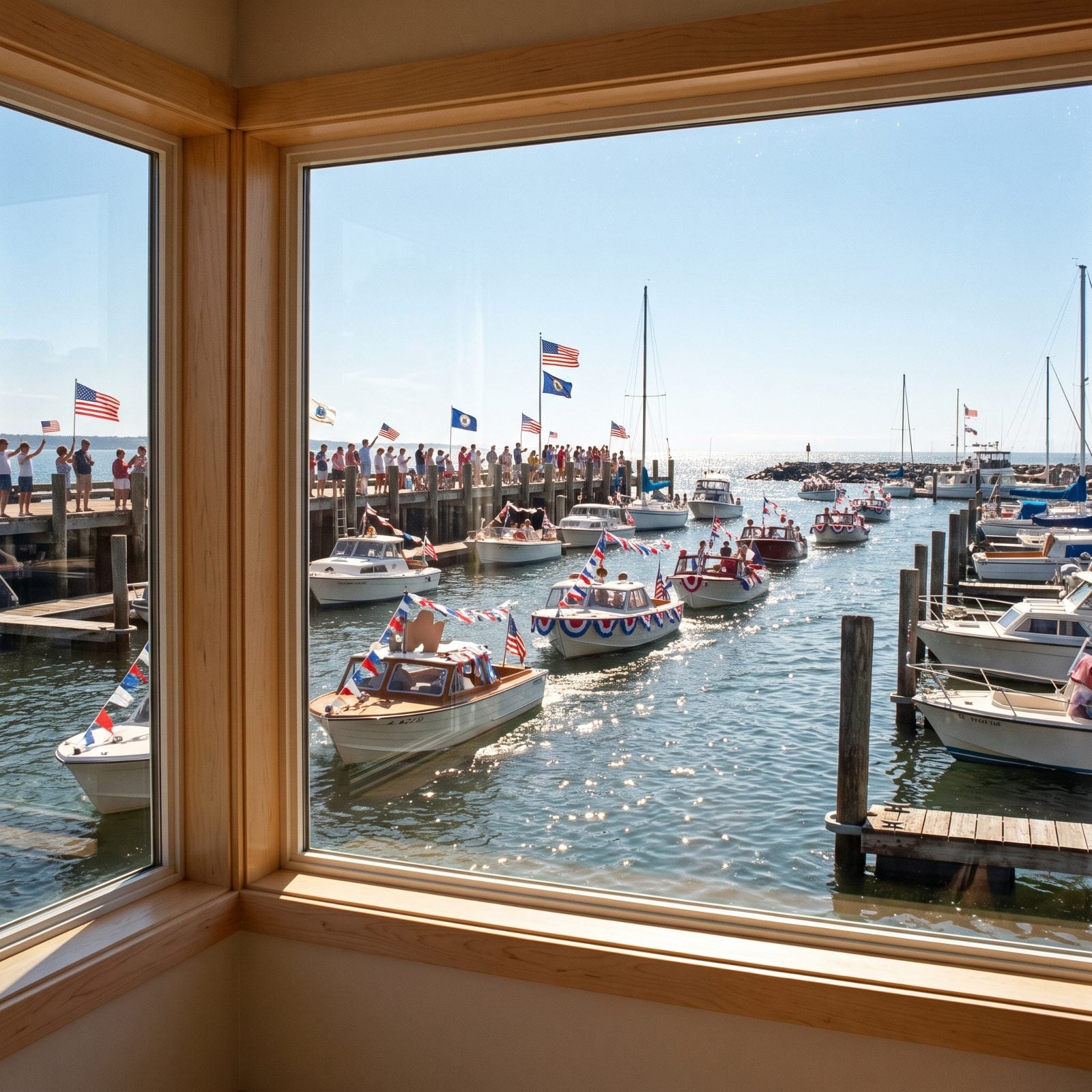
Crepe paper does not survive contact with lake spray. Everyone knew that, and nobody let it stop them.
For one afternoon the whole harbor became a stage. Boats got dressed up in bunting and cardboard and whatever was left in the garage, motored a slow lap, and tried to out-silly each other. The best ones had a theme that fell apart halfway around when the wind picked up. And the docks packed with people who’d never set foot on a boat all season, waving at neighbors they only crossed paths with once a year. That was the real purpose — an excuse to get everybody in one place.
8. Opening-Day Launch Celebrations
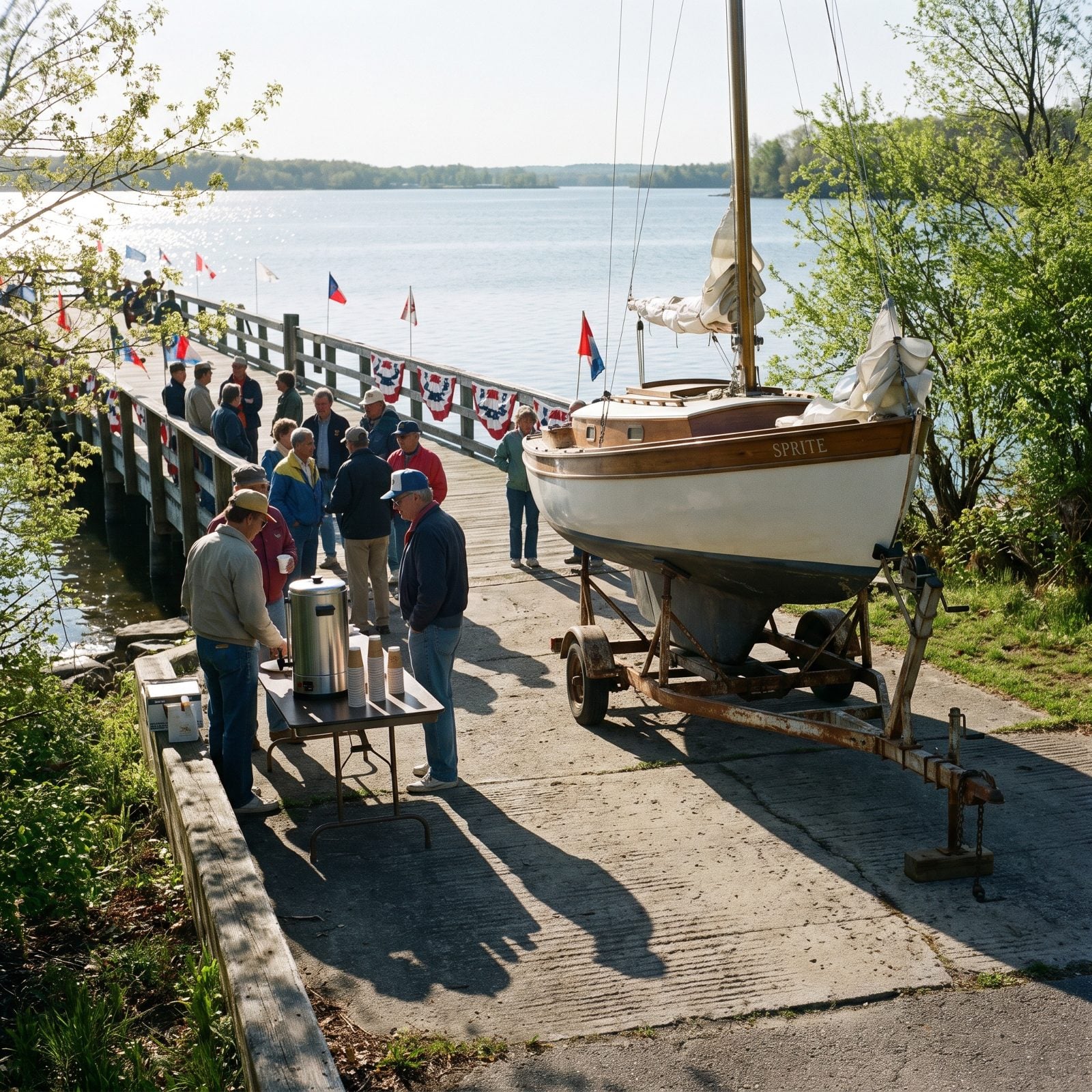
The first boat down the ramp meant winter was finally over, and the whole marina turned out to watch it happen.
Opening day had its ritual. Somebody always said a few words, somebody always poured coffee from an urn that had seen better decades, and everybody stood around in jackets they’d be shedding by noon, watching hulls hit the water for the first time since October and trading complaints about what the frost had done to their gelcoat.
Nobody really planned it. It just happened, every year, because after a long cold season apart, people wanted to stand on a dock together and feel the season start.
7. End-of-Season Community Haul-Outs
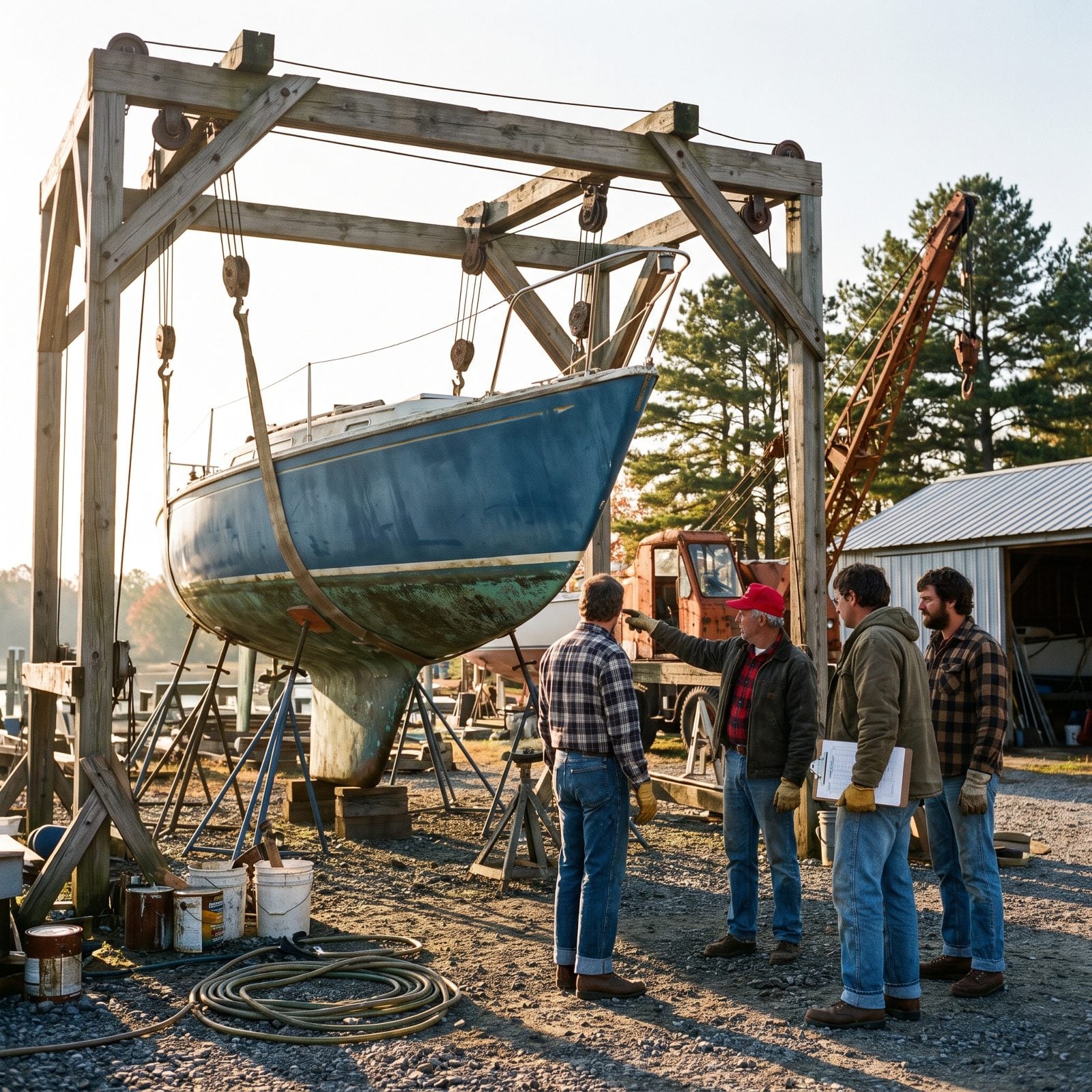
Nobody scheduled it on an app. You knew it was haul-out weekend because half the parking lot filled with trucks and somebody’s radio was already going by seven.
Getting a boat out of the water took a crowd — one person held the clipboard, one pointed out what needed doing, and two more stood around offering advice whether you wanted it or not. That was the deal. You helped pull your neighbor’s boat in October, and come spring he showed up to help launch yours, coffee in hand, before you’d even finished scraping the trailer.
6. Clubhouse Potlucks With Mismatched Crockpots
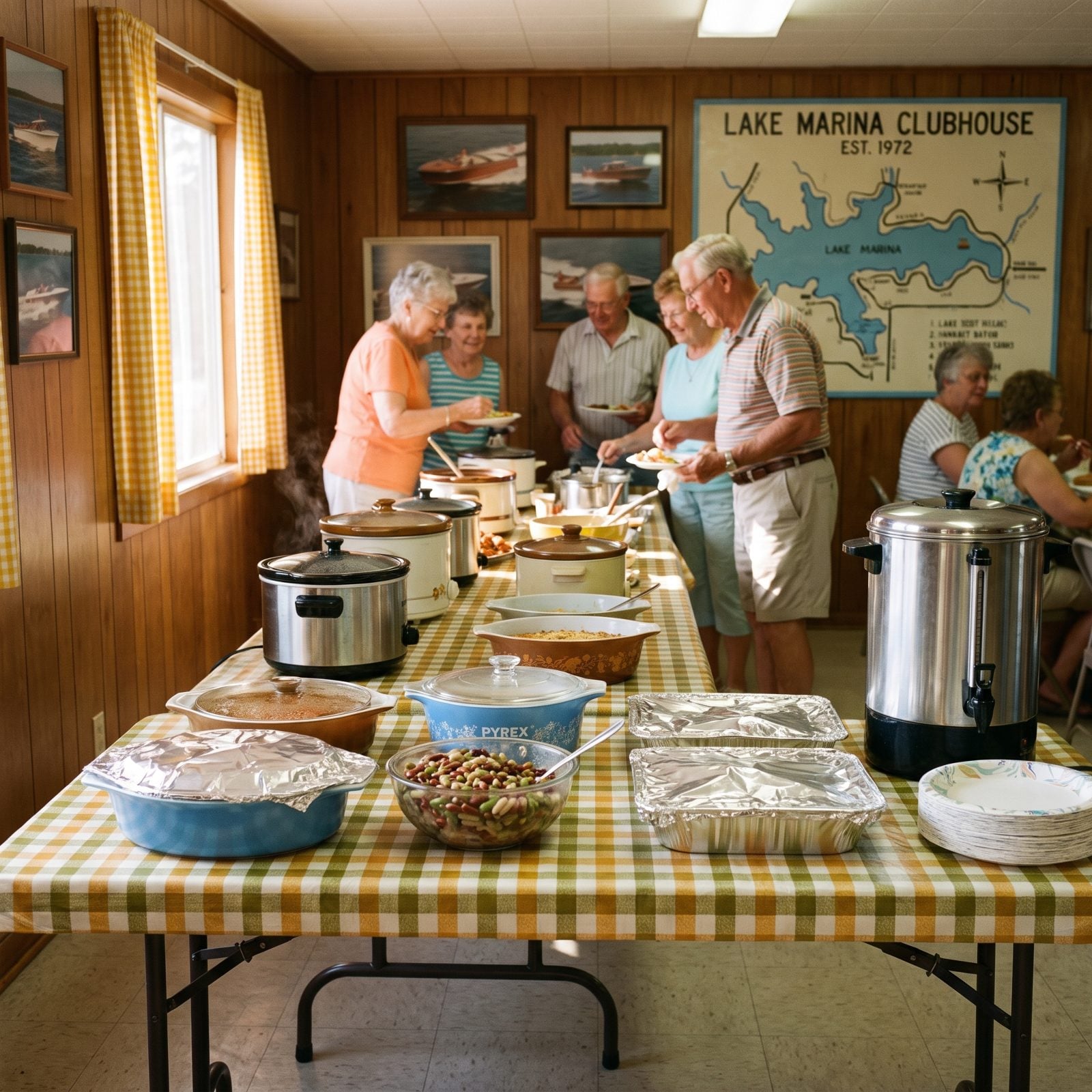
No two crockpots in the room matched — avocado green next to harvest gold next to brown lids on cream bodies.
That was the charm of it. Someone’s meatballs in a sweet grape-jelly sauce, a ham-and-scalloped-potato thing that never had a recipe, and the one woman who always brought the deviled eggs and got touchy if you brought yours too. You learned whose cooking to make a beeline for and whose to politely skip, and nobody said a word about it out loud.
The food was half of it. The other half was standing in a wood-paneled room with people who’d watched your kids grow up over a single summer at a time.
5. Friday-Night Fish Fries by the Water
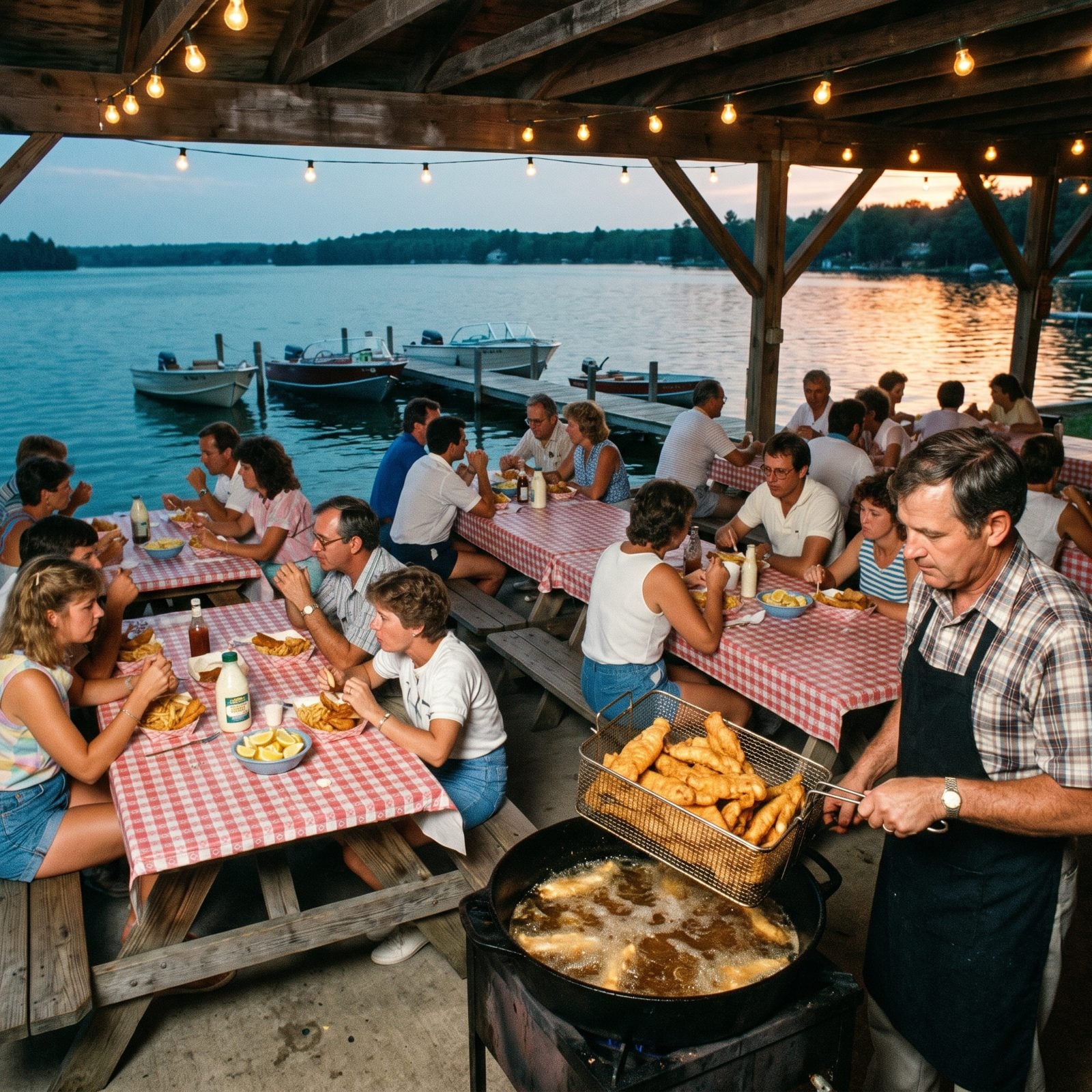
Walleye, perch, or whatever came off the boats that week. The fry ran on whatever the lake gave up, dredged in cornmeal and dropped into a cast-iron fryer that somebody had been seasoning since the Carter administration.
You ate out of a paper boat with a plastic fork, standing up, grease on your fingers and the smell of hot oil drifting across the dock. A few bucks got you a mound of fish, fries, and a scoop of coleslaw nobody asked for but everybody ate.
4. Sunset Dock Parties With Folding Lawn Chairs
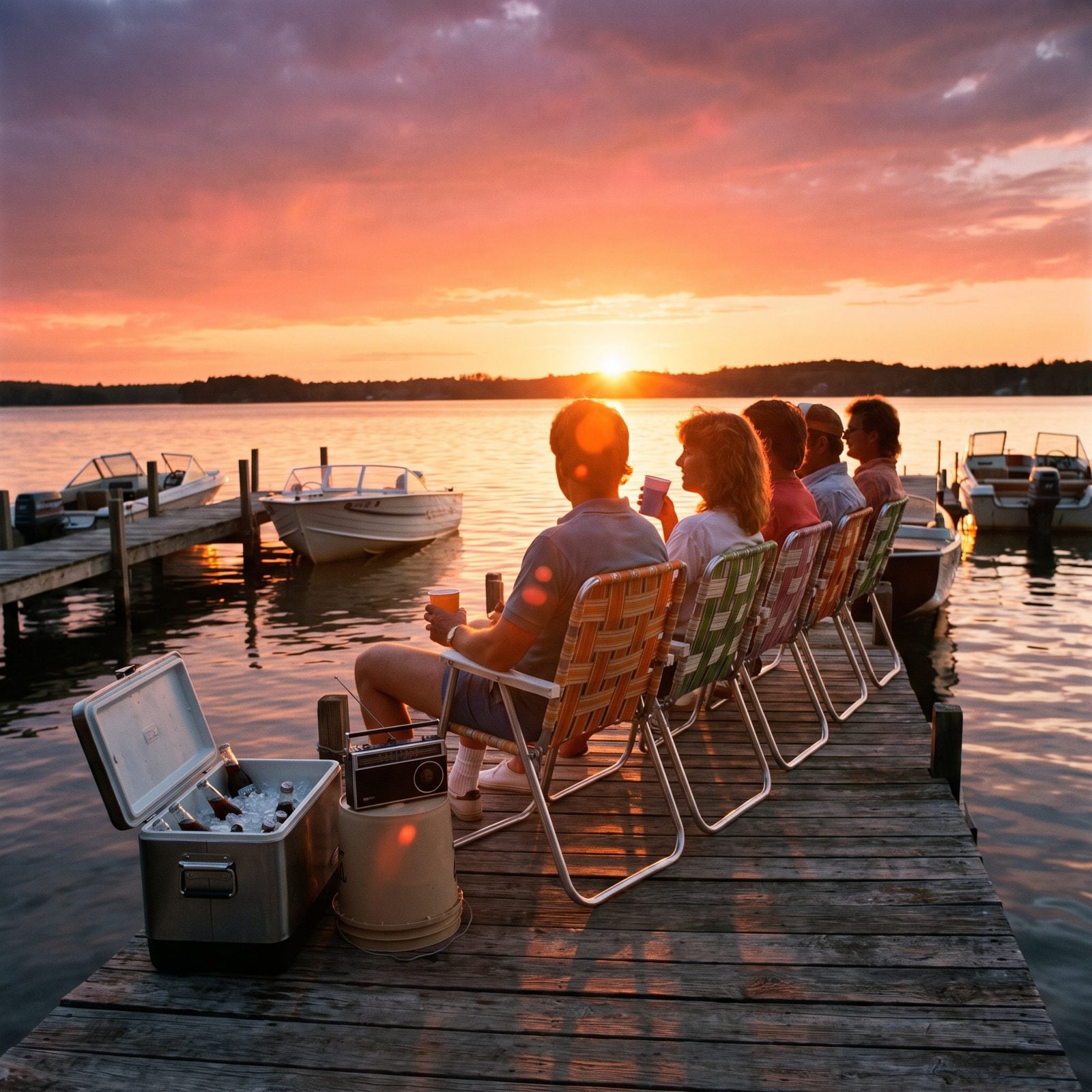
The chairs told you everything. Aluminum frames, woven nylon webbing in orange and green stripes, the kind that left waffle marks on the back of your legs and pinched a finger if you folded them wrong.
People drifted down to the dock as the sun got low — no invitation, no plan. Somebody opened a cooler, somebody else had a bag of chips, and the whole thing assembled itself out of nothing. You watched the light go from gold to coral to that deep bruised purple over the water, and then the bugs came out and that was the signal to call it.
3. A Dockside Diner Serving Breakfast at Dawn
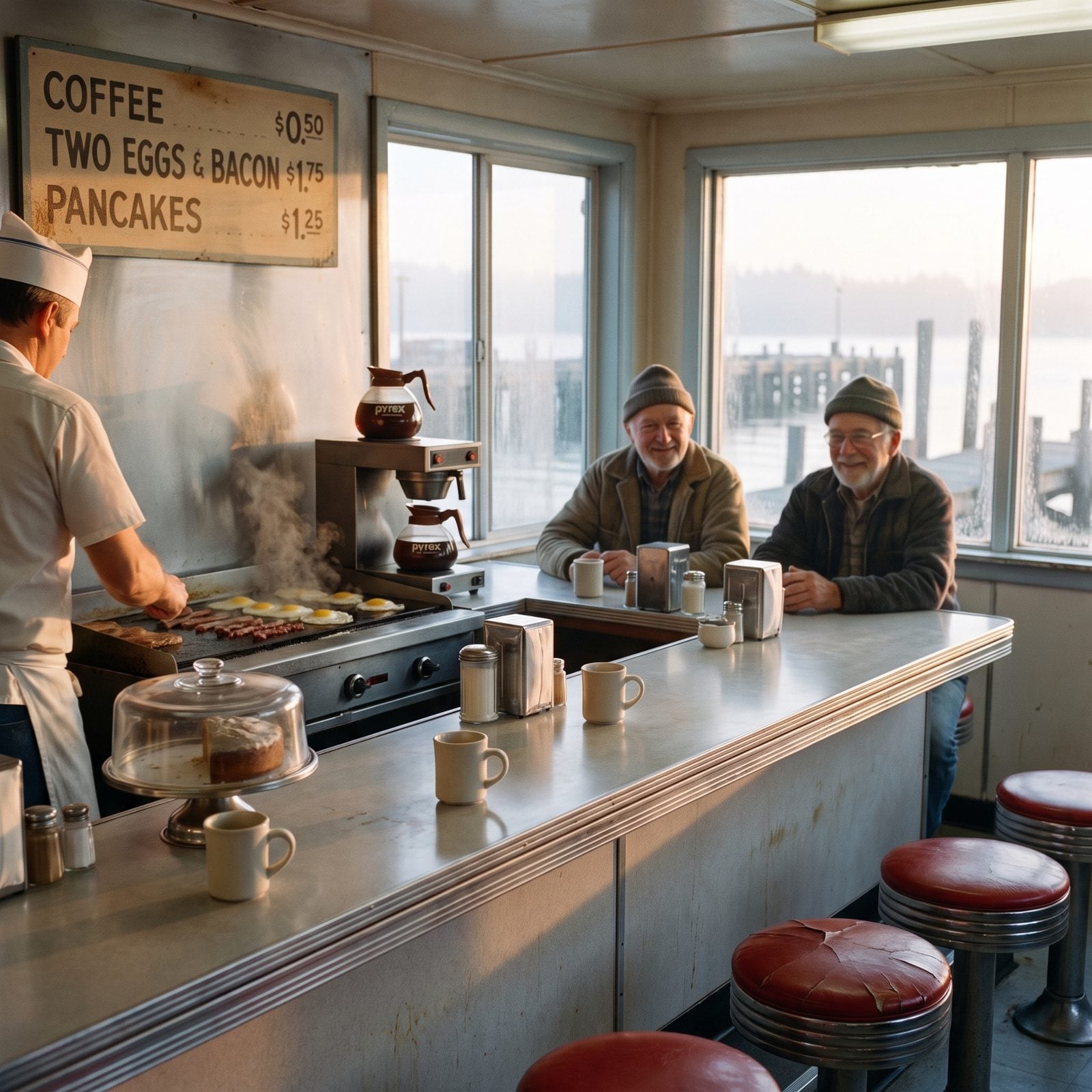
Open before the sun, because the fishermen were already awake and somebody had to feed them.
It wasn’t fancy — a stainless-steel counter, a flat-top griddle, cracked red stools, and coffee that had been sitting on the warmer long enough to develop opinions. But at five in the morning with fog still on the water, that first mug and a plate of eggs over easy with hash browns felt like a small miracle.
The cook knew your order by the second visit. By the fourth, it was on the griddle before you sat down. That kind of recognition is harder to find now, and I miss it more than I expected to.
2. A Jukebox in the Marina Bar
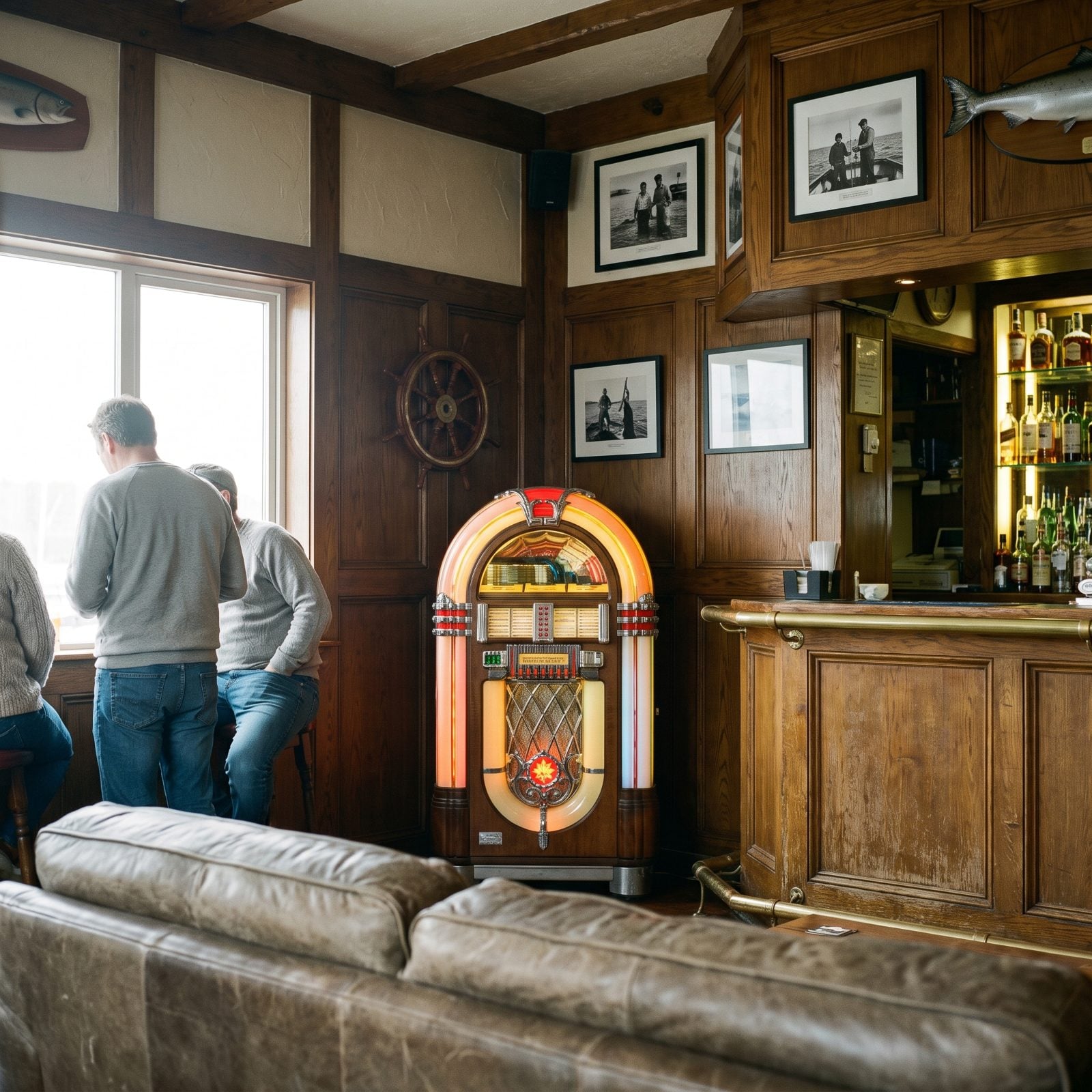
A quarter bought three songs, and the selection hadn’t changed since 1979.
The jukebox in the marina bar glowed in the corner, and half the records skipped in the same spot every time — everyone knew which ones. There was always one guy who played the same sad country tune four times in a row until somebody told him to knock it off.
You didn’t go for the music exactly. You went for the way a familiar song filled a wood-paneled room full of sunburned people at the end of a long day on the water. That’s a feeling a streaming playlist still can’t quite buy.
1. The Friendly Marina Dog Sleeping by the Office
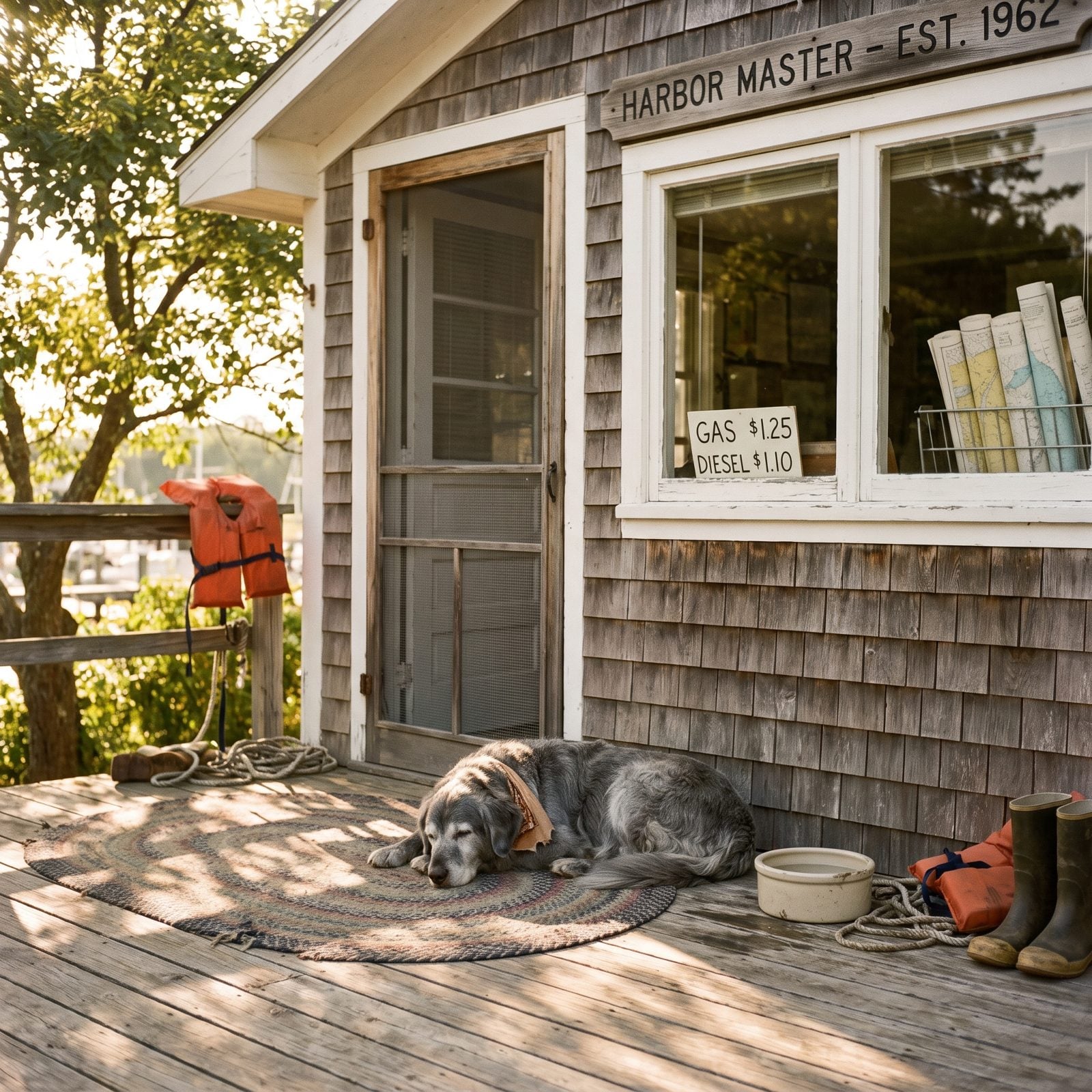
Every good marina had one. A big easygoing dog with a graying muzzle who’d claimed the warm boards by the office door as his personal domain.
He didn’t guard anything, and he sure didn’t do tricks. He just existed — tail thumping when a regular walked by, migrating three feet at a time to stay in the sun. Kids learned his name before they learned the dockmaster’s. People who’d forget to pay their slip fee somehow never forgot to bring him a biscuit.
He was the soul of the place, honestly. A marina without a dog by the office always felt like it was missing something, and it was.