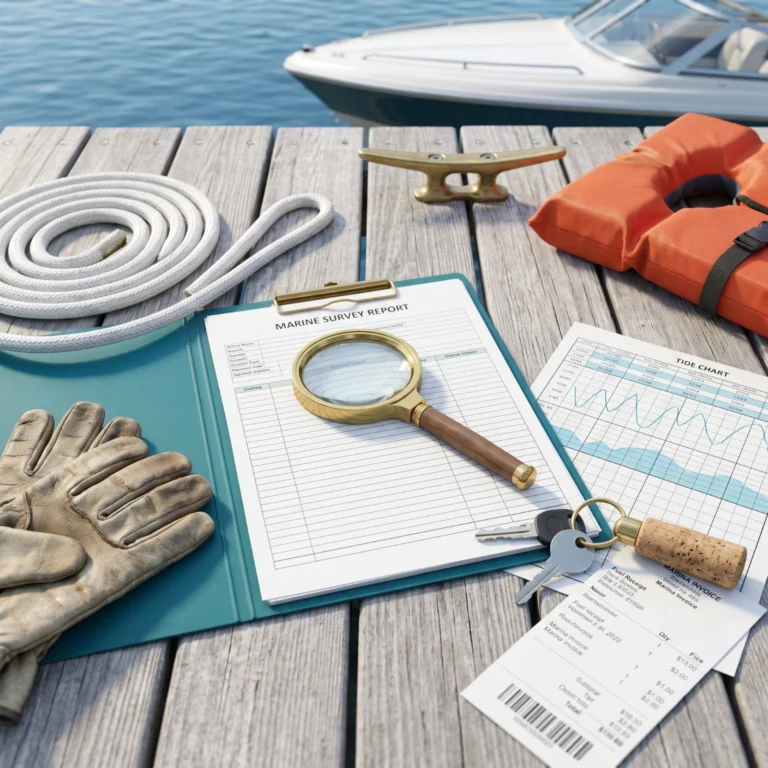
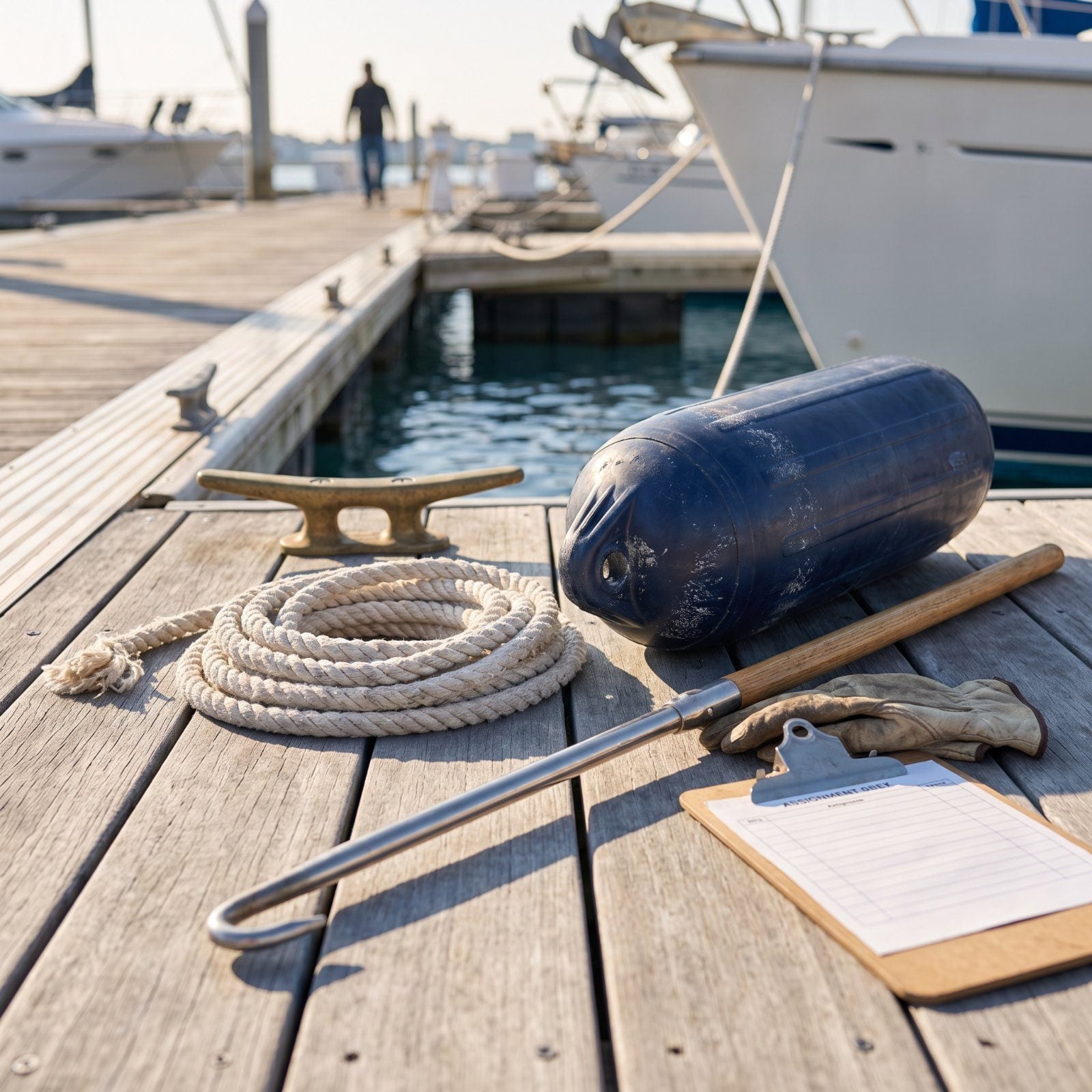
The person catching your line has watched a thousand boats come in. By the time you’re three slips out, they’ve already read your approach, your trim, your crew, and whatever’s trailing behind your stern. None of it is judgment — it’s pattern recognition, built from standing on the same finger pier through a few hundred sunrises. The good ones never say a word. They just adjust where they stand, grab the right cleat first, and quietly keep a bad landing from becoming a repair bill. Here’s what they’re clocking while you’re still reaching for the fenders.
Please note that some of the imagery in this article may have been enhanced with the assistance of AI.
39. The Bilge Pump Keeps Cycling on Final Approach
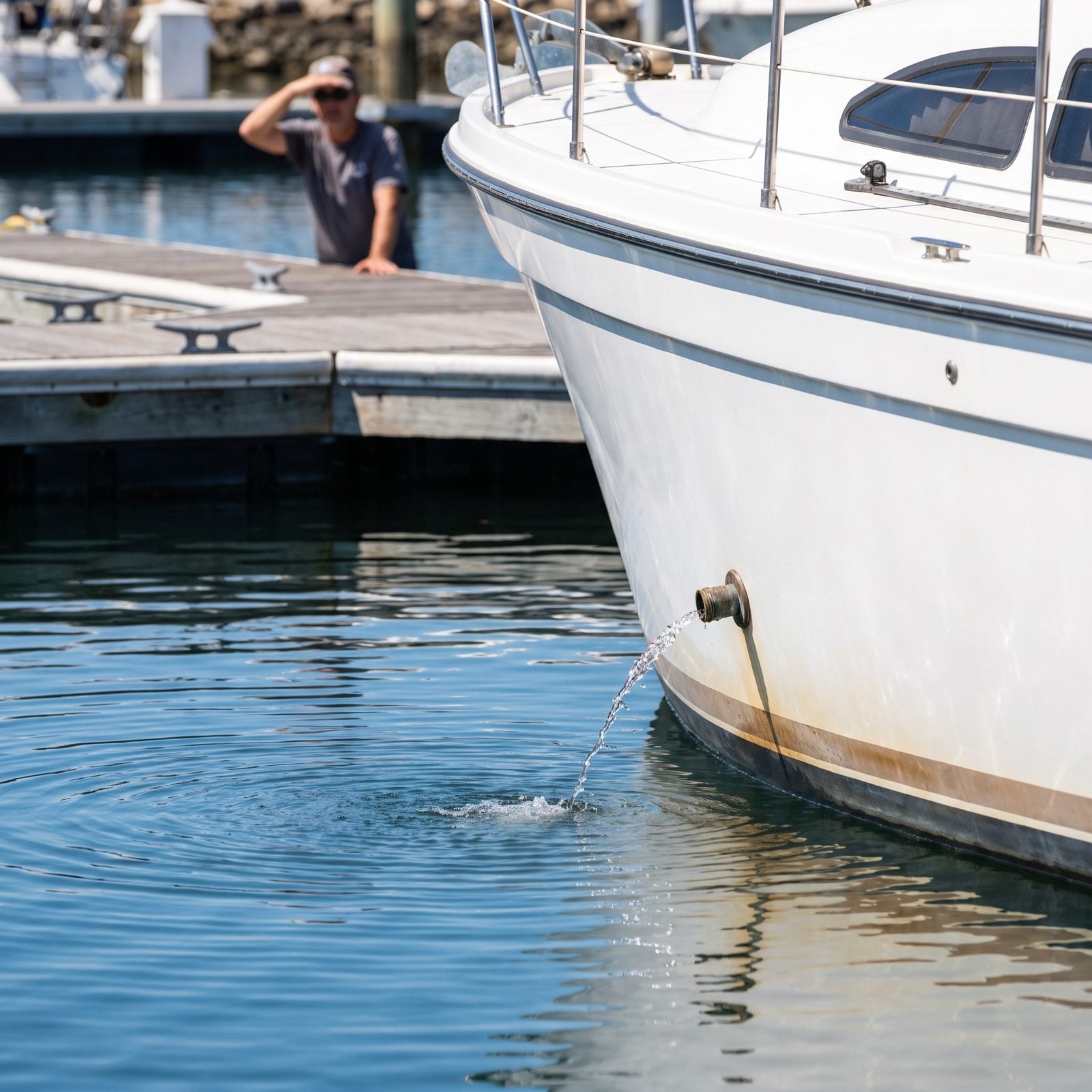
Water pulsing out of a through-hull every thirty seconds tells a story, and it isn’t a good one. A bilge that cycles on a flat-calm approach means water is coming in faster than a well-found boat should take it — a weeping shaft seal, a loose hose clamp, a stuffing box run dry.
The dockhand notices because the rhythm is wrong. A healthy boat fires its pump once after a wake rolls through, then goes quiet. Steady cycling is a boat telling on itself. Worth a look before you shut down and walk off to dinner.
38. An Oil or Fuel Sheen Trails Behind the Stern
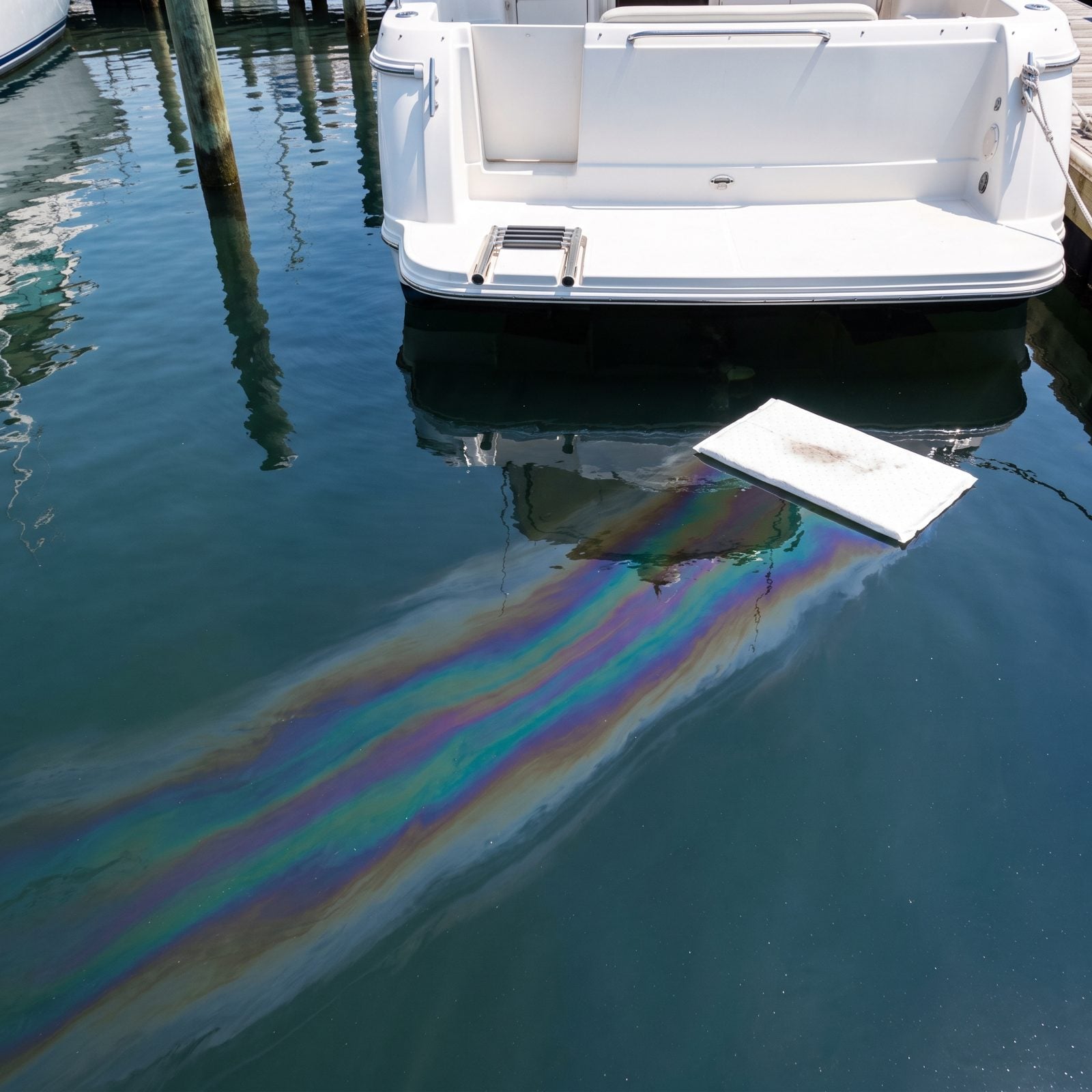
That rainbow shimmer behind your stern isn’t pretty — it’s a fine. Even a teaspoon of fuel spreads into a slick the size of a parking space, and in federal and state waters, a visible sheen is a reportable discharge. Marina staff spot it instantly, because that’s the whole job.
Most of the time the cause is dumb luck: an overfilled tank that burped at the vent, a little oil weeping past a tired seal into the bilge and out the pump. Innocent enough at the source. Pricey downstream.
37. The Engine’s Cooling-Water Stream Looks Weak
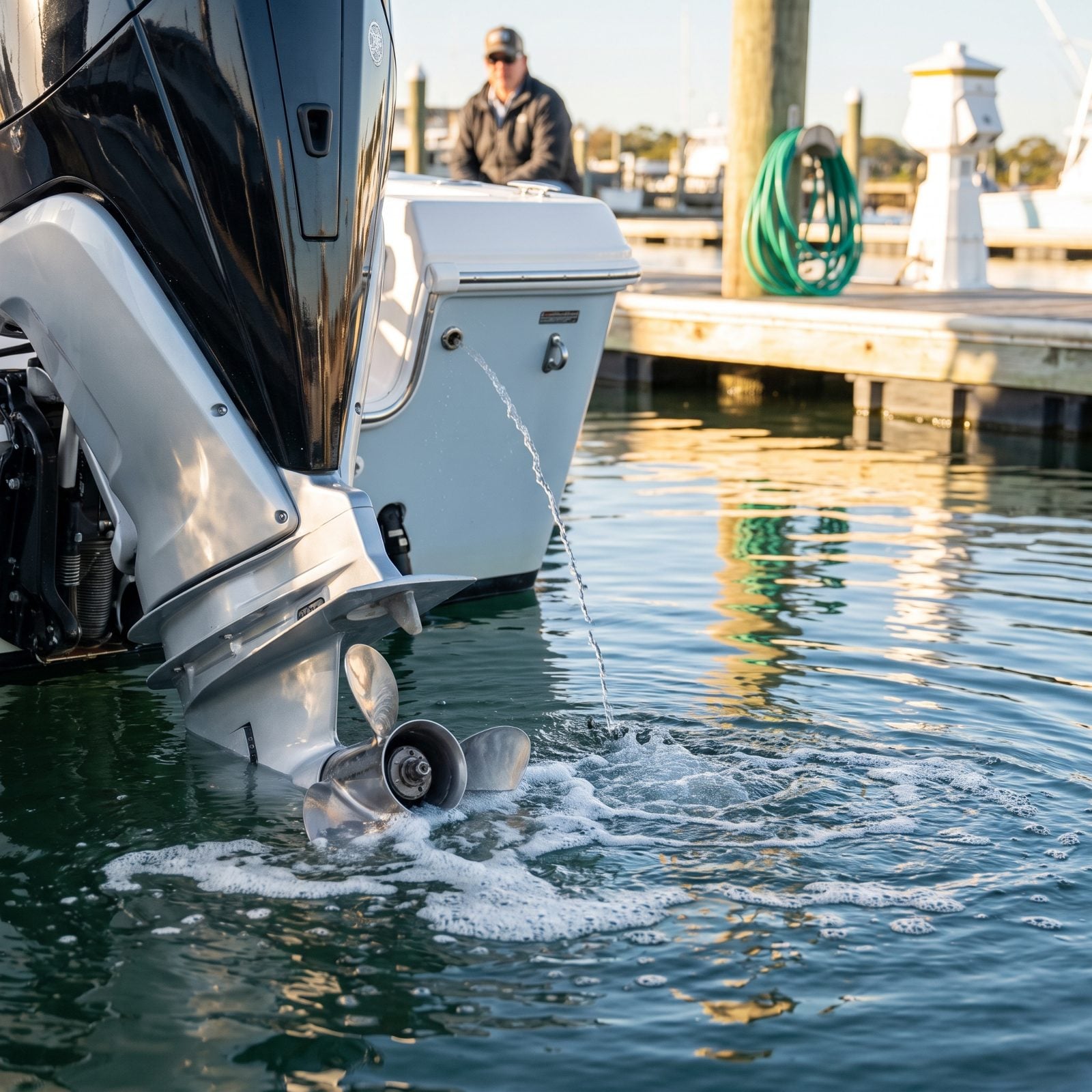
On an outboard, the telltale stream is the engine’s pulse. A strong, steady arc from the telltale port on the engine cowling means the water pump is moving coolant. Don’t confuse it with water pouring from a through-hull fitting on the boat’s side, like a bilge or livewell outlet. A thin dribble, or none at all, means the impeller is failing, the pump’s clogged with eelgrass, or the overheat alarm is about to ruin your evening.
The dockhand clocks it from the finger pier, because they’ve seen what comes next. A seized powerhead is a four-figure mistake. If that stream looks sick on the way in, shut down and investigate before the next trip — not during it.
36. The Boat Sits Lower on One Side Than Expected
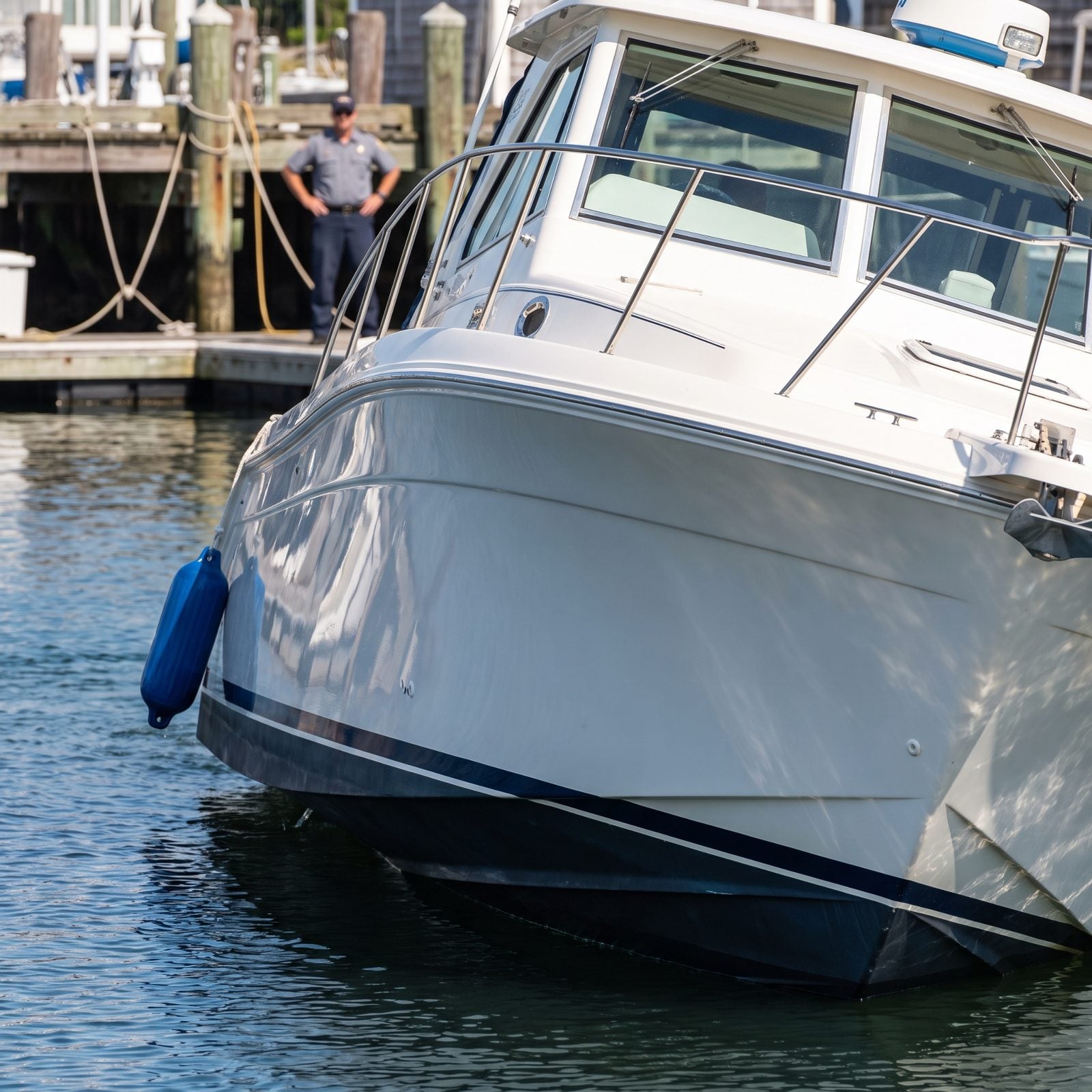
A boat that leans when nobody’s standing on the low side is a boat with a secret. Sometimes it’s benign — a full water tank on one side, a cooler and four people parked on the same gunwale. Sometimes it’s water pooling in a compartment that shouldn’t have any.
Experienced dock staff read the waterline the way a mechanic reads tire wear. An even boot stripe says balanced and dry. A persistent list nobody can explain earns a flashlight and ten minutes in the lockers before you call it a day.
35. The Boat’s Shore-Power Needs Do Not Match the Pedestal
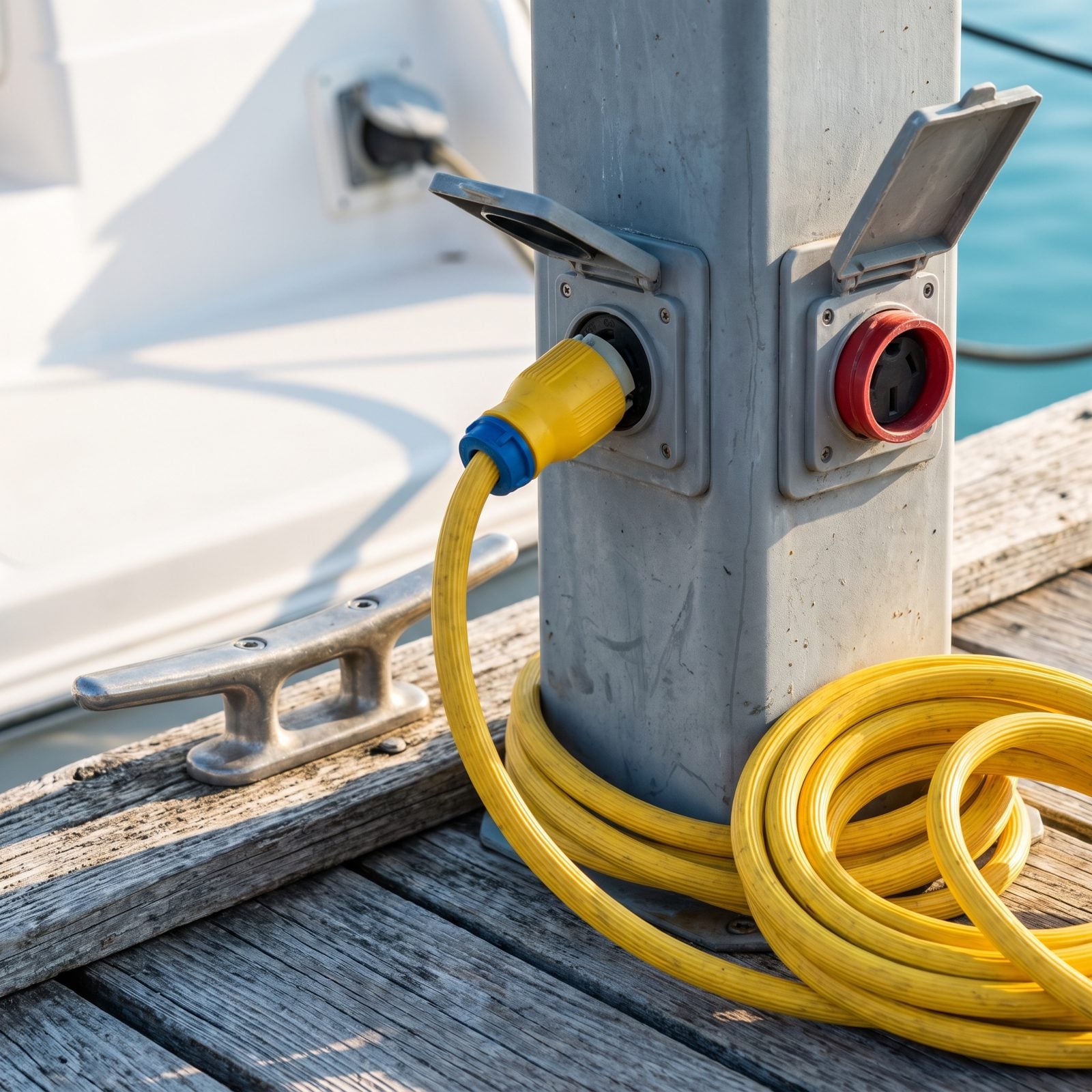
Pull into a 30-amp slip with a boat that wants 50, and you’ve got a problem the dockhand saw coming the moment they read your size. The inlet on your hull, the plug on your cord, the socket on the pedestal — all three have to agree, or the air conditioning never comes on.
Mismatched connections are also where dock fires start. Adapters that cheat two incompatible systems together overheat quietly inside a locker, and nobody’s watching. A good marina matches you to the right pedestal on purpose.
34. The Swim Platform or Towed Dinghy Was Left Out of the Listed Length
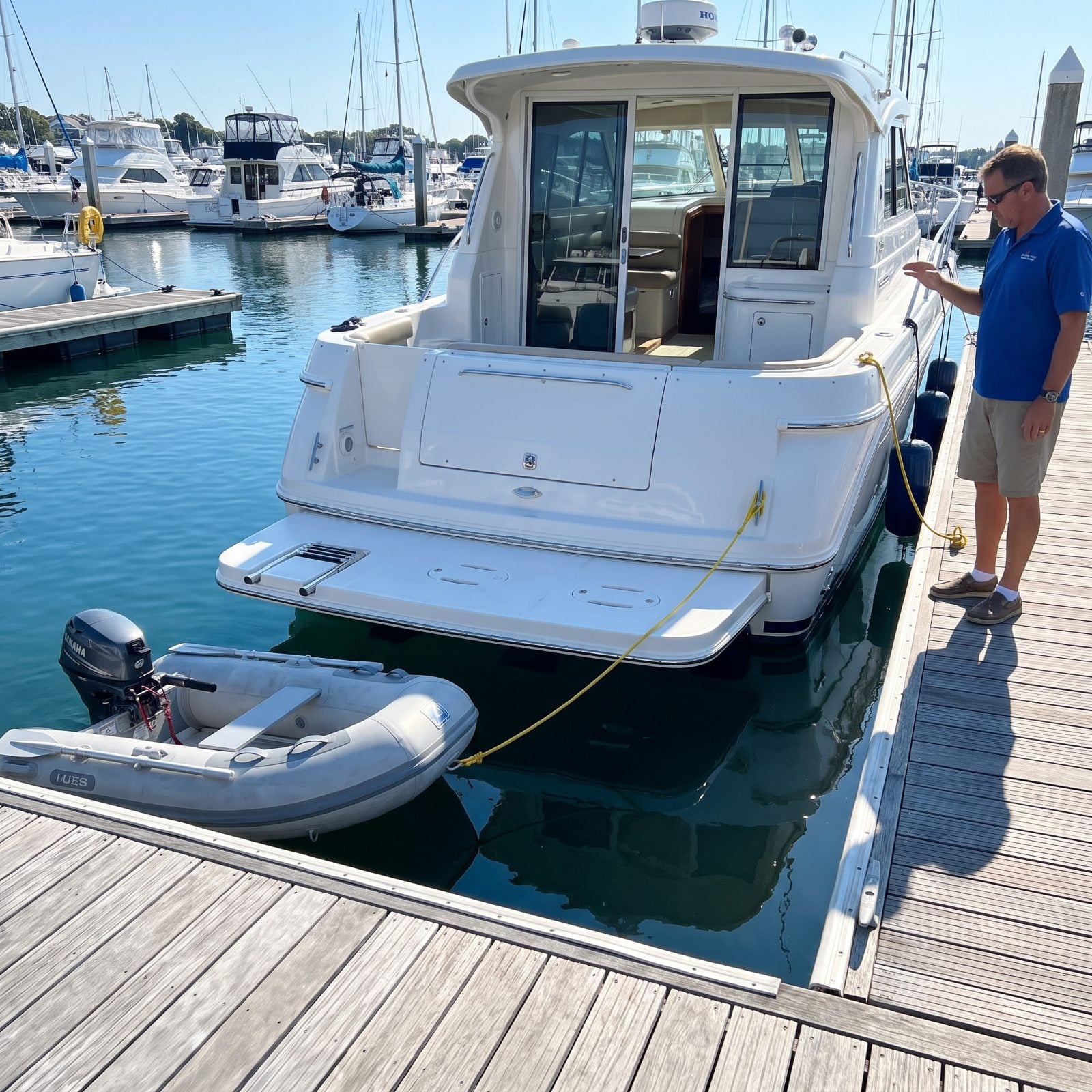
You booked a slip for a 32-footer, and your hull is 32 feet. But the swim platform, the davits, and the dinghy you’re towing add another seven, and now your stern pokes into the fairway right where the boat across from you needs to back out.
Dock staff measure overall length, not hull length, because overall is what actually has to fit. That gap between the two numbers is the single most common reason a reserved slip turns out wrong on arrival.
33. The Fuel Fill Is on the Opposite Side of the Assigned Dock
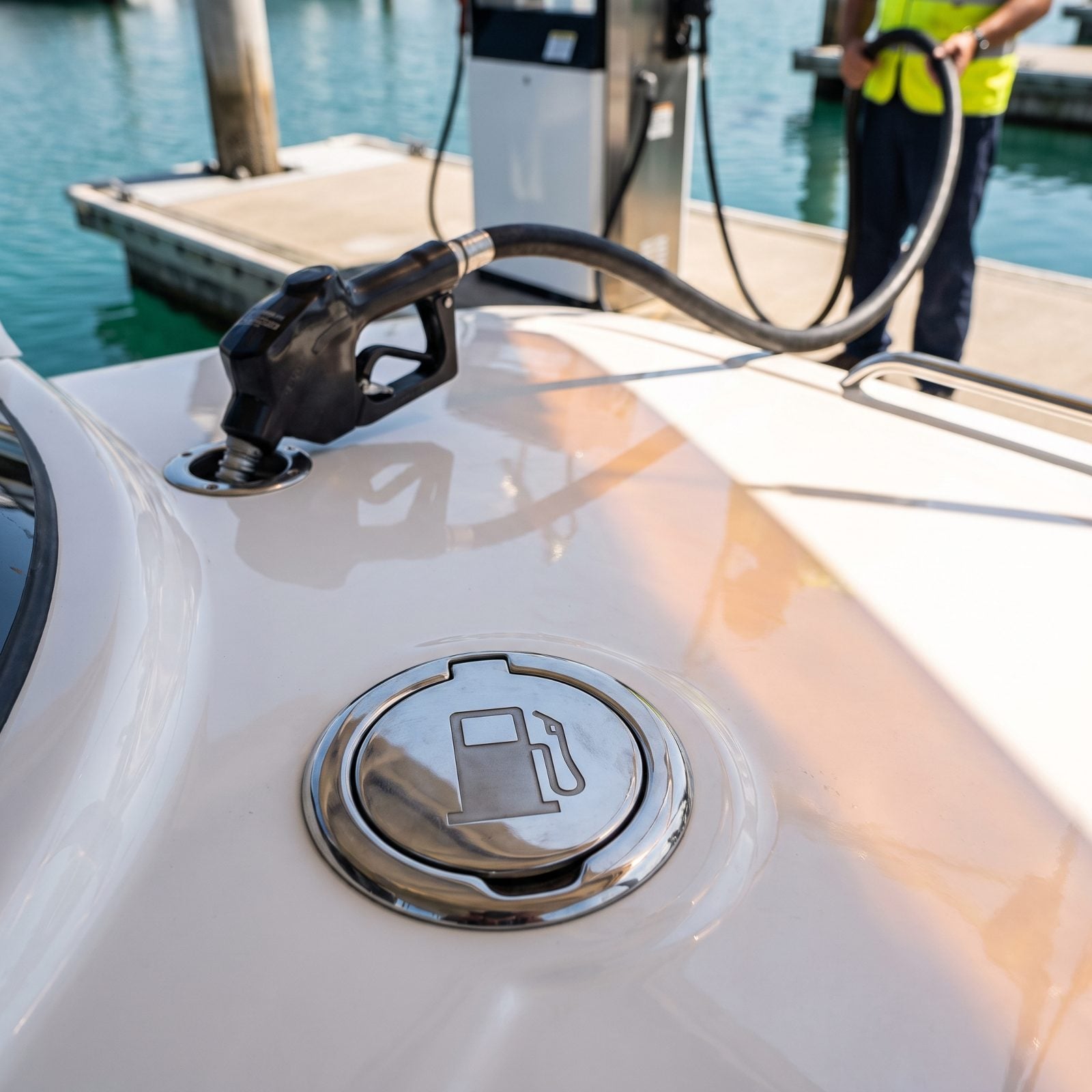
Tie up with your fill on the rail facing the fuel dock, and the attendant’s hose only has to reach a few feet over the gunwale to the fitting. Come in the other way and that hose has to be stretched across your cabin top, dribbling diesel on your canvas, and everyone’s irritated. Fuel-dock staff read your rail before you’re alongside and wave you to the correct side.
Sounds trivial. It isn’t — not until you’ve watched somebody re-tie an entire boat in a crosswind because they came in backwards. Know which side your fill is on and say so on the radio.
32. Current Is Carrying the Boat Past the Slip
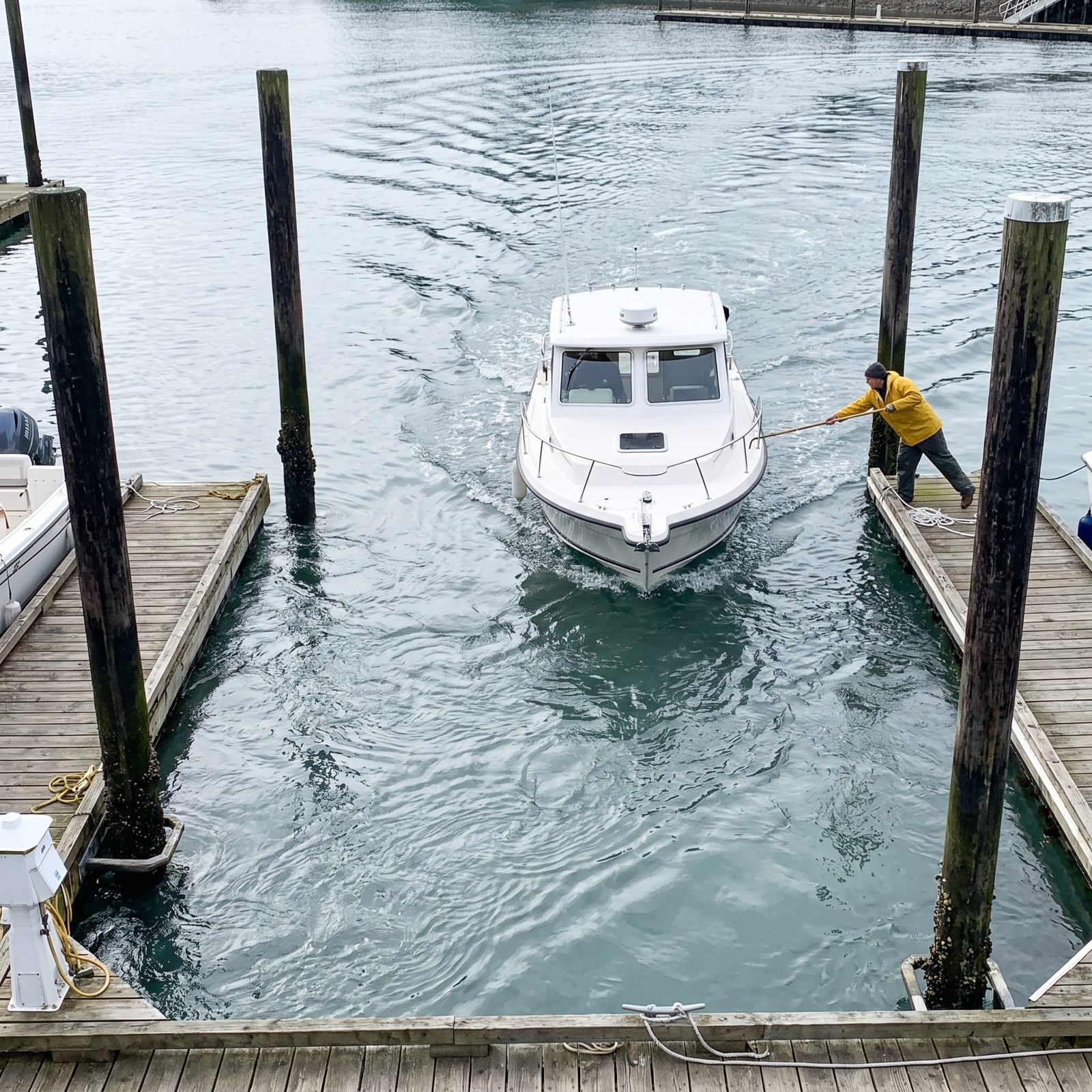
Water moves even when the air is dead still, and a boat that looks perfectly lined up can be sliding sideways the whole time. On tidal creeks and rivers, two or three knots of current will carry your bow right past the slip while you’re still aimed dead at it.
The dockhand watches your angle against the pilings, not against your own centerline — the pilings don’t move and you do. They’ll stand downstream, where the boat is actually headed, not where you’re pointing it.
The pilings tell the truth. Your bow is just a guess until the current votes.
31. Prop Walk Pulls the Stern Sideways in Reverse
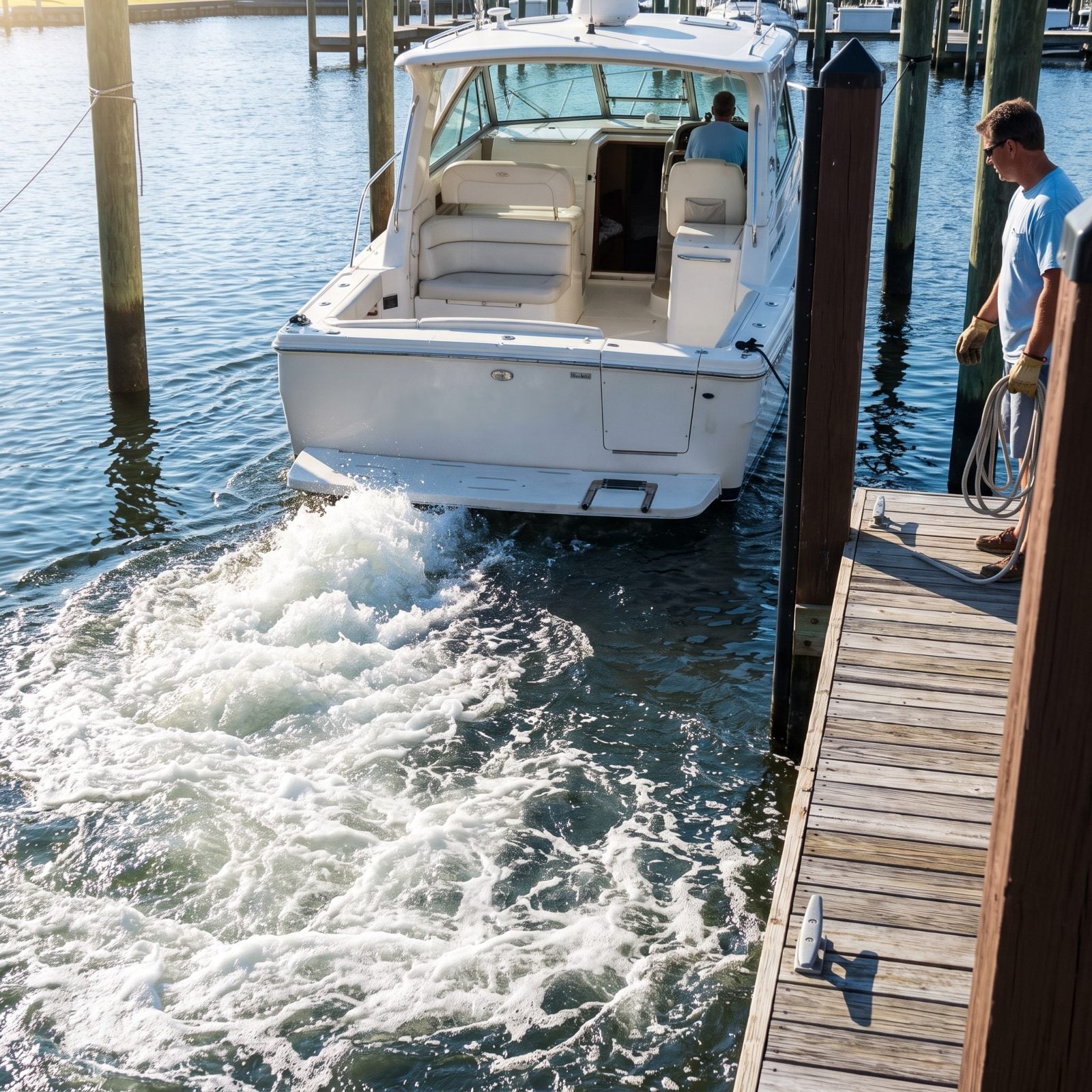
A single-screw boat in reverse doesn’t just slow down — it crabs. The spinning prop shoves the stern sideways, almost always the same direction every time, and that sideways kick is prop walk. Boats that respect it back into slips like they’re on rails. Boats that fight it swing wide and kiss a piling.
Seasoned dock staff peg which kind they’re dealing with in seconds. They’ll stand on the side the stern naturally wants to swing, ready to take the line the current and the prop are about to hand over.
30. Windage Starts Moving the Bow Before the Helm Reacts
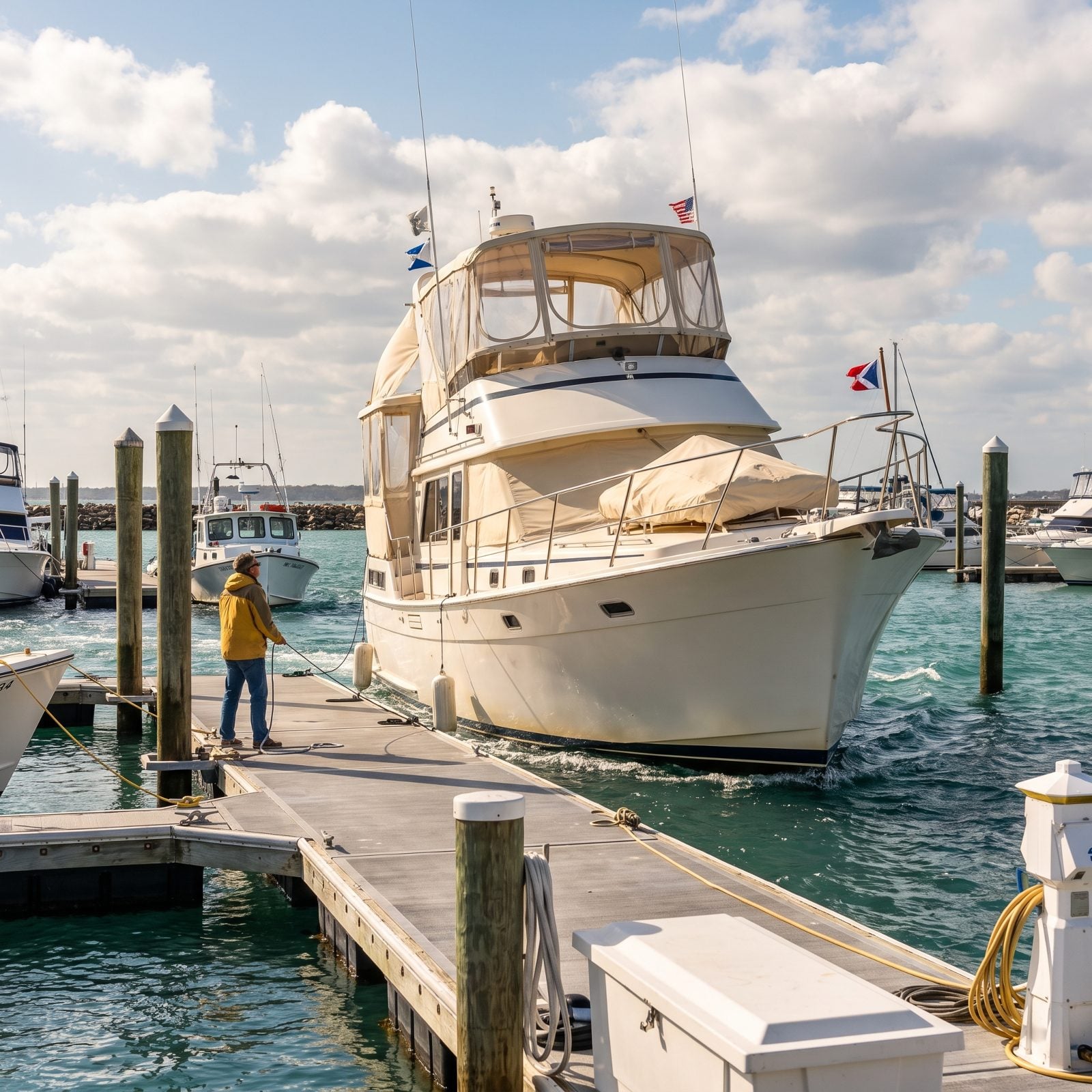
A boat with a tall bow, a flybridge, and a full canvas enclosure is basically a sail you never asked for. In a strong crosswind, gusts push on all that height and can heel the whole boat hard over toward the dock, loading the fenders and straining the lines before you can react.
The dockhand reads the wind on the water and the height of your topsides, and runs the math before you do. High-windage boats need more speed to keep steerage, plus a crew ready on the upwind line. Come in too slow and the wind drives — not you.
29. Continuous Bow-Thruster Use That Churns Foam Instead of Nudging the Bow
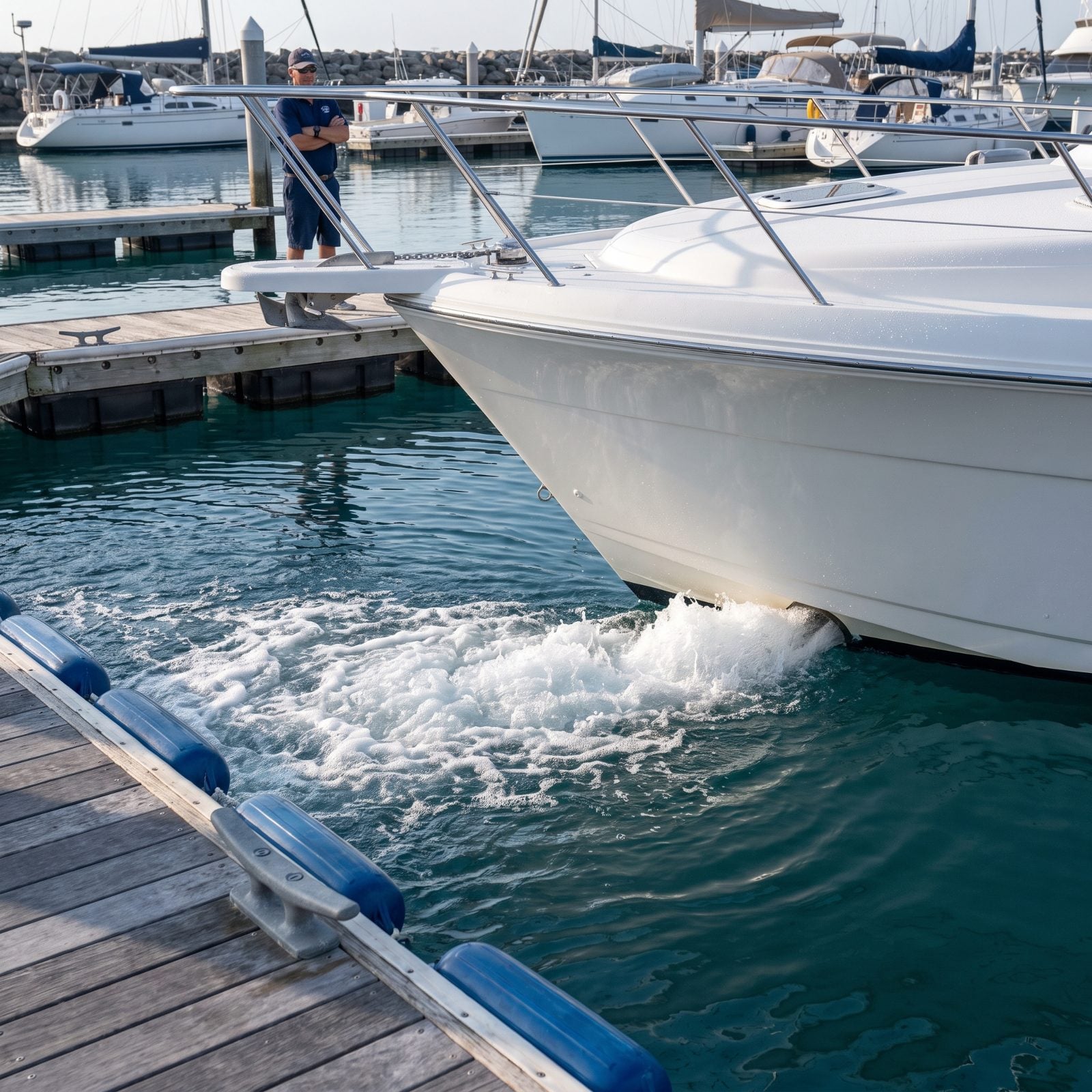
Lean on the thruster too long and it stops working. The prop spins up a cone of air, loses grip on the water, and all you get is noise and foam while the bow sits exactly where it was. The staff hear it before they see it — that high whine that means someone’s got the button pinned down and is quietly praying.
Thrusters are built for short taps. A second or two, let it settle, tap again. They also overheat fast, and a cooked thruster halfway through docking is a genuinely bad afternoon.
28. The Boat Carrying More Speed Than the Helm Thinks It Is
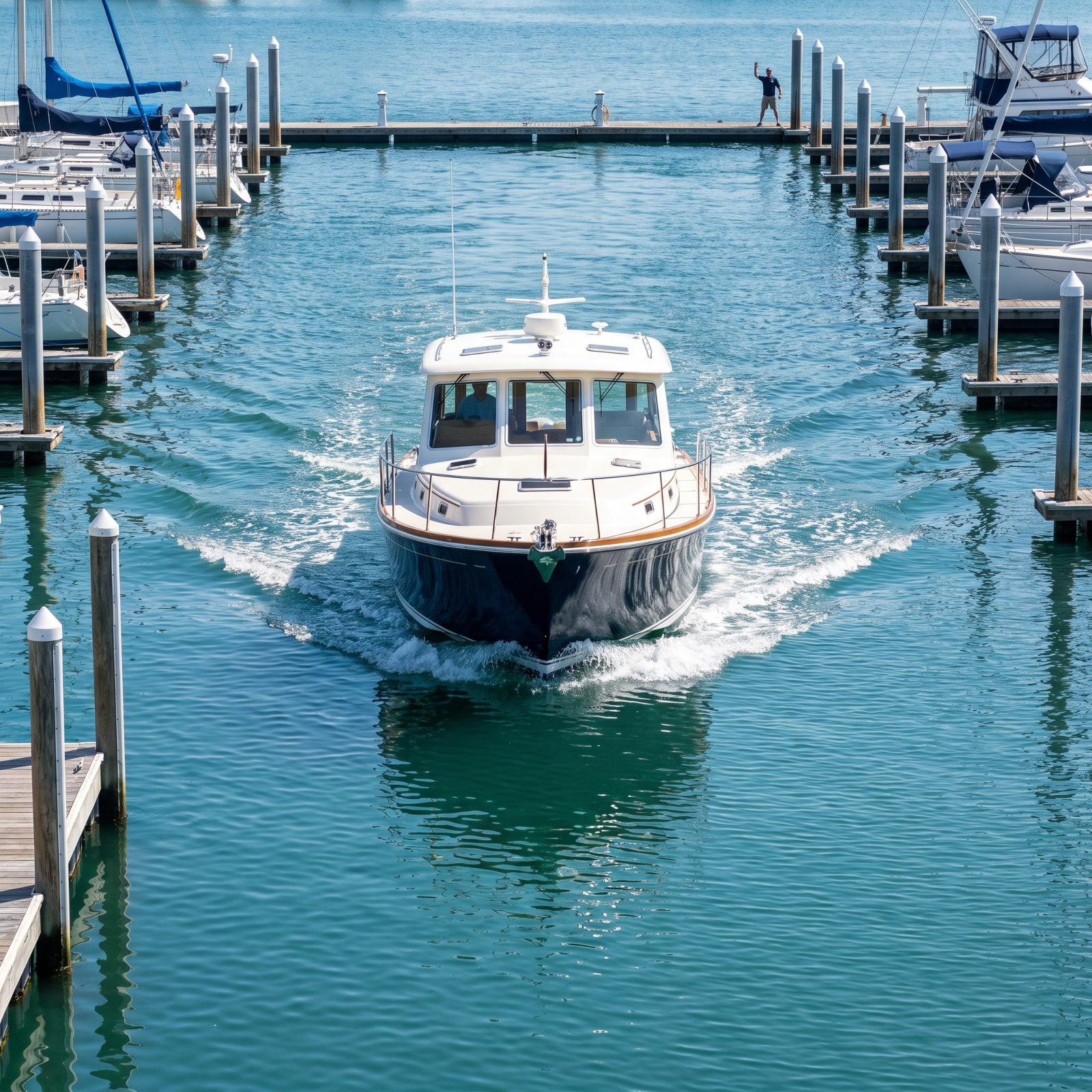
From behind the wheel, a boat always feels slower than it is. There’s no road rushing past and no tire noise, just open water that hides your momentum until it’s a problem. Staff read the bow wave the way a trooper reads a license plate, and a clean curl of water pushed ahead of the hull means too much speed for a crowded fairway.
Boats don’t have brakes. Reverse helps, but it eats distance and time, and a slip full of fiberglass isn’t about to scoot out of the way for you. The fix is boring and it works: come off plane early, arrive slow enough to stop with room to spare.
27. The Arrival Wake That Slaps Every Boat Already Tied Up
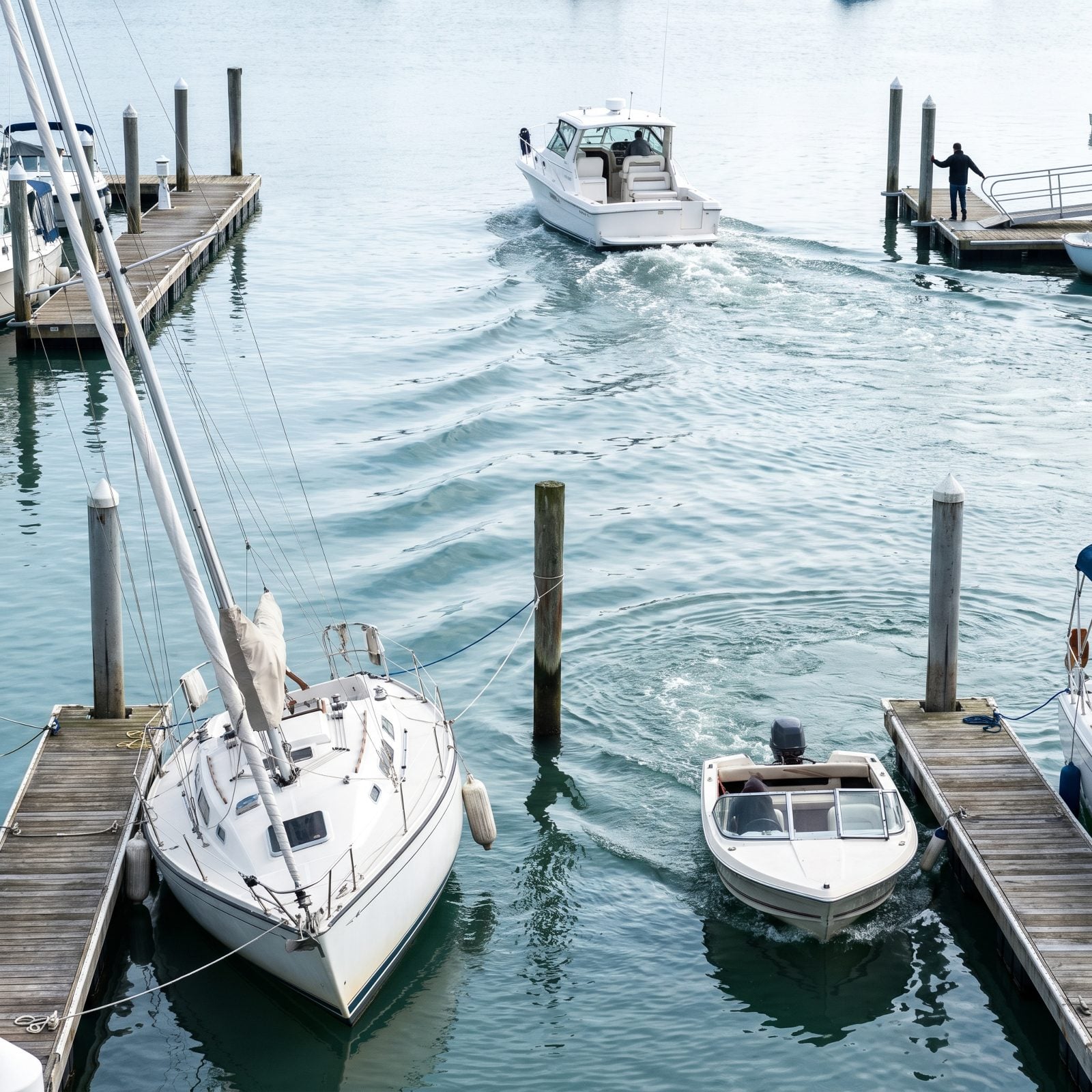
Your wake outlives your arrival. You throttle down, tie up, feel finished — meanwhile the swell you dragged in is still working its way down the basin, knocking hulls against pilings and sloshing coffee off galley counters a hundred feet away.
A “no wake” zone is less a speed limit than a promise. Whatever you push out, nobody else should feel it. And the crew notices who keeps that promise and who doesn’t.
26. Slamming Between Forward and Reverse Like It’s a Video Game
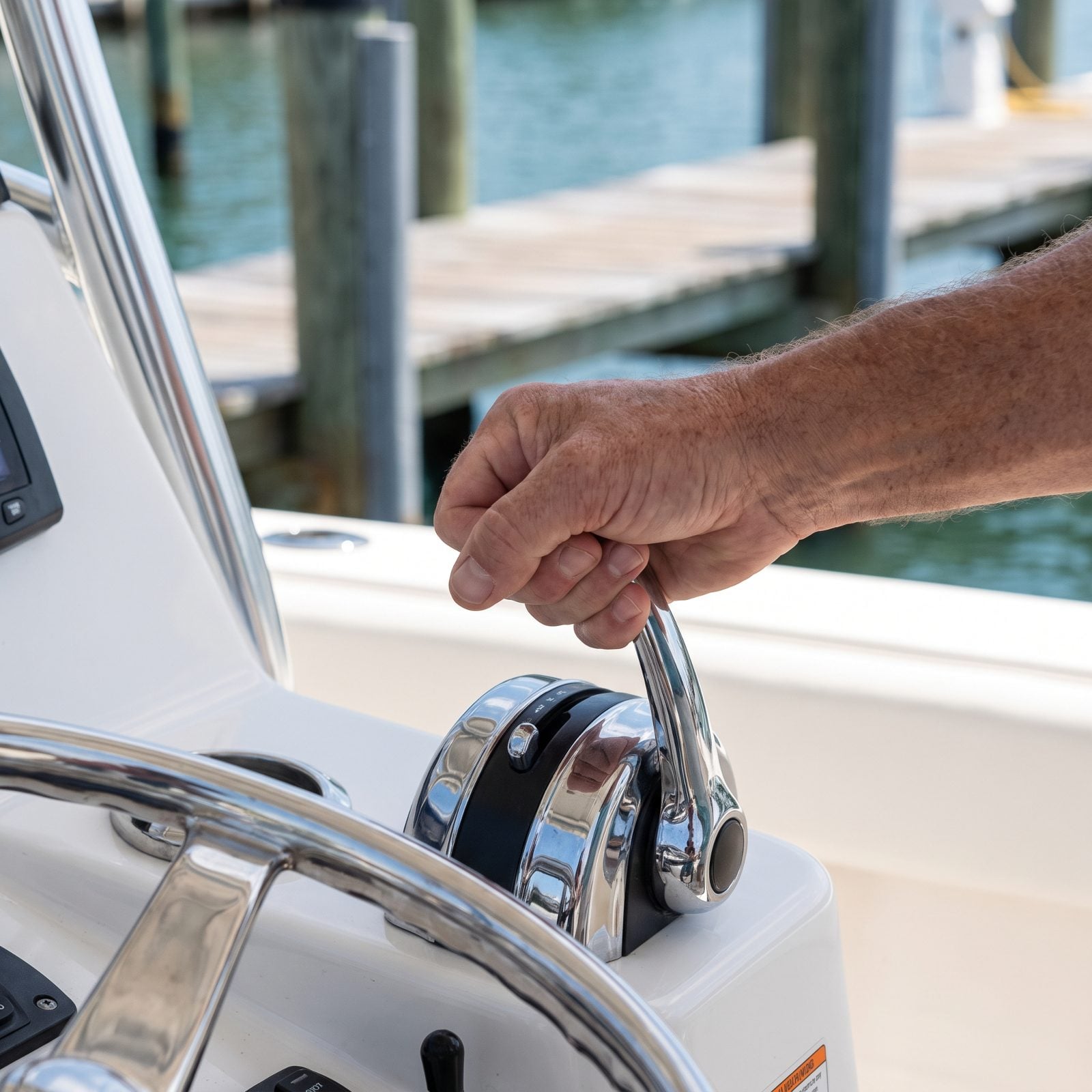
Jamming the lever from forward to reverse and back again, over and over, is the docking equivalent of riding the clutch. It rarely helps the boat, and it beats up the drivetrain — gears, couplings, the transmission that costs real money to rebuild.
Pause at neutral on every shift. Let the prop stop before you ask it to spin the other way. A boat answers a beat after you command it anyway, so the frantic sawing just piles on wear without buying you any control. Patience here reads as competence from the dock, and it spares you a haul-out bill nobody enjoys.
25. The Engine That Dies Every Time Reverse Is Engaged
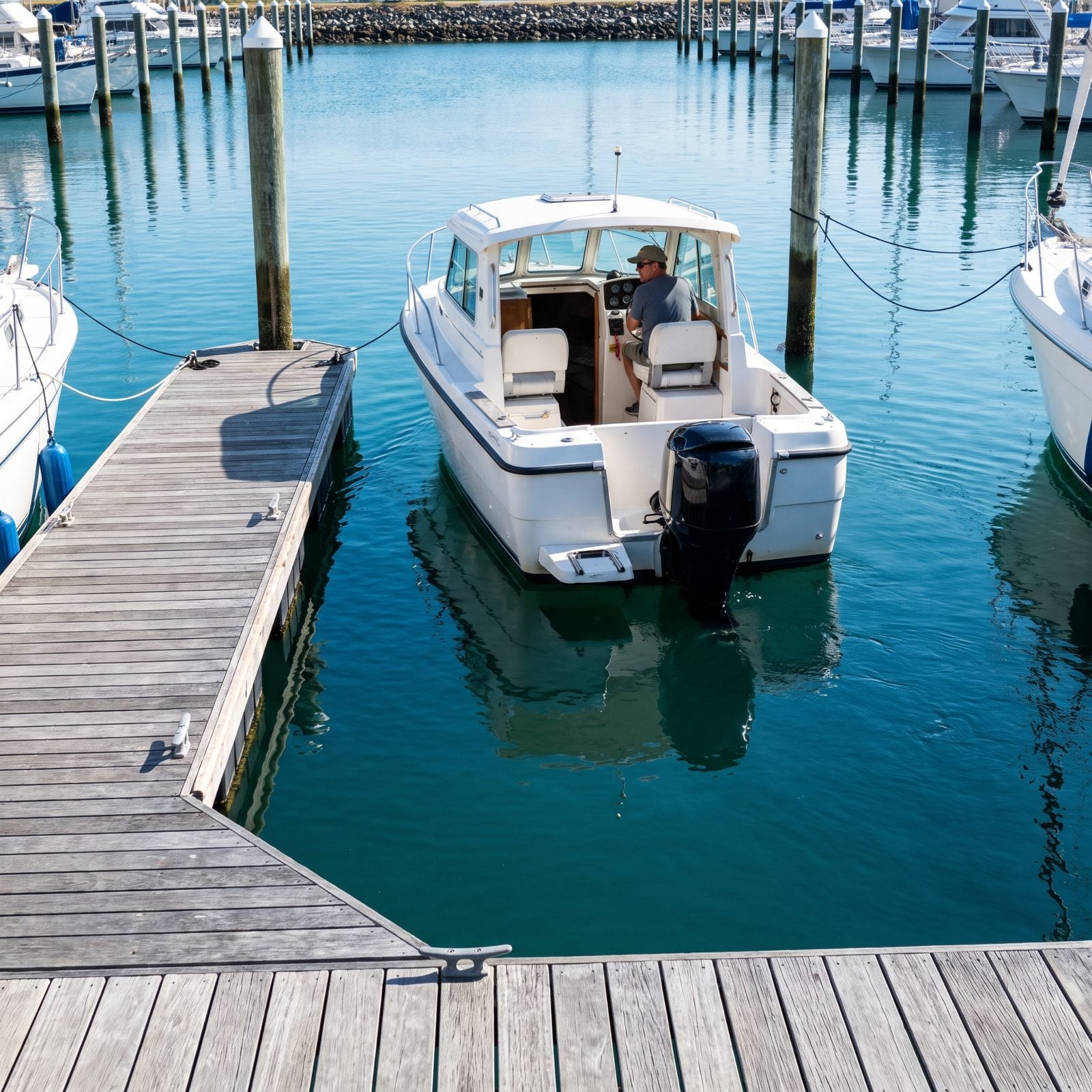
Nothing raises a dockhand’s pulse like an engine that quits the instant reverse goes in. Usually it’s an idle set too low, a fouled plug, or a drivetrain under strain. And reverse is exactly the moment you need power most, because reverse is how a boat stops.
A boat that stalls on the one maneuver meant to slow it down is a boat with no brakes, drifting toward whatever’s downwind.
If the engine dies on shift, that’s a service problem, not a docking problem. Sort it at the slip or the mechanic’s bench — never in a tight fairway with a crowd watching.
24. A Helm Blinded by Passengers Standing Right in the Sightline
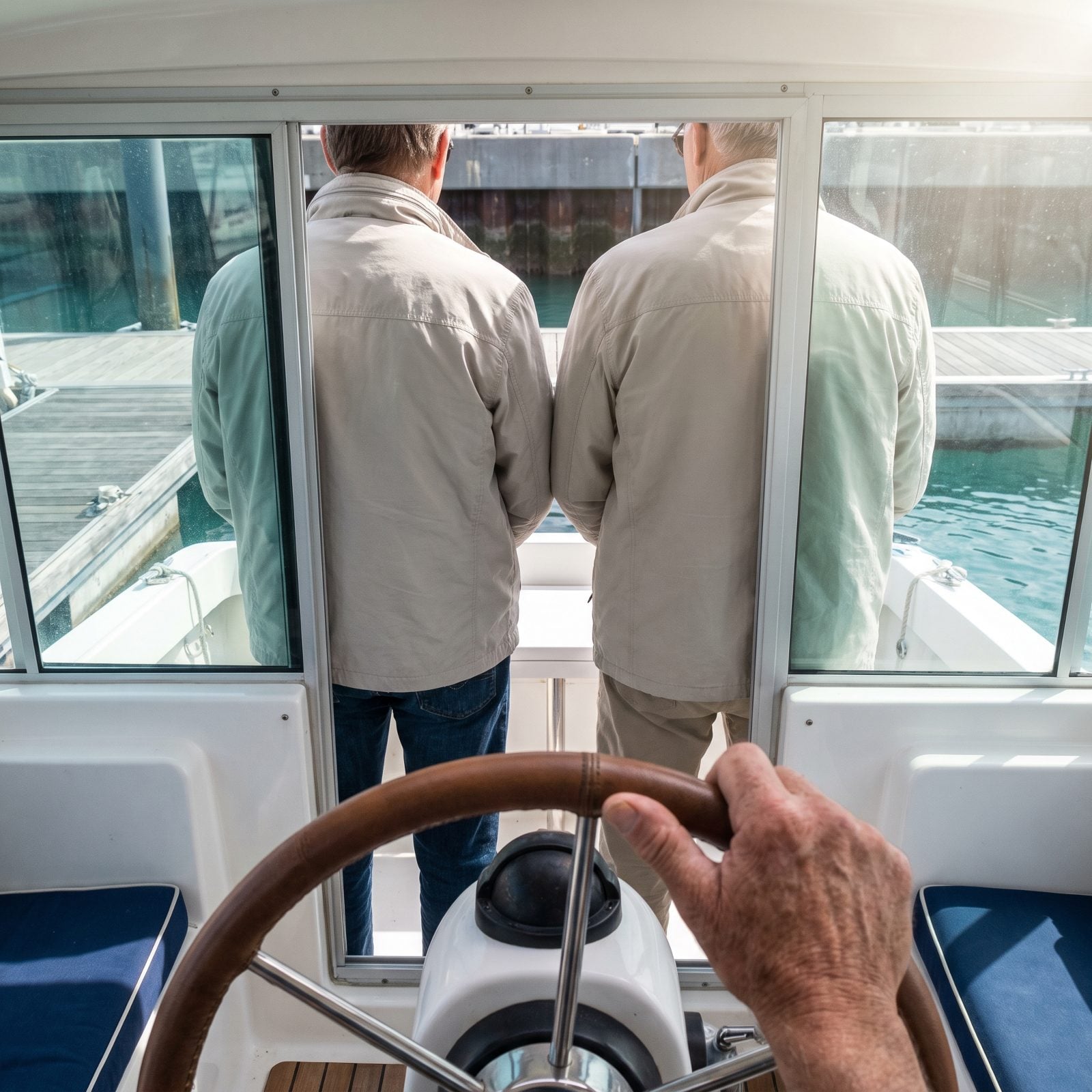
Crew means to help. They cluster forward with lines and fenders, eager and ready, and turn the windshield into a wall of backs. The one person who needs a clear view of the slip can’t see the bow, the piling, or the boat in the next berth.
Good crews kneel or sit low until they’re actually needed, then pop up to work the lines. One clear line of sight to the helm beats six eager hands blocking it.
23. Nobody Aboard Is Listening to the Marina’s VHF Channel
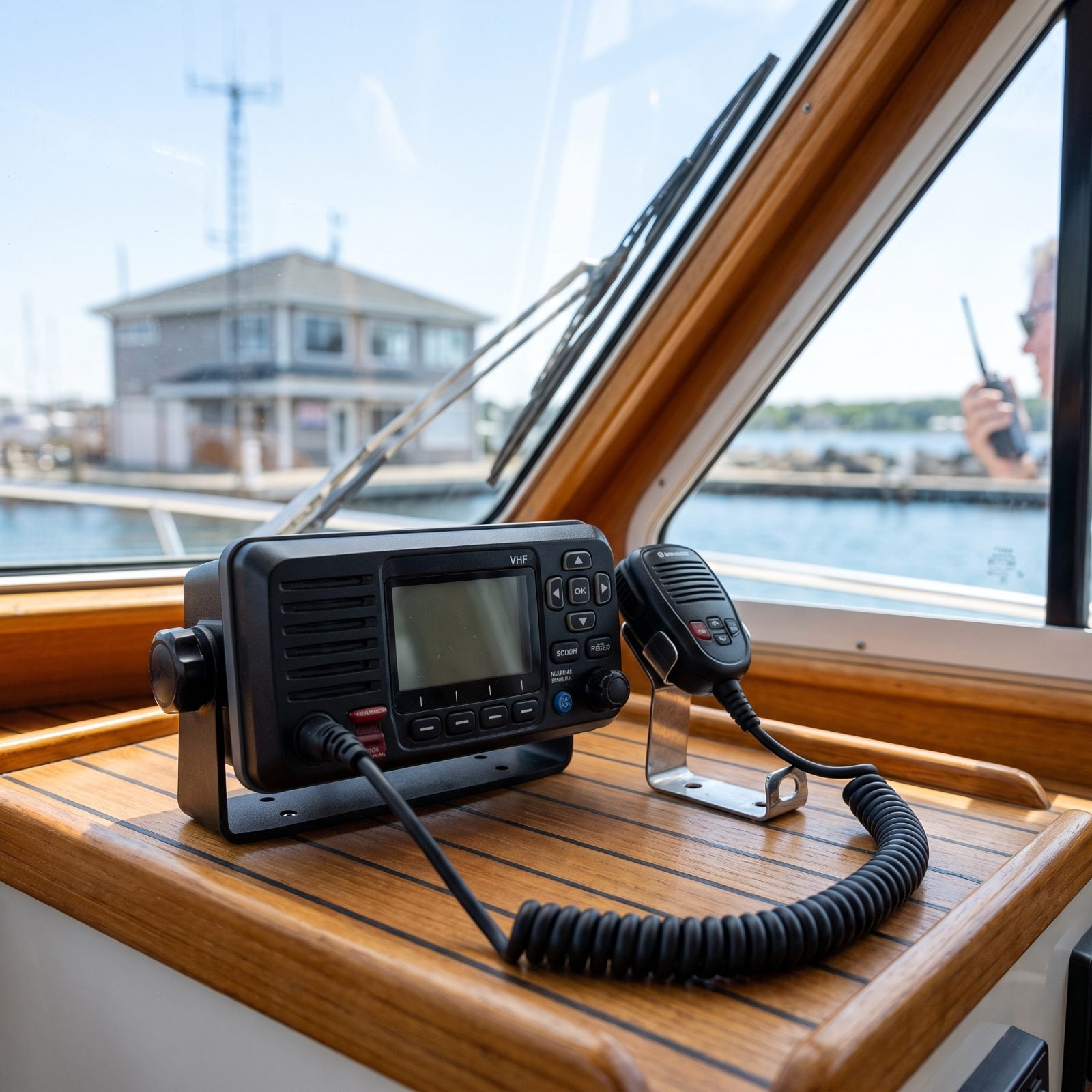
Most marinas hail arriving boats on a working VHF channel — slip assignments, traffic warnings, directions to the fuel dock. A boat that never answers isn’t rude so much as deaf, and now the dock crew is managing your arrival by waving and yelling.
Monitor the posted channel on your way in. A quick call ahead tells the staff who you are and where you’re headed, and it turns a chaotic approach into an expected one. Radios are cheap. Knowing which slip is actually yours before you get there? Free.
22. The Crew That Never Checked the Slip’s Water Depth
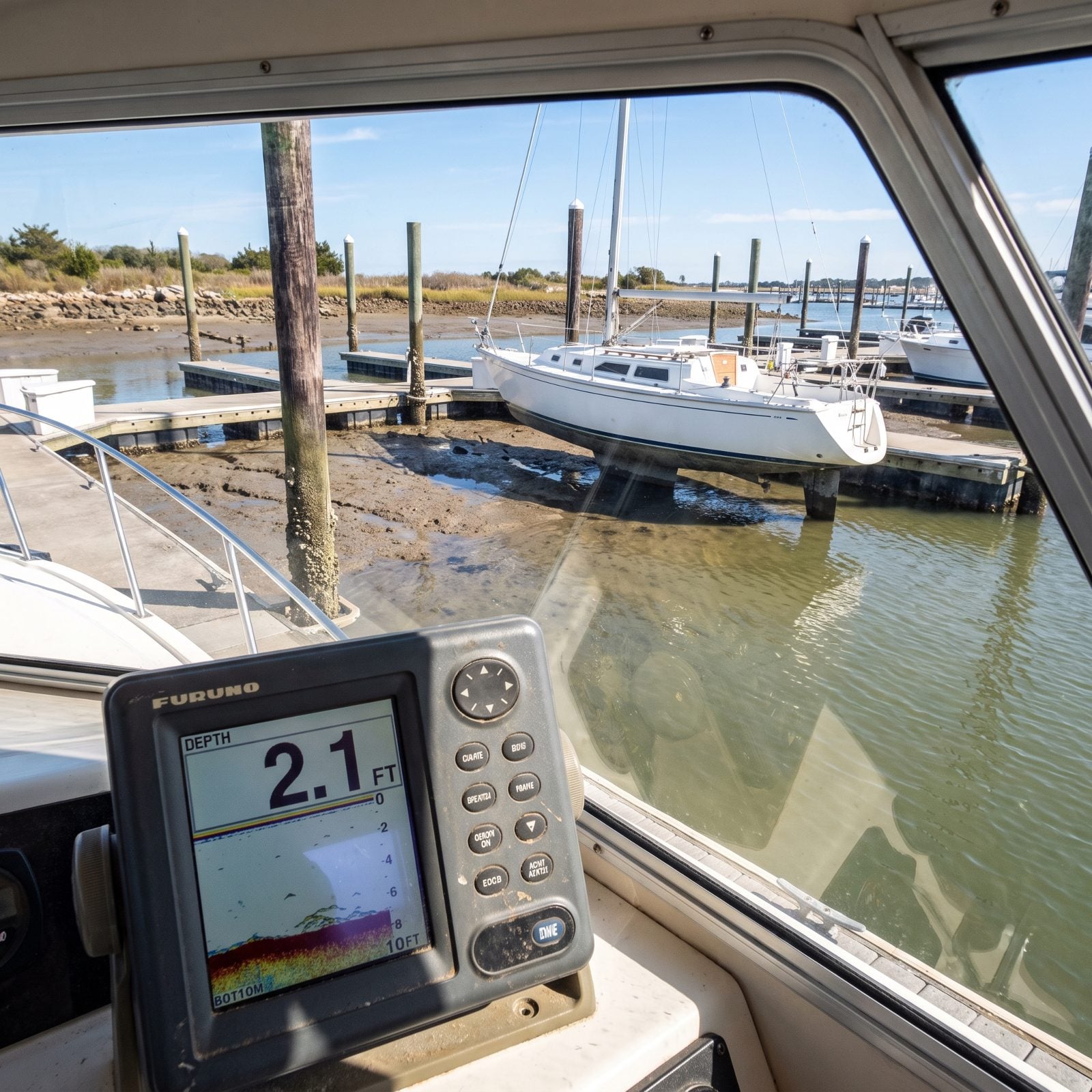
Deep water in the fairway tells you nothing about the depth inside the slip. Tides fall, silt builds in the corners, and a berth that floated you last month can ground your keel today. The staff watch for the newcomer who noses in confidently without a single glance at the sounder.
Know your draft. Ask the harbormaster what the slip holds at low water. A keelboat that settles into the mud on a dropping tide isn’t going anywhere for hours, and the only entertainment is the crowd it draws. Five minutes of asking spares you a long, red-faced wait.
21. Raised Antennas or Outriggers Headed Straight for Overhead Wires
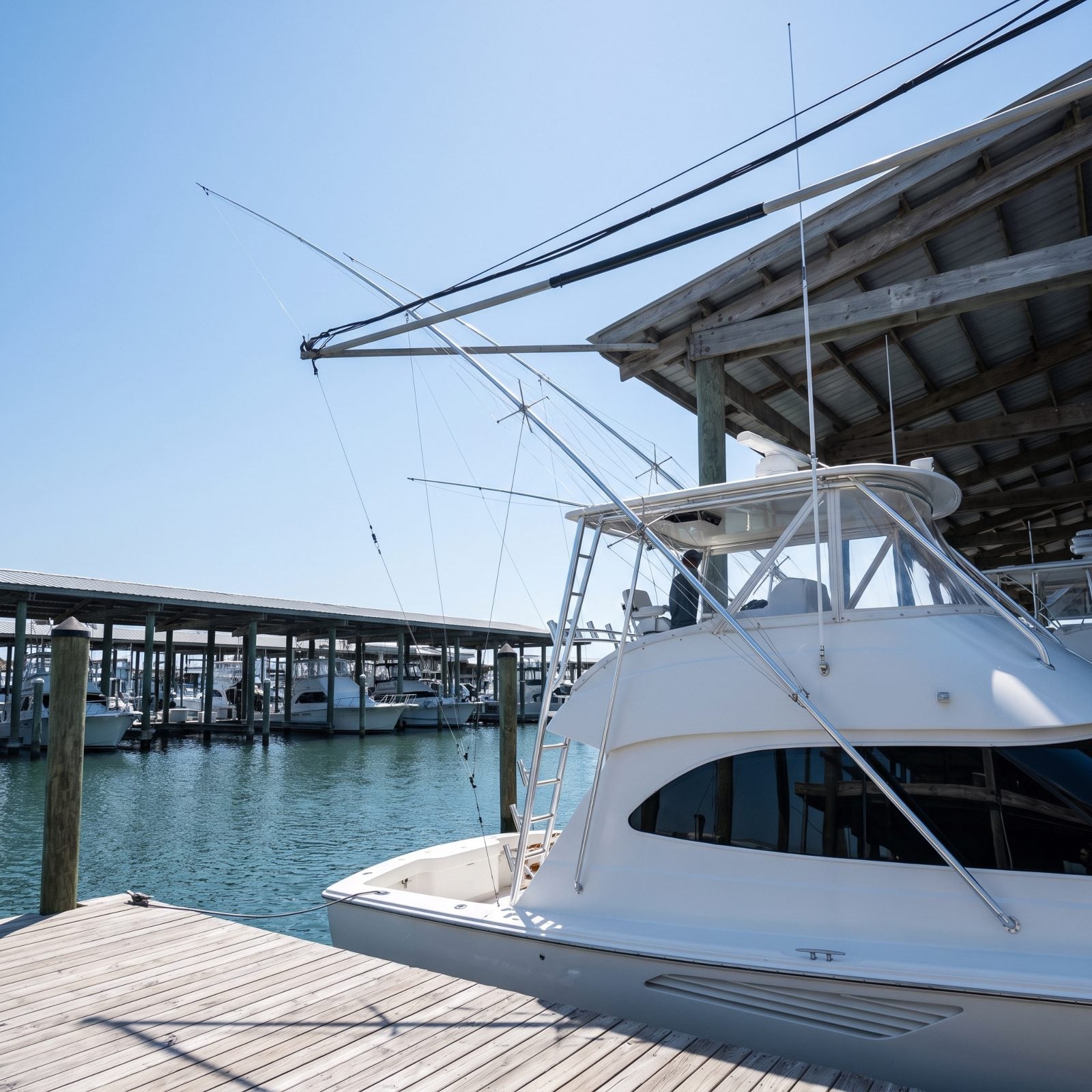
A folded antenna is easy to forget until it isn’t. Raised whips, extended outriggers, tall radar arches — all of it adds height nobody thinks about on open water. Drive into a covered slip or under a dock roof with that gear up and something snaps. Or worse, it finds a power line.
Lower and stow the tall stuff before you reach the dock. Takes a minute. It’s the detail that separates the boaters who’ve done this a hundred times from the ones about to learn an expensive lesson in overhead clearance.
20. The Anchor Hanging Off the Bow Right Where Staff Reach to Grab the Boat
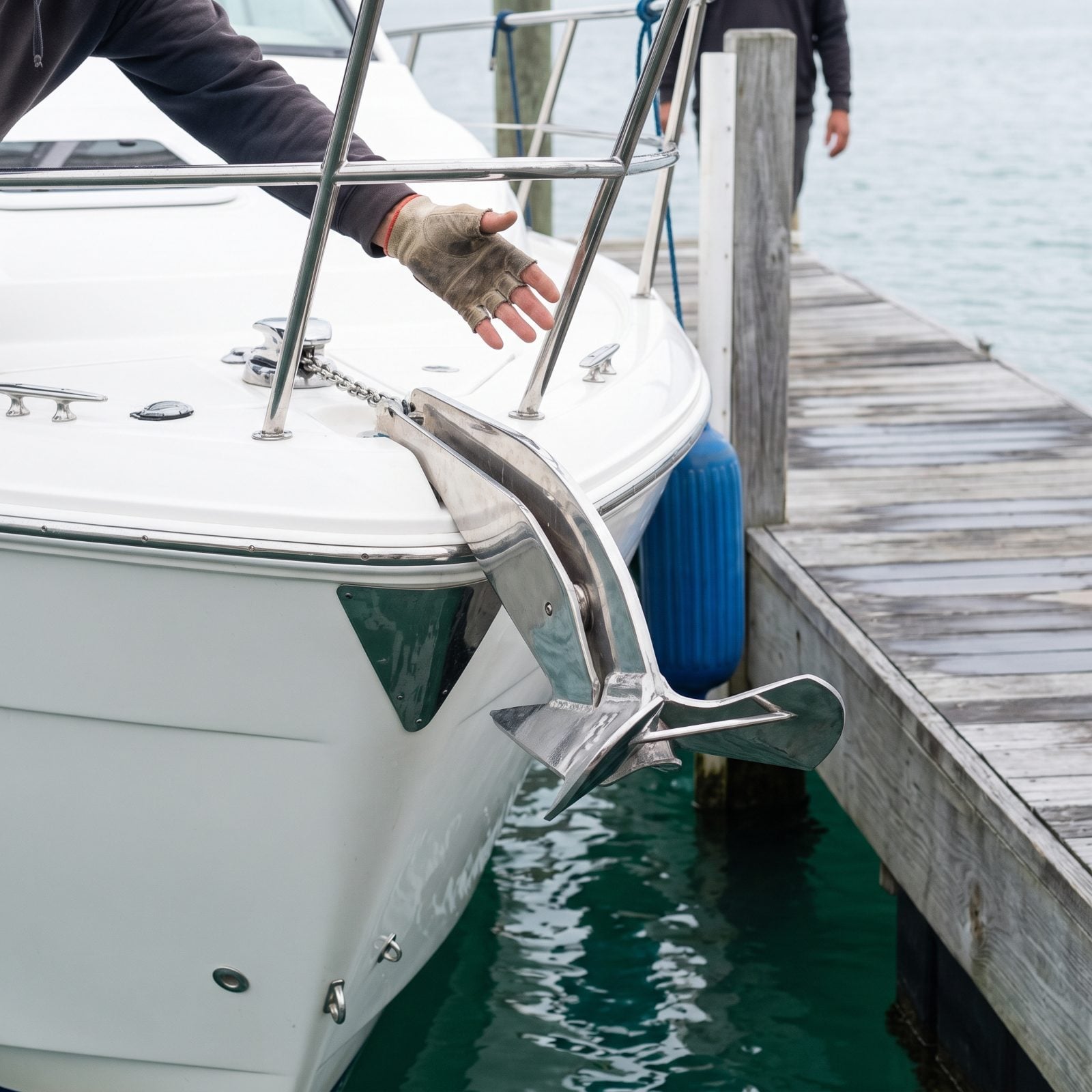
An anchor hanging off the corner of the bow is a hook waiting at exactly the height a person reaches to grab your boat. Dockhands step in close to fend off and catch lines, and a protruding fluke can gouge a thigh, snag a jacket, or punch a dent in a neighbor’s hull as you ease alongside.
Secure the anchor snug on deck or in its mount before your final approach. Small courtesy. The people catching your lines appreciate it more than almost anything else you’ll do on the way in.
19. The Swim Ladder Is Still Hanging in the Water
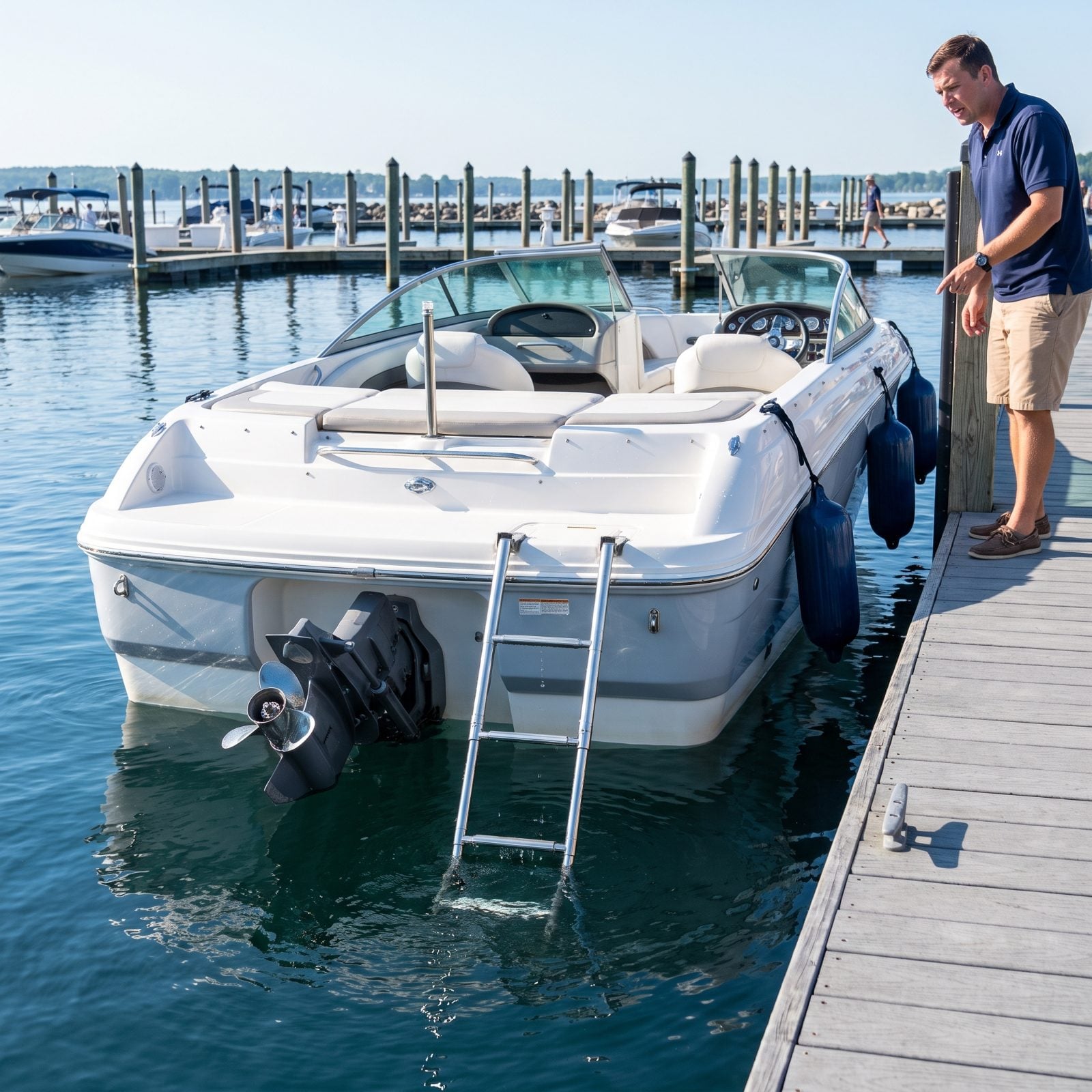
Nothing announces a distracted skipper faster than a swim ladder still trailing in the water on the approach. It bends against pilings, snags dock lines, and sits inches from a spinning prop if the boat has to back down hard.
Staff clock it immediately — it says the crew skipped a basic walk-around before leaving the last stop. A bent ladder is a two-hundred-dollar part. A ladder wrapped around the prop is a tow and a haul-out, and your whole weekend.
18. A Tender Towline Is Drifting Toward the Propeller
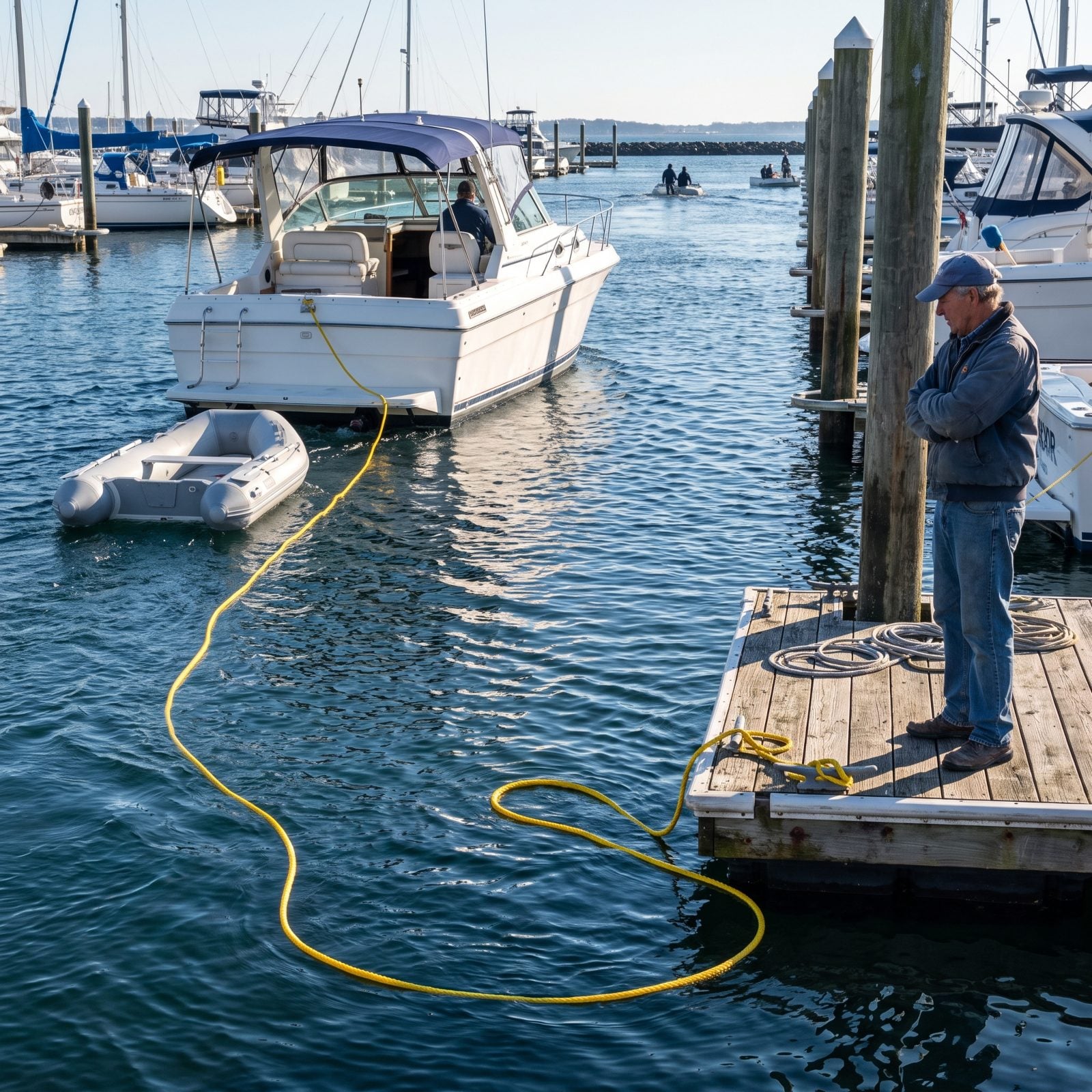
Watch an old hand come into a crowded fairway with a dinghy on a long line and you’ll understand the worry. The moment the boat slows, that towline goes slack and floats straight for the propeller.
A wrapped towline can stall an engine at the worst possible second — usually mid-turn, with boats on both sides. Marina crews shorten the tender in close, or hang it on davits, precisely because that slow crawl near the dock is when a float line does the most damage.
17. An Outboard or Sterndrive Is Trimmed Poorly for Low-Speed Control
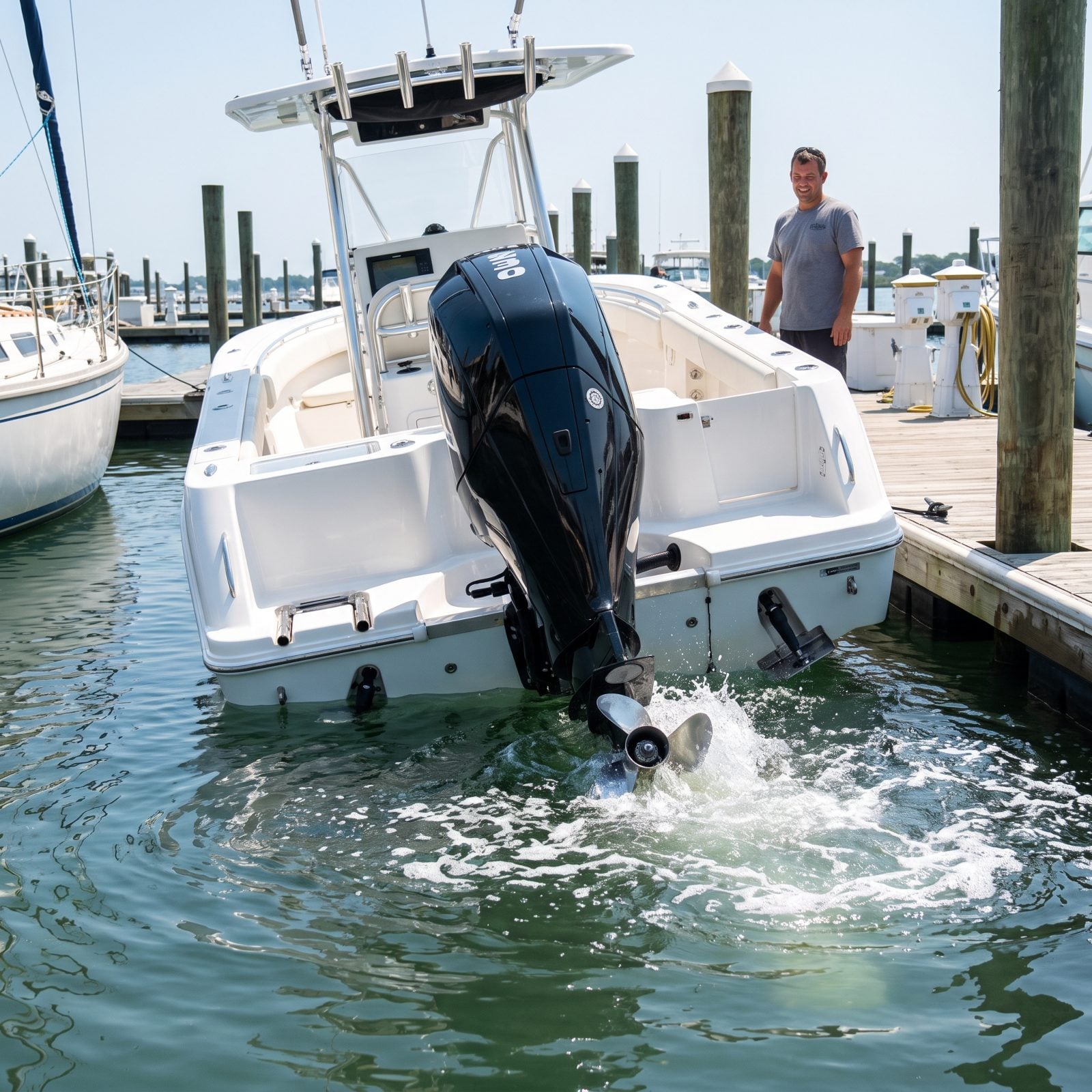
Trim tells on a boater before the lines ever touch the dock. An outboard trimmed all the way up near the surface starts ventilating at low speed, the prop grabbing air instead of water, and suddenly the boat answers the helm half a beat late.
In open water that’s a shrug. In a tight slip with a crosswind, that half beat is the difference between a clean landing and a fiberglass repair bill. Staff see the prop wash go white and foamy and they brace, because the boat has lost the bite it needs to steer.
16. Fenders Are Missing, Misplaced, or Set at the Wrong Height
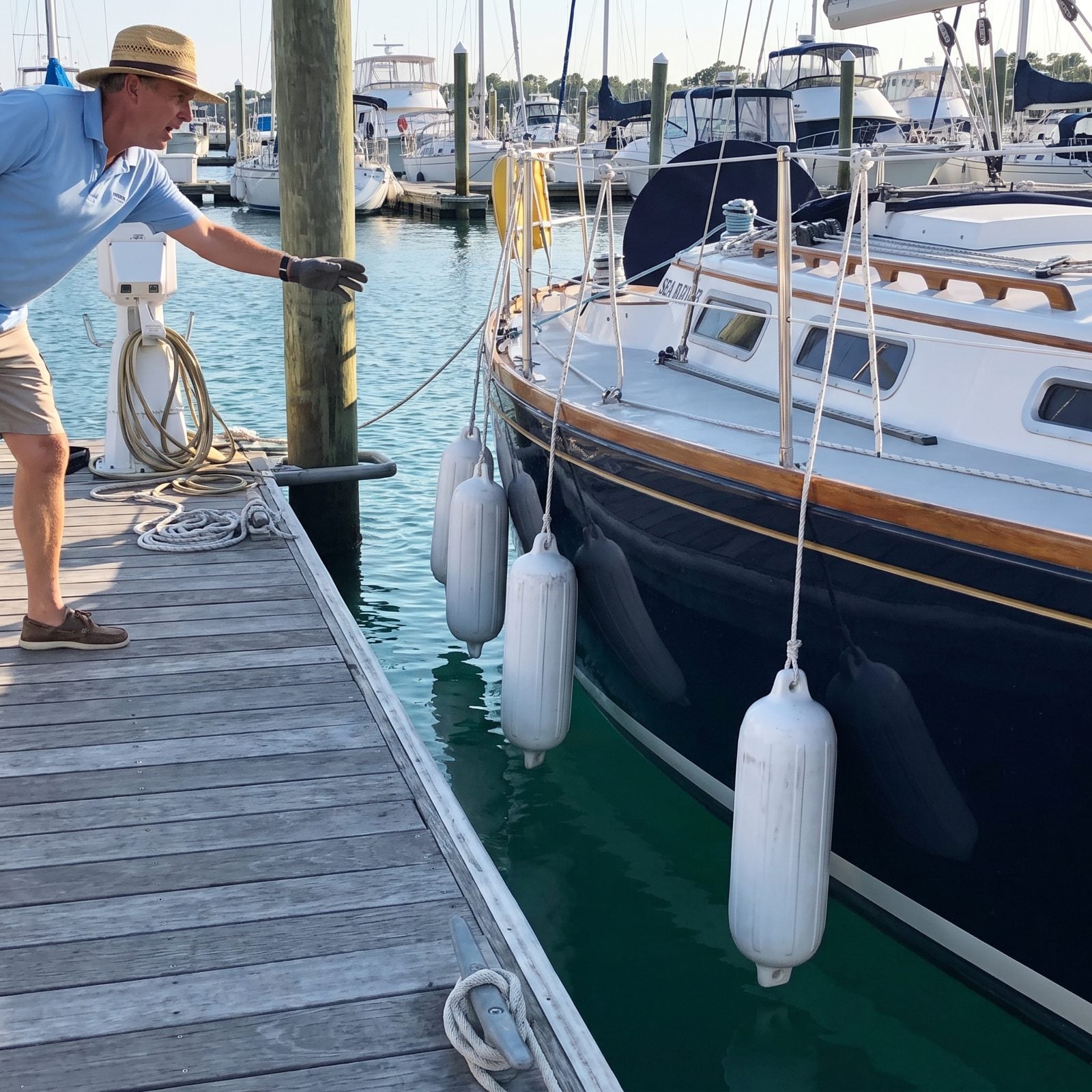
Fenders are the cheapest insurance on the boat, and the most commonly rigged wrong. Too high and they ride above the dock, too low and they just swing in the water doing nothing, set on the wrong side and the crew is scrambling at the worst moment. Good staff glance at fender height on the approach and already know whether the hull is about to take a scrape.
The fix is boring. Hang them at rub-rail height, on the side you’re actually landing, before you turn into the slip.
15. Dock Lines Are Too Short, Too Stiff, or Not Ready to Deploy
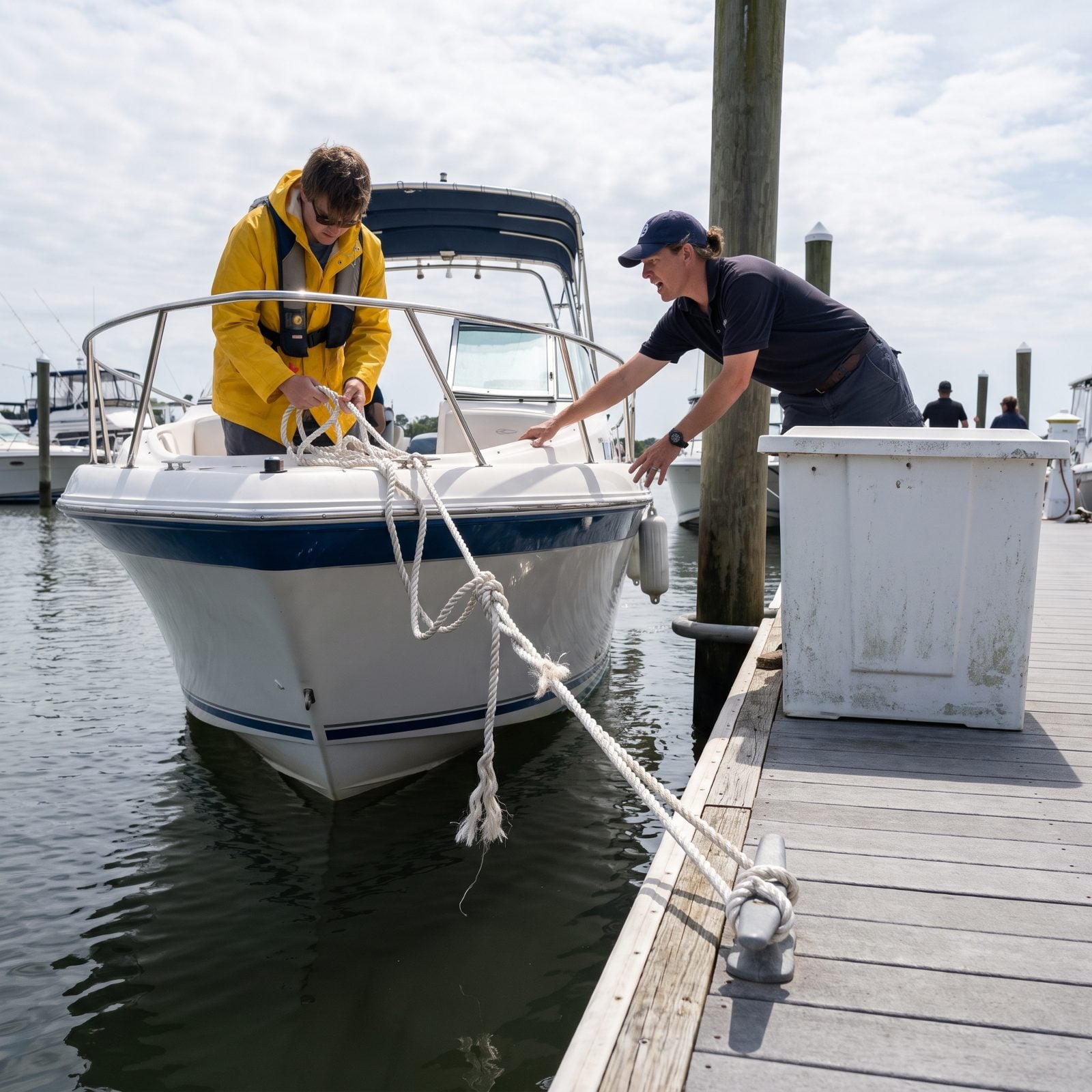
You can spot the panic from fifty feet off. A line too short to reach the cleat. A coil that won’t run. Rope so stiff it still holds the shape of the locker it’s been crammed into for three seasons.
Soft, supple nylon in the right length, flaked and ready at bow and stern, turns a landing into a non-event. And honestly, staff would rather catch a line that’s a little long than chase a boat that came in with nothing ready to throw.
14. Dock Lines Are Not Prepared for the Current Tide Range
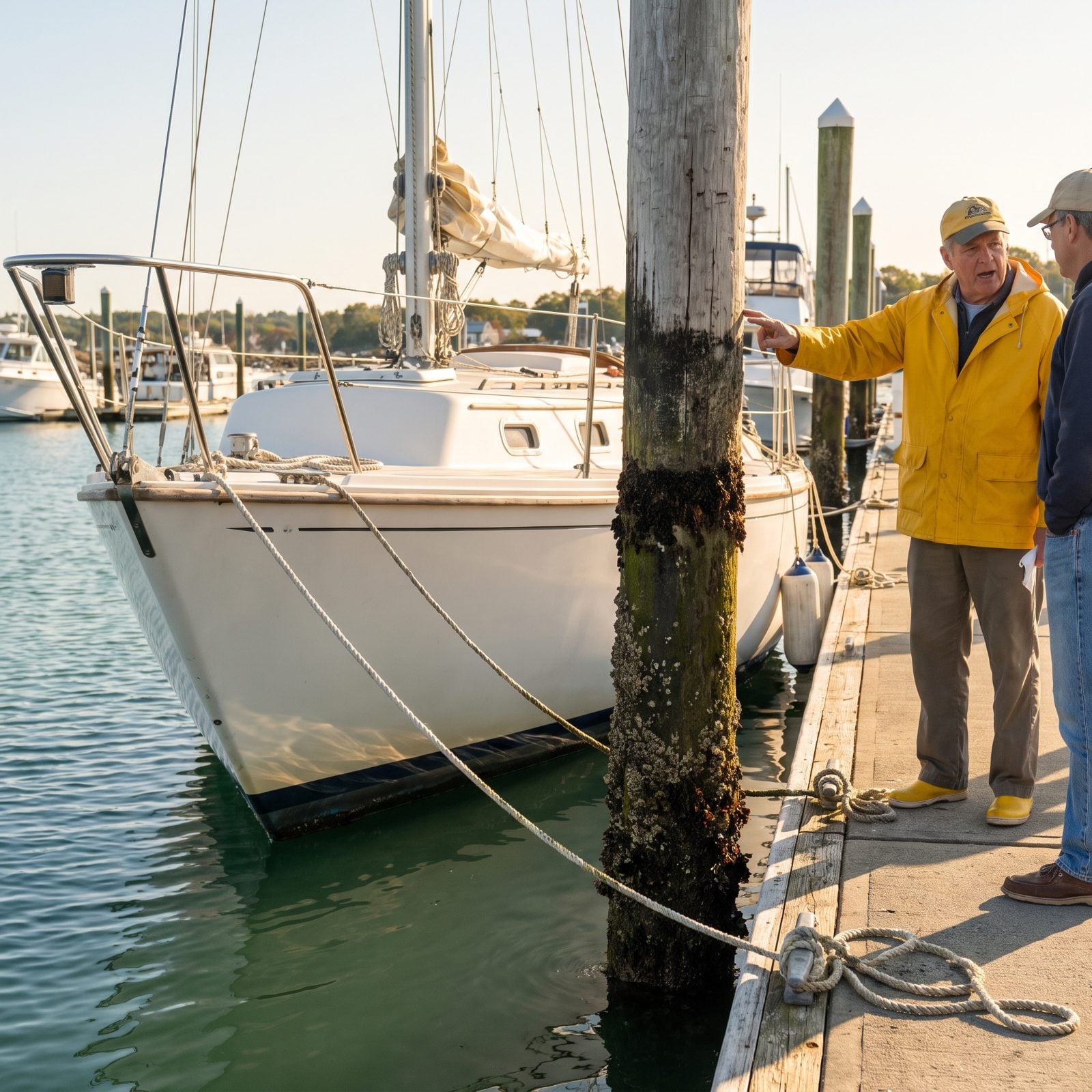
Freshwater skippers tie up and walk away. Bring that habit into a tidal harbor and the boat ends up hanging by its cleats at low water, or straining the hardware at high.
The giveaway is that dark band on the pilings — the stripe of barnacle and weed that marks how far the water moves. Crews in a tidal marina watch for lines tied drum-tight at mid-tide, because a boat with no room to rise and fall is a slow-motion problem waiting for the next cycle.
13. A Fixed Dock Is Being Treated Like a Floating Dock
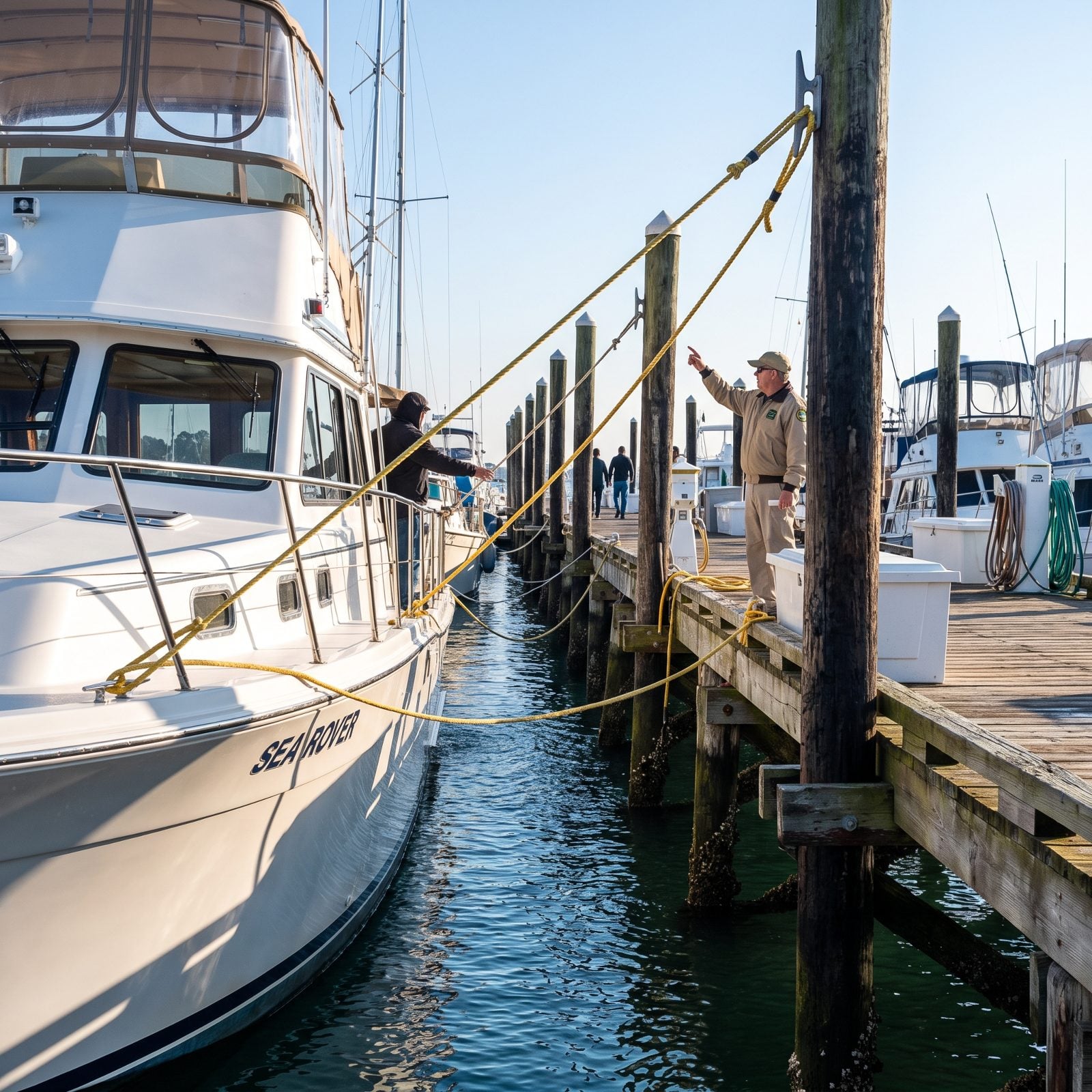
A fixed dock does not move with your boat. The water does. Tie to it as though it floats and the lines go slack, then suddenly tight, as the level climbs and drops beneath you.
On a fixed pier the lines need length and the right angles — often up and out to pilings — so the boat can ride the range without sawing against the structure. Staff can tell at a glance whether a crew has read the dock in front of them, or just defaulted to the floating-dock habits from back home.
12. A Spring Line Is Rigged Before the Boat Reaches the Slip
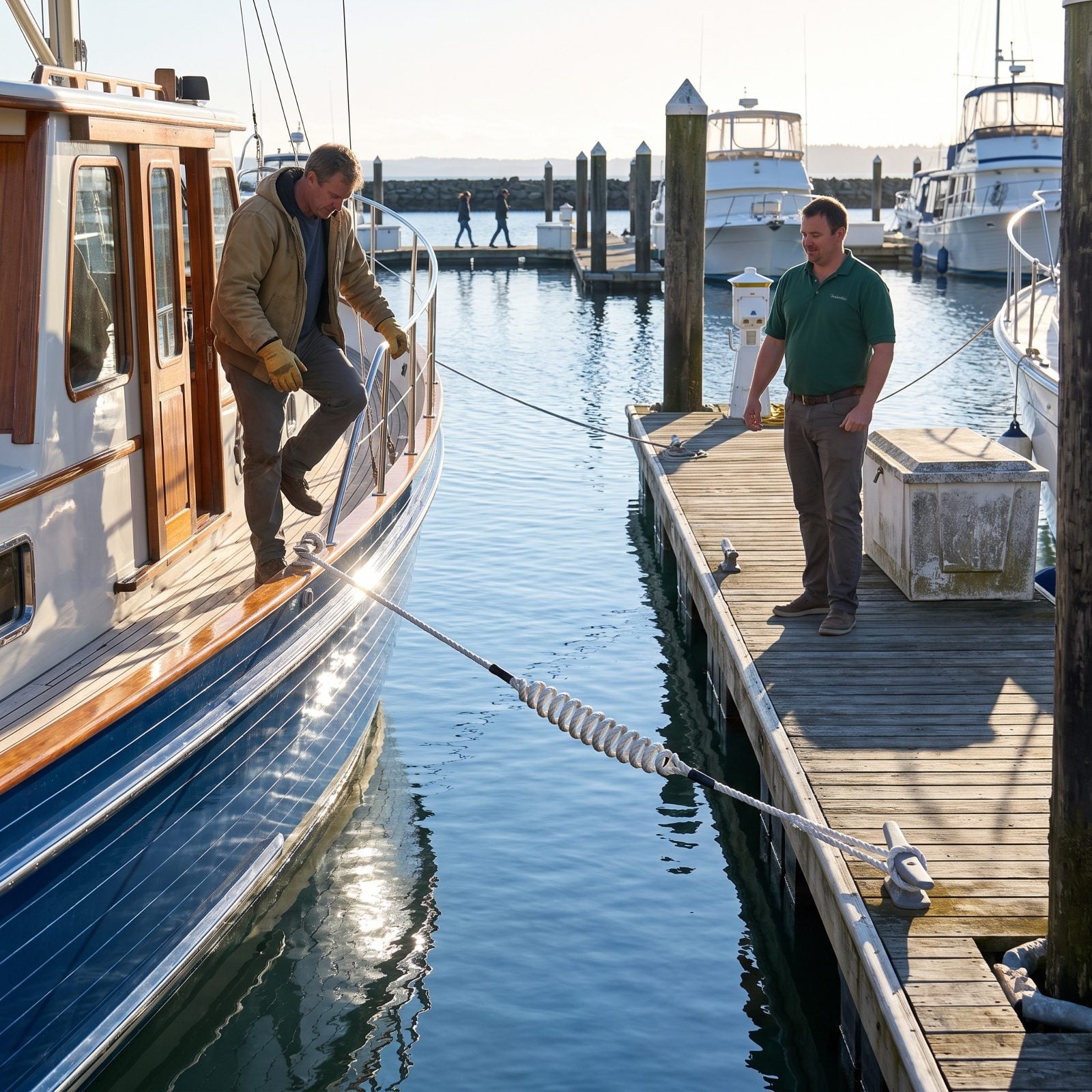
The crews that make it look easy almost always have the spring line ready before they turn in. One line, led from a midship cleat, dropped over the dock, and the boat parks itself against it with a touch of throttle.
Staff relax the second they see that spring already rigged, because it means the landing has a plan instead of four people flinging ropes and hoping. One habit, really, is what separates a smooth arrival from a circus.
11. The Crew Throws an Entire Coil Instead of a Usable Loop
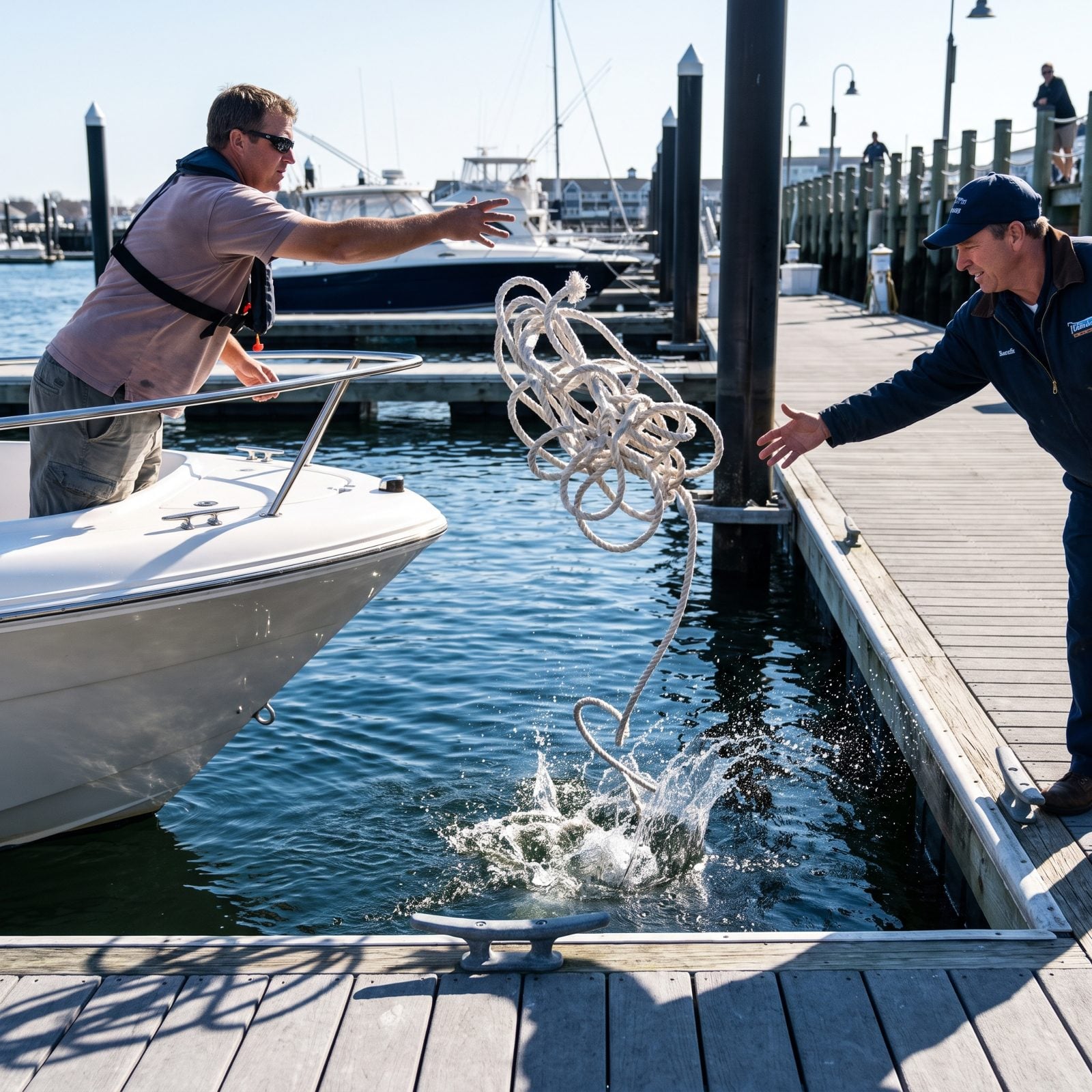
Heaving a whole coil at a dockhand feels helpful. It’s the opposite. The coil opens in the air, tangles on itself, and lands in a heap nobody on the dock can grab or cleat.
What they actually want is a clean loop, or a line fed with a little weight at the end, thrown so it opens and lands within reach. Staff would honestly rather you hand it across than lob a bird’s nest that takes half a minute to pick apart while the boat drifts off.
10. Someone Is Standing Inside a Loop of Dock Line
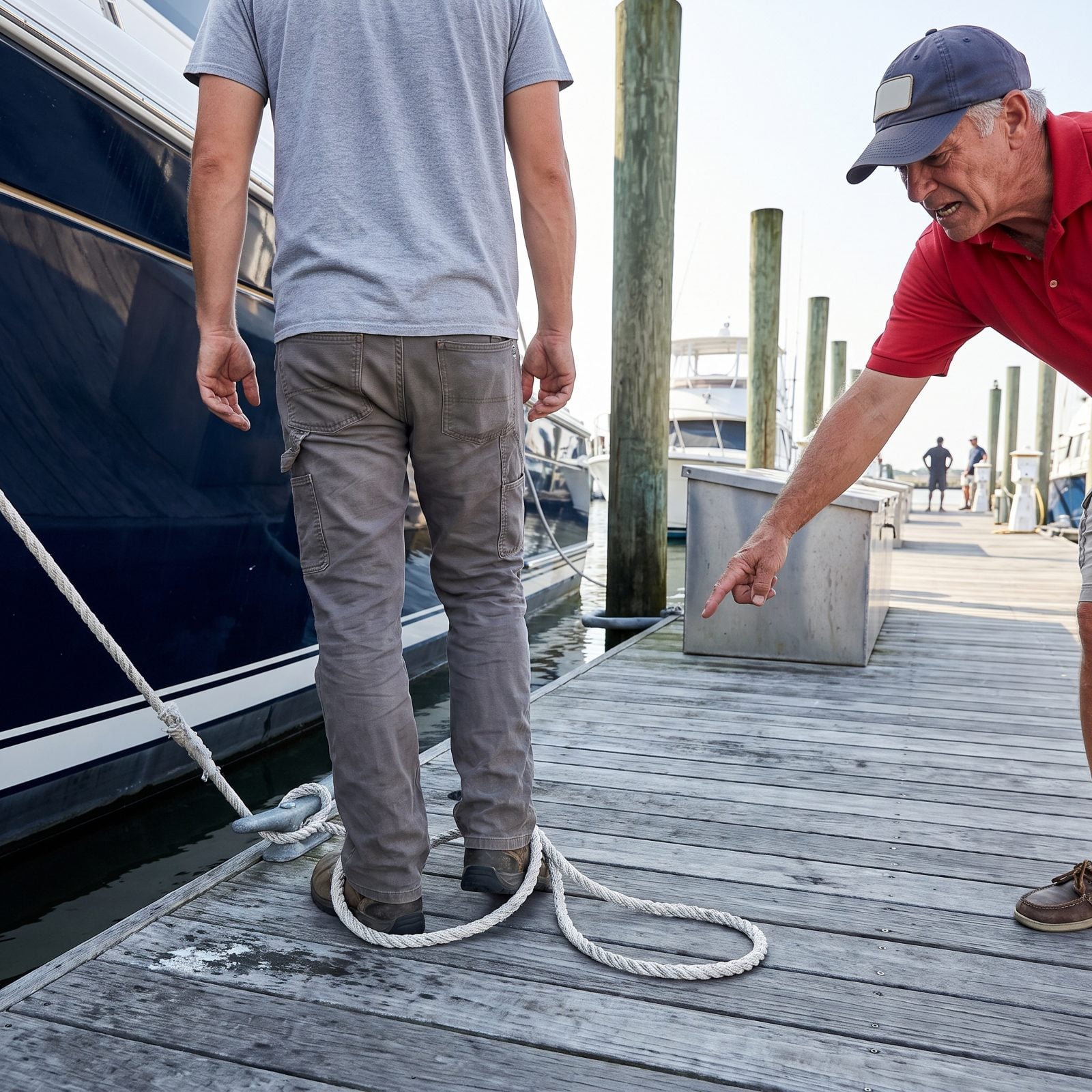
This is the one that makes seasoned staff stop breathing for a second. A person steps up to take a line and, without noticing, has a foot sitting inside a loop of rope on the deck.
If that line comes tight under load — wind or current dragging the boat — the loop snaps shut around the ankle with enough force to break a leg. Maybe worse. It’s the scariest thing a dockhand sees, and the easiest to avoid. Stand clear of every bight, keep your feet out of the rope, and never put a hand or foot where a line could run.
9. A Crew Member Wraps a Line Around a Hand
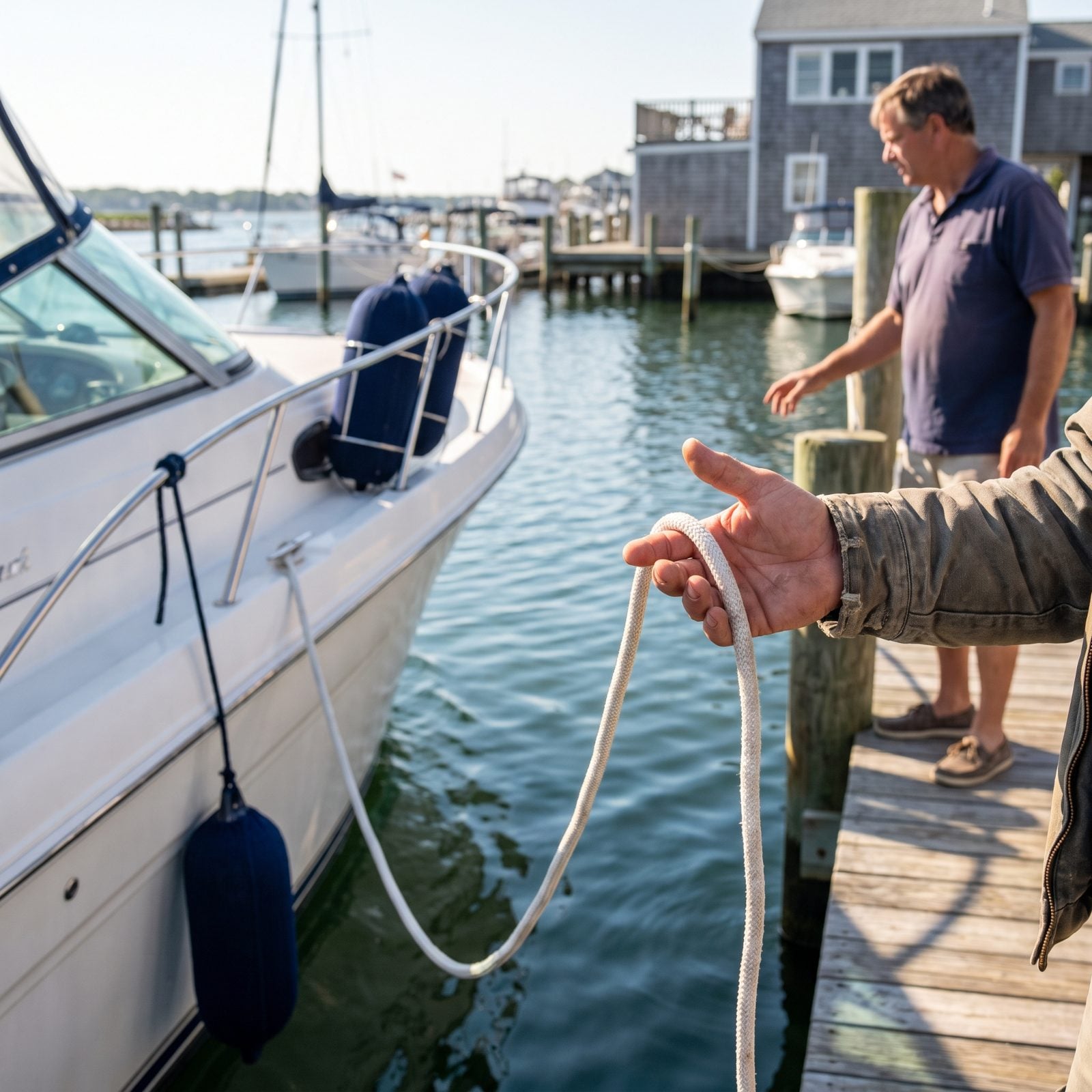
The first thing dock staff clock is the hand. A line looped around a palm or wrist while the boat still has way on it is one of the scariest things they’ll see all day, and they see it over and over.
A moving boat doesn’t stop because your hand says so. A thousand-pound hull drifting against a cleat will take a finger off — it has, more than once. So keep it simple: lay your turns on the cleat, hold loose coils in an open hand, and never a closed loop.
8. Coolers and Gear Block the Side Deck Used for Disembarking
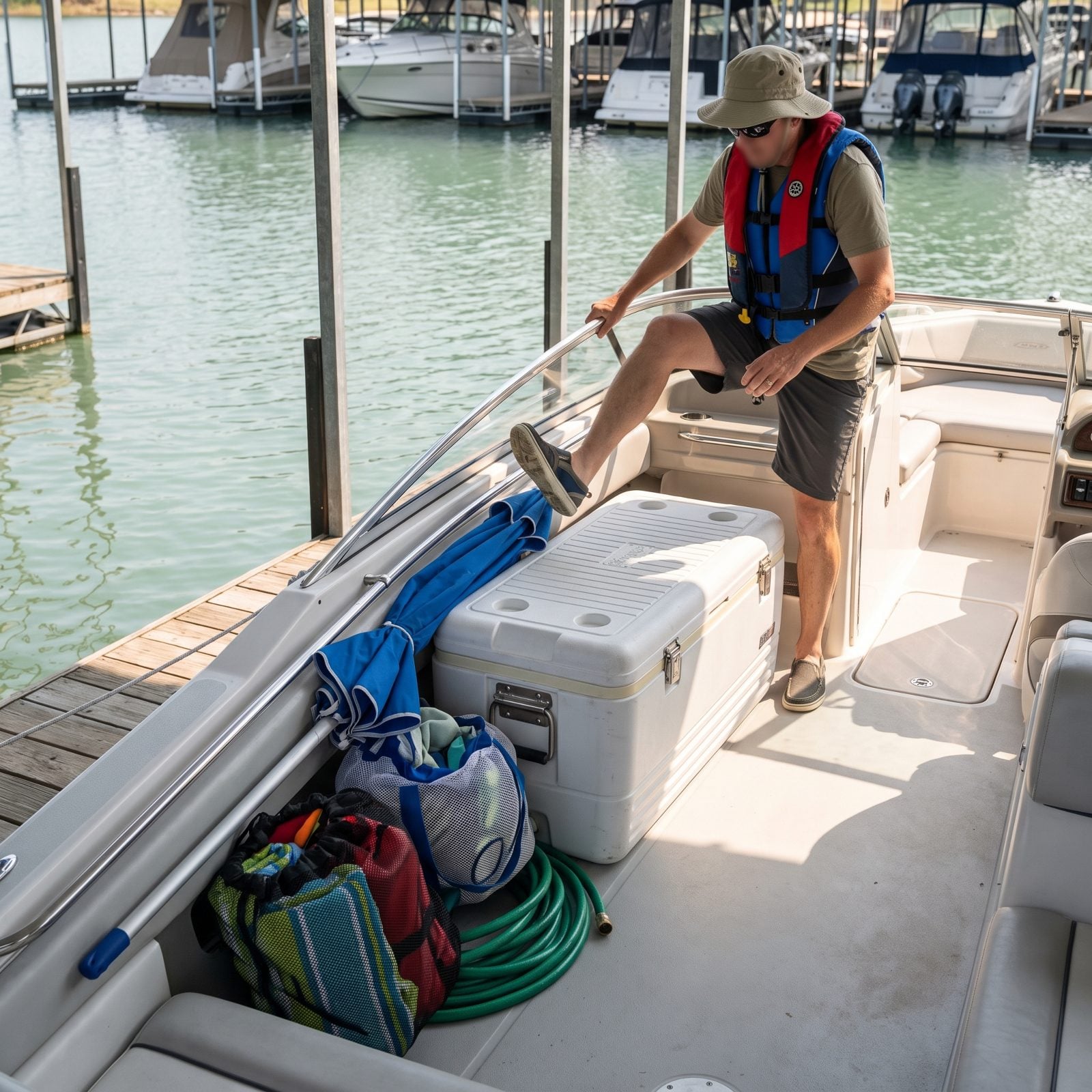
Gear piled on the gunwale tells the staff exactly how the landing will go before anyone throws a line. That side deck is your path off the boat, and if a cooler’s sitting on it, somebody ends up stepping over it — onto a cleat, or straight into the gap between hull and dock.
That gap is where ankles roll and shins find the dock edge. Staff watch people high-step an Igloo like it’s a hurdle, and they wince every time. Stow the heavy stuff low and central before your approach, not after.
7. Loose Canvas Catches the Wind During the Turn
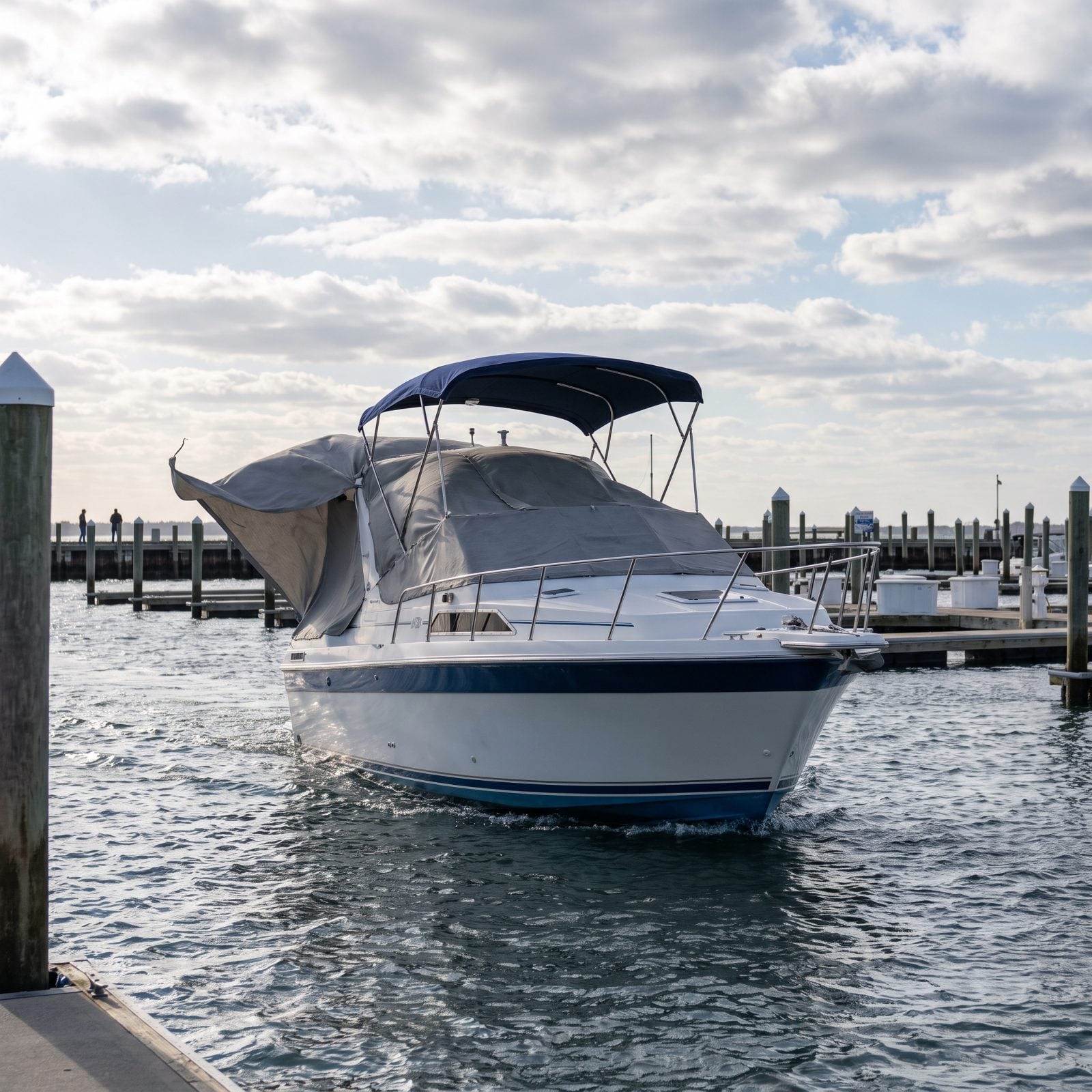
Canvas is a sail you didn’t mean to raise. A flapping bimini or half-off cockpit cover turns a routine docking into a wrestling match, and staff catch it the second the boat starts crabbing sideways in a gust.
Loose fabric grabs wind. The bow wanders, and suddenly you’re fighting the breeze instead of steering the boat. Zip it down or strike it entirely before you commit to the turn. A boat with everything tied down handles the wind like it’s barely there — one flapping panel and it flies like a kite.
6. A Strong Fuel-Vapor Smell Is Coming From the Boat
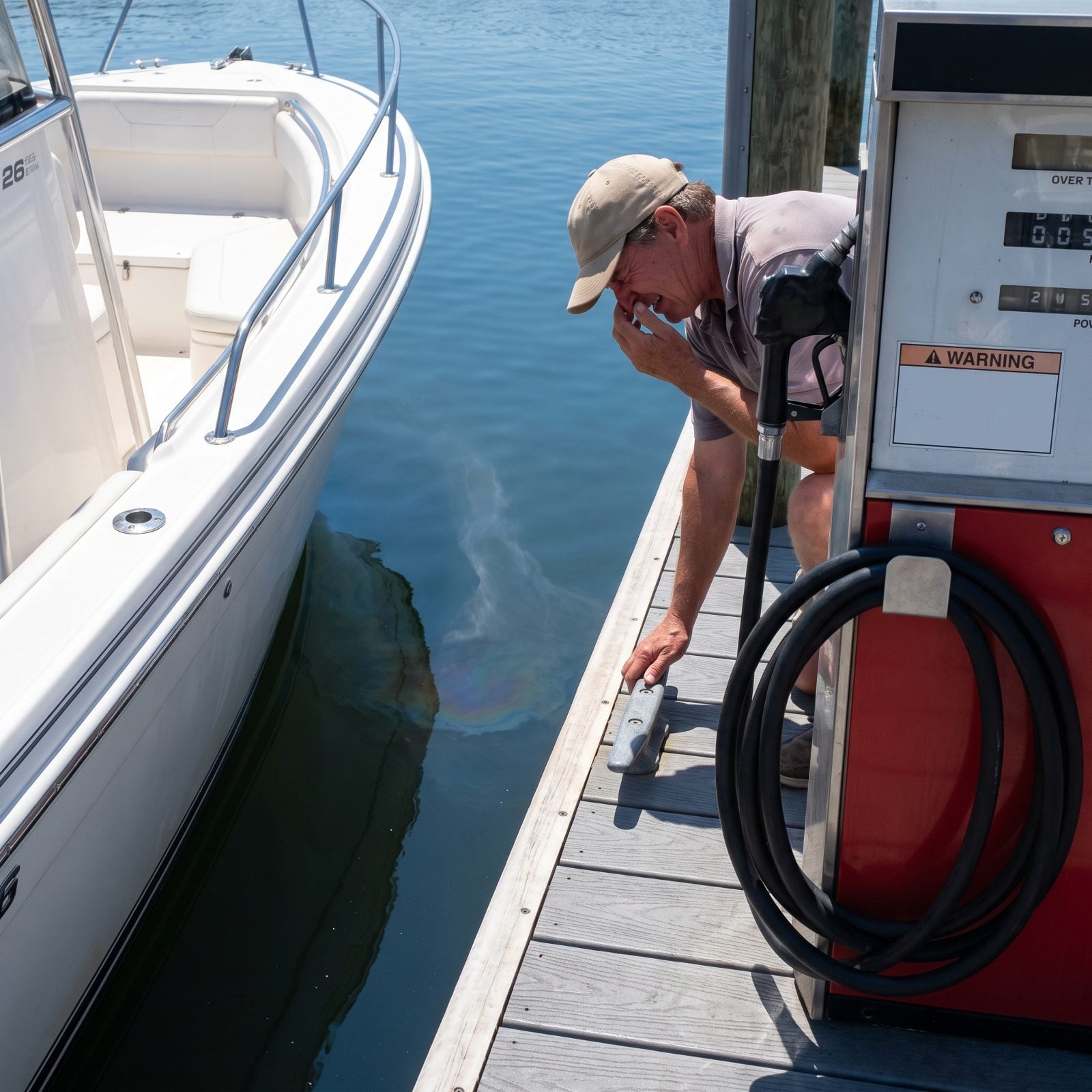
Raw gasoline is the one smell that makes a dockhand stop everything. Those vapors are heavier than air, so they settle low around the hull and hang over the water — sometimes as hazy wisps you can actually see, waiting for a spark.
This is no quirk. Boat fires and blow-ups almost always trace back to vapors everybody could smell — and sometimes even see — but nobody acted on. If staff catch that sharp, eye-watering note as you pull in, they’re not being nosy. They’re reading a warning.
5. Someone Is Smoking Near the Fuel Dock
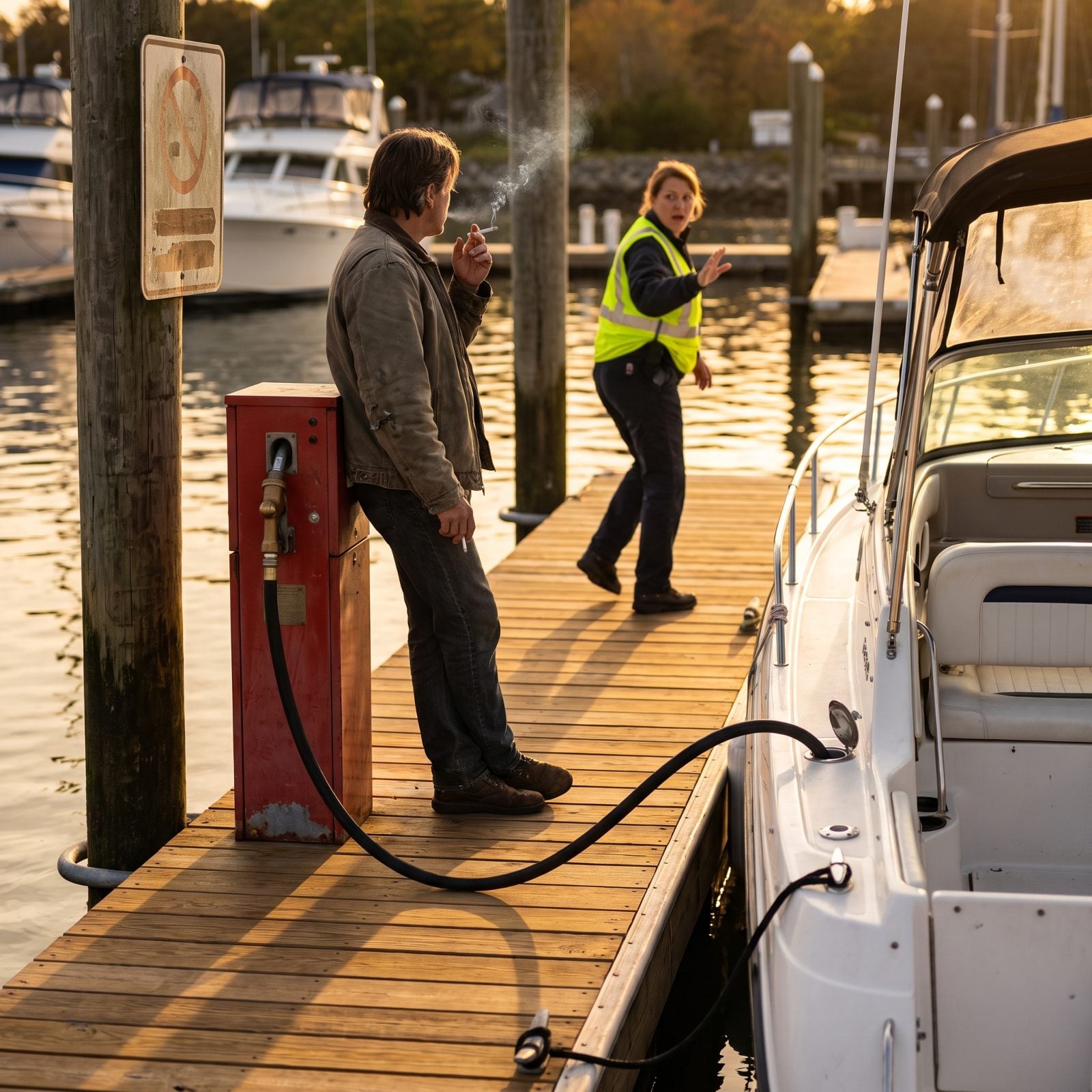
A cigarette anywhere near the fuel dock gets staff moving fast. Vapors drift. They pool in low spots and hang in still air, and a lit ember is all it takes.
Every fuel dock posts a no-smoking rule, and it’s not some overcautious marina being fussy. Open flames and fuel vapor go back a long, ugly way together. If a dockhand asks you to put it out, that’s the fastest no-questions-asked request they’ll ever make. Do it right then.
4. The Fuel Cap Is Being Confused With the Water or Waste Fitting
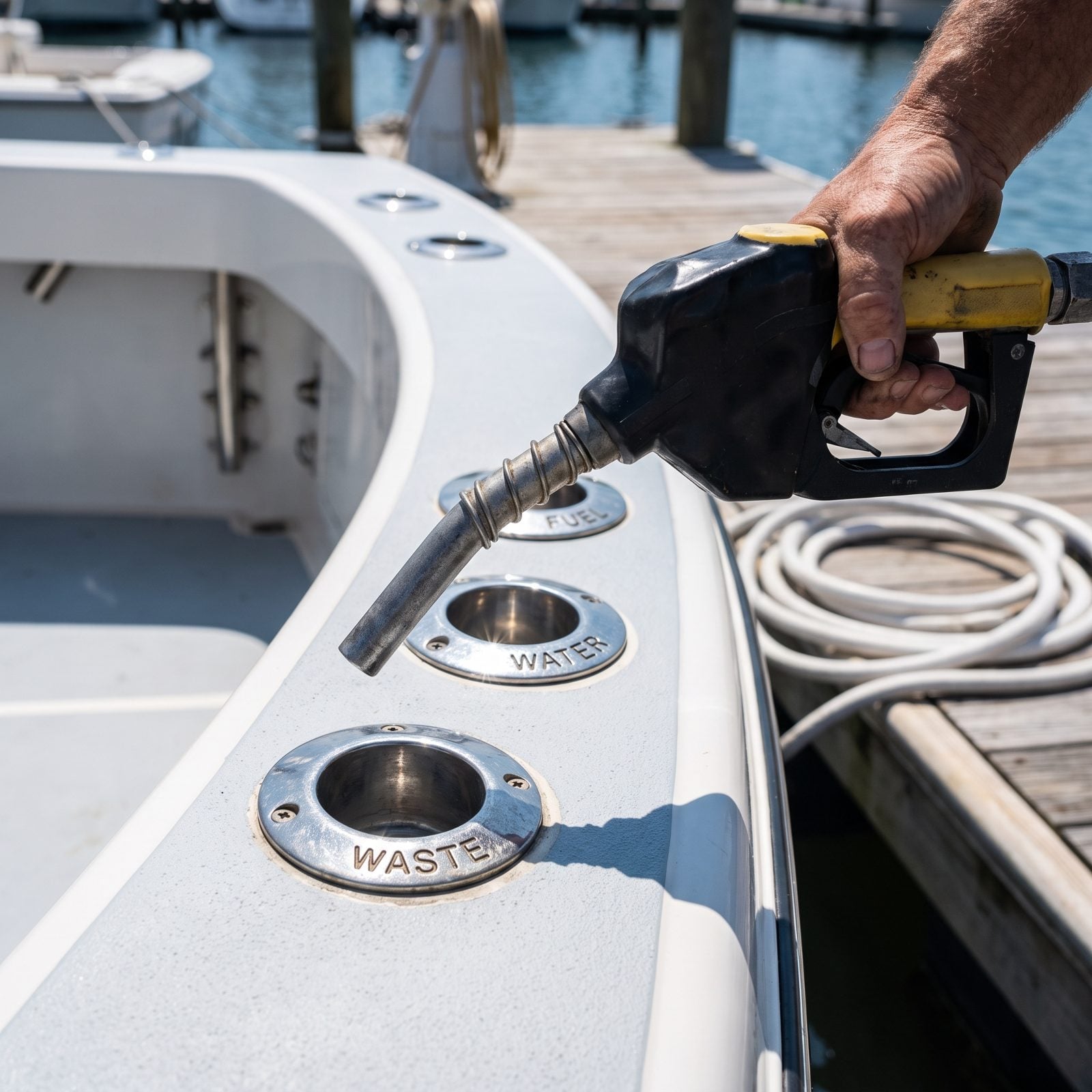
Three deck caps, all round, all stainless, all flush in the same gray non-skid. Staff have watched more boaters than they can count hover a fuel nozzle over the water fill — or, worse, the waste fitting.
Pump gas into your freshwater tank and you’ve got a mess and a long cleanout ahead. Pump it into the wrong line and you can brew up a fume problem that’s genuinely dangerous. That’s why good dockhands glance at the cap before you squeeze the trigger. The caps are usually stamped FUEL, WATER, and WASTE — but sun and salt wear those letters down to ghosts. Read it twice.
3. A Sewage Odor Suggests a Holding-Tank or Vent Problem
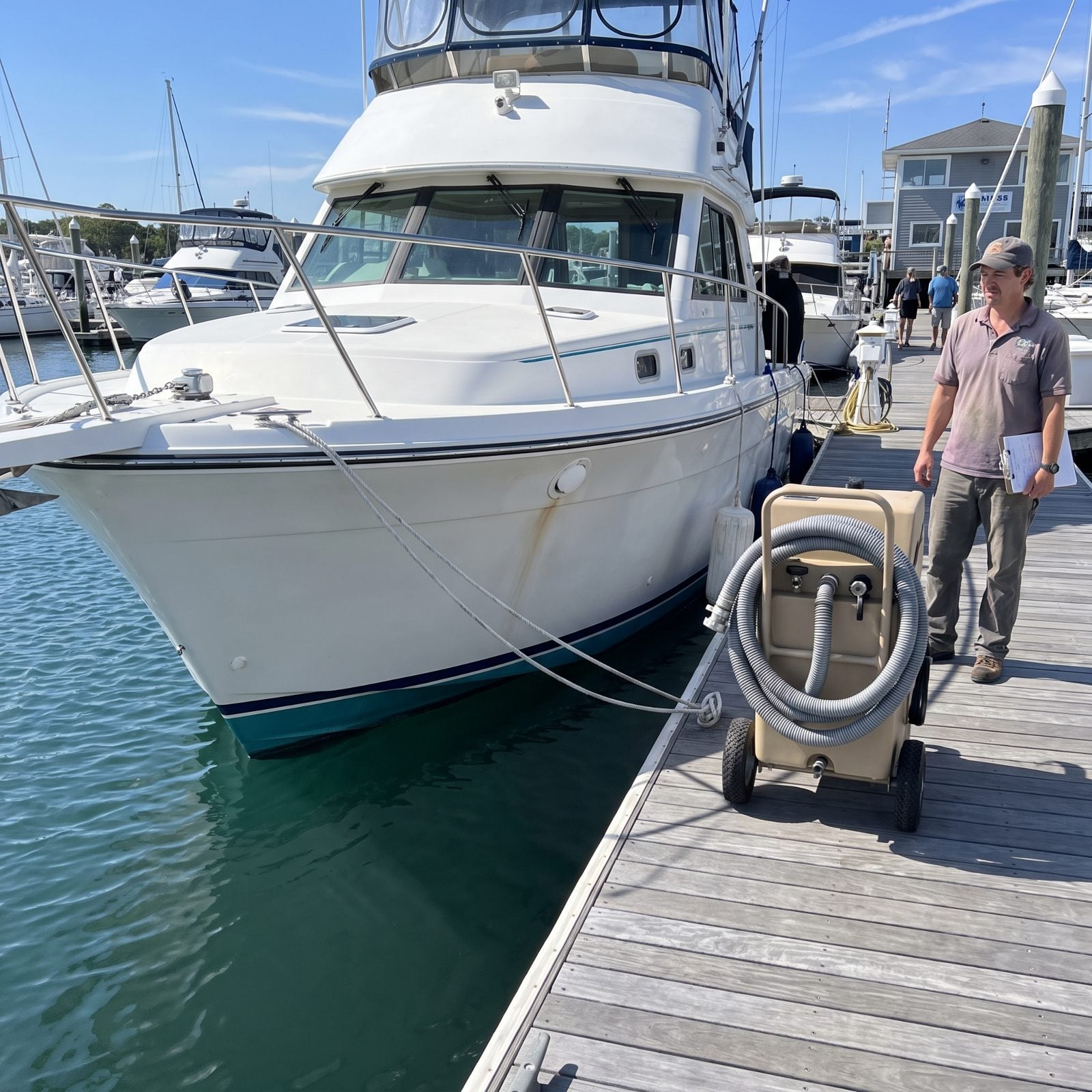
You know the smell. Nobody has to describe it. When it rolls off a boat as it ties up, staff immediately think holding tank — a clogged vent, a full tank, or a hose that’s finally let go.
A plugged tank vent is the usual culprit, and it’s a sneaky one. Pressure builds, seals start to weep, and the whole cabin reeks. The fix sits right on the dock: the pump-out station almost every marina keeps, often cheap or free. Staff will steer you there before they’ve even finished tying you off, and honestly, they’re doing you a favor.
2. Aquatic Weeds Are Wrapped Around the Propeller or Intake
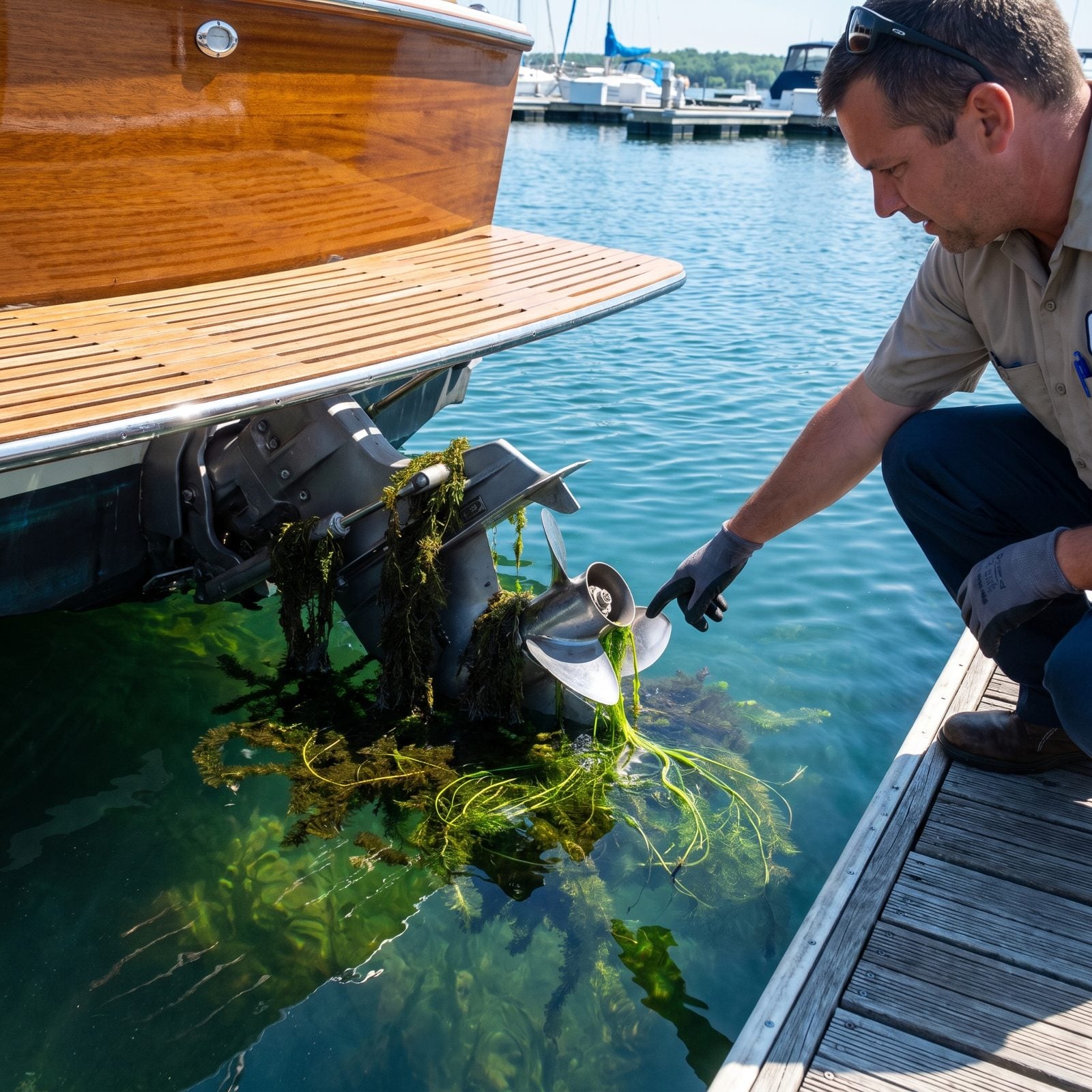
A wad of weed strangling the prop is easy to read from the dock. And in some lakes it’s about far more than a sluggish engine — milfoil and other invasives hitch rides between waterways on fouled props, trailers, and intakes.
That’s why so many lakes run inspection and clean-drain-dry rules at the ramp. A clogged water intake also means your engine isn’t cooling, and that’s the kind of problem that empties a wallet fast. Pull the weeds off before you launch and before you leave — you protect your engine and the lake in one move.
1. Fishing Hooks and Gaffs Are Exposed Where Staff Grab Lines
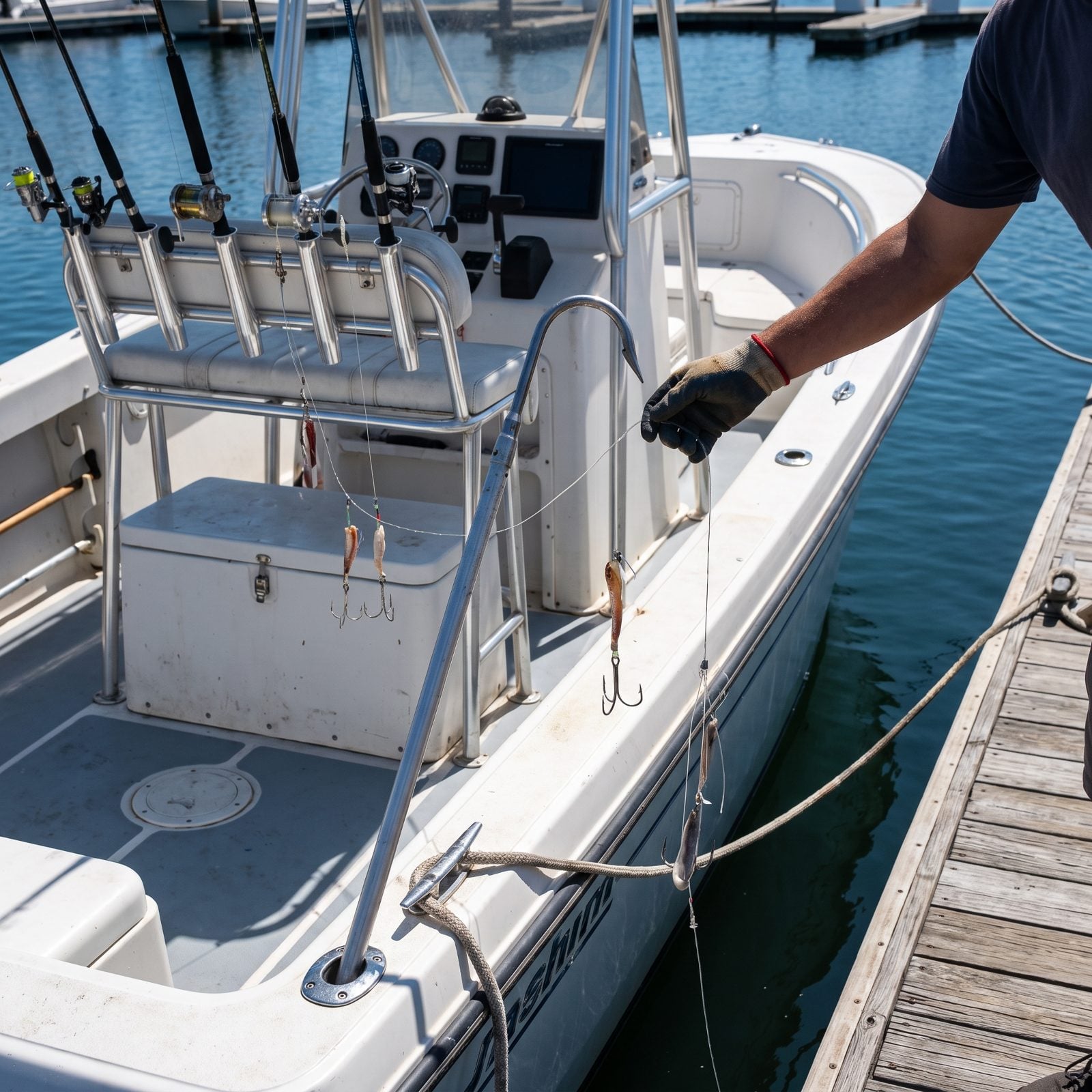
Fishing boats carry their own kind of trouble, and it’s the sharp kind. Treble hooks swinging off the gunwale. A gaff leaned against the exact rail where someone grabs to steady the boat. Lures dangling right where a line gets handled.
Dockhands reach for the toe rail or the cleat without looking, out of pure habit, hundreds of times a day. One hook buried in a palm ends the day for everybody. So stow your rods in holders, cap the hooks, and tuck the gaff point-down and out of the grab zone before you come alongside. The folks helping you tie up shouldn’t have to dodge your tackle.